
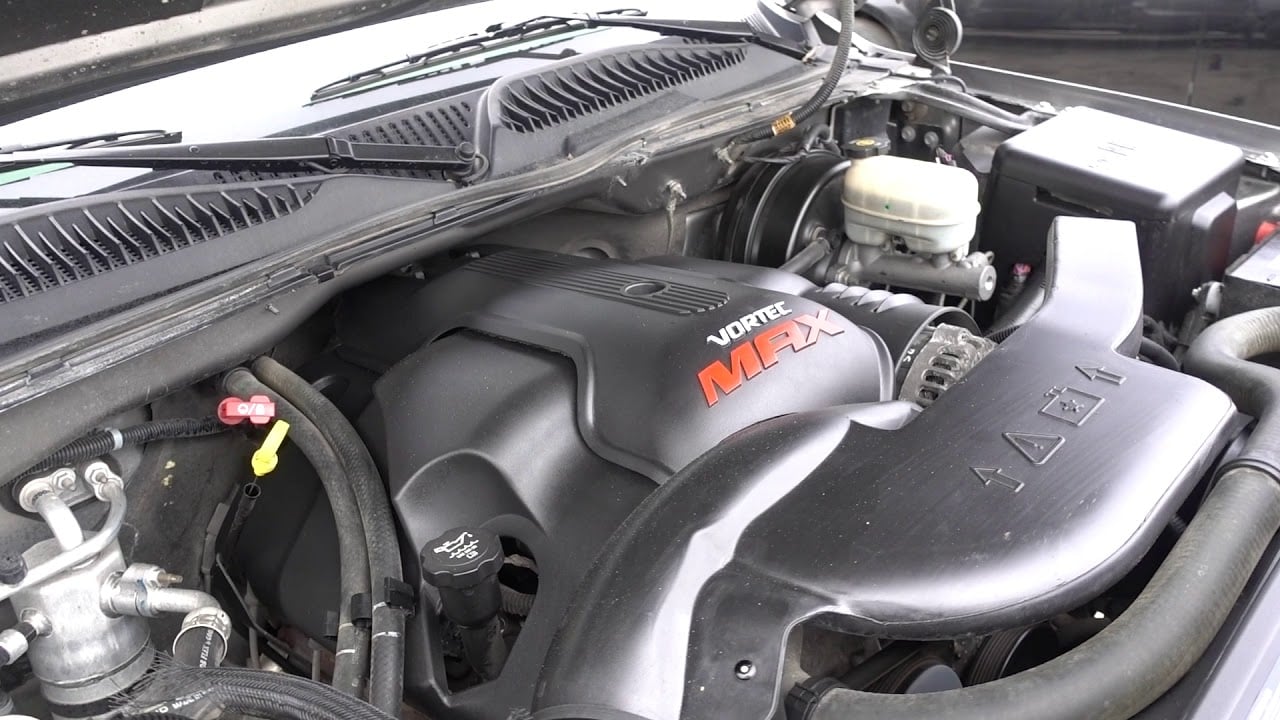
Few engine families in automotive history have earned the kind of devotion that the GM LS V8 commands, and that devotion is built on a foundation of documented, real-world durability that spans two decades of production and millions of examples in the field.
Ask any mechanic who has worked on American vehicles for twenty or more years which engine they most frequently see running strong at 250,000 miles, and a large proportion of them will mention the LS without hesitation.
What makes the LS durability conversation interesting is that not all LS variants are created equal. This is a family of engines built around a shared architecture, and that shared foundation delivers exceptional baseline durability across the entire lineup.
But within that family, specific variants distinguish themselves through material choices, displacement decisions, cooling system engineering, and application context that produce long-term durability outcomes ranging from exceptional to legendary.
Understanding which variants earned which tier of durability reputation requires looking at real-world evidence from the vehicles that carried these engines in demanding conditions across hundreds of thousands of miles of use. This ranking focuses on long-term durability in the context of actual vehicle use rather than theoretical engineering analysis or competition application.
A variant that performs brilliantly in racing but requires frequent rebuilds does not rank highly in a durability ranking. A variant that accumulates 300,000 miles in a work truck without major mechanical intervention, serving owners who do not have the time, the interest, or the budget for engine babying, ranks very highly indeed.
Nine LS variants, ranked from most to least durable based on real-world evidence, owner community data, mechanic consensus, and the documented service histories of the vehicles that carried them. If you are building a project, evaluating a purchase, or simply curious about which LS has the best long-term track record, this is the ranking worth reading carefully.
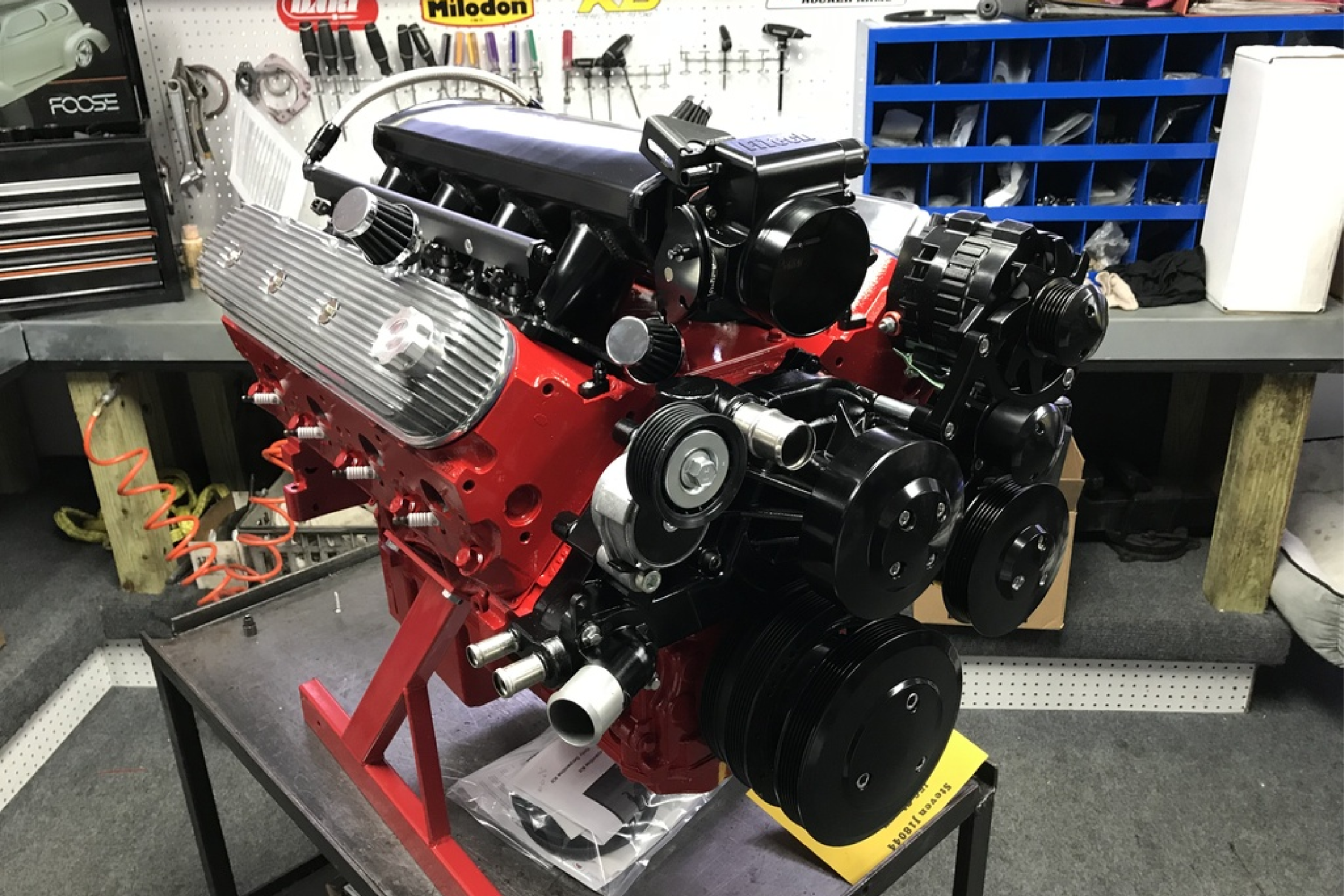
1. LQ9 6.0-Liter Iron Block (Vortec 6000)
Ask experienced LS engine builders which variant they would choose if the only criterion were long-term survival under hard use with imperfect maintenance, and a substantial proportion of them will say the LQ9.
This iron-block 6.0-liter, used primarily in Chevrolet and GMC full-size trucks and SUVs, accumulated a real-world durability record across millions of examples that established it as the benchmark against which other LS variants are legitimately compared.
Cast iron block construction is the starting point for understanding LQ9 durability. Iron expands and contracts more consistently than aluminum under thermal cycling, and the greater wall thickness of cast iron construction provides structural resilience to overheating events that would crack or warp aluminum blocks.
Work trucks and SUVs carrying the LQ9 frequently operated in conditions that thermal-stressed the cooling system, whether towing heavy loads in summer heat, idling in traffic while working air conditioning against high ambient temperatures, or operating in service environments where coolant maintenance was not always attended to on schedule.
Iron blocks tolerate these conditions with more forgiveness than their aluminum counterparts. Displacement of 6.0 liters from a 4.0-inch bore and 3.62-inch stroke created an engine that operated comfortably within its mechanical limits at the power and torque outputs required for truck and SUV applications.
An engine that is not being asked to produce near its maximum output consistently generates less heat per hour of operation, places less stress on rod and main bearings per revolution, and experiences less thermal cycling per mile of driving than an engine producing output near its ceiling.
LQ9 power output in most truck applications ran between 325 and 345 horsepower, which, for a 6.0-liter V8, represents very modest specific output that contributed directly to durability.
Real-world LQ9 durability documentation spans a wide range of vehicle applications and use patterns, but the consistent high-water marks come from work truck use, where LQ9-powered Chevrolet Silverado 2500 and GMC Sierra 2500 examples accumulated 300,000 to 400,000 miles on original engines with maintenance that was good but not exceptional.
Fleet operators who ran LQ9-powered trucks in delivery and service applications documented engine service lives that contributed directly to the LQ9’s position at the top of any honest LS durability ranking. Placing the LQ9 at the top of this list is not a controversial position among people who have worked on these engines across high mileage.
It is a consensus built from observation, service records, and the simple fact that more LQ9 engines have survived to extreme mileage than any other LS variant across the documented evidence base.
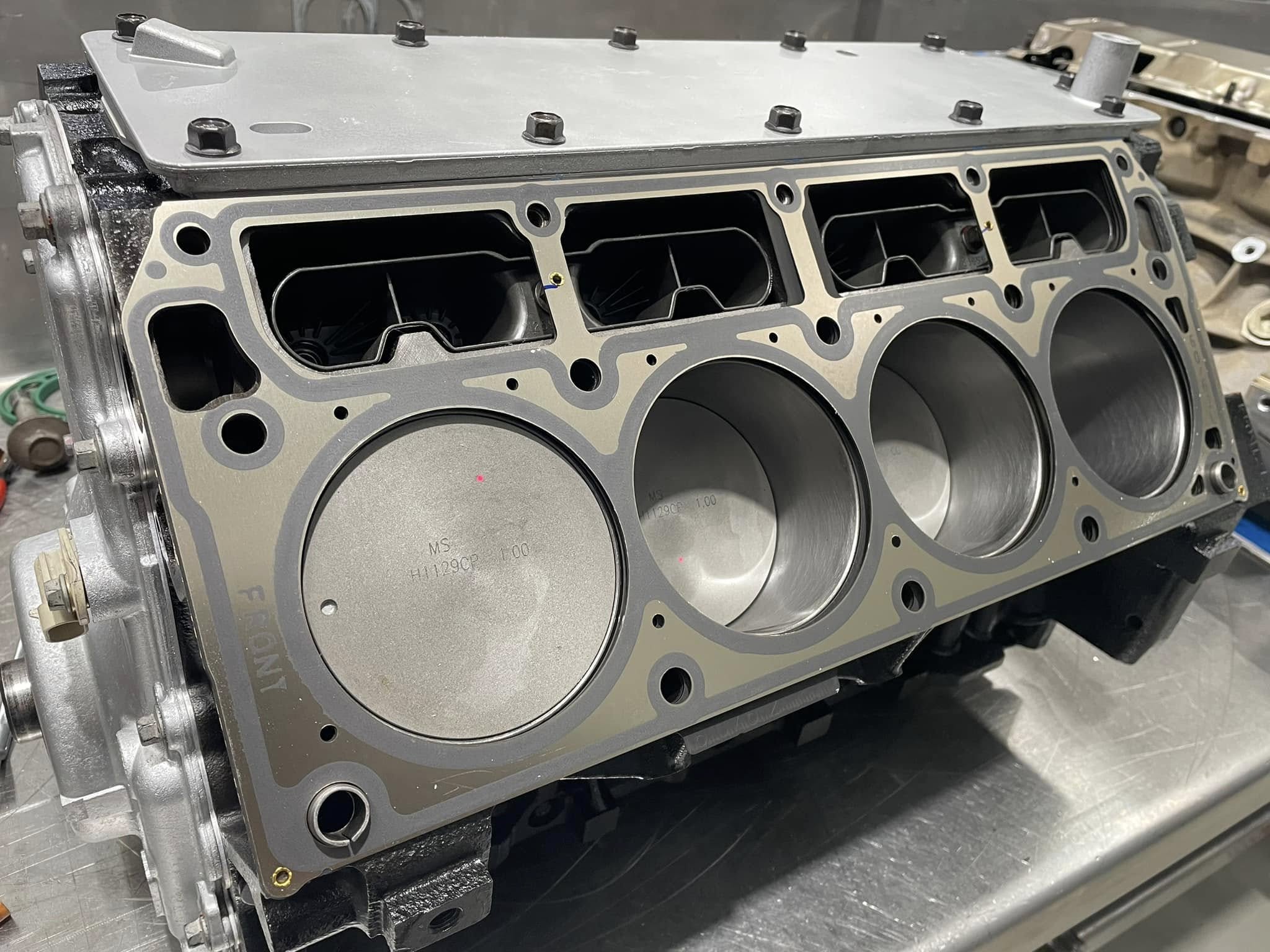
2. LY6 6.0-Liter Iron Block Flex Fuel (Vortec 6000 Flex)
Building on the same fundamental architecture as the LQ9, the LY6 6.0-liter flex fuel iron block variant earned its position directly below the LQ9 in this durability ranking by delivering essentially the same structural durability from the shared iron block design while adding ethanol fuel compatibility that required specific internal component attention from GM’s engineers.
Ethanol’s higher oxygen content and different combustion chemistry require injectors capable of higher flow rates and fuel system materials compatible with ethanol’s solvent properties.
GM’s engineering of the LY6 to accommodate E85 operation included specific injector sizing and fuel system material selection that addressed these requirements without compromising the internal engine durability characteristics that made the iron block 6.0-liter architecture so reliable in the LQ9 application.
LY6-powered Chevrolet Silverado 1500 examples from the 2007 to 2013 production period, when this variant was in active production, accumulated documented high-mileage service histories comparable to LQ9 trucks in similar work use applications.
Iron block construction provides the same thermal resilience that distinguishes LQ9 survival in imperfect maintenance environments, and the LY6’s shared bore, stroke, and rotating assembly specifications mean its fundamental mechanical durability characteristics are essentially identical to the LQ9 across the components most responsible for long-term survival.
Real-world differentiation between LQ9 and LY6 durability is marginal enough that the ranking distinction between these two variants is narrower than the ranking between either of them and the aluminum block variants that follow.
Fleet operators who ran mixed LQ9 and LY6 trucks in comparable applications rarely reported differentiated durability outcomes between the two iron block variants, which reflects their genuine architectural similarity and the common engineering foundation that both share.
Placement of the LY6 directly after the LQ9 rather than in a lower position reflects the honest assessment that the iron block architecture advantage dominates the durability picture for both variants, with any secondary differences being minimal compared to the fundamental advantage that iron block construction provides in demanding real-world use conditions.
Also Read: Top 5 Diesel Engines With the Simplest Glow Plug Systems for Cold Starts
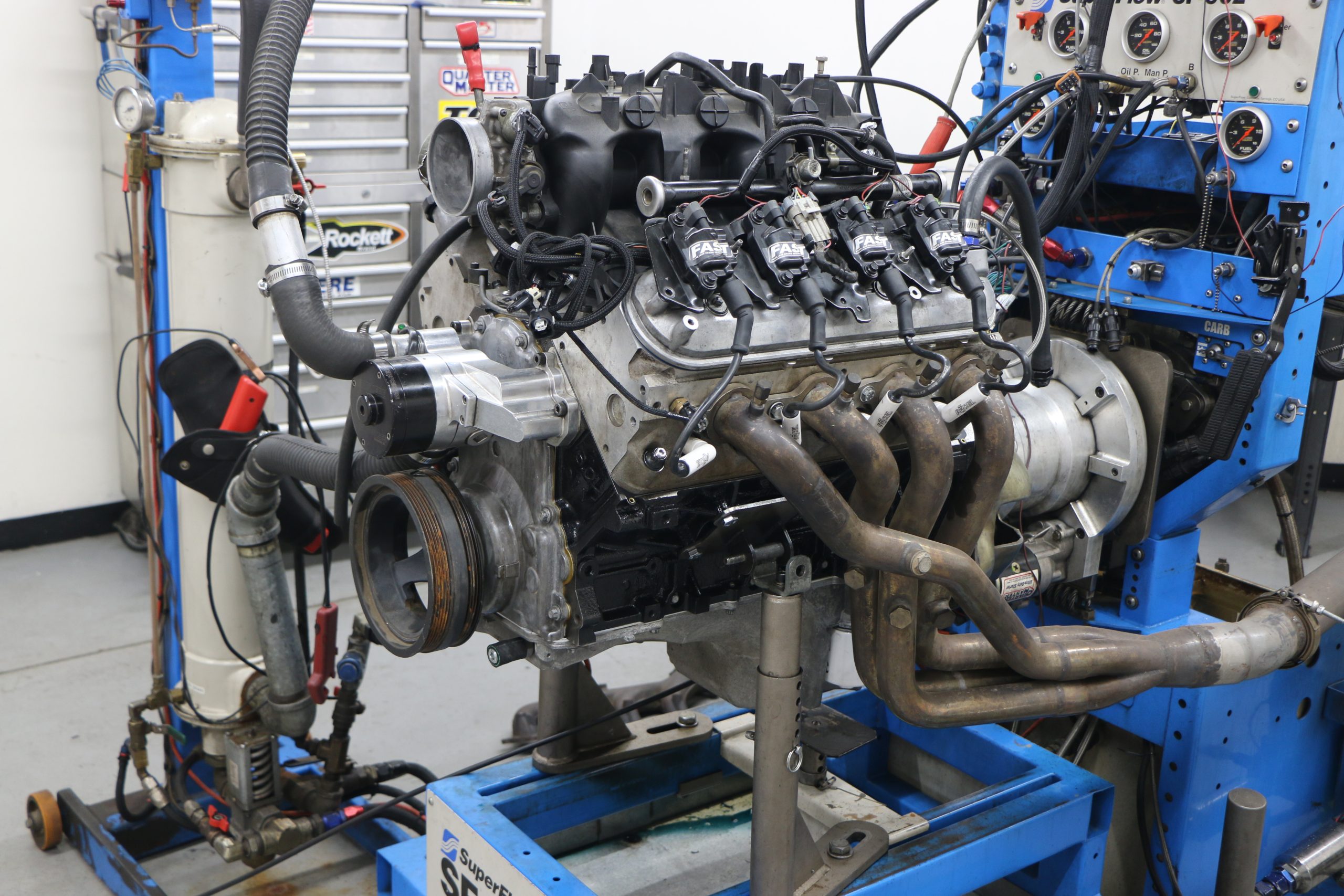
3. LQ4 6.0-Liter Iron Block (Vortec 6000, First Generation)
Before the LQ9 and LY6 established themselves as high-mileage landmarks, the LQ4 was doing the foundational work that proved the 6.0-liter iron block architecture could survive serious long-term use in demanding vehicle applications. As the first 6.0-liter iron block LS variant to enter production in full-size trucks and SUVs, the LQ4 established the durability baseline that subsequent iron block variants built upon and in some areas, improved.
GM introduced the LQ4 for the 1999 model year in Chevrolet and GMC full-size trucks, positioning it as the heavy-duty V8 option that provided substantially more torque than the aluminum block 5.3-liter variants available in the same vehicles.
Torque output at low RPM was the primary operational advantage that truck buyers wanted, and the LQ4’s 6.0-liter iron block delivered that low-RPM torque while establishing the durability track record that eventually made the entire iron block LS family legendary in fleet and work truck applications.
Early production LQ4 engines carry some specific concerns that later iron block variants addressed through component improvements, including intake manifold gasket issues that affected earlier Gen III LS engines more broadly and specific cooling system components that benefited from replacement with improved designs.
Trucks and SUVs from the early LQ4 production years that had these items addressed, either through the recall and technical service bulletin process or through proactive owner maintenance, demonstrated durability that matched the later iron block variants when maintained correctly.
High-mileage LQ4 examples in original condition exist in sufficient numbers within truck enthusiast communities to confirm that this engine was capable of genuine long-term survival from its initial production years.
Owners who bought early LQ4 trucks as work vehicles and maintained them consistently accumulated mileage figures that validated GM’s iron block architecture before the reputation that later variants reinforced had fully developed.
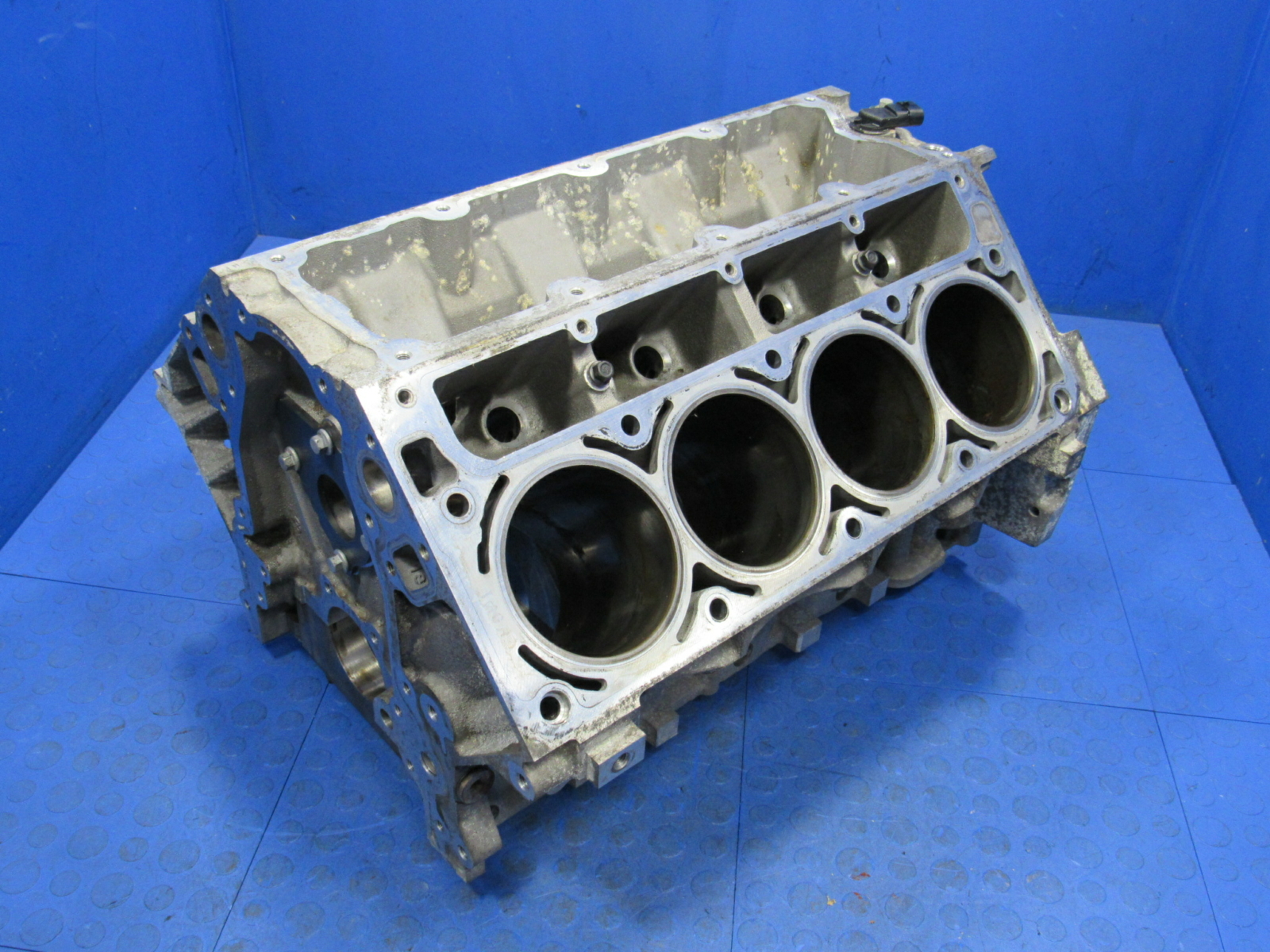
4. LS1 5.7-Liter Aluminum Block (Gen III Base)
Switching from the iron block work truck variants to the aluminum block LS1 sports car engine involves a meaningful material and application change, but the LS1 earns its position in the top tier of this durability ranking through a documented long-term service history that earned respect from owners who pushed these engines hard in Corvette and Camaro applications.
GM’s LS1 5.7-liter aluminum block V8 was the engine that introduced the LS architecture to passenger car applications beginning in 1997 Corvettes and continuing through the C5 Corvette’s full production run and the 1998 to 2002 Camaro Z28 and SS. Aluminum block construction makes the LS1 more vulnerable to overheating damage than the iron block variants above it in this ranking, but Corvette and performance Camaro owners typically maintained their engines more attentively than work truck operators, which produced a real-world outcome where LS1 durability was strong despite the material change.
LS1 Corvette C5 examples with original engines exceeding 200,000 miles appear regularly in the Corvette owner community, and the documentation accompanying these high-mileage examples consistently shows adherence to oil change intervals, cooling system maintenance, and the operational practices that aluminum block engines require for their best long-term service.
Owners who treated their C5 Corvettes as daily drivers and maintained them accordingly discovered that the LS1 was willing to accumulate miles that sports car owners of previous generations would not have predicted.
Casting quality and machining precision in LS1 production reflected GM’s investment in the architecture as a long-term platform foundation, producing aluminum block engines whose dimensional stability under thermal cycling was better than comparable aluminum block engines from competitors at the time of introduction.
This manufacturing quality contributed to seal integrity and bore roundness at high mileage that supported compression retention and oil control in a way that less precisely manufactured aluminum blocks frequently could not sustain.
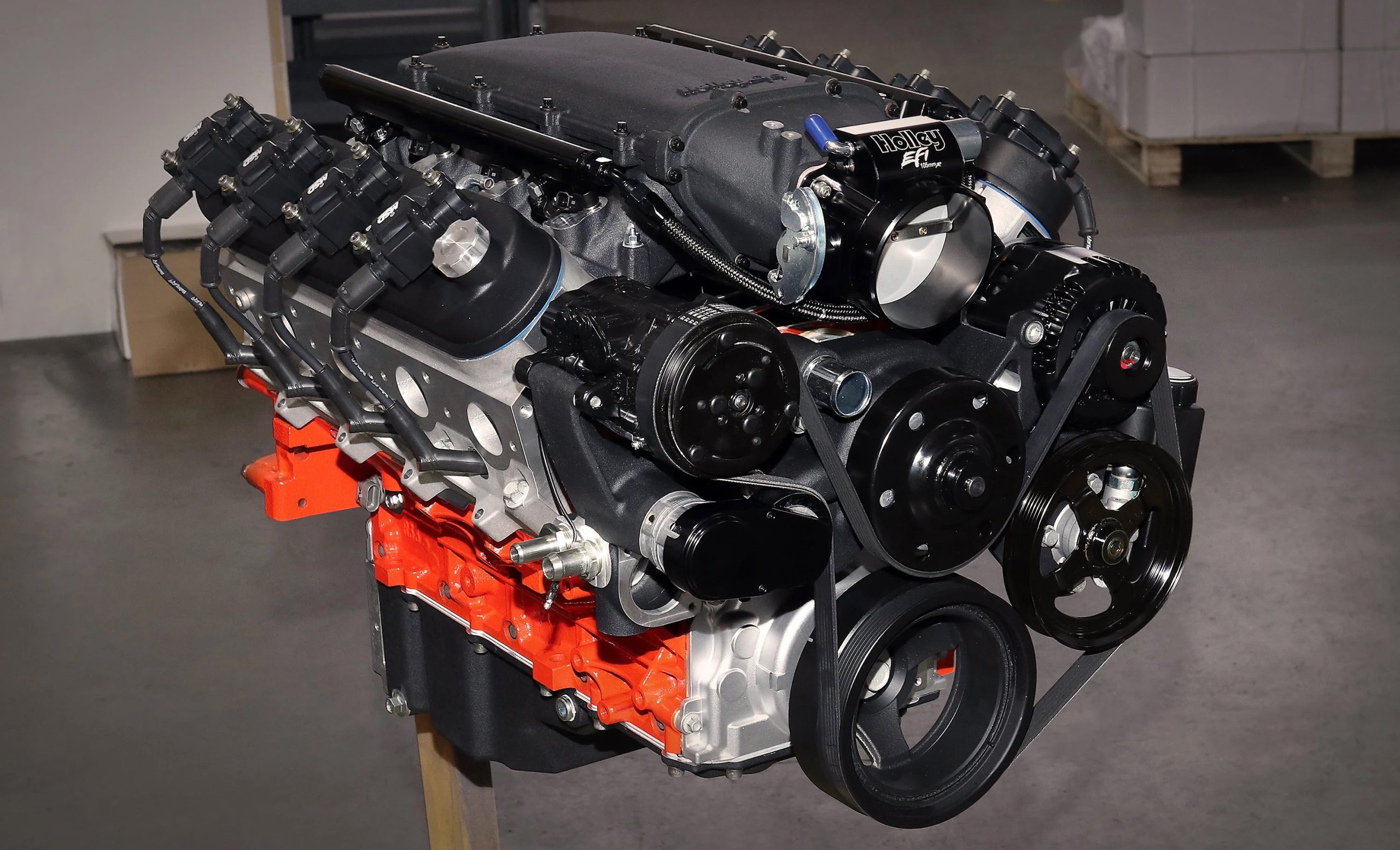
5. LS6 5.7-Liter Aluminum Block (Enhanced LS1 Variant)
Higher output from shared displacement does not always mean reduced durability, and the LS6 provides the most direct evidence for this assertion within the LS family.
Building on the LS1’s aluminum block architecture with a revised camshaft, improved head porting, and various internal component upgrades that increased output from 350 to 405 horsepower in C5 Z06 Corvette application, the LS6 delivered its additional power without the durability penalties that critics expected when GM raised output targets.
Z06 application placed the LS6 in a context where drivers specifically sought to use the engine’s additional output, which means high-mileage LS6 examples carried in many cases more enthusiastic driving histories than comparable LS1 examples at equivalent odometer readings.
That LS6 engines survived to high mileage despite heavier operational use speaks to the structural quality of the LS architecture’s fundamental components rather than to any unusual restraint in how C5 Z06 owners treated their cars.
Cylinder head improvements in the LS6 over the LS1 included revised intake and exhaust port geometry that improved airflow at the high RPM range, where the Z06’s output advantage was concentrated.
These head improvements did not reduce long-term durability because the underlying head casting quality and valve seat materials were consistent with LS1 standards, and improved port geometry does not introduce material stress concentrations that would affect service life.
LS6 durability in GTO application, where GM used a detuned version of the LS6 in the 2004 to 2006 Pontiac GTO, provides additional evidence from a less performance-intensive application context.
GTO LS6 examples accumulating 150,000 to 200,000 miles on original engines are documented in GTO owner communities with enough frequency to confirm that the LS6’s durability was not C5 Z06-specific but reflected the architecture’s genuine capability across applications.
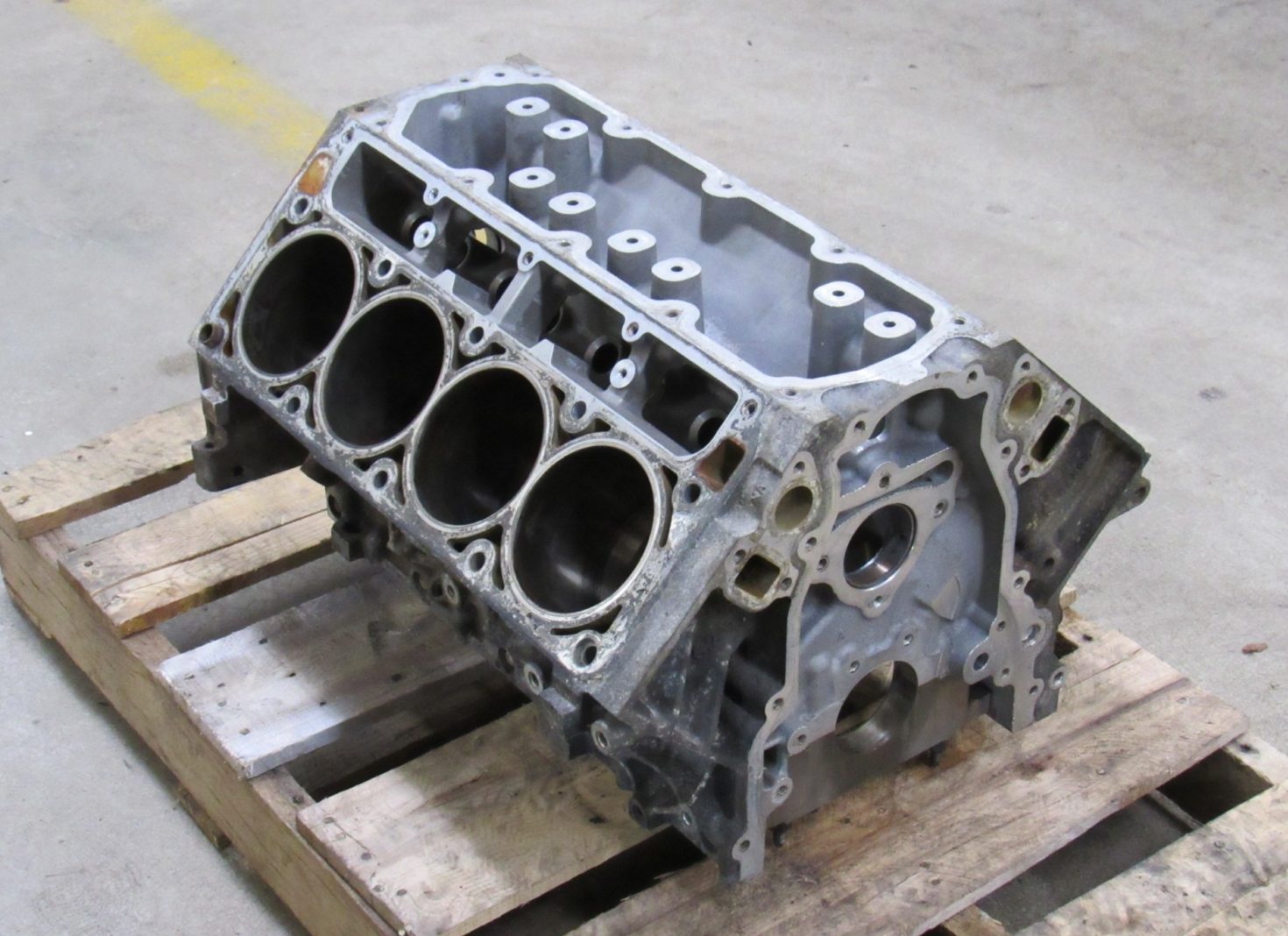
6. L99 6.2-Liter Aluminum Block With Active Fuel Management (Gen IV Camaro)
GM’s L99 brought 6.2-liter displacement to the fifth-generation Camaro SS automatic transmission application, pairing the larger displacement with Active Fuel Management cylinder deactivation technology that was designed to improve fuel economy during light-load highway cruising.
From a durability ranking perspective, the L99 occupies a complicated middle tier where the base architecture is strong but a specific technology concern creates differentiation from the cleaner long-term record of the variants above it.
Active Fuel Management, which deactivates four cylinders under light load by hydraulically collapsing lifters to hold intake and exhaust valves closed, introduced an oil control and lifter durability concern that GM addressed imperfectly through multiple production revisions.
AFM lifter failures, specifically the failure of the hydraulic lifter collapsing mechanism under long-term cycling, appeared in L99-powered fifth-generation Camaros at mileage ranges that were lower than the base LS architecture’s component durability would otherwise have predicted.
Owner reports of AFM lifter failures at 80,000 to 120,000 miles, while not universal, appeared with sufficient frequency to create a documented pattern that distinguishes L99 long-term durability from cleaner LS variants.
Disable solutions for AFM exist and are well-documented in the fifth-generation Camaro owner community, including aftermarket range devices that prevent the ECM from activating cylinder deactivation and full AFM delete procedures that replace AFM lifters with solid lifters and appropriate camshaft changes.
Owners who proactively disabled AFM on their L99 Camaros before lifter failure occurred generally report long-term engine health consistent with the underlying LS architecture’s capability, which confirms that the durability concern is specific to the AFM system rather than the engine’s fundamental components.
Fifth-generation Camaro SS L99 examples with proactively disabled AFM and appropriate oil maintenance have documented strong long-term service histories, and the engine’s 6.2-liter displacement provides a comfortable power reserve that means the engine operates well within its mechanical limits at the outputs that street driving demands.
Placing the L99 at sixth in this ranking reflects the AFM concern as a genuine durability liability rather than a dismissible minor issue, while acknowledging that informed owners who addressed this concern proactively experienced durability that approaches the better-ranked variants.
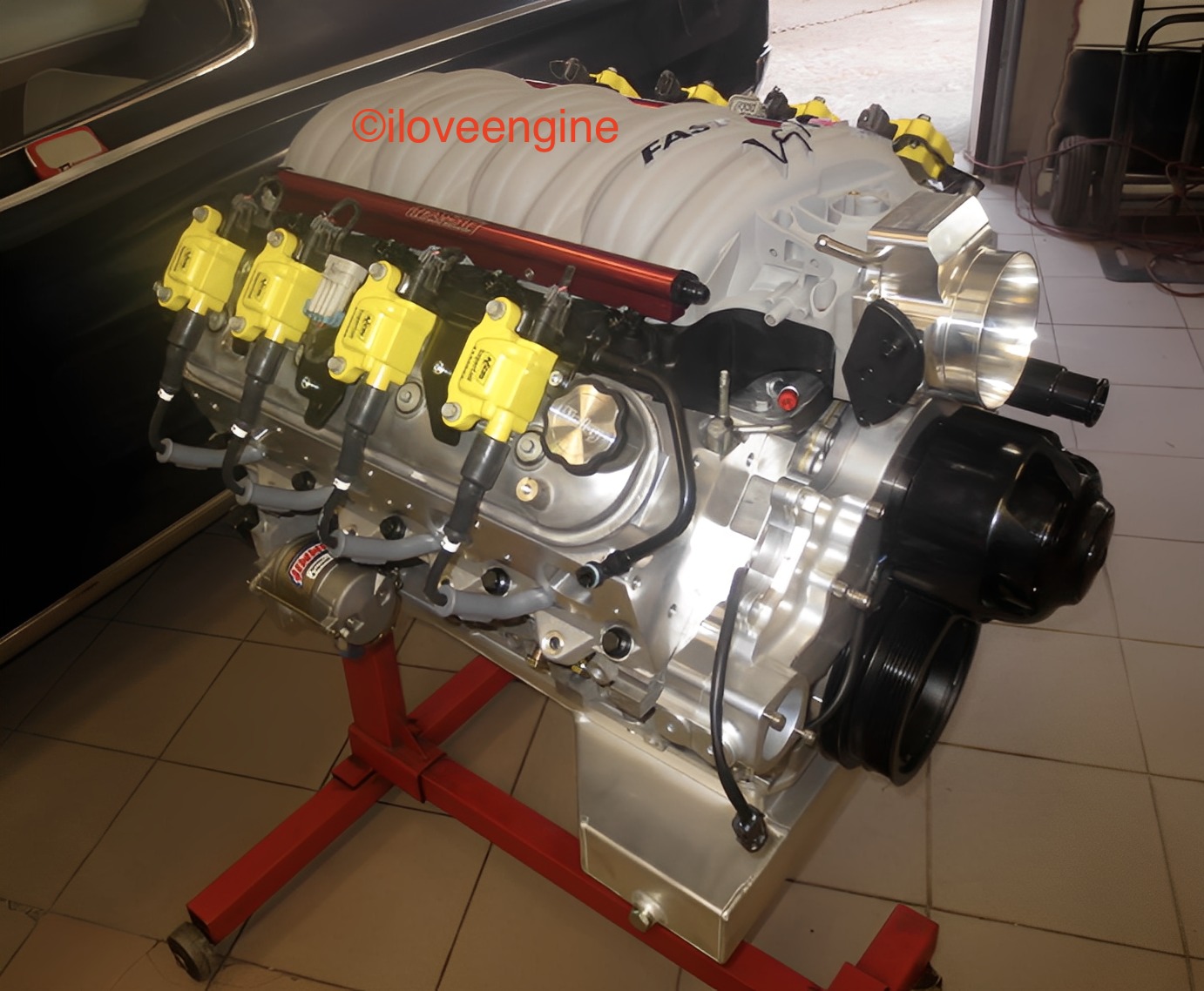
7. LS3 6.2-Liter Aluminum Block (Gen IV Corvette and Camaro)
GM’s LS3 brought the 6.2-liter displacement to a wider range of applications beginning with the C6 Corvette base engine in 2008 and extending to the fifth-generation Camaro SS manual transmission application in 2010.
Without the AFM cylinder deactivation system that complicated the L99’s durability picture, the LS3 delivered its higher output from a cleaner mechanical architecture, producing a durability record that is strong at moderate mileage and acceptable at high mileage for an aluminum block V8 in sports car applications.
LS3 cylinder heads represent a genuine improvement over LS1 and LS6 head casting, with larger intake ports and valves that improved airflow at the high RPM range where the 6.2-liter’s output advantage was realized.
Higher-flowing heads contributed to lower pumping losses at moderate engine loads, reducing heat generation during everyday driving and contributing to thermal conditions that are favorable for long-term seal and gasket durability.
C6 Corvette examples with LS3 engines accumulating 150,000 miles on original engines appear regularly in the Corvette owner community, and these high-mileage examples typically come from owners who used their Corvettes as daily drivers rather than garage queens, providing genuine evidence of how the LS3 performs under sustained use. LS3 durability at these mileage levels is consistently described as strong, with primary service needs being normal wear items rather than fundamental mechanical concerns.
Ranking the LS3 below the iron block variants and below the LS1 and LS6 reflects the combination of aluminum block thermal vulnerability, the higher specific output that places more mechanical demand on components per unit of displacement than the more lightly stressed work truck iron block engines, and the relatively shorter production history compared to the iron block variants, whose long-term durability documentation spans more years.
At moderate mileage ranges up to 150,000 miles, LS3 durability is strong. The ranking accounts for the declining evidence base at higher mileage, as the variants above it have accumulated more extensively.
8. LS2 6.0-Liter Aluminum Block (Mid-Tier Gen IV)
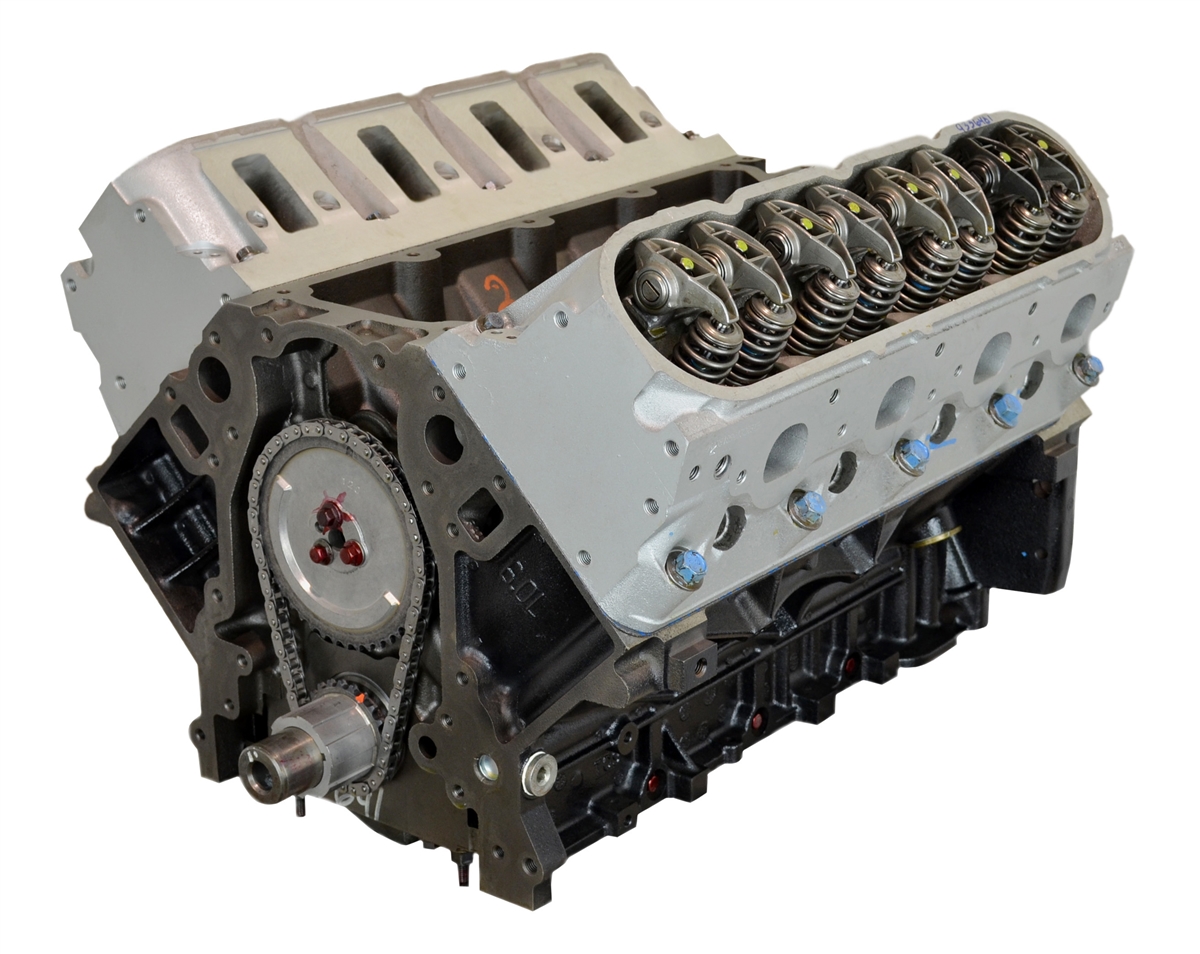
GM’s LS2 introduced 6.0-liter displacement to the aluminum block LS family in the 2005 C6 Corvette and subsequently in the 2005 to 2006 Pontiac GTO and 2006 to 2007 Chevrolet TrailBlazer SS. As a transitional variant between the Gen III LS1 and LS6 architecture and the more extensively developed Gen IV variants that followed, the LS2 occupies a position in the durability ranking that reflects its good but not exceptional documented long-term service history across its relatively limited application range.
Aluminum block construction in the LS2 provides the same thermal vulnerability as the LS1 and LS3, placing it below the iron block variants that handle cooling system stress with greater tolerance. LS2-powered C6 Corvettes from early production years have accumulated high-mileage documentation comparable to C5 LS1 examples, confirming that the Gen IV aluminum block architecture continued the Gen III’s durability trajectory rather than introducing new concerns.
GTO application of the LS2 provides interesting durability data from a context where the engine was typically driven hard, but not with the systematic preparation and maintenance attention that Corvette track day participants often applied.
GTO owner community reports of LS2 durability at high mileage are generally positive, with the majority of high-mileage concerns coming from accessory failures and peripheral components rather than from fundamental engine mechanical failures that would indicate structural weakness.
Ranking the LS2 below the LS3 in this list reflects the LS2’s narrower application base and, consequently, thinner long-term documentation compared to the more widely deployed LS3 rather than documented evidence of superior LS3 durability over the LS2 at comparable mileage.
With limited data from fewer applications and a shorter production run, the LS2 cannot be ranked higher than variants whose long-term evidence base is deeper and broader, despite the engineering characteristics they share.
Also Read: Top 10 Most Reliable Diesel Engines From the Late 1970s Era
9. LSA 6.2-Liter Supercharged Aluminum Block (CTS-V and Camaro ZL1)
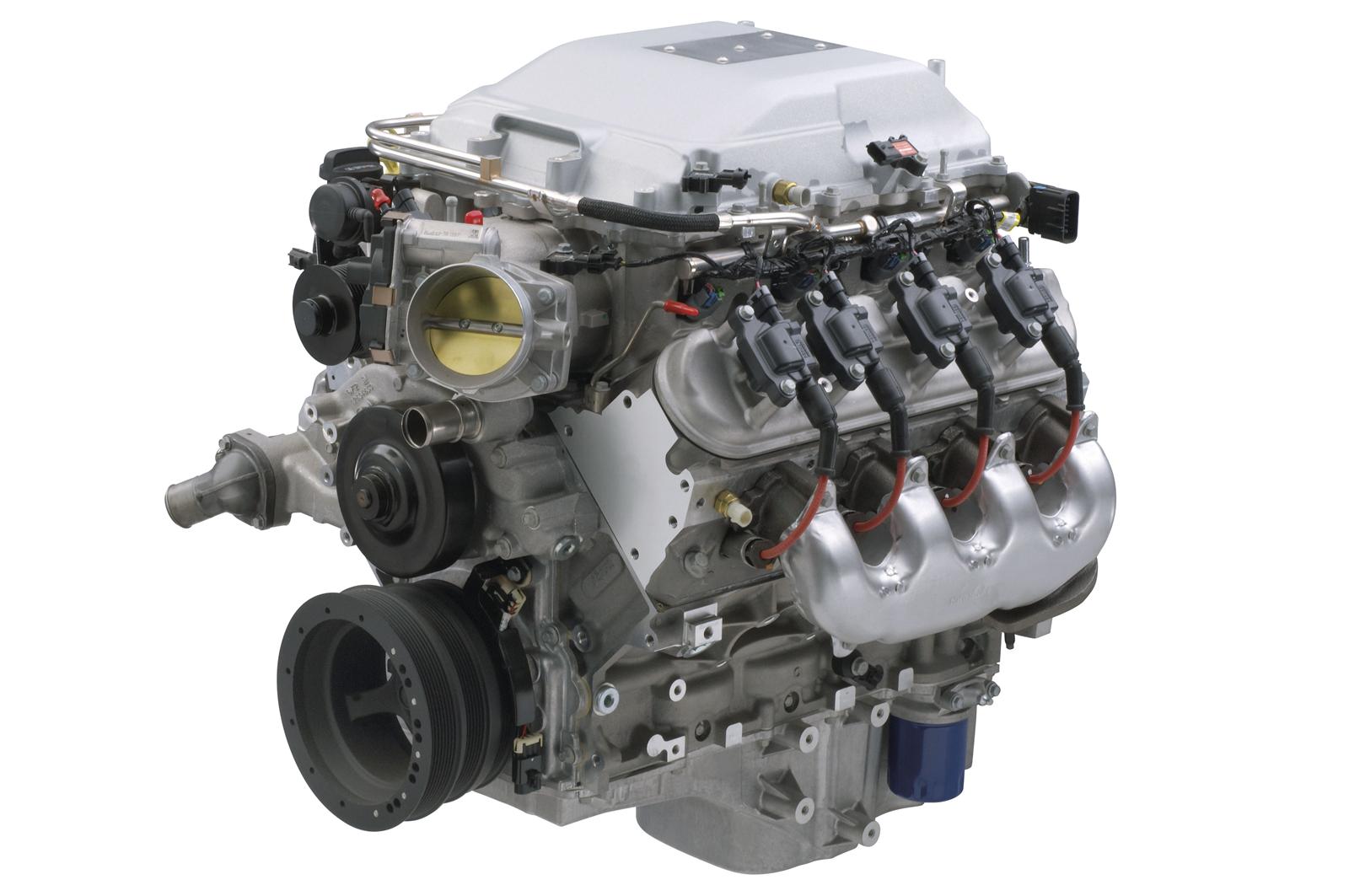
At the bottom of this durability ranking sits the LSA, not because it is an unreliable engine in any absolute sense, but because the combination of supercharged forced induction, high specific output, and the driving patterns associated with vehicles that carry it creates a durability environment where long-term survival at high mileage is less consistently documented than in any other variant on this list.
LSA applications in the 2009 to 2015 Cadillac CTS-V and the 2012 to 2015 Chevrolet Camaro ZL1 placed 556 and 580 horsepower, respectively, into vehicles whose owners purchased them specifically to use that output regularly.
Roots-type supercharger installation in the LSA added charge temperature management requirements, intercooler system maintenance considerations, and supercharger drive belt and bearing service needs that the naturally aspirated variants above it do not carry.
These additional service items introduce failure modes that disciplined maintenance can address but that create more variables in the long-term reliability picture than simpler naturally aspirated variants present. Heat management in the LSA under sustained high-output use is the primary concern that shapes its durability ranking position.
Supercharged operation generates additional heat in the intake charge and in the engine oil system compared to naturally aspirated operation at equivalent engine speed.
This additional thermal load places more demand on the cooling system’s ability to maintain stable temperatures, and aluminum block LSA engines that experience inadequate cooling under sustained hard driving accumulate thermal stress that affects long-term component durability more quickly than iron block variants or lightly stressed aluminum block applications.
CTS-V and ZL1 examples with LSA engines exceeding 100,000 miles on original components exist and are documented in owner communities, confirming that disciplined ownership and maintenance practice can produce respectable service lives from this engine.
A ZL1 Camaro owner of a 2013 Chevrolet Camaro ZL1 (fifth generation) who maintains the supercharger, intercooler system, and engine oil with appropriate frequency and quality will see durable service from the LSA that challenges its bottom ranking in this list.
That ranking reflects population-level evidence from the full range of LSA ownership experiences rather than the best-case outcomes that careful owners achieve.
