
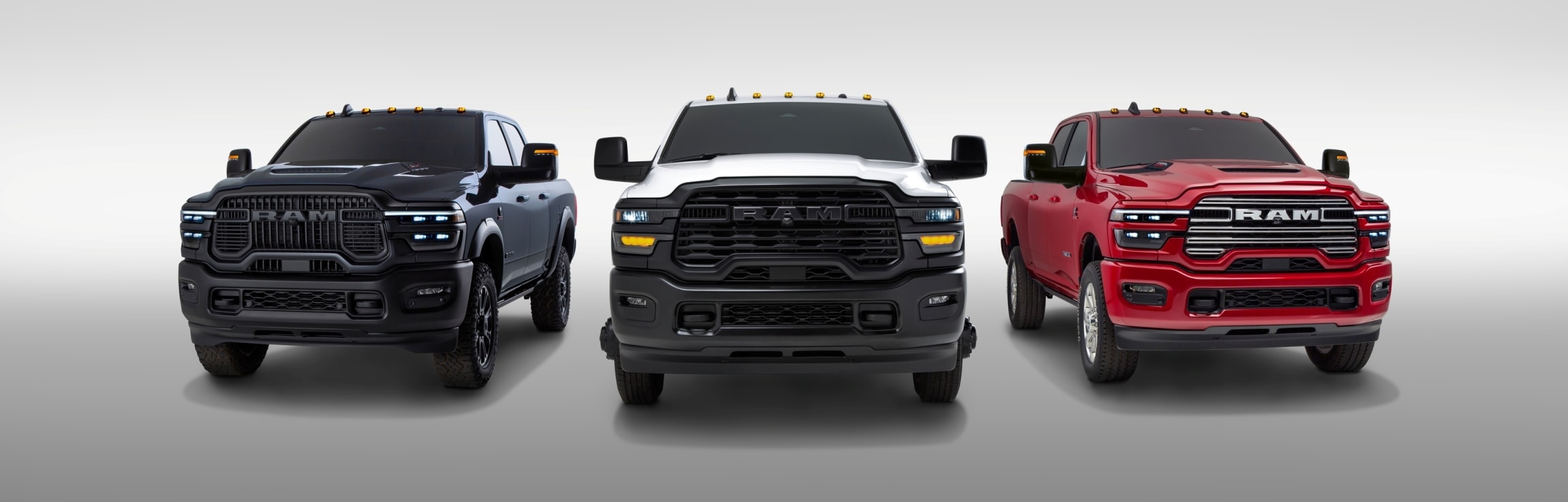
Ask any group of truck owners which diesel engine they respect most, and within about thirty seconds, the conversation becomes a two-sided debate between Cummins loyalists and Power Stroke defenders.
Both camps are passionate, both have legitimate points, and both have conveniently forgotten that several other diesel engines have been quietly doing equally impressive or, in some cases, genuinely superior work without receiving anything close to the same cultural attention.
Cummins and Power Stroke deserve their reputations. These are proven, durable, high-output diesel powertrains with enormous aftermarket support, documented towing and hauling capability, and decades of real-world service that validate their defenders’ enthusiasm.
But the diesel engine landscape extends well beyond Ram and Ford’s rivalry, and some of the most interesting diesel engineering of the past three decades happened in vehicles whose owners were not posting dyno sheets on internet forums or arguing horsepower ratings in truck stop parking lots.
Isuzu, Mercedes-Benz, Volkswagen, Chevrolet, and several other manufacturers developed diesel engines during the same period that addressed fuel efficiency, longevity, and real-world towing capability with approaches that the Cummins-Power Stroke conversation rarely acknowledges.
Some of these engines were installed in vehicles that buyers explicitly chose over Power Stroke and Cummins options for specific, documented reasons. Some quietly accumulated service records that showed lower maintenance costs, better fuel economy, and comparable or superior longevity to their more famous competitors.
This page covers nine diesel engines and the vehicles they powered, each of which has a legitimate argument for outperforming or matching the Cummins and Power Stroke in specific measurable ways that deserve more recognition than the truck community typically provides. Read through all nine before deciding which rivalries deserve more attention than they have been getting.
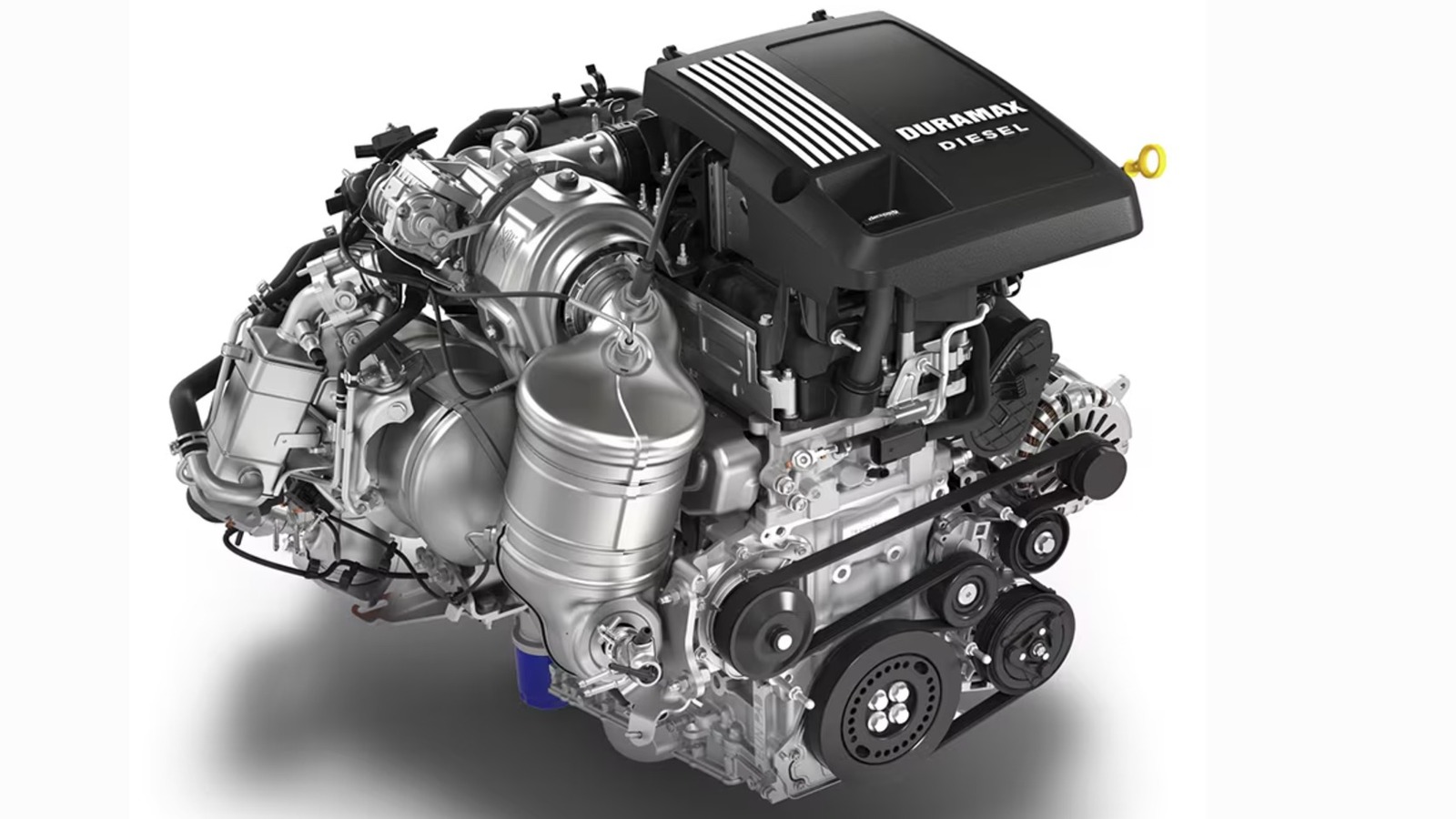
1. Isuzu 6.6-Liter Duramax LB7 in the 2001 Chevrolet Silverado HD 2500 LT Crew Cab
When General Motors partnered with Isuzu to develop the Duramax diesel for the 2001 Silverado HD platform, the truck community’s existing Cummins versus Power Stroke debate had to make room for a third participant that arrived with engineering credentials neither existing competitor could dismiss casually.
Isuzu’s diesel engineering heritage, developed through decades of commercial vehicle applications in Japan and globally, brought a specific expertise to the Duramax collaboration that differed from the approaches taken by Cummins and International Navistar.
Cast iron block construction with six-bolt main bearing caps, a common rail fuel injection system operating at pressures that exceeded anything available in comparable American diesel applications at introduction, and an engine balance shaft that reduced vibration to levels that earlier diesel truck engines had not approached combined to create an engine that performed differently from both competitors in ways that were immediately perceptible to drivers who tested all three.
Common rail injection at pressures reaching 26,000 psi at introduction allowed finer atomization of fuel than the unit injector systems in competing engines, producing cleaner combustion that contributed to better thermal efficiency and lower exhaust smoke at the operating loads that truck buyers applied during towing.
This fuel injection technology advantage was genuine and measurable in fuel economy comparisons during the LB7’s early production years, and several independent truck publications documented Duramax LB7 fuel economy advantages of one to two miles per gallon over comparable Cummins and Power Stroke applications during highway towing cycles.
Initial LB7 fuel injector durability issues, where injector cup failures allowed coolant contamination, created a well-documented reliability concern that affected the engine’s early reputation.
General Motors addressed this through a warranty extension and technical service bulletin program, and LB7 engines that received the injector remedy have accumulated service records that validate the engine’s fundamental durability past the injector concern.
Owners of the 2001 Chevrolet Silverado HD 2500 LT Crew Cab with LB7 Duramax who resolved the injector issue and maintained the engine with appropriate oil and coolant service have documented mileages exceeding 300,000 miles, providing real-world validation of Isuzu’s diesel engineering contribution to the Duramax program’s long-term reliability potential.
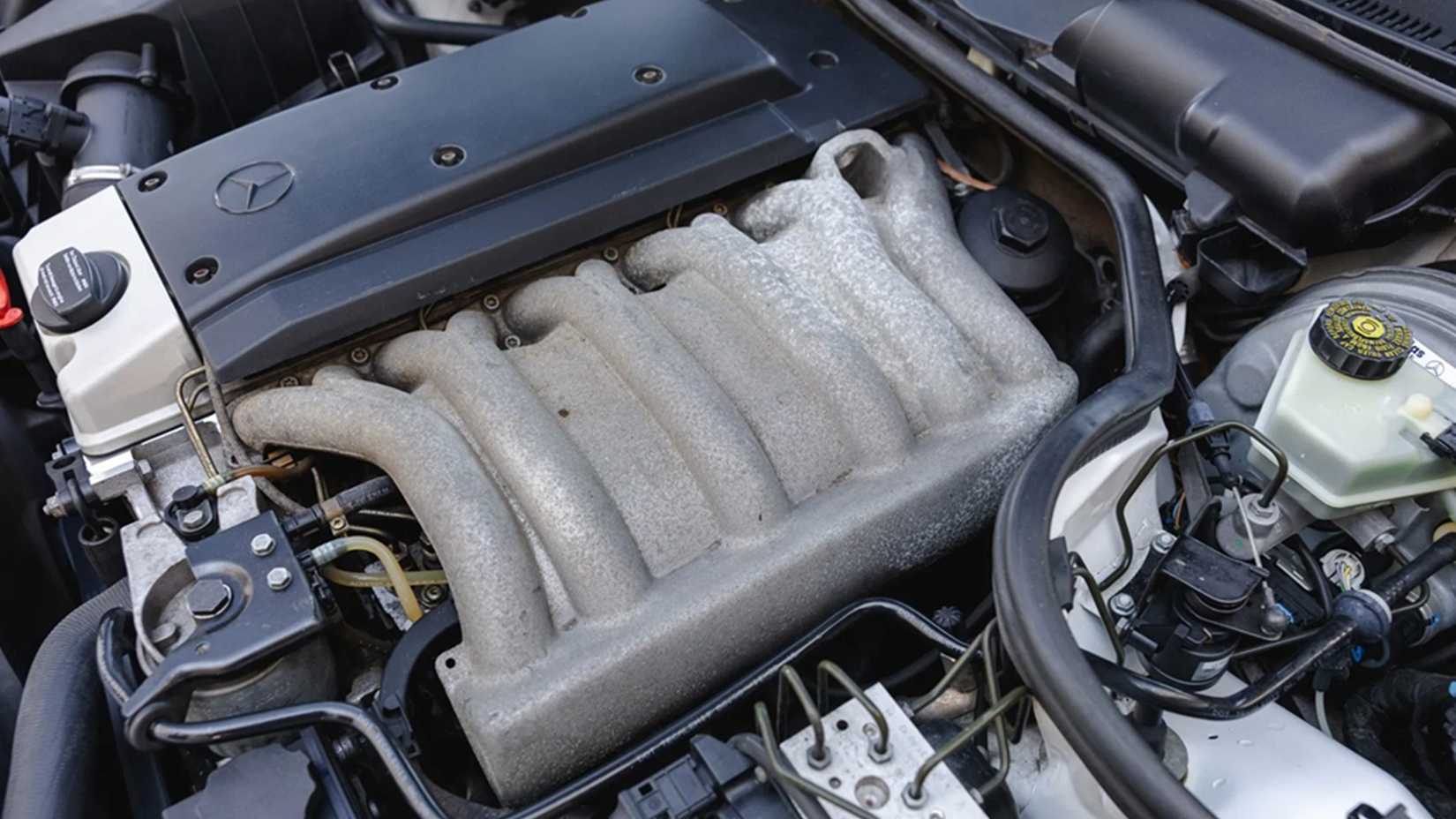
2. Mercedes-Benz OM606 3.0-Liter Inline-Six in the 1994 Mercedes-Benz E300 Diesel W124
Diesel longevity discussions that focus exclusively on American truck engines miss one of the most thoroughly documented long-term reliability stories in automotive history, which belongs to Mercedes-Benz’s OM606 3.0-liter inline-six diesel and the vehicles it powered during the 1990s.
Used in the 1994 to 1995 Mercedes-Benz E300 Diesel W124 in the US market, the OM606 represents Mercedes-Benz’s diesel engineering philosophy of conservative specification, exceptional build quality, and operational characteristics optimized for maximum service life rather than maximum output per unit of displacement.
With output of 136 horsepower and 155 pound-feet of torque in naturally aspirated form, the OM606 was not competing with Cummins or Power Stroke on power output metrics, but it was delivering something that both American diesel rivals struggled to match in the same era: documented engine longevity reaching well beyond 500,000 miles in properly maintained examples.
Precision machining tolerances in the OM606 reflect Mercedes-Benz’s manufacturing standards at a time when the brand’s internal quality requirements were among the most stringent in global automotive production.
Bearing clearances, piston ring gaps, and cylinder bore dimensions were all held to tighter specifications than American production diesel engines of the period maintained, and this dimensional precision contributed directly to the slower wear rates that documented high-mileage OM606 examples demonstrate.
Mechanical fuel injection through a Bosch inline pump rather than an electronic common rail system is both a limitation and an advantage, depending on which lens the evaluation uses.
Injection system sophistication is lower than later common rail designs, but the mechanical system’s simplicity means fewer electronic components to fail and a fuel system architecture that Mercedes-Benz technicians and knowledgeable independent mechanics can service with basic tooling rather than specialized electronic equipment.
Taxi operators in Germany who accumulated documented million-kilometer mileages on OM606-equipped Mercedes-Benz vehicles provided the most compelling real-world validation of the engine’s longevity potential, and these service records remain among the most frequently cited evidence in discussions of diesel engine long-term durability, regardless of the comparison being made.
Also Read: 9 Engines That Redefined What High-Mileage Actually Means
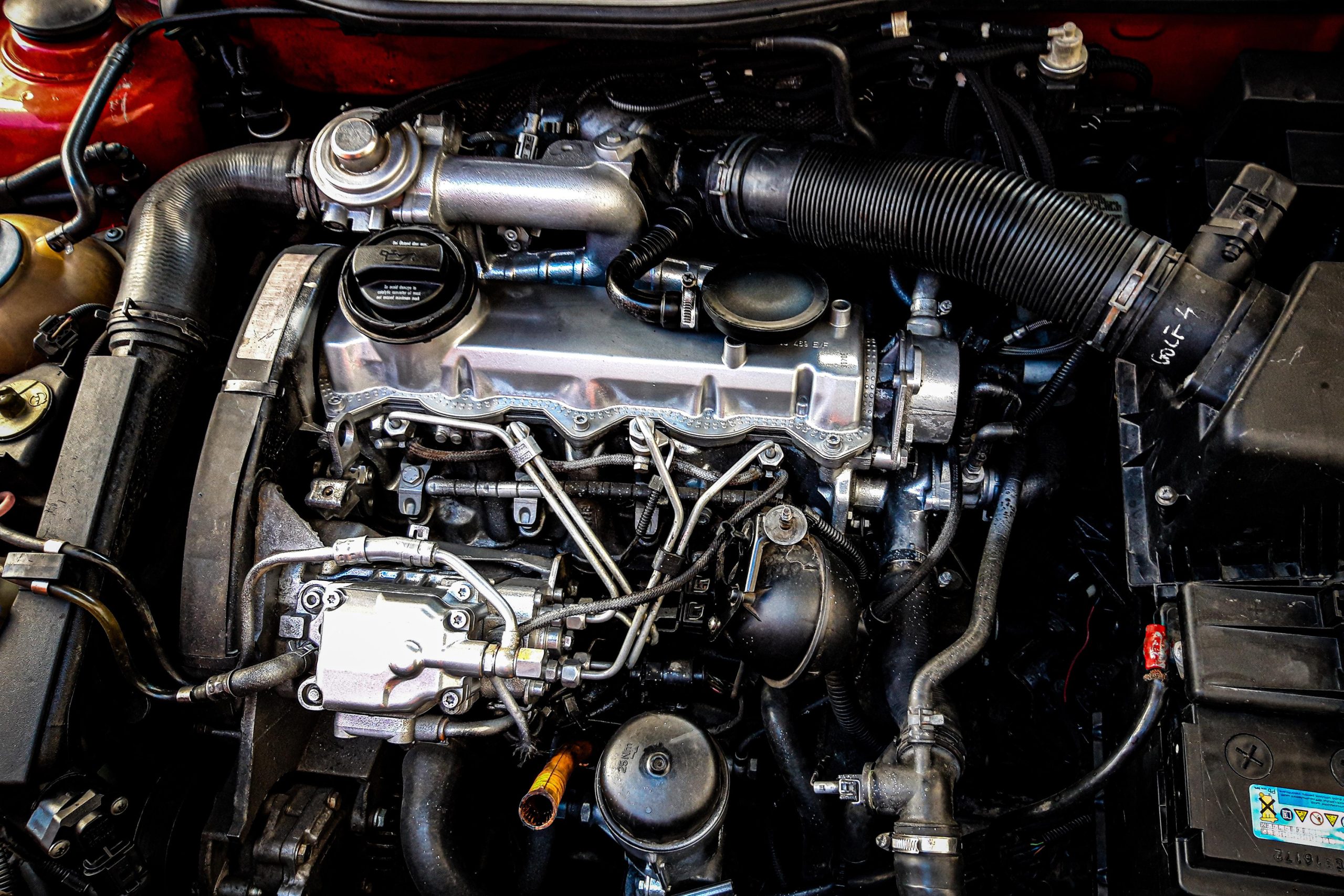
3. Volkswagen TDI PD 1.9-Liter Inline-Four in the 2005 Volkswagen Jetta TDI Sedan
Comparing a 1.9-liter four-cylinder diesel to Cummins and Power Stroke V8s on towing capacity or outright power would be genuinely unfair and is not the comparison being made here.
Where the Volkswagen TDI Pumpe-Düse engine in the 2005 Jetta TDI deserves recognition as a rival that outperformed both in a specific and important dimension is fuel economy, where this engine’s achievement was so dramatically superior that its documentation changed how Americans thought about what diesel passenger cars could accomplish.
Pumpe-Düse injection technology, where each cylinder’s injector contains its own high-pressure pump rather than drawing from a common rail, allowed Volkswagen to achieve injection pressures exceeding 26,000 psi per injector at a time when this pressure level represented the frontier of fuel injection technology.
This pressure capability enabled fuel atomization quality that contributed to combustion efficiency approaching the theoretical limits of what a diesel cycle can achieve in a small displacement engine.
Real-world fuel economy documentation from 2005 Volkswagen Jetta TDI owners on driving routes that included both city and highway conditions consistently produced results between 42 and 52 miles per gallon, with some owners documenting cross-country highway averages exceeding 55 miles per gallon in optimal conditions.
These numbers were not approximations or promotional claims. They were driver-reported measurements from fill-to-fill tank calculations shared in owner communities and verified by independent automotive publications that ran their own fuel economy tests.
No Cummins or Power Stroke application in any production vehicle has approached these fuel economy numbers, which is a genuine performance metric where the smaller Volkswagen engine’s technical achievement stands without qualification.
Diesel’s fundamental thermodynamic efficiency advantage was realized more completely in the TDI application than in any American diesel truck engine of the same era, and this efficiency achievement reflects genuine engineering excellence rather than a favorable comparison context.
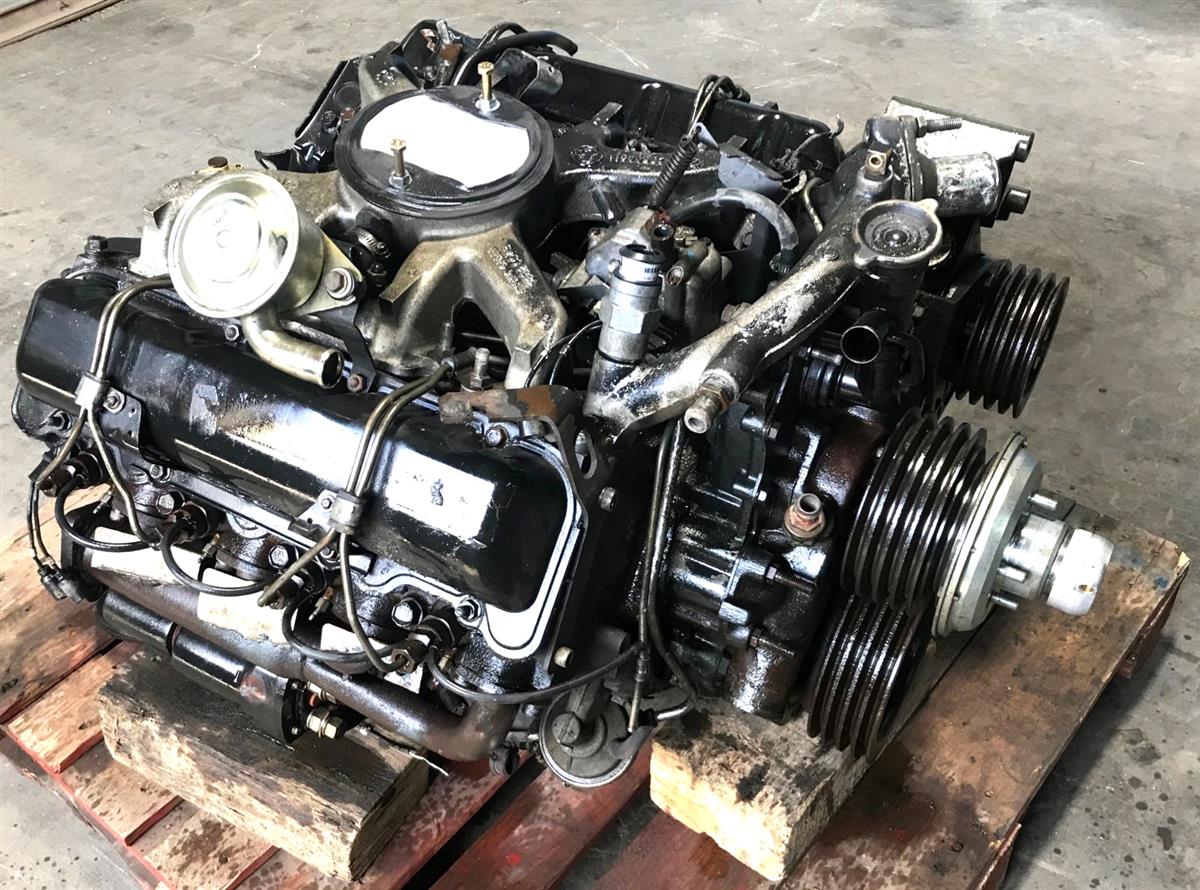
4. GM 6.2-Liter Detroit Diesel in the 1992 Chevrolet C30 Crew Cab Silverado
Before Cummins entered the Ram truck starting with 1989 production and before Power Stroke replaced the IDI in Ford trucks for 1994, General Motors had its own diesel truck engine that served American buyers throughout the 1980s and into the early 1990s, accumulating service records that deserve acknowledgment in any honest history of American diesel truck reliability.
Detroit Diesel’s 6.2-liter V8, used in the 1992 Chevrolet C30 Crew Cab Silverado among many other applications, including military HMMWV production, which gave the engine sustained high-load operational testing that no commercial diesel receives under normal circumstances, established its durability through a combination of conservative engineering and widespread deployment that accumulated enormous service data.
Military HMMWV deployment gave the 6.2-liter Detroit Diesel operational context that commercial truck engines rarely encounter, including sustained maximum-load operation in extreme temperature environments, high-altitude operation, and maintenance intervals that field conditions sometimes extended beyond specification.
An engine that performs adequately under these conditions and continues operating reliably after returning to normal maintenance schedules has demonstrated durability characteristics that commercial application testing cannot replicate.
Commercial truck service in the 6.2-liter application was less dramatic but equally revealing. Operators who used these engines for sustained commercial applications, including utility work, construction support, and agricultural service, accumulated mileage documentation that validated the engine’s durability at load factors appropriate for its output rating.
The 6.2 was not a high-output diesel by later standards, but it was a reliable one within its operating envelope, and its longevity in properly operated examples established a baseline for American diesel truck engine durability that later Cummins and Power Stroke competitors had to meet.
Understanding the 6.2’s contribution to American diesel truck history provides context for why Cummins and Power Stroke captured the market so effectively when they arrived with substantially higher output, because they were replacing an established and proven diesel option rather than entering a gasoline-only market.
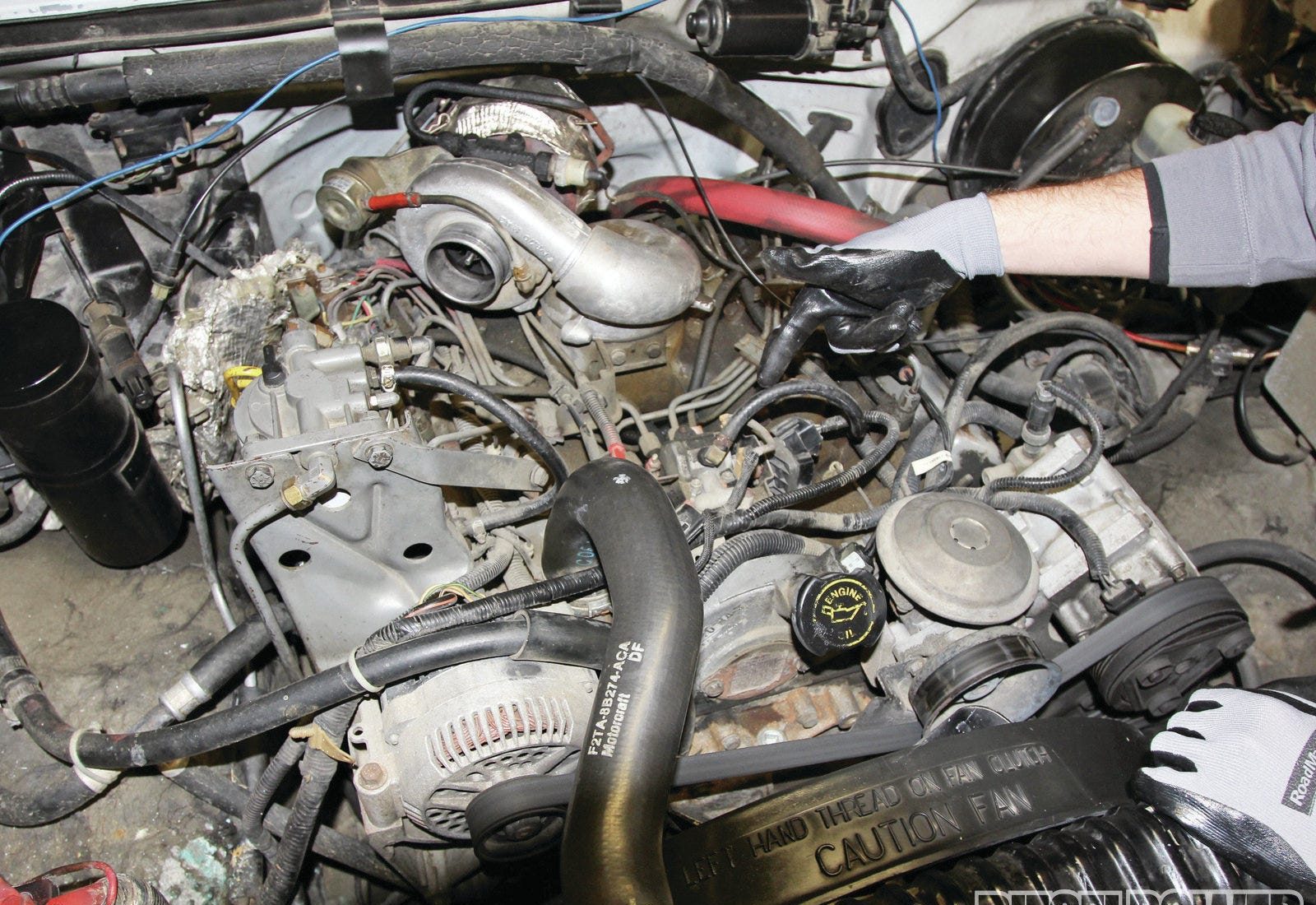
5. Ford 6.9-Liter IDI in the 1985 Ford F-250 Crew Cab XLT
Power Stroke gets the credit and the controversy in Ford diesel truck conversations, but the International Harvester 6.9-liter indirect injection diesel that Ford used in heavy-duty F-Series trucks from 1983 through 1987 deserves recognition as the engine that established Ford’s diesel truck reputation before Power Stroke existed.
International Harvester’s 6.9-liter V8 indirect injection diesel in the 1985 Ford F-250 Crew Cab XLT produced 170 horsepower and 338 pound-feet of torque, which in 1985 made it competitive with available diesel options from GM and represented a significant improvement over gasoline powertrain towing capability for commercial buyers who needed sustained heavy-load hauling performance.
Indirect injection design, where fuel is injected into a prechamber rather than directly into the cylinder, produces combustion characteristics that are inherently smoother and less noise-intensive than direct injection designs at the cost of some thermal efficiency.
For commercial buyers in 1985 who were comparing diesel truck options primarily on towing capability, fuel cost, and reliability rather than efficiency percentages, the 6.9 IDI’s smoother operation and established International Harvester commercial diesel heritage made it a credible choice.
Commercial operator service records from 6.9 IDI-equipped trucks operated in construction, landscaping, and agricultural applications through the late 1980s and 1990s document engines reaching 200,000 to 300,000 miles with primary care focused on regular oil changes, glow plug maintenance, and injection pump service at appropriate intervals.
This longevity, achieved before the Cummins versus Power Stroke era began, established a precedent for what heavy-duty diesel truck owners should expect from a well-maintained diesel powerplant.
Ford’s commercial reputation in the diesel segment, which Power Stroke later built upon and elevated substantially, was founded on the 6.9 IDI’s service record with commercial buyers who depended on truck reliability for their business operations and who provided Ford with market presence in the diesel segment that made the Power Stroke’s introduction in 1994 an upgrade to an established position rather than an entry into a market Ford had not previously served.
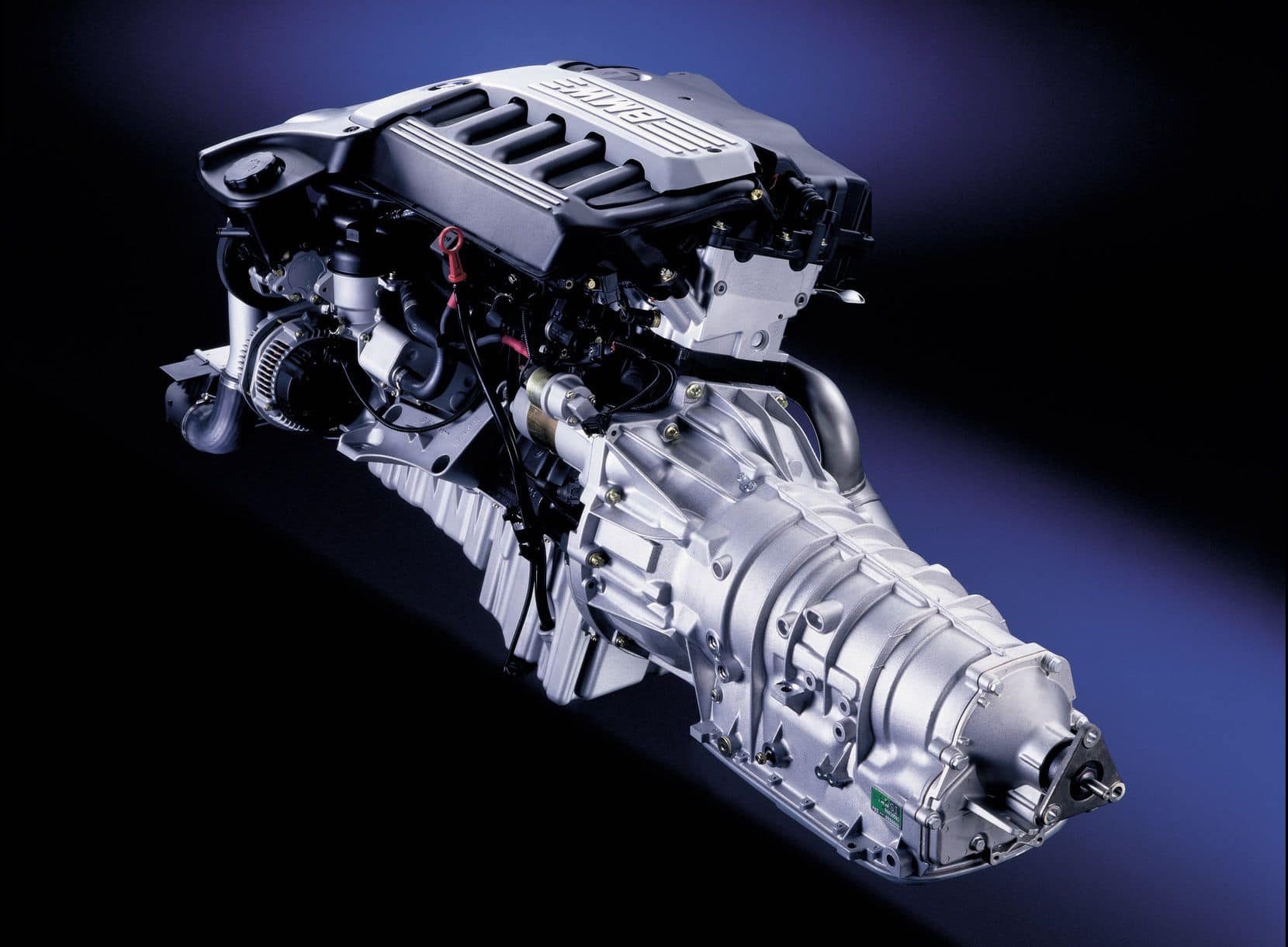
6. BMW M57 3.0-Liter Inline-Six in the 2002 BMW 330d E46
American diesel truck enthusiasts who evaluate the Cummins versus Power Stroke debate in isolation from global diesel engineering are missing a significant body of evidence about what diesel engines can accomplish, and BMW’s M57 3.0-liter inline-six represents some of the most compelling evidence in that body.
Sold in Europe and other markets but never officially brought to the US in its E46 330d application, the 2002 BMW 330d E46 carried the M57 diesel in a passenger car application that demonstrated diesel engineering capabilities that the American pickup truck diesel segment had not yet approached.
Common rail injection operating at high pressure, a variable geometry turbocharger that maintained boost pressure across a broader RPM range than fixed geometry alternatives, and BMW’s precision engine management combined to produce an engine that delivered 184 horsepower and 288 pound-feet of torque from a passenger car diesel application while achieving fuel economy of approximately 40 miles per gallon in mixed European driving cycles.
Performance characteristics of the M57 in E46 application were genuinely sports car competitive in a way that no American diesel truck engine aspired to be, with zero-to-60 times below seven seconds and a flat torque curve that made highway overtaking maneuvers feel substantially different from what American buyers associated with diesel power.
Where Cummins and Power Stroke delivered their torque in numbers relevant to towing calculation, the M57 delivered torque in a way that transformed a passenger car’s driving character.
M57 longevity documentation from European markets shows engines routinely exceeding 300,000 kilometers in taxi and high-mileage private owner applications, which translates to approximately 186,000 miles, and which European diesel buyers consider a reasonable minimum expectation from a properly maintained diesel rather than an exceptional achievement.
This expectation of longevity reflects both the quality of BMW’s M57 engineering and the European market’s higher baseline expectation of diesel engine service life compared to what American buyers typically experienced from gasoline passenger car engines during the same period.
American BMW enthusiasts who imported 330d examples have documented their M57 engines accumulating high mileage with the same pattern of careful oil maintenance and systematic cooling system service that European long-term owners applied, validating that the M57’s longevity potential is transferable to American operating conditions when appropriate maintenance is provided.
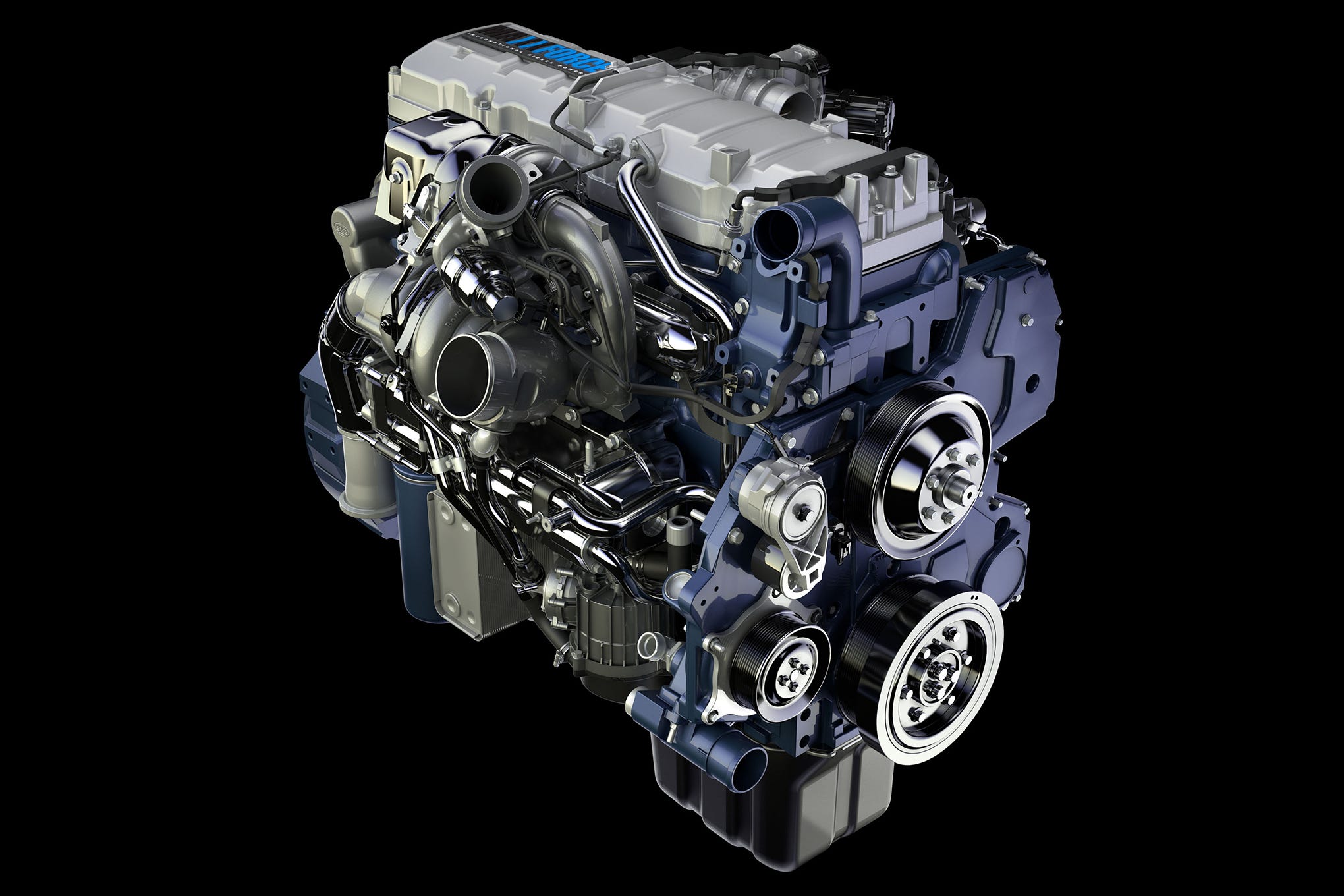
7. Navistar DT466 7.6-Liter Inline-Six in the 1998 International 4700 Medium-Duty Truck
Commercial diesel reliability discussions that focus only on consumer pickup truck applications miss the most demanding real-world validation environment available for any diesel engine, which is sustained commercial fleet service in medium-duty trucks operating at continuous high load for years without the generous maintenance intervals that consumer vehicles receive.
International’s DT466 7.6-liter diesel in the 1998 International 4700 medium-duty truck represents an engine evaluated in exactly this most demanding commercial context, where school districts, delivery companies, and utility operators depended on it for daily service operations where engine failure meant immediate operational and financial impact.
An engine that can satisfy commercial fleet operators in this environment has been validated more rigorously than any consumer truck engine tested by reviewers or individual owners.
DT466 engineering specifically addressed commercial fleet operator priorities: easy service access for fleet mechanics who need to maintain engines on defined maintenance schedules without specialized tooling, parts availability through commercial supply chains rather than limited dealer networks, and operational reliability in hot, dusty, and cold-weather environments without the temperature sensitivity that some higher-technology diesel systems exhibit.
The injection system design on the DT466 uses a distributor-type injection pump that commercial mechanics understand thoroughly, and that does not require the specialized diagnostic equipment that later common rail systems demand for service and troubleshooting.
This serviceability characteristic reduced fleet operators’ cost of ownership beyond the engine’s direct operating costs, because labor time for routine service was minimized by accessibility and familiar technology rather than extended by complexity.
Commercial fleet service records document DT466 engines in school bus and delivery truck applications routinely reaching 400,000 to 500,000 miles before major overhaul requirements, which is a service life that no consumer pickup truck diesel is routinely expected to achieve before major intervention.
This commercial durability standard, achieved quietly in school buses and delivery trucks rather than celebrated in truck magazines, is the DT466’s most honest and most impressive performance credential.
Cummins and Power Stroke applications in medium-duty commercial vehicles have their own competitive strengths in this segment, but the DT466’s service record in school district and utility company applications represents a body of commercial fleet data that validates its standing as a genuine rival to both better-known names when evaluated against the most demanding real-world criteria.
8. Caterpillar C7 7.2-Liter Inline-Six in the 2004 International 7400 Heavy-Duty Work Truck
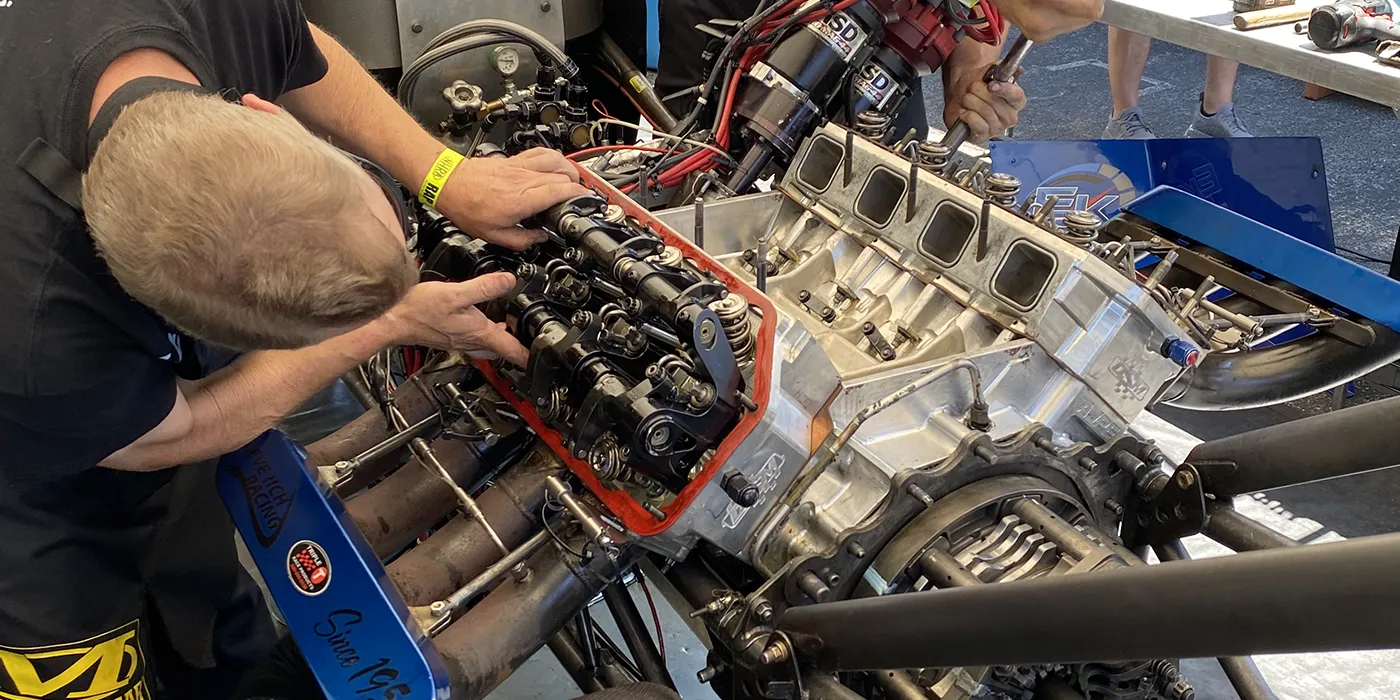
Caterpillar’s presence in automotive diesel conversations is limited because Cat’s primary diesel market is construction equipment and industrial applications rather than consumer vehicles, but Caterpillar’s diesel engineering expertise developed through those demanding industrial applications occasionally appeared in transportation contexts where its capabilities were directly comparable to Cummins and Power Stroke in specific performance dimensions.
Cat’s C7 7.2-liter inline-six diesel was available in medium-duty truck applications through the International chassis platform, placing Caterpillar’s commercial diesel engineering in direct competition with Cummins ISB and Power Stroke diesel applications in comparable work truck configurations.
For buyers who specified Cat engines in these applications, the selection reflected either familiarity with Cat’s performance in existing heavy equipment or specific operational requirements that Cat’s engine characteristics addressed more effectively than competing options.
HEUI hydraulic electronic unit injection, shared with Ford’s Power Stroke V8 application from the same period, injected fuel using high-pressure engine oil rather than a separate fuel pump, which allowed injection pressure generation independent of engine speed.
At low idle speeds where conventional high-pressure fuel pumps generate less pressure, HEUI maintained injection pressure adequate for clean combustion, which contributed to the C7’s cold-weather starting reliability and low-speed operational smoothness that commercial operators in northern markets specifically valued.
Power output and torque from the C7 in work truck applications was competitive with Cummins ISB and Power Stroke applications in comparable displacement classes, and fuel economy in highway-dominant duty cycles was within the range that fleet operators considered acceptable for the application.
Where the C7 distinguished itself was sustained maximum-load performance over extended operating periods, which reflected Caterpillar’s design priorities for industrial applications where sustained full-load operation is the normal condition rather than the exceptional one.
Fleet operators who ran C7-equipped work trucks alongside Cummins and Power Stroke alternatives in comparable applications reported service interval performance and component durability that they considered competitive, with specific advantages in sustained heavy-load situations that reflected Cat’s industrial design priority.
This evaluation from operators who had direct comparison experience provides the most credible competitive assessment available for any diesel engine rivalry.
Also Read: 10 Engines Known for Having the Most Accessible Spark Plugs and Coils
9. Cummins ISB 5.9-Liter in the 2003 Dodge Ram 2500 SLT Quad Cab vs. Duramax LBZ in the 2006 Chevrolet Silverado HD 2500 LT Crew Cab
Completing this list with an internal comparison between two different Cummins engine generations in competing truck platforms acknowledges an important truth about diesel truck rivalries: sometimes the most meaningful competition happens between different applications of the same engine family, and the real engineering story is how different calibration, integration, and supporting hardware produce different ownership experiences from the same fundamental diesel architecture.
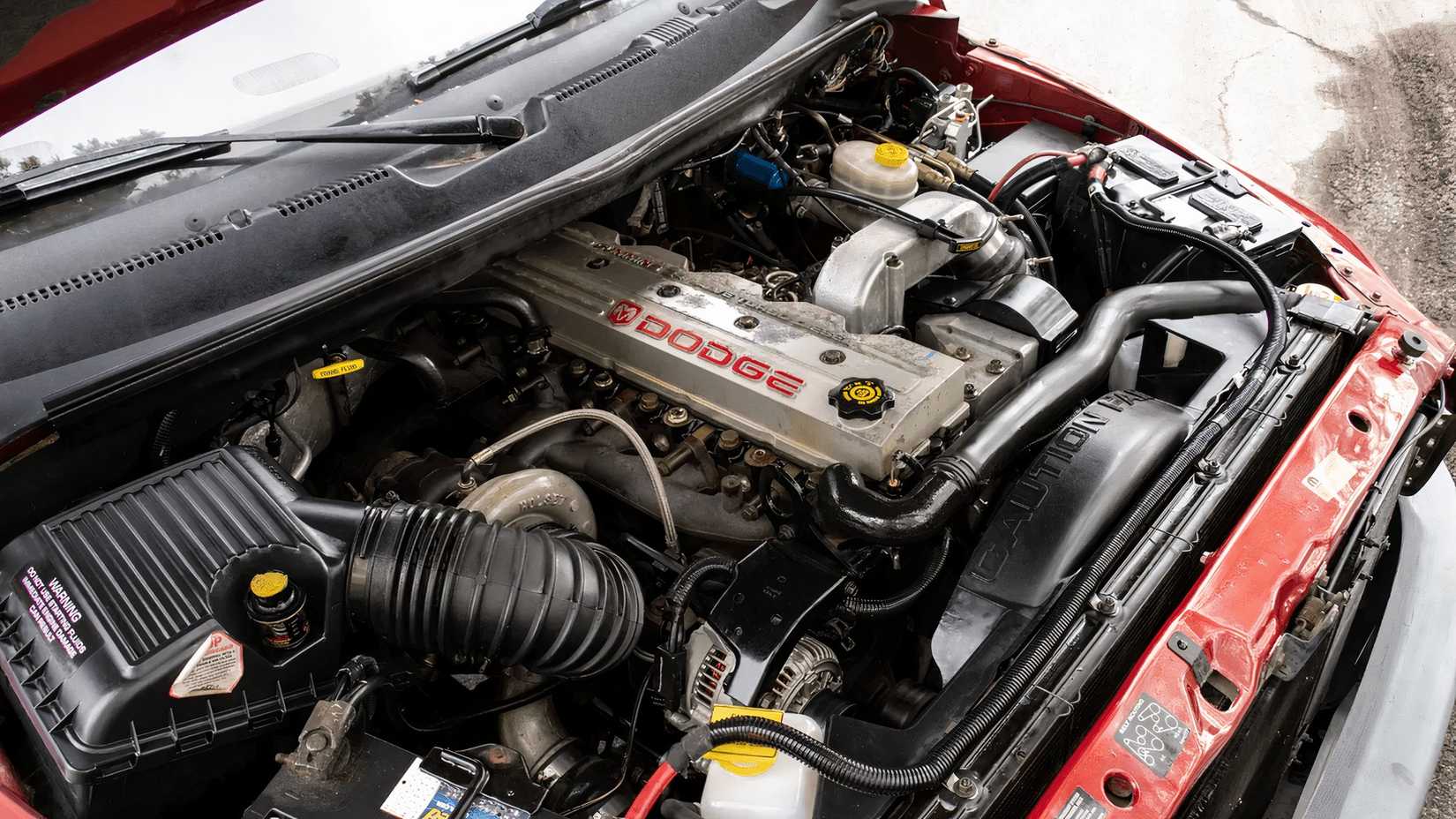
Cummins ISB 5.9-liter in the 2003 Dodge Ram 2500 produced 305 horsepower and 555 pound-feet of torque through the mechanical injection 24-valve configuration that represents the most celebrated point in the ISB’s development history.
Ram truck owners who specified this combination during 2003 model year production received a powertrain that the truck community has consistently ranked among the best diesel truck engines produced for the American market, with documentation of 400,000 to 500,000-mile service lives in properly maintained examples that validate the community’s assessment with documented evidence.
Duramax LBZ 6.6-liter in the 2006 Chevrolet Silverado HD 2500 represented the Duramax’s own development peak, with Allison 1000 five-speed automatic transmission integration that many driving enthusiasts considered the best diesel truck drivetrain experience available in any configuration.
Power output of 360 horsepower and 650 pound-feet of torque through the Allison’s smooth, calibrated shifts produced a towing and hauling experience that truck reviewers consistently rated as the most refined available from any American diesel truck combination of the period.
Comparing these two specific engines and their host vehicles reveals that the Cummins-Power Stroke rivalry narrative obscures a more interesting competition between Cummins-powered Ram trucks and Duramax-powered Chevrolet and GMC trucks that ran simultaneously and produced genuinely different driving and ownership experiences rather than simply different brand identities.
Buyers who tested both during the mid-2000s described choosing between them based on specific operational preferences rather than brand loyalty, because both were genuinely excellent products that outperformed their respective weaknesses more completely than any Power Stroke application from the same era managed to do in independent evaluations.
This internal Cummins competition is the rivalry that the Cummins versus Power Stroke debate has most consistently overlooked, and acknowledging it provides the most complete picture of what diesel truck excellence actually looked like during the period when these engines were at their competitive best.
