
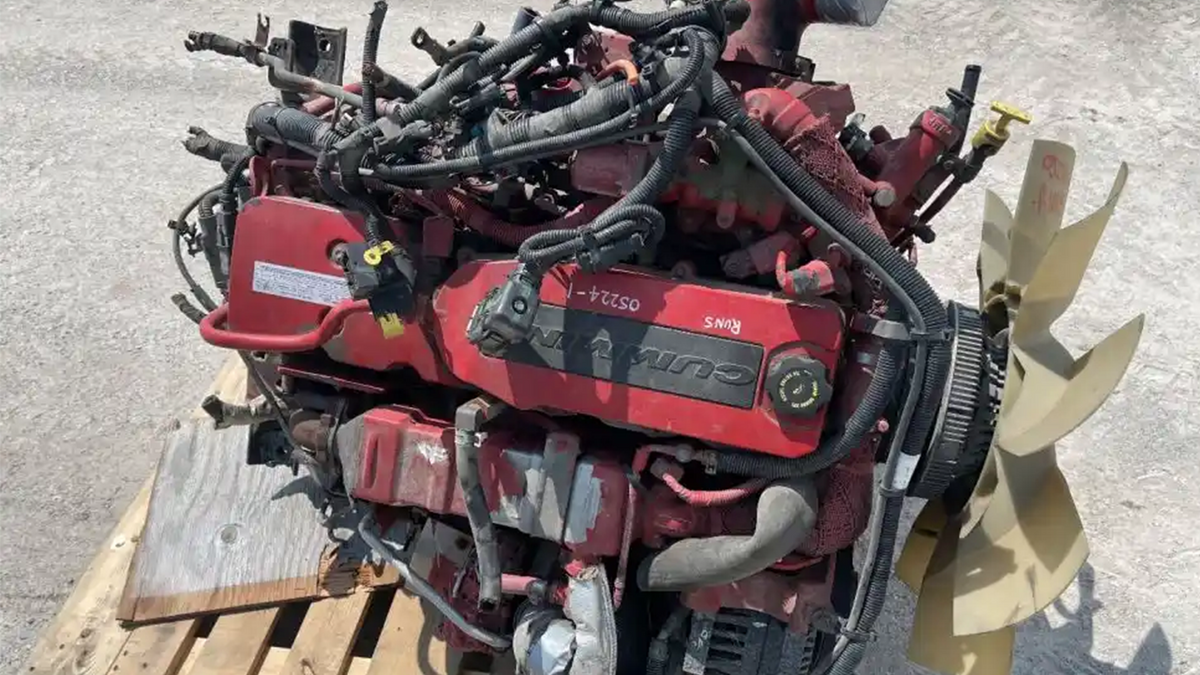
Fleet managers do not make engine selection decisions based on what looks impressive in a brochure or what gets the most attention at an industry trade show. They make decisions based on total cost of ownership, documented service intervals, parts availability, technician familiarity, and one metric that overrides all others when it comes to commercial fleet operation: uptime.
A truck that sits in a repair bay does not generate revenue, and in fleet operation, that reality shapes every purchasing decision from the powertrain selection to the service contract negotiation. Uptime means the engine starts reliably in all weather conditions, completes its assigned route or workday without unexpected stoppage, returns to the yard or depot at the end of its shift, and goes back out the next morning.
It sounds like a low bar, but achieving it consistently across a fleet of twenty, fifty, or two hundred vehicles operating across different climates, different load profiles, and different maintenance regimes is genuinely challenging, and the engines that achieve it reliably earn specification commitments that persist for years and across multiple vehicle purchasing cycles.
Fleet managers who have operated multiple engine types across different vehicle platforms develop a specific kind of institutional knowledge about which powertrains deliver on the uptime promise and which ones require more management attention than the operational budget allows.
This knowledge is passed between fleet professionals through industry associations, fleet manager networks, and the accumulated service records that responsible fleet operations maintain for every vehicle in their inventory.
This page examines eight truck engines that fleet managers consistently specify when uptime is the primary procurement criterion. Each one has a documented commercial service record that supports its position on this list, and each one has earned its reputation through the most honest evaluation process available: years of real commercial operation by buyers who could not afford the engine to fail.
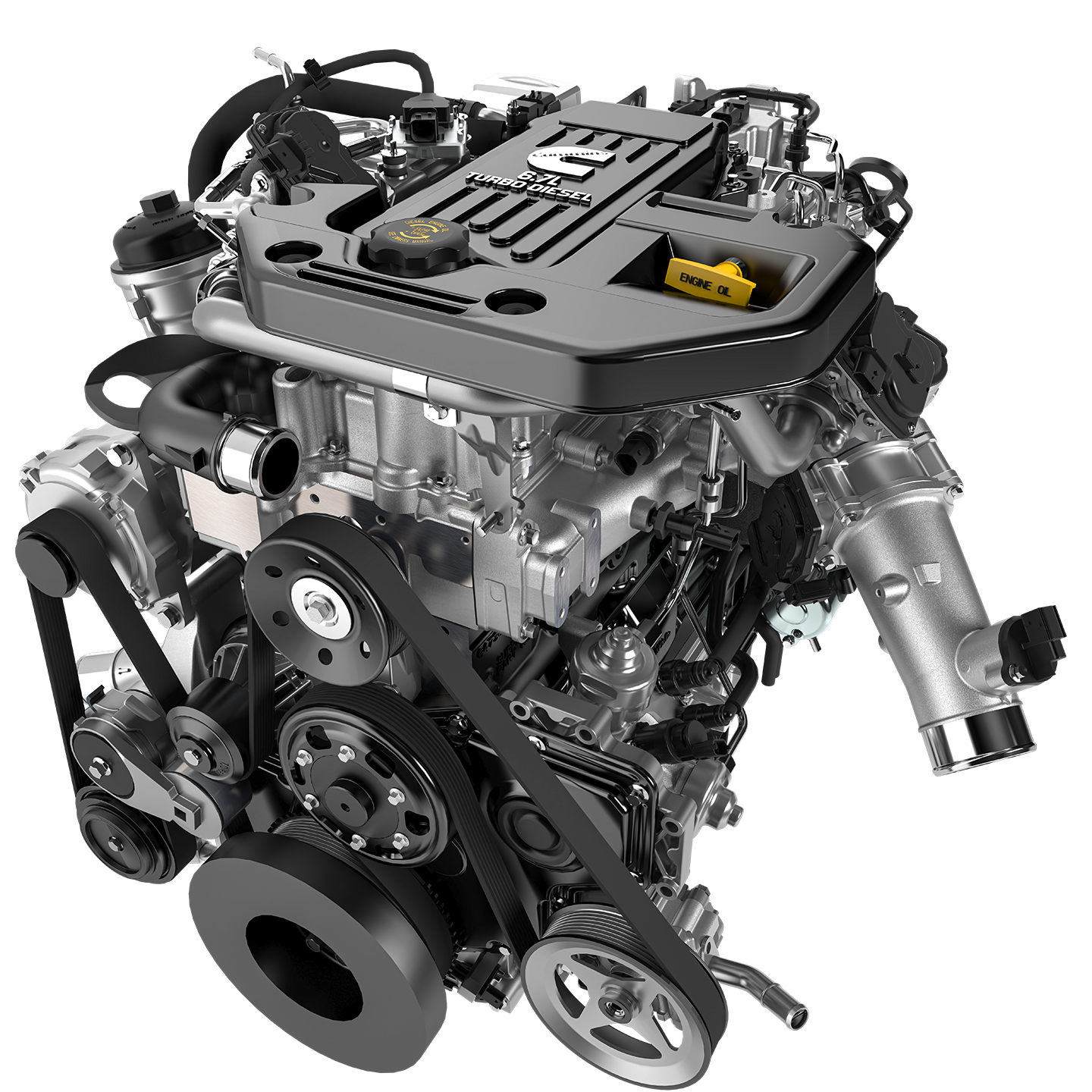
1. Cummins ISB 6.7-Liter in the 2018 Ram 3500 Tradesman Regular Cab DRW 4×4
Fleet managers who operate utility, construction, and service truck fleets specify the Cummins ISB 6.7-liter diesel in Ram 3500 platforms at a rate that reflects institutional confidence earned through years of documented commercial service rather than marketing influence.
This engine’s reputation among fleet procurement professionals is built on specific, repeatable characteristics that translate directly to uptime and reduced total cost of ownership across diverse operational environments.
Output ratings of 400 horsepower and 1,000 pound-feet of torque in high-output configuration provide the power margin that fleet operators need for vehicles that routinely operate at or near maximum payload and towing ratings without the thermal stress that underpowered engines experience when pushed to their limits during sustained commercial use.
An engine operating well within its power capacity runs cooler, stresses fewer components, and requires less frequent intervention than one regularly pushed to its ceiling. Cummins’ commercial dealer and distributor network provides fleet managers with the parts and service access that uptime management requires. When a fleet vehicle needs an unscheduled repair, the speed at which the correct parts reach the vehicle determines how long the unit remains out of service.
Cummins’ North American parts distribution infrastructure has been developed for commercial fleet support in ways that some competing engine suppliers have not matched, and fleet managers whose operations include multiple geographic regions particularly value this distribution network depth.
Extended oil drain intervals available through Cummins’ FleetGuard filtration system allow fleet operators running the ISB 6.7 to extend oil change intervals to 15,000 miles or more in appropriate duty cycles, which reduces both the direct cost of oil service and the labor time that frequent service intervals remove from vehicle productive operation.
Fleet cost accounting that properly values driver time and vehicle unavailability during service demonstrates that extended drain intervals contribute measurably to uptime metrics beyond the direct oil cost savings.
Owners of the 2018 Ram 3500 Tradesman Regular Cab DRW 4×4 in fleet applications who document their ISB 6.7 service records consistently report first engine overhaul requirements at 400,000 to 500,000 miles when operational parameters and maintenance schedules have been respected, providing the long-term reliability horizon that fleet replacement planning requires.
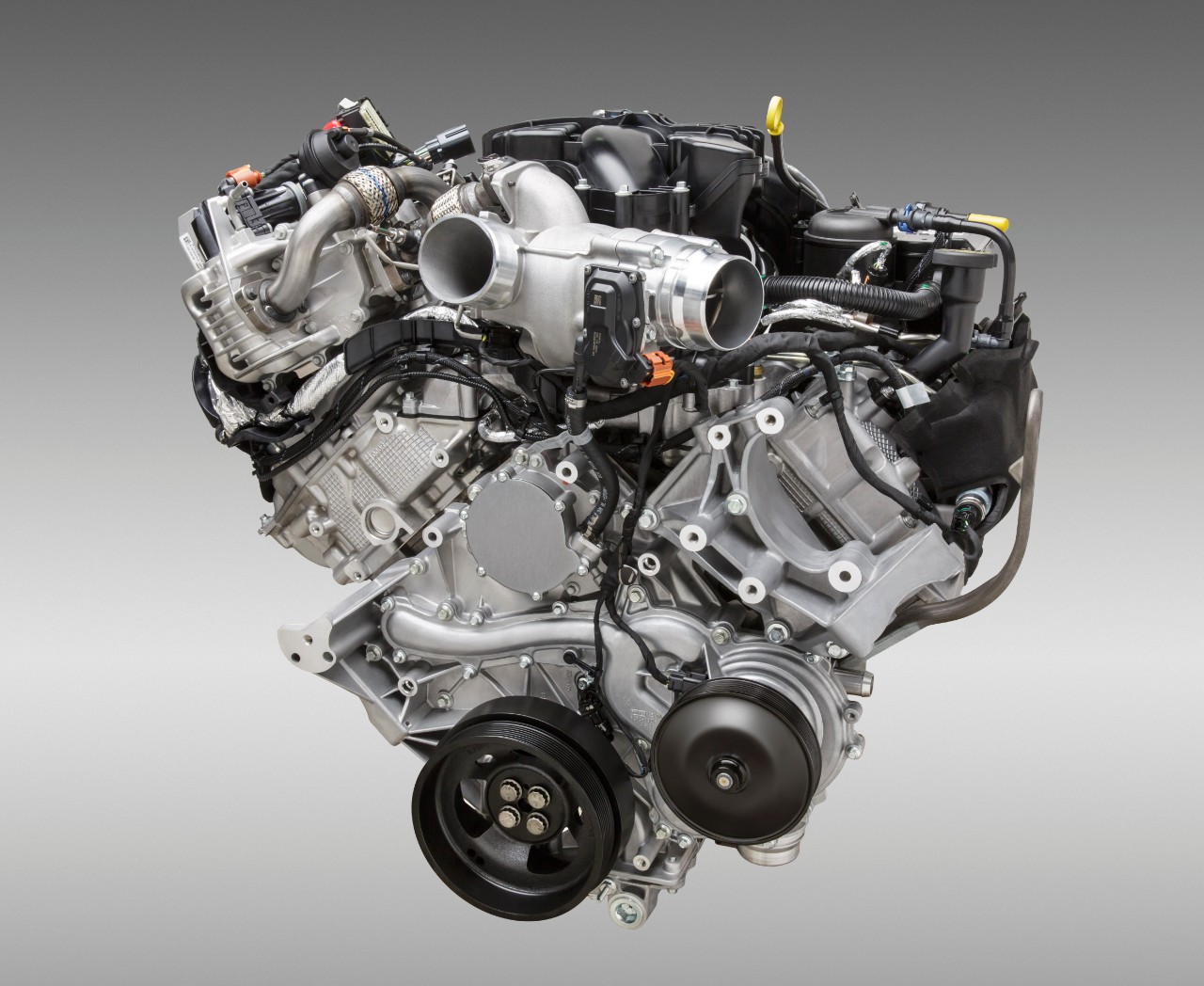
2. Ford 6.7-Liter Power Stroke V8 in the 2020 Ford F-450 Super Duty XL Regular Cab DRW
Ford’s development of the 6.7-liter Power Stroke as an internally designed and manufactured engine, breaking from the previous International Navistar supply relationship, reflected Ford’s assessment that commercial fleet requirements needed an engine developed specifically for the Super Duty platform’s commercial applications rather than adapted from an external supplier’s design priorities.
Second-generation 6.7-liter Power Stroke in the 2020 F-450 Super Duty XL platform delivers 475 horsepower and 1,050 pound-feet of torque through a compacted graphite iron block that Ford specifically selected for its combination of strength and thermal management characteristics appropriate for sustained high-load commercial operation.
CGI block material provides the structural rigidity of cast iron with reduced weight, and its thermal characteristics allow the engine to manage combustion heat more effectively than some competing materials.
Exhaust gas recirculation system design on the second-generation 6.7 Power Stroke addressed the EGR cooler failures that affected earlier versions, and fleet managers who transitioned to second-generation examples reported substantially fewer EGR-related service events than first-generation fleet experience had produced.
This specific improvement, driven by documented fleet service data rather than engineering theory, reflects Ford’s responsiveness to commercial operator feedback in ways that strengthen the platform’s uptime credentials for fleet buyers who experienced the earlier generation’s challenges.
Ford Pro commercial fleet service infrastructure, including upfit coordination, fleet financing, and commercial vehicle service through dedicated commercial vehicle centers, provides fleet managers with a procurement and support ecosystem that reduces administrative burden alongside technical service support.
Fleet operators who manage large mixed fleets find that consolidating commercial vehicle purchasing and service through a single manufacturer’s commercial program provides operational efficiencies that affect total cost of ownership beyond the direct engine cost comparison.
Fleet operators of the 2020 Ford F-450 Super Duty XL across utility, construction, and emergency response applications document engine performance that validates Ford’s commercial fleet positioning, with service records showing appropriate intervals between unscheduled maintenance events that fleet managers translate directly into uptime percentage calculations supporting continued specification.
Also Read: Top 5 Diesel Powerplants That Are Surprisingly Quiet and Smooth
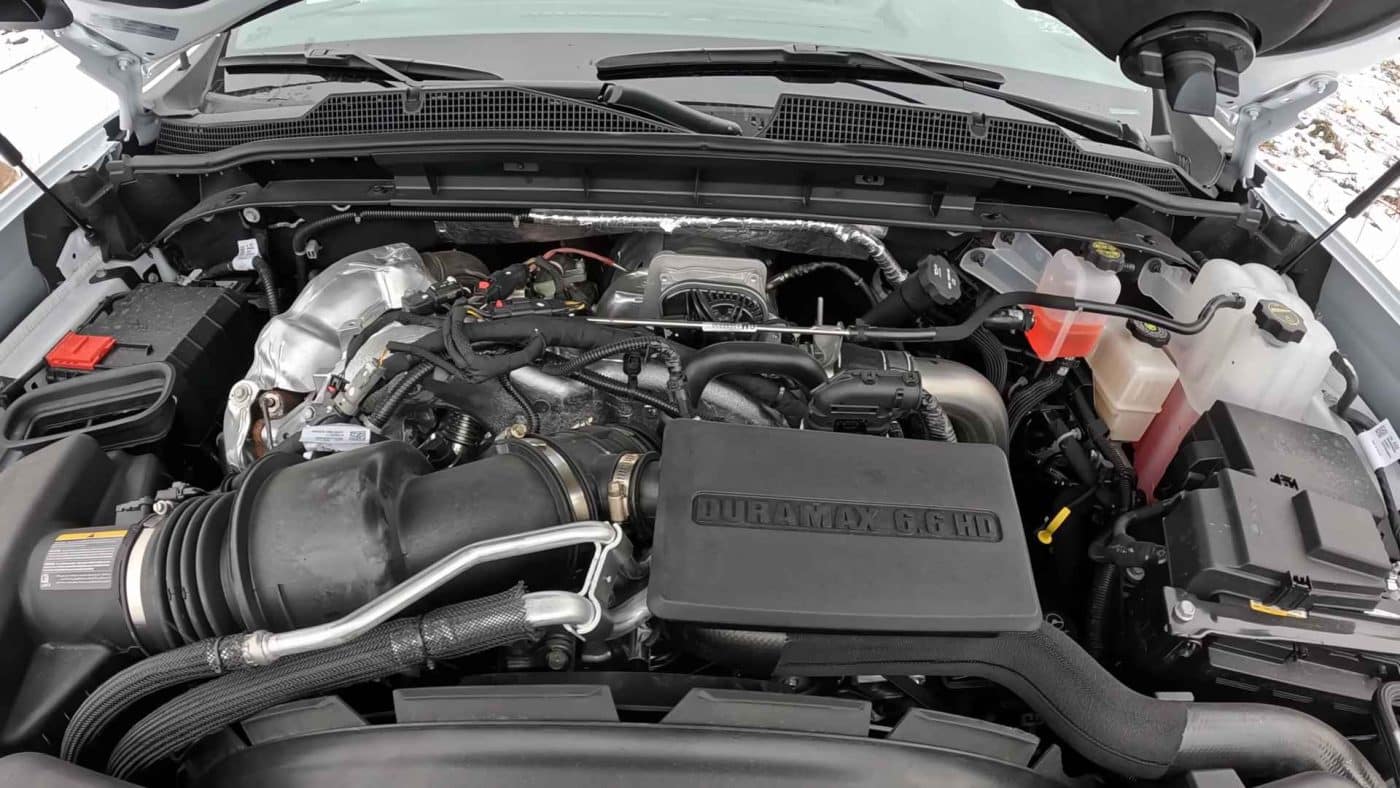
3. Duramax L5P 6.6-Liter in the 2019 Chevrolet Silverado HD 3500 Work Truck Double Cab DRW 4WD
Commercial fleet managers who specify Duramax-powered Silverado HD platforms are making a decision based on the complete drivetrain combination rather than the engine in isolation, because the L5P Duramax’s pairing with the Allison 10-speed automatic transmission produces an integrated powertrain solution that fleet operators rate as one of the most durable and service-friendly combinations available in any commercial truck platform.
Allison Transmission’s 10-speed automatic carries its own commercial fleet credibility through decades of heavy-duty commercial application in transit buses, medium-duty trucks, and military vehicles that expose the transmission to operating conditions more demanding than any light-duty commercial application imposes.
Fleet managers who have operated Allison-equipped vehicles in previous fleet assignments bring institutional familiarity with Allison’s service requirements and durability characteristics that reduce the learning curve for new fleet specifications.
L5P Duramax output of 445 horsepower and 910 pound-feet of torque paired with Allison’s torque converter and gear set calibration produces launch and acceleration characteristics optimized for loaded commercial operation, where smooth, controlled power delivery protects cargo and reduces drivetrain stress compared to transmission calibrations that prioritize performance feel over commercial durability.
This calibration priority directly affects long-term drivetrain component life in ways that fleet total cost of ownership analysis captures over multi-year vehicle life cycles.
GM’s commercial vehicle service program through Chevrolet commercial dealers provides fleet account managers with dedicated service coordination for multi-unit fleet accounts, including priority service scheduling that minimizes vehicle downtime during high-demand operational periods.
This service relationship management reduces administrative burden for fleet managers responsible for keeping multiple vehicles operational simultaneously and provides escalation paths for warranty claims that individual retail customers do not have access to.
Fleet operators of the 2019 Chevrolet Silverado HD 3500 Work Truck in municipal, utility, and construction applications report engine and transmission reliability that supports consistent specification continuation across multiple purchasing cycles, with documented service interval performance providing the quantitative uptime evidence that fleet procurement decisions require.
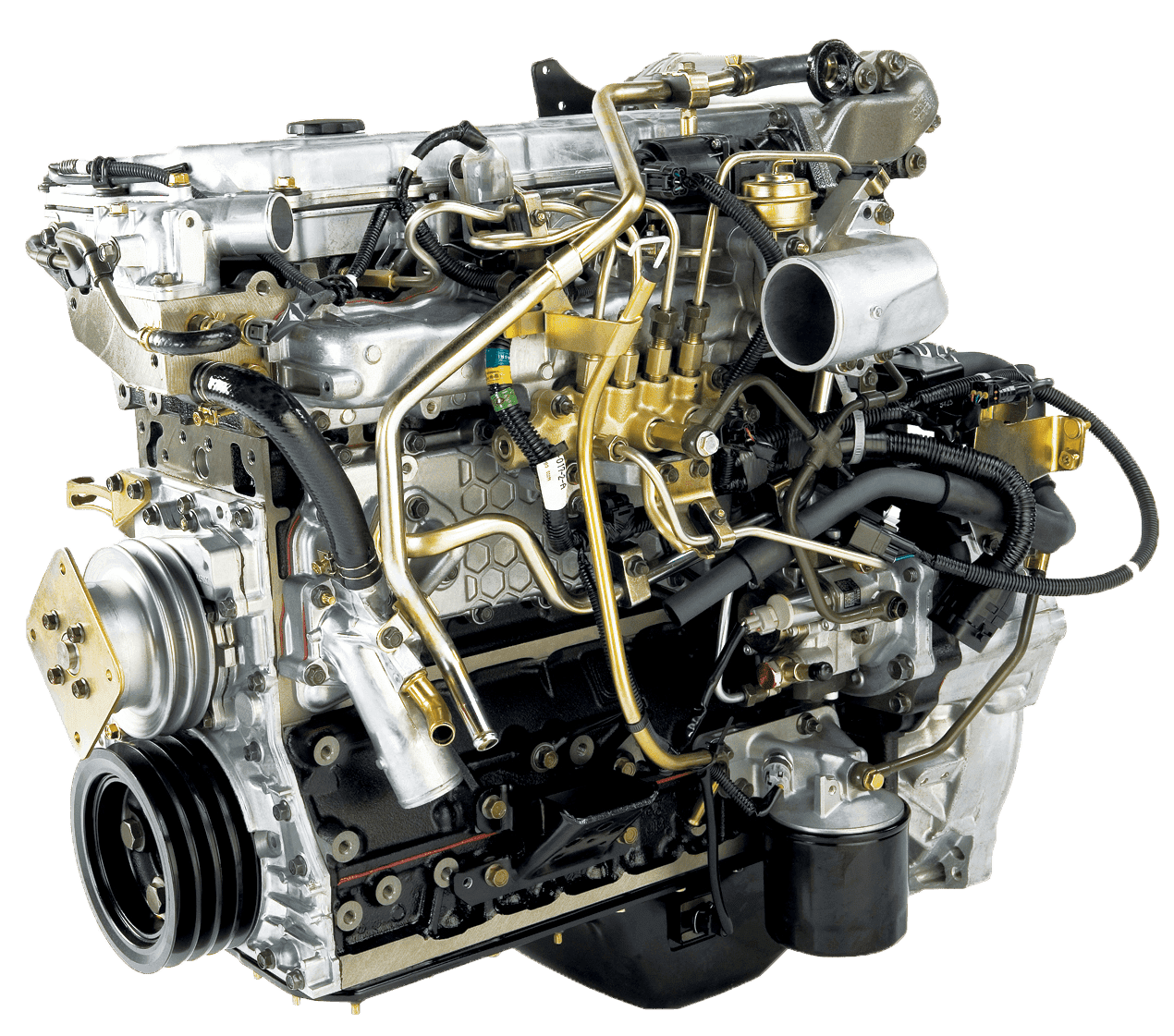
4. Isuzu 5.2-Liter 4HK1-TC Diesel in the 2018 Isuzu NPR-HD 14,500 GVWR Box Truck
Fleet managers who operate medium-duty delivery and service fleets specify Isuzu’s NPR-HD platform and its 5.2-liter 4HK1-TC diesel at rates that have made Isuzu the dominant brand in Class 4 and Class 5 commercial truck markets for an extended period, and this market position reflects fleet operator experience with the platform’s uptime characteristics rather than purchase price advantage or marketing presence.
Isuzu’s commercial truck engineering philosophy prioritizes operational reliability and serviceability for fleet applications above all other performance attributes, which produces trucks whose design decisions are consistently oriented toward reducing unscheduled maintenance events and minimizing repair time when service is required.
Low cab-over configuration provides exceptional cab tilt access to the engine, which reduces technician time for routine service and for diagnosis of issues requiring inspection of engine components, directly reducing labor cost per service event.
4HK1-TC engine architecture uses a proven inline-four configuration with common rail injection operating at pressures calibrated for the delivery cycle duty that NPR-HD applications typically experience, where frequent stops, low-speed urban operation, and moderate sustained highway running represent the predominant duty mix.
Engine calibration specific to this duty profile optimizes combustion efficiency and thermal management for the actual operating conditions rather than for idealized test cycles that differ from real commercial operation.
Isuzu’s North American parts distribution network, developed through decades of commercial fleet serving, provides fleet maintenance managers with the parts availability that unscheduled repair management requires.
Same-day parts availability through Isuzu commercial dealers and distributors in major metropolitan markets is documented, and fleet operators with multiple locations have established dealer relationships that support their geographic distribution requirements.
Commercial fleet service records for the 2018 Isuzu NPR-HD across package delivery, beverage distribution, and service body applications consistently document engine performance that meets or exceeds the uptime expectations that fleet procurement standards require, with total cost of ownership calculations that validate the platform’s commercial value across full five-year and seven-year fleet replacement cycles.
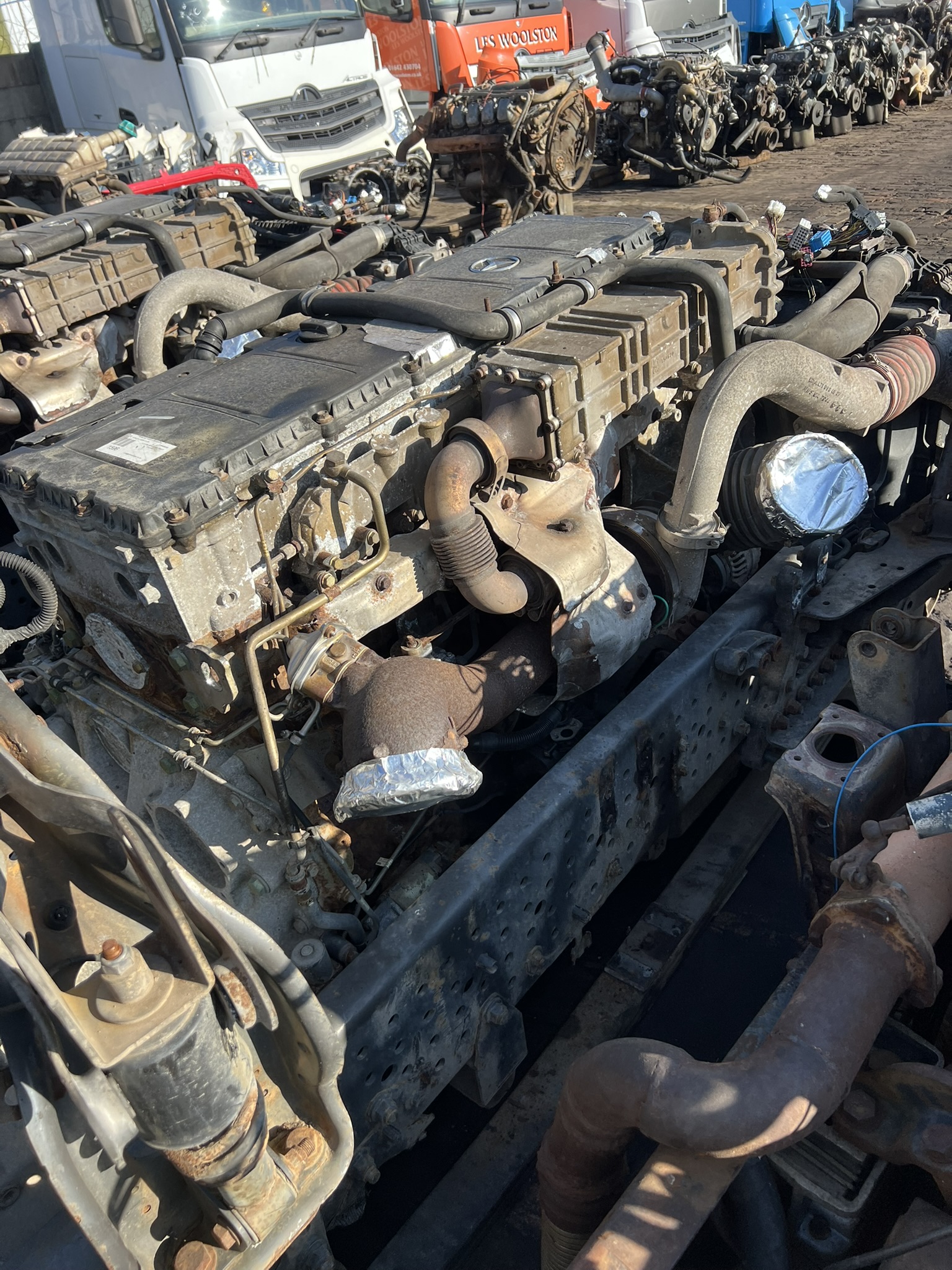
5. Mercedes-Benz OM471 12.8-Liter Inline-Six in the 2019 Freightliner Cascadia 126 Day Cab
Heavy-duty Class 8 fleet managers make engine selection decisions that involve substantially more financial consequence than medium-duty or light-duty decisions, because a Class 8 tractor represents several times the capital investment and generates correspondingly higher revenue per operational hour.
Engine reliability in this category is not measured in thousands of miles but in hundreds of thousands, and the Mercedes-Benz OM471 in the Freightliner Cascadia platform has earned Class 8 fleet specification commitments by meeting that standard with documented consistency.
Mercedes-Benz Trucks developed the OM471 as a purpose-built long-haul heavy diesel with design targets that reflect the operating realities of over-the-road fleets operating trucks at high annual mileage for expected service lives reaching one million miles before major overhaul.
This design target is substantially more demanding than any light-duty or medium-duty commercial application requires, and the engineering decisions that support a million-mile design life produce benefits at shorter intervals that fleet operators experience as reduced unscheduled maintenance events.
Predictive maintenance integration through Detroit Connect telematics in the Freightliner Cascadia platform allows fleet managers to monitor OM471 engine health parameters in real time across their entire fleet, identifying developing issues before they produce roadside failures.
Telematics-based predictive maintenance converts potential unscheduled repair events into scheduled maintenance visits, which allows fleet managers to plan for service during low-demand operational periods rather than responding to failures during peak revenue periods.
Fuel efficiency from the OM471 in highway application produces per-mile fuel cost reductions that fleet financial analysis quantifies directly, with documented highway fuel economy in the seven to eight miles per gallon range for appropriately spec’d and driven applications, providing operating cost advantages that compound across the millions of miles that long-haul fleet operations accumulate annually.
For large fleets where fuel represents a substantial portion of operating cost, this efficiency advantage translates directly to competitive cost structures that sustain fleet profitability.
Fleet managers of the 2019 Freightliner Cascadia 126 Day Cab who have operated these tractors through 500,000-mile and 750,000-mile service milestones report engine performance that meets design targets, providing the long-term validation that supports Class 8 fleet specification decisions representing millions of dollars in capital commitment.
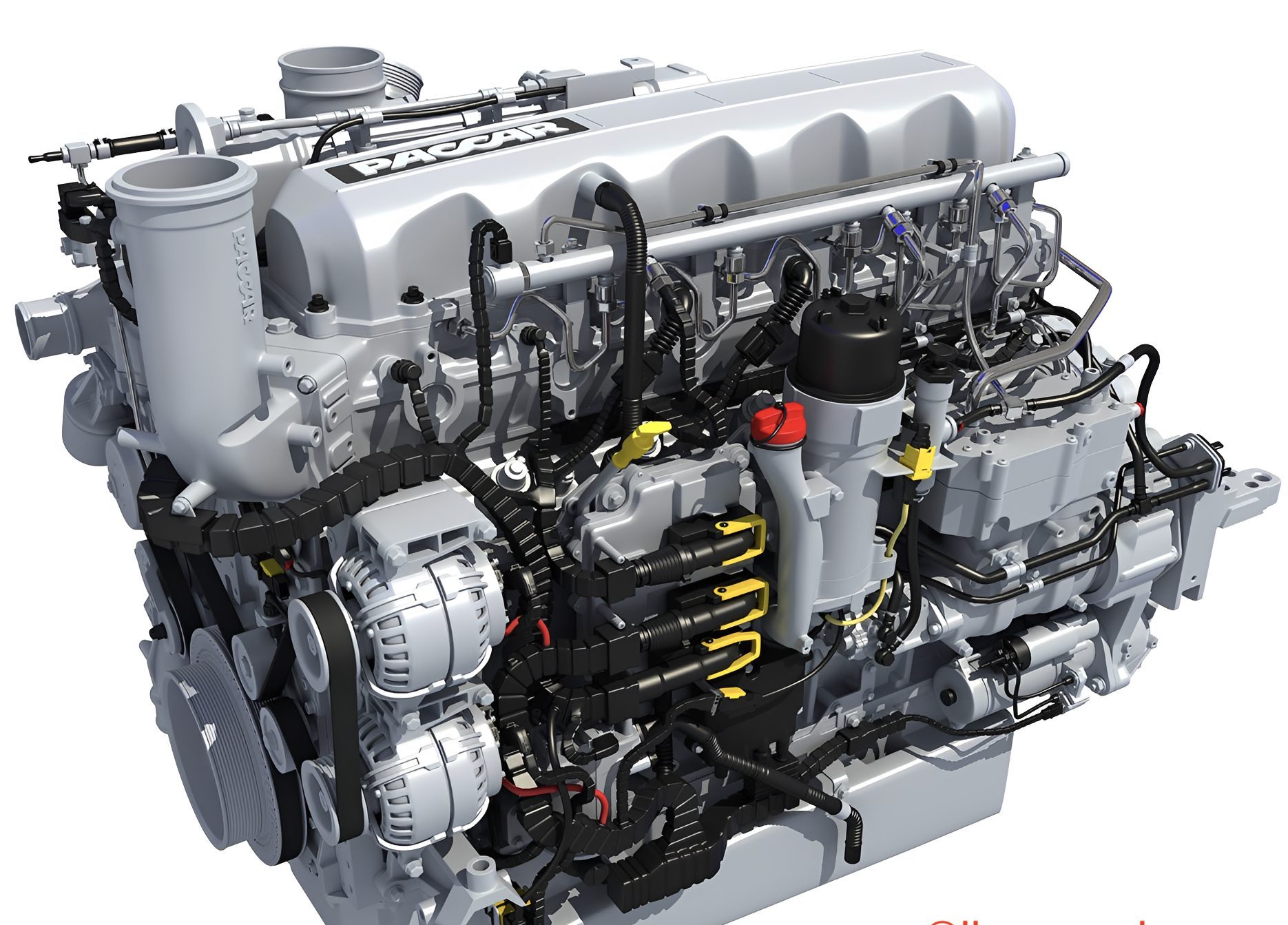
6. PACCAR MX-13 12.9-Liter in the 2021 Kenworth T680 Sleeper
PACCAR’s development of its own heavy-duty diesel engine family for Kenworth and Peterbilt applications represented a strategic decision to control powertrain engineering and customer support for its truck platforms, and the MX-13 in the Kenworth T680 has earned both owner-operator and fleet specification through documented performance in the demanding over-the-road market where driver feedback and operating cost documentation influence specification decisions more directly than any manufacturer’s promotional claims.
MX-13 output ratings of 455 and 510 horsepower with torque up to 1,850 pound-feet provide the power and torque range that application-specific spec’ing requires, allowing fleet managers to match engine configuration to specific route and load profiles rather than accepting a single power level for diverse operational requirements.
Application engineering support from PACCAR dealer personnel assists fleet managers in selecting appropriate calibrations for their specific duty cycles, which produce fuel economy and component durability results that generic-specification engines cannot match.
PACCAR Parts’ distribution network provides Kenworth T680 fleet operators with the parts availability and logistics infrastructure that uptime management requires across the geographic distribution of a national or regional fleet.
Fleet account management through PACCAR Parts programs includes inventory planning support that helps fleet maintenance managers maintain appropriate on-hand stock for their specific vehicle configuration without excessive capital investment in parts inventory.
Long-haul driver retention benefits from specifying the Kenworth T680 platform represent a fleet management consideration beyond the direct engine cost analysis, because driver satisfaction with cab comfort and truck reliability contributes to retention rates that affect fleet recruiting costs and operational consistency.
Drivers who operate comfortable, reliable equipment for stable fleet employers remain in those positions longer, which reduces the training and onboarding costs that driver turnover imposes on fleet operations.
Fleet operators of the 2021 Kenworth T680 Sleeper in national truckload and dedicated contract carriage applications document MX-13 performance across 500,000-mile and higher service intervals that validate PACCAR’s uptime claims with commercial operating evidence that fleet procurement organizations weigh alongside manufacturer specifications during purchasing decisions.
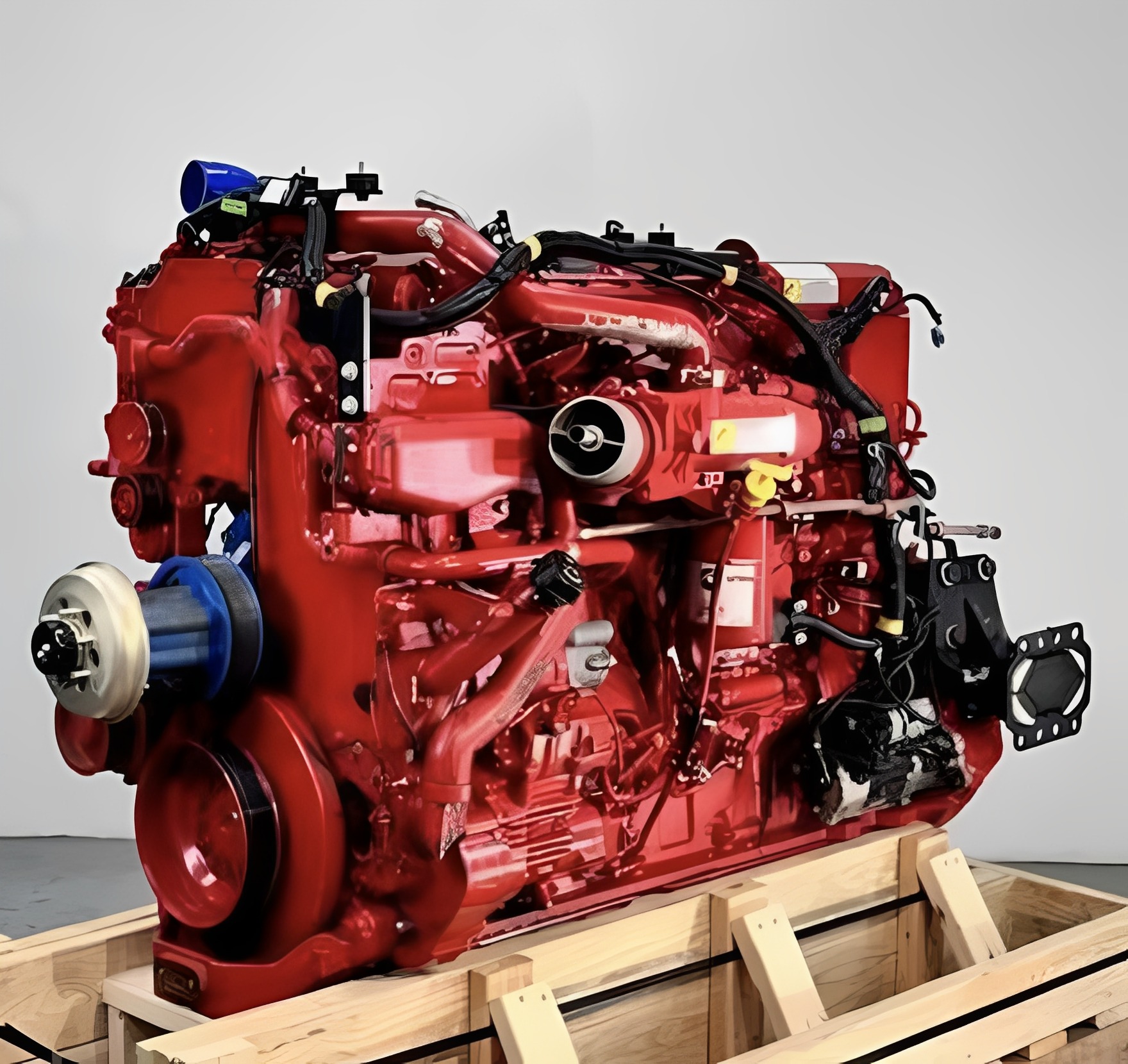
7. Cummins X15 Efficiency Series 15-Liter in the 2022 Peterbilt 389 Flat Top Sleeper
Peterbilt’s 389 platform with Cummins X15 Efficiency Series represents a fleet specification combination chosen when fuel economy and uptime must both meet demanding targets simultaneously, because the operational and financial consequences of failing either metric are severe enough that fleet managers cannot prioritize one at the expense of the other.
Cummins X15 Efficiency Series calibration optimizes the 15-liter platform for fuel economy within a power output range appropriate for typical highway freight operations, producing results that fleet fuel cost analysis demonstrates are superior to higher-output configurations in applications where maximum power is not consistently required.
Fleet fuel economy optimization through appropriate power selection, driver training programs, and route planning represents some of the highest-return fleet management activities available, and specifying the X15 Efficiency Series is a powertrain selection decision that supports these fuel management programs rather than working against them.
Single-module aftertreatment system in current X15 applications simplifies emissions maintenance compared to earlier multi-component aftertreatment configurations that required more frequent and more expensive filter replacement and cleaning procedures.
Aftertreatment maintenance cost is a fleet operating expense that some purchasing analyses underweight because the individual costs per event appear modest, but accumulated across fleet size and operational mileage, aftertreatment maintenance can represent a substantial portion of engine-related operating cost that simplified systems reduce meaningfully.
Cummins Connected Diagnostics telematics integration provides fleet maintenance managers with fault code monitoring and interpretation support that helps distinguish critical faults requiring immediate attention from lower-priority codes that can be addressed at the next scheduled service.
This fault prioritization support reduces unnecessary roadside stops and towing events by giving drivers and fleet managers the information they need to make informed continuation decisions rather than defaulting to conservative immediate-stop responses to all fault code illuminations.
Fleet managers of the 2022 Peterbilt 389 Flat Top Sleeper in national truckload operations document X15 Efficiency Series performance across annual mileages exceeding 150,000 miles per unit, providing high-cycle validation of the engine’s uptime and efficiency credentials that short-term testing cannot replicate.
Also Read: Top 8 Diesel Engines That Can Reach High Mileage Without Major Overhauls
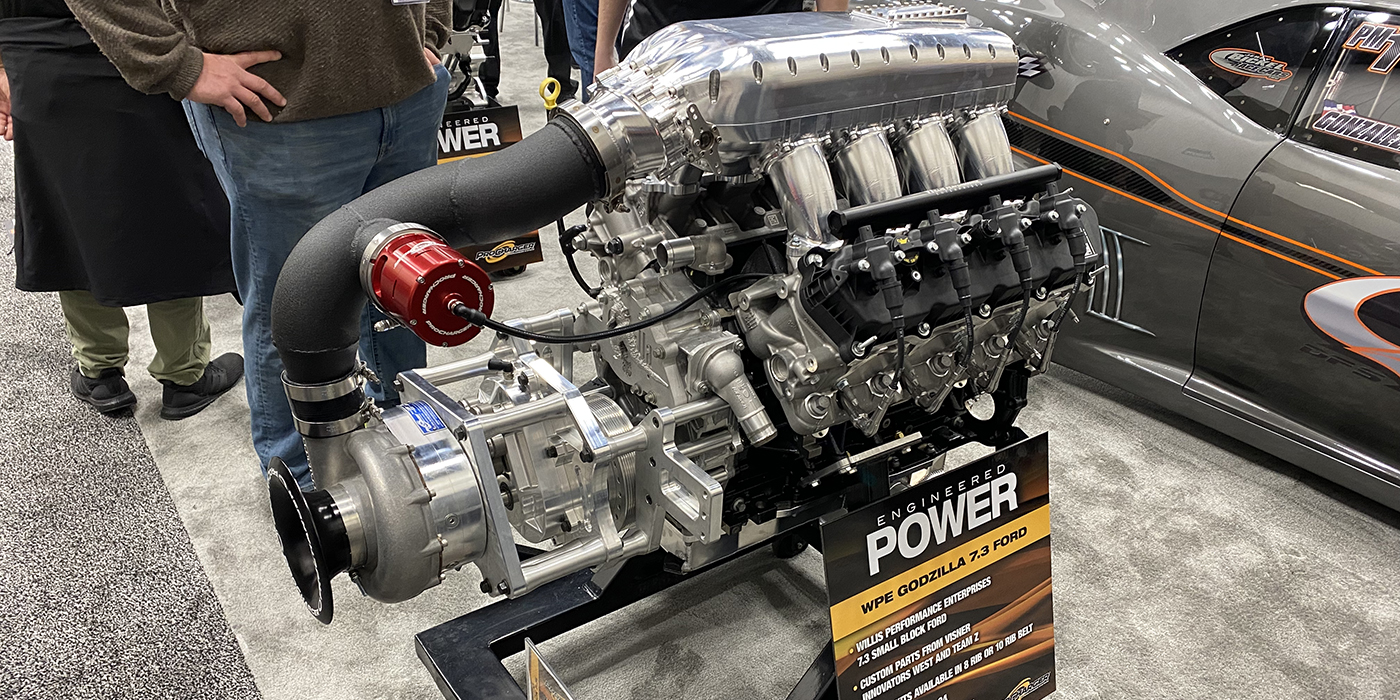
8. Ford 7.3-Liter Godzilla V8 Gasoline in the 2021 Ford F-600 Super Duty XL Regular Cab
Closing this list with a gasoline engine is a deliberate and defensible choice that reflects an important fleet management truth: diesel is not always the correct powertrain specification for commercial truck applications, and fleet managers who default to diesel regardless of actual duty cycle requirements sometimes pay more in purchase price, emissions maintenance cost, and technician training for a powertrain advantage they never fully realize in their specific application.
Ford’s 7.3-liter Godzilla V8 gasoline engine in the F-600 Super Duty platform addresses a specific fleet application segment where duty cycle analysis shows that diesel’s fuel economy advantage over gasoline does not offset diesel’s purchase price premium, higher maintenance cost, and greater technician training requirements within the vehicle’s expected service life and annual mileage profile.
Government fleet operations, utility maintenance crews, and construction support fleets that operate trucks primarily at low annual mileage in local or regional applications, typically under 15,000 to 20,000 miles annually, often find that gasoline engine purchase cost savings and lower emissions system maintenance costs produce lower total cost of ownership than diesel alternatives across five-year replacement cycles.
Fleet total cost of ownership analysis that quantifies these trade-offs with actual operating data rather than assumptions consistently produces results that support gasoline specification in this duty cycle segment.
7.3-liter Godzilla V8 output of 430 horsepower and 475 pound-feet of torque provides the payload and towing capability that F-600 applications require in vocational configurations, including service bodies, crane trucks, and aerial equipment platforms.
Gasoline engine warm-up characteristics in cold-climate fleet operations provide immediate full-capacity operation that diesel pre-heating requirements delay, which matters for fleets whose operational procedures do not accommodate extended engine warm-up periods before departure.
Technician familiarity with gasoline engine service across the fleet maintenance technician workforce provides labor efficiency advantages in fleet shops where diesel technician specialization requires either dedicated hiring or training investment.
Government and institutional fleets that maintain in-house service facilities find that gasoline engine service skill availability in their existing workforce reduces training costs and improves first-time fix rates compared to diesel systems that require specialized diagnostic equipment and training for emissions system service.
Fleet operators of the 2021 Ford F-600 Super Duty XL in municipal utility, school district, and light construction applications document operating costs that validate gasoline specification for their specific duty cycles, providing the real-world evidence that supports recommending the Godzilla V8 to fleet managers whose applications share these operational characteristics.
