
The luxury SUV market under $60,000 in the USA is more divided than it looks. On one side are models that genuinely feel premium, combining strong materials, refined engineering, and thoughtful design that deliver a near-upscale experience without the full luxury price tag.
Vehicles like the Genesis GV70, Lexus RX 350, and BMW X3 show how far value-focused luxury has evolved, offering cabins that feel solid, modern, and satisfying to use every day.
On the other side are SUVs that rely heavily on branding, technology, or styling while cutting back on interior substance. These models often introduce hard plastics, inconsistent finishes, or simplified materials that weaken the premium feel once you spend time inside them. The difference is not always obvious on a showroom floor, but it becomes clear in daily use.
This comparison highlights both extremes, showing which SUVs truly deliver luxury for the price and which ones lean more toward appearance than tactile quality.
6 Luxury SUVs for Under $60k In the USA
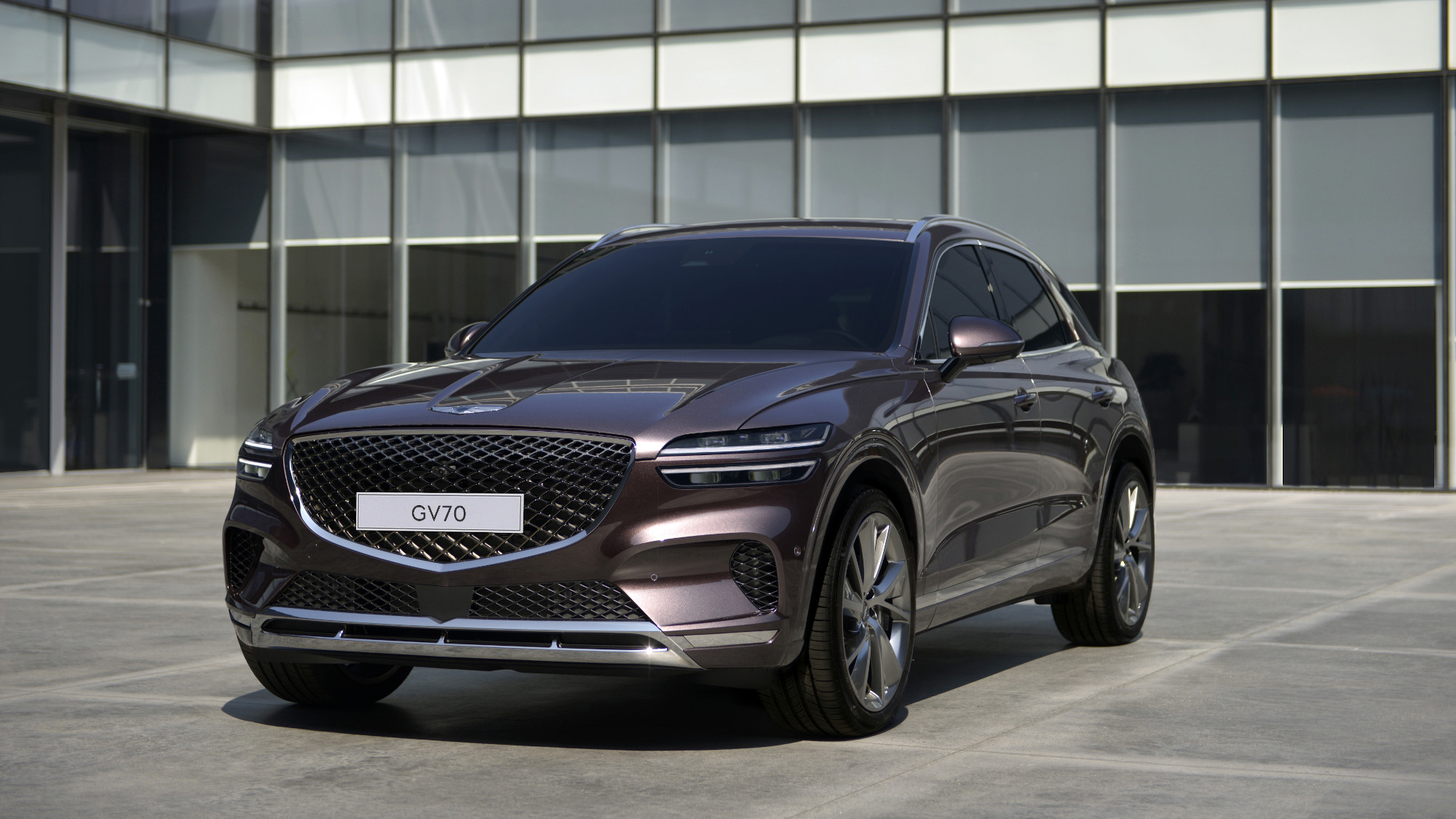
1. Genesis GV70: Redefining Value in the Luxury SUV Segment
The Genesis GV70 has become a benchmark for value in the compact luxury SUV class, offering a premium experience at a starting price of about $51,000. It avoids the typical entry-level luxury shortcomings by delivering a cabin and feature set that rival much more expensive vehicles. Its design, performance, and technology make it one of the most competitive options under $60,000.
One of its strongest qualities is the interior. The GV70 uses high-quality materials such as soft-touch surfaces, leatherette, and genuine aluminum trim that feels cool to the touch. The controls feature a knurled finish inspired by luxury watches, giving them a solid and refined feel.
Unlike some competitors that include noticeable plastic in key areas, Genesis ensures that nearly every surface you interact with feels premium. The cabin design is distinctive, with an aeronautical theme and flowing lines that create a cohesive and stylish look.
Performance is also impressive. The base model comes with a 2.5-liter turbocharged four-cylinder engine producing over 300 horsepower, while an available twin-turbo 3.5-liter V6 delivers up to 375 horsepower. Both engines are paired with an eight-speed automatic transmission and standard all-wheel drive.
Acceleration is quick, with 0 to 60 mph times ranging from about 5.8 seconds for the base engine to around 5.0 seconds for the V6. The GV70 provides a smooth and comfortable ride while still offering engaging handling when needed.
Technology is a key strength. A 27-inch display combines the instrument cluster and infotainment system, offering a modern interface with wireless Apple CarPlay, Android Auto, and over-the-air updates. Safety features include adaptive cruise control, lane-keeping assist, and automatic emergency braking.
The GV70 also offers practical benefits such as competitive cargo space and reasonable fuel economy. Its long warranty coverage adds confidence for buyers. It delivers a rare combination of luxury, performance, and value in its class.
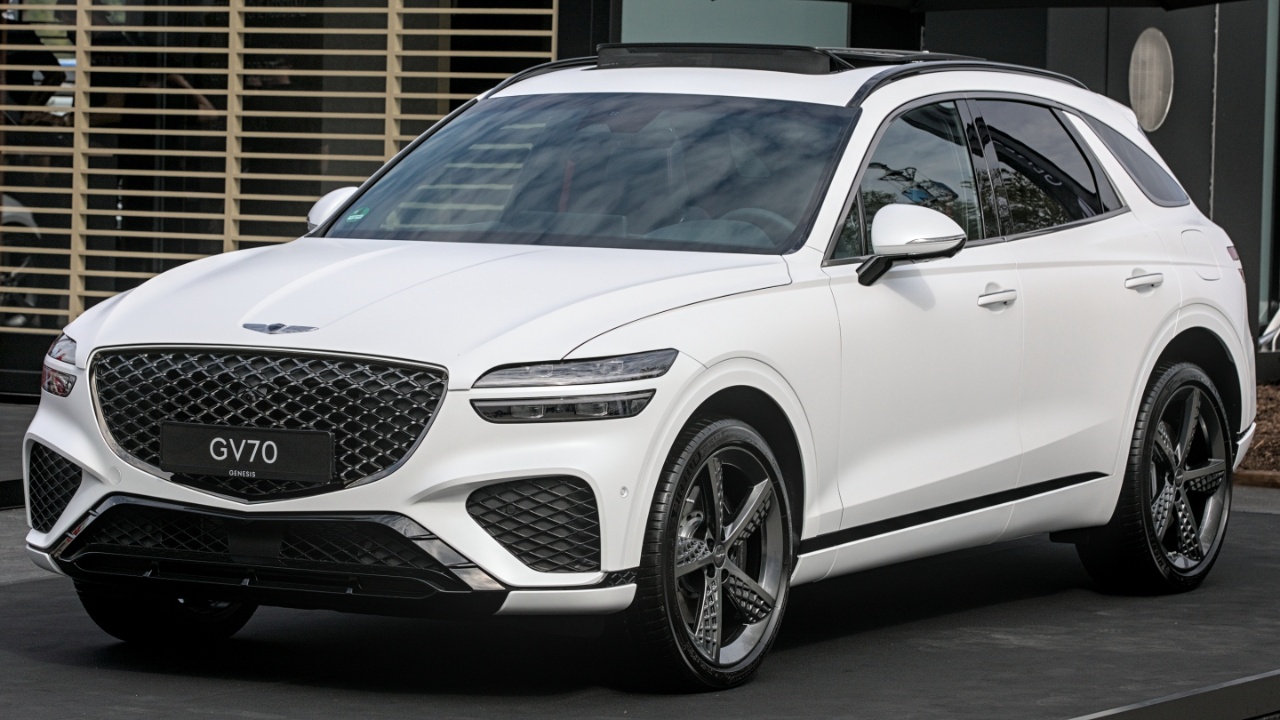
2. Lexus RX 350: Comfort, Reliability, and Craftsmanship
The Lexus RX 350 remains one of the most respected luxury SUVs under $60,000, known for its strong comfort, reliability, and refined build quality. Starting at around $50,525, it delivers a calm and premium driving experience that focuses on long-term value and everyday practicality rather than sporty performance.
A defining strength of the RX 350 is its interior craftsmanship. Lexus applies its “Takumi” philosophy, where skilled artisans carefully inspect details such as stitching and wood trim integration. The result is a cabin with precise assembly and no unwanted noise, even on rough roads.
Materials are chosen for durability and comfort, including the NuLuxe upholstery, which closely mimics real leather with a soft and supple feel. This creates a quiet, lounge-like atmosphere that many drivers describe as similar to a living room.
Comfort is central to the RX 350’s appeal. The ride quality is smooth and composed, making it ideal for long-distance driving. The cabin remains quiet, enhancing the sense of refinement. Rear seat space is generous, and the flexible 40/20/40 split-folding seats improve practicality. However, cargo capacity is slightly limited due to the SUV’s sloping roofline.
Performance is steady and dependable rather than aggressive. The RX 350 uses a 2.4-liter turbocharged four-cylinder engine producing about 275 horsepower, paired with an eight-speed automatic transmission.
It provides sufficient power for daily driving, though it is not designed for spirited handling. Some engine noise can be noticeable under hard acceleration, and the driving dynamics are more relaxed compared to sportier rivals.
Technology is modern and user-friendly. A 14-inch touchscreen serves as the infotainment hub, supporting wireless Apple CarPlay and Android Auto. Safety is another strong area, with Lexus Safety System+ 3.0 offering features like automatic emergency braking and lane-keeping assist as standard.
The RX 350 also stands out for its reliability and strong resale value, making it a smart long-term investment. A hybrid version, the RX 350h, adds impressive fuel efficiency of around 36 mpg. This SUV is best suited for buyers who value comfort, quality, and dependability in a luxury package.
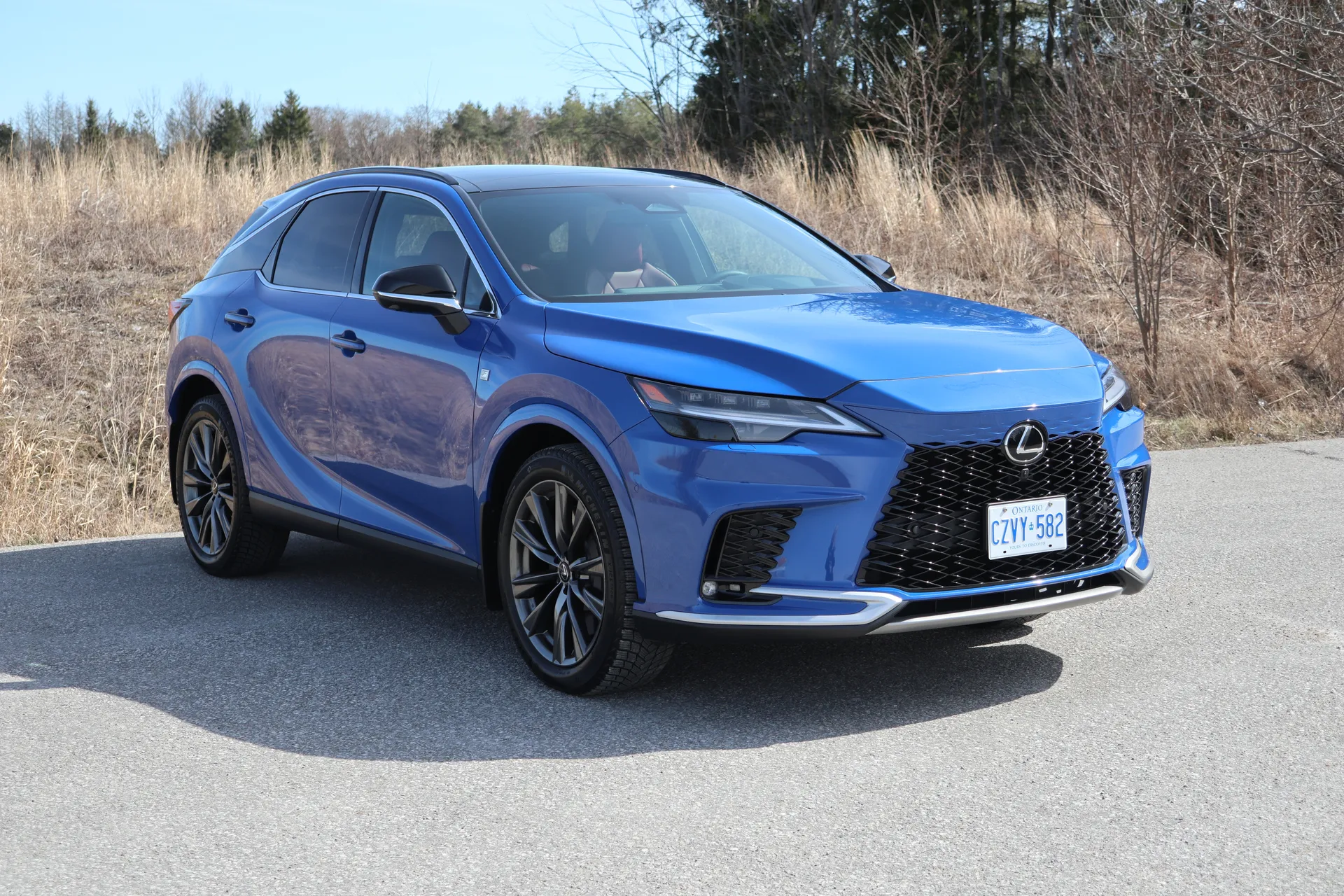
3. Acura MDX: Tech-Focused Performance and Practical Luxury
The Acura MDX stands out in the midsize luxury SUV segment by combining strong performance, advanced technology, and practical three-row versatility at a starting price of about $51,800. It delivers a balance of reliability, athletic driving dynamics, and premium features, making it a compelling option for buyers seeking both family utility and a refined driving experience.
Inside, the MDX presents a “techno-luxury” atmosphere with a solid and well-built feel. The cabin features a sweeping dashboard accented by real wood, metal trim, and high-quality materials. Acura emphasizes tactile precision, with controls designed to provide a satisfying mechanical click.
Higher trims include Milano leather upholstery and additional premium finishes, contributing to a rugged yet sophisticated character. The interior is well insulated, creating a quiet and durable environment, though it may not feel as visually artistic as some European rivals.
Performance is a key strength. The standard MDX comes with a 290-horsepower 3.5-liter V6 engine paired with a 10-speed automatic transmission. Front-wheel drive is standard, while all-wheel drive is available. For more power, the Type S variant offers a turbocharged 3.0-liter V6 producing 355 horsepower and standard all-wheel drive.
Acceleration is quick for the class, with 0 to 60 mph times of about 6.4 seconds for the base model and 5.5 seconds for the Type S. The MDX is known for its nimble handling and composed ride, giving it a sportier feel than many competitors.
Practicality is another highlight. The MDX offers three rows of seating, with ample space in the first two rows and a smaller third row better suited for children. Cargo capacity is flexible, expanding significantly when the rear seats are folded. It can also tow up to 5,000 pounds with all-wheel drive, adding to its versatility.
Technology and safety are well covered. A 12.3-inch touchscreen infotainment system, digital gauge cluster, wireless smartphone connectivity, and premium audio options enhance convenience. Standard driver-assistance features include adaptive cruise control, lane-keeping assist, and emergency braking.
The MDX combines performance, comfort, and long-term reliability, making it a strong choice for families wanting a sporty yet practical luxury SUV.
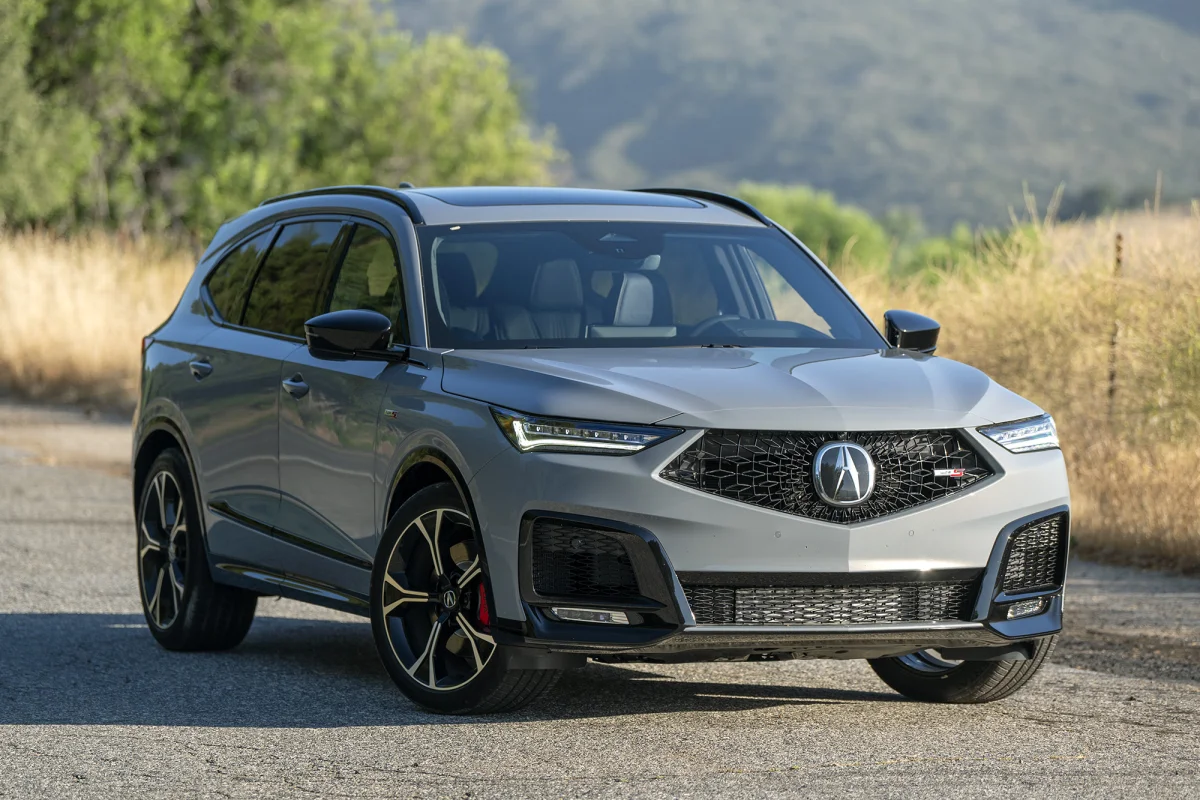
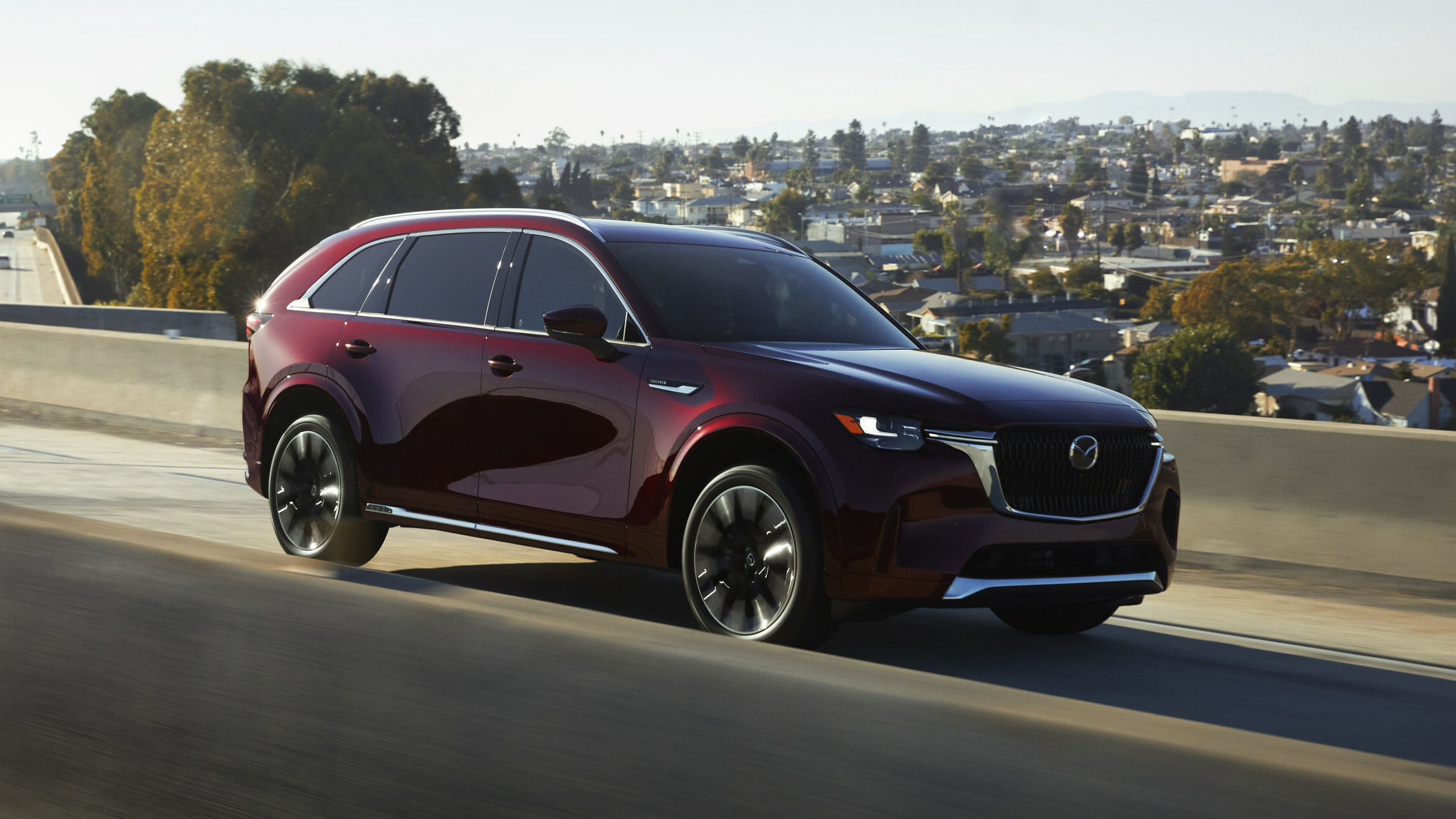
4. Mazda CX-90: Japanese Craftsmanship Meets Premium Performance
The Mazda CX-90 stands out as a unique offering in the midsize SUV segment by delivering near-luxury quality and performance while carrying a mainstream badge. Priced under $60,000, it combines refined design, strong performance, and family-friendly practicality, making it one of the most compelling value choices in its class.
A defining feature of the CX-90 is its interior craftsmanship, which draws heavily from Japanese design principles. Higher trims feature premium materials such as Nappa leather, real maple wood, and intricate “Kakenui” stitching that creates a layered, textured look.
This attention to detail gives the cabin a warm and organic feel, contrasting with the more clinical interiors often found in similarly priced competitors. The minimalist layout removes visual clutter and focuses on material quality and thoughtful design, creating a refined and inviting atmosphere.
Performance is another highlight. The CX-90 uses a rear-wheel-drive-based platform, which contributes to more balanced handling and improved driving dynamics compared to typical front-wheel-drive rivals. It is powered by a turbocharged 3.3-liter inline-six engine producing either 280 or 340 horsepower, paired with an eight-speed automatic transmission and standard all-wheel drive.
Acceleration is competitive, with the more powerful version reaching 60 mph in about 6.3 seconds. While the engine provides strong power, it can sound slightly unrefined at higher speeds, and the transmission may feel less smooth in certain conditions. Even so, the CX-90 maintains the engaging driving character Mazda is known for.
The SUV also offers strong practicality. It provides three rows of seating for up to eight passengers, with optional second-row captain’s chairs for added comfort. Cargo space is flexible, expanding significantly when the rear seats are folded. Towing capacity reaches up to 5,000 pounds, adding to its versatility for families.
Technology and safety features are well integrated. The infotainment system includes a large display with smartphone connectivity, while driver-assistance systems such as adaptive cruise control and blind-spot monitoring come standard.
The CX-90 delivers a rare blend of craftsmanship, performance, and usability, offering a premium experience without the typical luxury price markup.
5. Volvo XC60: Scandinavian Simplicity and Safety Excellence
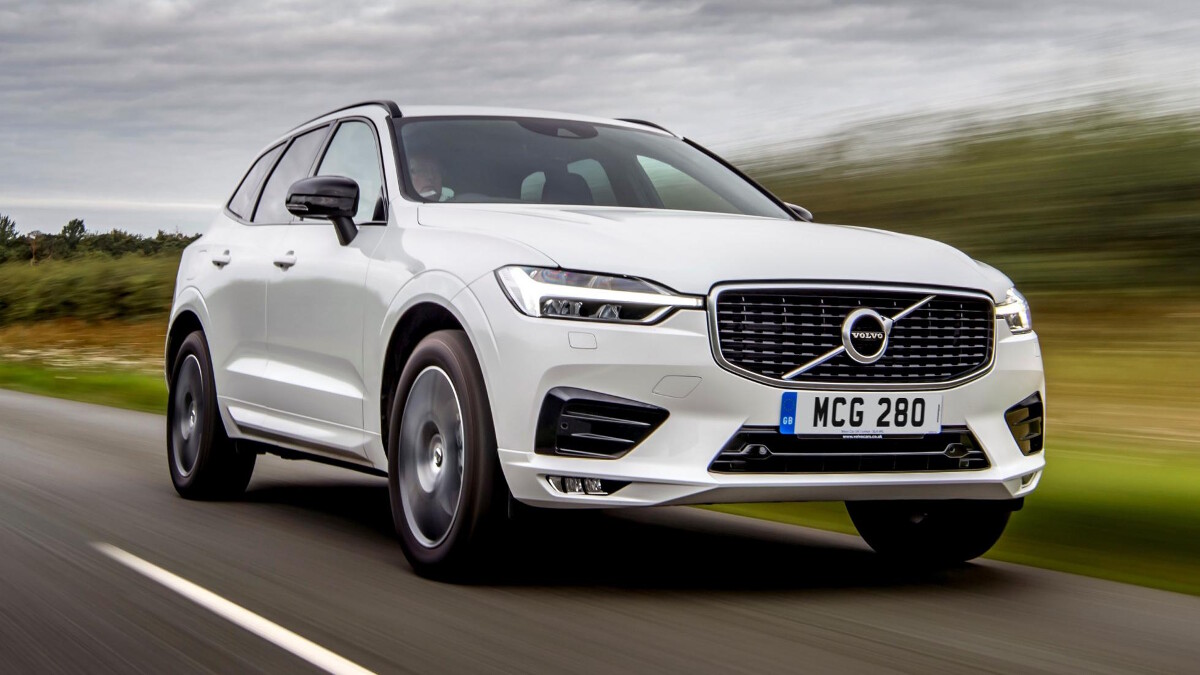
The Volvo XC60 stands out in the luxury compact SUV segment by combining minimalist Scandinavian design, advanced safety technology, and refined comfort at a starting price of around $47,000. It offers a premium experience that focuses on calmness, quality materials, and thoughtful engineering, making it a strong option under $60,000.
A key highlight of the XC60 is its interior design philosophy, often described as “clean luxury.” The cabin avoids glossy plastics and instead uses matte finishes, natural materials, and subtle textures.
Distinctive elements such as the Orrefors crystal gear shifter and Driftwood trim create a unique and upscale atmosphere. The layout is uncluttered and airy, with a muted color palette that promotes relaxation. Volvo’s seats are widely regarded as among the most ergonomic in the industry, offering excellent support and comfort for long drives.
Performance is smooth and confidence-focused rather than aggressive. The XC60 is powered by a 2.0-liter turbocharged four-cylinder engine paired with a mild-hybrid system, producing 247 horsepower. An eight-speed automatic transmission and standard all-wheel drive come with every model.
Acceleration is adequate, reaching 0 to 60 mph in about 6.5 seconds. The vehicle handles with stability and precision, though it is tuned more for comfort than sporty driving. Some road imperfections may be felt, but the ride remains composed in most conditions.
Technology is modern and easy to use. A new 11.2-inch touchscreen infotainment system offers improved responsiveness and clarity, along with wireless Apple CarPlay and Android Auto. Additional features include a digital driver display, premium audio options, and built-in connectivity.
Safety is a major strength. The XC60 includes standard features such as automatic emergency braking, lane-keeping assist, and advanced driver-assistance systems. It consistently earns high safety ratings, reinforcing Volvo’s reputation in this area.
The XC60 also provides practical benefits, including comfortable rear seating and competitive cargo space when the seats are folded. It delivers a refined mix of comfort, safety, and understated luxury for daily driving.
6. BMW X3: Precision Engineering and Driver-Focused Luxury
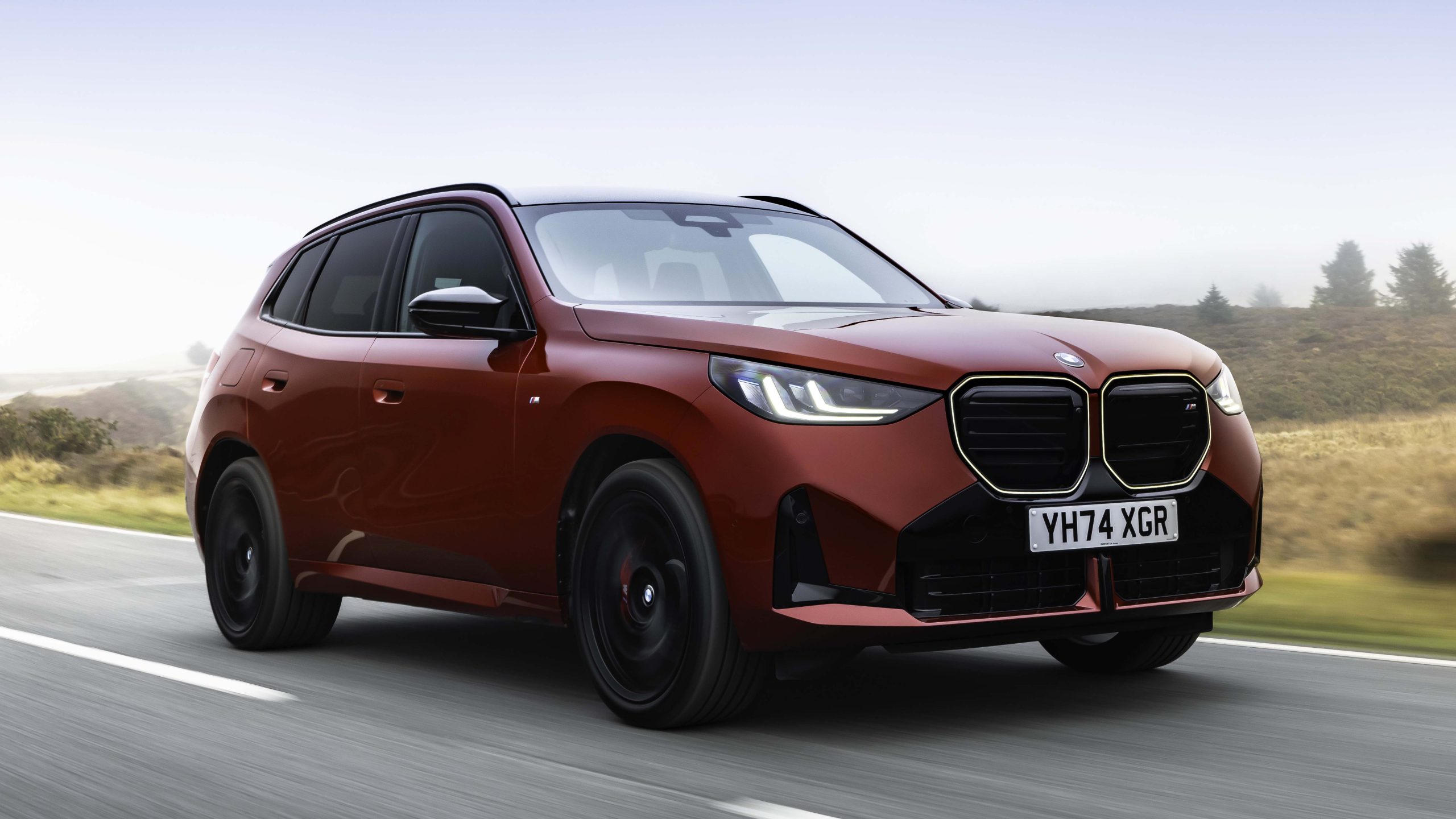
The BMW X3 continues to set a high standard in the compact luxury SUV segment by combining strong performance, solid build quality, and advanced technology at a starting price of about $49,500. It delivers a refined yet sporty experience that appeals to drivers who want both everyday comfort and engaging handling.
One of the X3’s defining qualities is its interior construction. The cabin feels exceptionally solid, with high-density materials that give every surface a sturdy and premium character. BMW’s SensaTec synthetic leather closely mimics real leather while offering durability and ease of maintenance.
Soft-touch materials cover key areas like the dashboard and door panels, and the tight assembly ensures there are no rattles or weak points. The layout is clearly driver-oriented, creating a cockpit-like environment that feels precise and purposeful while still maintaining comfort.
Performance is a major strength. The base xDrive30 model uses a turbocharged 2.0-liter four-cylinder engine with mild-hybrid assistance, producing 255 horsepower. For higher performance, the M50 variant features a turbocharged 3.0-liter inline-six engine with 393 horsepower.
Both models come with an eight-speed automatic transmission and all-wheel drive. Acceleration is quick, with the base model reaching 0 to 60 mph in about 6.2 seconds and the more powerful version doing it in roughly 4.0 seconds. The X3 is widely praised for its sharp handling, responsive steering, and balanced ride, making it one of the most enjoyable SUVs to drive in its class.
Technology is modern and versatile. The iDrive 9 infotainment system offers multiple input methods, including touchscreen, rotary controller, and voice commands. Features such as a head-up display, streaming apps, and digital services add convenience. Fuel efficiency is also competitive, with highway ratings reaching up to 33 mpg.
The X3 also offers practical benefits, including increased cargo space and flexible seating configurations. Standard safety features include emergency braking and lane-departure warning, with additional driver-assistance systems available.
Also read: 10 Cars With Such High Resale Value That Buying Used Is a Mistake
6 That Feel Like Plastic
1. BMW X1: Entry-Level Luxury with Cost-Driven Trade-Offs
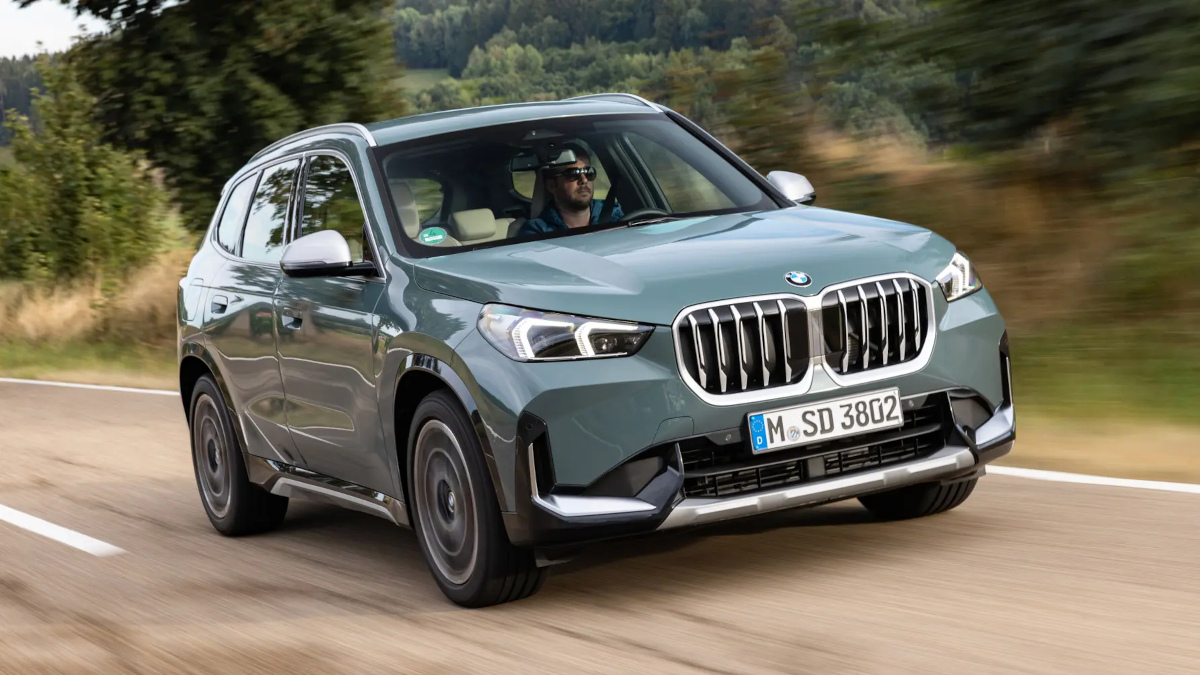
The BMW X1 is the smallest SUV in BMW’s lineup and serves as its entry point into the luxury segment. While it delivers strong technology and solid driving dynamics, it makes visible compromises in interior materials and tactile quality in order to maintain a more accessible price point.
Inside the cabin, the X1 shows a mix of premium intent and budget-conscious execution. Upper surfaces are reasonably well-finished, but many lower touchpoints use hard, scratchy plastics that feel less refined compared to larger BMW models.
Areas such as the center console, storage cubbies, and some trim pieces can feel light or less substantial than expected in a luxury vehicle. This creates a noticeable gap between the X1 and more upscale models like the X3.
Design simplicity is another factor. The interior layout is more minimal and functional, but some users perceive it as less rich in detail. Door panels and controls may feel lighter, and the sound of door closures lacks the heavy, solid “thud” often associated with higher-end luxury SUVs. These details contribute to the impression of a vehicle built with cost efficiency in mind.
Despite these material compromises, the X1 performs well in key areas. It offers responsive handling, a stable chassis, and a smooth driving experience typical of BMW engineering. The technology package is strong, featuring modern infotainment systems, digital displays, and connectivity features that keep it competitive in its class.
The X1 is best understood as a practical entry into the BMW brand. It prioritizes affordability, technology, and driving performance while accepting reductions in interior refinement. For buyers focused on getting into a premium badge with modern features and capable road manners, it remains a solid option, even if it does not match the tactile richness of larger or more expensive BMW SUVs.
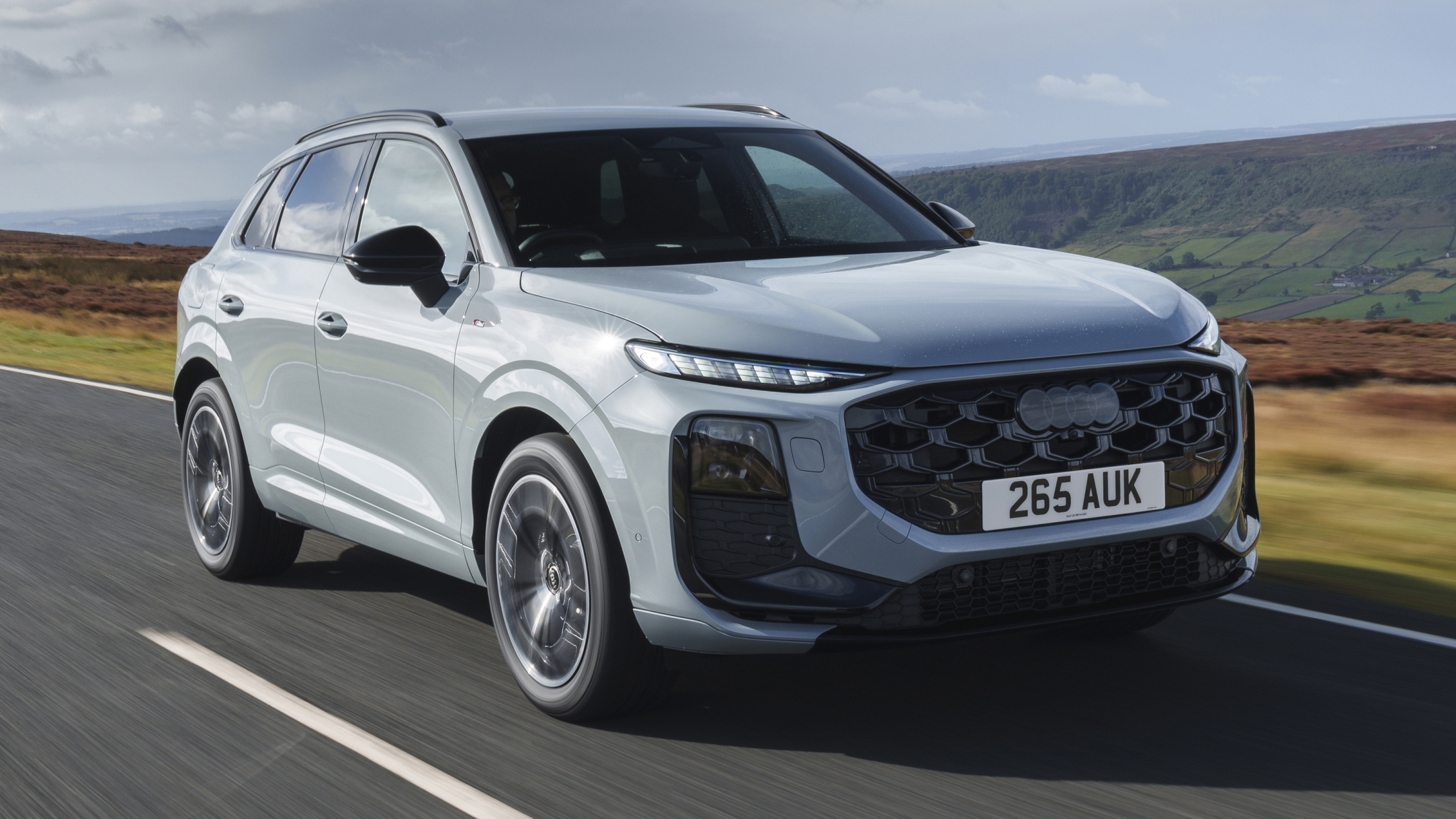
2. Audi Q3: Stylish Design with Cost-Driven Interior Trade-Offs
The Audi Q3 positions itself as an entry-level luxury SUV in the United States, offering modern styling, strong branding, and advanced technology. While it appears premium at first glance, closer inspection reveals interior compromises that place it below higher-tier Audi models such as the Q5 and Q7.
Inside the cabin, the Q3 uses a mix of materials that prioritizes cost efficiency. The upper dashboard typically features soft-touch surfaces, but lower areas such as the center console, door panels, and lower dashboard rely heavily on hard, scratchy plastics.
These materials can feel hollow when tapped, reducing the sense of refinement. Some controls and switches also lack the solid, satisfying feedback expected from more expensive Audi models, with certain buttons feeling light or less durable.
A significant portion of the perception comes from its entry-level positioning. As the smallest and most affordable SUV in Audi’s lineup, the Q3 is designed to meet a lower price target, which leads to simplified interior components and shared parts from the broader Volkswagen Group platform. This approach helps maintain affordability but reduces the sense of exclusivity and material depth.
Design choices also influence perception. The use of glossy black trim is common, but it is often criticized for being prone to scratches and for lacking the premium feel of metal or wood accents. Compared to rivals like the Volvo XC40 and Mercedes-Benz GLA, the Q3 can feel less luxurious, and many reviewers note that stepping up to the Q5 provides a noticeably richer interior experience.
Despite these drawbacks, the Q3 still delivers a clean, modern layout with strong digital displays and a generally solid build quality throughout the cabin. It appeals to buyers who value technology, brand prestige, and compact practicality, even if its interior materials do not fully match the expectations set by larger Audi models.
3. Toyota Land Cruiser: Durability-Focused Cabin with a Rugged Identity
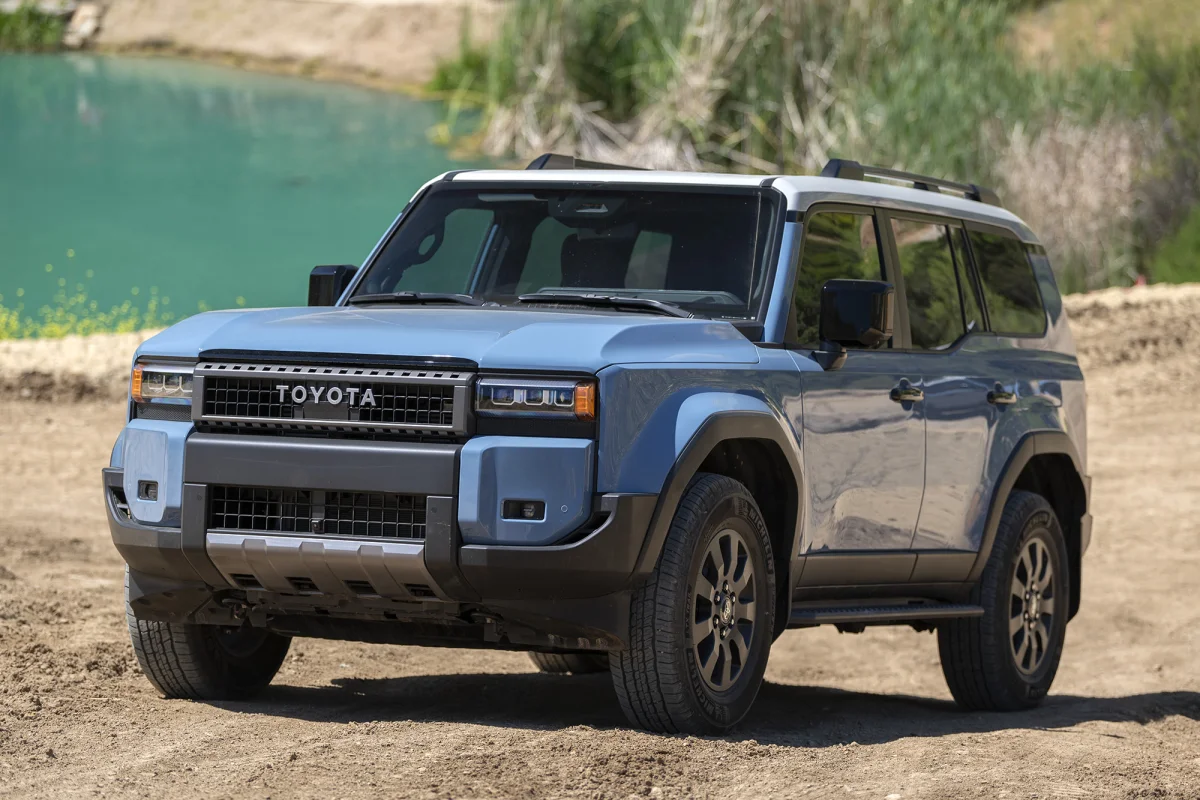
The 2026 Toyota Land Cruiser is designed with a strong focus on off-road durability and practical utility, which shapes its interior into a more basic and functional space despite its price starting above $56,000. Rather than emphasizing luxury finishes, Toyota prioritizes materials and design choices that can withstand demanding environments.
Inside the cabin, hard matte plastics are widely used across the dashboard, door panels, and lower interior surfaces. These materials are selected for their resistance to scratches, dirt, and wear, making them ideal for off-road use and easy cleaning after rough terrain driving. However, this approach reduces the presence of soft-touch surfaces and limits any sense of premium refinement compared to luxury-oriented SUVs.
The design language continues this utilitarian theme. Controls and buttons are large, chunky, and easy to operate in challenging conditions, such as when wearing gloves or driving on uneven terrain. While practical, they feel more like components found in a work vehicle than finely finished luxury switchgear. This reinforces the Land Cruiser’s identity as a tool built for endurance rather than comfort-focused sophistication.
Toyota’s philosophy for the Land Cruiser centers on long-term reliability and real-world usability. The interior shares its rugged material approach with other Toyota utility models, emphasizing resistance to harsh use instead of delicate finishes. Early impressions from pre-production versions may have amplified criticism, but the production direction remains consistent with its purpose-driven design.
The Land Cruiser is best suited for buyers who value toughness, off-road capability, and long-lasting construction over plush interiors.
4. Mercedes-Benz GLA: High-Tech Styling with Cost-Conscious Interior Materials
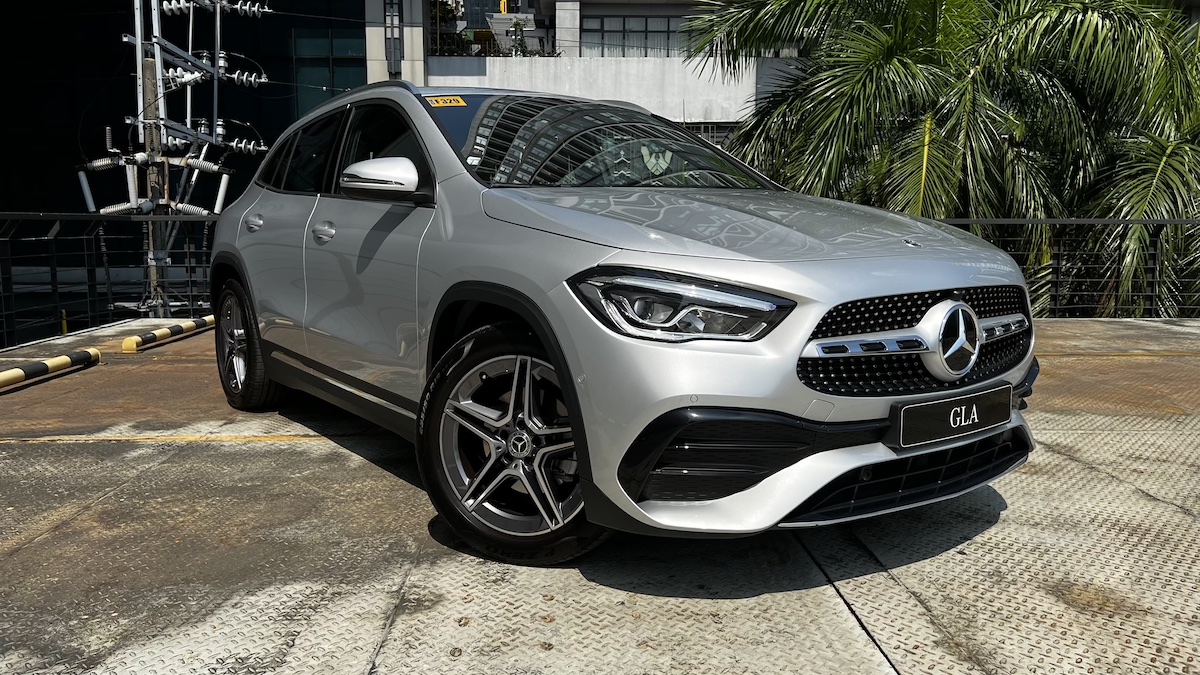
The Mercedes-Benz GLA is the brand’s entry-level SUV, designed to deliver a modern, urban-focused luxury experience. While it emphasizes technology, styling, and compact practicality, it often draws criticism for interior material quality that feels less refined compared to higher-tier Mercedes models.
Inside the cabin, the GLA prioritizes visual flair over tactile richness. Ambient lighting and a high-tech dashboard create a “club-like” atmosphere, but many trim pieces that appear metallic are actually lightweight, painted plastic. Elements such as turbine-style air vents look premium but can feel thin or less solid in hand. Below eye level, harder plastics dominate the cabin, reducing the sense of luxury expected from the Mercedes badge.
This material approach is largely tied to its positioning. As the most affordable SUV in the lineup, the GLA is built to meet a lower price point, which limits the use of soft-touch surfaces and more expensive finishes. It is also closely related to the A-Class platform, which contributes to its smaller proportions and more functional interior layout.
Ride quality further shapes perception. The suspension is tuned for a sporty feel, and in combination with run-flat tires, it can feel firm over uneven roads. This adds to a less cushioned driving experience compared to larger, more expensive Mercedes SUVs.
Despite these compromises, the GLA is appreciated for its strengths. The MBUX infotainment system is highly regarded for its responsiveness and design, and the vehicle’s compact size makes it easy to maneuver in urban environments. Its exterior styling also appeals to younger buyers seeking a sporty luxury crossover with strong brand appeal.
5. Tesla Model Y: Minimalist Design Focused on Technology Over Traditional Luxury
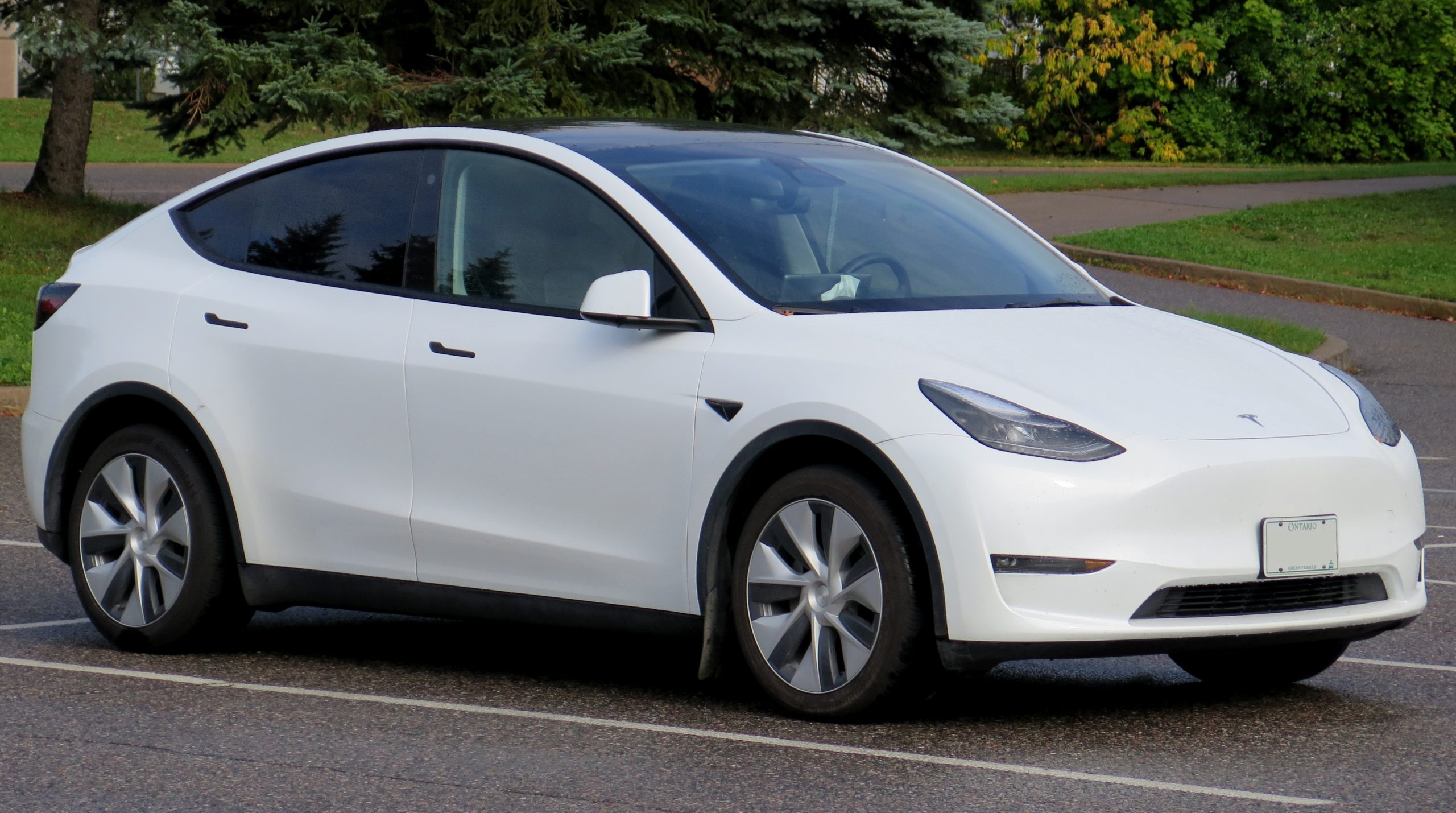
The Tesla Model Y uses a minimalist interior design that prioritizes technology, efficiency, and simplicity, but this approach often leads to perceptions of a “plastic” or less premium cabin compared to traditional luxury SUVs. While it is positioned as a high-end electric SUV due to its price, performance, and advanced features, its interior philosophy differs significantly from conventional luxury standards.
Inside the cabin, the Model Y removes nearly all traditional design elements such as wood trim, metal accents, and complex stitching. Instead, it relies on a stark layout dominated by a single central touchscreen that controls most vehicle functions. This reduces the presence of physical buttons and creates an open, uncluttered space, but also results in a lack of tactile richness that many luxury buyers expect.
Materials also influence perception. Seats and surfaces are covered in synthetic “vegan leather,” which supports Tesla’s sustainability goals but can feel rubbery or less refined to some users.
The heavy use of durable plastics throughout the cabin reflects production efficiency and cost control, though it can contribute to a less premium feel. Some drivers also note inconsistent panel gaps and thinner door construction, which can make the interior feel less solid.
Ride quality plays a role as well. The suspension is tuned for sportiness, which can feel firm over rough roads and reduce the sense of plush comfort associated with luxury SUVs.
Despite these critiques, the Model Y remains highly popular due to its strong performance, fast acceleration, long range, and advanced software ecosystem. Its appeal is driven by a modern definition of luxury centered on technology rather than traditional materials.
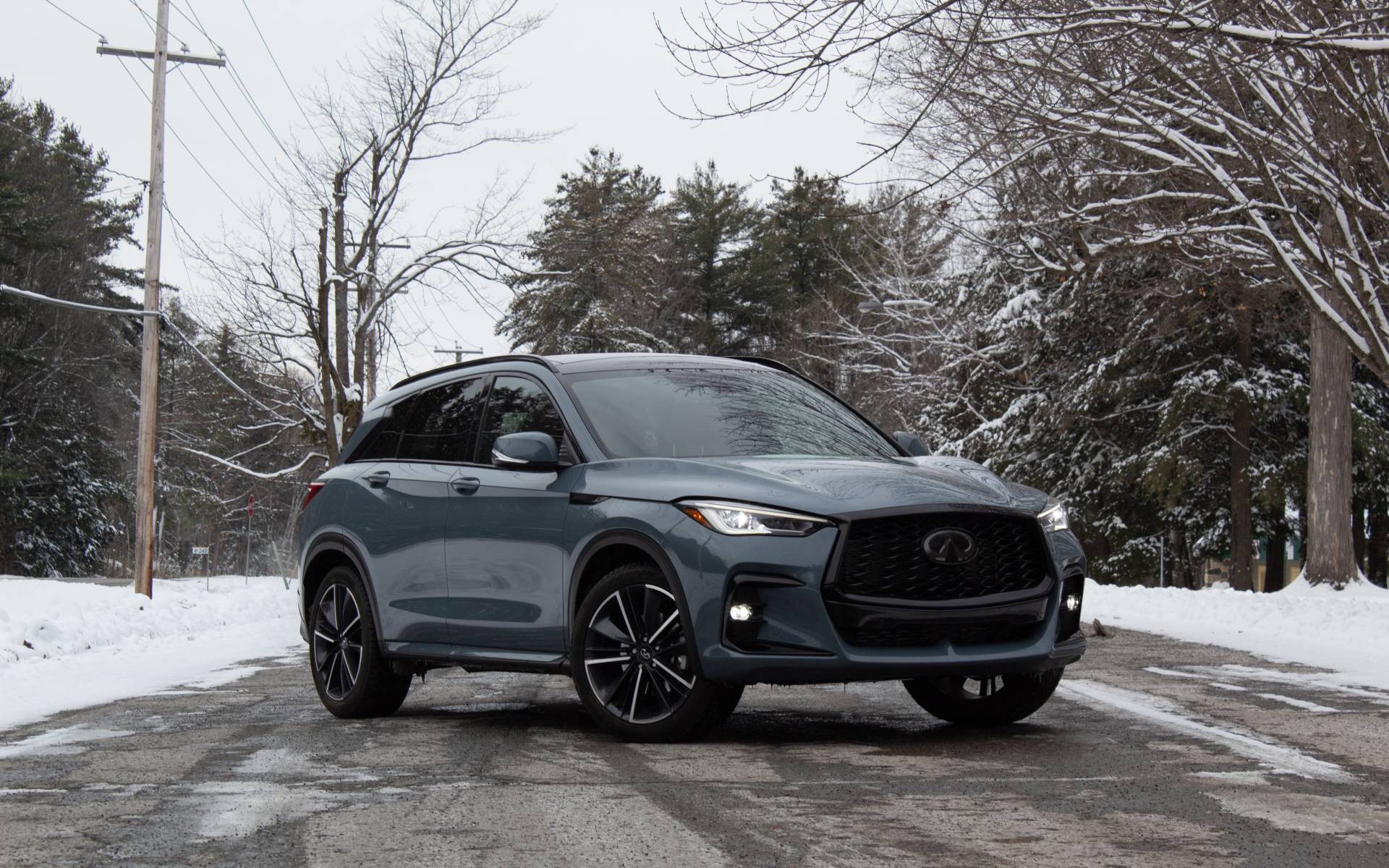
6. Infiniti QX50 and Infiniti QX55: Styling-Driven SUVs with Inconsistent Premium Feel
The Infiniti QX50 and QX55 focus heavily on bold styling and comfort, but their interior execution often falls short of expectations for the luxury segment. While higher trims include suede accents and some soft-touch materials, much of the cabin in base and mid variants relies on dated, hard plastics that reduce the sense of refinement.
A frequent criticism is the dual-screen infotainment layout, which is framed by glossy piano black trim. This surface shows fingerprints and scratches easily, making the cabin look worn more quickly than competitors. The system itself is also seen as outdated compared to rivals, contributing to a less modern feel inside the vehicle.
Material quality varies noticeably throughout the cabin. Some touchpoints feel soft and premium, while others use cheaper plastics, creating an inconsistent experience that weakens the perception of luxury. Even the physical controls receive mixed feedback, with buttons described as soft or “mushy” rather than crisp and well-defined.
Powertrain refinement also shapes impressions. Both models use a 2.0-liter turbocharged engine paired with a continuously variable transmission. While efficient and technically advanced, this setup is often criticized for being noisy and lacking the smooth, engaging character expected in this class.
The QX55, which is a coupe-styled version of the QX50, adds a more dramatic design but reduces practicality and increases cost, which further impacts perceived value. Despite offering generous cargo space and attractive exterior styling, both models struggle to deliver the level of interior sophistication and technological polish found in stronger rivals like Lexus and Genesis.
Looking across these 12 SUVs under $60,000, the gap between genuine luxury and perceived luxury becomes clear. Models like the Mazda CX-90, Volvo XC60, and Acura MDX demonstrate how thoughtful materials, strong engineering, and refined design can create a premium experience without stretching budgets too far. These vehicles feel cohesive, well-built, and satisfying in ways that justify their pricing.
In contrast, several entry-level luxury SUVs prioritize branding, screens, or styling cues while relying more heavily on hard plastics and simplified interiors. While they still offer modern tech and respectable performance, the tactile experience often falls short of expectations set by their badges.
The takeaway is simple. True value in this segment is not just about horsepower or infotainment size, but about how a vehicle feels every time you touch, sit, and drive it. The best choices combine comfort, durability, and refinement, while the weaker ones reveal their compromises over time
Also read: 5 Cars for Rural American Dirt Roads vs. 5 with Fragile Bumpers
