
Car history carries a strange kind of irony. Some machines outlive the companies that designed them, yet continue to appear on roads, driveways, and restoration garages decades later.
Classic coupes hold a special place in that category because they combine style, mechanical honesty, and long-term serviceability in ways that modern production lines rarely replicate.
A coupe was never just about transportation. It represented identity, personal taste, and engineering ambition packaged into two doors and a focused driving experience.
Many manufacturers that once produced these machines have since closed, merged, or moved away from passenger car production entirely. Still, their coupes remain active long after corporate logos disappeared from showrooms.
What keeps these vehicles alive is not corporate support. It is mechanical durability, enthusiastic dedication, and parts ecosystems that refuse to fade away. Owners continue restoring, maintaining, and driving these machines because they still deliver usable performance and unmistakable character.
This page presents eight classic coupes that outlasted the companies that built them. Each example reflects a different era of automotive design, from American personal luxury to European precision engineering. Some brands vanished entirely, while others shifted direction away from the coupe segment.
Expect a mix of engineering stories, ownership experiences, and long-term survival patterns. These vehicles demonstrate how strong design can outlive corporate timelines and remain relevant through sheer durability and continued admiration.
1. Pontiac Firebird Trans Am
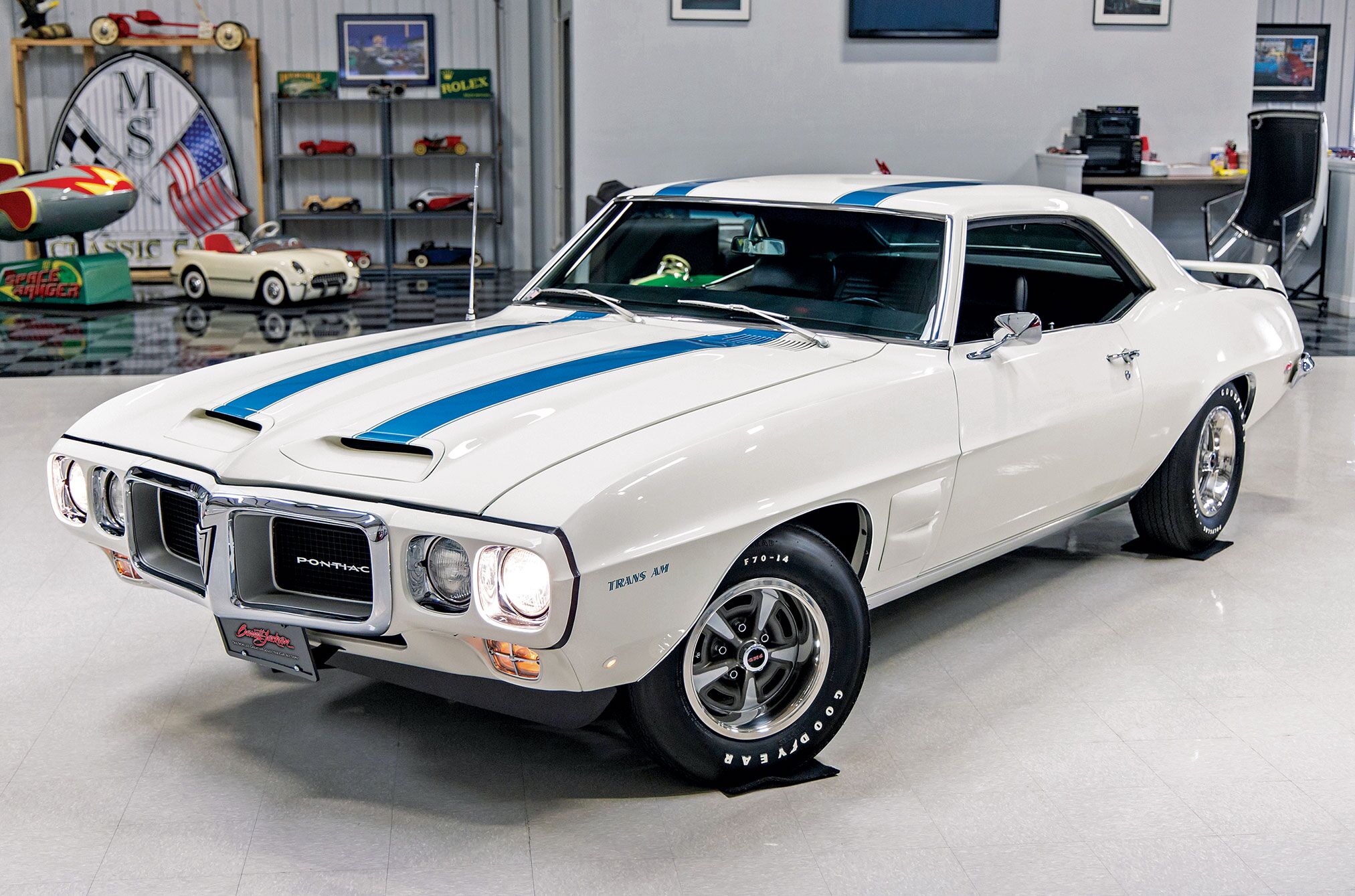
Ownership of the Pontiac Firebird Trans Am began as a statement of performance identity during its production years, yet its survival story extends far beyond the lifespan of Pontiac as a division. When General Motors discontinued the brand in 2010, the Trans Am had already secured its place as a long-term survivor in enthusiast garages across North America and beyond.
Its continued presence on roads today reflects both engineering durability and strong cultural attachment. Powertrain options defined much of its longevity. The 1970s and 1980s models, especially those equipped with V8 engines, developed reputations for strong bottom-end durability when properly maintained.
Carbureted and later fuel-injected variants demonstrated tolerance for high mileage use, provided cooling systems and lubrication schedules were respected. The engine blocks themselves proved capable of repeated rebuild cycles, which allowed many examples to remain operational decades after factory support ended.
Chassis construction also contributed to survival. Body-on-frame style elements combined with subframe structures gave the vehicle enough rigidity to endure repeated stress from spirited driving. Suspension components were simple enough to rebuild without specialized factory tooling, which helped independent shops keep these coupes running long after dealership networks shifted focus away from older platforms.
Interior durability varied by trim level, yet many Trans Am models developed reputations for wear resistance in key structural areas such as dashboard framing and seat mounts. While upholstery often required restoration, the underlying cabin structure remained serviceable. That allowed owners to refresh interiors without discarding the entire vehicle.
Parts availability played a major role in continued survival. Aftermarket suppliers stepped in to fill gaps left by corporate discontinuation. Engine components, body panels, and performance upgrades remained widely available, supporting restoration culture across multiple decades. Enthusiast communities also contributed by documenting repair procedures and sharing mechanical knowledge.
Driving experience remains part of the reason these coupes persist. Even after corporate retirement, the Trans Am continues to deliver a distinct mechanical feel tied to its era. Steering feedback, engine response, and chassis behavior still attract drivers who value analog performance.
2. AMC Javelin AMX
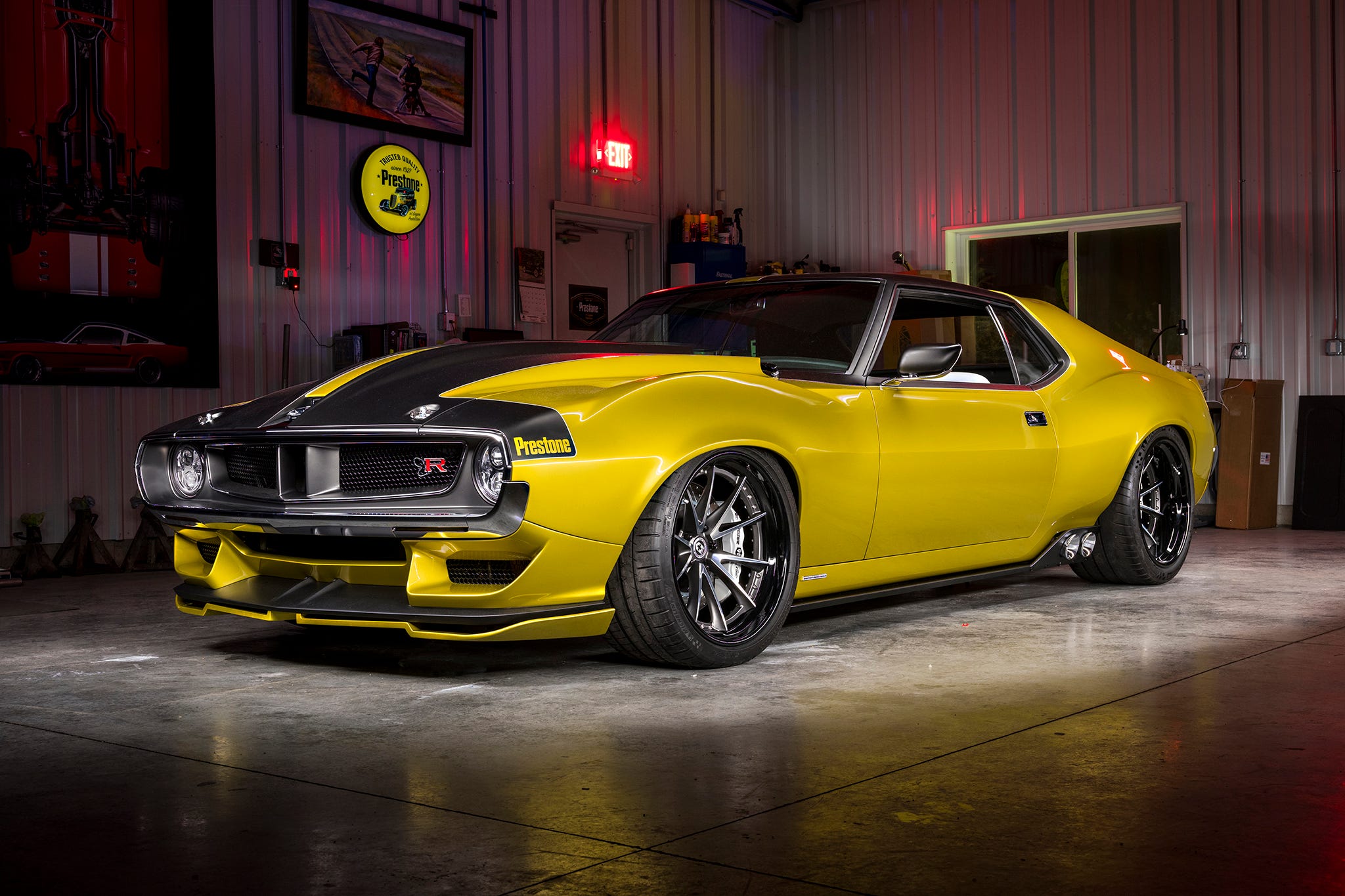
American Motors Corporation no longer exists as an independent manufacturer, yet the AMC Javelin AMX continues to operate as a reminder of a bold era in domestic coupe design. AMC ceased passenger car production after its acquisition by Chrysler in the late 1980s, but the Javelin AMX had already secured a legacy among performance-oriented buyers before that transition occurred.
Engine configurations contributed strongly to long-term survivability. V8 options, particularly the 390 cubic inch variants, demonstrated solid structural durability when maintained with proper cooling and lubrication practices. These engines were built with heavy-duty internals designed for torque delivery, which allowed them to withstand repeated stress cycles. Even the inline six versions proved resilient in daily use scenarios.
Body construction reflected AMC’s approach to practicality. The coupe featured a straightforward panel design and relatively simple structural assembly. This simplicity made restoration feasible for private owners without requiring factory-level intervention. Rust protection varied by region, yet surviving examples often benefited from accessible repair techniques that allowed localized restoration rather than full replacement.
Suspension systems relied on conventional geometry that prioritized ease of service. Components such as control arms, bushings, and shock absorbers could be replaced without specialized equipment. This accessibility played a role in keeping the Javelin AMX on the road long after AMC disappeared from the automotive market.
Interior design balanced sport styling with functional layout. While materials reflected the era, structural durability allowed many cabins to remain restorable. Dashboards, seating frames, and steering assemblies often survived long enough to be refurbished rather than replaced entirely.
Aftermarket support developed gradually after AMC’s exit from the industry. Enthusiast groups formed strong networks dedicated to sourcing parts and sharing restoration techniques. This community support extended the life of surviving coupes beyond corporate expectations.
Driving behavior still reflects its original intent. Steering feel remains direct, and engine response retains mechanical honesty that appeals to drivers seeking a raw experience. The Javelin AMX continues to represent a coupe that survived through mechanical simplicity and dedicated ownership culture.
Also Read: Top 10 Coupes for 2024: Affordable Classics and Luxury Sports Options
3. DeLorean DMC-12
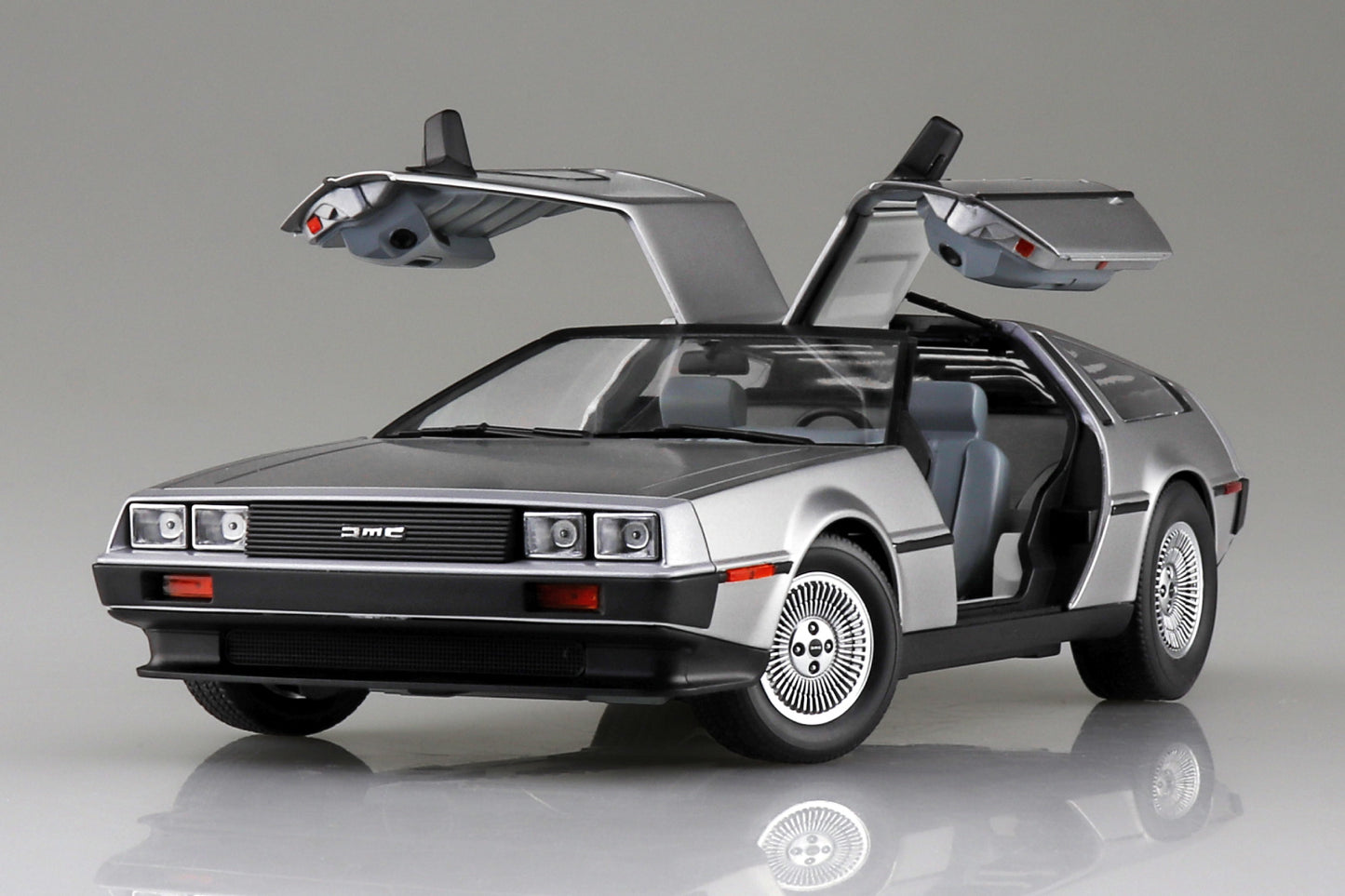
Few vehicles illustrate corporate disappearance more clearly than the DeLorean DMC-12. The DeLorean Motor Company ceased operations in the early 1980s following financial collapse, yet the coupe continued to gain recognition long after production ended. Its survival owes as much to cultural recognition as mechanical durability.
Engine architecture originated from a partnership with Peugeot, Renault, and Volvo. The PRV V6 engine provided adequate performance for its era, though not exceptional output. What mattered more for survival was its straightforward mechanical design. The engine block proved serviceable and rebuildable, allowing many units to remain functional through aftermarket support and independent workshops.
Stainless steel body panels defined its identity and contributed to long-term preservation. Unlike painted steel bodies, stainless surfaces resisted corrosion, which reduced structural decay in surviving examples. While scratches and surface imperfections required specialized polishing techniques, the underlying structure remained stable across decades.
Chassis design incorporated a backbone frame that provided rigidity and support for the mid-engine layout. This structure proved durable under normal driving conditions and allowed restoration efforts to focus on mechanical systems rather than frame replacement.
Interior components reflected early 1980s design philosophy. Materials required careful restoration in surviving vehicles, yet the basic structure of the cabin remained intact in many cases. Replacement parts became available through dedicated suppliers that emerged after renewed interest in the model.
Electrical systems represented one of the more challenging aspects of ownership. Aging wiring harnesses and components required attention, yet enthusiasts developed solutions that allowed continued operation without factory support. Cultural influence played a major role in survival.
Media appearances elevated interest, which supported parts availability and restoration culture. This attention ensured continued investment in keeping the coupe operational long after its manufacturer ceased to exist.
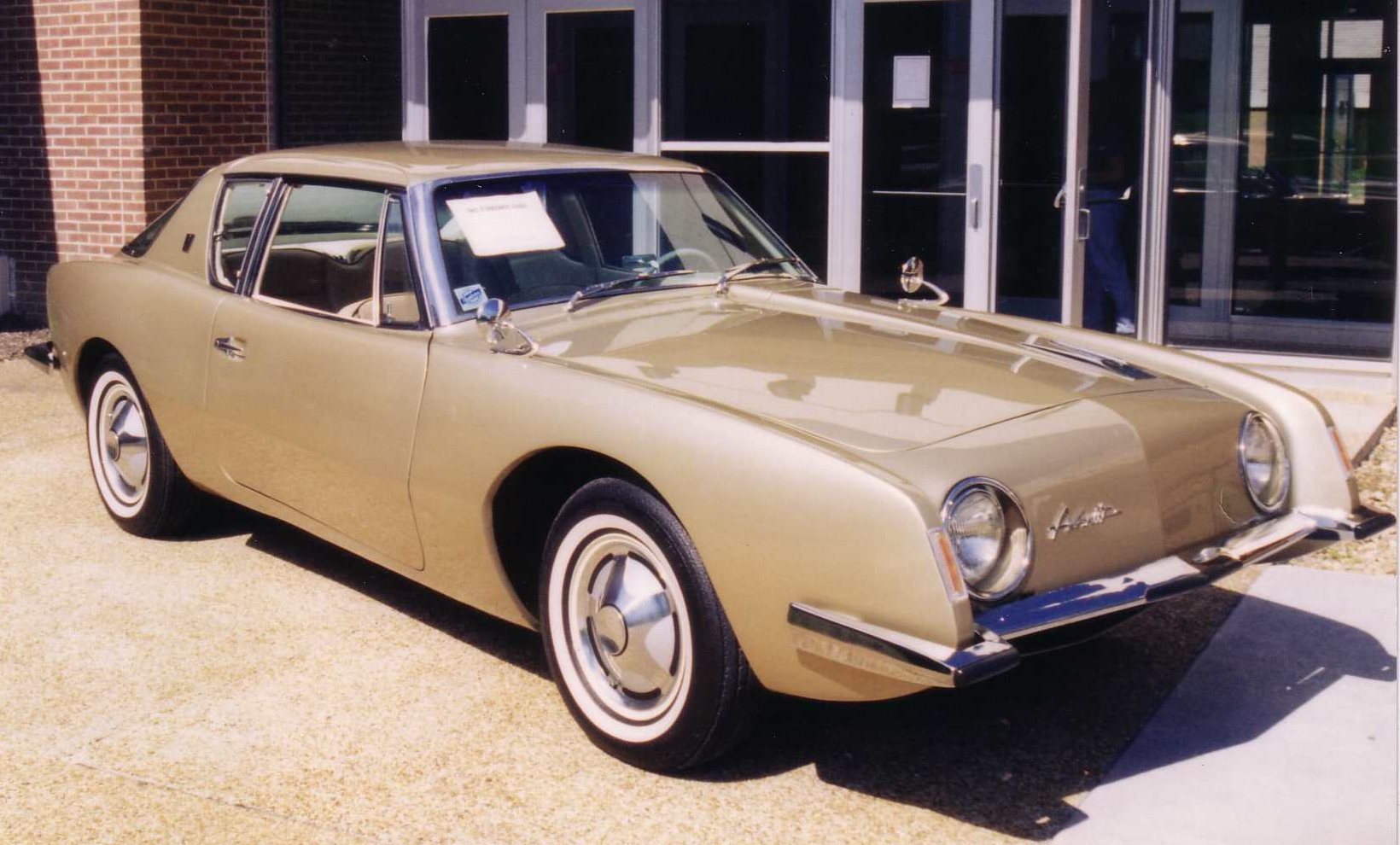
4. Studebaker Avanti
Studebaker’s final years in the automotive industry produced a coupe that continues to survive long after the company’s exit from passenger car production. The Avanti represents one of the last ambitious efforts from a manufacturer that ceased operations in the 1960s, yet examples remain active today through dedicated ownership and restoration work.
Fiberglass body construction played a central role in its long-term survival. Unlike traditional steel bodies, fiberglass panels resisted rust formation, which removed one of the most common causes of structural failure in older vehicles. While surface cracking and aging of resin required attention, the underlying structure often remained usable for decades.
This material choice allowed many Avanti coupes to avoid the typical decay that affected contemporaries built with conventional steel bodies. Power delivery came from various engine options during production, including V8 units sourced from American manufacturers. These engines were known for strong torque output and straightforward mechanical design.
With proper servicing, they remained serviceable long after Studebaker ceased operations. Independent mechanics and aftermarket suppliers ensured the continued availability of parts, allowing engine rebuilds without factory involvement. Chassis design reflected a focus on stability and performance.
The frame structure supported high-speed driving characteristics while maintaining rigidity under load. Suspension components followed conventional engineering practices, which made replacement and refurbishment achievable without specialized equipment. This accessibility helped maintain road presence for surviving examples.
Interior construction balanced futuristic styling with functional durability. Instrument panels, seating frames, and control layouts were designed with a distinctive aesthetic that still attracts interest today. Although materials aged in a typical fashion, restoration efforts allowed cabins to remain usable without requiring a complete redesign.
Electrical systems required attention due to aging wiring and components. Enthusiast communities developed repair guides and replacement solutions that extended operational life. This support network became essential in keeping vehicles operational decades after factory closure.
Cultural interest also contributed to survival. The Avanti’s design uniqueness and limited production volume encouraged preservation rather than abandonment. Collectors and hobbyists treated the coupe as a historical artifact worth maintaining. The Studebaker Avanti continues to exist as a reminder that strong design and committed ownership can sustain a vehicle long after its manufacturer disappears from the industry.
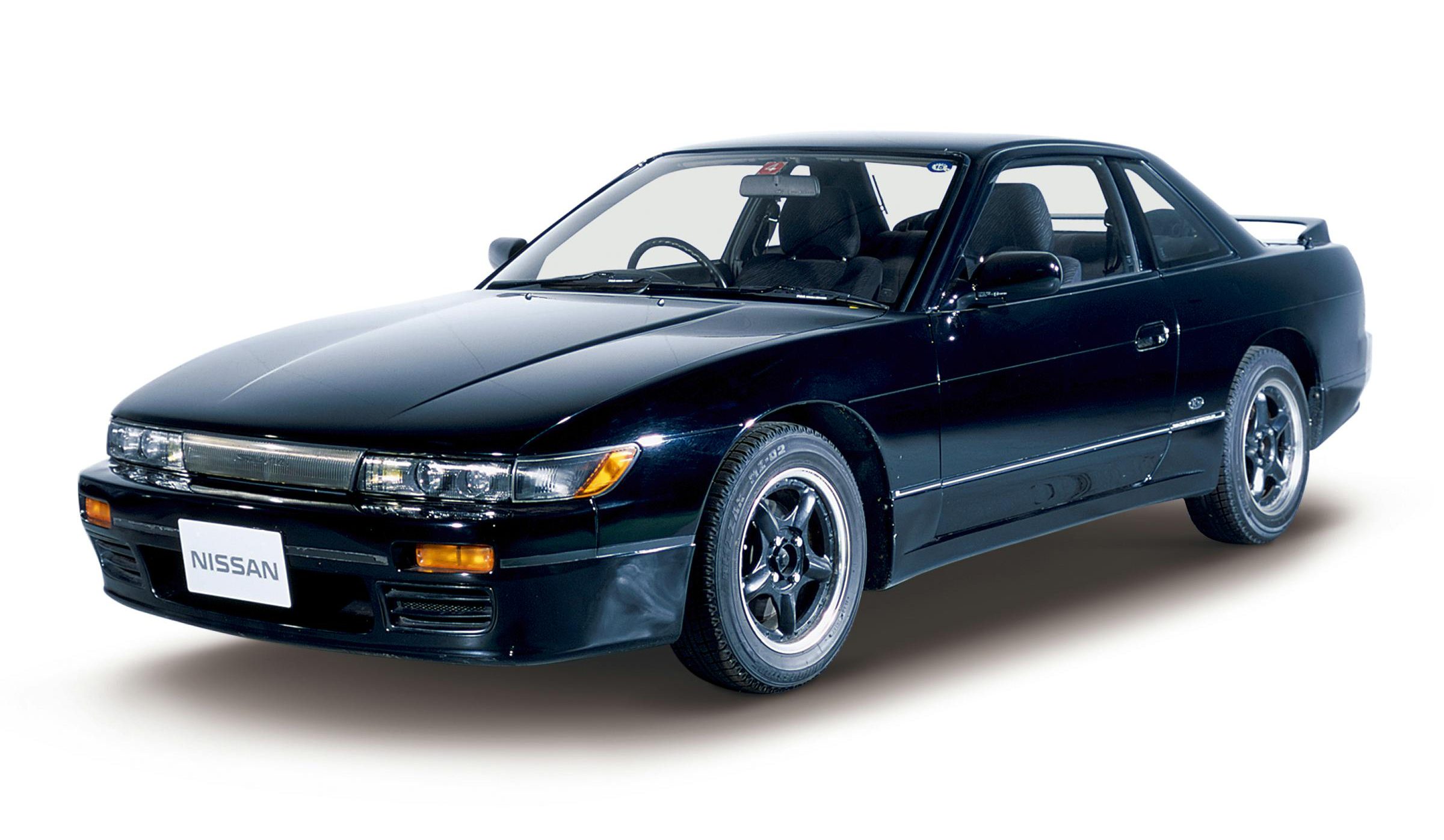
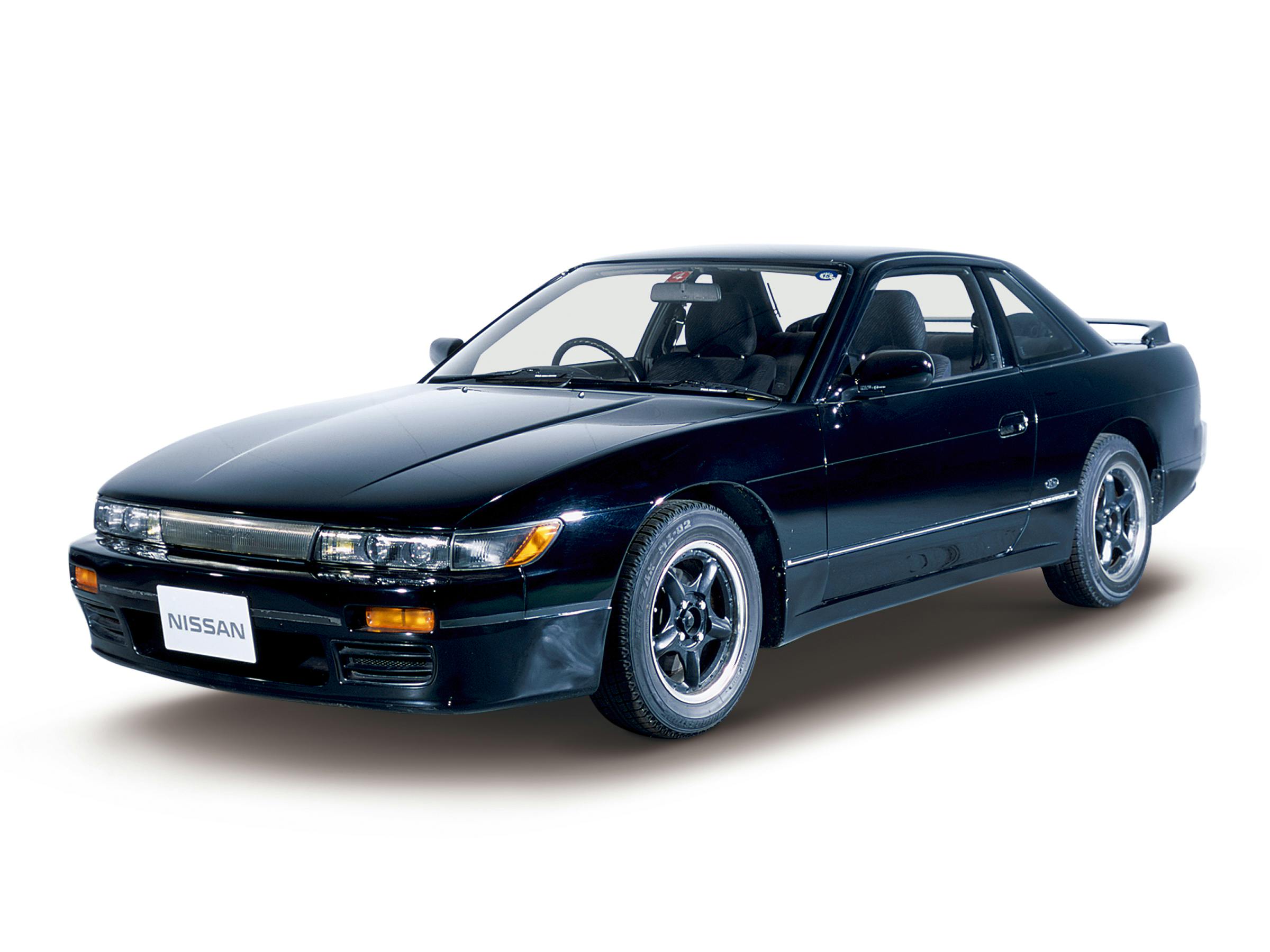
5. Nissan Silvia S13
Nissan’s corporate direction shifted repeatedly across decades, yet the Silvia S13 remains widely present long after various restructuring phases within the company. While Nissan continues operations today, certain eras of production tied to the Silvia line represent a distinct chapter that outlived earlier corporate strategies and market positioning.
Engine variants such as the SR20DET became central to the coupe’s endurance reputation. This turbocharged four-cylinder engine delivered strong performance while maintaining a reputation for rebuild friendliness. Internal components supported modification and refurbishment, allowing high-mileage examples to remain in service through aftermarket support. Proper cooling and lubrication practices played an important role in maintaining engine life.
Chassis design emphasized balance and predictable handling. Rear wheel drive layout combined with relatively light body weight produced driving dynamics that remained appealing long after production years ended. Suspension geometry allowed straightforward upgrades and replacement, which helped preserve driving quality in aging examples.
Body construction followed conventional steel design, with corrosion resistance varying by region. Enthusiasts’ attention often focused on rust prevention and panel restoration, which kept many examples structurally sound. Replacement panels and reproduction parts supported long-term maintenance efforts.
Interior layout prioritized driver focus with simple controls and functional design. Materials aged in expected ways, yet restoration remained feasible due to the availability of aftermarket components. Dashboards, seating structures, and trim pieces could be repaired or replaced without requiring rare factory parts.
Electrical systems reflected late 1980s and early 1990s automotive standards. While aging wiring harnesses required attention, repair knowledge spread widely through enthusiast communities. This knowledge base helped maintain operational conditions in older vehicles.
Cultural interest played a major role in survival. Drift culture and motorsport use kept the Silvia S13 relevant long after production ended. This attention supported parts availability and encouraged continuous maintenance across generations of owners. The Nissan Silvia S13 continues to remain active through a combination of mechanical simplicity, aftermarket support, and sustained interest from driving enthusiasts.
6. Mercedes-Benz 300CE W124
Mercedes-Benz’s engineering philosophy during the W124 era produced a coupe that continues to operate reliably long after changes in corporate direction and market strategy. While Mercedes-Benz remains active today, the 300CE from the W124 platform represents a period of design that outlasted its original production environment.
Inline six and four-cylinder engines used in the 300CE were built with strong internal durability. Cast iron blocks, robust crankshafts, and conservative tuning allowed these engines to accumulate high mileage when properly maintained. Timing components, cooling systems, and fuel delivery systems required attention, yet the core engine architecture remained resilient.
Chassis construction emphasized structural strength and long-term durability. Body panels and frame design prioritized rigidity, which contributed to stable handling even as vehicles aged. Corrosion resistance varied depending on climate exposure, yet many surviving examples retained structural integrity due to careful engineering.
Suspension systems used durable components designed for comfort and stability. Bushings, control arms, and dampers could be replaced individually, allowing continued service without full system replacement. This modular approach supported long-term usability.
Interior design reflected understated luxury. Materials such as leather, wood trim, and solid switchgear aged in predictable ways. Restoration efforts allowed cabins to remain functional and visually consistent with original design intent. Replacement parts remained available through Mercedes support networks and aftermarket suppliers.
Electrical systems benefited from a relatively simple architecture compared to modern vehicles. While aging components required attention, repair procedures remained well documented. This accessibility supported continued operation in older units. Long-term ownership patterns often involved careful maintenance rather than frequent replacement.
Many owners preserved these coupes due to their build quality and driving refinement. The vehicle’s ability to remain functional across decades reflected disciplined engineering choices. The Mercedes-Benz 300CE W124 continues to represent durable coupe engineering that outlasted production cycles and corporate strategy changes through mechanical strength and consistent maintenance potential.
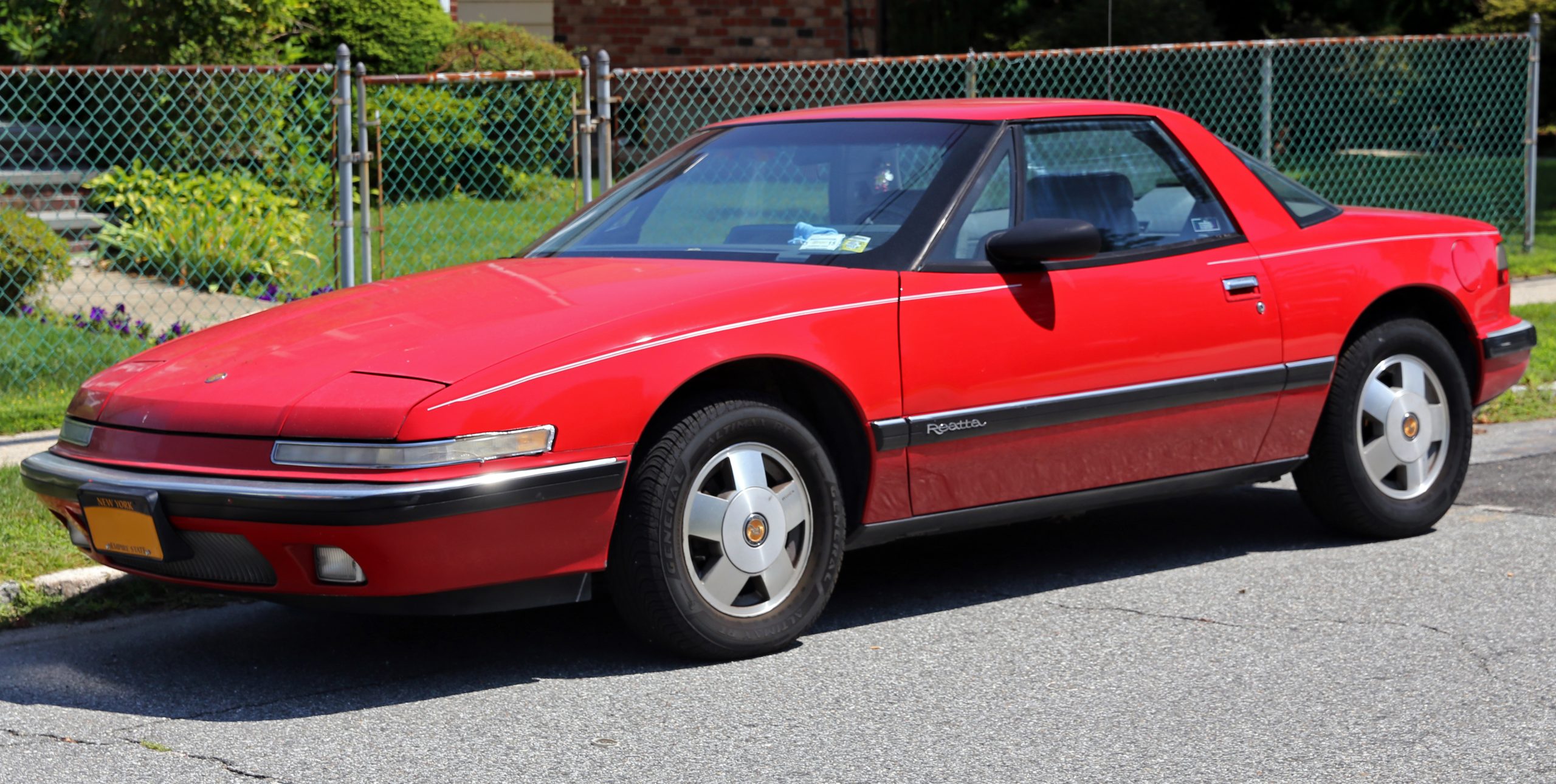
7. Buick Reatta
Buick’s Reatta arrived during a period when General Motors was reorganizing its brand direction, yet the coupe itself managed to outlast the corporate conditions that shaped its birth. Production ended in the early 1990s, and Buick gradually shifted away from low-volume specialty coupes, yet surviving examples continue to operate through careful maintenance and strong mechanical foundations.
Power delivery in the Reatta came from a naturally aspirated V6 engine that emphasized smoothness rather than aggressive output. This engine architecture proved durable under regular maintenance schedules, especially when cooling systems and ignition components were kept in proper working condition. Internal wear developed gradually, allowing rebuild opportunities rather than sudden failure. Many units accumulated high mileage before requiring major engine work, which contributed to long-term survival.
Transmission systems paired with the engine focused on comfort-oriented shifting. Automatic units delivered steady operation when fluid maintenance was observed consistently. These transmissions did not encourage aggressive driving behavior, which helped extend service life. Mechanical stress remained moderate in typical use, supporting long-term reliability across drivetrain components.
Chassis design reflected Buick’s emphasis on ride quality. Suspension geometry prioritized smooth road absorption while maintaining stability. Components such as bushings, struts, and control arms were designed for comfort rather than performance extremes. Replacement parts remained accessible, allowing aging vehicles to maintain acceptable ride characteristics through routine service.
Body construction used conventional steel materials with corrosion resistance varying by region and usage history. While rust became a concern in older examples, restoration practices allowed many Reatta coupes to remain structurally sound. Panel availability and repair techniques helped preserve the exterior condition without requiring full reconstruction.
Interior systems reflected early digital experimentation. The touchscreen control interface represented a bold step in automotive design at the time. While electronic components required attention as they aged, enthusiasts developed repair methods that allowed partial restoration of functionality. Seating materials and trim pieces aged in predictable ways, with replacement options available through aftermarket suppliers.
Electrical systems became one of the more discussed areas of ownership. Aging electronics sometimes required refurbishment, yet the underlying vehicle systems remained serviceable. Repair communities contributed knowledge that extended usability far beyond factory expectations.
Ownership patterns often reflect long-term commitment rather than short cycles. Drivers who maintained these coupes carefully found that mechanical systems remained dependable with routine care. Engine durability, combined with manageable drivetrain maintenance, supported continued use even after Buick moved away from similar coupe designs.
The Buick Reatta stands as a reminder that even limited-production coupes can persist long after corporate strategy changes when mechanical systems remain serviceable, and ownership support continues.
Also Read: 4 Future Classic Investments In the USA vs. 4 Cars That Will Be Worth Zero
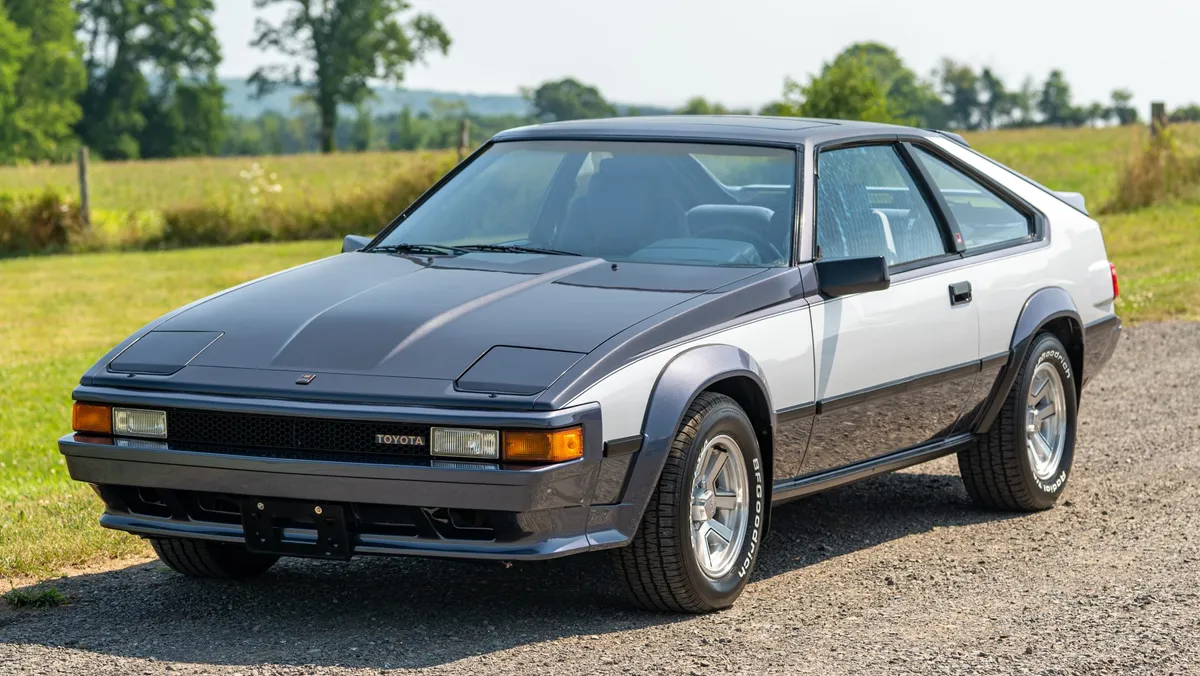
8. Toyota Celica Supra A60
The Toyota Celica Supra A60 occupies a unique position in automotive history, emerging from Toyota’s early efforts to establish a performance-oriented grand touring coupe. While Toyota continues strong global operations today, the A60 represents a distinct early chapter of the Supra lineage that outlived its original production environment and design era.
Engine architecture centered on inline six configurations known for smooth power delivery and durable construction. The 5M-GE engine, widely used in the A60, featured a robust iron block and a design that tolerated extended mileage when maintained properly. Timing components, cooling systems, and fuel delivery systems required attention at regular intervals, yet the core engine structure remained resilient under long-term use.
Transmission options included manual and automatic variants. Manual gearboxes provided direct mechanical engagement and proved durable when clutch systems were serviced appropriately. Automatic transmissions delivered comfort-oriented driving and maintained reliability when fluid changes were observed consistently. Both configurations contributed to extended service life in surviving examples.
Chassis engineering prioritized balanced handling suitable for grand touring use. Suspension systems delivered a combination of comfort and stability, allowing long-distance travel without excessive driver fatigue. Components such as struts, bushings, and steering assemblies could be replaced individually, supporting ongoing maintenance without structural overhaul.
Body construction followed Toyota’s standard steel fabrication practices of the period. Corrosion resistance varied depending on environmental exposure, yet many surviving A60 coupes remain structurally intact due to preventive maintenance and restoration efforts. Replacement panels and repair techniques supported continued preservation.
Interior design emphasized driver orientation with a straightforward dashboard layout and functional instrumentation. Materials aged in expected patterns, yet restoration options allowed cabins to remain usable. Seat frames, trim components, and control interfaces could be repaired or replaced using aftermarket support.
Electrical systems reflected early 1980s automotive technology. While aging wiring and components required attention, repair documentation and enthusiast knowledge helped maintain functionality. Lighting systems, gauges, and auxiliary electronics remained serviceable through replacement parts sourced from specialist suppliers.
Long-term ownership often involved gradual restoration rather than rapid replacement. Enthusiasts valued the A60 for its connection to early Supra development and its durable mechanical foundation. This interest supported continued investment in maintenance and preservation.
The Toyota Celica Supra A60 continues to operate decades after its original production era, demonstrating how strong mechanical engineering and sustained enthusiast support can preserve a coupe long after its initial corporate chapter closed.
