
The automotive world moves fast. New engines emerge every year, pushing boundaries of power, efficiency, and technology. But in this relentless chase for the future, some truly extraordinary powerplants get left behind.
They sit in junkyards, dusty garages, and forgotten factory archives mechanical masterpieces that deserved far better than obsolescence. These engines were not failures. Many of them were simply ahead of their time. Others fell victim to corporate politics, fuel crises, emissions regulations, or simple bad luck. A few were killed off just as they were hitting their stride, robbed of the development time they needed to truly shine.
In 2026, the engineering world has changed dramatically. Modern materials, precision manufacturing, electronic fuel management, and hybrid integration have opened entirely new doors.
Engines that once struggled with reliability or efficiency could now be reimagined with today’s tools. The bones of greatness are still there they just need new muscle.
This list celebrates ten such engines. From howling naturally aspirated units to misunderstood rotaries and diesel warriors, each one carries a story worth telling. Each one carries potential worth unlocking. The question is no longer whether these engines could be resurrected. The question is why it hasn’t happened already.
1. Jaguar XJ220’s V6 Twin-Turbo (1992–1994)
The Jaguar XJ220 arrived at the 1988 Birmingham Motor Show as a dream. It promised a V12 engine, all-wheel drive, and supercar glory. By the time production started in 1992, Jaguar had swapped all of that for a twin-turbocharged 3.5-litre V6. Buyers were furious. Many tried to cancel their orders.
Here is the irony the V6 they got was arguably more interesting than the V12 they were promised. It was derived from the Metro 6R4 rally engine, a unit built for the brutal world of Group B motorsport. That racing DNA ran deep in every component.
The engine produced 542 horsepower in road trim. It pushed the XJ220 to a verified top speed of 212 mph, making it the fastest production car at the time. Those are not numbers to dismiss. Those are numbers that demand respect.
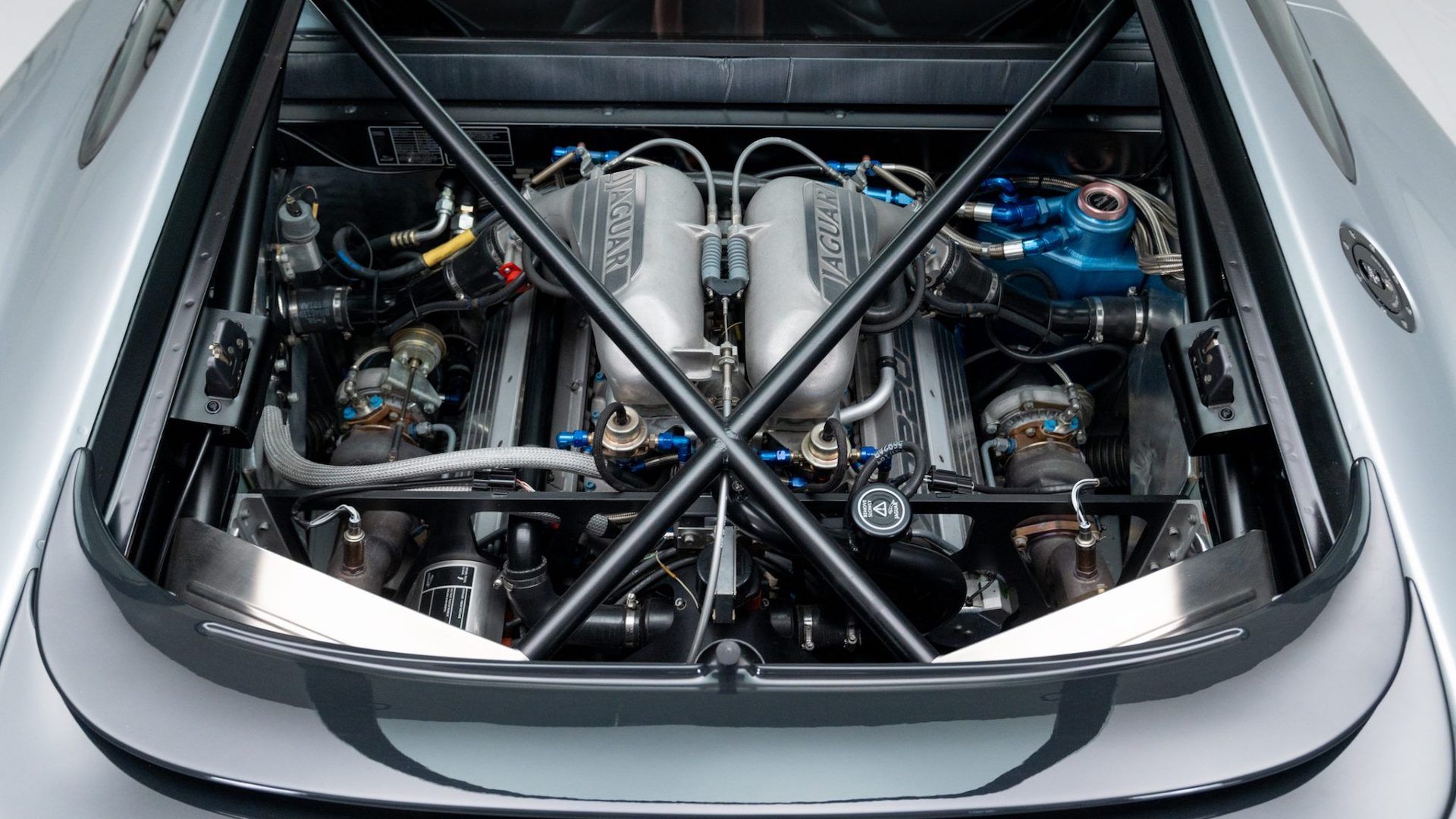
The twin-turbo setup was remarkably responsive for its era. Turbo lag, the great nemesis of 1990s forced induction, was managed exceptionally well. The engine pulled hard from low revs and kept pulling all the way to the redline. It felt alive in a way few engines of the period could match.
The block itself was robust. The architecture was sound. In an era of carbon fibre monocoques and hybrid hypercar systems, a thoroughly developed version of this engine with modern turbochargers, direct injection, and active management systems could produce well over 700 horsepower. It could do so with remarkable reliability.
Jaguar, now under JLR’s broader umbrella, has shown willingness to revisit heritage. The XJ220’s engine represents a genuine missed opportunity. A continuation car or a heritage-spec revival using this powerplant would generate enormous excitement. The motorsport world, too, could benefit from a modernised version competing in endurance categories.
This engine was never truly given its moment. It was overshadowed by controversy and corporate miscalculation. Strip away the noise, and what remains is a high-revving, twin-turbocharged gem with genuine pedigree. It deserves a second act, and the world is finally ready to appreciate it properly.
2. Honda CBX1000’s Inline-Six (1978–1982)
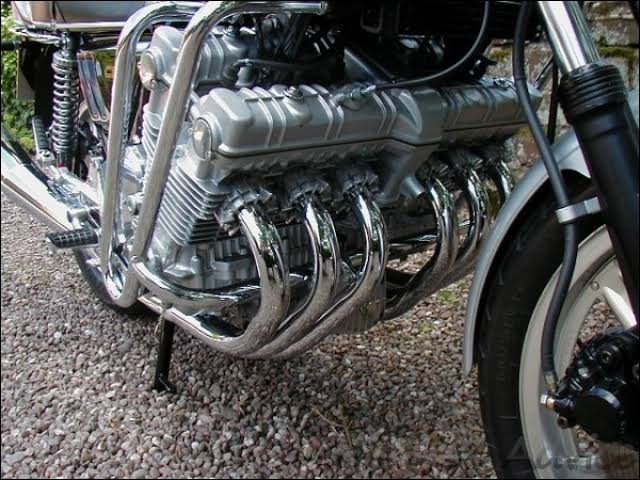
Honda did something extraordinary in 1978. They took the complexity of a six-cylinder engine and squeezed it into a motorcycle. The CBX1000 was born and with it, one of the most visually and mechanically spectacular engines ever fitted to a two-wheeled machine.
The inline-six displaced 1,047cc. It produced 105 horsepower in an era when that figure was staggering for a motorcycle. The engine revved with a mechanical ferocity that made it feel almost alive. Riders who experienced it described the sound as something close to a Formula One car.
Honda engineered this powerplant with surgical precision. The six carburettors required careful synchronisation. The 24-valve head breathed exceptionally well. Every component reflected Honda’s obsession with engineering perfection during one of their most creatively ambitious periods.
The CBX was eventually replaced by more practical, shaft-driven tourers. The inline-six was deemed too complex and too wide for the market’s evolving tastes. Honda moved toward more conventional four-cylinder architecture. The six disappeared, leaving behind only legend.
Resurrecting this concept in 2026 makes compelling sense. Modern motorcycle engineering has advanced enormously. Ride-by-wire throttle systems, electronic valve timing, and sophisticated fuel injection could transform this architecture. A modern inline-six motorcycle engine could produce extraordinary power while meeting contemporary emissions standards.
BMW already proved the world wants unusual motorcycle engines with their inline-four tourers. Kawasaki revived the inline-six concept with their Z series. But nobody has truly recaptured what the CBX offered raw, high-revving, naturally aspirated six-cylinder madness wrapped in motorcycle packaging.
Honda’s own heritage division has shown appetite for nostalgia. The CB1100 series proved there is a serious market for classic-inspired engineering. A fully modern CBX-derived engine, breathing through individual throttle bodies and screaming to 12,000 rpm, would be one of the greatest motorcycle events of the decade.
The inline-six architecture distributes weight in a challenging way. But modern chassis engineering could solve that problem elegantly. The reward that incomparable six-cylinder soundtrack and the mechanical theatre of watching six pistons fire in sequence would be worth every engineering challenge involved.
3. Oldsmobile Diesel V8 (1978–1985)
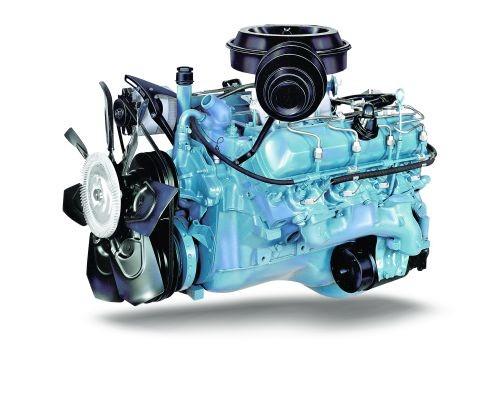
This entry might seem counterintuitive. The Oldsmobile diesel V8 is remembered as one of the worst engines ever built. It cracked heads, lost compression, and destroyed the American public’s faith in diesel passenger cars for a generation. Why would anyone want to resurrect it?
Because beneath the catastrophic execution was a genuinely brilliant idea. America had never taken diesel passenger cars seriously. Oldsmobile tried to change that. The concept a smooth, torque-rich diesel V8 delivering excellent fuel economy in full-size American cars was exactly right. The execution was simply disastrous.
The engine was derived from a petrol V8 without adequate engineering changes for diesel’s far higher compression loads. The head bolts were insufficient. The engine literally pulled itself apart under normal operating conditions. It was a commercial and reputational catastrophe of the first order.
But strip away that failure, and the underlying vision remains sound. A properly engineered American diesel V8 designed from the ground up for diesel combustion cycles could be extraordinary. Modern common-rail injection systems operate at pressures Oldsmobile’s engineers couldn’t have imagined. Modern metallurgy laughs at the stresses that destroyed those original heads.
In 2026, diesel is facing regulatory pressure in many markets. But in North America, Australia, and large parts of Asia, diesel remains commercially viable and practically essential. A large-displacement diesel V8 in a proper truck or SUV application, built with today’s engineering knowledge, could deliver 500 lb-ft of torque with emissions compliance.
The ghost of Oldsmobile’s failure has kept American manufacturers away from diesel passenger vehicles for over four decades. That is a market gap built entirely on one engineering mistake. A brave manufacturer willing to revisit that concept properly this time could unlock genuine commercial opportunity.
The idea Oldsmobile had was never wrong. The engine was just built by people under pressure to cut corners. Give that vision to modern diesel engineers with a proper budget, and the result could be something truly remarkable.
4. Citroën’s Air-Cooled Flat-Twin (1948–1990)
The 2CV’s flat-twin engine is one of the most improbable success stories in automotive history. It started at a mere 375cc. It ended its career at 602cc. In between, it powered millions of cars across decades, proving that mechanical simplicity could coexist with genuine ingenuity.
This engine had no water cooling system. Air flowed directly over the finned cylinders. It used a centrifugal clutch in early versions. The whole unit weighed almost nothing. Repair was so simple that French farmers reportedly fixed breakdowns with basic hand tools by the roadside.
The flat-twin layout sat ahead of the front axle, allowing a completely flat floor inside the 2CV. Citroën’s engineers used every gram of packaging advantage the engine provided. The resulting car was spacious, economical, and absurdly practical for its dimensions.
Modern engineers have largely abandoned air-cooled layouts due to thermal management challenges and noise regulations. But advances in materials and surface coatings have changed the equation. Modern air-cooled cylinders can be built with far better thermal control than anything available in 1948.
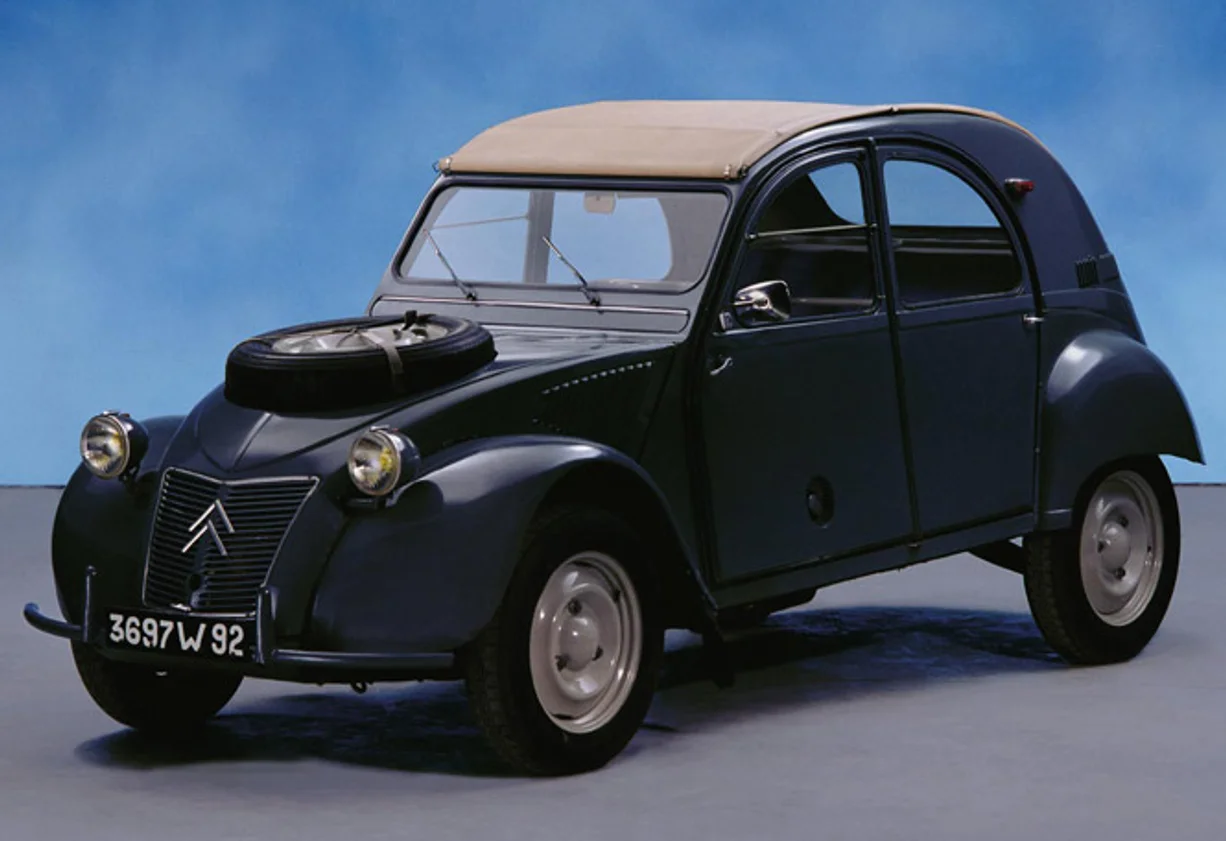
In the context of a modern ultralight urban vehicle the kind of car the world desperately needs a thoroughly modernised air-cooled flat-twin makes enormous sense. Remove the water cooling system, radiator, coolant plumbing, and water pump. The weight saving alone is significant. The simplicity reduces manufacturing costs dramatically.
Range extender applications offer another compelling avenue. A small, lightweight, air-cooled flat-twin running as a generator in a hybrid urban car could operate at a single efficient rpm point. Noise, always the air-cooled engine’s weakness, becomes manageable when the engine runs steadily rather than across a wide throttle range.
Citroën itself has moved toward electrification, but their heritage is defined by radical engineering thinking. Revisiting the flat-twin concept not as nostalgia but as a genuinely modern engineering solution would be entirely consistent with the brand’s DNA. The little engine that built a legend deserves a modern chapter.
Also Read: Top 10 Engines Whose Reputation Is Built on Running Without Maintenance Surprises
5. Mazda’s 4-Rotor (787B Racing Engine, 1991)
In 1991, Mazda’s 787B crossed the finish line at Le Mans in first place. It was the first and only Japanese manufacturer to win the 24 Hours outright. The engine responsible for that victory was a naturally aspirated four-rotor Wankel unit producing approximately 700 horsepower and screaming to 9,000 rpm.
The sound it made was unlike anything else in motorsport. Four rotors firing in sequence produced a mechanical howl that spectators described as otherworldly. Video recordings of the 787B at full song remain some of the most emotionally powerful pieces of motorsport footage ever captured.
Immediately after that victory, the ACO banned peripheral-port rotary engines from Le Mans. The 787B never raced there again. The four-rotor engine disappeared into a museum, its potential completely unexplored at the highest level of endurance racing.
Mazda has kept the rotary flame alive. The MX-30 R-EV uses a single-rotor unit as a range extender. The RX-8’s two-rotor engine remained in production until 2012. But nobody has seriously attempted to develop the four-rotor concept for modern road or racing applications.
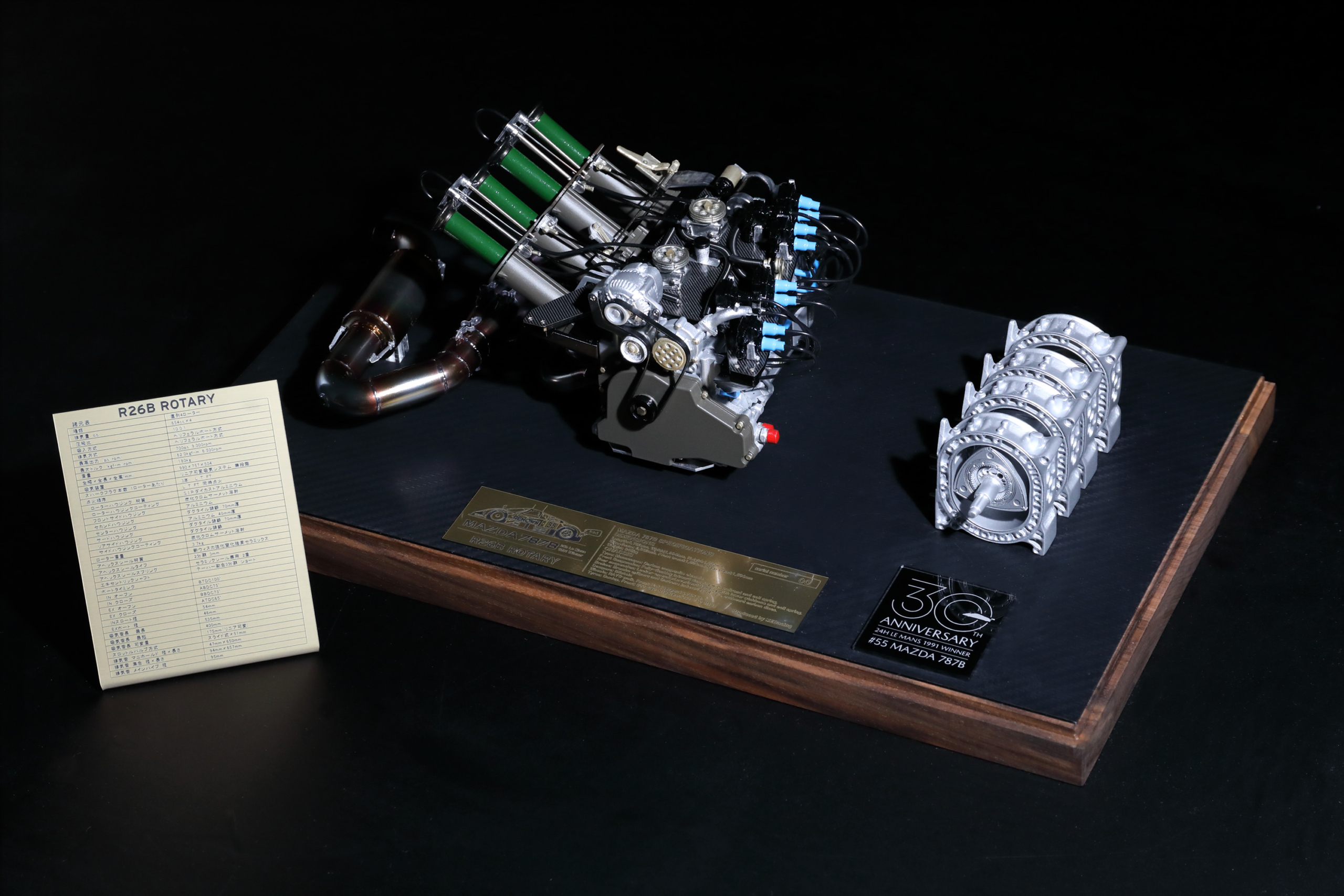
The engineering case for resurrection is strong. Modern apex seal materials have solved the reliability issues that plagued earlier Wankel engines. Direct injection rotary systems, already demonstrated by Mazda’s engineers, show dramatically improved fuel consumption. A four-rotor direct-injection unit built with today’s materials could be both reliable and efficient.
The power-to-weight ratio of a rotary is inherently superior to a piston engine of equivalent output. A modern four-rotor producing 600 horsepower would be extraordinarily light. In a modern sports car or hybrid hypercar application, that weight advantage would be transformative.
Mazda’s engineers reportedly still dream of a new RX sports car. The four-rotor engine sitting in that Le Mans museum represents the ultimate expression of what rotary technology can achieve. It is not a relic. It is a blueprint. With modern fuel injection, materials science, and hybrid integration, it could be the greatest sports car engine of the 2020s.
6. BMW M88 Inline-Six (1978–1991)
The BMW M88 was not the most powerful engine of its era. It was not the most technically exotic. But it was, by near-universal consensus among those who experienced it, one of the finest engines ever fitted to a road car. It powered the M1, the early M5, and the M635 CSi. Each car it touched became a legend.
The 3.5-litre naturally aspirated inline-six produced 277 horsepower in road form. That number undersells the experience entirely. The engine was designed by motorsport engineers, breathing through individual throttle bodies and featuring a high-compression ratio that demanded premium fuel but rewarded with a throttle response that felt almost telepathic.
The sound it produced at high revs was something engineers have chased and never quite replicated. It had a metallic, mechanical quality — sharp and precise, like a fine instrument being played at full volume. BMW’s subsequent inline-six engines were excellent, but they never fully recaptured that specific character.
The M88 went out of production as emissions regulations tightened and power outputs escalated. BMW moved toward different architectures and eventually turbocharged everything. The era of high-revving, naturally aspirated inline-six performance engines quietly ended.
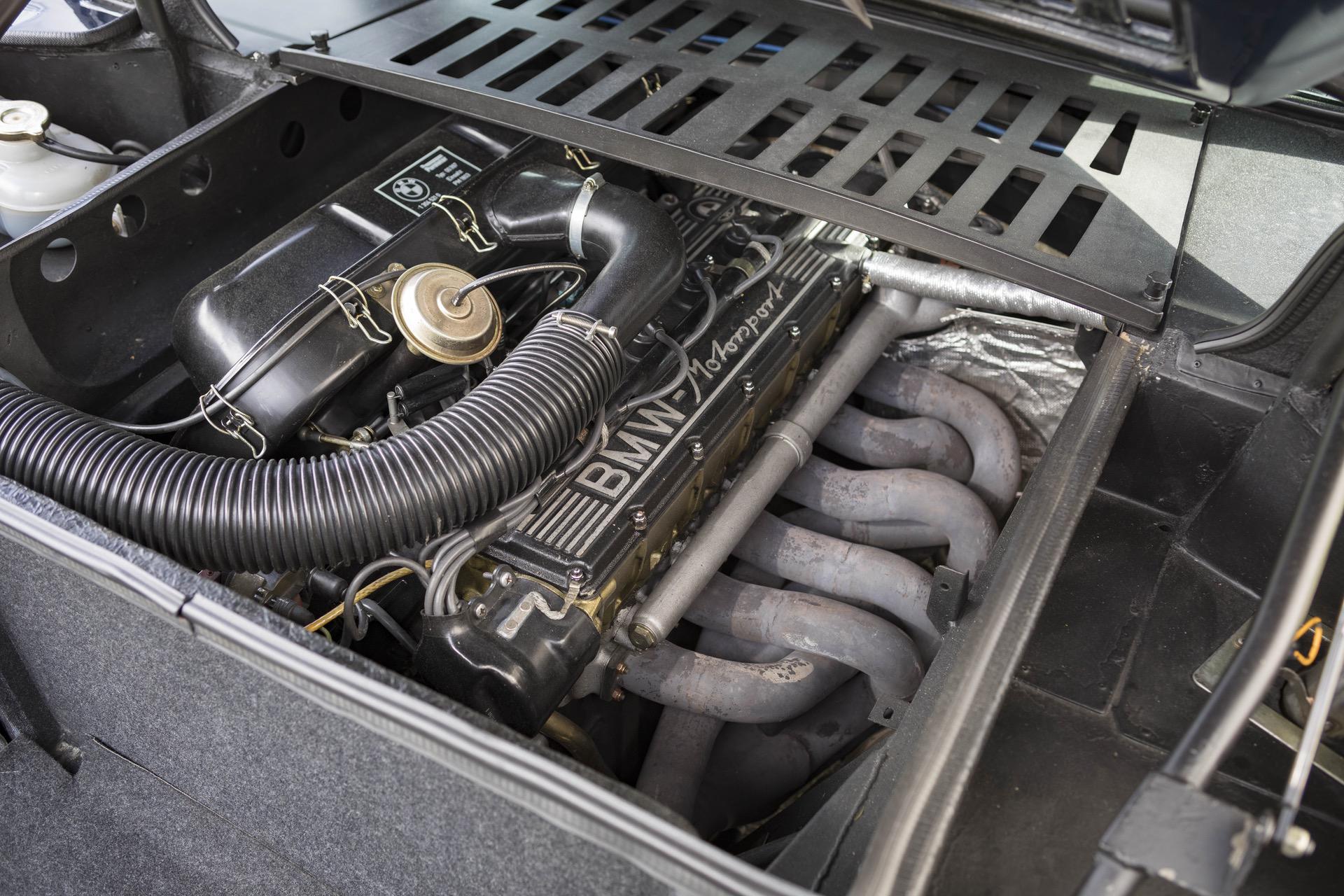
A modern interpretation of the M88 philosophy not the same engine, but the same spirit could use variable valve timing, individual throttle bodies, direct injection, and modern lightweight alloys. The result could be a naturally aspirated 3.5-litre producing 380 horsepower with a redline above 8,000 rpm.
BMW’s current S58 turbocharged engine is technically brilliant. But a growing community of enthusiasts actively mourns the loss of high-revving natural aspiration. The market for a car built around M88 principles an honest, analogue, naturally aspirated straight-six has never been stronger.
The M88 represents a philosophy as much as an engine. It represents the belief that a great engine should communicate with its driver. That it should reward mechanical sympathy. That it should be an experience, not merely a mechanism. That philosophy is worth preserving.
7. Lancia Fulvia’s V4 (1963–1976)
The Lancia Fulvia’s engine was an engineering oddity of the highest order. It was a V4 already unusual with a V-angle so narrow it was almost an inline engine. The cylinders were offset just enough to allow for separate combustion chambers while maintaining an extraordinarily compact package.
This architecture allowed the engine to sit entirely behind the front axle. The weight distribution benefits were significant. The Fulvia HF, fitted with the most developed version of this engine, became one of the most successful rally cars of the late 1960s and early 1970s. It won the International Rally Championship outright in 1972.
The engine breathed beautifully. The narrow-angle V4 configuration produced an interesting firing order that gave the engine a distinctive, syncopated exhaust note. It sounded like nothing else. At high revs, it developed a vocal quality that made even sensible drivers behave recklessly.
Lancia’s subsequent ownership by Fiat, followed by decades of brand neglect, meant this engineering philosophy was never developed further. The narrow-angle V4 disappeared entirely. The world moved on to conventional layouts, and Lancia’s greatest engineering ideas were quietly buried.
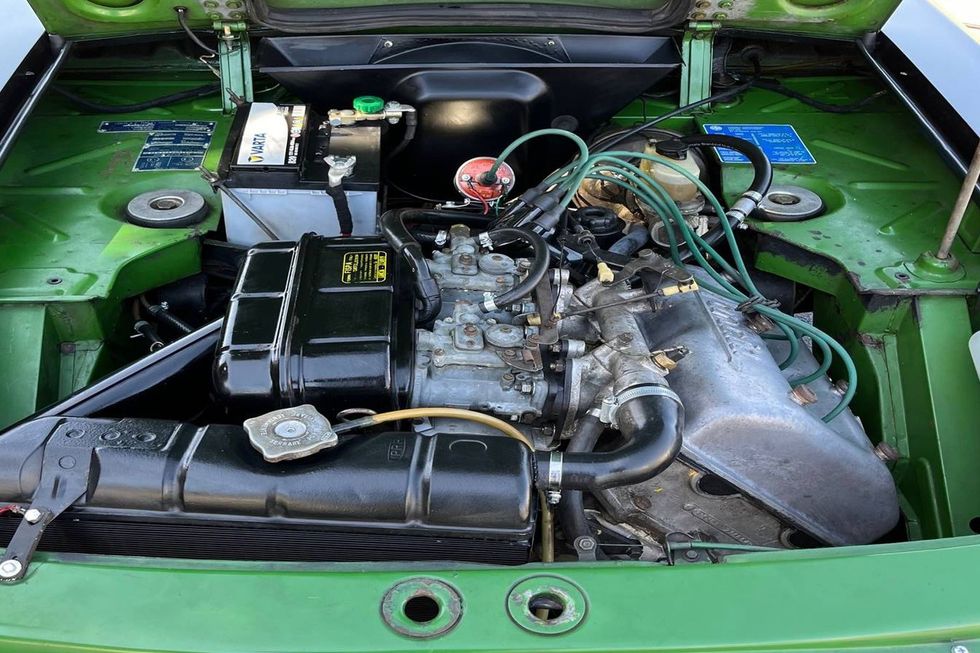
Stellantis has recently announced renewed investment in the Lancia brand. There is genuine corporate will to revive it as a premium Italian nameplate. A modern narrow-angle V4 developed with current technology and fitted to a lightweight sport compact would be the perfect centrepiece for that revival.
Modern engine management could solve the breathing challenges that limited the original’s ultimate output. Variable geometry intake systems, direct injection, and electronic valve timing could extract 250 horsepower from a two-litre displacement. At that output level, in a car weighing 1,100 kilograms, the performance would be electrifying.
The Lancia Fulvia’s engine is proof that unconventional thinking produces unforgettable results. It was a solution to a specific packaging problem that ended up creating something genuinely special. The world could use more engineering decisions made with that kind of creative conviction.
8. Rover K-Series (1989–2005)
The Rover K-Series is one of British automotive history’s great tragedies. It was genuinely innovative. It used an aluminium block with a unique bolt-through construction that reduced the number of components dramatically. It was exceptionally lightweight for its capacity. It powered the Lotus Elise, the MGF, and dozens of other vehicles.
Then the head gasket problem emerged. The sandwich construction that made the engine so light also made it susceptible to head gasket failure if the cooling system was ever neglected. Owners who missed a single coolant change could face catastrophic engine damage. The reputation, once lost, never recovered.
Here is the critical point the head gasket problem was solvable. Updated gasket materials, revised coolant specifications, and modified clamping arrangements were all demonstrated to work. The engine’s fundamental architecture was sound. It failed commercially because of a fixable fault, not a terminal design flaw.
The K-Series at its best in the 1.8-litre VVC form fitted to the Elise was genuinely excellent. Variable valve timing gave it a broad, accessible power band. The 190 horsepower output in the most developed versions was impressive for a naturally aspirated 1.8-litre. In the featherweight Elise, it created one of the great driving experiences of its era.
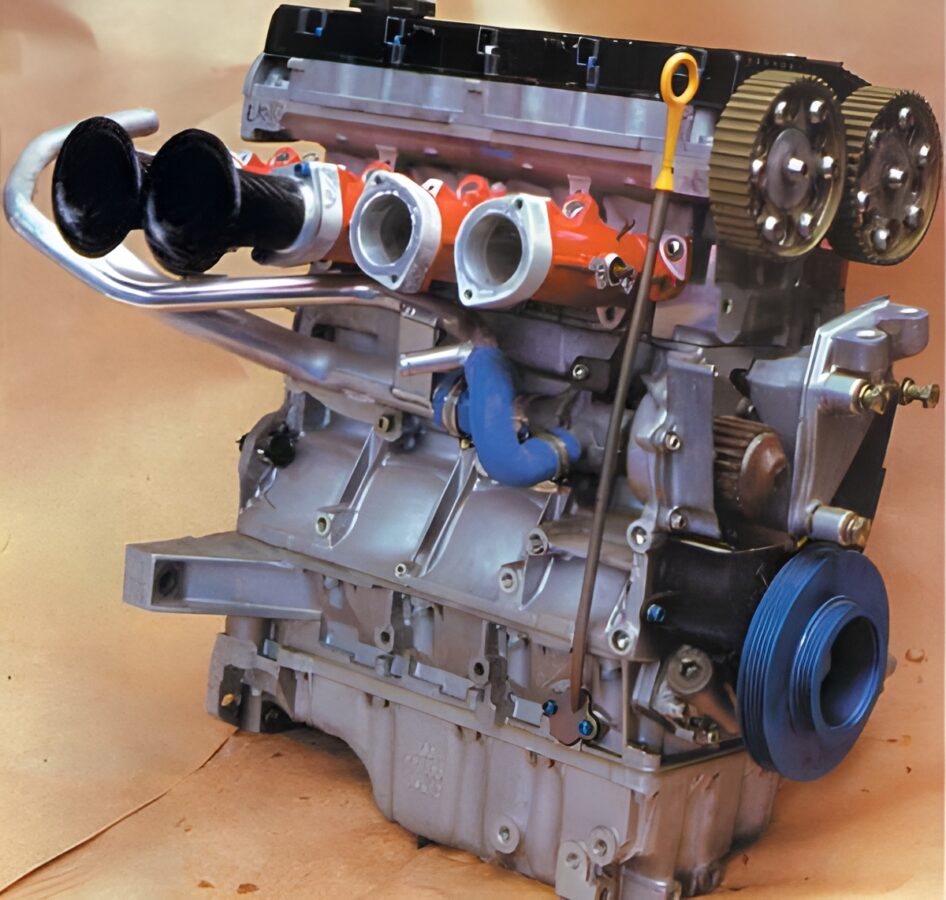
A thoroughly modernised K-Series retaining the lightweight philosophy but solving the thermal management issues with modern materials and gasket technology could be a fascinating proposition for small sports car applications. The Lotus Elise successor market remains underserved. A light, naturally aspirated engine in a lightweight chassis is exactly what that market craves.
The K-Series architecture also lends itself to hybrid integration. Its light weight makes it an interesting candidate for a mild hybrid system where the electric motor handles low-speed torque while the engine operates at higher efficiencies. The combination could be both clean and characterful.
Britain built something genuinely clever with the K-Series. It deserved better than it got. With modern engineering investment and the benefit of understanding exactly why it failed, a successor could honour the original’s best qualities while eliminating its fatal weaknesses.
9. Chrysler’s Hemi 426 (1964–1971)
The 426 Hemi is not forgotten in the sense that nobody talks about it. Everybody talks about it. It has been celebrated, worshipped, and mythologised in American car culture for six decades. But the original engineering concept a large-displacement, hemispherical combustion chamber V8 has never been properly updated for the modern era.
Chrysler reintroduced the Hemi name in 2003 with the 5.7 and 6.1-litre units. Those were competent engines. But they used a multi-displacement system and fuel injection calibration that prioritised efficiency over character. They were Hemis in name. In spirit, the connection to the 426 was tenuous at best.
The original 426 produced 425 horsepower in street tune and significantly more in race applications. The hemispherical combustion chamber design allowed for larger valves, better breathing, and more complete combustion than conventional chamber designs of the period. It was ahead of its time when introduced and would have benefited enormously from modern development.
Imagine a properly engineered 426-inspired engine built with modern technology. Hemispherical chambers paired with direct injection and variable valve timing. Titanium connecting rods and modern forged alloy pistons. Dry sump lubrication for sustained high-performance use. Electronic management calibrated for both maximum output and real-world driveability.
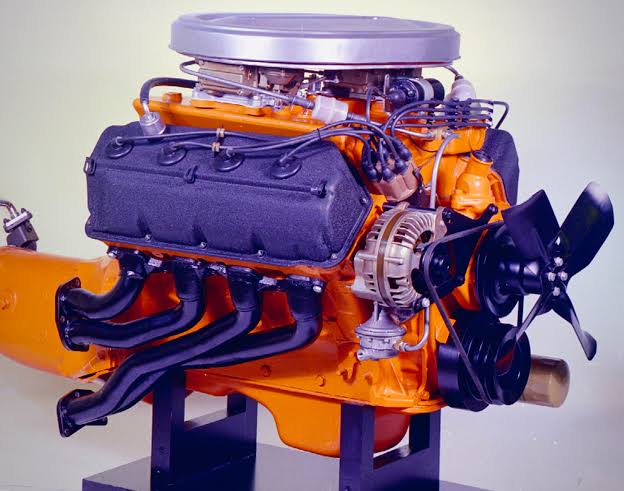
The result could produce 650 horsepower naturally aspirated while meeting modern emissions standards. In a new muscle car application the kind of American performance vehicle that still commands enormous global enthusiasm such an engine would be commercially compelling. It would connect modern buyers to a genuine heritage.
Stellantis has discontinued several performance applications following their corporate restructuring. The window to create something genuinely special in American V8 performance has not closed. It has simply been left open longer than expected. The 426 Hemi’s philosophy deserves a proper modern successor, not a badge-engineered compromise.
The hemispherical chamber is not nostalgia. It is good engineering. The original designers chose that shape because it works. Modern computational fluid dynamics and combustion analysis would only confirm and refine that choice. The 426’s soul is worth saving.
10. Subaru EJ20 (1989–2019)
The EJ20 is the engine that made Subaru what it is. It powered the Impreza WRX to four World Rally Championship manufacturer titles. It made the STI one of the most iconic performance cars in modern history. It gave a generation of enthusiasts their first experience of all-weather, all-conditions performance at an accessible price point.
Subaru retired the EJ20 in 2019, replacing it with the FA20 and subsequently the FA24 engines. Those newer units are more efficient and cleaner. But the enthusiast community’s response was immediate and overwhelming something irreplaceable had been lost. The EJ20 had a character its successors simply don’t possess.
The engine’s character came from several sources. The large-displacement 2.0-litre boxer configuration produced a torque delivery that felt uniquely satisfying under hard acceleration. The exhaust note produced by the unequal-length headers on the STI version — was instantly recognisable. No other car sounded quite like a WRX at full boost.
The EJ20 also had mechanical toughness that bred deep owner loyalty. Properly maintained examples regularly exceeded 300,000 kilometres without major work. The engine responded well to tuning a modest investment in upgraded turbos and fuelling could push power outputs well beyond the factory specification.
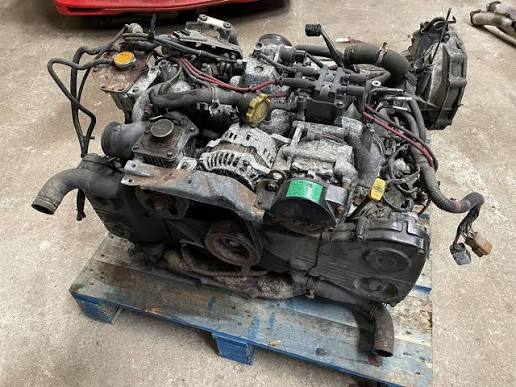
A modern EJ20 successor retaining the 2.0-litre boxer displacement but incorporating direct injection, modern variable valve timing, and an electric-assisted turbocharger could produce 380 horsepower with improved fuel economy compared to the original. The characteristic exhaust note could be preserved through careful header design.
Subaru’s motorsport department remains active. A new WRC-specification programme built around a modernised EJ20 philosophy would generate enormous commercial and sporting interest. The engine that won championships deserves a competitive successor, not a quiet administrative retirement.
The EJ20 represents something rare in modern automotive engineering an engine with genuine personality. It was not just a mechanism for producing power. It was a statement about what Subaru believed a car should be. That statement should not have been the last word. It should have been the foundation for the next chapter.
Also Read: 6 High-Beam Headlights for Rural US Roads vs 6 Dim Halogen Relics
