
Power, durability, and purpose have always shaped the identity of a pickup truck, yet payload capacity sits at the center of what truly separates one class from another. While horsepower figures and towing numbers often grab attention, payload ratings determine how much real work a truck can handle every single day.
That number influences everything from construction site efficiency to small business productivity, making it one of the most important measurements in the entire segment. Certain trucks did more than just carry heavy loads. They reset expectations.
They pushed boundaries to the point where manufacturers had to rethink classifications, engineering standards, and even how trucks were marketed. These models did not simply compete within existing categories. They redefined them.
What makes these trucks stand out is not just raw strength but the way they balance capability with usability. Strong frames, reinforced suspensions, and carefully tuned drivetrains allowed them to carry serious weight without sacrificing reliability. Owners quickly recognized the value, and demand followed.
This list highlights ten pickup trucks that played a major role in shaping payload standards across the industry. Each one brought something different to the table, whether through engineering innovation, durability, or a move in how trucks were used in real-world conditions.
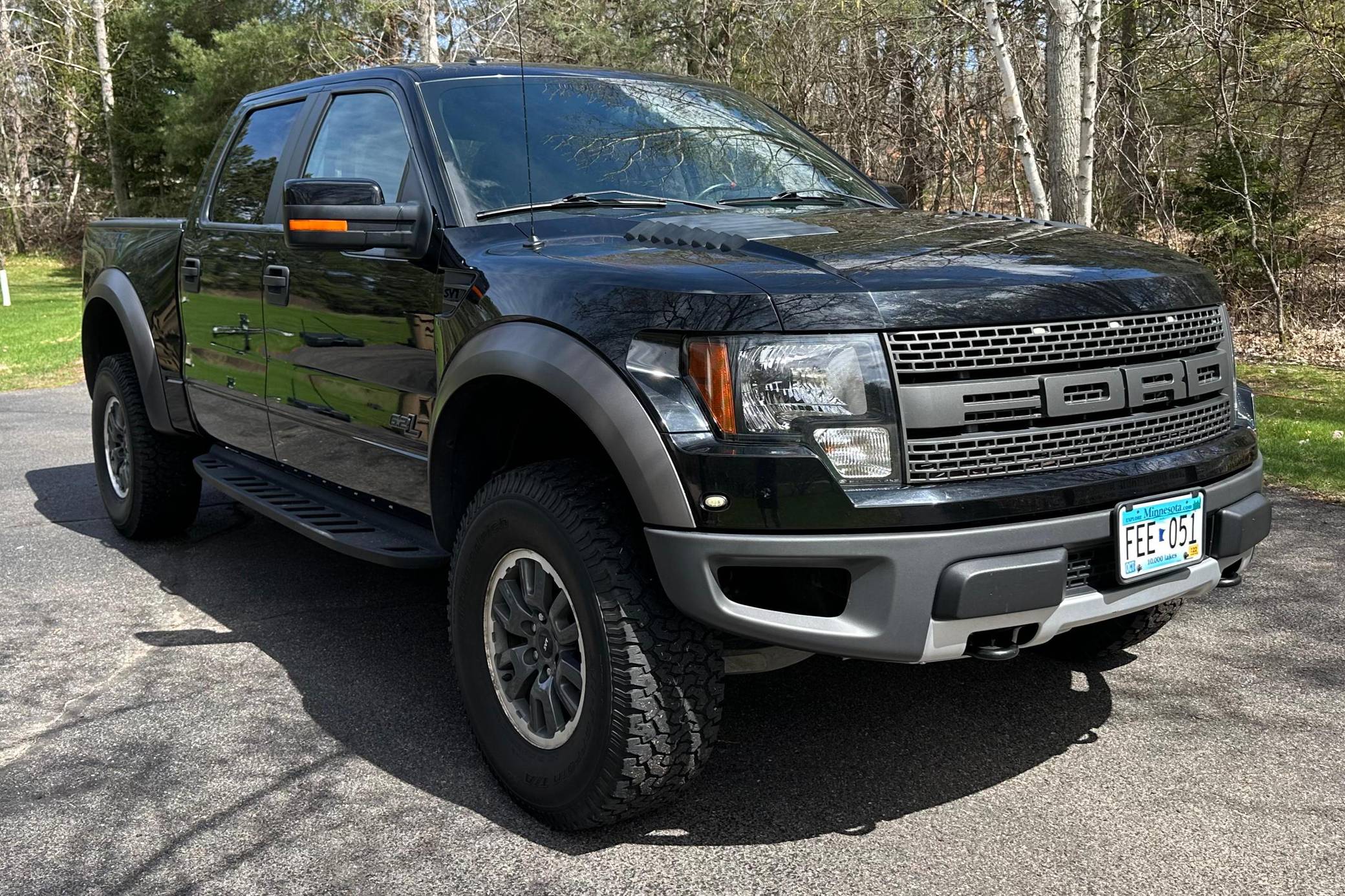
1. 2011 Ford F-150 SVT Raptor
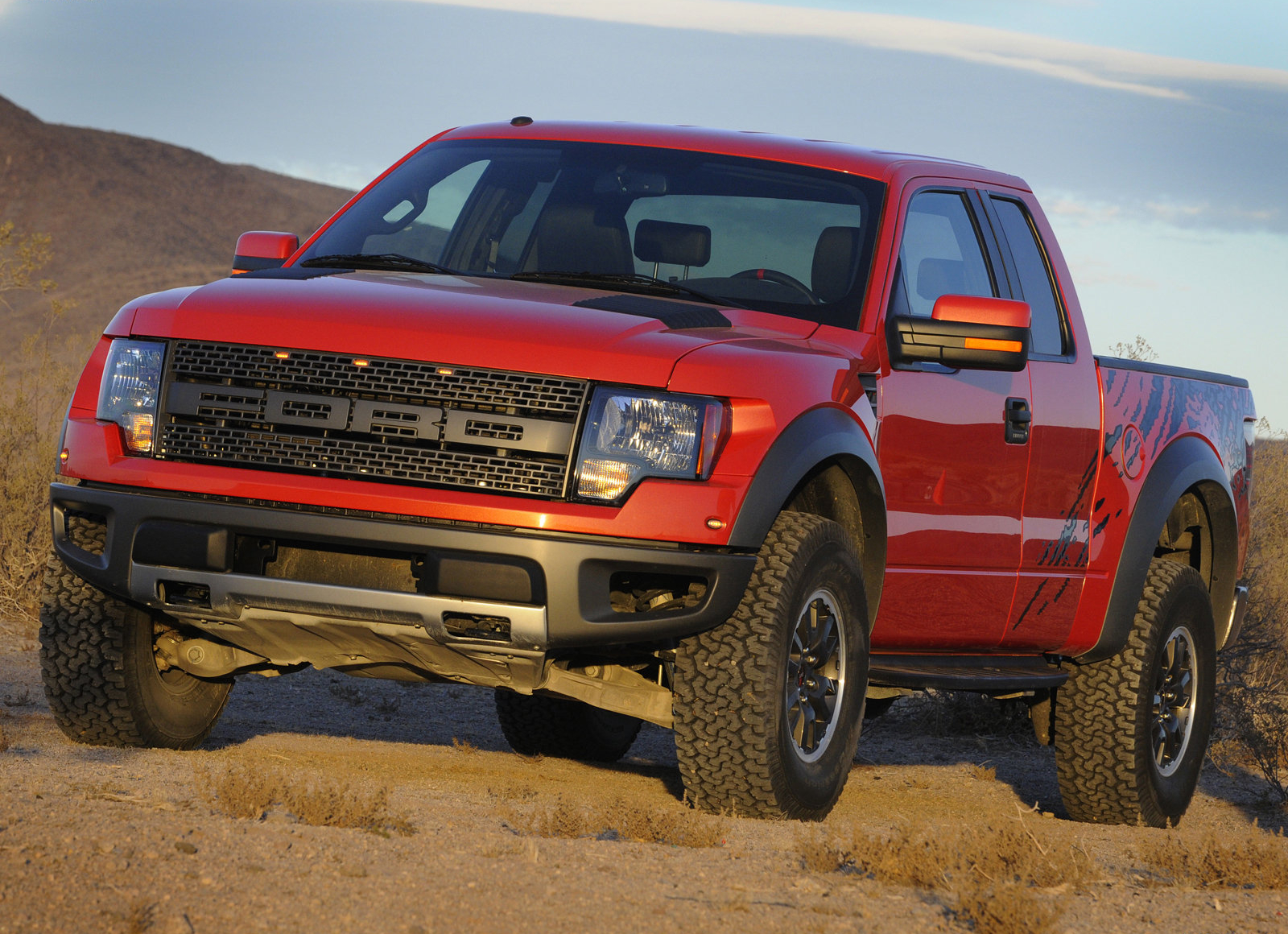
High-performance off-road engineering is often associated with reduced load-carrying ability, yet the 2011 Ford F-150 SVT Raptor presented a compelling exception to that expectation. This model demonstrated that a pickup truck could deliver strong off-road competence while still maintaining a meaningful level of payload capability.
Although its payload rating did not surpass that of traditional work-focused trucks, its real contribution lay in redefining how payload should be evaluated under demanding environmental conditions. A careful review of its engineering reveals a deliberate emphasis on structural reinforcement.
The frame was strengthened to withstand repeated stress, while the suspension system received major upgrades, including long-travel components and specialized shock absorbers. These features enabled the vehicle to carry equipment across uneven terrain without compromising stability or control. As a result, payload capacity was no longer viewed solely as a numerical figure but as a practical measure of performance under real-world conditions.
Operational use further highlighted this advantage. Professionals working in remote or undeveloped areas began to rely on the Raptor for transporting tools and materials across surfaces that would typically challenge standard pickup trucks. Outdoor specialists and field workers also found value in its ability to combine mobility with carrying capacity.
Through these applications, the concept of utility expanded beyond conventional expectations. Attention to interior refinement contributed to its broader acceptance. The cabin was designed to provide comfort and convenience, incorporating supportive seating and modern features that enhanced daily usability.
This approach allowed owners to depend on a single vehicle for both occupational duties and personal transportation, reducing the need for multiple vehicles. Such versatility influenced purchasing decisions within the half-ton segment. Industry response followed this development with clear intent.
Competing manufacturers began to integrate off-road durability into their own payload considerations, leading to the introduction of trucks capable of handling both weight and challenging terrain. While the Raptor did not aim to dominate traditional payload rankings, it succeeded in altering the criteria by which capability was assessed.
The 2011 Ford F-150 SVT Raptor, therefore, occupies an important position in the evolution of pickup trucks. Its contribution lies in demonstrating that payload performance must account for environmental conditions, not merely static measurements, thereby influencing future design priorities across the segment.
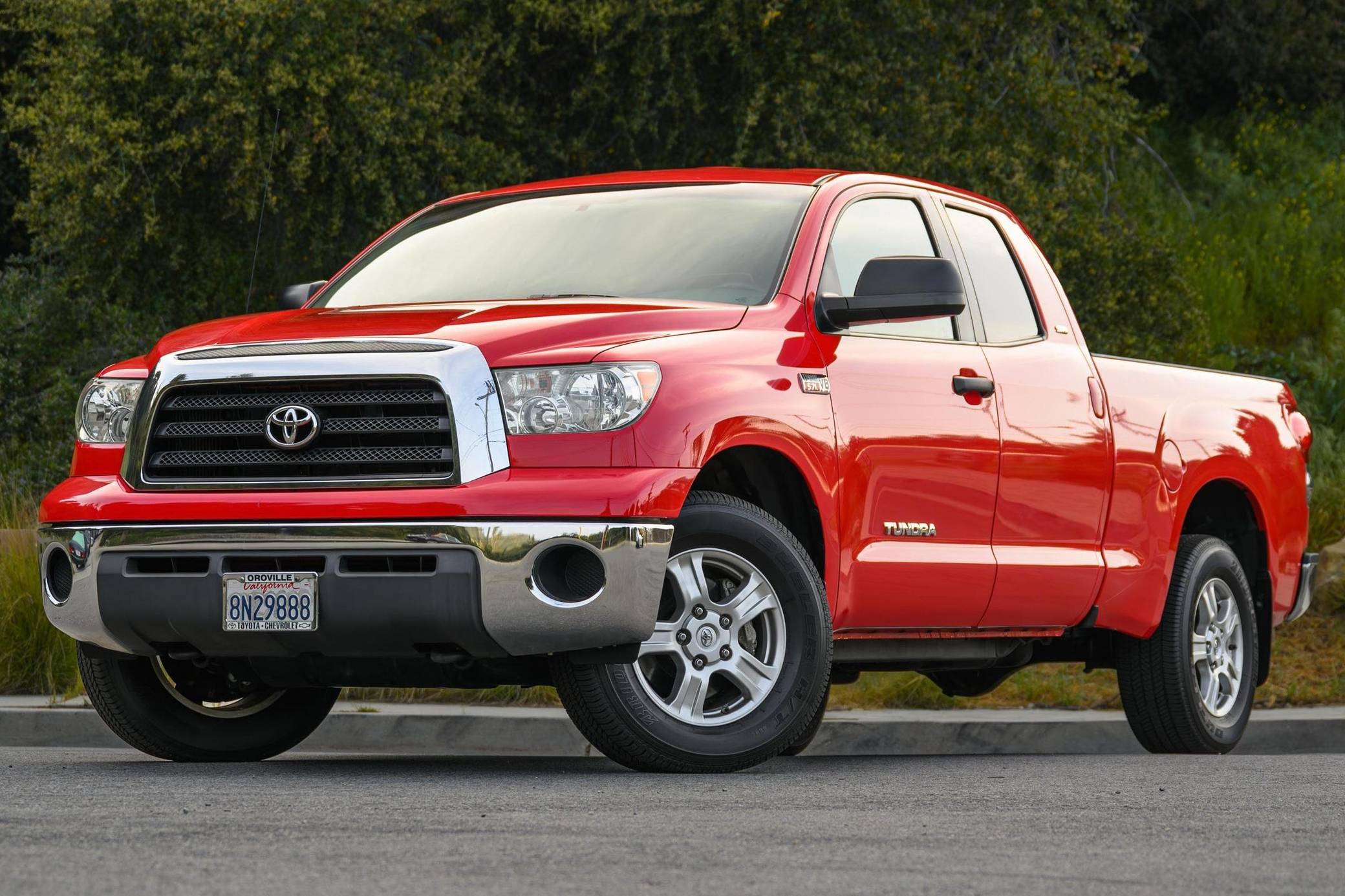
2. 2007 Toyota Tundra Double Cab 5.7L V8
A decisive step into the competitive full-size pickup market was taken with the introduction of the 2007 Toyota Tundra Double Cab equipped with the 5.7-litre V8 engine. This model represented a deliberate effort by Toyota to challenge established manufacturers, with payload capacity serving as a central element of its design and positioning. Through this approach, the vehicle contributed to raising expectations within the half-ton category.
Structural integrity formed the foundation of its capability. The inclusion of a fully boxed frame provided the rigidity required to support heavier loads, while the suspension system was engineered to maintain balance and control under pressure.
These design elements allowed the Tundra to operate confidently within payload ranges that were previously dominated by long-standing competitors. The result was a truck that combined strength with stability in a manner that appealed to both commercial users and private owners.
Power delivery complemented its structural design. The 5.7-litre V8 engine produced consistent output, enabling the vehicle to sustain performance even when approaching its maximum carrying capacity. Drivers benefited from a smooth yet capable driving experience, which made the truck suitable for demanding tasks without sacrificing everyday usability. This balance contributed to its acceptance among a broad range of users.
Interior design reflected a conscious effort to integrate comfort with functionality. Spacious seating arrangements and intuitive controls created an environment that supported extended use, whether for work or personal activities. This approach broadened its appeal, attracting buyers who required a dependable truck while also valuing convenience and ease of operation.
Industry reaction was both immediate and instructive. Established manufacturers responded by enhancing their own payload ratings and reinforcing structural components within their vehicles. The Tundra demonstrated that a manufacturer entering an already competitive segment could succeed by prioritising practical capability and engineering strength.
Its influence extended beyond direct competition. By raising the standard for what a half-ton truck could achieve, it encouraged continued innovation across the segment. Manufacturers were compelled to reassess their designs, leading to improvements that benefited the entire market.
The 2007 Toyota Tundra Double Cab 5.7L V8 remains an important reference point in the development of modern pickup trucks, illustrating how a focused commitment to payload capability can redefine expectations and drive industry-wide progress.
Also Read: 10 Diesel Trucks Ranked by Towing-to-Longevity Ratio
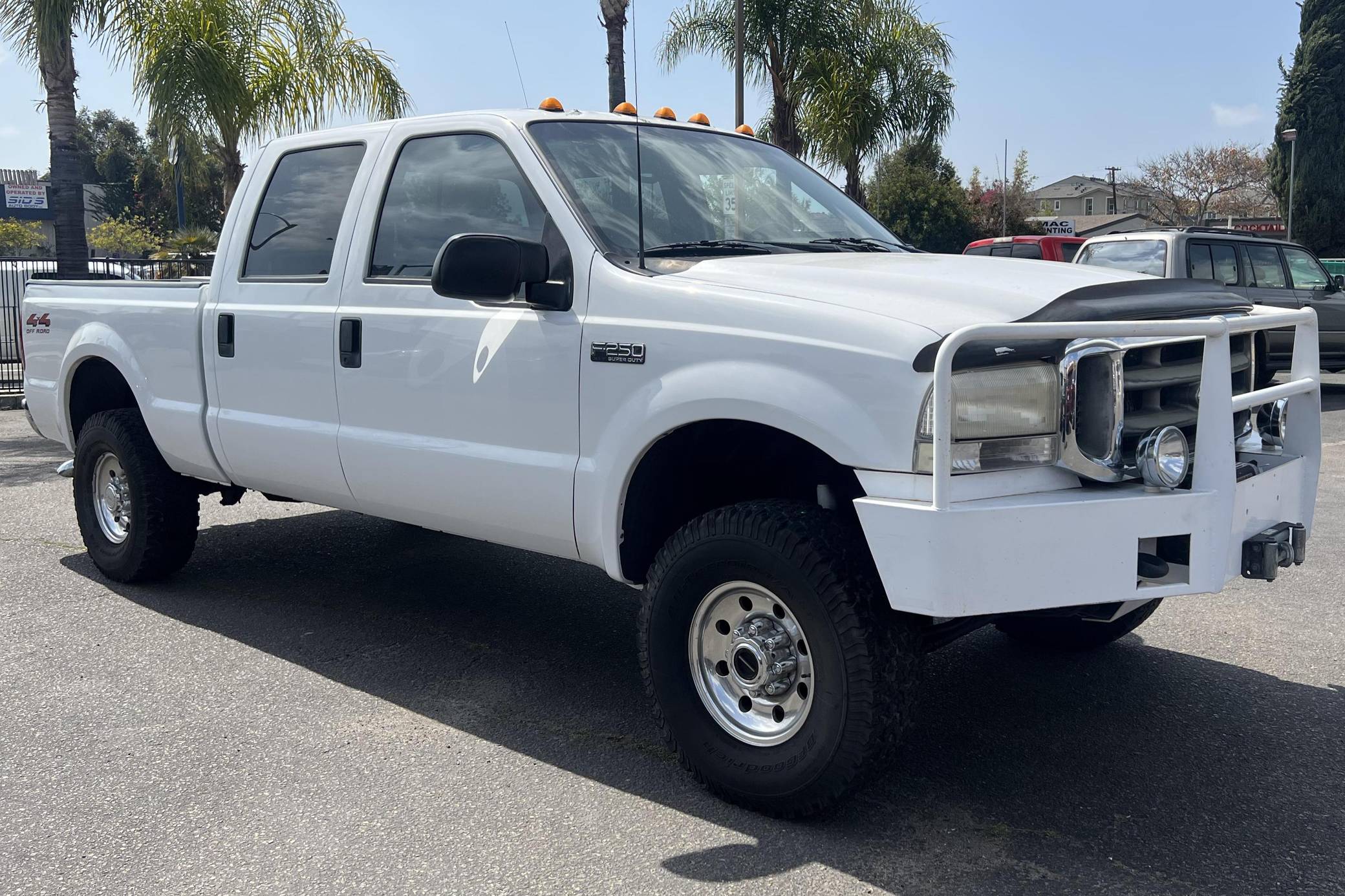
3. 1999 Ford F-250 Super Duty
A decisive advancement in the development of heavy-duty pickup trucks emerged with the introduction of the 1999 Ford F-250 Super Duty. This model did not merely extend existing capabilities; it redefined how payload capacity influenced vehicle classification within the pickup segment.
Before its arrival, distinctions between light-duty and heavy-duty trucks were less pronounced. The F-250 Super Duty established a clearer separation, grounded in measurable strength and practical application. Central to its influence was a thoroughly redesigned platform.
The vehicle was constructed on a reinforced frame engineered to withstand sustained stress under heavy loads. Axles were upgraded to support increased weight distribution, while the suspension system was specifically configured for load-bearing stability.
These elements worked together to enable the truck to manage payload levels that had previously been associated with larger, commercially oriented vehicles. As a result, operators gained access to higher capacity within a more accessible format.
Powertrain options contributed directly to this expanded capability. Both diesel and petrol engines were available, each designed to deliver the substantial torque required for carrying and moving heavy loads efficiently. The diesel variants, in particular, provided strong low-end pulling power, which proved beneficial in demanding industries such as construction, agriculture, and equipment transport.
Users within these sectors quickly identified the operational advantages offered by the model. Cab configurations further enhanced its practical value. Extended cab and crew cab variants allowed for the transportation of both personnel and equipment within a single unit.
This arrangement improved workflow efficiency, especially in professional environments where coordination between workers and tools is essential. The ability to combine passenger capacity with high payload capability reduced dependence on multiple vehicles, thereby lowering operational costs.
Industry response confirmed the model’s influence. Competing manufacturers began to expand their own heavy-duty offerings, placing greater emphasis on payload ratings and structural strength. The concept of clearly defined truck classes gained wider acceptance, with payload capacity becoming a central metric in product differentiation.
Long-term impact remains evident in contemporary truck design. Manufacturers continue to adopt principles first emphasized by the F-250 Super Duty, including reinforced frames and purpose-built suspension systems. This enduring relevance highlights the model’s role in shaping modern expectations.
The 1999 Ford F-250 Super Duty, therefore, stands as a foundational development in pickup engineering, establishing standards that continue to guide the evolution of heavy-duty trucks.
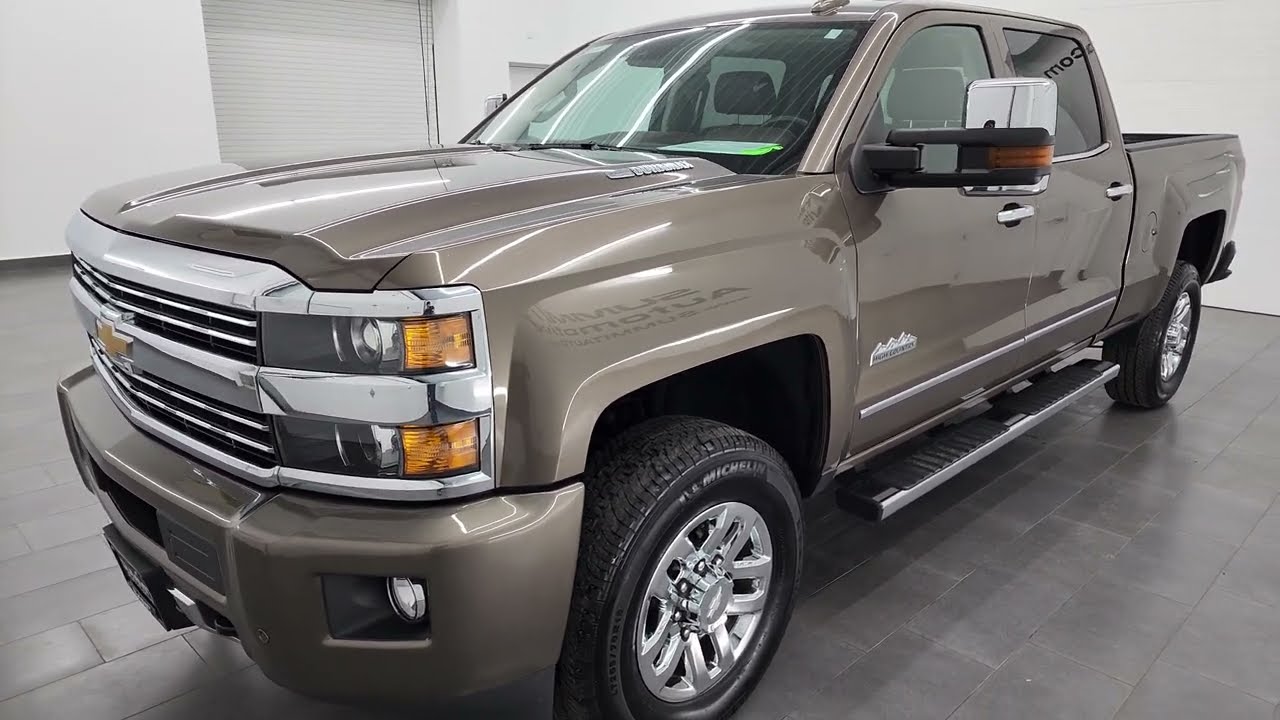
4. 2015 Chevrolet Silverado 3500HD High Country
A refined approach to heavy-duty truck design was presented through the 2015 Chevrolet Silverado 3500HD High Country, a model that successfully combined high payload capability with an elevated level of interior comfort. Traditionally, trucks designed for substantial load carrying placed limited emphasis on cabin refinement.
This vehicle demonstrated that such a limitation was no longer necessary. Engineering development focused on achieving maximum load capacity while maintaining stability and control. The structure incorporated a reinforced frame designed to handle substantial weight without deformation.
Suspension components were upgraded to support heavy loads consistently, while a high-capacity rear axle contributed to effective weight distribution. These features ensured that the truck could operate confidently within demanding payload conditions.
Mechanical performance supported this structural strength. Powertrain configurations were engineered to deliver consistent output under load, allowing the vehicle to maintain operational efficiency even when approaching its capacity limits.
Drivers benefited from predictable performance, which is essential when transporting heavy materials or equipment across varying distances. Interior design represented a deliberate departure from conventional work truck expectations. Premium materials were used throughout the cabin, complemented by advanced infotainment systems and ergonomically designed seating.
This environment provided a level of comfort comparable to that found in high-end passenger vehicles. Such refinement expanded the appeal of the truck beyond traditional commercial users, attracting individuals who required capability alongside comfort.
Driving dynamics were carefully managed to ensure composure under load. Suspension tuning played a central role in maintaining balance, reducing the physical strain often associated with operating heavy-duty vehicles. This stability allowed drivers to perform tasks with greater confidence, whether in professional settings or during personal use.
Market influence emerged through the integration of luxury features into heavy-duty segments. Competing manufacturers began to introduce similar high-specification variants, recognising a growing demand for vehicles that combine strength with refinement. This development contributed to a broader transformation within the segment.
The 2015 Chevrolet Silverado 3500HD High Country illustrates how engineering capability and interior quality can coexist effectively. By merging these attributes, it reshaped expectations for heavy-duty trucks, establishing a standard that continues to influence modern designs.
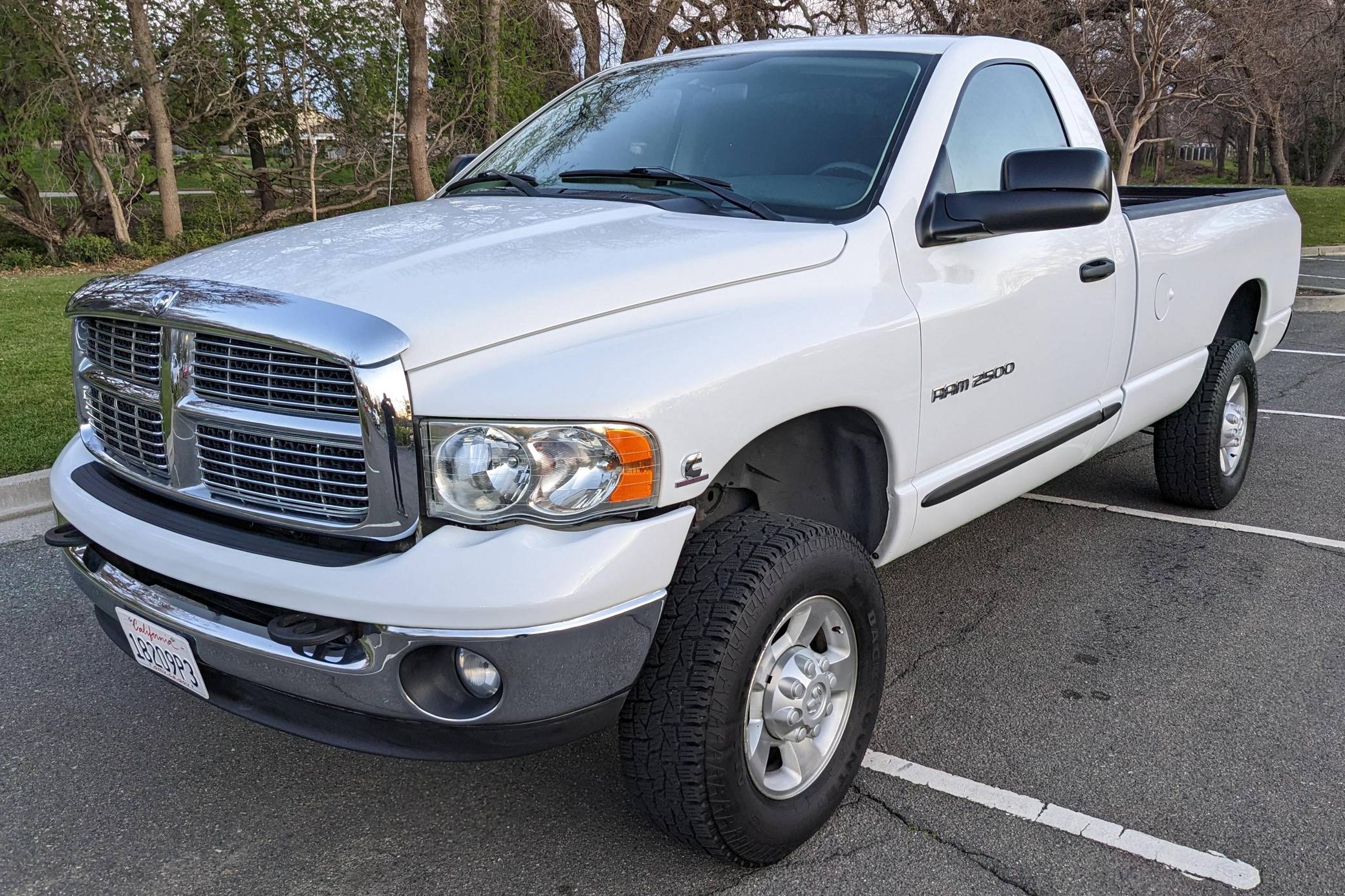
5. 2003 Dodge Ram 2500 Cummins Turbo Diesel
Torque and durability define the reputation of the 2003 Dodge Ram 2500 equipped with the Cummins turbo diesel engine. This truck became a benchmark for payload capability in the heavy-duty category through a combination of engineering strength and long-term reliability.
A robust frame provided the structural backbone needed for heavy loads. Suspension components were designed to support demanding use, allowing the truck to maintain stability even when carrying near its limits. This design made it a dependable choice for commercial applications.
The Cummins diesel engine played a central role in its success. Known for its durability and consistent torque delivery, it allowed the Ram 2500 to handle payload tasks with ease. Owners valued the engine’s ability to perform under pressure without frequent mechanical issues.
Interior design remained focused on practicality. Controls were straightforward, and materials were chosen for durability rather than luxury. This approach suited buyers who prioritized function over appearance. Long-term ownership stories reinforced its reputation.
Many trucks remained in service for years, continuing to handle heavy workloads without major structural problems. This reliability contributed to strong resale demand. Influence within the industry came through its emphasis on diesel power as a foundation for payload capability.
Competing manufacturers expanded their own diesel offerings, leading to improvements across the segment. The 2003 Dodge Ram 2500 Cummins Turbo Diesel stands as a clear example of how engine design and structural strength can work together to define an entire class of pickup trucks.
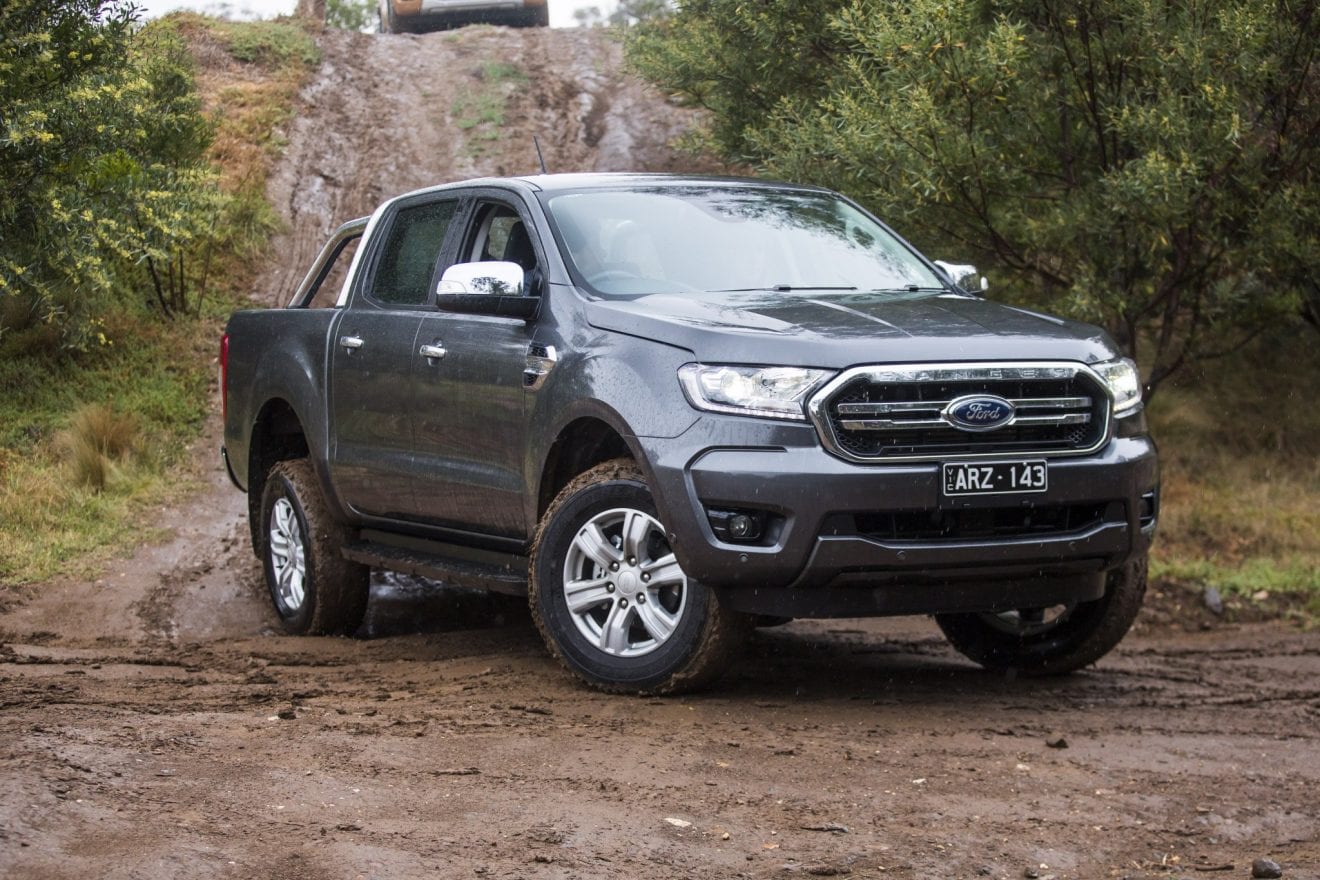
6. 2019 Ford Ranger XLT
Reintroductions rarely reshape expectations, yet the 2019 Ford Ranger XLT managed to do exactly that by redefining what a midsize pickup could carry. For years, midsize trucks were viewed as lighter-duty alternatives to full-size models, often chosen for convenience rather than capability.
This version of the Ranger disrupted that thinking by delivering payload figures that challenged long-standing assumptions about the segment. Engineering choices played a central role in this transformation. A fully boxed frame provided the rigidity needed to support heavier loads, while a carefully tuned suspension system ensured stability under pressure.
These structural improvements allowed the Ranger to handle demanding tasks without feeling overwhelmed, even when approaching its upper limits. Power came from a turbocharged four-cylinder engine designed for efficiency and torque delivery.
While smaller in displacement compared to traditional truck engines, it delivered strong low-end power that proved useful when carrying weight. This balance between efficiency and capability appealed to buyers who wanted a truck that could perform without excessive fuel consumption.
Cabin design reflected a move toward versatility. The interior offered modern features, intuitive controls, and sufficient space for daily use, making it practical for both work and personal driving. Owners found that they could rely on the Ranger for job-related tasks during the week and family responsibilities on weekends.
Industry reaction followed quickly. Competitors began to enhance their midsize offerings, focusing on increasing payload ratings and improving structural strength. The Ranger’s success demonstrated that buyers expected more from this class than previously assumed.
Its influence continues to shape the midsize segment, proving that payload capability is not limited to larger trucks. By raising expectations, the 2019 Ford Ranger XLT helped redefine what a midsize pickup could achieve.
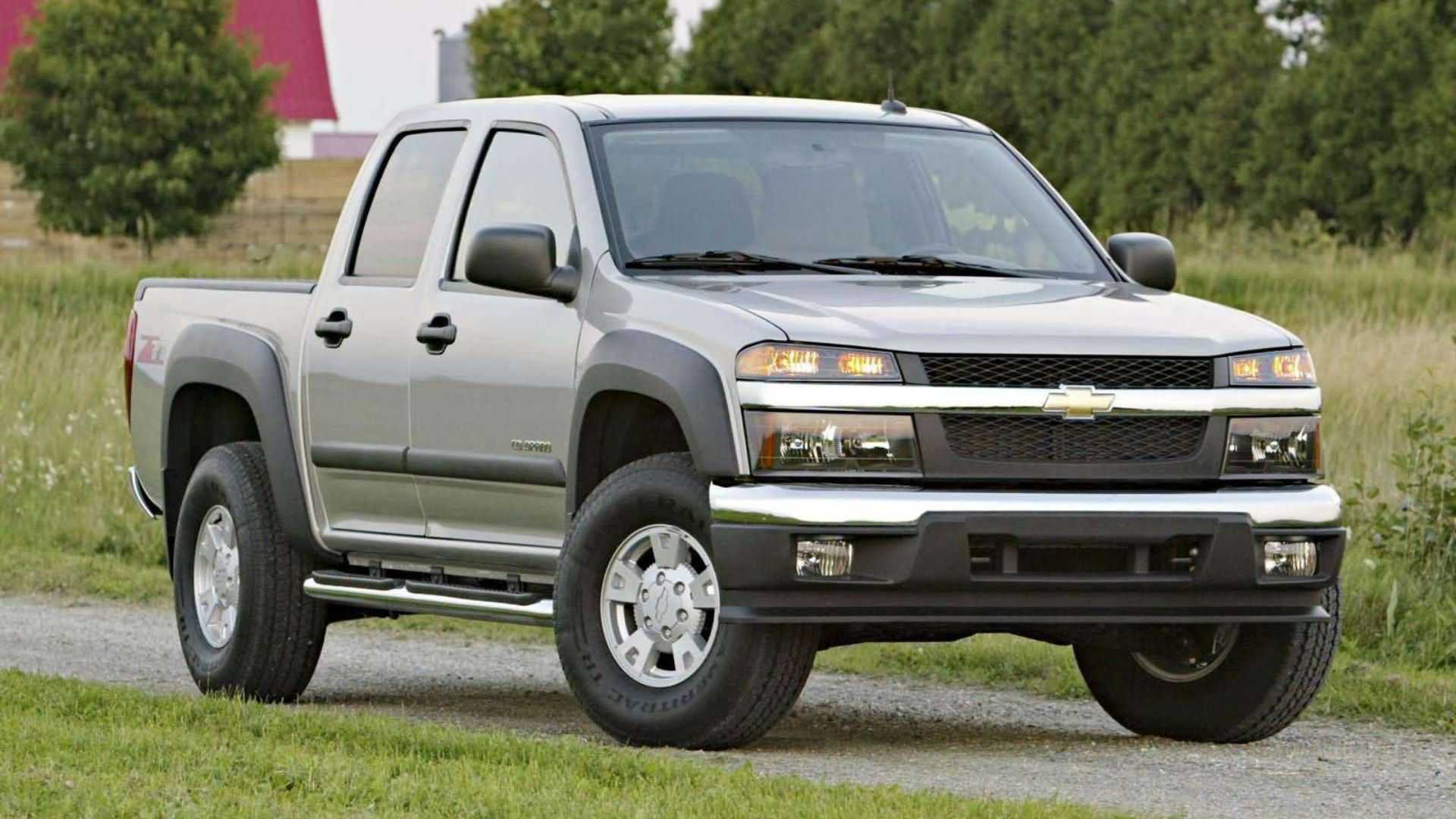
7. 2008 Chevrolet Colorado LT Crew Cab
Smaller trucks often face skepticism when it comes to serious work, yet the 2008 Chevrolet Colorado LT Crew Cab challenged that perception through steady capability and practical design. While it did not aim to compete directly with heavy-duty models, it carved out a place by delivering dependable payload performance within a compact footprint.
Structural design focused on durability. A strong ladder frame provided the foundation needed to carry moderate loads without compromising stability. Suspension components were engineered to balance comfort with utility, allowing the truck to perform consistently across a variety of conditions.
Engine options supported this approach. Efficient powertrains delivered enough strength to handle daily hauling tasks, making the Colorado suitable for small businesses and personal projects. Drivers appreciated its ability to carry equipment without the bulk associated with larger trucks.
Interior layout emphasized usability. Crew cab configurations offered additional passenger space, which expanded its appeal beyond traditional work roles. Families and small teams could travel together while still benefiting from the truck’s cargo capabilities.
Market impact came through accessibility. Buyers who did not require the extreme payload capacity of larger trucks found a reliable alternative in the Colorado. This helped broaden the pickup market, encouraging manufacturers to invest more in compact and midsize segments.
Its contribution lies in proving that payload capability does not need to come at the expense of convenience. The 2008 Chevrolet Colorado LT Crew Cab helped establish a class of trucks that balance size, efficiency, and practical strength.
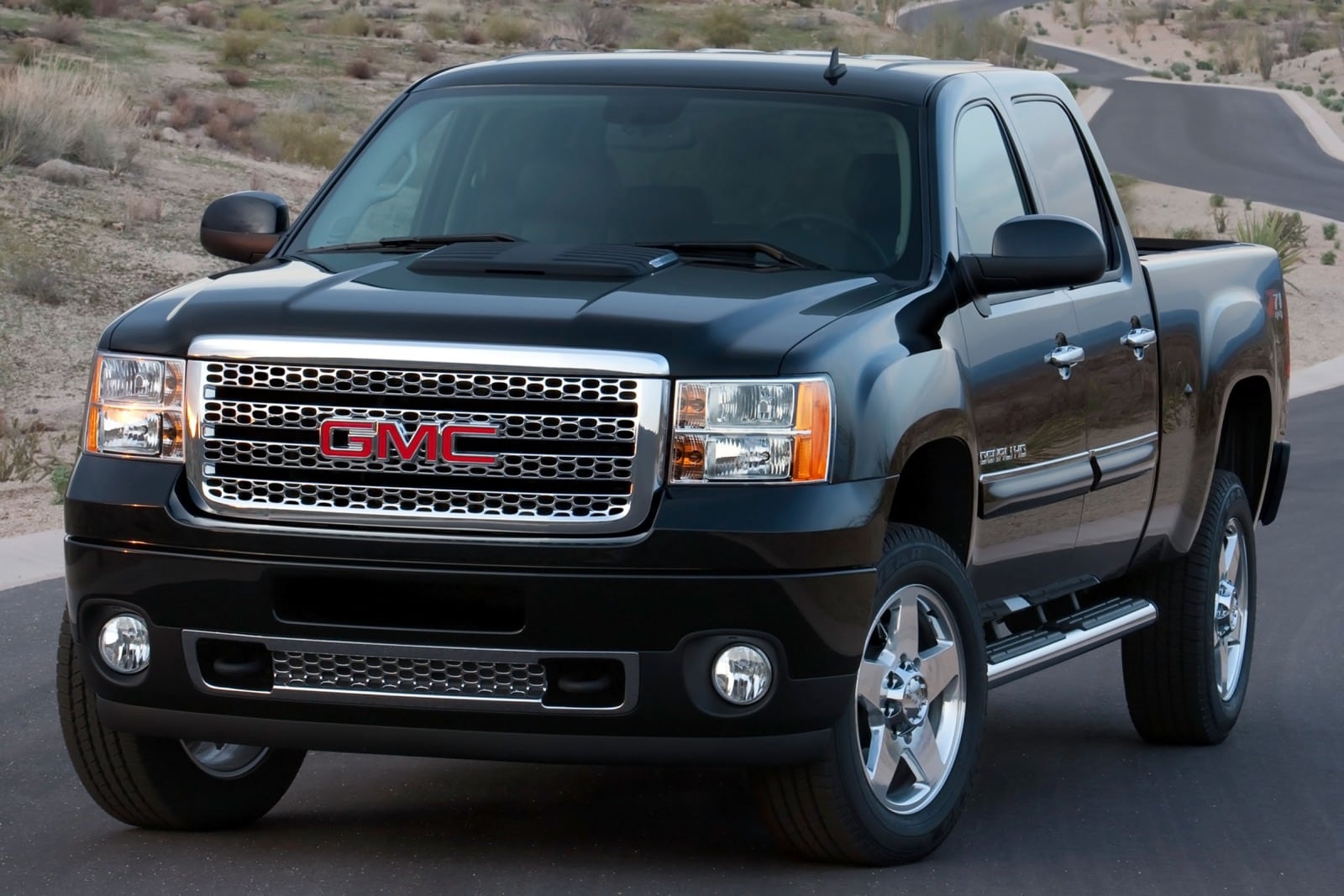
8. 2012 GMC Sierra 2500HD Denali
Luxury and heavy-duty performance came together compellingly with the 2012 GMC Sierra 2500HD Denali. This truck demonstrated that high payload capacity could coexist with premium features, changing how buyers viewed the upper end of the pickup market.
Engineering remained focused on strength. A reinforced frame, heavy-duty suspension, and upgraded drivetrain components allowed the Sierra 2500HD Denali to handle substantial payloads with confidence. These features placed it firmly within the heavy-duty category while maintaining a refined character.
Powertrain options delivered the torque needed for demanding tasks. Whether equipped with gasoline or diesel engines, the truck maintained consistent performance under load. Drivers could rely on it for both hauling and towing without sacrificing comfort.
Interior design elevated expectations. High-quality materials, advanced technology, and attention to detail created an environment that rivaled luxury SUVs. This approach attracted buyers who required capability but also wanted a more comfortable driving experience.
Driving behavior remained composed even when carrying heavy loads. Suspension tuning helped manage weight effectively, providing stability and control across different conditions. This balance made it easier to operate the truck in both professional and personal settings.
Industry influence followed through the expansion of luxury trims in heavy-duty segments. Manufacturers recognized that buyers valued comfort alongside capability, leading to the development of more refined work trucks. The 2012 GMC Sierra 2500HD Denali stands as a clear example of how payload performance can be combined with premium features, reshaping expectations for heavy-duty pickups.
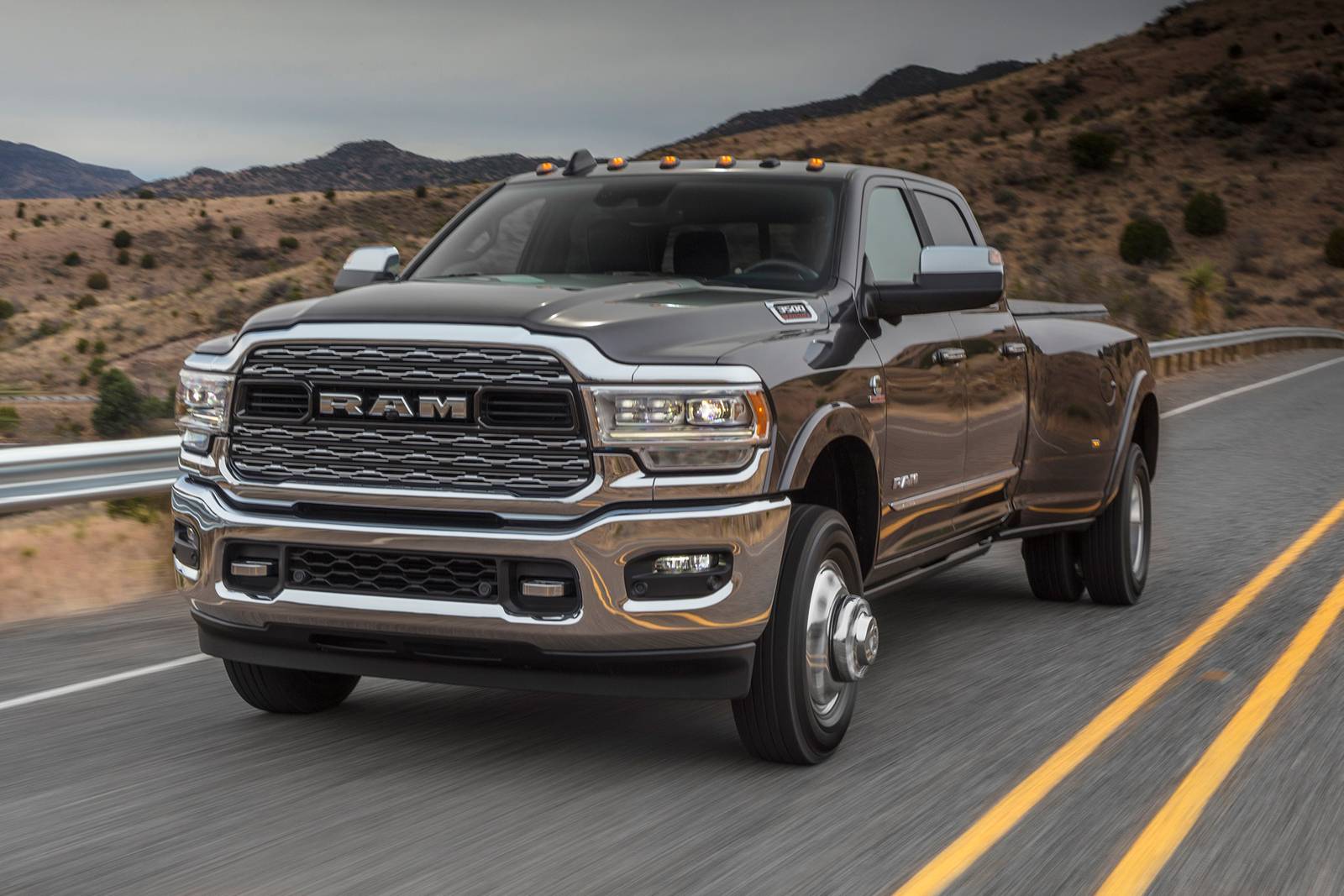
9. 2020 Ram 3500 Limited Heavy Duty
Advancements in engineering reached a new level with the 2020 Ram 3500 Limited Heavy Duty, a truck that pushed payload capability to impressive heights while maintaining a refined driving experience. This model demonstrated how modern technology could enhance both strength and usability.
Structural improvements formed the backbone of its capability. A high-strength steel frame and advanced suspension systems allowed the truck to handle extreme payload levels without compromising stability. These enhancements positioned it among the most capable trucks in its class.
Engine options played a decisive role. High-output diesel configurations delivered exceptional torque, enabling the truck to carry heavy loads with ease. This level of performance appealed to commercial users and individuals with demanding requirements.
Interior design reflected a commitment to comfort. Premium materials, advanced infotainment systems, and spacious seating created a cabin environment that supported long-distance travel. Drivers no longer had to choose between capability and comfort.
Technology integration added another layer of value. Features such as load monitoring systems and advanced driver assistance tools helped improve safety and efficiency when carrying heavy payloads. These innovations made it easier to manage demanding tasks.
Market impact came through the raising of expectations. Competitors responded by improving their own heavy-duty offerings, leading to continued advancements across the segment. The 2020 Ram 3500 Limited Heavy Duty illustrates how modern engineering can redefine payload standards while enhancing the entire ownership experience.
Also Read: 10 Trucks With Strong Rust-Resistant Frames in America’s Harsh Rust Belt States
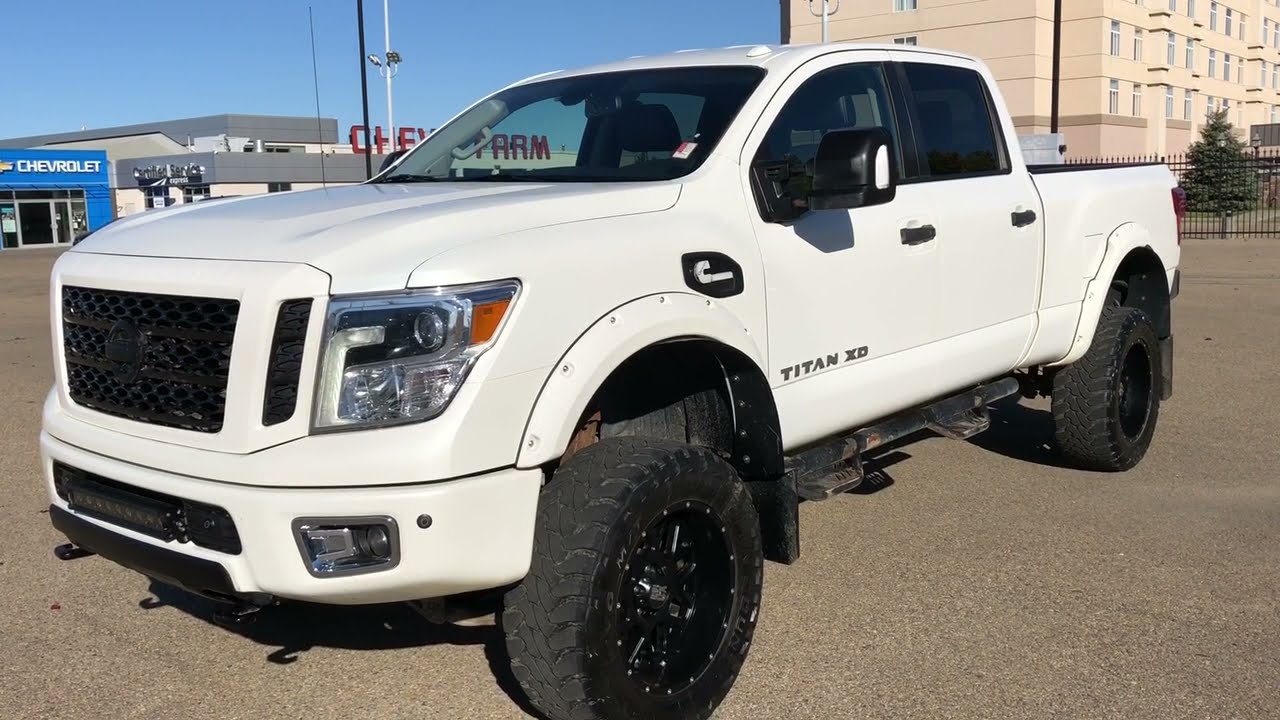
10. 2018 Nissan Titan XD PRO-4X
Blending categories rarely works, yet the 2018 Nissan Titan XD PRO-4X carved out a unique position between half-ton and heavy-duty trucks. This model introduced a new approach to payload capability by offering increased strength without the full size of traditional heavy-duty pickups.
Structural design focused on bridging the gap. A reinforced frame and upgraded suspension components allowed the Titan XD to carry heavier loads than typical half-ton trucks. This positioned it as an alternative for buyers who needed more capability without stepping into a larger category.
Engine performance supported this strategy. Diesel and gasoline options provided the torque required for hauling tasks, giving drivers flexibility based on their needs. This adaptability helped attract a diverse range of buyers. Interior design balanced durability with comfort.
Materials were chosen to withstand regular use while still providing a pleasant driving environment. This approach made the truck suitable for both work and daily activities. Driving experience reflected its hybrid nature. It offered more stability than lighter trucks while remaining easier to manage than larger heavy-duty models.
This balance appealed to drivers who wanted capability without added bulk. Industry influence came through its attempt to redefine class boundaries. While not creating a permanent new category, it demonstrated that there was room for innovation between established segments.
The 2018 Nissan Titan XD PRO-4X stands as an example of how payload capability can inspire new ideas within the pickup market, encouraging manufacturers to think beyond traditional classifications.
