
Vehicle depreciation usually follows a familiar path. A new SUV leaves the dealership, value drops quickly within the first few years, and then levels out as age and mileage increase. That pattern has shaped buying decisions for decades, guiding both first-time owners and seasoned shoppers in the used market.
Still, some SUVs break away from that expectation in ways that catch even experienced buyers off guard. Certain models manage to hold value far better than their competitors, while others experience unusual plateaus where prices stabilise instead of continuing to fall.
These cases are rarely accidental. They are often tied to durability, reputation, limited supply, or a strong following that keeps demand steady regardless of age. Buyers begin to see these vehicles less as disposable assets and more as long-term investments.
What makes this topic interesting is the variety involved. From rugged off-road icons to luxury models with lasting appeal, the reasons behind this unusual depreciation behaviour differ from one SUV to another. Some maintain value due to proven reliability, while others benefit from brand image or a unique design that keeps them desirable years after release.
This page takes a closer look at nine SUVs that disrupted typical depreciation trends. Each one represents a segment where value retention became a defining trait rather than an exception. Their stories reveal how engineering, perception, and real-world use can reshape expectations in the automotive market.
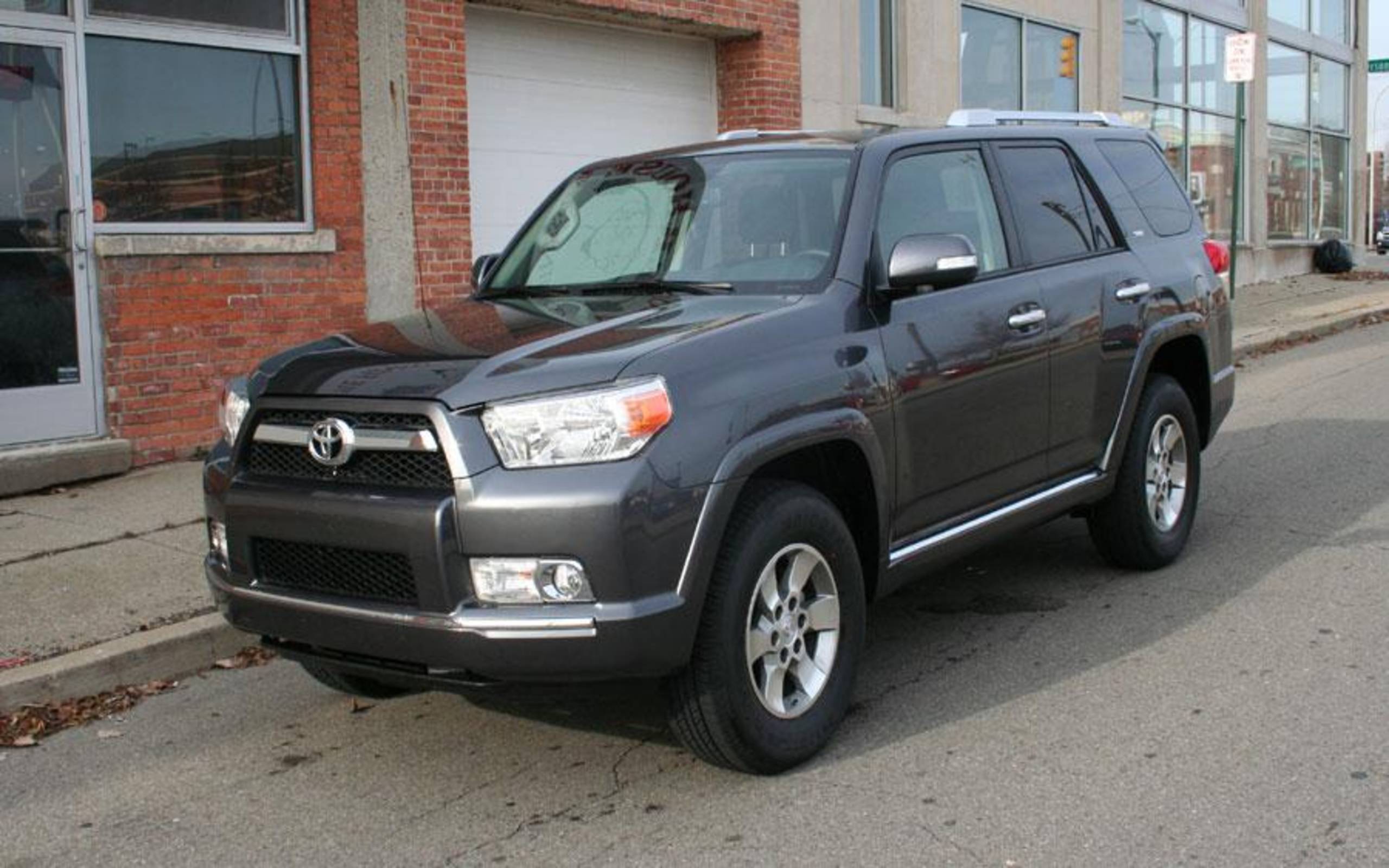
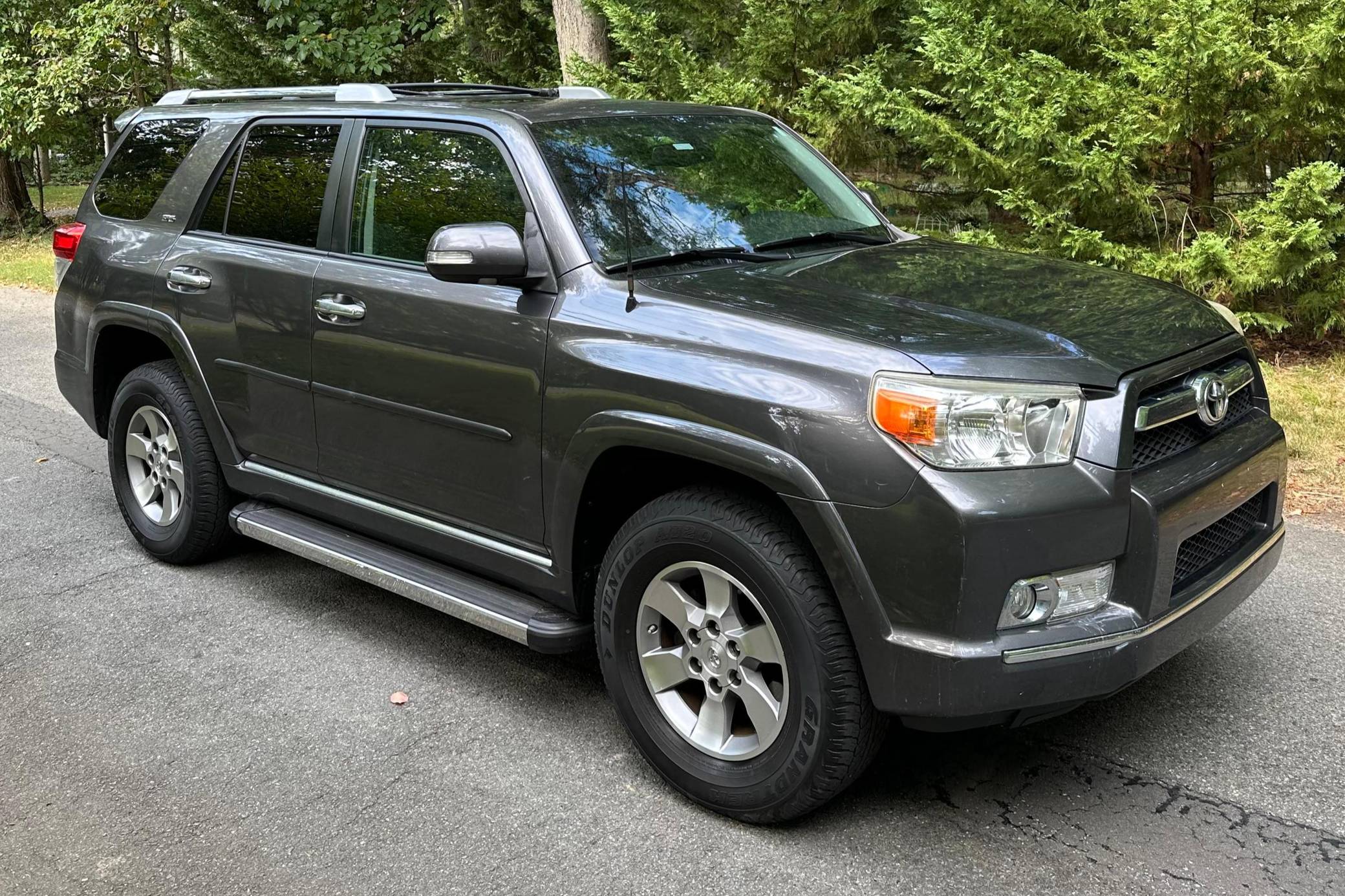
1. 2010 Toyota 4Runner SR5
Longevity forms the backbone of the 2010 Toyota 4Runner SR5’s reputation, and that reputation directly influences its resale performance. Buyers entering the used market often approach this model with confidence rather than hesitation, which creates a pricing floor that refuses to drop as much as competing SUVs. This behaviour stands out clearly when compared to other midsize SUVs introduced in the same era.
Durability plays a central role in this pattern. Body-on-frame construction gives the 4Runner a level of toughness that appeals to drivers who prioritise long-term ownership. It is not merely about surviving harsh conditions. It is about maintaining structural integrity after years of use, whether on highways or unpaved roads. That kind of dependability builds trust, and trust drives demand.
Ownership experience reinforces this perception. Drivers frequently report that even high-mileage examples continue to perform without major issues when properly maintained. This reliability creates a cycle where buyers actively seek out older models rather than avoiding them. As a result, depreciation slows down because supply struggles to meet consistent demand.
Interior ageing does not seem to discourage interest. While cabin materials may show wear, functionality remains intact, which matters more to buyers focused on utility. Practical design ensures that even older units remain usable for daily driving, outdoor trips, or towing tasks.
Market behaviour reflects these strengths clearly. Listings for used 4Runner models often hold steady pricing, with minimal drops even as mileage increases. Sellers benefit from this stability, while buyers accept higher prices because they expect long-term value in return.
This model reshaped expectations within its segment. Instead of following the usual curve where age equals lower value, it demonstrated that durability and reputation can create a different trajectory entirely.
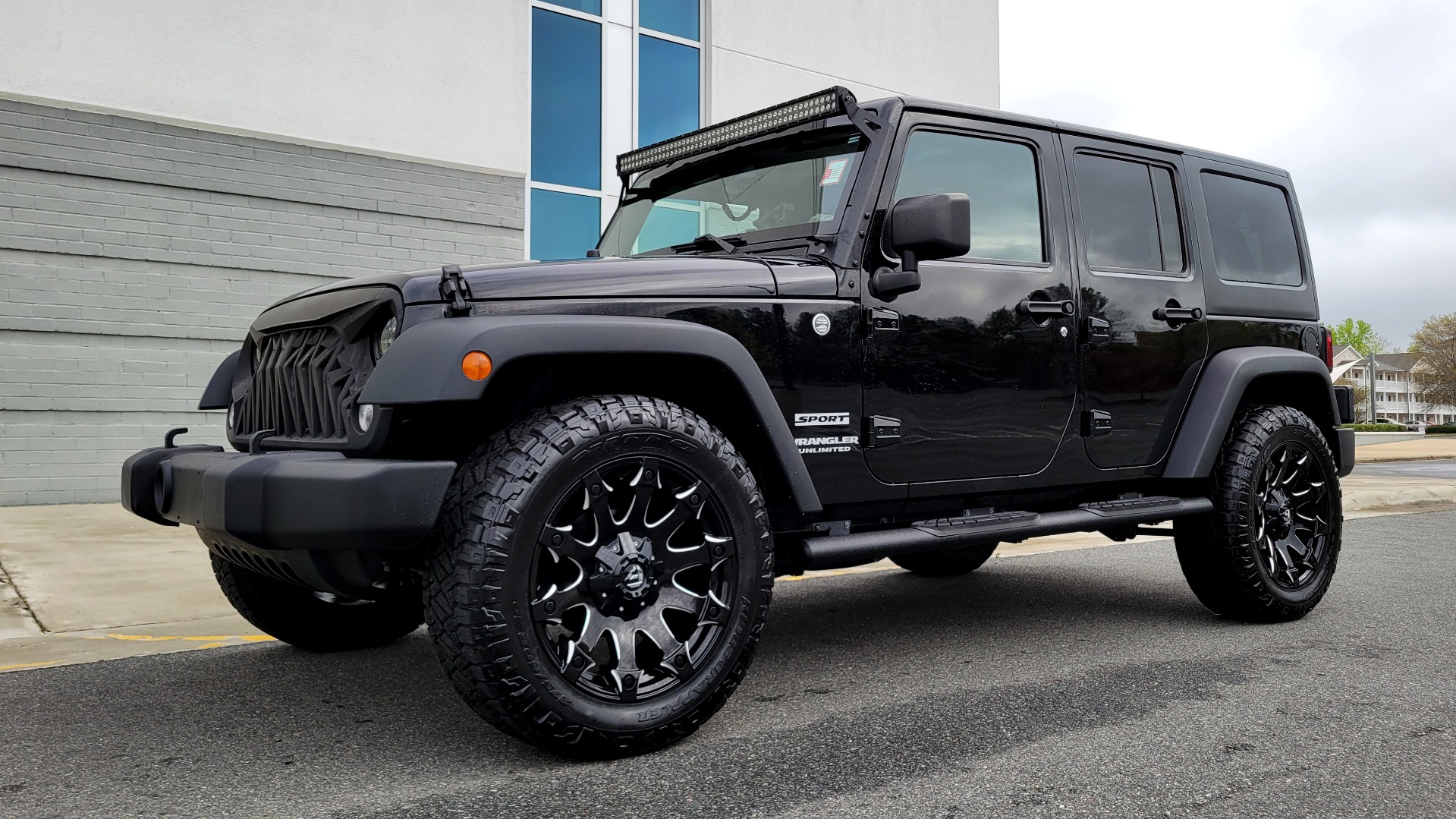
2. 2015 Jeep Wrangler Unlimited Sport
Few vehicles maintain resale strength like the 2015 Jeep Wrangler Unlimited Sport, and its depreciation pattern tells a story rooted as much in identity as in engineering. Buyers do not approach this SUV purely as transportation. They view it as an experience that changes how value is perceived across time.
Design consistency plays a surprising role here. Unlike many vehicles that undergo frequent styling changes, the Wrangler retains a recognisable look across generations. This continuity prevents older models from appearing outdated. When a vehicle does not feel visually obsolete, its market value remains more stable.
Capability strengthens this effect. Off-road performance is not just a marketing feature for the Wrangler. It is a core function that attracts a dedicated audience. Drivers who need that level of performance often search specifically for this model, which keeps demand strong even for older units.
Ownership culture adds another layer. Enthusiasts frequently customise their Wranglers, investing in modifications that extend usability and personal value. This behaviour reduces the likelihood of owners selling quickly, limiting supply in the used market. Lower supply combined with steady demand supports higher resale prices.
Interior refinement may not match modern crossovers, yet that does not weaken its appeal. Buyers understand the trade-off and accept a simpler cabin in exchange for capability and character. That mindset allows the vehicle to avoid the steep depreciation seen in comfort-focused SUVs.
Pricing trends reveal a pattern of resistance rather than decline. Even after several years, resale values remain closer to original purchase prices than expected. This unusual stability sets the Wrangler apart within the compact SUV segment. Rather than following traditional depreciation rules, this model created its own path by combining heritage, function, and a loyal customer base.
Also Read: 10 SUVs Engineers Consider Nearly Impossible to Break
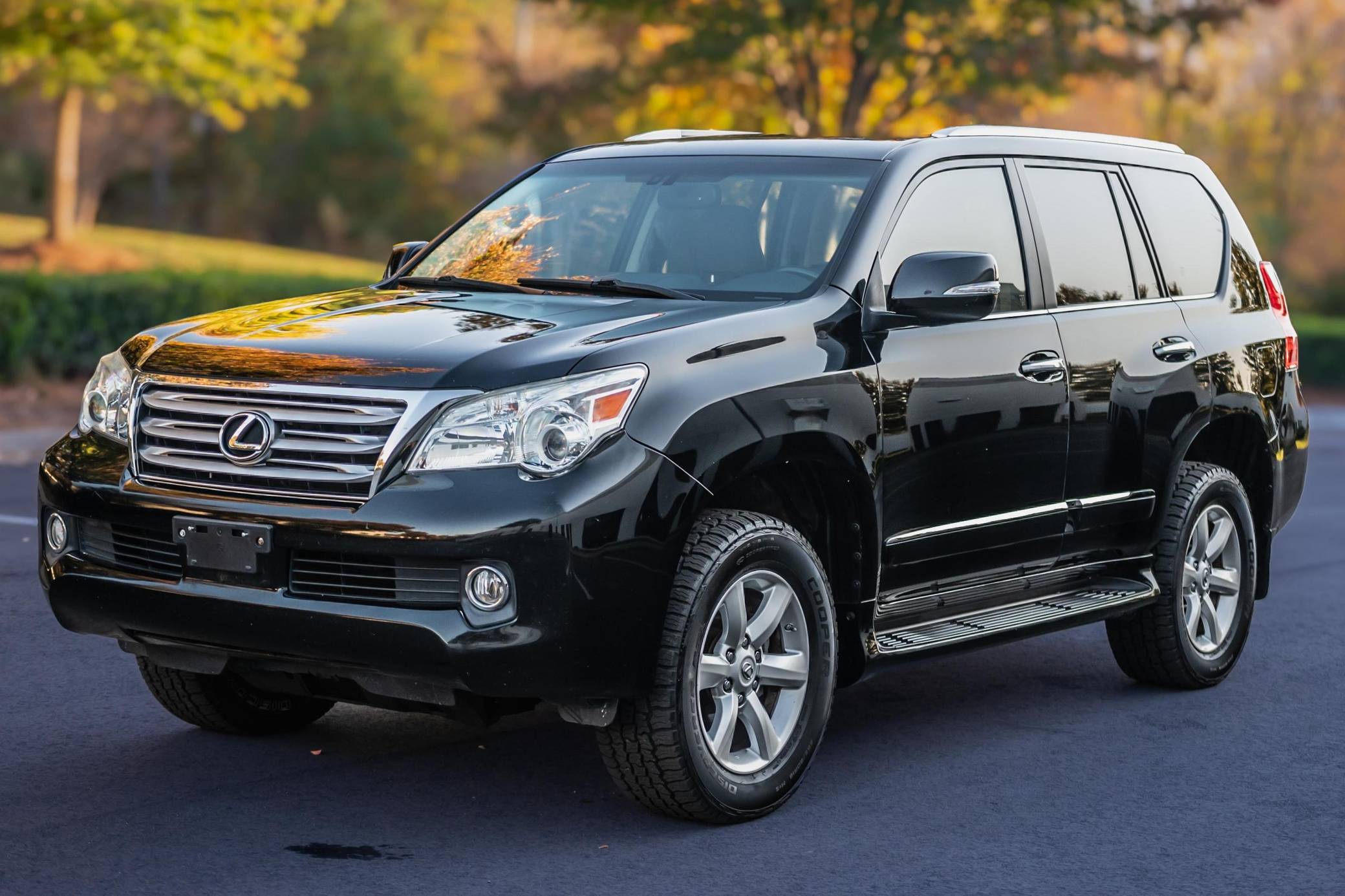
3. 2012 Lexus GX 460
Luxury vehicles typically face sharp depreciation, especially within the first five years. The 2012 Lexus GX 460 challenges that assumption by maintaining value at a rate that defies expectations for its class. Buyers looking for premium features without rapid value loss often turn to this model for a balanced option.
Build quality stands at the centre of this behaviour. The GX 460 shares a platform with durable off-road vehicles, which gives it structural strength uncommon in luxury SUVs. This combination of refinement and toughness appeals to buyers who want comfort without sacrificing reliability.
Mechanical dependability reinforces its position. Owners frequently report consistent performance even at higher mileage levels. This reliability reduces the perceived risk of buying used, which keeps demand strong across different price ranges.
Interior design contributes to its lasting appeal. High-quality materials age more gracefully than those found in many competitors. While technology may feel dated in older models, craftsmanship ensures that the cabin remains comfortable and functional for years.
Driving experience adds another dimension. Smooth ride quality combined with capable handling creates a sense of confidence that persists long after the initial purchase. Buyers value this consistency, especially when comparing it to newer vehicles that may prioritise features over durability.
Resale patterns highlight its unique standing. Instead of dropping sharply, prices tend to stabilise after an initial decline, creating a plateau that holds steady for extended periods. This stability benefits both buyers and sellers, making it a practical choice in the luxury segment.
Through a blend of durability, comfort, and reliability, the GX 460 carved out a position where depreciation slows down rather than continuing unchecked.
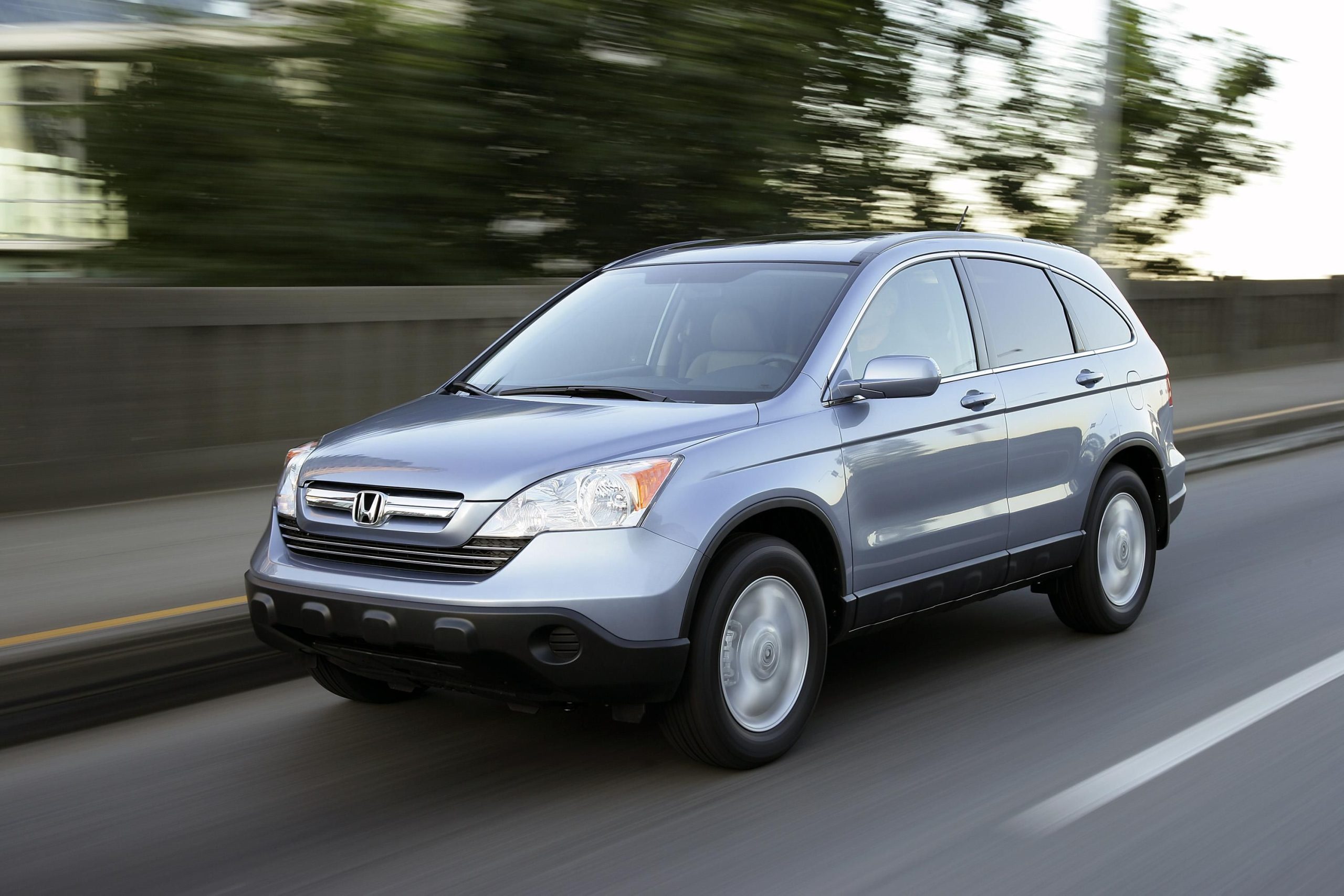
4. 2008 Honda CR-V EX
Practicality often leads to strong resale value, and the 2008 Honda CR-V EX demonstrates this principle with remarkable clarity. This compact SUV may not carry the rugged image of larger models, yet its consistent performance in the used market shows how everyday reliability can shape depreciation trends.
Efficiency plays a major role in its appeal. Fuel economy remains competitive even years after release, which keeps operating costs manageable for long-term owners. Buyers searching for affordable transportation often prioritise this factor, increasing demand for used units.
Reliability supports that demand. The CR-V has built a reputation for dependable performance, with many examples reaching high mileage without major issues. This track record encourages buyers to consider older models without hesitation, reducing the typical fear associated with used vehicles.
Interior design focuses on usability rather than luxury. Controls are simple, seating is comfortable, and cargo space is practical for daily needs. This straightforward approach ensures that the vehicle remains functional regardless of age, which helps maintain its value.
Driving experience adds to its appeal. Smooth handling and predictable behaviour make it easy to live with, whether in city traffic or on longer trips. Owners appreciate this consistency, and that appreciation translates into steady resale demand.
Market trends reveal a gradual decline followed by stabilisation. After the initial drop, prices tend to hold steady rather than continuing downward. This pattern differs from many competitors that lose value more rapidly as they age. By focusing on reliability, efficiency, and practicality, the CR-V established a depreciation curve that levels out instead of continuing to fall sharply.
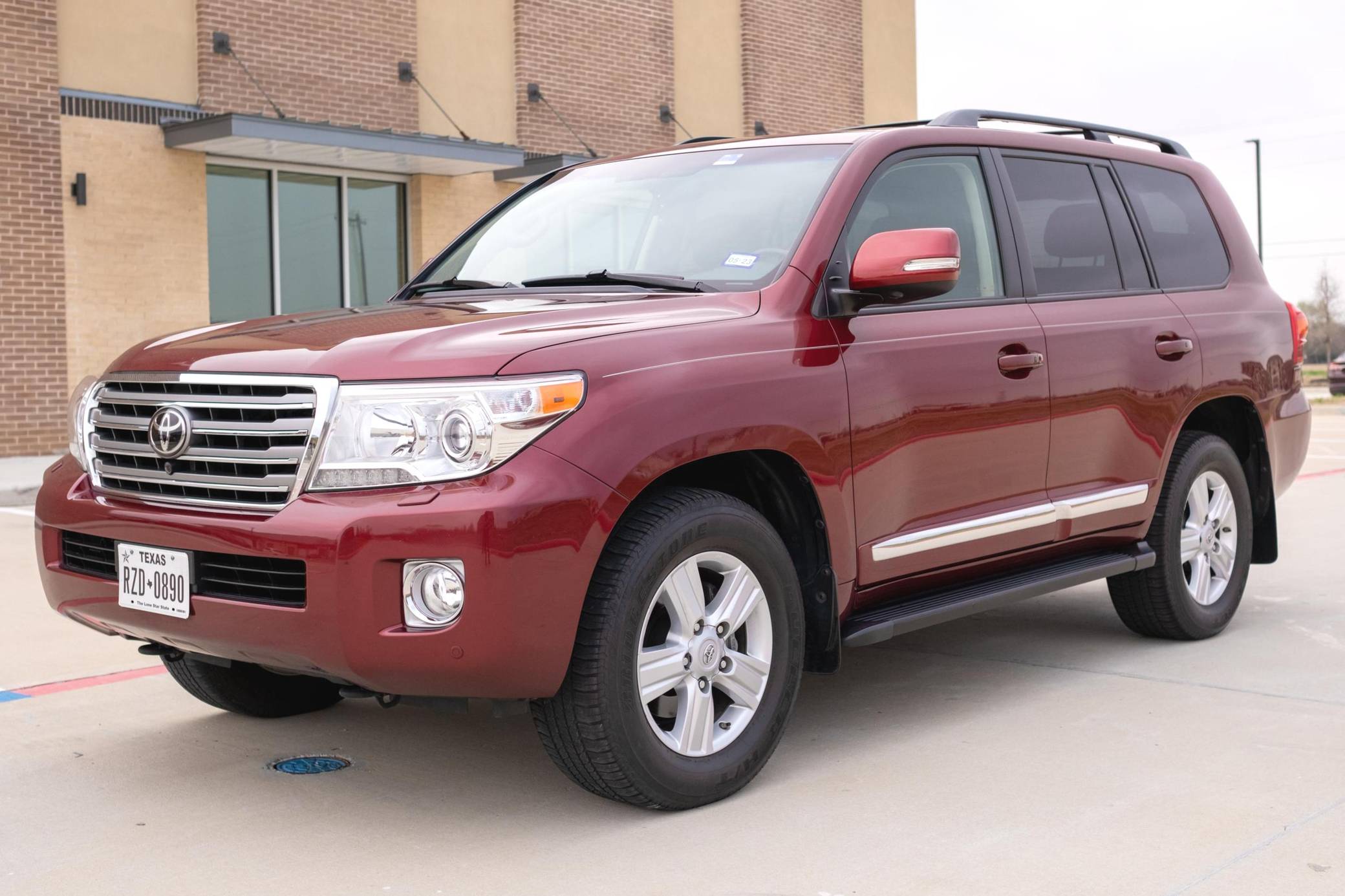
5. 2014 Toyota Land Cruiser
Rarity combined with reputation creates a powerful effect, and the 2014 Toyota Land Cruiser stands as a clear example of that combination. This full-size SUV operates in a segment where depreciation would normally be steep due to high initial cost, yet it resists that trend in a way few vehicles can match.
Engineering quality defines its identity. Built for durability in demanding conditions, the Land Cruiser offers a level of strength that appeals to buyers seeking long-term reliability. This capability extends beyond marketing claims, with real-world performance supporting its reputation.
Limited availability contributes to its value retention. Production numbers remain relatively low compared to other SUVs, which restricts supply in the used market. When demand exceeds availability, prices remain stable even as vehicles age.
Interior craftsmanship adds another layer of appeal. Premium materials and thoughtful design ensure that the cabin maintains comfort and usability for years. Buyers expect longevity not only from the drivetrain but also from the interior environment.
Ownership patterns influence depreciation as well. Many owners keep their Land Cruisers for extended periods, reducing turnover in the market. Fewer listings mean less downward pressure on prices, allowing values to remain higher than expected.
Performance consistency strengthens buyer confidence. Whether used for daily driving or demanding conditions, the vehicle continues to deliver dependable results. This reliability supports strong resale demand across different mileage ranges.
Price trends show a slower decline followed by long-term stability. Instead of losing value rapidly, the Land Cruiser maintains a steady position, often commanding high prices even after years of use. Through a blend of durability, limited supply, and strong reputation, this SUV created a depreciation pattern that stands apart from typical industry behaviour.
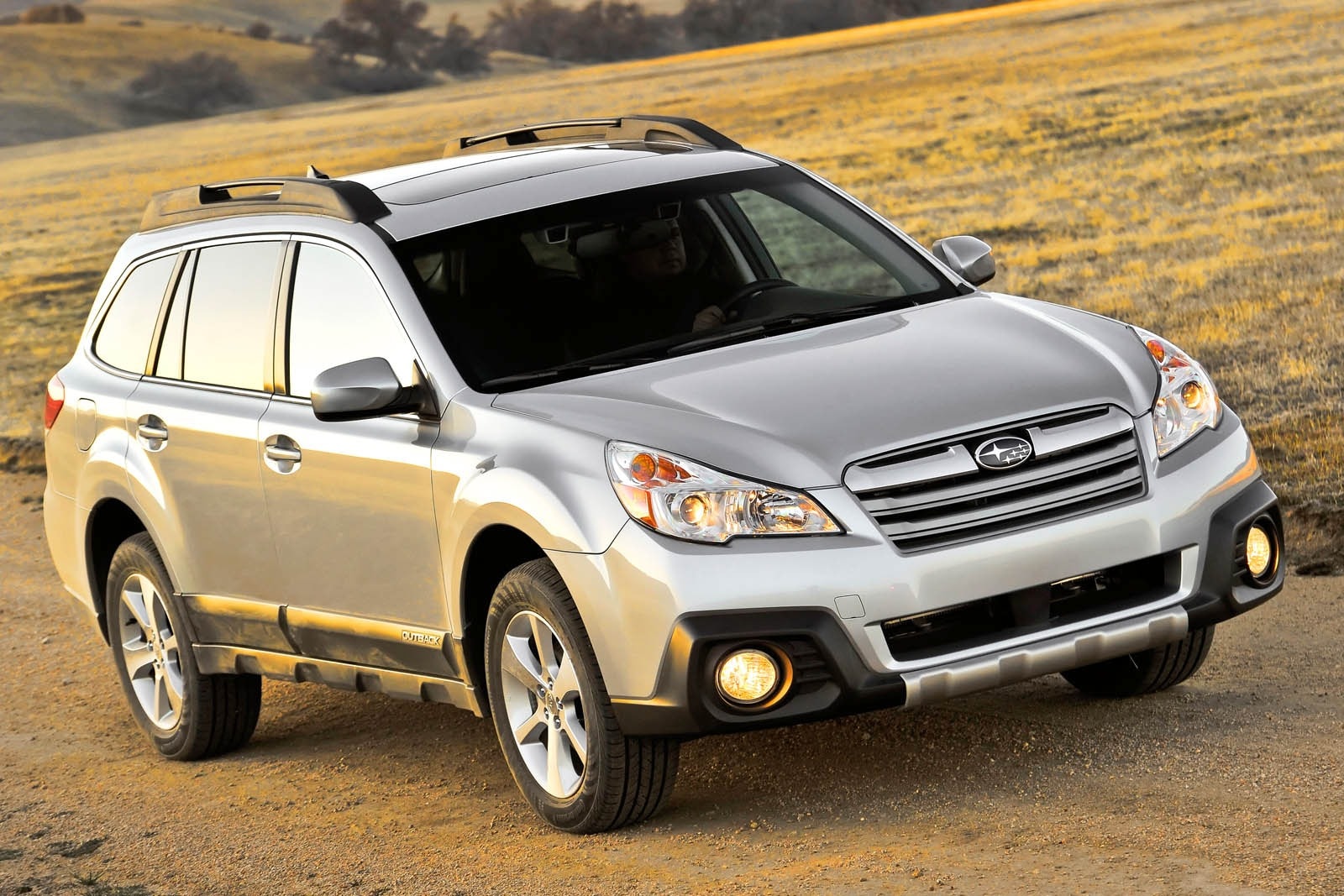
6. 2013 Subaru Outback 2.5i Limited
A distinct form of customer loyalty surrounds the 2013 Subaru Outback 2.5i Limited, and this loyalty directly influences its performance within the used vehicle market. Prospective buyers are not merely selecting a means of transportation.
They are investing in a model widely regarded for dependability, practical design, and the ability to perform effectively under varying weather conditions. This perception sustains demand long after the vehicle has changed ownership, thereby moderating the rate at which its value declines.
Engineering decisions established a strong foundation for this reputation. The inclusion of standard all-wheel drive provides consistent traction in conditions where many comparable crossovers experience limitations. This feature proves especially beneficial in regions with fluctuating weather patterns, where road surfaces may become unpredictable.
By integrating this capability as a core component rather than an optional upgrade, the vehicle eliminates the need for additional modifications. Such built-in functionality enhances its appeal across a broad demographic, as it meets everyday driving requirements with minimal compromise.
Patterns of ownership further reinforce value retention. Individuals who acquire this model often retain it for extended periods, relying on it for daily commuting, long-distance travel, and recreational activities. This extended usage reduces the number of units entering the resale market at any given time. A limited supply, combined with consistent demand, contributes to stable pricing conditions that resist rapid depreciation.
Interior design supports long-term usability through a focus on durability. Materials are selected for resilience rather than visual luxury, ensuring that the cabin remains functional despite prolonged use. Controls are arranged straightforwardly, allowing ease of operation, while seating provides adequate support for extended journeys. Buyers frequently appreciate this consistency, especially when compared to vehicles that prioritise advanced features which may become outdated within a short period. Driving characteristics maintain a composed and predictable nature.
Suspension tuning achieves a balance between comfort and control, while the powertrain delivers steady output without unnecessary mechanical complication. This approach appeals to drivers who prioritise reliability and ease of ownership above performance-focused attributes. As a result, the vehicle continues to meet expectations across a wide range of usage scenarios.
Resale trends illustrate a pattern of gradual depreciation followed by extended stability. Instead of experiencing continuous decline, values tend to reach a point where they remain relatively constant. This behaviour distinguishes the Outback from many competitors that continue to depreciate at a faster rate.
By combining dependable engineering, practical design, and sustained demand, the 2013 Subaru Outback 2.5i Limited demonstrates how a vehicle can establish a depreciation curve that stabilises earlier than typically anticipated.
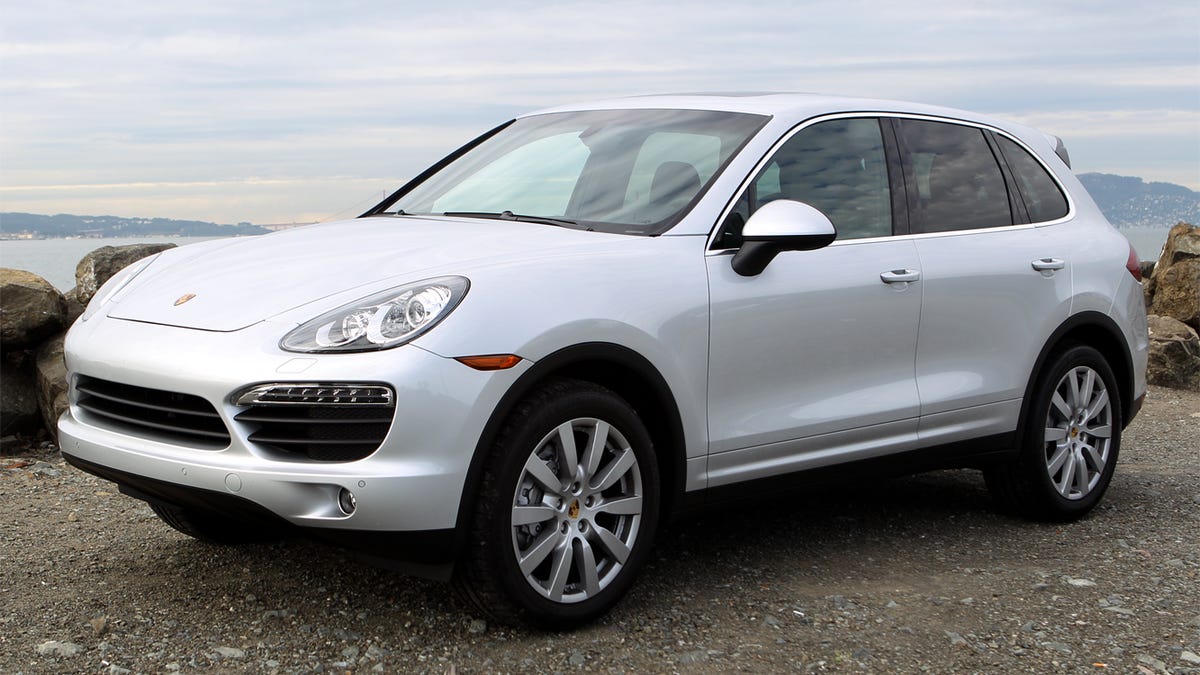
7. 2011 Porsche Cayenne S
An examination of the 2011 Porsche Cayenne S reveals a depreciation pattern that diverges from expectations commonly associated with luxury performance sport utility vehicles. While many vehicles within this category experience rapid value reduction during their early years, this model demonstrates a more moderate decline after the initial phase.
This behaviour can be attributed to a combination of engineering excellence, brand perception, and sustained demand among a specialised group of buyers. Performance engineering forms the core of its appeal. Equipped with a powerful V8 engine, the Cayenne S delivers strong acceleration and refined responsiveness.
Handling characteristics distinguish it from conventional sport utility vehicles, offering a driving experience that aligns more closely with performance-oriented vehicles. This dual capability attracts individuals who seek both practicality and dynamic performance within a single platform. When such a balance is achieved, it appeals to a niche market willing to invest in vehicles that meet these specific expectations.
Brand identity plays an influential role in shaping buyer perception. Porsche has established a longstanding reputation associated with precision engineering and high-performance vehicles. This reputation extends to its sport utility offerings, including the Cayenne S.
Even as the vehicle ages, the brand continues to command respect within the market, thereby sustaining interest among prospective buyers. For many individuals, acquiring a used Cayenne represents an accessible entry into a prestigious automotive marque, which supports ongoing demand.
Interior construction contributes to its enduring appeal. High-quality materials and careful assembly ensure that the cabin retains a premium feel despite the passage of time. Although technological features may reflect the period in which the vehicle was produced, the entire environment remains comfortable and refined. Buyers seeking a balance between performance and interior quality often find this combination appealing.
Ownership experience further influences resale behaviour. Individuals who adhere to recommended maintenance practices frequently report satisfactory long-term performance. This consistency builds confidence within the used market, reducing concerns associated with higher mileage examples. As confidence increases, buyers become more willing to consider vehicles that might otherwise be overlooked.
Market trends indicate a two-phase depreciation pattern. An initial decline occurs during the early years, consistent with luxury vehicle behaviour. This phase is followed by a period of stabilisation, during which values remain relatively steady. This plateau differentiates the Cayenne S from many comparable vehicles that continue to depreciate without interruption.
Through a combination of performance capability, strong brand identity, and enduring appeal, the 2011 Porsche Cayenne S demonstrates how depreciation can stabilise once the market recognises its lasting qualities.
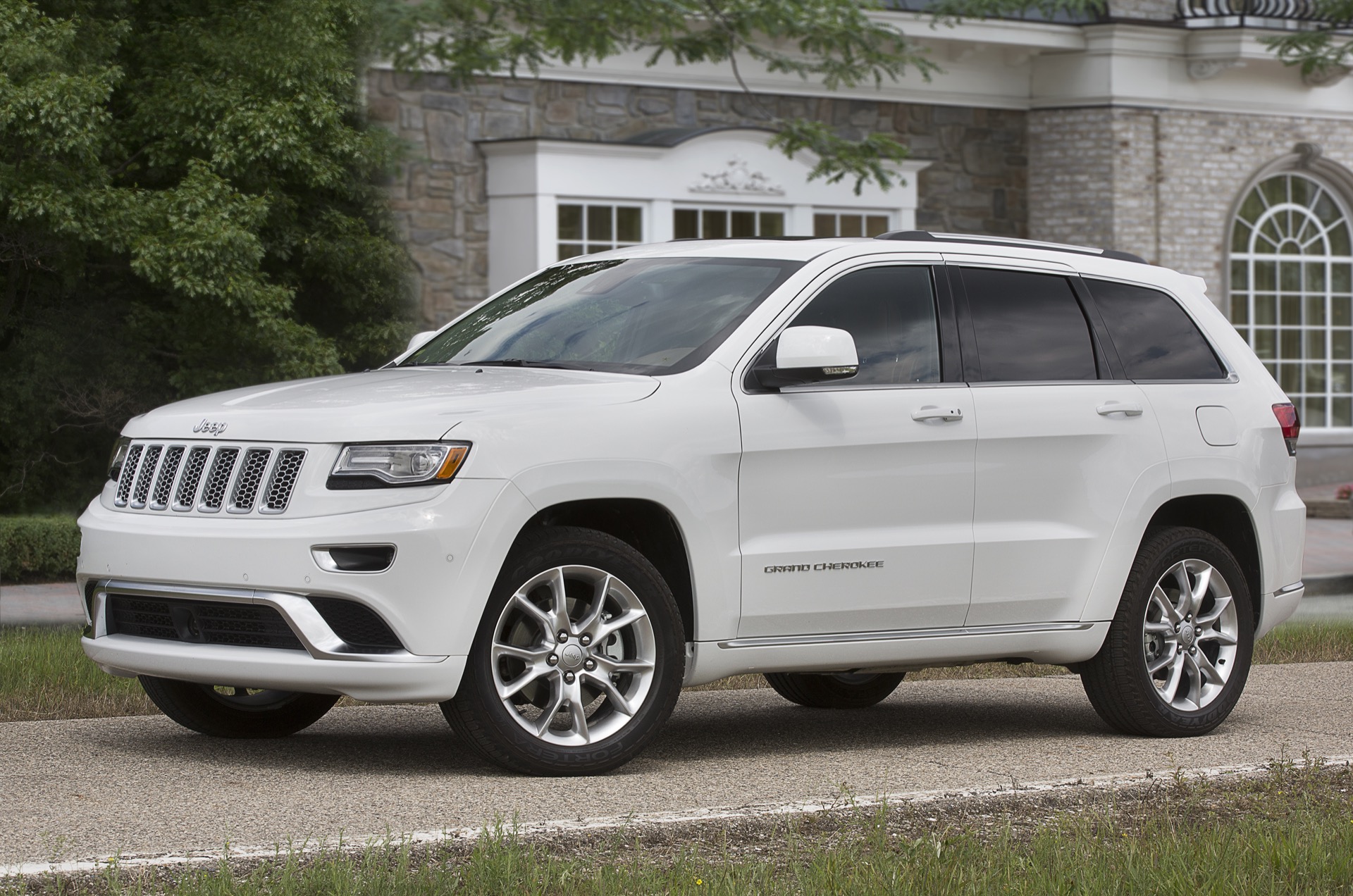
8. 2016 Jeep Grand Cherokee Limited
A careful balance of refinement and practical strength defines the 2016 Jeep Grand Cherokee Limited, and this balance plays a direct role in how its value behaves within the midsize SUV category. Market observation shows that this model does not follow the usual depreciation pattern seen among similar vehicles. Instead, it retains value at a steadier pace, supported by consistent buyer interest and confidence in its capabilities.
Versatility forms a central part of its appeal. This vehicle is designed to function effectively across different driving conditions, ranging from daily urban commuting to occasional off-road use. Such adaptability allows it to satisfy a broad range of requirements without forcing owners to compromise on comfort or performance.
A vehicle that can serve multiple purposes remains relevant for a longer period, and this relevance supports its standing in the resale market. Attention to construction quality also contributes to its sustained demand. Improvements introduced in this generation addressed earlier concerns related to durability and finish.
Materials used within both the exterior and interior demonstrate better resistance to wear, which reassures prospective buyers considering used options. Confidence in structural integrity often translates directly into stronger resale performance.
Interior design reflects a deliberate focus on comfort and usability. Seating remains supportive for extended journeys, while the layout of controls promotes ease of operation. Features integrated into the cabin continue to meet expectations even after several years of use. This enduring practicality ensures that older units remain attractive to buyers who value functionality alongside comfort.
Driving performance strengthens its position further. The vehicle delivers a composed ride, with suspension tuning that absorbs road irregularities effectively. Steering remains predictable, providing a sense of control that appeals to a wide range of drivers. Such consistency encourages long-term ownership, which reduces the frequency of resale listings and supports price stability.
Resale behaviour illustrates a pattern of gradual decline followed by stabilisation. Demand remains steady, allowing prices to hold at levels higher than typically expected within this segment. Buyers recognise the advantages offered, and this recognition sustains market interest.
Through its combination of adaptability, improved construction, and dependable performance, the 2016 Jeep Grand Cherokee Limited demonstrates how a well-rounded design can influence depreciation trends in a meaningful way.
Also Read: 10 Three-Row SUVs Built to Survive Multiple Families
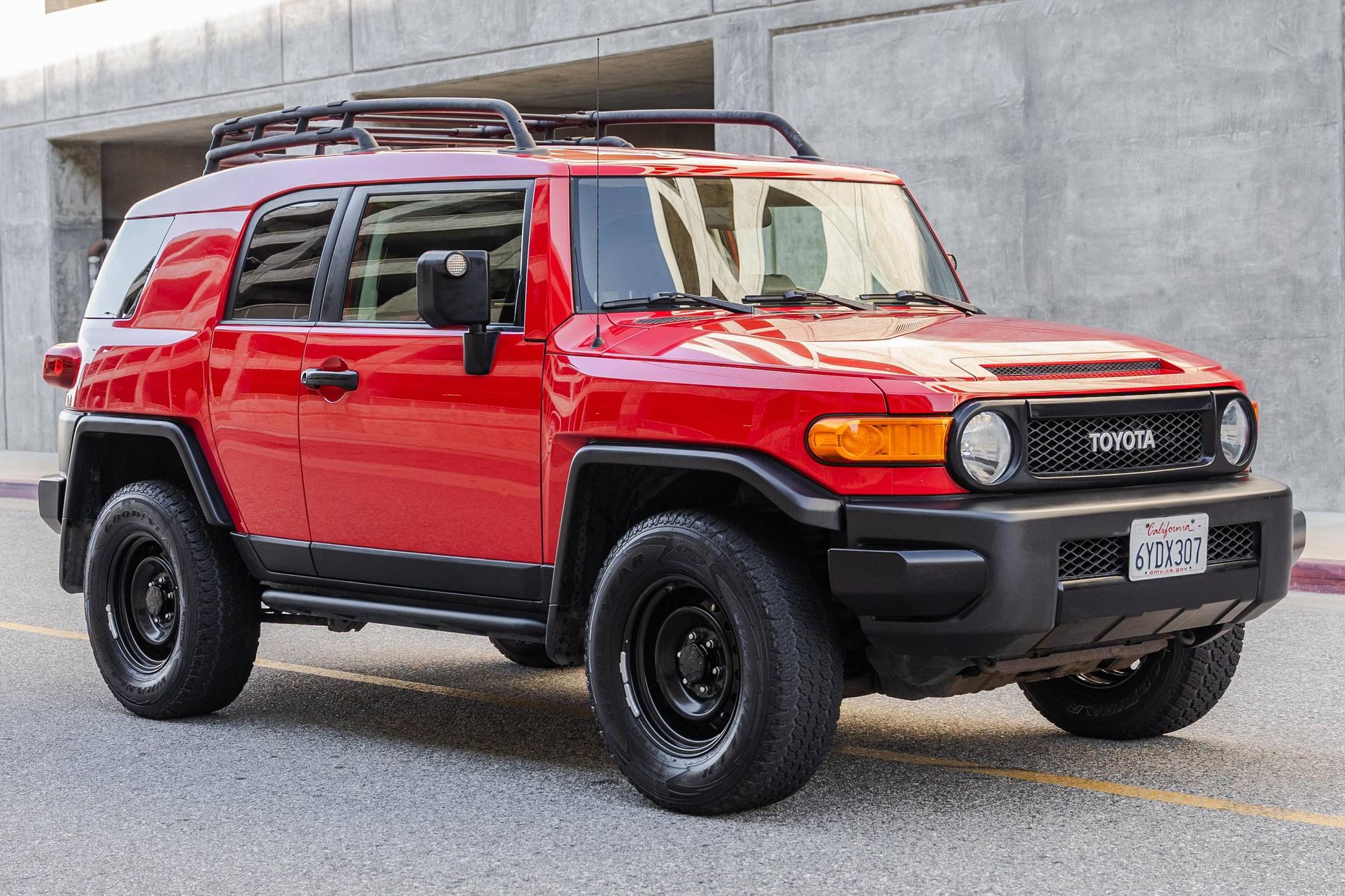
9. 2012 Toyota FJ Cruiser
A distinctive presence in the SUV category defines the 2012 Toyota FJ Cruiser, and this distinction directly influences its unusual depreciation behaviour. Unlike many vehicles that experience steady value reduction, this model maintains a level of stability that sets it apart. In certain cases, well-maintained examples even command higher prices as demand continues to grow.
Design identity stands as one of its strongest attributes. The retro-inspired styling ensures that the vehicle remains easily recognisable regardless of age. This enduring visual appeal prevents it from appearing outdated, which supports continued interest among buyers. A design that does not rely on changing trends often maintains relevance far longer than expected.
Capability reinforces its market position. Built with a focus on durability and off-road performance, the FJ Cruiser handles demanding conditions with confidence. Strong structural components and reliable engineering contribute to a reputation for resilience. Buyers seeking dependable performance in challenging environments frequently consider this model, which sustains demand.
Production volume plays an important role in shaping resale patterns. With fewer units available compared to mainstream SUVs, supply remains limited. When availability is restricted and demand persists, pricing tends to remain stable. This scarcity creates a situation where depreciation slows or, in some cases, reverses slightly for desirable units.
Ownership behaviour further strengthens its standing. Many owners maintain their vehicles carefully, recognising their long-term value. Regular servicing and preservation efforts ensure that a large number of examples remain in good condition. This level of care increases buyer confidence, particularly when considering used purchases.
Interior design aligns with its intended purpose. While it does not prioritise luxury, it delivers durability and functional efficiency. Materials are selected to withstand repeated use, and the layout supports practicality. Buyers who appreciate its capability often accept these characteristics without hesitation.
Market performance reflects a pattern that differs from typical expectations. Instead of continuous decline, values tend to stabilise and may even rise under favourable conditions. This behaviour places the FJ Cruiser in a distinct category within the SUV market.
Through its combination of unique design, proven capability, and limited availability, it demonstrates how certain vehicles can maintain strong value long after their initial release.
