
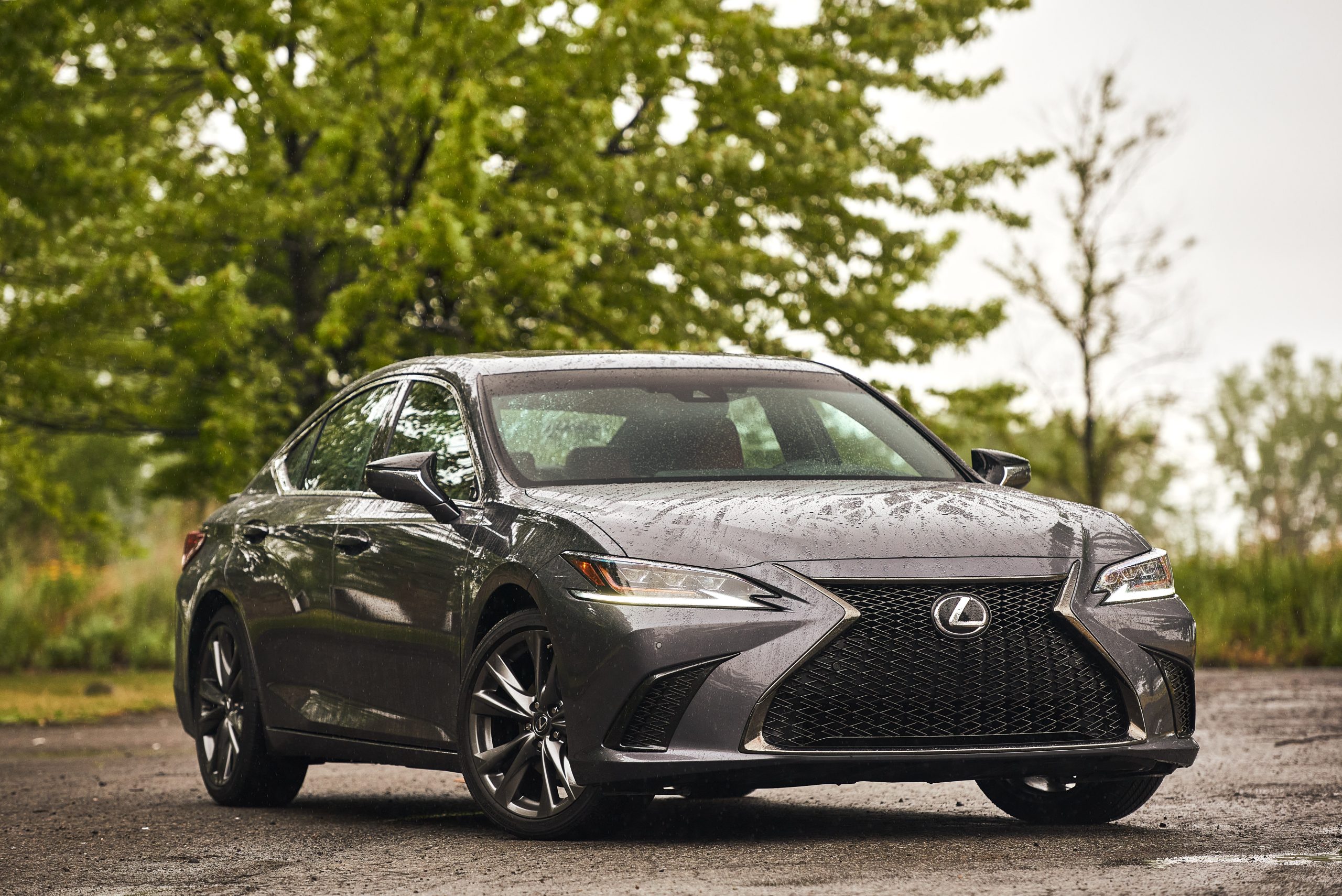
Luxury vehicles often carry a reputation for high ownership costs, from expensive servicing to premium fuel requirements and costly parts replacement. Yet there exists a category of vehicles that quietly challenge this assumption.
Lexus, as Toyota’s luxury division, benefits from a deep engineering relationship that prioritizes durability, efficiency, and long-term usability. This connection has allowed several Lexus models to deliver premium comfort and refinement without the financial strain typically associated with luxury ownership.
Instead of relying solely on cutting-edge technology that may become expensive to maintain, many Lexus vehicles are built upon proven Toyota platforms. This approach results in lower maintenance costs, improved reliability, and easier access to replacement parts. Buyers who understand this relationship often discover that owning a Lexus can feel surprisingly similar to owning a well-built Toyota, only with enhanced comfort and design.
Cost savings appear in several areas. Routine servicing tends to be more predictable, mechanical failures occur less frequently, and fuel efficiency often remains competitive. These factors combine to reduce long-term expenses in a way that few luxury brands can match. For drivers seeking refinement without financial strain, certain Lexus models stand out as practical choices.
Presented below are eight Lexus vehicles that reflect this balance. Each one offers a combination of luxury and affordability rooted in Toyota engineering principles, making them compelling options for anyone who values both comfort and sensible ownership costs.
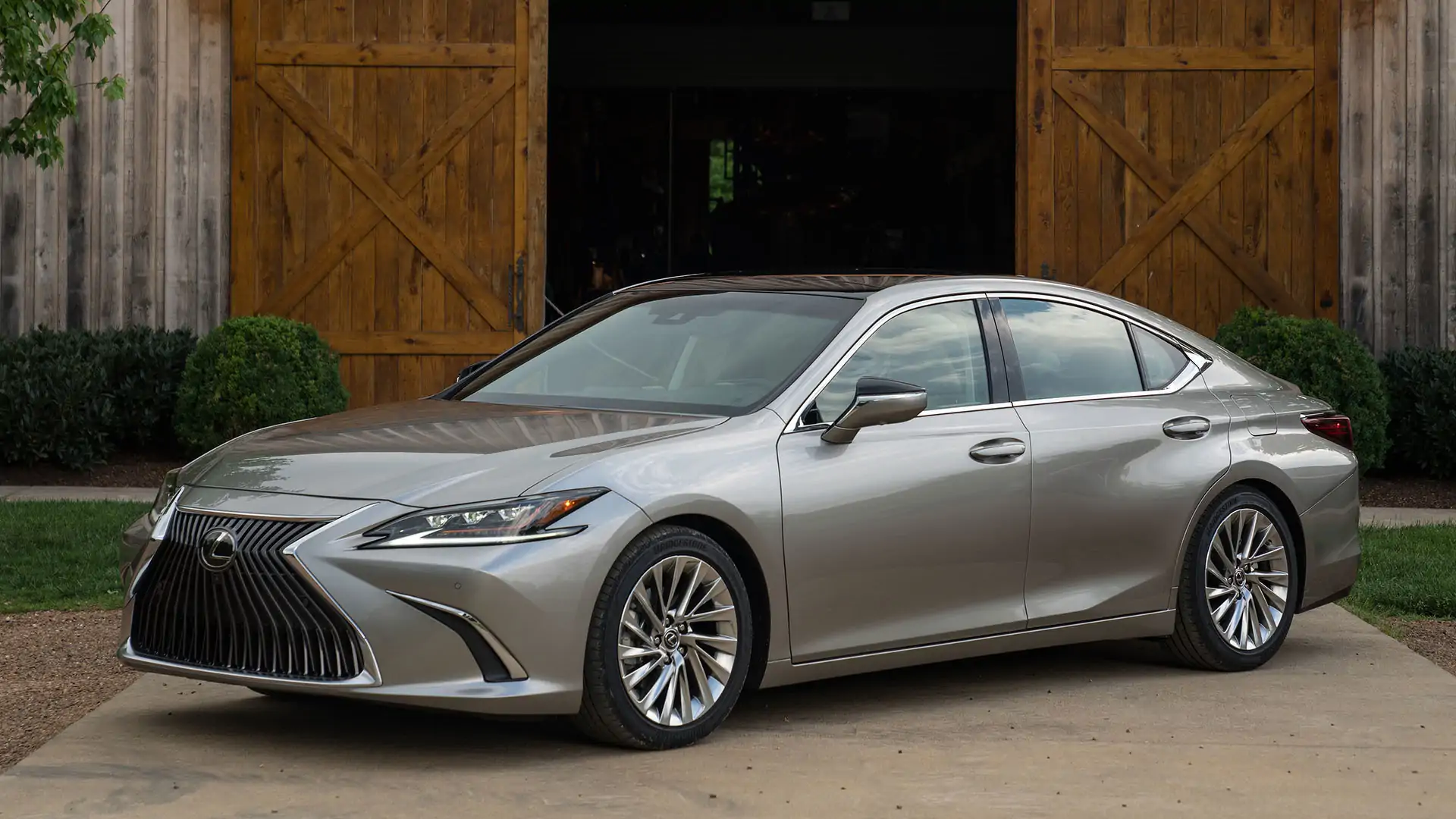
1. Lexus ES 350 (Toyota Camry Platform)
Smooth, quiet, and remarkably dependable, the Lexus ES 350 represents one of the clearest examples of shared engineering done right. Built on the same foundation as the Toyota Camry, this midsize luxury sedan benefits from years of refinement in a platform already known for reliability. The result is a vehicle that delivers a premium driving experience without introducing unnecessary mechanical complications.
Power comes from a naturally aspirated V6 engine that emphasizes steady performance rather than aggressive output. This engine has been widely used across Toyota and Lexus models, which means it has undergone continuous improvement without requiring a complete redesign. Drivers enjoy consistent acceleration, and the absence of turbocharging reduces long-term servicing concerns. That simplicity contributes directly to lower ownership costs.
Ride comfort defines the ES 350’s personality. Suspension tuning prioritizes smoothness, allowing the car to absorb road imperfections with ease. This characteristic makes it well-suited for daily commuting and extended highway travel. While it does not aim to deliver sports car dynamics, it excels in providing a calm and controlled driving experience.
Servicing remains straightforward. Parts are widely available, and many mechanics are familiar with the underlying components due to their use in Toyota vehicles. Routine maintenance tasks such as oil changes, brake servicing, and fluid replacements are generally less expensive than those associated with European luxury sedans. This accessibility reduces long-term financial pressure.
Interior quality adds another layer of appeal. Soft materials, well-designed controls, and a quiet cabin create an environment that feels upscale without being overly complicated. Technology features are integrated in a way that supports usability rather than overwhelming the driver.
Owners frequently keep the ES 350 for extended periods, often reaching high mileage without major repairs. This durability reflects the strength of its engineering foundation. For buyers seeking a luxury sedan that combines comfort with manageable costs, the ES 350 stands as a dependable and sensible choice.
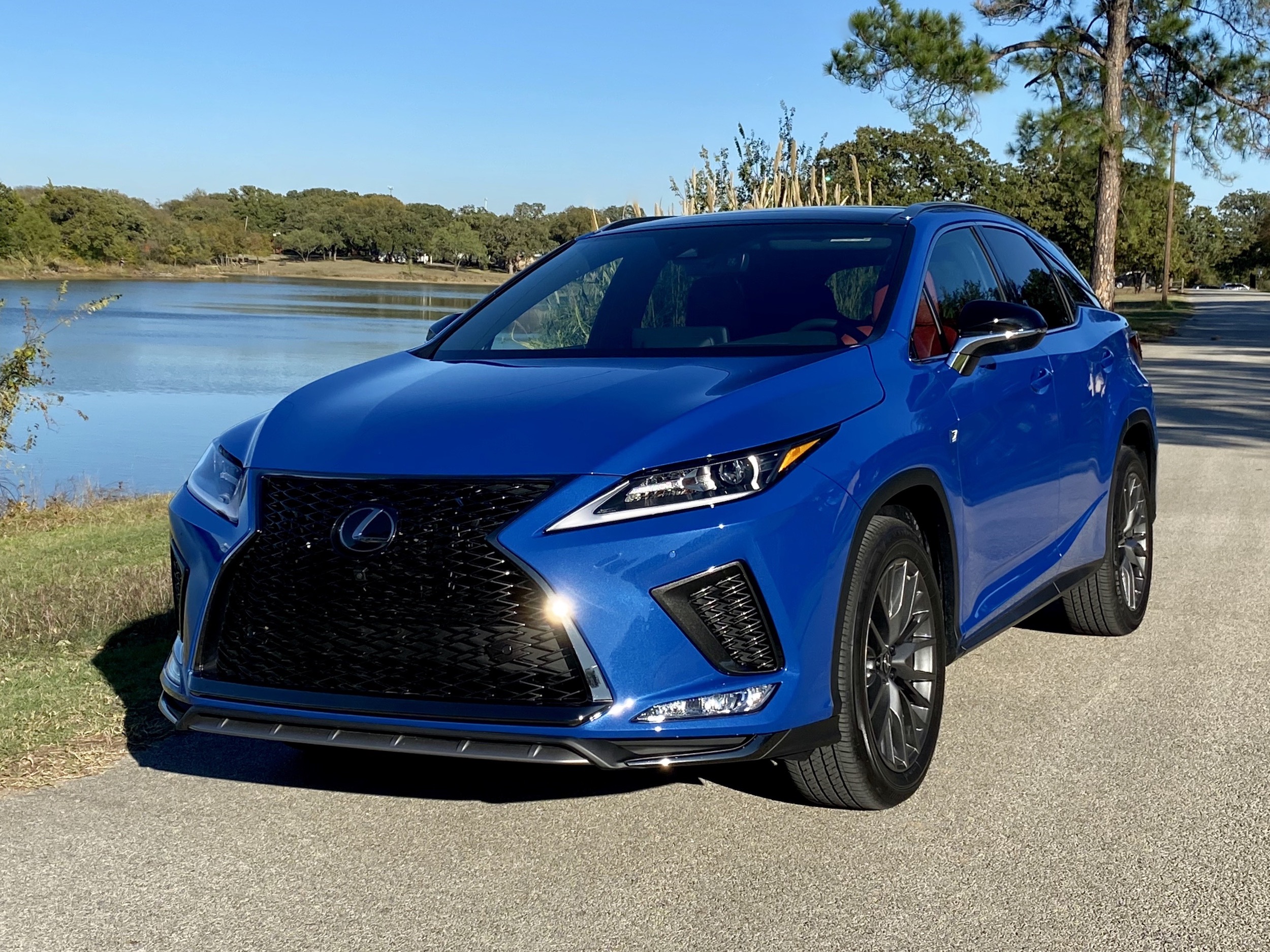
2. Lexus RX 350 (Toyota Highlander Platform)
Comfort meets practicality in the Lexus RX 350, a luxury crossover that shares much of its engineering with the Toyota Highlander. This relationship allows the RX 350 to deliver premium features while maintaining the reliability and cost efficiency associated with Toyota’s widely used SUV platforms.
Under the bonnet sits a V6 engine designed for smooth and consistent performance. Rather than focusing on extreme output figures, the engine prioritizes usable power for everyday driving. Acceleration feels controlled, and the drivetrain operates with a level of refinement that suits both city driving and longer journeys.
This balanced approach reduces mechanical stress, which supports long-term durability. Cabin experience plays a major role in the RX 350’s appeal. Seating is designed for comfort during extended travel, and sound insulation keeps road noise to a minimum.
Drivers and passengers benefit from a relaxed environment that encourages daily use without fatigue. Materials used throughout the interior maintain a premium feel while avoiding overly complicated systems that could increase maintenance costs.
Ownership costs remain reasonable due to shared components with Toyota models. Replacement parts are easier to source compared to more specialized luxury vehicles, and servicing procedures are familiar to many technicians. This accessibility helps keep routine expenses predictable.
Fuel consumption remains competitive for its class, especially when driven conservatively. While it may not lead to efficiency, it strikes a balance that aligns with its size and performance. Drivers who prioritize comfort and reliability often find this trade acceptable.
Durability continues to define the RX 350’s reputation. Many examples remain in service for years with minimal issues beyond routine maintenance. This consistency reinforces its position as a dependable luxury SUV. For those seeking a crossover that combines refinement with practical ownership costs, the RX 350 offers a compelling balance supported by its Toyota-derived engineering.
Also Read: 12 SUVs That Families Regret Letting Go
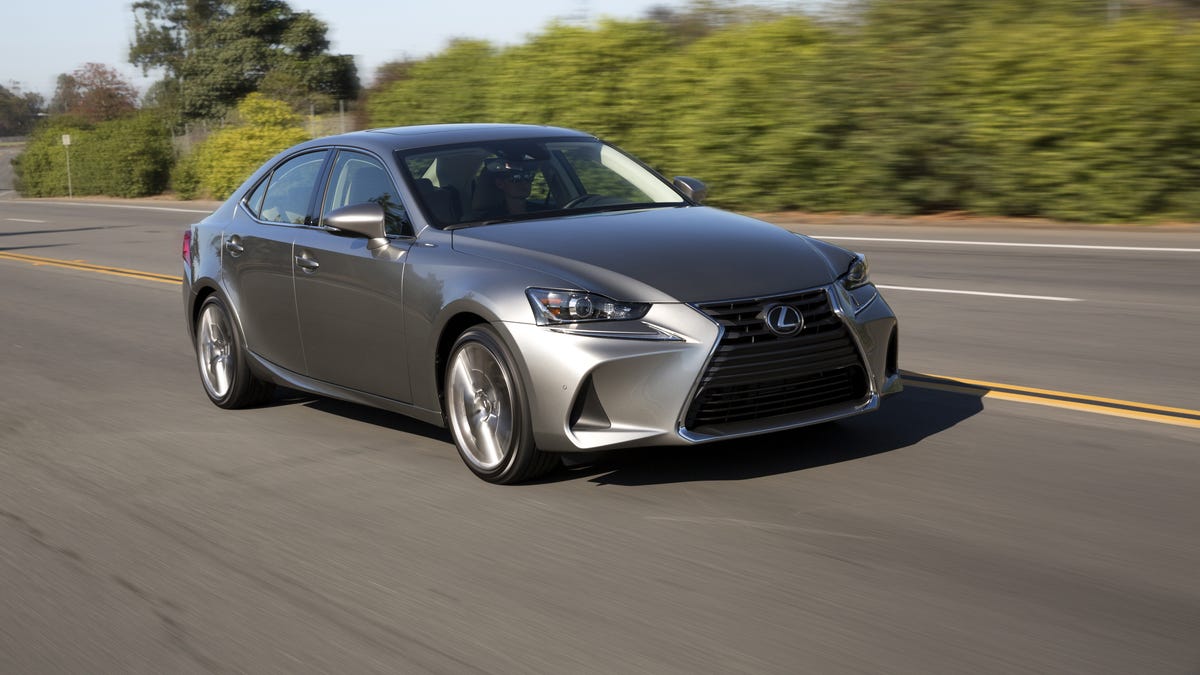
3. Lexus IS 300 (Toyota Crown / Altezza Heritage Platform)
A refined interpretation of compact luxury is evident in the Lexus IS 300, a model developed upon a rear-wheel-drive tradition that Toyota has carefully maintained for many years. Its engineering lineage traces back to vehicles such as the Toyota Altezza, a platform respected for its structural balance and dependable performance.
This heritage provides a strong technical foundation that supports both durability and driving engagement, ensuring that the IS 300 delivers more than surface-level refinement. Attention to drivetrain configuration reveals a deliberate emphasis on balance and usability. The engine is tuned to provide steady and predictable output, making it suitable for routine commuting as well as more spirited driving situations.
Power delivery progresses in a controlled manner, allowing drivers to maintain confidence without experiencing abrupt surges. At the same time, the transmission system responds with clarity, ensuring that gear changes occur smoothly while maintaining a sense of mechanical connection. This arrangement allows the vehicle to retain responsiveness without introducing unnecessary mechanical strain.
Chassis tuning contributes greatly to its distinct character. Suspension components are calibrated to achieve stability during cornering while preserving ride comfort on uneven road surfaces. Drivers benefit from a composed driving experience where steering input translates accurately into vehicle movement.
This precision enhances confidence, particularly when driving through tight bends or urban environments where control is essential. Despite its dynamic capability, the IS 300 remains suitable for everyday use, offering a balance that appeals to a wide range of drivers.
Service considerations remain favourable due to the extensive sharing of components with Toyota models. Routine maintenance procedures such as oil changes, brake servicing, and fluid replacement can be carried out without specialised equipment.
Parts availability is consistent, and many technicians are already familiar with the underlying systems. This accessibility contributes to reduced long-term ownership expenses, allowing drivers to maintain the vehicle without excessive financial burden.
Cabin presentation reflects a deliberate focus on driver interaction. Controls are arranged in a logical manner, ensuring ease of use during operation. Materials provide a refined tactile experience without introducing unnecessary complication.
Technology features are integrated with restraint, supporting convenience while avoiding systems that could increase maintenance requirements. This approach ensures that the interior remains functional and durable over extended periods of use.
Operational reliability continues to reinforce its standing among compact luxury vehicles. Numerous examples remain in service after extensive mileage accumulation, demonstrating the resilience of its engineering structure. Owners benefit from consistent performance without frequent mechanical concerns, which supports long-term confidence in the vehicle.
For individuals seeking a compact luxury sedan that combines responsive handling with manageable ownership costs, the Lexus IS 300 presents a balanced solution. Its foundation in proven Toyota engineering allows it to deliver refinement and durability in equal measure, making it a dependable choice for sustained use.
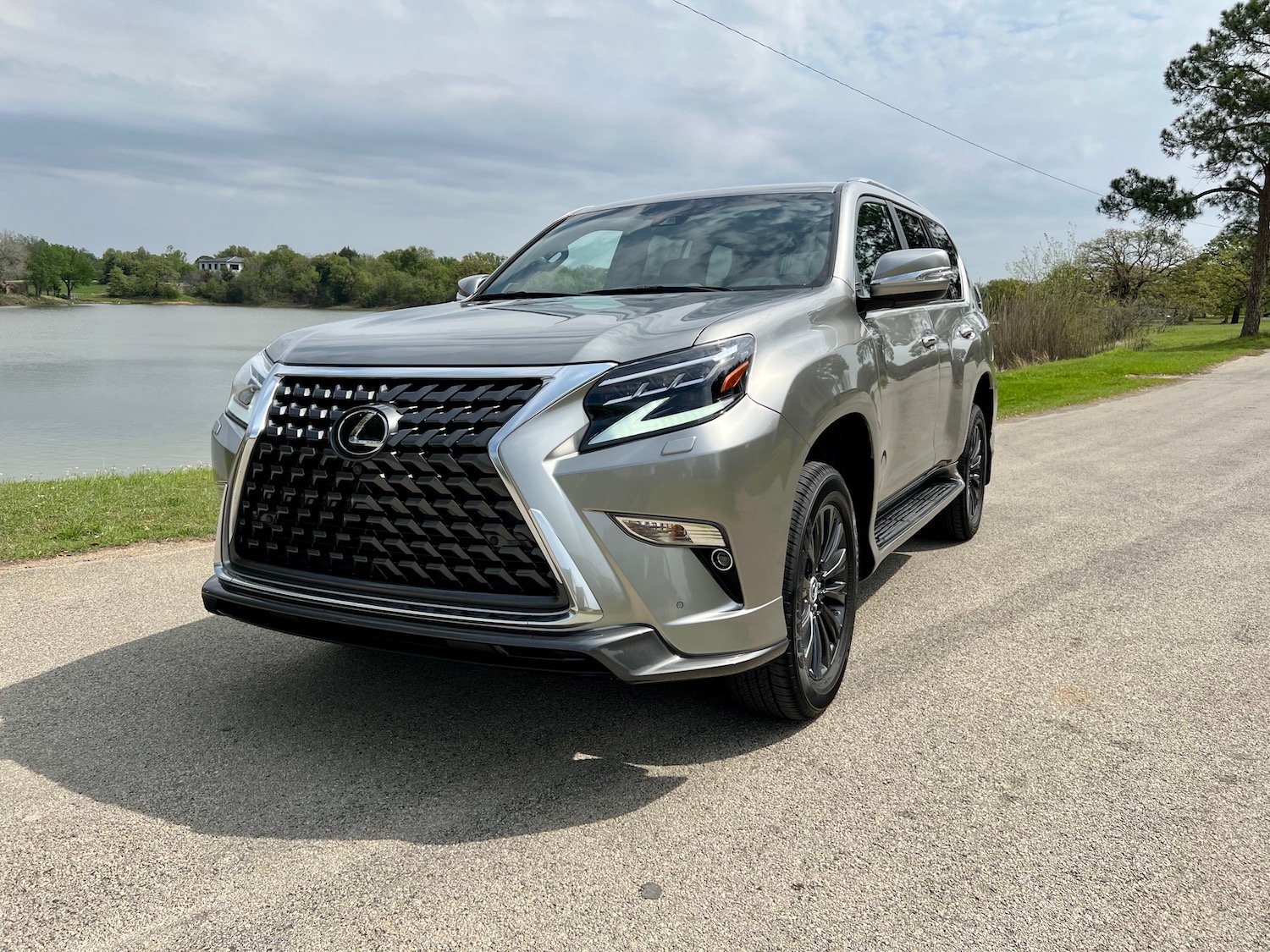
4. Lexus GX 460 (Toyota Land Cruiser Prado Platform)
A strong combination of durability and refinement defines the Lexus GX 460, an SUV constructed upon the same structural platform as the Toyota Land Cruiser Prado. This shared engineering approach provides a level of resilience that distinguishes the GX 460 from many other luxury vehicles. It is designed to perform reliably in demanding conditions while still offering the comfort expected from a premium brand.
At the centre of its performance lies a naturally aspirated V8 engine engineered for steady and dependable output. Power delivery occurs in a consistent manner, allowing the vehicle to manage heavy loads, towing requirements, and uneven road without strain.
This engine avoids unnecessary complication, relying instead on a proven configuration that supports long service life. Drivers benefit from predictable acceleration, which enhances confidence during both urban driving and more demanding applications.
Structural design plays a vital role in its capability. The body-on-frame construction provides a strong foundation that supports off-road use and heavy-duty performance. This arrangement allows the GX 460 to withstand conditions that would challenge many unibody vehicles. Drivers who require versatility benefit from a platform that accommodates both paved roads and rugged environments without compromise.
Ride comfort remains carefully preserved despite its robust construction. Suspension tuning ensures that road imperfections are absorbed effectively, providing a composed driving experience. Passengers enjoy a stable ride even when travelling on uneven surfaces, which enhances long-distance comfort.
This balance between strength and refinement allows the vehicle to function as both a practical daily driver and a capable off-road companion. Interior design reflects a commitment to comfort and usability. Materials are selected to provide durability while maintaining a premium appearance.
Seating arrangements support extended journeys, and cabin insulation reduces external noise, creating a calm environment. Controls are positioned for straightforward operation, allowing drivers to focus on the road without distraction.
Maintenance requirements remain manageable due to the shared platform with Toyota vehicles. Service procedures are familiar to many technicians, and replacement parts are readily available. This accessibility reduces ownership costs and ensures that routine servicing can be carried out efficiently. Owners benefit from predictable maintenance schedules without unexpected complications.
Durability stands as one of the most defining characteristics of the GX 460. Many units continue to operate reliably after years of use, reflecting the strength of their underlying design. This consistency encourages long-term ownership, as drivers can rely on sustained performance without frequent mechanical concerns.
For those seeking a luxury SUV that delivers both strength and comfort, the Lexus GX 460 provides a dependable solution. Its foundation in Toyota engineering ensures that it maintains reliability while offering the refinement expected from a premium vehicle, making it well-suited for a wide range of driving conditions.
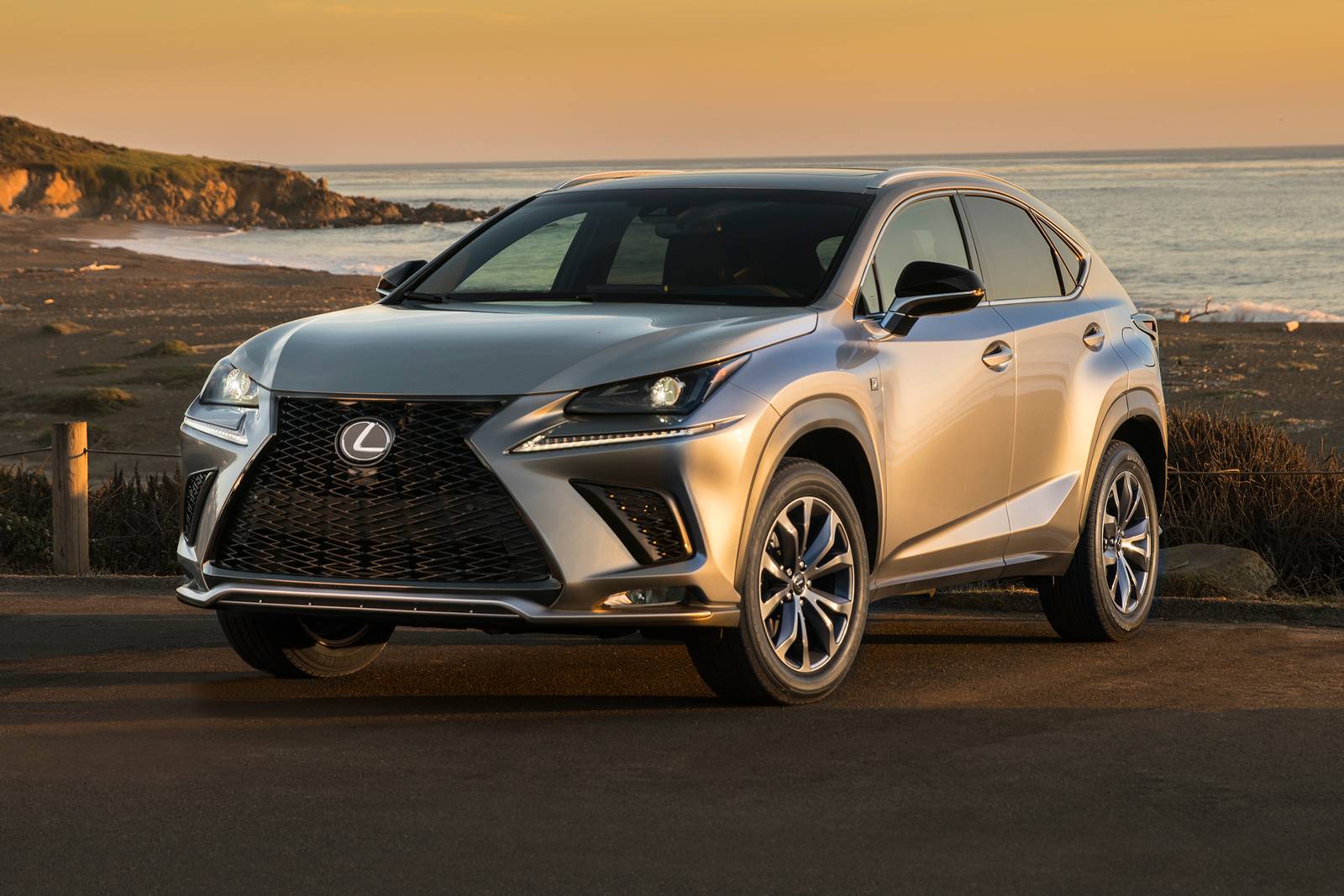
5. Lexus NX 300 (Toyota RAV4 Platform)
Compact luxury takes a practical direction through the Lexus NX 300, a vehicle that benefits directly from its shared engineering with the Toyota RAV4. This relationship allows it to deliver a refined driving experience while maintaining the dependable mechanical structure that has made the RAV4 one of the most trusted compact SUVs available.
Power is provided by a turbocharged four-cylinder engine that balances efficiency with responsive performance. While turbocharging introduces additional engineering considerations, Lexus has tuned this system for durability and consistent output rather than extreme performance figures. Acceleration feels smooth and controlled, supporting everyday driving without placing unnecessary stress on internal components.
Driving comfort receives careful attention. Suspension tuning focuses on absorbing road imperfections while maintaining stability during cornering. The NX 300 does not attempt to mimic a sports SUV; instead, it delivers a composed and predictable ride that suits both urban environments and highway travel. This approach aligns with its role as a daily-use luxury vehicle.
Interior presentation reflects Lexus craftsmanship in a compact format. Materials feel refined, and the cabin layout prioritizes usability. Controls are positioned for intuitive access, reducing driver distraction. Infotainment systems provide essential functionality without overwhelming complication, which contributes to lower long-term servicing concerns.
Ownership costs benefit greatly from the Toyota Foundation. Many mechanical components are shared with the RAV4, ensuring parts availability and reducing repair expenses. Routine maintenance remains straightforward, and service intervals are predictable. This combination helps keep running costs within a manageable range.
Fuel efficiency stands as another advantage. The smaller engine allows the NX 300 to achieve competitive consumption figures, making it suitable for drivers who prioritize economy alongside comfort. Reduced fuel expenses contribute to its long-term affordability.
Durability continues to support its reputation. Owners often report consistent performance across extended mileage, with minimal need for major repairs when proper servicing is maintained. This reliability reinforces confidence in the vehicle’s engineering approach.
For individuals seeking a compact luxury SUV that blends refinement with practicality, the NX 300 offers a balanced solution. Its ability to deliver comfort, efficiency, and manageable ownership costs makes it a sensible choice within the luxury segment.
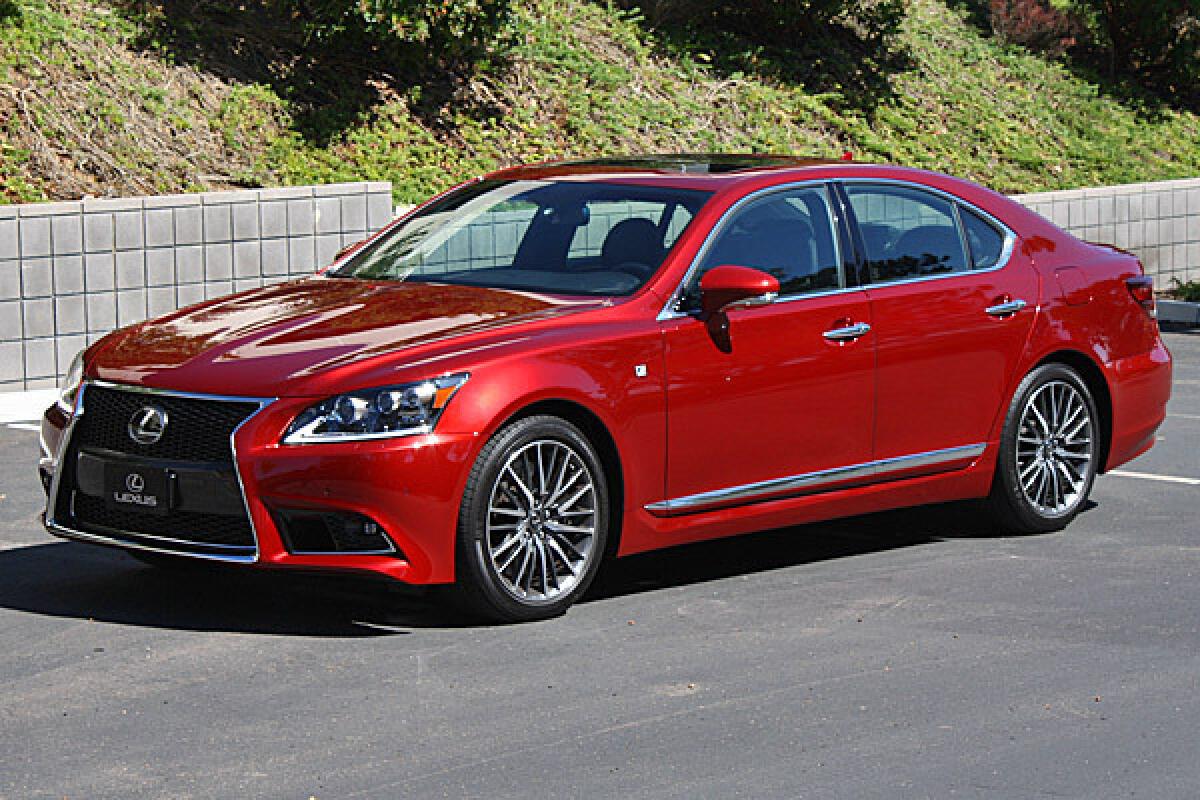
6. Lexus LS 460 (Toyota Crown Majesta Platform)
Luxury at its highest level within the Lexus lineup takes shape through the LS 460, a flagship sedan that shares engineering principles with Toyota’s premium domestic models, such as the Crown Majesta. While positioned as a top-tier luxury vehicle, its underlying design philosophy remains grounded in durability and long-term usability.
Power comes from a naturally aspirated V8 engine designed for smooth and effortless performance. Rather than chasing extreme output, the engine delivers steady acceleration with minimal noise and vibration. This refined behavior supports comfortable driving across both short trips and extended journeys. The absence of turbocharging reduces mechanical stress, contributing to long-term reliability.
Ride quality stands as one of its defining characteristics. Advanced suspension systems work to isolate passengers from road imperfections, creating a serene cabin environment. The LS 460 prioritizes comfort above all else, making it ideal for drivers who value relaxation during travel.
Interior craftsmanship reflects meticulous attention to detail. High-quality materials, precise assembly, and thoughtful design create an atmosphere that feels both luxurious and functional. Controls are arranged logically, ensuring ease of use despite the vehicle’s extensive feature set. Technology integration remains purposeful, supporting convenience without introducing unnecessary complication.
Maintenance considerations remain favorable compared to many competing luxury sedans. Shared engineering elements with Toyota models contribute to parts availability and service familiarity. While servicing costs may be higher than those of smaller Lexus vehicles, they remain reasonable within the context of full-size luxury ownership.
Durability continues to define the LS 460’s reputation. Many examples remain in excellent condition after years of use, reflecting the strength of its engineering foundation. Owners often report minimal mechanical issues beyond routine servicing, which supports long-term ownership.
Fuel consumption reflects the presence of a V8 engine, yet drivers who choose the LS 460 typically prioritize comfort and refinement over efficiency. The trade-off remains acceptable within its category. For those seeking a flagship luxury sedan that combines comfort with dependable engineering, the LS 460 delivers a compelling experience. Its ability to maintain reliability while offering premium features highlights the strength of its Toyota-derived foundation.
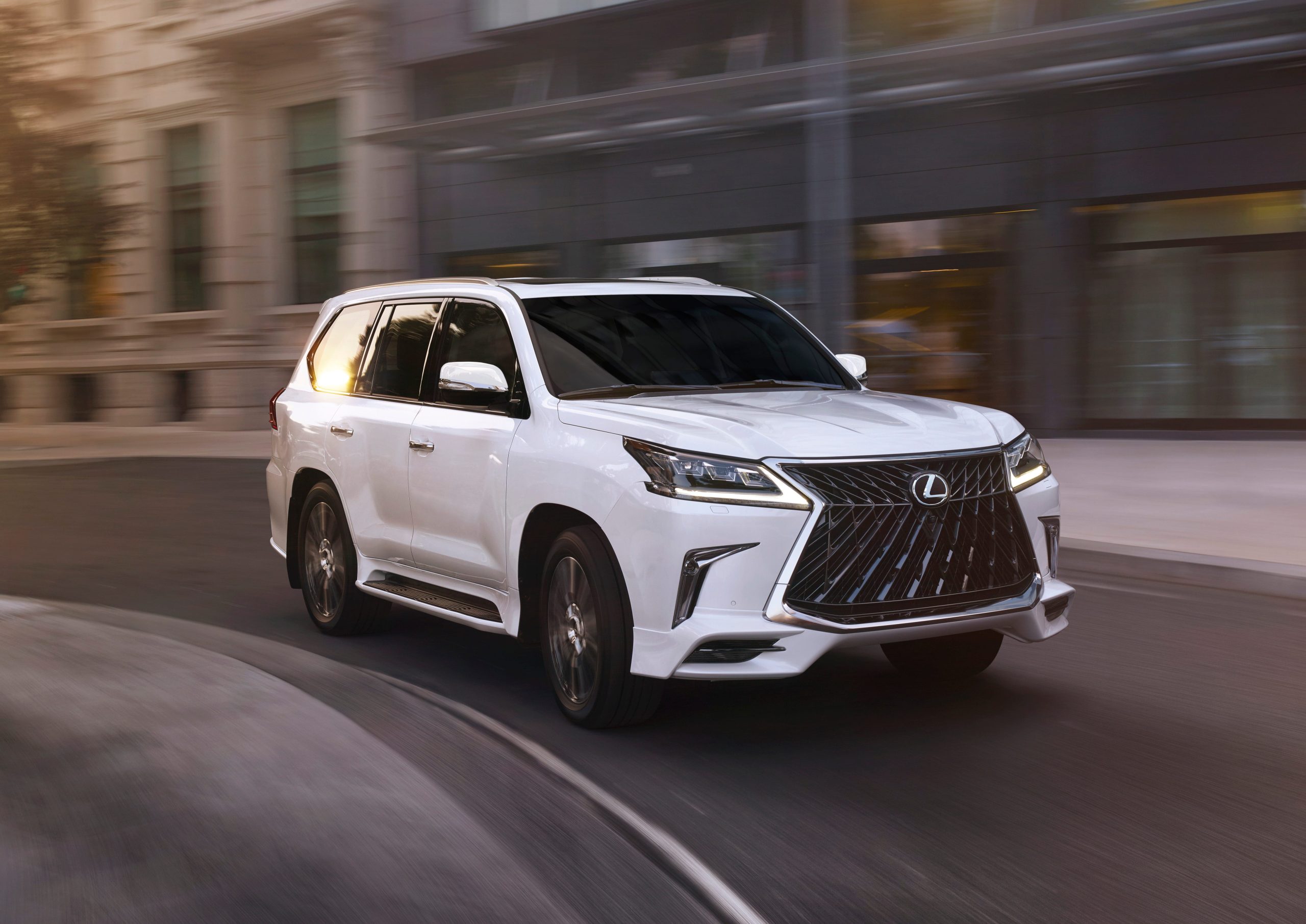
7. Lexus LX 570 (Toyota Land Cruiser Platform)
Commanding presence meets proven durability in the Lexus LX 570, a full-size luxury SUV built upon the legendary Toyota Land Cruiser platform. This shared foundation provides a level of strength and reliability that few luxury vehicles can match, making the LX 570 a standout option for those who require both capability and comfort.
Power is delivered through a naturally aspirated V8 engine designed for sustained performance under demanding conditions. Acceleration feels strong and consistent, allowing the vehicle to handle heavy loads and challenging road without hesitation. This engine emphasizes durability, ensuring reliable operation across extended use.
Structural design plays a central role in its performance. Body-on-frame construction provides enhanced strength, supporting off-road capability and towing performance. This design allows the LX 570 to operate confidently in environments where traditional luxury SUVs may struggle.
Interior comfort remains a priority despite its rugged foundation. The cabin features high-quality materials, spacious seating, and advanced climate control systems. Passengers experience a quiet and comfortable environment, even when the vehicle is operating on rough surfaces.
Ownership costs benefit from the shared Land Cruiser platform. Mechanical components are widely available, and many service procedures are familiar to technicians experienced with Toyota vehicles. This accessibility reduces long-term maintenance expenses compared to other luxury SUVs of similar size.
Durability stands as one of its strongest attributes. Many LX 570 models remain in service for extended periods with minimal mechanical issues. This reliability supports its reputation as a dependable long-term investment. Fuel consumption reflects its size and engine configuration, yet buyers often accept this trade-off in exchange for capability and reliability.
The vehicle’s ability to perform consistently across various conditions outweighs concerns about efficiency for many owners. For individuals seeking a luxury SUV that combines strength, comfort, and dependable engineering, the LX 570 provides a compelling option. Its connection to the Land Cruiser platform ensures lasting performance and manageable ownership costs.
Also Read: 5 Cars That Maintain Value Despite High Mileage And 5 That Drop Like Rocks
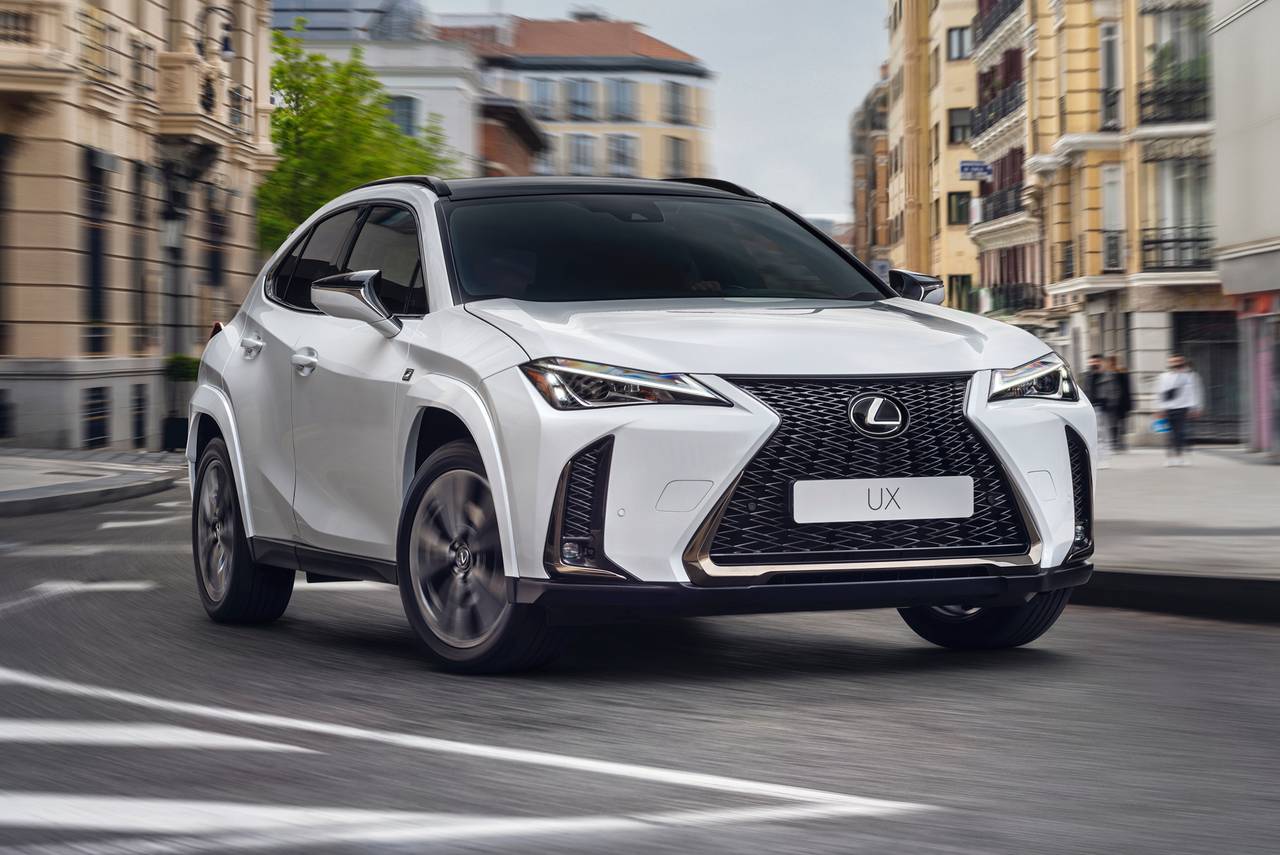
8. Lexus UX 250h (Toyota Prius / TNGA Platform)
Efficiency and modern design come together in the Lexus UX 250h, a compact luxury crossover that shares its hybrid technology with Toyota’s well-established systems found in models such as the Prius. This connection allows the UX 250h to deliver exceptional fuel efficiency while maintaining the reliability associated with Toyota’s hybrid engineering.
Hybrid powertrain defines its operation. A combination of a gasoline engine and electric motors provides smooth acceleration and seamless transitions between power sources. This system has been refined over many years, reducing the likelihood of unexpected issues and ensuring consistent performance.
Driving experience focuses on comfort and efficiency. The UX 250h delivers quiet operation, particularly during low-speed electric driving. Suspension tuning supports a stable ride, making it suitable for urban environments and daily commuting.
Interior design reflects a modern approach. Materials provide a premium feel, and the layout emphasizes simplicity and ease of use. Technology features are integrated thoughtfully, supporting convenience without creating unnecessary maintenance challenges.
Ownership costs remain low due to the proven hybrid system. Fuel savings contribute to reduced operating expenses, while the durability of the hybrid components minimizes the need for major repairs. Battery systems are designed for long service life, further supporting affordability.
Maintenance requirements are straightforward. Routine servicing follows familiar procedures, and parts availability remains strong due to shared components with Toyota models. This accessibility reduces long-term ownership concerns.
Durability continues to support its appeal. Many owners report consistent performance with minimal issues, reinforcing confidence in its engineering approach. The combination of efficiency and reliability makes it a practical choice for daily use.
For those seeking a compact luxury vehicle that prioritizes efficiency and low ownership costs, the UX 250h offers a well-balanced solution. Its Toyota-based hybrid technology ensures dependable performance while delivering the benefits of reduced fuel consumption.
