
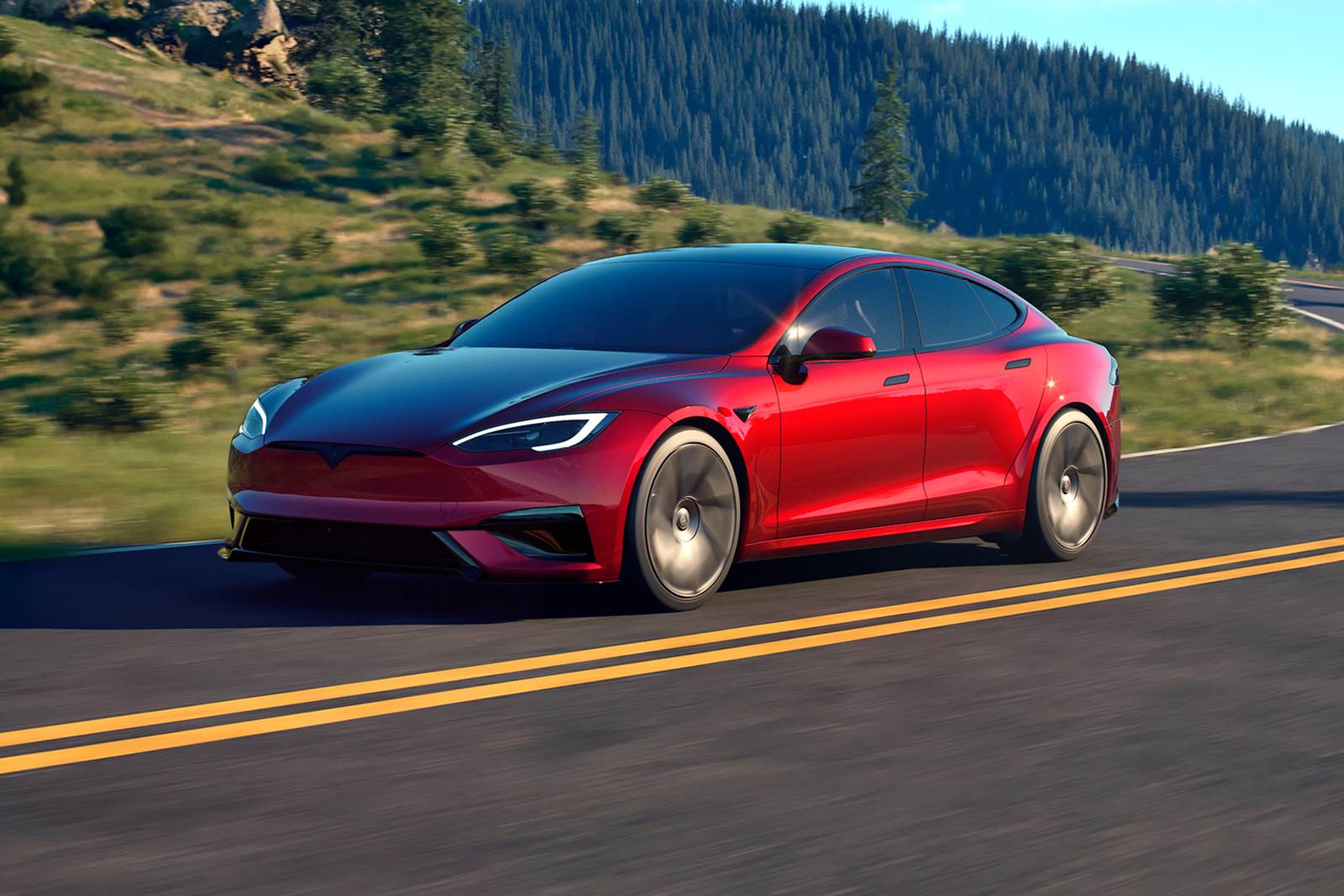
Electric luxury cars arrived with bold promises. Silent acceleration, cutting-edge technology, and a fresh vision of premium mobility all combined to create a wave of excitement that reshaped buyer expectations. Early adopters rushed in, eager to experience something that felt both futuristic and responsible. Prices reflected that enthusiasm, often climbing well above comparable gasoline-powered vehicles.
A different story has been playing out in the resale market. Values for several high-end electric vehicles have dropped at a pace that surprises even seasoned car watchers. Rapid software updates, evolving battery technology, and frequent price adjustments from manufacturers have created a situation where yesterday’s flagship model can feel outdated far sooner than expected.
Buyers now face a complicated equation. While these vehicles still deliver impressive performance and comfort, resale value has become a major concern. Depreciation is no longer just a slow, predictable process. In some cases, it feels abrupt and difficult to anticipate.
This page takes a close look at ten luxury electric vehicles where depreciation has moved faster than traditional internal combustion models ever experienced. Each example highlights how technology cycles, market dynamics, and buyer behavior intersect to influence long-term value.
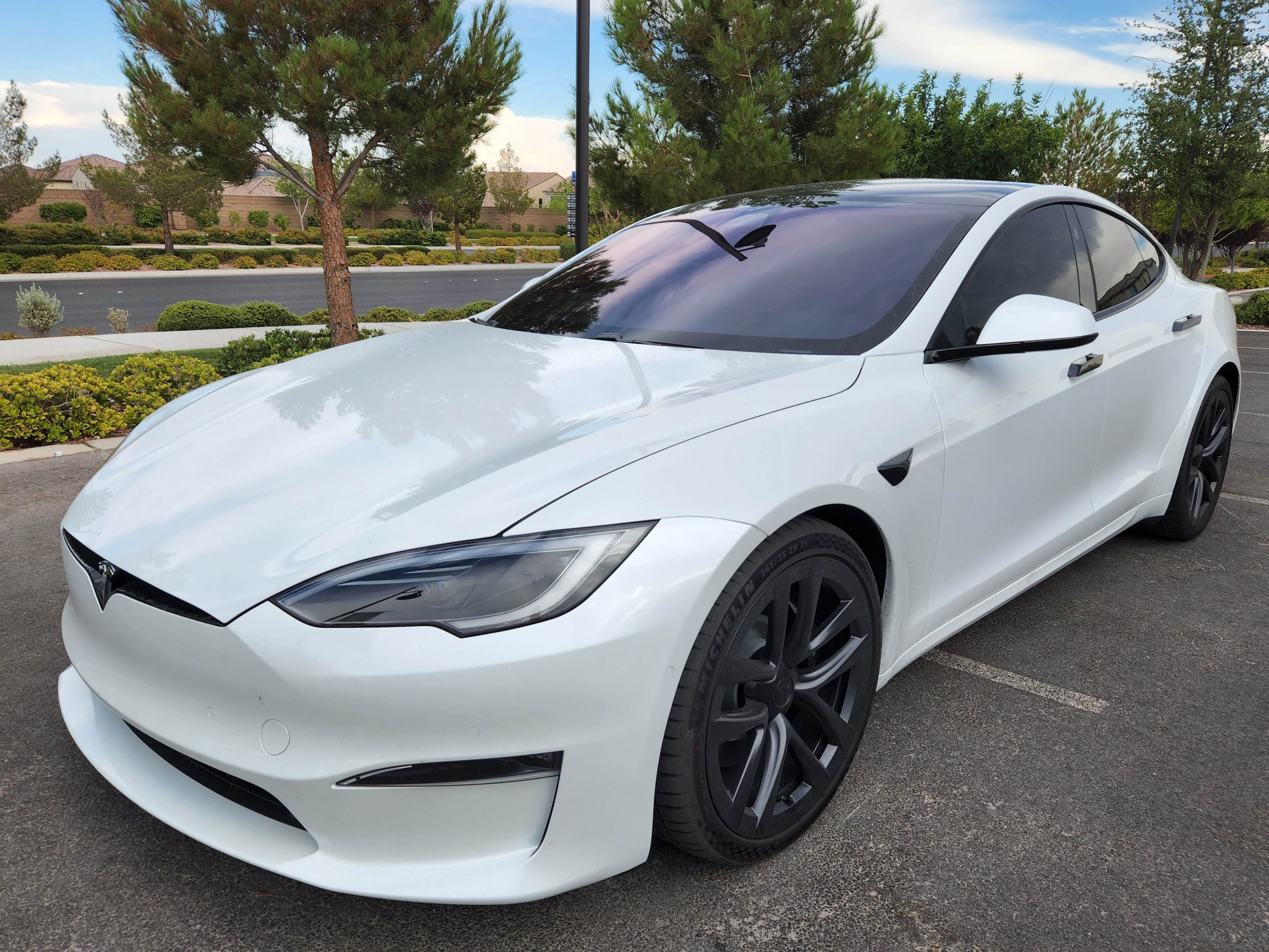
1. Tesla Model S Long Range
A sense of innovation surrounds the Tesla Model S Long Range, yet that same innovation contributes to its rapid value decline. Early buyers paid a premium for cutting-edge features, but constant updates from Tesla have made older versions feel dated sooner than expected.
Software plays a central role in this story. Tesla frequently introduces new features and performance improvements, sometimes even lowering prices for new models. When that happens, used versions lose appeal quickly. Buyers begin comparing older units to updated ones with improved range or faster charging capabilities, and the difference becomes hard to ignore.
Battery technology also influences resale value. Each new iteration promises better efficiency and longer range, which makes previous versions seem less competitive. Even if the older car performs well, perception alone can drive depreciation.
Interior design contributes to the situation as well. Minimalist styling once felt futuristic, yet newer updates and refreshed layouts create a visible gap between generations. Buyers often prefer the latest design, which places downward pressure on older models.
Driving experience remains impressive. Quick acceleration, smooth power delivery, and advanced driver assistance features still hold strong appeal. However, performance alone does not stabilize value when newer alternatives offer incremental improvements at similar price points.
Market behavior reflects these factors clearly. Prices for used Model S vehicles tend to adjust quickly after new announcements or price changes. This creates uncertainty for owners who expected more stable resale performance.
Tesla’s approach to continuous improvement benefits new buyers but complicates ownership for those concerned about depreciation. The Model S Long Range illustrates how rapid innovation can work against long-term value retention.
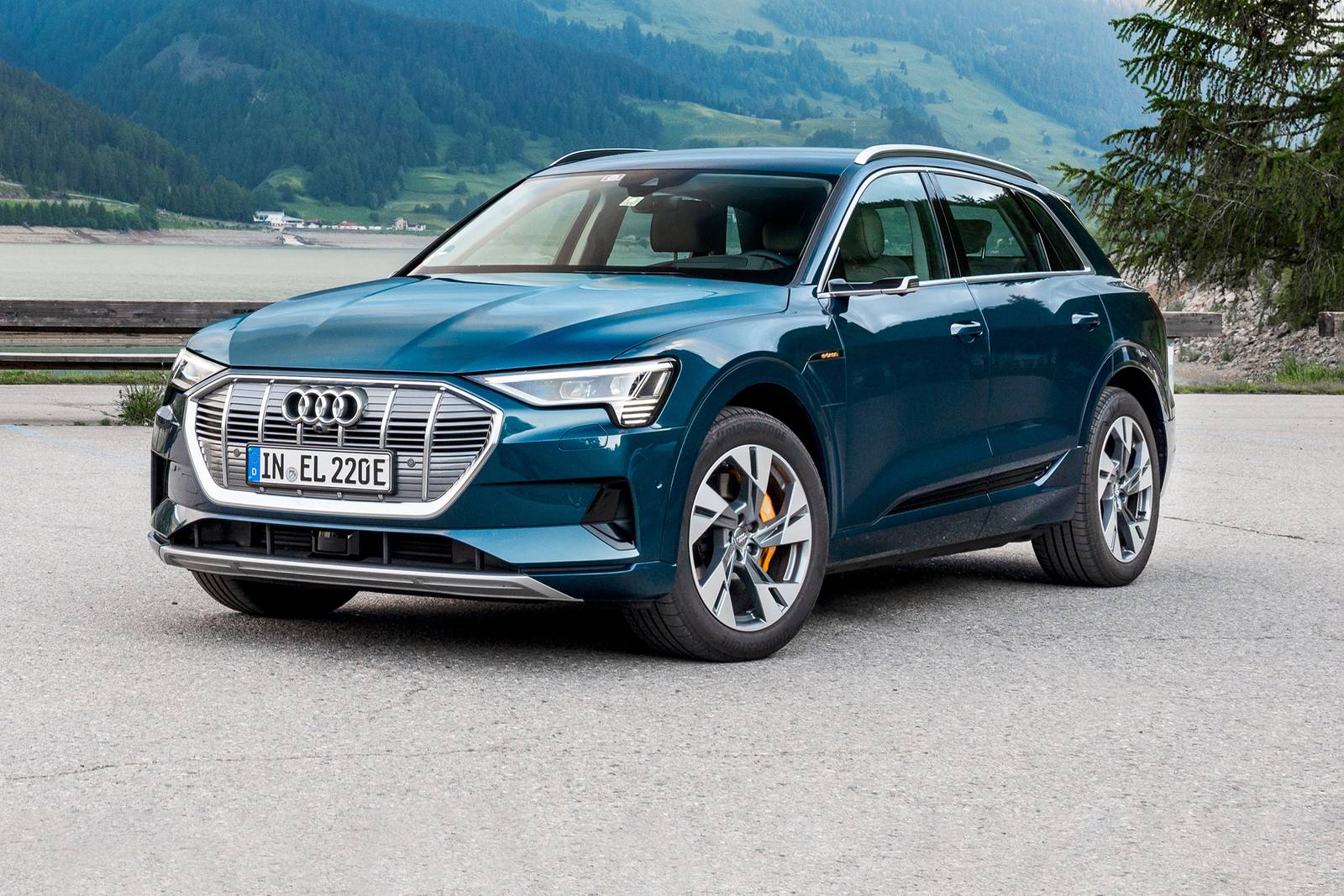
2. Audi e-tron SUV Premium Plus
A refined presence defines the Audi e-tron SUV Premium Plus, though its depreciation pattern tells a different story. Luxury materials, quiet operation, and smooth driving dynamics position it as a strong contender in its segment, yet resale values have declined faster than expected.
Range limitations play a major role. Compared to newer electric SUVs, the e-tron offers less driving distance per charge. Buyers evaluating used options often prioritize range, and this factor alone can reduce demand. Charging speed also affects perception.
Advances in charging technology have improved convenience for newer models, leaving earlier vehicles at a disadvantage. Even small differences in charging time can influence purchasing decisions. Interior quality remains a highlight. Audi delivers a well-crafted cabin with premium finishes and intuitive controls. This level of refinement helps maintain interest, though it does not fully offset concerns about range and efficiency.
Driving comfort stands out. Suspension tuning provides a smooth ride, while all-wheel drive ensures stability in various conditions. These qualities make it enjoyable for daily use, yet they do not strongly influence resale pricing. Competition intensifies the situation. As more manufacturers introduce electric SUVs with improved specifications, the e-tron faces increasing pressure. Buyers have more choices, which naturally drives prices down for older models.
Depreciation follows a steady downward path, influenced by both technological progress and market expansion. The Audi e-tron SUV Premium Plus highlights how early entrants in the EV space can struggle to maintain value as newer options emerge.
Also Read: 10 Luxury EVs That Prove Electric Cars Can Be Ultra-Premium Across All Segments
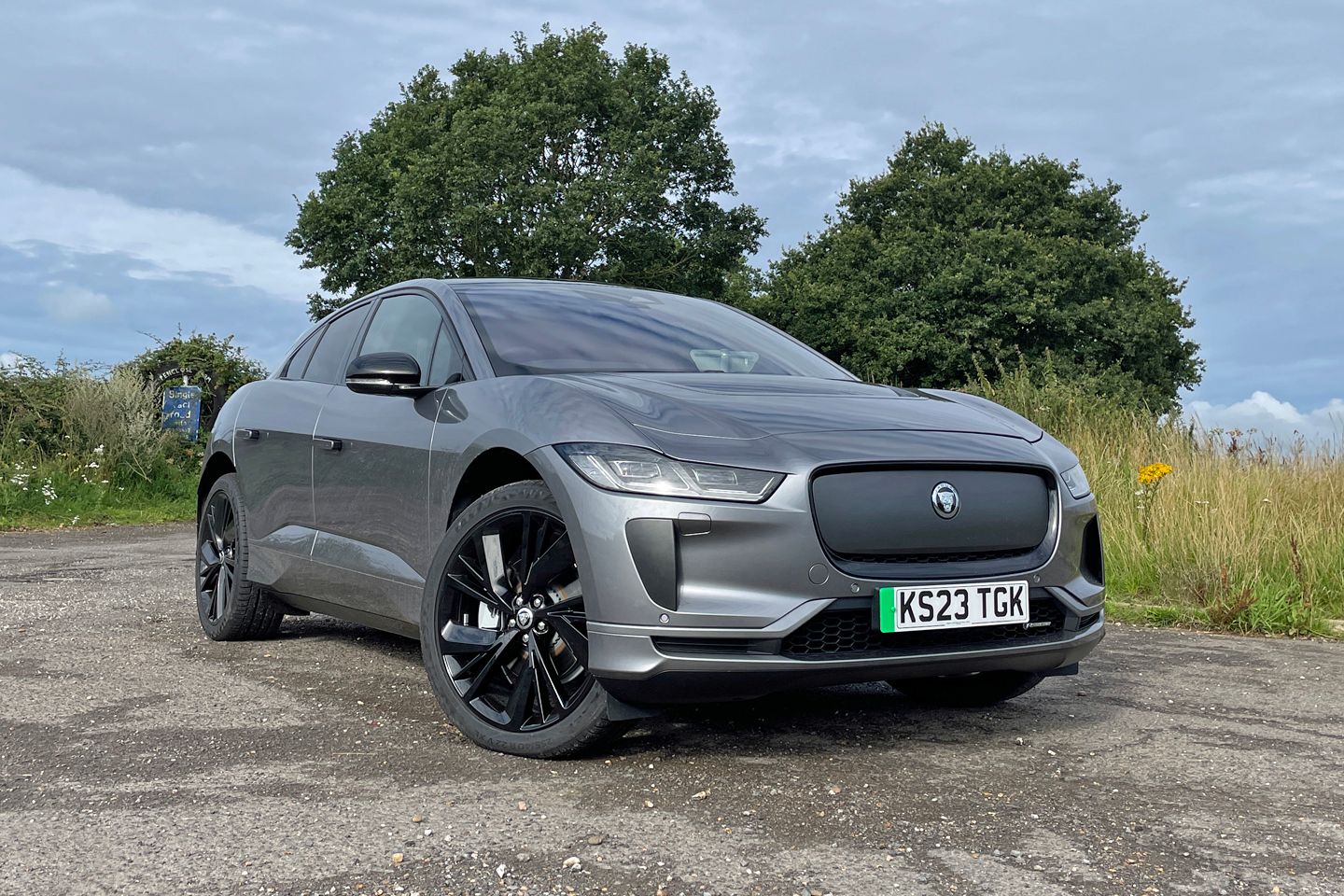
3. Jaguar I-PACE HSE
A bold design sets the Jaguar I-PACE HSE apart, creating an impression that blends performance with luxury. Despite its strong identity, depreciation has affected this model more than expected, raising questions about long-term value. Performance credentials remain impressive.
Quick acceleration and responsive handling give it a dynamic edge. Drivers appreciate the balance between comfort and agility, which aligns with Jaguar’s heritage. Technology, however, introduces challenges. Infotainment systems in earlier versions received criticism for responsiveness and usability.
Updates have improved functionality, yet initial impressions continue to influence buyer perception. Range figures fall behind newer competitors. As battery technology advances, vehicles offering greater distance per charge gain attention. This places older models at a disadvantage, even if their real-world usability remains adequate.
Interior design reflects luxury intentions. High-quality materials and thoughtful layout create a comfortable environment. Still, evolving expectations in the EV segment mean that buyers often seek the latest features. Brand perception also plays a role. While Jaguar carries a strong legacy, its position in the electric market is still developing. Buyers sometimes gravitate toward brands with a more established EV presence.
Resale trends reveal consistent depreciation. Prices drop as newer models enter the market with improved specifications. The I-PACE HSE demonstrates how strong performance and design do not always translate into stable long-term value.
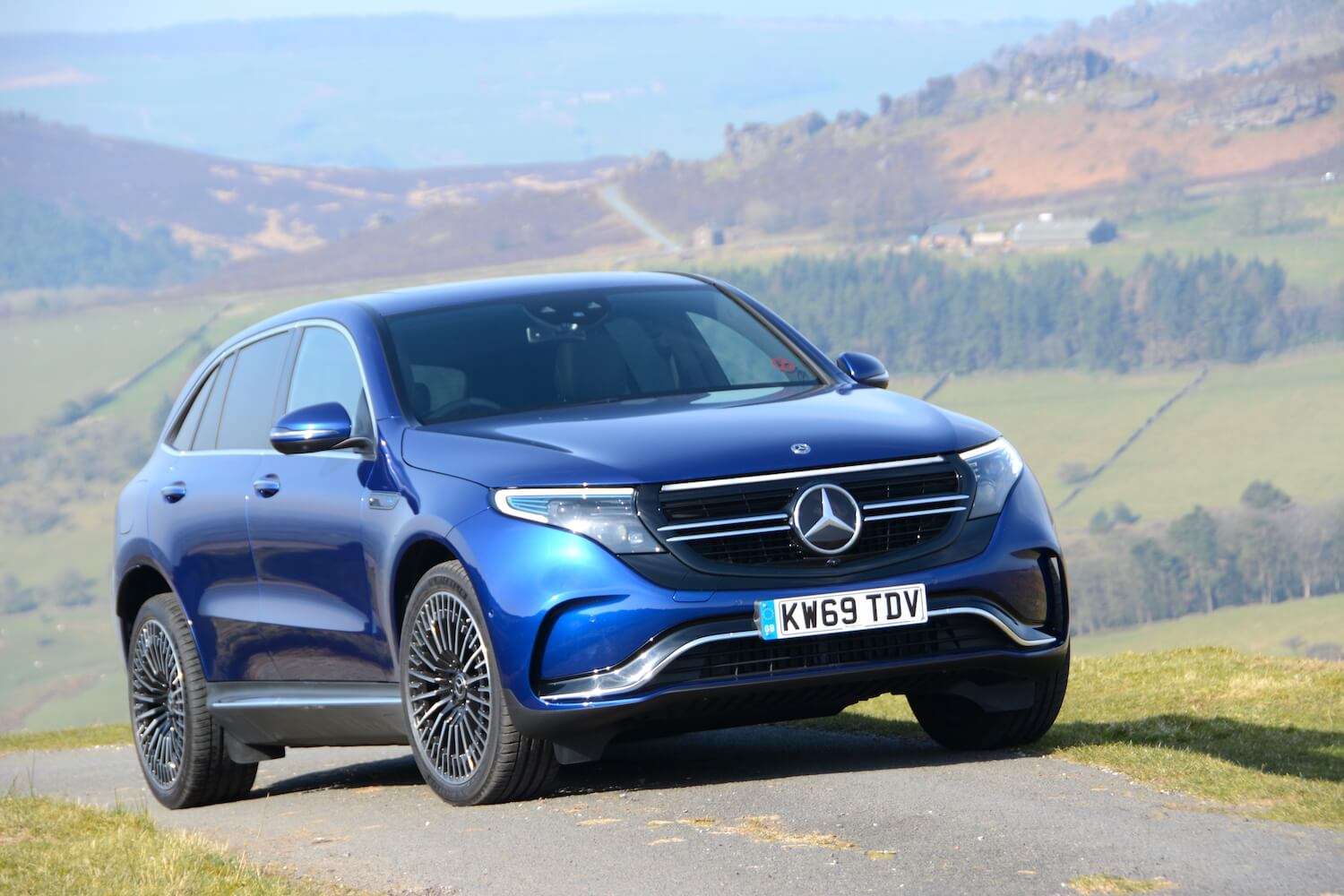
4. Mercedes-Benz EQC 400 4MATIC
Luxury meets electric innovation in the Mercedes-Benz EQC 400 4MATIC, yet its depreciation curve reflects broader challenges within the segment. This vehicle offers comfort and refinement, though market conditions have influenced its resale value.
A focus on comfort defines its character. The cabin features premium materials, advanced technology, and a quiet driving experience. These qualities align with expectations for a Mercedes-Benz vehicle. Range limitations affect buyer interest. Competing models often provide longer driving distances, which can sway decisions in the used market. Buyers comparing options may prioritize efficiency over brand loyalty.
Charging infrastructure compatibility also plays a role. Differences in charging speed and network access can influence convenience, shaping how buyers evaluate older EVs. Driving experience emphasizes smoothness. Acceleration feels effortless, and ride quality remains composed. While these traits enhance daily usability, they do not fully counteract concerns about range and efficiency.
Market competition continues to expand. New electric SUVs enter the market with improved technology, placing pressure on earlier models. This dynamic contributes to faster depreciation. Resale values reflect these combined factors.
The EQC 400 4MATIC experiences a steady decline as buyers seek newer alternatives. It serves as an example of how luxury branding alone cannot stabilize value in a rapidly evolving segment.
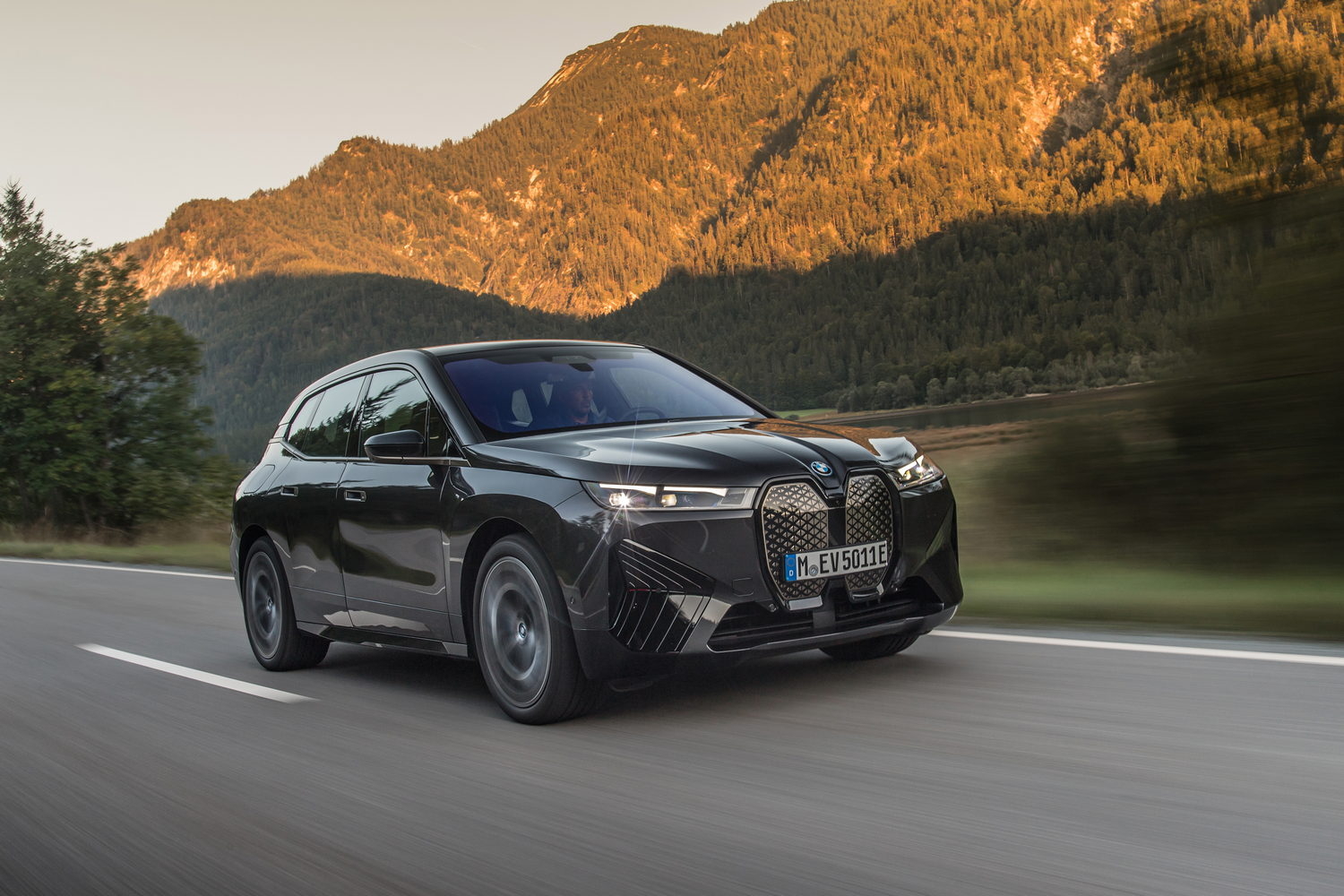
5. BMW iX xDrive50
A futuristic approach defines the BMW iX xDrive50, positioning it as a flagship electric SUV with advanced technology and bold design. Despite its strengths, depreciation has emerged as a concern for owners. Design choices create strong reactions. Some buyers appreciate the distinctive styling, while others prefer more traditional aesthetics. This divide affects demand in the used market.
Technology stands at the forefront. Advanced infotainment systems, driver assistance features, and connectivity options enhance the driving experience. Yet rapid progress in this area means newer models quickly introduce improvements.
Range and performance remain competitive. The iX delivers strong acceleration and respectable driving distance, making it practical for daily use. Still, constant advancements in battery efficiency create pressure on resale values. Interior space and comfort contribute to its appeal.
High-quality materials and innovative layouts create a premium environment. These features support long-term usability, though they do not fully offset depreciation. Market perception develops quickly. As new models enter the segment, buyers reassess older vehicles based on updated standards. This leads to price adjustments that reflect changing expectations.
Depreciation patterns show a noticeable decline during early ownership years. The BMW iX xDrive50 highlights how even advanced vehicles can face value challenges in a fast-moving market.
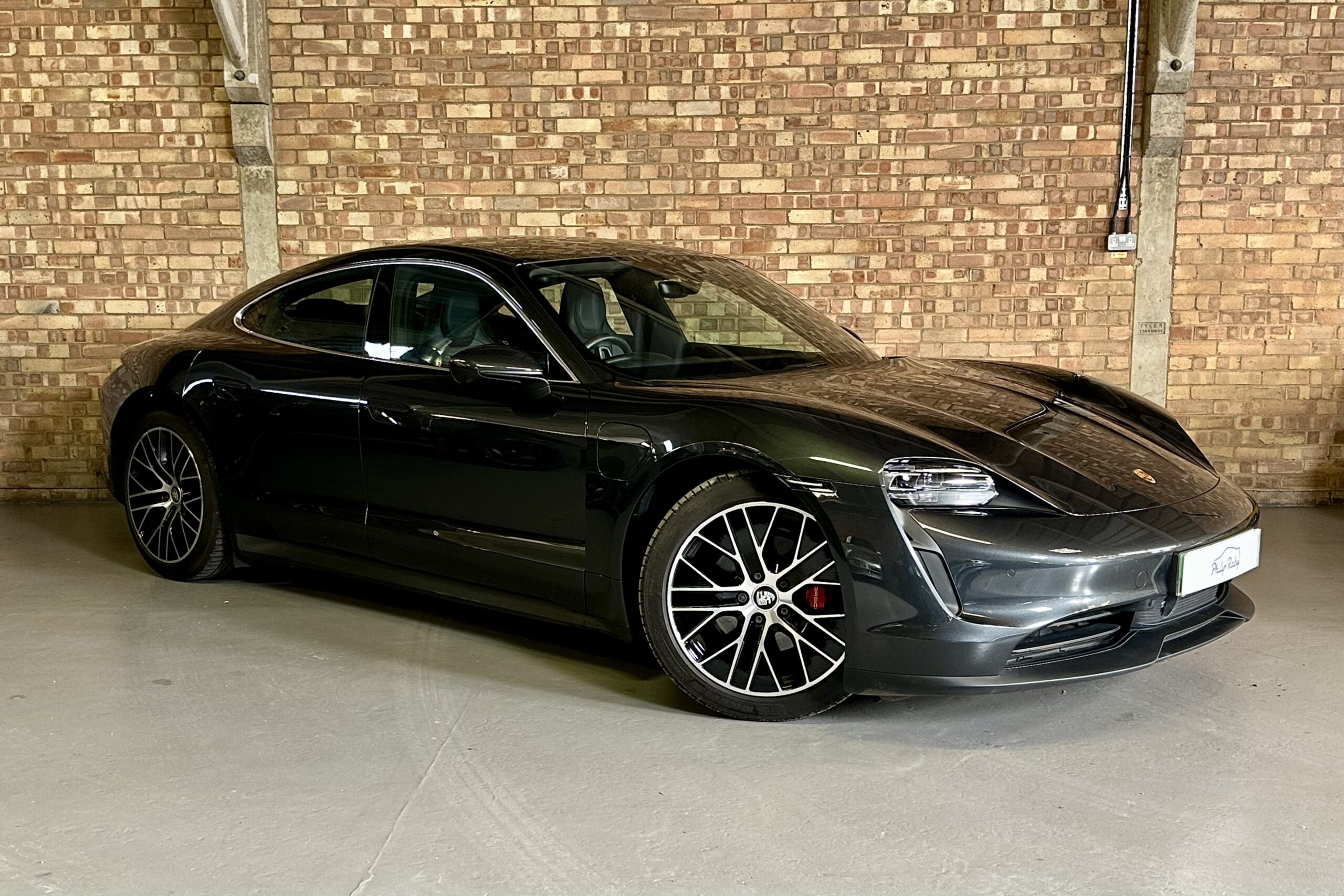
6. Porsche Taycan 4S
Performance excellence defines the Porsche Taycan 4S, yet its depreciation pattern reveals how even a well-engineered luxury EV can lose value at a surprising pace. Buyers initially approached this model with high expectations, drawn by Porsche’s reputation for precision and driving engagement. Early pricing reflected that enthusiasm, placing it firmly within the upper tier of electric performance sedans.
Acceleration and handling remain standout qualities. The Taycan 4S delivers strong power delivery, paired with chassis tuning that supports confident cornering. Drivers who prioritize engagement often find it more satisfying than many competitors. That appeal, however, does not fully shield it from depreciation pressures that stem from outside the driving experience.
Rapid development in electric vehicle technology plays a major role. Each new update in battery efficiency or charging speed raises expectations. Older versions of the Taycan, even when still highly capable, begin to feel less competitive when compared to newer releases within the same lineup or from rival brands. Buyers entering the used market often focus on these improvements, which influence pricing.
Charging infrastructure compatibility also shapes perception. As faster charging solutions become more common, vehicles that do not fully support the latest standards may appear less convenient. This perception affects resale value, even if real-world usability remains practical for most owners.
Interior design maintains a high standard of quality. Materials, layout, and attention to detail reflect Porsche’s commitment to craftsmanship. Still, technology-focused buyers tend to prioritize software updates and connectivity features, areas where rapid progress can quickly date earlier models.
Market dynamics further accelerate depreciation. Luxury EV buyers frequently seek the newest available technology, creating a cycle where older vehicles lose appeal sooner than traditional luxury cars. The Taycan 4S, despite its strengths, follows this pattern.
Resale values reflect a steady decline after the initial ownership period. Owners who expected Porsche’s traditional value retention may find the EV segment behaves differently. The Taycan 4S stands as a clear example of how performance and brand reputation do not guarantee stability in a fast-evolving electric market.
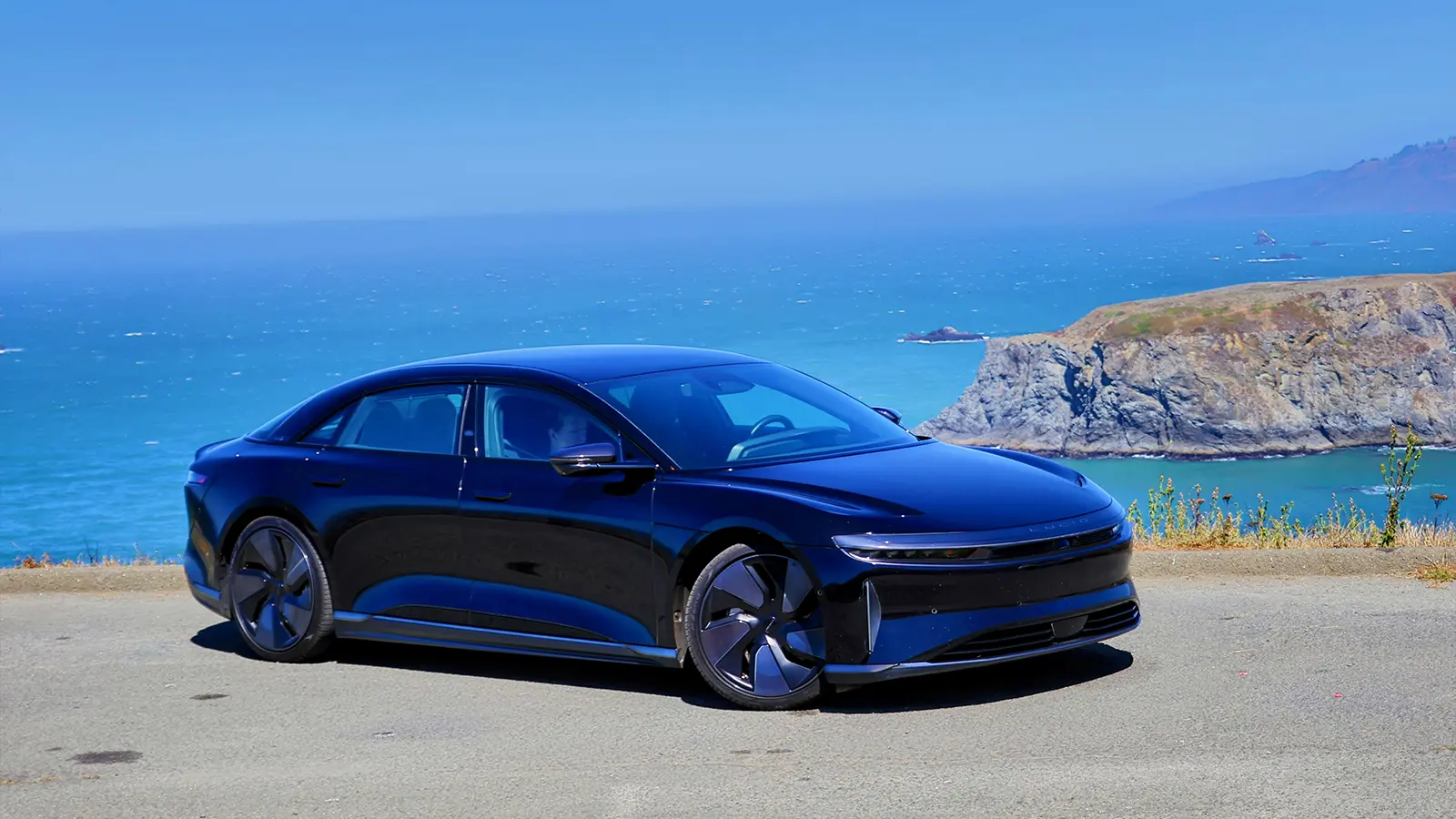
7. Lucid Air Grand Touring
Innovation takes center stage with the Lucid Air Grand Touring, a luxury electric sedan designed to push boundaries in range and performance. Despite its advanced engineering, depreciation has become a growing concern, shaped by both market perception and brand positioning.
Range capability initially set this model apart. High driving distance per charge attracted attention from buyers seeking long-distance usability. This advantage created strong early demand, supported by impressive performance figures and a refined driving experience.
Brand recognition presents a challenge. As a newer manufacturer, Lucid does not carry the long-established reputation of traditional luxury brands. Buyers in the used market often weigh brand familiarity heavily, which can influence resale values. Even with strong engineering, perception plays a decisive role.
Production scale affects availability. Limited early production created exclusivity, though increasing output introduces more units into the market. As supply grows, pricing adjusts to reflect availability, especially when demand does not expand at the same pace.
Interior design reflects a focus on modern luxury. Spacious layouts, high-quality materials, and advanced displays create an inviting environment. These features support long-term usability, though they do not fully counteract concerns about brand longevity and service network expansion.
Technology develops rapidly in this segment. Newer models introduce refinements that quickly change buyer expectations. Older versions may still perform well, yet comparisons with updated alternatives influence purchasing decisions.
Driving experience remains a strong point. Smooth acceleration and quiet operation create a refined feel. However, performance alone cannot stabilize value when external factors shape market behavior. Depreciation follows a pattern influenced by both innovation and uncertainty.
Buyers remain interested, though cautious. The Lucid Air Grand Touring illustrates how even a technologically advanced vehicle can face value challenges when brand confidence is still developing.
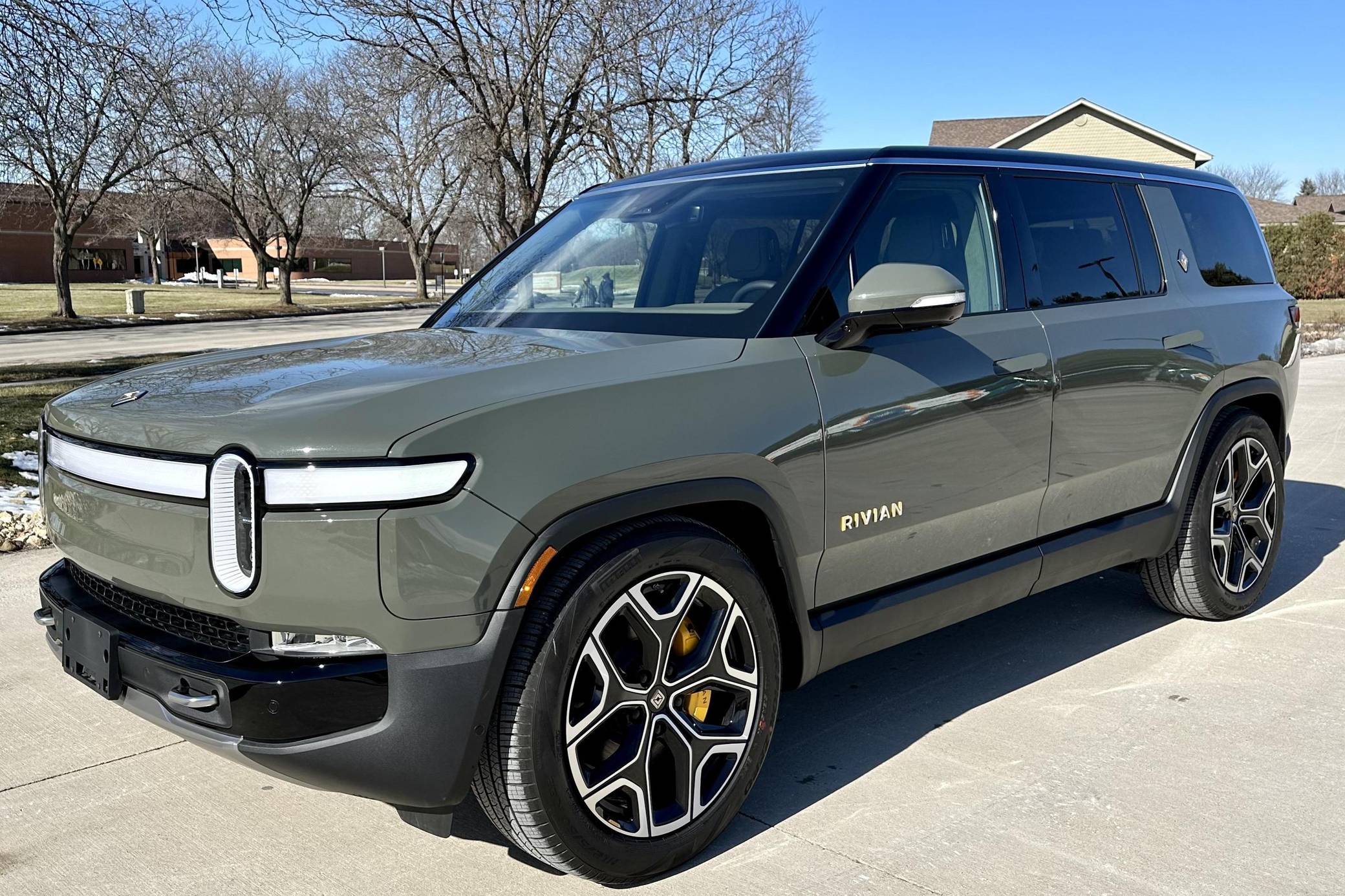
8. Rivian R1S Launch Edition
A fresh perspective enters the luxury EV space with the Rivian R1S Launch Edition, combining utility with modern electric performance. Early demand created excitement, though depreciation trends reveal how quickly market conditions can change.
Utility defines its appeal. Spacious seating, off-road capability, and strong towing capacity position it as a versatile option. Buyers seeking adventure-oriented vehicles found this combination attractive, especially during initial release.
Production expansion influences pricing. As Rivian increases output, more units enter circulation. Greater availability naturally leads to adjustments in resale values, particularly when early demand begins to stabilize. Brand development remains ongoing.
Rivian has built a strong identity, though it lacks the long-standing history of established manufacturers. Buyers evaluating used vehicles often consider long-term support and service networks, which can affect confidence. Technology plays a central role.
Advanced driver assistance systems and software features contribute to its appeal. Yet continuous updates across the industry mean expectations develop quickly, placing pressure on earlier models. Interior design emphasizes functionality and comfort. Materials and layout support both daily use and outdoor activities. This versatility enhances its usability, though it does not fully prevent depreciation.
Driving characteristics combine strength and refinement. Acceleration feels responsive, while handling remains composed for a vehicle of its size. These traits support its reputation, though they do not shield it from market forces.
Resale trends show a decline following initial demand peaks. Early buyers often paid premium prices, which creates a gap when compared to later market values. The Rivian R1S Launch Edition demonstrates how excitement at launch can transition into more measured pricing as the market matures.
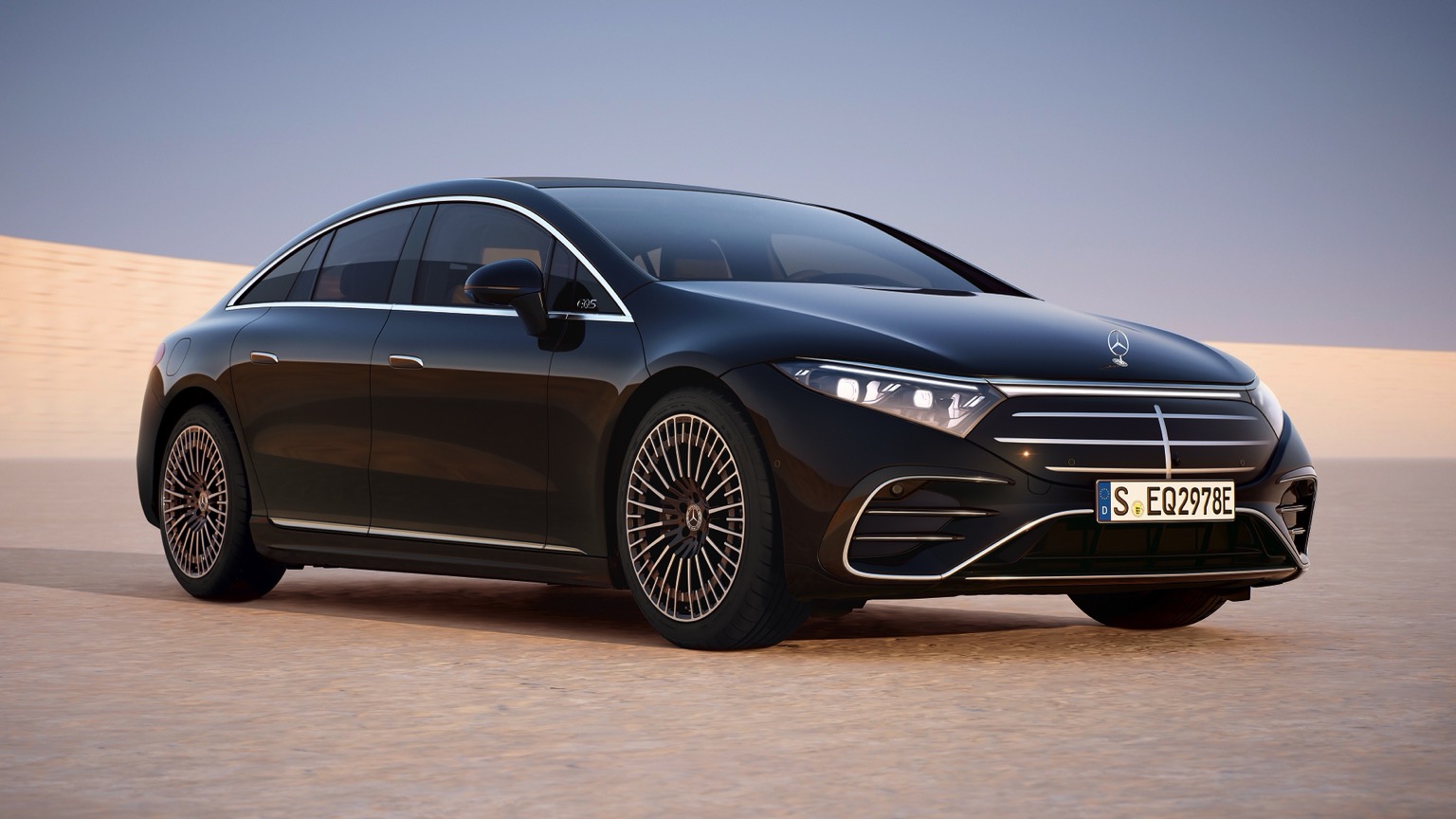
9. Mercedes-Benz EQS 580 4MATIC
A careful assessment of the Mercedes-Benz EQS 580 4MATIC presents a vehicle that represents a high point in electric luxury design, yet it also reveals how market realities influence long-term value in ways that may not align with initial expectations.
From the outset, this model was introduced as a flagship offering, combining advanced engineering with a strong emphasis on comfort and innovation. Buyers were drawn to its promise of a refined driving experience supported by cutting-edge technology. Despite these strengths, depreciation has emerged as a central concern within the ownership cycle.
Attention must first be directed to its exterior design. Engineers placed strong emphasis on aerodynamic efficiency, resulting in a smooth, flowing shape that reduces drag and improves range performance. While this approach serves a functional purpose, styling preferences vary among buyers.
Some individuals appreciate the futuristic appearance, while others prefer more traditional luxury proportions. This variation in taste influences demand in the used market, where visual appeal plays a meaningful role in purchasing decisions.
Moving to the interior, the EQS 580 4MATIC delivers a highly sophisticated environment. Premium materials, expansive digital displays, and carefully integrated controls create a sense of modern elegance. Passengers benefit from generous space and advanced comfort features, making long journeys more enjoyable.
Such qualities reinforce its position as a flagship model within the Mercedes-Benz lineup, yet they do not fully protect it from depreciation pressures. Technology represents both an advantage and a challenge. Rapid advancement within the electric vehicle sector means that new models frequently introduce improved systems and updated interfaces.
Buyers often place strong emphasis on having the latest features, especially in a luxury context. As a result, earlier versions may appear less appealing when compared to newer alternatives, even if they remain highly capable. Range capability remains competitive, supported by efficient battery management and engineering precision. Nevertheless, continuous improvement across the industry raises expectations.
When newer vehicles offer extended range or faster charging, older models are reassessed accordingly. This reassessment contributes to downward pressure on resale values. Brand recognition provides some level of support. Mercedes-Benz maintains a long-standing reputation for quality and prestige, which encourages interest in the used market. However, brand strength alone cannot fully counteract the effects of rapid technological progress.
Driving experience emphasizes comfort and refinement. Quiet operation, smooth acceleration, and composed suspension tuning create a relaxed atmosphere for both driver and passengers. While these attributes enhance daily usability, they do not prevent depreciation when broader market trends exert influence.
Resale performance reflects a steady decline following initial purchase. High starting prices amplify the effect, as percentage reductions translate into considerable monetary differences. The Mercedes-Benz EQS 580 4MATIC demonstrates that even a flagship electric vehicle must contend with evolving expectations that shape its long-term value.
Also Read: 10 Best Luxury EVs You Can Buy Today: Top Picks for Performance, Tech, and Comfort
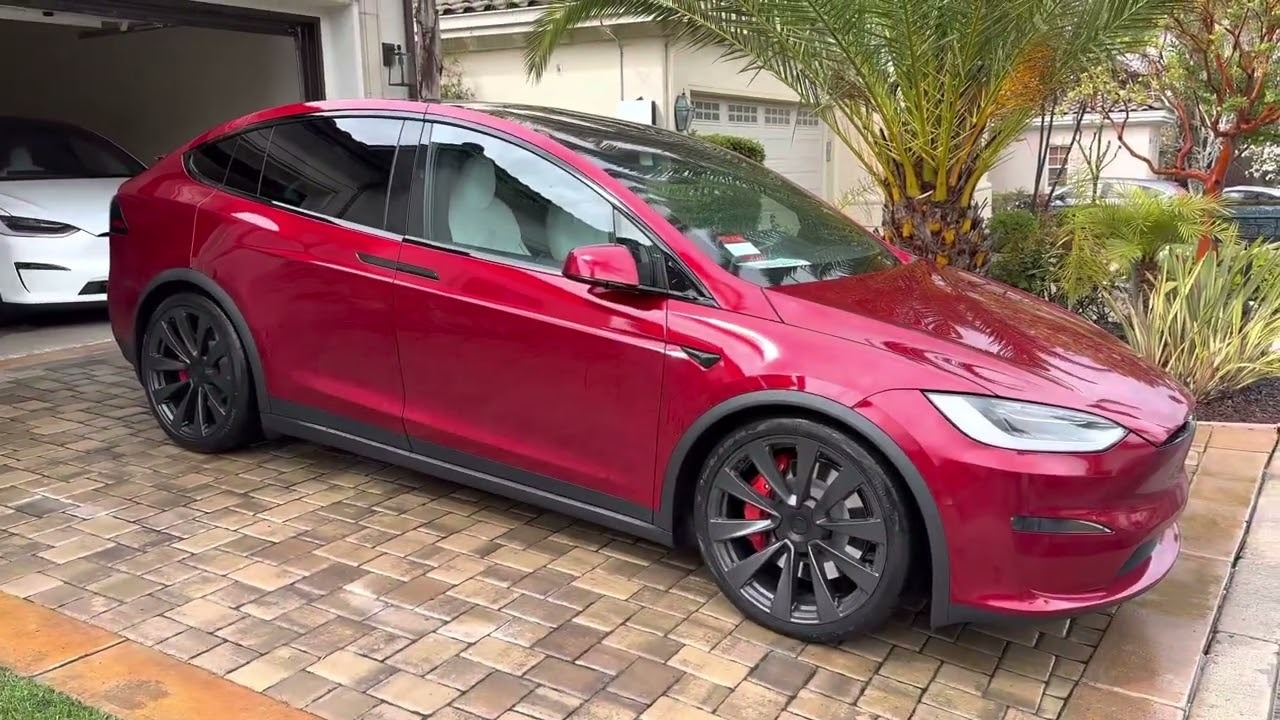
10. Tesla Model X Plaid
An examination of the Tesla Model X Plaid reveals a vehicle defined by extreme performance and distinctive design, yet its depreciation pattern highlights the challenges associated with rapid innovation and shifting market expectations.
Positioned as one of the fastest sport utility vehicles available, it delivers remarkable capabilities that initially attract strong interest from buyers seeking both speed and practicality. Acceleration remains a defining characteristic. The Model X Plaid offers extraordinary power delivery, enabling rapid movement that rivals dedicated performance cars.
This level of performance creates a strong emotional appeal, particularly among drivers who value speed and advanced engineering. Despite this advantage, performance alone does not ensure stable resale value. Design features contribute to its unique identity.
Falcon-wing doors and a spacious cabin set it apart from conventional sport utility vehicles. These elements create a memorable presence, though they also introduce a level of complication that may influence buyer perception. Some prospective owners appreciate the innovation, while others may prefer simpler, more traditional designs.
Technology development within Tesla’s lineup occurs at a rapid pace. Frequent software updates, hardware revisions, and pricing adjustments create an environment where newer models quickly surpass earlier versions. Buyers in the used market often compare available options carefully, and even modest improvements can influence purchasing decisions. This pattern places pressure on resale values for existing vehicles.
Interior layout reflects a minimalist philosophy. Large digital displays and simplified controls define the cabin environment. While this approach appeals to individuals who appreciate modern design, others may find it less intuitive than more conventional arrangements. Preferences in this area contribute to varying levels of demand.
Market perception develops quickly in response to new releases. When updated models offer improved range, performance, or features, earlier versions are reassessed in light of these advancements. This process affects pricing, particularly when buyers prioritize having the latest specifications.
Driving experience remains compelling. Instant power delivery, responsive handling, and advanced driver assistance systems create a package that feels both modern and capable. These strengths support continued interest, yet they do not fully offset depreciation driven by external factors.
Resale trends indicate a noticeable decline following purchase. Owners may observe that value decreases more rapidly than anticipated, especially after new updates or pricing changes are introduced. The Tesla Model X Plaid illustrates how a combination of high initial cost, continuous innovation, and evolving buyer expectations can shape depreciation within the luxury electric vehicle segment.
