
There is a particular kind of respect that develops among automotive engineers who have worked at multiple manufacturers. It is not the blind loyalty of a brand enthusiast or the competitive dismissiveness of someone who has only ever worked for one company. It is the specific, sometimes reluctant acknowledgment that another manufacturer made a decision, years or decades before the industry understood its full implications, that turned out to be exactly right.
Toyota generates this kind of respect from industry insiders more consistently than any other manufacturer, and the reason is not simply that Toyota makes reliable cars. Reliability is the output. What insiders actually envy are the specific engineering and organizational decisions that produce reliability as a consistent output rather than an occasional outcome.
These decisions involve material choices, manufacturing process commitments, quality control philosophies, powertrain architecture selections, and a specific approach to long-term engineering investment that prioritizes getting things right over getting things done quickly.
Engineers at competing manufacturers who study Toyota’s approach frequently arrive at a version of the same conclusion: Toyota’s best decisions looked reasonable but unremarkable at the moment they were made, and they looked prescient in hindsight, not because Toyota predicted the future accurately but because Toyota made conservative, technically sound choices that accumulated into a durability and reliability record that no competitor has matched across the same production volume.
This page examines nine specific engineering decisions that Toyota made across different vehicles, different time periods, and different engineering contexts that automotive industry insiders consistently cite when discussing what Toyota gets right. Some of these decisions involve specific technical choices.
Others involve organizational commitments that shaped how engineering was approached across entire product lines. All of them produced outcomes that competitors have studied and tried to replicate with mixed results.
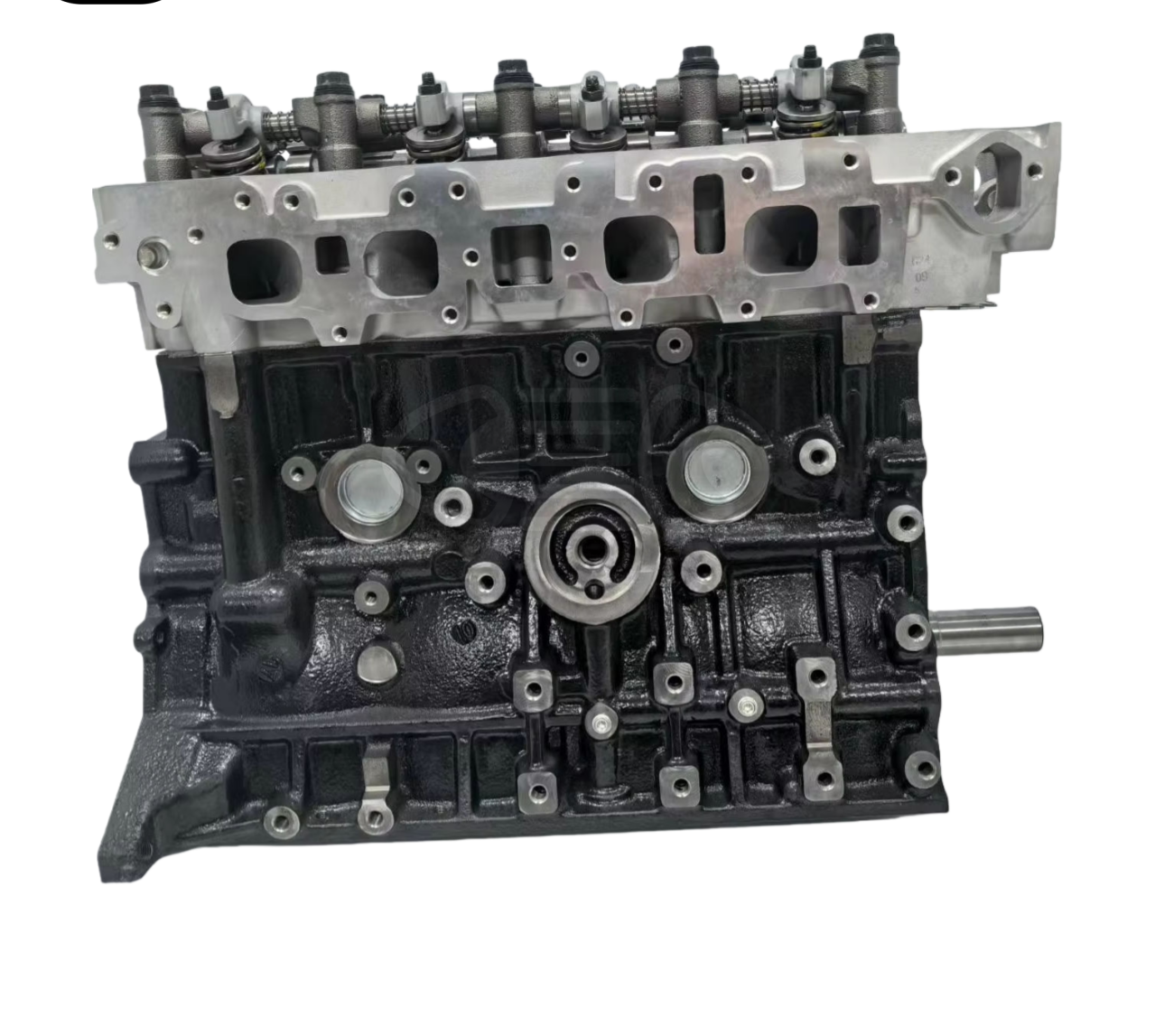
1. Choosing Cast Iron for the 22R-E Engine Block When Aluminum Was Fashionable
During the 1980s, aluminum engine blocks were being promoted across the automotive engineering community as the obvious direction for future engine development. Weight reduction benefits were genuine, thermal management advantages were documented, and the material’s manufacturing advantages were making it increasingly cost-competitive with cast iron for high-volume production.
Many manufacturers committed to aluminum blocks across new engine programs during this period, chasing the fuel economy and performance per pound benefits that lighter engine construction provided. Toyota’s engineering team, developing the 22R-E for applications including the 1985 Toyota Pickup SR5 Extended Cab 4×4 and the 1987 Toyota 4Runner SR5 V6, looked at the aluminum trend and made a decision that manufacturing engineers at other companies would debate for years afterward: they kept the cast iron block.
Not across all applications, and not as a permanent policy, but specifically for engine families where the expected duty cycle included sustained high-load operation, temperature extremes, and service intervals that real-world owners outside controlled testing environments would actually observe.
Cast iron’s advantages in these specific applications were technical rather than fashionable. Thermal expansion consistency across the temperature range that truck engines experience during cold starts, warm-up, sustained high-load operation, and return to ambient reduced the precision requirements for piston ring and cylinder wall tolerance management that aluminum block engines require.
Dimensional stability also benefited bearing surface geometry in ways that directly affected engine longevity. Cast iron’s resistance to deformation under sustained high-load operation preserved main bearing and rod bearing alignment with a consistency that contributed directly to the documented longevity of 22R-E engines in demanding applications.
Owners of the 1985 Toyota Pickup SR5 Extended Cab 4×4 who documented their 22R-E mileage consistently accumulated 250,000 to 300,000 miles without internal engine failure, which validated Toyota’s decision to prioritize long-term durability over the fashionable engineering choice of the period.
Industry engineers who studied the 22R-E’s service record against aluminum-blocked alternatives of the same era consistently identified Toyota’s material conservatism as a primary contributor to the outcome differential, acknowledging that sometimes the correct engineering decision is not the innovative one.
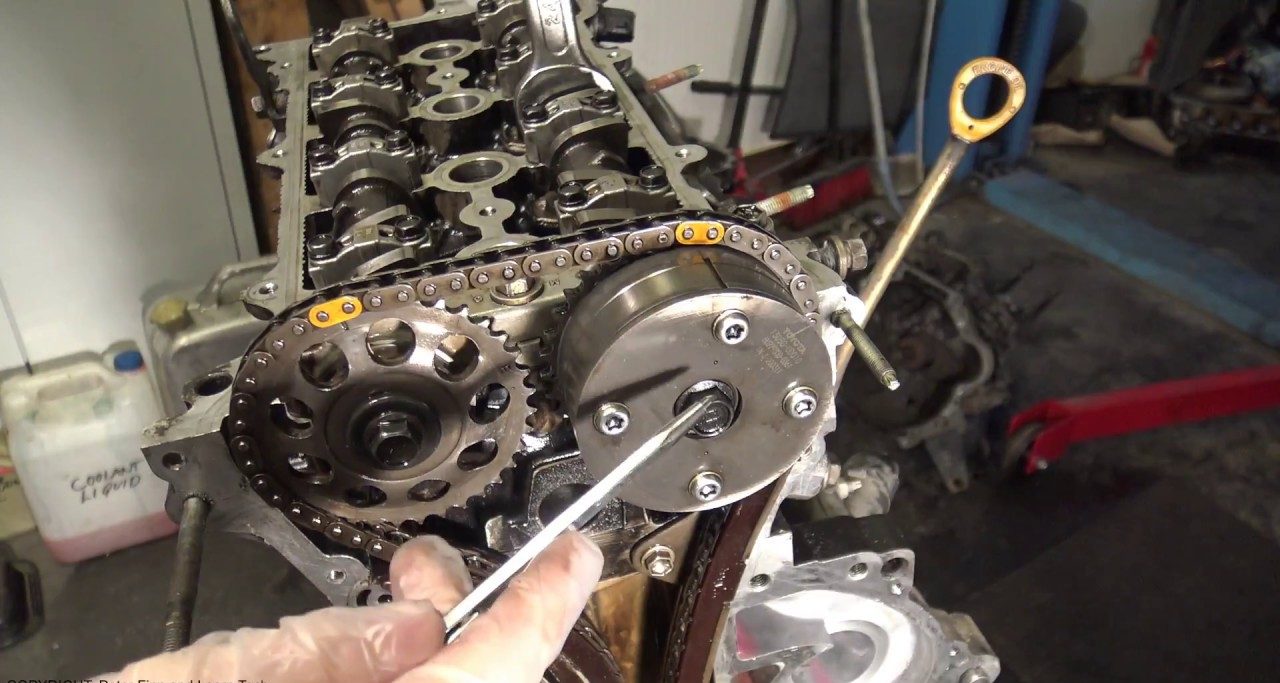
2. Toyota’s Commitment to Timing Chains Over Belts in High-Cycle Applications
Service interval management is one of the most consequential variables in real-world engine longevity, and it is a variable that engineering teams control only partially, because the other controlling factor is whether owners actually perform the service on schedule.
Toyota’s decision to prioritize timing chain designs over timing belt configurations in engine families intended for high-cycle, high-mileage applications eliminated a service item that required owner discipline to avoid a catastrophic failure mode.
Timing belt replacement intervals during the 1980s and 1990s typically ranged from 60,000 to 90,000 miles, depending on manufacturer specifications, and the consequences of missing this interval in an interference engine were immediate and severe. Pistons and valves sharing the same cylinder space at different points in the combustion cycle means that a snapped timing belt does not simply leave you stranded.
It destroys the engine in the first fraction of a second after failure. This failure mode required owner awareness and financial commitment to prevent, which introduced a reliability vulnerability that was not inherent to the engine’s engineering but to the service behavior of real-world owners.
Toyota’s 2UZ-FE 4.7-liter V8, used in the 2000 Toyota Land Cruiser 100 Series and the 2003 Toyota Tundra SR5 Regular Cab 4.7L, incorporated a timing chain system specifically engineered for the high-mileage, high-load applications these vehicles were expected to perform.
Timing chain tensioner design, chain pitch selection, and oil delivery circuit priority for chain lubrication all reflected engineering decisions made with the understanding that these components needed to last the engine’s full service life rather than requiring a scheduled replacement that would eliminate the owner’s latitude to forget.
Industry engineers at manufacturers whose product lines included timing belt engines in similar applications noted Toyota’s chain commitment with specific interest after observing the real-world reliability difference between chain-equipped and belt-equipped engines across comparable mileage ranges and owner maintenance patterns.
Belt-equipped engines that received timely belt service matched chain-equipped engines in failure rate. Belt-equipped engines in the hands of owners who were late or who missed belt service intervals were a different story entirely. Toyota’s decision reflected an honest assessment of how real owners actually behave rather than how owners in ideal service conditions would behave, which is the kind of engineering humility that produces practical reliability improvements at the population level.
Also Read: 10 Toyota Models That Are Expensive to Maintain in 2026
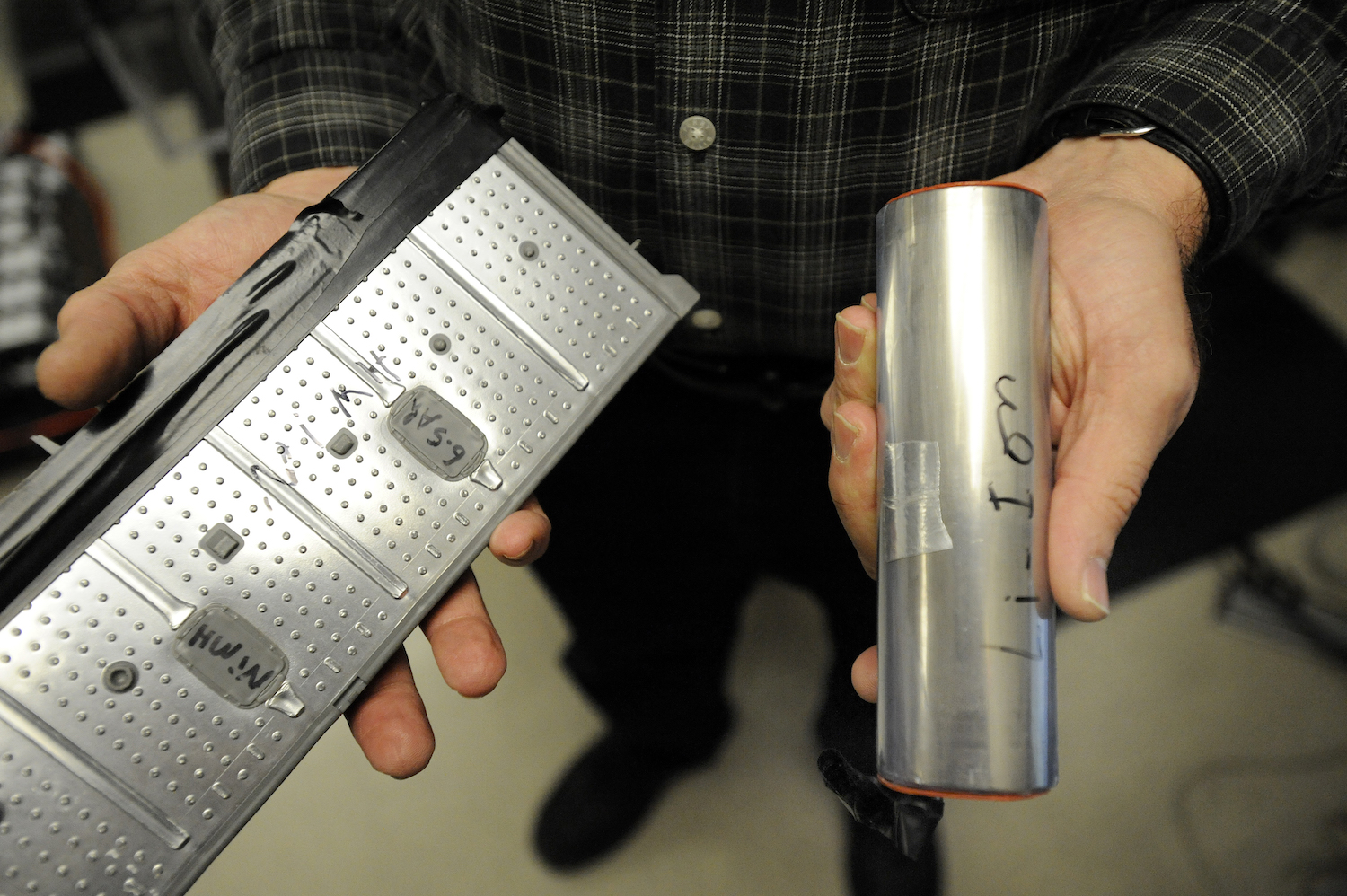
3. Hybrid Nickel-Metal Hydride Battery Selection for the First-Generation Prius
Battery technology selection formed a central decision during the development of the early hybrid system used in the Toyota Prius. Engineers were faced with two clear options at the time: lithium-ion batteries, which offered higher energy density, and nickel-metal hydride batteries, which presented a more stable operating profile. Rather than pursuing maximum energy storage capacity, attention was directed toward long-term operational reliability under varying environmental conditions.
Nickel-metal hydride chemistry offered a wider tolerance to temperature fluctuations. Vehicles are exposed to intense heat when parked under direct sunlight and may also operate in extremely cold environments. Under such conditions, lithium-ion batteries available at that time required more advanced thermal regulation systems to maintain performance consistency.
Nickel-metal hydride batteries, by comparison, maintained stable behaviour without reliance on highly advanced cooling or heating control systems. This characteristic is aligned to ensure consistent operation across diverse climates. Performance considerations extended beyond laboratory conditions. In practical use, battery systems must deliver dependable output without requiring user intervention. Nickel-metal hydride technology demonstrated the ability to sustain acceptable charge and discharge cycles under repeated use.
While lithium-ion batteries offered theoretical advantages in weight and capacity, the long-term durability of nickel-metal hydride presented a more suitable option for mass production at that stage of hybrid development. Field data gathered over several years provided strong validation for this engineering decision. Vehicles equipped with nickel-metal hydride battery packs consistently recorded high mileage figures while retaining acceptable levels of battery capacity.
Reports from commercial operators, including taxi services, indicated that these battery systems could function effectively beyond 150,000 miles, with some exceeding 300,000 miles under continuous use. Such outcomes reinforced confidence in the durability of the chosen battery chemistry.
Thermal management remained a decisive factor throughout the evaluation process. By selecting a battery type with inherent resistance to temperature extremes, engineers reduced the need for additional systems that could introduce further maintenance requirements.
Industry observers who initially questioned the decision later acknowledged the practical advantages demonstrated in real-world conditions. Competing manufacturers subsequently adopted similar considerations when developing their own hybrid systems, recognising that reliability under varied operating environments holds equal importance to theoretical efficiency gains.
This decision reflects a disciplined engineering approach in which long-term functionality and user experience guided technical choices. The continued presence of nickel-metal hydride technology in early hybrid vehicles confirms that prioritising durability and thermal stability can deliver consistent results without reliance on more advanced but less proven alternatives.
4. TNGA Platform Architecture
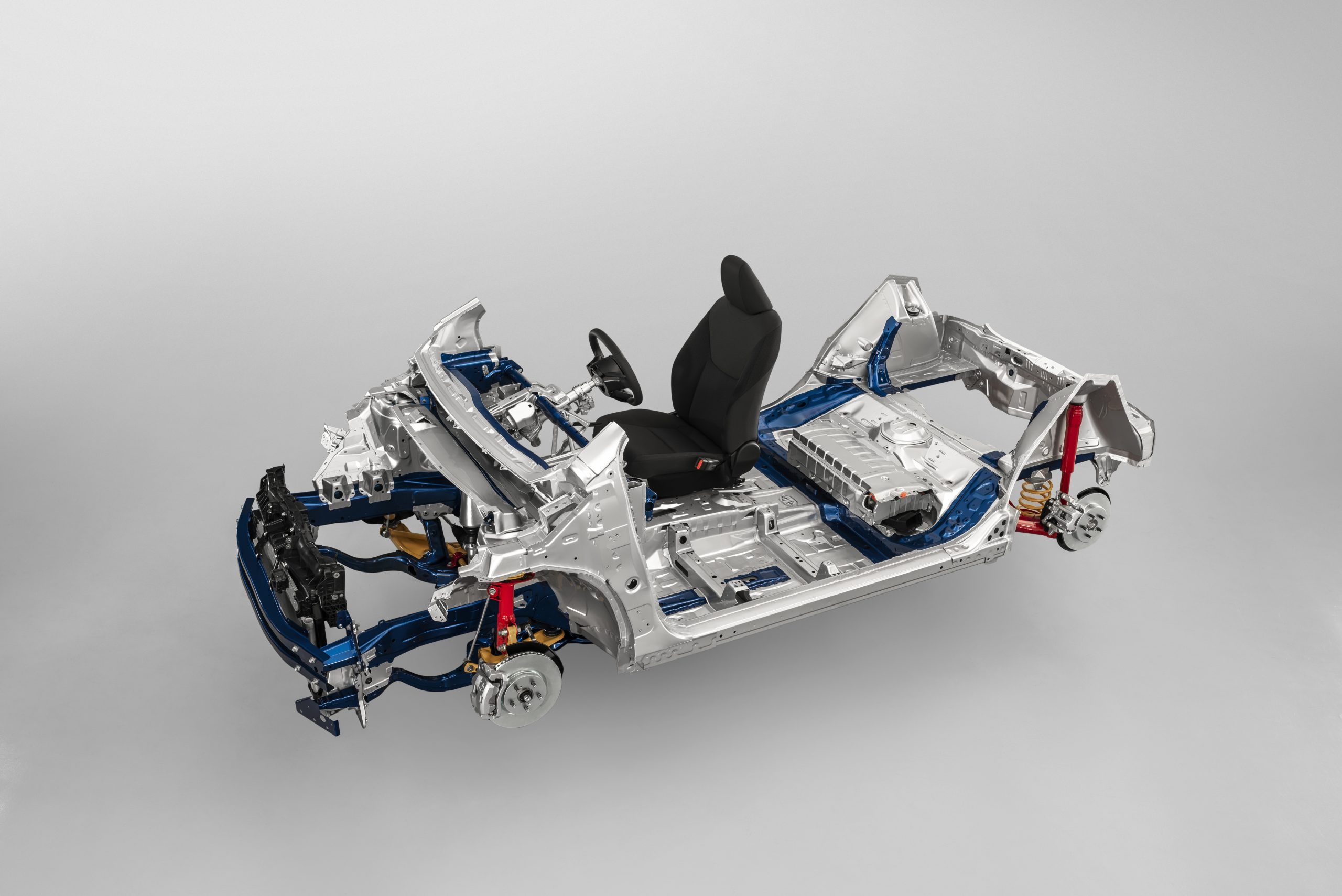
Platform development within the automotive industry often involves balancing cost efficiency with vehicle individuality. Through the introduction of the TNGA architecture in models such as the Toyota Prius, Toyota Camry SE, and Toyota Corolla Hatchback XSE, engineers pursued a method that allowed structural sharing while preserving distinct driving characteristics across different vehicles.
Traditional platform sharing programmes typically standardise core structural elements, including floor panels and mounting points. While this approach reduces manufacturing costs, it can also lead to uniform driving behaviour across multiple models.
TNGA was developed to address this limitation by introducing flexibility within the shared architecture. Structural components remained consistent, yet suspension geometry and tuning parameters were designed to allow variation according to each vehicle’s intended purpose.
Engineering attention focused on creating adjustable mounting points and adaptable suspension configurations. This allowed each model to receive specific tuning without altering the underlying platform. For example, a vehicle designed for comfort could maintain softer suspension characteristics, while another model derived from the same architecture could adopt firmer tuning for improved handling response. This separation of structure and tuning created room for differentiation without compromising manufacturing efficiency.
Material selection and structural rigidity also contributed to the effectiveness of the platform. Increased chassis stiffness improved handling precision and ride stability. By enhancing the rigidity of the base structure, engineers ensured that suspension tuning changes would produce noticeable differences in driving behaviour rather than being limited by structural flex.
Testing across multiple models confirmed that vehicles built on this architecture exhibited distinct characteristics suited to their respective roles. Observers noted that each model maintained a unique identity, rather than presenting a uniform driving experience. This outcome demonstrated that platform sharing need not result in reduced individuality when supported by careful engineering design.
Manufacturing advantages remained intact throughout this approach. Shared components reduced production costs and simplified assembly processes, while the adaptable design allowed manufacturers to develop a wide range of vehicles from a common foundation. This balance between efficiency and differentiation strengthened the viability of the architecture across multiple vehicle categories.
Industry professionals studying this system recognised its contribution to modern platform engineering. By addressing the limitations commonly associated with shared architectures, TNGA established a framework that supports both economic efficiency and product diversity. This achievement reflects a deliberate effort to refine platform design without sacrificing the distinct qualities expected from different vehicle types.
5. GR Corolla W58 Manual Transmission Development
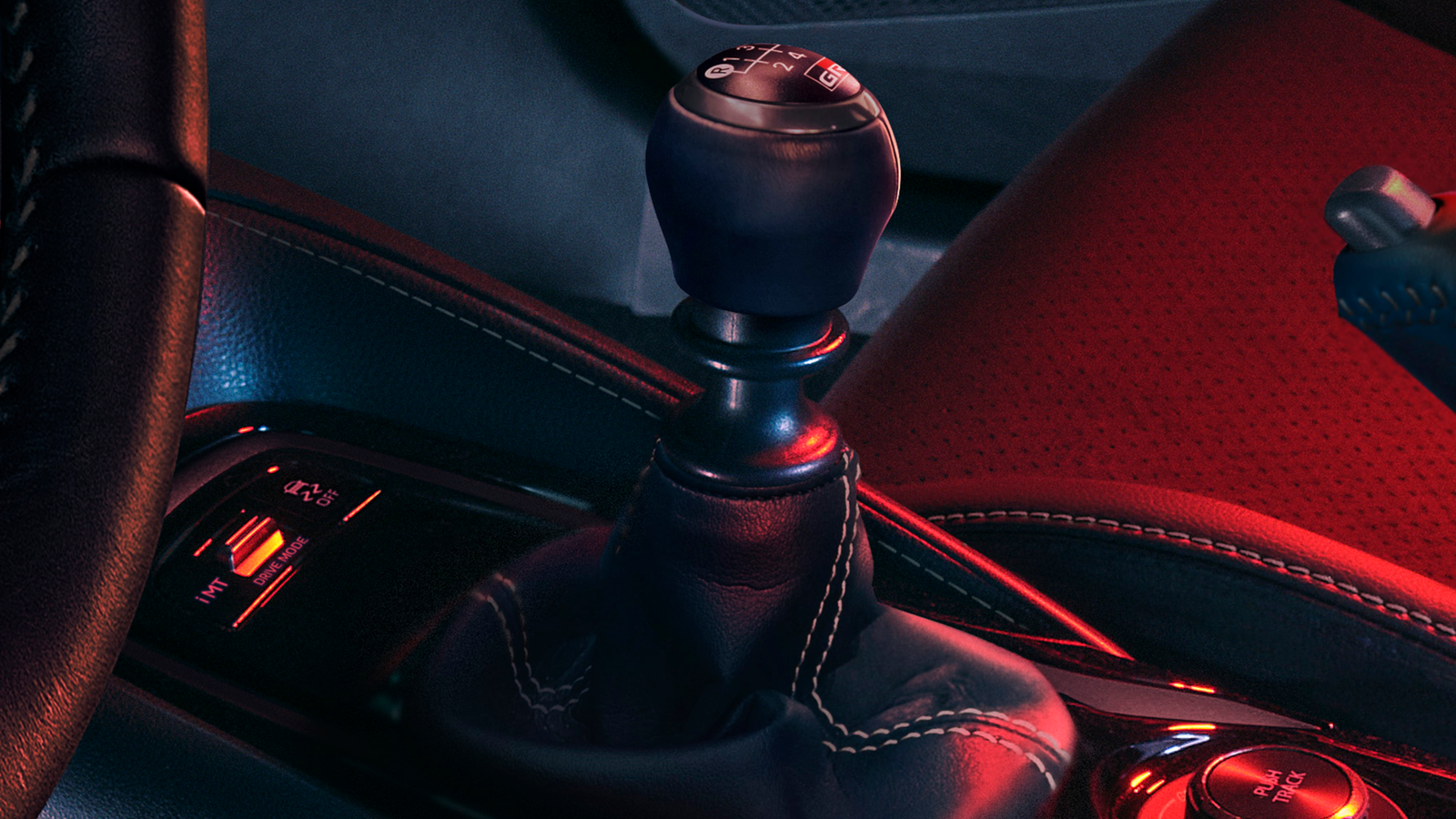
Toyota’s decision to develop and offer a genuine six-speed manual transmission in the 2023 Toyota GR Corolla Morizo Edition and Core variants, at a time when most manufacturers were either eliminating manual options or limiting them to low-volume halo products, reflected a specific engineering investment decision that industry insiders found genuinely surprising.
Manual transmissions are more expensive to develop and maintain in a lineup than the single automatic transmission option that serves the full buyer population, because they require separate supplier relationships, separate manufacturing tooling, separate dealer training for service, and product development resources that generate revenue from a subset rather than the full buyer population.
The financial case for eliminating manual transmissions is straightforward and is supported by sales data showing that automatic transmission take rates in most segments exceed 90 percent. Toyota’s engineering team for the GR Corolla developed the six-speed manual with specific attention to the driving engagement characteristics that enthusiast buyers prioritize, rather than treating the manual as a legacy option that had to be retained for positioning reasons.
Industry engineers who evaluated the GR Corolla manual transmission compared it favorably to dedicated sports car manual transmissions from manufacturers with longer traditions in sports-oriented manual development, which was not the outcome that applying enthusiast-grade engineering to a compact hatchback platform would have been expected to produce.
The GR Corolla’s manual convinced a segment of the automotive engineering community that Toyota’s Gazoo Racing division was applying development rigor to enthusiast hardware that the mainstream perception of Toyota as a conservatively engineering-focused manufacturer had not anticipated.
6. Lexus LS 460 Eight-Speed Automatic Transmission in 2007
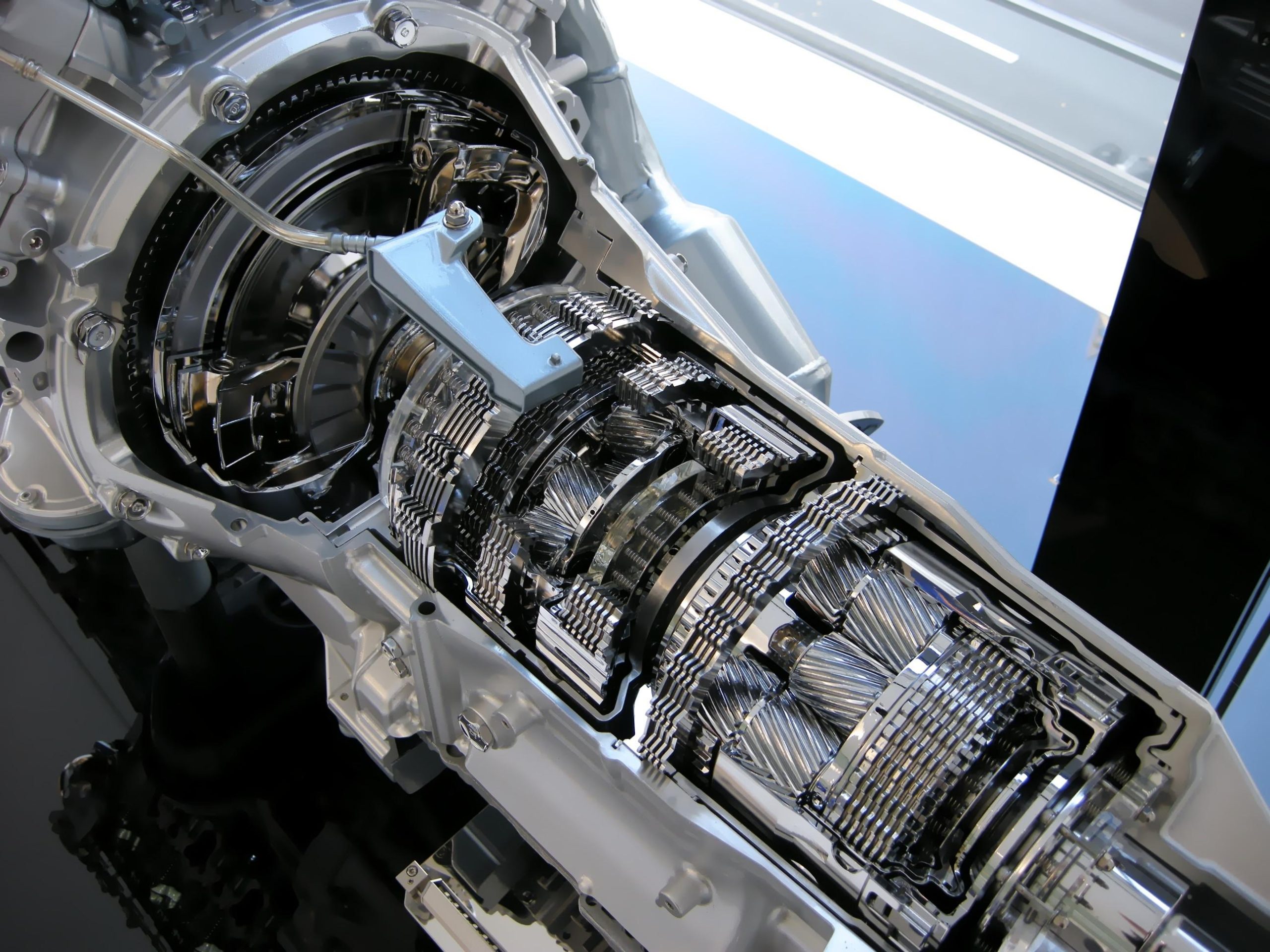
A forward-thinking engineering decision defined the introduction of the 2007 Lexus LS 460, particularly through its adoption of an eight-speed automatic transmission at a time when six-speed units were widely accepted as the standard. This development represented more than an increase in gear count; it reflected a calculated effort to improve efficiency, performance, and refinement within a single integrated system.
While other manufacturers were still refining seven-speed designs, Lexus introduced a transmission that required advanced manufacturing processes, precise electronic control, and detailed calibration to function effectively in a production vehicle. In practical terms, the additional gear ratios delivered measurable advantages.
A wider spread of ratios allowed the engine to operate closer to its optimal torque range across varying driving conditions. During highway travel, the transmission could select higher gears that reduced engine speed, contributing to improved fuel efficiency and quieter operation. At lower speeds, the availability of intermediate ratios supported smoother acceleration, ensuring that the engine did not need to operate outside its efficient range to deliver performance.
Acceleration response also benefited from this configuration. Smaller steps between gears enabled the transmission to select a ratio that matched driver input more accurately. This resulted in a more immediate response when acceleration was required, without the abrupt changes in engine speed often associated with transmissions that had fewer ratios.
Achieving this level of smoothness required precise coordination between mechanical components and electronic control systems. Observers within the automotive engineering field recognised the level of detail involved in achieving such consistent performance across all driving conditions.
These findings supported the engineering direction taken by Lexus, confirming that the adoption of an eight-speed transmission provided tangible benefits rather than serving as a mere specification increase. The influence of this development extended beyond a single model.
Other manufacturers later introduced transmissions with higher gear counts, including eight, nine, and even ten-speed configurations. Industry engineers acknowledged that Lexus had demonstrated the feasibility of such systems in large-scale production, providing confidence for further development across the sector.
By implementing this transmission at a time when it was not yet widely adopted, Lexus demonstrated a commitment to practically advancing drivetrain technology. The LS 460’s eight-speed automatic transmission remains an example of how careful engineering decisions can produce lasting improvements in efficiency, performance, and driving refinement.
7. Toyota Land Cruiser 200 Series Hydraulic Power Steering Retention
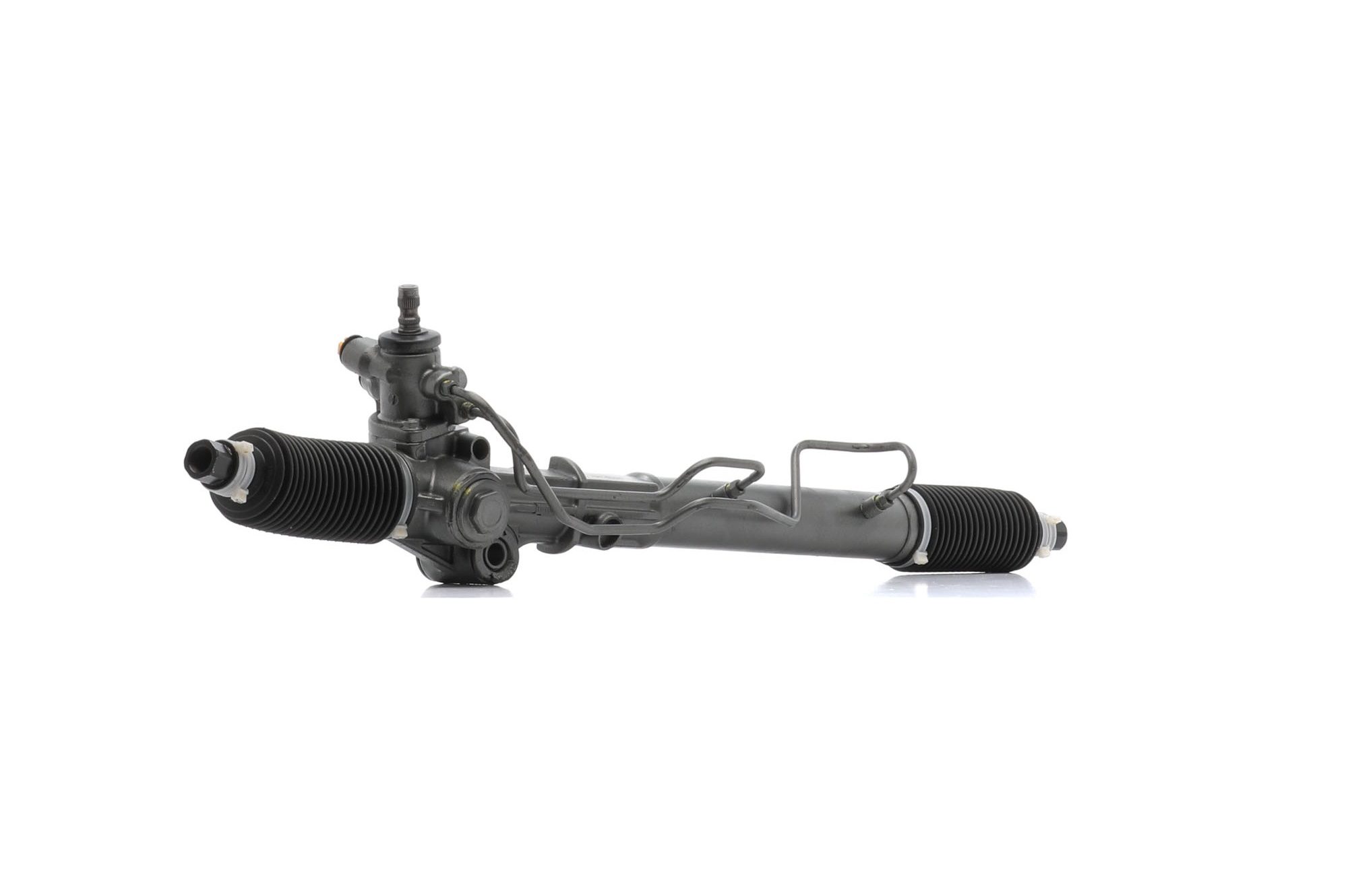
A deliberate engineering choice defined the steering system of the Toyota Land Cruiser 200 Series, particularly in models such as the 2016 Toyota Land Cruiser 200 Series Premium. At a time when electric power steering systems were becoming common across the automotive industry, Toyota retained a hydraulic steering setup.
This decision reflected a clear focus on maintaining performance characteristics suited to demanding operating conditions rather than adopting newer technology without full consideration of its application. Hydraulic power steering offers consistent performance regardless of variations in electrical load.
In demanding environments, where multiple systems such as air conditioning, auxiliary lighting, and additional equipment operate simultaneously, electrical demand can increase substantially. Electric steering systems rely on a stable electrical supply to maintain consistent assistance, whereas hydraulic systems operate independently of such fluctuations. This distinction becomes particularly relevant in situations where vehicles are used for extended periods under heavy load.
Steering feedback also plays a crucial role in vehicle control, especially during off-road driving. Hydraulic systems provide a direct mechanical connection between the steering wheel and the road surface. This connection allows drivers to sense changes in traction and surface conditions more clearly. Experienced drivers rely on this feedback to make precise adjustments, particularly when operating on loose or uneven ground.
Electric steering systems depend on programmed feedback rather than direct mechanical transmission. While this approach can be effective in standard driving conditions, it may not provide the same level of detail required in more demanding environments. For a vehicle designed to operate in challenging conditions, maintaining direct feedback becomes a practical requirement rather than a preference.
Toyota’s engineering approach for the Land Cruiser prioritised capability and reliability above trends within the broader automotive market. The decision to retain hydraulic steering involved accepting additional weight and reduced fuel efficiency compared to electric systems. Despite these trade-offs, the focus remained on ensuring that the vehicle could perform consistently under demanding conditions without compromise.
Thermal stability also contributes to the effectiveness of hydraulic systems. Prolonged operation at low speeds, combined with high mechanical load, can place stress on steering components. Hydraulic systems are well-suited to manage these conditions, maintaining consistent performance without reliance on electronic control adjustments.
Industry professionals involved in off-road vehicle development have frequently recognised this decision as an example of application-focused engineering. Rather than applying a uniform solution across all models, Toyota selected a system that aligned with the intended use of the Land Cruiser. This approach reflects a broader philosophy of matching technology to purpose, ensuring that each component contributes effectively to the vehicle’s operational requirements.
The continued use of hydraulic power steering in the Land Cruiser 200 Series demonstrates a commitment to functional performance. By prioritising reliability, feedback, and consistency, Toyota maintained the vehicle’s capability in environments where these attributes are essential.
8. Supra GR A90 BMW Engine Partnership
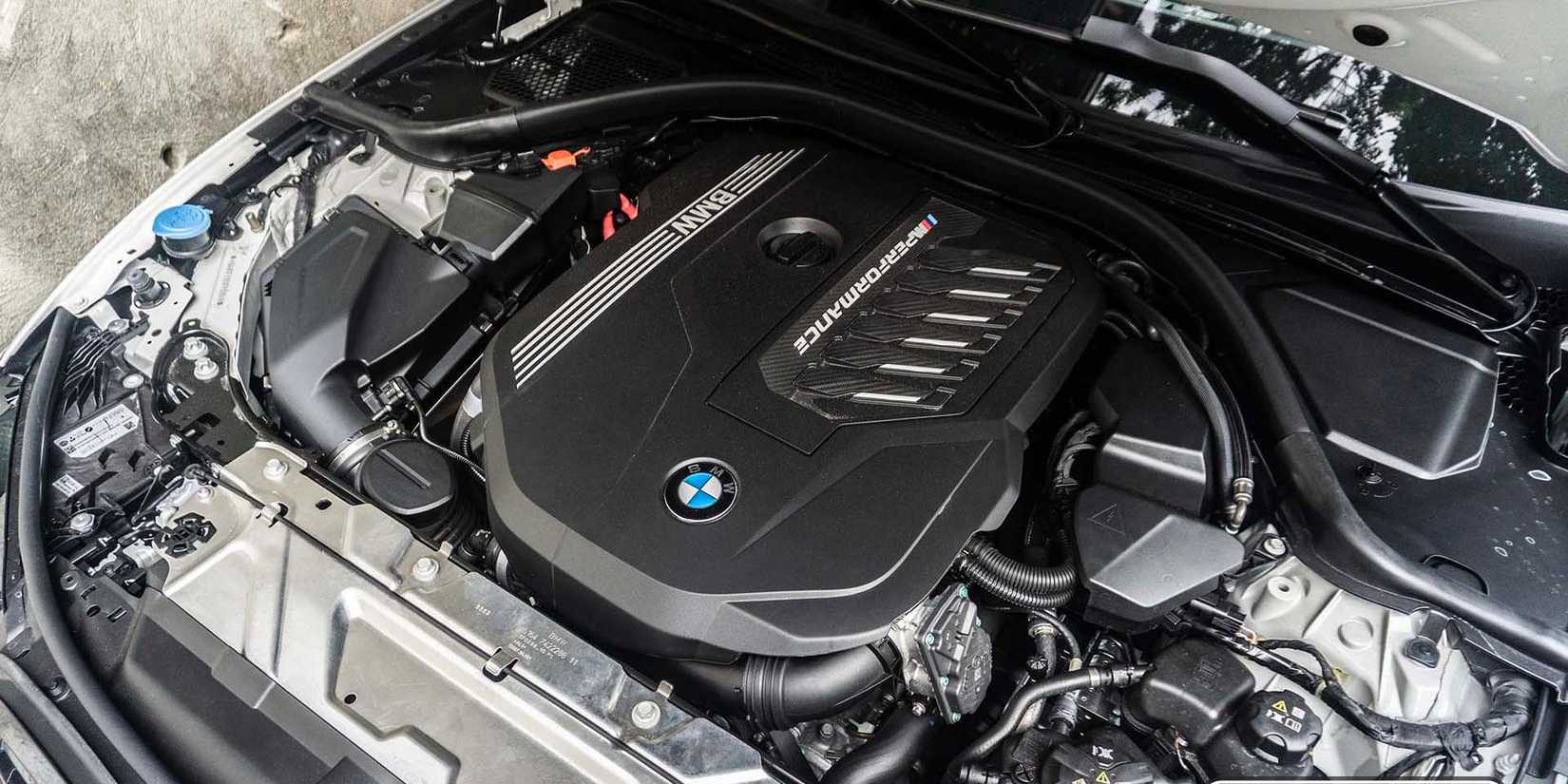
Toyota’s decision to use BMW’s B58 twin-turbocharged 3.0-liter inline-six engine and ZF eight-speed automatic transmission in the 2020 Toyota GR Supra 3.0 Premium generated controversy among Supra enthusiasts who expected a Toyota engine in a Toyota sports car, but among automotive engineers, the decision is consistently described as one of the most pragmatically sensible collaborations in recent automotive history.
Developing a new inline-six turbocharged sports car engine from scratch requires engineering resources, development time, and amortization volume that the GR Supra’s production scale cannot support at the price point Toyota needed to achieve to make the car commercially viable.
BMW’s B58 was not simply available but was specifically regarded among powertrain engineers as one of the best inline-six turbocharged production engines available from any manufacturer, with output characteristics, refinement, and reliability documentation that Toyota’s own engineers could not match quickly or economically from a new development program.
BMW’s ZF eight-speed automatic transmission carried similarly strong performance credentials and was already in production at volumes that produced component maturity and cost efficiency that a Toyota-specific alternative could not achieve within the program’s constraints.
Toyota’s willingness to acknowledge that partnering with a world-class supplier produced a better outcome than insisting on complete internal development reflected an engineering culture that prioritizes the result over the origin of the components that achieve it.
Post-introduction modifications to the B58 that Toyota and GR applied specifically for the Supra application, including turbocharger specification, engine management calibration, and exhaust system development, demonstrated that the partnership produced genuine collaborative engineering rather than simply badge engineering applied to a complete BMW powertrain.
Tuning community documentation of Supra performance response to modification showed that Toyota’s application-specific calibration had produced a powertrain character distinct from BMW M240i and Z4 M40i applications using the same fundamental engine.
Industry engineers who evaluated the collaboration consistently identified it as a model for how sports car programs with constrained development resources can achieve genuinely competitive results through partnerships that leverage world-class existing components rather than attempting to reinvent hardware that already exists at the required quality level.
Also Read: 10 Used Mazdas That Offer Toyota Reliability Without the Used Market Markup
9. Multi-Stage Hybrid System in the RAV4 Prime
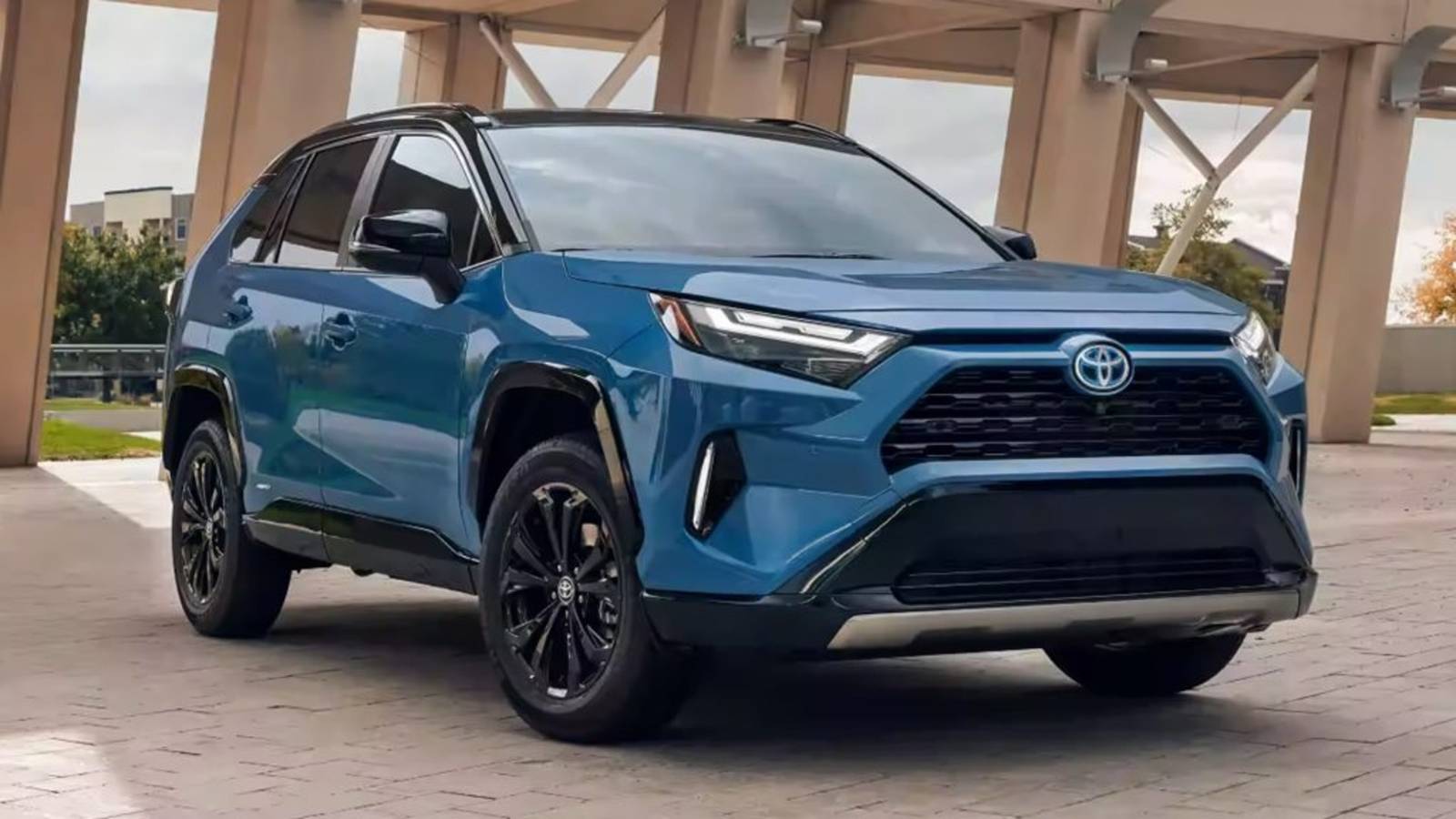
Toyota’s development of the multi-stage hybrid powertrain for the 2021 Toyota RAV4 Prime SE plug-in hybrid represented an engineering decision that addressed a genuine criticism of earlier Toyota hybrid systems while preserving the characteristics that had made those systems durably successful.
Previous Toyota hybrid powertrains, particularly the Hybrid Synergy Drive in standard non-plug-in applications, used a power-split continuously variable transmission configuration that optimized efficiency but that produced an engine-RPM-to-vehicle-speed relationship that drivers experienced as disconnected and that automotive journalists consistently described as lacking engagement.
RAV4 Prime engineering team developed the multi-stage hybrid system to introduce a more conventional speed-to-RPM relationship that produced a driving character closer to a conventional automatic transmission without abandoning the planetary gear-set fundamental architecture that made the hybrid system’s efficiency possible.
This required specific engineering work that added mechanical elements to the hybrid system rather than simply recalibrating existing components, which was a more expensive solution than the software adjustment that would have been simpler to implement.
Fuel economy of the 2021 RAV4 Prime SE in combined electric-plus-gasoline EPA testing reached 94 MPGe, while the vehicle also delivered 42 miles of electric-only range and 302 total horsepower system output. Combining these numbers in a practical family SUV produced a vehicle whose engineering achievement automotive journalists and industry analysts consistently rated as the most comprehensive hybrid system available at its price and segment positioning.
Toyota’s hybrid engineering team made specific decisions at each stage of the RAV4 Prime development that prioritized solving real driver experience concerns alongside efficiency metrics, which produced a system that industry competitors have studied intensively as they develop their own plug-in hybrid programs for similar mainstream SUV applications.
