

Supercars are often judged by speed, styling, and exclusivity, but engineers tend to look at them through a very different lens. For those who design, build, and refine machines, a true masterpiece is not just about how fast a car accelerates or how dramatic it appears.
It is about how every component works in harmony, how problems are solved creatively, and how engineering decisions upgrade the entire experience.
A supercar that earns respect from engineers usually represents a breakthrough. It might introduce a new material, redefine aerodynamics, or achieve a level of balance that feels almost impossible. These cars are not simply assembled from advanced parts.
They are carefully developed systems where each element supports a larger vision, forming a machine that feels cohesive, purposeful, and deeply refined.
Another quality that defines an engineering masterpiece is longevity in relevance. Some cars may dominate headlines when they are launched, only to fade as newer models arrive.
Others continue to be admired years later because their design and execution remain impressive even by modern standards. Engineers appreciate solutions that stand the test of time, not just temporary achievements.
There is also a level of restraint involved in great engineering. It is not always about adding more power or more technology. Sometimes it is about knowing what to leave out, simplifying where possible, and focusing on the essentials. This discipline often separates truly great cars from those that are merely impressive on paper.
The nine supercars in this list are considered genuine masterpieces from an engineering perspective. Each one represents a unique approach, whether through innovative materials, groundbreaking performance, or exceptional balance.
These cars are studied, respected, and often referenced within the industry because they demonstrate what is possible when design and engineering align perfectly.
Rather than focusing solely on performance figures or brand prestige, this article highlights what makes these machines special at a deeper level. They are not just fast or rare. They are examples of engineering done right, where every detail contributes to a greater whole.
Also Read: 8 Performance Sedans Quietly Dominating Track Days
1. McLaren F1
The McLaren F1 is often described as one of the greatest cars ever built, and from an engineering standpoint, that reputation is well deserved. What makes it remarkable is not just its performance but the clarity of its design philosophy.
Every decision made during its development served a specific purpose, resulting in a car that feels cohesive in a way few others achieve.
At the heart of the F1 is its naturally aspirated V12 engine, developed with a focus on responsiveness and reliability rather than just raw power.
The engine delivers its performance in a linear and predictable manner, creating a connection between driver and machine that feels immediate. This approach reflects an understanding that true performance is not just about numbers but about how the car behaves in real conditions.
The use of lightweight materials was another defining feature. The F1 was one of the first production cars to utilize a carbon fiber monocoque, setting a standard that many modern supercars follow.
This not only reduced weight but also improved structural rigidity, enhancing both performance and safety. The attention to weight reduction extended to every part of the car, including components that are often overlooked.
The driving position is perhaps the most distinctive aspect of the F1. Placing the driver in the center was not done for novelty but for balance and visibility.
This layout creates a unique sense of control, allowing the driver to feel fully integrated with the car. It is an example of how unconventional thinking can lead to meaningful improvements.
Cooling and aerodynamics were also approached with precision. Instead of relying on large wings or aggressive styling, the F1 uses carefully designed airflow to maintain stability and performance. This subtlety reflects a deeper level of engineering, where solutions are integrated rather than added on.

The McLaren F1 stands as a benchmark because it achieves so much without unnecessary complexity. It is a car that feels complete, where every element contributes to the driving experience. For engineers, it represents a perfect balance of innovation, discipline, and execution.
2. Porsche Carrera GT
The Porsche Carrera GT is a car that embodies engineering purity, combining advanced technology with a focus on driver engagement. It is often admired not just for what it achieves but for how it achieves it. The car reflects a philosophy that values precision and connection over convenience.
Its V10 engine is a central part of its identity. Originally derived from a racing program, it delivers power in a way that feels both intense and controlled.
The engine’s responsiveness creates a direct link between the driver’s input and the car’s behavior, making it a rewarding machine to operate. This characteristic is a result of careful engineering rather than sheer output.
The carbon fiber structure plays a central role in the car’s performance. By reducing weight and increasing rigidity, it enables the suspension and chassis to operate more effectively. This leads to a driving experience that feels both stable and responsive, highlighting how structural design contributes to balance.
One of the most discussed aspects of the Carrera GT is its manual transmission. In an era where automation was becoming more common, Porsche chose to retain a traditional setup.
This decision emphasizes control and involvement, aligning with the car’s full philosophy. It demonstrates that engineering excellence is not always about adopting new technology but about choosing the right approach.
Aerodynamics follow the same philosophy, with a focus on efficiency and integration rather than unnecessary complexity. This produces a car that stays stable at high speeds without the need for excessive visual elements.

The Porsche Carrera GT is often seen as a bridge between traditional and modern supercars. It incorporates advanced materials and techniques while maintaining a strong connection to fundamental driving principles. For engineers, it represents a thoughtful and disciplined approach to performance.
3. Ferrari Enzo
The Ferrari Enzo was never meant to be just another limited production supercar. It was conceived as a direct translation of Formula 1 thinking into a road legal machine, and that intention is evident in every part of its construction.
Engineers often point to the Enzo not simply for its performance, but for how clearly it reflects a singular vision without compromise.
One of the most striking aspects of the Enzo is its naturally aspirated V12 engine. It delivers power in a way that feels immediate and progressive, without relying on forced induction.
This results in a highly precise relationship between throttle input and acceleration. The engine does not overwhelm the chassis; instead, it works in harmony with it, reinforcing the idea that balance matters more than excess.
The carbon fiber chassis plays a central role in this balance. It provides rigidity while keeping weight under control, allowing the suspension to operate with accuracy.
This produces a car that feels stable even under demanding conditions. Engineers value how the structure serves as the foundation for everything else, ensuring each component performs as intended.
Aerodynamics in the Enzo follows a similar philosophy. Rather than adding large external elements, the car uses its shape to manage airflow effectively.
Downforce is generated in a way that feels integrated into the design, supporting performance without disrupting the full form. This approach demonstrates a level of discipline that is often missing in more aggressive designs.
Inside, the Enzo maintains a focus on function. The cabin is minimal, with controls positioned to support the driver’s interaction with the car. There is little emphasis on luxury or distraction. Every element serves a purpose, reinforcing the idea that the car is built around performance rather than comfort.

The Ferrari Enzo stands as a clear example of engineering intent carried through to completion. It does not attempt to satisfy every expectation. Instead, it delivers a focused experience that reflects its origins, earning respect from those who value precision and clarity in design.
4. Lexus LFA
The Lexus LFA represents a different kind of engineering achievement, combining technical innovation with an obsessive attention to detail. It took years to develop and evolved significantly during its creation, ultimately feeling meticulously refined rather than rushed to market.
At the center of the LFA is its V10 engine, an engineering accomplishment in its own right. Designed to rev extremely quickly, it delivers power with a responsiveness that feels almost instantaneous.
The sound produced by this engine is not accidental. It was carefully tuned to create a specific acoustic experience, showing how engineering can extend beyond performance into sensory design.
The use of carbon fiber reinforced plastic in the chassis is another defining feature. Rather than relying on external suppliers, Lexus developed its own manufacturing process to achieve the desired properties. This decision reflects a commitment to control and precision, ensuring that the material performs exactly as required.
Instrumentation in the LFA highlights a unique challenge. The engine revs so quickly that traditional analog gauges could not keep up. To solve this, engineers introduced a digital display capable of matching the engine’s speed.
This is a small detail, yet it illustrates how deeply the car was engineered, with solutions developed specifically to meet its demands.
The driving experience is shaped by this attention to detail. Steering, braking, and acceleration all feel coordinated, creating a sense of unity between the car and the driver. Nothing feels out of place or excessive. Each system contributes to a balanced and engaging experience.

The Lexus LFA is often admired not just for its performance but for the dedication behind it. It represents a willingness to invest time and effort into achieving something exceptional, making it a true engineering masterpiece in the eyes of those who understand what went into its creation.
5. Pagani Zonda
The Pagani Zonda stands as a rare example of engineering that feels almost handcrafted in its execution, yet deeply advanced in its thinking. It does not follow the conventional path of large-scale automotive development.
Instead, it reflects a philosophy where every component is treated as an individual project, resulting in a car that engineers often admire for its attention to detail and material innovation.
One of the defining characteristics of the Zonda is its use of composite materials. Pagani did not simply adopt carbon fiber as a lightweight solution. The company experimented with variations such as carbon titanium, enhancing strength while maintaining low weight.
This willingness to refine materials rather than accept standard solutions demonstrates a mindset focused on continuous improvement.
The engine, sourced from Mercedes AMG, brings a different dimension to the car. It is not just powerful but also reliable, which is a deliberate choice. Instead of chasing extreme figures at the cost of usability, the Zonda integrates an engine that complements its full balance.
This decision highlights an important engineering principle: performance must be sustainable, not just impressive in short bursts.
Attention to detail extends into areas that many cars overlook. Fasteners, brackets, and even small interior components are designed with the same care as major systems. Engineers often point to this consistency as a sign of true craftsmanship. Nothing feels like an afterthought. Each element contributes to a cohesive whole.
The aerodynamic approach of the Zonda evolves across its iterations. Rather than relying on a single fixed solution, Pagani continuously refined airflow management, improving stability and efficiency. This iterative process reflects an engineering culture that values learning and adaptation.

Inside the car, the focus shifts to tactile quality. Controls are machined with precision, and materials are chosen for both function and feel. This leads to an environment where engineering is not only visible but tangible, strengthening the connection between driver and machine.
The Pagani Zonda is often regarded as a masterpiece because it combines technical excellence with an almost artistic level of execution. It demonstrates that engineering can be both precise and expressive, creating a car that resonates on multiple levels.
6. Ford GT (Second Generation)
The second-generation Ford GT represents a modern interpretation of engineering excellence, built with a clear objective to dominate both road and track environments. Unlike many supercars that evolve from existing platforms, this car was developed with a focused purpose, and that clarity is evident in its design and performance.
Aerodynamics play a central role in the Ford GT’s identity. The car’s shape is defined by airflow, with features such as flying buttresses channeling air to improve stability and cooling. These elements are not purely aesthetic. They are functional solutions that enhance performance, demonstrating how engineering can shape design in meaningful ways.
The engine choice reflects a clear break from tradition. Rather than a large-displacement V8, the GT is powered by a twin-turbocharged V6. This approach was guided by efficiency and packaging needs, giving engineers greater freedom to optimize weight distribution and airflow. It produces a powertrain that delivers strong performance while supporting the car’s design intent.
Lightweight construction is another key aspect. The extensive use of carbon fiber reduces mass while maintaining structural integrity.
This approach improves acceleration, handling, and braking, showing how weight reduction can influence every aspect of performance. Engineers often emphasize that reducing weight is one of the most effective ways to enhance a car’s capabilities.
The suspension system is designed to adapt to different conditions. It can adjust ride height and stiffness, allowing the car to transition between road and track settings. This flexibility adds another layer of sophistication, enabling the GT to perform in a variety of environments without compromise.
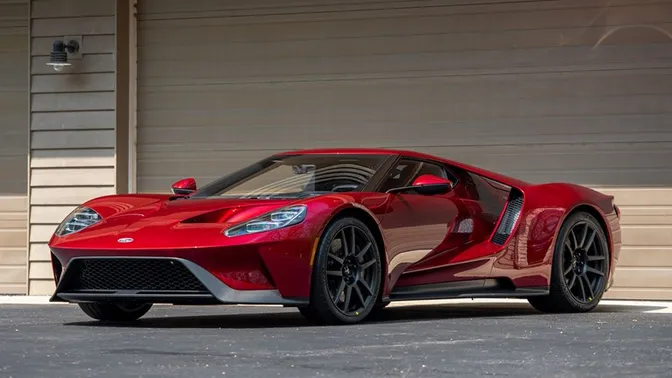
Inside, the car reflects its performance focus. Many controls are integrated into the steering wheel, reducing the need for additional inputs. This layout keeps the driver engaged and minimizes distraction, aligning with the car’s purpose-driven design.
The Ford GT stands out because it approaches engineering as a unified process. Every decision supports a specific goal, and nothing feels unnecessary. It is a car that demonstrates how modern technology and clear intent can come together to create something truly exceptional.
7. Mercedes-Benz SLS AMG Black Series
The Mercedes-Benz SLS AMG Black Series represents a focused evolution of an already capable platform, refined with a level of precision that engineers often admire.
Rather than redesigning the car entirely, Mercedes AMG concentrated on extracting maximum performance from the existing architecture. This approach highlights an important aspect of engineering mastery, which is the ability to refine and optimize rather than simply replace.
The naturally aspirated V8 engine is a central element of this transformation. It produces strong and immediate power, but more importantly, it delivers that power in a controlled and predictable manner.
Engineers value this characteristic because it allows the driver to fully utilize the engine’s capabilities without unnecessary complexity. The response feels direct, reinforcing the connection between input and output.
Weight reduction plays a crucial role in the Black Series. Extensive use of lightweight materials, including carbon fiber components, reduces mass while maintaining structural integrity.
This improves not only acceleration but also handling and braking. The car feels more agile, responding quickly to changes in direction, which enhances its full balance.
The suspension system is significantly revised compared to the standard SLS. Adjustable components allow for fine-tuning, giving the car a level of adaptability that suits different driving conditions.
This flexibility demonstrates a deeper level of engineering, where the car can be tailored to specific requirements rather than remaining fixed in one configuration.
Aerodynamics are enhanced in a way that supports performance without unnecessary excess. Larger air intakes, a revised rear wing, and improved airflow management increase stability at higher speeds. These changes are integrated into the design, ensuring that they contribute to both function and form.

Inside, the Black Series reflects its performance intent. The cabin is more focused, with elements designed to support the driving experience. While it retains a sense of quality, it removes unnecessary distractions, emphasizing control and precision.
The Mercedes-Benz SLS AMG Black Series is often regarded as a masterpiece because it demonstrates how incremental improvements can lead to significant gains. It shows that engineering excellence is not always about starting from scratch but about understanding a system deeply and refining it to its fullest potential.
8. Lamborghini Aventador SVJ
The Lamborghini Aventador SVJ is a car that embodies extreme engineering, where performance is pushed to the edge of what is possible within a production vehicle. It is not subtle in its approach, yet beneath its dramatic appearance lies a carefully developed system that engineers respect for its innovation and effectiveness.
At the heart of the SVJ is its naturally aspirated V12 engine, delivering power with an intensity that feels immediate and unfiltered.
What sets it apart is not just the output but the way it integrates with the rest of the car. The engine works in coordination with advanced systems to ensure that performance remains usable rather than overwhelming.
One of the most significant engineering features of the SVJ is its active aerodynamics system. Known as ALA, this technology adjusts airflow dynamically to optimize downforce and reduce drag.
Instead of relying on fixed aerodynamic elements, the car adapts in real time, enhancing both speed and stability. This level of adaptability represents a major step forward in how performance is managed.
The chassis and suspension are designed to handle the demands of such high performance. Magnetic dampers and rear wheel steering contribute to a sense of control that would otherwise be difficult to achieve. These systems work together to maintain balance, allowing the car to respond precisely to driver inputs.
Weight reduction is approached with a focus on efficiency. Lightweight materials are used strategically, ensuring that performance gains are achieved without compromising structural strength. This careful balance reflects an understanding of how different elements interact within the car.
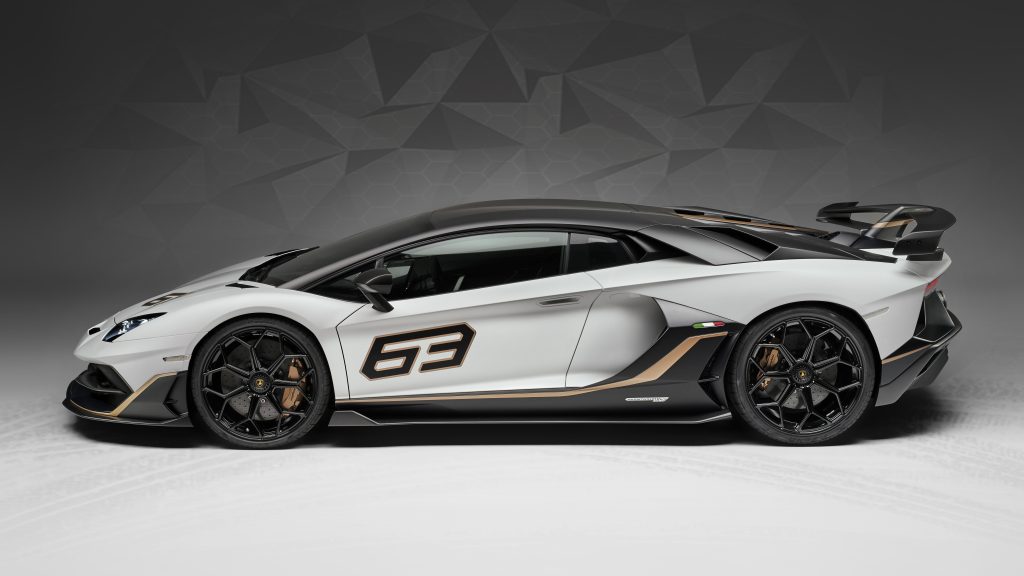
The interior mirrors the car’s aggressive nature, with a layout that prioritizes the driver. Controls are positioned for quick access, and materials are chosen to reflect the car’s performance focus. Every detail supports the full intent of the vehicle.
The Lamborghini Aventador SVJ stands as a testament to what can be achieved when engineering is pushed to its limits. It combines raw power with advanced technology, creating a machine that is both dramatic and deeply sophisticated.
9. Gordon Murray Automotive T.50
The Gordon Murray Automotive T.50 is often described as a modern interpretation of everything engineers value in a driver-focused supercar.
Designed by Gordon Murray, the same mind behind the McLaren F1, it reflects decades of experience distilled into a single project. What makes the T.50 remarkable is not just its performance but the clarity of its purpose.
At the center of the car is a naturally aspirated V12 engine developed with an emphasis on responsiveness and weight. It is compact, lightweight, and capable of extremely high revs, creating a driving experience that feels immediate and precise.
Rather than chasing extreme power figures, the focus is on how the engine interacts with the driver, reinforcing the importance of control and feedback.
The use of a central driving position echoes the philosophy of the McLaren F1, but it is refined further in the T.50. This layout enhances visibility and balance, placing the driver at the heart of the car. It is a decision rooted in function, demonstrating how unconventional ideas can lead to meaningful improvements when executed correctly.
One of the most innovative aspects of the T.50 is its fan-assisted aerodynamics system. Instead of relying solely on traditional airflow management, the car uses an active fan to control air pressure and improve stability.
This approach allows for more efficient downforce generation without increasing drag, representing a significant advancement in aerodynamic thinking.
Weight reduction is treated as a priority rather than a secondary goal. Every component is designed with mass in mind, resulting in a car that feels light and responsive. Engineers often emphasize that reducing weight improves every aspect of performance, and the T.50 serves as a clear example of this principle in action.
Simplicity and usability define the interior. Controls are laid out in a logical manner, with unnecessary complexity stripped away. As a result, the driver is able to stay fully focused on the experience, consistent with the car’s philosophy.
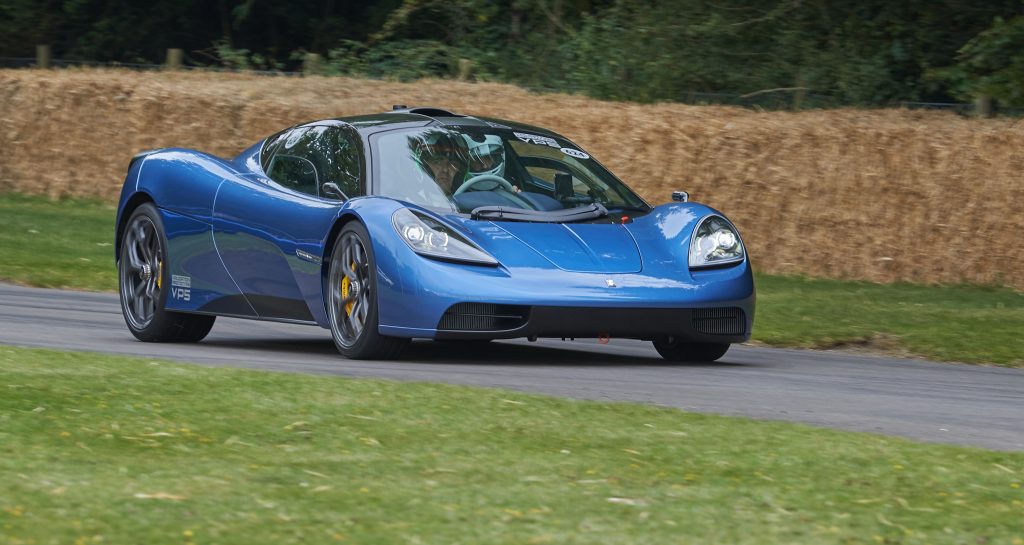
The Gordon Murray Automotive T.50 stands as a culmination of engineering principles applied with discipline and clarity. It does not rely on excess or spectacle. Instead, it delivers a carefully considered experience that reflects a deep understanding of what makes a car truly exceptional.
Engineering masterpieces are not defined solely by speed or appearance. They are defined by how effectively they solve problems, how well their components work together, and how clearly they reflect the intentions behind their creation.
The supercars in this list demonstrate these qualities in different ways, each offering a unique perspective on what excellence looks like.
Also Read: 8 Limited-Production Supercars Collectors Missed Their Chance At
