
Buying a sports car has always involved more than horsepower figures and styling appeal. For many shoppers, resale strength matters just as much as acceleration times. A car that keeps its value can soften ownership costs, protect financial flexibility, and reduce regret when priorities change.
A model that drops in price too quickly can turn excitement into frustration long before the engine wears out. Market behavior heading into 2026 shows a clear separation between sports cars built with long-term desirability in mind and those that struggle once the first owner drives away.
Brand reputation, production volume, drivetrain choices, reliability history, and buyer perception all shape how values behave after purchase. Emotional appeal plays a role, too, but emotion alone does not keep resale prices strong. This guide focuses on ten sports cars split into two clear groups.
The first part covers five models known for strong resale behavior, consistent demand, and buyer confidence years after release. The next part addresses five cars that tend to drop in value at an aggressive pace, often due to ownership costs, reliability concerns, or changing buyer tastes.
Each model receives a detailed breakdown that goes beyond surface impressions. Driving experience, ownership realities, market demand, and long-term desirability all factor into the analysis. Whether shopping for used or new, understanding these patterns can make the difference between a satisfying purchase and a costly lesson.
5 Sports Cars That Hold Their Value
1. Porsche 911 Carrera 992 (2020 to 2024)
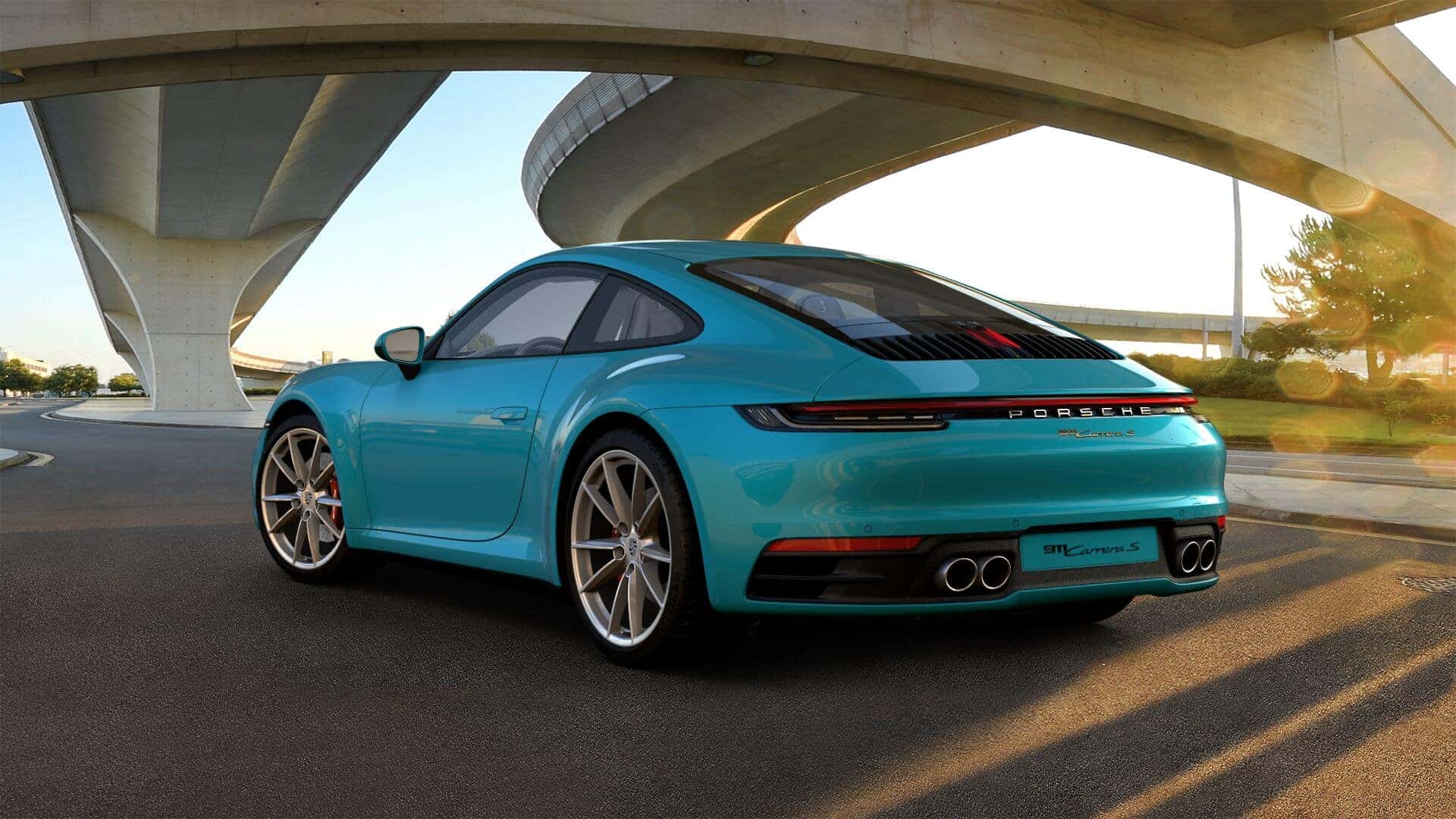
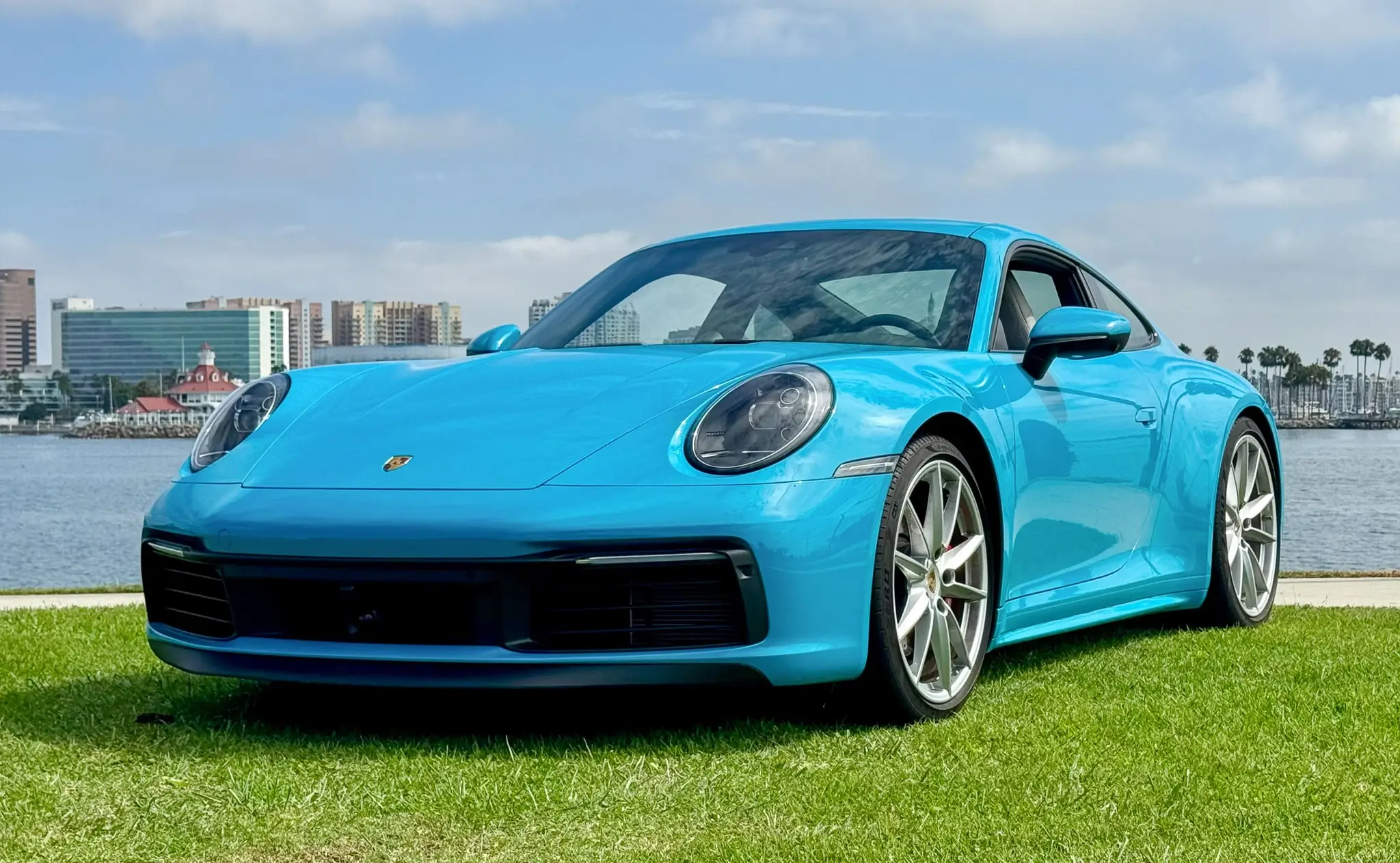
Longevity defines the Porsche 911 Carrera 992 in a way few sports cars manage. This model benefits from decades of evolutionary development rather than disruptive redesigns. Buyers recognize continuity as reassurance, not stagnation. Styling remains recognizable while technology advances quietly beneath the surface, allowing the car to age gracefully in both appearance and function.
Power delivery from the turbocharged flat-six engine strikes a balance between performance and usability. Acceleration feels effortless without demanding constant attention from the driver. Daily driving comfort matches weekend excitement, expanding the pool of buyers willing to pay premium prices even after several years. That broad appeal keeps resale values firm across different markets.
Build quality plays a major role. Interior materials show restraint and durability rather than fragile trends. Switchgear, seating, and trim maintain structural integrity through extended use. This reduces the visual aging that pushes buyers away from older sports cars. Service history also supports confidence, as Porsche engineering emphasizes predictable wear rather than surprise failures.
Production numbers remain controlled enough to preserve exclusivity without limiting availability. Buyers know another example can be found, but not in unlimited supply. That balance stabilizes pricing and prevents steep depreciation. Manual transmission variants, in particular, attract long-term interest from driving purists, strengthening demand in the used market.
Ownership costs exceed those of mainstream sports cars, yet buyers accept that reality because resale performance offsets expense. Certified pre-owned programs reinforce confidence for second owners, keeping transaction prices elevated. Insurance providers and lenders treat the model favorably due to consistent market behavior.
As 2026 approaches, the Porsche 911 Carrera 992 continues to represent a safe harbor in the sports car segment. Design discipline, brand trust, and wide buyer appeal combine to protect value year after year.
2. Toyota GR Supra 3.0 (2021 to 2024)
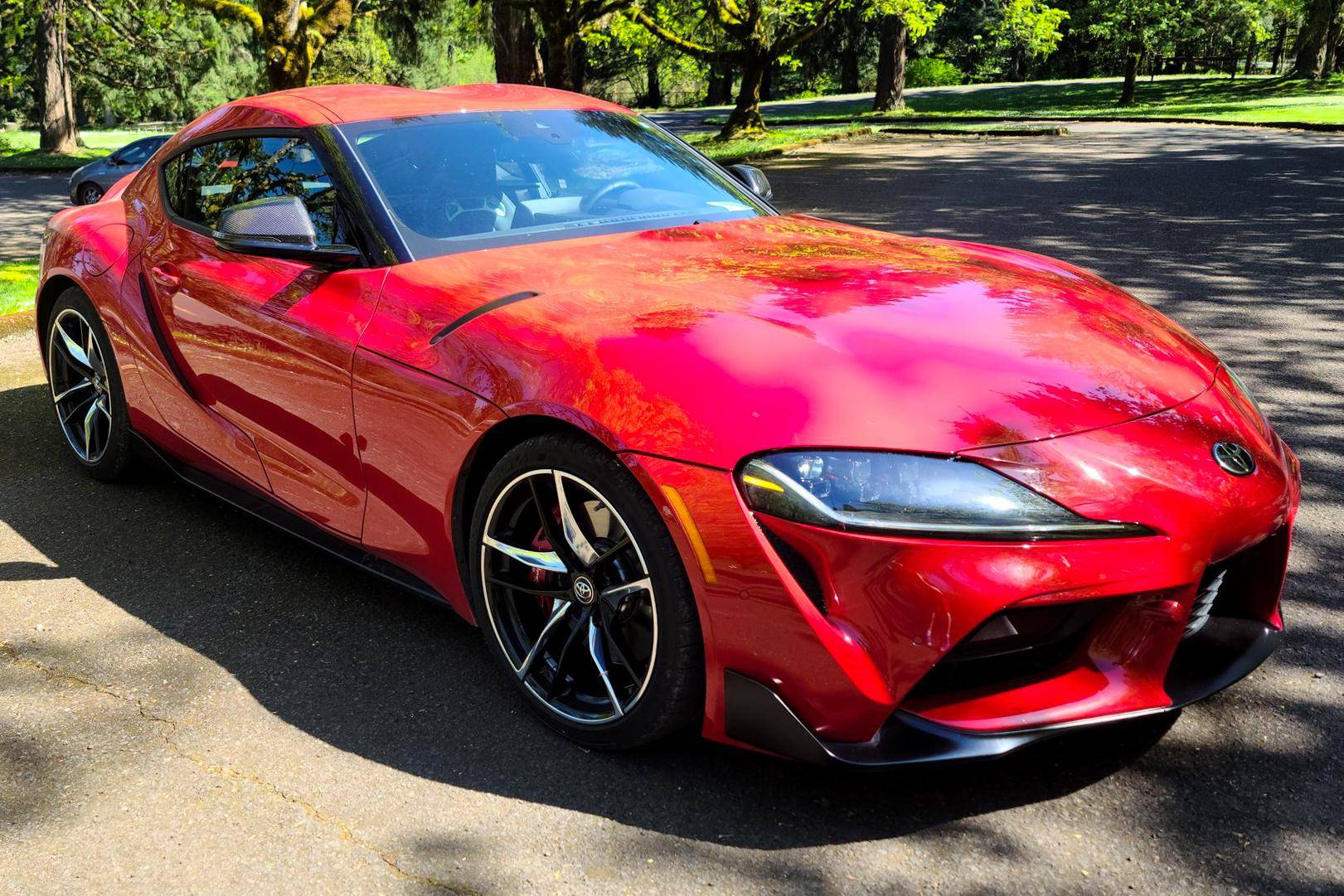
Heritage carries weight in resale performance, and the Toyota GR Supra 3.0 benefits from decades of enthusiast recognition. Modern execution blends classic proportions with contemporary performance, creating demand that extends beyond casual buyers. Limited production relative to demand strengthens pricing resilience.
A turbocharged inline six engine delivers strong output paired with smooth refinement. Reliability perceptions remain positive due to shared architecture with proven German components while retaining Toyota quality oversight. Buyers feel comfortable owning the car outside warranty periods, which supports resale confidence.
Driving character attracts a wide audience. Balanced chassis tuning suits both spirited road use and relaxed cruising. Interior design avoids excessive gimmicks, aging better than trend-driven layouts. Controls feel intuitive, reducing frustration for second owners unfamiliar with the platform.
Manual transmission availability enhances desirability, particularly among drivers seeking engagement rather than automation. That choice narrows supply while expanding demand within a specific buyer segment willing to pay a premium. Automatic versions also hold value well due to performance consistency and everyday usability.
Market positioning matters. Pricing sits below exotic sports cars while offering comparable excitement. This makes the GR Supra attainable without sacrificing prestige. Toyota branding reinforces dependability, lowering perceived ownership risk and supporting strong resale behavior.
Community support and aftermarket availability also contribute. Enthusiasts invest in modifications without harming resale prospects, provided changes remain tasteful. That flexibility increases appeal across buyer types. Approaching 2026, the Toyota GR Supra 3.0 remains a strong performer in value retention. Balanced design, controlled supply, and dependable engineering protect its standing in both private sales and dealer transactions.
Also Read: 10 Best Used Sports Cars Available for Under 30,000 Dollars in 2026
3. Chevrolet Corvette Stingray C8 (2020 to 2024)
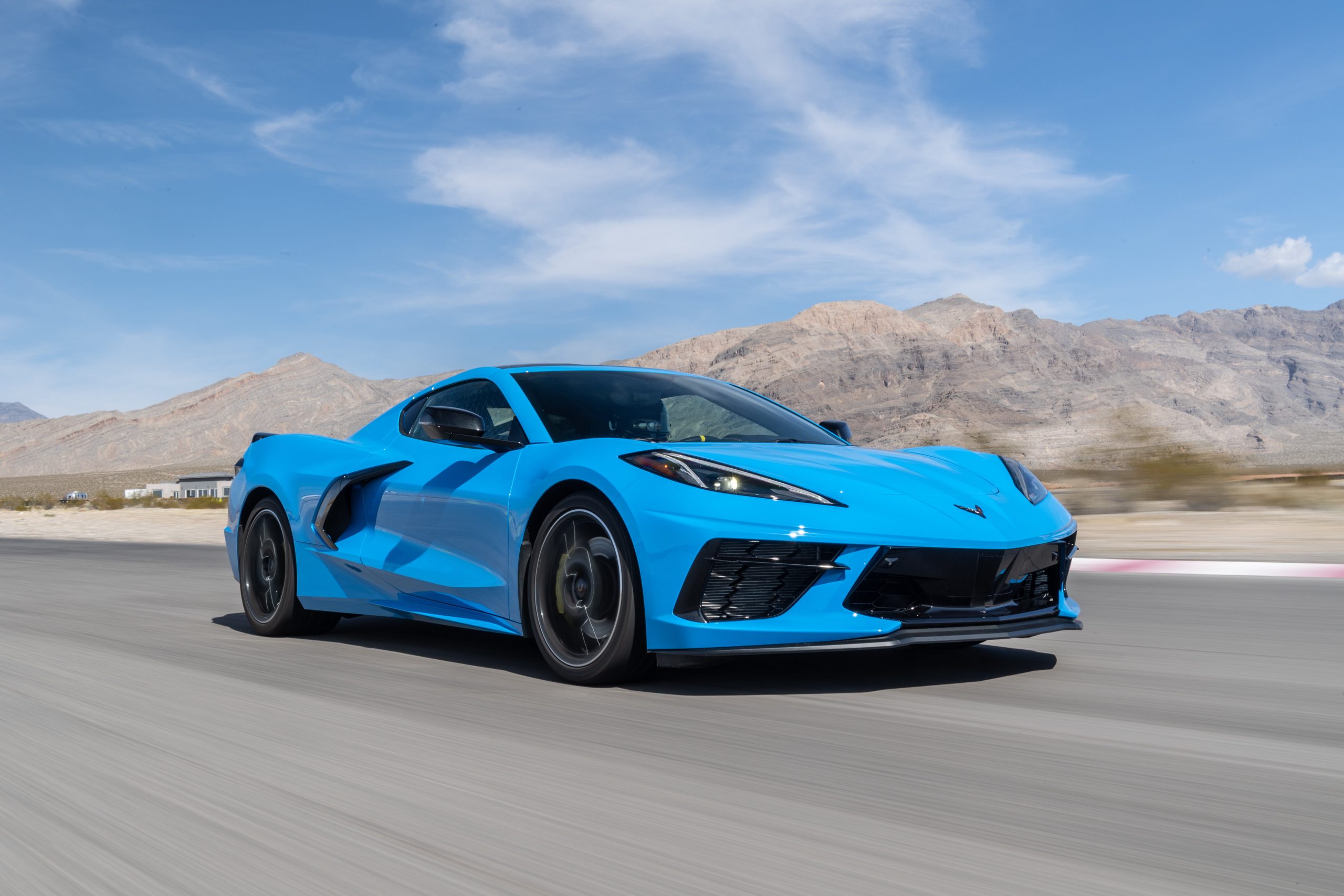
Reinvention reshaped the Corvette nameplate with the C8 Stingray, and resale performance reflects that bold move. Mid-engine layout transformed perception, placing the car in conversations once reserved for far more expensive machines. Performance metrics rival supercars at a fraction of the price.
Acceleration, braking, and cornering ability exceed expectations, keeping interest strong well beyond the initial purchase cycle. Owners often retain the car longer, limiting the supply of used cars and supporting resale prices. Interior quality improved dramatically compared to earlier generations. Materials, seating comfort, and digital interfaces now meet expectations for the price category. This improvement reduces the stigma that once affected older Corvettes in resale markets.
Production volume remains high, yet demand keeps pace due to broad appeal. Buyers seeking performance value view the C8 as unmatched. That perception stabilizes used pricing despite availability. Optional performance packages further strengthen desirability in secondary markets.
Maintenance costs remain reasonable for the performance offered. Naturally aspirated V8 power avoids forced induction complications, easing long-term ownership concerns. Parts availability and service expertise remain widespread, supporting buyer confidence.
Cultural relevance also plays a role. The C8 represents a turning point in American sports car history, which enhances long-term collectibility. As newer variants arrive, early Stingray models maintain appeal due to the purity of the concept. By 2026, the Chevrolet Corvette Stingray C8 stands as one of the strongest value holders in its class, delivering exotic performance without exotic depreciation.
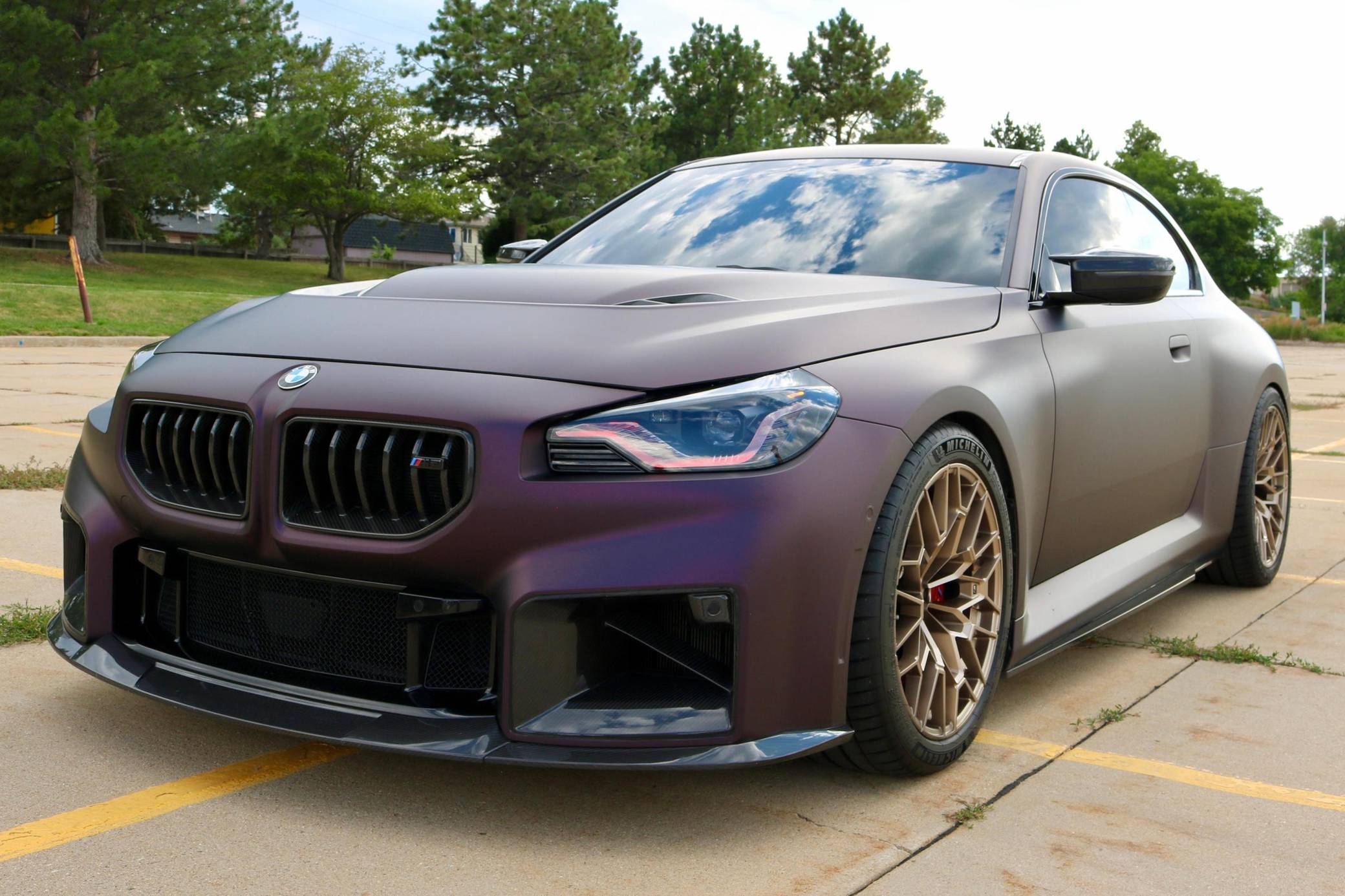
4. BMW M2 G87 (2023 to 2025)
Compact dimensions paired with aggressive performance define the BMW M2 G87. Enthusiasts gravitate toward its traditional Rear Wheel Drive layout and powerful inline six engine. Demand remains strong among buyers seeking a focused driving experience without stepping into higher-priced territory.
Engine tuning provides substantial output while maintaining reliability expectations associated with BMW M powertrains. Manual transmission availability strengthens appeal among drivers prioritizing engagement. Automatic versions also retain value due to everyday usability and performance consistency.
Design generates discussion, yet distinct styling often ages better than conservative shapes. Buyers seeking individuality embrace the bold look, keeping interest alive in resale markets. Interior layout focuses on function rather than novelty, supporting long-term satisfaction. Production numbers remain lower than mainstream BMW models, preserving exclusivity.
That scarcity supports pricing strength as demand outpaces supply in many regions. Limited color and specification combinations further enhance desirability. Ownership costs reflect performance intent but remain manageable within the segment. Service plans and warranty coverage ease concerns for second owners. BMW certified programs reinforce resale pricing by offering inspection-backed assurance.
Driver-focused reputation continues to anchor demand. Track-capable engineering paired with daily usability attracts a diverse buyer base. This balance protects values better than more compromised sports cars. Looking toward 2026, the BMW M2 G87 remains a solid choice for buyers seeking performance that translates into stable resale performance.
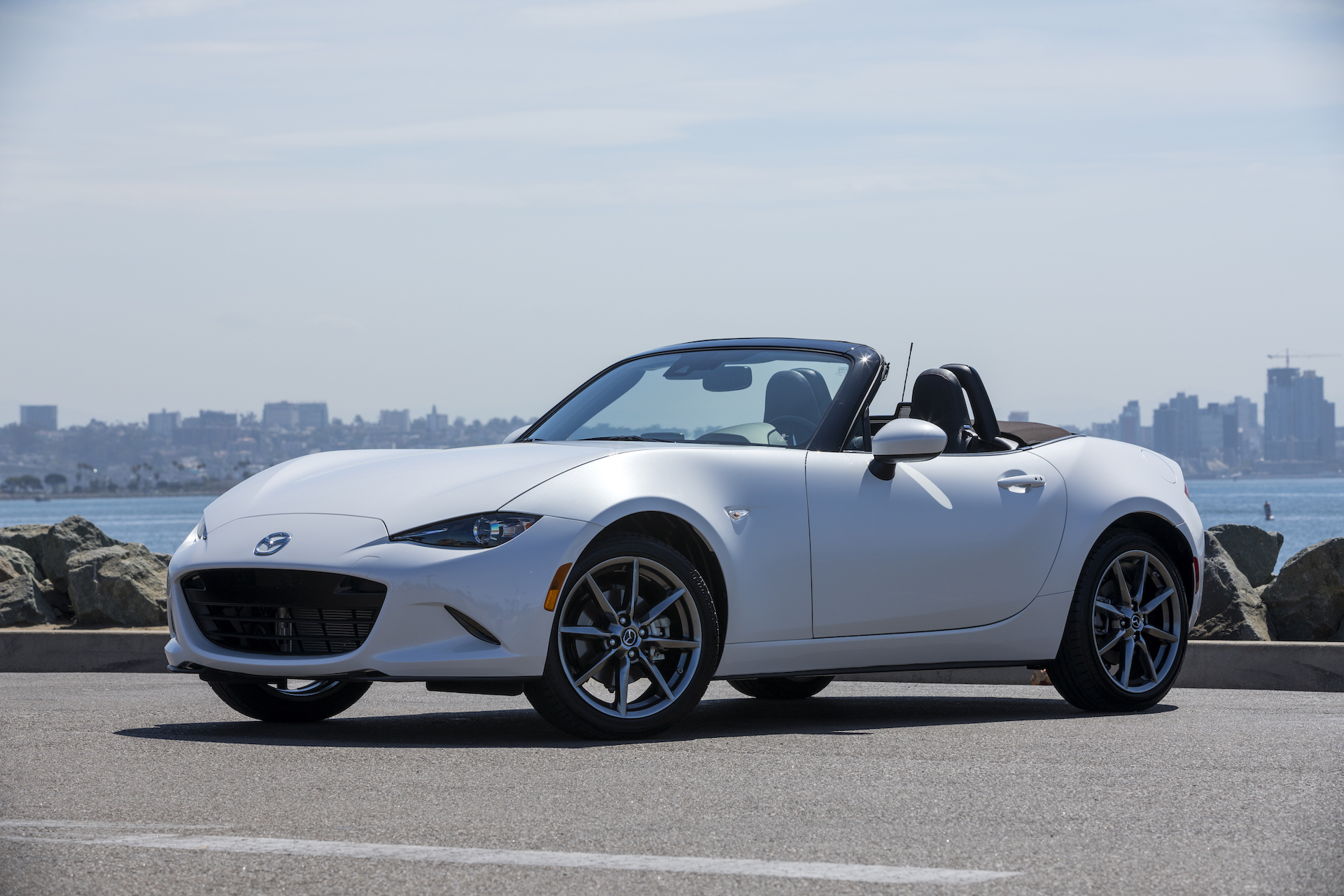
5. Mazda MX-5 Miata ND2 (2019 to 2023)
Lightweight simplicity gives the Mazda MX-5 Miata ND2 enduring appeal. Driving enjoyment takes priority over raw output, and buyers consistently reward that philosophy. Demand remains steady across generations, creating one of the most predictable resale patterns in the sports car category.
Naturally aspirated power keeps ownership straightforward. Mechanical simplicity reduces long-term repair concerns, encouraging buyers to enter the used market with confidence. Manual transmission availability enhances desirability among driving purists. Compact proportions and timeless styling allow the car to age gracefully. Interior materials emphasize function and durability, resisting excessive wear.
Seating comfort and control placement support daily usability despite the car’s focused mission. Running costs remain low compared to performance alternatives. Fuel efficiency, insurance rates, and service expenses stay manageable, widening the pool of potential buyers. That accessibility strengthens resale demand across economic conditions.
Strong community support boosts confidence. Enthusiast networks, aftermarket options, and racing heritage reinforce long-term interest. Buyers know parts availability and expertise will remain accessible. Production continuity ensures familiarity without oversaturation. Each generation improves without erasing identity, keeping older models relevant. Special editions further strengthen collector interest.
As 2026 approaches, the Mazda MX-5 Miata ND2 continues to prove that driving pleasure and financial sense can coexist, securing its place among the strongest value holders in the sports car segment.
5 Sports Cars That Lose Value Fast
Performance dreams do not always translate into smart purchases. Some sports cars thrill on day one, then watch resale numbers slide faster than expected. Styling trends fade, upkeep costs rise, and buyer interest narrows. By 2026, these five models show how excitement can drain value quickly for unwary used buyers.
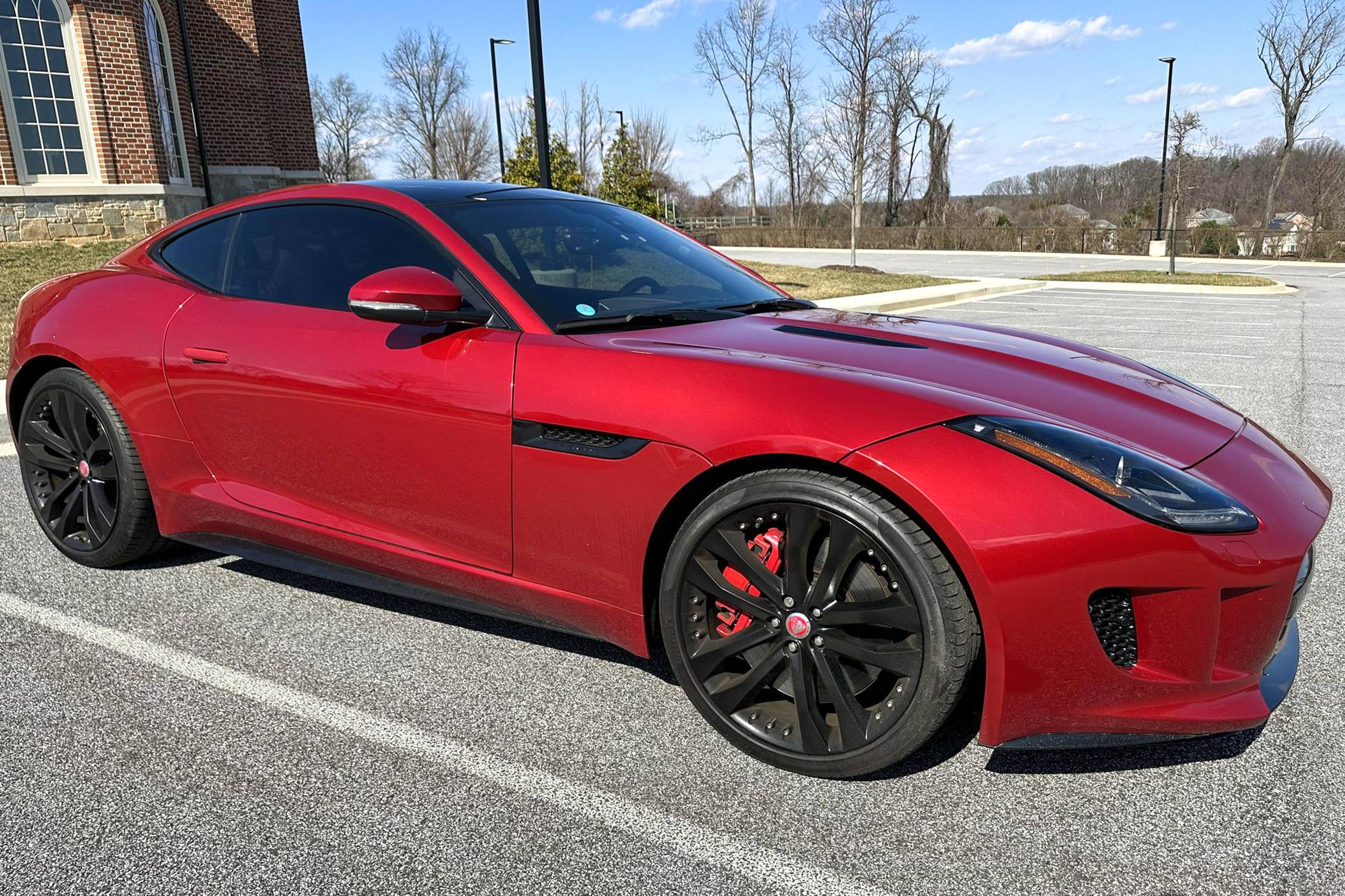
1. Jaguar F-Type R Coupe (2015 to 2022)
Styling alone keeps the Jaguar F-Type R Coupe desirable at first glance. Long hood proportions, dramatic exhaust sound, and luxury branding create a powerful emotional hook during the early ownership phase. That initial appeal, however, rarely translates into durable resale performance.
Used market behavior shows rapid price softening once the factory warranty expires, even for well-maintained examples. Ownership costs sit at the center of this decline. Supercharged V8 power delivers thrilling acceleration, yet supporting systems require consistent attention.
Cooling components, suspension electronics, and drivetrain sensors introduce recurring service needs that discourage second and third owners. Repair expenses escalate quickly, pushing buyers toward lower purchase offers as risk compensation. Interior quality adds another layer of concern.
Visual presentation impresses when new, but long-term durability often disappoints. Touch surfaces, infotainment responsiveness, and trim alignment show wear earlier than expected for the segment. Restoring cabin condition to original standards can involve costly parts and labor, reducing buyer confidence.
Electrical reliability also influences depreciation. Advanced driver aids and comfort features rely on interconnected modules that do not age gracefully. Minor faults frequently disable multiple functions, turning simple repairs into diagnostic exercises. Independent repair facilities may lack full access to proprietary software, limiting affordable service options.
Market perception compounds these challenges. Jaguar’s reputation for inconsistent long-term dependability affects resale even when individual vehicles perform well. Buyers factor brand history into pricing decisions, leading to conservative offers across the board.
Fuel consumption further narrows the buyer pool. High operating costs discourage casual ownership, especially as alternatives deliver similar performance with better efficiency. Insurance premiums also reflect repair cost realities. By 2026, the Jaguar F-Type R Coupe will remain admired but financially risky for resale-focused buyers. Emotional satisfaction arrives early, while value erosion accelerates once novelty fades.
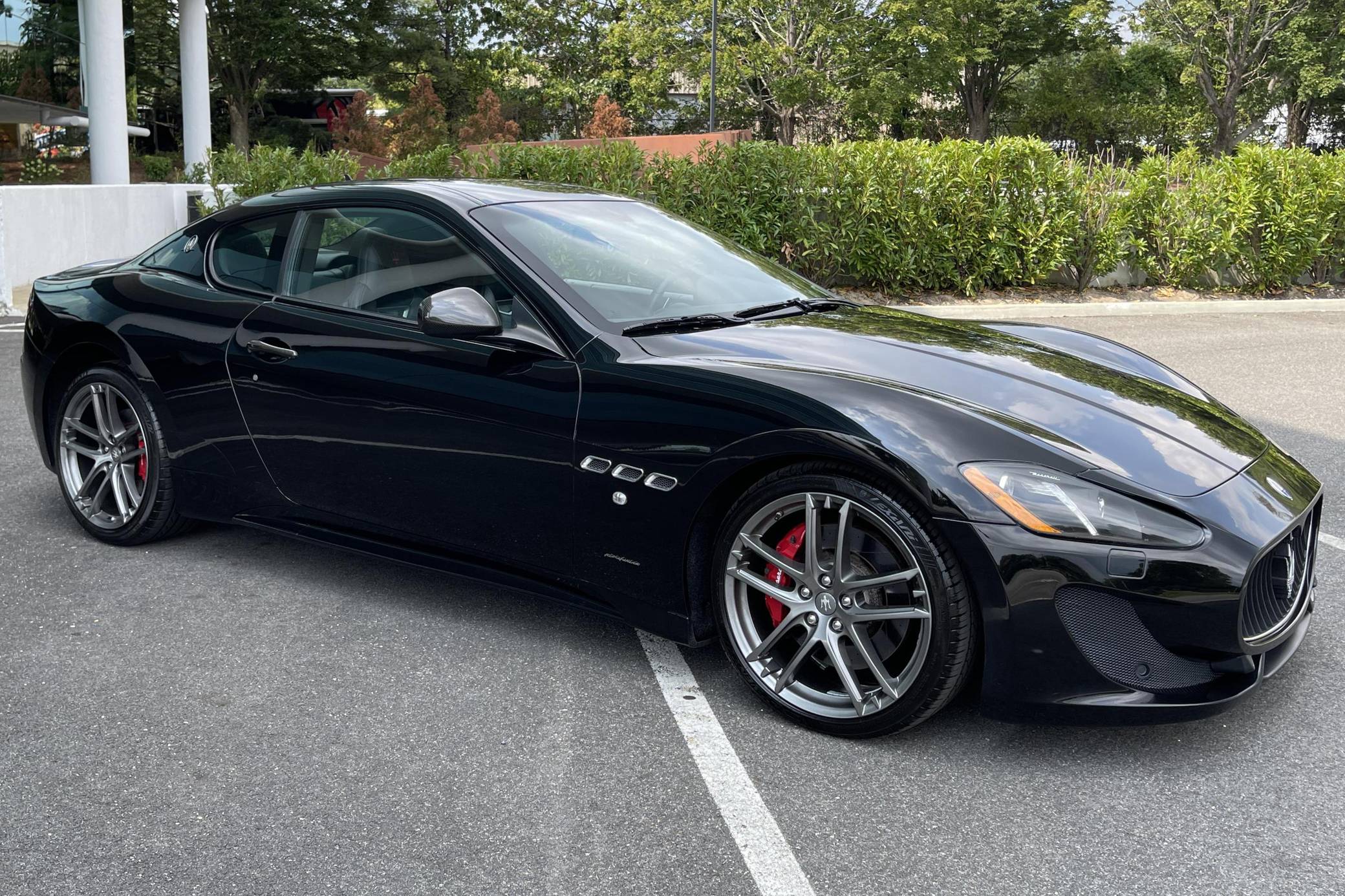
2. Maserati GranTurismo Sport (2013 to 2019)
Exotic styling and Italian flair define the Maserati GranTurismo Sport. Engine sound and craftsmanship create an experience that feels special from the driver’s seat. That sense of occasion, however, struggles to sustain resale pricing in later ownership stages.
Mechanical reliability plays a large role. Naturally aspirated V8 power sounds glorious, but demands attentive servicing. Parts availability and specialist labor raise maintenance costs beyond what many buyers anticipate. Routine service intervals often exceed mainstream sports car expenses, pushing resale prices downward to offset ownership uncertainty.
Interior presentation adds mixed results. Leather quality feels premium initially, yet electronic systems and infotainment interfaces age rapidly. Outdated software, screen failures, and control inconsistencies frustrate buyers accustomed to modern usability. Updating these systems rarely proves cost-effective, reinforcing depreciation trends.
Chassis tuning favors grand touring comfort rather than sharp handling. That positioning narrows appeal among driving enthusiasts seeking precision. Buyers shopping in this price range often compare alternatives offering stronger performance metrics and modern technology, reducing demand.
Brand perception influences resale behavior. Maserati ownership carries prestige, but also expectations of high service commitment. Many buyers admire the car from a distance rather than committing financially, leading to slower turnover and price reductions. Depreciation accelerates sharply during the first ownership cycle.
Initial buyers absorb substantial value loss, which continues steadily in secondary markets. Even low-mileage examples struggle to maintain pricing due to anticipated upkeep. By 2026, the GranTurismo Sport appeals to emotion-driven buyers comfortable with ownership expense. For resale-conscious shoppers, value retention remains a consistent weakness despite undeniable charm.
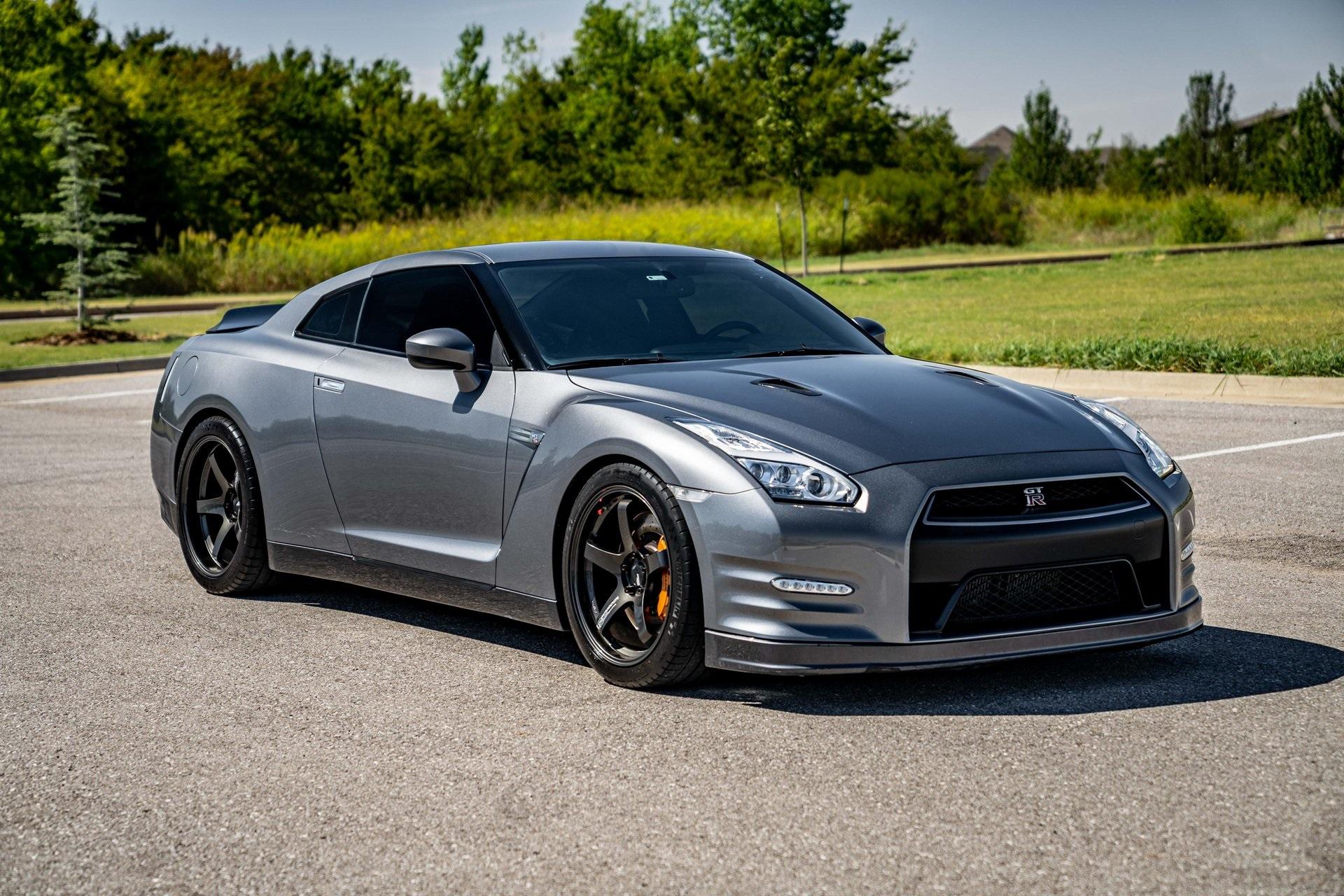
3. Nissan GT-R Premium (2012 to 2018)
Engineering excellence established the Nissan GT-R Premium as a disruptive force during its early years, combining extreme acceleration with pricing that challenged traditional supercar expectations. Buyers initially viewed the model as a technological triumph that delivered track-level performance without exotic brand pricing.
As the vehicle aged, market perception adjusted, and resale behaviour began to reflect ownership realities rather than performance mythology. Advanced mechanical architecture sits at the center of ownership cost concerns. The sophisticated All Wheel Drive system, paired with a dual clutch transmission, operates under high mechanical stress.
These systems perform exceptionally when new, yet require specialist attention as mileage increases. Servicing such components outside warranty periods introduces expenses that exceed those of simpler sports car layouts. Independent repair access remains limited, which further restricts affordable service options for second and third owners.
Interior presentation also influences depreciation patterns. While the cabin prioritizes driver focus, material quality, and design execution trail behind competitors introduced during the same period. Advances in digital interfaces across the segment exposed the GT-R interior as dated sooner than expected.
Buyers paying premium used prices often expect modern infotainment responsiveness and refined cabin materials, expectations that this model struggles to meet as newer alternatives set higher benchmarks. Vehicle mass shapes driving character in a way that divides enthusiasts.
Straight line speed remains extraordinary, yet agility and steering feedback do not appeal equally to all performance buyers. Preferences have gradually moved toward lighter platforms offering balance rather than outright acceleration alone. This change in buyer taste reduces demand among newer sports car purchasers entering the market.
Extended production without major visual or technological revision further affects desirability. Familiarity reduces excitement, even when performance credentials remain strong. Many buyers perceive earlier examples as visually and technologically dated, leading to conservative valuation during resale negotiations.
Insurance premiums reflect both repair expense and performance risk, adding another financial layer to ownership consideration. Fuel consumption also contributes to recurring cost pressure, especially as efficiency expectations continue to rise.
As 2026 approaches, the Nissan GT-R Premium retains respect for engineering ambition. Market pricing, however, increasingly reflects maintenance exposure and aging technology rather than historic reputation.
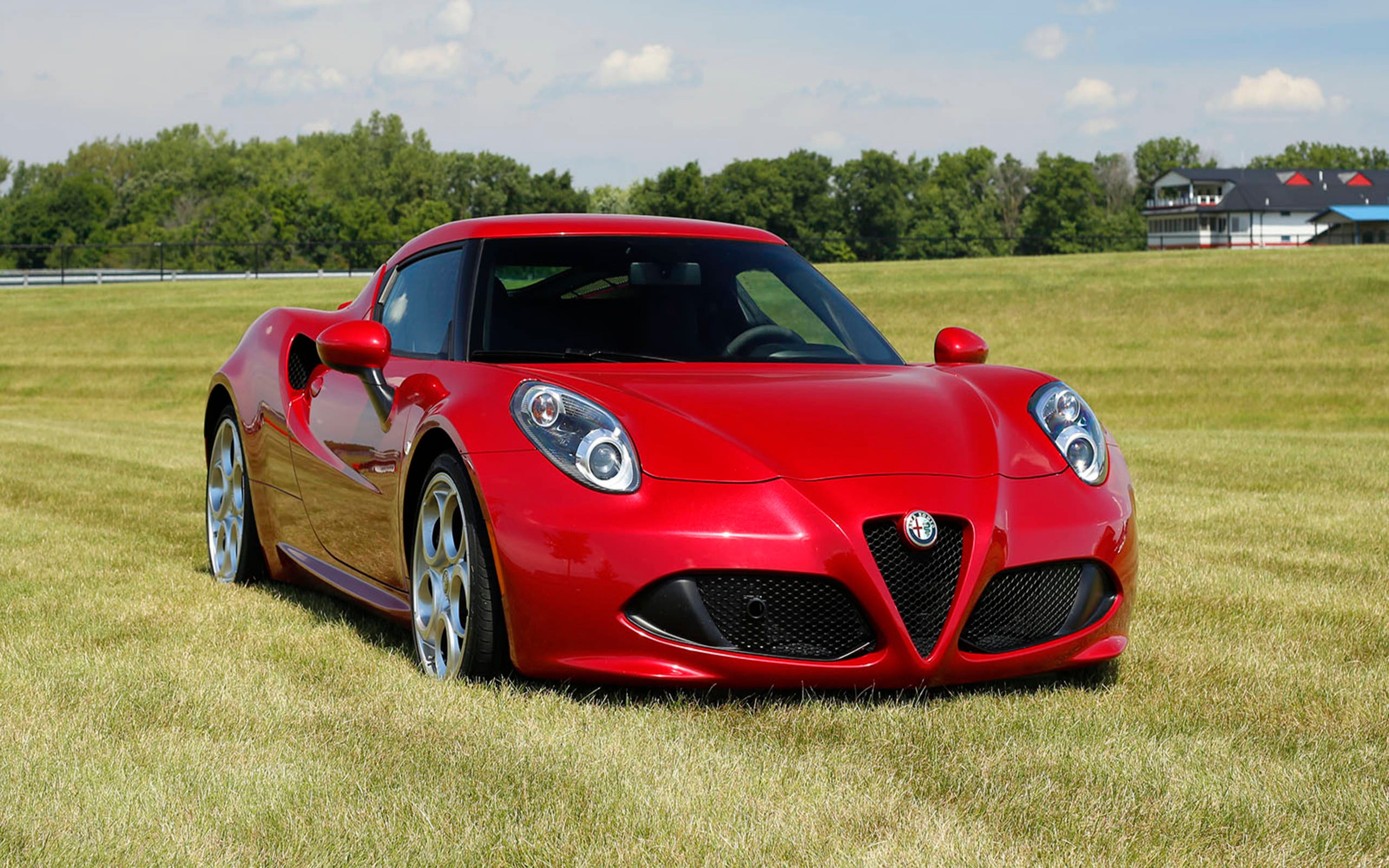
4. Alfa Romeo 4C Coupe (2015 to 2020)
Design philosophy defines the Alfa Romeo 4C Coupe from first contact. Carbon fibre construction, minimal mass, and mechanical purity create a vehicle shaped by performance ideals rather than daily convenience. This focused approach attracts a specific type of buyer, yet resale trends show that exclusivity alone does not guarantee strong value retention.
Driving character generates mixed responses. Steering feel and chassis communication deliver an intense experience that appeals to purists. At the same time, ride firmness, limited cabin insulation, and the absence of advanced driver aids restrict broader appeal. Daily usability suffers, narrowing the potential buyer base once the initial excitement fades.
Reliability reputation plays a decisive role in depreciation. Early production examples experienced issues related to transmission calibration, electrical behavior, and assembly consistency. Even when later updates addressed some concerns, market memory remains persistent. Used buyers often price perceived risk into purchase decisions, suppressing values regardless of individual vehicle condition.
Interior execution reinforces these challenges. Cabin design reflects weight-saving priorities rather than refinement. Infotainment systems feel basic, storage solutions remain minimal, and sound insulation falls short of expectations for the price bracket. Buyers frequently compare the 4C unfavorably with rivals that deliver both performance and comfort, influencing resale outcomes.
Niche positioning means fewer buyers actively seek the model, slowing transaction cycles. Sellers often reduce asking prices to attract attention, reinforcing depreciation trends even for low-mileage examples. As we approach 2026, the Alfa Romeo 4C Coupe remains a statement vehicle suited to enthusiasts who accept compromise as part of ownership.
From a value-preservation perspective, practical considerations outweigh exclusivity, shaping a resale profile that continues to undermine price stability.
Also Read: 10 Best Used Sports Cars Available for Under 25,000 Dollars in 2026
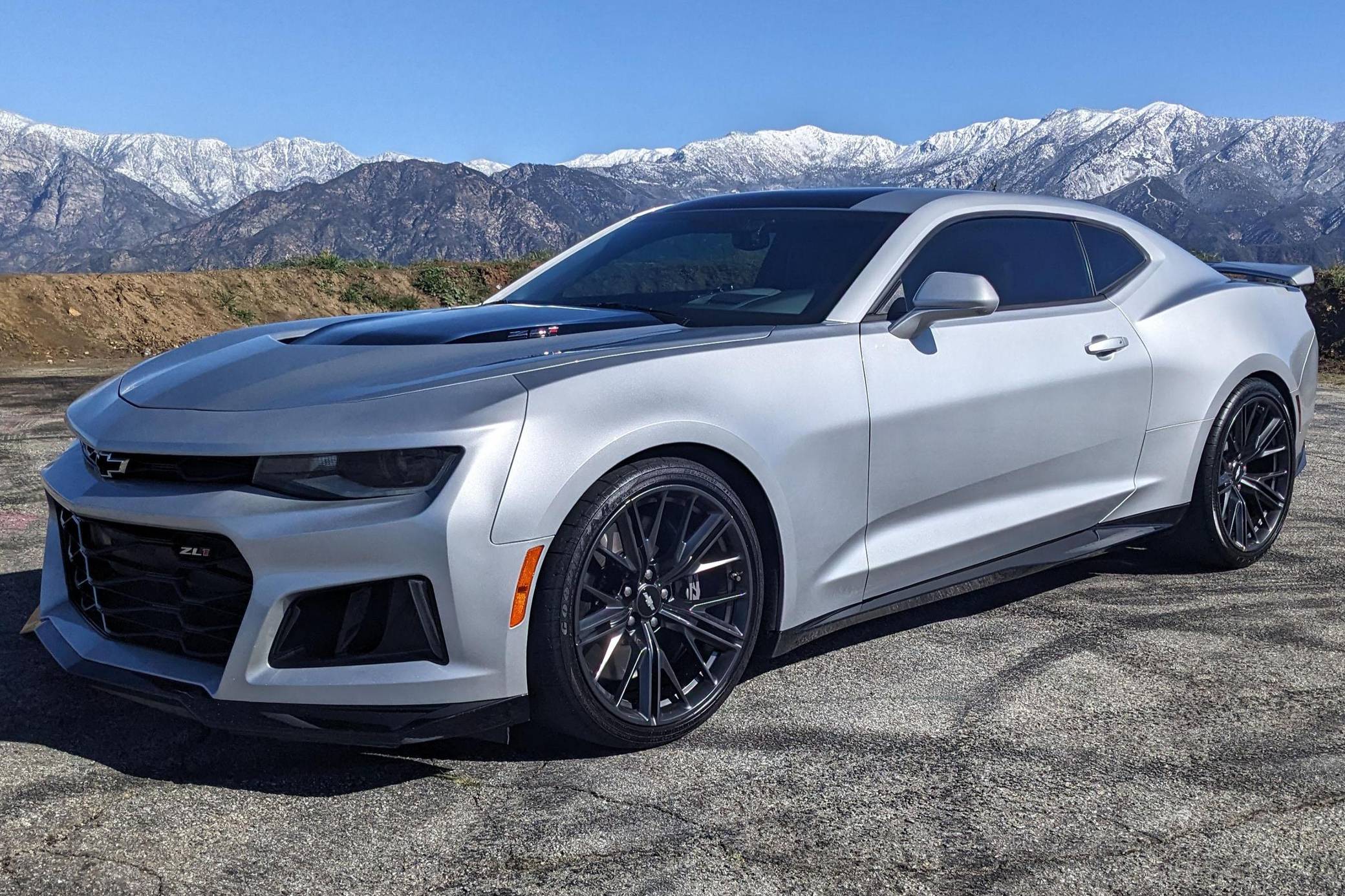
5. Chevrolet Camaro ZL1 (2017 to 2023)
Power shapes the Chevrolet Camaro ZL1 identity from the moment the engine fires. Supercharged V8 output places the car among the most aggressive factory muscle machines of its era, delivering acceleration and track capability that few rivals can match at similar used prices.
That performance strength, however, does not guarantee stable resale results. Market behavior shows that ownership considerations beyond raw speed play a decisive role in how values decline. Daily usability represents a persistent limitation. Forward visibility suffers due to the low roofline and high beltline, creating blind spots that frustrate drivers during routine city use.
Parking and lane changes require more effort than expected, especially for buyers accustomed to modern driver assistance visibility aids. Interior ergonomics also divides opinion. Controls feel tightly packaged, rear seating space remains restrictive, and cabin openness feels limited. Buyers shopping for a sports car that can double as a comfortable daily driver often migrate toward alternatives that balance performance with livability.
Ownership costs further influence market behavior. Fuel consumption remains high even under moderate driving conditions, while performance tires require frequent replacement due to grip-focused compounds. Brake service and insurance premiums also sit above segment averages.
Prospective buyers calculate these recurring expenses carefully, adjusting purchase budgets downward to offset long-term costs. That financial reality accelerates price softening compared with less demanding performance cars. Availability plays a role as well. Production volumes for high-output Camaro variants remain relatively generous, reducing scarcity.
As similar trims circulate widely in the used market, buyers gain leverage during negotiations. The absence of exclusivity weakens pricing strength, even though performance credentials remain impressive. Enthusiast interest persists, yet it no longer translates into strong competition among buyers.
Shifting preferences within the performance car audience also affect demand. Lighter platforms with balanced handling, improved cabin quality, and advanced driver technology appeal to newer buyers entering the segment. While the Camaro ZL1 excels in power delivery, its focus feels narrower in a market that increasingly values refinement alongside speed.
Approaching 2026, the Camaro ZL1 represents one of the strongest performance-per-dollar options available on the used market. Depreciation reflects practical ownership factors rather than any shortage of excitement, making it appealing to buyers who prioritize capability and accept compromise as part of the experience.
