
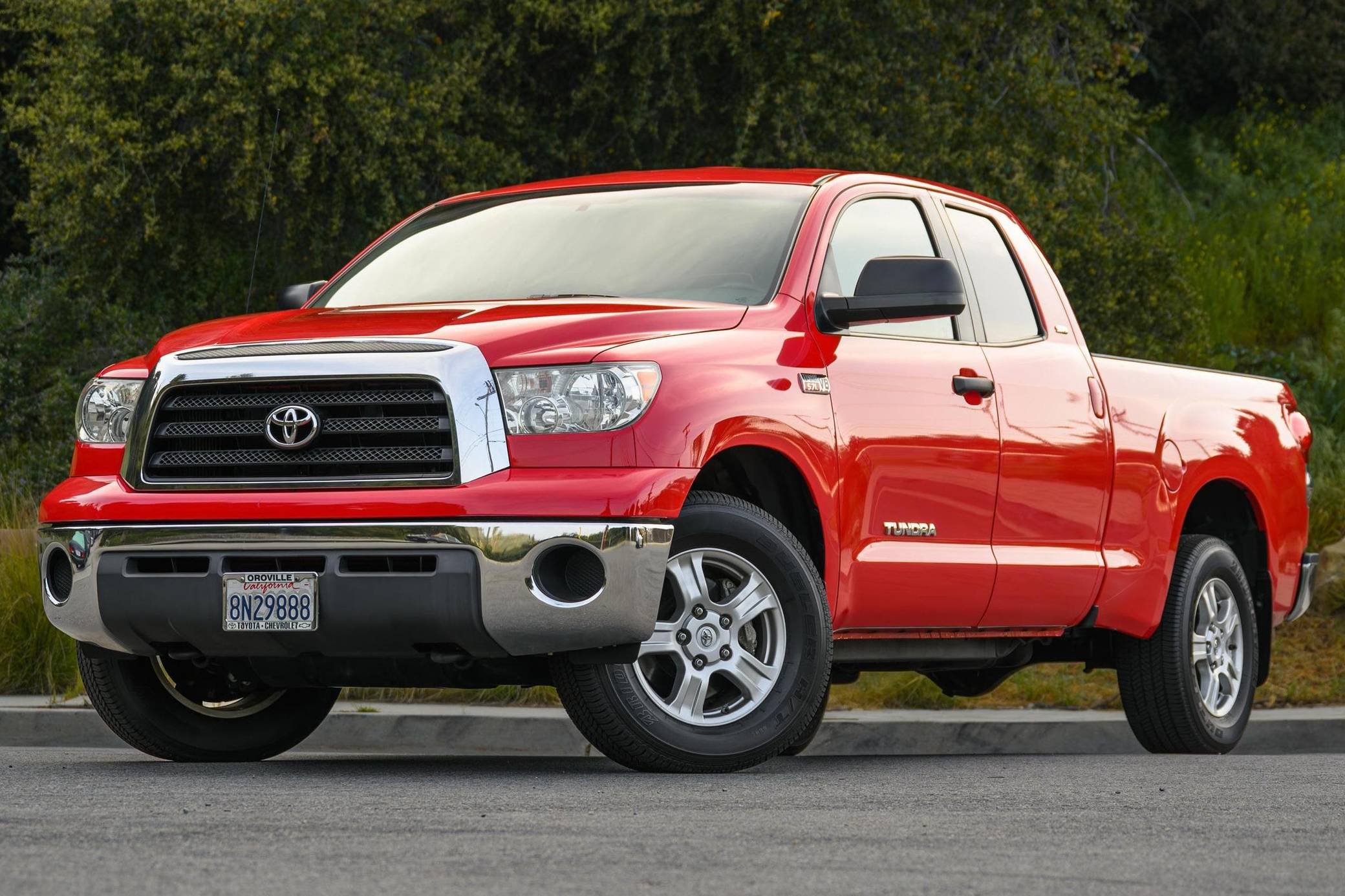
A pickup truck is often purchased with one expectation sitting quietly in the background: it should keep working long after the payment plan is gone. Some owners reach 300,000 miles with routine care and a calm ownership experience. Others find themselves dealing with repairs that arrive earlier than expected, turning what looked like a smart purchase into a constant service routine.
Mileage endurance does not depend only on brand reputation or styling. Engineering choices, engine design, transmission durability, cooling systems, and even long-term parts availability all shape how a truck behaves after years of use. A strong engine paired with simple mechanical systems often creates a vehicle that continues running far beyond average expectations.
At the same time, modern trucks can be filled with advanced technology, turbocharged powertrains, and complicated emissions systems. These additions bring performance and efficiency benefits, yet they sometimes introduce more points of wear. When those systems age, repair costs can rise faster than owners anticipate.
This comparison focuses on two sides of truck ownership. First, models known for crossing 300,000 miles with consistent servicing and steady performance. Second, trucks often struggle to maintain that same level of endurance under similar use conditions.
Each example is based on real-world ownership trends, mechanical design history, and long-term durability patterns seen across many model years. The goal is simple: provide a clear, practical guide for buyers who want long-lasting value from their next pickup truck purchase.
5 Pickup Trucks That Last 300,000 Miles
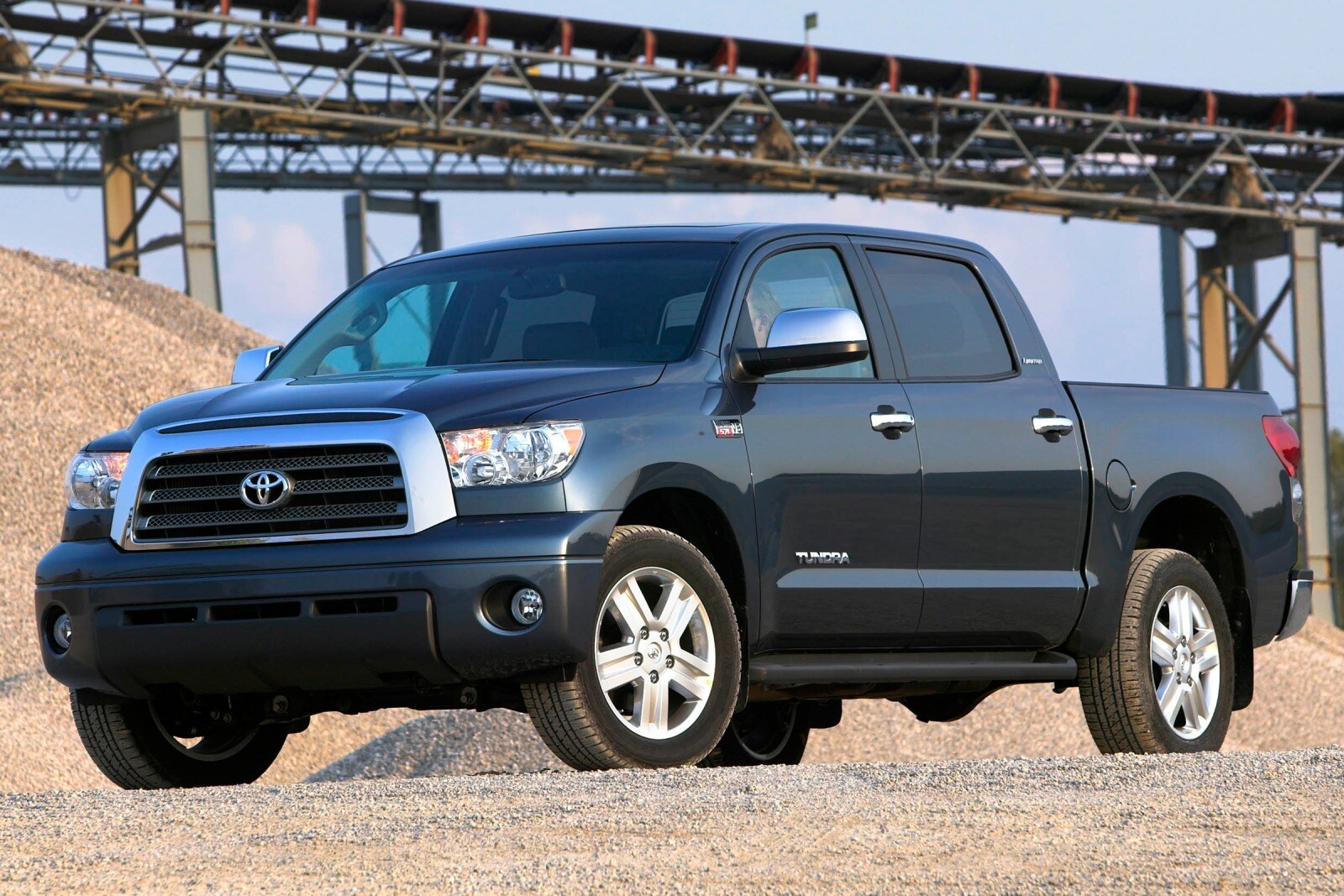
1. Toyota Tundra 5.7L i-FORCE V8 (2007-2021 Models)
Mechanical endurance in pickup trucks often traces back to deliberate engineering restraint, and this full-size Toyota model reflects that approach through its naturally aspirated 5.7-liter V8 configuration. Power delivery remains steady across a wide driving range, avoiding sharp spikes that place stress on internal components during towing or sustained highway travel.
That controlled behavior supports long-term durability under repeated load conditions. A robust transmission system pairs with the engine and favors durability through measured gear transitions rather than aggressive shifting behavior. Gear spacing is arranged to reduce strain during towing, hauling, and extended cruising.
Owners who adhere to regular fluid replacement schedules frequently report stable operation well past 200,000 miles, with many examples extending toward 300,000 miles while maintaining functional drivability without major internal repairs. Thermal regulation contributes strongly to long service life.
Cooling channels, radiator capacity, and oil circulation routes were designed to manage heat accumulation during prolonged driving sessions. This becomes especially relevant for users who engage in consistent towing of trailers, boats, or commercial equipment, where engine load remains elevated for extended durations.
Suspension architecture emphasizes straightforward mechanical design. Rather than relying on adaptive electronic systems, the setup uses durable components that can be serviced using standard mechanical tools. This approach reduces repair difficulty and keeps long-term maintenance cycles predictable for owners who retain vehicles for extended periods.
Interior construction and electronic systems maintain a relatively simple configuration compared to newer trucks equipped with advanced infotainment and driver assistance features. Reduced electronic density lowers the number of potential failure points, especially as vehicles accumulate mileage and age beyond typical warranty coverage periods.
Ownership experience often reflects a pattern where scheduled servicing takes priority over unexpected mechanical issues. Oil changes, brake servicing, and basic drivetrain maintenance become the primary responsibilities. That consistency reinforces the model’s reputation as a dependable long-distance workhorse capable of sustained operation across many years of use.
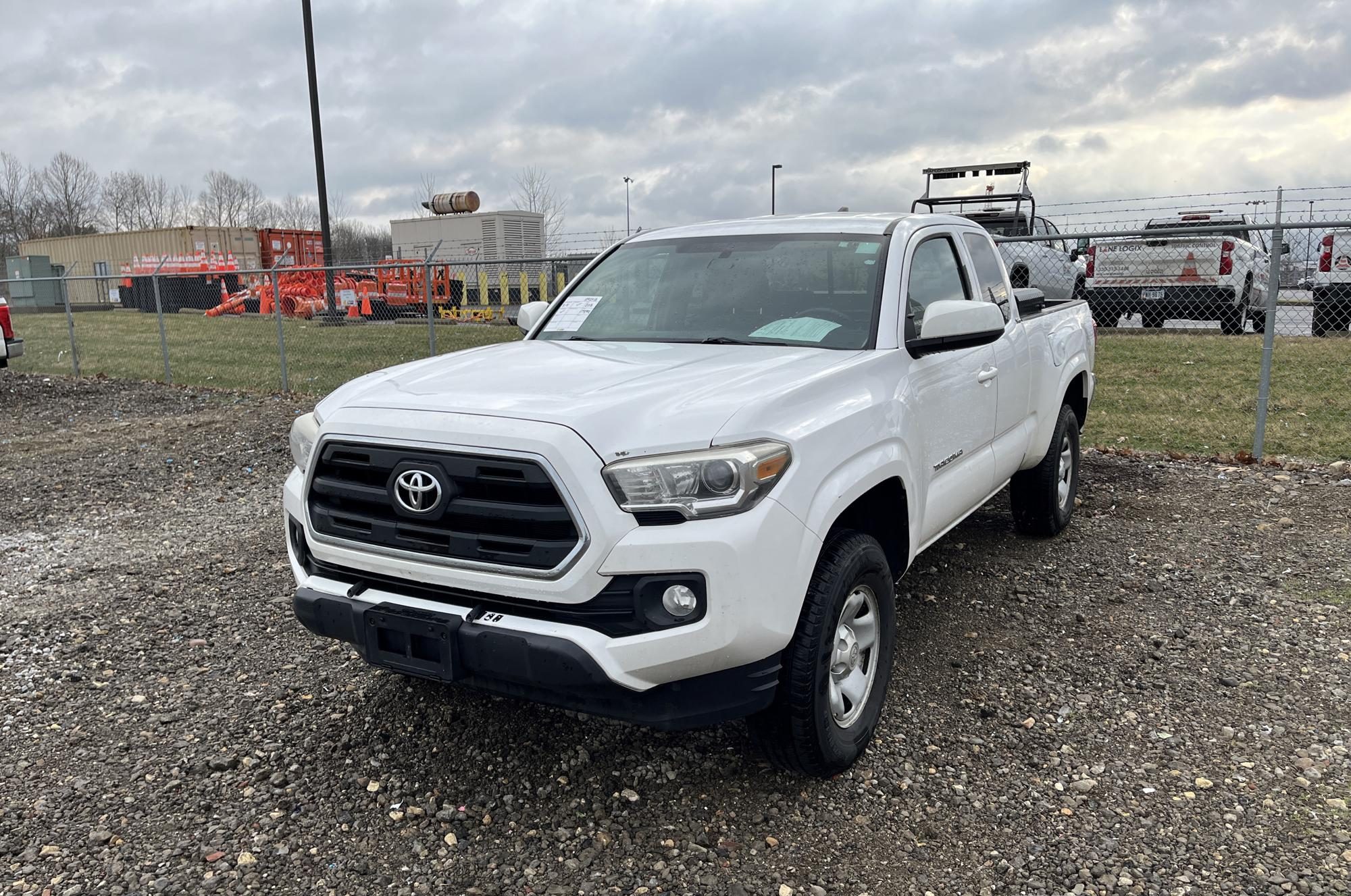
2. Toyota Tacoma 3.5L V6 (2016-2023 Models)
Durability expectations in mid-size pickup trucks rarely reach the level associated with this Toyota model, yet real-world ownership records repeatedly show extended service life across diverse usage conditions. A naturally aspirated 3.5-liter V6 engine forms the foundation of its durability profile, delivering moderate output that avoids excessive internal stress during long-term operation.
Fuel injection and ignition systems are tuned for steady combustion performance rather than maximum output figures. This calibration reduces mechanical strain on pistons, valves, and related internal components. Drivers who maintain consistent oil service intervals often report smooth engine behavior well beyond 200,000 miles with minimal unexpected repairs.
Transmission tuning contributes meaningfully to durability outcomes. Gear changes are programmed to maintain mechanical balance, avoiding unnecessary downshifts during moderate acceleration. This reduces wear on clutch assemblies and gear sets, which supports extended service life when combined with proper maintenance routines.
Frame structure and suspension design allow for both work-related use and recreational driving without compromising structural integrity. The system absorbs uneven road conditions while maintaining stability, reducing long-term fatigue on chassis components that support daily driving and light off-road use.
Electrical architecture remains relatively simple compared to larger modern pickups. Fewer high-load electronic modules reduce the risk of sensor-related failures as mileage increases. This simplified approach enhances long-term service reliability, especially for owners who prefer vehicles with fewer electronic dependencies.
Market demand for used examples remains consistently strong due to a reputation built across multiple generations. Buyers often place greater trust in maintenance history and the entire condition rather than focusing solely on mileage figures. This perception supports stable resale values and continued interest in higher-mileage examples that remain mechanically sound.
Also Read: 4 High-Resale Trucks for Construction In Birmingham vs. 4 That Depreciate Instantly
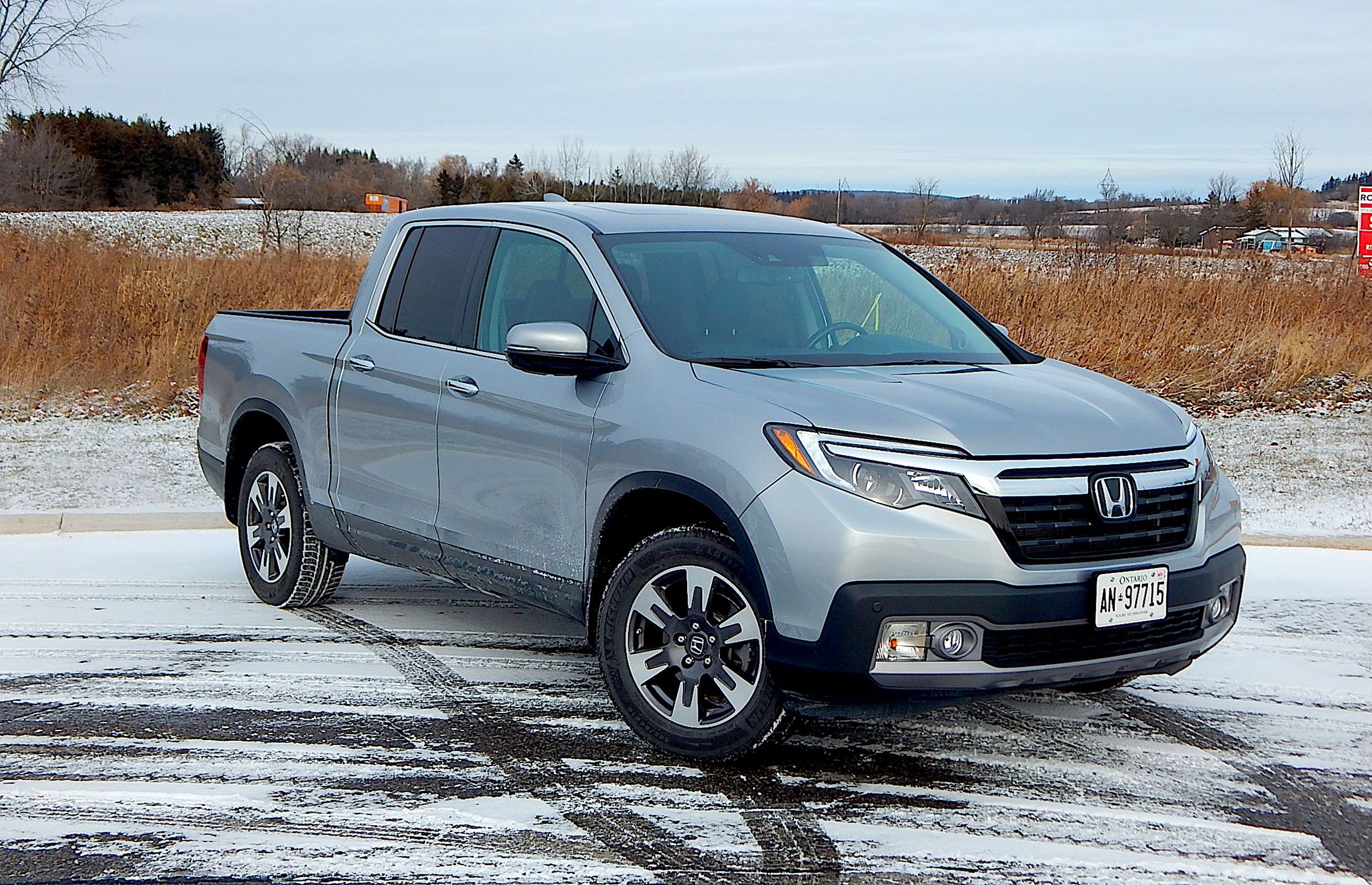
3. Honda Ridgeline 3.5L V6 (2017-2024 Models)
Structural design plays a central role in the durability profile of this pickup, which departs from traditional body-on-frame construction in favor of a unibody platform. A 3.5-liter V6 engine provides consistent acceleration without placing excessive stress on internal mechanical components, supporting long-term reliability when routine servicing is maintained.
All-wheel drive system engineering emphasizes intelligent torque distribution under standard driving conditions rather than heavy-duty off-road configurations. This approach reduces strain on drivetrain components by avoiding constant engagement of rugged mechanical systems designed for extreme environments.
Transmission calibration prioritizes smooth gear transitions and predictable behavior during acceleration and cruising. This reduces mechanical shock within internal components, which contributes to steady long-term operation under varied driving conditions such as city commuting and highway travel.
Suspension tuning is oriented toward ride comfort, which indirectly supports durability by reducing impact forces transmitted to the chassis. Road irregularities are absorbed efficiently, limiting structural fatigue across extended periods of ownership.
Electronic systems are integrated with a focus on usability rather than excessive technical layering. While modern features such as infotainment systems and driver assistance technologies are present, system architecture avoids unnecessary strain on electronic networks, reducing potential failure points.
Long-term ownership reports frequently indicate stable performance beyond 200,000 miles when maintenance routines are followed consistently. This durability pattern reflects balanced engineering choices that prioritize controlled power delivery and reduced mechanical stress across major vehicle systems.
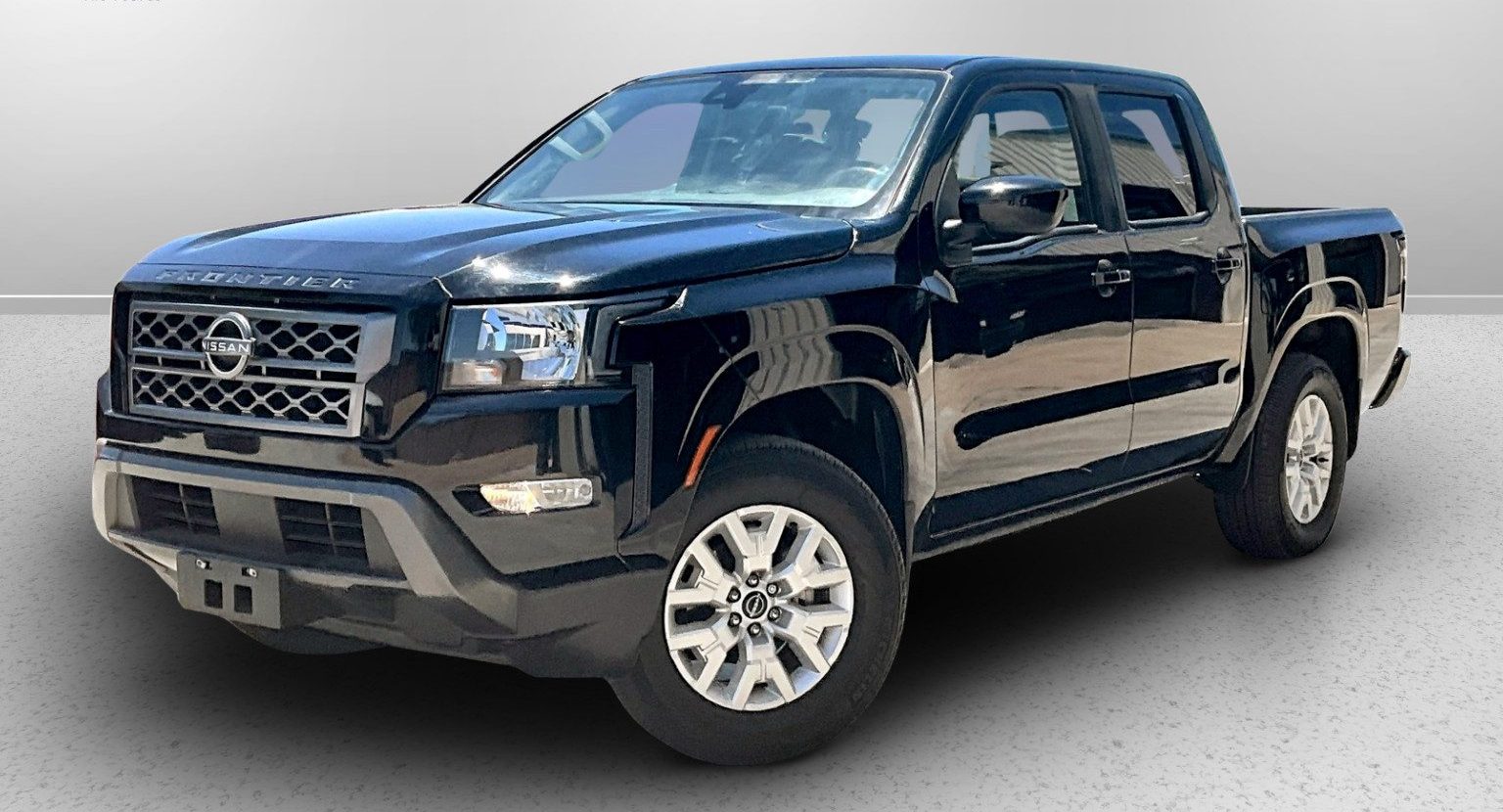
4. Nissan Frontier 3.8L V6 (2022-Present Models)
A recent redesign brought renewed attention to this mid-size truck, especially through its 3.8-liter V6 engine that replaces older configurations. Power delivery feels consistent across driving conditions, supporting both city commuting and light-duty hauling tasks without excessive mechanical pressure.
Engine architecture favors simplicity compared to turbocharged alternatives. Natural aspiration reduces stress points associated with forced induction systems, which can require more frequent component attention as mileage increases. Transmission pairing is designed for durability under mixed-use conditions.
Gear ratios are optimized for everyday driving rather than extreme performance output, which helps preserve internal components during long-term ownership. Frame construction maintains traditional truck durability standards, supporting towing and cargo transport without introducing unnecessary structural weakness.
Suspension components are built for repair accessibility, allowing maintenance without specialized procedures. Technology integration in newer models introduces modern features, yet system design keeps electronic interaction relatively stable. This helps avoid frequent sensor-related issues that sometimes appear in more complicated vehicle platforms.
Owners looking for a recently updated truck with long-term durability potential often consider this model due to its balance of modern comfort and a mechanically simple engine design.
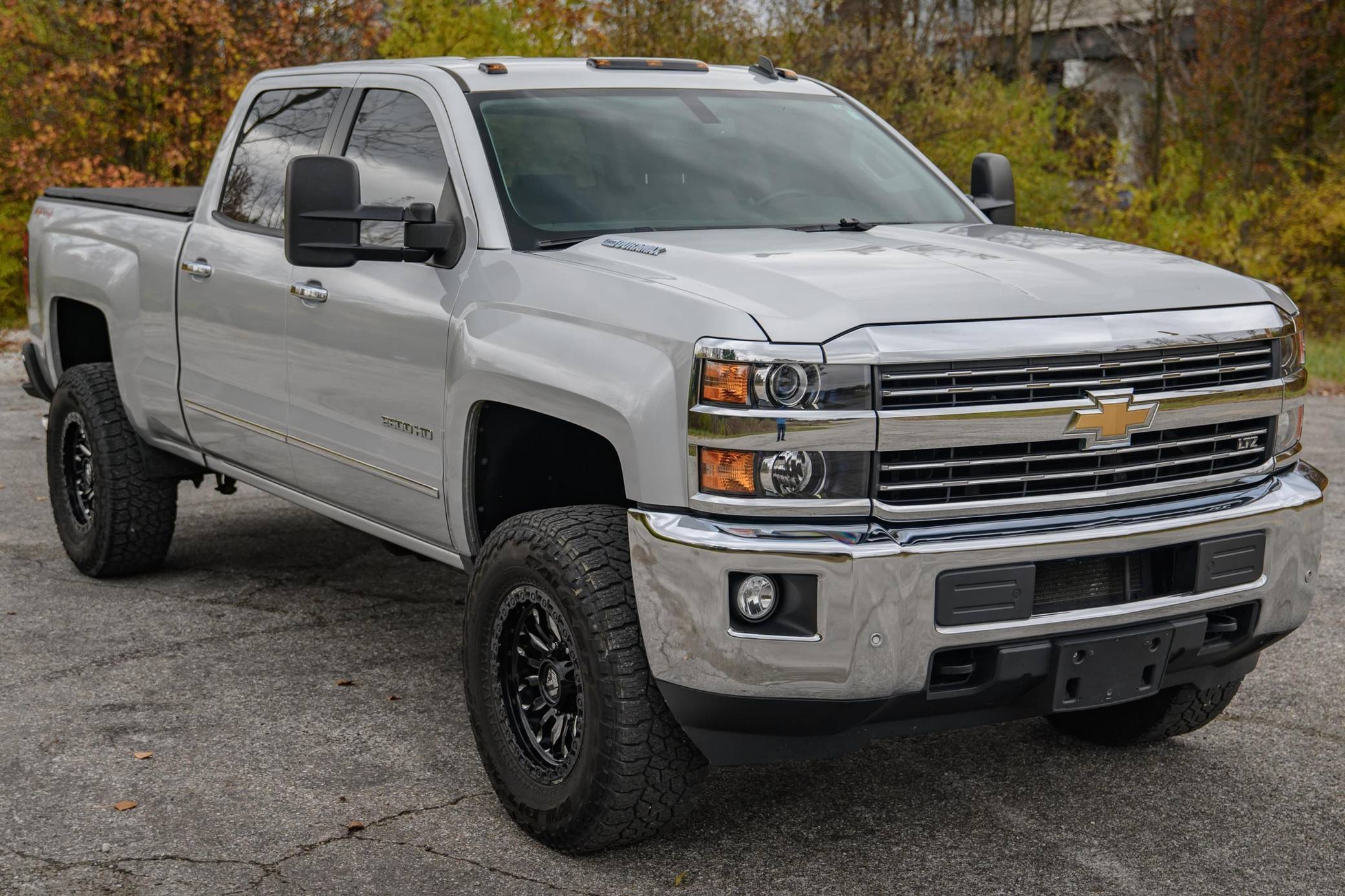
5. Chevrolet Silverado 2500HD 6.6L Duramax Diesel (2015-2022 Models)
Heavy-duty engineering defines this pickup, with the 6.6-liter Duramax diesel engine positioned as the central strength behind its long-distance towing capability. High torque output at low engine speed allows it to move substantial loads without requiring sustained high-rev operation, which helps reduce internal stress during extended hauling sessions.
That operating behavior supports extended service life when routine care is properly observed. Diesel engine architecture plays a major role in long-term durability characteristics. Internal components are built with strong tolerances to withstand compression forces typical of diesel combustion.
Combined with lower average engine speeds during highway cruising, wear on pistons, crankshaft assemblies, and valve components tends to occur at a slower rate compared to many lighter-duty gasoline-powered alternatives used for similar workloads.
Transmission systems paired with this engine are built for sustained load handling. Gear changes are calibrated to maintain stability under towing conditions, reducing abrupt movements that could place unnecessary strain on internal clutch packs.
This controlled gear behavior supports consistent drivetrain performance during long-distance hauling, particularly when trailers or heavy equipment remain attached for extended periods. Cooling capacity is engineered for continuous heavy-duty operation.
Radiator sizing, oil cooling pathways, and auxiliary cooling elements work together to manage heat generated during prolonged towing or steep-grade driving. This thermal management design helps maintain stable engine operating temperatures under conditions that would challenge lighter-duty cooling systems.
Chassis construction reflects commercial-grade durability standards. A reinforced frame structure provides rigidity during repeated load cycles, reducing the likelihood of structural fatigue even when operating near maximum towing capacity. Suspension components are also designed to absorb heavy loads, supporting both work applications and extended ownership use in demanding environments.
Maintenance requirements remain higher than those of lighter trucks due to the diesel system complications. Fuel filtration, emissions components, and periodic servicing of turbocharged systems require consistent attention. However, owners who adhere to structured maintenance schedules often benefit from an extended vehicle lifespan that compensates for higher upkeep demands.
Long-term ownership patterns frequently show that this truck remains operational well beyond standard mileage expectations when properly maintained. Its combination of torque capability, structural strength, and diesel durability design contributes to a service profile that supports heavy-duty use across many years of continuous operation.
5 Pickup Trucks That Won’t Reach 300,000
This section focuses on five pickup trucks that have shown weaker long-distance endurance compared to more proven alternatives. The evaluation is based on long-term ownership reports, repair frequency trends, and mechanical design considerations that influence how these vehicles perform beyond mid-mileage ranges.
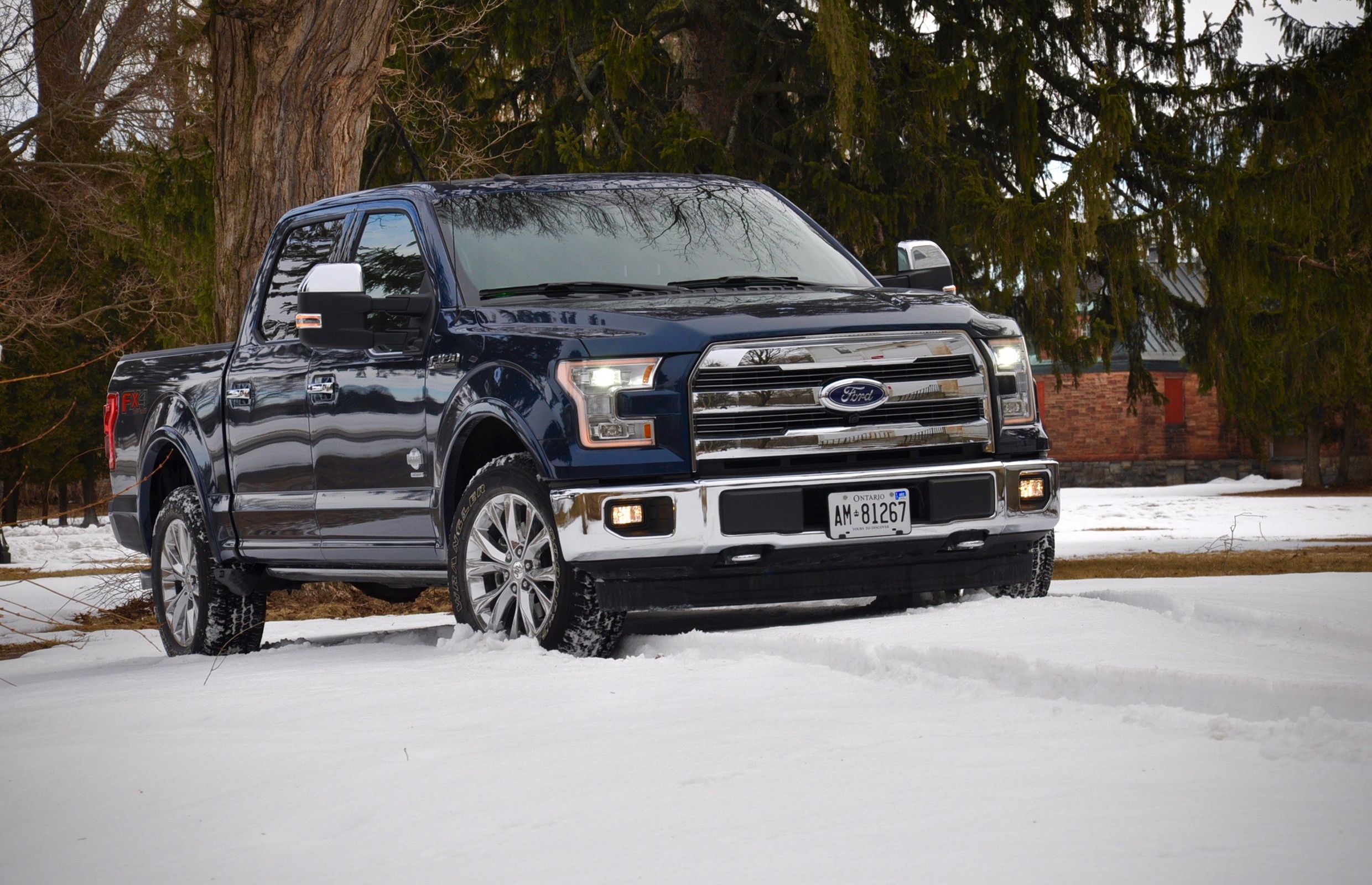
1. Ford F-150 EcoBoost 3.5L V6 (2017-2023 Models)
Turbocharged power delivery defines this pickup, and the 3.5-liter EcoBoost V6 brings strong acceleration that often surprises drivers during towing or highway acceleration. Early ownership impressions usually center on how quickly the truck responds under load, especially when merging or pulling trailers. That immediate strength gives it a strong appeal in the half-ton segment.
Long-term ownership experience introduces a different picture once mileage increases and warranty coverage ends. Turbochargers operate under sustained heat and pressure cycles, and those conditions place continuous stress on seals, bearings, and intercooler systems.
When usage involves frequent towing or extended highway driving, wear patterns tend to appear earlier than naturally aspirated engines of a similar class. Fuel delivery through direct injection improves efficiency and performance, yet intake valve carbon buildup becomes a recurring service concern.
Cleaning procedures may be required at intervals that vary depending on driving habits, and those procedures add to long-term maintenance planning. Drivers who primarily use short trips or stop-and-go commuting may notice this condition earlier than highway-focused users.
Transmission behavior across certain production years shows mixed durability feedback. While early gear changes feel smooth and confident, repeated towing or aggressive throttle use can place strain on clutch packs. Extended fluid change intervals tend to accelerate wear patterns, making service discipline an important factor in long-term reliability outcomes.
Thermal control systems in this engine architecture work continuously due to turbocharger heat generation. Radiators, oil coolers, and coolant pathways must manage elevated temperatures during heavy-duty cycles. Under sustained load conditions or warmer climates, this system operates closer to its limits, requiring consistent maintenance attention.
Modern electronic systems add another layer of ownership responsibility. Advanced driver assistance functions, digital dashboards, and integrated sensor networks increase convenience but also expand potential diagnostic requirements. When electrical faults occur at higher mileage, resolution often requires specialized equipment and technical expertise.
Owners frequently appreciate the performance and capability during the early years of use, especially when towing or hauling is a regular requirement. As mileage increases, service frequency tends to rise compared to simpler V8 configurations that rely on naturally aspirated power delivery and less intricate engine systems.
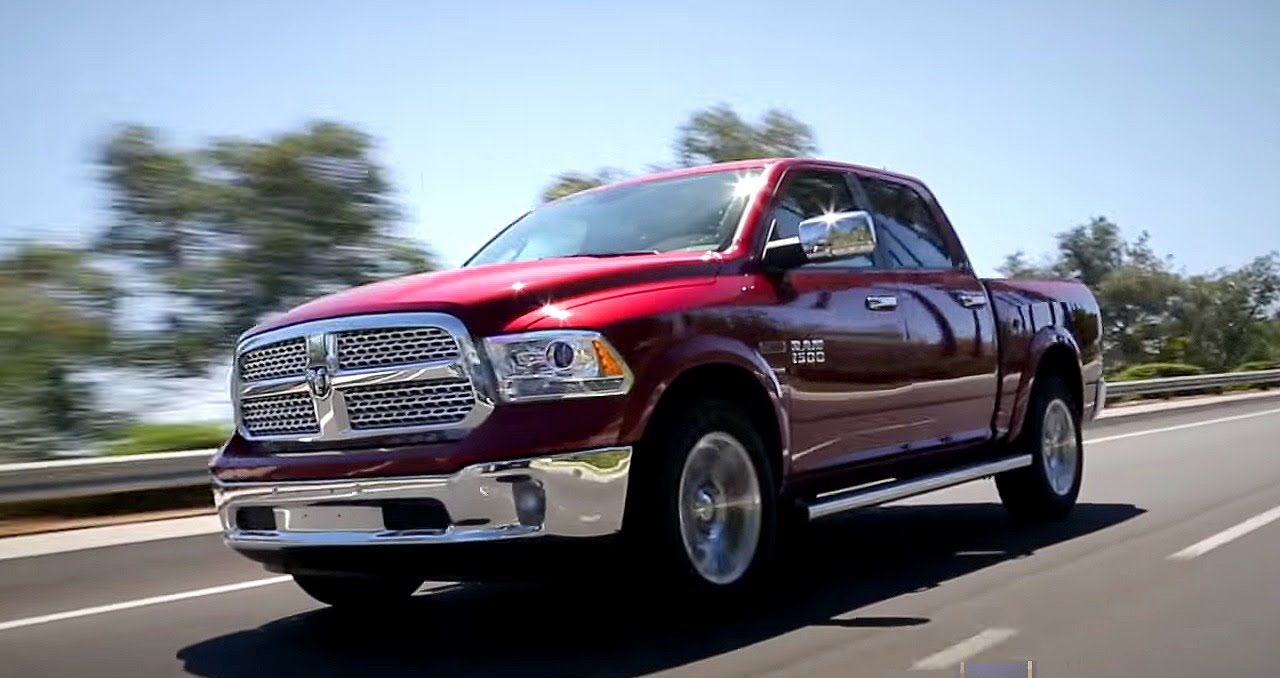
2. Ram 1500 3.0L EcoDiesel V6 (2014-2022 Models)
Diesel efficiency and strong torque output define this half-ton pickup, giving it strong appeal for drivers focused on towing strength and fuel economy. The 3.0-liter EcoDiesel engine delivers low-end pulling power that feels steady during highway cruising and trailer hauling, making it well-suited for long-distance hauling duties under moderate load conditions.
Durability concerns begin to appear in relation to emissions control systems. Diesel particulate filters, exhaust gas recirculation valves, and selective catalytic reduction components operate continuously to meet emissions requirements. These systems require consistent upkeep, and when neglected, they often lead to costly repairs that accumulate as mileage increases.
Oil quality and service timing play a central role in engine health. Diesel engines of this type are sensitive to lubrication standards, and delayed oil changes can accelerate wear in turbocharger assemblies and fuel injection systems. Maintaining strict service intervals becomes necessary for long-term stability.
Thermal management carries additional responsibility due to the combined engine combustion heat and emissions system regeneration cycles. During frequent short trips or urban driving, this system works harder to maintain proper operating conditions, increasing stress on cooling components and related hardware.
Transmission pairing performs smoothly during early ownership stages, especially under light towing conditions. Extended heavy hauling, however, can place strain on torque converters and internal clutch components. Wear patterns tend to increase when towing limits are frequently approached without corresponding maintenance discipline.
Electronic control systems tied to emissions functions introduce diagnostic challenges as mileage accumulates. Sensor failures or communication faults within emissions monitoring systems can trigger reduced engine performance modes, requiring specialized tools for accurate diagnosis and repair.
While torque delivery and fuel efficiency remain strong advantages, long-term ownership costs tend to rise steadily after higher mileage thresholds. Repair frequency becomes more noticeable compared to naturally aspirated gasoline alternatives that rely on simpler mechanical systems.
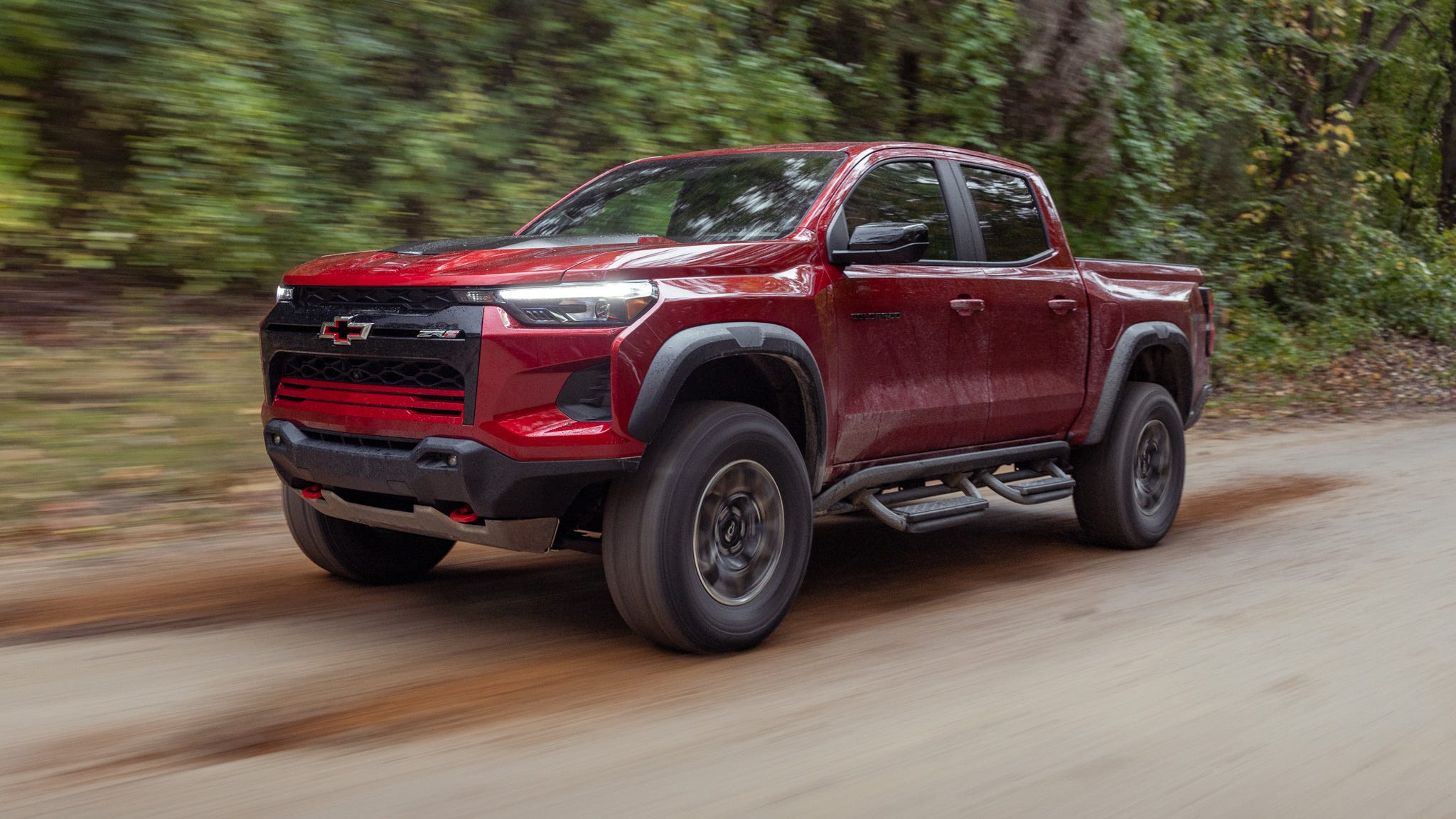
3. Chevrolet Colorado 2.7L Turbo High-Output (2023-Present Models)
Mid-size truck development has shifted toward smaller turbocharged engines, and this model reflects that direction with its 2.7-liter turbo high-output configuration. Early driving experience often feels strong, with responsive acceleration that gives the impression of a larger engine under normal driving conditions.
Turbocharging introduces sustained heat and pressure demands that influence long-term durability behavior. Turbocharger assemblies, charge air cooling systems, and high-pressure fuel components operate continuously under load, especially during towing or extended highway driving. These conditions gradually increase wear on interconnected systems.
Engine calibration focuses on balancing performance with efficiency targets. Internal components operate under tighter tolerances, which improves output but reduces tolerance for inconsistent maintenance habits. Oil quality and service timing become more important as mileage increases.
Transmission systems paired with this engine provide smooth and efficient gear changes during light to moderate driving. Under repeated towing conditions, internal clutch assemblies may experience increased wear if fluid service schedules are extended beyond recommended intervals.
Electronic integration plays a central role in engine performance management. Sensor arrays, control modules, and throttle systems communicate continuously to maintain optimal operation. Electrical faults or communication interruptions can affect drivability once mileage accumulates.
Cooling systems must handle additional thermal load created by turbo operation. Radiators and intercoolers work continuously under pressure, especially in warmer climates or heavy-use scenarios. Sustained high-load driving places these systems closer to their operational limits.
While performance and efficiency make this truck appealing during early ownership, long-term durability depends heavily on consistent servicing habits and careful usage patterns.
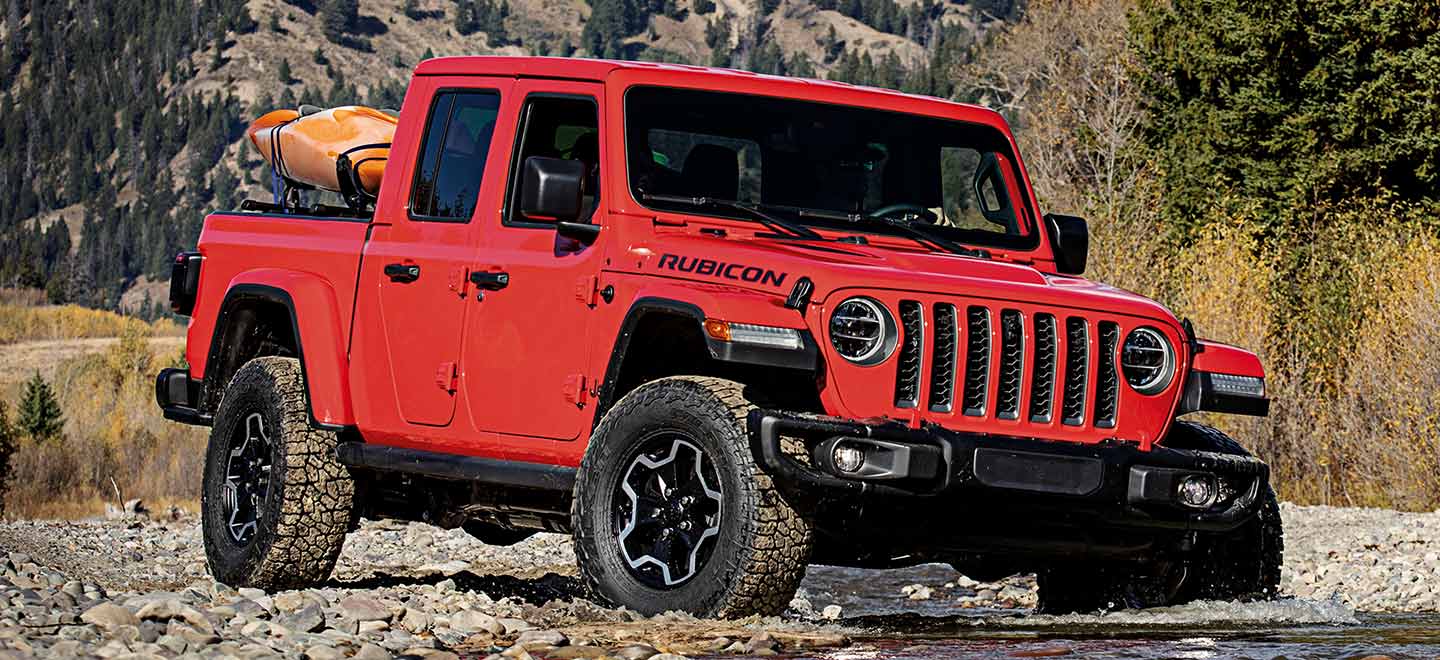
4. Jeep Gladiator 3.6L Pentastar V6 (2020-2024 Models)
Off-road-focused pickup design defines this Jeep model, merging traditional SUV engineering with an open-bed configuration. A 3.6-liter Pentastar V6 engine provides steady power output suitable for daily driving, light towing, and trail use. The engine design is widely used across Stellantis vehicles, which helps with parts availability and mechanical familiarity among technicians.
Durability patterns vary depending on usage habits and driving environments. Vehicles used frequently on rough trails or uneven surfaces tend to place additional load on steering linkages, suspension joints, and drivetrain components. These conditions may require more frequent servicing compared to trucks primarily used on paved roads.
Transmission performance remains consistent during early ownership. Both automatic and manual variants deliver predictable shifting behavior under normal conditions. Extended exposure to heavy off-road driving or repeated towing can introduce wear in clutch assemblies or affect movement smoothness, depending on maintenance discipline and driving intensity.
Electronic systems in this pickup are more advanced compared to earlier Jeep models. Multiple control modules manage off-road functions, infotainment systems, and driver assistance features. While these systems improve functionality, they also introduce additional diagnostic requirements when faults occur at higher mileage levels.
Roof design options on certain trims introduce removable panel systems that rely on sealing components for weather protection. Exposure to rain, heat, and dust over extended periods may lead to wear in seals, requiring periodic inspection and potential replacement to maintain cabin protection.
Suspension design emphasizes articulation for uneven surfaces, allowing wheels to maintain contact during off-road driving. Repeated high-impact use, however, can accelerate wear in bushings, ball joints, and related suspension hardware. These components remain serviceable, though replacement intervals may shorten under demanding conditions.
Owners who prioritize off-road use often accept higher maintenance attention in exchange for capability. Those using the vehicle primarily on paved roads tend to experience more stable long-term behavior, provided routine servicing schedules are followed consistently.
Also Read: 8 Diesel Trucks Still in Service After 700,000 Miles
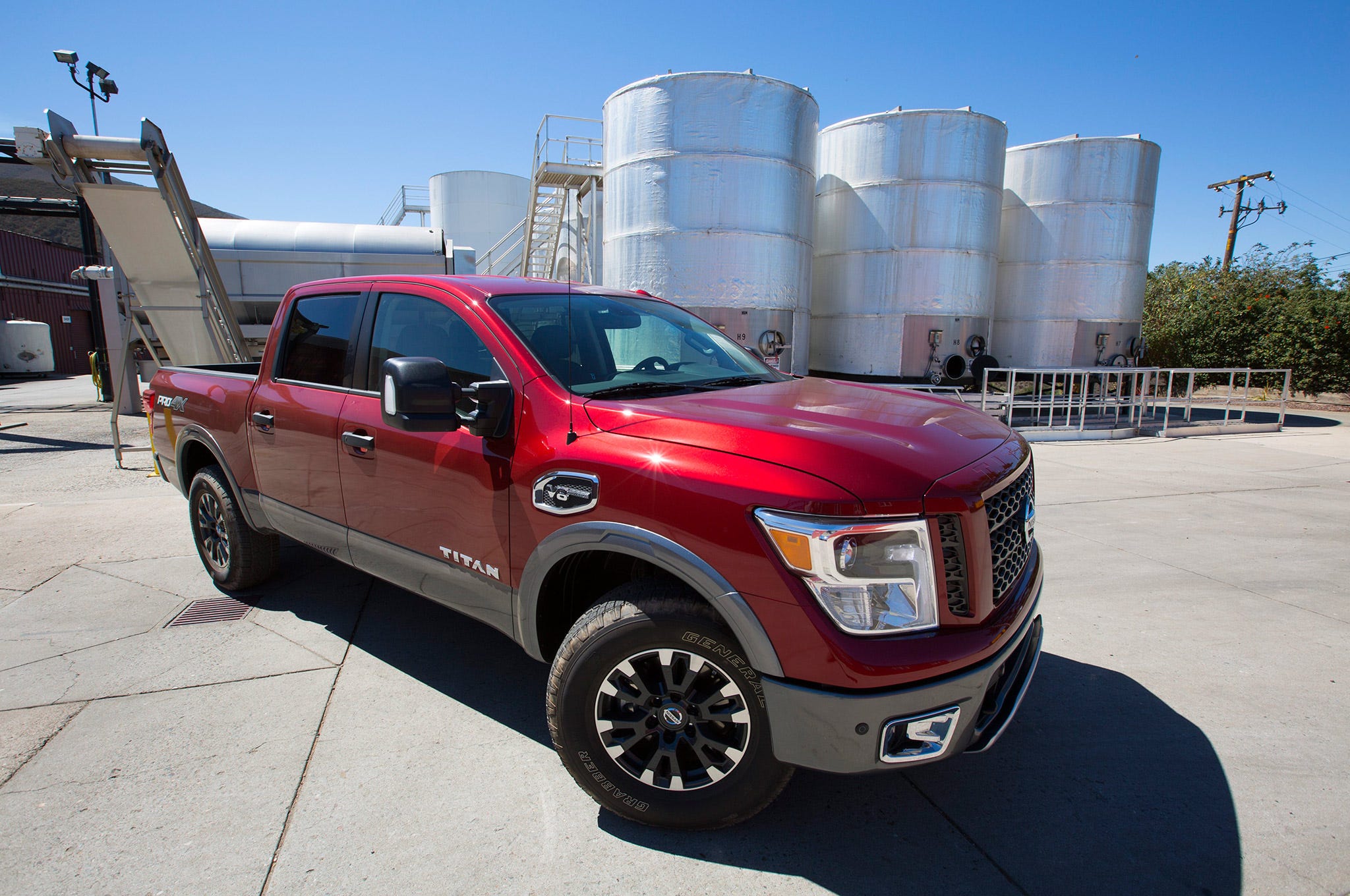
5. Nissan Titan 5.6L Endurance V8 (2017-2024 Models)
Full-size pickup capability is delivered through a naturally aspirated 5.6-liter V8 engine that provides strong torque output and smooth acceleration characteristics. Early driving experience typically feels stable, with power delivery suited for towing, highway cruising, and general utility work without excessive mechanical strain during moderate use.
Durability outcomes vary across ownership experiences when compared with leading competitors in the same class. While the engine itself demonstrates strong internal construction, transmission behavior and electronic system reliability have received mixed feedback from long-term users, particularly under sustained heavy-duty applications.
Fuel consumption remains higher than that of several rival models, which affects long-term operating expenses. Although fuel usage does not directly impact mechanical reliability, it influences ownership satisfaction during extended periods of high-mileage driving or frequent towing activity.
Electronic systems integrated into the vehicle include infotainment platforms, driver assistance features, and sensor-based monitoring systems. These features enhance usability but can introduce diagnostic challenges when faults occur, especially as vehicles accumulate higher mileage and age beyond warranty coverage.
Suspension and chassis components are designed to handle standard towing and hauling duties, providing adequate durability for typical full-size truck applications. However, frequent off-road use or repeated heavy towing near maximum capacity may increase wear rates in suspension joints, bushings, and related structural components.
Long-term ownership records indicate that while the Titan performs well during early and mid-life stages, durability consistency tends to fall behind more established full-size pickup competitors when evaluated across extended mileage ranges.
