
Nobody buys a luxury coupe expecting it to become a collector’s item. You buy it because it makes every commute feel like an occasion, because the interior smells like genuine leather and the engine sounds like it was tuned by someone who actually cared about the result, and because pulling up in a well-specced two-door from a respected brand says something about your priorities without saying anything at all.
Resale value and long-term appreciation are the last things on your mind when you sign the paperwork on something like a Mercedes SL or a Lexus SC. And yet here we are in 2026, and a remarkable number of 1990s luxury coupes have done exactly the opposite of what their original owners, their dealerships, and their insurers predicted.
Instead of fading into cheap runabout territory or disappearing into salvage yards, they have aged into desirability. Clean examples are being sought by buyers who grew up dreaming about these cars and are now financially positioned to own them. Values are climbing. Restoration projects are being funded at price levels that would have seemed absurd fifteen years ago.
What happened? Several things converged. A generation of buyers who associate 1990s luxury coupes with a specific era of automotive design excellence, one that prioritized analog driver engagement over touchscreen management, genuine materials over premium-branded plastic, and physical presence over aerodynamic efficiency, reached the age and income where nostalgia became purchasing behavior.
Supply of clean examples declined as the decades reduced the population through neglect, accidents, and the general entropy of mechanical things that are not maintained. And a broader appreciation for pre-digital automotive design established a new cultural framework in which these cars are recognized as genuine design achievements rather than dated relics.
Twelve 1990s luxury coupes, each one aging better than almost anyone predicted, and each one telling a specific story about why certain cars earn their longevity.
1. Mercedes-Benz SL500 Roadster (R129 Generation, 1990 to 2002)
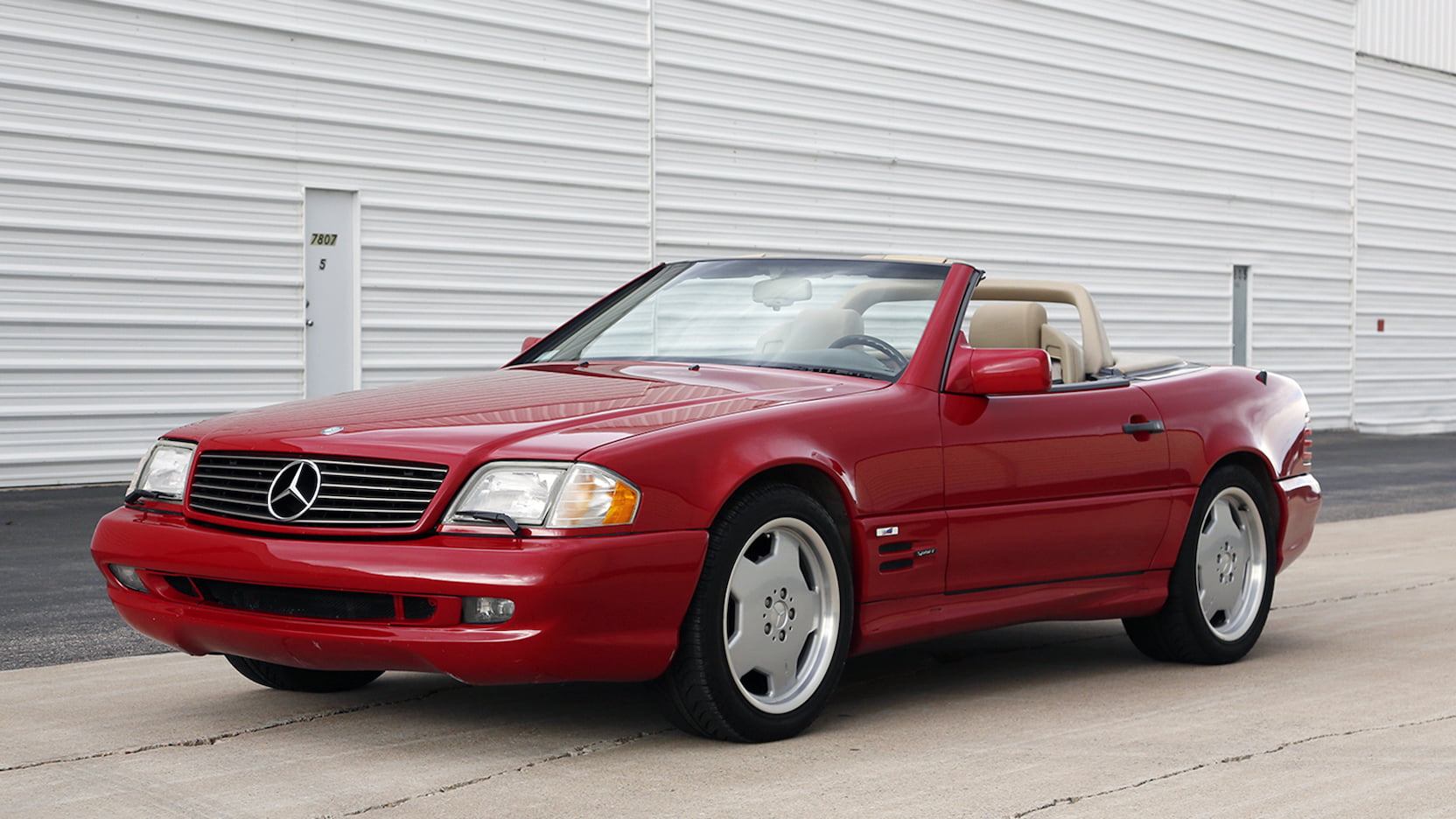
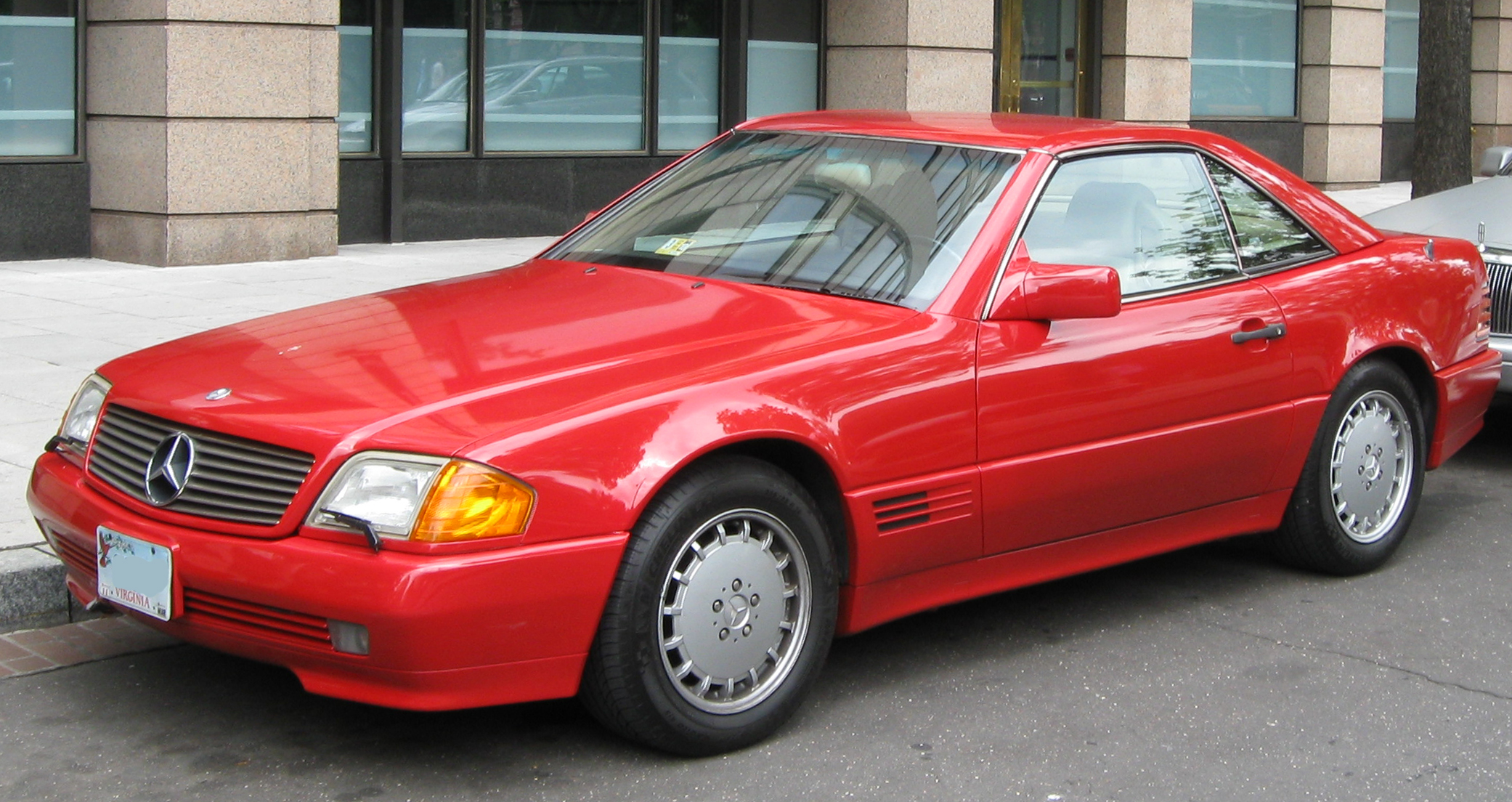
Mercedes-Benz’s R129 SL500 is one of the clearest cases of a 1990s luxury coupe that the market initially wrote off as expensive-to-maintain used car liability and has since reassessed as a genuine collector-grade automobile worth serious money in preserved condition.
By 2026, clean R129 SL500 examples have crossed into territory where their values reflect genuine collector demand rather than transportation utility, and the gap between the car’s nadir in the used market around 2010 to 2015 and its current position represents one of the more dramatic appreciation stories in this segment.
Mercedes built the R129 SL from 1990 through 2002, and the SL500 version used the M119 naturally aspirated 5.0-liter V8, producing 315 horsepower in a grand touring convertible roadster with a power-operated metal hardtop that was genuinely sophisticated engineering for its production period.
Automatic rollbar deployment from sensors detecting impending rollover was a specific safety technology that predated similar systems by years, and the attention to structural engineering that it represented became part of the R129’s reputation as a comprehensively engineered vehicle rather than a styled shell around conventional mechanicals.
M119 V8 longevity in well-maintained R129 examples is one of the engines in this class with the best documented high-mileage track record from the 1990s Mercedes V8 family. Owners who maintained their SL500s with correct oil service intervals and the cooling system attention that any late-model Mercedes of this era requires found engines that accumulated high mileage without fundamental mechanical limitations.
This mechanical longevity foundation is part of why R129 SL500 values recovered and grew, because the engineering quality that justified the original price was still present in well-maintained surviving examples decades later. Hydraulic top and ABC suspension maintenance requirements represent the specific ownership cost categories that created the value nadir in the used market, when owners who could not afford proper service abandoned their cars rather than repair them.
In 2026, buyers who specifically seek R129 SL500 examples understand these systems and budget appropriately, and the market for properly maintained examples has separated clearly from the market for deferred-maintenance examples that require restoration investment before they become reliable transportation.
2. Lexus SC400 Coupe (Z30 Generation, 1992 to 2000)
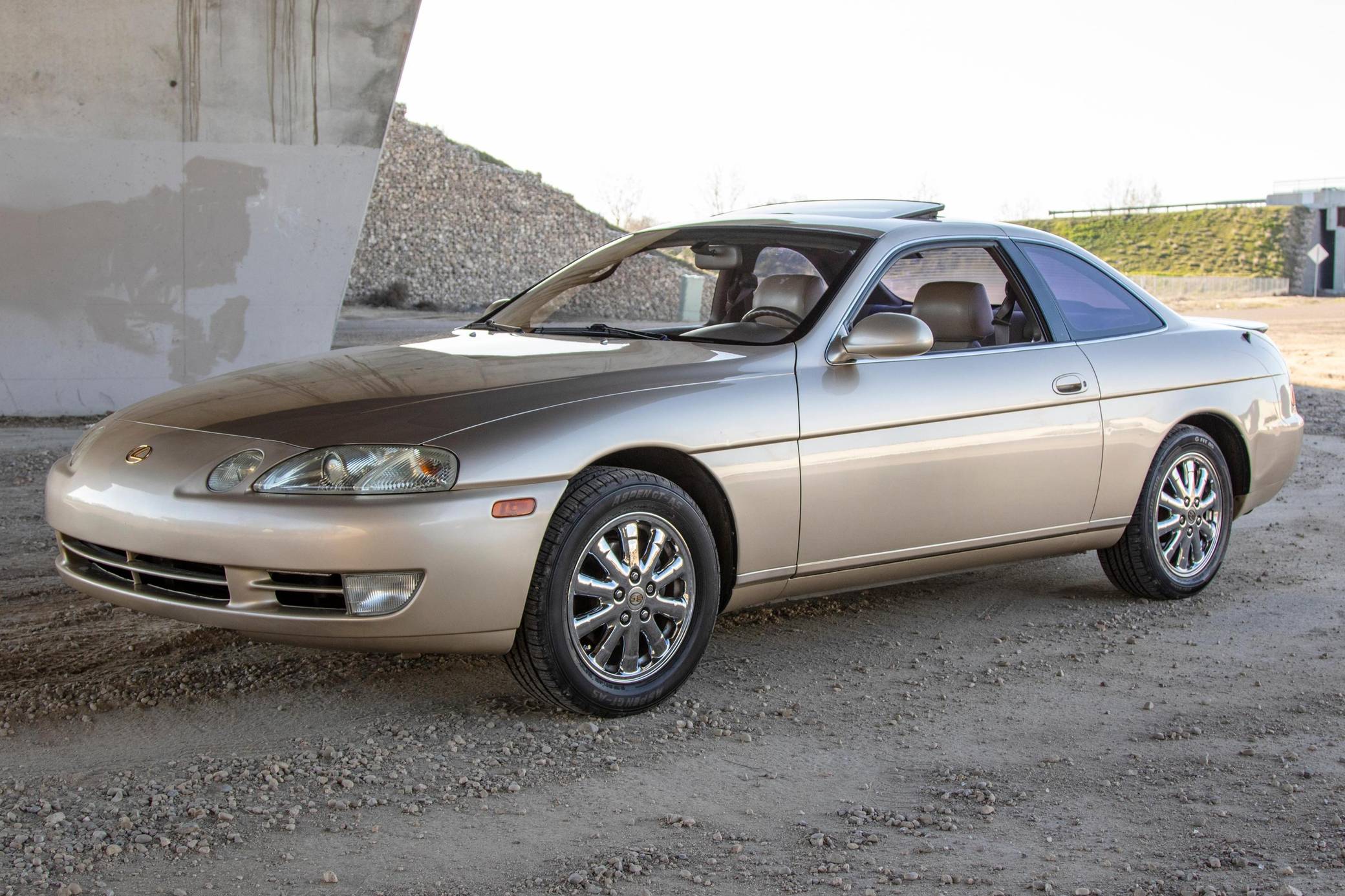
Lexus’s SC400 stands as one of the most straightforward aging success stories from the 1990s luxury coupe segment, and the reason is almost entirely the result of the 1UZ-FE 4.0-liter V8 engine beneath that beautifully proportioned body. Toyota’s flagship V8 in the early 1990s was an engine whose engineering quality and long-term durability have been documented by owners who accumulated 300,000 miles and beyond without fundamental mechanical failure, and that documented longevity forms the foundation of everything positive that has happened to SC400 values in the collector market by 2026.
Giorgetto Giugiaro’s design work on the Z30 SC has aged with a specific grace that 1990s automotive design frequently fails to achieve. Clean, restrained surface development with proportions that balance the large cabin volume against the car’s relatively compact footprint produced a coupe profile that reads as intentionally designed rather than date-stamped in the way that many 1990s vehicles with more aggressive styling choices have become.
In 2026, the SC400’s exterior looks thoughtful rather than nostalgic, which is the best possible description for a vehicle that has been on the road for over thirty years. Z30 SC400 values in 2026 have moved into territory where pristine low-mileage examples command prices that original buyers would not have predicted when they were watching their cars depreciate through the 2000s and 2010s.
Clean, original, well-documented examples represent a genuinely finite pool that is shrinking rather than growing, and the combination of 1UZ-FE mechanical longevity with aging-graceful design has created exactly the conditions that sustain appreciation in the collector market for vehicles from this generation.
Also Read: 5 Used Luxury Coupes That Are Reliable vs 5 That Are Constant Projects
3. BMW 850CSi Coupe (E31 Generation, 1992 to 1996)
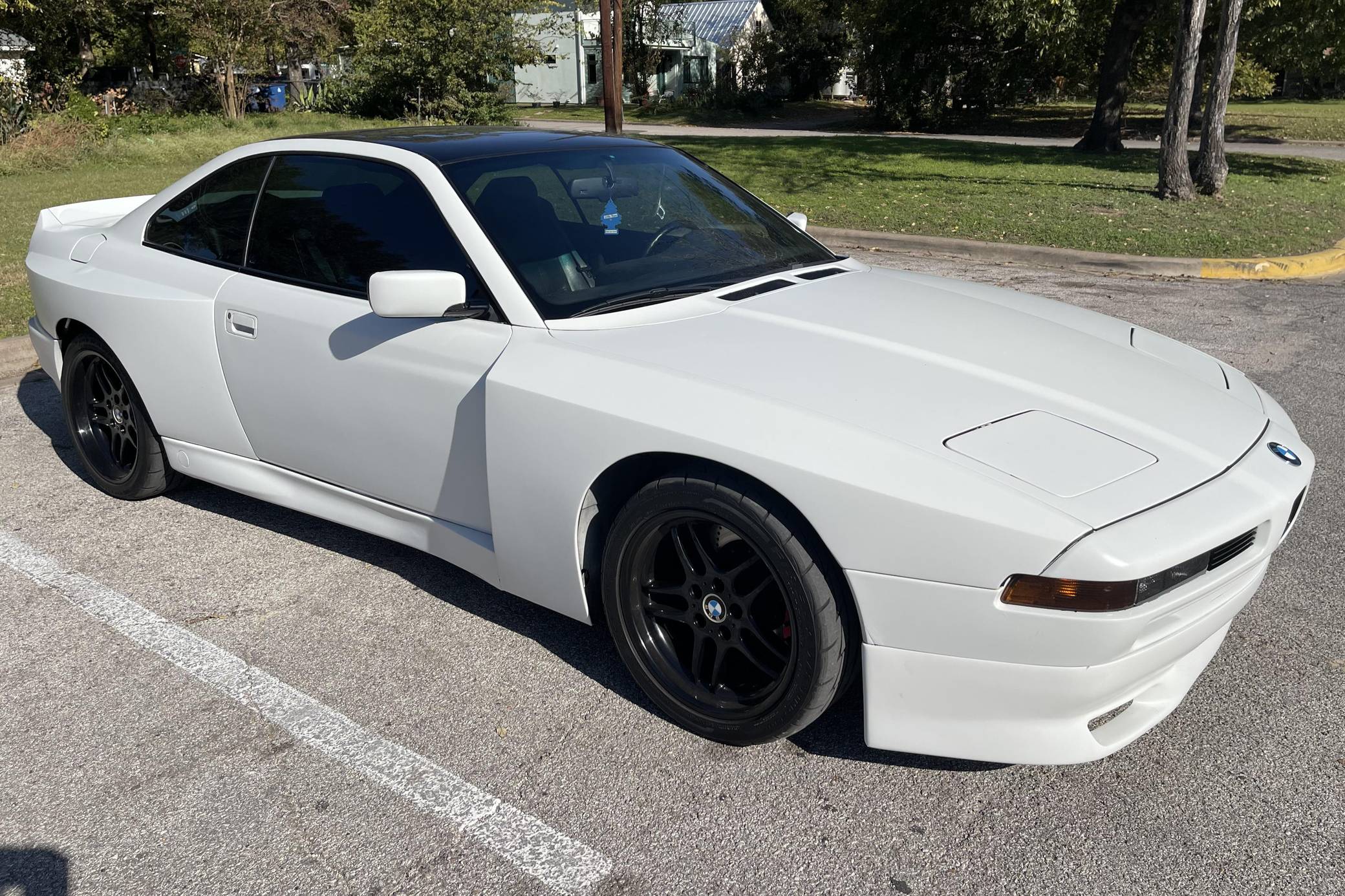
The BMW 850CSi Coupe occupies a specialised position within the collector market by 2026, defined by rarity, engineering depth, and restrained prestige. With global production limited to roughly one thousand five hundred and ten units, the model entered the market with scarcity already established.
That limited output has continued to influence demand, as collectors place value on vehicles whose supply cannot expand. Beyond numbers alone, the 850CSi delivered engineering substance that justified long term interest, anchored by the S70B56 5.6 litre V12 and a chassis developed with direct involvement from BMW Motorsport engineers.
Ownership in 2026 demands financial discipline and mechanical awareness. The V12 power unit requires attentive servicing, specialist knowledge, and access to parts that are neither cheap nor widely stocked. Buyers who enter ownership without adequate preparation face mounting expenses.
Those who approach the car with proper resources gain access to a driving character that modern performance coupes do not replicate. Throttle response, mechanical refinement, and balanced weight distribution create a driving environment that rewards commitment rather than casual use.
Design remains a major contributor to the car’s collector appeal. The E31 body reflects disciplined aerodynamic study paired with visual restraint. A long bonnet, compact cabin placement, flush glazing, and carefully resolved rear proportions give the coupe a presence that remains relevant decades later.
The shape communicates intent without decorative excess. By 2026, historians and collectors alike recognise the 850CSi as a product of deliberate engineering priorities, rather than market trends. That clarity of purpose continues to support its status as a respected and steadily valued classic within the premium European coupe category.
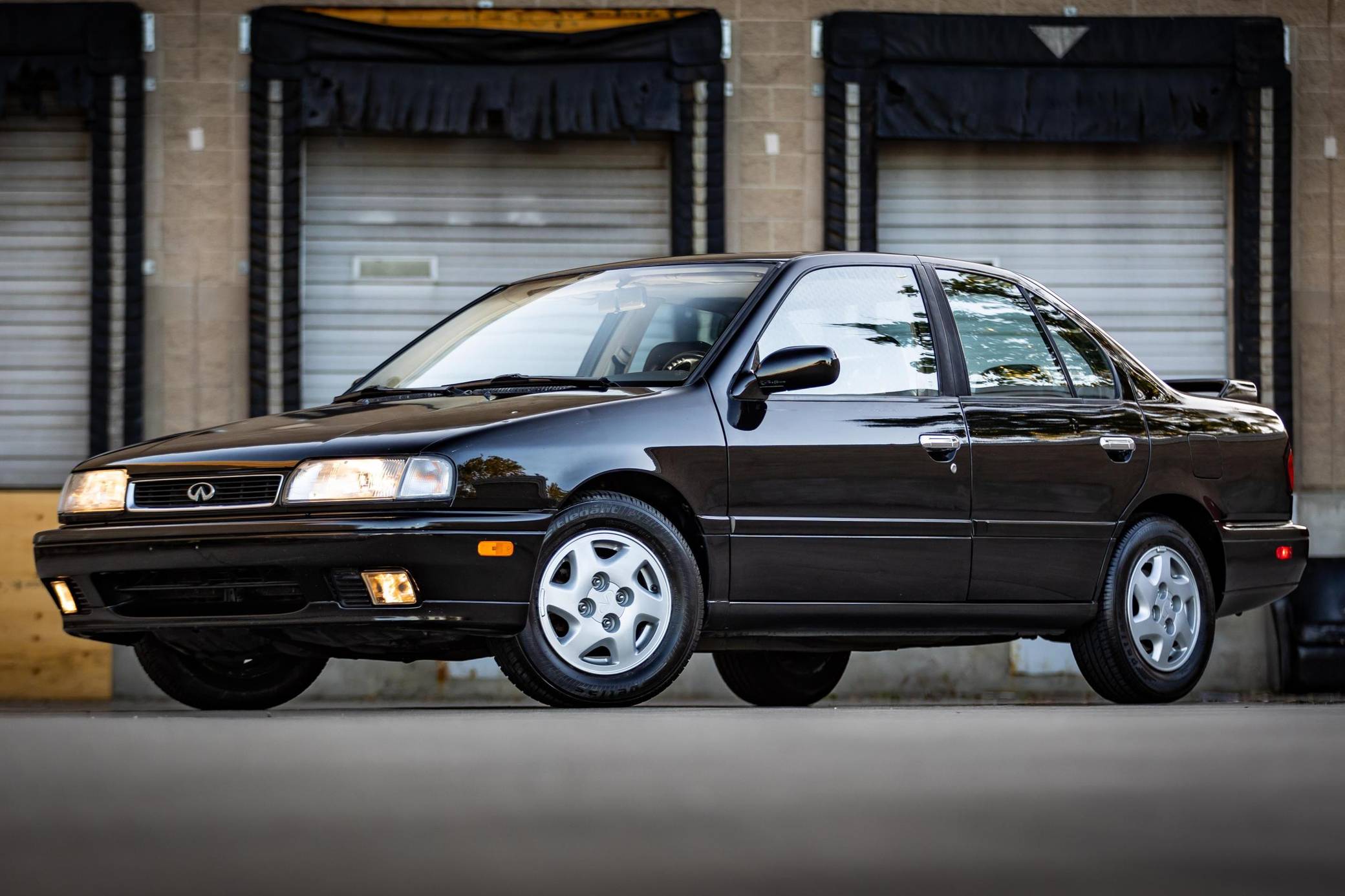
4. Infiniti J30 Sedan-Coupe Hybrid (A31 Generation, 1993 to 1997)
The Infiniti J30 represents a quieter chapter in 1990s Japanese luxury design, yet its position has gained renewed attention by 2026. Sold in limited volumes within the United States, the J30 entered a competitive segment dominated by European and emerging Japanese rivals. Its understated market performance during production years prevented rapid recognition, leaving the model without the brand-driven legacy that later benefited comparable vehicles.
Time has allowed reassessment, and collectors now view the J30 with greater appreciation for its distinct approach. Mechanical reliability supports its rising interest. The VG30DE 3.0 litre V6 engine developed a reputation for smooth delivery and durable construction when maintained correctly.
Routine oil servicing and scheduled timing belt replacement allowed many examples to reach high mileage without internal failure. In 2026, surviving vehicles with verified service records remain suitable for regular use, offering a balance between usability and period authenticity. This reliability differentiates the J30 from more demanding luxury alternatives of its era.
Styling contributes strongly to renewed attention. The J30’s rear weighted proportions challenged conventional luxury design expectations during the early 1990s. Japanese designers pursued an identity separate from European templates, resulting in a form that appeared unconventional at launch.
Decades later, that same design reads as confidently representative of its time. The body avoids excessive ornamentation, relying instead on smooth surfaces and restrained detailing. As collectors seek vehicles that reflect authentic design intent, the Infiniti J30 has gained recognition as a genuine expression of Japanese luxury thinking from its production period.
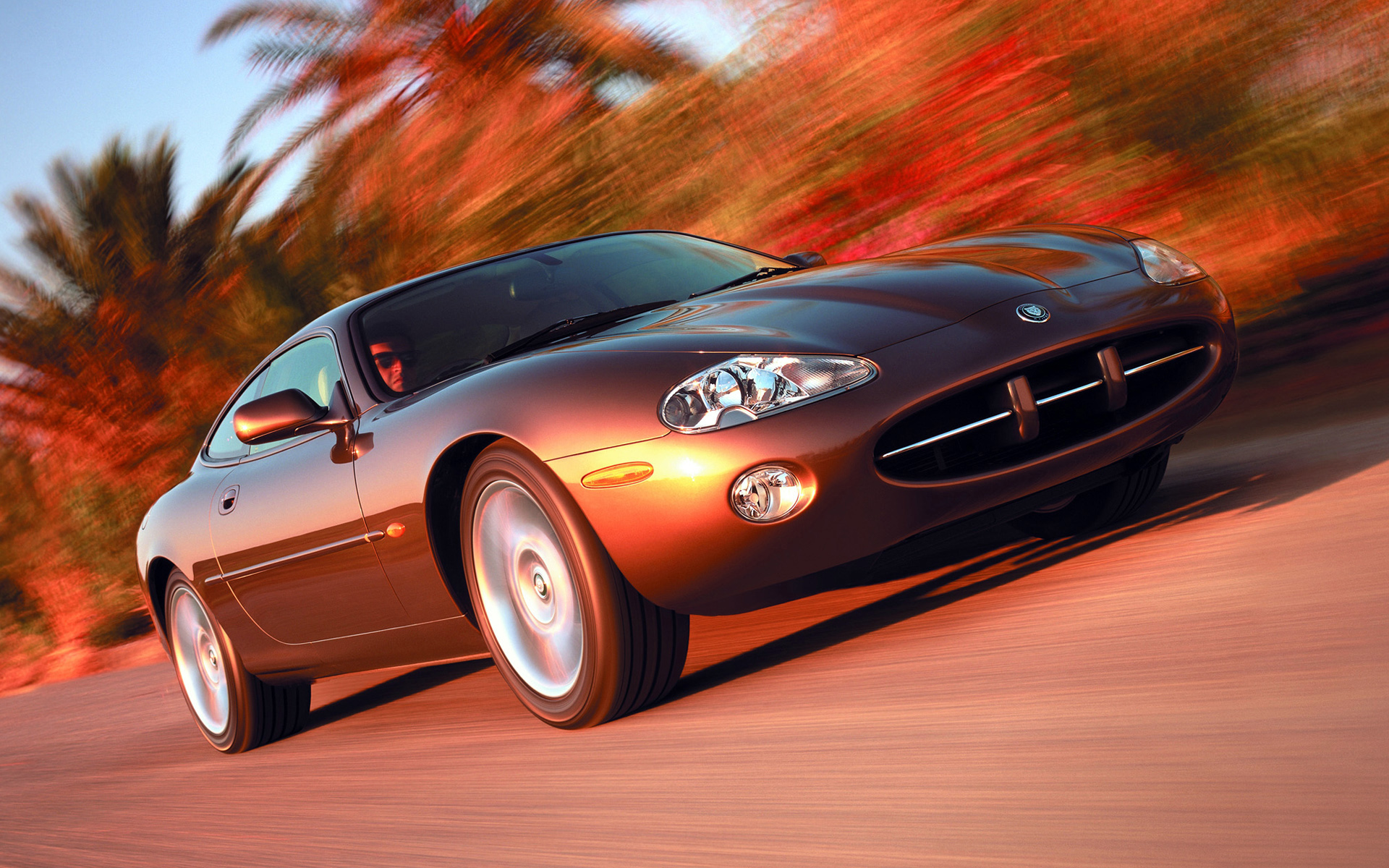
5. Jaguar XK8 Coupe (X100 Generation, 1996 to 2006)
Jaguar’s X100 XK8 arrived in 1996 as the first true Jaguar grand touring coupe developed entirely under Ford ownership, and it represented a visual and mechanical departure from the XJS it replaced that was both dramatic and commercially necessary. Twenty-plus years of subsequent history have confirmed that the XK8’s exterior design, penned by Geoff Lawson, was genuinely successful in capturing grand touring coupe elegance without the nostalgic pastiche that some critics feared would limit the car’s appeal to buyers who wanted Jaguar heritage without Jaguar innovation.
AJ-V8 4.0-liter engine in the X100 XK8 is a power unit whose reliability reputation was earned progressively across the production run as early examples’ issues were addressed through engineering improvements. Later-production X100 XK8 examples from 2000 onward with the updated timing chain tensioner specification and improved cooling system components represent a substantially better ownership proposition than early 1997 and 1998 production cars, and buyers in 2026 who understand this production chronology can identify examples whose fundamental mechanical condition is not compromised by the early-specification concerns that damaged the broader model’s reputation.
Clean, well-maintained X100 XK8 coupes in 2026 have become increasingly attractive to buyers who specifically want British grand touring character at accessible prices relative to equivalent German and Italian alternatives. Jaguar’s specific combination of interior character, V8 sound quality, and the XK8’s visual presence provides an ownership experience that competing cars from this era do not replicate, and buyers who are willing to invest in proper maintenance of a known-issue platform find a car that delivers its intended experience reliably.
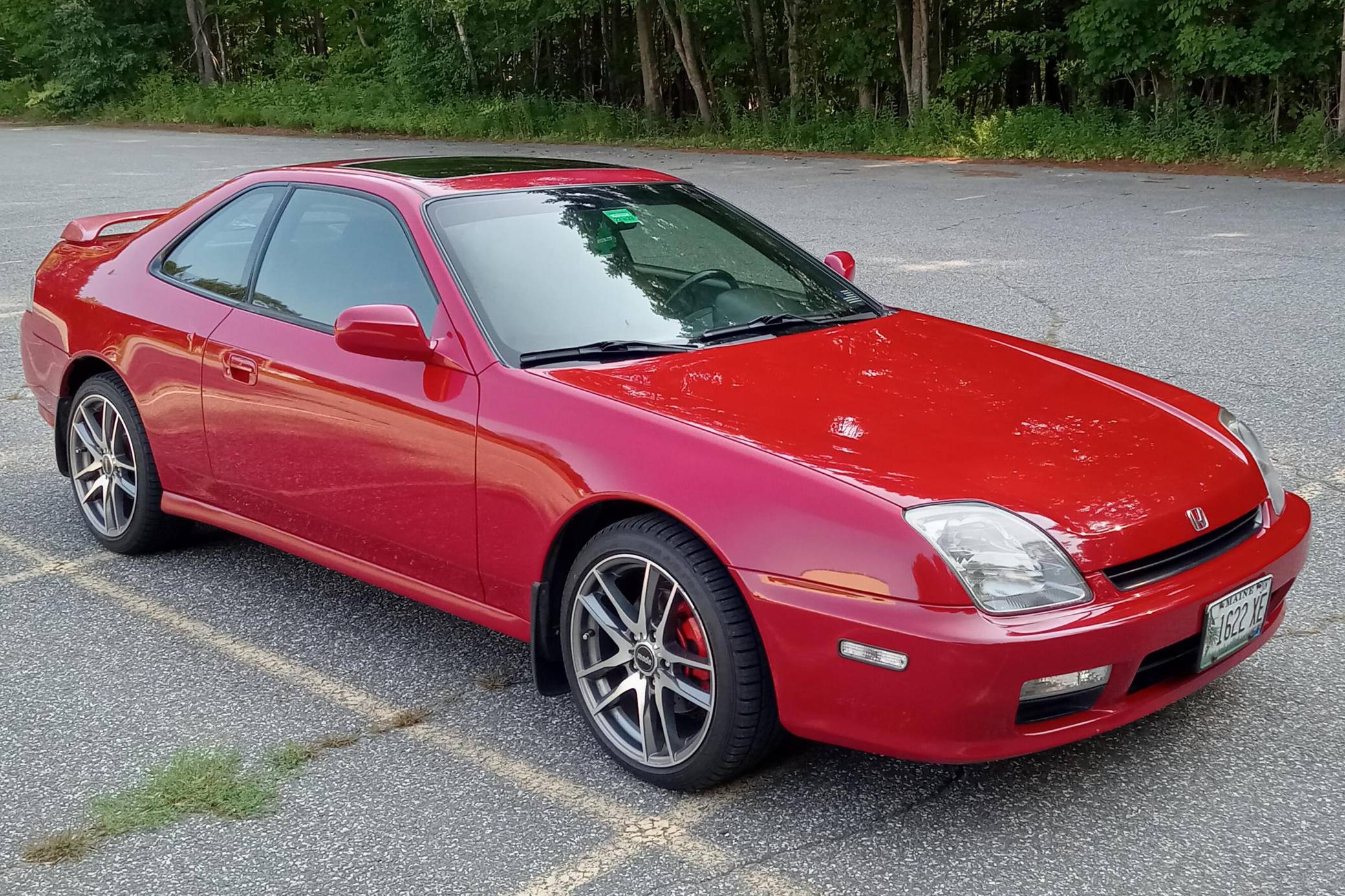
6. Honda Prelude Type SH (Fifth Generation, 1997 to 2001)
Honda’s fifth-generation Prelude occupies a specific and somewhat unusual position on this list as the most affordable and most technically accessible car among twelve vehicles that span a wide price range. Including the Prelude here is justified by what has happened to its standing in the enthusiast community by 2026, where clean examples of the Type SH specification have become sought-after representatives of Honda’s 1990s engineering philosophy at its most confident and least compromised.
ATTS, Honda’s Active Torque Transfer System in the Type SH, provided torque vectoring between the front wheels through a hydraulically actuated clutch system that Honda developed specifically for this application and did not carry forward into subsequent production models.
This specific technology made the Type SH handle differently from standard Prelude models and from front-wheel-drive competitors of its era, and the driving experience it produced is one that buyers who specifically seek the Type SH in 2026 cite as the primary reason for their interest in this specific variant.
H22A4 2.2-liter naturally aspirated VTEC four-cylinder engine longevity in well-maintained fifth-generation Prelude examples is consistent with Honda’s broader engine durability reputation from this period, with documented examples accumulating high mileage without fundamental mechanical failure when oil service was performed at appropriate intervals.
Honda’s VTEC mechanism condition at high mileage is a specific evaluation point for prospective buyers, but properly maintained examples show VTEC engagement behavior consistent with the original specification at high odometer readings.
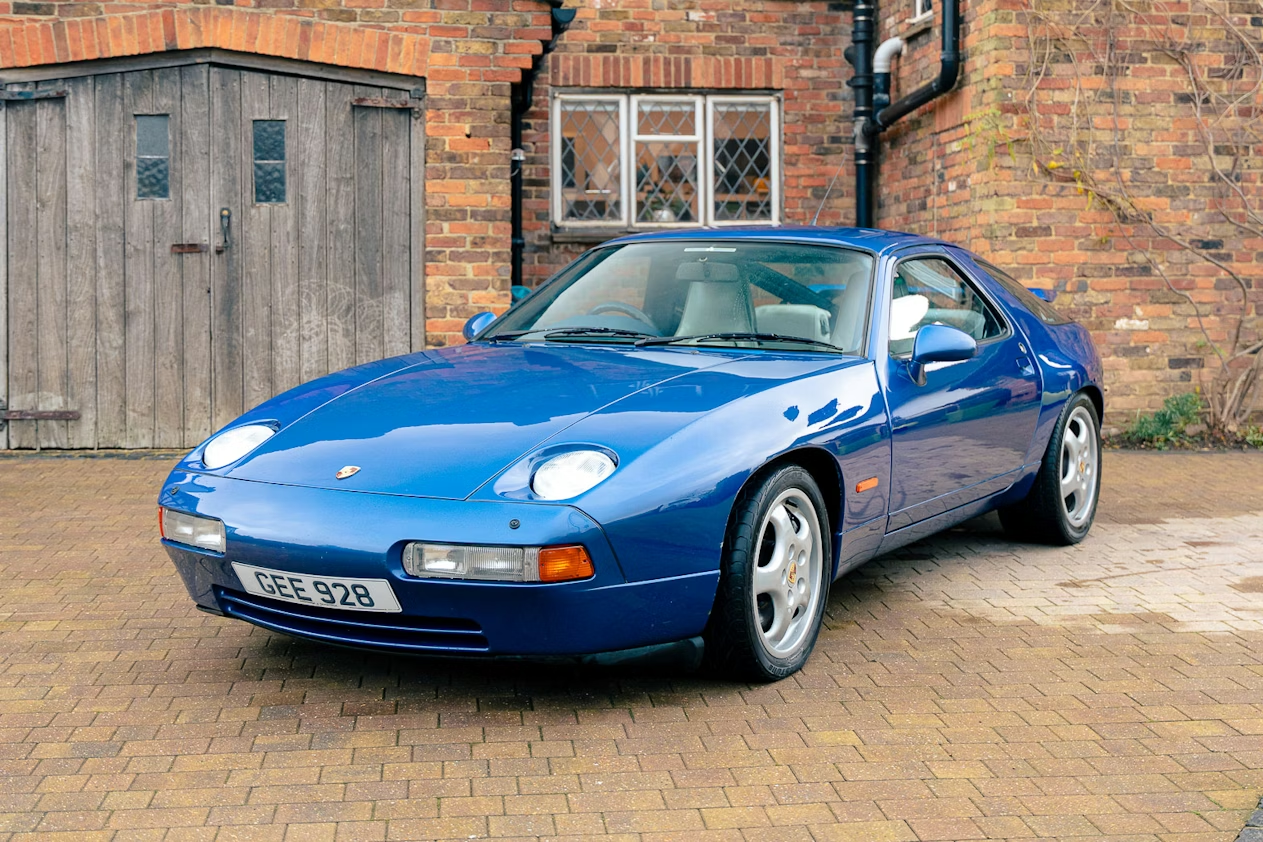
7. Porsche 928 GTS Coupe (Series 5, 1992 to 1995)
Porsche’s 928 spent most of its post-production history in an unusual critical limbo, dismissed by purists who considered the front-engined, water-cooled grand touring Porsche a philosophical compromise and overlooked by buyers who found the air-cooled 911 more emotionally compelling.
By 2026, this long period of relative neglect has ended decisively, with 928 GTS examples commanding prices that reflect genuine collector enthusiasm rather than the grudging acknowledgment that characterized the 928’s reputation for much of the 2000s and 2010s.
Porsche’s M28/49 5.4-liter V8 in the 928 GTS produced 350 horsepower at the top of the production run, and it drives through a transaxle configuration that distributes weight between front engine and rear transmission with a balance that gives the 928 GTS handling characteristics that genuine driving experts praised consistently, even when the car’s broader market position was uncertain.
Porsche’s engineering thoroughness in developing the 928 platform was always visible to drivers who spent time evaluating the car seriously, and their assessments contributed to the reputation foundation that has supported the 928 GTS’s eventual collector emergence.
Used market pricing for 928 GTS examples in 2026 has reached a level where the car’s collector status is unambiguous, with clean, low-mileage examples representing the kind of investment that buyers make with appreciation potential in mind rather than purely for driving enjoyment.
The combination of rarity, Porsche heritage, specific engineering quality, and the end of the critical period that suppressed 928 values for decades has positioned the GTS as one of the more compelling collector propositions from the 1990s European luxury coupe segment.
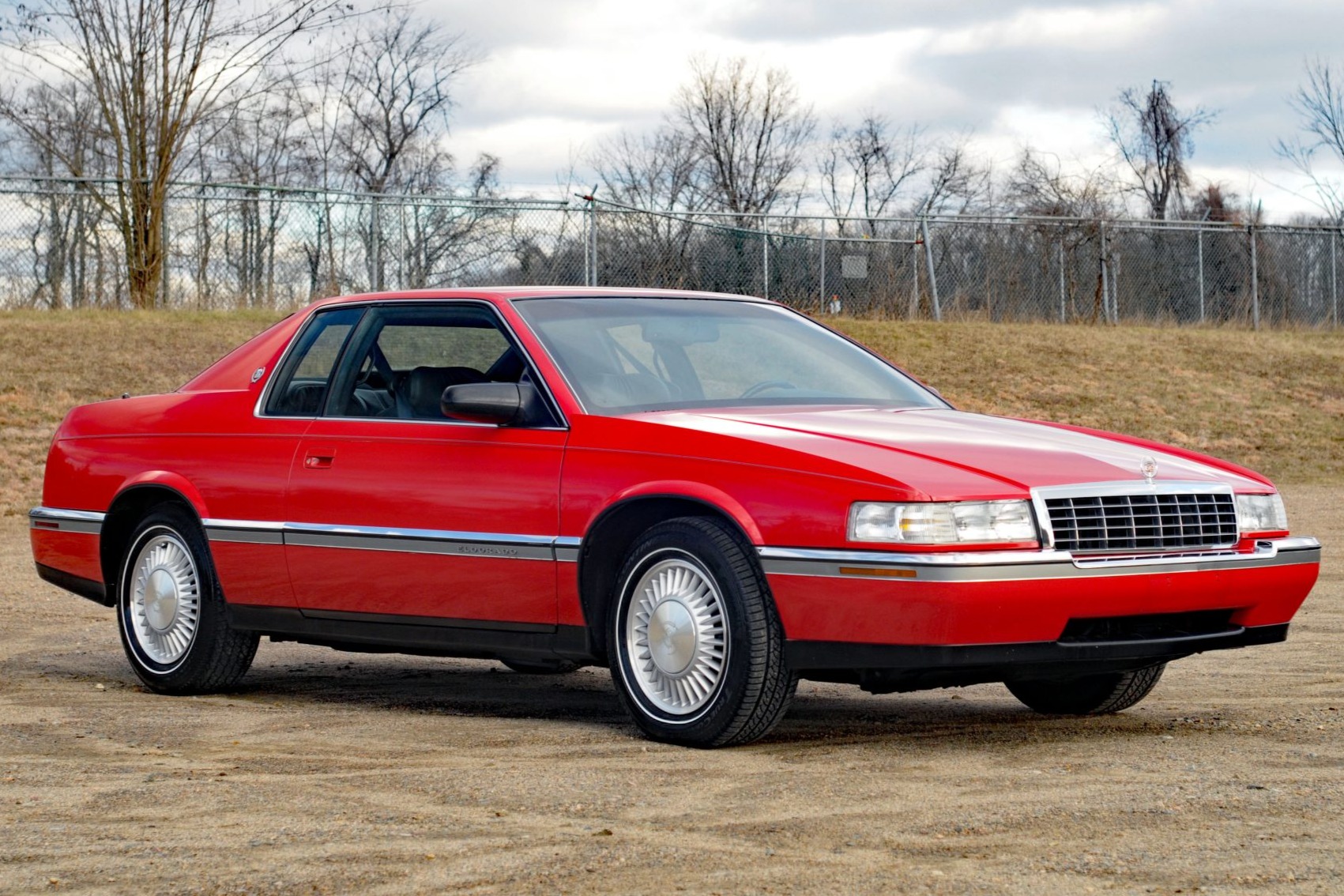
8. Cadillac Eldorado Touring Coupe (Eleventh Generation, 1992 to 2002)
Cadillac’s eleventh-generation Eldorado is the most thoroughly American car on this list, and its inclusion reflects the specific and growing appreciation for American luxury coupes of the 1990s that has developed in the enthusiast community by 2026. Where European and Japanese cars on this list have attracted collector interest primarily from enthusiasts with specific platform knowledge, the Eldorado has attracted appreciation from a broader audience that recognizes what American luxury design was capable of at its best during this period.
Northstar 4.6-liter V8 engine history with the eleventh-generation Eldorado is complicated in exactly the way that any prospective owner must understand before committing to a purchase. Northstar head bolt failure, specifically the failure of aluminum block head bolt threads under the sustained thermal stress of normal operation, created an engine reputation problem that substantially depressed Eldorado values and contributed to a disproportionate attrition of otherwise viable cars during the period when repair costs exceeded the car’s market value.
By 2026, the Northstar head bolt concern is well-documented, the repair procedures are established, and examples that have undergone proper remediation are genuinely viable. Eldorado Touring Coupe specification added performance-oriented suspension tuning, Bose audio enhancement, and specific exterior and interior treatments that distinguished it from standard Eldorado production in ways that make it the specific variant that informed buyers in 2026 seek.
Finding a Touring Coupe specification with documented Northstar repair history and consistent subsequent maintenance provides the clearest path to Eldorado ownership that delivers its intended character reliably rather than with the uncertainty that poorly maintained Northstar examples generate.
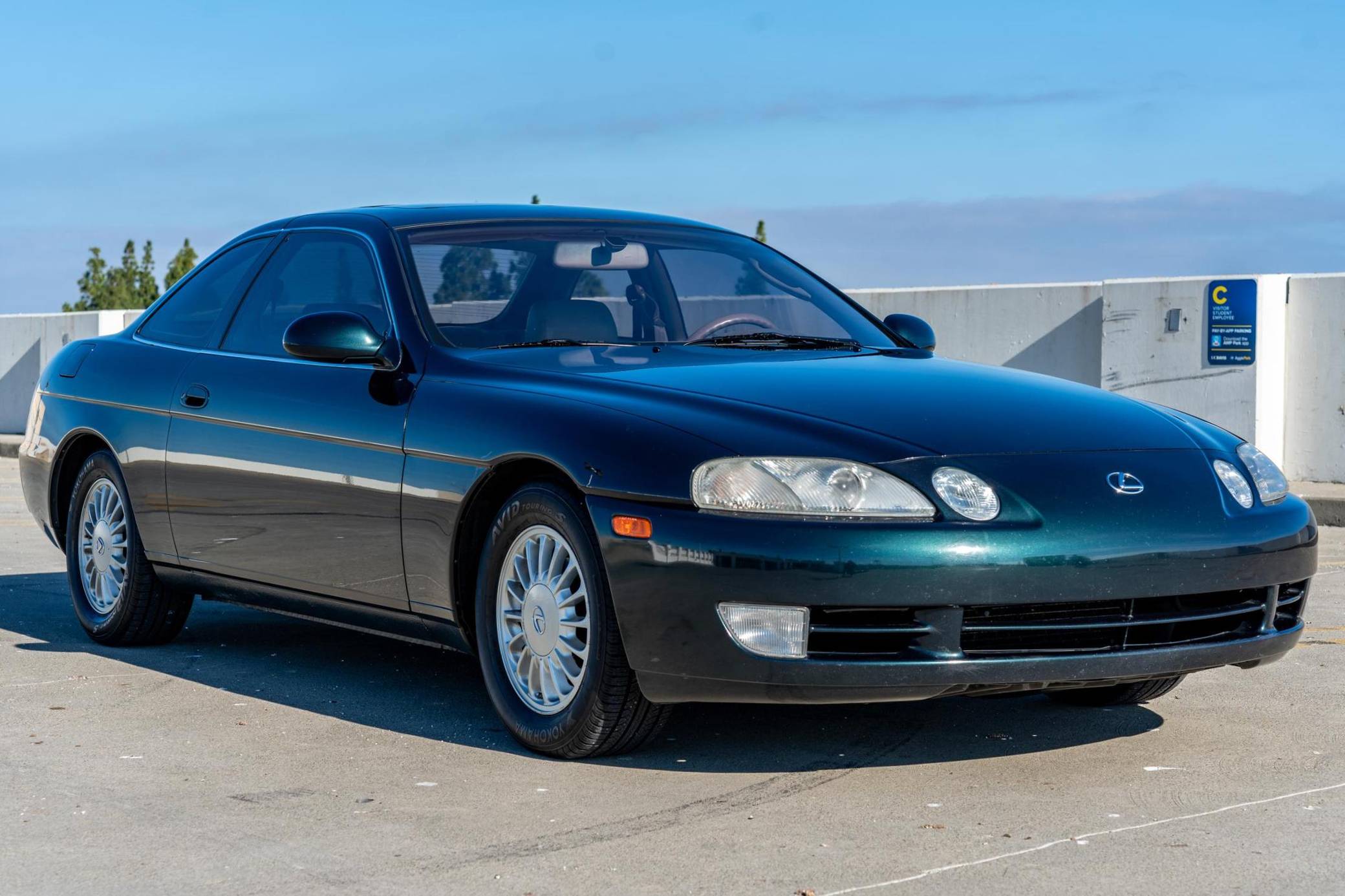
9. Lexus SC300 With 5-Speed Manual (Z30 Generation, 1992 to 2000)
Distinguishing the SC300 with manual transmission from the automatic SC400 and automatic SC300 deserves its own entry because the manual-transmission SC300 has developed into a specific and highly sought collector target whose pricing and availability situation in 2026 differs substantially from the broader Z30 SC market.
Manual SC300 production for the US market was genuinely limited, with Lexus offering the 5-speed manual on the SC300 only and not on the V8 SC400, creating a configuration that combined the 2JZ-GE 3.0-liter inline-six with a manual gearbox that the collector market in 2026 has recognized as one of the most compelling 1990s Japanese luxury coupe combinations available.
Toyota’s 2JZ-GE naturally aspirated inline-six carries its own legendary reputation independently of the turbocharged 2JZ-GTE that became famous through motorsport application. Natural aspiration, single-overhead-cam operation in the GE specification, and the smoothness inherent to an inline-six’s primary balance produced an engine whose power delivery character paired exceptionally well with the manual transmission’s driver engagement in the SC300’s otherwise luxury-focused platform.
Owners who found this combination when it was available at everyday used car prices built communities around it, and those communities documented the ownership experience thoroughly enough that buyers discovering the manual SC300 in 2026 have access to comprehensive platform knowledge.
2JZ-GE engine longevity in well-maintained manual SC300 examples is consistent with Toyota’s broader 2JZ family reputation, with examples documented at high mileage in original naturally aspirated specification, maintaining compression and oil control consistent with engines with substantially more remaining service life.
Timing belt replacement at manufacturer-specified intervals is the non-negotiable scheduled service item that most directly determines 2JZ-GE long-term health, and documentation of belt service history is the first thing informed buyers verify.
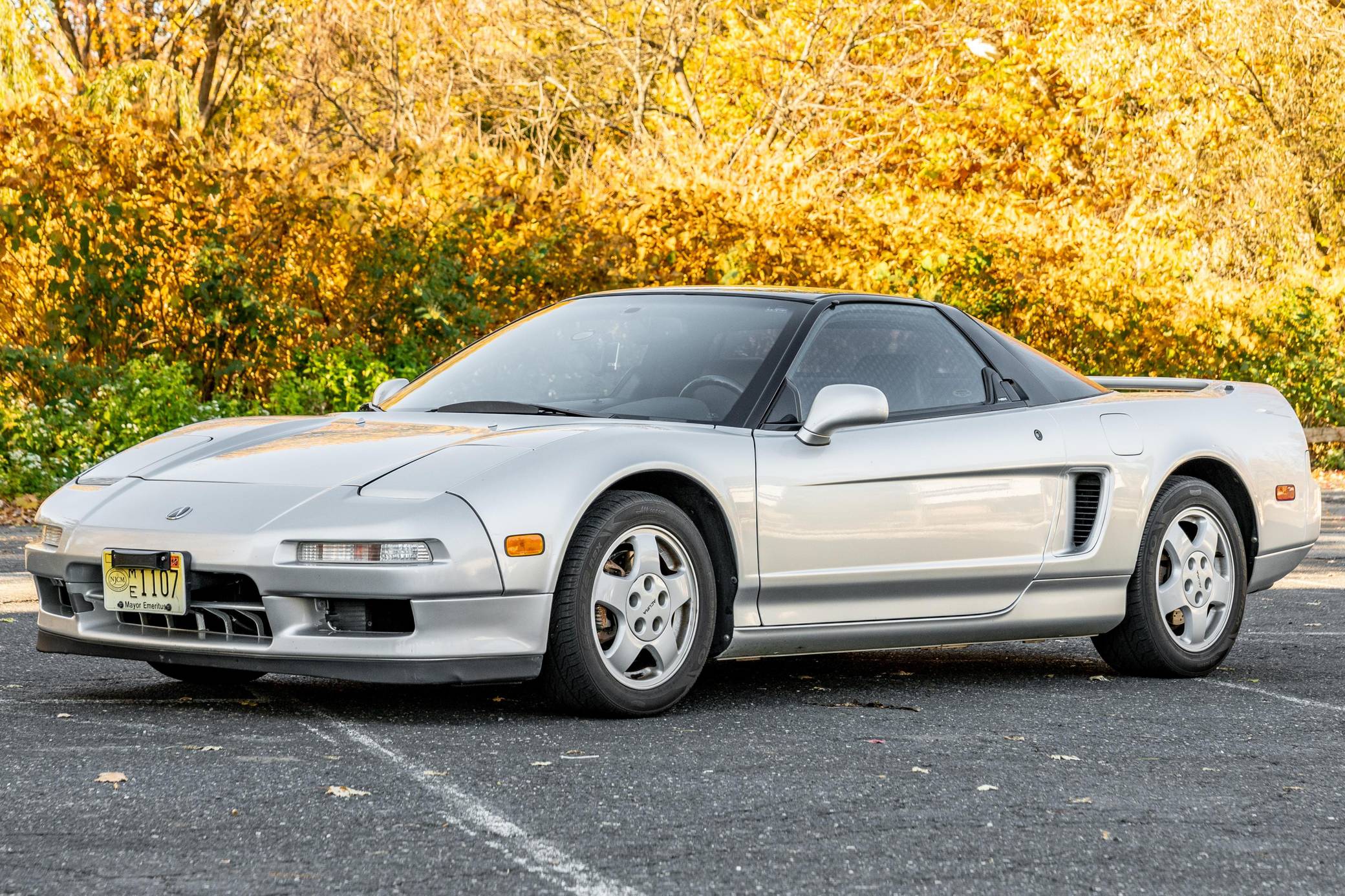
10. Acura NSX Coupe (NA1 Generation, 1991 to 2001)
Acura’s NA1 NSX stands somewhat apart from the other cars on this list because its collector status was never seriously in doubt after the first decade of its production life, yet it belongs here because the degree to which its values have appreciated by 2026 has exceeded even the most optimistic predictions that enthusiasts were making when these cars were new. Including the NSX here as a 1990s luxury coupe reflects what the NA1 actually is in its daily driving experience: a refined, usable, grand touring sports car whose aluminum construction and mid-engine layout provided sports car performance within a daily driver context that conventional supercars of the 1990s rarely achieved.
Honda’s C30A 3.0-liter naturally aspirated V6 in the NA1 NSX is an engine whose development involved input from Ayrton Senna during his technical advisory relationship with Honda in the late 1980s, and whose character in the car reflects the engineering quality that Honda invested in creating something specifically different from European sports car engines of the period.
C30A engine longevity in properly maintained examples is excellent, and the mid-engine configuration’s contribution to the car’s chassis balance means that the driving experience the NSX delivers depends as much on chassis engineering as on engine specification.
NA1 NSX values in 2026 have reached a level that places clean, original, well-documented examples in genuinely serious collector pricing territory. Price appreciation from the car’s market floor in the early 2010s to its current position represents one of the most substantial percentage increases of any Japanese vehicle from the 1990s, and the trajectory shows no indication of reversing as the population of clean original examples continues to decline while informed demand grows.
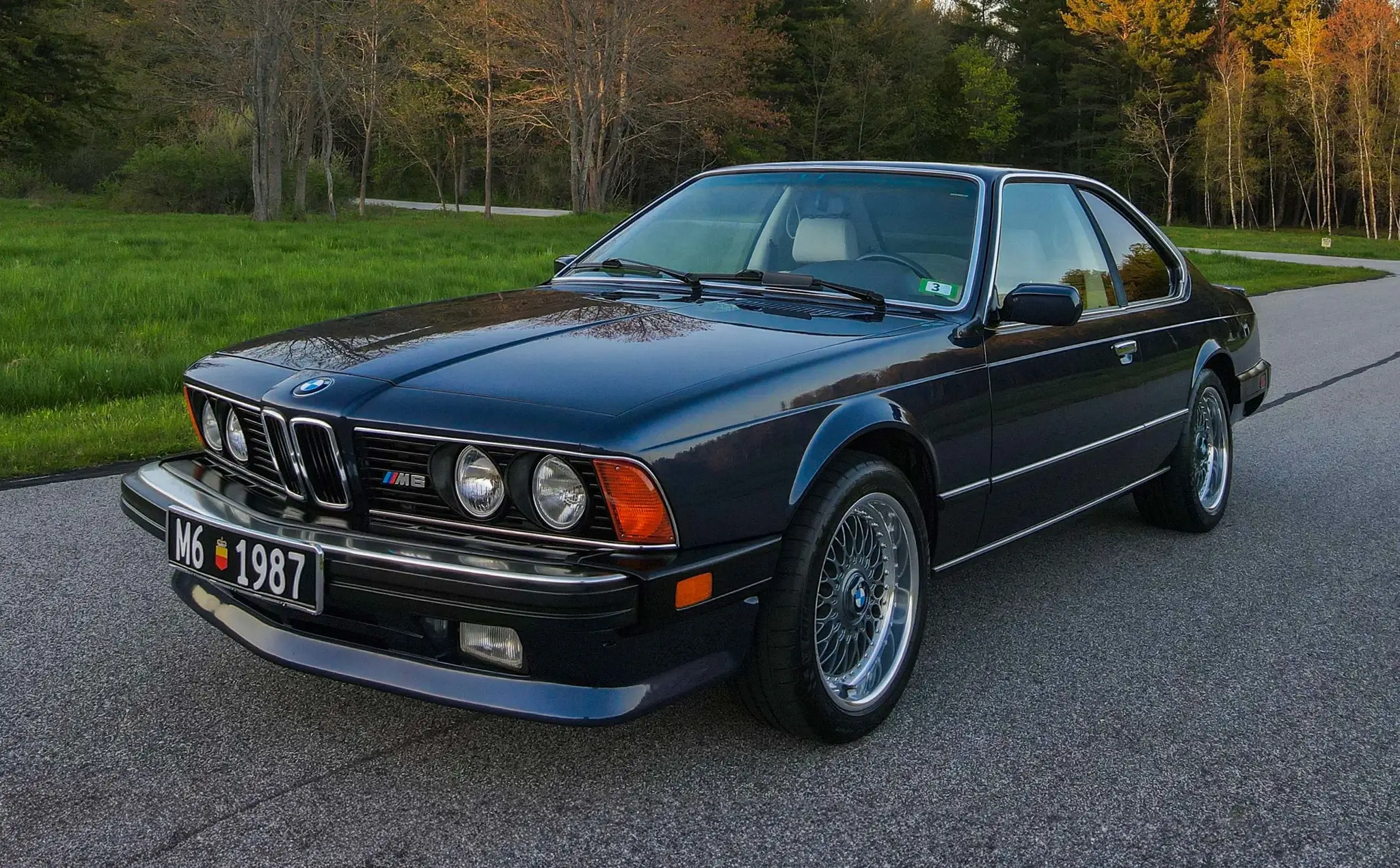
11. BMW M6 Coupe (E24 Generation, 1987 to 1989)
BMW’s E24 M6 Coupe occupies a distinctive position within late twentieth-century performance car history. Produced in limited numbers toward the end of the E24 platform life cycle, this model bridged classic grand touring proportions with engineering depth that later performance coupes would refine rather than replace.
By 2026, the E24 M6 attracts sustained interest from collectors who appreciate restrained design, mechanical integrity, and a driving character shaped by precision rather than electronic mediation. Its long bonnet, pillarless profile, and understated detailing continue to project authority without relying on contemporary styling trends.
Central to its appeal is the S38 inline six engine, developed by BMW Motorsport during a period when durability and responsiveness were prioritised alongside output. This power unit rewards attentive maintenance with impressive longevity, delivering linear power and a mechanical sound that modern forced induction engines rarely replicate.
Ownership satisfaction depends heavily on documented service, particularly valve adjustments, timing component care, and cooling system upkeep. Cars supported by detailed maintenance records command premium pricing because such documentation provides confidence regarding remaining mechanical life.
Chassis balance remains a defining trait. Suspension geometry, steering feedback, and weight distribution work together to create a composed driving experience that suits both spirited road use and extended touring. Buyers in 2026 often describe the car as engaging without intimidation, offering a level of driver involvement that feels deliberate rather than demanding. Interior quality reinforces this impression, with durable materials and ergonomic layouts that have aged with dignity.
Supply continues to tighten as restoration costs rise and neglected examples exit the market permanently. As a result, acquisition requires patience, informed evaluation, and realistic budgeting for specialist servicing. The E24 M6 stands as a mature collector choice for buyers seeking authenticity, craftsmanship, and a performance identity rooted in mechanical excellence rather than numerical performance claims.
Also Read: 8 Used Luxury Coupes That Are Surprisingly Easy to Modify for More Power
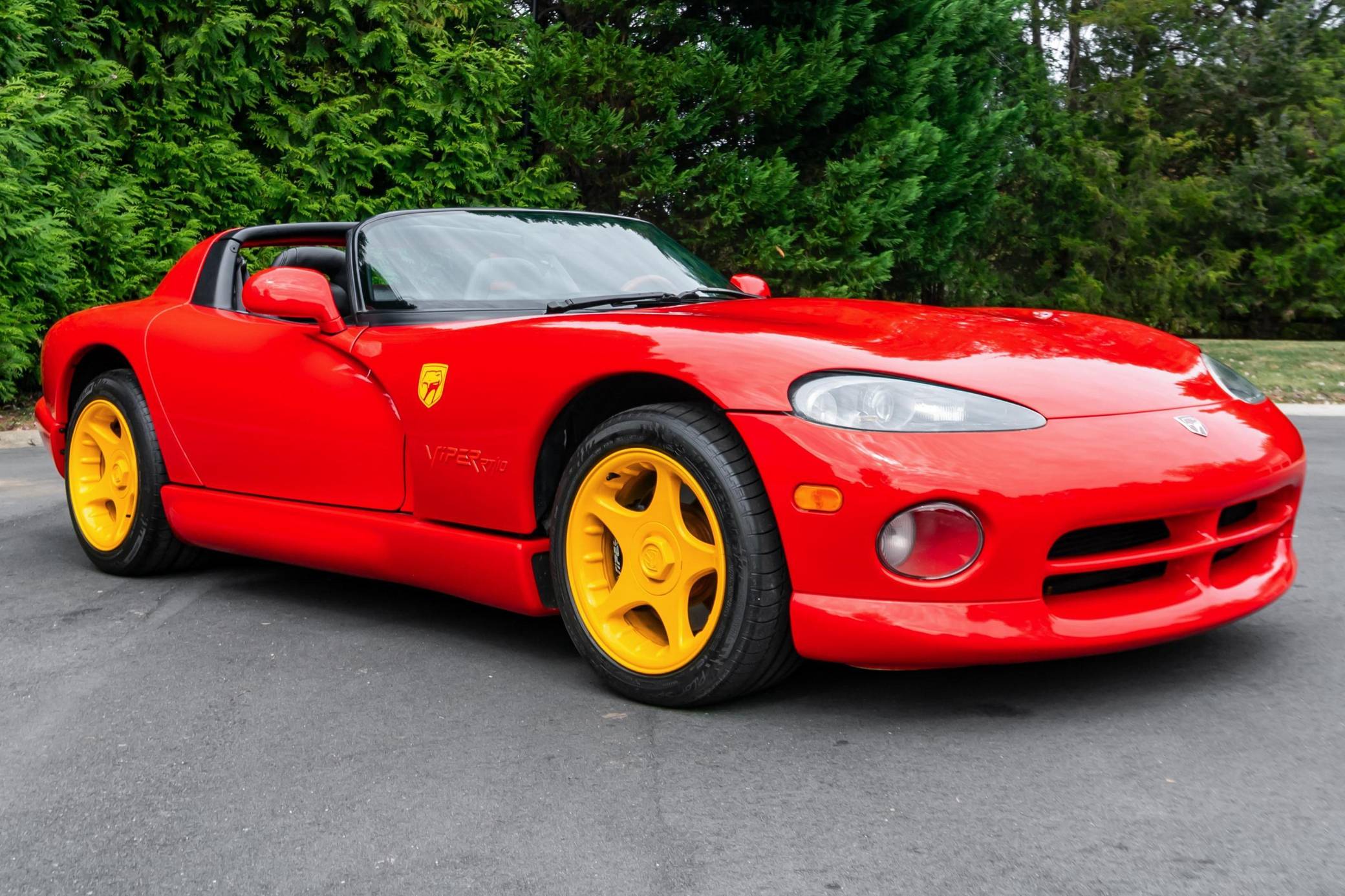
12. Dodge Viper GTS Coupe (SR I Generation, 1996 to 2002)
The Dodge Viper GTS Coupe represents a bold chapter in American performance engineering defined by minimal compromise and maximum mechanical presence. Introduced as a closed-roof evolution of the original Viper concept, the GTS added structural rigidity and long-distance capability while preserving the raw character that defined the model line.
By 2026, this generation holds firm appeal among collectors who value unfiltered performance and visual drama rooted in purposeful design. At the heart of the GTS lies the 8.0 litre V10 engine, a power unit whose scale and behaviour distinguish it from nearly every contemporary sports car. Throttle response, torque delivery, and acoustic character combine to create a driving experience that demands respect and focus.
Ownership requires physical engagement and disciplined operation, qualities that limit its audience yet strengthen its desirability among committed buyers. Proper maintenance supports strong engine durability, aided by extensive community knowledge that guides owners through servicing requirements.
The GTS Coupe body introduced aerodynamic refinement and a more stable high-speed character compared to earlier open models. Its proportions, side exit exhausts, and double bubble roof have matured into a recognisable performance icon. Interior presentation remains functional rather than luxurious, reinforcing the car’s intent and reducing distraction during spirited driving.
Market values in 2026 reflect rising appreciation for originality. Low-mileage, unmodified examples with complete documentation attract strong interest and premium pricing. Cars retaining factory specification benefit most, as later alterations reduce collector confidence.
Acquisition decisions often involve specialist inspections to confirm structural integrity and drivetrain condition. The Viper GTS Coupe stands as a defining symbol of American performance philosophy, valued for authenticity, presence, and a driving experience that remains difficult to replicate.
