
The automotive market has always had a way of surprising even the most experienced enthusiasts. Cars that once seemed ordinary or overlooked can suddenly rise in value, not because they changed, but because perception did.
As 2026 unfolds, a new wave of discontinued models is beginning to attract serious attention from collectors and buyers who understand how these shifts happen.
Discontinuation plays a major role in this transformation. Once a model is no longer in production, its story becomes fixed. There are no updates, no revisions, and no second chances. That finality creates a sense of urgency, especially when the car in question offers something that is no longer being produced in modern vehicles.
Another important factor is changing automotive trends. As manufacturers move toward electrification, downsized engines, and digital driving experiences, cars from the recent past begin to stand out for their mechanical character.
Naturally aspirated engines, manual transmissions, and simpler driving dynamics are becoming harder to find, which increases the appeal of models that still offer them.
There is also a growing awareness among buyers. Information travels quickly, and once a model is recognized as undervalued, demand can shift rapidly. This does not always lead to immediate spikes, but it creates steady upward movement that builds momentum over time.
Condition and originality are becoming more important than ever. Many discontinued models were used as daily drivers, modified heavily, or simply not preserved with long-term value in mind. As a result, well-maintained examples are becoming increasingly rare.
This article highlights eleven discontinued cars that are on the verge of a significant value shift before the end of 2026. Each one represents a different reason why a car can move from overlooked to highly sought after.
Also Read: 10 Porsche Variants Enthusiasts Still Argue About
1. Lexus IS F
The Lexus IS F entered the performance sedan space with a different mindset. It did not try to follow the exact formula established by its European rivals. Instead, it focused on reliability, naturally aspirated performance, and a driving experience that felt composed rather than aggressive.
Its V8 engine is central to its growing appeal. Delivering power without turbocharging, it offers a linear and predictable response that feels increasingly rare. The sound, the buildup of power, and the absence of forced induction create an experience that stands apart in today’s market.
The transmission also plays a role in shaping its character. Quick shifts and a well-tuned setup allow the car to feel responsive without becoming overly complex. It strikes a balance that makes it enjoyable in both everyday driving and more spirited situations.
From a design perspective, the IS F carries subtle performance cues without relying on exaggerated styling. It communicates its purpose clearly, yet it avoids unnecessary attention. This restraint has aged well, giving it a timeless quality.
One of the reasons it remained underappreciated for so long was its positioning. It competed against established names that dominated headlines, which kept it from receiving the recognition it deserved. That lack of attention is now working in its favor.
Clean examples are becoming harder to find, especially those that have not been modified. This scarcity is beginning to influence buyer behavior, as collectors start to recognize its long-term potential.
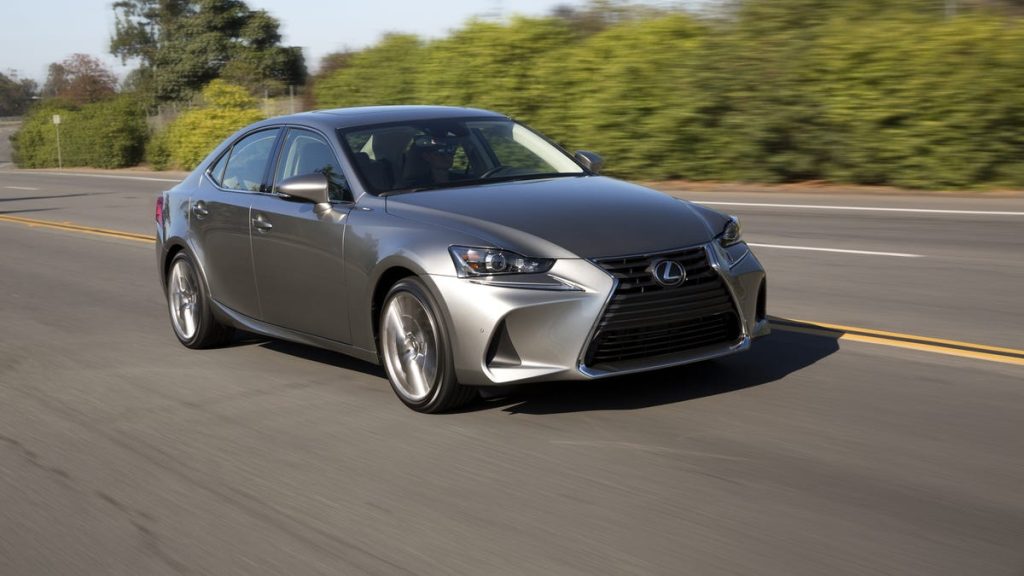
The IS F represents a moment when performance and reliability were combined without compromise. As the market continues to shift, that combination is becoming increasingly valuable.
2. Chevrolet SS (Manual)
Some cars quietly disappear without making a lasting impression, and then there are cars like the Chevrolet SS that are only truly appreciated after they are gone. At the time of its release, it struggled to capture attention, largely because it did not fit into a clear category.
Underneath its understated exterior lies a performance-focused platform with a powerful V8 engine. The manual transmission variant, in particular, adds a level of engagement that transforms the driving experience. It feels direct, mechanical, and refreshingly uncomplicated.
The car’s strength lies in its simplicity. It does not rely on excessive technology or artificial enhancements. Instead, it delivers performance in a way that feels natural and accessible. That clarity is becoming more appealing as modern cars grow more complex.
Interior space and comfort add another layer to its appeal. It offers practicality without diluting its performance capabilities, making it suitable for a wide range of uses. This versatility is something many sports-focused vehicles cannot match.
The design is intentionally restrained. It does not attempt to stand out, which allowed it to go unnoticed by many buyers during its production run. Today, that same quality gives it a sleeper appeal that enthusiasts find attractive.
Production numbers were limited, and the manual variant is even rarer. This combination is starting to draw attention from collectors who recognize how unusual it is to find a modern sedan with this configuration.
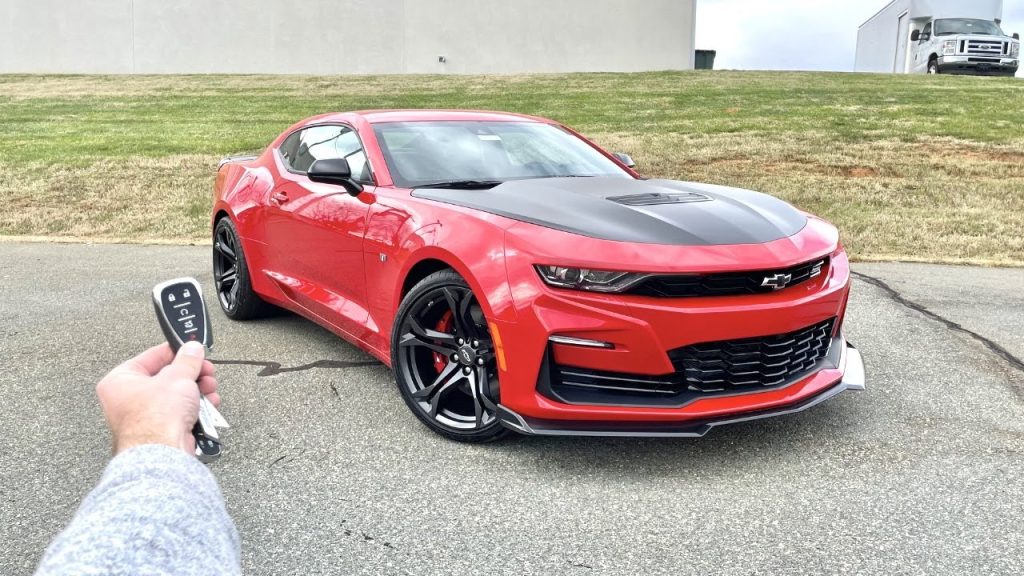
As awareness grows, the Chevrolet SS is transitioning from overlooked to desirable. Its value is not driven by hype, but by a deeper understanding of what it offers.
3. BMW 1 Series M Coupe
Some cars earn their reputation instantly, while others build it quietly through experience. The BMW 1 Series M Coupe falls into the latter category. When it arrived, it was seen as a niche experiment rather than a defining model, yet that perception has changed significantly.
Compact proportions define its personality. Unlike larger performance coupes, it feels tight, responsive, and focused. This smaller footprint gives it an agility that is immediately noticeable, especially when compared to more modern, heavier alternatives.
The turbocharged inline six engine delivers strong and consistent power, but it is the way that power is managed that makes the car stand out. There is a sense of control that encourages confident driving without removing the need for skill.
Handling plays a central role in its appeal. The chassis feels alive, responding quickly to inputs while maintaining stability. It strikes a balance between engagement and predictability, which makes it rewarding to drive in a variety of conditions.
Visually, the widened stance and muscular details give it a purposeful look. It does not rely on excessive styling elements, yet it carries a presence that reflects its capabilities. Over time, this design has become more appreciated rather than less.
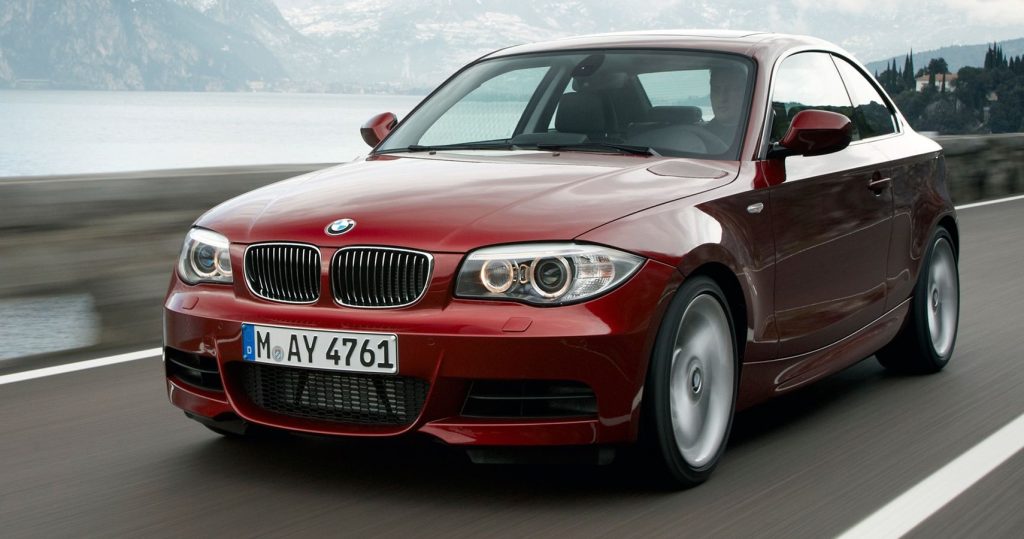
Limited production adds to its significance. It was never intended to be a high-volume model, and that decision is now influencing its position in the market. Fewer cars mean greater interest from those seeking something distinctive.
The 1 Series M Coupe represents a blend of old and new performance philosophies. It combines modern engineering with a level of driver involvement that is becoming less common.
As buyers continue to seek cars that offer both character and capability, this model is gaining momentum. Its rise is steady, supported by genuine appreciation rather than sudden trends.
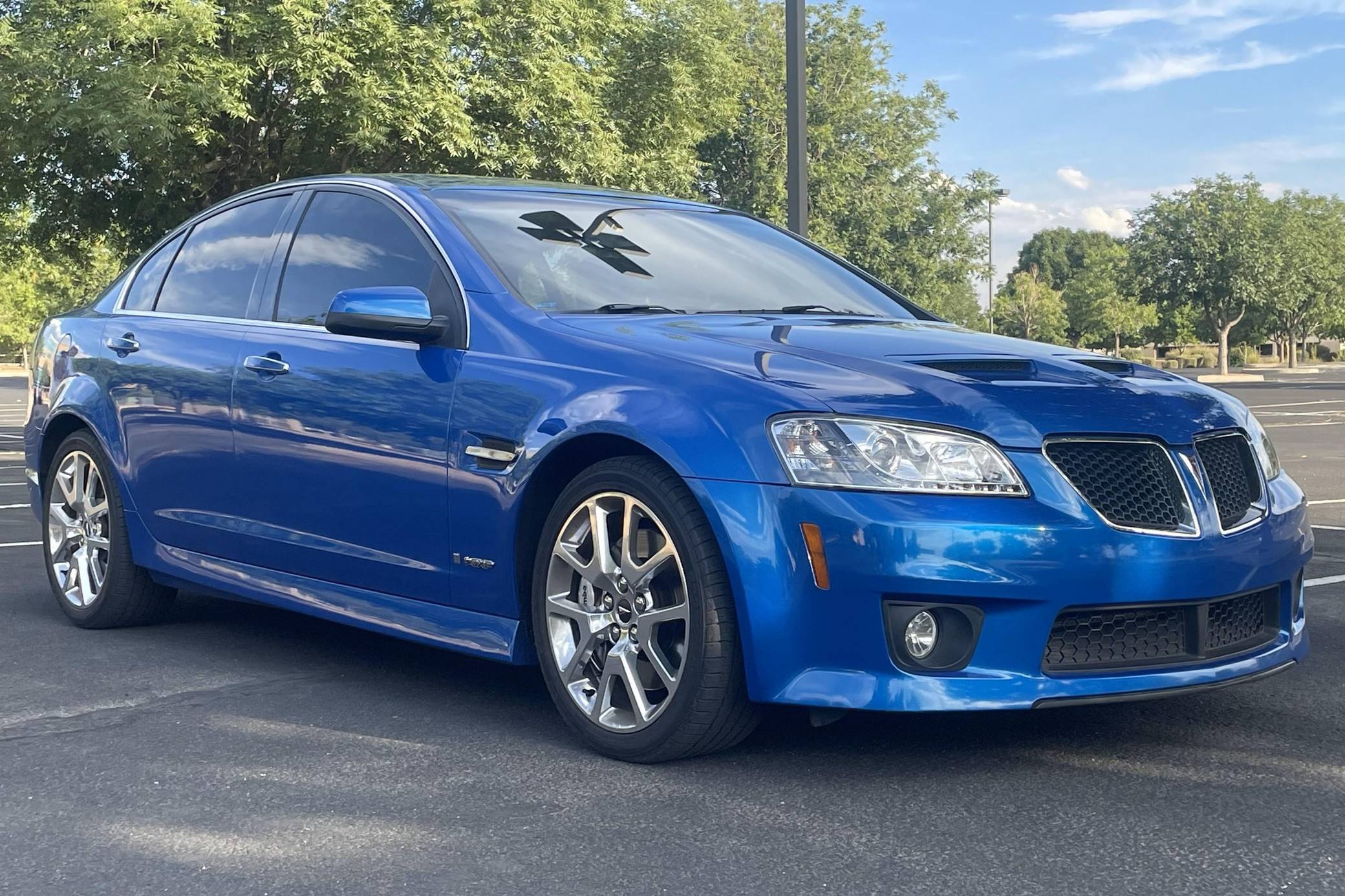
4. Pontiac G8 GXP
The Pontiac G8 GXP arrived during a period of uncertainty for its brand, which limited its ability to reach a wider audience. Despite that, it delivered a level of performance that rivaled far more recognized models.
Power comes from a naturally aspirated V8 that emphasizes strength and immediacy. The response is direct, creating a connection that feels straightforward and engaging. There is no delay, no hesitation, just a clear translation of input into motion.
A manual transmission option adds to its appeal, giving drivers more control over how that power is used. This feature alone sets it apart from many competitors that moved away from manual setups.
The chassis supports the engine with a balanced approach. It does not attempt to mask its character. Instead, it allows the driver to feel the car’s behavior clearly, which adds to the sense of involvement.
Inside, the G8 GXP offers a practical layout that accommodates everyday use. It does not sacrifice space or comfort in pursuit of performance, which makes it more versatile than many sports-focused vehicles.
Its exterior design reflects a blend of restraint and purpose. It carries enough detail to signal its capability, yet it avoids unnecessary complexity. This understated approach has aged well.
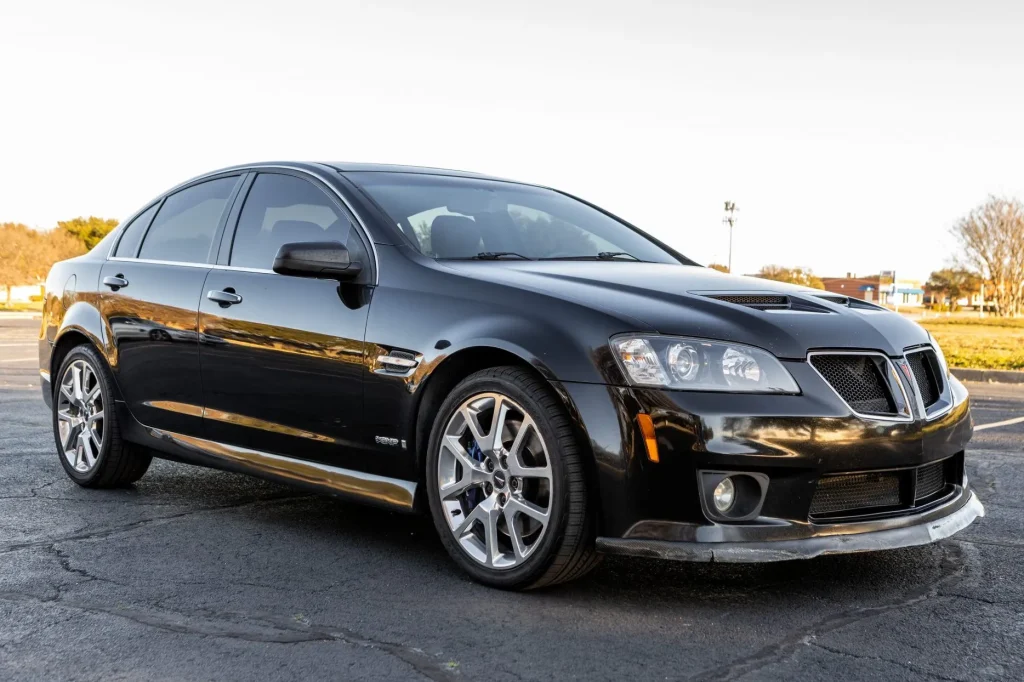
Rarity is becoming an important factor. Production numbers were limited, and the closure of the Pontiac brand adds a layer of historical significance. This combination is drawing attention from collectors.
The G8 GXP stands as a reminder of a time when performance sedans could deliver both power and simplicity. That balance is becoming harder to find, which is why its value is beginning to rise.
5. Nissan 370Z Nismo
The Nissan 370Z Nismo did not arrive quietly, yet it somehow managed to be underestimated. Perhaps it was the familiarity of the Z platform or the expectation that it would simply be an incremental upgrade. What many missed was how focused this version truly was.
Start with the way it feels from behind the wheel. The Nismo variant tightens everything. Steering becomes sharper, suspension more deliberate, and the entire car gains a sense of purpose that the standard version only hints at. It does not try to soften its behavior, which gives it a more serious personality.
Its naturally aspirated V6 continues a tradition that is becoming increasingly rare. Power delivery is immediate and predictable, allowing the driver to build speed with confidence rather than relying on sudden bursts. This consistency is one of its strongest qualities.
Visually, the Nismo stands apart without becoming excessive. Aerodynamic enhancements, subtle bodywork changes, and a more aggressive stance give it presence while still respecting the original design language. It feels like a refined evolution rather than a complete reinvention.
The interior reflects this focused approach. It introduces performance-oriented details that enhance the driving experience without overwhelming it. Everything feels intentional, from seating to control placement.
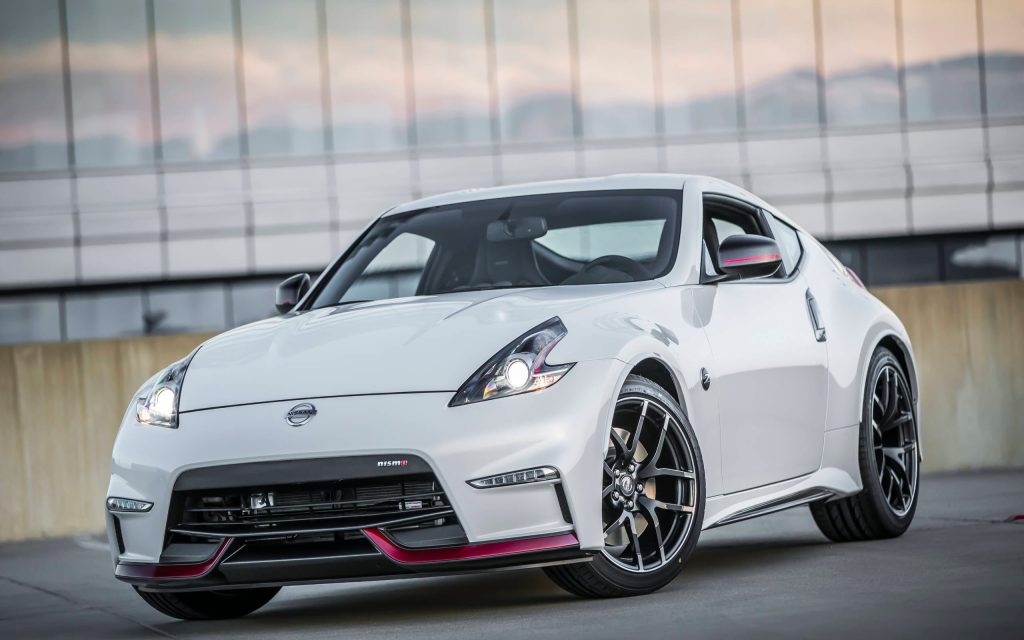
What makes the 370Z Nismo particularly interesting today is timing. It represents one of the last iterations of a long-running lineage before the industry began shifting more aggressively toward new technologies. That position gives it a sense of finality.
Another factor influencing its value is usage. Many examples were driven hard, modified, or used in motorsport environments. This has reduced the number of clean, original cars available on the market.
As enthusiasts begin to appreciate cars that offer direct, unfiltered performance, the 370Z Nismo is gaining attention. It is not redefining the segment, but it perfects a formula that is slowly disappearing.
6. Audi TT RS (Mk2)
The Audi TT RS Mk2 entered the scene with a unique advantage, an engine that immediately set it apart. The five-cylinder turbocharged unit delivers a sound and character that feels distinctive from the moment it starts. That alone gives it an identity that is difficult to replicate.
Acceleration is one of its defining traits. Power builds quickly and smoothly, creating a sense of urgency that does not rely on drama. It feels controlled, yet undeniably quick, which makes it effective in both short bursts and sustained driving.
The All Wheel Drive system enhances this capability by providing consistent traction. It allows the car to maintain stability even when pushed, giving the driver confidence to use its performance fully. This level of control adds to its appeal.
Handling is precise, with a clear emphasis on stability rather than playfulness. It prioritizes confidence over unpredictability, aligning with its character. This makes it accessible to a wide range of drivers without taking away from its performance.
Design plays a significant role in how it is perceived. The TT shape was already established as something distinctive, and the RS variant builds on that foundation with subtle yet meaningful enhancements. It retains its identity while adding a layer of aggression.
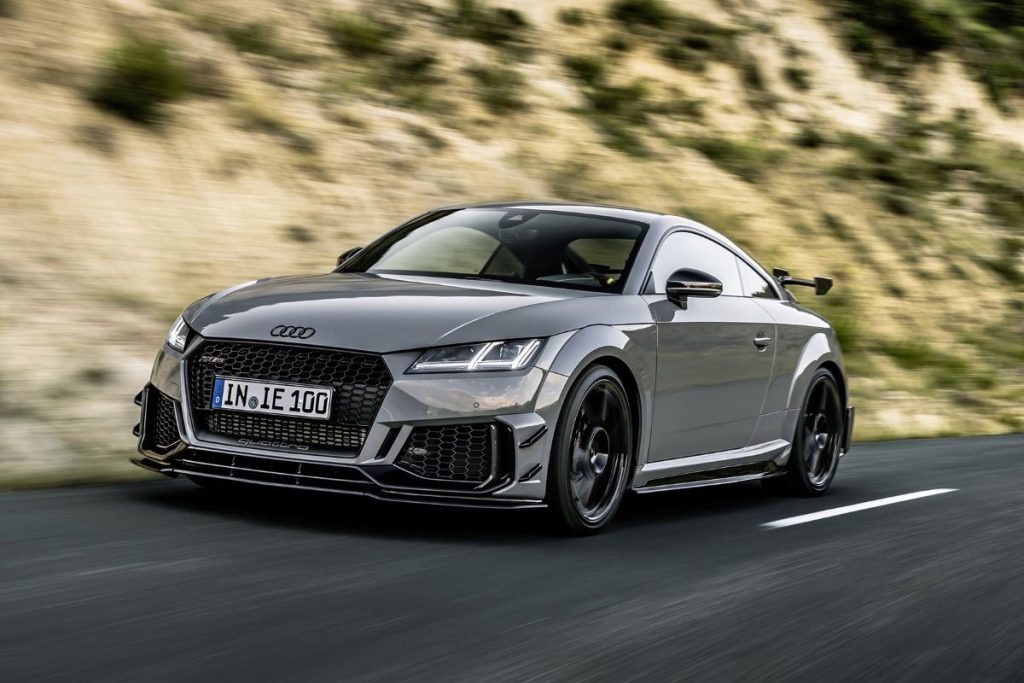
Inside, the cabin combines modern elements with a driver-focused layout. It feels refined without becoming detached, maintaining a connection between driver and machine.
Rarity is becoming increasingly relevant. Production numbers were not extremely high, and many cars have been modified. This makes original examples more valuable as time passes.
The TT RS Mk2 stands out because it offers something different. Its engine, its design, and its balanced performance create a package that feels unique. That uniqueness is exactly what is driving its growing recognition.
7. Ford Focus RS (Mk3)
The Ford Focus RS Mk3 did not arrive quietly, yet its long-term significance was not fully understood at the time. It was seen as a bold, aggressive hot hatch, but its deeper value lies in how it combined accessibility with serious performance.
Its turbocharged engine delivers strong output, but what truly defines the car is how that power is used. The All Wheel Drive system introduces a level of versatility that transforms the driving experience. It allows the car to adapt, shifting from controlled grip to a more playful character when needed.
This flexibility gives the Focus RS a personality that feels dynamic rather than fixed. It can behave in different ways depending on how it is driven, which keeps the experience engaging over time. That adaptability is something many performance cars struggle to achieve.
The steering and chassis work together to create a sense of immediacy. Inputs are translated quickly, giving the driver confidence to push further. It feels responsive without becoming unpredictable, which makes it approachable even for those new to high-performance driving.
Inside, the cabin reflects its purpose. Supportive seating and a focused layout create an environment that encourages involvement. It is not about luxury, but about connection.
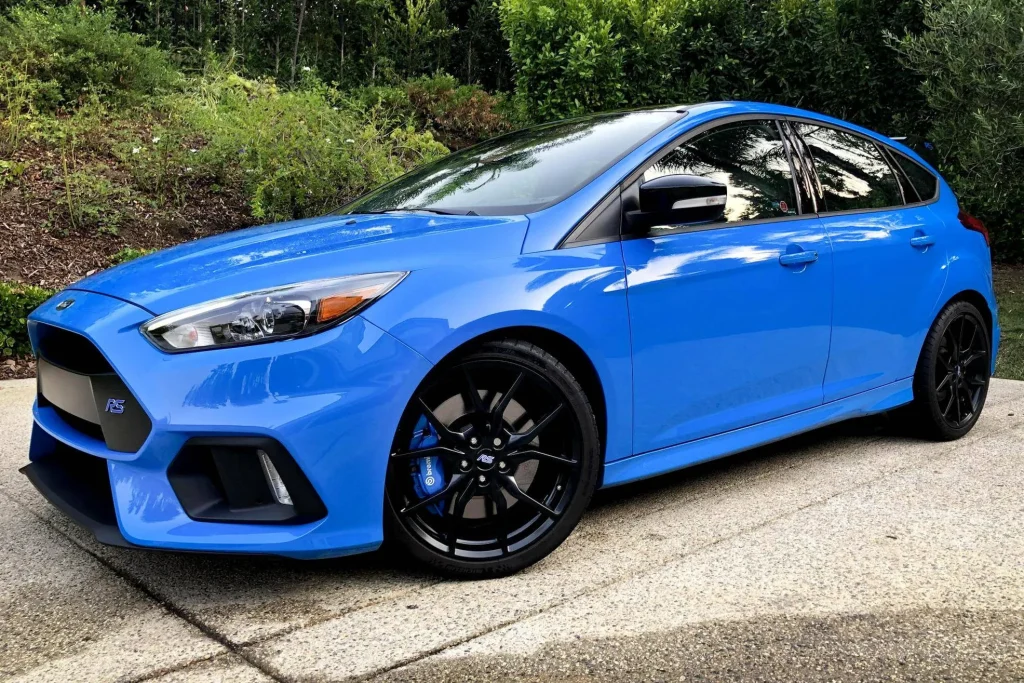
The exterior design communicates its intent clearly. Aggressive lines, functional details, and a purposeful stance ensure that it stands out without losing coherence. It looks as capable as it feels.
One of the key reasons behind its rising value is its position in time. It represents a moment when performance hatchbacks reached a peak before the industry began shifting toward electrification and different driving priorities.
Many examples have been used extensively, which reduces the number of well-preserved cars. This is beginning to influence demand, especially among buyers looking for originality.
The Focus RS Mk3 is gaining recognition not just for what it is, but for what it represents. That broader significance is what supports its growing value.
8. Jaguar XKR-S (2012 Model)
The Jaguar XKR-S does not follow a typical performance narrative. It does not try to dominate through numbers alone. Instead, it builds its appeal through presence, sound, and a driving experience that feels layered.
Its supercharged V8 engine delivers power with a sense of drama that is unmistakable. The acceleration is strong, yet it is the way the engine responds that creates a lasting impression. There is a richness to its character that extends beyond simple performance.
Handling is tuned to complement this approach. It balances control with comfort, allowing the car to remain composed without feeling overly rigid. This creates a driving experience that feels complete rather than one-dimensional.
The design plays a significant role in its identity. Sculpted lines, aerodynamic elements, and a distinctive silhouette give it a look that is both elegant and assertive. It stands apart from more conventional performance cars.
Inside, the cabin reinforces this dual nature. Materials and layout emphasize refinement, yet there is always a sense of underlying capability. It feels crafted rather than assembled.
What makes the XKR-S particularly interesting is how it was perceived during its production run. It was appreciated, but not fully recognized for its long-term significance. That gap is now closing as enthusiasts revisit what it offers.
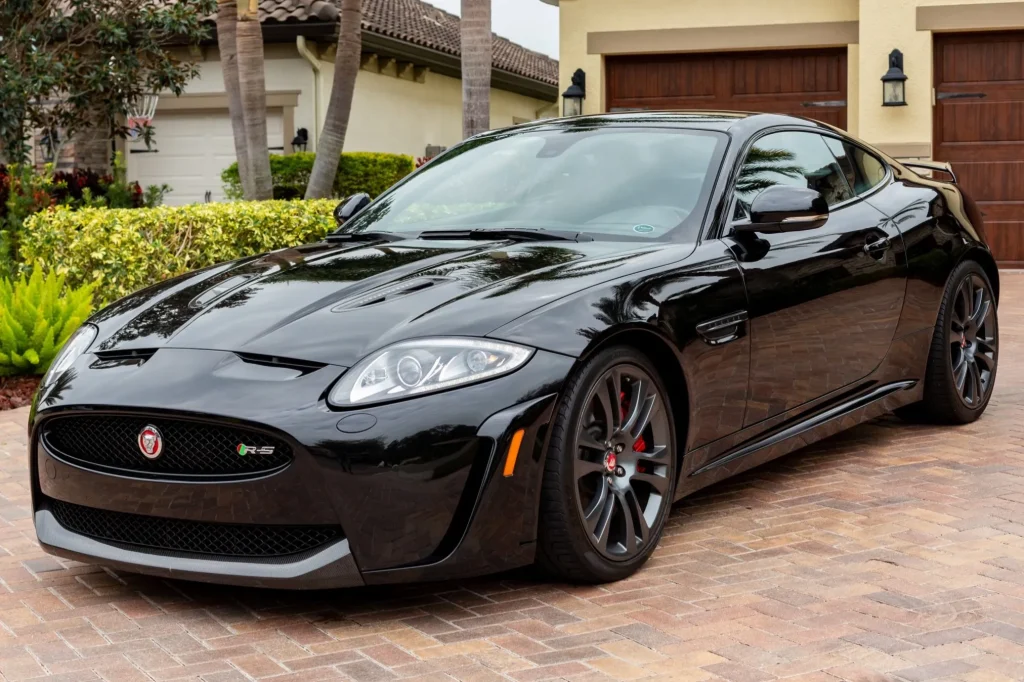
Production numbers were limited, and many cars were driven as intended. This combination is reducing the number of pristine examples, which is beginning to affect market behavior.
The XKR-S represents a blend of performance and character that is becoming less common. It offers an experience that cannot be easily replicated, and that uniqueness is driving its increasing appeal.
9. Dodge Viper (Gen V)
Few cars carry a presence as unmistakable as the Dodge Viper, and the fifth-generation version represents the most refined expression of that identity. It did not abandon its roots, yet it introduced a level of control that earlier versions lacked. That combination gives it a unique position among modern performance cars.
The naturally aspirated V10 engine defines everything about the experience. Power delivery feels immense, yet it remains linear enough to be managed with skill. There is no artificial smoothing, no attempt to dilute its character. It demands respect, and that demand becomes part of its appeal.
Unlike earlier iterations, the Gen V improves on composure. The chassis feels more settled, allowing drivers to access its performance with greater confidence. This does not make it easy, but it makes it more usable without removing its intensity.
The design stays true to its heritage. Long proportions, bold surfaces, and a low stance create a silhouette that is instantly recognizable. It does not follow trends, which helps it maintain a strong identity as time passes.
Inside, the cabin introduces more refinement than previous generations, yet it still feels focused. The improvements make it more comfortable without shifting its purpose.
Discontinuation plays a significant role in its value trajectory. With no direct successor carrying the same philosophy, the Gen V becomes a final chapter. That sense of finality adds weight to its significance.
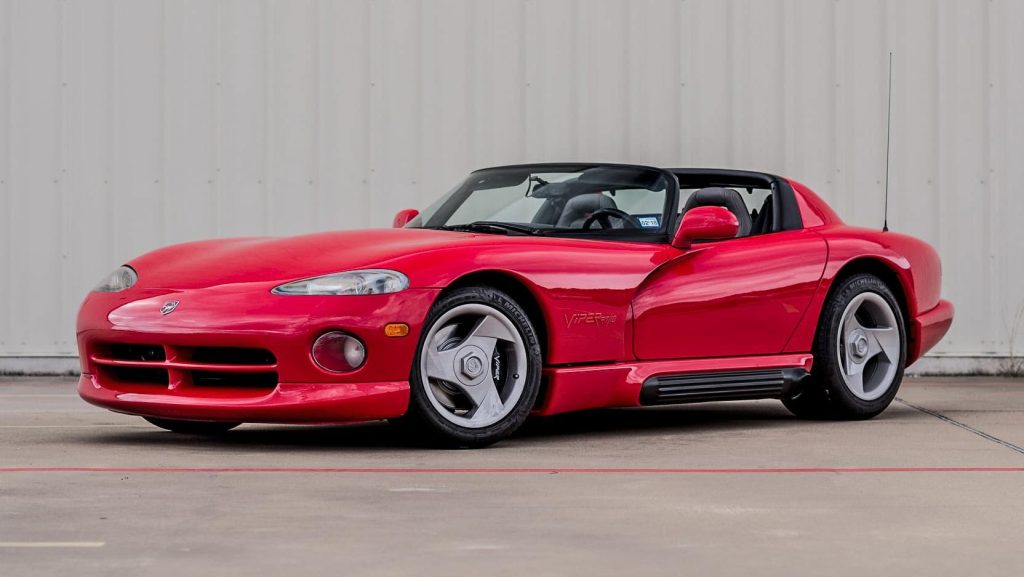
Production numbers were not extremely high, and many cars are held by enthusiasts who understand what they own. This limits availability, which naturally influences demand.
The Viper Gen V stands apart because it refuses to conform. It delivers performance in a raw, unapologetic way that is becoming increasingly rare.
10. Honda Civic Type R (FK8)
The Honda Civic Type R FK8 arrived with a bold visual identity that immediately divided opinion. Its aggressive styling drew attention, yet beneath that exterior lies a level of engineering that has earned growing respect over time.
The turbocharged engine provides strong and consistent performance, but the real story is how that power is managed. Front Wheel Drive performance at this level requires precision, and the FK8 delivers it through careful tuning and advanced systems.
Handling is where the car truly excels. It maintains balance and grip in a way that feels controlled and deliberate. The steering communicates clearly, allowing drivers to understand exactly what the car is doing at any moment.
The suspension setup contributes to this clarity. It keeps the car composed without removing feedback, which creates a connection that feels engaging rather than artificial.
Inside, the cabin reflects its performance focus. Seating, layout, and materials are designed to support driving rather than distract from it. This creates an environment that feels purposeful.
The exterior, once controversial, is beginning to find its place. As automotive design evolves, its bold approach is being viewed with greater appreciation. It stands out in a way that feels intentional.
One of the reasons for its rising value is its position as a benchmark. It represents a peak in Front Wheel Drive performance before the industry began shifting priorities.
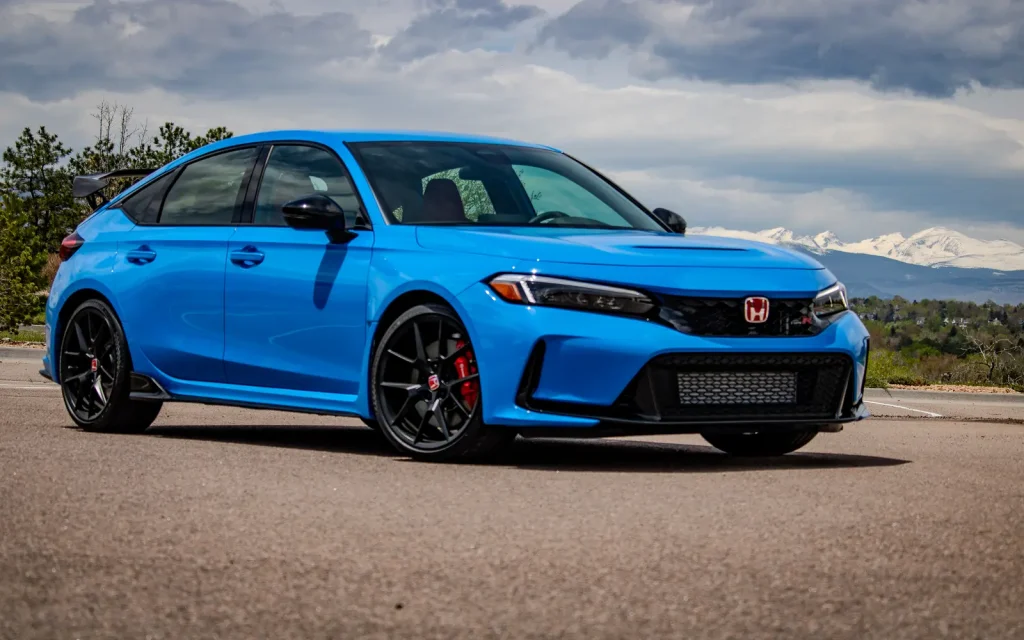
Many examples have been modified, which reduces the number of original cars available. This is becoming increasingly important for collectors.
The FK8 Type R is gaining recognition for its engineering depth. It is no longer judged solely by its appearance, but by what it delivers.
11. Mercedes-Benz SLS AMG
End with something that carries both presence and significance. The Mercedes-Benz SLS AMG was never an ordinary car, yet its long-term importance is becoming clearer with time. It represents a moment when design, engineering, and ambition aligned in a way that feels rare.
The naturally aspirated V8 engine delivers power with a sense of clarity. It responds instantly, creating a connection that feels direct and unfiltered. The sound alone adds to the experience, giving it a character that extends beyond performance.
Its layout, with the engine positioned for balance, contributes to a driving experience that feels controlled. It combines strength with precision, allowing drivers to access its capabilities without feeling disconnected.
The design is one of its most defining features. The gullwing doors are not just a visual statement; they create an identity that is instantly recognizable. This distinctive element ensures that the car stands apart in any setting.
Inside, the cabin reflects a blend of luxury and focus. Materials and layout create an environment that feels crafted, supporting both comfort and engagement.
Discontinuation adds another layer to its significance. With no direct continuation of the same concept, the SLS AMG stands as a complete and self-contained statement.
Production numbers, while not extremely limited, are low enough to create exclusivity. Combined with its strong identity, this makes it highly desirable among collectors.
The SLS AMG is not just a performance car. It is a representation of a specific philosophy, one that values experience as much as engineering.
Value in the automotive world rarely shifts without reason. The cars listed here are not rising by chance; they are responding to changes in how performance, design, and driving experience are understood.
Each model carries its own story. Some were overlooked, others misunderstood, and a few simply arrived at the wrong time. Yet all of them offer qualities that are becoming harder to find in newer vehicles.
A key factor behind their increasing appeal is authenticity. These cars deliver experiences that feel genuine, whether through engine character, driving dynamics, or design identity. That authenticity is gaining importance as technology continues to reshape the industry.
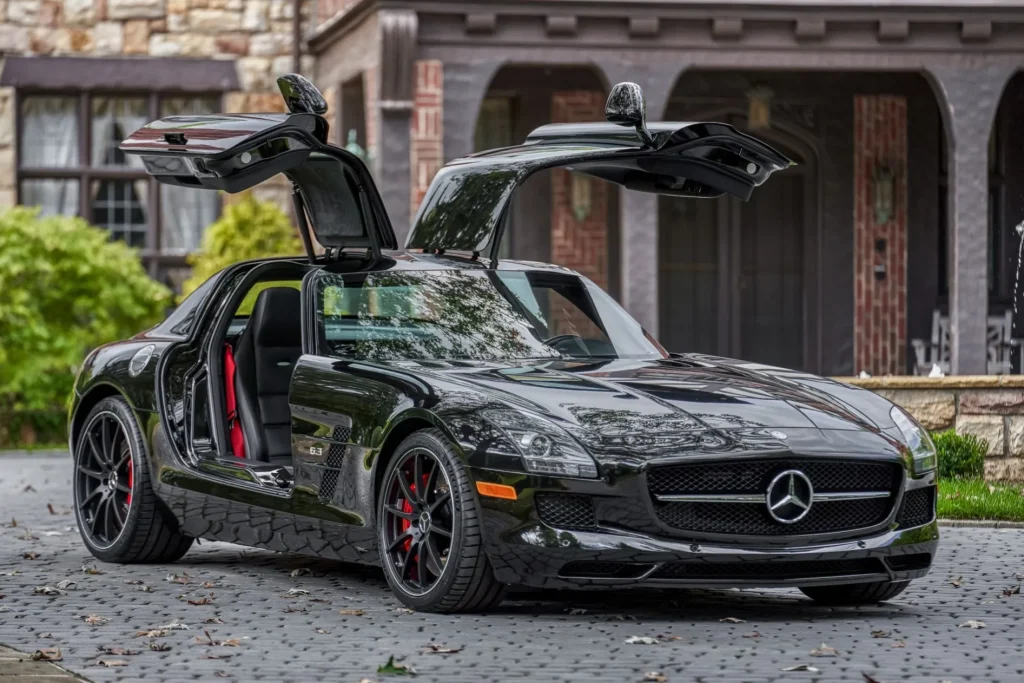
Rarity also plays a role, but not just in production numbers. Condition, originality, and preservation are becoming equally significant. The best examples naturally separate themselves from the rest.
There is also a growing recognition of finality. Many of these models represent the end of certain approaches to performance, whether it is naturally aspirated engines, manual transmissions, or specific design philosophies.
As awareness continues to spread, demand is building steadily. These cars are transitioning from overlooked to appreciated, and that transition is what drives value.
The opportunity lies in understanding this shift before it fully unfolds. Those who recognize it early are not just buying cars; they are securing pieces of automotive history that are about to be redefined.
Also Read: 10 Premium Coupes Selling Below What They’re Actually Worth
