
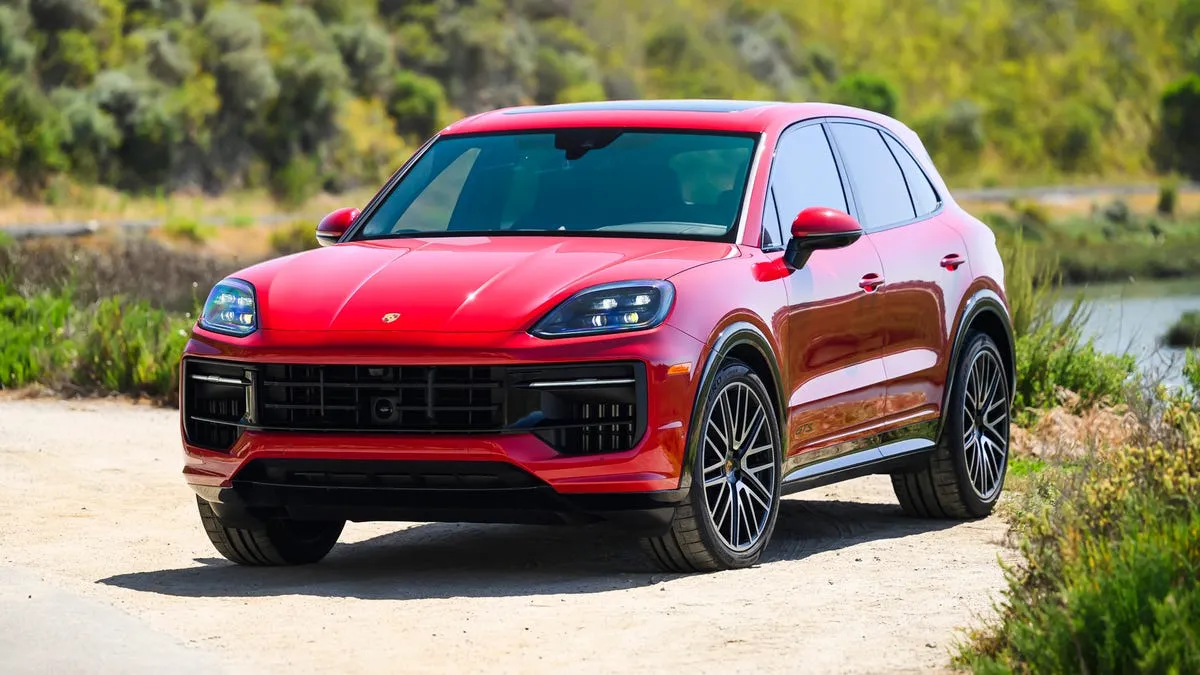
For years, sports coupes held a clear advantage when it came to straight-line performance. Their lower weight, aerodynamic shapes, and performance-focused engineering made them the natural choice for acceleration. Crossovers, on the other hand, were built with practicality in mind, prioritizing space, comfort, and versatility over outright speed.
That distinction has started to blur in a dramatic way. By 2026, crossovers will have evolved far beyond their original purpose. Advances in engine technology, traction systems, and power delivery have transformed them into serious contenders in areas once dominated by traditional sports cars.
The result is a new category of vehicles that combine everyday usability with surprising levels of performance.
One of the biggest advantages these crossovers hold is traction. With advanced All Wheel Drive systems, they are able to put power down efficiently, especially during launches. This gives them a critical edge at the drag strip, where initial acceleration often determines the outcome.
Another factor is torque. Many modern crossovers deliver strong low-end power, allowing them to surge forward immediately. This contrasts with some sports coupes that rely on higher revs to reach peak performance. In a straight-line race, that immediate response can make all the difference.
Weight, once seen as a disadvantage, is now being managed more effectively through engineering. Improved chassis design and power distribution help these vehicles maintain control even under heavy acceleration.
There is also a shift in expectations. Buyers no longer see crossovers as purely practical machines. They are looking for vehicles that can deliver excitement without sacrificing usability, and manufacturers have responded accordingly.
This article highlights twelve crossovers that challenge the traditional idea of performance. These are vehicles that can surprise even experienced drivers, proving that speed is no longer limited to low-slung coupes.
Also Read: 10 Best 6-Year-Old Sports Cars You Can Buy At Cheap Price In 2026
1. Lamborghini Urus
The Lamborghini Urus redefined what a high-performance crossover could be the moment it arrived. It did not ease into the segment; it immediately set a benchmark that forced the entire industry to rethink expectations.
Acceleration is its most striking feature. The twin turbocharged engine delivers power in a way that feels relentless. From a standstill, the Urus launches with precision, translating its output into forward motion without hesitation. This ability to generate immediate speed is what allows it to challenge and often surpass sports coupes.
Traction plays a critical role in this performance. The All Wheel Drive system works seamlessly with the engine, ensuring that power is distributed effectively. This creates a launch that feels controlled rather than chaotic, which is essential in drag racing scenarios.
The chassis contributes to this capability by maintaining stability under intense acceleration. Despite its size, the Urus remains composed, allowing drivers to focus on maintaining momentum rather than correcting instability.
Inside, the vehicle retains the signature Lamborghini approach, combining performance-focused elements with modern technology. It creates an environment that feels aligned with its capabilities.
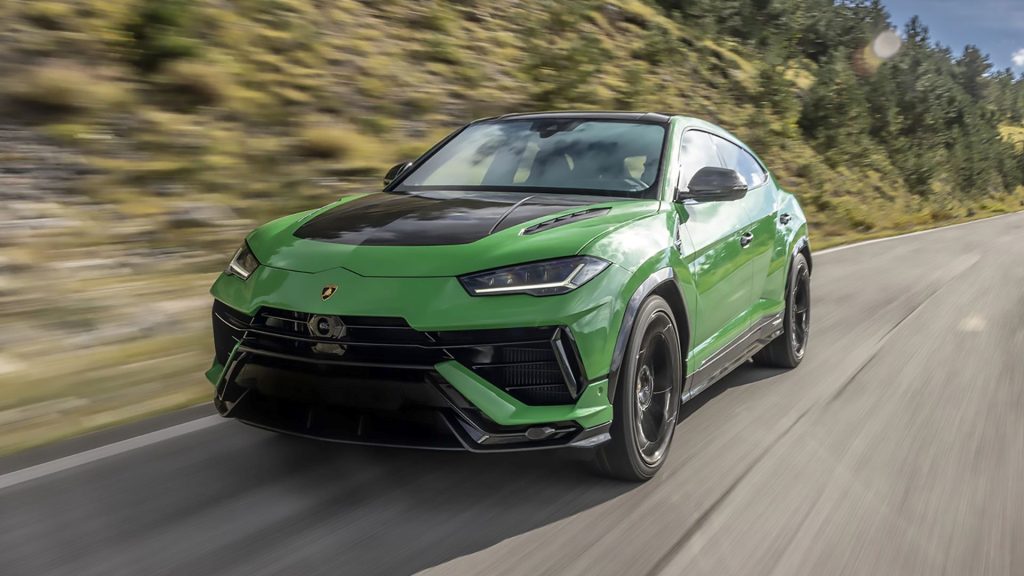
What makes the Urus particularly impressive is how it balances extremes. It delivers supercar-level acceleration while still functioning as a practical daily vehicle. That dual nature is what sets it apart.
Its design reinforces this identity. Sharp lines and aggressive proportions communicate its intent clearly, ensuring that its performance is matched by its presence.
As crossovers continue to evolve, the Urus stands as a defining example of what is possible when performance is prioritized without compromise.
2. Tesla Model X Plaid
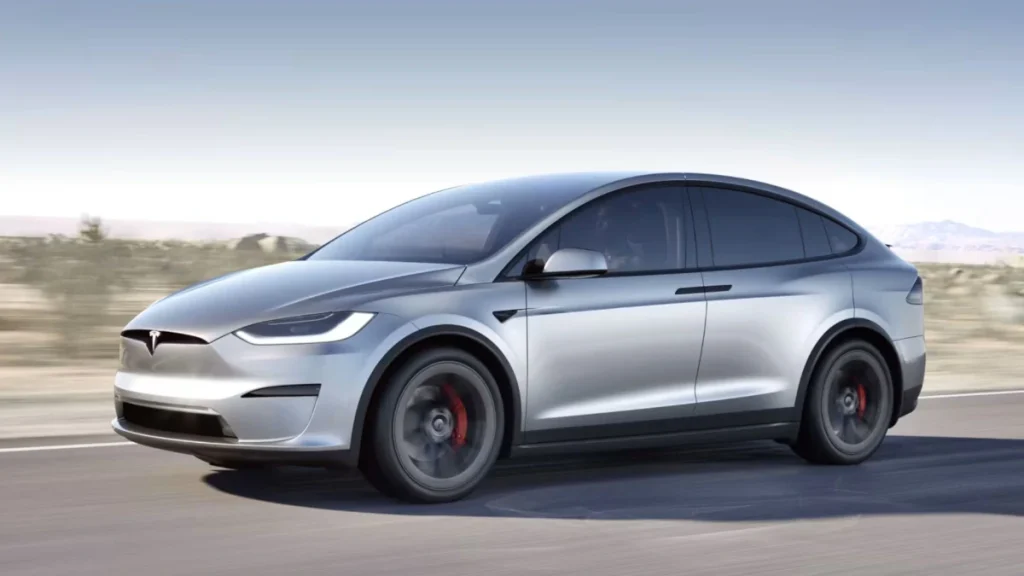
The Tesla Model X Plaid approaches performance from an entirely different direction. It does not rely on traditional engine characteristics or mechanical drama. Instead, it uses electric power to deliver acceleration in a way that feels almost immediate.
The absence of gear changes creates a seamless surge of speed. From the moment the accelerator is pressed, the vehicle responds without delay. This instant torque is what allows it to compete with, and often outperform, conventional sports coupes in a drag race.
Its All Wheel Drive system enhances this capability by managing power distribution with precision. Each wheel receives the necessary torque to maintain traction, ensuring that acceleration remains consistent.
Another advantage lies in its predictability. The power delivery does not fluctuate or build gradually. It remains steady, allowing drivers to focus on maintaining direction rather than managing output.
The design of the Model X Plaid reflects its modern approach. It prioritizes efficiency and function while still maintaining a distinct presence. The falcon wing doors add a unique element that sets it apart visually.
Inside, the cabin emphasizes technology. The interface, controls, and layout create an experience that feels different from traditional performance vehicles. This shift reflects the broader change in how performance is being defined.
What makes the Model X Plaid particularly significant is how it challenges established norms. It proves that performance does not need to follow traditional formulas to be effective.
As electric vehicles continue to develop, models like this are reshaping expectations. They demonstrate that acceleration can be delivered in new ways, often with results that exceed what was previously possible.
3. Porsche Cayenne Turbo GT
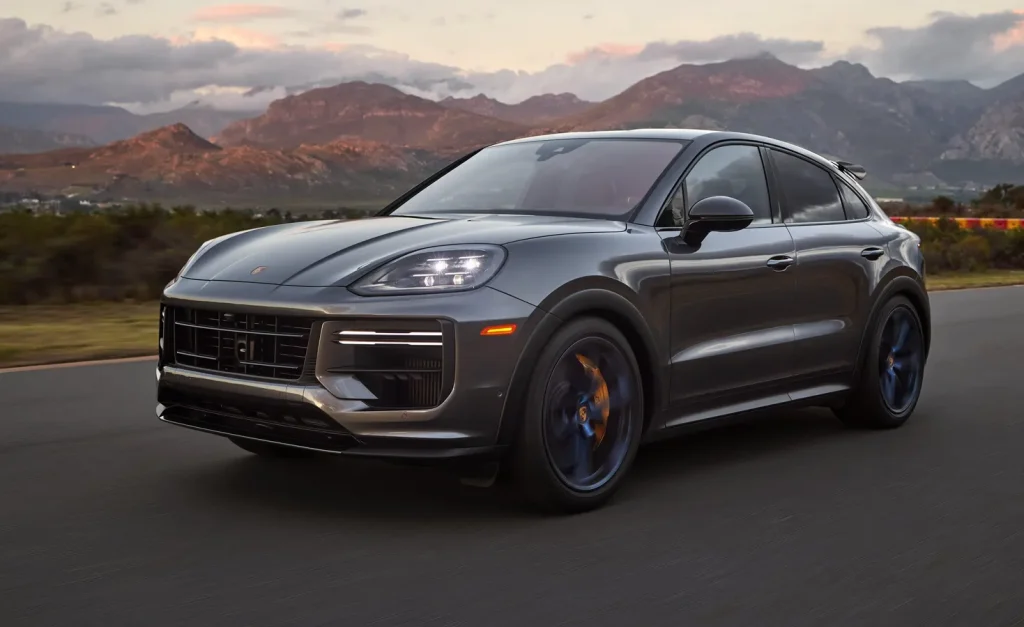
There is a certain precision to how the Porsche Cayenne Turbo GT delivers its performance. It does not rely on shock value alone. Instead, it builds its case through control, timing, and a level of execution that feels carefully refined.
At launch, the power arrives with intent. The twin turbocharged V8 does not hesitate, yet it avoids feeling unpredictable. Acceleration builds rapidly, but always within a framework that feels manageable. This balance allows it to generate impressive speed without sacrificing composure.
The transmission plays a crucial role here. Shifts are quick and decisive, keeping the engine within its most effective range. This ensures that momentum is maintained, especially in short-distance runs where every fraction matters.
Traction is handled with remarkable efficiency. The All Wheel Drive system distributes power in a way that maximizes grip, allowing the car to convert engine output into forward motion with minimal loss. This is where many sports coupes struggle, particularly during initial launches.
What stands out is how planted the Cayenne Turbo GT feels under pressure. Even as speed builds, there is no sense of instability. The chassis remains settled, giving the driver confidence to push harder without hesitation.
Inside, the environment reflects a focused approach. It blends comfort with performance-oriented elements, creating a space that supports both everyday use and high-intensity driving. This dual purpose adds to its appeal.
Visually, the design communicates capability without excess. Subtle aerodynamic elements and a purposeful stance give it presence while maintaining restraint.
The Cayenne Turbo GT proves that performance is not just about raw output. It is about how effectively that output is used, and in this case, it is used with remarkable precision.
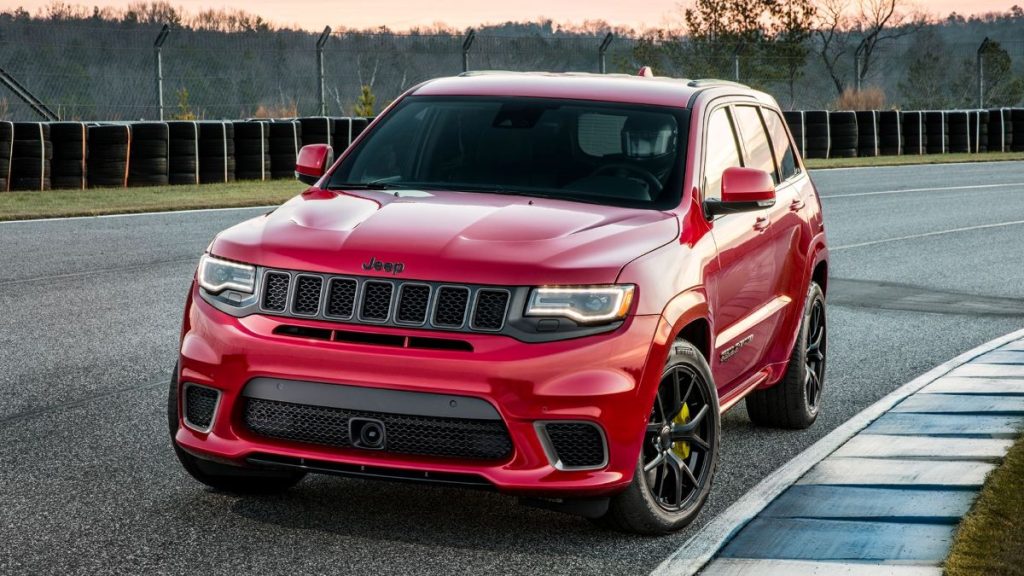
4. Jeep Grand Cherokee Trackhawk
The Jeep Grand Cherokee Trackhawk approaches performance with a completely different mindset. It does not try to refine or soften its character. Instead, it embraces power in its most direct form, creating an experience that feels immediate and unapologetic.
The supercharged V8 engine delivers an immense surge of torque from the moment acceleration begins. There is no gradual buildup. The response is instant, pushing the vehicle forward with a force that rivals dedicated performance machines.
Despite its size, the Trackhawk manages to maintain control during these intense bursts of acceleration. The All Wheel Drive system ensures that power is distributed effectively, allowing it to launch with surprising stability.
What makes this vehicle particularly striking is the contrast between its appearance and its capability. It carries the familiar design of a traditional SUV, yet it performs at a level that few would expect. This element of surprise is part of its identity.
The driving experience is shaped by strength rather than subtlety. It prioritizes straight-line speed, delivering acceleration that feels raw and unfiltered. This gives it a character that stands apart from more refined competitors.
Inside, the cabin provides a balance between comfort and performance cues. It supports daily usability while still reflecting the vehicle’s capabilities.
Its design remains grounded in its roots, which adds to its appeal. It does not attempt to transform into something it is not. Instead, it enhances what already exists.
As performance boundaries continue to shift, the Trackhawk remains a standout example of how power alone, when managed correctly, can redefine expectations.
5. BMW X5 M Competition
Power alone does not explain why the BMW X5 M Competition dominates short-distance acceleration. The real story lies in how everything works together the moment the launch begins. There is a sense of coordination that turns raw output into clean, repeatable speed.
The twin turbocharged V8 responds instantly, yet it does not feel chaotic. The surge arrives in a controlled wave, building rapidly while staying manageable. This makes it easier to maintain direction and momentum during a drag run.
Its launch control system deserves attention. It prepares the vehicle with precision, holding everything at the optimal point before releasing that energy in one decisive movement. That initial moment is where many sports coupes fall behind, struggling to match the traction.
Grip is consistent, not just strong. The All Wheel Drive system ensures that each wheel contributes effectively, reducing wheel spin and maximizing forward thrust. This efficiency gives the X5 M Competition a measurable advantage.
Inside the cabin, the experience contrasts with its performance. It remains composed, insulated, and refined, which makes the acceleration feel even more dramatic. The difference between what the driver feels physically and what the vehicle is capable of creates a unique sensation.
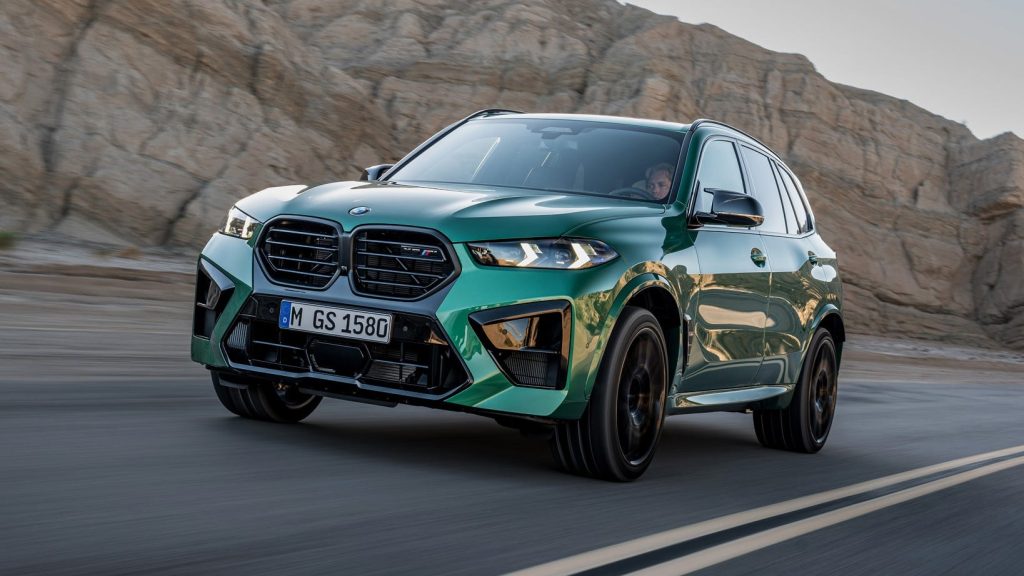
Design elements reinforce its identity without exaggeration. It looks purposeful, yet it avoids unnecessary complexity. That balance allows it to maintain a strong presence without relying on visual aggression.
Another aspect worth noting is repeatability. It can deliver consistent acceleration runs without significant variation, which is essential in real-world conditions.
This crossover does not just compete with sports coupes. It challenges the assumptions behind how performance is delivered and sustained.
6. Alfa Romeo Stelvio Quadrifoglio
Some vehicles impress through numbers, others through feel. The Alfa Romeo Stelvio Quadrifoglio manages to do both, but its defining quality lies in how alive it feels during acceleration.
The twin turbocharged engine responds with urgency. It builds power quickly, yet it does so with a sense of rhythm that makes the experience engaging. There is a noticeable progression that keeps the driver connected to the process.
Instead of relying purely on brute force, the Stelvio uses balance. The way it distributes weight and manages traction allows it to launch effectively without losing composure. This makes it competitive even against cars with higher output figures.
Its steering plays an unexpected role. While not directly linked to straight-line speed, the clarity it provides helps the driver maintain confidence during acceleration. That confidence translates into better control.
The interior follows a driver-focused layout, with a sense of intention behind its design. It emphasizes interaction over distraction, which enhances the experience and makes each run feel more engaging.
Visually, the Stelvio stands apart with its distinctive design language. It carries a sense of motion even when stationary, which reflects its dynamic nature.
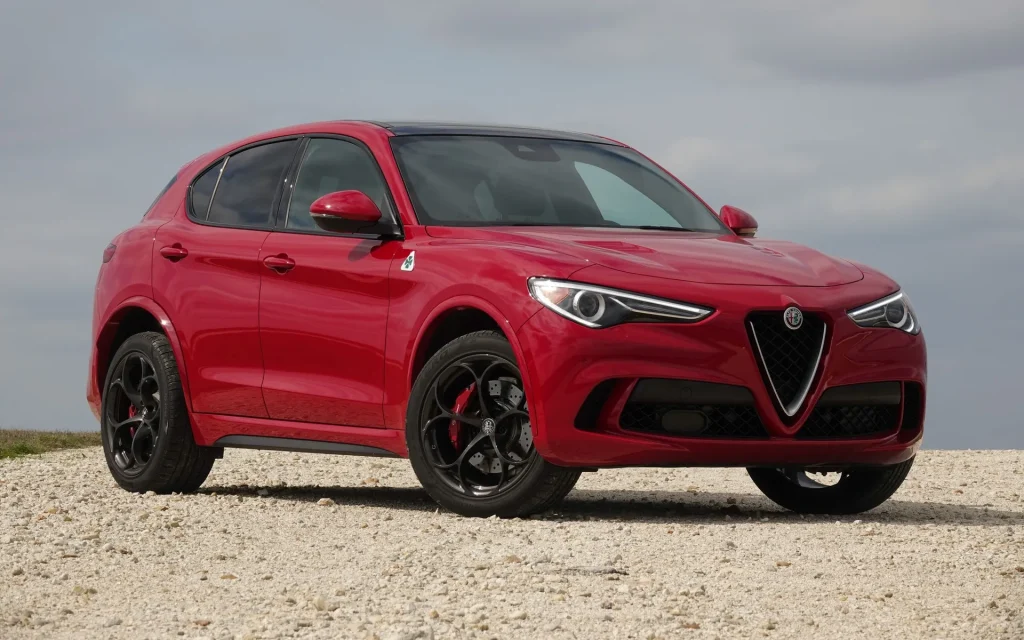
What makes this crossover particularly interesting is its personality. It does not feel clinical or overly engineered. Instead, it retains a sense of character that is often missing in performance-focused vehicles.
As a result, it does more than just match sports coupes in acceleration. It delivers that performance with an emotional layer that makes it memorable.
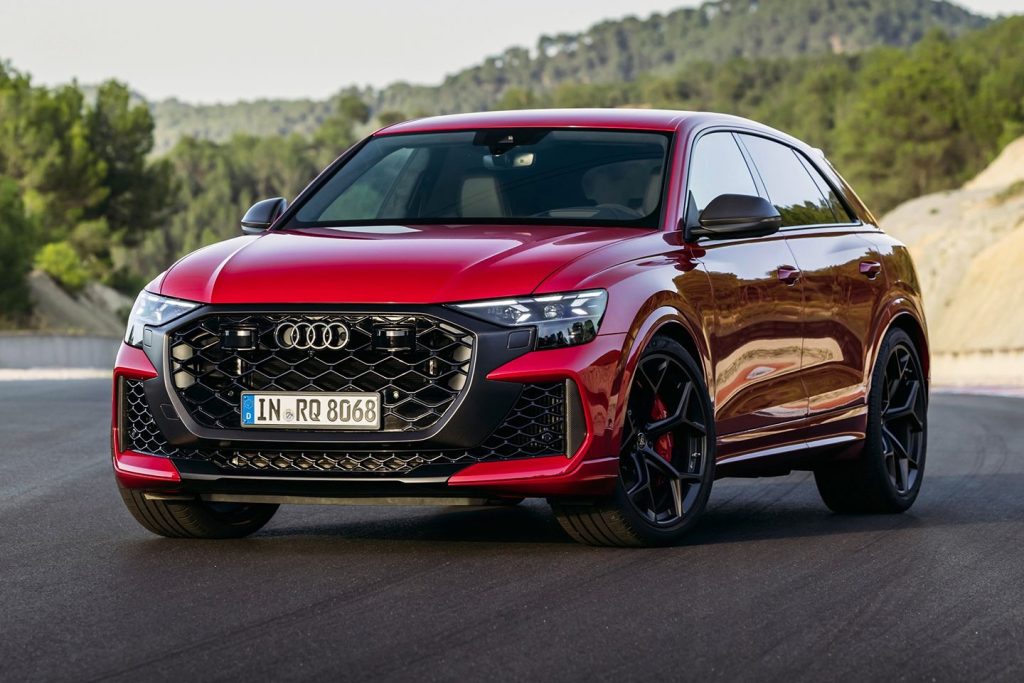
7. Audi RS Q8
Power, control, and timing come together in a very calculated way in the Audi RS Q8. It does not try to overwhelm the driver with drama. Instead, it delivers acceleration through precision, making every movement feel deliberate.
The twin turbocharged V8 provides a strong and immediate push, yet it never feels abrupt. The power builds quickly but remains contained, which allows the driver to stay focused rather than reactive. This controlled surge is what makes it so effective in a straight line.
Launch behavior is where the RS Q8 begins to separate itself. The system prepares the vehicle carefully, balancing engine output with traction before releasing it all at once. The result is a clean and efficient start that wastes very little energy.
The All Wheel Drive system ensures that this energy is used effectively. It distributes power with accuracy, preventing unnecessary slip and maintaining forward momentum. This level of efficiency gives it a consistent advantage against less stable competitors.
Inside, the cabin creates a sense of calm that contrasts with its performance. The materials, layout, and technology contribute to an environment that feels refined, which makes the acceleration seem even more dramatic.
The design follows a similar philosophy. It communicates strength through proportion and detail rather than exaggerated styling. This restraint allows it to maintain a strong identity without becoming excessive.
Another key factor is how repeatable its performance is. It can deliver strong acceleration runs consistently, which is essential for real-world driving scenarios.
The RS Q8 demonstrates that performance does not need to be chaotic to be effective. Precision, when executed correctly, can be just as powerful.
8. Maserati Levante Trofeo
The Maserati Levante Trofeo approaches performance with a sense of drama that is difficult to ignore. It does not aim for subtlety. Instead, it builds its identity around sound, presence, and a driving experience that feels expressive.
The V8 engine produces a surge of power that feels immediate yet layered. There is a noticeable build that creates anticipation before releasing its full force. This progression adds a sense of excitement that goes beyond simple acceleration.
Unlike some competitors that focus purely on efficiency, the Levante Trofeo allows a bit of character to remain in its delivery. This gives it a personality that feels less controlled, yet still effective in a straight line.
Traction is managed through an All Wheel Drive system that balances grip with movement. It ensures that the power reaches the ground while still allowing the car to feel dynamic rather than fixed.
The interior reflects a more traditional approach to luxury. Materials and design elements create a space that feels carefully crafted, enhancing the experience. It is not just about speed, but about how that speed is felt.
Visually, the Levante Trofeo stands out with its sculpted design and distinctive details. It carries a presence that is both elegant and assertive, which reinforces its identity.
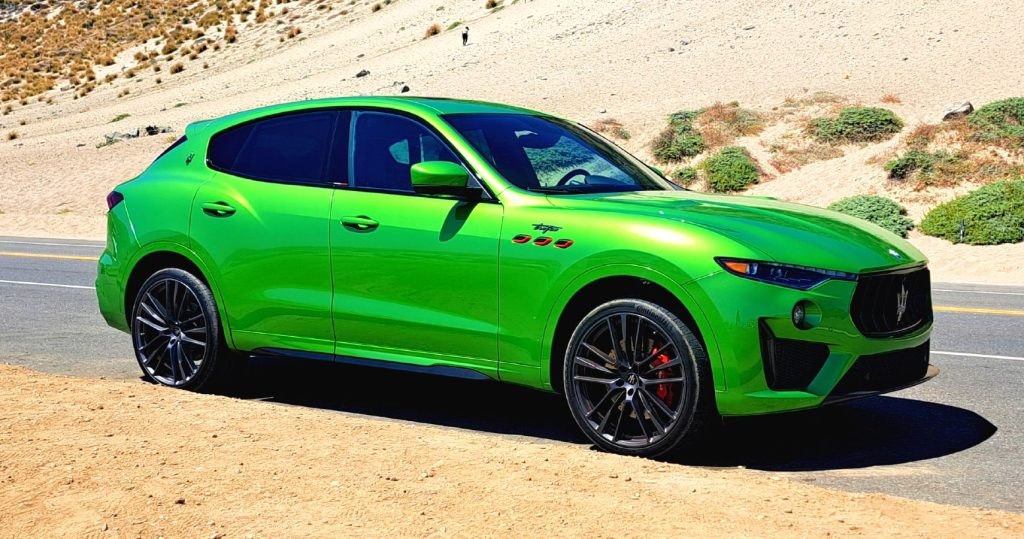
What makes this crossover particularly interesting is how it blends emotion with performance. It does not try to remove the human element from driving. Instead, it enhances it.
As a result, it competes with sports coupes in a way that feels different. It is not just about beating them in a straight line, but about doing so with a sense of character.
9. Aston Martin DBX707
Begin with intent, because the Aston Martin DBX707 makes its purpose clear the moment it accelerates. It does not ease into motion or build speed gradually. It delivers a decisive surge that feels immediate yet controlled, setting the tone for everything that follows.
The twin turbocharged V8 produces a level of output that is matched by how effectively it is deployed. Power arrives quickly, but it is shaped in a way that keeps the vehicle composed. This creates a sense of acceleration that feels refined rather than overwhelming.
A key element in its performance is how the transmission responds. Shifts are executed with precision, maintaining momentum and ensuring that the engine remains in its most effective range. This continuity is essential in drag scenarios where consistency matters.
Traction is managed through a system that prioritizes stability without sacrificing responsiveness. The DBX707 launches with confidence, translating its power into forward motion with minimal loss. This gives it an advantage against vehicles that struggle to maintain grip.
Inside, the cabin reflects a focus on craftsmanship. Materials, layout, and attention to detail create an environment that feels deliberate. This adds a layer of contrast to the performance, making the acceleration feel even more pronounced.
The design carries a sense of elegance combined with strength. It does not rely on exaggerated elements, yet it communicates its capability clearly through proportion and detail.
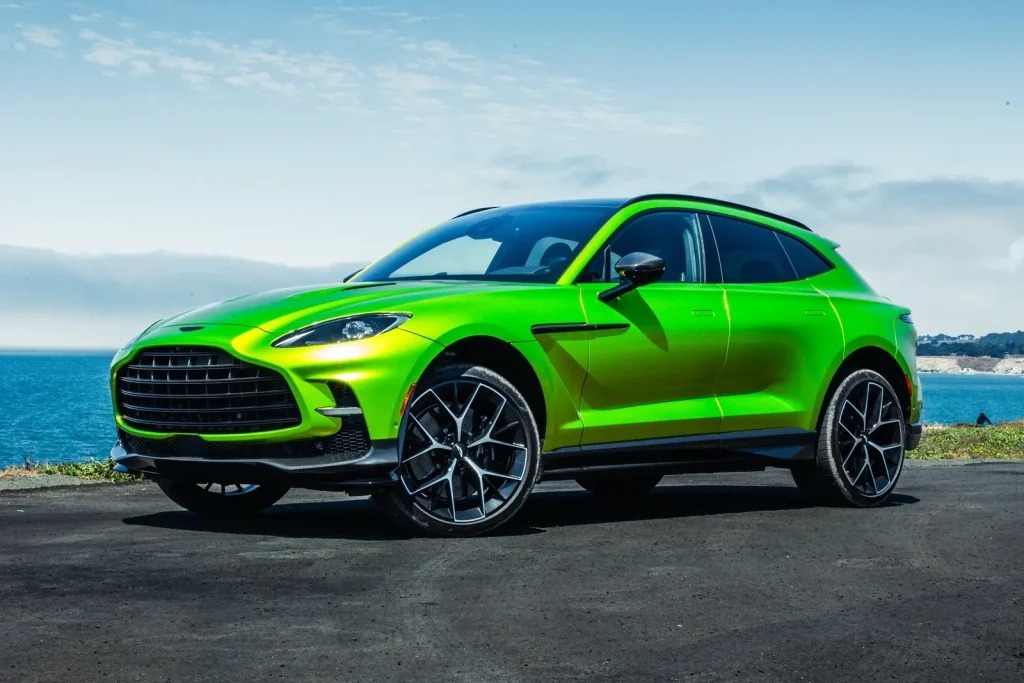
What makes the DBX707 stand out is how it integrates performance into a complete package. It does not isolate speed from the rest of the experience. Instead, it weaves it into every aspect of the vehicle.
This crossover demonstrates that high performance can be delivered with refinement, and that combination is what allows it to challenge traditional sports coupes.
10. Range Rover Sport SVR
The Range Rover Sport SVR takes a more forceful approach, using its supercharged V8 to create a driving experience that feels direct and commanding. It does not attempt to soften its delivery, which gives it a distinct personality.
Acceleration begins with a strong push that quickly builds into sustained momentum. The response is immediate, creating a sense of urgency that carries through the entire run. This makes it highly effective in short-distance acceleration.
The All Wheel Drive system ensures that this power is managed effectively. It distributes torque in a way that maintains traction, allowing the vehicle to launch with stability despite its size.
Handling remains composed during these bursts of speed. The chassis supports the engine’s output, preventing excessive movement and keeping the vehicle aligned. This balance is crucial when competing against lighter sports coupes.
Inside, the SVR combines comfort with performance cues. It maintains the luxury expected from its brand while introducing elements that reflect its capability. This creates a space that feels both refined and purposeful.
Its exterior design reinforces this identity. Bold lines and a strong stance give it presence, ensuring that its performance is matched by its appearance.
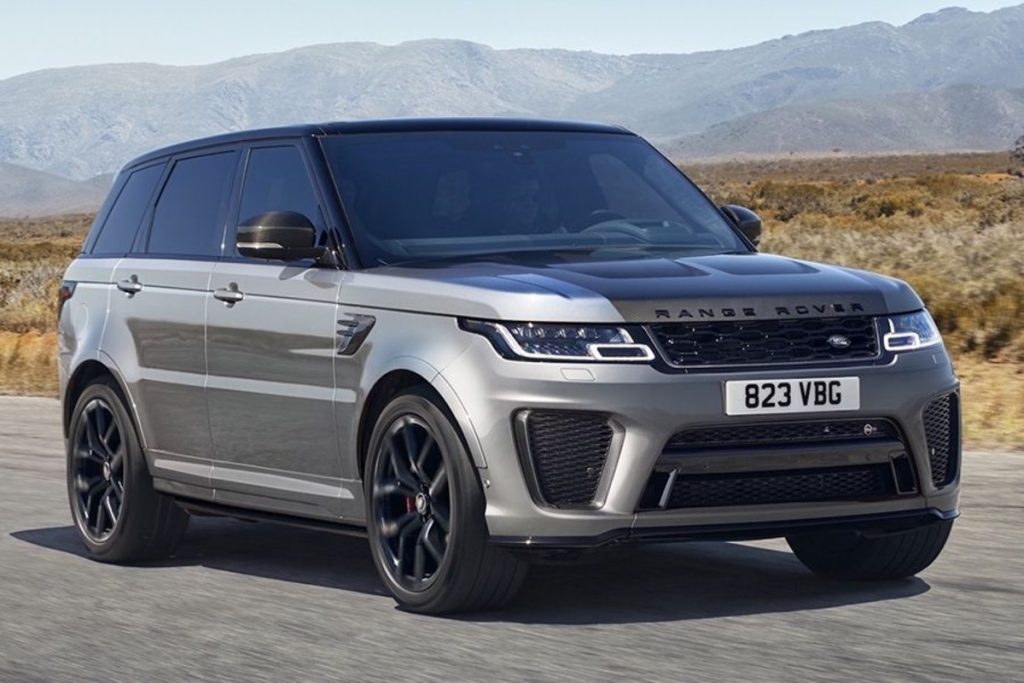
One of the defining aspects of the SVR is its consistency. It can deliver strong acceleration repeatedly without significant variation, which adds to its real-world effectiveness.
The Range Rover Sport SVR proves that power, when combined with proper control, can redefine expectations for what a crossover can achieve.
11. Mercedes-AMG GLC 63 S
Not every fast crossover announces itself loudly, and the Mercedes AMG GLC 63 S benefits from that restraint. It looks composed, almost conventional, yet the moment it launches, that calm exterior gives way to something far more intense.
Its twin turbocharged V8 delivers power with a sense of immediacy that feels deliberate rather than abrupt. There is a strong initial push, followed by a continuous wave of acceleration that keeps building without interruption. This sustained delivery is what makes it so effective in short-distance runs.
The transmission works in perfect coordination with the engine. Each shift is timed to maintain momentum, preventing any loss of speed. This seamless interaction ensures that the car remains in its optimal range throughout the run.
Traction is handled with precision. The All Wheel Drive system distributes power intelligently, allowing the vehicle to launch cleanly with minimal slip. This controlled start is often where it gains an advantage over traditional sports coupes.
The cabin presents a different side of the car. It feels refined, comfortable, and well insulated, which contrasts sharply with the performance it delivers. This dual nature adds to its appeal.
Visually, the GLC 63 S avoids excessive aggression. It communicates its capability through subtle details rather than dramatic elements. This understated approach enhances its sleeper character.
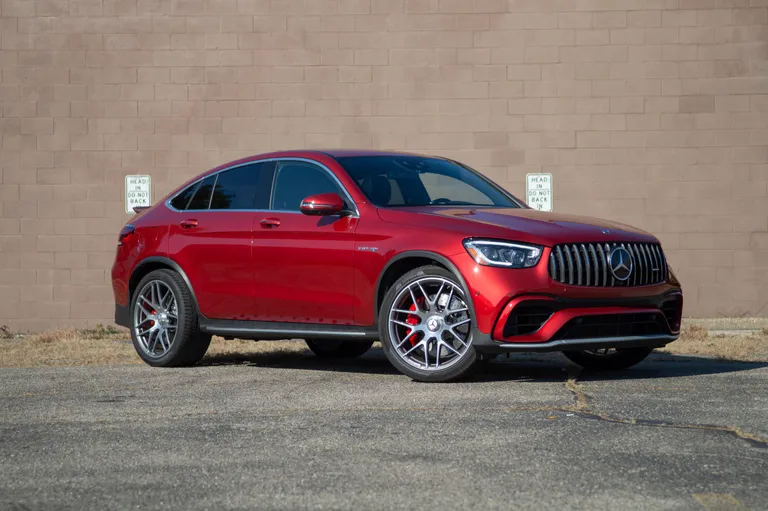
Another important aspect is consistency. It can reproduce strong acceleration runs without significant variation, making it reliable in real-world conditions.
The GLC 63 S succeeds because it combines power with precision. It does not rely on one element alone, and that balance is what allows it to outperform expectations.
12. Hyundai Kona N
The Hyundai Kona N takes a completely different route compared to the others on this list. It does not rely on extreme power figures or large engines. Instead, it uses clever engineering and a focused approach to deliver surprising acceleration.
Its turbocharged engine provides a quick and responsive burst of power. The delivery feels energetic, creating a sense of urgency that keeps the driver engaged. It may not match the raw output of larger crossovers, but it compensates through efficiency.
Front Wheel Drive adds a unique dimension to its performance. Managing traction requires careful tuning, and the Kona N achieves this through advanced systems that maximize grip during launches. This allows it to accelerate effectively despite its layout.
The transmission contributes to its character by delivering rapid and precise shifts. This keeps the engine within its ideal range, ensuring that performance remains consistent throughout the run.
Inside, the cabin emphasizes a driver-focused experience. Controls, seating, and layout are designed to support engagement, creating an environment that feels active rather than passive.
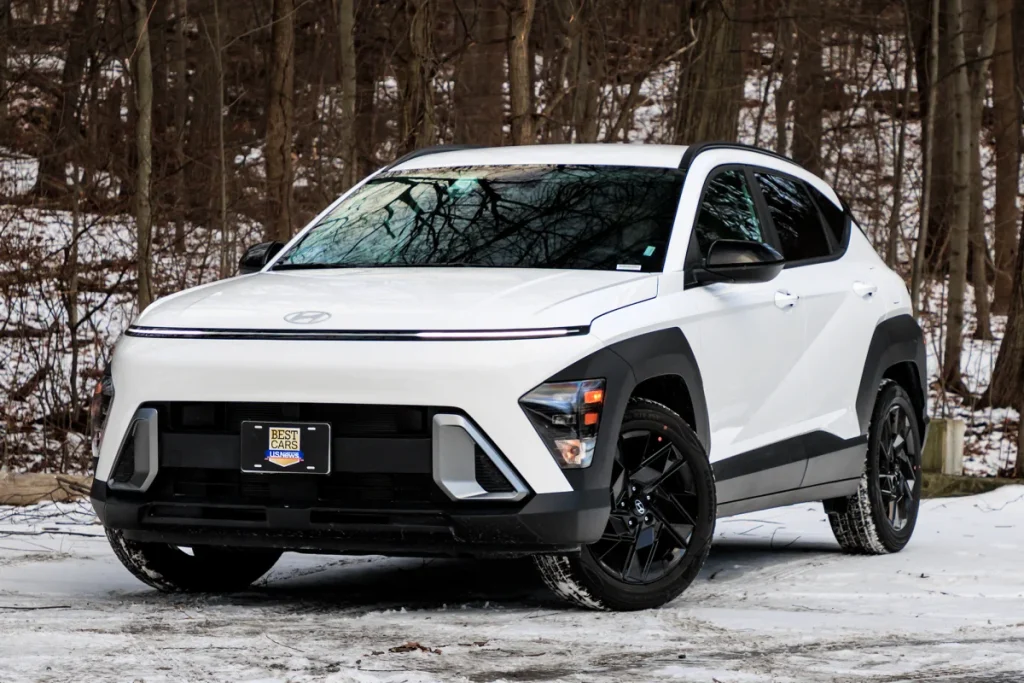
Its design reflects its energetic nature. Sharp lines and distinctive details give it a presence that stands out, reinforcing its performance-oriented identity.
What makes the Kona N particularly interesting is how it challenges expectations. It proves that strong acceleration is not limited to high-power vehicles. Efficiency and precision can achieve similar results.
As a result, it competes with sports coupes in a way that feels unconventional. It does not overpower them; it outmaneuvers expectations.
Also Read: 10 Ferrari Models Ranked by Investment Performance
