
Modern SUVs promise comfort in every season, but winter reveals which ones truly deliver. Heated seats might sound like a small feature on paper, yet in cold climates they quickly become essential.
Anyone who has stepped into a freezing cabin knows the difference between seats that warm up in seconds and those that leave you waiting far too long. That waiting time matters more than most buyers realize, especially during short commutes where the cabin barely has time to heat up.
Manufacturers approach heated seat systems differently. Some use aggressive heating elements that ramp up quickly, while others prioritize gradual warmth for safety or longevity.
There are also differences in seat materials, insulation, and even software tuning that affect how fast heat reaches the occupant. As a result, two SUVs in the same price bracket can deliver completely different experiences.
This article breaks down both sides of the spectrum. First, we focus on SUVs that heat up quickly and provide near-instant comfort. These are the ones that make winter mornings easier and more tolerable. After that, we shift to models where the heated seats feel sluggish, sometimes taking long enough to frustrate drivers and passengers alike.
Understanding these differences helps buyers make smarter decisions. Heated seats are not just about luxury anymore; they are about usability and daily comfort. Whether you live in a snowy region or just deal with chilly mornings, knowing which SUVs perform best in this area can make a noticeable difference in your driving experience.
Also Read: 7 Cars With Window Switches That Light Up At Night
7 SUVs With Heated Seats That Warm Up Fast
Fast-heating seats are not just a convenience feature; they are a reflection of thoughtful engineering. Automakers that prioritize quick heat delivery usually integrate stronger heating elements and smarter temperature management systems. This ensures that warmth reaches the surface almost immediately instead of building slowly over time.
Another factor that separates these SUVs is consistency. It is not just about how quickly the heat starts, but also how evenly it spreads across the seat.
Some vehicles manage to heat both the base and backrest at the same pace, avoiding cold spots that can ruin the experience. That level of refinement often indicates attention to detail in cabin comfort.
We are focusing on these SUVs because they improve everyday usability in subtle but meaningful ways. A vehicle that warms you up within a minute changes how you feel about early morning drives or late-night trips. It reduces discomfort and makes the cabin feel inviting right from the start.
Each SUV listed here stands out for a different reason. Some rely on advanced seat technology, while others benefit from material choices that retain heat better. The goal is to highlight variety while keeping the focus on real-world performance rather than just specifications.
1. Volvo XC90
The Volvo XC90 approaches seat heating with a clear emphasis on immediate comfort. Instead of gradually building warmth, the system delivers a noticeable temperature rise within seconds of activation. This quick response is especially helpful during harsh winters when drivers expect instant relief the moment they sit down.
One reason this SUV performs so well is its seat construction. Volvo uses high-quality cushioning paired with efficient heating elements that distribute warmth evenly.
The backrest and seat base heat simultaneously, avoiding the uneven sensation found in slower systems. This creates a balanced and reassuring warmth that feels natural rather than forced.
Another aspect worth noting is how the system adjusts itself. The XC90 does not simply blast heat at a fixed level. It intelligently stabilizes the temperature once the desired warmth is reached, preventing overheating while maintaining comfort. This makes it suitable for both short city drives and longer highway journeys.
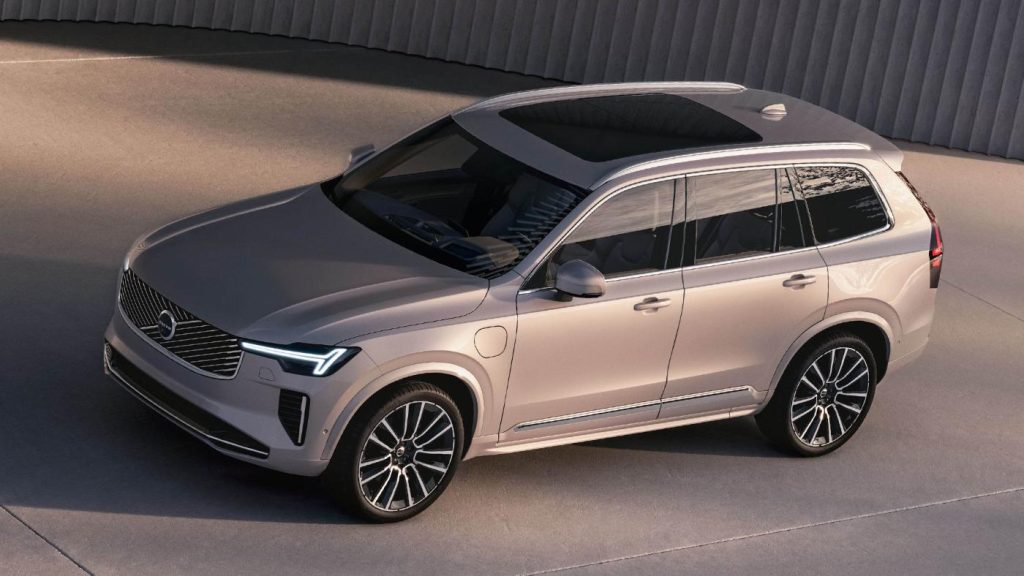
I am including the XC90 because it represents a thoughtful blend of luxury and practicality. It does not treat heated seats as a gimmick but as a core comfort feature. The speed, consistency, and refinement of its heating system make it one of the best examples of how this feature should work in a premium SUV.
2. BMW X5
The BMW X5 delivers a very different kind of heating experience compared to the Volvo. Instead of a soft, gradual warmth, it provides a more assertive burst of heat right from the beginning. Drivers who prefer feeling immediate intensity will appreciate how quickly the seats become noticeably warm.
What makes the X5 stand out is its responsiveness. The moment the heating function is activated, there is almost no delay before warmth is felt. This is particularly useful for drivers who take frequent short trips where waiting several minutes for comfort simply is not practical.
The materials used in the X5 also play a role. BMW’s seat upholstery allows heat to pass through efficiently without being trapped or delayed. This ensures that the energy from the heating elements reaches the occupant quickly instead of dissipating within the seat structure.
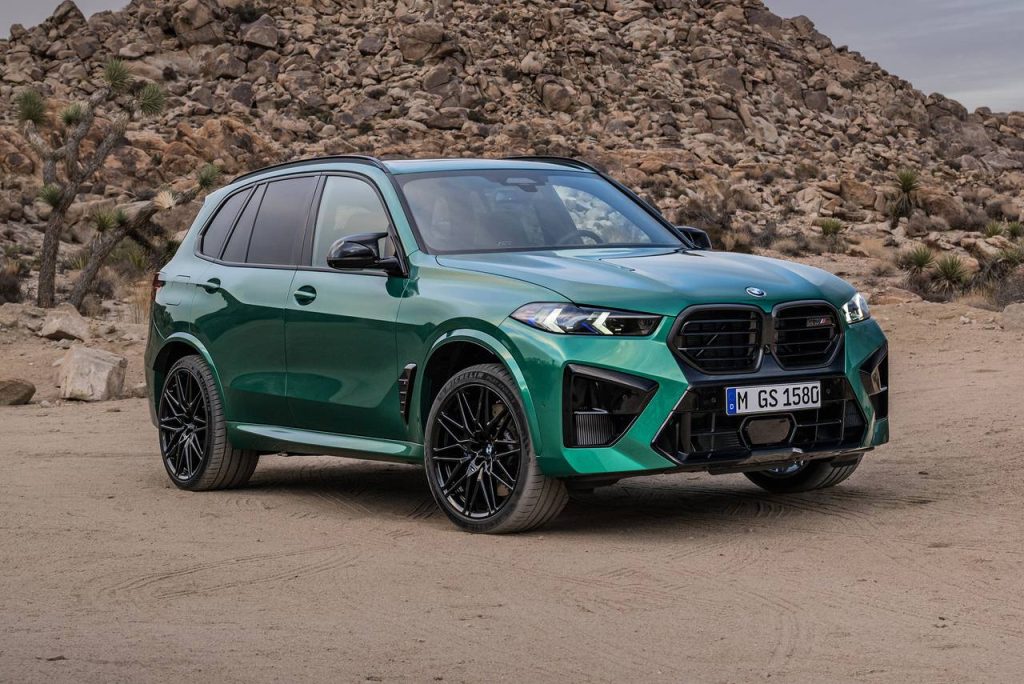
I chose the X5 because it highlights a performance-oriented approach even in comfort features. Just like its driving dynamics, the heating system feels sharp and immediate. It suits drivers who want quick results without compromise, making it one of the most satisfying SUVs when it comes to fast-heating seats.
3. Audi Q7
The Audi Q7 takes a refined route when it comes to heated seat performance, but do not mistake refinement for slowness. The system reacts quickly, delivering warmth in a controlled yet noticeably rapid manner. Within a short span of time, the seat transitions from cold to comfortably warm without any harsh spikes in temperature.
What sets the Q7 apart is how evenly the heat spreads. Instead of concentrating warmth in specific areas, the system ensures that both the seat base and backrest receive consistent coverage. This eliminates the patchy feeling that can occur in less sophisticated setups. The result is a smooth, uniform warmth that feels premium and well-calibrated.
Audi also integrates intuitive controls that allow drivers to fine-tune the heating intensity. The highest setting ramps up heat quickly, while lower settings maintain a steady and subtle warmth. This flexibility makes the system adaptable to different climates and personal preferences without compromising responsiveness.
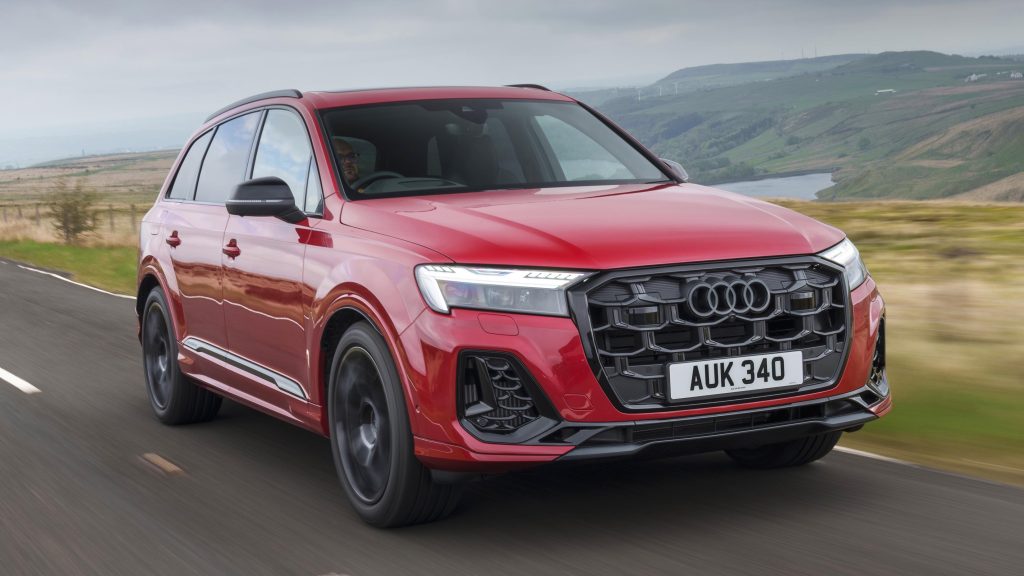
I am including the Q7 because it represents balance done right. It manages to combine quick heat delivery with a polished feel that avoids being too aggressive. This makes it ideal for drivers who want immediate comfort without sacrificing the calm, composed cabin experience that Audi is known for.
4. Mercedes-Benz GLE
The Mercedes-Benz GLE approaches heated seats with a sense of quiet efficiency. Instead of drawing attention to itself with aggressive heat, it delivers warmth quickly but in a controlled and luxurious manner. Within moments of activation, the seat begins to feel inviting without any abrupt temperature jump.
One of the key strengths of the GLE is its integration with the vehicle’s full comfort system. The heated seats work in harmony with cabin climate controls, ensuring that the warmth feels natural rather than isolated. This creates a cohesive environment where the entire cabin gradually becomes comfortable at the same time.
The seat design itself also contributes to the fast-heating experience. Mercedes uses layered cushioning that allows heat to pass through efficiently while still maintaining plush support. This means you feel the warmth sooner without sacrificing the softness that defines the brand’s interiors.

I chose the GLE because it demonstrates how luxury can enhance functionality. The heating system is quick, but it never feels rushed or overpowering.
Instead, it delivers a composed and reassuring warmth that aligns perfectly with the vehicle’s character, making it a strong contender for anyone who values both speed and sophistication.
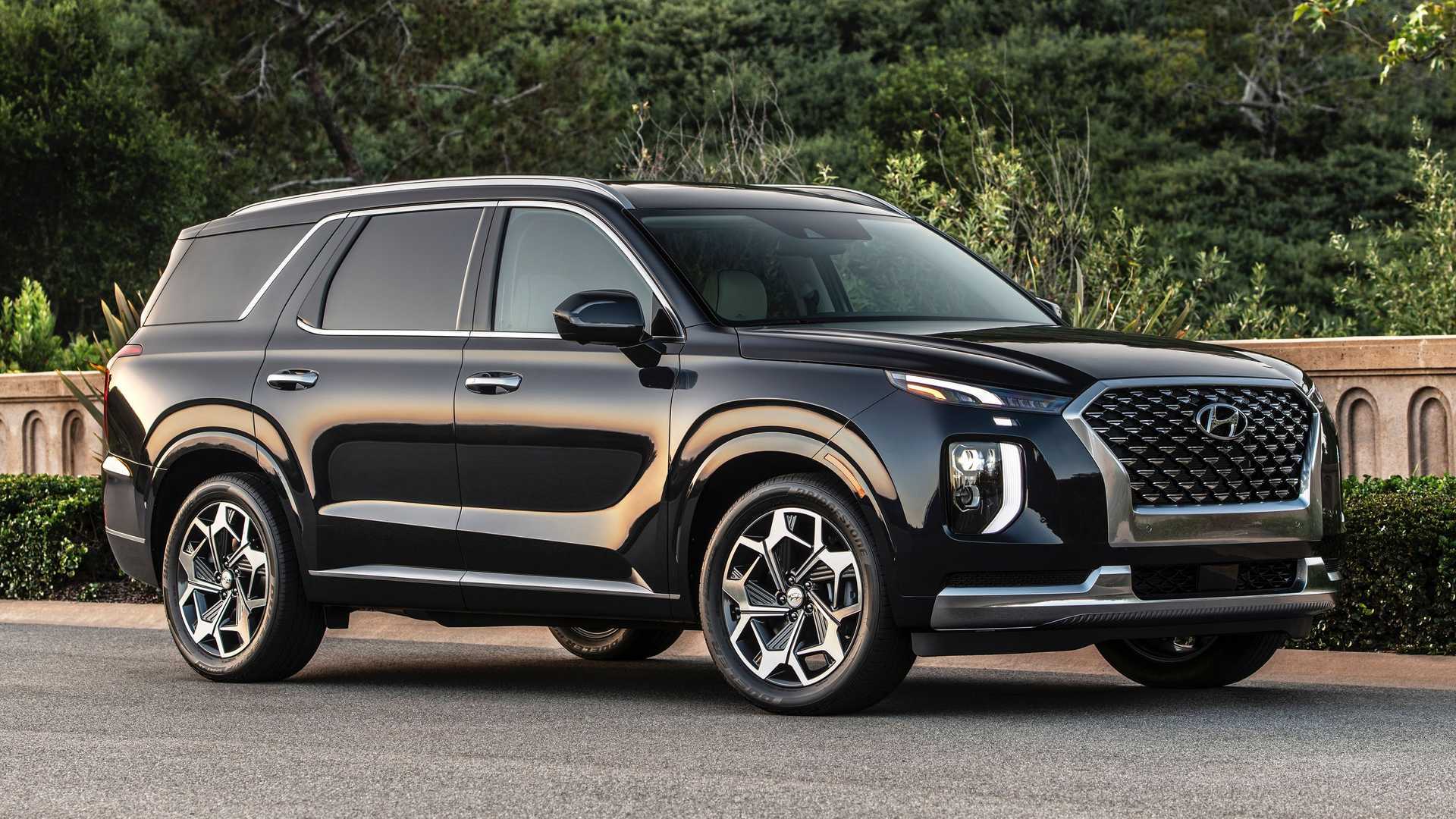
5. Hyundai Palisade
The Hyundai Palisade proves that fast-heating seats are not limited to luxury brands. From the moment the system is activated, there is a noticeable rise in temperature that reaches the surface quickly and consistently. It does not take long before the seat feels properly warm, even on particularly cold mornings.
What makes the Palisade impressive is how it combines speed with accessibility. The controls are simple and intuitive, allowing drivers to adjust heating levels without distraction. The highest setting delivers a strong initial burst, while lower levels maintain a comfortable warmth without fluctuating.
Another strength lies in how the heat is distributed. The Palisade avoids concentrating warmth in a single zone, instead spreading it across the seating area in a way that feels balanced. This ensures that both driver and passengers benefit from the system equally, making it a practical choice for families.
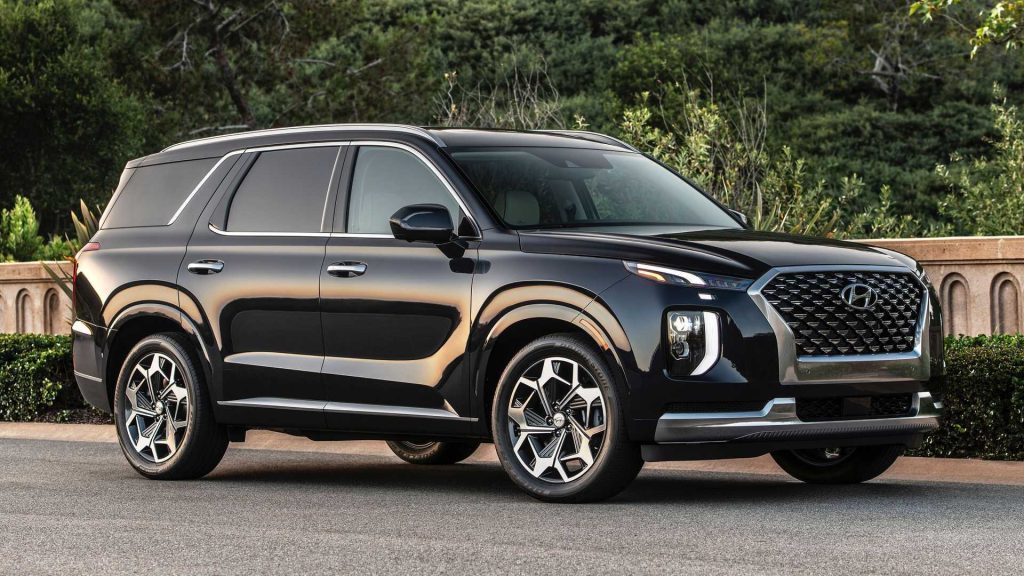
I am including the Palisade because it shows that thoughtful engineering is not restricted by price. It delivers quick, effective heating in a way that enhances everyday usability. For buyers looking for value without sacrificing comfort, this SUV stands out as a well-rounded option.
6. Ford Explorer
The Ford Explorer brings a more straightforward and robust approach to heated seats. The system prioritizes getting heat to the occupant as quickly as possible, and it succeeds in doing so with minimal delay. Within a short time, the seats transition from cold to warm in a way that feels immediate and satisfying.
What distinguishes the Explorer is its consistency during repeated use. Even after multiple start-stop cycles, the heating system remains reliable and quick to respond. This is particularly useful for drivers who frequently run errands or make short trips throughout the day.
The materials used in the seats also contribute to the experience. They allow heat to pass through efficiently while retaining enough warmth to keep the seat comfortable even when the heating level is reduced. This balance helps maintain comfort without requiring constant adjustment.
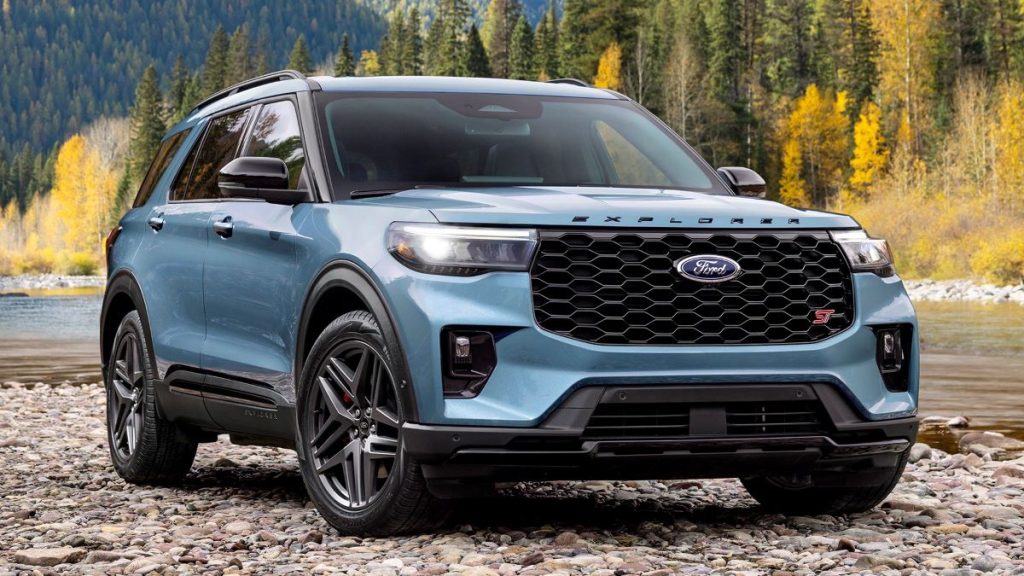
I chose the Explorer because it reflects a practical, no-nonsense approach to comfort. It does not rely on flashy features or complex systems, yet it delivers exactly what drivers need in cold conditions. The speed and dependability of its heated seats make it a strong contender in this category.
7. Kia Telluride
The Kia Telluride rounds out this group with a heating system that feels both immediate and well-judged. As soon as the function is activated, warmth begins to build at a pace that feels quicker than most mainstream SUVs. Within a short span, the seat becomes properly comfortable, making cold starts far less unpleasant.
What stands out in the Telluride is how confidently it delivers that first wave of heat. The highest setting produces a noticeable surge that cuts through the chill quickly, yet it avoids becoming uncomfortable. That balance between strength and control is what makes the system feel well-engineered rather than simply powerful.
There is also a sense of stability in how the warmth settles. Once the seat reaches a comfortable temperature, it maintains that level without frequent fluctuations. This reduces the need for constant adjustments and allows drivers to focus on the road instead of tweaking settings.
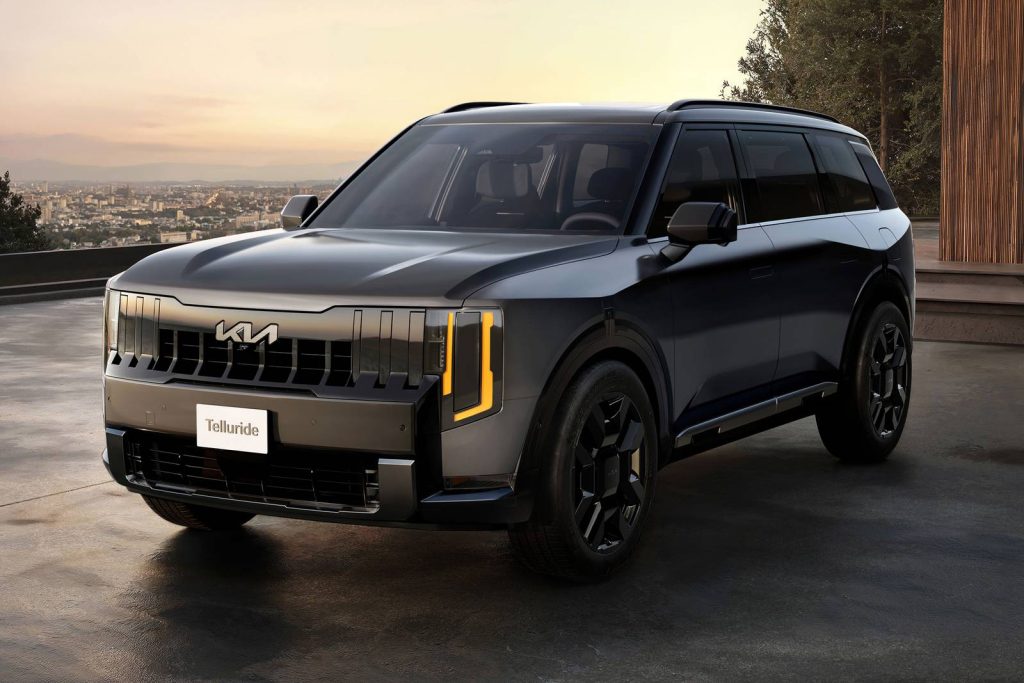
I am including the Telluride because it reflects how far mainstream SUVs have come in delivering premium-like comfort. It offers quick, reliable heating that rivals more expensive models while maintaining a user-friendly experience.
For many buyers, this combination of speed and consistency makes it one of the most satisfying options in its class.
7 SUVs With Heated Seats That Take Forever
Not all heated seats deliver the same level of satisfaction, and this section focuses on the other end of the spectrum. Some SUVs struggle with delayed heat delivery, leaving occupants waiting longer than expected for even a basic level of warmth. In colder climates, that delay can turn into a daily annoyance.
There are several reasons why this happens. Some manufacturers tune their systems conservatively to avoid overheating, while others use less aggressive heating elements. In certain cases, thick seat padding or upholstery materials can slow down how quickly heat reaches the surface. These factors combine to create a noticeably slower experience.
We are highlighting these SUVs not to dismiss them entirely, but to provide a realistic understanding of their performance. Many of these vehicles excel in other areas such as ride quality, technology, or efficiency. However, when it comes to heated seats, they fall short of expectations.
Each model listed here has a different reason for its slower response. Some feel delayed at the start, while others take longer to reach a comfortable temperature. By examining these differences, buyers can better understand what to expect and decide whether it matters for their driving habits.
1. Toyota Highlander
The Toyota Highlander is known for its reliability and practicality, but its heated seats do not deliver the same level of immediacy. After activation, there is a noticeable delay before any real warmth can be felt. This can be frustrating during cold mornings when quick comfort is expected.
Part of the issue lies in how gradually the system builds heat. Instead of delivering an immediate boost, it increases temperature at a slow and steady pace. While this approach may be intended to provide a gentler experience, it often results in a longer wait time before the seat feels properly warm.
The seat materials also play a role in this delayed sensation. The cushioning tends to absorb some of the initial heat, which means less of it reaches the surface quickly. As a result, occupants may find themselves waiting longer than they would in more responsive systems.
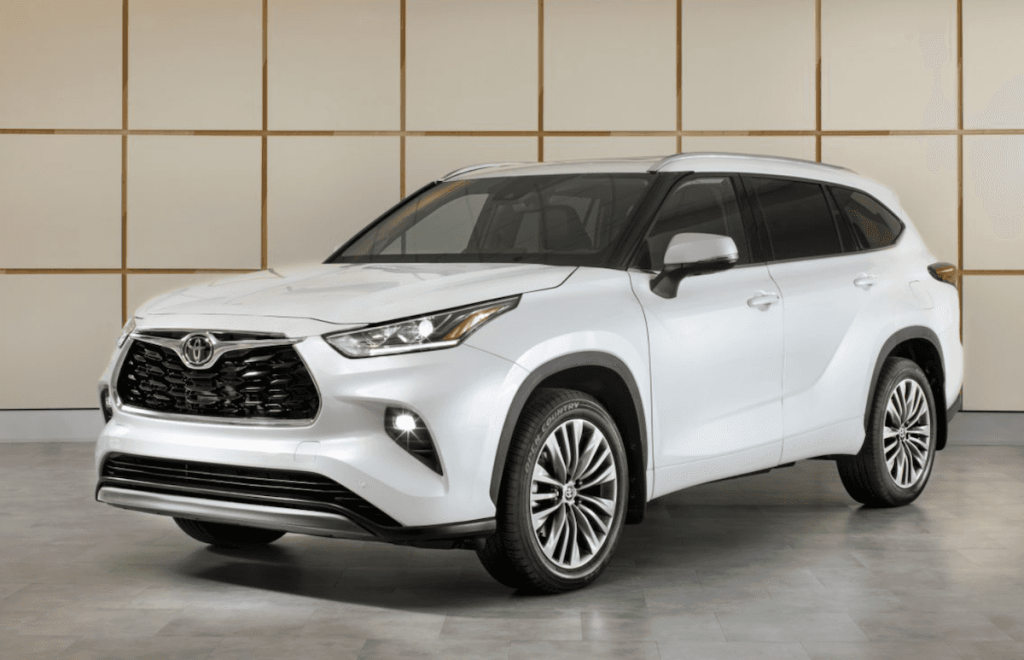
I am including the Highlander because it highlights how a well-rounded SUV can still fall short in specific comfort areas. Its heated seats are functional, but they lack the urgency that many drivers now expect. For those who prioritize quick warmth, this slower performance becomes noticeable over time.
2. Subaru Outback
The Subaru Outback approaches seat heating with a focus on gradual comfort rather than immediate warmth. When the system is turned on, the change in temperature is subtle at first, often requiring patience before the seat begins to feel noticeably warm.
One contributing factor is the conservative tuning of the heating system. It avoids aggressive heat delivery, which can make the initial phase feel underwhelming. While this may appeal to drivers who prefer a softer approach, it does little to address the discomfort of sitting on a cold seat.
Another element is the way heat spreads through the seat. Instead of quickly reaching the entire surface, it seems to build in stages. This can create a lag before the warmth feels evenly distributed, further extending the time it takes to achieve full comfort.
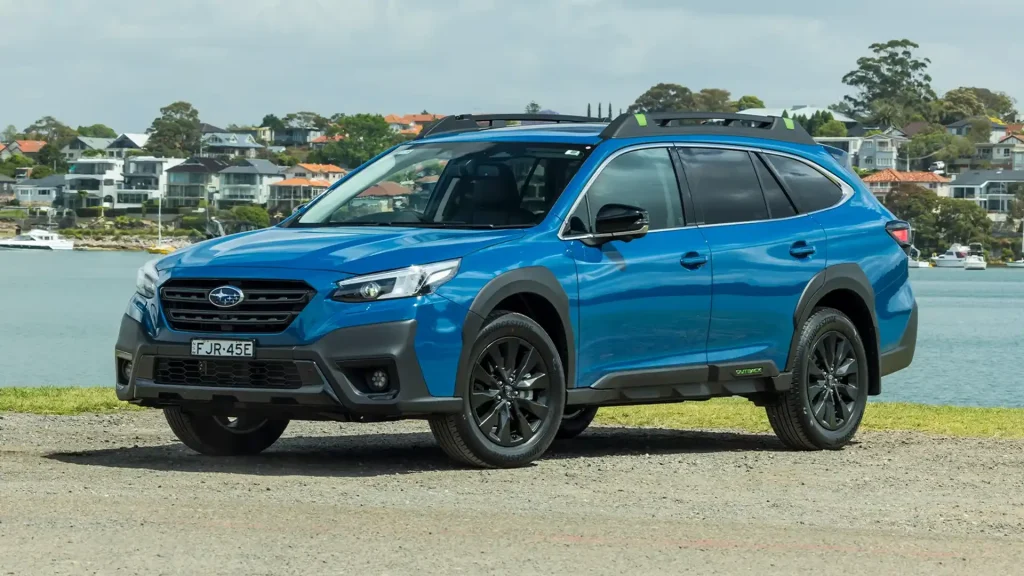
I chose the Outback because it represents a deliberate but slower strategy. It prioritizes steady warmth over speed, which may suit some users but not all. For drivers who expect a quick response, the delay becomes noticeable enough to impact the full experience.
3. Honda CR-V
The Honda CR-V has built a reputation around efficiency and everyday usability, yet its heated seats lean toward a slower, more restrained delivery. When activated, the system does not immediately produce noticeable warmth. Instead, there is a quiet delay where you begin to wonder if the feature has actually engaged.
What makes this more apparent is the way the heat ramps up. The CR-V avoids any sudden surge and instead introduces warmth in small increments. While this can feel gentle once it gets going, the early moments leave occupants waiting longer than expected, especially in colder environments.
Seat construction also plays a subtle role here. The cushioning and upholstery seem to absorb the initial heat output, slowing down how quickly it reaches the surface. As a result, even though the system is working in the background, the user experience feels delayed compared to quicker systems.
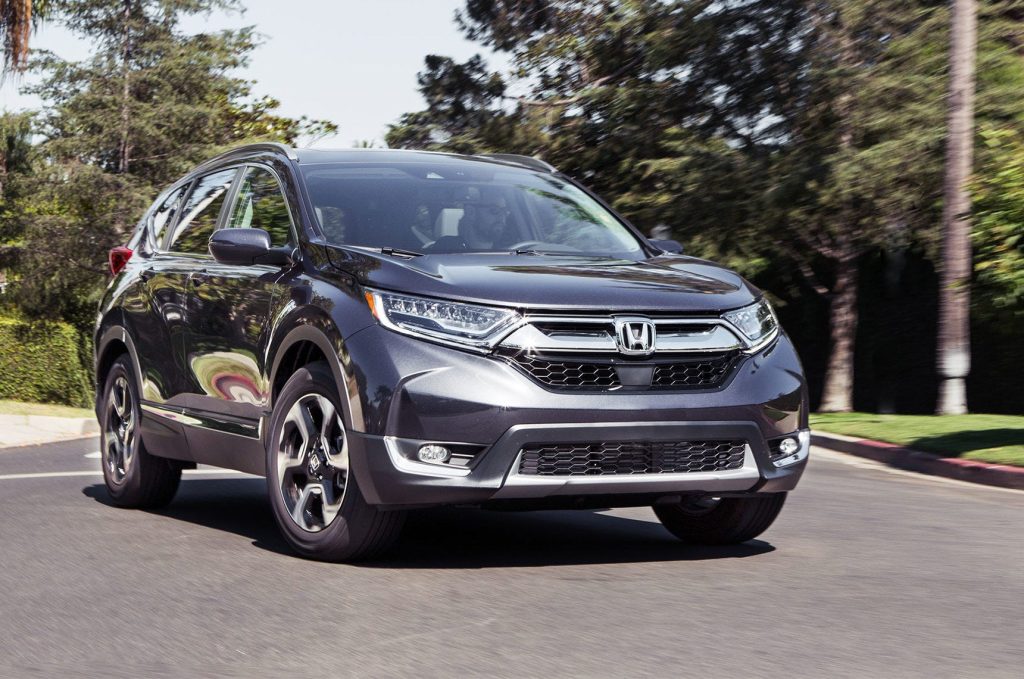
I am including the CR-V because it represents a common compromise in practical SUVs. It does many things right, but its heated seats lack urgency. For drivers who rely on quick comfort during short trips, this slower response becomes something they notice frequently rather than occasionally.
4. Nissan Rogue
The Nissan Rogue takes a noticeably cautious approach to seat heating, and that caution translates into a longer wait for warmth. After turning the system on, there is a gradual increase in temperature that feels more like a slow build than an active heating process.
One aspect that stands out is how the heat seems to concentrate in limited areas at first. Instead of spreading evenly across the seat, it takes time before the warmth becomes consistent. This uneven progression can make the system feel less effective during the initial minutes of use.
There is also a sense that the system is tuned to prioritize moderation over speed. It avoids high initial output, which may help prevent overheating, but it also means the seat takes longer to become comfortable. For drivers stepping into a cold cabin, that trade-off is not always ideal.
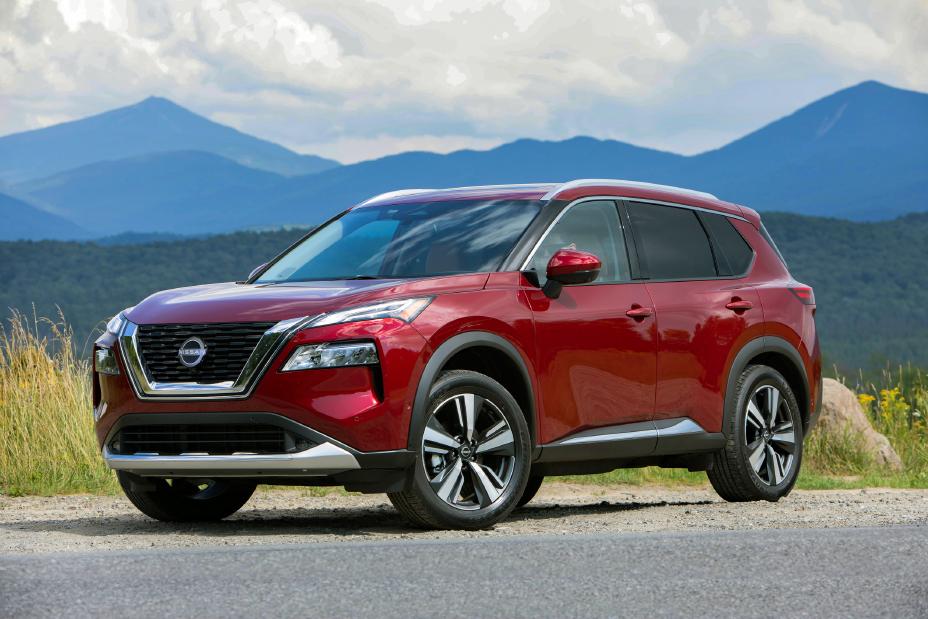
I chose the Rogue because it highlights how conservative tuning can affect user perception. The heated seats eventually reach a comfortable level, but the journey to that point feels longer than it should. For those who expect a quicker response, this measured approach can feel like a drawback rather than a benefit.
5. Mazda CX-5
The Mazda CX-5 delivers a driving experience that feels engaging and refined, yet its heated seats follow a noticeably slower rhythm.
When switched on, the initial response is subdued, with only a faint hint of warmth appearing after a short wait. This can feel underwhelming, especially when stepping into a cold cabin expecting quick relief.
Unlike more aggressive systems, the CX-5 introduces heat in a layered manner. It begins gently and then gradually increases intensity, which creates a delayed sense of comfort. While this progression eventually leads to a pleasant temperature, the time it takes to reach that point can test patience during short drives.
Another interesting characteristic is how the heat builds unevenly at first. The seat base may begin to warm slightly before the backrest follows, creating a staggered experience rather than a uniform one. This adds to the perception that the system is taking longer than it should.
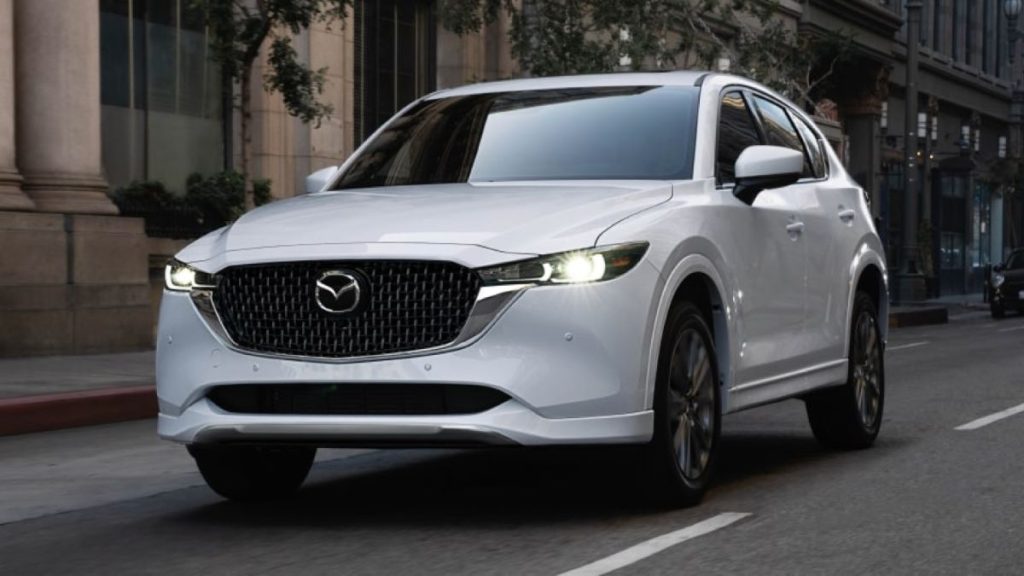
I am including the CX-5 because it represents a design philosophy that values subtlety. The heating system aligns with the vehicle’s calm and composed nature, but it sacrifices immediacy in the process. For drivers who prioritize quick comfort, this gentle approach may feel like a compromise.
6. Chevrolet Equinox
The Chevrolet Equinox approaches heated seats with a steady but unhurried pace. Once activated, the system does not immediately deliver noticeable warmth. Instead, it takes its time building heat, which can make the early moments feel less responsive than expected.
One factor contributing to this is the way the system distributes energy. Rather than pushing a strong initial burst, it spreads heat gradually across the seating surface. While this eventually results in even warmth, the delay in reaching that stage becomes apparent during colder conditions.
The seat materials also seem to retain heat rather than release it quickly. This means that while the seat may feel warm after some time, the initial transfer of heat to the occupant is slower. The experience feels more like a slow transition than an instant improvement.
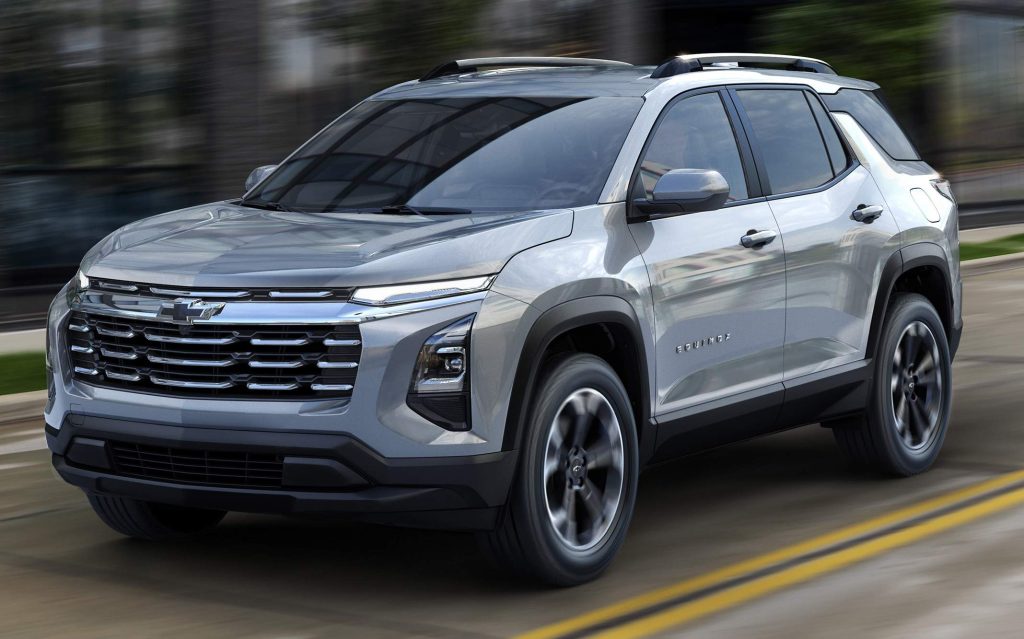
I chose the Equinox because it highlights a practical but less dynamic approach. The system does its job, but it lacks the immediacy that defines the best performers. For drivers who value quick results, this slower buildup can feel like a missed opportunity.
7. Volkswagen Tiguan
The Volkswagen Tiguan closes this list with a heating system that feels noticeably delayed compared to more responsive rivals. After activating the feature, there is a clear pause before any meaningful warmth is felt. This delay becomes more obvious during colder mornings when expectations for quick comfort are higher.
What stands out in the Tiguan is how long it takes to reach a satisfying level of heat. Even after the system begins working, the progression remains gradual. The seat warms up eventually, but the pace can feel out of sync with what many drivers now consider standard.
There is also a sense of restraint in how the heat is delivered. The system avoids strong initial output, which keeps the experience controlled but also extends the time needed to feel comfortable. This conservative tuning shapes the entire heating experience.
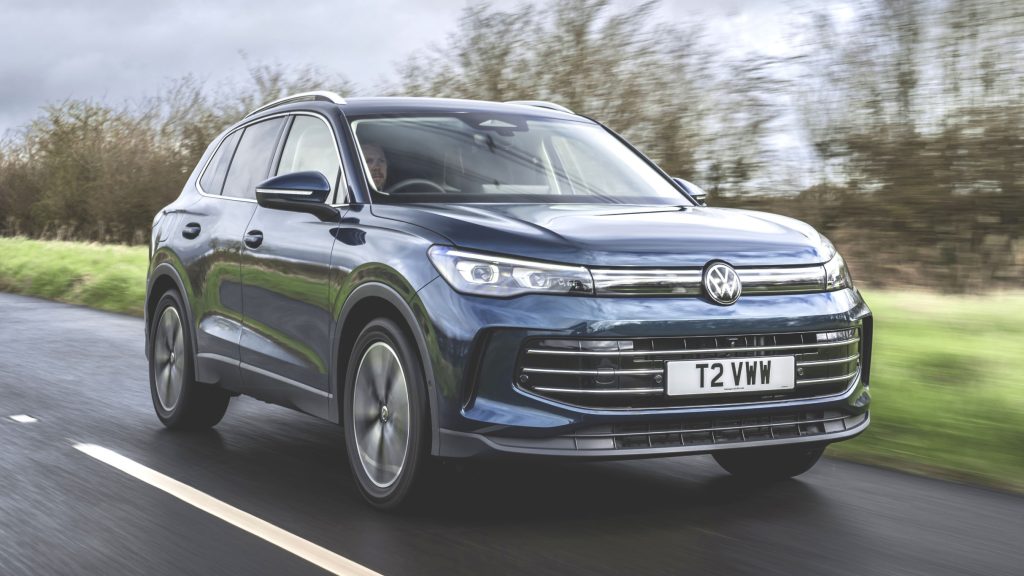
I am including the Tiguan because it illustrates how timing can influence perception. The seats are capable of providing warmth, yet the delay reduces their effectiveness in real-world use. For drivers who expect immediate relief from cold conditions, this slower response can become a consistent point of frustration.
Heated seats can transform the daily driving experience, especially in colder climates where immediate comfort matters. This comparison highlights a clear divide between SUVs that deliver quick, satisfying warmth and those that take a slower, more gradual approach.
The difference often comes down to engineering choices, including heating element strength, seat materials, and temperature management systems.
Models like the Volvo XC90, BMW X5, and Kia Telluride stand out for their rapid heat delivery and consistent performance.
These SUVs prioritize immediate comfort, making them ideal for short trips and cold starts. Their systems are designed to distribute warmth evenly while maintaining stability once the desired temperature is reached.
On the other hand, SUVs such as the Toyota Highlander, Honda CR-V, and Volkswagen Tiguan take longer to build heat. Their slower response can be attributed to conservative tuning or seat construction, which delays how quickly warmth reaches the surface.
In the end, heated seats are more than a luxury feature. They directly impact daily usability and comfort. Choosing an SUV with fast, efficient heating can make a noticeable difference in how enjoyable every drive feels.
Also Read: 6 SUVs Built To Last 300,000 Miles And 6 You’ll Be Lucky To Get 100,000 Out Of
