
A pickup truck can handle demanding jobs, weekend travel, and daily commuting without complaint, yet ownership costs extend beyond fuel and routine servicing. Insurance plays a quiet but steady role in how much a truck truly costs to keep on the road.
Premiums depend on several factors, such as repair costs, safety ratings, theft rates, and how often a model is involved in claims. Choosing the right truck can make a clear difference in what you pay each month. Smart buyers often look beyond horsepower and towing figures.
They focus on vehicles with strong reliability records, widely available parts, and safety features that help reduce risk. Trucks that are easier to repair and less expensive to replace parts tend to attract lower insurance rates. Insurers favor models with consistent performance history and fewer costly claims.
Budget-conscious drivers benefit from understanding how these factors come together. A truck that appears affordable at purchase may become expensive if insurance costs climb. Looking at it the other way round, a well-chosen model can deliver long-term savings while still offering capability and comfort.
This guide highlights nine trucks known for lower insurance costs in the United States. Each one offers a combination of practicality, dependability, and manageable ownership expenses. The goal is simple: help you find a truck that works hard without draining your wallet through high premiums.
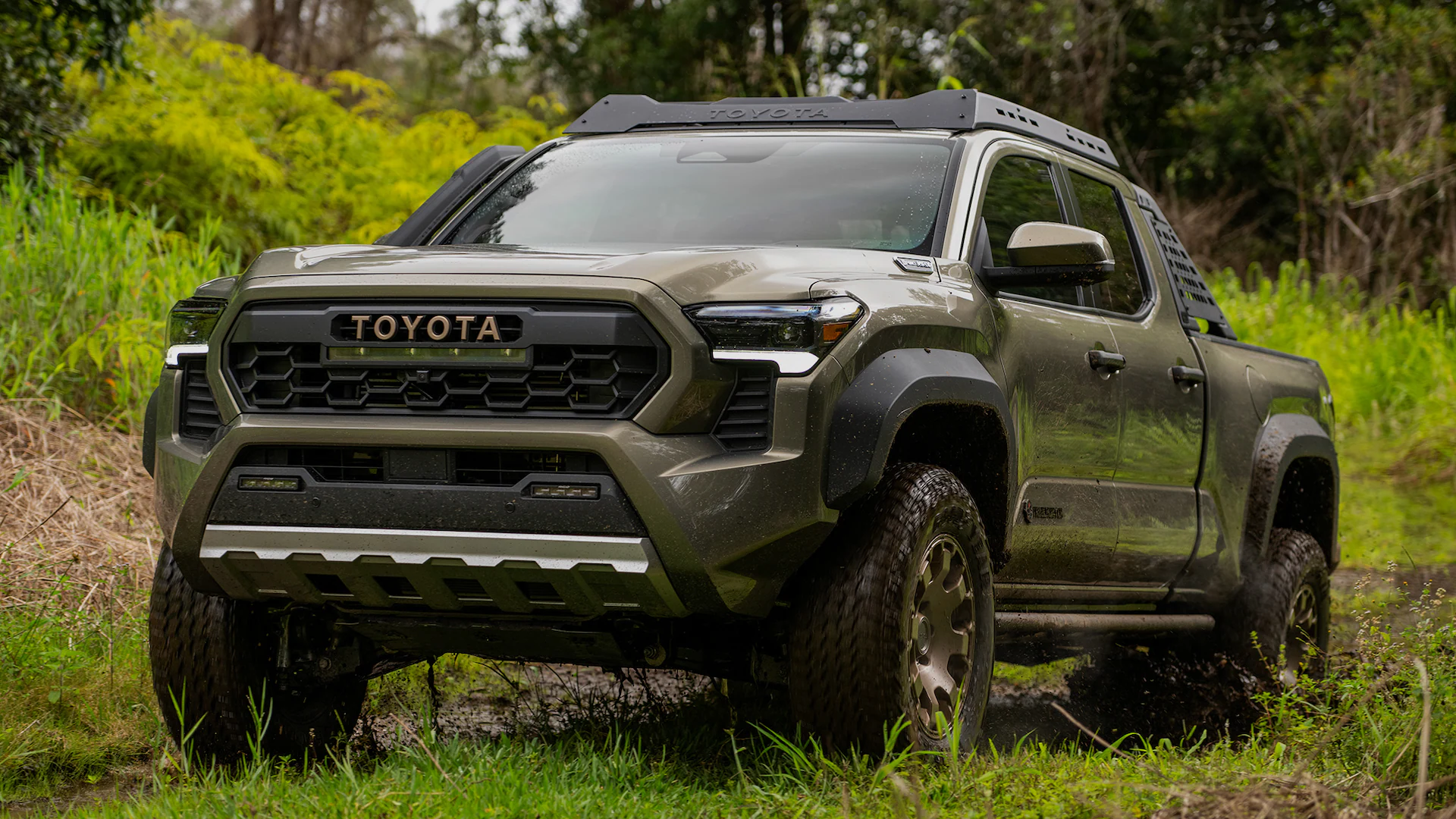
1. 2024 Toyota Tacoma
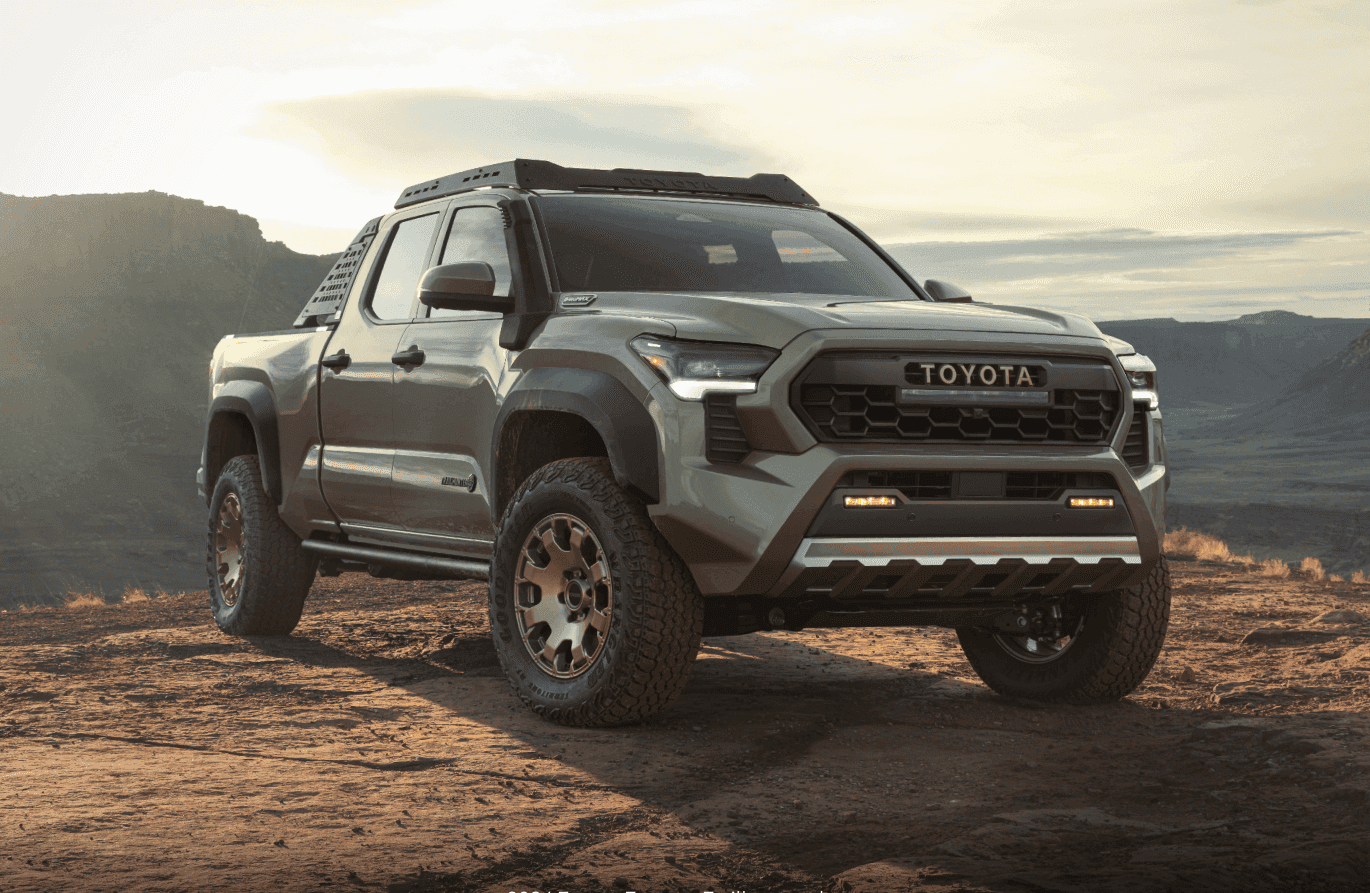
Durability has long been associated with the Toyota Tacoma, and that reputation plays a direct role in keeping insurance costs within a reasonable range. Insurers tend to favor vehicles with proven reliability, and this truck has built its standing through years of consistent performance across different conditions.
Repair expenses remain predictable, which is an important factor when insurance providers calculate premiums. Replacement parts are widely available, and many repair shops are familiar with the Tacoma’s mechanical layout. This familiarity reduces labor time, which helps keep claim costs lower. When insurers expect lower repair bills, drivers benefit through reduced rates.
Safety also contributes to affordability. The Tacoma includes modern driver assistance systems designed to prevent accidents or reduce their impact. Features such as lane departure alerts and adaptive cruise control support safer driving habits. Fewer accidents lead to fewer claims, and that pattern influences insurance pricing.
A closer look at theft statistics reveals another advantage. The Tacoma does not rank among the most frequently targeted vehicles, which helps reduce risk from an insurer’s perspective. Lower theft risk translates into more stable premiums, especially in urban areas where such concerns can affect pricing.
Ownership experience further strengthens its appeal. The truck maintains value well, meaning insurers do not face excessive depreciation-related losses. This balance between value retention and manageable repair costs creates a favorable profile.
Drivers who select the Tacoma gain a vehicle that blends capability with cost awareness. It handles demanding tasks while keeping insurance expenses within reach. That balance makes it a practical choice for anyone seeking long-term value in a midsize pickup.
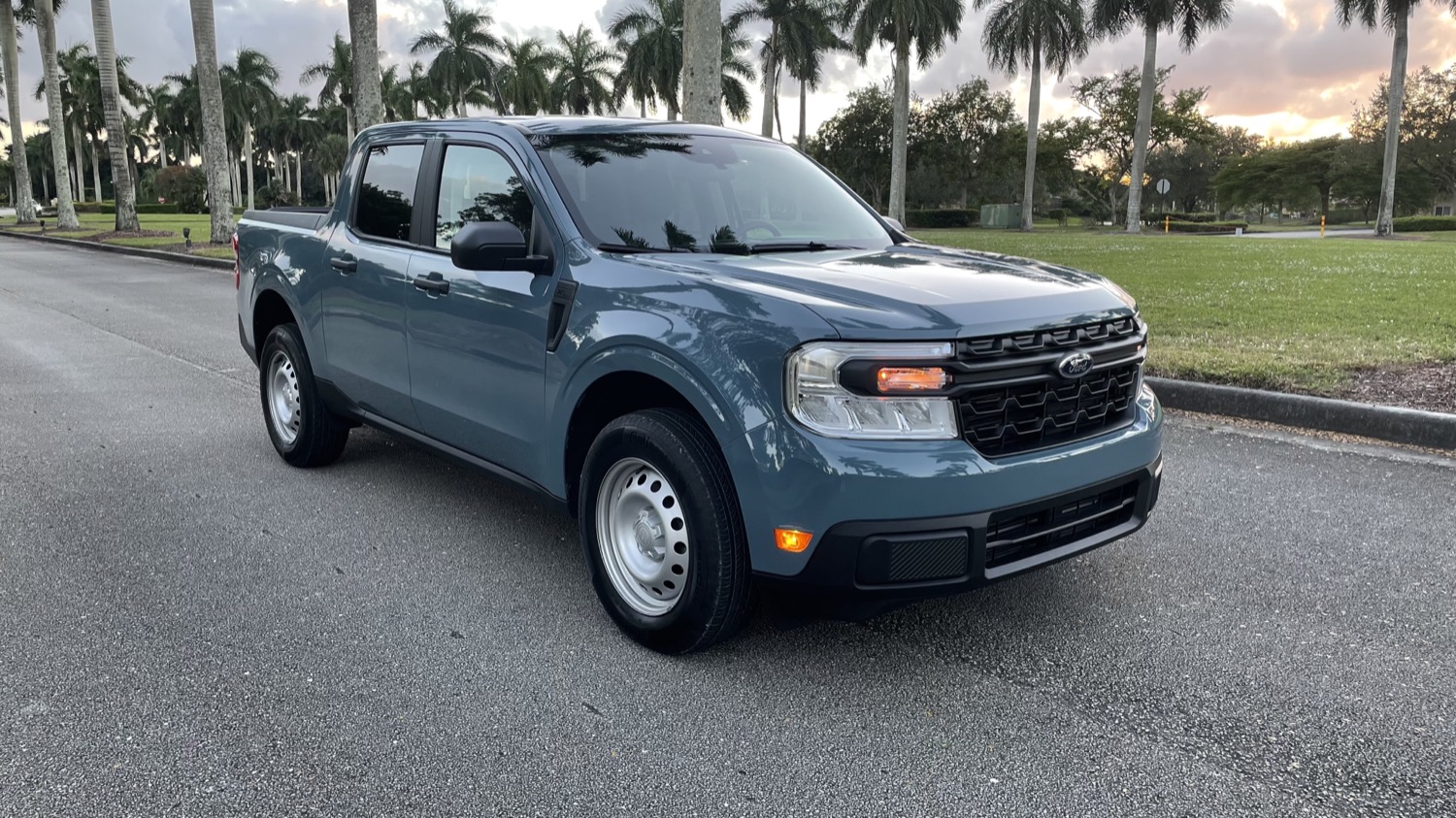
2. 2024 Ford Maverick XL
Affordability begins at purchase with the Ford Maverick XL, yet its advantages extend into insurance savings as well. Built as a compact pickup, it carries lower replacement costs compared to larger trucks, which directly influences how insurers calculate premiums.
Fuel efficiency plays an unexpected role in insurance pricing. Vehicles designed for everyday commuting tend to be driven more conservatively, reducing the likelihood of high-speed incidents. The Maverick’s hybrid option encourages steady driving habits, which insurers view as less risky behavior.
Repair simplicity strengthens its position. Components are easy to access, and many parts are shared with other Ford models. This commonality ensures that repair shops can source parts quickly without high cost. Lower repair expenses reduce claim payouts, allowing insurers to offer more competitive rates.
Safety features contribute to its profile. Standard driver assistance systems help prevent collisions and improve driver awareness. When vehicles include such technologies, insurers often adjust premiums downward due to reduced risk exposure.
Size also matters. A smaller footprint makes the Maverick easier to maneuver in tight spaces, which lowers the chance of minor accidents such as parking damage. Reduced frequency of such claims benefits both drivers and insurance providers.
Daily usability remains strong. The Maverick handles light-duty tasks without feeling oversized, making it suitable for urban environments. This versatility appeals to drivers who need a truck without the higher costs associated with larger models.
Choosing the Maverick XL offers a balanced approach. It delivers practical utility while maintaining lower insurance costs, making it an attractive option for drivers who value efficiency and financial control.
Also Read: 9 Trucks With Steps That Drop Down When You Open The Door
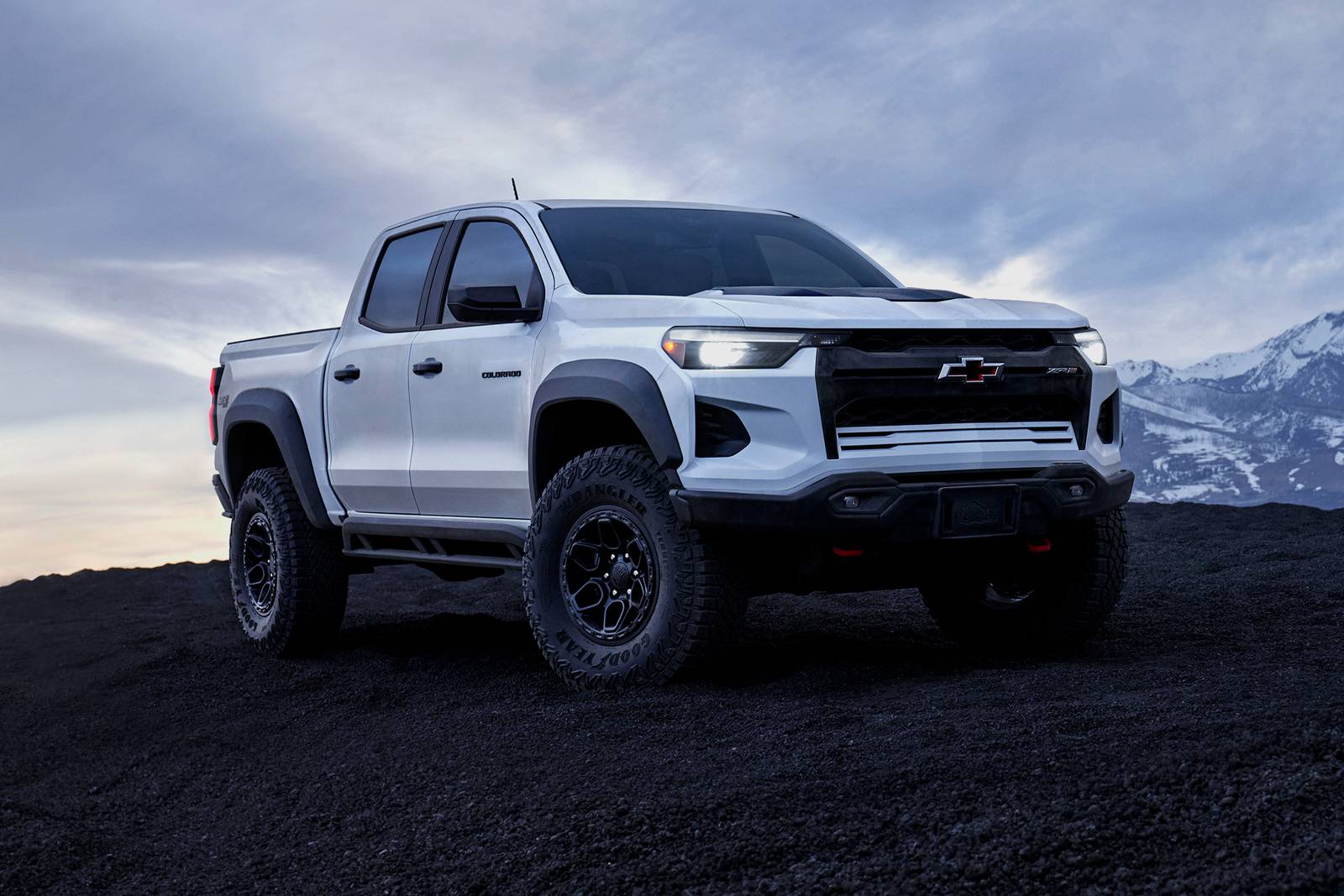
3. 2024 Chevrolet Colorado WT
Practical design and manageable ownership costs define the Chevrolet Colorado WT. Positioned as a work-focused trim, it avoids unnecessary luxury features that could increase repair expenses. This simplicity plays a direct role in keeping insurance premiums at a reasonable level.
Work-oriented engineering keeps systems straightforward. Fewer complicated components mean fewer opportunities for expensive failures. Insurers consider this when evaluating risk, as simpler vehicles often result in lower claim costs.
Parts availability remains strong due to Colorado’s popularity. Replacement components are easy to find, and repair shops across the country are familiar with the model. Quick repairs reduce downtime and lower labor charges, which helps keep insurance payouts under control.
Safety continues to influence pricing. Standard features provide essential protection without adding excessive complication. These systems help reduce accident rates, which insurers track closely when determining premiums. Usage patterns also affect costs.
Trucks like the Colorado WT are often used for steady, predictable tasks rather than aggressive driving. This usage profile lowers risk, making it more attractive from an insurance standpoint. Resale value stability adds another layer of benefit. Vehicles that retain value well tend to generate fewer total-loss claims, which insurers prefer. This stability supports consistent premium rates as time goes on.
Selecting the Colorado WT means choosing a truck that focuses on function without unnecessary expense. It performs reliably while keeping insurance costs manageable, making it a strong candidate for budget-conscious buyers.
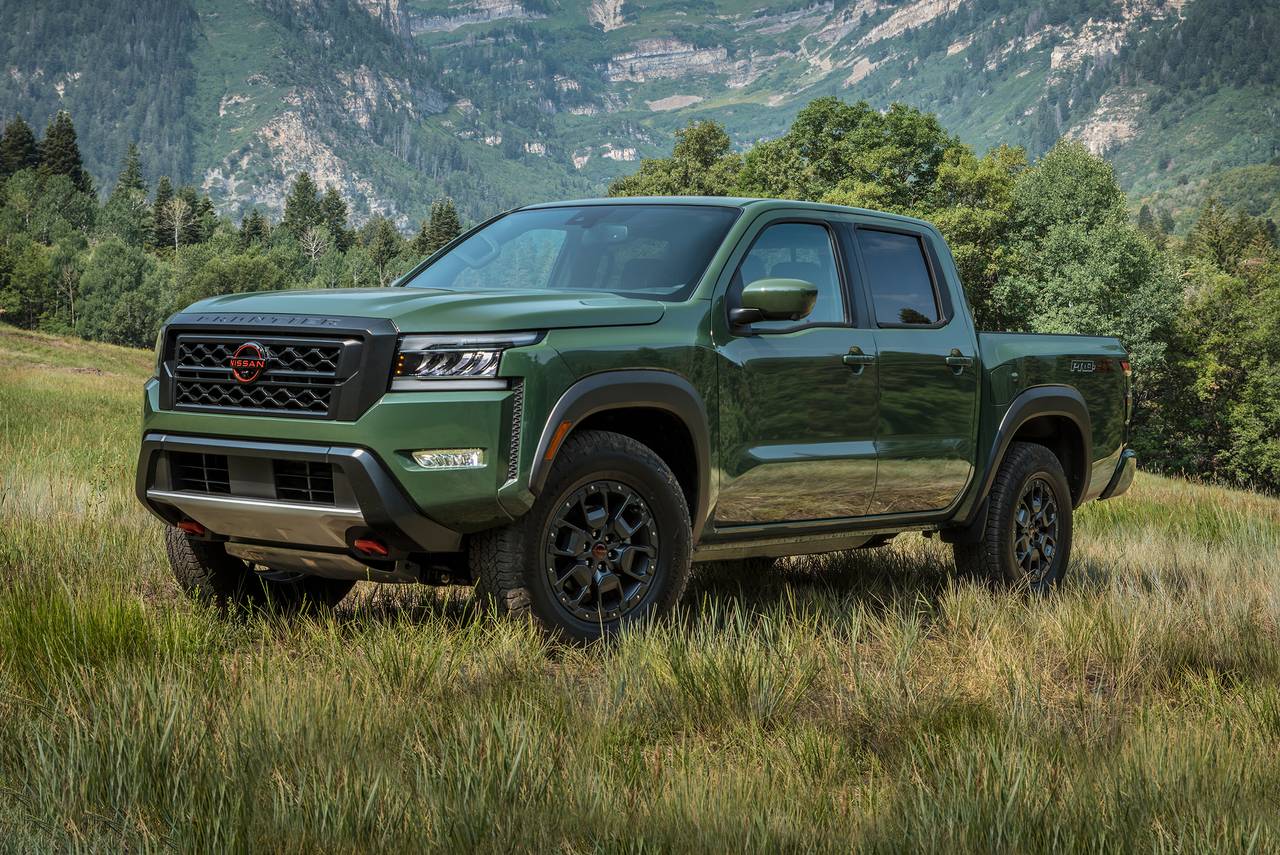
4. 2024 Nissan Frontier S
A strong reputation for durability gives the 2024 Nissan Frontier S a favorable position when insurance costs are considered in the United States. This midsize pickup avoids unnecessary engineering layers, which directly reduces repair expenses after accidents.
Insurance companies tend to favor vehicles that do not require expensive labor or specialized procedures during repairs, and this model fits that expectation well. Mechanical layout remains straightforward. Components are arranged in a way that allows technicians to access major systems without extensive disassembly.
This reduces workshop time during repairs, and labor hours are one of the most influential factors in insurance claim costs. When repair work is completed quickly and without complications, insurers often assign lower risk ratings to the vehicle.
Parts availability also contributes to affordability. The Frontier has been in consistent production for many years, which means replacement parts are widely stocked by dealerships and aftermarket suppliers. This steady supply prevents price spikes and long waiting periods, both of which help keep repair claims predictable for insurance providers.
Safety systems in the Frontier S are designed with practicality in mind. It includes essential driver assistance features that support safer driving without introducing overly expensive technology that could increase repair costs. Features such as braking assistance and stability control reduce accident probability, which directly influences insurance pricing models.
Driving behavior associated with this truck also plays a role. Owners typically use it for steady commuting, small business tasks, and light hauling rather than aggressive driving situations. Insurance companies track these usage patterns closely, and lower-risk driving behavior often leads to reduced premiums.
Durability remains one of the strongest attributes. The Frontier is built to handle repeated daily use, including rough road conditions and moderate towing demands. Fewer mechanical failures translate into fewer insurance claims related to breakdowns, which helps maintain stable insurance costs.
Repair predictability further strengthens its position. When accidents or maintenance issues occur, they tend to follow familiar patterns that technicians can address efficiently. This reduces uncertainty in repair costs, an important factor for insurance companies when setting rates.
Selecting the Nissan Frontier S provides a practical balance of capability and cost control. It offers dependable performance without introducing repair burdens that could raise insurance expenses. For drivers seeking a midsize pickup with stable ownership costs, this model remains a strong candidate.
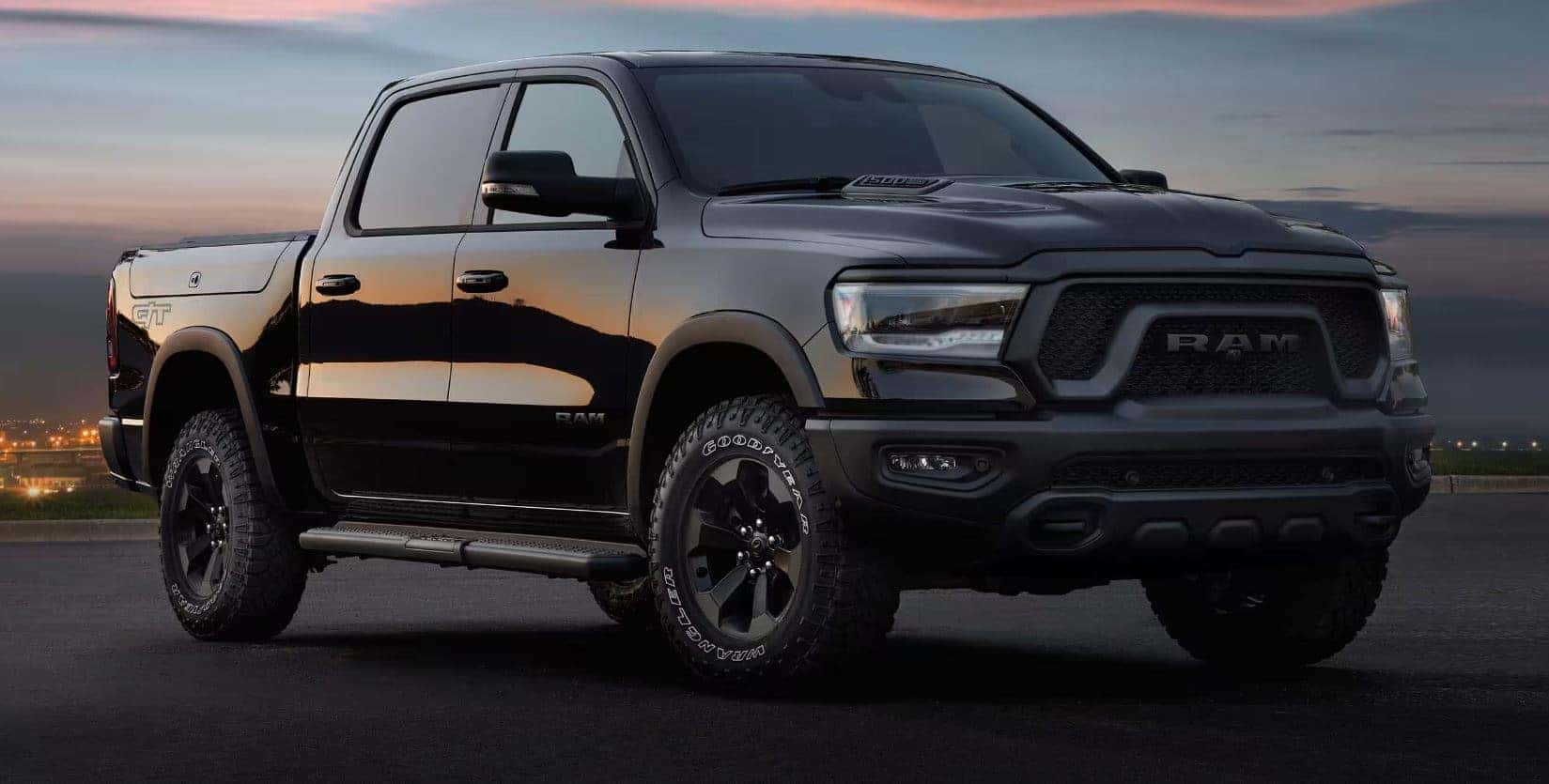
5. 2024 Ram 1500 Tradesman
Practical engineering choices define the 2024 Ram 1500 Tradesman, a full-size pickup designed with work-focused durability and cost control in mind. Despite its larger size, it maintains relatively favorable insurance pricing due to its simplified configuration and predictable repair structure.
Trim-level design plays an important role in cost management. The Tradesman avoids many luxury-oriented features that are found in higher trims. By limiting advanced electronic systems and premium components, repair expenses remain lower when damage occurs. Insurance providers closely evaluate these differences because repair costs directly affect claim payouts.
Service accessibility is another strong advantage. The Ram 1500 platform is widely used across commercial and personal applications, which means technicians are highly familiar with its systems. This familiarity reduces diagnostic time and allows for faster repairs, lowering labor costs that influence insurance pricing.
Safety equipment contributes to risk reduction. Even in its base configuration, the Tradesman includes essential driver assistance systems that help prevent collisions and reduce accident severity. These features improve safety outcomes, which insurance companies reward through more favorable rate calculations.
Usage patterns associated with this model also influence insurance considerations. Many owners use the Tradesman for structured work activities, fleet operations, and consistent hauling tasks rather than aggressive driving behavior. This steady usage profile is viewed as lower risk compared to performance-oriented driving patterns.
Structural strength supports long-term reliability. The truck is engineered to handle demanding workloads, which reduces the likelihood of catastrophic damage in many accident scenarios. Fewer total-loss claims help stabilize insurance costs, especially for full-size pickups where replacement expenses can be high.
Repair predictability adds another layer of affordability. Common maintenance tasks and repairs follow well-established procedures, allowing service centers to complete work efficiently. Predictable repair workflows reduce uncertainty in insurance claim calculations.
Choosing the Ram 1500 Tradesman offers a practical ownership experience centered on capability and cost control. It delivers strong performance for demanding tasks while keeping insurance expenses within a manageable range, making it a dependable option for drivers who prioritize functional value over luxury features.
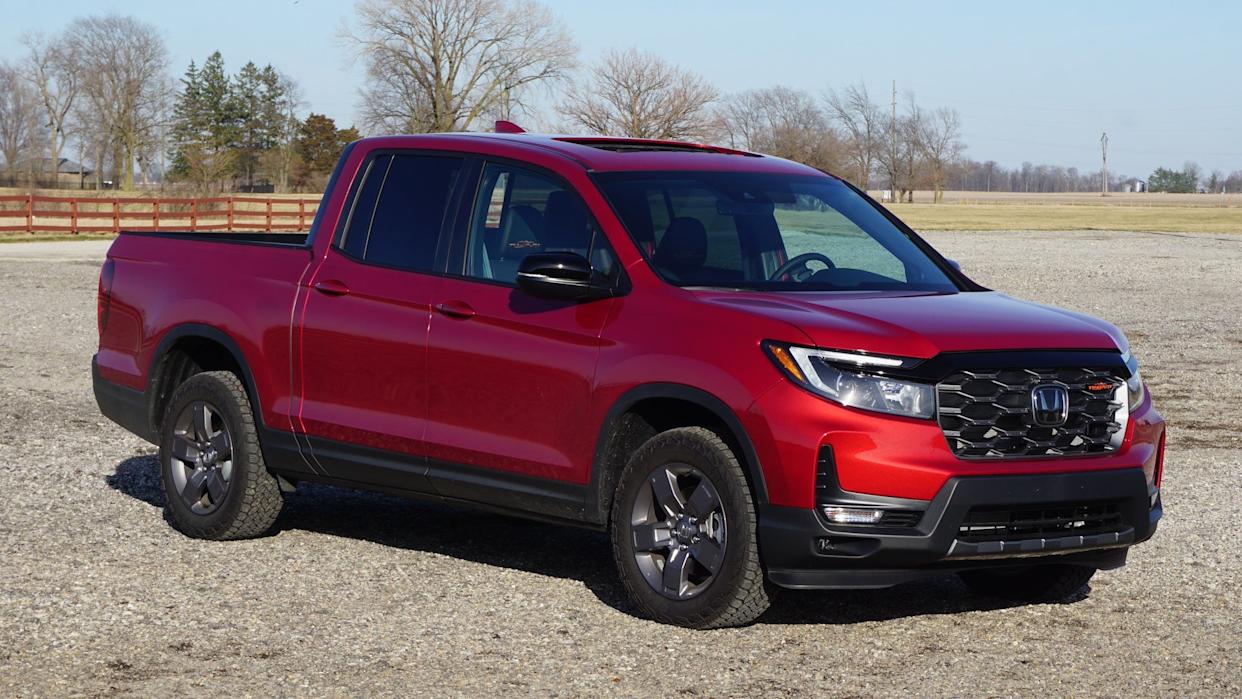
6. 2024 Honda Ridgeline Sport
A different kind of pickup experience begins with the Honda Ridgeline Sport, a model that leans heavily into comfort, stability, and low-risk ownership characteristics that insurance companies tend to appreciate. Unlike traditional body-on-frame trucks, this one uses a unibody design, which often leads to fewer severe accident claims and lower repair costs in many situations.
That structural choice alone influences insurance pricing in a favorable direction because it tends to absorb impacts more predictably and avoids some of the higher-cost repairs associated with heavier truck platforms. Mechanical reliability plays a central role in keeping insurance expenses low.
The Ridgeline Sport does not rely on overly complicated systems that require specialized repair procedures. Instead, Honda focuses on engineering consistency and long-term durability. That means when repairs are needed, they are usually straightforward and do not involve excessive labor hours.
Insurance providers pay close attention to how quickly and cheaply a vehicle can be returned to service after a claim, and this model performs well in that regard. Safety performance also strengthens its position. The Ridgeline Sport includes a suite of driver assistance features such as forward collision alerts, lane-keeping support, and adaptive braking systems.
These features actively reduce accident probability, which is one of the strongest factors influencing insurance premiums. Vehicles that prevent collisions or reduce severity tend to receive lower risk ratings, which translates into more favorable pricing for owners.
Repair cost stability further supports affordability. Honda parts are widely available, and the Ridgeline shares components with other Honda models, which helps keep pricing competitive in the aftermarket. Mechanics are generally familiar with Honda engineering patterns, reducing diagnostic time and labor costs. That efficiency directly affects insurance claim payouts.
Another factor is driver behavior data associated with this truck segment. Ridgeline owners tend to use their vehicles for commuting, family transport, and light-duty hauling rather than heavy commercial use. Insurance companies view that usage pattern as lower risk compared to aggressive worksite or towing-heavy profiles.
Comfort and handling also contribute indirectly to insurance savings. A stable ride and predictable steering response reduce driver fatigue, which can help lower accident likelihood during long trips. While comfort is not a direct insurance metric, it influences real-world driving behavior in ways insurers track through claims data.
Taken together, the Honda Ridgeline Sport presents a strong case for low insurance costs. It blends reliability, safety technology, moderate repair expenses, and low-risk usage patterns into a package that consistently earns favorable attention from insurers while still offering everyday utility for pickup truck buyers.
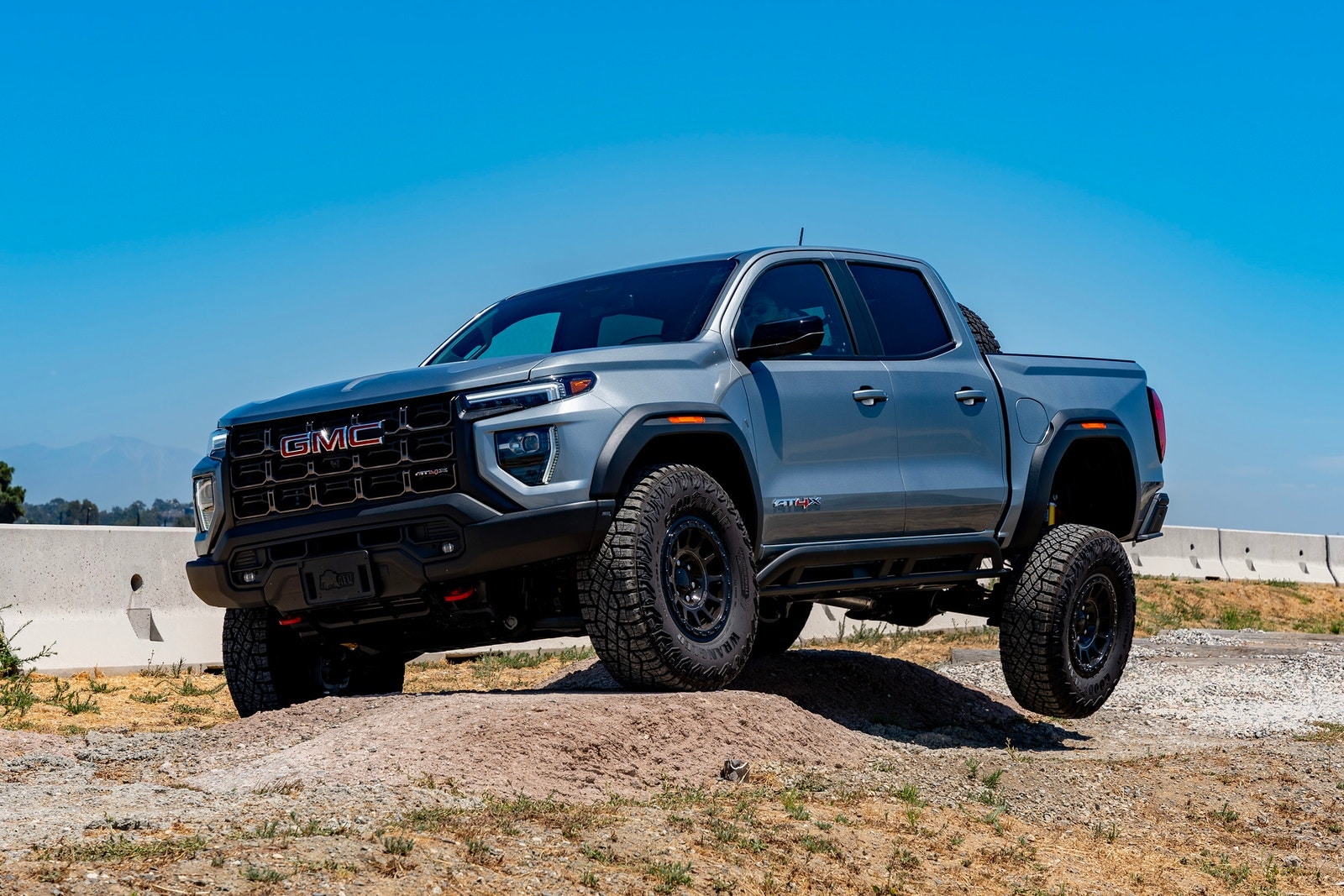
7. 2024 GMC Canyon Elevation
A refined balance of capability and cost control defines the GMC Canyon Elevation, a midsize truck that performs well in insurance evaluations due to its predictable repair structure and controlled risk profile. Insurance companies tend to assess not just vehicle price but also how often a model is involved in claims and how expensive those claims tend to be.
The Canyon Elevation scores reasonably well across both categories. Engineering simplicity within its core systems helps reduce repair expenses. While it offers modern features, GMC has maintained a layout that technicians can service without excessive complication.
That reduces labor hours during repairs, which is a major driver of insurance claim costs. Lower repair bills tend to translate into lower premiums for owners. Safety systems play an important role in keeping insurance rates manageable.
The Canyon Elevation includes collision mitigation features and driver awareness technology that assist in preventing accidents before they occur. Vehicles with active safety assistance often receive better insurance ratings because they reduce both frequency and severity of claims.
Parts availability is another advantage. As a mainstream midsize truck, the Canyon benefits from strong supply chains and widespread dealership support. Replacement components are easy to source, and aftermarket alternatives are available in many regions. This keeps repair costs competitive and reduces downtime.
Driver usage patterns also matter. The Canyon Elevation is frequently chosen for balanced use, combining daily commuting with moderate hauling or recreational driving. That type of usage profile is considered lower risk compared to heavy-duty commercial use or high-performance driving behavior.
Structural durability further supports affordability. The truck is built to withstand regular wear without frequent major failures. Fewer mechanical breakdowns mean fewer insurance claims related to mechanical issues, which contributes to stable long-term premiums.
Insurance providers also consider theft risk, and midsize trucks like the Canyon Elevation tend to fall into moderate-to-low theft categories compared to higher-profile luxury trucks. That helps keep comprehensive coverage costs in check.
When all these factors are combined, the GMC Canyon Elevation stands out as a practical choice for drivers who want capability without high insurance penalties. It delivers balanced performance, manageable repair costs, and a risk profile that insurers are comfortable pricing competitively.
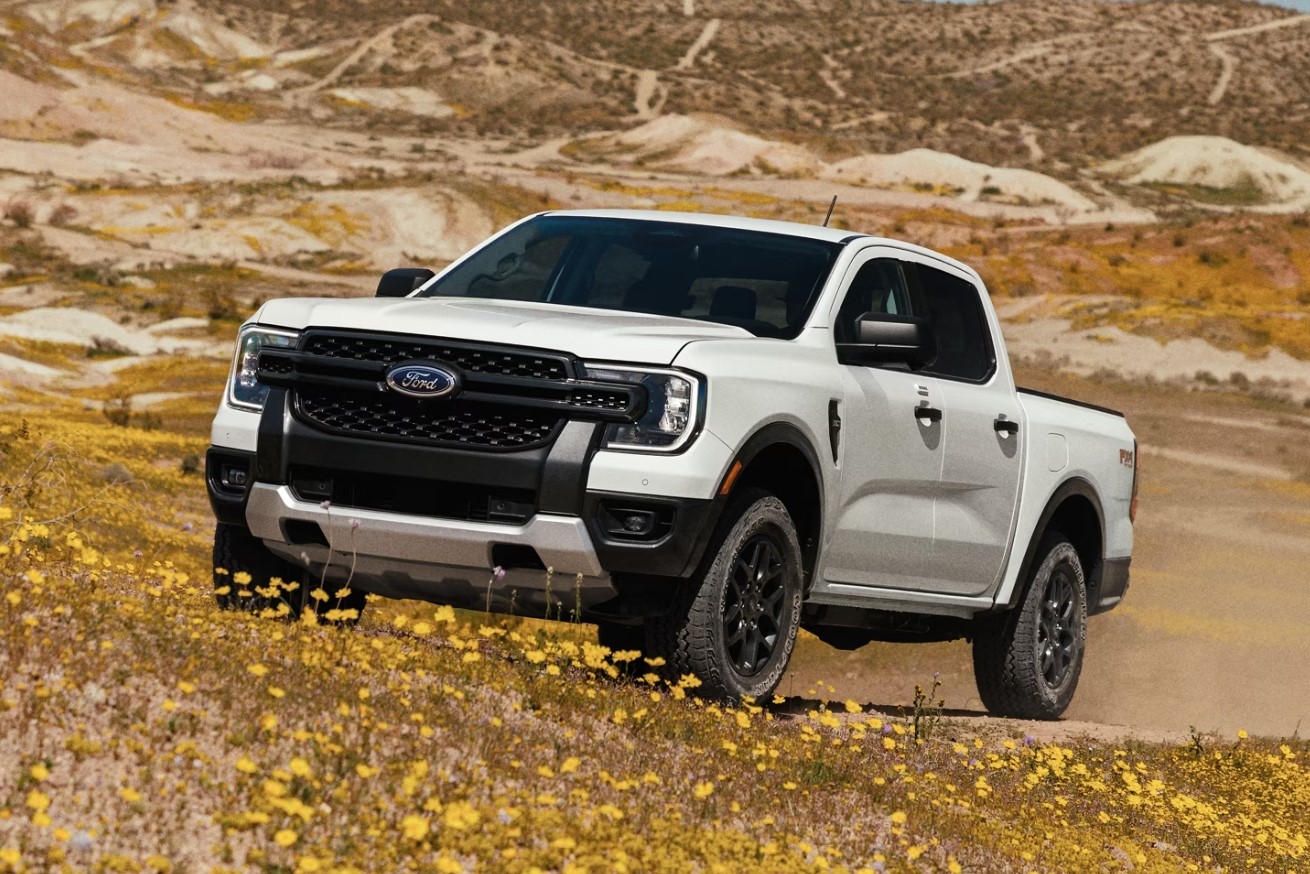
8. 2024 Ford Ranger XL
A strong reputation for dependability and straightforward engineering places the Ford Ranger XL in a favorable position when it comes to insurance affordability. Insurance providers evaluate vehicles based on repair costs, accident frequency, safety systems, and theft rates, and the Ranger XL performs well across several of these categories.
Repair economics play a central role. The Ranger XL uses widely available components that are shared across Ford’s global lineup. This part’s commonality helps reduce replacement costs and shortens repair times. When vehicles are inexpensive to fix, insurance companies face lower claim payouts, which can result in lower premiums for owners.
Mechanical accessibility is another advantage. The Ranger XL is designed so that routine service and repairs can be completed without excessive labor. This reduces shop hours and lowers total repair bills. Simpler repair processes are often reflected in insurance pricing because they directly influence claim costs.
Safety systems contribute to risk reduction. Modern versions of the Ranger XL include features such as automatic emergency braking, blind spot monitoring, and stability control systems. These technologies help prevent accidents or reduce their severity, which is a major factor in insurance calculations.
Driving behavior associated with this truck also plays a role. The Ranger XL is commonly used for practical purposes such as commuting, small business tasks, and recreational hauling. This moderate usage profile tends to generate fewer high-risk claims compared to aggressive or heavy-duty usage patterns.
Durability supports long-term affordability. The Ranger is engineered to withstand regular use without frequent mechanical failure. That reliability reduces the number of insurance claims tied to breakdowns or component failure. Theft risk remains relatively controlled compared to higher-end truck segments. While no vehicle is immune, the Ranger XL does not typically rank among the most targeted models, which helps keep comprehensive insurance costs lower.
Taken together, these factors create a strong insurance profile. The Ford Ranger XL offers dependable performance, manageable repair costs, and a balanced risk profile that appeals to insurers. For drivers seeking a practical midsize truck with controlled ownership expenses, it remains a solid option.
Also Read: 8 Trucks With The Quietest Cabins At Highway Speeds
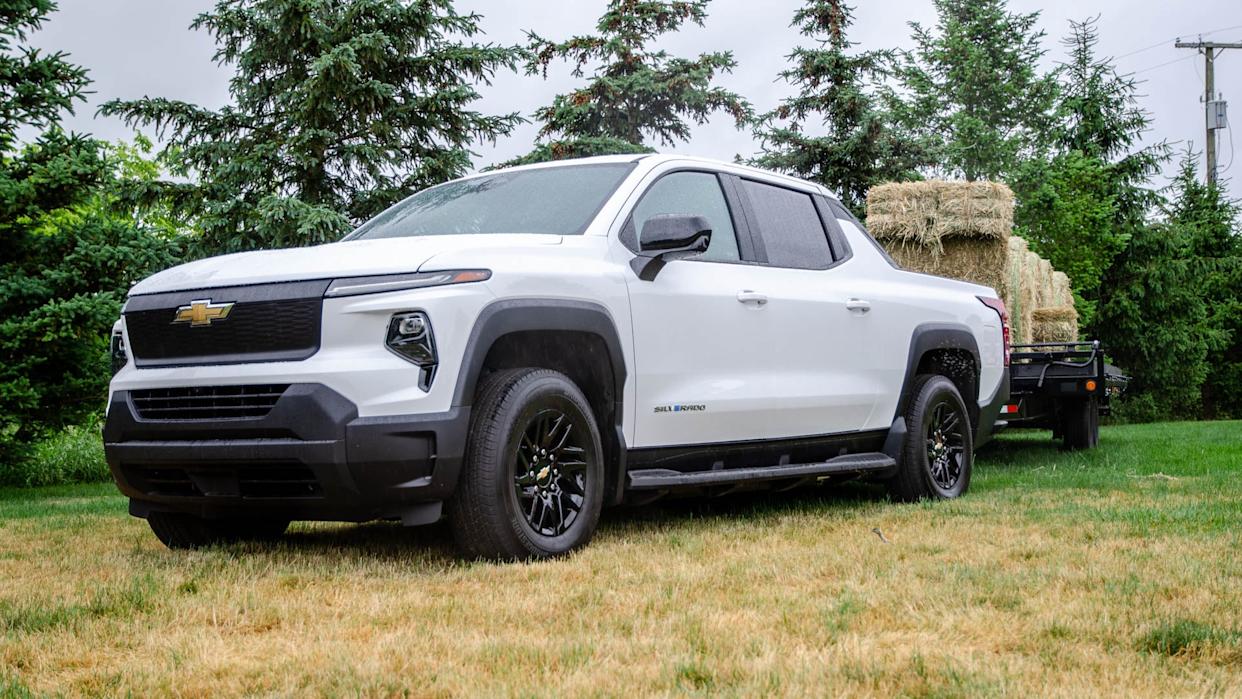
9. 2024 Chevrolet Silverado 1500 WT
A work-focused approach defines the Chevrolet Silverado 1500 WT, a trim designed with practicality at its core. While full-size trucks can sometimes carry higher insurance premiums due to size and repair costs, this particular configuration helps reduce those expenses through simplicity and predictable maintenance patterns.
Repair structure is a major advantage. The WT trim avoids many high-cost luxury features that can complicate repairs. With fewer advanced electronic systems, technicians can service the truck more efficiently, reducing labor time and associated costs. Insurance companies closely monitor repair expense trends, and simpler trims often receive better ratings.
Parts availability strengthens its insurance profile. As one of the most widely sold trucks in North America, the Silverado benefits from an extensive supply network. Replacement components are easy to obtain, which keeps repair costs stable and predictable.
Safety systems contribute to risk management. Even in its work-oriented configuration, the Silverado includes essential safety technologies such as stability control, braking assistance, and collision warning systems. These features help reduce accident rates, which directly affects insurance pricing.
Usage patterns also influence cost. The WT trim is frequently used for commercial tasks, fleet operations, and practical hauling. While commercial use can sometimes increase risk, the truck’s durability and predictable behavior help balance that factor in insurance assessments.
Structural strength is another consideration. The Silverado 1500 WT is built to handle demanding workloads, which reduces the likelihood of catastrophic damage in many scenarios. Strong durability often leads to fewer total-loss claims, which insurers consider when setting rates.
Maintenance predictability further supports affordability. Routine servicing is well understood across repair networks, making it easy for owners to maintain the vehicle without unexpected costs. Choosing the Silverado 1500 WT means selecting a truck that prioritizes function and cost control.
It delivers strong capability while maintaining insurance expenses that remain reasonable for a full-size pickup, making it a practical choice for work-focused drivers.
