
Car ownership is a mix of excitement, responsibility, and sometimes, regret. Some vehicles earn a reputation for staying on the road long after their odometers cross impressive milestones, while others struggle to keep up before the final loan payment clears. That difference often comes down to engineering quality, build consistency, and how well a vehicle handles years of daily use.
For buyers, reliability is not just a preference. It can shape long-term costs, peace of mind, and even safety. A car that lasts decades can feel like a trusted companion, one that keeps delivering value year after year. Meanwhile, a poorly built vehicle can drain your wallet with constant repairs and leave you stranded at the worst possible moments.
This page highlights two sides of the automotive experience. First, we look at five cars known for lasting far beyond expectations. These models have built a reputation for durability, often becoming family heirlooms or daily drivers that refuse to quit. After that, we move the focus to five cars that have struggled with reliability, sometimes showing serious issues long before their financing terms end.
Every car on this list has earned its place through real-world performance, owner experiences, and long-term reliability patterns. If you are thinking about your next purchase or simply curious about which vehicles stand the test of time, this guide offers a clear perspective.
5 Cars That Outlast Their Owners
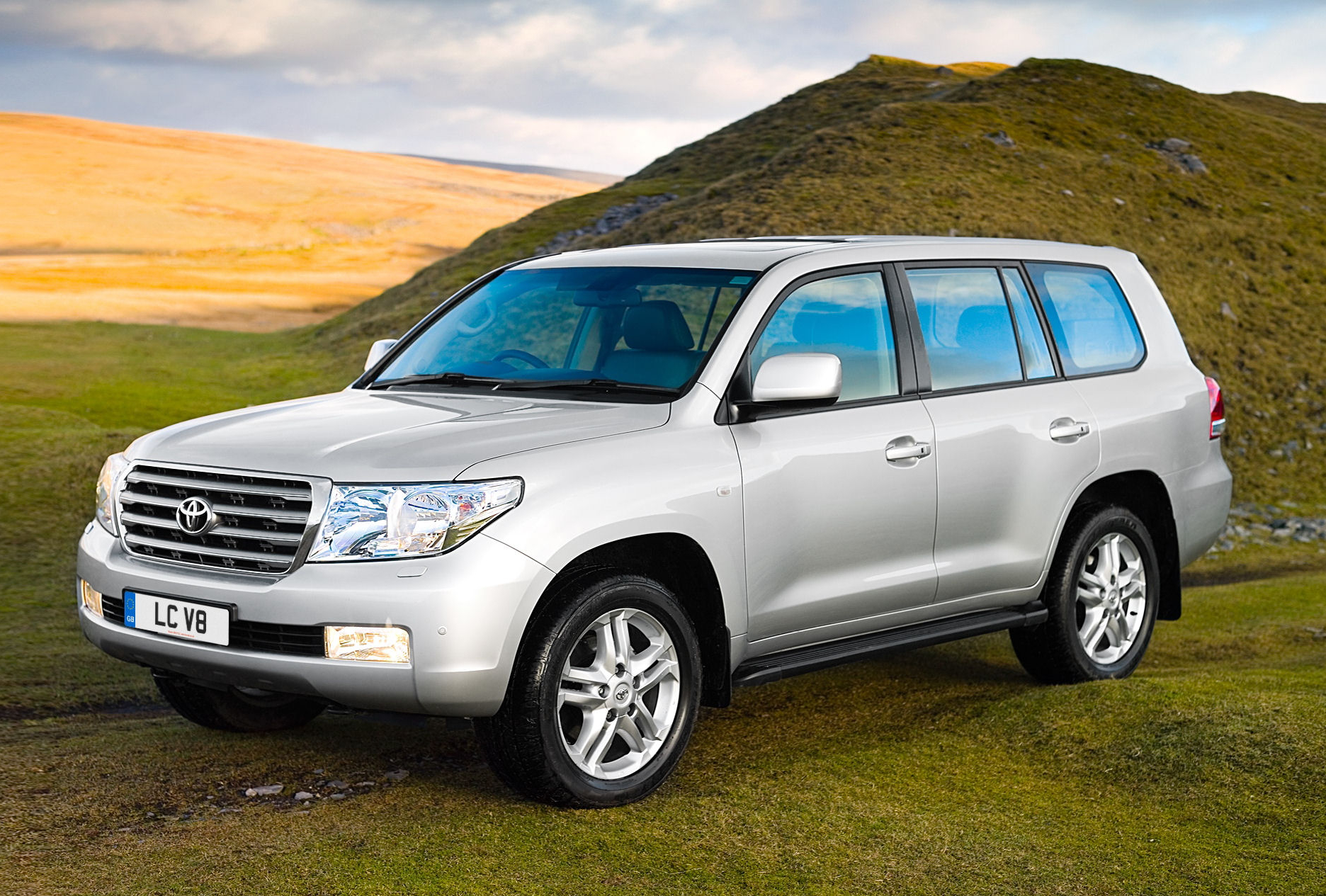
1. Toyota Land Cruiser (J200 Series)
Built with a purpose that goes far beyond daily commuting, the Toyota Land Cruiser J200 Series has long been associated with durability that borders on legendary. Its design reflects decades of refinement aimed at reliability rather than trend chasing. Thick steel components, a robust ladder frame, and proven engine options make this SUV feel like it was engineered for decades of service.
What makes this vehicle stand apart is its ability to thrive in harsh conditions. Owners have driven Land Cruisers across deserts, mountains, and remote regions where failure is not an option. Even after years of heavy use, many examples continue running smoothly with only basic servicing. That kind of consistency builds trust that few vehicles can match.
A major reason for its longevity lies in Toyota’s conservative engineering approach. Instead of chasing the latest experimental features, the company often sticks with proven technology that has already demonstrated reliability. The engines, whether gasoline or diesel, are tuned for endurance rather than peak performance. That decision reduces stress on internal components, helping extend the vehicle’s lifespan.
Interior quality also plays a role. Materials resist wear and aging better than those found in many modern SUVs. Buttons, switches, and upholstery often remain functional long after other vehicles start showing signs of deterioration. This attention to detail contributes to a driving experience that feels solid even after hundreds of thousands of miles.
Owners frequently report odometer readings well beyond 300,000 miles, with some examples pushing past half a million. Stories like these are not rare. They highlight a pattern of reliability that has defined the Land Cruiser name for generations.
Resale value reinforces this reputation. Even older models command strong prices, reflecting buyer confidence in their long-term durability. For many, purchasing a Land Cruiser is less about owning a car and more about investing in a machine built to last.
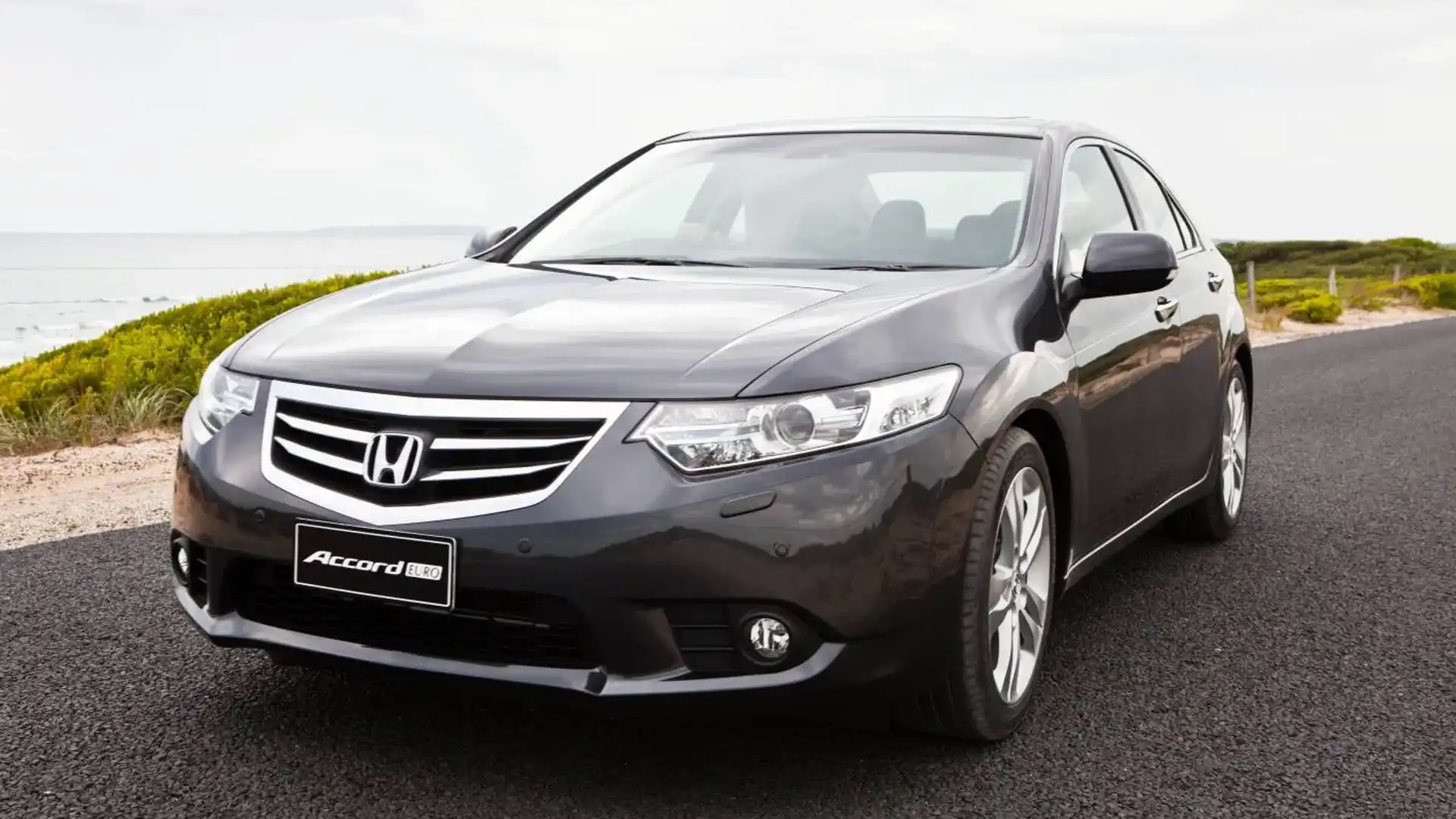
2. Honda Accord (2010 Model Year)
Practicality meets durability in the 2010 Honda Accord, a midsize sedan that has earned respect for its ability to keep running with minimal drama. While it may not attract attention with bold styling or high performance, its reliability record speaks louder than any design feature.
Under the hood, the Accord offers engines that have been carefully engineered for balance. Smooth operation, reasonable power, and long-term durability define its performance. Both the four-cylinder and V6 options are known for handling high mileage without major issues when properly maintained.
A key strength of this model lies in its straightforward design. Fewer complicated systems mean fewer things that can go wrong. Owners appreciate how predictable the car feels, both in daily driving and long-term ownership. Routine servicing is simple, and parts are widely available, making upkeep affordable.
Cabin comfort adds another layer to its appeal. Seats provide solid support for long drives, while controls are intuitive and easy to use. Even after years of use, many Accords maintain a clean and functional interior, which contributes to a sense of lasting quality.
Fuel efficiency also plays a role in its popularity. Drivers benefit from lower running costs, which encourages them to keep the car for longer periods. That combination of reliability and affordability creates a vehicle that owners are reluctant to replace.
Stories of Accords reaching 250,000 miles or more are common. In many cases, these cars continue serving as daily transportation long after other vehicles have been retired. That kind of longevity is not accidental. It reflects a careful approach to engineering and a commitment to consistency.
Choosing a 2010 Honda Accord often feels like choosing peace of mind. It may not be flashy, but it delivers exactly what many drivers need: dependable performance year after year.
Also Read: 7 Cars With Window Switches That Light Up At Night
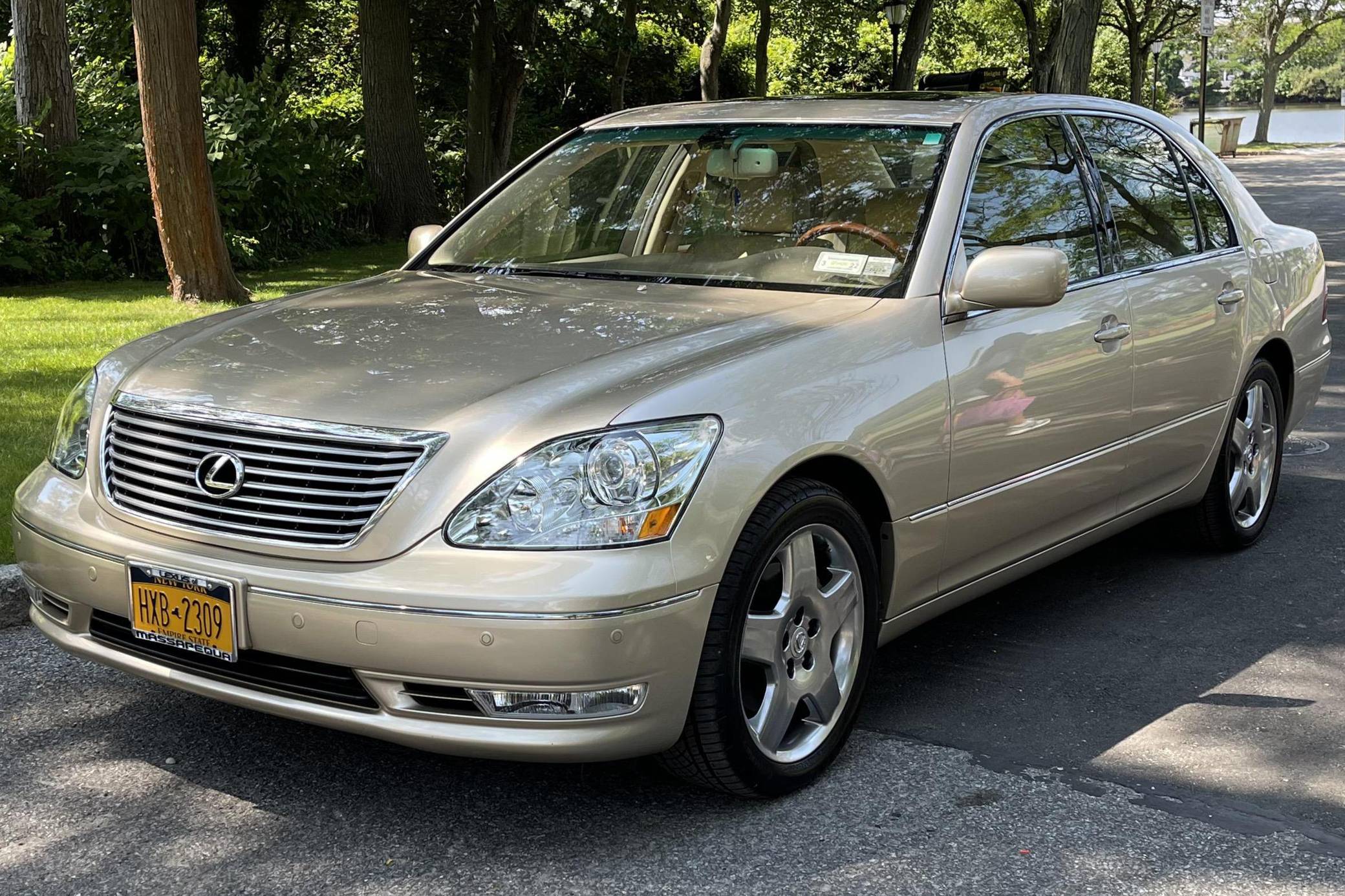
3. Lexus LS 430 (2004 Model Year)
Luxury and reliability rarely go hand in hand, yet the 2004 Lexus LS 430 proves that it is possible. This full-size sedan combines premium comfort with engineering that prioritizes long-term durability. As a result, it has gained a reputation as one of the most dependable luxury cars ever built.
Attention to detail becomes clear the moment you step inside. Soft leather, high-quality wood trim, and precise assembly create an environment that feels refined even after years of use. Unlike many luxury vehicles that age quickly, the LS 430 maintains its elegance with minimal wear.
Performance comes from a V8 engine known for its smoothness and resilience. Instead of pushing for extreme output, the engine focuses on delivering consistent power without excessive strain. This approach helps extend its lifespan and reduces the likelihood of major mechanical issues.
Owners often highlight how quietly the car operates, even after high mileage. That level of refinement reflects careful engineering and high manufacturing standards. It also contributes to a driving experience that remains enjoyable for years.
Reliability extends beyond the engine. Electronics, suspension components, and transmission systems have all been designed with longevity in mind. While repairs can be costly due to the car’s luxury status, the frequency of those repairs tends to be low.
Many LS 430 models have surpassed 300,000 miles while still providing a comfortable ride. That achievement sets it apart from many competitors, which often struggle to maintain performance as they age. Resale demand remains strong, especially among buyers who value durability in a luxury package. The LS 430 stands as proof that comfort does not have to come at the expense of reliability.
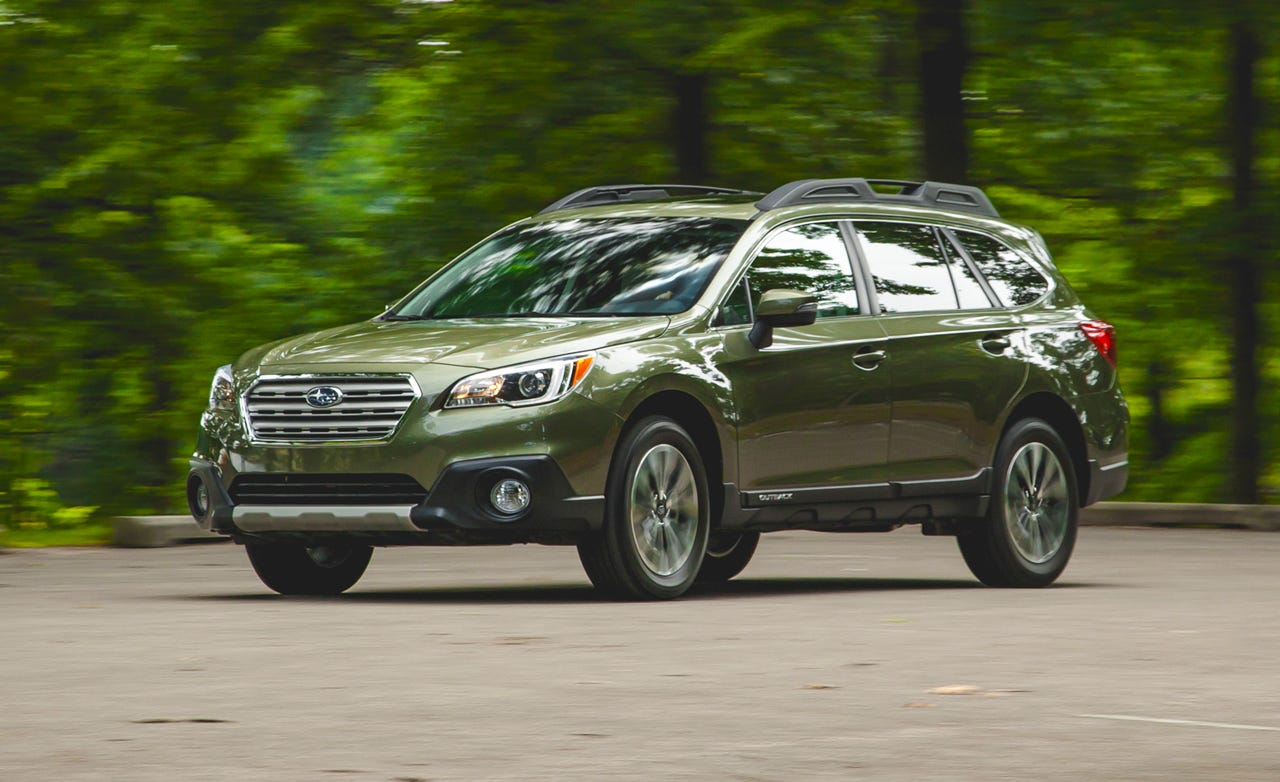
4. Subaru Outback (2015 Model Year)
Adventure meets reliability in the 2015 Subaru Outback, a vehicle designed for drivers who want versatility without sacrificing durability. Its combination of all-wheel drive capability and practical design has made it a favorite among those who need a dependable companion for both city streets and outdoor trips.
At the heart of the Outback’s appeal is its symmetrical all-wheel drive system. This setup provides consistent traction and stability, allowing the vehicle to handle a variety of road conditions with confidence. That reliability extends beyond performance and into long-term ownership.
Engine options offer a balance between efficiency and durability. While not focused on high speed, these engines are built to handle daily use without excessive wear. Regular servicing helps them maintain performance for years. Interior space adds to its practicality.
Ample cargo room and comfortable seating make it suitable for families, road trips, and everyday errands. Materials are chosen for durability, ensuring that the cabin holds up well under frequent use. Safety features also contribute to its lasting appeal. Drivers appreciate the sense of security that comes with a well-equipped vehicle, especially during long journeys.
That confidence encourages long-term ownership. Owners often report high mileage with relatively few issues, particularly when the vehicle is properly maintained. This consistency builds a reputation for reliability that continues to attract buyers.
For those seeking a vehicle that can handle a variety of lifestyles without constant repairs, the 2015 Subaru Outback offers a compelling option. It delivers a blend of practicality and endurance that keeps it on the road for years.
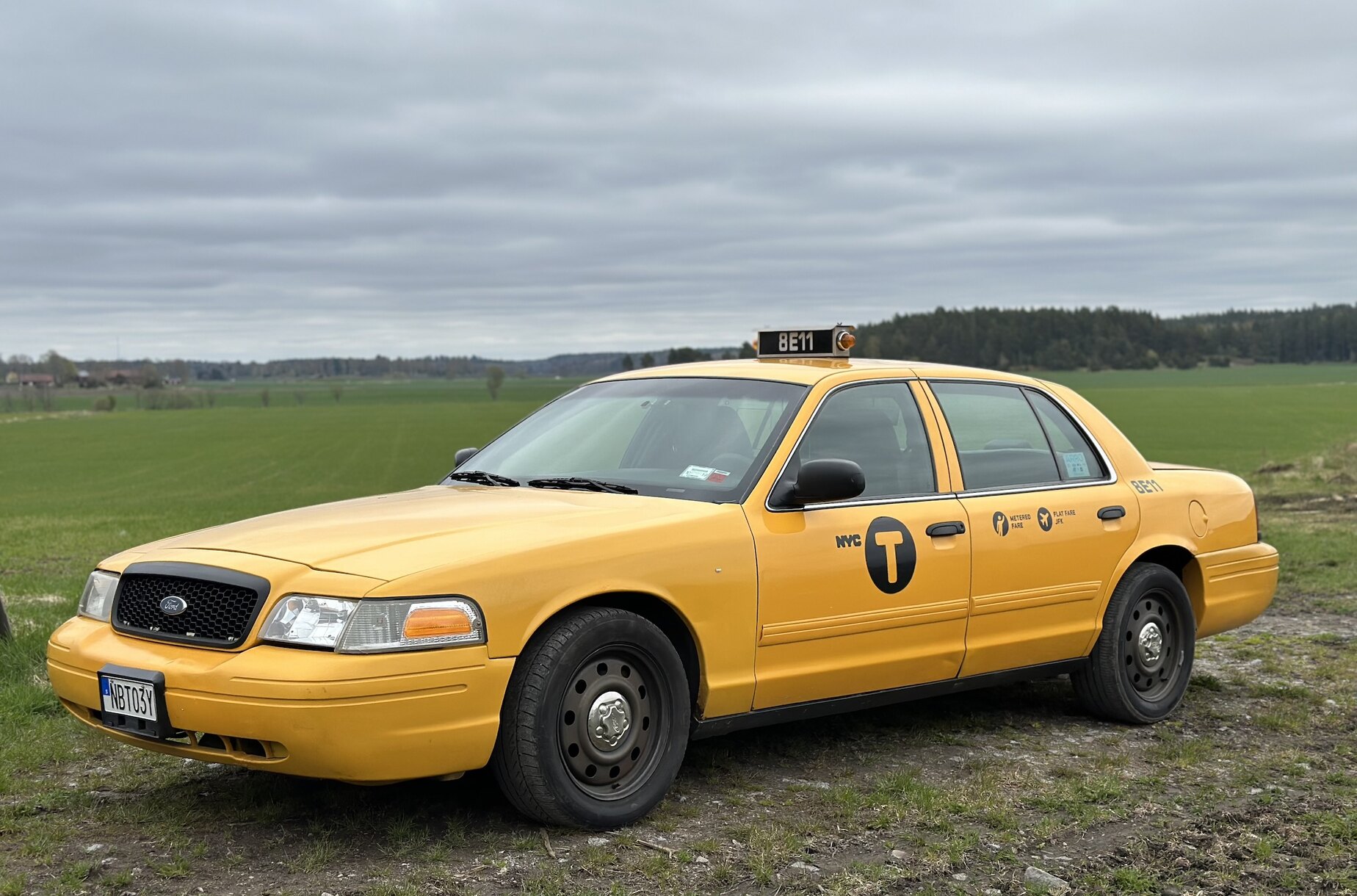
5. Ford Crown Victoria (2011 Model Year)
Few cars have proven their durability as clearly as the 2011 Ford Crown Victoria. Known for its extensive use in law enforcement and taxi fleets, this sedan has built a reputation for toughness that few vehicles can rival. A body-on-frame design sets it apart from most modern sedans. This construction method provides added strength, making the car more resistant to wear and damage. It also simplifies repairs, which helps extend its lifespan.
Power comes from a V8 engine that prioritizes reliability over cutting-edge performance. While it may not deliver impressive acceleration by modern standards, it offers consistent operation that stands up to heavy use. This durability has made it a favorite among fleet operators.
Interior design focuses on practicality rather than luxury. Controls are straightforward, and materials are chosen for their ability to withstand constant use. This approach ensures that the car remains functional even after years of service. Stories of Crown Victorias reaching extremely high mileage are common, especially among former police vehicles. These cars often continue running long after being retired from official duty.
Maintenance costs remain reasonable due to the availability of parts and the simplicity of its design. This affordability encourages owners to keep the car running rather than replacing it. For drivers who value durability above all else, the 2011 Ford Crown Victoria stands as a clear example of a vehicle built to endure. Its track record speaks for itself, proving that simplicity and strength can go a long way.
5 Cars That Die Before The Loan Ends
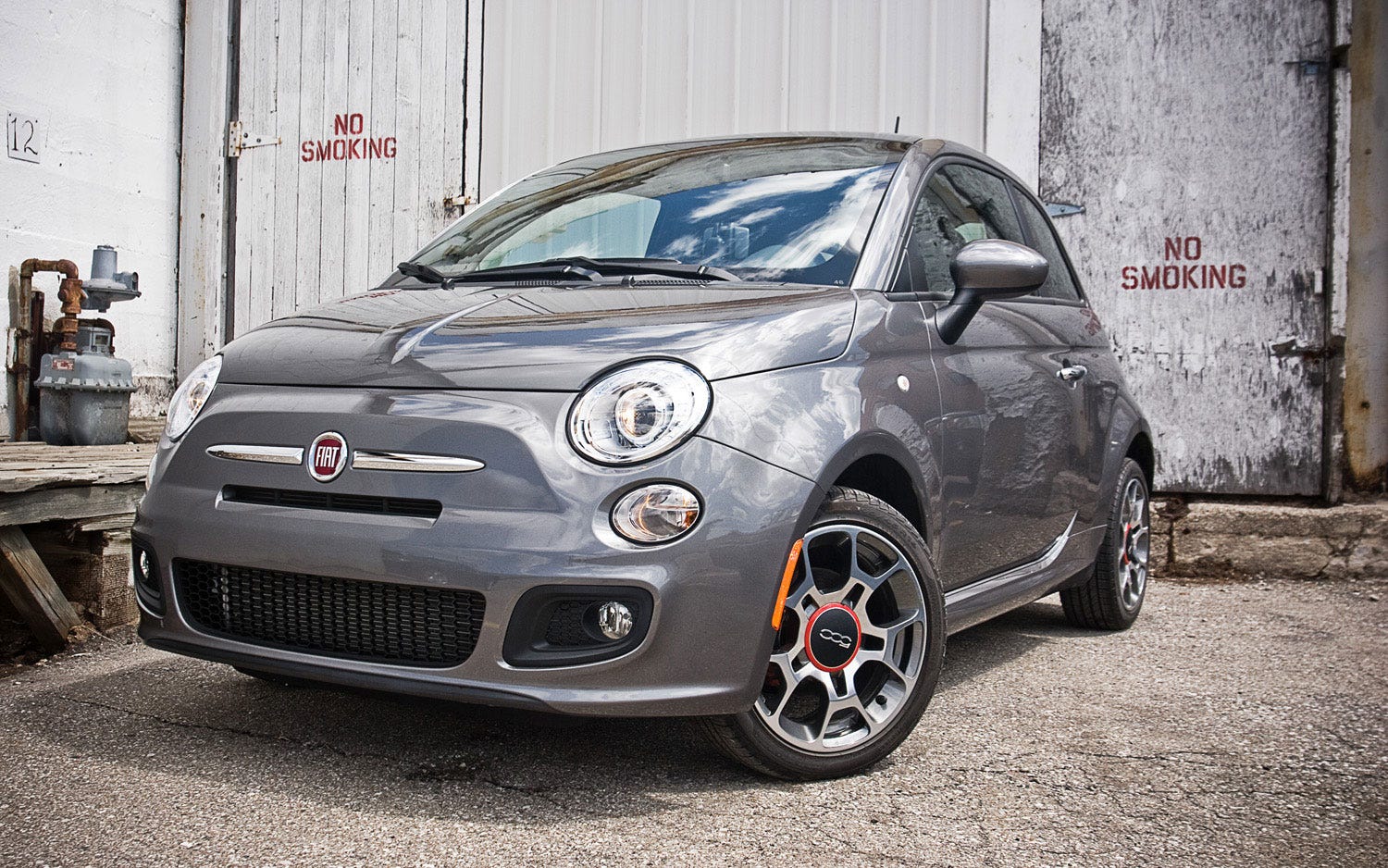
1. Fiat 500 (2012 Model Year)
Charming design and compact dimensions helped the 2012 Fiat 500 gain attention quickly, yet its reliability record tells a less appealing story. While it offers a fun driving experience in urban settings, long-term ownership has proven challenging for many drivers.
Mechanical issues often appear earlier than expected. Problems with the transmission, particularly in models equipped with automated manual systems, have frustrated owners. These issues can lead to costly repairs that feel disproportionate to the car’s size and price.
Electrical systems have also been a point of concern. Malfunctions involving dashboard displays, sensors, and power accessories can create inconvenience and reduce confidence in the vehicle. Frequent trips to the repair shop become part of the ownership experience for some drivers.
Build quality plays a role in these challenges. Materials and assembly standards do not always match those of more reliable competitors. This difference becomes more noticeable as the car ages. Despite its appealing style, the Fiat 500 struggles to maintain long-term durability.
Many owners find themselves dealing with repairs well before the end of their financing period. That reality can turn an initially exciting purchase into a frustrating experience. For those considering this model, it is important to weigh its charm against its reliability record. While it excels in certain areas, its long-term performance leaves much to be desired.
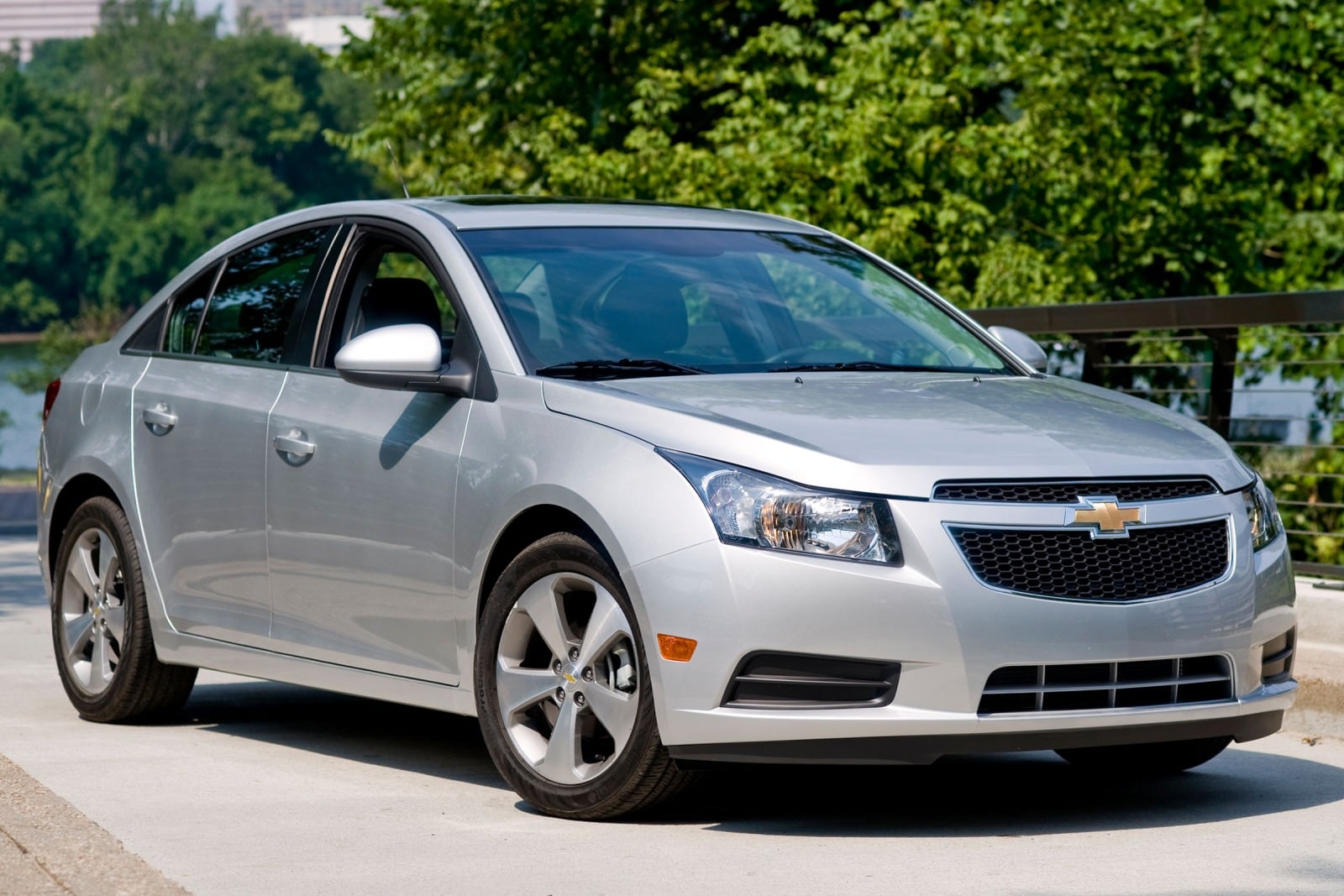
2. Chevrolet Cruze (2014 Model Year)
Compact sedans often promise affordability and efficiency, yet the 2014 Chevrolet Cruze shows how those strengths can be overshadowed by reliability concerns. At first glance, it appears to be a smart purchase, offering modern styling, decent fuel economy, and a comfortable cabin. Spend enough time with it, though, and a pattern of mechanical trouble begins to surface.
Turbocharged engine variants are a frequent source of frustration. While they deliver respectable performance for a small sedan, they tend to develop issues related to cooling systems, oil leaks, and turbo components. Owners often report repeated visits to repair shops for problems that should not occur so early in a vehicle’s life cycle.
Cooling system failures deserve special attention. Water pumps, thermostats, and coolant outlets have shown a tendency to fail prematurely, sometimes leading to overheating. Ignoring such problems can result in serious engine damage, which pushes repair costs into uncomfortable territory for many owners.
Inside the cabin, the Cruze tries to present a modern feel with a well-designed dashboard and user-friendly controls. Unfortunately, interior durability does not always match that initial impression. Buttons, trim pieces, and electronic features may begin to wear or malfunction sooner than expected, adding to the growing list of concerns.
Transmission performance can also become inconsistent. Some drivers report rough shifting or hesitation, which affects driving comfort and confidence. Addressing these issues may require expensive repairs, especially if they occur outside warranty coverage.
What makes the situation more frustrating is the timing. Many of these problems emerge well before the vehicle has been paid off, placing financial pressure on owners who expected a reliable daily driver. Instead of enjoying low operating costs, they face unexpected expenses that can strain budgets.
Despite its appealing features, the 2014 Chevrolet Cruze struggles to deliver the long-term dependability that many buyers expect. For those considering a used compact sedan, this model serves as a reminder that initial affordability does not always translate into lasting value.
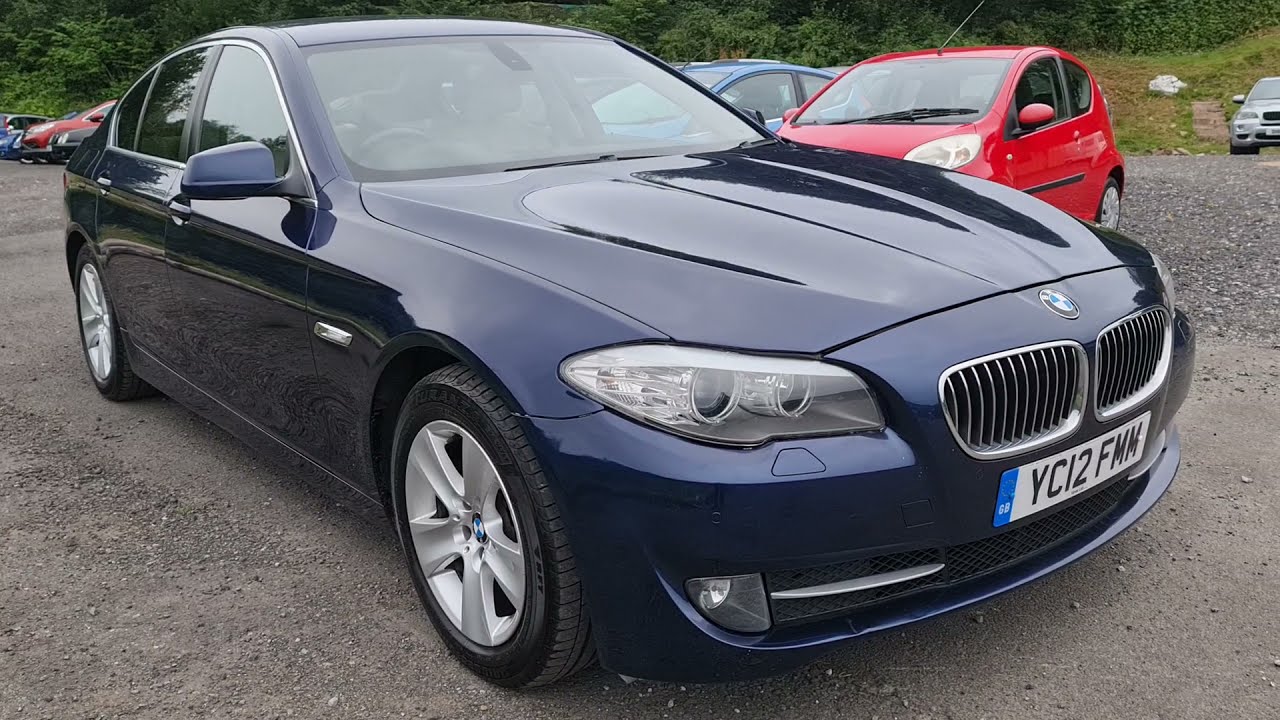
3. BMW 5 Series (2012 Model Year, F10)
Luxury sedans often attract buyers with promises of advanced technology and refined driving experiences, and the 2012 BMW 5 Series F10 certainly delivers on those fronts at first. Step inside, and the car impresses with high-quality materials, a quiet cabin, and a smooth ride that feels tailored for comfort. That initial satisfaction, however, can fade as ownership continues.
Mechanical reliability has been a concern for many drivers. Engines in this generation, particularly turbocharged variants, can develop issues related to oil consumption, fuel systems, and timing components. Repairs are rarely simple, and costs tend to be high due to the complication of the design.
Electronics add another layer of difficulty. Modern features such as infotainment systems, driver assistance technologies, and digital displays offer convenience but also increase the likelihood of malfunctions. When these systems fail, diagnosing and fixing the problem often requires specialized knowledge and equipment.
Suspension components contribute to the car’s smooth ride, though they may wear out sooner than expected. Replacing these parts can be expensive, especially when dealing with premium components designed for performance and comfort. Owners may find themselves facing repeated repair bills that quickly add up.
Fuel efficiency, while acceptable for a luxury sedan, does not offset the cost of ownership when repairs become frequent. Insurance and maintenance expenses further increase the financial burden, making the car less practical for long-term ownership.
Resale value also reflects these concerns. As the vehicle ages, buyers become cautious due to its reputation for costly repairs. This hesitation leads to lower resale prices, which can be disappointing for original owners. For drivers who prioritize comfort and technology, the 2012 BMW 5 Series offers plenty of appeal.
Yet its long-term reliability record raises important questions about ownership costs, especially for those hoping to avoid major repairs before completing their loan payments.
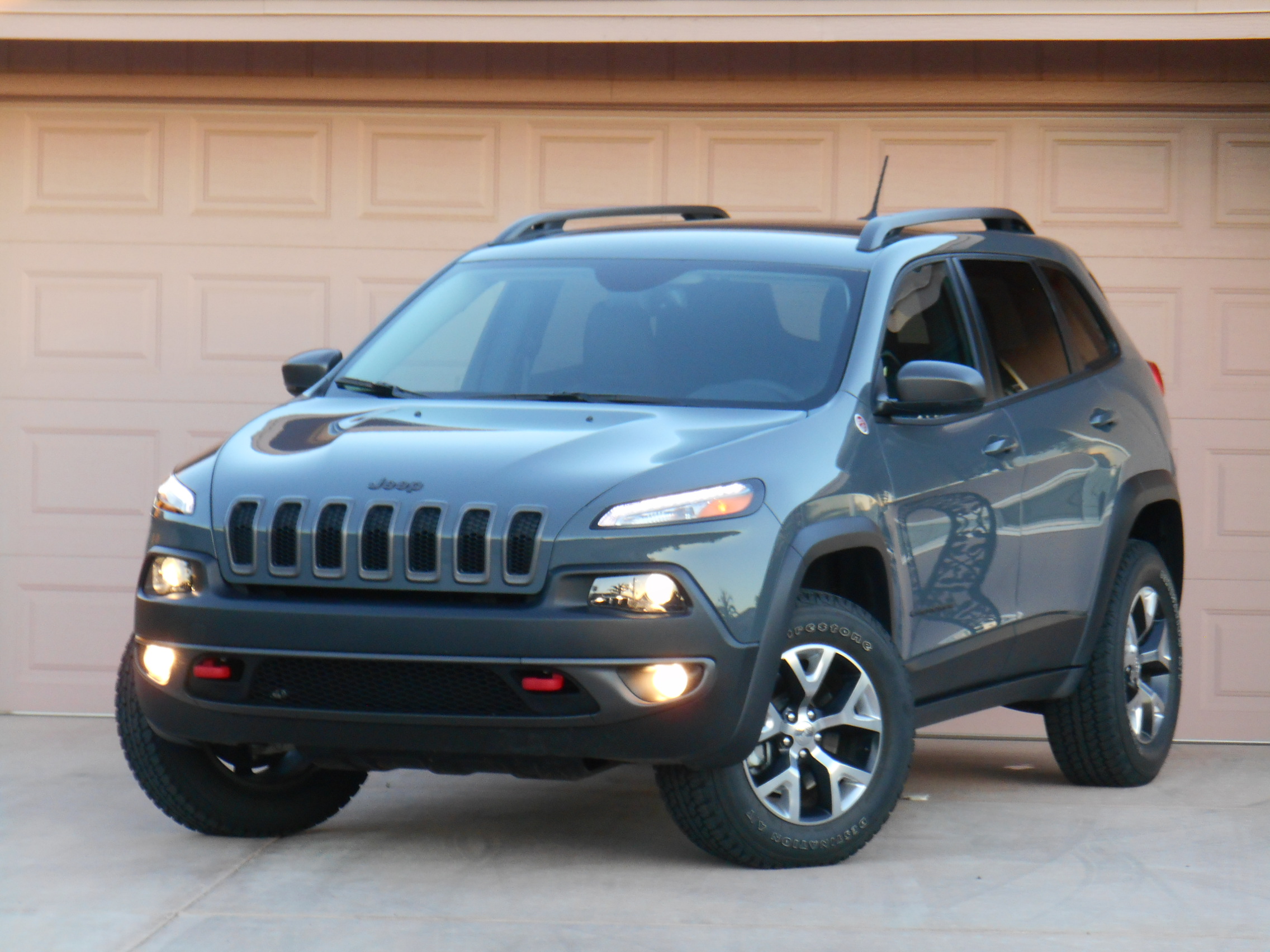
4. Jeep Cherokee (2015 Model Year, KL)
A bold redesign brought the 2015 Jeep Cherokee KL into a new era, combining modern styling with improved technology. At launch, it attracted attention for its distinctive look and off-road capability. As ownership experiences accumulated, however, several reliability issues began to stand out.
Transmission performance is one of the most widely discussed concerns. The nine-speed automatic transmission, while innovative, has been criticized for rough shifting, hesitation, and unpredictable behavior. Software updates have addressed some problems, yet many owners continue to report inconsistent performance.
Engine reliability varies depending on the configuration. Some models perform adequately, though others experience issues related to oil consumption and engine management systems. These problems can lead to warning lights, reduced performance, and the need for repeated servicing.
Electrical systems present additional challenges. From infotainment glitches to sensor malfunctions, the Cherokee has shown a tendency to develop electronic issues that affect daily usability. While some problems are minor, others can be more disruptive and require professional diagnosis.
Interior design aims to provide comfort and modern features, though build quality does not always hold up under extended use. Wear and tear may appear earlier than expected, especially in high-use areas such as seats and controls. Fuel efficiency is average for its class, which means owners do not benefit from major savings at the pump. Combined with repair costs, this can make ownership less appealing as time passes.
Many drivers purchase the Cherokee expecting a balance between capability and reliability. While it delivers on versatility, its track record suggests that long-term durability may not meet expectations. Facing repairs before the loan period ends can turn excitement into frustration for some owners.
Also Read: 8 Cars That Start Without Trouble In A Canadian Winter
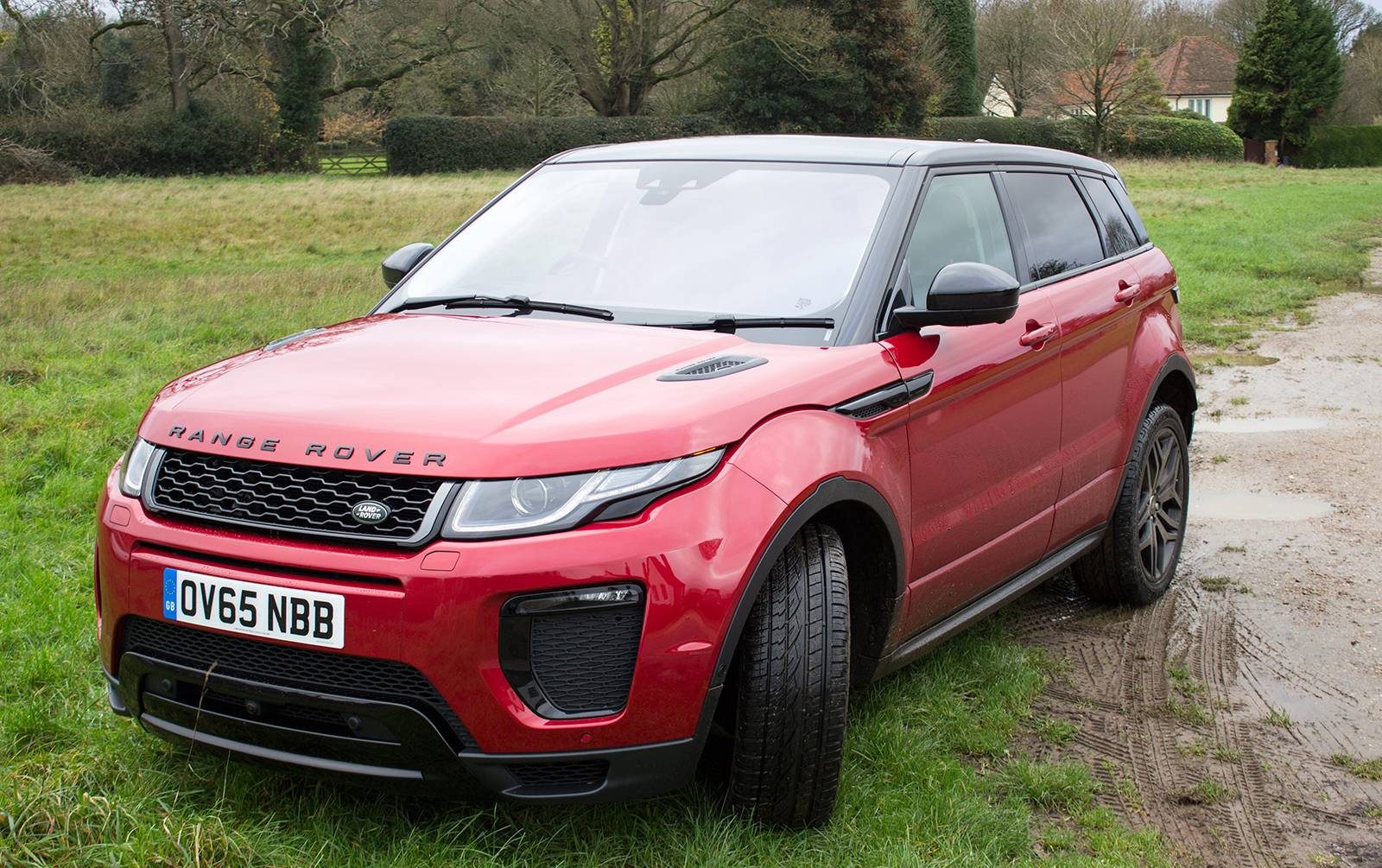
5. Range Rover Evoque (2016 Model Year)
Stylish design and premium branding helped the 2016 Range Rover Evoque stand out in the compact luxury SUV segment. With its sleek profile and upscale interior, it attracts buyers who want both comfort and visual appeal. Beneath that polished exterior, reliability concerns have created challenges for long-term ownership.
Engine and transmission performance can become problematic as mileage increases. Owners have reported issues related to turbochargers, timing chains, and transmission components. Repairs often require specialized parts and labor, which drives up costs quickly.
Electrical systems are another area of concern. Advanced features such as touchscreens, climate controls, and driver assistance technologies add convenience, yet they also introduce potential points of failure. Malfunctions in these systems can affect usability and require expensive fixes.
Ride quality remains a strong point, offering comfort on both city roads and highways. Suspension components, however, may wear out faster than expected, leading to additional repair expenses. Maintaining that smooth ride can become costly as the vehicle ages.
Interior materials create a premium feel, though durability varies. Some owners notice wear on surfaces that should hold up better, which affects the entire ownership experience. This mismatch between appearance and longevity can be disappointing.
Fuel economy is moderate for a luxury SUV, yet it does not offset the expense of maintaining the vehicle. Combined with repair costs, ownership becomes more demanding than many buyers anticipate. A vehicle like the Evoque often attracts buyers seeking a blend of style and comfort.
While it succeeds in delivering an appealing design, its reliability record raises concerns about long-term value. Facing major repairs before finishing loan payments can turn an exciting purchase into a costly commitment.
