
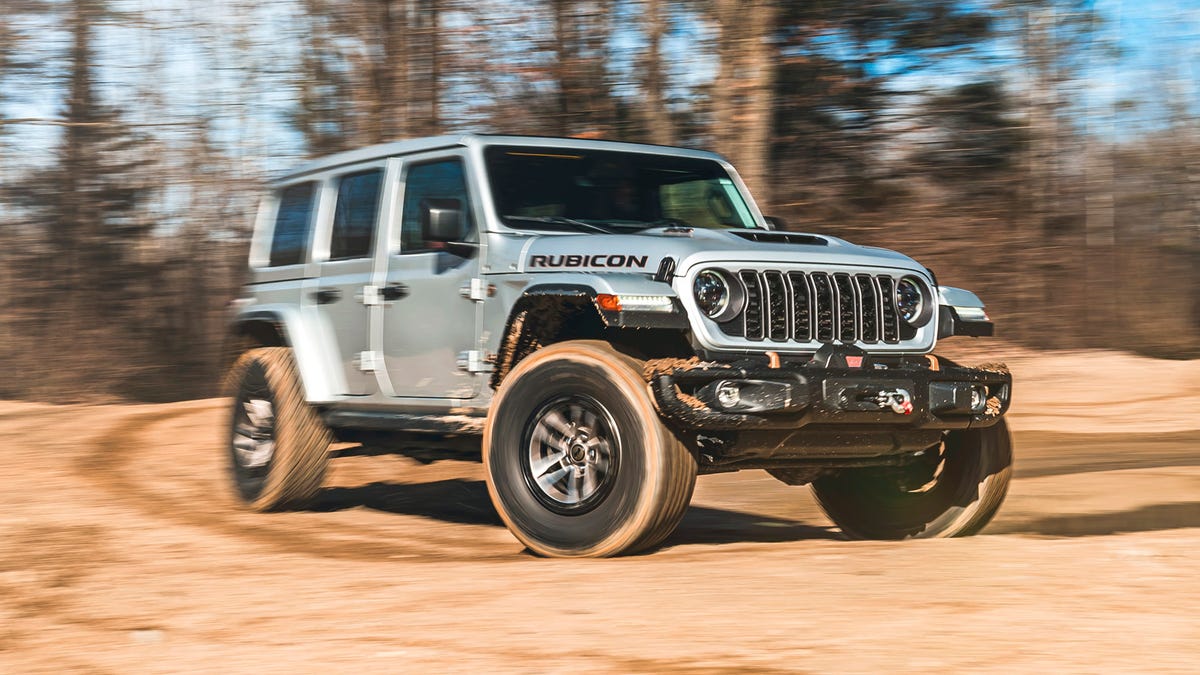
Choosing an SUV today goes beyond looks or badge appeal. Drivers now expect strength, comfort, and reliability that match their daily demands, whether that involves rough backroads, long highway drives, or city commuting with unpredictable road surfaces.
Some models are built to handle uneven ground with confidence, offering suspension systems, traction control, and build quality designed for demanding routes. Others shine in comfort-focused driving, where smooth roads and refined interiors matter far more than rugged capability.
This guide focuses on two groups of SUVs. First, those that deliver strong off-road performance with durability that justifies every dollar spent. Second, models that offer excellent comfort and luxury but perform best when kept on smooth pavement. Each vehicle listed brings its own character, engineering approach, and driving personality that suits different types of owners.
Instead of general assumptions, this breakdown looks closely at how each SUV behaves under real driving demands. Strength, stability, ride comfort, and long-term usability all come into play. Some drivers want machines that can handle mud, rocks, and uneven surfaces without hesitation. Others prefer a smooth ride, quiet cabin, and refined handling on paved roads.
What follows is a structured comparison of eight SUVs, split evenly between rugged performers and pavement-focused machines. Each section provides detailed insight into how these vehicles operate in their intended environments and why they stand where they do in this discussion.
4 SUVs Worth Every Penny Off-Road
1. Jeep Wrangler Rubicon (JL)
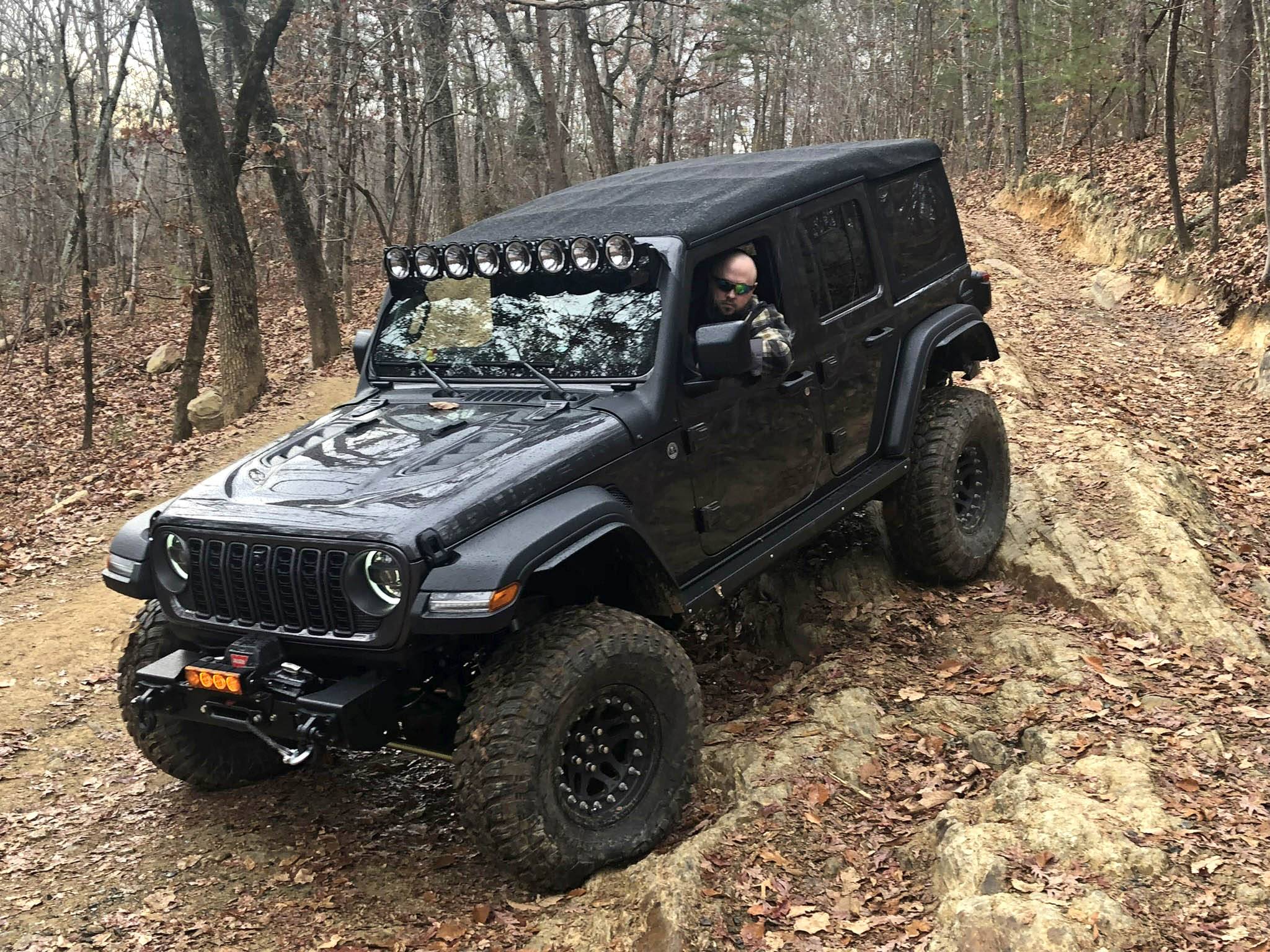
Few vehicles carry a reputation for rugged ability like the Jeep Wrangler Rubicon (JL). Its design speaks directly to drivers who value mechanical strength over softness. Built with solid axles, aggressive suspension geometry, and locking differentials, it handles uneven surfaces with confidence that few rivals can match.
On rocky paths or muddy trails, the Rubicon maintains steady traction where ordinary SUVs would struggle. Drivers often rely on its low-range transfer case to control movement across steep inclines or loose surfaces. That mechanical setup allows careful power delivery without excessive wheel spin, which helps preserve control in demanding conditions.
Durability plays a major role in its appeal. The body-on-frame structure resists stress from repeated rough use, while removable doors and roof panels highlight its functional design philosophy. Owners often appreciate how easily components can be maintained or replaced compared to more complicated systems found in luxury-focused SUVs.
Inside the cabin, simplicity blends with utility. Controls remain straightforward, reducing distractions during challenging driving conditions. While comfort is not its strongest attribute, the interior layout supports practical use rather than decorative appeal. Long-term ownership often reflects strong retention value.
Buyers interested in off-road capable vehicles frequently seek this model due to its proven ability in demanding environments. That demand helps maintain market interest even after years of use. Fuel consumption sits on the higher side, yet buyers typically accept this tradeoff in exchange for capability.
Performance here is not measured by efficiency alone but by how reliably the vehicle responds when conditions become difficult. The Jeep Wrangler Rubicon (JL) stands as a purpose-driven SUV built for environments that test mechanical limits, delivering confidence where surface conditions change rapidly.
2. Toyota 4Runner TRD Pro
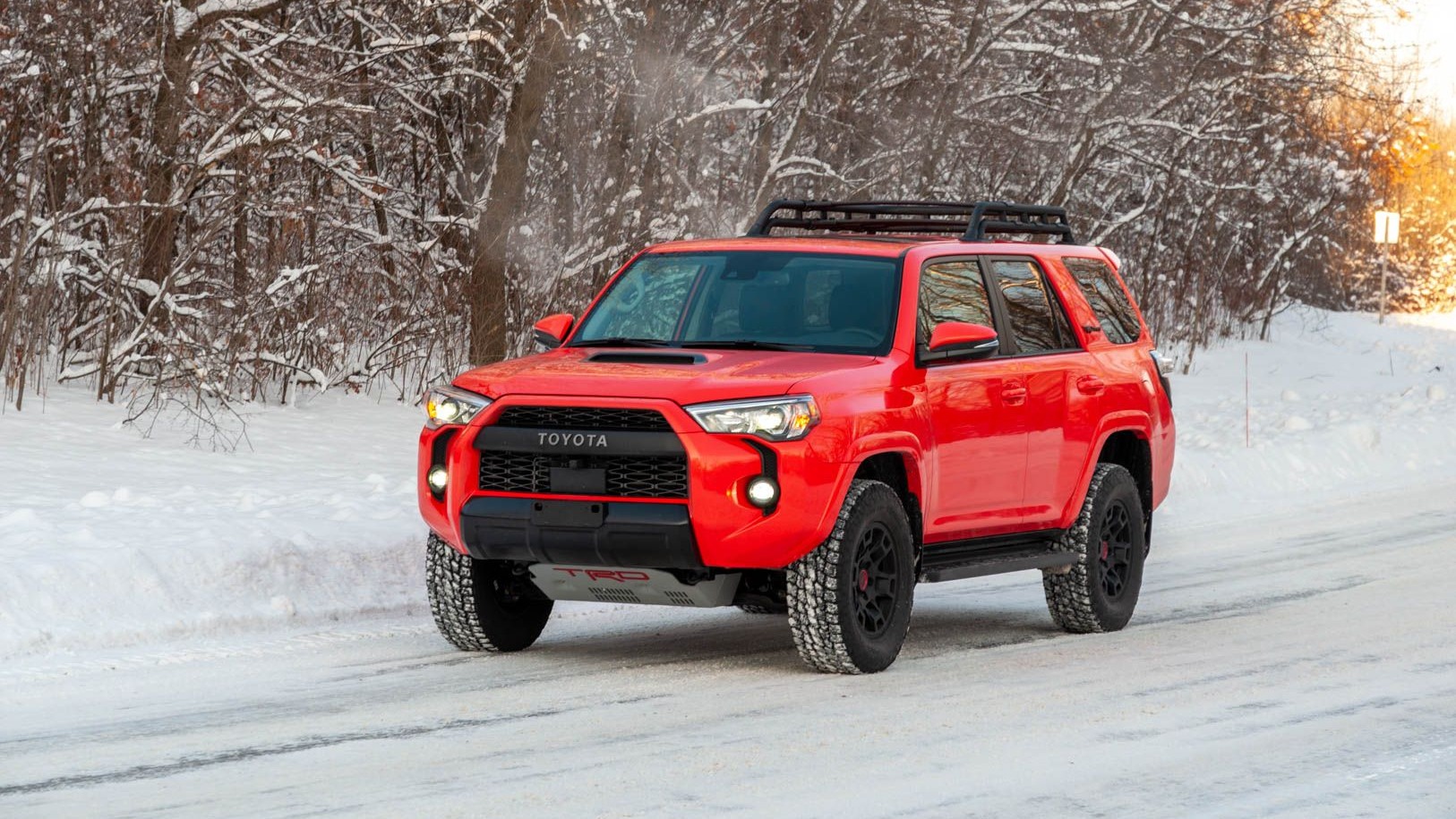
Durability defines the Toyota 4Runner TRD Pro, a sport utility vehicle built on a truck-based platform that supports long service life under demanding use conditions. Its frame structure provides steady resistance against repeated stress from uneven surfaces, which allows drivers to maintain confidence when driving through rough roads, rural tracks, and outdoor paths where surface quality changes frequently.
Suspension design plays a strong role in its behavior on difficult routes. The system manages movement across rocks, dirt tracks, and uneven ground with controlled response. Rather than encouraging fast movement, the setup supports a steady driving rhythm that helps the driver maintain control when surface grip reduces. That approach makes the vehicle dependable during low-speed movement, where accuracy matters more than acceleration.
Mechanical structure remains a strong attraction for many owners. The vehicle uses fewer electronic control systems compared with many modern sport utility vehicles, which reduces potential fault points during long-term use. This mechanical approach supports reliability in areas where repair facilities may be limited or where long-distance travel requires dependable performance without frequent servicing interruptions.
Inside the cabin, the design prioritizes practical use. Controls are positioned for direct access, allowing the driver to focus on road conditions without unnecessary distraction. Seat materials and interior surfaces are selected to withstand extended use, making the cabin suitable for both daily driving and extended travel conditions involving outdoor work or recreational activities.
Storage capacity supports flexible use across different purposes. Foldable rear seating expands the cargo area, allowing transport of equipment, luggage, or outdoor gear. This adaptability supports users who require one vehicle for multiple roles, including travel, work, and personal transport needs. The layout supports functional use rather than decorative emphasis.
Resale performance remains steady in various markets. Many buyers seek this model due to its reputation for long service life and consistent mechanical behavior under extended use. Vehicles in good condition often maintain strong demand, especially among buyers familiar with long-lasting sport utility vehicles.
Fuel consumption remains moderate relative to its class size and weight. Owners often accept this operating level due to the vehicle’s strong durability profile and consistent performance under load. The ability to maintain steady operation after high mileage use reinforces its reputation as a dependable option in its category.
The Toyota 4Runner TRD Pro continues to attract individuals who prefer long-lasting mechanical reliability combined with controlled performance on uneven surfaces. Its value lies in steady operation, durable construction, and predictable handling under demanding driving conditions.
Also Read: 9 SUVs With Floor Mats That Trap Snow And Mud Well
3. Ford Bronco Badlands Sasquatch
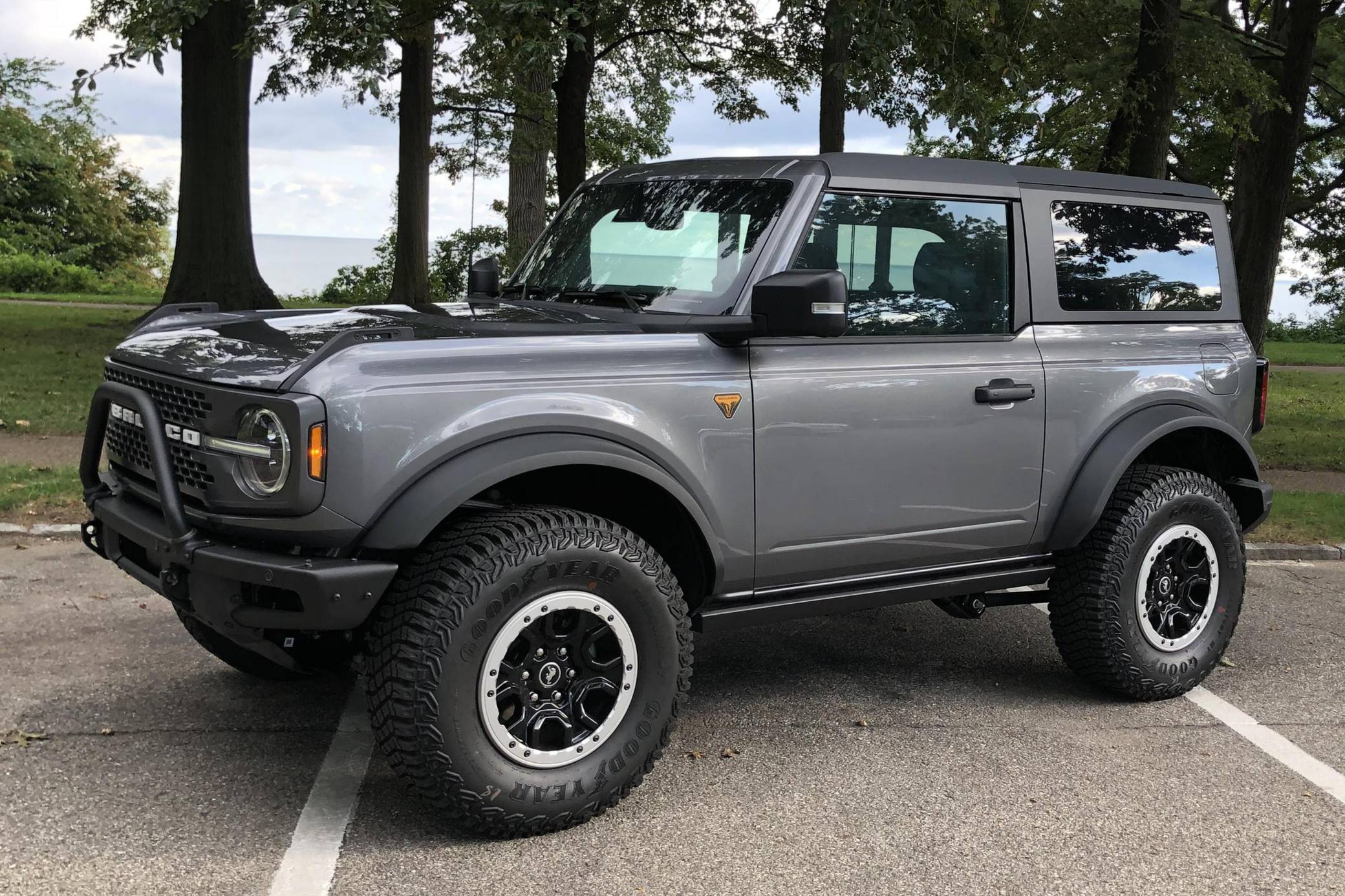
Strong identity in off-road performance defines the Ford Bronco Badlands Sasquatch, a sport utility vehicle engineered for demanding driving environments. Its structure includes raised suspension, large off-road tires, and locking differentials that support movement across rocky surfaces, sandy ground, and uneven outdoor paths where traction changes quickly.
Driving behavior remains controlled when surface conditions become unstable. Steering response allows the driver to maintain direction during slow movement across obstacles or steep angles. This steady handling supports precise control during climbing, descending, or crawling conditions where stability becomes more important than speed.
Structural reinforcement contributes to durability under repeated stress. Protective elements under the vehicle shield mechanical components from impact damage caused by rocks or rough ground. Suspension components are designed to handle repeated pressure from uneven surfaces, which supports continued use in demanding outdoor environments.
Cabin design combines rugged purpose with functional comfort. Digital display systems present driving information clearly, while the seating arrangement supports longer travel periods across mixed surfaces. Interior controls remain accessible, reducing unnecessary distraction during conditions that require attention outside the vehicle.
Cargo capacity provides flexibility for equipment transport. Rear seating can be adjusted to increase storage space, supporting outdoor activities, professional field work, or travel requirements that involve carrying tools or supplies. This flexibility supports a wide range of user needs.
Fuel usage varies depending on driving conditions and system engagement. When low-range driving modes are active, consumption increases due to the power demand required for controlled movement. Buyers often accept this operational level in exchange for strong capability in difficult environments.
Market demand remains strong due to its distinctive design and reputation for off-road performance. Many drivers choose it for recreational use, while professionals appreciate its ability to perform reliably in outdoor and field-based assignments. The Ford Bronco Badlands Sasquatch delivers dependable control, durable structure, and strong off-road ability, making it suitable for environments where road conditions cannot be predicted.
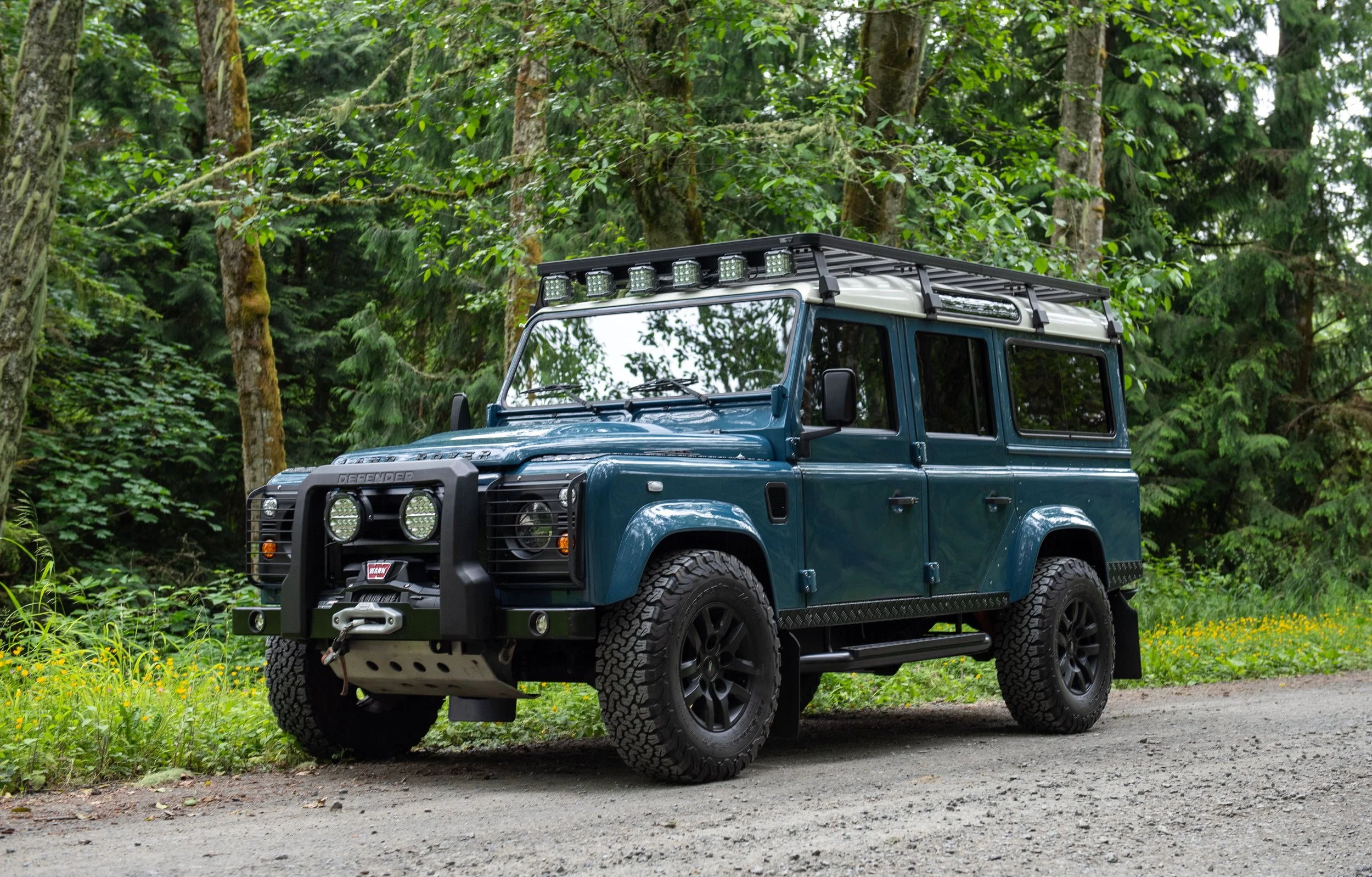
4. Land Rover Defender 110
A combination of strength and refined engineering defines the Land Rover Defender 110, a sport utility vehicle designed to perform across varied driving conditions while maintaining comfort for occupants. Its structure supports movement over uneven ground while preserving interior stability during extended journeys.
Suspension systems adjust to surface variation, helping maintain controlled movement across rocks, gravel, and uneven dirt paths. This allows the vehicle to maintain balance even when external conditions become irregular. Ride behavior remains steady, reducing excessive movement inside the cabin.
Power delivery is smooth and controlled across different driving situations. This supports gradual acceleration when traction reduces, helping prevent wheel slip during uneven surface conditions. The engine and transmission system work together to maintain steady movement under varying loads.
Interior design focuses on comfort and quality materials. Seating provides support during long-distance travel, while cabin insulation reduces outside noise intrusion. Dashboard layout supports ease of use, allowing drivers to access controls without distraction.
Cargo arrangement offers flexibility for travel and equipment storage. Rear seating adjustments increase available space, making the vehicle suitable for extended trips or transport of outdoor equipment. This adaptability supports varied usage requirements.
Electronic systems assist driving control during changing surface conditions. Features such as traction support and descent control help maintain stability during uneven movement. These systems support driver input while assisting control in challenging driving conditions.
Fuel usage aligns with its size and performance output. Operating levels reflect the balance between power delivery and vehicle weight. Buyers often consider long-term performance capability when evaluating ownership rather than fuel consumption alone.
Market demand remains consistent due to its blend of comfort and capability. The vehicle attracts users who require both a refined interior experience and strong performance on uneven surfaces. The Land Rover Defender 110 maintains a balance between controlled driving performance and comfort, supporting reliable use across varied road conditions and driving environments.
4 SUVs That Should Never Leave Pavement
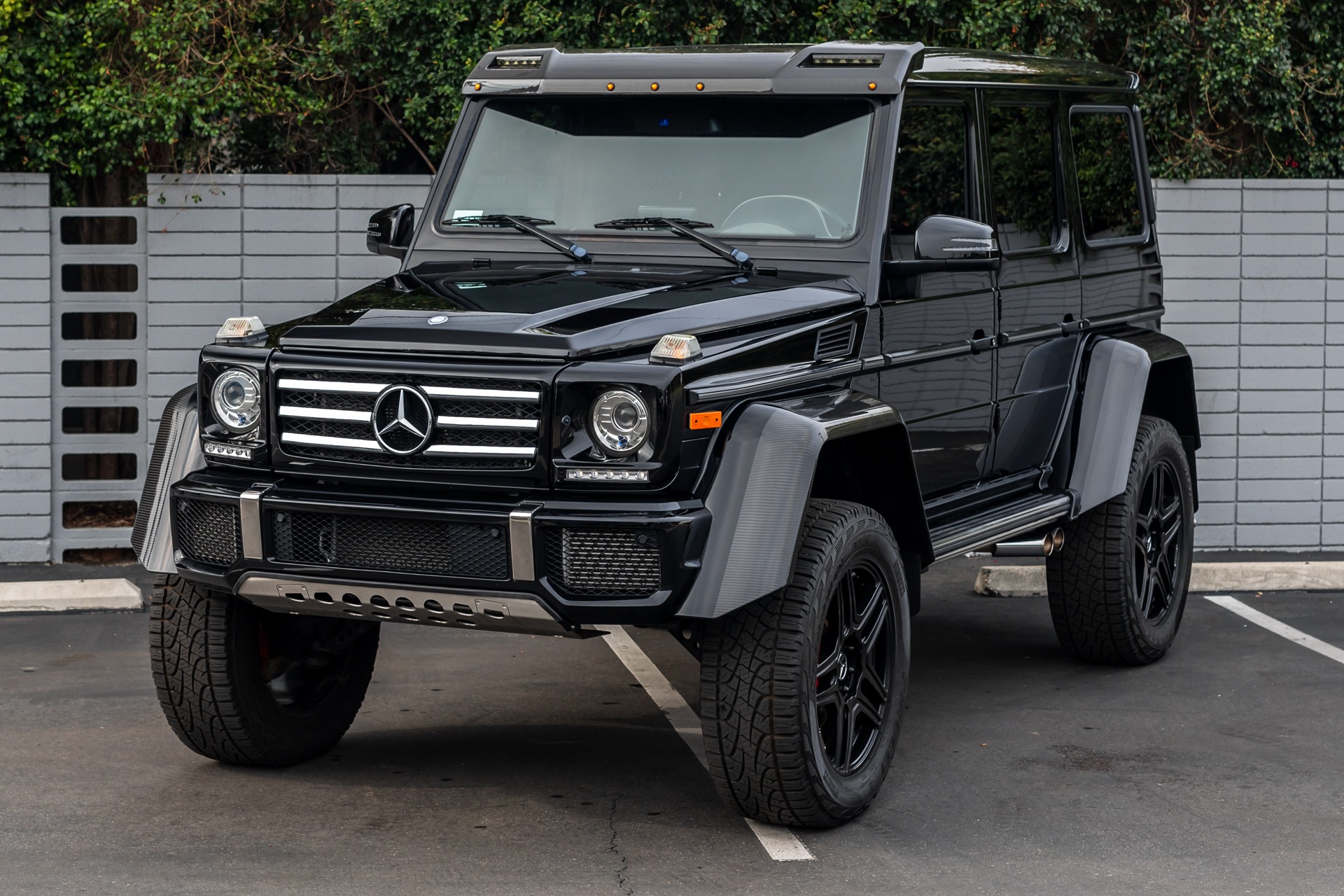
1. Mercedes-Benz G 550
Precision engineering defines the Mercedes-Benz G 550, a luxury SUV that carries military roots while serving modern drivers who expect both strength and refinement. Its box-shaped structure is not a design experiment but a product of function, created for durability under demanding conditions.
That heritage still shows in how the vehicle behaves on uneven ground, where rigid construction helps maintain stability across rocky or uneven paths. Three locking differentials give the G 550 strong traction control when surface grip becomes inconsistent.
Each axle can be locked independently, allowing steady movement when one or more wheels lose contact with firm ground. That system gives drivers confidence when crossing loose gravel, sand, or steep inclines where grip changes quickly. Suspension tuning leans toward firmness, which supports control rather than softness.
While that setup may feel rigid on smooth roads, it becomes an advantage when surfaces become unpredictable. The vehicle maintains direction without excessive body roll, helping drivers hold steady lines through challenging sections. Inside the cabin, craftsmanship focuses on premium materials and quiet operation.
Leather surfaces, solid switchgear, and insulated panels create a controlled environment even when external conditions become rough. Seating comfort remains high, allowing long driving periods without physical strain. Technology integration supports driving assistance without removing driver awareness.
Traction systems, hill descent support, and road settings assist when conditions become uneven. These systems act as support tools rather than replacements for driver input. Fuel consumption sits at a higher level due to weight and engine output. Buyers accept this tradeoff in exchange for capability and luxury combined in one platform.
Market demand remains strong due to brand reputation and long-term durability perception. Many buyers view it as both a status vehicle and a capable machine for varied environments. The Mercedes-Benz G 550 stands as a rare combination of controlled strength and refined comfort, designed for drivers who expect both presence and performance.
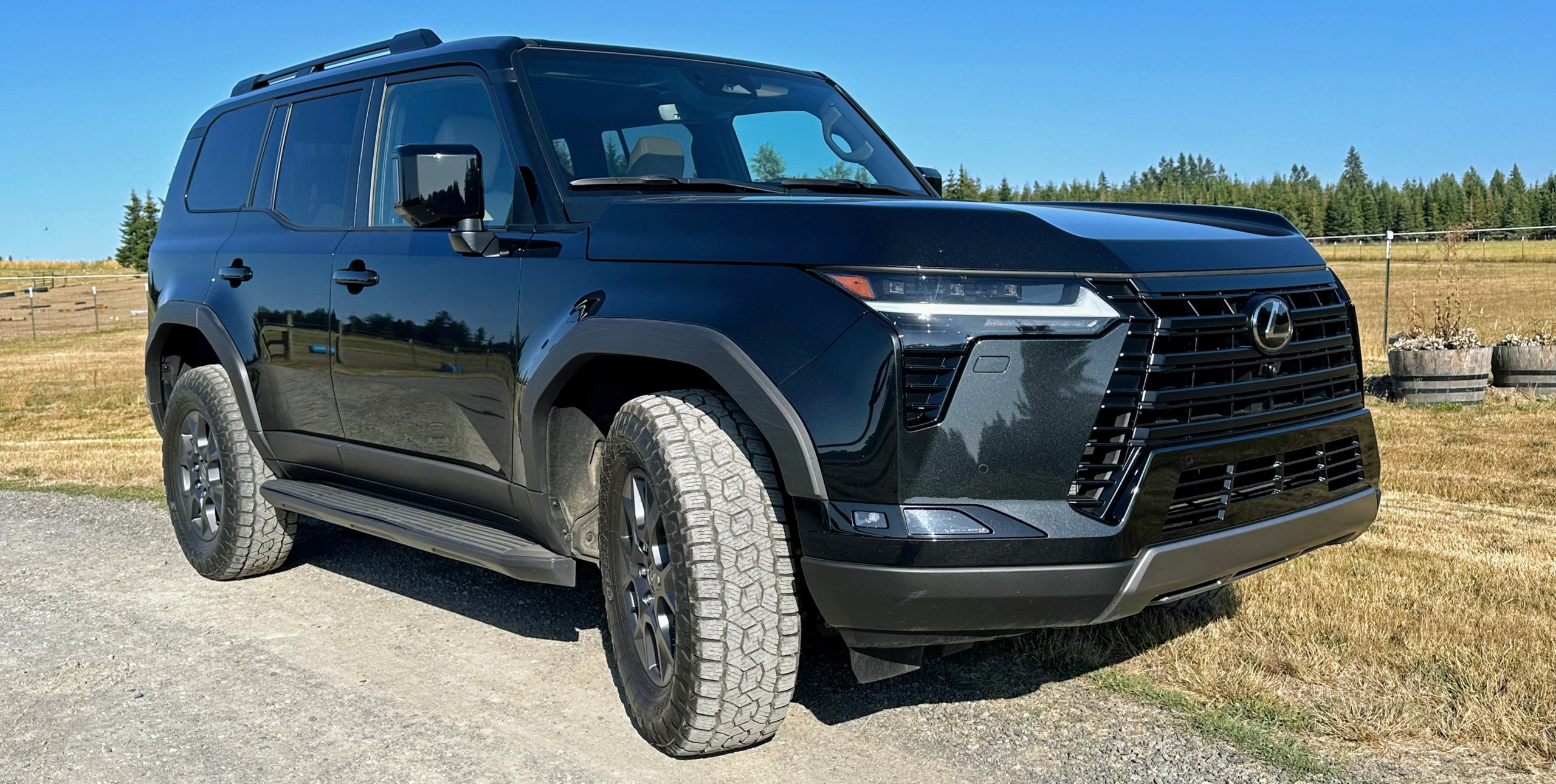
2. Lexus GX 550 Overtrail
Reliability and rugged engineering come together in the Lexus GX 550 Overtrail, a model built for drivers who require steady performance across uneven surfaces. Its foundation is based on a body-on-frame structure, which supports repeated use on rough paths without losing structural integrity.
Suspension tuning prioritizes stability during slow and medium-speed off-road movement. When ground conditions change from firm to loose, the GX maintains predictable behavior, allowing drivers to adjust without sudden moves in control. That consistency supports confidence on long trips through remote areas.
Power delivery remains smooth, particularly when climbing or descending uneven ground. The engine and transmission pairing focuses on controlled output rather than aggressive acceleration, which helps reduce wheel slip when traction becomes limited.
Interior comfort reflects Lexus design standards, with quiet cabin insulation and supportive seating. Long-distance travel remains comfortable even when routes include mixed surfaces. Materials used inside resist wear, which supports long-term ownership without rapid interior degradation.
Cargo space supports outdoor gear, travel equipment, and work-related tools. Rear seating flexibility allows expansion of storage when needed, giving the vehicle adaptability for different uses. Electronic systems assist with traction management and surface response. These systems help maintain control during uneven driving conditions, particularly when road surfaces become unpredictable.
Fuel usage reflects its size and capability class. Owners often balance this against durability and reliability expectations, which remain strong points for this model. Market interest remains steady due to its reputation for long service life and low mechanical concern when properly maintained. Buyers seeking dependable luxury off-road capability often consider it a strong option.
The Lexus GX 550 Overtrail delivers a steady combination of durability, comfort, and controlled performance suited for demanding travel conditions.
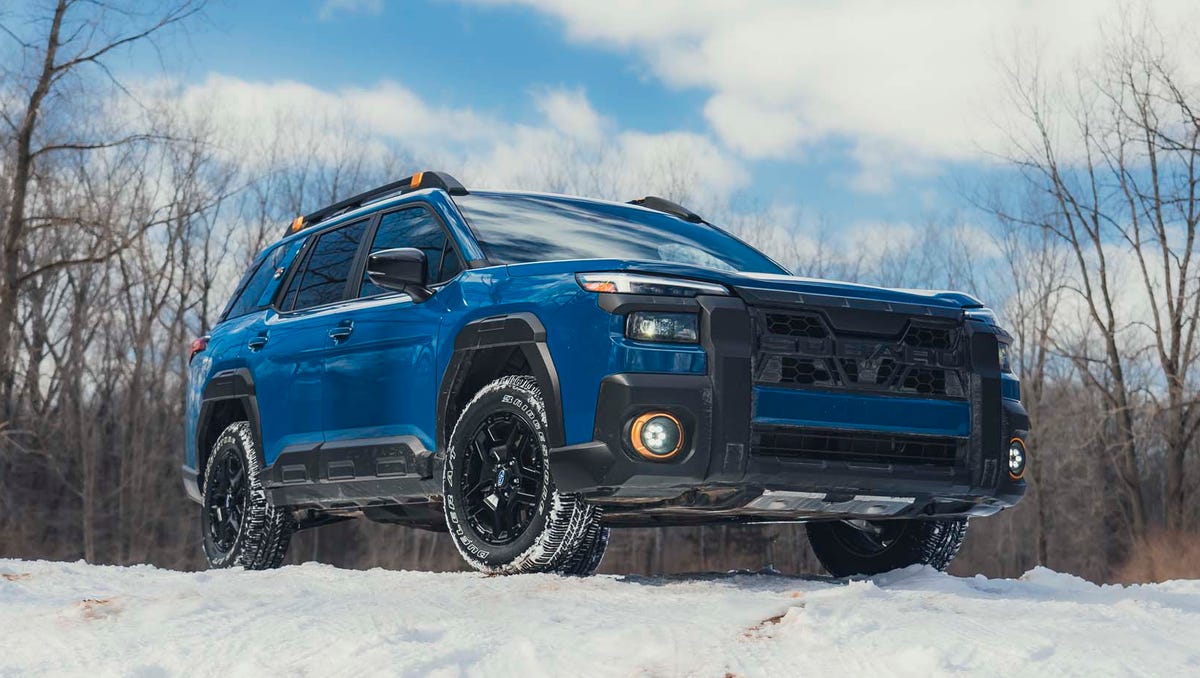
3. Subaru Outback Wilderness
Practical engineering defines the Subaru Outback Wilderness, designed for drivers who move between paved roads and uneven outdoor routes without relying on heavy-duty machinery. The structure sits higher than standard versions, supported by reinforced components that allow steady movement across dirt roads, snowy passages, and irregular rural routes. This setup provides confidence when road conditions change without warning.
Power distribution operates through an all-wheel system that responds automatically to grip differences. When one or more wheels lose traction, the system adjusts torque delivery to maintain forward motion. This behaviour supports controlled movement on wet surfaces, loose gravel, and mixed ground conditions where steady grip becomes difficult to maintain.
Suspension tuning raises ground clearance compared with standard station wagon designs. That adjustment allows the vehicle to pass over obstacles that would affect lower vehicles. Shock control remains steady, reducing cabin disturbance when driving across uneven sections. Passengers experience less shaking, even when surface quality drops.
Interior layout prioritizes function and usability. Seating support remains suitable for long-distance travel, while control placement allows quick access without unnecessary distraction. Materials used inside resist wear from regular use, supporting owners who depend on daily practicality rather than decorative emphasis.
Cargo flexibility provides strong utility value. Rear seating folds flat to create additional storage space for luggage, equipment, or work related tools. This flexibility supports individuals who combine personal travel with occupational duties requiring the transport of equipment.
Fuel consumption remains moderate for its class, especially when compared with larger sport utility vehicles. That balance allows owners to maintain lower operating costs while still having access to light off-road capability when required. This makes it suitable for users who prefer a single vehicle for mixed driving duties.
Safety systems assist driver control during changing surface conditions. Braking support, traction assistance, and directional stability functions work together to reduce loss of control when road quality varies. These systems support driver awareness without replacing decision-making.
Market interest remains steady among individuals who prefer practical transport suited for daily driving and occasional outdoor use. Its reputation rests on dependable operation rather than luxury presentation or high-performance claims. The Subaru Outback Wilderness provides a practical option for drivers who require controlled movement across mixed road conditions while maintaining everyday usability and comfort.
Also Read: 10 SUVs That Hold Their Value Best After Five Years
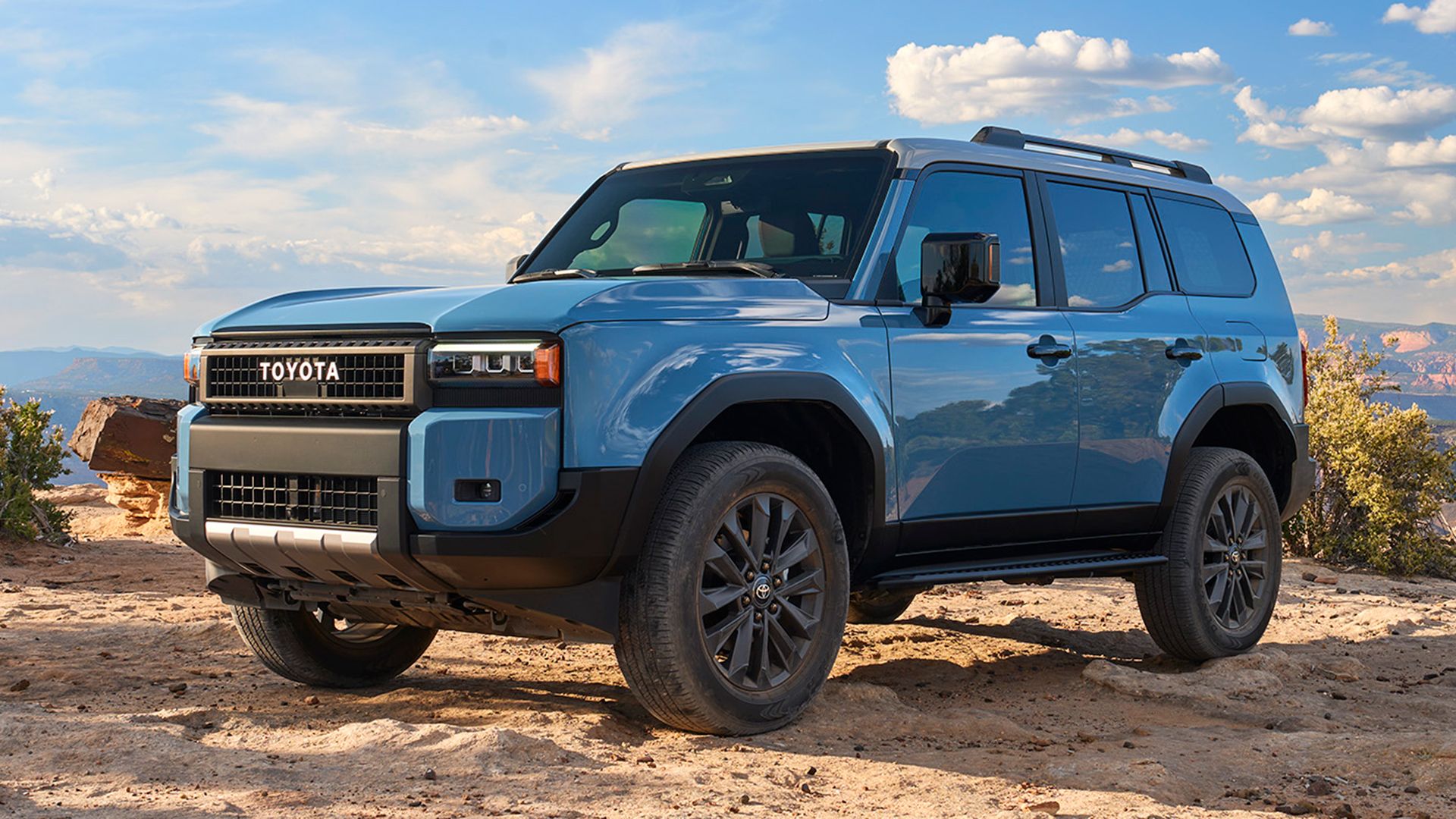
4. Toyota Land Cruiser 250
Durability and a long-established engineering heritage define the Toyota Land Cruiser 250, a model that carries forward a respected line of vehicles built for steady performance across demanding driving environments. Its construction reflects years of refinement aimed at supporting consistent operation across varied road conditions.
This SUV is designed for drivers who place priority on dependable function, especially when routes involve mixed surfaces or unpredictable road quality. The chassis is engineered for heavy-duty use, with a rigid frame that maintains structural integrity during travel across uneven ground, remote areas, and extended journeys.
This strength helps the vehicle remain stable even when exposed to heavy loading or poorly maintained roads. The design reduces flex under pressure, which supports predictable handling and steady road behavior during long-distance travel. Suspension tuning focuses on balancing ride comfort with controlled movement.
When the vehicle passes over rough or uneven surfaces, vibration is reduced inside the cabin, allowing occupants to remain comfortable during extended trips. This setup helps maintain a steady driving experience even when road conditions vary from smooth highways to rough rural paths.
Power delivery from the engine is designed around controlled torque output. This allows the vehicle to handle climbing, towing, and slow movement across uneven roads without placing excessive strain on mechanical components. Power is delivered in a consistent manner, supporting stable movement even when the vehicle is under load or operating in demanding conditions.
Inside the cabin, practicality blends with comfort-oriented design. Seating provides support suitable for long journeys, while insulation materials reduce external noise intrusion. The interior is built with durable materials that maintain their condition after prolonged use, making it suitable for frequent travel and demanding ownership conditions.
Cargo capacity supports the transportation of luggage, tools, and equipment. Flexible seating arrangements allow expansion of storage space when required, giving the vehicle adaptability for both personal travel and work-related tasks. This flexibility increases usability across different driving needs.
Electronic assistance systems contribute to traction management and surface adaptation. These technologies help maintain stability when road conditions change, supporting driver control rather than replacing it. They act as supportive tools during challenging driving situations.
Fuel consumption reflects the vehicle’s size, strength, and capability focus. While it may consume more fuel than smaller alternatives, buyers often accept this tradeoff due to its long service life and dependable performance consistency across varied conditions.
Demand for the model remains strong in many regions, supported by its longstanding reputation for durability and reliable performance. The Land Cruiser name continues to be associated with dependable operation across diverse driving environments, reinforcing buyer confidence in its capability and longevity.
The Toyota Land Cruiser 250 stands as a robust sport utility vehicle built for consistent performance, long-term reliability, and dependable operation under demanding driving conditions.
