
Let’s be honest about something. Not every car owner is meticulous about oil changes. Some people push intervals beyond what any manual recommends, some forget entirely for stretches that would make a mechanic wince, and some inherit vehicles with service histories that are charitably described as incomplete.
And yet certain engines seem to absorb this neglect and keep running anyway, accumulating mileage that well-maintained vehicles from lesser platforms never reach. This is not an endorsement of skipping oil changes. Any mechanic, any engineer, and anyone who understands what engine oil actually does will tell you that consistent oil service is the single most impactful maintenance habit for engine longevity. Oil changes are cheap. Engine rebuilds are not. That is the math, and it is unambiguous.
But there is a separate and genuinely interesting engineering story about why certain engines survive neglect better than others. It comes down to oil capacity, oil passage design, clearances between moving parts, the materials used for engine bearings and cylinder walls, and the fundamental operating conditions the engine creates for its lubrication system.
Some engines were built with design margins wide enough that degraded oil still provides enough protection to prevent catastrophic failure, while others are built to tolerances so tight that even slightly overdue oil changes start producing measurable wear.
This page covers nine specific engines, each one in a specific vehicle, whose design characteristics and documented owner experiences have produced a pattern of high-mileage survival even among owners whose service habits were inconsistent. Every engine here has community-documented cases of 300,000-mile survival from owners who openly acknowledge imperfect maintenance histories.
That pattern tells you something real about how these engines were designed. Read the whole list before concluding your own vehicle and your own maintenance schedule. And then go change your oil anyway.
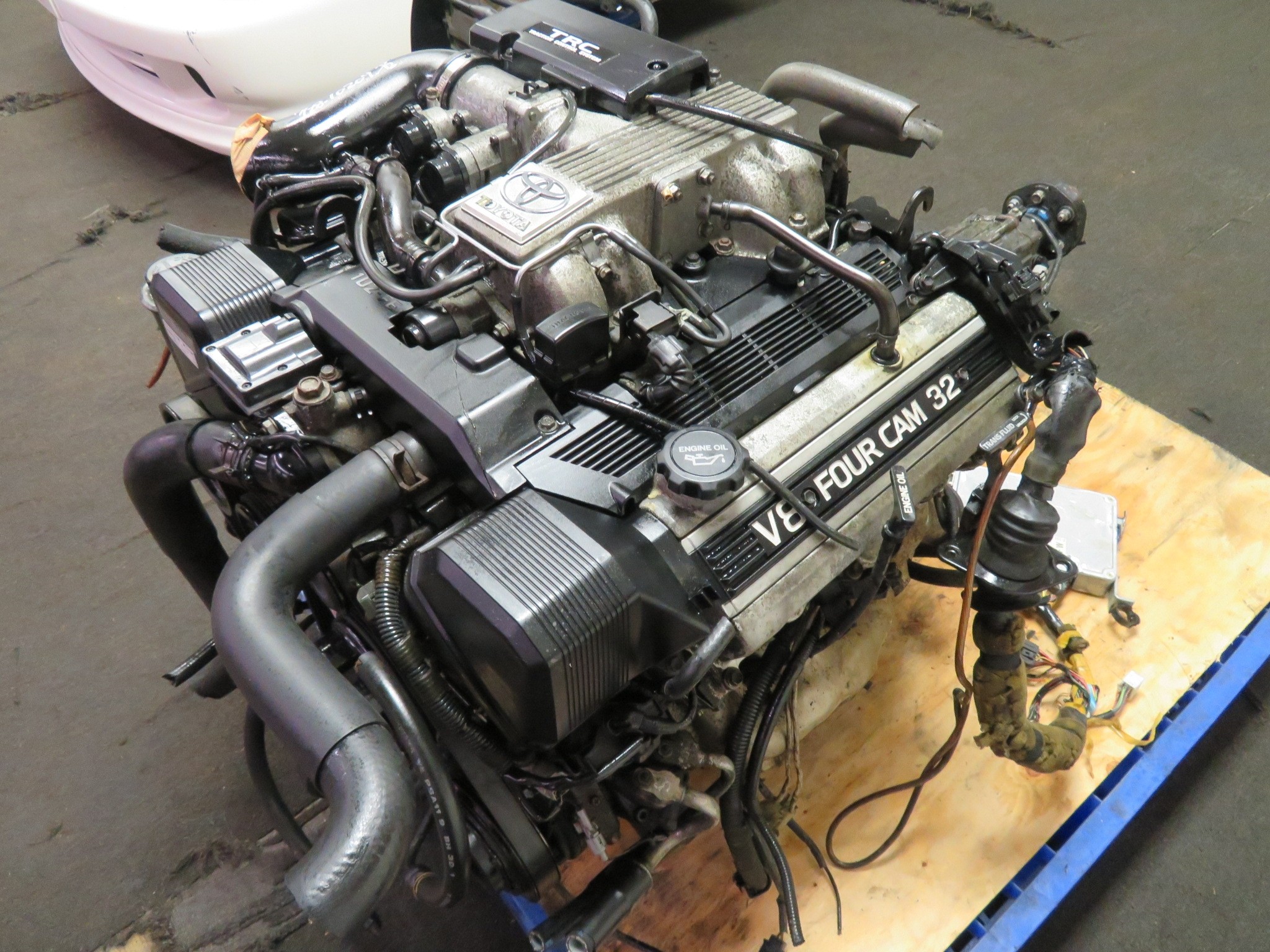
1. Toyota 1UZ-FE 4.0-Liter V8 in the Lexus LS400 (UCF10/UCF20 Platform, 1990 to 2000)
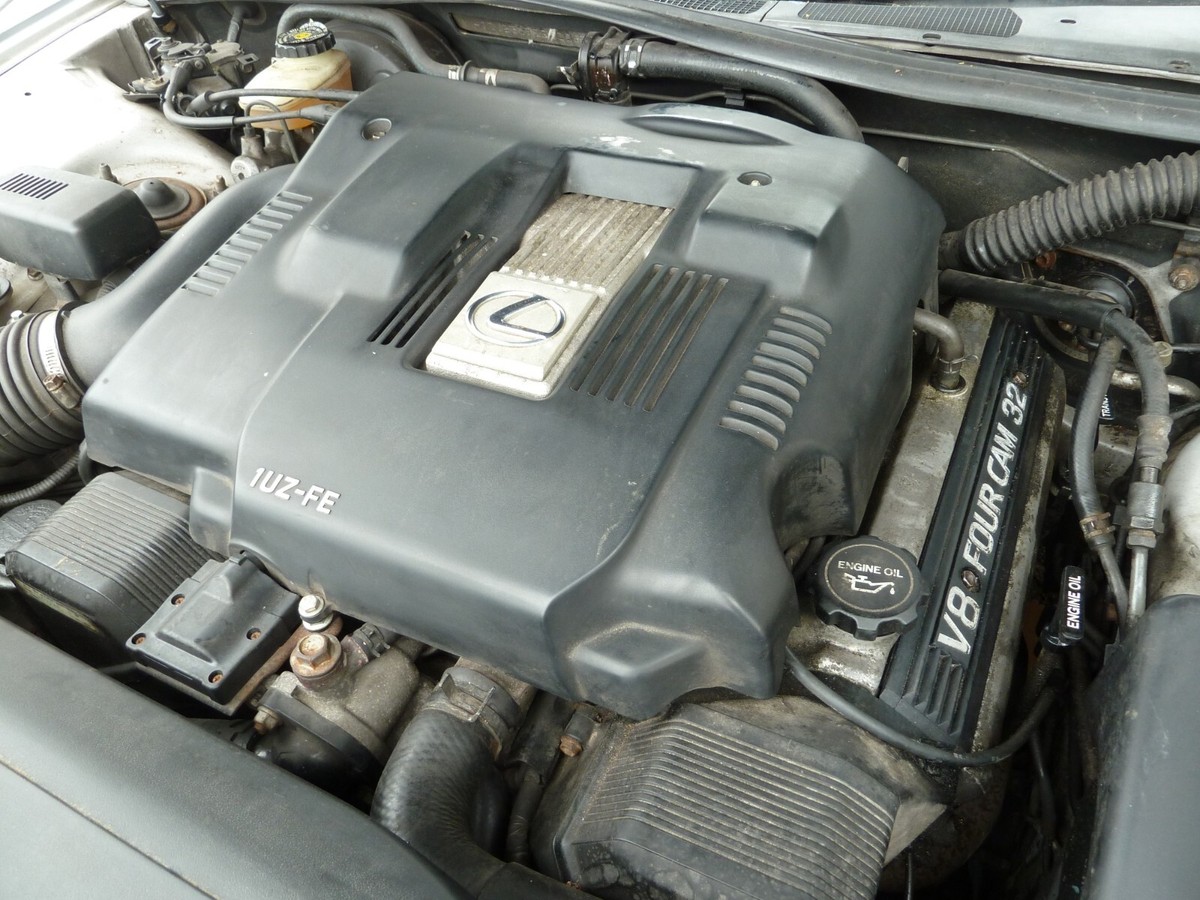
Toyota’s 1UZ-FE is one of the most forgiving high-displacement naturally aspirated V8 engines ever placed in a production luxury sedan, and its reputation for surviving imperfect maintenance histories while still accumulating extraordinary mileage is documented across Lexus LS400 owner communities on multiple continents.
If there is a single engine that best illustrates how design quality translates into abuse tolerance, the 1UZ-FE in the first and second generation Lexus LS400 is the strongest argument available. Design features that contribute to the 1UZ-FE’s neglect tolerance begin with a relatively generous oil capacity of approximately 7.6 quarts.
More oil volume means that when service is delayed, the increased contaminant load and oxidation products are diluted across a larger total volume, reducing the concentration of degradation products that attack bearing surfaces and ring seals per unit of oil volume.
Larger oil capacity does not make neglected oil safe, but it does extend the window before degradation reaches critical levels. Bearing clearances in the 1UZ-FE were specified conservatively relative to some competing V8 designs, providing adequate oil film maintenance even when oil viscosity has degraded from heat cycling and oxidation beyond the designed operating range.
Conservative bearing clearances allow thicker, more deteriorated oil to still provide adequate hydrodynamic lubrication at the bearing surfaces rather than allowing metal-to-metal contact at the clearances that high-performance engines with tighter tolerances require fresher oil to bridge.
An aluminum block with iron cylinder liners gives the 1UZ-FE bore surfaces that are more wear-resistant than aluminum bores without inserts, maintaining ring seal integrity over high mileage even when occasional lubrication compromise has occurred. Iron liner hardness resists the microscopic abrasive wear that contaminated oil introduces, protecting compression and oil control across mileage ranges that other material combinations would not achieve under equivalent conditions.
Lexus LS400 owner forums contain documented threads from owners who inherited these cars with no service records and proceeded to accumulate 50,000 to 100,000 additional miles before their first comprehensive service, only to find compression and oil consumption values still within acceptable ranges.
This documented pattern from real owners, not controlled test conditions, is the most honest evidence available for what this engine’s design margins actually support.
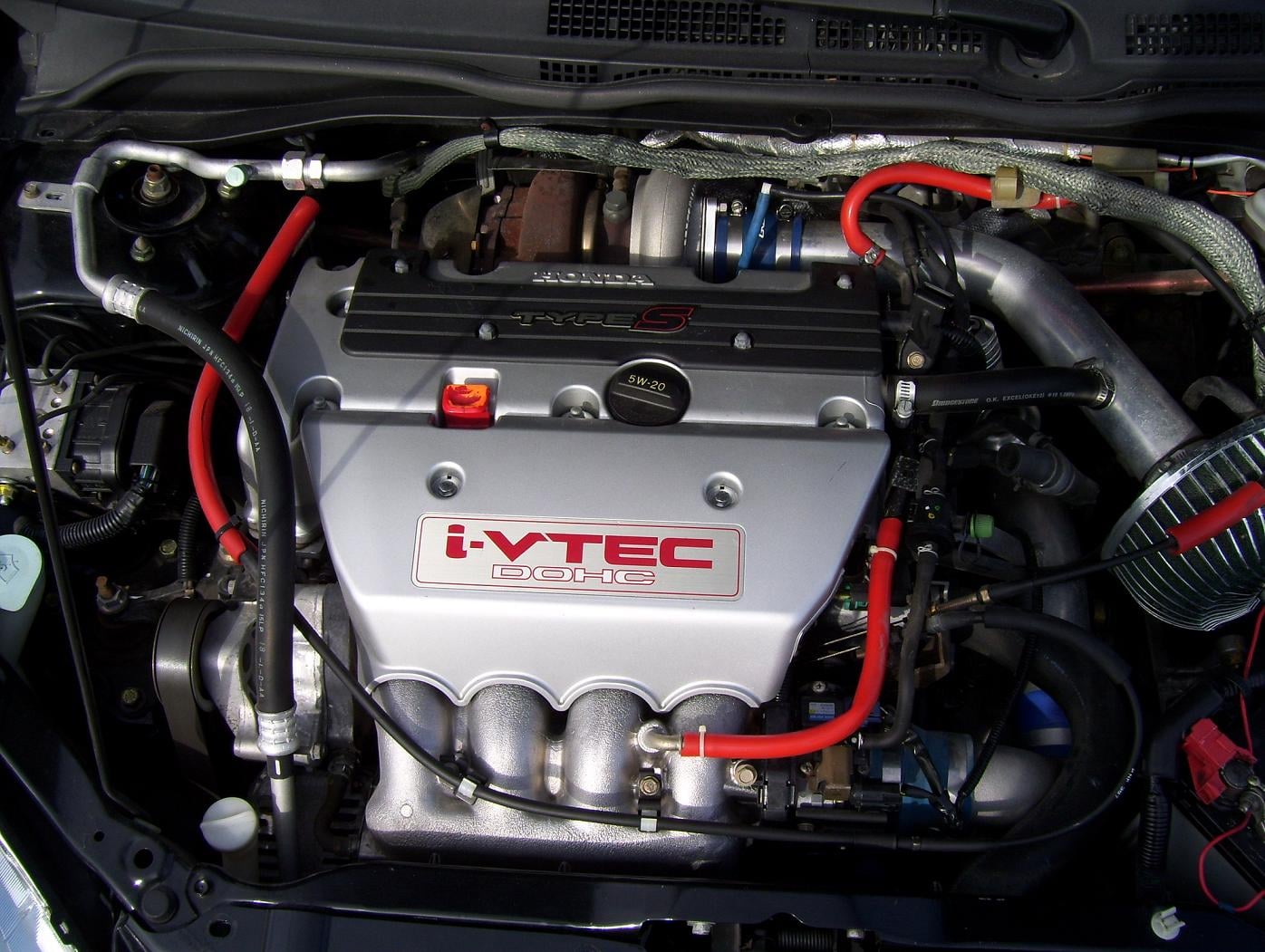
2. Honda K20A3 2.0-Liter Four-Cylinder in the Honda Civic Si EP3 (2002 to 2005)
Honda’s K-series four-cylinder engines built a reputation for both performance and durability that the K20A3 in the third-generation Civic Si demonstrates from both angles. In the enthusiast community, this engine is celebrated for its high-revving naturally aspirated character.
In the practical ownership community, it is respected for surviving maintenance regimes that VTEC’s demanding reputation might suggest would cause immediate harm. K20A3 oil capacity at approximately 4.4 quarts is modest, meaning the forgiveness story here is less about volume dilution and more about oil passage design and bearing specifications that the K-series shares across the family.
Honda’s engineering of K-series oil passage routing prioritizes consistent oil delivery to the VTEC mechanism’s solenoid-controlled oil passages and to the main and rod bearings under the full range of operating conditions, including high RPM operation where oil demand is greatest and where degraded oil’s reduced film strength is most consequential.
VTEC engagement, which requires clean, pressure-appropriate oil to operate the rocker arm switching mechanism correctly, is actually a practical early-warning system for K20A3 oil condition. As oil degrades, VTEC engagement behavior changes before bearing damage becomes the primary concern, providing owners with a practical signal that oil condition has reached a threshold requiring attention.
This built-in behavioral warning is not present in engines without comparable oil-dependent variable valve mechanisms. K20A3 cylinder head design uses aluminum with sodium-filled exhaust valves that manage combustion heat efficiently, reducing the thermal stress on valve guide seals and combustion chamber surfaces that contribute to oil consumption in engines less carefully designed for thermal management.
Lower heat transfer to the oil reduces the rate at which heat cycling degrades oil quality between changes, extending the useful life of each oil charge relative to engines that run hotter. EP3 Civic Si owner communities document multiple high-mileage examples from owners who were not diligent about service intervals and who still accumulated 200,000 to 300,000 miles without catastrophic internal failure.
These are not unusual outlier cases from exceptionally lucky owners but rather a pattern that repeats frequently enough to reflect the underlying design quality.
Also Read: 8 Pickup Engines That Set Longevity Records in Fleet Service
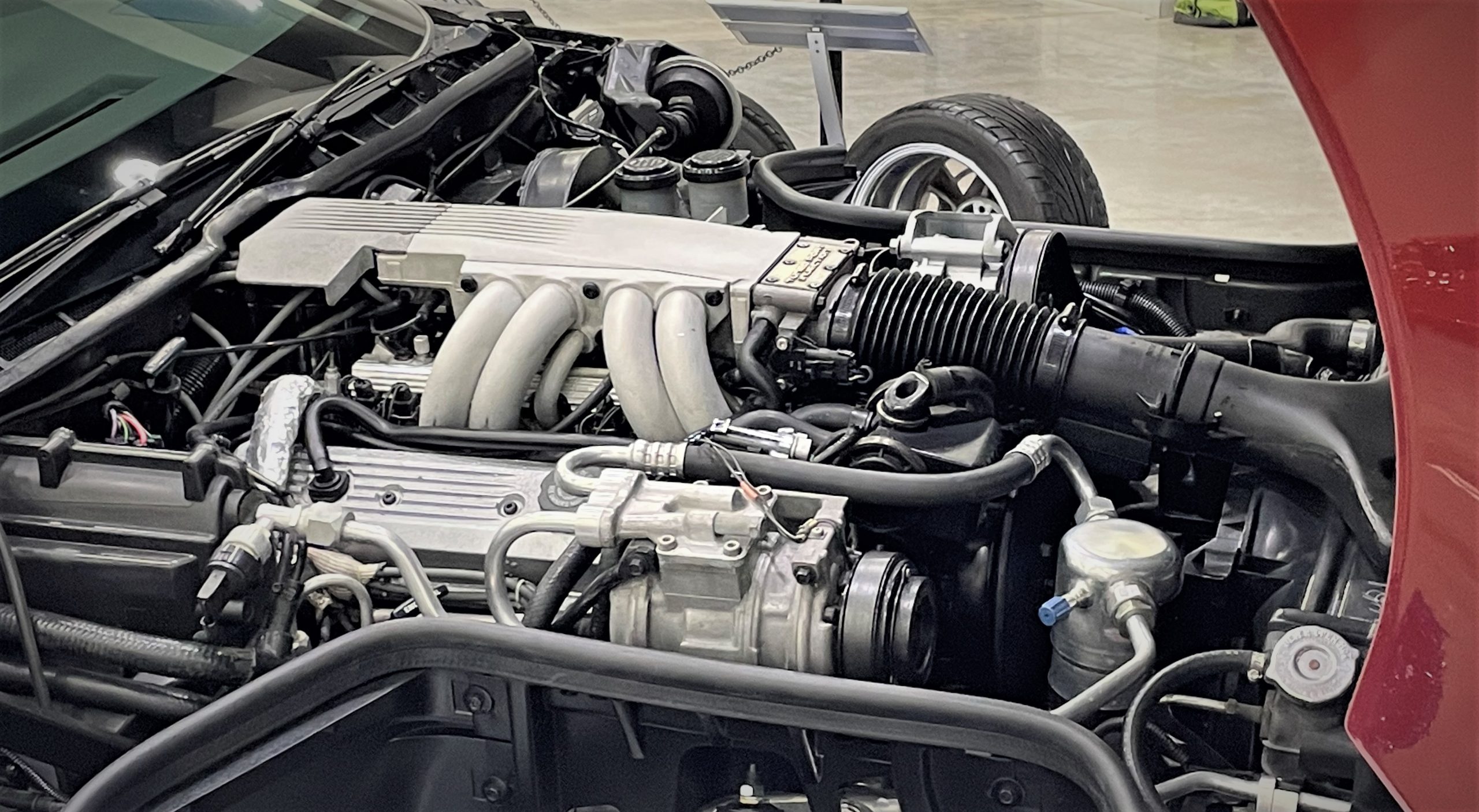
3. Chevrolet 350 Small Block L98 TPI in the Chevrolet Corvette C4 (1985 to 1991)
The engineering reputation attached to the Chevrolet 350 small block V8 rests on decades of continuous production and refinement, and the L98 Tuned Port Injection version fitted to the C4 Corvette stands as one of the most mature expressions of this design philosophy.
In this application, Chevrolet combined a long-established mechanical layout with fuel injection technology that delivered more consistent combustion control than earlier carbureted systems, without introducing fragile or experimental components that could reduce durability.
At the centre of the L98’s endurance is its cast-iron block. This material choice supports long service life by resisting distortion during repeated heating and cooling cycles. Iron maintains bore shape more effectively under stress, preserving piston ring sealing even when lubrication quality declines.
Engines built with aluminium blocks tend to require tighter tolerances, which leaves less margin when oil contamination or extended service intervals occur. The L98 benefits from the wider safety margin that iron construction provides. Cylinder bores within the L98 maintain surface integrity for extended periods because iron resists abrasive wear more effectively.
Even when oil change discipline is inconsistent, bore geometry remains serviceable long enough to prevent immediate compression loss. With an oil capacity of about 5.5 quarts, the engine also carries enough lubricant volume to slow degradation during prolonged intervals between services, offering additional protection when ideal maintenance conditions are not met.
The adoption of hydraulic roller lifters further improved oil tolerance. Compared with flat-tappet designs, roller lifters generate less friction at the camshaft interface and maintain a more stable oil film under load. Reduced friction lowers local heat generation within the valvetrain, preserving oil condition in one of the engine’s most thermally demanding zones. This characteristic allows degraded oil to remain functional longer than it would in earlier valvetrain layouts.
Within the ownership community for the C4 Corvette, examples of L98 engines reaching 200,000 miles and beyond are widely reported. Many of these vehicles accumulated mileage under mixed driving patterns and without strict service schedules. The frequency of such reports indicates a repeatable pattern tied to the engine’s design rather than isolated cases of exceptional care.
The L98 Tuned Port Injection engine, as installed in the Chevrolet Corvette C4, demonstrates how conservative engineering choices, mature oiling architecture, and durable materials can combine to produce long-term mechanical resilience. Its record shows an engine capable of continued service even when operating conditions fall short of ideal standards.
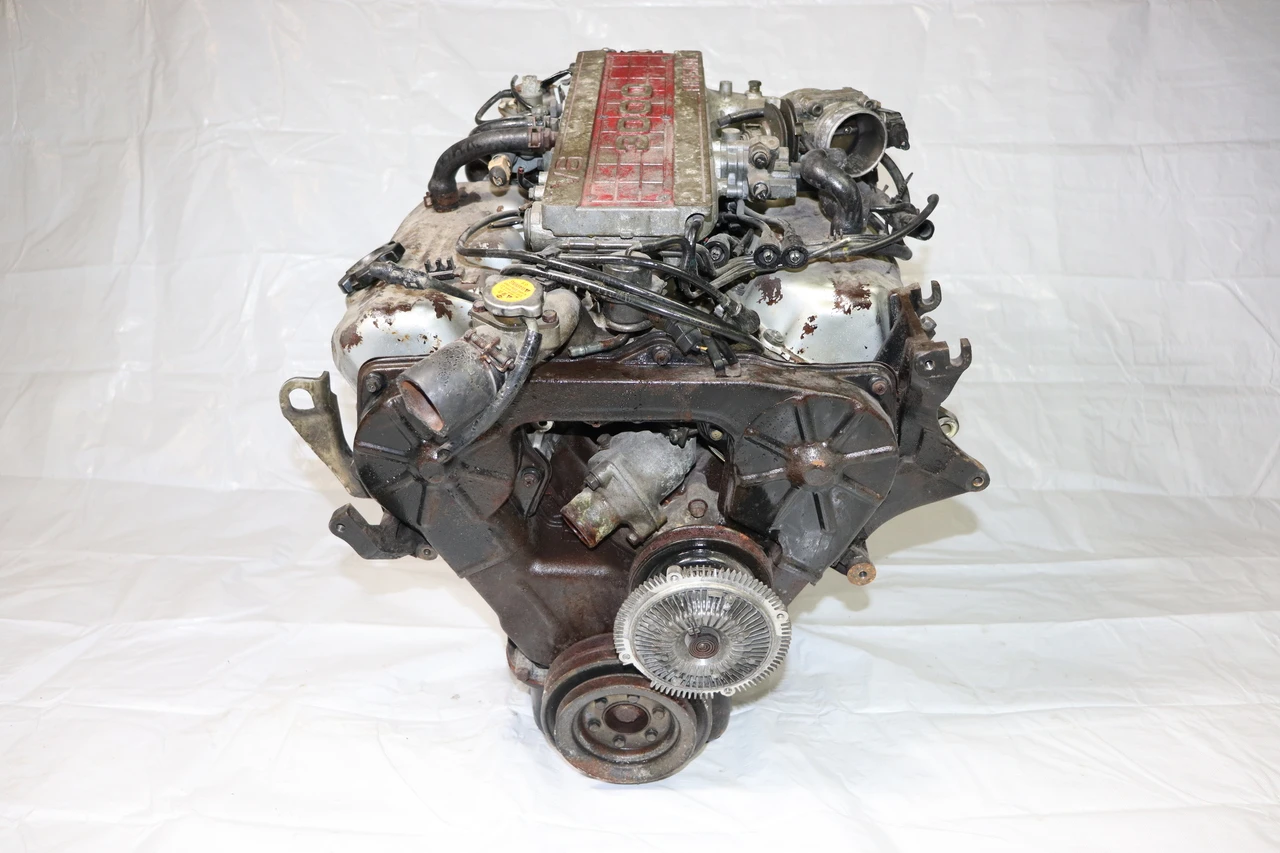
4. Nissan VG30E 3.0-Liter V6 in the Nissan 300ZX (Z31 Generation, 1984 to 1989)
The VG30E V6 used in the Z31 generation Nissan 300ZX earned respect through durability that exceeded expectations for a car marketed with sporty appeal. Owners who relied on these vehicles for daily transport often discovered that the engine tolerated inconsistent maintenance better than many contemporaries, a result rooted in conservative engineering decisions rather than high-output ambition.
Both the engine block and cylinder heads are cast from iron, a choice that delivers thermal stability and resistance to surface wear. Iron construction allows internal components to maintain alignment across prolonged heat cycles, reducing the likelihood of gasket failure or bore distortion. In a mid-displacement V6 layout, this material choice provides durability benefits similar to those found in larger engines, while operating under comparatively lower stress levels.
Specific output from the VG30E remains modest by design. Without forced induction, internal temperatures and pressures stay within manageable limits during regular operation. This reduces the strain placed on lubricating oil, extending the period before oil breakdown reaches levels that threaten bearing integrity. Although oil capacity sits at approximately 4.0 quarts, the naturally aspirated layout ensures that lubrication demands remain realistic for this volume.
Absence of turbocharging also removes a major source of thermal load. Turbochargers introduce extreme heat into the oil supply, accelerating oxidation and viscosity loss. By avoiding this factor, the VG30E allows oil to retain protective qualities longer, even when change intervals are extended beyond recommended limits. This contributes directly to the engine’s tolerance for less disciplined service routines.
Owner communities centred on the Z31 platform regularly document mileage figures exceeding 250,000 miles, with some reports approaching 350,000 miles. A portion of these cases involves vehicles that did not receive meticulous maintenance throughout their lifespan. The recurrence of such outcomes supports the view that the engine’s survival record reflects inherent design strength rather than rare exceptions.
Installed in the Nissan 300ZX Z31, the VG30E illustrates how restrained power targets, durable materials, and tolerant valvetrain design can deliver dependable service across extended periods. Its reputation rests on consistent real-world performance rather than laboratory ideal conditions, confirming its place among engines known for mechanical endurance.
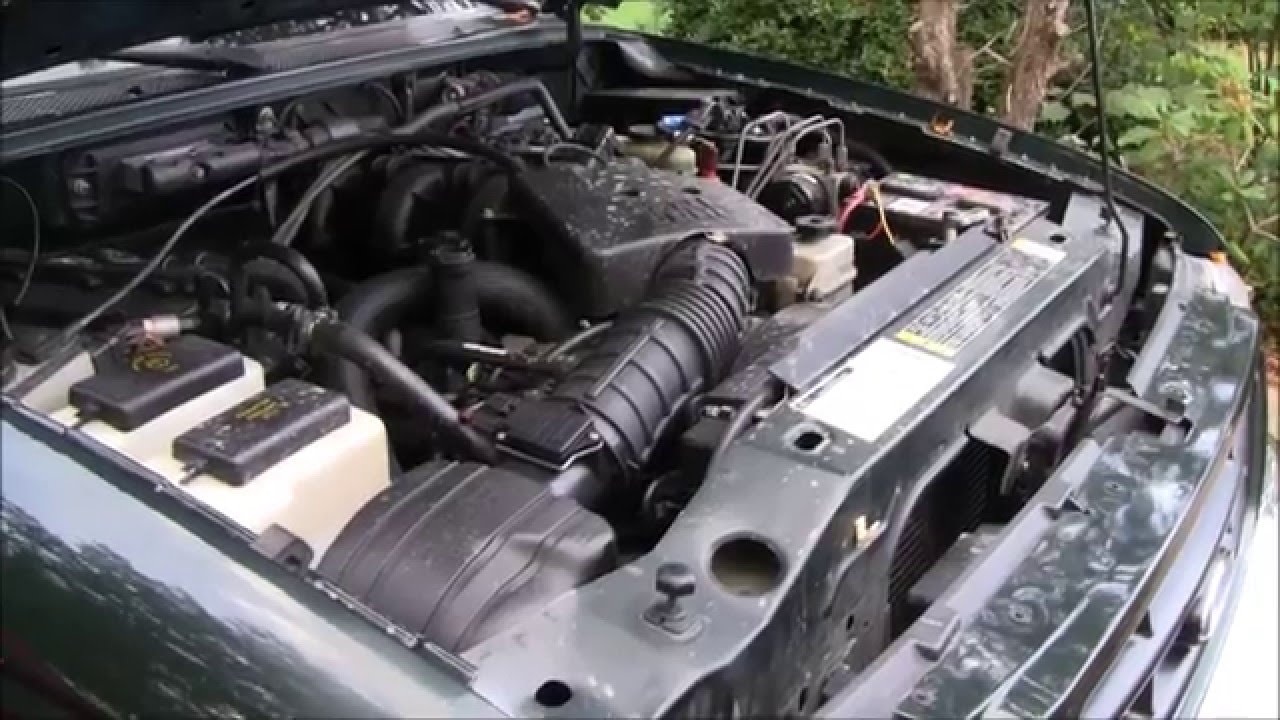
5. Ford 4.0-Liter SOHC V6 in the Ford Explorer Sport Trac 4×4 (First Generation, 2001 to 2005)
Ford’s 4.0-liter Single Overhead Cam V6, known internally as the Cologne V6 in its pushrod iteration and the Modular SOHC in the version fitted to the Sport Trac, is one of the more abuse-tolerant V6 engines Ford deployed in the early 2000s SUV market. Sport Trac fleet and work truck use created a real-world test environment for this engine across owners with widely varying maintenance discipline, and the documented survival rate at high mileage reflects the engine’s genuine design margin.
An aluminum block with iron cylinder sleeves gives the SOHC 4.0-liter the same bore surface durability advantage that iron liners provide across other engines on this list. Ford’s use of press-fit iron sleeves in the aluminum block addressed the bore durability concern that aluminum-only bores present, providing ring seal protection across high-mileage and imperfect-lubrication scenarios while retaining the weight savings that aluminum block construction offers.
Oil capacity at approximately 5.0 quarts provides adequate volume for the degradation dilution effect that helps forgive extended service intervals. Ford’s SOHC 4.0-liter oiling system design, while not immune to the timing chain stretch that became the engine’s most documented long-term concern at high mileage, provides adequate lubrication to main and rod bearings under degraded oil conditions that would cause more immediate harm to tighter-clearance alternatives.
Sport Trac fleet use specifically documented the 4.0-liter SOHC’s durability across service environments where commercial operators did not always maintain ideal intervals, and the pattern of high-mileage survival from these fleet examples provides real-world evidence for the engine’s neglect tolerance that manufacturer’s specifications alone cannot confirm.
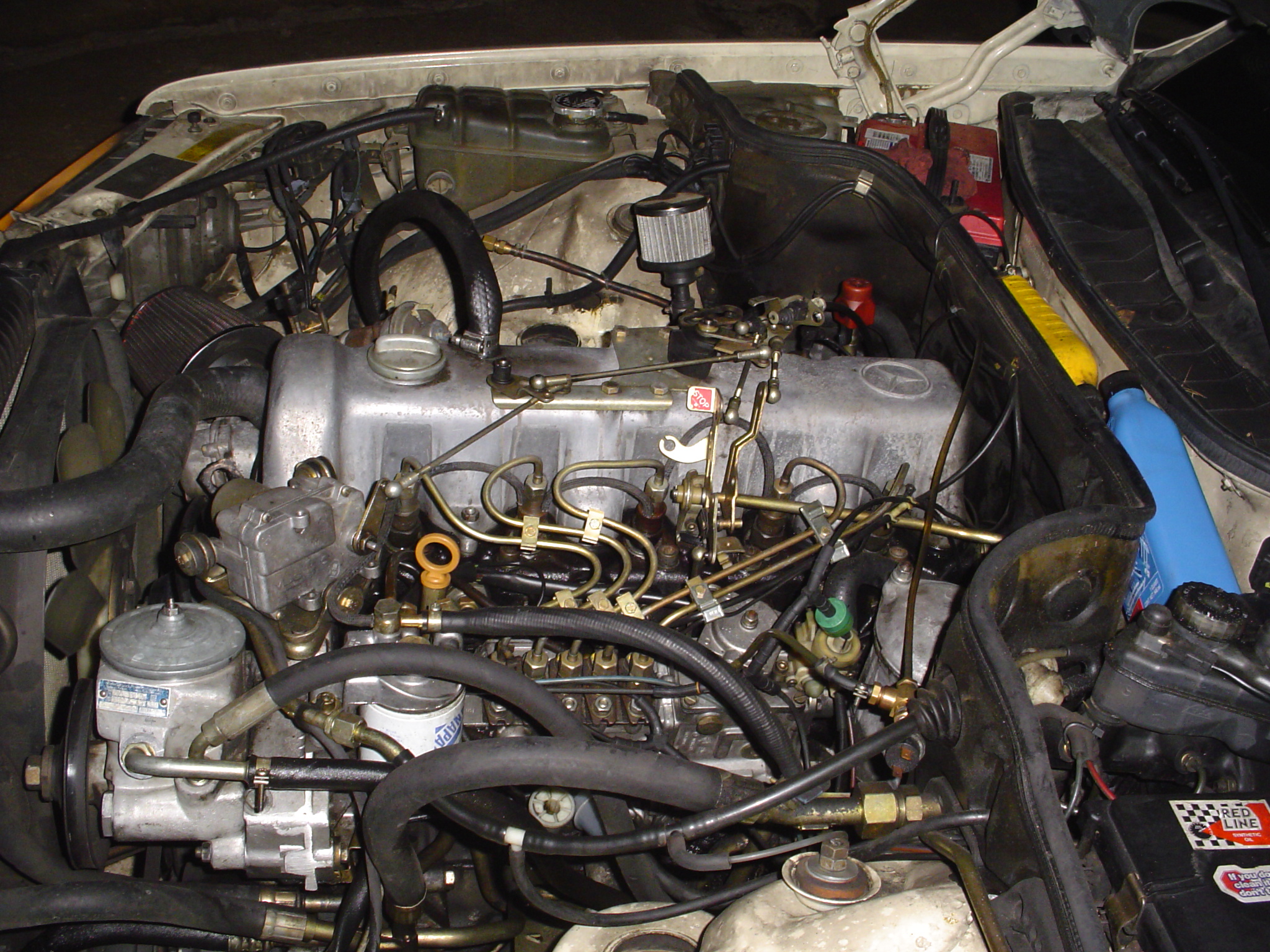
6. Mercedes-Benz OM617 3.0-Liter Turbo Diesel in the Mercedes 300TD (W123 Platform, 1979 to 1985)
Mercedes-Benz’s OM617 five-cylinder turbo diesel represents the strongest possible argument for diesel engine neglect tolerance compared to gasoline alternatives. Diesel engines’ fundamental operating principles, higher compression ratios generating combustion heat rather than spark ignition, lower operating RPM for equivalent power output, and the lubricating properties of diesel fuel itself, combine with the OM617’s specifically robust construction to produce an engine whose documented high-mileage survival under imperfect maintenance is genuinely extraordinary.
OM617 oil capacity at approximately 8.0 quarts is among the highest on this list, providing the substantial volume buffer that distributes degradation products across a large oil charge and extends the period before critical contamination concentration is reached.
Mercedes specified this generous oil capacity for an engine that was designed for taxi and commercial service, where high-mileage, demanding use was the expected operating profile rather than an exception. Design for commercial durability produces engines with margins that benefit neglect-prone private owners as a side effect of the original commercial application engineering.
Bearing clearances in the OM617 were specified for diesel’s lower RPM operating range, which means the oil film requirements at peak load are more achievable with degraded oil viscosity than gasoline engines operating at higher RPM peaks, where hydrodynamic bearing film demands are greater.
Lower peak RPM and the torque-rich power delivery characteristic of turbo diesel engines mean the OM617 operates within its mechanical margins under load conditions that demand less from its lubrication system per operating cycle than gasoline alternatives.
Documented OM617 engine service lives exceeding 500,000 miles in taxi service and personal ownership, some with openly acknowledged service inconsistency during portions of the vehicle’s life, appear in W123 Mercedes owner communities with enough frequency to be recognized as characteristic rather than exceptional.
W123 300TD examples with documented histories of extended oil change intervals hitting 400,000 to 600,000 miles are present in the community in sufficient numbers that the OM617’s abuse tolerance is treated as established fact rather than optimistic speculation.
This engine’s reputation for unkillable durability is so established in Mercedes enthusiast communities that it has influenced the pricing and desirability of W123 examples in the collector market, with OM617-equipped cars commanding premiums over gasoline equivalents specifically because of this documented longevity.
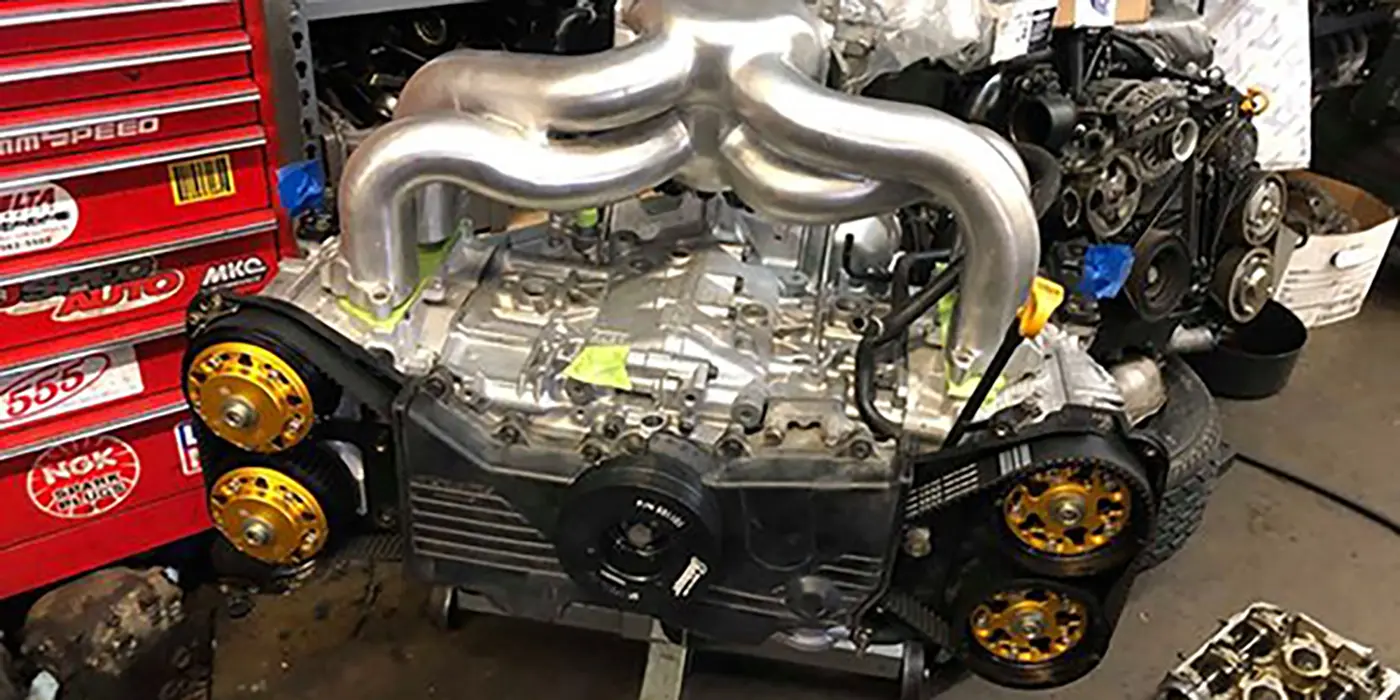
7. Subaru EJ253 2.5-Liter Naturally Aspirated Flat-Four in the Subaru Outback 2.5i CVT AWD (BR Generation, 2010 to 2014)
Subaru’s EJ253 naturally aspirated boxer four-cylinder is a specific example that requires careful context because the broader EJ engine family includes turbocharged variants with well-documented oil consumption and head gasket concerns that should not be conflated with the naturally aspirated EJ253’s substantially more straightforward reliability profile.
BR-generation Outback owners with EJ253 engines and inconsistent service histories have documented high-mileage survival at rates that reflect the naturally aspirated engine’s more forgiving operating conditions compared to EJ25 turbo variants. Horizontal cylinder orientation in the Subaru boxer design creates specific oil drainage patterns that differ from upright inline and V configuration engines, and one consequence of this geometry is that oil drains from some engine sections during extended shutdown periods in ways that can affect cold-start lubrication during the first few seconds after startup.
This characteristic means that owner behavior immediately after cold start, specifically avoiding high-RPM operation until oil pressure is established, influences long-term engine health more directly in EJ253 engines than in upright-mounted alternatives. Owners who give their Outback thirty seconds of idle before driving away show better high-mileage outcomes than those who immediately accelerate from cold starts, regardless of oil change interval adherence.
Conservative specific output at approximately 170 horsepower from 2.5 liters keeps thermal and mechanical loads within a range that allows degraded oil to maintain adequate protection at most operating conditions. Naturally aspirated output from this displacement is modest by current standards, and the lower peak cylinder pressures compared to turbocharged alternatives reduce the instantaneous load on oil films at piston rings and rod bearings during combustion events.
BR Outback 2.5i owner communities document examples of 250,000 to 320,000 miles from owners who openly describe service histories that included extended intervals, with engine condition assessments at these mileages showing compression and oil consumption values that confirm the engine survived its maintenance history better than turbocharged EJ alternatives typically manage under equivalent neglect.
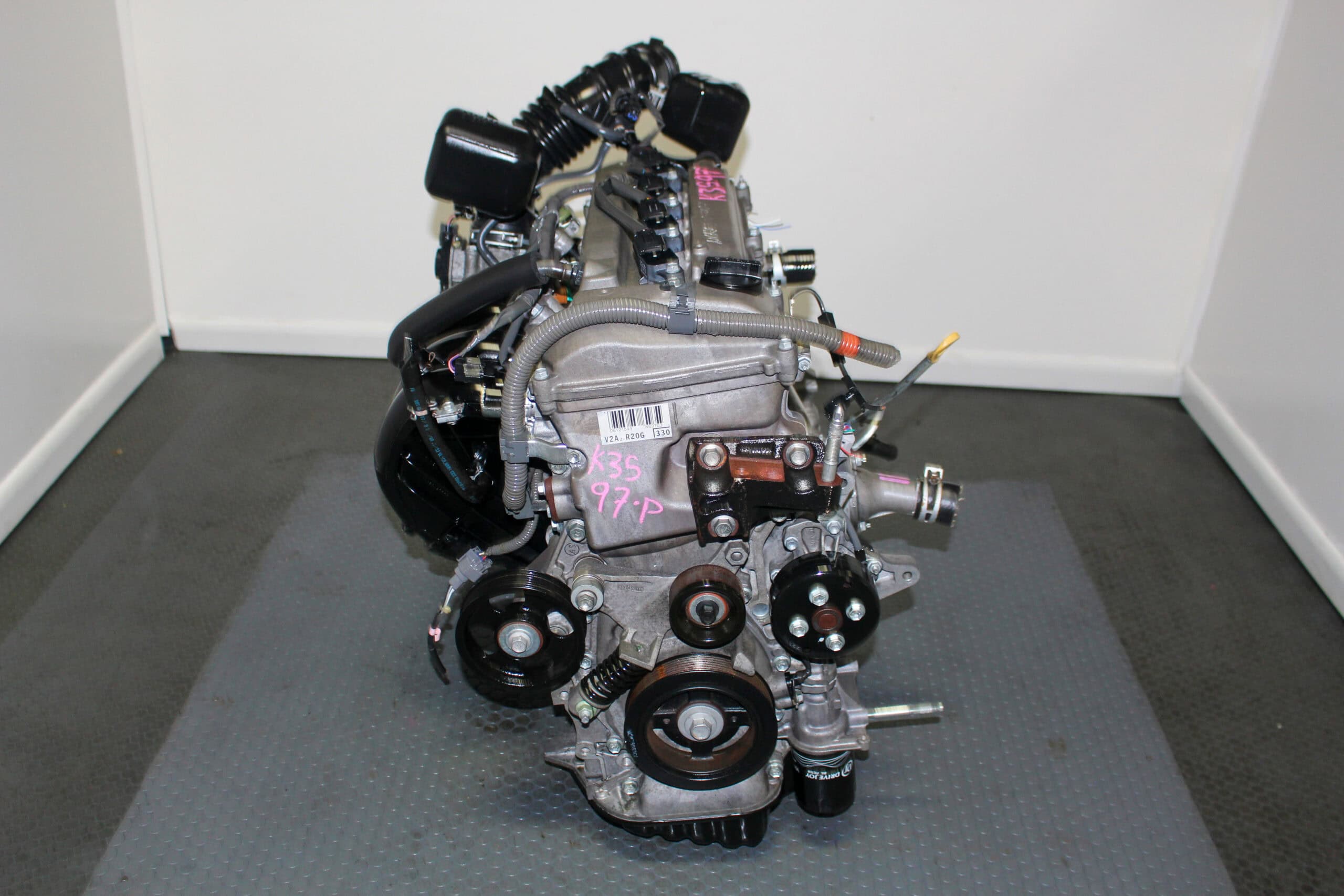
8. Toyota 2AZ-FE 2.4-Liter Four-Cylinder in the Toyota Highlander 2WD
The Toyota 2AZ-FE four-cylinder engine does not carry the public recognition of some of Toyota’s high-performance power units, yet its service record within the first-generation Highlander reflects the same disciplined engineering approach that has long defined the manufacturer’s reliability standards.
Designed for practical transport rather than enthusiast appeal, the engine was tasked with daily family duty, long commuting distances, and ownership patterns that often lacked strict mechanical attention. Despite these conditions, many examples continued operating reliably well past conventional mileage expectations.
Engine construction and internal layout were developed with durability as a central objective. The aluminium block design incorporates cast-in iron cylinder liners that preserve bore integrity across repeated heat cycles. This configuration allows the engine to maintain compression stability even as service quality varies. Internal components are sized conservatively, reducing operating stress during routine driving and lowering the likelihood of accelerated wear under extended service intervals.
Lubrication design plays a major role in the engine’s resilience. With an oil capacity of about 4.5 quarts, the 2AZ-FE falls within standard expectations for its displacement. Oil passages are arranged to deliver consistent flow to the crankshaft bearings and to the VVT-i system that manages valve timing.
This variable timing system depends on proper oil pressure and cleanliness, which creates a visible operational indicator when oil condition begins to decline. Changes in throttle response or timing behaviour often alert attentive owners before mechanical damage occurs.
Valve timing is driven by a chain rather than a belt, eliminating the scheduled replacement requirement that introduces failure risk in belt-driven designs. Chain-driven systems tolerate deferred service more effectively, reducing the chance of catastrophic timing loss caused by neglected maintenance. This choice alone removes a major vulnerability that frequently shortens engine life in family vehicles.
Oil consumption becomes more common as mileage increases, a trait widely recognised among long-term owners. Some drivers manage this by monitoring oil levels between services, effectively introducing partial oil renewal during top-ups. While not a substitute for disciplined maintenance, this behaviour has inadvertently reduced the severity of oil degradation in some high-mileage examples.
Within the context of family-oriented transport, the 2AZ-FE demonstrates how restrained output, sensible materials, and thoughtful lubrication planning can support extended service life. Its performance history within the first-generation Highlander confirms an engine built to endure ordinary ownership habits rather than idealised care schedules.
Also Read: 8 Engines With Head Gasket Failures That Destroy Entire Blocks
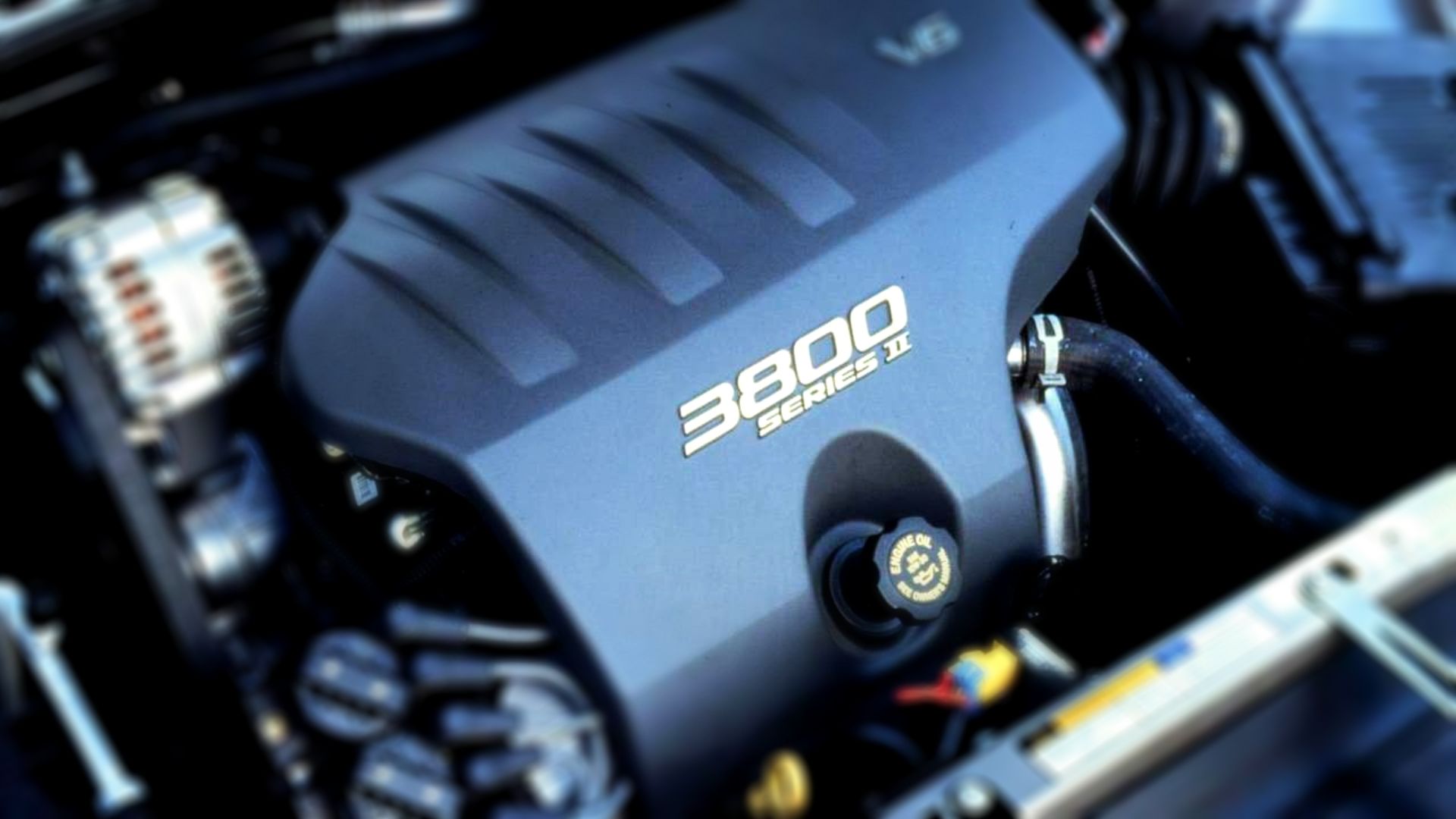
9. General Motors 3800 Series II V6 (L36) in the Buick LeSabre Custom FWD
The General Motors 3800 Series II V6 in L36 form developed a reputation grounded in sustained everyday use rather than promotional claims. Installed in the Buick LeSabre Custom, this engine served drivers who prioritised dependable transport above performance interest or mechanical involvement.
The ownership demographic created a natural test environment where engines were expected to endure varied service habits, irregular inspections, and prolonged use without intervention. Construction choices reflect this expectation. Both block and cylinder heads are cast iron, providing thermal stability and wear resistance that support long-term operation.
Iron construction allows internal clearances to remain stable across temperature variation, reducing the risk of gasket failure and bore distortion. For General Motors, this material selection aligned with durability goals rather than cost reduction, given the engine’s placement in core passenger vehicles.
Lubrication architecture benefits from decades of refinement. The 3800 lineage traces back through multiple design generations, each addressing weaknesses observed in prior iterations. By the Series II stage, oil passage sizing, pump capacity, and bearing feed arrangements represented accumulated engineering knowledge informed by extensive field data. Oil capacity sits near 4.5 quarts, sufficient for the engine’s operating demands and thermal characteristics.
Bearing clearances are specified conservatively relative to the engine’s modest power output. This approach allows hydrodynamic oil films to remain effective even as oil viscosity declines and contaminant levels rise. Engines designed with tighter tolerances for higher specific output lack this margin, making them less forgiving when service intervals extend beyond recommendations.
Valvetrain and bottom-end loading remain moderate due to the naturally aspirated configuration. Absence of forced induction reduces thermal and pressure stress on lubricants, extending functional oil life under routine driving. This characteristic supports continued bearing protection during extended highway use, even when oil condition is no longer optimal.
Within the Buick LeSabre Custom, the 3800 Series II L36 delivered dependable performance across years of routine transport duty. Its record reflects engineering aimed at survivability under everyday conditions, establishing it as a benchmark for long-term reliability achieved through conservative design rather than mechanical sophistication.
