
A clutch is one of the most driver-dependent components in any vehicle, and unlike many other parts, its lifespan is not determined only by engineering quality. Driving habits, terrain, traffic conditions, and maintenance all play a crucial role in how long a clutch survives.
In most cars, clutch replacement becomes necessary somewhere between moderate and high mileage, especially in urban environments where constant stop-and-go driving accelerates wear.
Yet some exceptions challenge this expectation. Certain vehicles, when paired with careful driving and solid engineering, manage to retain their original factory clutch for decades. This is not just about luck.
It is a combination of durable materials, well-balanced drivetrain design, and predictable power delivery that reduces unnecessary strain on the clutch assembly.
One of the biggest contributors to clutch longevity is how power is delivered. Engines that produce smooth, linear torque allow drivers to engage gears without excessive slipping. This reduces friction buildup, which is the primary cause of clutch wear.
Vehicles with aggressive power spikes or heavy loads tend to wear out clutches faster, while those with controlled output give the component a much easier life.
Another overlooked factor is pedal feel and engagement design. Cars with progressive clutch engagement make it easier for drivers to avoid harsh inputs.
When the clutch engages smoothly and predictably, it minimises unnecessary stress. Over time, this translates into significantly longer lifespan, sometimes stretching far beyond what most drivers expect.
There is also the matter of build quality. Some manufacturers simply engineer clutch systems with stronger materials and better heat resistance. These clutches are not just built to last under ideal conditions but can handle years of real-world usage without deteriorating quickly.
In this article, we will look at nine vehicles where the original factory clutch has been known to last for 20 years or more under the right conditions.
These examples highlight how engineering and usage come together to create exceptional longevity. Each vehicle tells a different story, showing that there is no single formula for achieving such durability.
We will go through these two at a time, focusing on what makes each clutch system stand out and why it continues to function long after most would have needed replacement.
Also Read: 8 SUVs Where Seniors Don’t Need to Climb to Get In
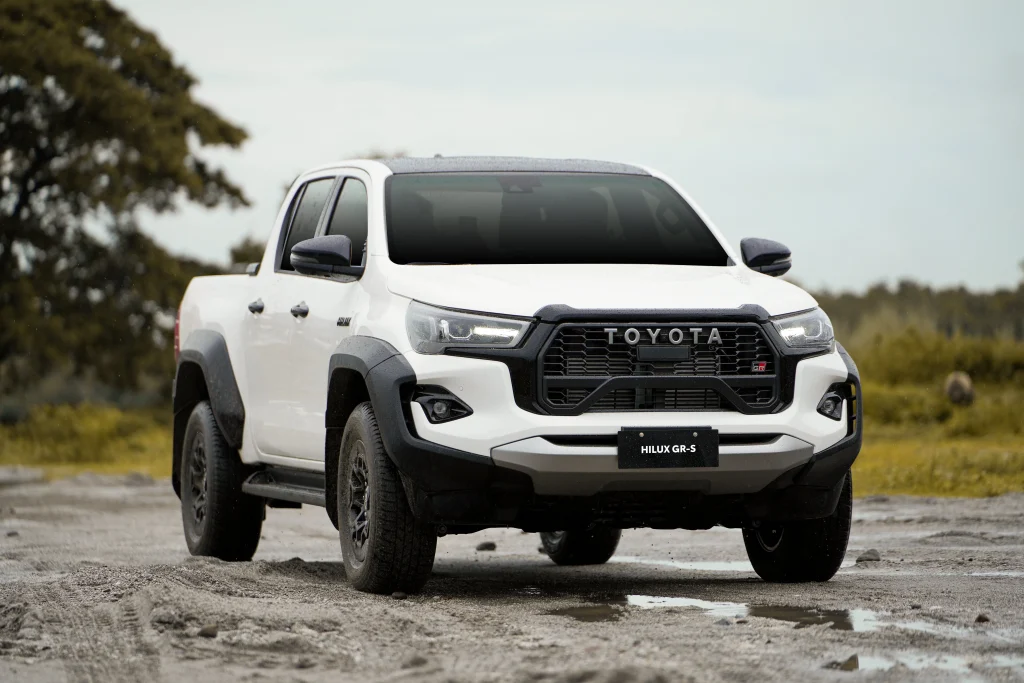
1. Toyota Hilux (1998–2005)
Start with a vehicle that has lived one of the hardest lives imaginable. The Toyota Hilux is not a car that spends its time cruising smooth highways. It is pushed through construction sites, rural terrain, and heavy-duty daily work.
Despite that, there are countless examples where the original clutch has survived for decades, which immediately raises a question. How does a workhorse like this avoid premature clutch wear?
The answer begins with torque delivery. The engines in this generation of Hilux are not tuned for sudden bursts of power. Instead, they produce a steady and predictable flow of torque, especially in diesel variants.
This allows drivers to engage the clutch without needing excessive slip. The more predictable the engagement, the less heat builds up in the clutch plate.
There is also a mechanical advantage built into the gearing. Lower gearing means the vehicle can move with minimal throttle input, which reduces the need to ride the clutch. In daily use, this translates into fewer situations where the clutch is partially engaged for extended periods. That single factor plays a major role in long-term durability.
Now consider driver behaviour. Many Hilux owners use the vehicle with a sense of mechanical awareness. Whether consciously or not, they avoid aggressive launches and unnecessary slipping because the vehicle itself encourages a steady driving style. The clutch pedal is not overly sensitive, and engagement feels natural, which helps prevent misuse.
The construction of the clutch assembly itself adds another layer of strength. It is designed to handle load, not just occasional stress. Thick friction material, solid pressure plates, and resistance to heat buildup all contribute to a longer lifespan.
Even when the vehicle is used for towing or carrying weight, the clutch does not degrade as quickly as it would in a lighter-duty setup.
What makes this even more impressive is that many of these clutches survive inconsistent maintenance conditions. The vehicle might go through years of rough use, yet the clutch continues to operate without slipping or shuddering. It becomes clear that the system is built with a margin that goes far beyond typical expectations.
In real ownership scenarios, it is not unusual to find Hilux models with worn engines or suspension components while the original clutch remains intact. That contrast highlights how well the system is engineered.
The clutch is not just durable; it is perfectly matched to the vehicle’s purpose, allowing it to endure for decades.
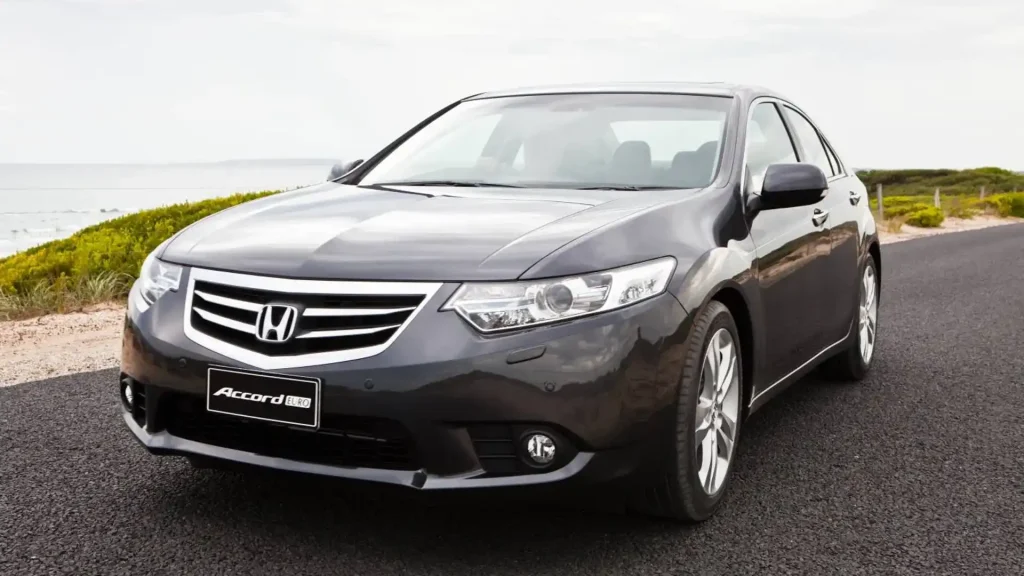
2. Honda Accord (2003–2007)
Shift focus to a completely different environment. The Honda Accord from this era is not a rugged utility vehicle. It is a daily driver, often used in city traffic, long commutes, and occasional highway travel.
Under such conditions, clutches usually wear out faster due to frequent gear changes and stop-and-go driving. Yet, there are many Accords where the original clutch has lasted far longer than expected.
The first element to understand is refinement. Honda engineered the clutch system with a very smooth engagement curve. When the pedal is released, the transition from disengaged to engaged happens gradually and predictably. This makes it easier for drivers to avoid harsh inputs, even if they are not consciously trying to preserve the clutch.
Another contributing factor is the engine’s behaviour. The power delivery is linear and controlled, which reduces the need for aggressive throttle application during takeoff. When an engine does not surge unpredictably, the clutch does not need to absorb sudden shocks. This reduces wear significantly over time.
Unlike heavier vehicles, the Accord also benefits from a balanced weight distribution. The clutch is not constantly under strain from excessive load. Each engagement requires less effort, which means less friction and heat. Over thousands of cycles, this difference becomes substantial.
There is also a subtle advantage in how the gearbox and clutch work together. Gear ratios are spaced in a way that minimises unnecessary shifting effort. Drivers can move through gears smoothly without forcing the clutch to handle abrupt transitions. This harmony between components extends the lifespan of the entire system.
Ownership patterns play a role here as well. Many Accord drivers adopt a calm and consistent driving style. The car itself encourages smoothness rather than aggression. Over time, this results in reduced clutch wear, even in environments that would normally accelerate deterioration.
From a technical perspective, the materials used in the clutch assembly are designed for longevity. They resist glazing and maintain grip even after years of use. This ensures that the clutch continues to function effectively without slipping.
In long-term examples, it is common to see these vehicles with ageing engines or suspension components while the original clutch still performs reliably. This is not a coincidence. It is the result of thoughtful engineering combined with real-world usability, allowing the clutch to remain functional long after many would expect it to fail.
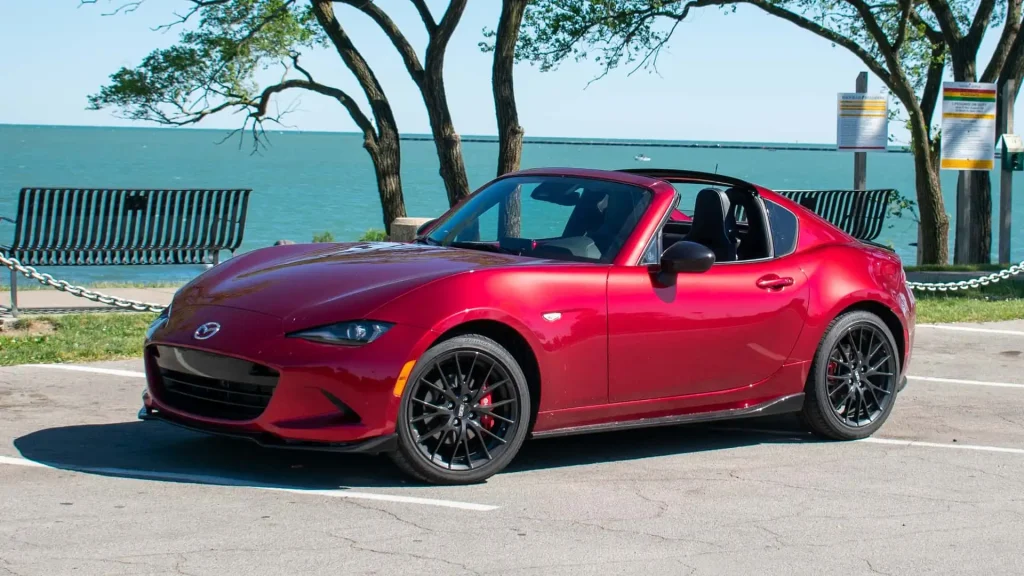
3. Mazda MX-5 Miata (1990–1997)
Lightweight cars tend to have a hidden advantage when it comes to clutch life, and the early Mazda MX-5 Miata demonstrates this perfectly.
Instead of brute strength, its longevity comes from balance. The car weighs very little, the engine is modest in output, and the drivetrain is designed for harmony rather than strain. Because of this, the clutch is rarely pushed to its limits.
Think about how the car is typically driven. Even when driven enthusiastically, the Miata does not overwhelm its clutch with excessive torque. Drivers can launch the car cleanly without slipping the clutch for long periods. That reduces friction heat, which is the primary enemy of clutch longevity.
Another interesting detail is pedal feedback. The clutch pedal communicates clearly, giving the driver an immediate sense of where engagement begins. This clarity allows precise control, making it easier to avoid unnecessary wear. A vague clutch pedal often leads to overuse, but that is not the case here.
The simplicity of the mechanical setup also works in its favour. Fewer complications mean fewer chances for uneven wear or misalignment. The clutch engages cleanly and consistently, which helps maintain its condition over years of use.
Ownership culture plays a role, too. Many Miata owners are enthusiasts who understand how to treat a manual transmission properly. They avoid habits like resting their foot on the pedal or slipping the clutch excessively in traffic. Over time, these small habits add up to significant longevity.
It is not unusual to find early Miatas still running their original clutch after decades, even if other components such as seals or bushings have aged. The clutch simply does not experience the same level of stress as it would in a heavier or more powerful vehicle.
In this case, longevity is not about overengineering. It is about creating a system where the clutch is never asked to do more than it comfortably can. That balance allows it to last far beyond typical expectations.
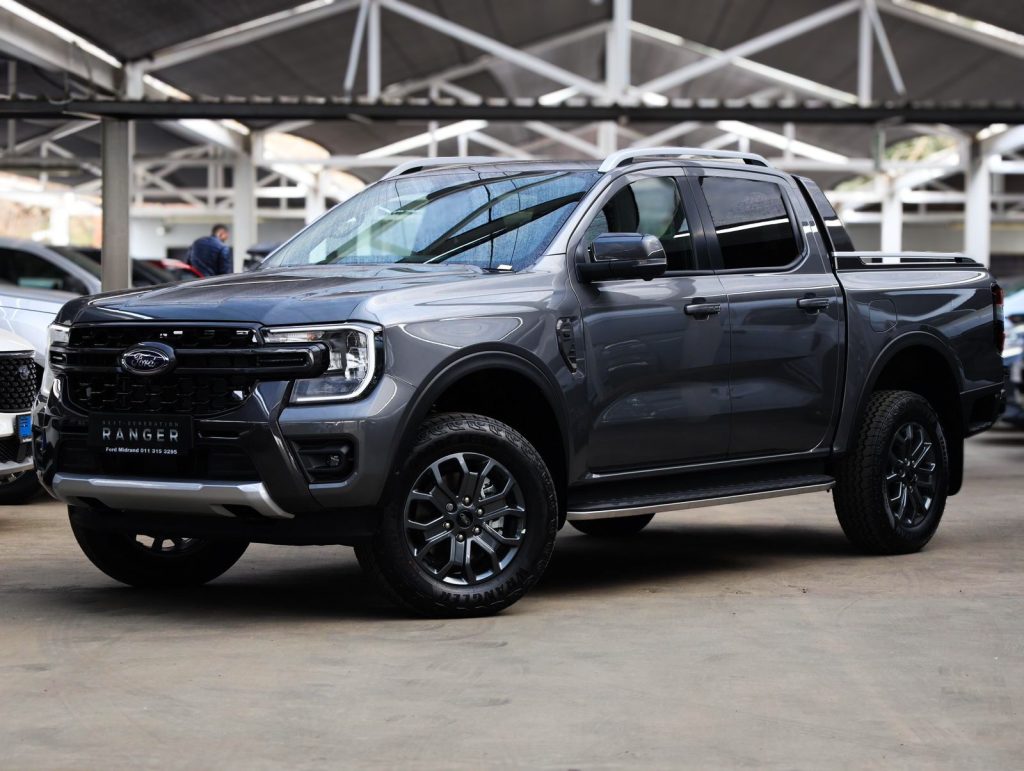
4. Ford Ranger (1998–2011)
Now consider a compact pickup that lives somewhere between light-duty and workhorse usage. The Ford Ranger is often used for daily driving, occasional hauling, and light commercial work. Despite this mixed usage, many examples retain their original clutch for an impressively long time.
One of the biggest reasons is how forgiving the drivetrain is. The engines in this generation do not produce sudden spikes of power. Instead, they deliver torque in a controlled manner, which reduces stress during clutch engagement. Drivers can get the vehicle moving without excessive slipping.
Another aspect is gearing. The Ranger is set up in a way that allows it to move easily from a stop without needing high engine revs. Lower effort during takeoff directly translates into less wear on the clutch surface. Over thousands of cycles, this becomes a major advantage.
The clutch itself is built with durability in mind. It is designed to handle occasional loads without deteriorating quickly. Whether the vehicle is carrying tools, equipment, or moderate cargo, the clutch maintains its integrity without overheating.
Driver behaviour varies widely with this vehicle, yet the clutch still manages to last. Even when used in stop-and-go conditions or for light hauling, it does not wear out as quickly as expected. This suggests that the system has a built-in tolerance for imperfect usage.
Another subtle factor is the vehicle’s driving position and pedal setup. The clutch engagement feels natural and progressive, which helps drivers avoid abrupt inputs. When a system is intuitive to use, it reduces the chances of misuse, even for less experienced drivers.
In many long-term ownership cases, Rangers show signs of ageing in areas like suspension or engine performance, but the clutch remains functional. This durability is not accidental. It comes from a combination of thoughtful engineering and a drivetrain that avoids placing unnecessary stress on the clutch.
Together, these qualities allow the Ranger’s original clutch to survive far longer than most would expect, even in real-world conditions that are far from ideal.
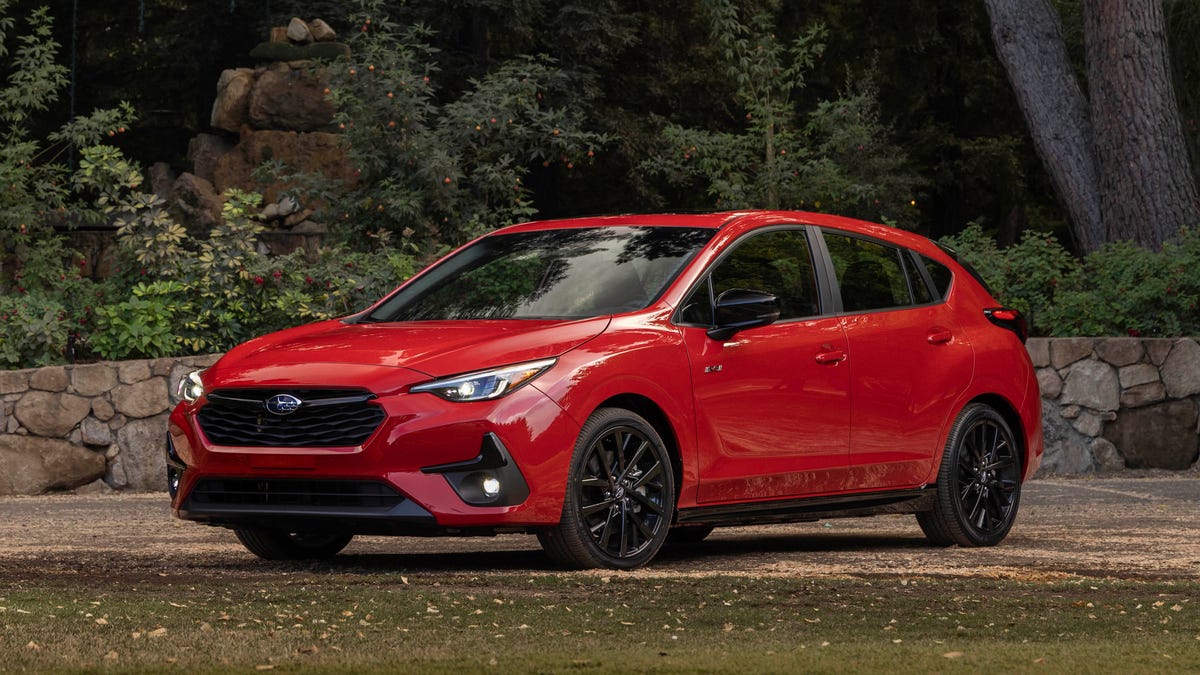
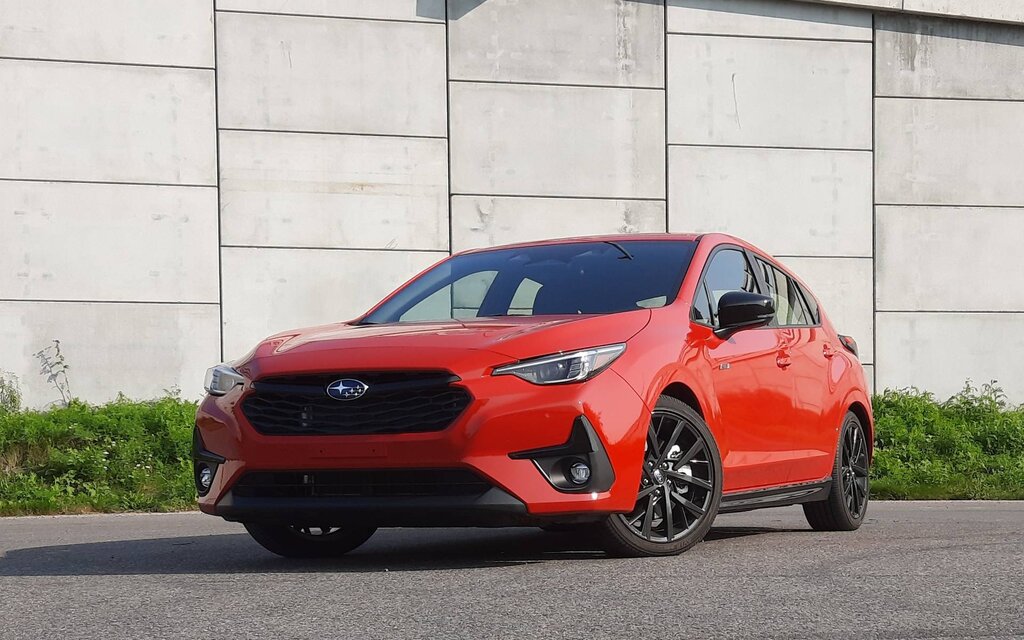
5. Subaru Impreza (2002–2007)
All-wheel-drive systems are often assumed to be harder on clutches, and in many cases, that is true. More drivetrain components mean more resistance, and that can translate into increased clutch wear.
The Subaru Impreza from this era challenges that assumption interestingly. Despite sending power to all four wheels, many examples retain their original clutch for decades.
The explanation begins with how power is distributed. Subaru engineered the system to deliver torque in a controlled and balanced manner. There is no sudden surge that shocks the drivetrain. Instead, engagement feels planted and progressive, which allows the clutch to transfer power without excessive slipping.
Another key factor is traction. Because all four wheels share the load, the car moves forward more easily from a stop. This reduces the need to rev the engine and feather the clutch. Less slipping means less heat, and that directly extends clutch life.
There is also a unique rhythm to how these cars are driven. Owners often adapt to the drivetrain’s behaviour, using smooth inputs rather than aggressive launches. The car’s rewards controlled driving, and over time, that reduces stress on the clutch assembly.
The construction of the clutch itself reflects Subaru’s focus on durability. It is built to handle varying conditions, including slippery roads and uneven terrain. This resilience helps it maintain performance even after years of use.
From a mechanical perspective, the system works as a unified whole. The gearbox, clutch, and drivetrain components are well-matched, preventing uneven stress distribution. When everything operates in balance, no single part is overworked.
Long-term examples often show engines that have aged or developed minor issues, yet the clutch continues to function without slipping. This consistency highlights how well the system is engineered.
In this case, longevity comes from traction, balance, and controlled power delivery. The clutch is not just durable; it is supported by a drivetrain that allows it to work efficiently over a very long period.
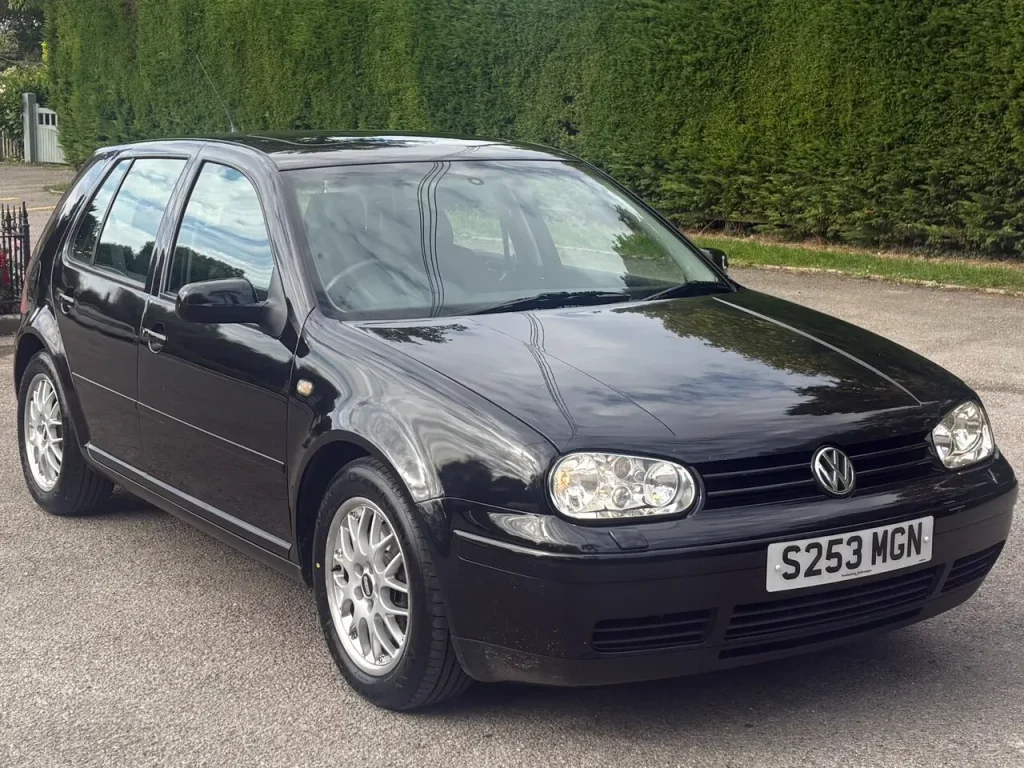
6. Volkswagen Golf Mk4 (1999–2005)
The Volkswagen Golf Mk4 offers a completely different kind of durability story. This is a car that often lives in urban environments, dealing with traffic, frequent stops, and constant gear changes. Under such conditions, clutch wear is usually accelerated. Yet many of these vehicles still run on their original factory clutch after decades.
A large part of this comes down to engine characteristics, especially in diesel variants. The torque is delivered at low revs smoothly and predictably. Drivers do not need to push the engine hard or slip the clutch excessively to get moving. This low-stress operation significantly reduces wear.
Another detail lies in the pedal feel. The clutch engages in a gradual and controlled manner, making it easier for drivers to modulate their input. Even in heavy traffic, the system allows smooth engagement without excessive friction buildup.
The car’s compact size also plays a role. It does not require much effort to move, which means the clutch is not constantly under strain. Each engagement cycle is relatively light, and over time, this preserves the friction material.
Interestingly, many Golf owners develop a consistent driving pattern. The car encourages smooth gear changes and steady inputs rather than aggressive behaviour. This natural driving style helps extend the life of the clutch without requiring conscious effort.
The durability of the materials used in the clutch assembly adds another layer of reliability. The components are resistant to heat and wear, allowing them to maintain performance even after years of use.
In real-world cases, it is common to see Mk4 Golfs witageingng engines, worn interiors, or suspension fatigue, yet the clutch remains original. This contrast highlights the strength of the system.
Rather than relying on heavy-duty construction alone, the Golf achieves longevity through efficiency and balance. The clutch is rarely pushed beyond its comfort zone, which allows it to keep working long after many others would have required replacement.
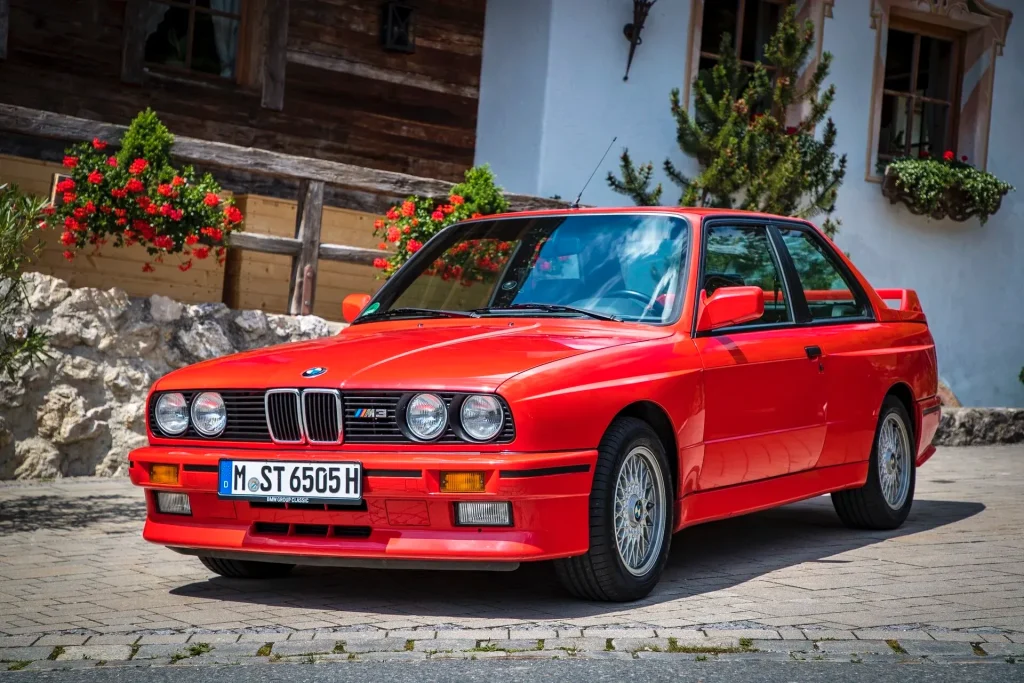
7. BMW E30 3 Series (1982–1994)
Step into a car from a time when mechanical feedback defined the driving experience. The BMW E30 does not rely on modern assistance or overly softened controls. Everything feels direct, including the clutch. That directness turns out to be one of the biggest reasons why many of these cars still operate with their original factory clutch after decades.
The first thing to understand is how naturally the system communicates with the driver. The clutch pedal gives immediate and precise feedback, making it easy to sense the exact point of engagement. This clarity reduces guesswork. When drivers know exactly how much input is needed, they avoid unnecessary slipping without even thinking about it.
Now consider the engine behaviour. The inline engines used in the E30 deliver power in a smooth and predictable curve. There is no sudden surge that forces the clutch to absorb shock. Instead, the transition from idle to movement feels controlled, allowing the clutch to engage cleanly every time.
Another angle worth noting is how the car rewards mechanical sympathy. Drive it smoothly, and everything feels aligned. Rush it, and the car makes it obvious that you are working against its design. Over time, most owners settle into a driving style that naturally protects the clutch.
The simplicity of the drivetrain also plays a role. There are no unnecessary complexities that could introduce uneven stress. Each component works in sync, ensuring that the clutch is not subjected to unpredictable loads.
Material durability is part of the story, but not the entire picture. Even a strong clutch can wear out quickly if used improperly. In the E30, the combination of feedback, balance, and engine tuning creates an environment where the clutch is used efficiently rather than excessively.
Look at long-term ownership cases,s and a pattern emerges. Engines may show signs of ageing, rubber components may need replacement, yet the clutch continues to operate without slipping. That consistency is not accidental.
This is a car where the design teaches the driver how to preserve it. As a result, the clutch often lasts far longer than expected, proving that driver connection can be just as important as engineering strength.
8. Nissan Hardbody Pickup (D21, 1986–1997)
Shift the focus to a vehicle built with durability as a core objective. The Nissan Hardbody pickup was never about refinement or luxury. It was designed to work, to endure, and to keep going in conditions where many vehicles would struggle. Within that context, the longevity of its clutch begins to make sense.
The drivetrain in this pickup is intentionally straightforward. Power delivery is steady, not aggressive, which allows the clutch to engage without being overwhelmed. Whether the truck is empty or carrying a moderate load, the system behaves predictably.
Another important detail is gearing. The setup allows the vehicle to move from a stop with minimal effort. Drivers do not need to rev the engine excessively or slip the clutch for extended periods. That alone significantly reduces wear over time.
Usage patterns also differ from those of typical passenger cars. Many of these trucks are driven with a purpose. The focus is on completing tasks rather than rapid acceleration or aggressive driving. This utilitarian approach naturally limits clutch abuse.
The clutch assembly itself is built to handle stress. It is not delicate or overly sensitive. It can tolerate imperfect usage without immediate degradation, which is essential for a vehicle that may not always be driven gently.
Environmental factors come into play as well. These trucks often operate in rural or open areas with fewer stop-and-go situations. Less frequent clutch engagement cycles mean less cumulative wear, allowing the original component to last much longer.
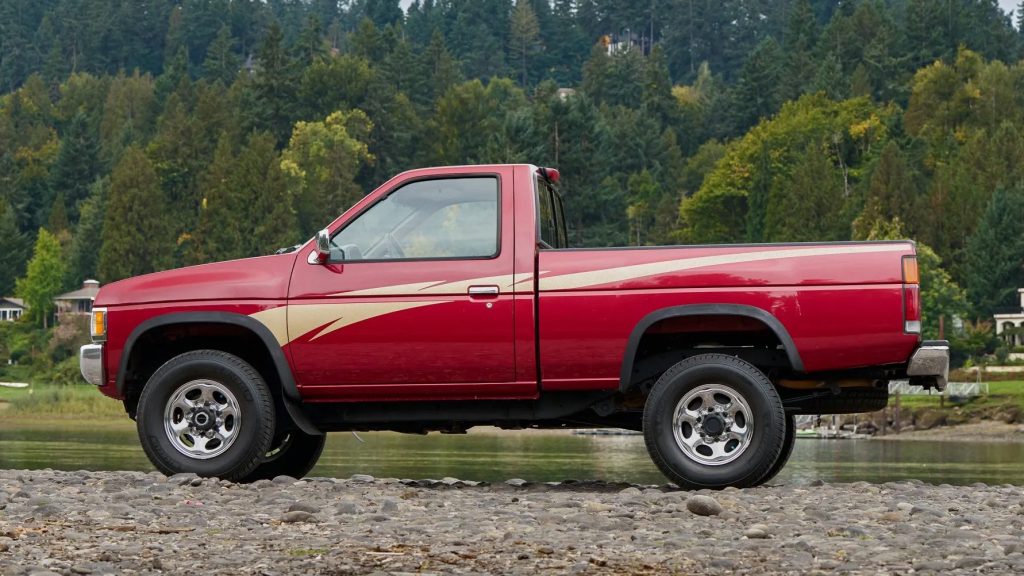
From a long-term perspective, it is common to find Hardbody pickups with engines that show signs of fatigue while the clutch remains functional. This durability reflects a design that prioritises endurance above all else.
The clutch survives not because it is rarely used, but because every aspect of the vehicle supports its longevity. The result is a system that continues to perform reliably long after most would expect it to fail.
9. Toyota Land Cruiser (1990–2007)
The final entry brings a different kind of durability into focus, one shaped by endurance rather than efficiency or lightness. The Toyota Land Cruiser is built to operate in environments where failure is not an option.
From deserts to mountainous terrain, these vehicles are expected to keep moving regardless of conditions. Within that demanding context, the longevity of the original factory clutch becomes even more impressive.
Start with how the engine delivers power. It does not rely on sharp bursts or aggressive acceleration. Instead, torque builds in a controlled and steady manner, especially in diesel variants.
This allows the driver to engage the clutch with minimal slip, even when moving a heavy vehicle. The absence of sudden force reduces heat buildup, which is critical for preserving the friction material.
The drivetrain is engineered to handle load without transferring excessive stress to any single component. Low-end torque combined with suitable gearing allows the vehicle to move forward without requiring high revs. This reduces the frequency and intensity of clutch slipping, particularly in off-road situations where control matters more than speed.
Driving conditions also shape how the clutch wears over time. In many cases, Land Cruisers are used in open terrain rather than dense urban traffic. This means fewer stop-and-go cycles and longer stretches of steady movement. Reduced engagement frequency plays a significant role in extending clutch life.
There is also a behavioural aspect tied to ownership. Drivers of these vehicles tend to adopt a measured approach. The vehicle encourages patience and precision rather than aggressive inputs. Over time, this driving style helps preserve not just the clutch, but the entire drivetrain.
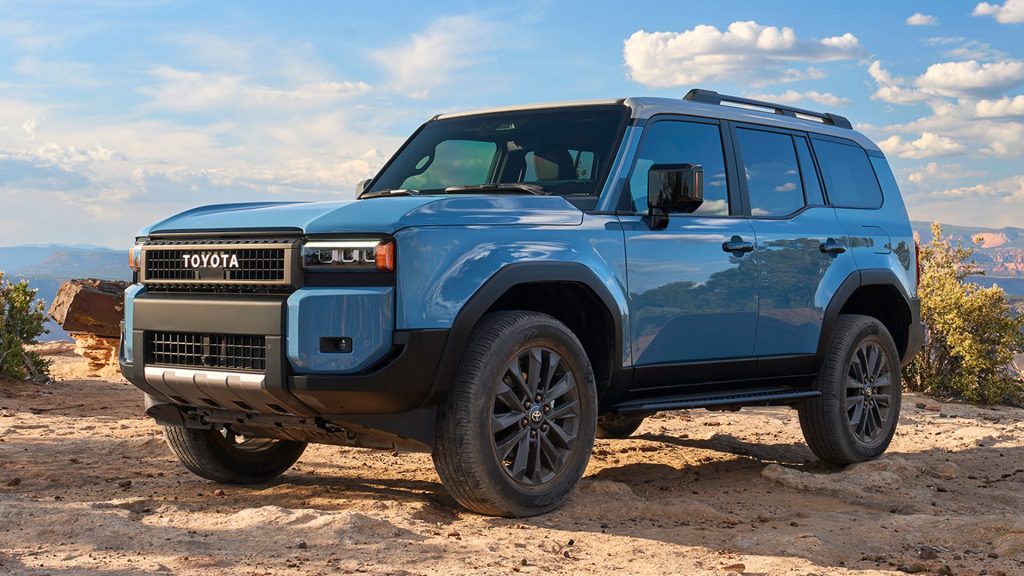
The construction of the clutch assembly itself reflects the vehicle’s purpose. It is designed with durability in mind, capable of handling weight and heat without rapid degradation. Even when used in demanding situations, it maintains its structural integrity.
Look at long-term ownership examples,s and a consistent pattern appears. Engines may show signs of age, suspension components may need attention, yet the original clutch often continues to function without slipping. This is not a coincidence.
The Land Cruiser achieves this longevity through a combination of controlled power delivery, thoughtful engineering, and real-world usage patterns that avoid unnecessary strain. It stands as a clear example of how a clutch, when supported by the right design and driving conditions, can last far beyond what most drivers expect.
Also Read: 8 Luxury Sedans Where Just the Battery Costs Around $800 or More to Replace
