
Durability in an SUV is often judged by how long the engine runs or how well the interior holds up, but there is another layer that matters even more in the long run. The frame is the backbone of any body-on-frame SUV, and when it is built right, it can outlast not just the vehicle’s original purpose but even multiple owners.
A strong frame keeps everything aligned, absorbs stress from rough terrain, and ensures that the vehicle remains structurally sound even after years of use.
Many modern vehicles focus heavily on comfort and technology, sometimes at the expense of long-term structural toughness. Older and traditionally engineered SUVs, on the other hand, were designed with longevity as a priority.
Thick steel frames, reinforced mounting points, and simple construction methods allowed them to withstand years of abuse without losing integrity. These are the vehicles that continue running long after others have been scrapped.
What makes a frame truly long-lasting is not just the material but how it handles stress over time. Repeated towing, off-road driving, and heavy loads can weaken poorly designed structures.
The SUVs in this list stand out because their frames resist that kind of fatigue. They maintain rigidity, which helps preserve suspension geometry and prevents long-term issues that can make a vehicle feel worn out.
Another advantage of a durable frame is how it supports repairs and restoration. Even when other components wear down, a solid frame gives owners the option to rebuild rather than replace. This is one of the reasons why some SUVs pass through multiple owners while remaining functional and dependable.
This list focuses on SUVs known for frames that endure far beyond expectations. These are not just vehicles that last a long time.
They are machines that retain their structural strength through years of demanding use, making them some of the toughest options available in the used market. Below are eight SUVs where the frame is built to outlast generations of drivers.
Also Read: 8 Car Companies With The Longest Warranties You Can Buy New
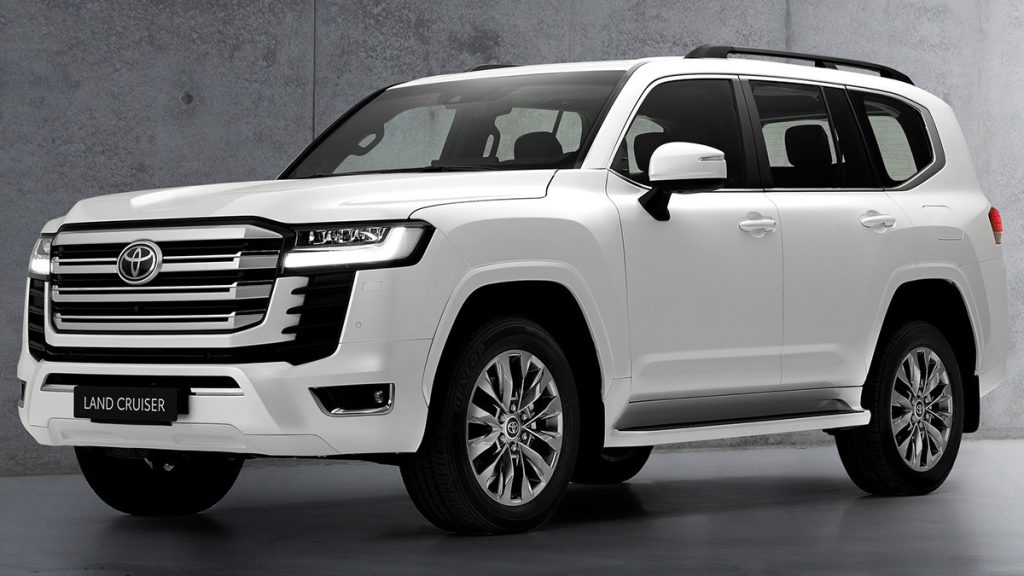
1. Toyota Land Cruiser (1998–2007)
There is a certain level of engineering confidence that comes through in the Toyota Land Cruiser from this era. It is not a vehicle that tries to impress with flashy design choices.
Instead, it builds its reputation through quiet, consistent strength, starting with its frame. The ladder frame underneath is thick, rigid, and designed to handle extreme conditions without developing fatigue.
This SUV was developed with global usage in mind, including regions where roads are barely defined. That requirement shaped its construction. The frame is reinforced in key stress areas, particularly around suspension mounting points. These reinforcements allow it to absorb repeated impacts without bending or weakening over time.
Owners often notice that even after years of off-road driving, the structure remains tight. Doors close with the same solid feel, and the body does not develop the creaks that are common in ageing vehicles. That sense of solidity comes directly from the frame maintaining its integrity.
Another interesting aspect is how the frame distributes weight. It handles loads evenly, which reduces localised stress. This becomes especially important when towing or carrying heavy cargo. Instead of concentrating force in one area, the frame spreads it out, preventing long-term damage.
Maintenance plays a role, particularly in preventing rust, but the underlying design does most of the work. Even in less-than-ideal conditions, these frames tend to resist corrosion better than many competitors. With basic care, they continue to hold up for decades.
The Land Cruiser also benefits from a suspension system that complements the frame rather than fighting against it. The components work together to absorb shocks, reducing the strain placed on the structure. This harmony between parts extends the life of the entire vehicle.
There is also a noticeable difference in how this SUV feels compared to lighter vehicles. It has a planted, composed presence on the road. That feeling does not fade quickly with age, which is a sign that the frame is doing its job effectively.
Many examples of this Land Cruiser have passed through multiple owners, each using it for different purposes. Some have been family vehicles, others have been workhorses, yet the frame continues to hold strong. This adaptability is part of what makes it so respected.
The longevity of the frame also supports long-term ownership decisions. Instead of worrying about structural issues, owners can focus on maintaining other components. This reduces the full cost of keeping the vehicle running.
In the end, the Land Cruiser’s frame is not just durable. It is dependable in a way that builds trust over time. That trust is why these SUVs are still seen on the road decades after they were first built.
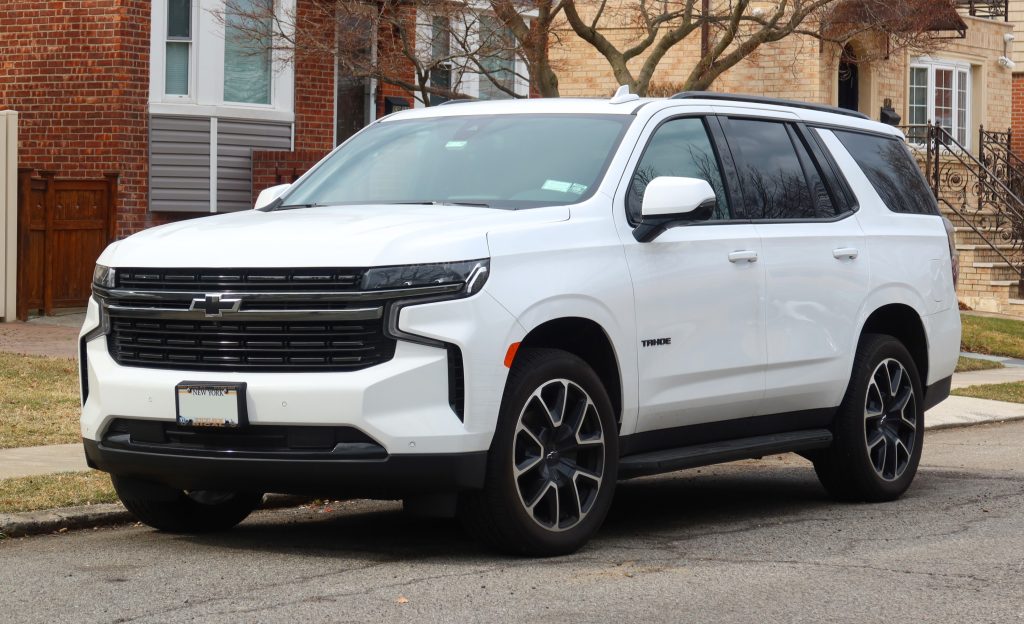
2. Chevrolet Tahoe (2007–2014)
The Chevrolet Tahoe approaches durability with a different mindset. It is built to handle a mix of daily driving, heavy loads, and occasional rough conditions, all while maintaining structural strength. At the core of this capability is a frame that prioritises balance between toughness and usability.
The fully boxed frame design used in this generation adds a level of rigidity that older open-channel frames could not achieve. This construction method strengthens the entire structure, allowing it to resist twisting forces more effectively. When a vehicle maintains its shape under stress, it naturally lasts longer.
What stands out about the Tahoe is how its frame supports a wide range of uses. It can serve as a family SUV during the week and handle towing duties on the weekend. This versatility means the frame is constantly exposed to different types of stress, yet it continues to perform without developing weaknesses.
Drivers often notice that even high-mileage Tahoes retain a solid driving feel. There is no excessive flex or instability, which indicates that the frame has not degraded significantly. This consistency is one of the key signs of long-term durability.
Another factor is how the frame interacts with the suspension system. The mounting points are designed to handle repeated movement without loosening or warping. This helps maintain alignment and reduces wear on other components, indirectly extending the life of the vehicle.
The Tahoe’s frame also benefits from widespread parts availability and repair knowledge. If any issues do arise, they can be addressed without excessive difficulty. This practicality makes it easier to keep the vehicle in good condition over time.
Corrosion resistance is another area where this frame performs well when maintained properly. Protective coatings and design choices help minimise exposure to moisture and debris. With routine care, the frame can remain in strong condition for many years.
There is also a sense of confidence that comes from driving a vehicle built on a solid foundation. The Tahoe does not feel fragile or overly complex. Instead, it delivers a straightforward experience where the structure quietly supports everything else.
Over time, many of these SUVs transition between different types of owners. Some start as family vehicles, then move into roles involving work or towing. Through all these changes, the frame continues to provide a stable base.
The Chevrolet Tahoe proves that durability does not have to come at the cost of comfort or practicality. Its frame is built to handle real-world demands while maintaining the strength needed for long-term use. That combination is what allows it to remain reliable across multiple ownership cycles.
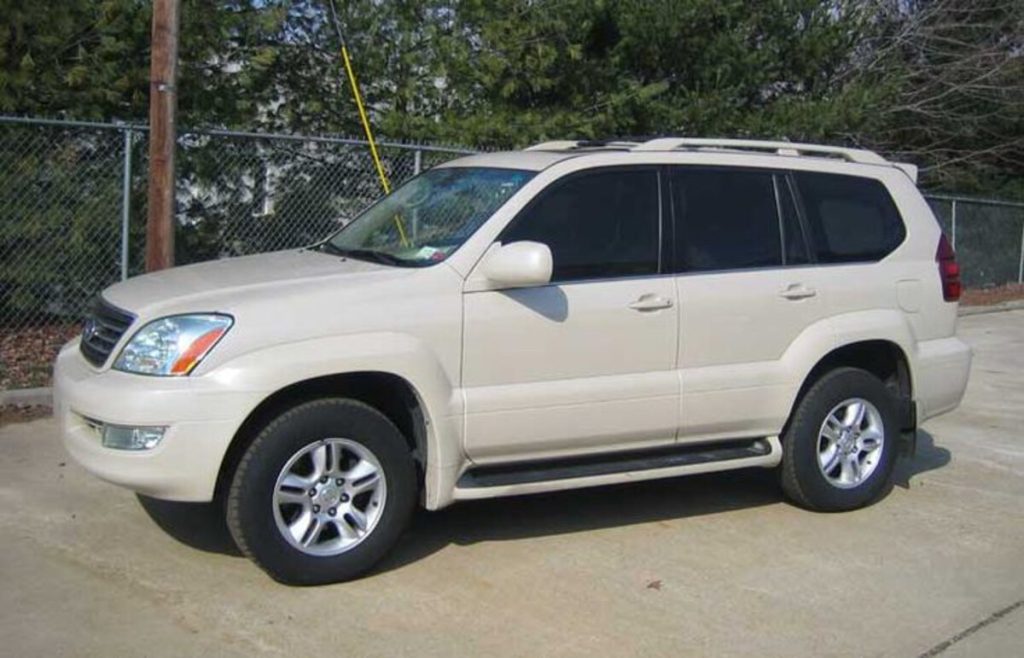
3. Lexus GX 470 (2003–2009)
The Lexus GX 470 approaches structural durability with a quiet confidence that reflects its engineering roots. Built on a body-on-frame platform shared with globally respected off-road vehicles, its foundation is designed to endure stress without drawing attention to itself.
The frame is not just strong, it is deliberately overbuilt for the type of driving most owners will ever demand.
Step underneath, and the construction immediately tells a story of intent. Thick steel rails run the length of the vehicle, supported by cross members that add rigidity where it matters most.
This design helps the SUV resist twisting forces, especially when driving on uneven terrain. When a frame can handle constant flex without weakening, it earns a reputation for lasting far beyond expectations.
Unlike some vehicles that feel worn as they age, the GX 470 tends to maintain a composed character. Even after years of use, the body remains aligned, and the vehicle does not develop the loose, unsettled feeling that often comes from structural fatigue. That sense of stability is directly tied to how well the frame holds its shape.
Another factor contributing to its longevity is how the suspension system works with the frame. The mounting points are reinforced and positioned to distribute stress evenly.
This prevents localised damage, which is often the starting point for long-term structural issues. Instead of concentrating force in one area, the design spreads it across the frame.
There is also a practical side to this durability. Owners who keep these SUVs for long periods often find that the frame allows for continued repairs and upgrades.
Even as other components age, the structure remains strong enough to justify maintaining the vehicle rather than replacing it. This is one of the reasons these SUVs frequently pass through multiple owners.
Corrosion resistance plays a role as well. While no frame is completely immune, the GX 470 benefits from protective coatings and a design that reduces moisture buildup. With basic care, the frame can remain in solid condition for many years, even in less-than-ideal environments.
Driving the GX 470 reinforces this durability in subtle ways. The vehicle feels planted and controlled, with no sense of underlying weakness. That feeling tends to remain consistent over time, which is a clear sign that the frame continues to perform as intended.
There is also a level of refinement that sets it apart. The strength of the frame does not come at the cost of comfort. Instead, it supports a smooth and stable ride, proving that durability and usability can exist together without compromise.
Many of these vehicles have seen a wide range of use, from daily commuting to off-road adventures. Despite this variety, the frame continues to hold up, adapting to different demands without showing signs of failure. This adaptability is part of what makes it so respected.
The Lexus GX 470 demonstrates that a well-engineered frame does more than just survive. It supports the entire vehicle in a way that allows it to remain functional and dependable through years of ownership changes. That is what truly defines long-term structural durability.
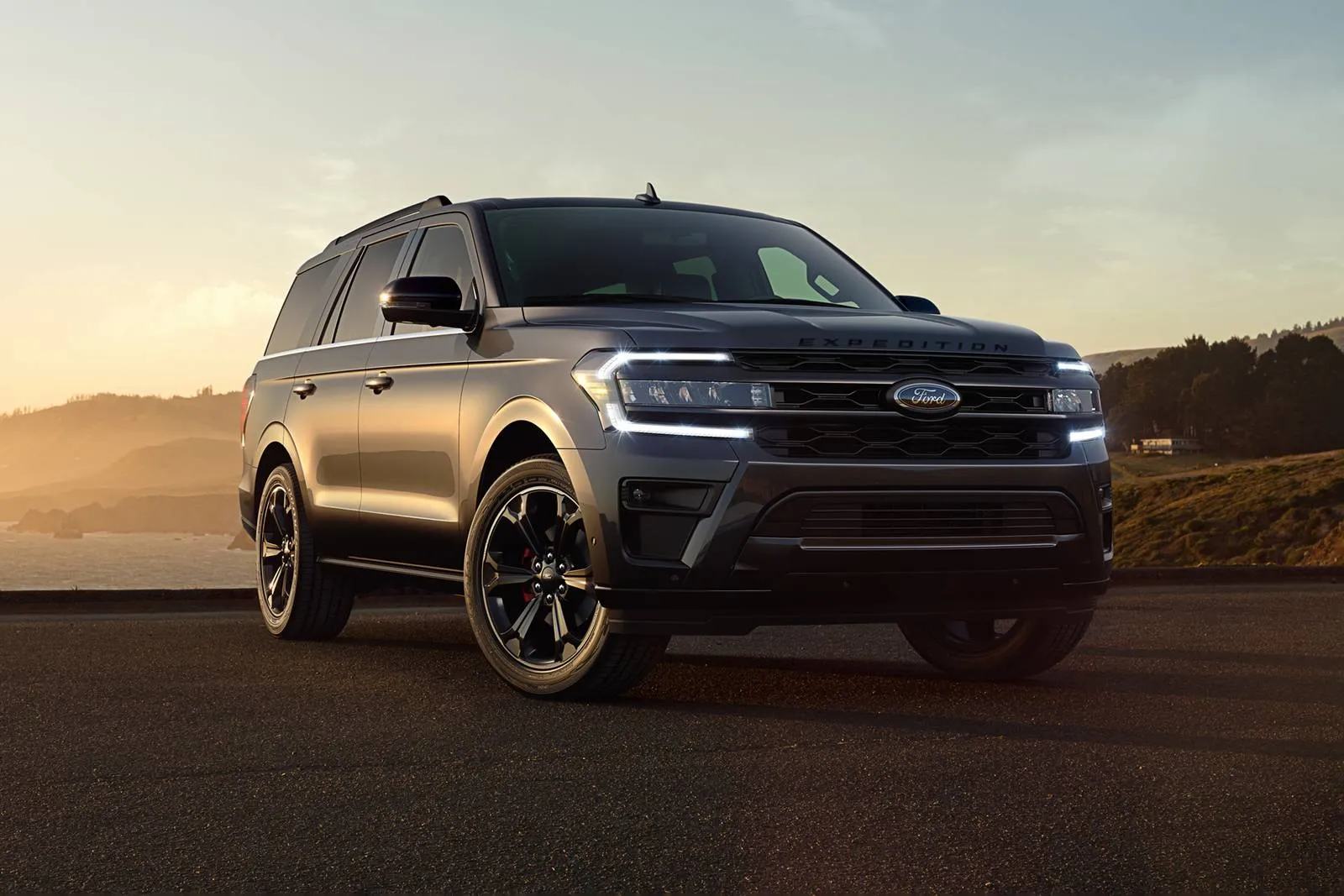
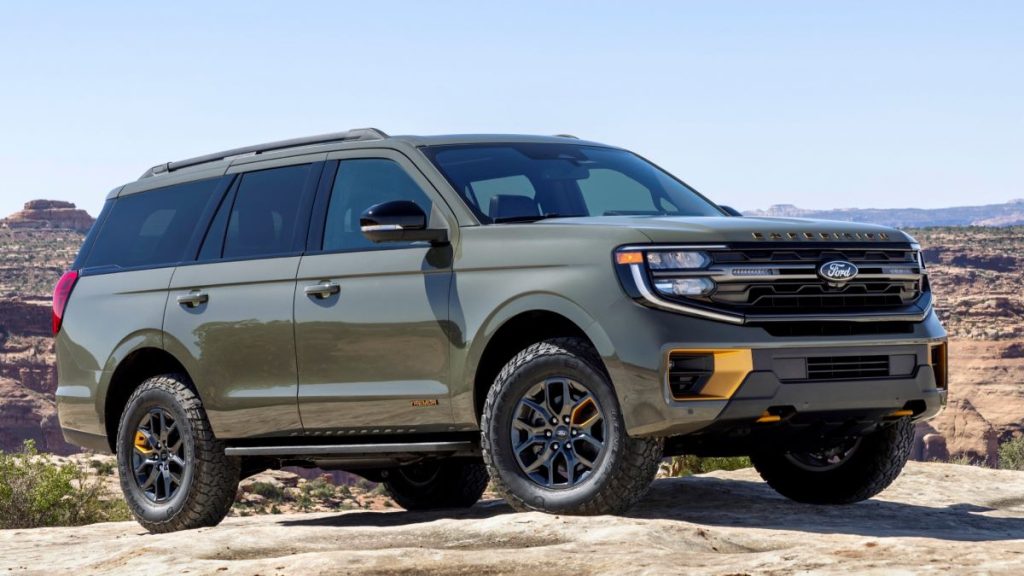
4. Ford Expedition (2007–2017)
The Ford Expedition from this generation represents a shift toward combining size with structural strength. It is a large SUV by any standard, yet its frame is designed to handle that size without becoming a weak point. The foundation underneath is built to manage weight, towing demands, and daily driving without losing integrity.
The fully boxed frame is a key part of this design. By enclosing the frame rails, Ford increased rigidity and reduced flex. This construction helps the vehicle maintain its shape under pressure, which is essential for long-term durability. When a frame resists twisting, it protects both the body and the components attached to it.
This SUV is often used for tasks that place significant stress on the structure. Towing trailers, carrying heavy loads, and long-distance driving all contribute to wear. The Expedition’s frame is built with these demands in mind, allowing it to handle repeated stress without developing structural fatigue.
One of the noticeable traits of this vehicle is how stable it feels, even with high mileage. There is a sense of solidity that does not fade quickly over time. That consistency suggests that the frame continues to provide strong support, keeping everything aligned and functioning properly.
The suspension system also plays a role in preserving the frame. It is designed to absorb impacts and reduce the amount of force transferred to the structure. By managing these forces effectively, the vehicle prevents long-term damage that could weaken the frame.
Another point worth considering is how the frame supports versatility. The Expedition is often used as a family vehicle, a towing machine, and sometimes even a workhorse. This range of uses exposes it to different types of stress, yet the frame continues to perform without significant issues.
Maintenance and care can extend its life even further. Keeping the frame clean and protected from corrosion helps maintain its strength. With basic attention, it can remain in good condition for many years, supporting the vehicle through multiple ownership cycles.
There is also a practical benefit to this durability. A strong frame allows owners to invest in repairs and upgrades without worrying about structural limitations. This makes the vehicle more appealing in the used market, as it can continue to serve new owners effectively.
Driving the Expedition highlights its structural integrity. It feels steady and controlled, even when carrying heavy loads or travelling at highway speeds. That confidence comes from knowing the foundation underneath is built to handle the task.
Over time, many of these SUVs transition from one role to another. They may start as family transport and later take on more demanding duties. Through all these changes, the frame remains a constant, providing the strength needed to keep the vehicle functional.
The Ford Expedition shows that size and durability can work together when the frame is engineered correctly. Its ability to handle years of varied use without losing structural integrity is what allows it to outlast multiple owners with ease.
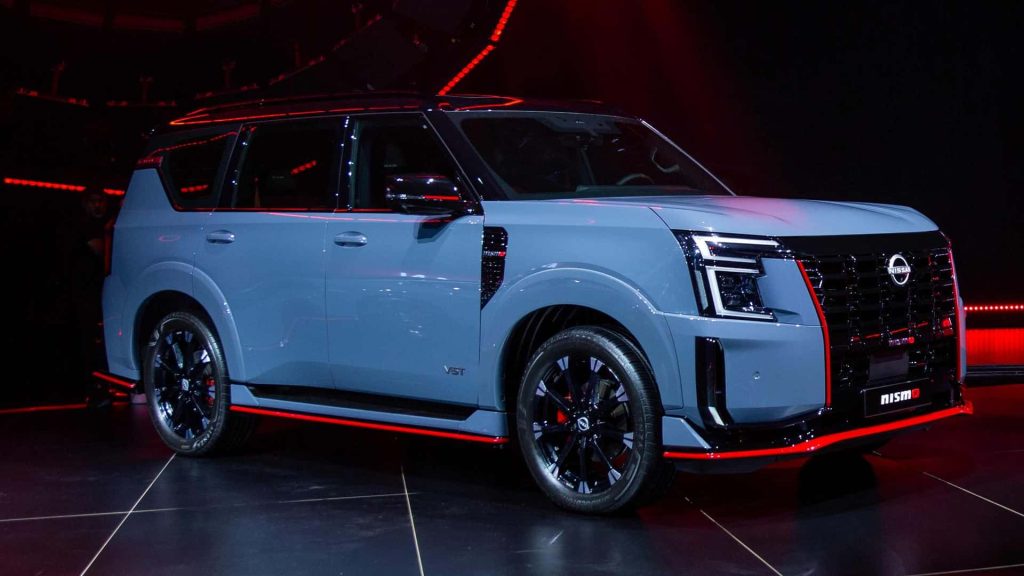
5. Nissan Patrol (Y61, 1997–2016)
If there is one SUV that treats its frame like the foundation of a long-term commitment rather than a supporting detail, it is the Nissan Patrol Y61.
This vehicle was designed for environments where roads are unreliable or nonexistent, and that purpose shaped every decision behind its construction. The frame is not just strong, it is intentionally heavy-duty in a way that prioritises endurance over refinement.
Look closely at the structure, and the first thing that stands out is the thickness. The ladder frame uses robust steel sections that resist bending under repeated stress.
This is not a design meant for occasional off-road trips. It is built for constant exposure to uneven terrain, where the chassis is regularly pushed to its limits. Despite that, it maintains alignment over time, which speaks directly to its strength.
Unlike many SUVs that soften with age, the Patrol retains a certain firmness in how it behaves. The body does not develop excessive movement relative to the frame, and the vehicle continues to feel connected even after years of use. That stability is a direct result of the frame resisting fatigue rather than slowly giving in to it.
The engineering philosophy here leans heavily toward simplicity. Fewer complex joints and a straightforward layout reduce the chances of structural weaknesses forming. When a frame is simple and solid, it becomes easier to predict how it will handle stress, and more importantly, easier to trust over long periods.
There is also a practical advantage to how this frame is built. It can take repeated impacts without requiring constant attention.
Drivers who regularly use the Patrol in demanding conditions often notice that the structure continues to perform without needing reinforcement or repair. That level of durability is not common in vehicles designed primarily for comfort.
Weight distribution is another factor that supports longevity. The frame carries loads in a balanced way, which prevents certain sections from wearing out faster than others. This even distribution of stress is one of the reasons the Patrol can handle heavy usage without developing structural weak points.
Corrosion resistance varies depending on care, but the underlying strength of the frame gives it an advantage. Even when exposed to harsh environments, it tends to retain its integrity better than lighter designs. With proper maintenance, it can remain structurally sound for decades.
Driving the Patrol reveals a kind of mechanical honesty. It does not try to mask its toughness. Instead, it delivers a solid, grounded feel that stays consistent over time. That consistency is often the first sign that a frame is built to last.
Many of these SUVs have lived multiple lives, transitioning from personal vehicles to workhorses and sometimes back again. Through all these changes, the frame continues to serve as a reliable base, supporting whatever role the vehicle takes on next.
The Nissan Patrol Y61 is not about refinement or modern features. Its strength lies in a frame that was built with a clear purpose and executed without compromise. That clarity is what allows it to outlast not just years, but entire ownership cycles.
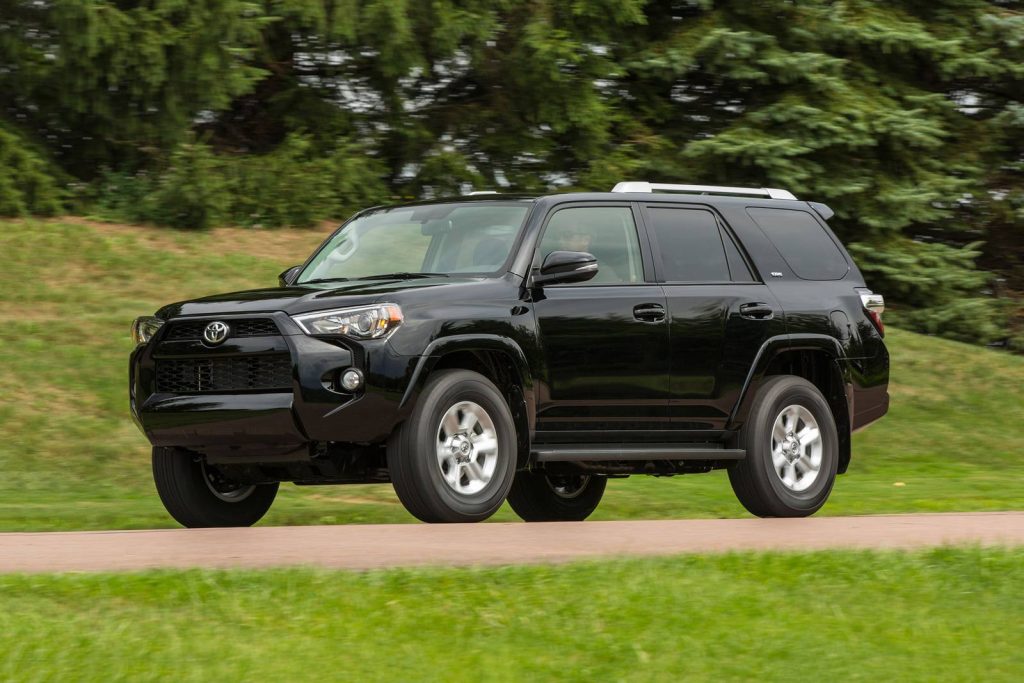
6. Toyota 4Runner (2003–2009)
The Toyota 4Runner from this generation offers a different perspective on frame durability. It does not rely on sheer heaviness alone. Instead, it combines thoughtful engineering with proven construction techniques to create a structure that holds up through years of varied use.
At its core, the 4Runner uses a boxed steel frame that provides a strong balance between rigidity and weight. This design helps the vehicle maintain stability without becoming overly cumbersome. The frame resists flex during off-road driving, which protects both the body and the suspension components attached to it.
One of the more subtle strengths of this frame is how it manages repeated motion. Every bump, turn, and load shift introduces stress, and over time, that stress can weaken poorly designed structures.
The 4Runner handles this through reinforced mounting points and a layout that distributes forces evenly. As a result, it avoids the gradual loosening that many vehicles experience.
There is also a noticeable difference in how this SUV ages. It does not develop excessive rattles or structural noises as quickly as some competitors. That quiet durability is often overlooked, yet it is one of the clearest signs that the frame is holding up well under long-term use.
The suspension system complements the frame in a way that reduces strain. By absorbing impacts effectively, it prevents harsh forces from reaching the structure. This cooperation between components extends the life of the entire vehicle, not just the frame itself.
Another advantage lies in how adaptable the 4Runner is. It can handle daily commuting, off-road trips, and light towing without placing excessive stress on any single part of the frame. This versatility means the structure is exposed to a range of conditions, yet it continues to perform consistently.
Maintenance is relatively straightforward, and keeping the frame in good condition does not require specialised care. Regular cleaning and basic protection against corrosion are usually enough to preserve its strength. This ease of maintenance encourages owners to take the necessary steps to extend its life.
There is also a sense of balance in how the 4Runner drives. It feels neither too heavy nor too light, and that balance remains intact as the vehicle ages. When a frame maintains its original characteristics over time, it reflects the quality of its design.
Many of these SUVs have passed through different owners who used them in completely different ways. Some have been family vehicles, others have seen regular off-road use. Despite these varied experiences, the frame continues to provide a stable and reliable foundation.
The Toyota 4Runner demonstrates that durability does not always require extreme measures. With the right design and attention to detail, a frame can deliver long-term strength while still supporting everyday usability. That combination is what allows it to remain dependable across multiple ownerships.
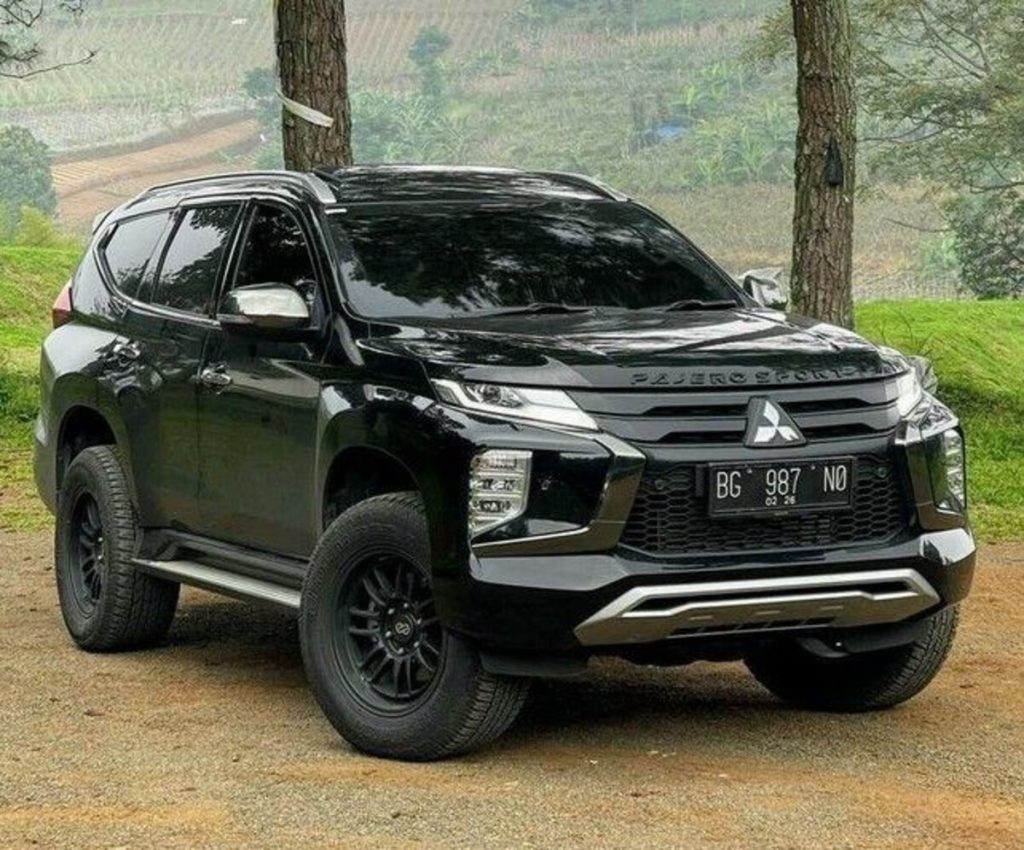
7. Mitsubishi Pajero (2000–2006)
The Mitsubishi Pajero from this era brings a slightly unconventional approach to long-term structural durability. Instead of relying purely on a traditional ladder frame, it uses a reinforced monocoque with integrated frame elements.
This hybrid construction gives it a unique advantage by combining rigidity with weight efficiency, allowing the structure to endure years of stress without losing integrity.
At first, this design might seem less rugged than a full body-on-frame setup, yet in practice, it performs remarkably well.
The reinforced sections act like a built-in skeleton, distributing forces across the entire body rather than concentrating them in a separate frame. This reduces the chances of localised fatigue, which is often where structural problems begin.
Another strength of the Pajero lies in how it handles torsional stress. When driving on uneven surfaces, the structure resists twisting effectively, keeping the vehicle stable and composed. This ability to maintain alignment over time is a key factor in its long lifespan. Even after years of mixed usage, it tends to feel tight rather than worn out.
The suspension system is carefully tuned to work with this structure. Instead of transferring harsh impacts directly into the body, it absorbs much of the force, protecting the reinforced sections from unnecessary strain. This coordination between components helps preserve the integrity of the entire vehicle.
Owners often notice that the Pajero does not develop excessive body flex as it ages. Doors continue to close properly, and the cabin maintains its shape. These small details reflect a structure that remains strong even after prolonged use.
Corrosion resistance is another area where it performs well when maintained. Protective coatings and thoughtful design reduce the risk of long-term damage. With routine care, the structure can remain in solid condition for many years.
The driving experience reinforces this durability. The vehicle feels stable and controlled, with no sense of structural weakness. That consistency builds confidence, especially for those who plan to keep the SUV for an extended period.
Many Pajeros have been used in a variety of roles, from daily transport to off-road travel. Despite this range of usage, the structure continues to hold up, adapting without significant issues. This versatility is part of what allows it to outlast multiple owners.
The Mitsubishi Pajero proves that durability can come from intelligent design rather than just heavy construction. Its reinforced structure provides long-term strength while maintaining usability, making it a dependable choice for those who value longevity.
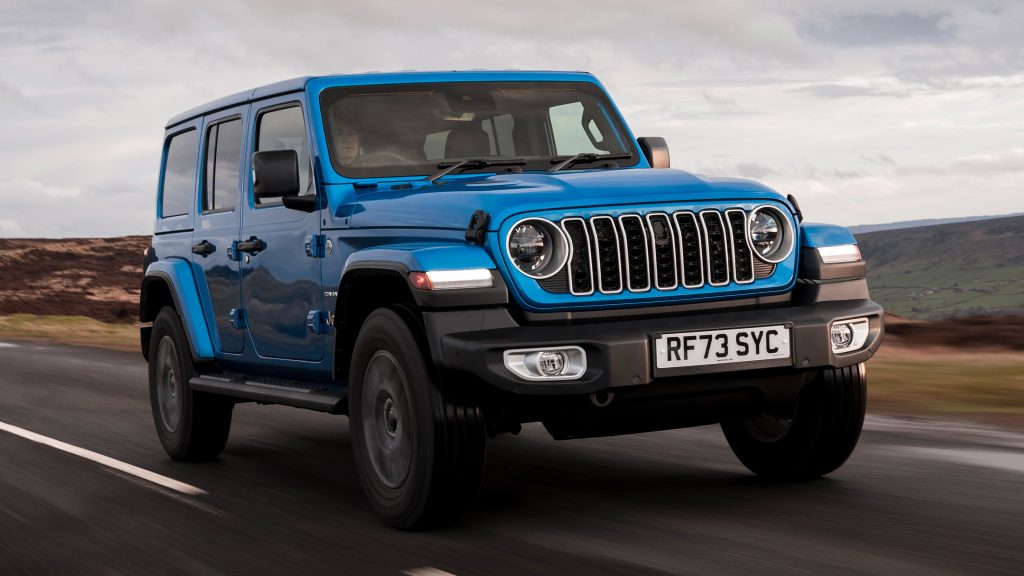
8. Jeep Wrangler (2007–2015)
The Jeep Wrangler approaches frame durability with a philosophy rooted in purpose. It is designed to handle environments where structural strength is constantly tested, and its ladder frame reflects that intent. Built to endure repeated stress, the frame serves as a foundation that supports both off-road capability and long-term use.
The frame itself is constructed with thick steel rails and reinforced cross members. This setup provides the rigidity needed to handle uneven terrain without compromising alignment. When a vehicle is regularly exposed to twisting forces, the ability to resist that movement becomes essential for longevity.
One of the defining traits of the Wrangler’s frame is its resilience. It can absorb impacts and return to its original shape without developing lasting deformation. This flexibility, combined with strength,h allows it to handle demanding conditions while maintaining structural integrity.
The removable body panels and modular design add another layer of practicality. If certain parts wear out, they can be replaced without affecting the frame. This means the core structure remains intact even as other components are refreshed, extending the vehicle’s usable life.
Suspension mounting points are reinforced to handle constant articulation. Off-road driving places unique stress on these areas, yet the Wrangler’s design ensures they remain secure over time. This attention to detail helps prevent long-term structural issues.
There is also a distinct feel when driving a Wrangler. It delivers a solid, connected experience that does not fade quickly with age. That consistency indicates a frame that continues to perform as intended, even after years of use.
Maintenance is straightforward, and keeping the frame in good condition does not require complex procedures. Regular cleaning and inspection are usually enough to preserve its strength, especially in environments where corrosion can be a concern.
Wranglers often change hands multiple times, with each owner using them differently. Some focus on daily driving, while others push them to their limits off-road. Despite these varied demands, the frame remains a reliable constant.
The Jeep Wrangler stands as a clear example of a vehicle built around its structure. Its frame is not just a component, but the core of its identity. That focus on strength and durability is what allows it to outlast years of use and multiple ownership cycles.
Also Read: 8 Trucks That Tow A Camper Without Breaking A Sweat
