

A used car can look polished on the outside and still hide serious trouble underneath. Shiny paint, fresh wax, and a clean interior can easily distract from what matters most: how the vehicle behaves when it is running. Sound becomes one of the most honest signals a car can give. It reveals stress in the engine, wear in moving parts, and damage that may cost far more than the purchase price.
Many buyers focus heavily on mileage, model reputation, or service records. Those details matter, but they do not always show what is happening in real time. A test drive offers something paperwork cannot: the chance to hear problems as they happen. Certain sounds act like warning sirens. Ignoring them can lead to expensive repairs shortly after purchase.
This guide focuses on nine distinct sounds that should make any buyer pause before moving forward. Each sound is paired with a specific vehicle model to help you recognize how these issues show up in real situations. From steering problems to engine distress, every example highlights what those noises often mean beneath the surface.
Paying attention during a test drive can save thousands of dollars and prevent frustration down the road. A calm listening ear often does more than a mechanic’s report. Once you know what to hear, it becomes much easier to decide when a deal is worth it and when it is safer to walk away.
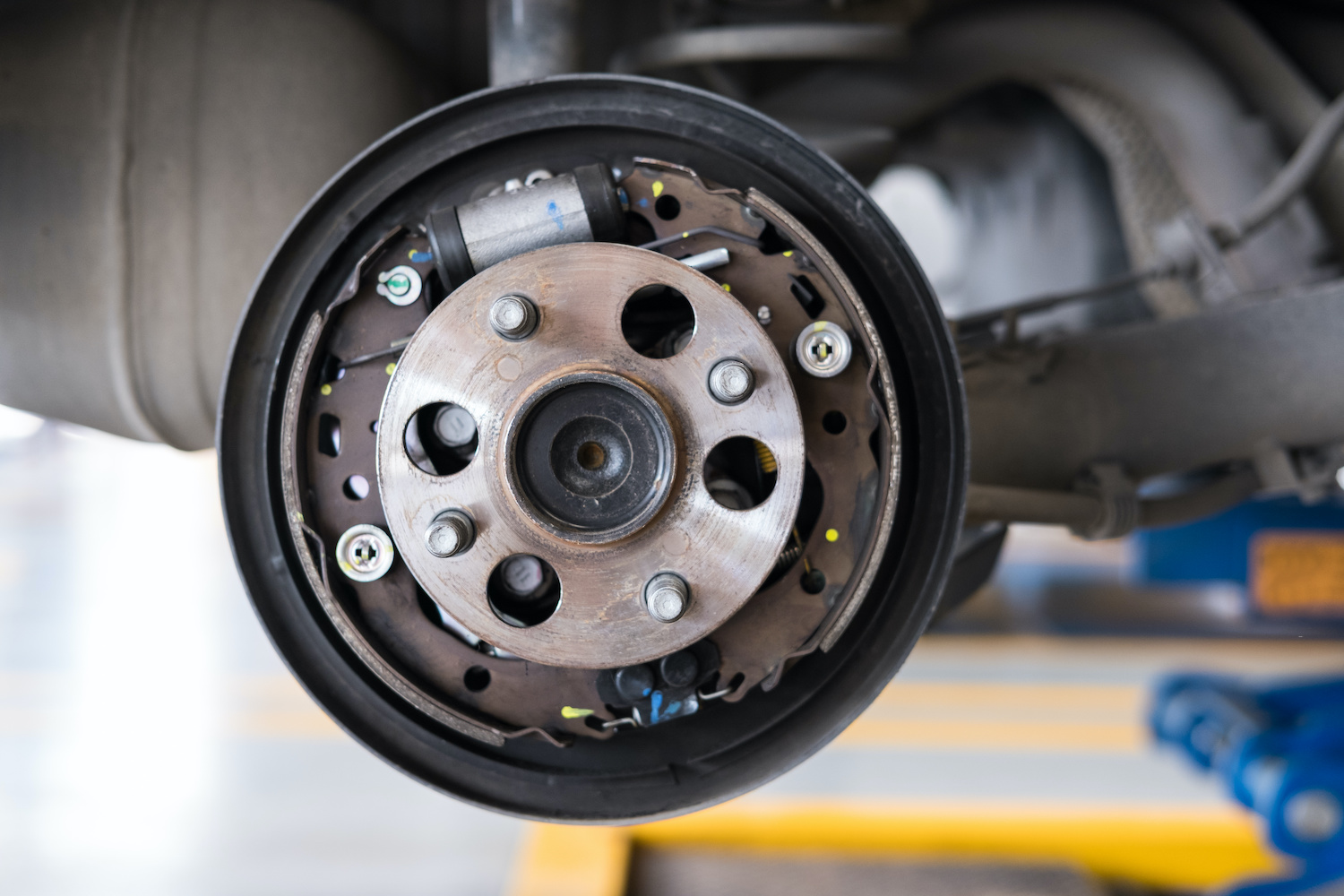
1. Ford Explorer 2016 – A High-Pitched Wheel Bearing Whine That Builds With Speed
A used 2016 Ford Explorer producing a rising, high-pitched whine during acceleration or cruising speed is giving a clear signal through its wheel bearings. This sound usually grows louder as the vehicle picks up pace, almost like a distant siren that becomes sharper the longer you drive. It often changes slightly when turning, especially during lane changes or gentle curves.
At first, the noise might feel harmless, almost like tire tread on rough pavement. That assumption can lead buyers in the wrong direction. Wheel bearings support the entire weight of the vehicle while allowing the wheels to spin freely. When they start wearing out, friction increases, heat builds up, and the sound becomes more noticeable with every mile.
During a test drive, a buyer may notice the whine fading briefly on straight roads and returning during turns. That pattern is a classic sign of uneven bearing wear. Ignoring it can lead to further damage in the hub assembly, and in rare cases, it can affect steering stability.
A 2016 Explorer with this condition often requires replacement of one or more wheel hub assemblies. Labor costs can rise quickly due to the size and weight of the SUV. What seems like a small noise can turn into a repair bill that changes the value equation entirely.
Some sellers may downplay the sound as “just road noise.” That explanation does not hold up under consistent testing. Rolling windows up and down during the drive helps isolate the noise more clearly. If the whine remains steady or grows louder, walking away becomes a safer financial choice than hoping for a simple fix.
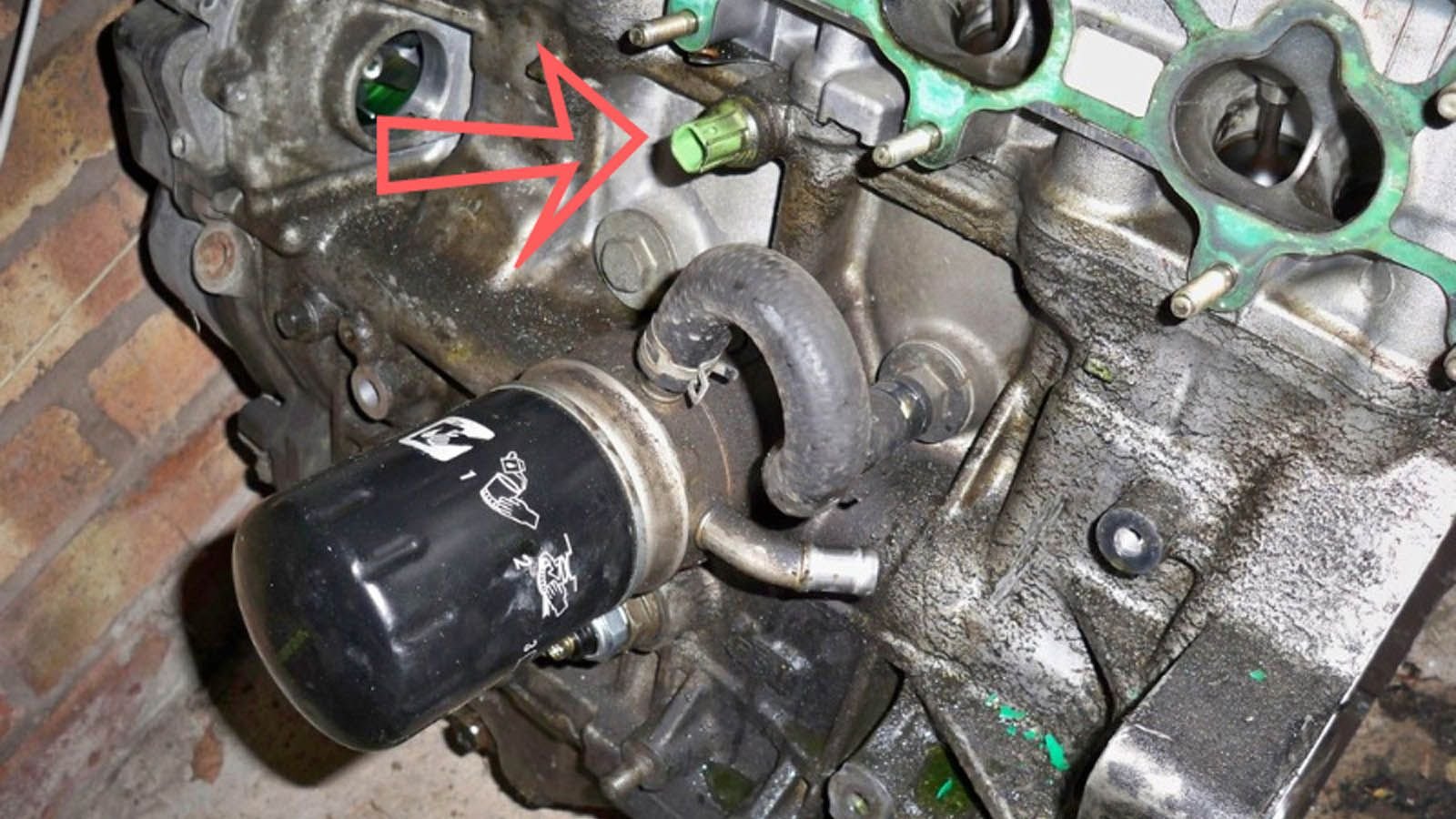
2. Honda Accord 2014 – Deep Engine Knocking That Follows Acceleration
A 2014 Honda Accord producing a deep knocking sound under acceleration signals internal engine stress that should never be ignored. This noise often resembles a dull hammer tapping inside the engine block, becoming more noticeable when pressing the gas pedal or climbing hills.
Unlike lighter mechanical ticks, this knocking carries weight. It tends to deepen as engine load increases. During idle, it may fade or become less obvious, which can mislead buyers into thinking the engine is fine. Once the vehicle is driven under pressure, the sound usually returns with more intensity.
One common source of this issue involves worn rod bearings or improper combustion timing. Both conditions can place strain on moving parts inside the engine. When metal components begin striking each other without proper lubrication, damage progresses quickly.
During a test drive, smooth acceleration should feel steady and quiet. When knocking appears, it interrupts that experience with a rhythmic thud that matches engine speed. That pattern is a strong indicator of internal wear. Repairing this type of issue often requires partial or full engine rebuild work. In many cases, the cost outweighs the value of the car itself. Even if the vehicle still drives normally at low speed, internal damage does not improve with time.
A careful inspection may include listening near the hood area with windows down, paying attention to how the sound changes under load. If the knocking intensifies with acceleration, the safest decision is to step away from the purchase rather than risk long-term engine failure.
Also Read: 8 Tips for Organizing a Truck Bed to Maximize Your Daily Utility
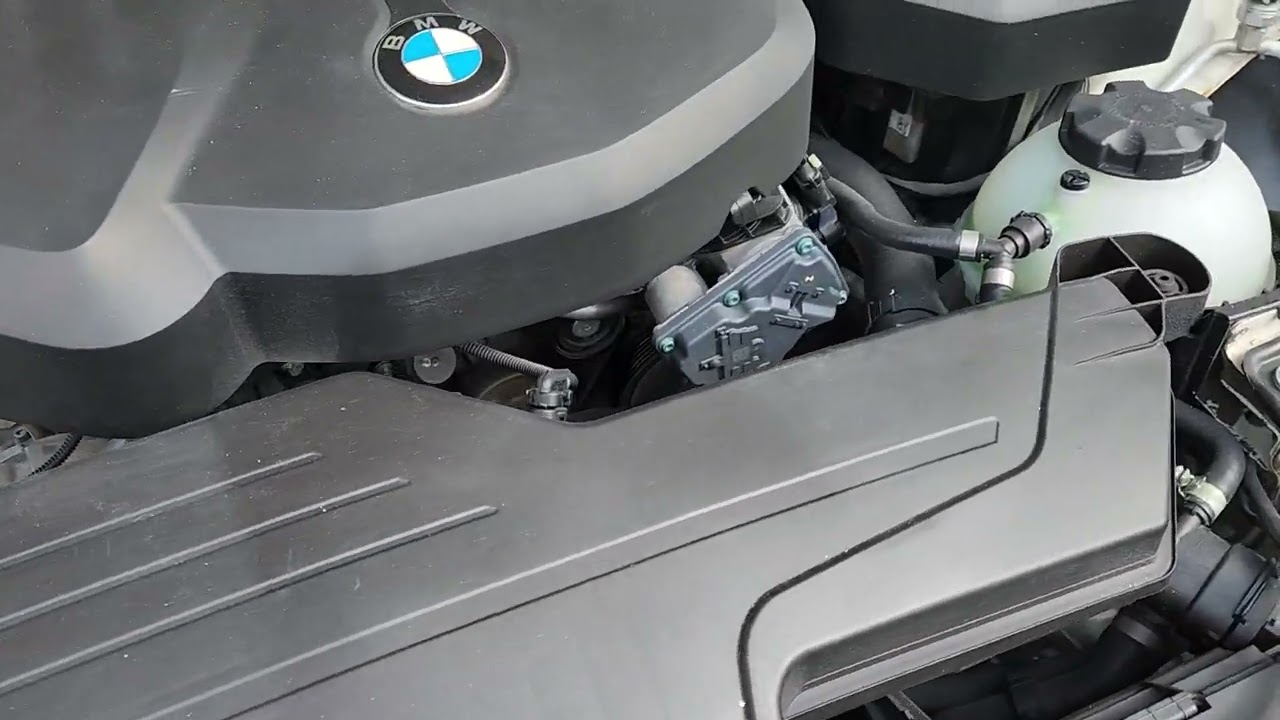
3. BMW 3 Series 2011 – Metallic Rattle From the Engine on Cold Start
A 2011 BMW 3 Series that produces a metallic rattling sound during cold start often points toward timing chain tension problems. The sound usually appears within the first few seconds after ignition, sounding like loose metal pieces briefly striking each other before settling down.
Cold start conditions place extra strain on engine components. Oil has not yet fully circulated, so any worn or stretched timing components become more noticeable. The rattle may fade as the engine warms, which can make it easy for sellers to dismiss it as harmless startup noise.
Timing chains are responsible for keeping engine valves and pistons working in perfect coordination. When tension weakens, slight delays in movement create that distinct metallic chatter. Left unaddressed, this condition can affect engine timing accuracy.
During inspection, starting the car after sitting for a while gives the most honest reading of the issue. A clean engine start should sound smooth, with only a brief mechanical hum. Anything beyond that brief moment deserves attention. Repairing timing chain systems in this model often requires labor-intensive work, since components sit deep within the engine.
Costs can escalate quickly, especially when related parts like guides and tensioners also need replacement. A test drive after a cold start can reveal whether the sound disappears or continues under light acceleration. If the rattling lingers or returns during driving, that points toward more serious wear inside the engine system.
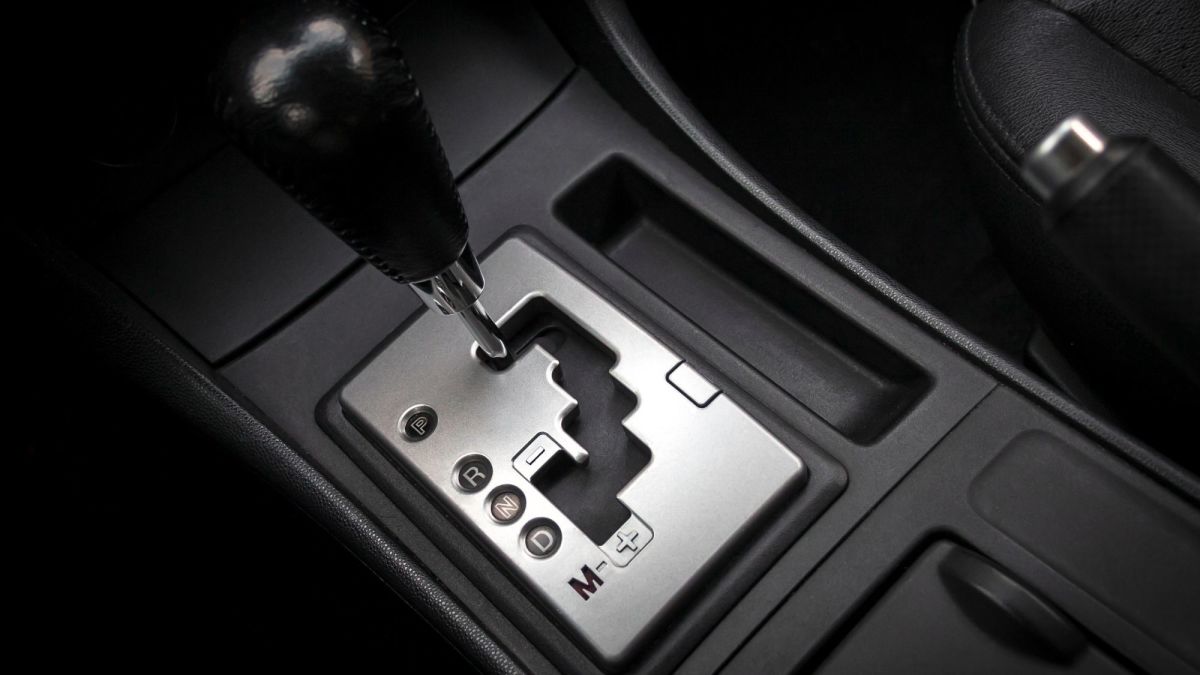
4. Toyota Camry 2012 – Transmission Whining That Changes With Gear Changes
A 2012 Toyota Camry that produces a steady whining sound during gear changes may be dealing with transmission wear. The sound often rises in pitch when the vehicle moves from lower speed operation into higher speed operation, creating a continuous hum that follows acceleration behaviour.
Automatic transmissions depend on hydraulic pressure, clean fluid circulation, and accurate internal engagement of components. When internal parts begin to wear, fluid movement does not flow with the same smoothness as before. This condition produces an audible strain that presents itself as a whining or buzzing tone during vehicle operation.
During a road evaluation, movement from a stationary position into moderate speed provides a clear opportunity to notice the condition. A properly functioning transmission will allow movement to progress quietly without any rising mechanical tone. A worn transmission tends to produce a rising pitch that becomes more pronounced each time the vehicle gains speed.
Transmission fluid condition plays a direct role in this situation. Fluid that appears dark or gives off a burnt smell often indicates prolonged heat exposure or extended use without proper servicing. Even when fresh fluid is introduced, internal wear that has already occurred does not disappear. That is why sound remains a reliable indicator during inspection.
A careful check also involves observing the vehicle while it maintains a steady highway speed. When a whining sound continues without reduction at constant speed, it suggests that internal components are experiencing friction beyond normal operating conditions. Such friction often points toward wear inside bearings or hydraulic passages.
Attention should also be given to how the vehicle responds during gradual acceleration. Any rising mechanical tone that becomes louder as speed increases may indicate internal stress within the transmission assembly. A properly maintained unit should maintain a consistent tone that does not rise sharply with acceleration.
Repair options for this condition vary. Some cases require internal rebuilding, while others lead to full transmission replacement. Both processes involve extensive labour and parts replacement. Even when a replacement unit is sourced from another vehicle, prior usage history may affect long-term reliability.
A practical inspection approach involves listening carefully during different driving conditions rather than relying on a single moment. If the whining sound appears during low-speed movement, continues during steady driving, and increases during acceleration, the condition is unlikely to be minor.
A vehicle in good working condition should maintain smooth and quiet gear engagement throughout driving. When repeated whining becomes present across different speed levels, the risk associated with purchase increases. At that stage, stepping away from the transaction may prevent future financial burden associated with transmission repair or replacement work.
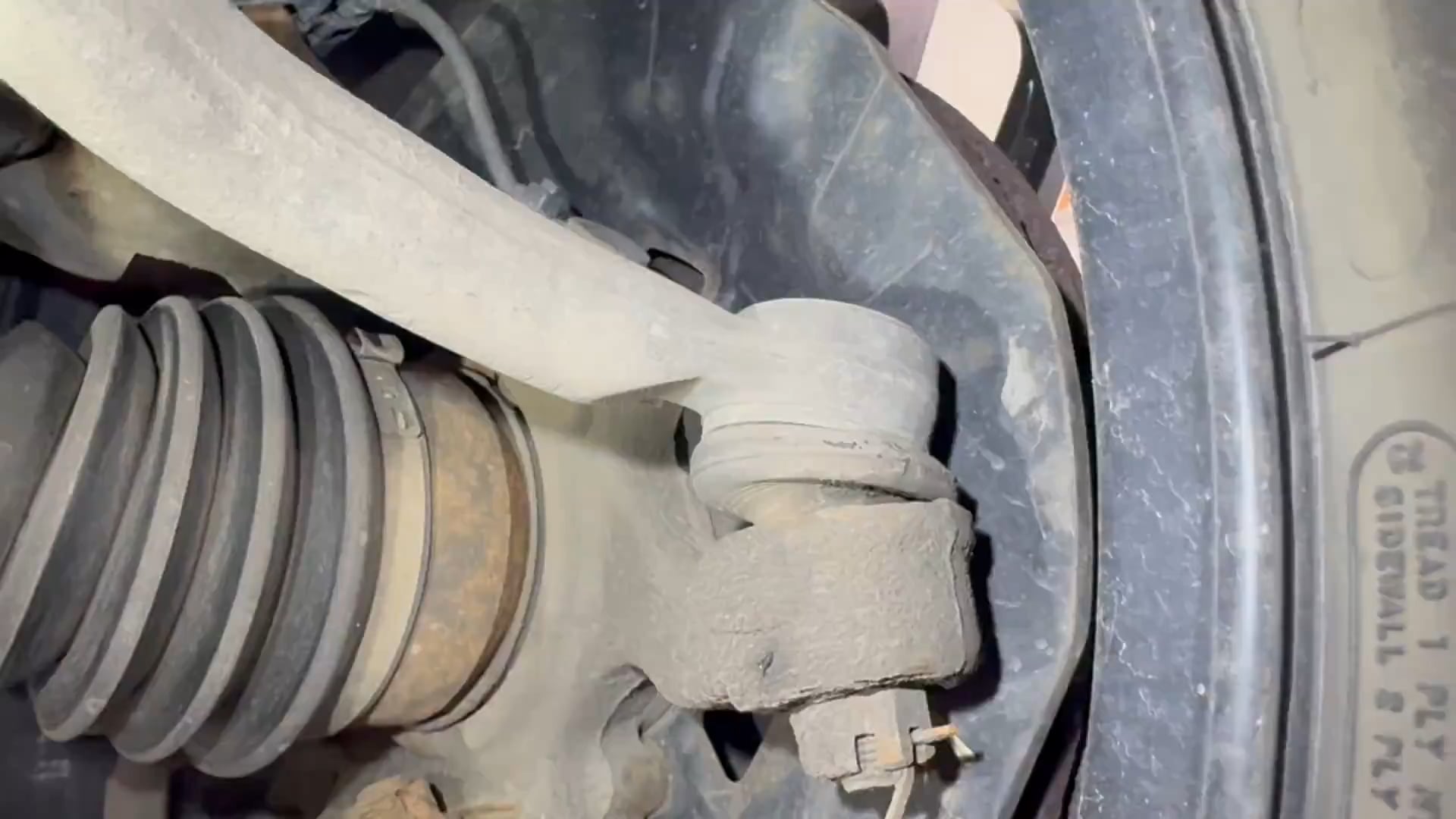
5. Chevrolet Malibu 2013 – Front Suspension Clunk Over Small Road Imperfections
A 2013 Chevrolet Malibu that produces a clunking sound from the front section during normal road use often indicates wear within the suspension system. The sound is usually heard when the vehicle passes over small bumps, uneven surfaces, or slight depressions on the road.
Suspension-related noise is distinct because it is both audible and physically felt inside the cabin. The sound is sharp, sudden, and often resembles a loose component striking another part of the vehicle structure under movement pressure. As usage continues, the frequency of this sound may increase due to continued wear on affected parts.
Common sources of this condition include worn control arm bushings, weakened stabiliser link components, and worn shock absorber units. Each of these parts contributes to maintaining controlled movement between the vehicle body and the road surface. When wear occurs, the ability of the system to absorb road irregularities reduces.
During inspection driving, slow movement across uneven road sections provides useful feedback. A properly maintained suspension system should absorb small surface variations without producing loud mechanical sounds. When a clunk appears repeatedly under such conditions, it suggests that movement between components is no longer properly contained.
Another situation where the sound becomes clear is during steering input at low speed. When the front wheels are turned while the vehicle is moving slowly, worn suspension components may produce additional noise due to changes in load distribution. Repeated sound during steering activity often indicates more than one component affected.
Attention should also be given to how the vehicle behaves when passing over a series of minor bumps. A consistent pattern of clunking during each impact suggests that the damping ability has weakened. Instead of smooth absorption, energy from the road surface is transferred through loose or worn parts.
Repair work for suspension-related issues depends on the extent of wear found during inspection. In some cases, replacement of individual components may restore proper function. In other situations, multiple parts require replacement due to shared wear conditions across the system.
A properly maintained suspension system should deliver stable movement with minimal sound during road travel. When clunking becomes a repeated feature during normal driving conditions, it suggests that repair requirements may be broader than expected. At that stage, avoiding purchase becomes a practical decision to prevent additional repair expenditure after acquisition.
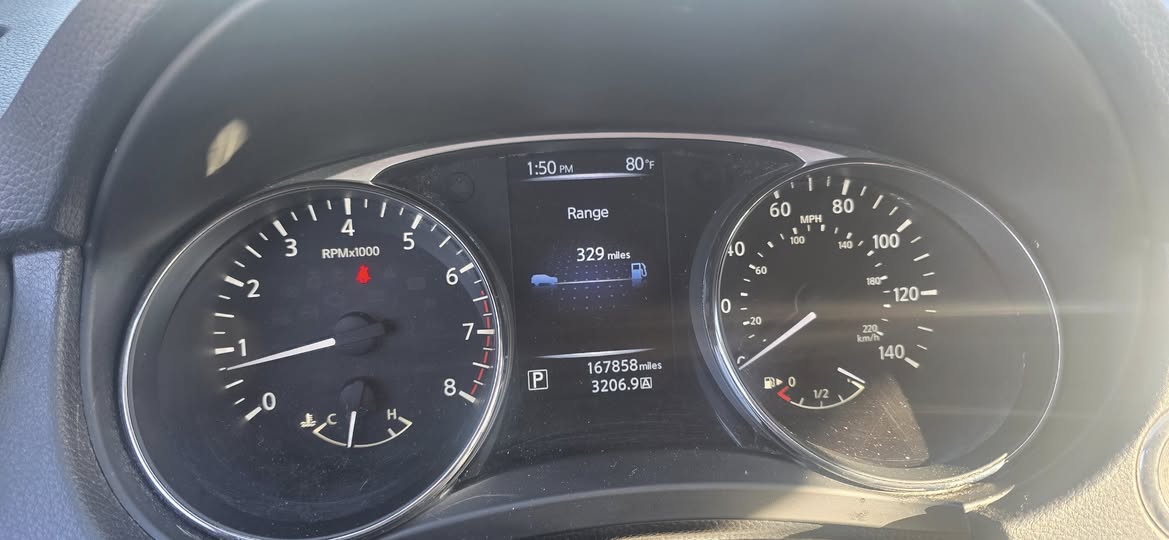
6. Nissan Altima 2015 – Continuous CVT Whining With Light Shudder on Acceleration
A 2015 Nissan Altima that produces a steady whining sound during acceleration, paired with a slight shudder when picking up speed, is often dealing with CVT transmission wear. That sound tends to rise like a thin electric buzz that follows engine load rather than gear changes, since this system does not move in the traditional sense.
During gentle driving, the vehicle may appear normal. Press the accelerator a bit harder and the sound reveals itself, stretching into a high, sustained whine. At the same time, the car can feel slightly hesitant, almost as if power delivery is not flowing smoothly through the drivetrain.
CVT systems rely on belts and pulleys instead of fixed gears. When internal surfaces wear down or fluid breaks down, friction increases. That friction creates audible strain, especially during uphill driving or highway merging. A short test drive can expose this quickly when speed changes are repeated in cycles.
A common mistake is assuming tire noise or engine revving is responsible. Tire sound usually stays consistent, but CVT noise reacts directly to throttle input. That relationship between pedal and pitch becomes the giveaway. Inside the cabin, the sound can feel like a distant drone that intensifies under pressure. Rolling down windows may make it clearer, especially during acceleration from a stoplight. If the sound stays present even at steady cruising, internal wear may already be advanced.
Repair options for this condition often involve full transmission replacement or expensive rebuilding work. CVT units are sensitive, and once damage begins, performance rarely returns to original condition through fluid changes alone. A smooth Altima should feel almost seamless when accelerating.
When whining and shuddering enter the experience together, the reliability question becomes hard to ignore. At that point, stepping away from the deal can prevent a costly ownership experience that escalates quickly after purchase.
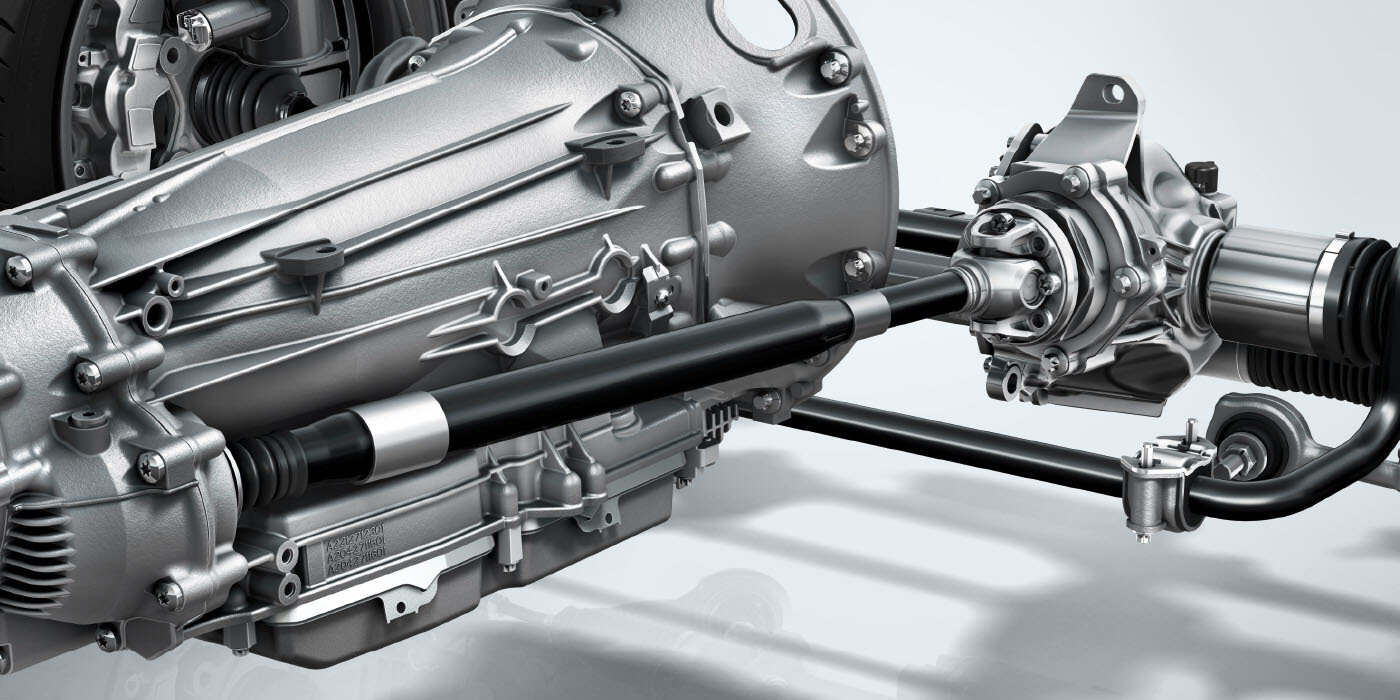
7. Subaru Outback 2013 – Low Growl From Transmission With Persistent Driveline Vibration
A 2013 Subaru Outback that produces a low growling sound paired with mild vibration through the floor often points toward driveline or transmission stress. The sound feels heavy, almost like a distant rumble that becomes more noticeable as speed increases.
At first contact, the vehicle may seem stable during short city drives. Once highway speed is reached, a constant hum can settle into the cabin, blending with a faint vibration under the seat and footwell area. That combination often suggests uneven power delivery through the drivetrain.
All-wheel drive systems rely on balanced torque distribution. When components such as the CV joints or differential begin wearing, resistance increases. That resistance creates a sound that feels deeper than tire noise and more mechanical than wind noise.
During turns, the sound may move slightly in tone. That change becomes a useful indicator, since healthy drivetrains maintain consistent behavior regardless of steering input. Any variation during cornering can point toward wear in rotational components.
A second sign appears during slow acceleration from a stop. Instead of smooth movement, the vehicle may feel like it is pushing through resistance. That sensation often aligns with the growling sound, reinforcing the idea of internal friction. Inspection drives should include steady-speed cruising and gradual acceleration.
When vibration remains present across both conditions, it suggests a systemic issue rather than a single worn part. Repair paths vary widely depending on the source. Some cases involve driveshaft components, while others require differential attention. Costs rise quickly when multiple systems contribute to the sound.
A properly functioning Outback delivers quiet, steady movement even on long drives. When a persistent growl enters the experience, especially with vibration, the repair uncertainty becomes too wide to ignore, making hesitation a reasonable response before purchase.
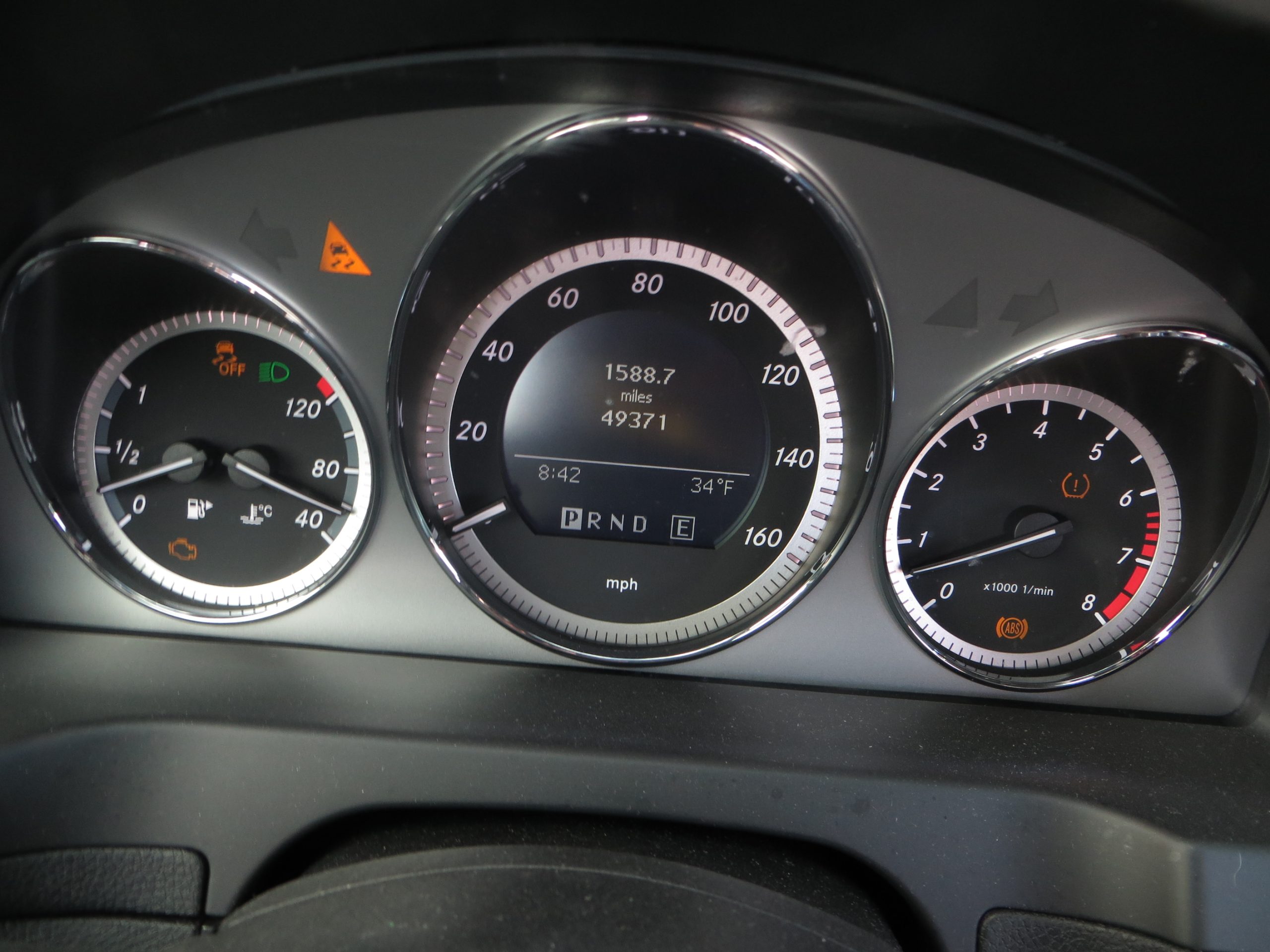
8. Mercedes-Benz C-Class 2012 – Sharp Engine Misfire Pops With Irregular Idle Rhythm
A 2012 Mercedes-Benz C-Class that produces sharp popping sounds during idle or acceleration is often experiencing engine misfires. That sound feels uneven, almost like brief interruptions in smooth engine rhythm followed by sudden bursts of combustion noise.
Idle behavior offers the first clue. Instead of a steady, calm engine tone, the sound may fluctuate slightly, with occasional sharp pops escaping through the exhaust. That irregular pattern suggests fuel, air, or ignition imbalance within one or more cylinders.
When acceleration begins, the sound can become more pronounced. The vehicle may hesitate briefly, followed by a burst of power that feels inconsistent. That uneven delivery aligns closely with misfire activity under load. A healthy engine produces a smooth and consistent idle tone.
Any repeated popping or sputtering disrupts that balance. During a test drive, holding a steady speed helps reveal whether the issue continues beyond idle conditions. Spark plugs, ignition coils, or fuel injectors often contribute to this condition.
While some repairs are straightforward, repeated misfires can point toward deeper engine management problems or long-term wear. Inside the cabin, the sound may resemble soft backfiring or brief coughing from the exhaust system. That acoustic pattern is difficult to miss once it becomes consistent during driving.
Repair urgency depends on severity. Occasional misfires might be repairable at reasonable cost, but persistent popping combined with hesitation suggests broader engine instability. A well-functioning C-Class should deliver refined and quiet operation.
When sharp interruptions enter the sound profile repeatedly, the reliability question becomes more pressing, making withdrawal from the deal a practical decision before expenses escalate.
Also Read: 8 Tips for Finding a Rust Free Classic Car in the US Southwest
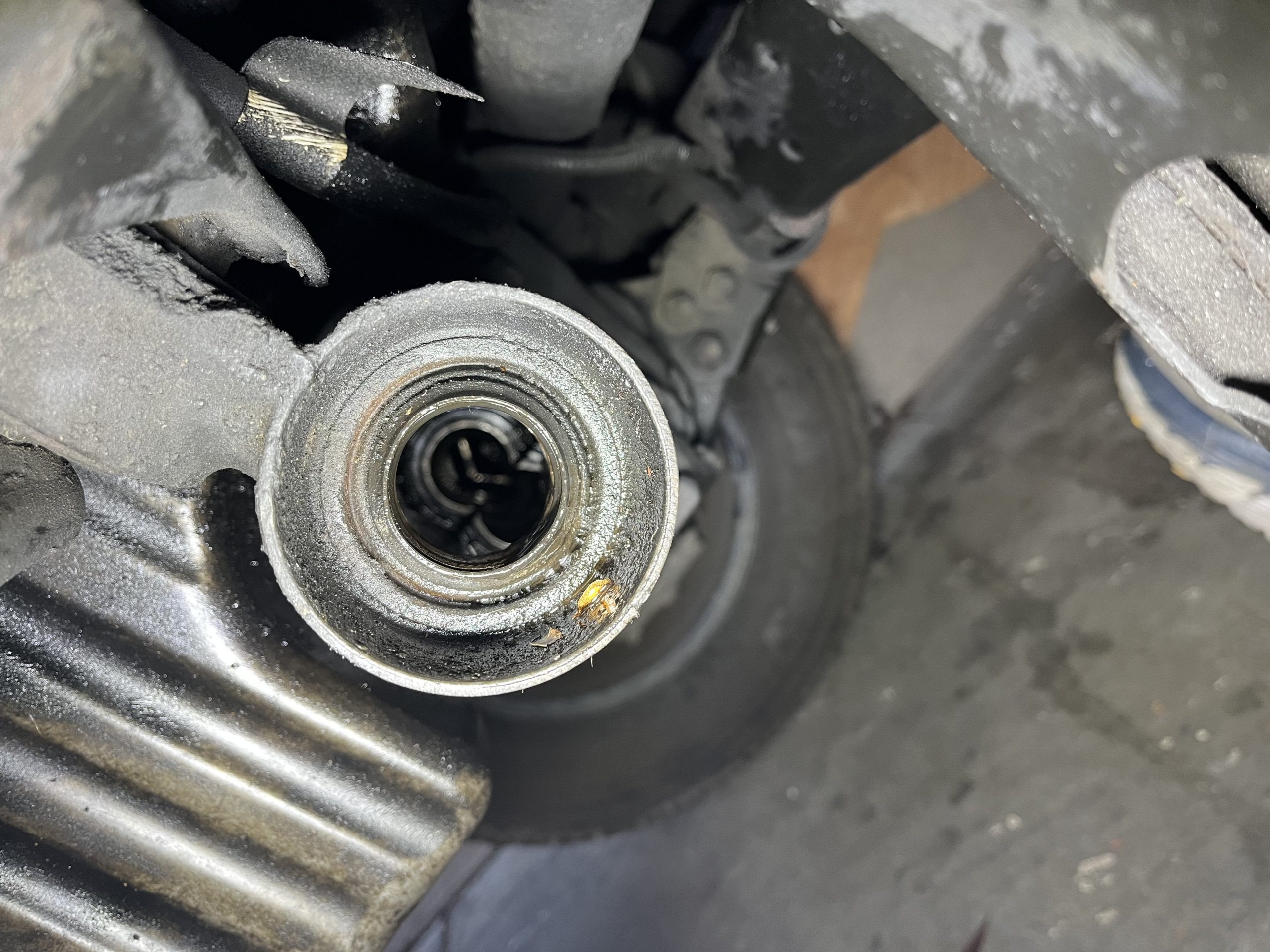
9. Jeep Grand Cherokee 2014 – Grinding From Transfer Case During Low-Speed Turns
A 2014 Jeep Grand Cherokee that produces grinding sounds during low-speed turns often points toward transfer case or drivetrain binding. That sound feels rough and mechanical, similar to metal resistance occurring beneath the vehicle during steering movement.
This issue becomes most noticeable in parking lots or tight cornering situations. Instead of smooth rotation, the vehicle may emit a dragging or grinding sensation that matches wheel movement. That behavior suggests an imbalance in how power is distributed between front and rear axles.
Four-wheel-drive systems rely on synchronized movement between multiple components. When the transfer case wears or internal lubrication becomes insufficient, components begin resisting each other during directional changes. A test drive in a controlled space often reveals the issue clearly. Slow figure-eight turns can make the sound appear repeatedly, offering a reliable way to confirm its presence.
Steering effort may also feel slightly heavier during these moments. That added resistance pairs with the grinding sound, reinforcing the idea of drivetrain stress rather than surface-level tire noise. During straight-line driving, the sound may fade or disappear, which can mislead buyers into thinking the vehicle is fine. That inconsistency is a major signal that the issue is tied specifically to turning force distribution.
Repair work for transfer case problems can involve internal rebuilds or component replacement. Costs rise depending on how long the condition has been present and how much wear has spread through connected parts. A properly functioning Grand Cherokee should move quietly during turns, even in tight spaces.
When grinding enters the experience at low speeds, the risk level increases enough to reconsider the purchase before additional drivetrain damage develops.
