Winter driving in North Dakota demands vehicles that can handle freezing temperatures, icy roads, and deep snow without hesitation. While block heaters are often considered helpful in extreme cold, many modern vehicles are now engineered to start reliably and perform efficiently even without them.
This list, “10 Cars That Don’t Need a Block Heater in North Dakota,” highlights models built with advanced cold-start systems, intelligent all-wheel drive, and winter-focused features that prioritize traction, safety, and comfort. From rugged trucks and full-size SUVs to efficient hybrids and family-friendly crossovers, each vehicle is designed to maintain stability and dependability when temperatures drop far below freezing.
These models combine synthetic oil compatibility, strong battery systems, and smart thermal management to reduce cold-weather strain. Whether it’s commuting on icy highways, pushing through snow-covered rural roads, or starting up on frigid mornings, these vehicles prove that modern engineering can significantly reduce dependence on traditional winter aids like block heaters.
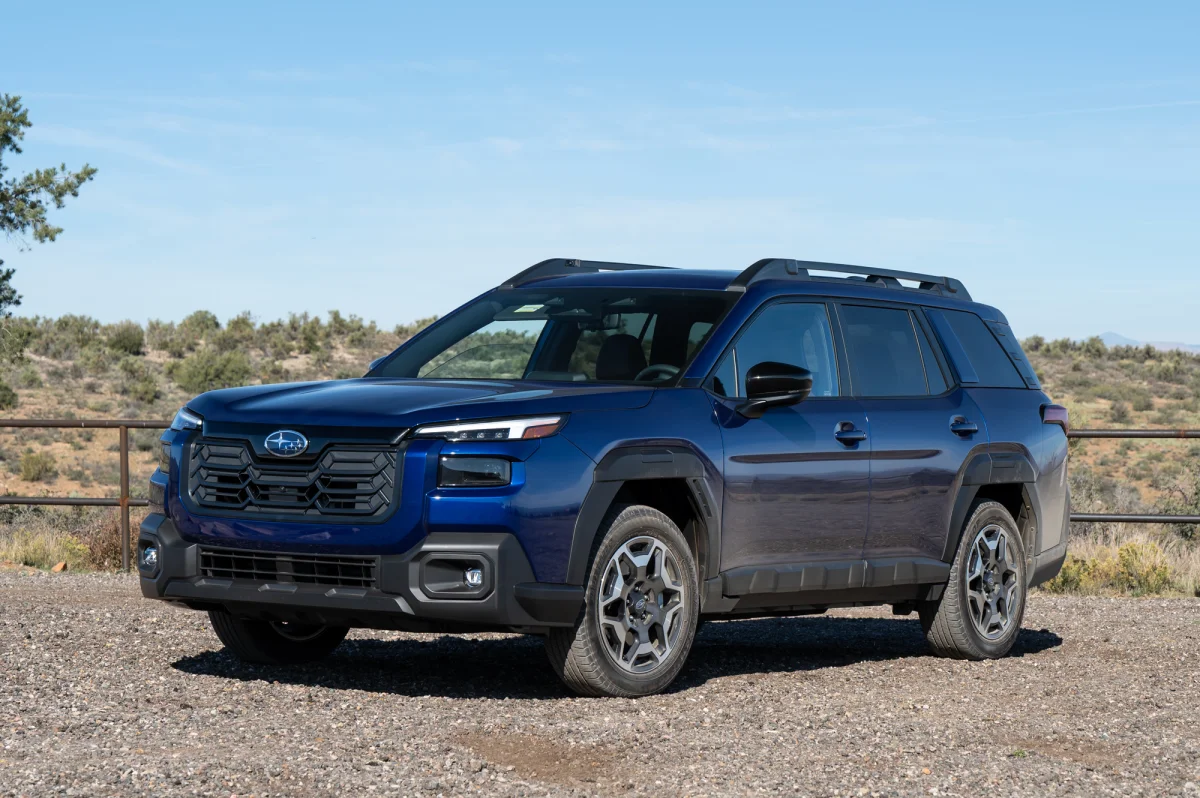
1. Subaru Outback
Built with harsh climates in mind, the Subaru Outback stands out as a dependable vehicle for regions like North Dakota where snow, ice, and freezing temperatures are a daily reality. Its reputation is largely rooted in Subaru’s standard Symmetrical All-Wheel Drive system, which delivers balanced power to all four wheels, helping maintain traction on slippery roads and in deep snow conditions. With 8.7 inches of ground clearance, the Outback is also well-equipped to push through snowdrifts and uneven winter terrain without difficulty.
A key engineering advantage is its Boxer engine layout, which lowers the center of gravity and improves stability. This makes the vehicle feel more planted and controlled when driving on icy or unpredictable surfaces. Subaru further enhances winter usability through features like the available Cold Weather Package, which includes heated front seats, heated side mirrors, and a windshield wiper de-icer that prevents ice from forming in critical areas during freezing conditions.
For more challenging conditions, the X-MODE system adds another layer of control by adjusting engine response, transmission settings, and braking to maximize traction on steep or slippery surfaces. This improves safety and ease when dealing with icy slopes or heavy snow.
The Outback also performs reliably in extremely low temperatures, with engineering designed to support cold starts even in severe winter weather. While block heaters may still be recommended in extreme sub-zero conditions, the vehicle is generally considered dependable without heavy reliance on them.
Performance options include a standard 2.5-liter engine and a stronger 2.4-liter turbocharged engine available in XT and Wilderness trims. The Wilderness model further enhances off-road capability with increased ground clearance, rugged tires, and adaptive suspension tuning. Despite its capability, the Outback maintains solid fuel efficiency, typically ranging from 25 to 31 mpg depending on configuration.
Inside, the cabin is spacious and modern, featuring improved materials, increased cargo space, and a large 12.1-inch infotainment system with smartphone integration. Safety is also a priority, with Subaru’s EyeSight suite offering advanced driver assistance features as standard.
The Subaru Outback blends durability, comfort, and all-weather confidence, making it a strong fit for winter-heavy environments.
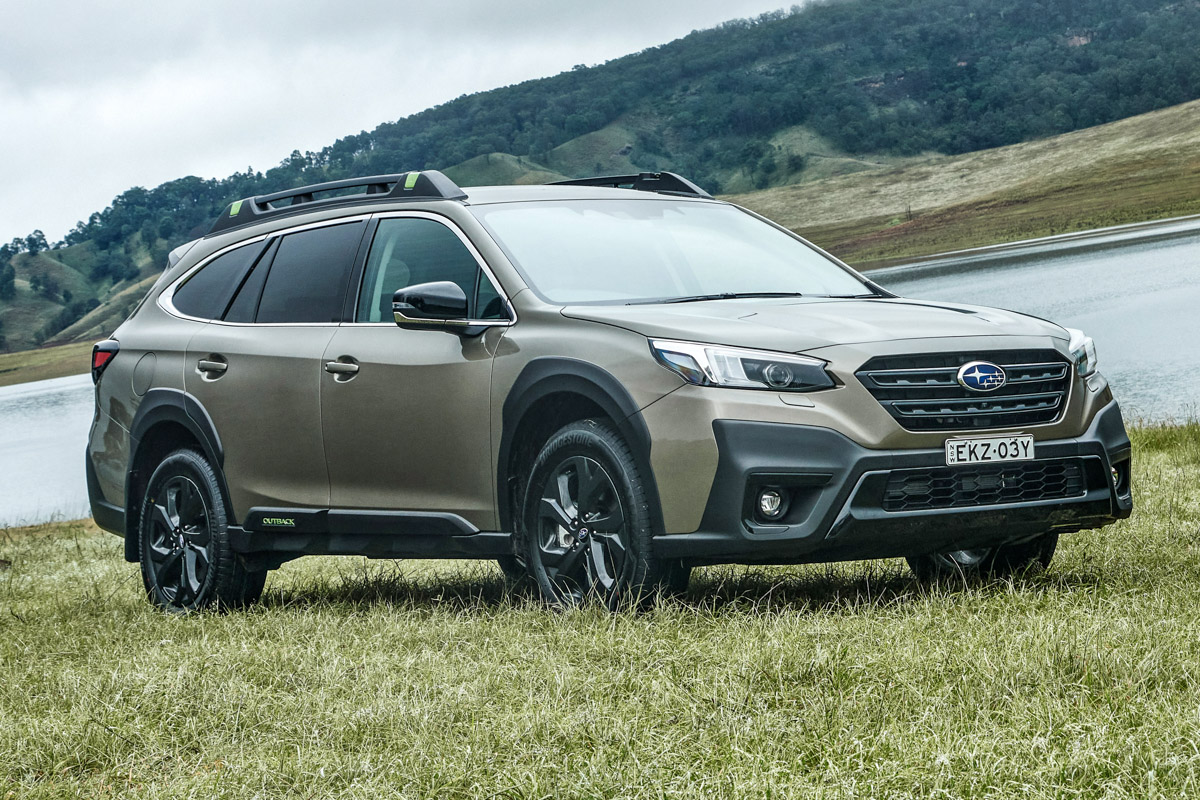
2. Toyota RAV4
Engineered for dependable performance in harsh climates, the Toyota RAV4 is a strong contender for drivers facing heavy snow, icy roads, and extreme cold conditions like those common in North Dakota. It combines advanced traction systems, hybrid efficiency, and thoughtful cold-weather features to deliver consistent confidence throughout winter driving conditions.
A major advantage comes from Toyota’s Dynamic Torque Vectoring All-Wheel Drive system, which actively shifts power between the front and rear wheels to maintain grip on slippery or uneven surfaces. This is complemented by Snow Mode, which fine-tunes throttle response and transmission shifts to minimize wheel spin and improve control on ice and packed snow. With 8.4 to 8.6 inches of ground clearance, the RAV4 is well-suited for roads covered in unplowed or compacted snow.
Cold-weather comfort and usability are also prioritized. Features such as a windshield de-icer, heated steering wheel, and fast cabin warming system help improve comfort and visibility in freezing temperatures. The RAV4 is designed for reliable cold starts, often eliminating the need for a block heater due to its efficient oil circulation, hybrid-assisted starting capability, and rapid warm-up systems. Its hybrid battery systems are also built to maintain performance in very low temperatures.
Under the hood, the RAV4 offers a 2.5-liter engine paired with electric motors producing up to 236 horsepower in AWD hybrid models. Plug-in hybrid versions significantly boost output to 320 horsepower while maintaining standard all-wheel drive. Performance remains smooth and responsive, with AWD hybrids reaching 0–60 mph in about 7.1 seconds and plug-in hybrids estimated near 5.2 seconds.
Efficiency is another key strength, with hybrid models achieving up to 47 mpg in city driving and strong combined ratings. Plug-in hybrid variants offer up to 52 miles of electric-only range, reducing fuel use for daily commutes.
Inside, the RAV4 provides a practical and spacious cabin with durable materials, modern design elements, and flexible cargo space. Technology includes a standard 10.5-inch infotainment system with smartphone integration, while safety is covered by Toyota Safety Sense, which includes adaptive cruise control, lane assistance, and automatic emergency braking. The RAV4 delivers a balanced mix of winter capability, efficiency, and everyday usability.
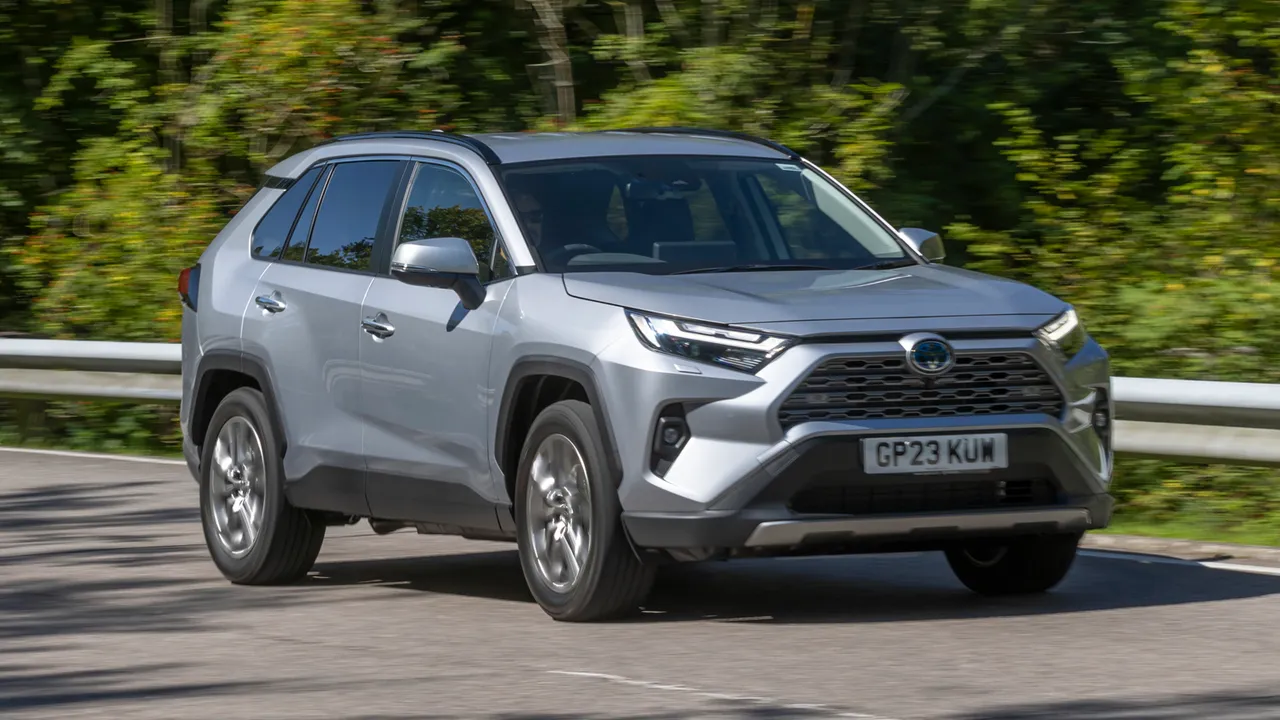
3. Ford F-150
Few vehicles are as closely associated with durability and cold-weather dependability as the Ford F-150, especially in harsh regions like North Dakota where freezing temperatures, deep snow, and icy roads are routine challenges. Designed as a full-size workhorse, it combines strong mechanical engineering with modern winter-focused technology to maintain performance and comfort in extreme conditions.
A major strength of the F-150 is its ability to start reliably in very low temperatures. This comes from a combination of high cold-cranking-amp (CCA) batteries, advanced engine management systems, and the use of low-viscosity synthetic oils that remain fluid in sub-zero weather. Modern EcoBoost and V6 engines also benefit from efficient fuel injection and computerized ignition systems that support smooth and consistent cold starts, even without a block heater in many situations.
On the road, the F-150 is designed to handle slippery and snow-covered surfaces with confidence. Available Snow/Wet drive modes adjust throttle response, transmission shifting, and traction control settings to reduce wheel spin and improve stability. Its 9.4 inches of ground clearance also helps it move through deep snow and uneven winter roads without difficulty.
Cold-weather usability is further enhanced by convenience features such as FordPass remote start, which allows the engine and cabin to warm up before driving. Heated seats, steering wheels, and mirrors add comfort and improve visibility during freezing conditions. A strong electrical system and heavy-duty alternators ensure that essential systems remain powered even when multiple heated features are in use.
The F-150 offers a wide range of engines, including turbocharged V6 options, a V8, and a hybrid powertrain producing up to 430 horsepower. All versions are paired with a 10-speed automatic transmission and available four-wheel drive. The truck also delivers impressive capability, with towing capacity up to 13,500 pounds and strong payload ratings, making it suitable for both work and winter travel demands.
Inside, the cabin is designed for practicality and comfort, offering generous space, flexible storage solutions, and work-friendly features. A 12-inch infotainment system with wireless Apple CarPlay and Android Auto provides modern connectivity, while optional premium audio systems enhance the driving experience.
Safety remains a priority, with standard driver-assistance features such as automatic emergency braking, lane-keeping assist, and blind-spot monitoring, along with optional advanced systems like adaptive cruise control and hands-free driving capability.
The Ford F-150 delivers a powerful combination of toughness, winter readiness, and modern convenience for demanding cold-weather environments.
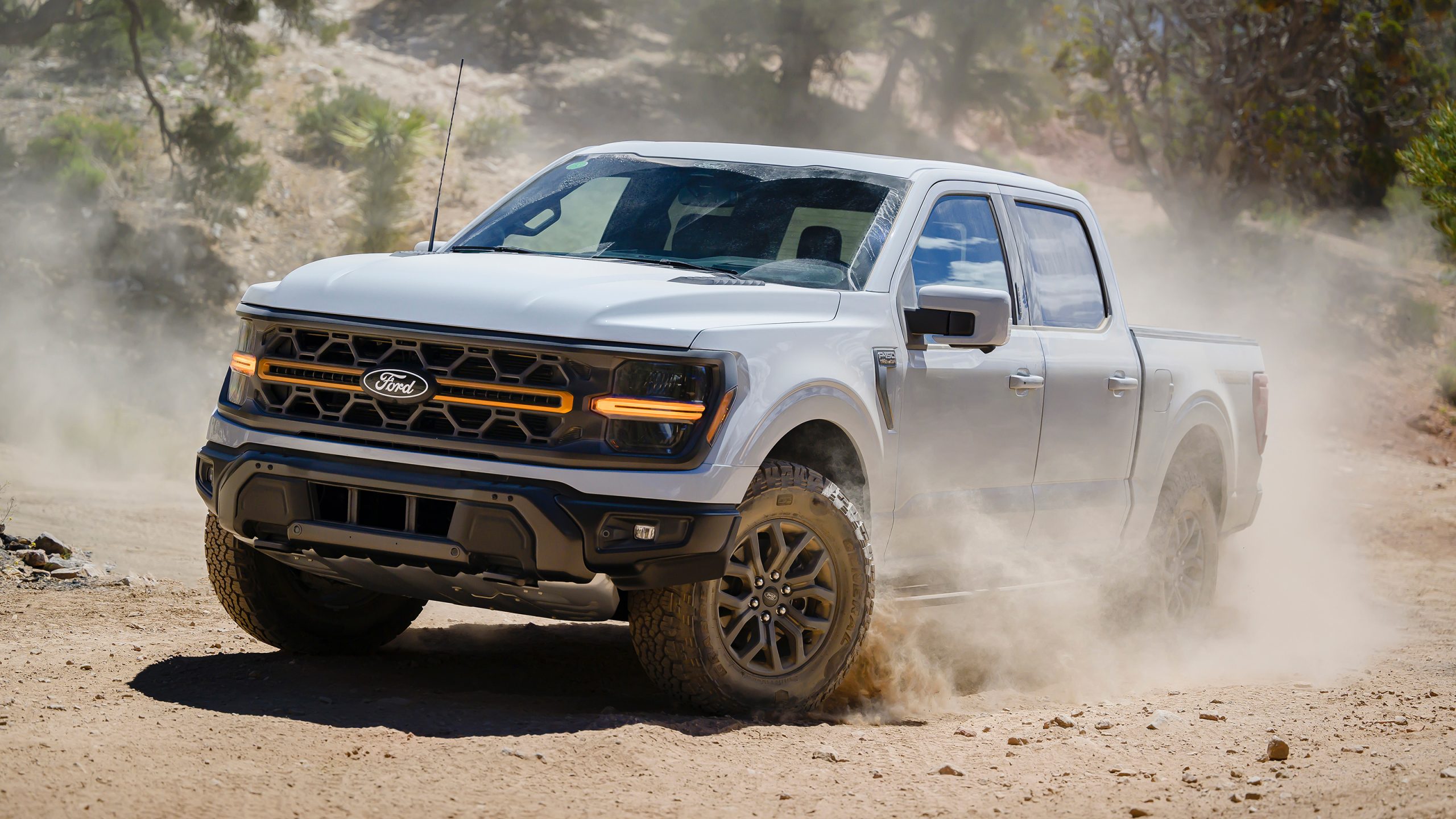
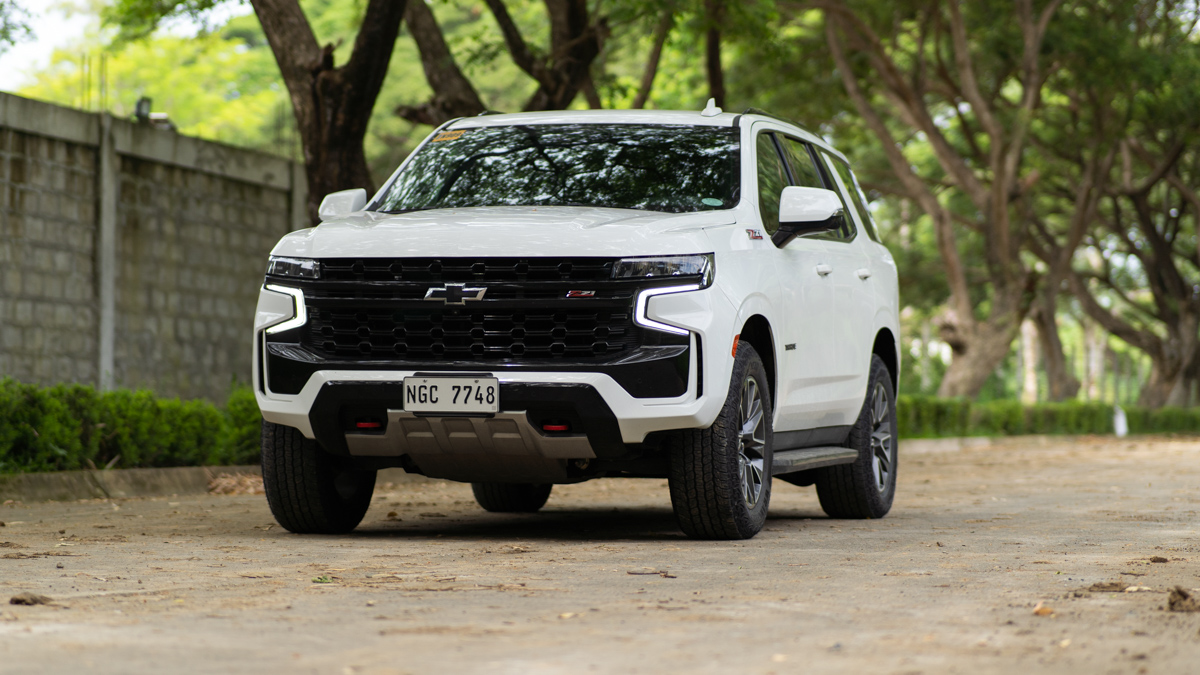
4. Chevrolet Tahoe
When winter conditions turn severe, the Chevrolet Tahoe stands out as a full-size SUV built to handle them with confidence. Its combination of strong four-wheel-drive capability, substantial weight, and cold-weather engineering makes it especially effective in regions like North Dakota, where icy roads and deep snow are common challenges.
One of the Tahoe’s biggest advantages is its dependable cold-start performance. Modern 5.3L and 6.2L V8 engines use advanced fuel injection systems and low-viscosity synthetic oils that remain effective in extremely low temperatures, allowing the engine to start smoothly even in sub-zero conditions. High-capacity batteries and reinforced electrical systems further improve reliability during freezing mornings. While a block heater can still be useful in extreme cold, the Tahoe is generally designed to operate without requiring one.
Traction is a core strength. The available Autotrac two-speed four-wheel-drive system automatically adjusts power distribution to maximize grip on ice and snow. Its heavy build also adds stability, helping the SUV stay planted on slippery roads and reducing the risk of sliding. With the ability to tow up to 8,400 pounds, the Tahoe also maintains strong control even under load.
Winter usability is further enhanced by comfort-focused features. Heated front and rear seats, a heated steering wheel, and tri-zone climate control allow the cabin to warm quickly and stay comfortable in freezing temperatures. Remote start capability lets the vehicle warm up before driving, improving both comfort and engine readiness in cold weather.
The Tahoe offers multiple powertrain options, including a 355-hp 5.3L V8, a 420-hp 6.2L V8, and a 3.0L diesel engine, all paired with a 10-speed automatic transmission. Despite its size, it delivers solid performance, with the 6.2L version reaching 0–60 mph in about 5.8 seconds.
Inside, the Tahoe provides a spacious three-row layout with generous cargo capacity and flexible seating arrangements. A large 17.7-inch infotainment screen, smartphone integration, and advanced safety systems such as lane-keeping assist and automatic emergency braking add modern convenience and security.
The Chevrolet Tahoe delivers a strong mix of durability, traction, and winter comfort, making it a reliable choice for extreme cold and challenging road conditions.
5. Honda CR-V
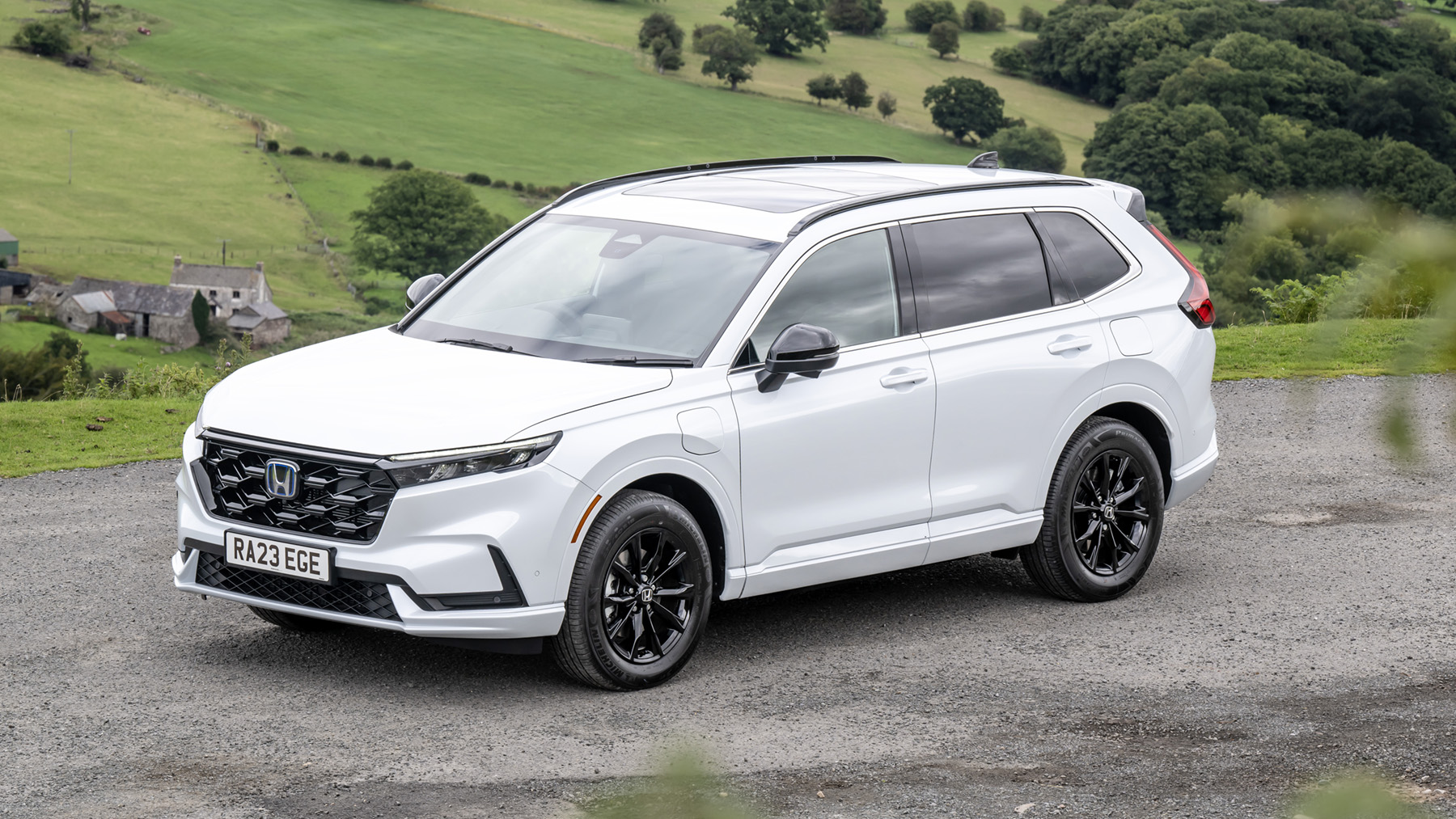
The Honda CR-V has earned a strong reputation as a practical and dependable compact SUV for cold climates like North Dakota, where freezing temperatures, icy roads, and frequent snow demand consistent reliability. Its strength lies in a balance of intelligent all-wheel drive, efficient cold-start engineering, and everyday comfort features that make winter driving more manageable.
One of the CR-V’s key advantages is its reliable performance in sub-zero conditions. Modern models use low-viscosity synthetic oil that stays fluid in extreme cold, reducing strain during startup. Updated fuel injection and engine management systems improve ignition efficiency and help the engine run smoothly even in freezing temperatures. In hybrid versions, electric motor assistance further supports cold starts by reducing the load on the gasoline engine.
Traction is handled by Honda’s Real Time AWD with Intelligent Control System, which continuously monitors wheel slip and automatically sends power to the rear wheels when needed. This system improves stability on icy or snow-covered roads without driver intervention. Many newer models also include Snow Mode, which adjusts throttle sensitivity and transmission behavior to limit wheel spin and improve control on slippery surfaces.
Practical winter design elements add further confidence. With about 8.2 inches of ground clearance, the CR-V can handle moderate snow buildup and uneven winter roads. Available heated seats, a heated steering wheel, and windshield de-icer features help improve comfort and visibility during freezing conditions. The climate system is also efficient at warming the cabin relatively quickly.
Power comes from a 190-hp turbocharged 1.5-liter engine paired with a CVT transmission, delivering smooth and efficient performance. While not built for speed, it provides solid everyday usability, with fuel economy reaching up to 33 mpg on the highway in front-wheel-drive models.
Inside, the CR-V offers a spacious and well-designed cabin with strong rear-seat comfort and about 39 cubic feet of cargo space behind the second row. Technology includes a 9-inch touchscreen with Apple CarPlay and Android Auto, along with USB-C ports and wireless charging.
Safety is a standout area thanks to Honda Sensing, which includes adaptive cruise control, lane-keeping assist, and collision mitigation braking, all especially useful in low-visibility winter driving.
The Honda CR-V combines efficiency, traction, and comfort into a reliable compact SUV well-suited for harsh winter conditions.
Also read: 10 Cars Where Seniors Can Hear the Turn Signal Clearly
6. Mazda CX-5
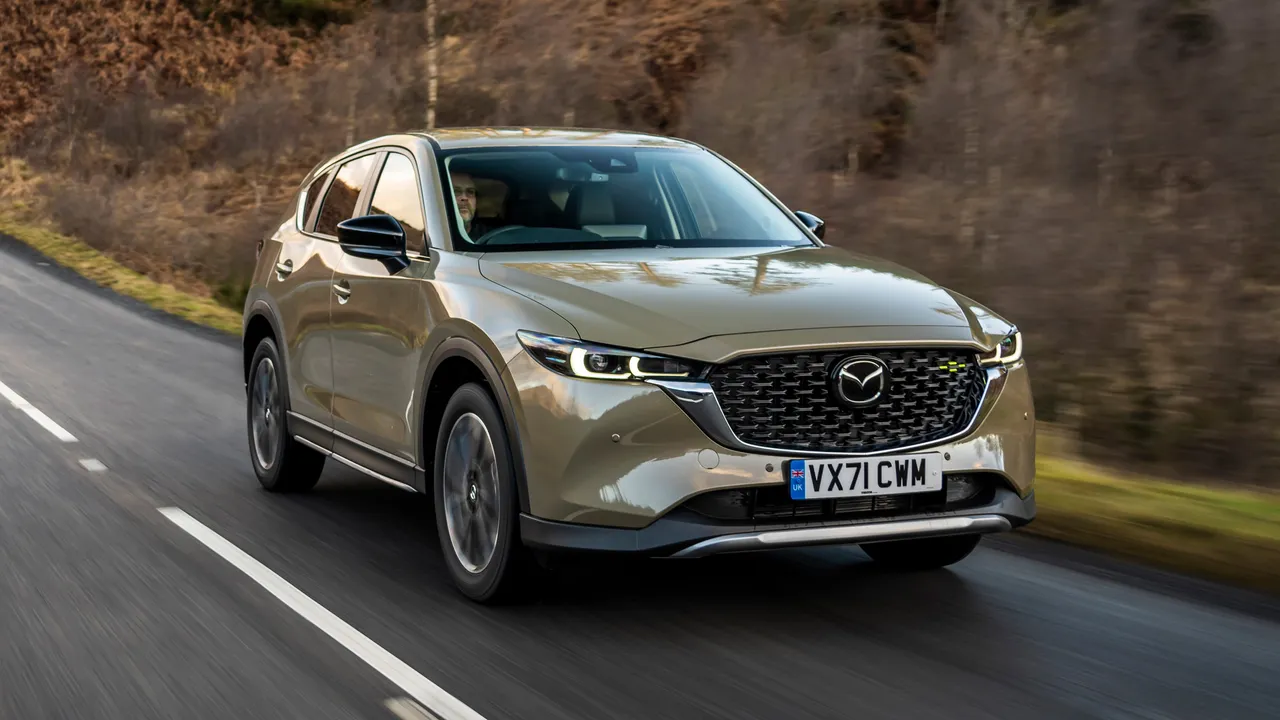
Designed with a focus on stability, efficiency, and real-world usability, the Mazda CX-5 has built a strong reputation as a winter-capable compact SUV, especially in demanding climates like North Dakota. Its appeal comes from a blend of intelligent all-wheel drive, reliable cold-start behavior, and comfort features that help it perform consistently in snow, ice, and sub-zero temperatures.
At the heart of its winter capability is Mazda’s i-Activ AWD system, which sets itself apart through predictive technology. Using 27 sensors that constantly monitor road conditions, steering input, and vehicle behavior, the system can anticipate wheel slip before it happens and adjust torque distribution accordingly. This proactive approach helps maintain stability on icy highways and unpredictable surfaces such as black ice, reducing the need for driver intervention.
Cold-start reliability is another key strength. The CX-5’s Skyactiv engine is engineered for efficient operation in low temperatures, using high-compression design and advanced fuel control to warm up quickly and reach stable operating conditions faster. When paired with proper synthetic oil and a healthy battery, the vehicle has shown strong real-world reliability in extremely cold regions, including sub-zero environments.
Comfort in winter conditions is supported by thoughtful interior features. Available heated seats, a heated steering wheel, and windshield de-icer systems improve both comfort and visibility during freezing weather. The cabin is also designed to warm efficiently, making cold-weather driving more manageable from the moment the engine starts.
Powering the CX-5 is a 187-hp 2.5-liter four-cylinder engine paired with a six-speed automatic transmission and standard AWD. While acceleration is modest rather than sporty, the vehicle delivers smooth, predictable performance and a comfortable ride quality well-suited for daily winter use. Fuel economy remains efficient, with ratings around 24 mpg city and 30 mpg highway.
Inside, the CX-5 features an upgraded and more modern cabin with improved materials, increased space, and a larger infotainment system ranging from 12 to 15.6 inches depending on configuration, featuring Google-based software and voice control. Safety is comprehensive, with standard adaptive cruise control, lane-keeping assist, blind-spot monitoring, and automatic emergency braking.
The Mazda CX-5 offers a balanced combination of predictive AWD technology, winter readiness, and refined comfort, making it a dependable choice for cold-weather driving conditions.
7. Hyundai Tucson & Palisade
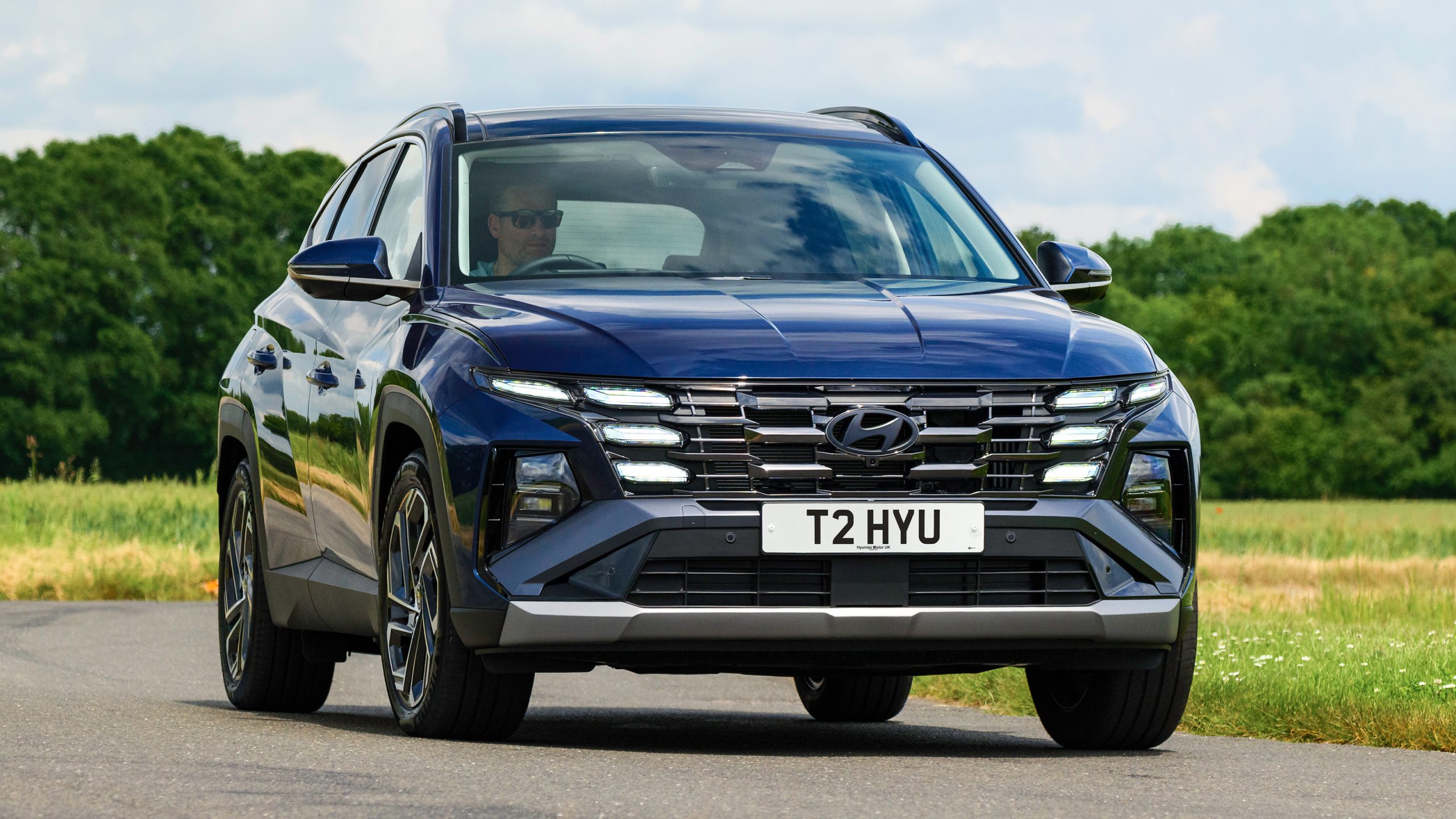
For drivers dealing with harsh winters like those in North Dakota, the Hyundai Tucson and Palisade stand out as dependable SUVs built to handle snow, ice, and sub-zero temperatures. Both models combine intelligent all-wheel drive, strong cold-start capability, and fast cabin heating to improve safety and comfort in extreme conditions.
A major advantage comes from Hyundai’s HTRAC All-Wheel Drive system, which continuously adjusts torque distribution between the front and rear wheels based on traction needs. In Snow Mode, it further refines throttle response, transmission shifts, and traction control to reduce wheel spin and improve stability on icy or snow-covered roads. This helps both SUVs maintain composure in slippery conditions without requiring driver adjustments.
Cold-weather reliability is another key strength. Both the Tucson and Palisade are engineered to start reliably in freezing temperatures through efficient engine design, optimized fuel injection, and strong battery systems. Real-world reports from cold regions confirm consistent starting performance even during severe cold snaps, making them practical for winter use without a block heater in most situations.
Comfort is a major focus in both vehicles. The Palisade features a Positive Temperature Coefficient (PTC) heater that delivers near-instant cabin warmth, while both models offer heated seats, heated steering wheels, and heated mirrors on higher trims. Remote start systems allow the cabin and engine to warm up before driving, improving comfort and visibility right away.
Performance varies slightly between the two. The Tucson uses a 187-hp 2.5-liter engine with an eight-speed automatic transmission, delivering smooth but modest acceleration suited for everyday driving. The Palisade uses a larger V6 engine for more power and family hauling capability. Both prioritize comfort and efficiency over sporty performance.
Inside, the Tucson and Palisade feature modern, well-organized cabins with high-quality materials and user-friendly layouts. The Tucson offers strong cargo space for a compact SUV, while the Palisade provides three-row seating and added practicality for larger families. Infotainment systems include large touchscreen displays, smartphone integration, and available premium audio options.
Safety is comprehensive across both models, with standard features like automatic emergency braking, lane-keeping assist, and adaptive cruise control, all especially valuable in low-visibility winter driving.
The Hyundai Tucson and Palisade deliver a strong mix of traction, comfort, and cold-weather dependability for challenging winter conditions.
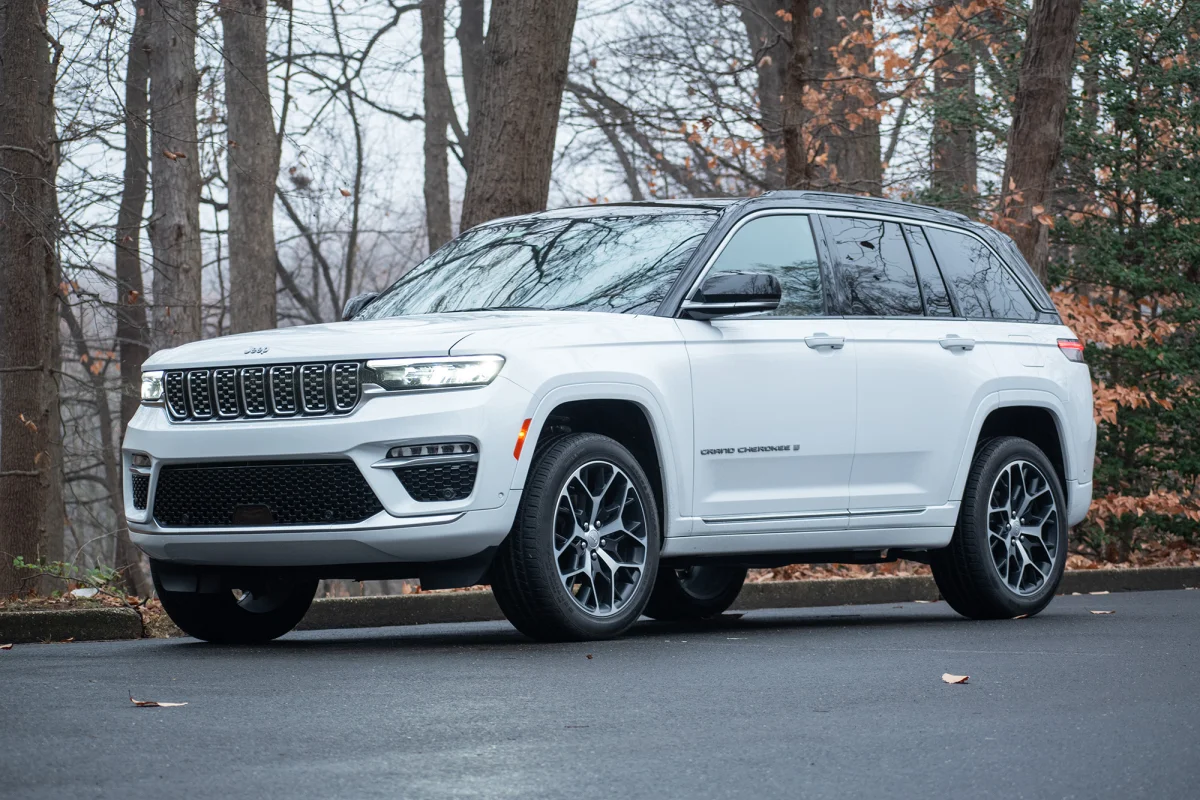
8. Jeep Grand Cherokee
The Jeep Grand Cherokee is designed for drivers who regularly face demanding winter conditions such as those in North Dakota, where snow-packed roads, ice, and extreme cold require more than average capability. Built with a focus on rugged performance and traction control, it remains a popular choice for confident winter driving, even without relying on a block heater in most situations.
At the core of its winter performance is strong cold-start reliability. The Grand Cherokee uses modern engine options, including the 3.6L Pentastar V6 and an available turbocharged 2.0L four-cylinder, both paired with synthetic oil and advanced fuel injection systems that support smooth ignition in sub-zero temperatures. Many owners report consistent starts in extreme cold, particularly in newer models, provided the battery is well maintained.
Traction is one of its defining strengths. The available Quadra-Trac and Quadra-Drive II 4×4 systems continuously manage power distribution, sending torque to the wheels with the most grip. This improves stability on icy highways, packed snow, and slushy roads. The Selec-Terrain system adds a Snow Mode that adjusts throttle response and traction behavior for more controlled movement in slippery conditions. Higher trims also offer Quadra-Lift air suspension, which raises ground clearance to help the SUV handle deeper snow and uneven terrain.
Comfort and usability are equally important in winter. Many Grand Cherokee models include remote start, allowing the engine and cabin to warm before driving begins. Heated seats, a heated steering wheel, and heated mirrors are commonly available, improving comfort and visibility during freezing conditions.
Performance remains strong and versatile. The SUV offers up to 324 horsepower depending on engine choice and uses an eight-speed automatic transmission for smooth power delivery. It also provides composed handling on paved roads and can tow up to 6,200 pounds, adding practicality for winter hauling and travel needs.
Inside, the Grand Cherokee features a refined cabin with premium materials available in higher trims, spacious seating, and modern digital displays. A 12.3-inch infotainment system with smartphone integration supports connectivity and convenience on the road.
The Jeep Grand Cherokee delivers a balance of rugged winter capability, traction control technology, and everyday comfort, making it a dependable SUV for extreme cold environments.
9. Volvo XC90
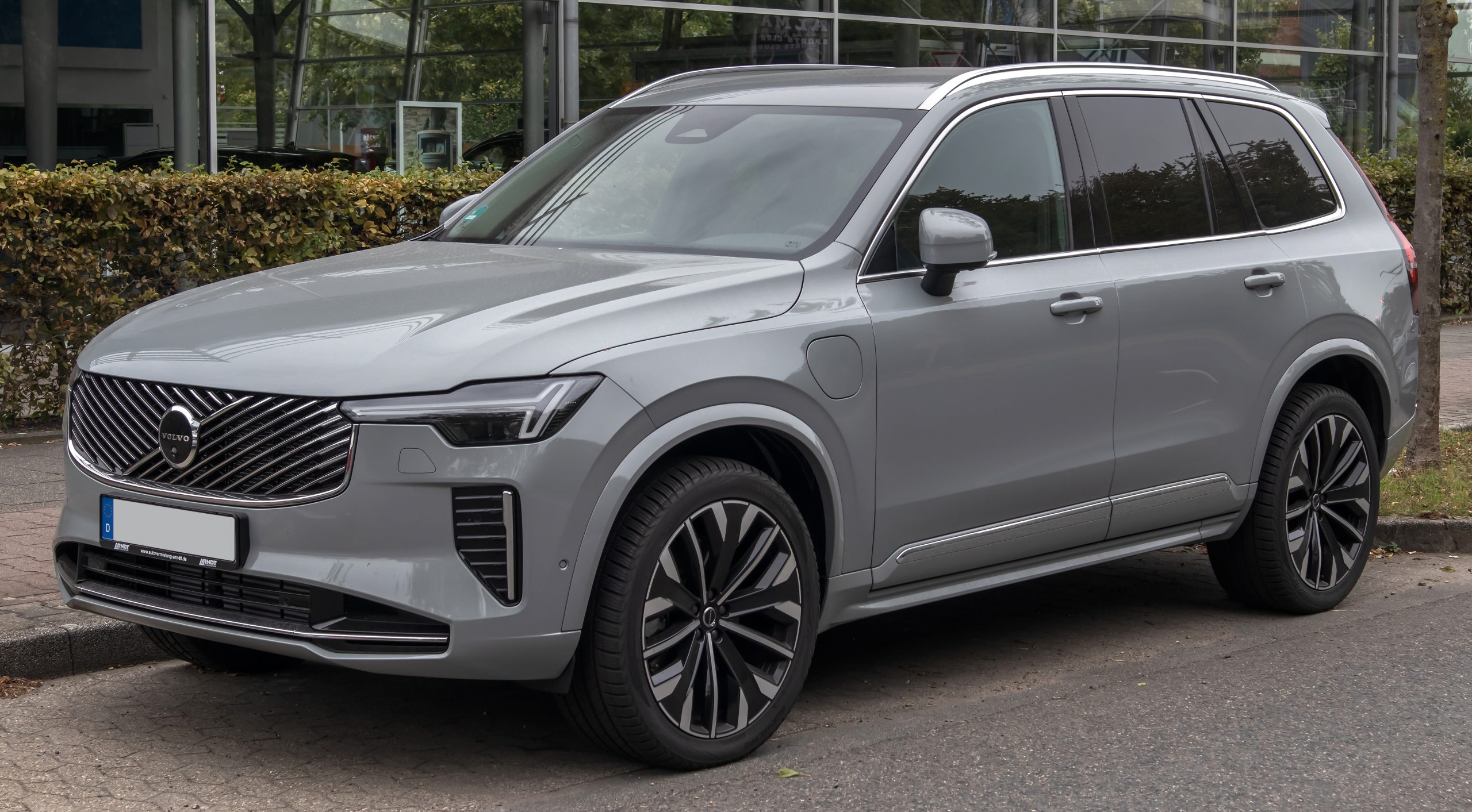
Designed in Sweden with harsh Nordic winters in mind, the Volvo XC90 is built to handle extreme cold conditions such as those found in North Dakota. Its engineering focuses on dependable cold starts, strong traction control, and fast cabin heating, allowing it to perform reliably even without a block heater in most everyday winter scenarios.
Cold-weather dependability starts with its modern mild-hybrid powertrains, the B5 and B6, which pair turbocharged 2.0-liter engines with a 48-volt system. These setups use low-viscosity synthetic oil and smart thermal management to support easier ignition in sub-zero temperatures. Remote start and Volvo’s pre-conditioning system allow the cabin and engine to warm before driving, while Recharge plug-in hybrid variants add an electric heater that can operate independently of the engine.
Traction is handled by an intelligent AWD system that constantly redistributes torque to maintain grip on ice and snow. With up to 9.2 inches of ground clearance, the XC90 is well-suited for deep snow and uneven winter roads. Heated windshield zones, protected sensors, and heated wiper areas help preserve visibility and keep driver-assistance systems functioning in freezing weather.
Inside, comfort is immediate and consistent. Heated front and rear seats, a heated steering wheel, and a fast-responding HVAC system bring warmth to the cabin quickly, even in extreme cold. The interior is available in 5-, 6-, or 7-seat configurations, featuring premium materials and a calm, minimalist Scandinavian design. While the third row is best suited for shorter trips, the cabin prioritizes refinement and usability.
Performance is steady rather than aggressive. The B5 produces 247 horsepower, while the B6 delivers 295 horsepower, both paired with an 8-speed automatic transmission and standard AWD. The XC90 is tuned for smoothness and stability, with optional air suspension improving ride comfort over rough winter roads. Towing capability reaches up to 5,000 pounds in properly equipped versions.
Fuel efficiency ranges from 20 to 27 mpg depending on configuration, with real-world highway testing showing results close to EPA estimates. Inside, an 11.2-inch Google-based infotainment system, digital instrument cluster, and premium audio options enhance convenience and connectivity.
Standard driver-assist systems include automatic emergency braking, lane-keeping support, and adaptive cruise control, reinforcing its strong safety focus.
10. Toyota Sienna AWD
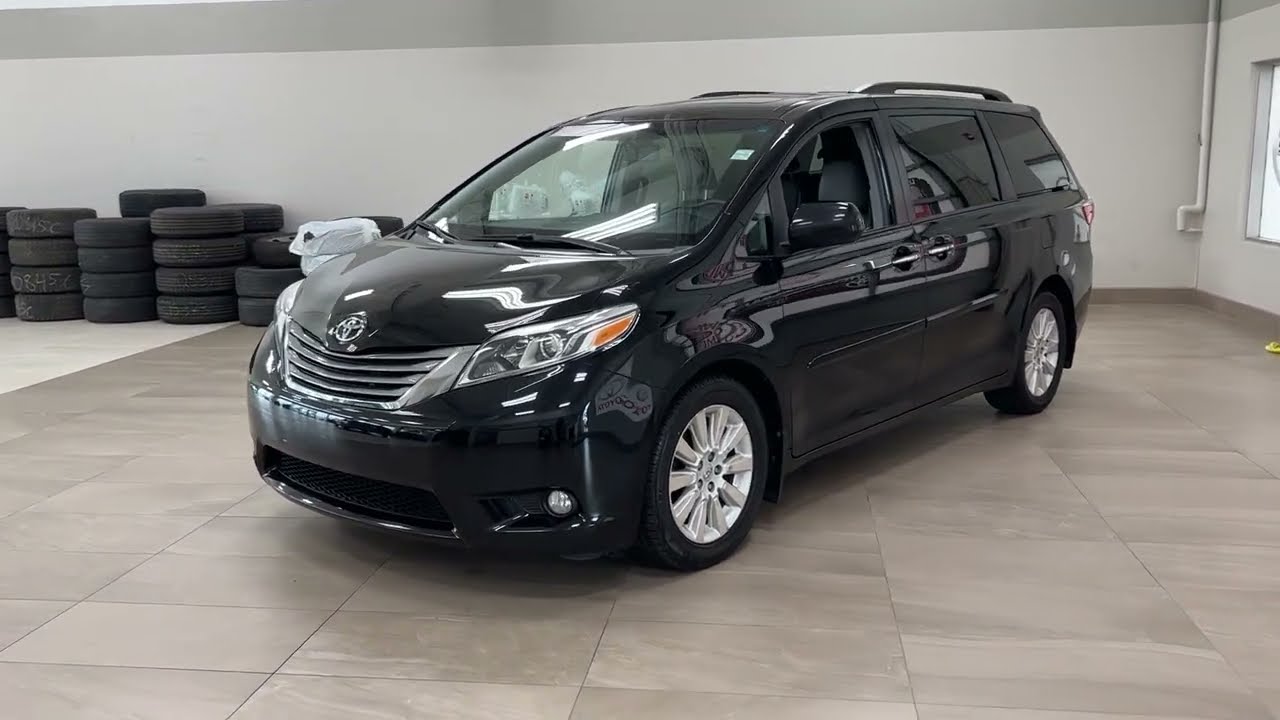
The Toyota Sienna (AWD) stands out as a rare minivan engineered to handle severe winter conditions, making it especially well-suited for climates like North Dakota. Its combination of a hybrid powertrain and electronic all-wheel drive (e-AWD) delivers dependable traction, strong cold-weather performance, and everyday practicality without relying heavily on a block heater for operation in sub-zero temperatures.
At the core of its winter capability is Toyota’s hybrid system, which replaces the traditional heavy starter setup with a high-voltage battery-driven start. This reduces strain during cold starts and allows the engine to reach operating temperature more efficiently. Low-viscosity synthetic oil further supports smooth operation in freezing conditions by maintaining proper flow even in extreme cold. Together, these systems help the Sienna remain reliable during harsh winter mornings.
Traction is a major advantage. The AWD model uses a dedicated electric motor on the rear axle, creating instant torque distribution the moment wheel slip is detected. This electronic AWD system operates seamlessly, even in reverse, improving control when backing out of snow-covered driveways or icy parking spaces. Its responsiveness provides stability on steep, slippery, or unplowed roads, especially when paired with winter tires.
Comfort in freezing conditions is equally prioritized. The Sienna offers heated seats, a heated steering wheel, and heated side mirrors through available cold-weather packages. Its HVAC system warms the cabin quickly, while the hybrid setup allows for consistent interior heating even during low-load driving situations. Remote start functionality also enables pre-warming before entry, improving convenience on frosty mornings.
Reliability is reinforced by Toyota’s proven hybrid technology, which has been refined across multiple models for durability in extreme climates. The system is widely regarded for consistent performance in cold environments when properly maintained.
While some drivers in extremely low temperatures may still use a block heater to accelerate warm-up times or reduce long-term engine stress, the Sienna’s hybrid architecture and intelligent AWD system are designed to perform effectively without it in most winter scenarios.
Selecting a vehicle for North Dakota winters requires attention to more than performance alone. It demands reliability in extreme cold, strong traction on snow and ice, and comfort during long stretches of freezing temperatures. The vehicles featured in “10 Cars That Don’t Need a Block Heater in North Dakota” demonstrate how far modern engineering has progressed in meeting these challenges.
With intelligent AWD systems, hybrid-assisted cold starts, quick cabin heating, and durable powertrains, they are designed to stay dependable even in sub-zero conditions. From capable SUVs like the Volvo XC90 and Toyota RAV4 to hardworking trucks such as the Ford F-150 and Chevrolet Tahoe, each model balances safety, comfort, and winter readiness.
While block heaters can still be useful in extreme cold, these vehicles are built to operate confidently without them in most real-world winter situations. Together, they represent practical, winter-ready choices for drivers facing North Dakota’s toughest conditions.
Also read: 5 Cars That Feel Like A Luxury Car For Half The Price And 5 Luxury Cars That Feel Cheap