
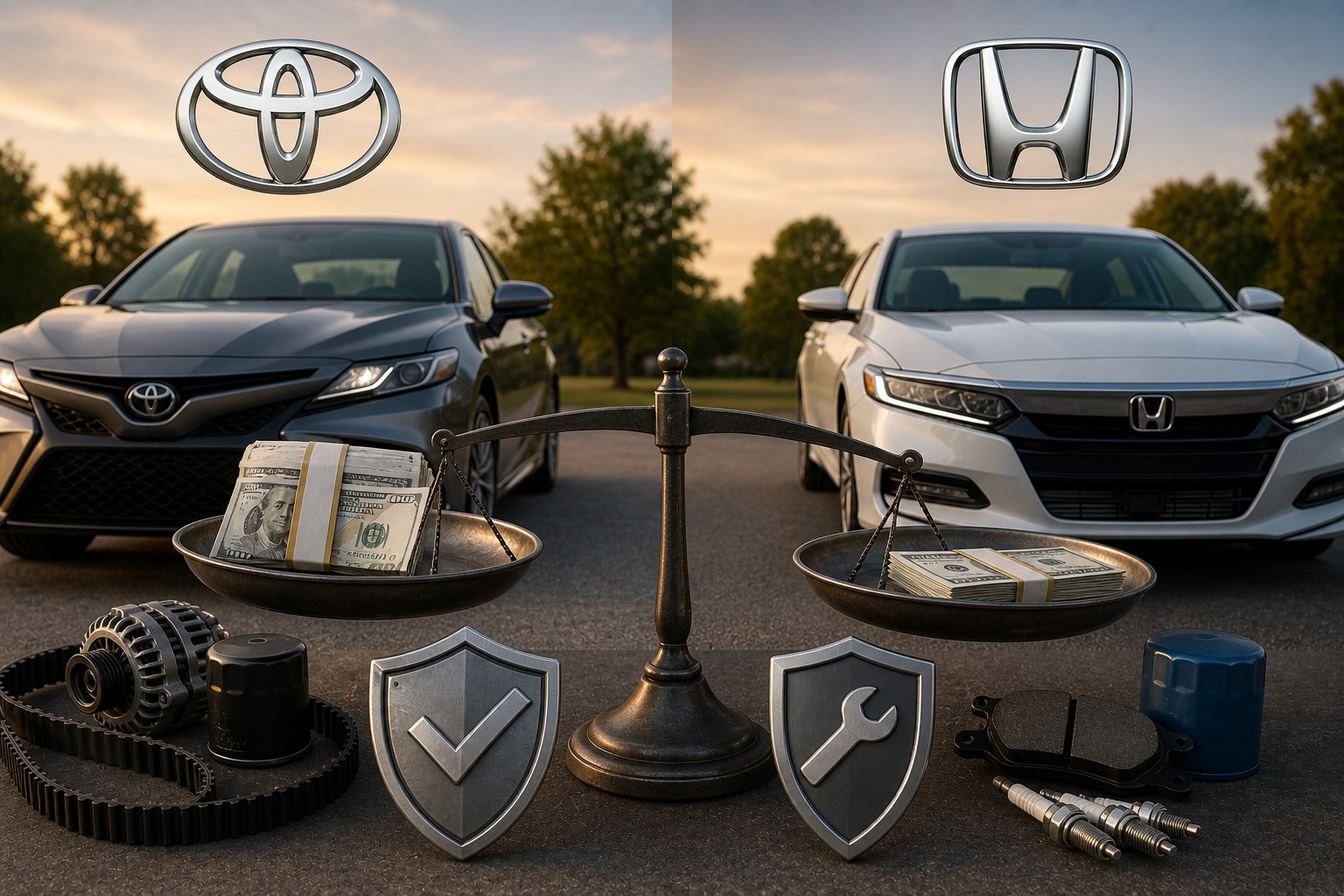
If you have ever shopped for a used car, you have noticed something interesting. Toyotas almost always cost more than Hondas with the same mileage and year.
This is not a coincidence or a marketing trick. There are real, honest reasons behind this price gap. Both brands are Japanese. Both are known for reliability and long-lasting engines.
Yet buyers consistently pay a premium for Toyota. This happens in every market around the world. Some people assume Toyota just has better branding. Others think it is simply a matter of perception. But the truth goes much deeper than that. The difference comes down to data, history, and real-world performance.
Mechanics, fleet managers, and long-term car owners all tell the same story. Toyotas tend to last longer with fewer expensive repairs. Resale value does not lie. The market prices cars based on what buyers have experienced over decades. Honda makes excellent cars. Nobody is arguing against that.
But Toyota has built something even more powerful than a good car. It has built a reputation that holds its value on every used car lot.
Toyota’s Reliability Record Is Backed by Hard Data
Toyota has spent decades building cars that simply refuse to break down. This is not just a slogan. It is backed by independent reliability surveys year after year.
Organizations like Consumer Reports and J.D. Power consistently rank Toyota near the top. Honda scores well, too, but Toyota appears at the very top more often.
Fleet companies pay close attention to these numbers. They buy hundreds of vehicles at a time and track every repair cost carefully. Taxi companies in developing countries almost exclusively use Toyota Corollas and HiLux trucks. This is because they cannot afford unexpected breakdowns on the road.
Every breakdown costs money in lost income. Fleet operators choose Toyota because the math works in their favor. The Toyota Camry and Corolla regularly appear on lists of the longest-lasting cars on the road. Studies show these models frequently cross 200,000 miles without major mechanical failures.
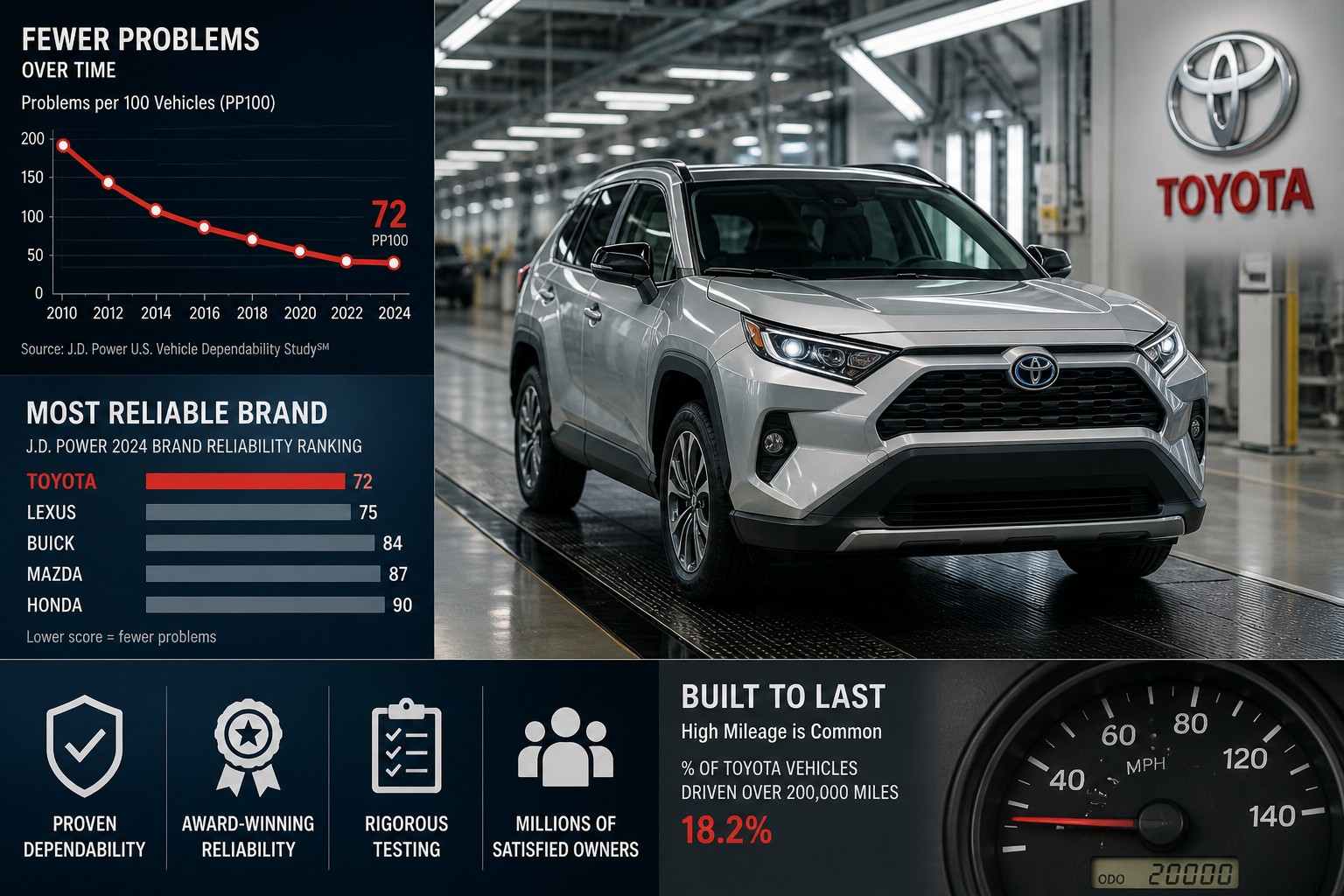
Honda Civics and Accords are also long-lasting cars. But the data shows Toyota edges ahead when it comes to reaching very high mileage without costly repairs.
This reliability difference gets priced into the used car market immediately. A buyer paying more for a Toyota is essentially buying an insurance policy.
They are paying for the reduced risk of a surprise repair bill. That peace of mind has real monetary value. Toyota also has fewer recalls on average compared to many competitors. Fewer recalls mean fewer trips to the dealer and less stress for the owner.
The engineering philosophy at Toyota focuses on proven technology. They prefer to use systems that have already been tested and trusted. Honda sometimes pushes newer technology faster. This innovation is exciting, but it can introduce early reliability problems.
New technology needs time to mature. Toyota waits until a technology is stable before putting it in millions of cars. This conservative approach may seem boring. But it produces cars that work correctly from the very first year of production.
When a used car buyer looks at a Toyota with 120,000 miles, they feel confident. They know the car has a strong chance of going another 100,000 miles. That confidence is not free. It costs extra money at the point of sale. And most experienced buyers agree it is worth every penny.
Also Read: 5 Best SUVs That Age Gracefully vs 5 SUVs That Fall Apart After 5 Years
Resale Value Creates a Self-Reinforcing Cycle
Resale value is one of the most important factors in a car’s total cost of ownership. Toyota understands this better than almost any other brand. When you buy a Toyota, you are also buying its future selling price. This matters enormously when you decide to sell or trade in later.
Toyotas depreciate more slowly than most other brands. A five-year-old Toyota Camry holds more of its original value than a five-year-old Honda Accord in most markets.
This slower depreciation means used Toyotas are priced higher from the start. Sellers know buyers will pay the premium. Buyers pay the premium because they know they can sell it again later for a good price. This creates a cycle that keeps Toyota values raised permanently.
Honda vehicles also hold value reasonably well. But Toyota consistently outperforms Honda in long-term resale studies. The reputation feeds the resale value. The resale value strengthens the reputation. This cycle has been running for over forty years. It is very difficult for any competitor to break into this loop.
Dealerships also know this pattern well. They price used Toyotas higher because they sell faster and at better margins. A used Toyota sits on the lot for fewer days on average. This means less holding cost for the dealer. Lower holding costs mean dealers can afford to buy Toyotas at higher prices at auction. This pushes wholesale prices up as well.
The entire chain from manufacturer to auction to dealership to buyer reflects Toyota’s strong position. Every link in that chain adds to the final sticker price you see.
Insurance companies also factor in resale value when calculating premiums. Higher-value cars sometimes cost slightly more to insure. But owners accept this because the long-term financial equation still works in their favor. Paying slightly more now protects a larger asset later.
Honda owners are not losing badly in this comparison. Honda resale is still strong compared to most American or European brands. But in a direct head-to-head comparison with Toyota, Honda comes in second. Second place still means a lower price tag on the used car lot.
For the budget-conscious buyer, this gap creates a real opportunity. You can get a very good Honda for less money. But if long-term value matters most to you, Toyota wins the financial argument clearly.
The Toyota Production System Changed Manufacturing Forever
Most people do not think about manufacturing when they shop for a used car. But the way a car is built directly affects how long it lasts. Toyota invented a manufacturing philosophy called the Toyota Production System. This system is now studied in business schools around the world.
The core idea is to eliminate waste at every step of production. Every worker is empowered to stop the assembly line if they spot a problem. This is called the Andon system. It means quality problems are caught immediately instead of being discovered by the customer later.
Honda also has strong manufacturing practices. But Toyota’s system has been refined over more than seventy years. Those extra decades of refinement show up in the quality of the finished product. Small details are fitted more precisely. Tolerances are tighter.
When parts fit together more precisely, they wear out more slowly. Engines run smoother. Transmissions shift more cleanly. This precision adds up over hundreds of thousands of miles. A car built sloppily will show problems much sooner than one built carefully.
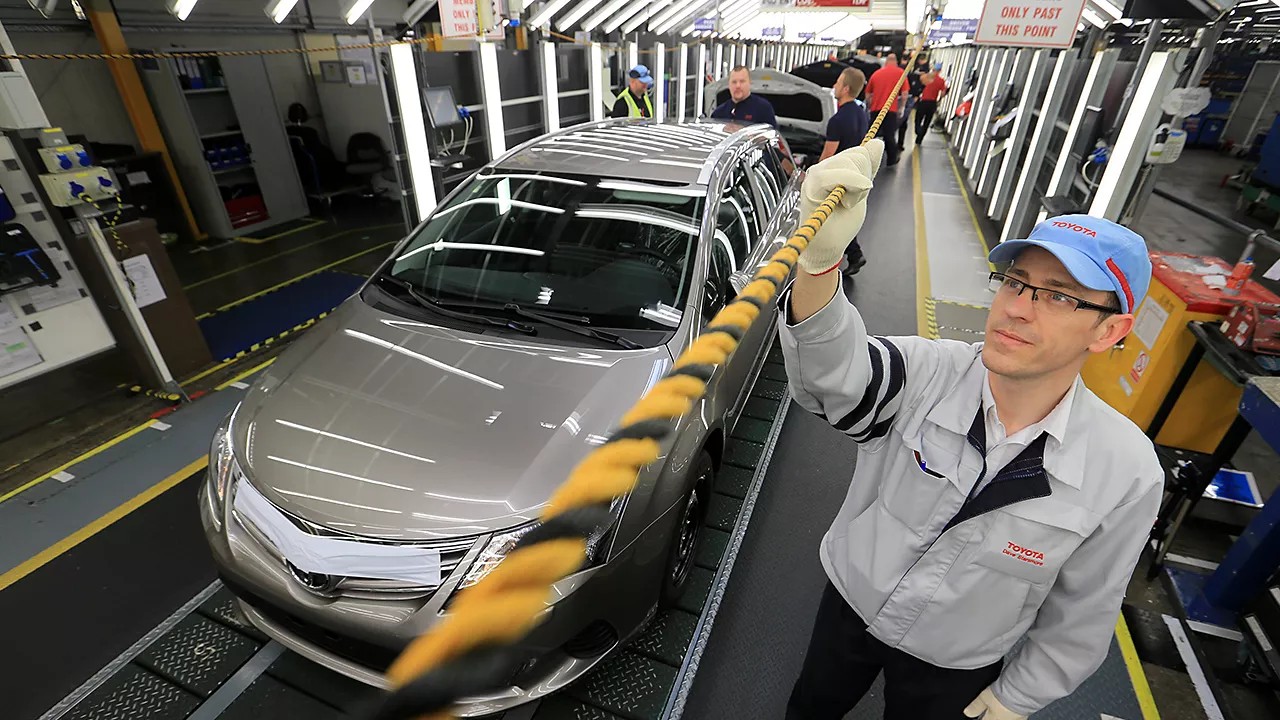
Toyota’s factories consistently score high in quality audits. Their defect rates are among the lowest in the global automotive industry. Lower defect rates mean fewer cars come off the line with hidden problems. The owner discovers fewer surprises as the mileage climbs.
Honda’s manufacturing is also high quality by global standards. But Toyota’s obsession with process perfection has set a benchmark that is hard to match. The Toyota Production System also focuses heavily on continuous improvement. This Japanese concept is called Kaizen.
Every year, Toyota engineers and factory workers find small ways to make cars slightly better. These small improvements accumulate into significant quality gains over time.
Honda improves its manufacturing as well. But Toyota has been the global leader in this philosophy for longer. This manufacturing discipline also affects parts quality. Toyota maintains very strict standards for the suppliers who provide components.
A supplier who consistently delivers poor-quality parts loses their Toyota contract quickly. This supplier pressure ensures only the best components go into each vehicle.
The result is a car that holds together better under stress. Long highway drives, rough roads, and temperature extremes all test a vehicle’s build quality.
Toyotas tend to handle these stresses more quietly and consistently. This is the invisible benefit of superior manufacturing that used car buyers are actually paying for.
Also Read: 9 Used Car Features That Look Cool But Break Within a Year
