
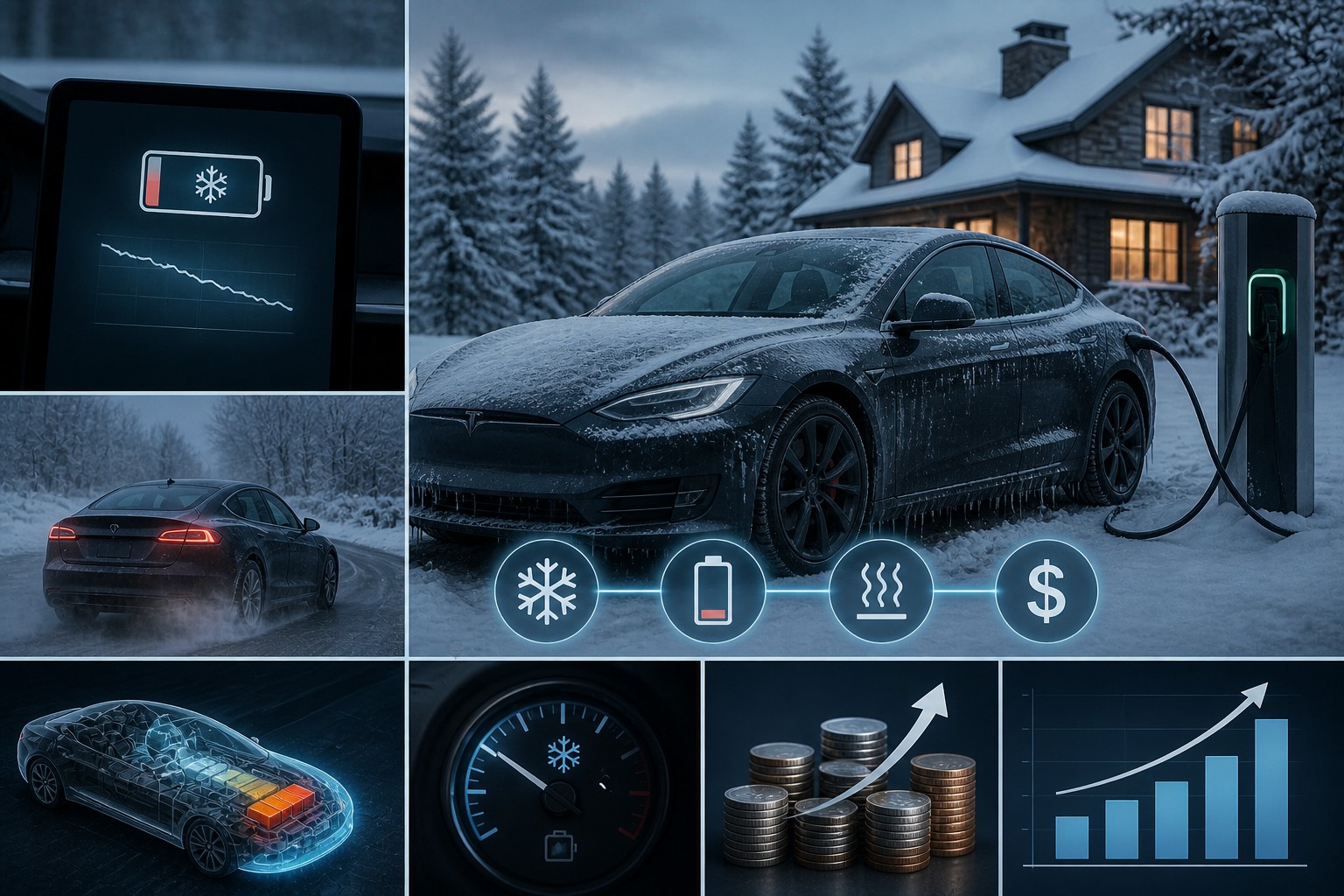
Electric vehicles (EVs) are changing the way the world thinks about transportation. They promise cleaner air, lower fuel costs, and a smarter way to travel. Millions of people across the globe are making the switch every year.
But owning an EV is not the same experience everywhere. The climate you live in plays a huge role in how your EV performs and how much it actually costs you.
Cold climates present a unique set of challenges for electric vehicle owners. Temperatures can drop well below freezing for months at a time. This affects everything from your battery range to your heating system to the very act of charging your car. Many first-time EV buyers in cold regions are surprised by costs they never anticipated. Understanding these costs before you buy can save you a great deal of money and frustration.
This guide breaks down the real financial picture of owning an EV in a cold climate. It covers battery performance, charging habits, maintenance, insurance, and more. Each section gives you honest, practical information. Whether you are in Canada, Scandinavia, Russia, or the northern United States, this guide is written for you.
Battery Range Loss in Cold Weather
Cold weather is the single biggest enemy of an electric vehicle’s battery. When temperatures fall below 0°C, lithium-ion batteries lose their ability to hold and deliver charge efficiently. Studies show that EV range can drop by 20% to 40% in freezing conditions. This means a car rated at 400 km of range may only deliver 240 to 320 km in winter.
This range loss is not a defect. It is simply chemistry. Cold temperatures slow down the electrochemical reactions inside the battery. The battery must also work harder to heat itself and the cabin simultaneously. You end up using energy just to stay warm, not just to move forward.
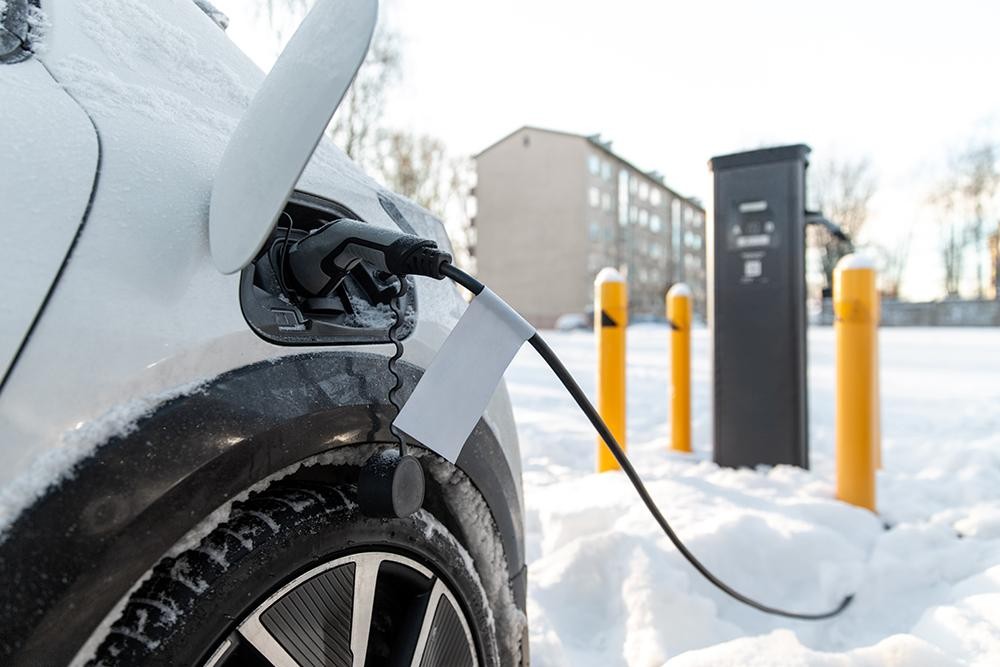
The financial impact is real and direct. You charge more often in winter. More charging means higher electricity bills every single month. If you rely on public fast-charging stations, those costs add up quickly. A daily commuter in a cold city may spend 30% to 50% more on charging during winter months.
Pre-conditioning your battery warming it while still plugged in helps reduce this loss. But pre-conditioning itself uses electricity. You are essentially paying to prepare your car before you even start driving. Cold-climate EV ownership requires you to rethink your entire relationship with energy consumption.
Home Charging Infrastructure Costs
Most EV owners prefer to charge at home. It is cheaper, more convenient, and far less stressful than hunting for public chargers. But setting up home charging in a cold climate costs more than most people expect. The infrastructure investment is significant and often overlooked in initial purchase planning.
A basic Level 1 charger uses a standard household outlet. It is slow and often inadequate in cold weather. When your battery is already depleted from the cold, a Level 1 charger may not fully recharge your car overnight. Most cold-climate owners quickly find they need a Level 2 charger installed at home.
A Level 2 home charger installation typically costs between $800 and $2,500 depending on your location. This includes the unit itself and the electrician’s labor. In cold climates, garages are preferred for charging because extreme cold slows down charging speed. If you do not have a heated or insulated garage, you may need to build or renovate one.
Garage construction or insulation can cost tens of thousands of dollars. This is a real cost that many urban apartment dwellers or rural homeowners face. Without a warm charging environment, your EV will charge more slowly and age faster. The infrastructure cost of cold-climate EV ownership is rarely mentioned in advertisements.
Also Read: 5 Discontinued Models Worth Hunting Down And 5 That Should Stay Forgotten In 2026
Heating and Energy Consumption
Gasoline cars use waste heat from the engine to warm the cabin. Electric vehicles produce almost no waste heat. They must generate warmth using dedicated heating systems. In a cold climate, this makes a massive difference in how much energy your car consumes every single day.
Most EVs use a heat pump system for cabin heating. Heat pumps are efficient, but they lose effectiveness in very low temperatures. Below -15°C, some heat pumps struggle to perform adequately. The car then switches to a resistance heater, which consumes significantly more electricity per hour of use.
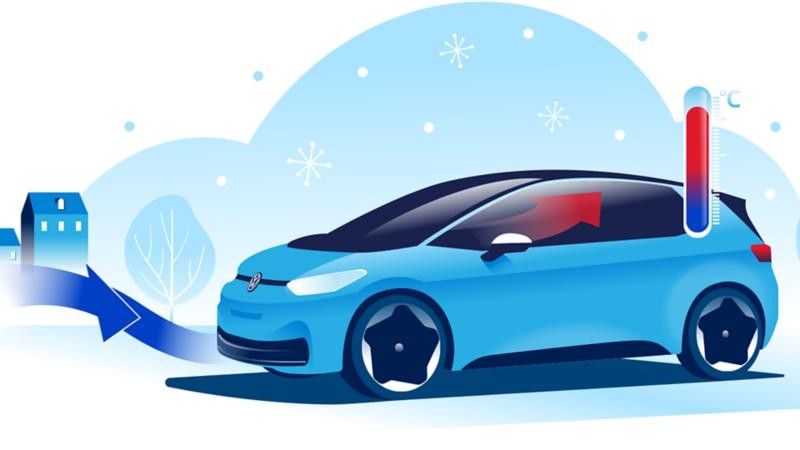
Seat heaters and steering wheel heaters help reduce the load on the main cabin heater. They use far less energy and warm the occupants directly. However, even with these features, total energy consumption in winter can be 40% to 60% higher than in summer. Your monthly electricity bill reflects this increase noticeably.
Over a full winter season of four to six months, the extra heating costs can add hundreds of dollars to your annual energy expenses. This is money that cold-climate EV owners must budget for honestly. The marketing promise of “cheap electricity instead of expensive fuel” is true but the winter heating gap is real and must not be ignored.
Battery Degradation and Long-Term Costs
Every battery degrades over time. Cold climates accelerate certain types of degradation that warm-climate owners rarely experience. Understanding this long-term cost helps you make smarter decisions about warranties, resale value, and replacement planning. The battery is the most expensive component in any electric vehicle.
Frequent fast charging in cold weather is particularly damaging. When a cold battery receives a high-speed charge, it experiences internal stress. This stress causes microscopic damage that accumulates over time. Cold-climate drivers who rely on public fast chargers regularly will see faster battery degradation than those who charge slowly at home.
Deep discharges in winter also harm the battery. Running your battery very low in freezing temperatures puts serious strain on the cells. Experts recommend keeping your EV battery between 20% and 80% charge in cold weather. This practice preserves battery health but limits your usable range even further.
Battery replacement is extremely expensive. Costs range from $5,000 to $20,000 or more depending on the vehicle. Most manufacturers offer an 8-year or 160,000 km battery warranty. However, warranties cover failure, not gradual capacity loss. If your battery degrades to 75% capacity after seven years, you may not be covered but you will feel the performance loss every day.
Tire and Maintenance Costs
Cold-climate driving demands dedicated winter tires. This is not optional it is a safety requirement in many countries and a practical necessity everywhere else. Winter tires provide the grip, braking, and control that all-season tires simply cannot deliver on ice and snow. For EV owners, the tire situation involves additional cost layers.
EVs are heavier than comparable gasoline cars. The battery pack adds several hundred kilograms to the vehicle’s weight. This extra weight increases tire wear significantly. Cold-climate EV owners go through tires faster than both warm-climate EV drivers and cold-climate gasoline car owners. You will likely need to replace tires more frequently.
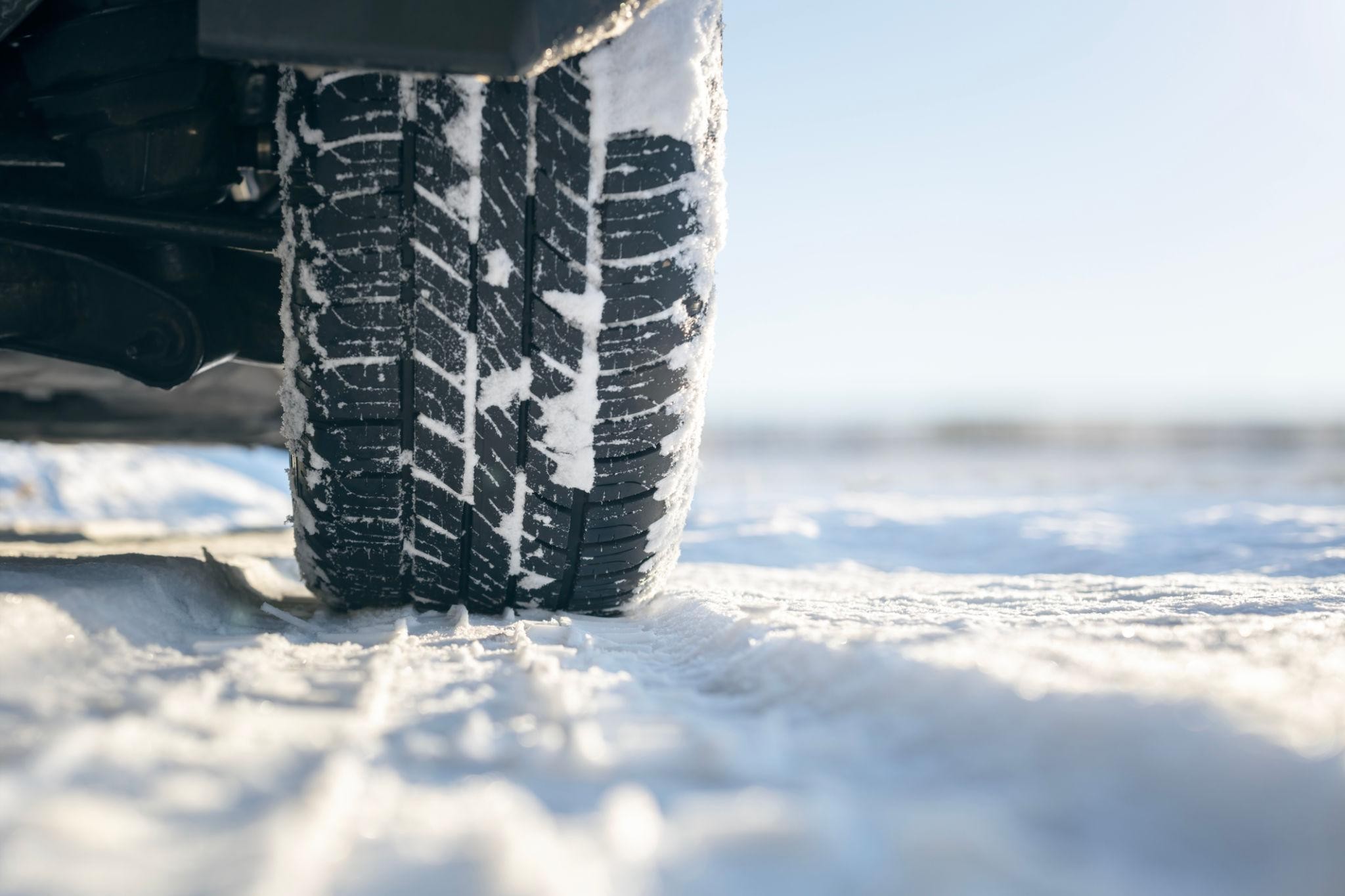
A quality set of four winter tires costs between $600 and $1,200. You also need a second set of rims or must pay for seasonal mounting and storage. Many tire shops in cold cities offer storage programs, but these add $100 to $300 annually. Over five years, tire-related costs for a cold-climate EV owner can exceed $4,000 easily.
Brake maintenance, however, is one area where EVs save money even in cold climates. Regenerative braking reduces wear on brake pads and rotors substantially. Fluid changes, filter replacements, and general servicing are also simpler. But these savings are partially offset by the higher tire costs and the occasional need for battery thermal management system servicing.
Insurance and Resale Value in Cold Regions
Insurance costs for EVs in cold climates tend to be higher than for gasoline vehicles. This is partly because EVs cost more to repair after accidents. Replacement parts, specialized labor, and battery damage assessments all drive premiums upward. Cold-climate driving conditions also increase the statistical risk of accidents.
Black ice, snowstorms, and reduced visibility are constant winter realities. Insurance companies factor regional climate risk into their pricing models. EV owners in cold northern cities often pay 15% to 25% more in annual premiums compared to warm-climate EV owners driving the same model. This adds up to hundreds of dollars per year over the life of the vehicle.
Resale value is another important consideration. EVs in cold climates often have visibly degraded batteries with reduced range. Potential buyers are aware of this and negotiate lower prices accordingly. A five-year-old EV in a cold region may be worth significantly less than the same model sold in a warmer city.
Planning your ownership timeline carefully is important. Selling before significant battery degradation occurs helps protect your resale value. Keeping detailed records of charging habits, battery health reports, and service history also builds buyer confidence. Cold-climate EV ownership requires long-term financial thinking from the very first day of purchase.
Also Read: 6 American Classics That Are Still Cheap But Won not Be for Long
