
Air conditioning performance is one of those features that only gets serious attention when temperatures rise and traffic slows down. On paper, most modern cars promise efficient climate control, but real-world behaviour tells a different story.
The true test of an AC system is not how quickly it cools while cruising at highway speeds, but how effectively it maintains cabin comfort when the vehicle is stationary.
Idling in traffic, waiting at signals, or sitting in parking lots under direct sunlight exposes the strengths and weaknesses of a car’s cooling system more than any spec sheet ever could.
Across both the USA and global markets, manufacturers take different approaches to AC design. Some vehicles are engineered with compressors, condensers, and airflow systems that continue to deliver strong cooling even when the engine is idling.
Others rely heavily on airflow generated while the car is moving, which means cooling performance drops significantly when the vehicle stops. This difference becomes especially noticeable in hot climates, where drivers expect consistent comfort regardless of speed.
The underlying reason often comes down to component sizing and system calibration. A well-designed AC system maintains refrigerant pressure and airflow even at low engine speeds, ensuring that cold air continues to circulate effectively.
In weaker systems, reduced compressor efficiency at idle leads to warmer air, forcing occupants to wait until the vehicle starts moving again for proper cooling.
This article examines both sides of this contrast. First, it focuses on cars that deliver genuinely cold air even at idle, offering reliable comfort in all conditions. Then it shifts to models where cooling performance improves primarily when the vehicle is in motion.
The goal is to highlight how engineering decisions affect everyday usability, particularly in environments where traffic and heat are constant factors.
5 Cars With Genuinely Cold AC at Idle
Air conditioning performance becomes most noticeable when a car is not moving. Sitting in traffic under intense heat quickly reveals whether a vehicle’s cooling system is engineered for consistency or simply optimised for motion.
Many cars deliver strong cooling while cruising, but the real benchmark is how well the system performs at idle, when airflow over the condenser is reduced, and engine speeds are lower.
Cars that excel in this area are designed with a clear focus on maintaining cooling efficiency regardless of speed. This involves more than just a powerful compressor.
It requires a balanced system where condenser size, cooling fans, refrigerant flow, and cabin insulation all work together. When these elements are properly calibrated, the air conditioning continues to produce cold air even during long stops, without noticeable fluctuation.
Another important factor is airflow management. Effective systems distribute cooled air evenly throughout the cabin, preventing uneven temperature zones.
This ensures that passengers experience consistent comfort rather than relying on high fan speeds to compensate for weak cooling. In well-engineered setups, the system does not need to work aggressively to maintain a stable environment.
This category is especially relevant in urban driving conditions across both the USA and global markets, where stop-and-go traffic is common. In such scenarios, a car that maintains strong cooling at idle offers a clear advantage in everyday usability. It reduces driver fatigue, improves passenger comfort, and eliminates the need for constant adjustments.
The vehicles highlighted in this section stand out because their air conditioning systems are designed with real-world conditions in mind. Their performance is not dependent on vehicle speed, making them reliable in situations where consistent cooling matters most.
Each model represents a different approach to achieving this, ensuring that the discussion remains varied while focusing on practical effectiveness.
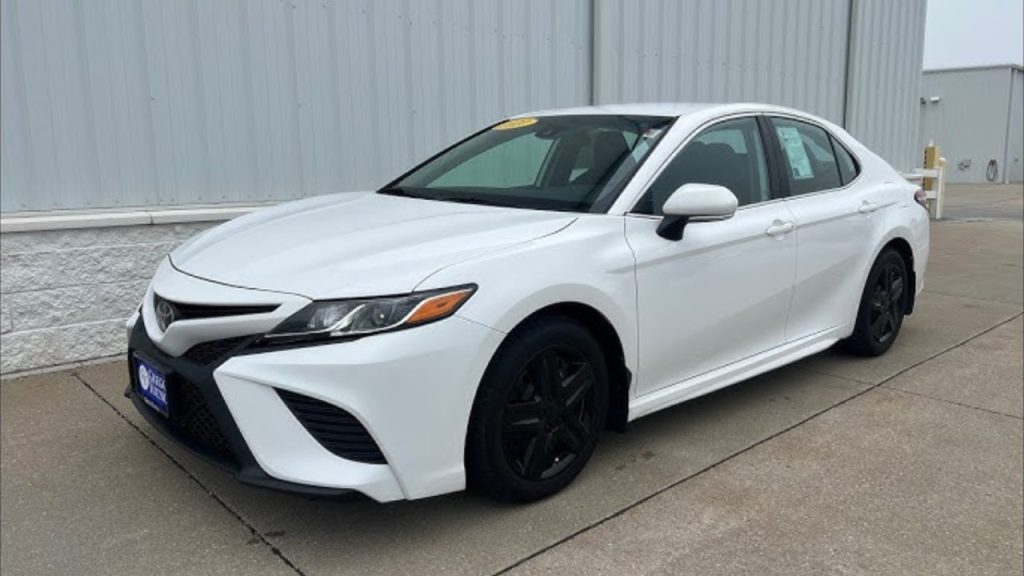
1. Toyota Camry
The Toyota Camry has built a reputation for reliability, and its air conditioning system reflects the same philosophy of consistency and dependability. Designed for a wide range of climates, the Camry delivers steady cooling performance even when the engine is idling for extended periods.
One of the defining strengths of its AC system is how it maintains compressor efficiency at low engine speeds.
Instead of allowing cooling output to drop when the car is stationary, the system continues to circulate refrigerant effectively, ensuring that the cabin temperature remains controlled. This becomes particularly noticeable in heavy traffic, where many vehicles struggle to maintain the same level of cooling.
The airflow distribution inside the cabin also contributes to this performance. Vents are positioned to circulate cold air evenly, preventing hotspots and ensuring that both front and rear passengers experience consistent comfort. This balanced airflow helps the system feel more effective without requiring excessive fan speeds.
The cabin’s thermal insulation also plays an important role. The Camry retains cooled air efficiently, which reduces the workload on the AC system. As a result, it can maintain lower temperatures with less continuous strain, even in hot conditions.
The system’s behaviour remains predictable across different environments, whether in urban congestion or during long stops. Drivers do not need to adjust settings frequently to maintain comfort, which enhances usability.
The Camry represents a well-rounded approach to climate control, where consistent performance at idle is treated as a core requirement rather than a secondary benefit.
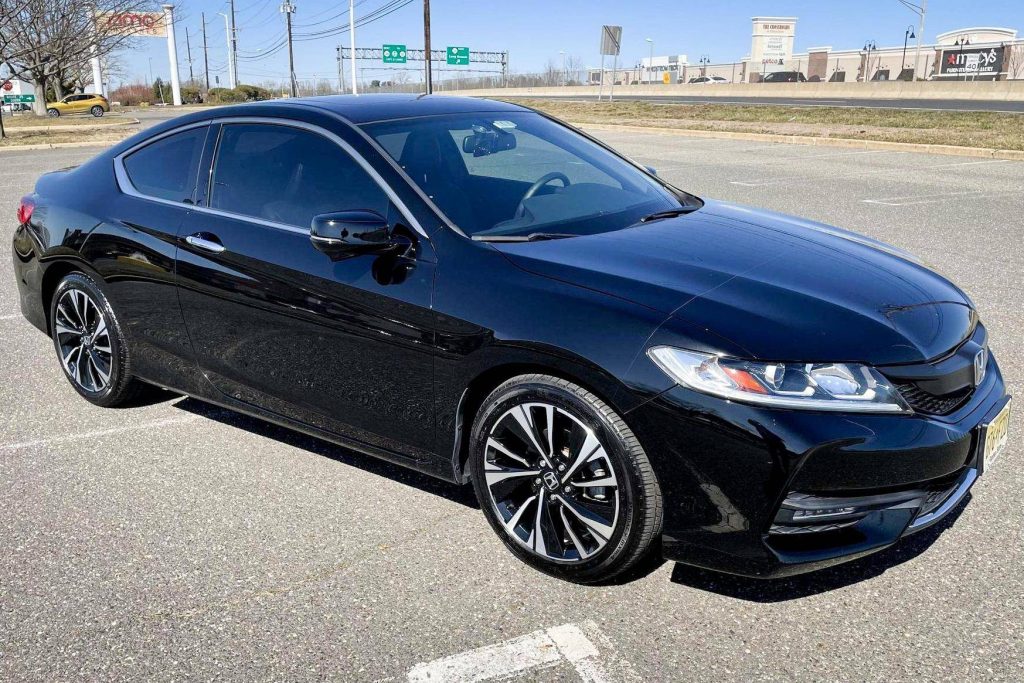
2. Honda Accord
The Honda Accord approaches air conditioning performance with a focus on refinement and efficiency, resulting in a system that performs reliably even when the vehicle is not in motion. Its ability to maintain cooling at idle highlights careful engineering rather than reliance on high engine speeds.
A key aspect of the Accord’s system is its responsive compressor behaviour. The AC continues to deliver cold air without noticeable delay, even after the vehicle has been stationary for some time. This responsiveness ensures that the cabin remains comfortable without requiring the driver to compensate through higher fan settings.
The system also benefits from precise climate control calibration. Instead of fluctuating between cooling levels, it maintains a stable output that avoids sudden temperature changes. This consistency enhances comfort, particularly during long periods of idling in traffic.
Interior airflow design plays a significant role as well. The distribution of air feels controlled and directed, allowing the system to cool the cabin efficiently without excessive noise or airflow intensity. This balance between performance and comfort reflects a refined approach to climate control.
Another strength is how the system adapts to varying external temperatures. Whether in moderate or extreme heat, the AC maintains its effectiveness without a noticeable drop in performance at idle. This adaptability ensures that the vehicle remains comfortable in different environments.
The Accord demonstrates how a focus on efficiency and refinement can result in an AC system that performs consistently, even in conditions where many vehicles begin to lose cooling effectiveness.
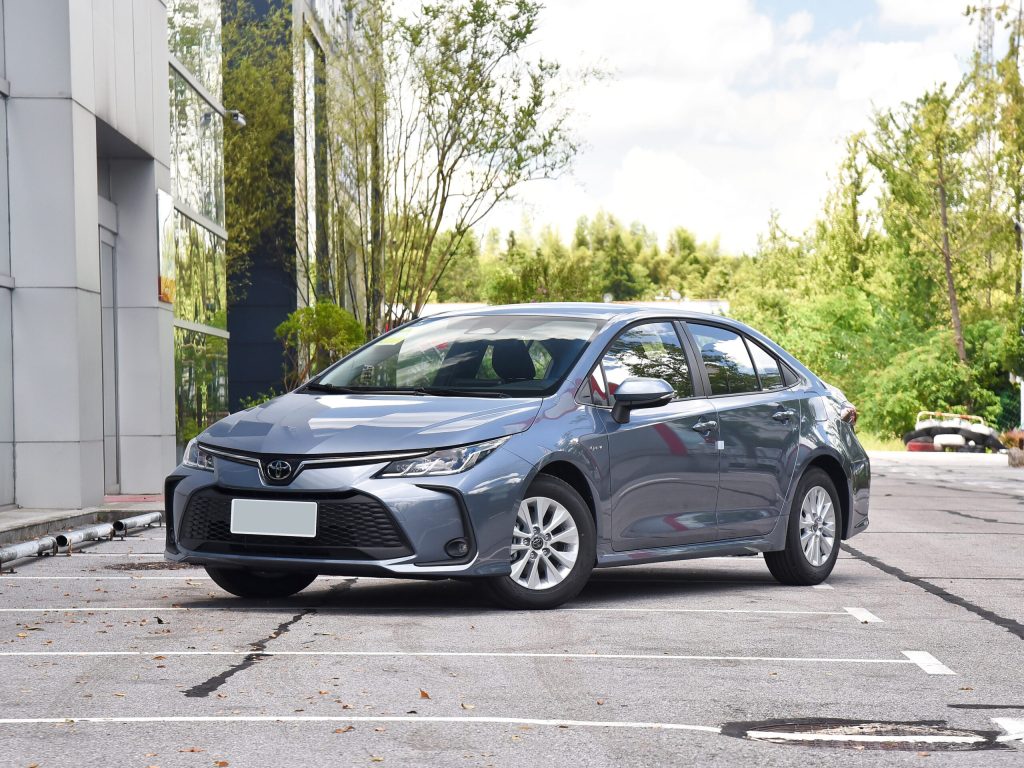
3. Toyota Corolla
The Toyota Corolla demonstrates how an efficient and well-calibrated air conditioning system can deliver dependable cooling even in compact vehicles. While it does not rely on oversized components, its strength lies in how effectively each part of the system works together to maintain consistent performance at idle.
A defining characteristic of the Corolla’s AC setup is its ability to sustain cooling output without a noticeable drop when the engine is running at low speeds.
Many smaller sedans struggle in this area due to reduced compressor activity, but the Corolla maintains steady refrigerant circulation. This ensures that the air coming through the vents remains cold even during extended stops in traffic.
The system’s effectiveness is further supported by its cabin design. The interior space is managed in a way that allows cooled air to circulate efficiently, reducing the time required to achieve a comfortable temperature. Once cooled, the cabin retains that temperature with minimal fluctuation, which reduces the need for constant adjustments.
Another aspect that contributes to its performance is the responsiveness of the cooling system. The AC engages quickly and maintains a consistent output rather than cycling aggressively between cooling levels.
This creates a stable environment inside the vehicle, which is particularly beneficial in hot climates where interruptions in cooling can become uncomfortable very quickly.
The airflow pattern inside the Corolla is also carefully balanced. Instead of relying on high fan speeds, the system distributes air in a controlled manner, ensuring that both front and rear occupants benefit from the cooling effect. This approach enhances comfort while keeping noise levels manageable.
The Corolla highlights how thoughtful engineering can deliver reliable results without relying on excessive complexity.
Its air conditioning system performs consistently at idle, making it well-suited for everyday driving conditions where maintaining comfort during stops is just as important as performance on the move.
4. Hyundai Tucson
The Hyundai Tucson approaches air conditioning performance with a focus on consistency under varied driving conditions, including extended idling. As a compact SUV designed for both urban and highway use across global markets, its climate system is tuned to handle stop-and-go environments without noticeable loss in cooling strength.
One of the key elements behind its performance is the coordination between the compressor and the cooling fans.
Even when engine speed drops, the system maintains sufficient airflow across the condenser, allowing the refrigerant to continue dissipating heat effectively. This prevents the gradual warming that is common in less capable setups when the vehicle remains stationary.
The Tucson also benefits from a well-insulated cabin, which helps retain cooled air once the desired temperature is reached. Instead of constantly working to compensate for heat intrusion, the AC system operates more efficiently, maintaining a steady environment without excessive strain. This contributes to a more stable and predictable cooling experience.
Another aspect worth noting is how the system handles peak heat conditions. After the vehicle has been parked under direct sunlight, the AC is able to bring down the cabin temperature quickly and then sustain it without fluctuation. This ability to transition from rapid cooling to steady maintenance is a sign of a well-calibrated system.
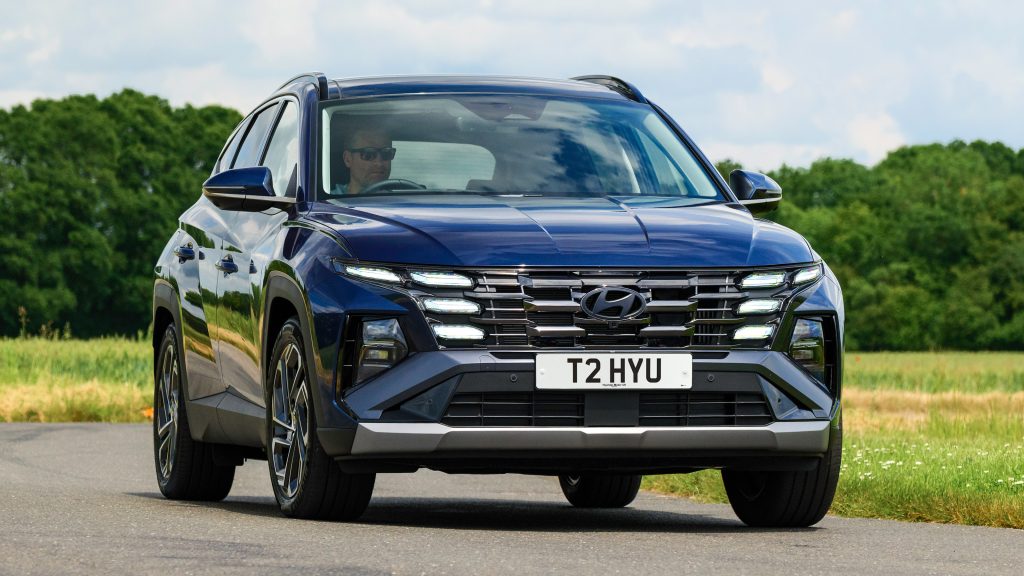
Air distribution inside the cabin is managed with a clear emphasis on balance. The vents deliver consistent airflow without creating sharp differences between seating areas. This ensures that comfort is shared evenly, rather than concentrated in specific zones.
The Tucson represents a modern approach to climate control where multiple components work together to deliver reliable performance. Its ability to maintain cold air at idle reflects careful system integration rather than reliance on a single high-output component.
5. Ford Fusion
The Ford Fusion brings a different perspective to idle cooling by focusing on sustained output and thermal management rather than immediate intensity alone. Designed for a wide range of driving conditions in the USA and beyond, its air conditioning system demonstrates strong consistency during prolonged stationary use.
A notable strength of the Fusion’s AC system is how it maintains cooling pressure even when the engine is not under load. The compressor continues to operate efficiently, preventing the drop in cooling performance that can occur in less refined systems. This ensures that the cabin remains comfortable even during long waits in traffic or at idle.
The system also shows strong resistance to heat buildup. In situations where external temperatures are high, the AC maintains its effectiveness without needing frequent adjustments. This stability is particularly important in real-world conditions where drivers expect continuous comfort without intervention.
Another distinguishing factor is the way airflow is managed across the cabin. The Fusion uses a controlled distribution pattern that allows cooled air to circulate evenly, reducing the need for high fan speeds. This results in a quieter and more relaxed interior environment while still maintaining effective cooling.
The integration between the AC system and the vehicle’s full design also plays a role. Materials and insulation help support temperature retention, allowing the system to work more efficiently once the cabin reaches the desired level of comfort.
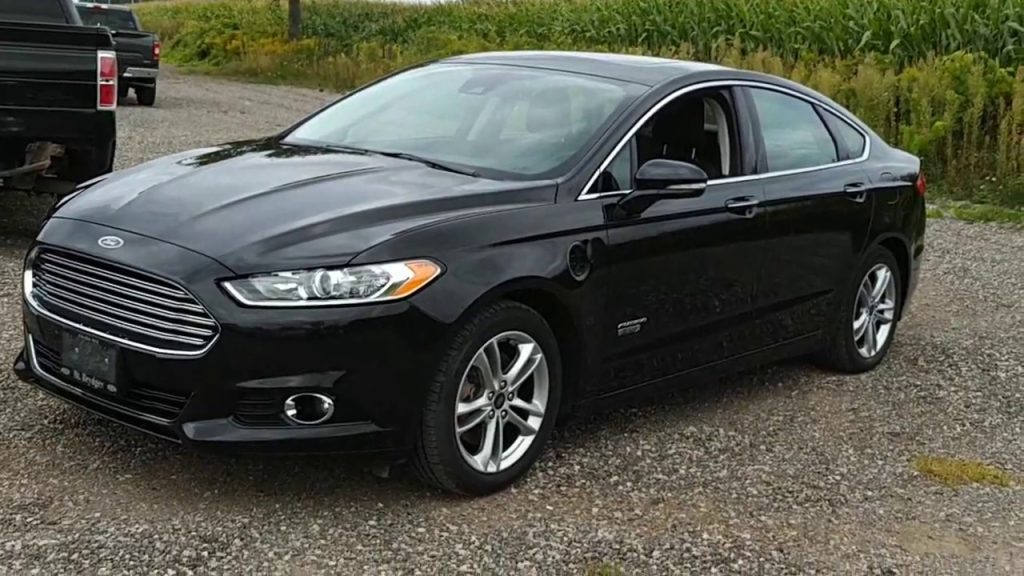
The Fusion illustrates how consistent engineering can deliver dependable results. Its air conditioning system remains effective at idle, reinforcing its suitability for environments where traffic conditions demand sustained cooling performance.
5 Cars That Only Cool While Moving
Not every air conditioning system is designed to maintain performance when the vehicle is stationary. In some cars, cooling efficiency depends heavily on the airflow generated while driving.
When the car slows down or stops, the system loses part of its ability to dissipate heat, which leads to warmer air inside the cabin. This behaviour is often linked to smaller condensers, less effective cooling fans, or compressors that do not perform as well at low engine speeds.
These limitations are not always obvious during short drives. The issue becomes noticeable in traffic, at long signals, or during extended idling in hot climates.
Drivers may find themselves increasing fan speed or lowering temperature settings, only to notice a clear improvement once the car starts moving again. This pattern indicates that the system relies on motion rather than maintaining independent efficiency.
The following cars highlight different reasons why this happens. Each example reflects a unique combination of design priorities, cost considerations, or engineering compromises that affect how the AC system performs at idle.
1. Nissan Altima
The Nissan Altima delivers comfortable driving dynamics and a refined cabin experience, but its air conditioning system shows limitations when the vehicle is stationary for extended periods. The difference between cooling performance at speed and at idle becomes noticeable in warmer conditions.
At the core of this behaviour is how the system handles heat exchange. When the car is moving, airflow across the condenser increases, allowing heat to dissipate more effectively. This results in stronger cooling output.
However, when the vehicle stops, the reliance on mechanical fans alone does not fully compensate for the loss of airflow, leading to a gradual reduction in cooling intensity.
Another contributing factor is the compressor’s response at low engine speeds. While it continues to function, the efficiency is not as consistent as in systems designed for strong idle performance. This results in a slight rise in vent temperature, which becomes more apparent during long stops.
The cabin design also plays a role. While comfortable, it does not retain cooled air as effectively as some competitors, requiring the system to work harder to maintain temperature. When combined with reduced efficiency at idle, this creates a noticeable shift in comfort levels.
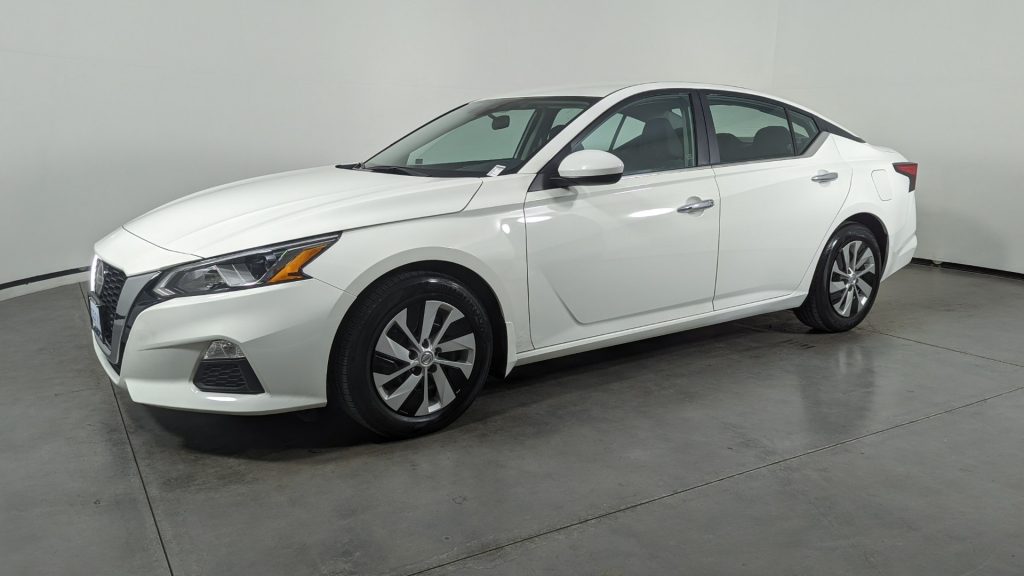
Drivers often observe that once the vehicle resumes motion, cooling performance improves quickly. This reinforces the idea that the system is optimised for movement rather than stationary conditions.
The Altima highlights how an AC system can perform well in typical driving scenarios but reveals its limitations in environments where sustained idle cooling is required.
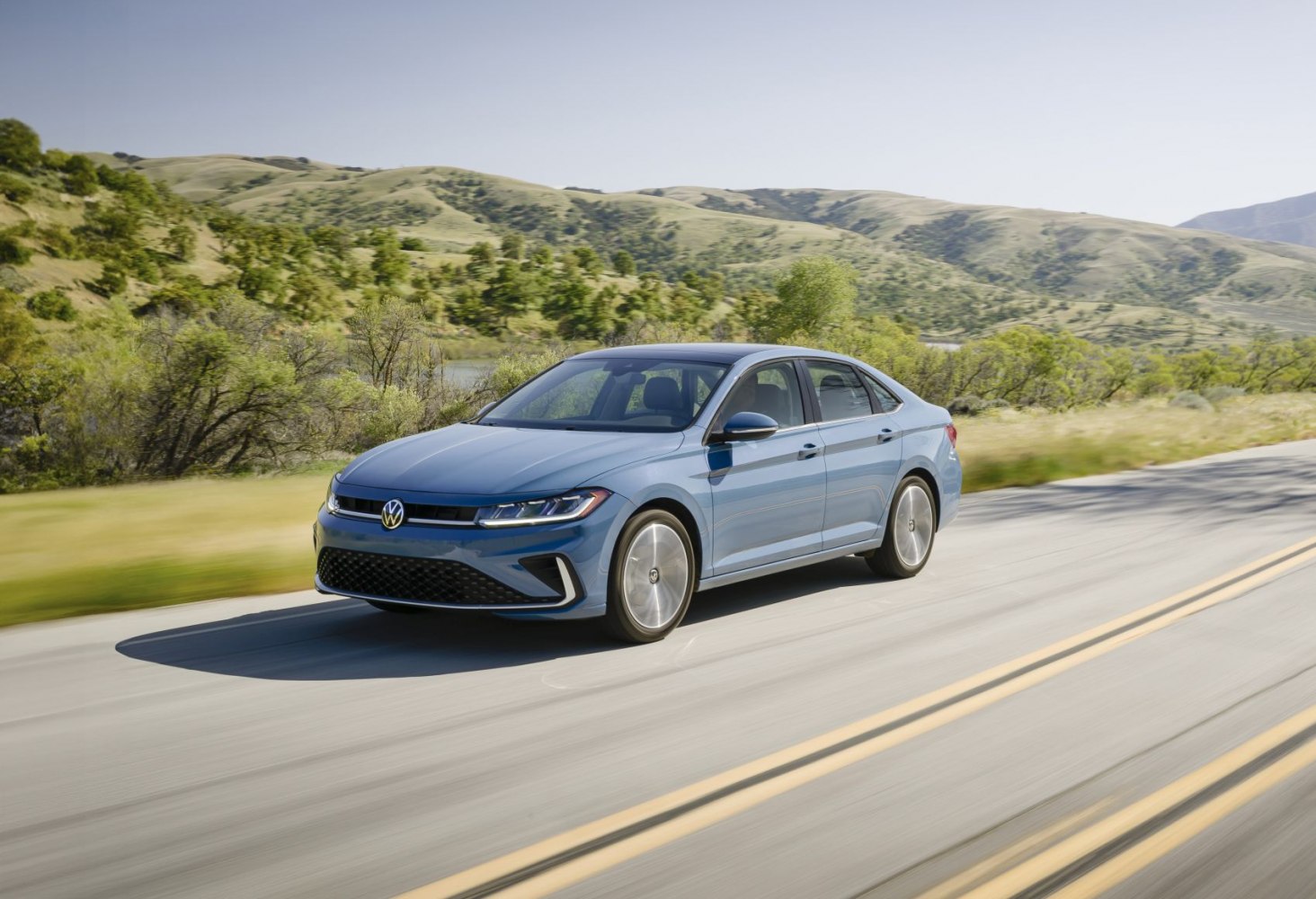
2. Volkswagen Jetta
The Volkswagen Jetta reflects a design approach that balances efficiency and refinement, but its air conditioning system shows a clear dependence on vehicle motion for optimal performance. While capable in moderate conditions, its behaviour changes when the car is stationary in higher temperatures.
One noticeable characteristic is the fluctuation in cooling output during idle. The system continues to operate, but the air from the vents gradually loses some of its cold intensity.
This is linked to how the condenser relies on airflow to maintain efficient heat dissipation. Without sufficient air movement, the system’s ability to sustain low temperatures is reduced.
The cooling fans attempt to compensate, but they do not fully replicate the airflow generated at speed. As a result, the system enters a state where it maintains basic cooling but does not deliver the same level of comfort as when the vehicle is in motion.
Another aspect is how the system cycles under load. Instead of maintaining a steady output, it may alternate between cooling and slight warming phases. This creates a less stable cabin environment, particularly during prolonged stops.
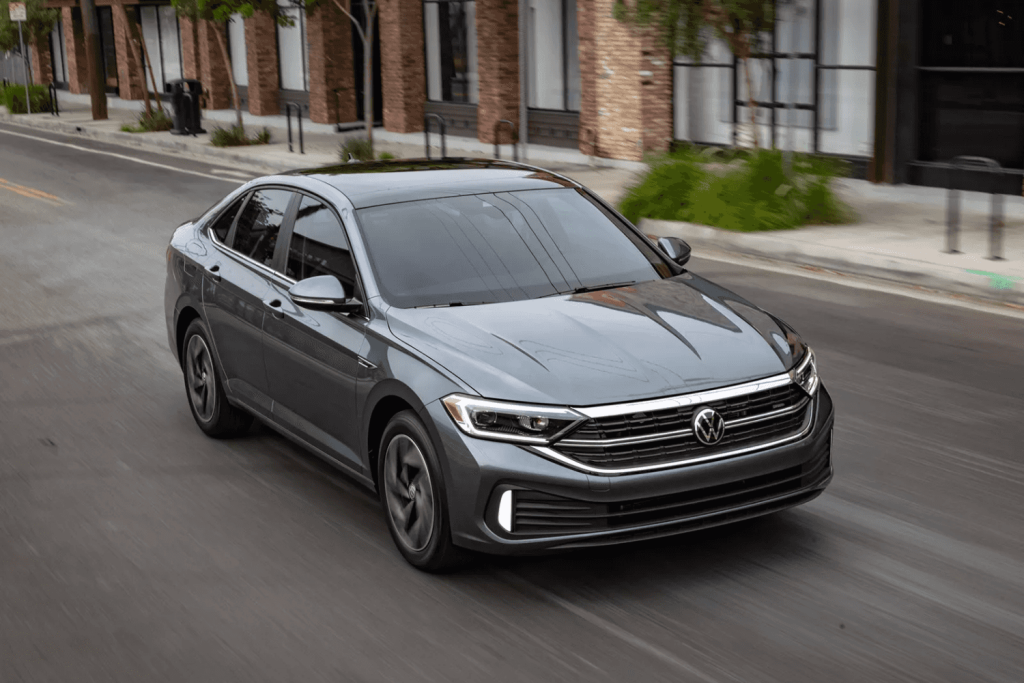
Interior airflow distribution remains well managed, but the limitation lies in the temperature consistency rather than in how air is delivered. Passengers may still feel airflow, yet the cooling effect itself is diminished.
Once the vehicle accelerates, the system quickly regains its effectiveness, restoring the expected level of cooling. This pattern makes the behaviour easy to identify in real-world conditions.
The Jetta demonstrates how a refined system can still depend heavily on external airflow, resulting in reduced performance when stationary.
3. Chevrolet Malibu
The Chevrolet Malibu offers a comfortable ride and a well-designed interior, but its air conditioning system reveals a distinct variation between idle and moving conditions. This difference becomes particularly evident in warmer climates or during extended stops.
The Malibu’s AC system relies on airflow efficiency to maintain cooling performance. While driving, the system benefits from increased air passing through the condenser, allowing it to remove heat effectively. At idle, this advantage is reduced, and the system must depend on internal fans that do not fully replicate the same effect.
This limitation leads to a gradual increase in cabin temperature when the vehicle remains stationary. The change is not immediate but becomes noticeable over time, especially when external temperatures are high. Drivers may attempt to compensate by adjusting settings, but the underlying limitation remains.
The balance between efficiency and output also plays a role. The system appears tuned to prioritise energy management during idle, which can reduce cooling intensity. While this approach may support efficiency, it can affect comfort in demanding conditions.
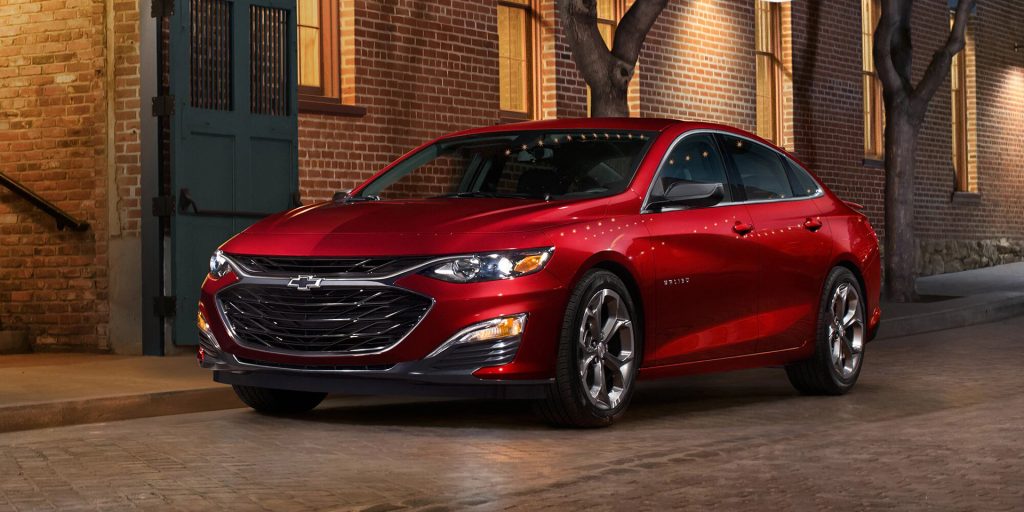
The Malibu also shows sensitivity to environmental factors. Direct sunlight and high ambient temperatures amplify the difference between idle and moving performance, making the variation more apparent.
When the vehicle resumes motion, cooling performance improves quickly, restoring the expected comfort level. This reinforces the system’s reliance on airflow generated by movement.
The Malibu illustrates how design trade-offs can influence real-world performance, particularly in situations where consistent cooling at idle is expected.
4. Hyundai Elantra
The Hyundai Elantra delivers strong value and modern features, but its air conditioning system shows a noticeable dependency on vehicle motion for maintaining peak performance. This becomes evident during extended idling in warm conditions.
The system performs well when the car is in motion, quickly cooling the cabin and maintaining a comfortable environment. However, once the vehicle stops, the cooling intensity gradually decreases. This change is linked to the system’s reliance on airflow for efficient heat exchange.
The condenser and fan setup provides basic functionality at idle, but they do not fully sustain the same level of cooling achieved during movement. As a result, the air from the vents may feel less cold over time, requiring adjustments to maintain comfort.
Another aspect is how the system manages internal temperature balance. While airflow distribution remains even, the reduced cooling intensity affects the full cabin experience. Passengers may notice a difference in comfort, particularly during longer stops.
The Elantra’s system also reflects a balance between cost and performance. While effective in most driving scenarios, it does not prioritise sustained idle cooling to the same extent as more robust systems.
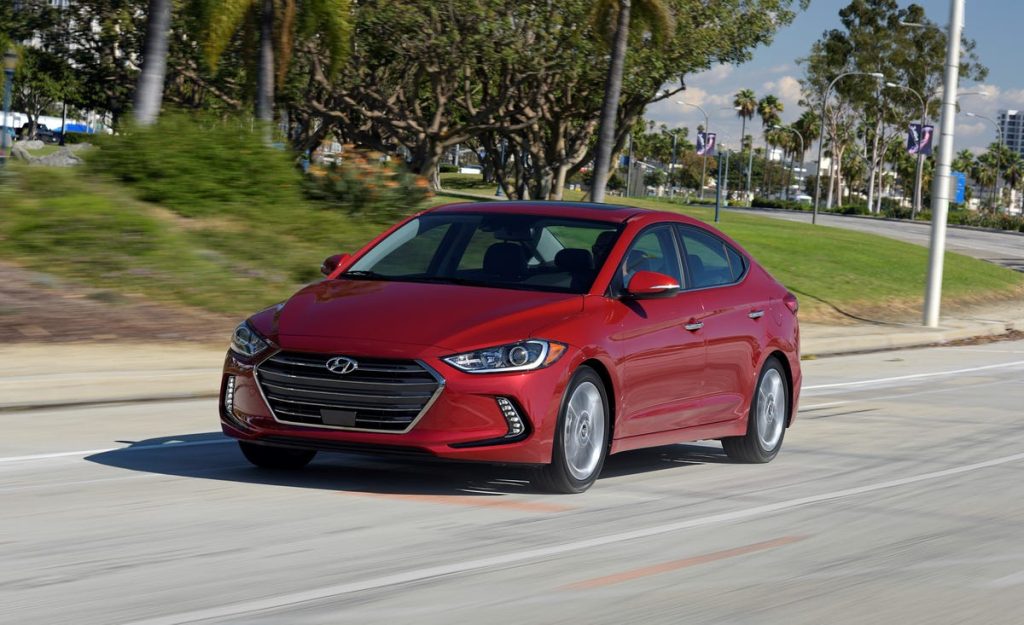
Once the vehicle begins moving again, the AC quickly regains its strength, restoring the desired temperature. This pattern highlights the system’s dependence on motion for optimal operation.
The Elantra represents a practical design approach where performance is sufficient for general use but shows limitations in conditions that demand consistent cooling at idle.
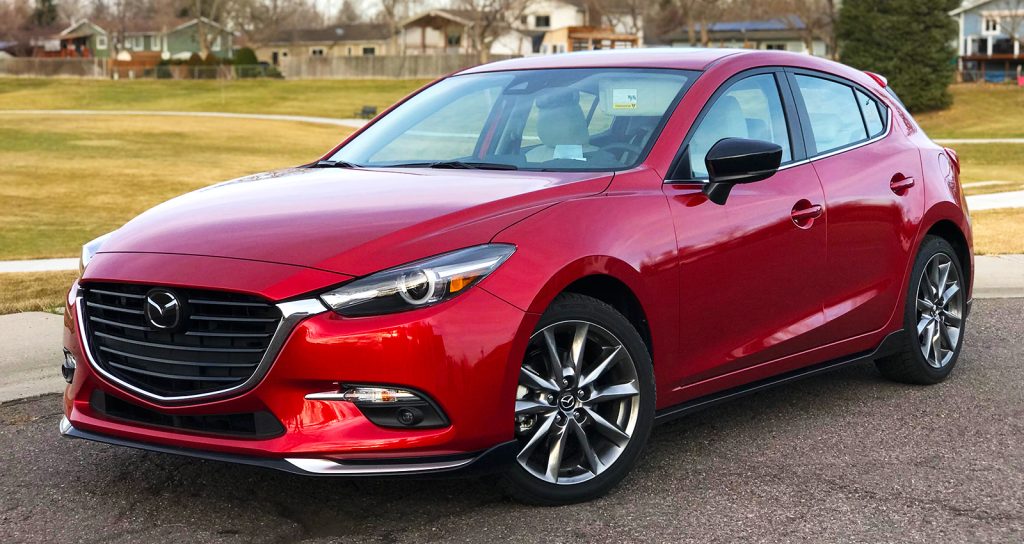
5. Mazda 3
The Mazda 3 emphasises driving dynamics and interior refinement, yet its air conditioning system reflects a compromise when it comes to idle performance. While capable during motion, it does not maintain the same level of cooling when stationary.
A defining characteristic is how the system responds to reduced airflow. At speed, the condenser operates efficiently, allowing the AC to deliver strong cooling. When the vehicle stops, the reduced airflow limits heat dissipation, leading to a gradual decline in cooling effectiveness.
The system remains functional, but the temperature of the air from the vents becomes less consistent. This change is subtle at first but becomes more noticeable during prolonged idling, especially in high ambient temperatures.
Another factor is the system’s calibration. It appears tuned to balance performance with efficiency, which can limit output under low-load conditions. This results in a less aggressive cooling response when the engine is idling.
The cabin design supports comfort in many ways, but it does not fully compensate for the reduced cooling intensity at idle. As a result, maintaining a stable temperature may require higher fan speeds or lower temperature settings.
Once the vehicle resumes movement, the system quickly returns to its stronger performance level. This contrast highlights the reliance on motion for optimal cooling.
The Mazda 3 demonstrates how a focus on refinement and efficiency can influence climate control behaviour, resulting in a system that performs well in motion but less effectively when stationary.
Air conditioning performance varies significantly between cars, especially when comparing behaviour at idle versus while moving. Models like the Toyota Camry, Honda Accord, and Toyota Corolla demonstrate strong engineering, maintaining cold air even in heavy traffic.
Vehicles such as the Hyundai Tucson and Ford Fusion further reinforce this by combining efficient compressors with good airflow and cabin insulation, ensuring consistent comfort regardless of speed.
In contrast, cars like the Nissan Altima and Volkswagen Jetta rely more on airflow generated while driving, leading to reduced cooling when stationary. The Chevrolet Malibu, Hyundai Elantra, and Mazda 3 show similar patterns, where cooling weakens at idle but improves once the car is moving.
The key difference lies in system design, with stronger setups maintaining efficiency at low engine speeds while others depend on motion for optimal cooling.
Also Read: 5 Cars With Suspensions That Soak Up Potholes vs 5 That Bounce Like a Rodeo
