
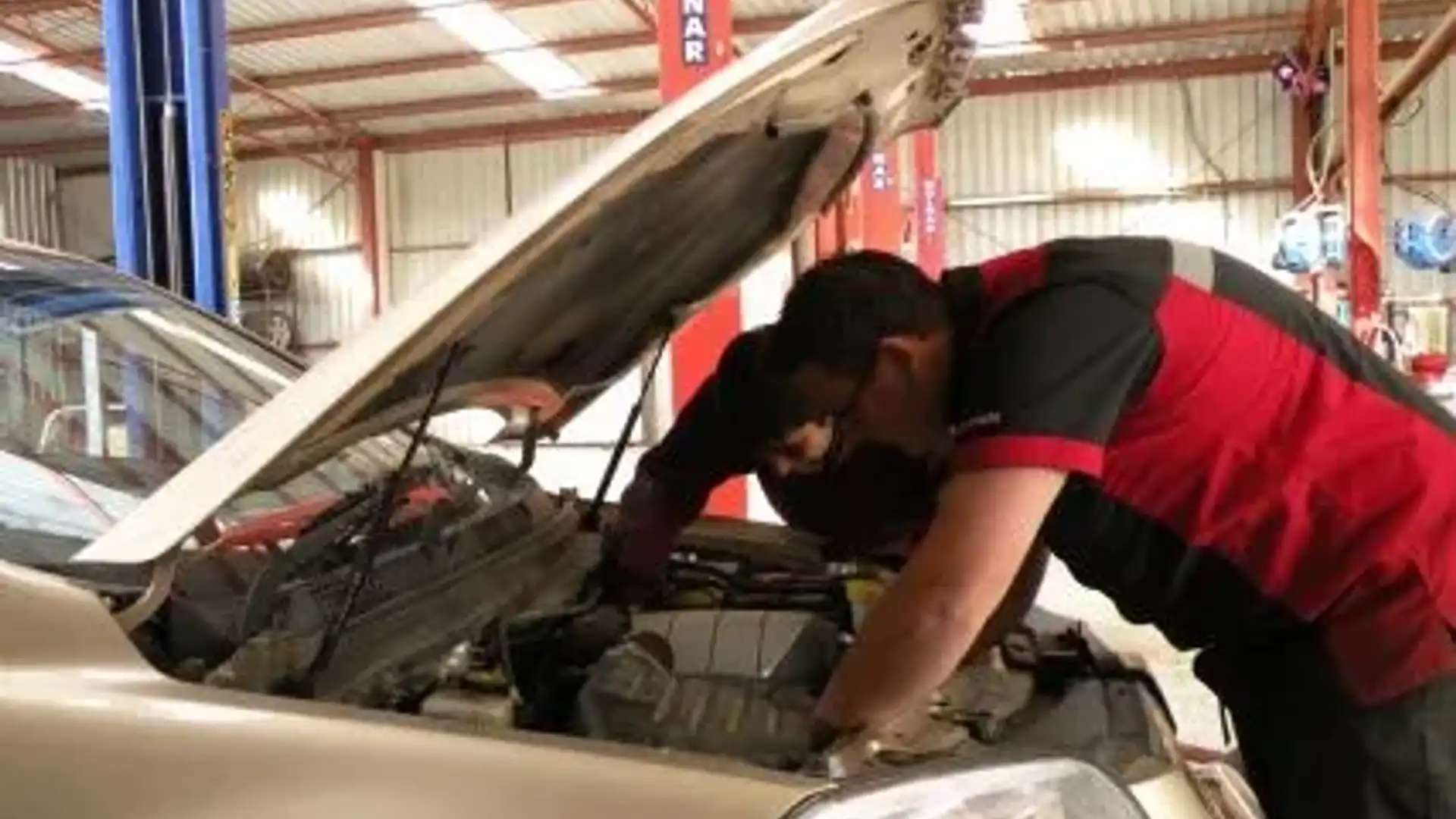
Walk into almost any independent repair shop and bring up European cars, and you will likely notice a pause before the response. It is not always frustration, but there is usually a story behind it. These vehicles carry a reputation for precision engineering, refined driving experience, and advanced technology. Yet, beneath that polished surface lies a different reality for the people who have to repair them.
European cars often demand a level of attention that goes beyond routine servicing. Their design philosophy prioritises performance, tight packaging, and innovation. While that creates a rewarding experience behind the wheel, it can turn even a simple repair into a time-consuming task.
Mechanics frequently encounter limited access to components, specialised tools, and systems that require advanced diagnostic equipment just to identify a fault. Cost is another part of the conversation. Replacement parts tend to be expensive, and delays in sourcing them can stretch repair timelines.
This affects not just the mechanic, but also the customer waiting for their car. Add in intricate electrical systems and unique engineering approaches, and it becomes clear why some technicians approach these vehicles with caution. Still, it is not all negative. Many mechanics respect European cars for their engineering ambition.
The challenge lies in the gap between design and serviceability. To understand this better, let’s look at specific models that highlight why working on these cars can test even experienced professionals.
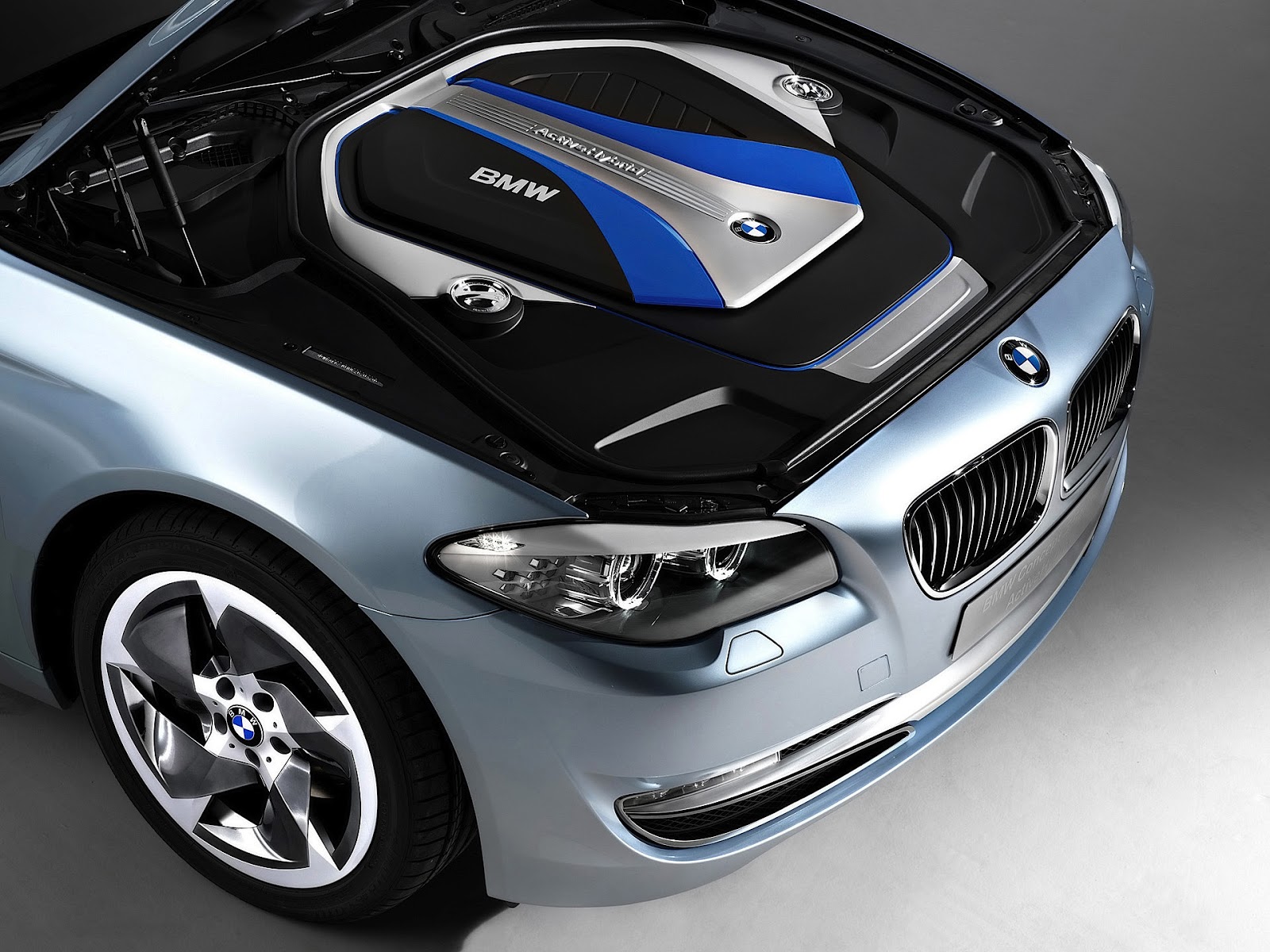
1. BMW 5 Series 528i (F10) and the Challenge of Tight Engine Bays
Precision engineering often comes with trade-offs, and the BMW 5 Series 528i from the F10 generation demonstrates this clearly. At first glance, the car appears well-organised under the hood. Spend a few minutes attempting a routine repair, and that impression changes quickly.
Access becomes the first obstacle. Components are packed closely together, leaving little room for tools or hands. Replacing something as straightforward as a water pump can require removing surrounding parts just to reach the target. This increases labour time and raises the risk of damaging adjacent components.
From a technician’s perspective, time equals efficiency. Jobs that should take an hour may stretch into several, creating scheduling pressure. Customers often struggle to understand why a basic repair carries a higher labour cost, which can lead to tension between the shop and the client.
Heat management also plays a role. The turbocharged engine generates high temperatures, which can accelerate wear on nearby components. Mechanics frequently encounter brittle plastic parts and hoses that crack during removal. This forces additional replacements that were not part of the original repair plan.
Diagnostic work adds another layer. The vehicle relies on advanced electronic systems that require specialised scanners. Generic tools may not provide accurate readings, leaving technicians dependent on manufacturer-specific equipment. Despite these challenges, the BMW 528i delivers a refined driving experience that owners appreciate.
For mechanics, though, each repair demands patience, precision, and extra time, which explains the hesitation often heard in repair shops.

2. Mercedes-Benz E-Class E350 (W212) and the Cost of Sophisticated Systems
Luxury engineering shines in the Mercedes-Benz E350 from the W212 lineup, yet that sophistication introduces hurdles when repairs are needed. Mechanics often describe this car as rewarding to drive but demanding to maintain. Electrical systems stand at the center of the issue.
The car features multiple control modules that communicate with one another. A fault in one area can trigger warning messages in unrelated systems, making diagnosis less straightforward than expected. Tracing electrical problems becomes a careful process. Instead of replacing a single faulty part, technicians may need to test several interconnected components. This increases diagnostic time and requires a deep understanding of the vehicle’s architecture.
Parts pricing adds another concern. Original components are often expensive, and aftermarket options may not deliver the same compatibility. This limits choices for both mechanics and owners, especially when trying to manage repair costs. Routine maintenance can also feel less routine.
Accessing certain engine components requires removing covers and surrounding parts, turning simple tasks into longer procedures. Even oil leaks, which are common in many vehicles, can be harder to locate and repair due to the engine’s design.
One point often overlooked is software dependency. Updates and recalibrations may be required after repairs, meaning the job does not end once the part is installed. Without the right tools, completing the process becomes difficult. Still, the E350 offers comfort and performance that appeal to drivers.
For mechanics, however, the combination of advanced electronics and limited accessibility explains why this model often brings a cautious response in the workshop.
Also Read: 10 Engines Mechanics Refuse to Work On for Any Price
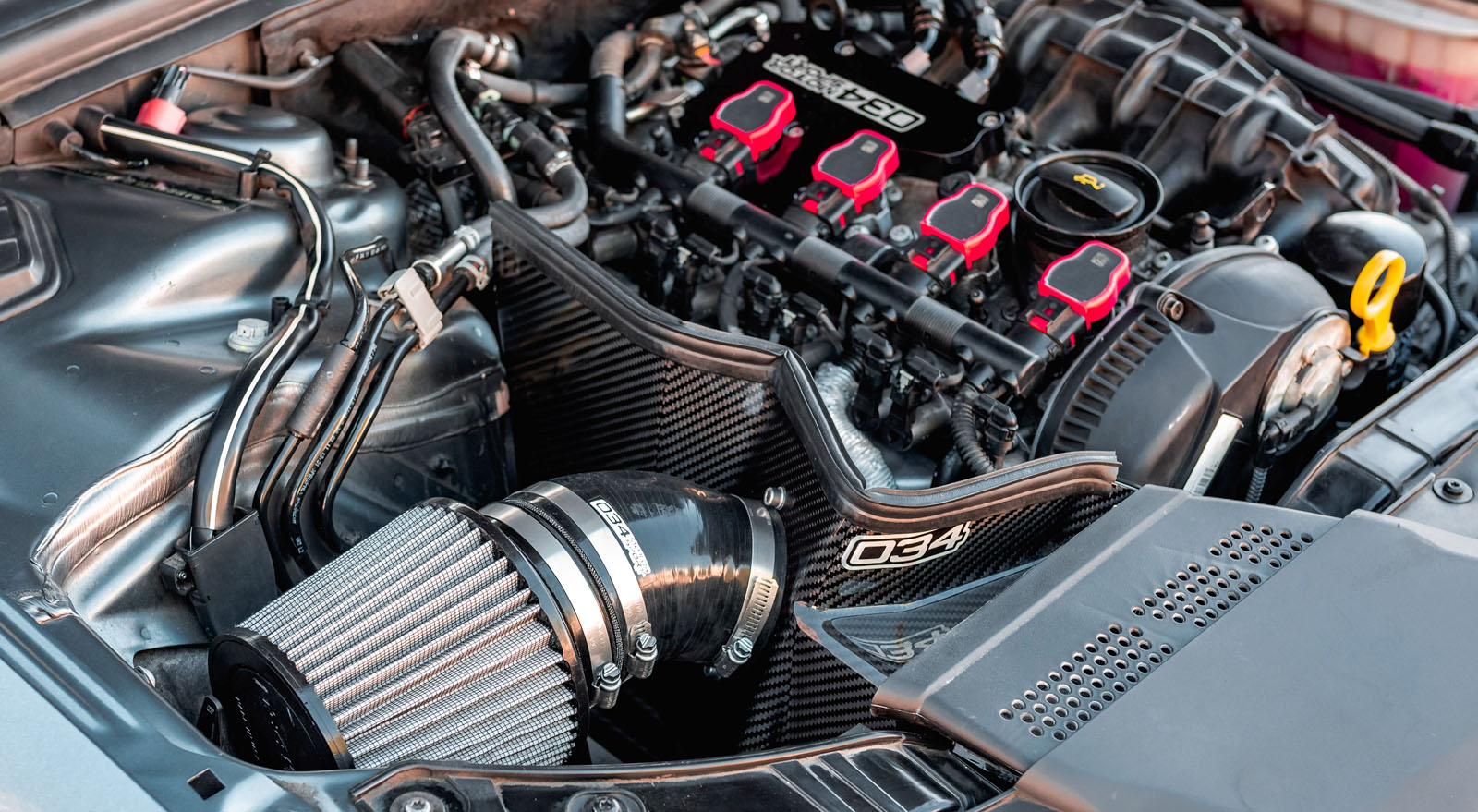
3. Audi A4 2.0T Quattro (B8) and the Complication of Turbocharged Systems
Turbocharged engines bring efficiency and power, but they also introduce additional layers of engineering. The Audi A4 2.0T Quattro from the B8 generation highlights how this can affect repair work. Turbo systems involve multiple components working together.
Intercoolers, boost sensors, and high-pressure fuel systems must operate in harmony. When one part fails, identifying the exact cause requires careful inspection rather than quick assumptions. Carbon buildup is a common concern with this engine.
Direct fuel injection improves efficiency but allows deposits to form on intake valves. Cleaning this buildup is labour-intensive and requires specialised tools. Mechanics often need to remove intake components, extending the time required for service.
Space under the hood is limited. Reaching the turbocharger or related components can involve removing other parts first. This layered approach increases labour complications and the chance of encountering additional issues during the repair.
Oil consumption is another factor that technicians monitor closely. Addressing it may involve multiple steps, including checking seals, rings, and ventilation systems. This type of investigation requires patience and experience. Diagnostic equipment plays a central role here as well.
The vehicle’s systems rely heavily on sensors and electronic controls. Accurate readings depend on advanced scanning tools, which not every shop may have. Drivers appreciate the performance and traction provided by the Quattro system. Mechanics, however, often prepare for a detailed process whenever this model enters the service bay.
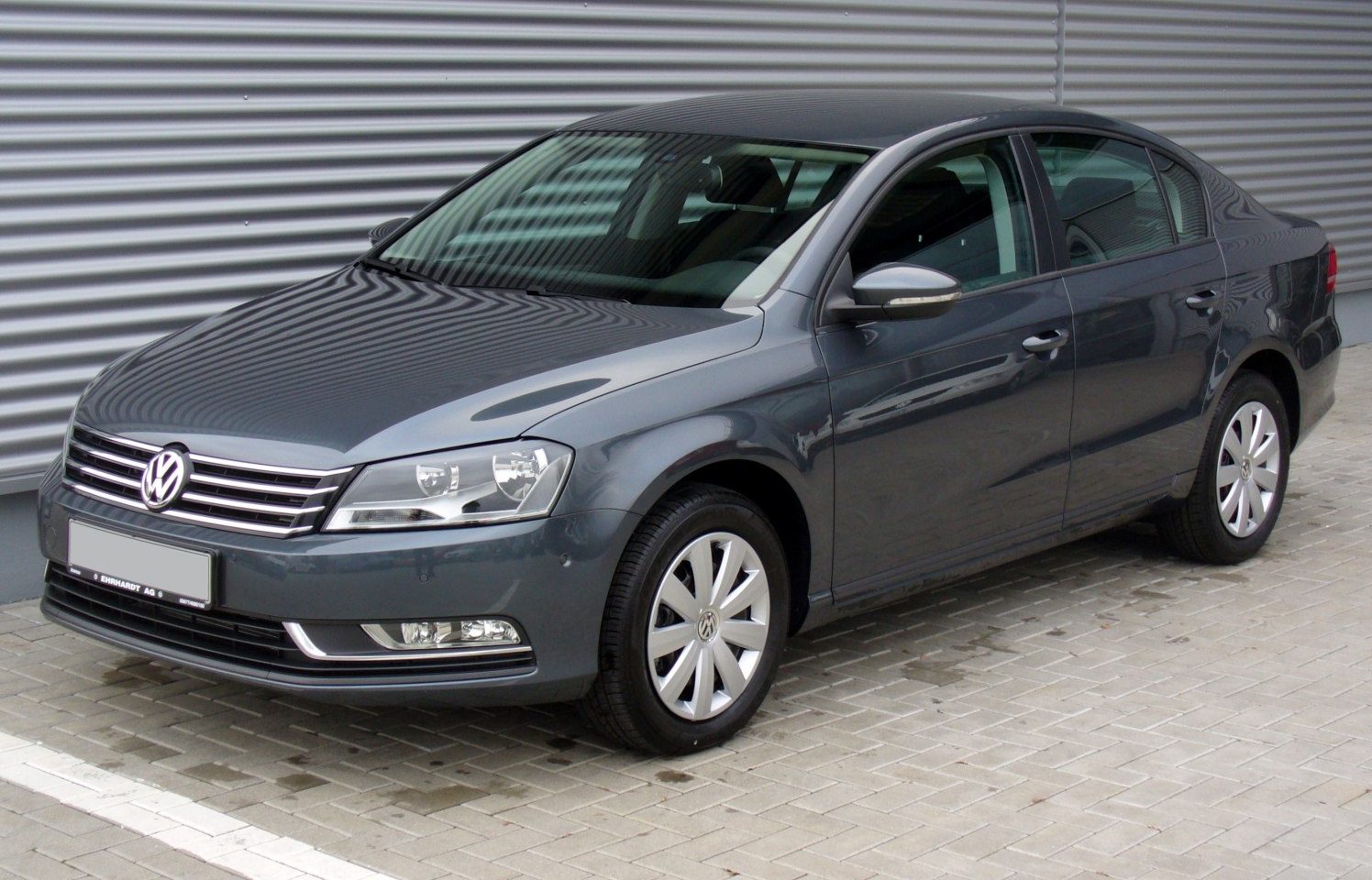
4. Volkswagen Passat 2.0T (B7) and the Hidden Maintenance Demands
The Volkswagen Passat 2.0T from the B7 generation presents itself as a modest and practical saloon, often perceived as less demanding than other European vehicles within similar categories. Its clean exterior design and straightforward cabin layout may suggest that servicing requirements would be equally simple.
However, professional mechanics quickly discover that this impression does not fully reflect the realities associated with maintaining the vehicle. Beneath its restrained appearance lies a series of technical considerations that require patience, skill, and careful attention during routine and corrective service operations.
A primary area of concern relates to the engine timing chain system. Although designed to provide long-term reliability, wear can develop with continued use, particularly when maintenance schedules are not strictly followed. Addressing this issue requires dismantling several components to access the timing assembly.
This process is labour-intensive and demands precision during reassembly. Any minor deviation in alignment can affect engine performance, potentially leading to further complications. As a result, technicians must proceed with a high level of caution, ensuring that every step is executed accurately.
Oil leakage is another matter that frequently attracts attention in this model. The engine layout places seals and gaskets in positions that are not immediately visible during standard inspection. Identifying the exact source of a leak often involves cleaning the affected area and conducting a thorough examination under operating conditions.
This procedure can extend the time required for diagnosis, particularly when multiple potential leak points exist. In such situations, mechanics must rely on experience and systematic evaluation to isolate the problem effectively. Electronic systems within the Passat, though less elaborate than those found in higher-end vehicles, still present certain challenges.
Diagnostic fault codes do not always provide direct guidance toward the root cause of an issue. Instead, they may indicate general areas of concern, requiring additional testing to determine the exact fault. This extends diagnostic time and may require the use of specialised equipment to obtain accurate readings. Parts availability introduces another dimension to the maintenance process.
While common service components are usually accessible, specific parts may need to be ordered from suppliers. This can delay repairs and disrupt workflow in busy service environments. Customers may also experience extended waiting periods, which can affect their perception of the repair process.
From a professional standpoint, the Volkswagen Passat 2.0T occupies a position that requires balanced judgment. It does not possess the extensive technological systems found in premium models, yet it still demands careful workmanship. Routine servicing may reveal underlying issues that require additional attention, reinforcing the importance of thorough inspection.
Vehicle owners often appreciate the comfort, efficiency, and practicality offered by this model. For technicians, however, each service task highlights the necessity for diligence and structured procedures. The experience of working on the Passat underscores the importance of approaching even seemingly straightforward vehicles with a disciplined and methodical mindset.
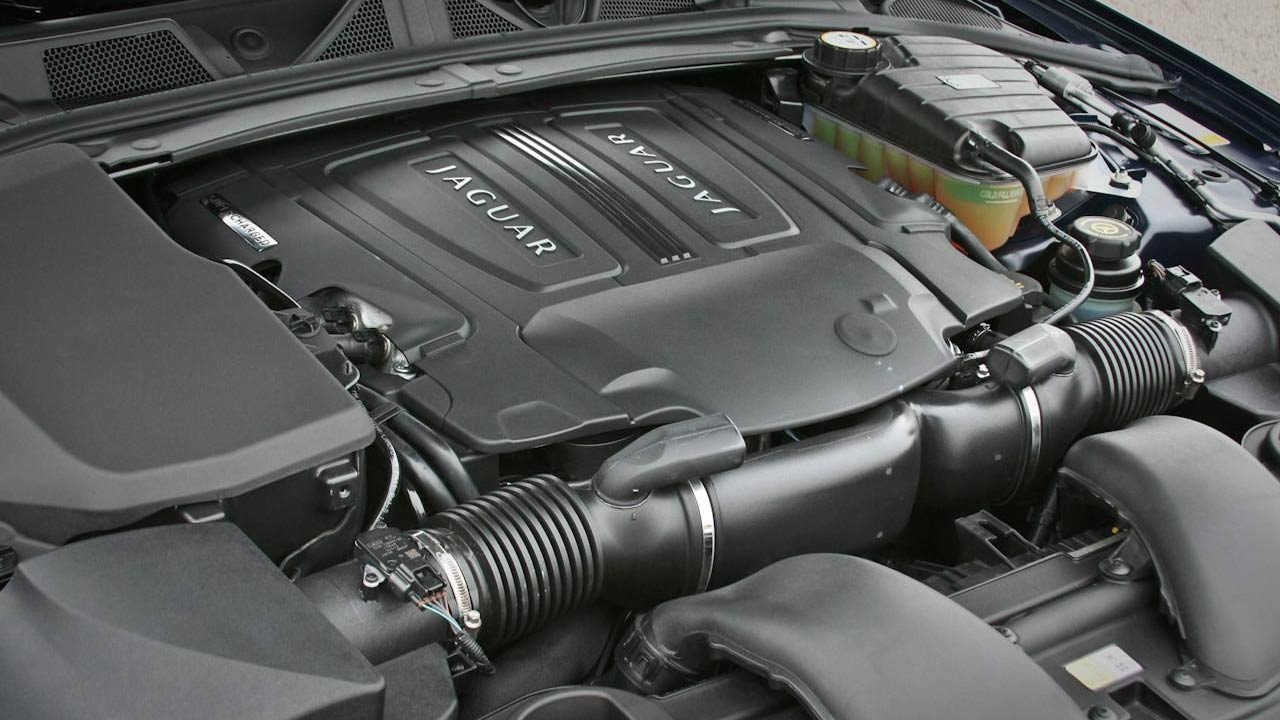
5. Jaguar XF 3.0 Supercharged and the Burden of Performance Engineering
The Jaguar XF 3.0 Supercharged represents a deliberate effort to combine refined luxury with strong performance capabilities. Its elegant design and responsive driving characteristics appeal to individuals who value both comfort and power.
However, the same engineering decisions that enhance performance also introduce challenges for mechanics responsible for maintaining the vehicle. Servicing this model often requires a deeper level of technical understanding and careful planning.
At the centre of its design is the supercharged engine, which delivers immediate power through forced induction. This system incorporates additional components such as the supercharger unit, drive belts, and associated cooling elements.
Each of these parts requires periodic inspection and maintenance. Accessing them, however, is not always straightforward. Components are arranged in a compact manner, which limits working space and increases the effort required to carry out repairs.
Thermal management plays an important role in sustaining engine performance. High-output engines generate elevated levels of heat, and the cooling system must function effectively to prevent overheating. Mechanics frequently conduct comprehensive inspections of radiators, hoses, and coolant pumps to ensure that all elements operate correctly.
A fault within any part of this system can lead to serious mechanical consequences, making preventive attention essential. Electrical systems within the XF present their own set of challenges. Integrated control units manage various functions, including engine performance and cabin features.
Faults may arise without clear warning signs, requiring detailed diagnostic procedures to identify the source. This process can be time-consuming and often involves testing multiple systems before arriving at a conclusive result. Parts procurement is another factor that affects the maintenance process.
Replacement components are not always readily available within local supply channels. When parts must be sourced from external suppliers, repair timelines may extend. In addition, the cost of these components is often high, which may influence decisions regarding repair and replacement.
Interior features contribute further to the vehicle’s technical demands. Systems designed to enhance comfort, such as advanced infotainment and climate control, rely on integrated electronics. When faults occur, diagnosing them requires both technical expertise and specialised equipment.
Despite these considerations, the Jaguar XF continues to deliver a rewarding driving experience. Its performance capabilities and refined presentation remain attractive to many owners. For mechanics, however, servicing this vehicle involves careful coordination, attention to detail, and a willingness to address multiple interconnected systems.
This combination of factors explains why the XF is widely regarded as a demanding model within professional repair environments.
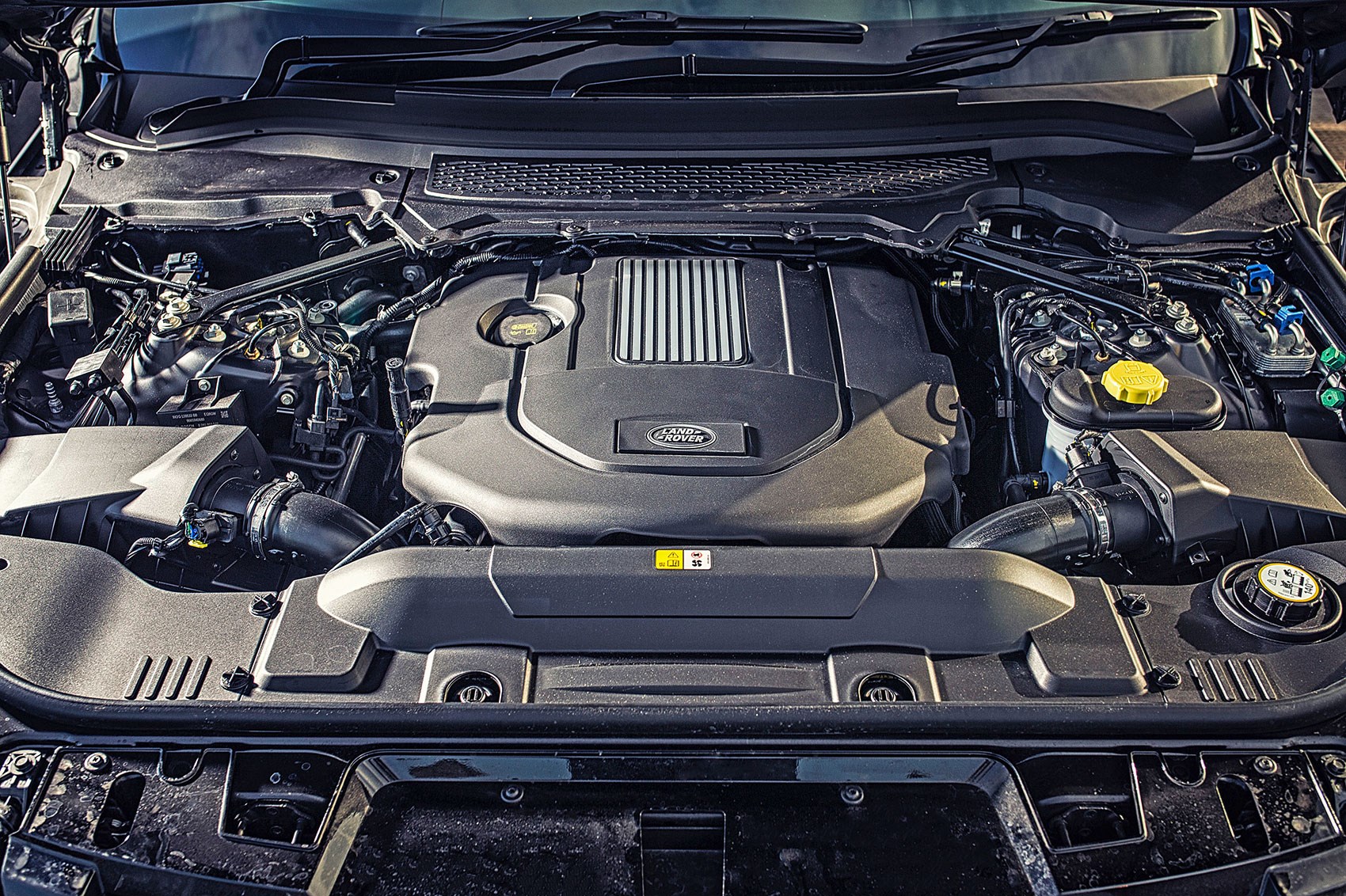
6. Land Rover Range Rover Sport Supercharged and the Strain of Overengineered Systems
Luxury meets off-road capability in the Land Rover Range Rover Sport Supercharged, yet that combination often leads to demanding repair work. Mechanics frequently approach this vehicle with caution due to the number of interconnected systems packed into one platform.
Under the hood, the supercharged V8 engine delivers strong performance, but it comes with tightly arranged components that limit accessibility. Routine procedures can turn into lengthy operations simply because reaching certain parts requires removing several layers of surrounding hardware.
This adds labor time and increases the chance of incidental damage during disassembly. Air suspension stands out as another concern. While it provides a smooth ride and adjustable height, the system relies on compressors, sensors, and air struts that can wear out.
Diagnosing faults within this setup requires both experience and specialised tools. A minor leak or sensor failure can cause uneven ride height, forcing technicians to inspect multiple components before identifying the cause. Electrical integration plays a central role in this vehicle.
Numerous control modules manage everything from drivetrain behaviour to cabin comfort. When one module fails or sends incorrect data, it can affect other systems. Tracing such issues demands patience and a methodical approach.
Cooling systems also require careful attention. High-performance engines generate substantial heat, and any weakness in hoses, radiators, or pumps can lead to overheating. Mechanics often inspect the entire system rather than focusing on a single part.
Parts pricing and availability can create additional stress. Replacement components are rarely inexpensive, and delivery delays can disrupt repair schedules. Customers may become frustrated when timelines extend beyond expectations. Driving experience remains impressive, with strong acceleration and refined comfort.
Repair work, however, often involves extended hours and detailed diagnostics, which explains why this model has a reputation for being demanding in the workshop.

7. Porsche Cayenne S (958) and the Cost of Performance Precision
High-performance engineering defines the Porsche Cayenne S from the 958 generation. While it delivers speed and handling that rival sports cars, maintaining that level of performance requires careful attention from technicians. Engine design presents the first challenge.
The V8 powerplant is built for power delivery and responsiveness, but accessing certain components can be difficult. Tasks such as replacing ignition coils or addressing oil leaks may involve removing surrounding parts, increasing labour time. Cooling systems in this vehicle are extensive.
Multiple radiators, coolant lines, and pumps work together to manage engine temperature. When a fault occurs, identifying the exact source requires a thorough inspection. Mechanics often need to check several areas before confirming the issue.
Brake systems also reflect the vehicle’s performance focus. High-performance brakes wear faster and cost more to replace. Servicing them demands precision, as improper installation can affect braking efficiency. Electronic systems introduce another layer.
The vehicle includes advanced driver assistance features and performance settings controlled by onboard computers. Diagnosing faults requires specialised equipment capable of communicating with these systems. Oil leaks can be particularly challenging.
Locating the source often involves cleaning the engine and monitoring it under operating conditions. This process takes time and requires attention to detail. Parts cost remains a consistent factor. Porsche components are engineered to strict standards, which means replacements are rarely inexpensive. This can affect repair decisions and extend downtime.
Driving satisfaction remains a strong point, with responsive handling and powerful acceleration. For mechanics, however, each repair involves careful planning and precise execution, reinforcing the perception that this model demands extra effort.

8. BMW X5 xDrive35i (F15) and the Demands of Modern Electronics
Modern luxury SUVs rely heavily on electronic systems, and the BMW X5 xDrive35i from the F15 generation highlights how this affects repair work. Mechanics often face challenges that go beyond traditional mechanical issues. Engine performance remains smooth, but the turbocharged inline-six requires careful monitoring.
Components such as fuel injectors and turbo systems must operate within precise limits. When faults occur, identifying the cause involves more than a visual inspection. Electrical systems dominate much of the vehicle’s operation. From infotainment to drivetrain management, numerous modules communicate constantly.
A fault in one system can trigger multiple warning lights, making diagnosis less straightforward. Battery management systems add another layer. These vehicles rely on advanced charging and monitoring setups. Replacing a battery is not as simple as swapping it out; the system often requires programming to ensure proper operation.
Suspension systems, especially those equipped with adaptive features, require specialised tools for calibration. If components are replaced without proper setup, ride quality and handling can be affected. Interior technology also contributes to the challenge.
Features such as digital displays and climate control systems rely on integrated electronics. Troubleshooting these systems requires both technical knowledge and the right diagnostic equipment. Parts costs and labour time can create tension between shops and customers. Repairs may take longer than expected due to the need for precise diagnosis and calibration.
Driving comfort and versatility remain strong selling points. Mechanics, though, recognise that maintaining such a vehicle involves dealing with advanced systems that demand both expertise and patience.

9. Mercedes-Benz S-Class S550 (W221) and the Weight of Luxury Innovation
Luxury vehicles often serve as a showcase for new technology, and the Mercedes-Benz S-Class S550 from the W221 generation reflects this approach. While it offers comfort and advanced features, repairing it can be a demanding task. Air suspension systems stand out as a frequent concern.
Designed to provide a smooth ride, they rely on compressors, sensors, and air lines. When issues arise, diagnosing the exact cause requires careful inspection of each component. Engine performance remains strong, but the V8 layout can limit accessibility.
Routine tasks may require removing covers and surrounding parts, increasing labour time and effort. Electrical systems play a central role in the vehicle’s operation. From seat controls to safety features, numerous modules interact with each other.
A fault in one area can affect multiple systems, making troubleshooting more involved. Interior electronics add another dimension. Features such as powered seats, climate control, and infotainment systems rely on integrated wiring and control units.
When problems occur, identifying the source can take time. Parts pricing reflects the vehicle’s luxury status. Replacement components are often expensive, which can influence repair decisions. Delays in sourcing parts may extend downtime. Software updates and recalibration are sometimes required after repairs.
This means that completing the job involves more than replacing a faulty component. Comfort and refinement remain defining qualities of the S550. For mechanics, however, working on such a vehicle requires a structured approach and a willingness to handle detailed diagnostic work.
Also Read: 10 Used Cars Under $8,000 That Mechanics Personally Would Buy

10. Audi Q7 3.0T Quattro (4M) and the Challenge of Multi-System Integration
Large luxury SUVs combine performance, comfort, and technology, and the Audi Q7 3.0T Quattro from the 4M generation demonstrates how this integration affects repair work. Mechanics often face multiple systems that must function together seamlessly.
The engine design features a supercharged V6 that delivers steady power. Accessing components, however, can be difficult due to the tight arrangement under the hood. Routine repairs may require removing several parts before reaching the target area.
Quattro all-wheel drive adds mechanical depth. Differentials, driveshafts, and control systems must operate in harmony. When issues arise, diagnosing them involves checking both mechanical and electronic elements. Suspension systems, particularly those with adaptive features, require precise calibration.
Replacing components without proper setup can affect ride quality and handling. Electrical systems form a large part of the vehicle’s operation. Advanced infotainment, driver assistance features, and climate control rely on interconnected modules. Diagnosing faults requires specialised equipment and technical knowledge.
Cooling systems also demand attention. High-performance engines generate heat that must be managed effectively. Mechanics often inspect multiple components to ensure proper operation. Parts availability and cost can influence repair timelines. Delays in sourcing components may extend the time required to complete a job.
Driving experience remains refined, offering comfort and performance in a single package. For mechanics, though, each repair highlights the challenge of working on a vehicle where multiple systems must function together with precision.
