
Some vehicles develop glowing reputations that continue growing long after their weaknesses become obvious.
Enthusiast communities, nostalgic owners, aggressive marketing, and internet hype can transform ordinary cars into legends that seem untouchable. Yet once people actually live with these vehicles for years, the reality can feel very different from the reputation surrounding them.
A strong reputation does not always mean a vehicle is truly exceptional in every category. Some cars become famous because they were groundbreaking during their launch years, while others gained cult status through styling, performance figures, or social media popularity.
The problem appears when buyers expect perfection and discover frustrating reliability issues, disappointing interiors, poor driving comfort, expensive maintenance, or aging technology that no longer matches modern standards.
Certain vehicles also benefit from selective storytelling. Owners may talk constantly about the positives while minimizing long-term drawbacks that become obvious after extended use.
In some cases, a vehicle may still be decent, but the praise surrounding it becomes so exaggerated that the actual ownership experience cannot possibly satisfy the expectations created around it.
This list is not about terrible vehicles that failed. Instead, these are models whose reputations often exceed what they realistically deliver.
Some remain enjoyable in specific situations, while others still have loyal fan bases. However, many buyers enter ownership expecting greatness and eventually realize the hype ignores serious compromises.
Another important factor is changing market standards. A vehicle that once felt revolutionary may now feel outdated, uncomfortable, inefficient, or overpriced compared with newer alternatives. Reputation can survive for decades even after competitors quietly surpass the original benchmark.
The following vehicles continue receiving praise in automotive conversations, but long-term ownership experiences often reveal weaknesses that people rarely discuss honestly.
From sports cars to SUVs and luxury vehicles, these models prove that popularity and reputation do not always guarantee satisfaction once the excitement fades and real-world driving begins.
Also Read: The Top 8 Honda Engines Ever Built, Ranked by Mileage Records
1. Jeep Wrangler
The Jeep Wrangler enjoys one of the strongest enthusiast followings in the automotive world. Many buyers see it as the ultimate symbol of freedom, adventure, and rugged capability.
Social media only strengthened that image with endless photos of lifted Wranglers climbing rocks, crossing rivers, and parked beside mountain trails. Yet for many owners using the vehicle daily, the reality becomes far less glamorous after the excitement wears off.
The Wrangler’s biggest problem is how heavily its reputation depends on lifestyle branding instead of everyday practicality. Off-road capability is undeniably impressive, but a huge percentage of owners rarely use the vehicle in environments demanding that level of toughness. On normal roads, the compromises become impossible to ignore.
Ride quality feels rough compared with most modern SUVs because the Wrangler still prioritizes off-road suspension characteristics. Highway driving can become tiring during long trips, especially in windy conditions where the vehicle tends to wander and require constant steering correction.
Road noise is another major complaint. Removable doors and roof panels may sound exciting in advertisements, but they contribute to a loud cabin filled with wind and tire noise at higher speeds.
Interior quality often disappoints buyers expecting modern refinement. Despite increasingly expensive pricing, many Wrangler cabins still contain hard plastics and questionable ergonomics.
Some owners accept that rugged character as part of the experience, but others quickly realize they paid premium money for an interior that feels less polished than much cheaper crossovers.
Reliability concerns also damage the ownership experience. While certain Wrangler generations improved over time, electrical issues, suspension wear, water leaks, and inconsistent build quality remain common discussion topics among long-term owners.
Repair costs can climb rapidly once modifications enter the picture, which happens frequently because many Wrangler owners customize their vehicles heavily.
Fuel economy is rarely impressive either. The boxy design and off-road-focused engineering create aerodynamic disadvantages that hurt efficiency, especially on highways. Buyers attracted mainly by the image often underestimate how expensive daily ownership can become.
Another overlooked issue involves driving dynamics in emergencies. Compared with modern car-based SUVs, the Wrangler feels less stable and refined during quick lane changes or panic maneuvers. That old-school driving feel may charm enthusiasts, but it can frustrate drivers expecting modern comfort and confidence.
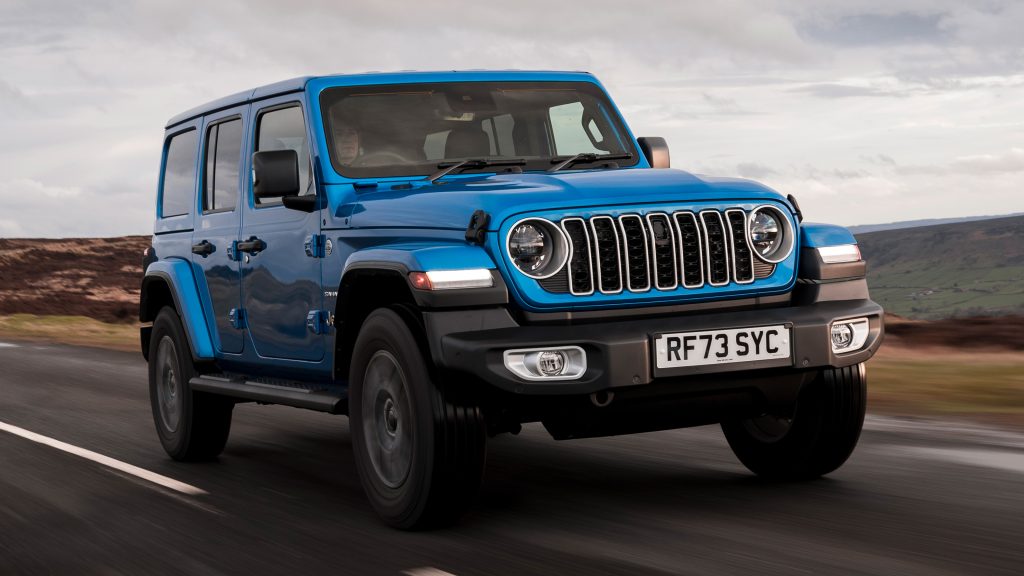
The Wrangler absolutely succeeds as a specialized off-road machine. However, its reputation sometimes convinces people it is the perfect all-purpose SUV, which simply is not true for many lifestyles. Buyers expecting comfort, quietness, efficiency, and refined daily usability frequently discover the Wrangler delivers far less than its legendary image promised.
2. Tesla Model X
The Tesla Model X arrived with enormous hype surrounding its futuristic technology, electric performance, and dramatic Falcon Wing doors. For a while, it represented one of the boldest luxury SUVs on the market.
Yet beneath the attention-grabbing presentation, many owners discovered a vehicle whose real-world ownership experience often struggled to match its futuristic reputation.
The Falcon Wing doors became the perfect example of this problem. They looked spectacular during demonstrations and attracted endless attention in parking lots, but many owners eventually viewed them as unnecessary complications rather than useful innovations.
The doors rely on complicated sensors and motors that can create reliability concerns over time. They also operate slowly compared with normal doors and sometimes become awkward in tight parking spaces despite Tesla’s engineering efforts.
Build quality criticism followed the Model X almost immediately after launch and continued for years. Panel gaps, inconsistent paint finishes, rattles, and interior assembly complaints appeared frequently in owner discussions.
Buyers spending luxury vehicle money expect tighter craftsmanship, especially compared with established premium brands that spent decades refining manufacturing quality.
Ride comfort became another divisive topic. While the Model X delivers shocking acceleration for such a large SUV, some owners felt the suspension tuning prioritized performance more than luxury comfort. Combined with large wheels and heavy battery weight, rough pavement could feel harsher than expected in a premium family vehicle.
The minimalist interior design also generated mixed reactions. Some drivers appreciated the clean, futuristic layout, but others found the near-total reliance on touchscreen controls frustrating during everyday use. Simple tasks requiring physical buttons in traditional vehicles sometimes demanded extra attention through menus and digital interfaces.
Reliability concerns extended beyond build quality, too. Electronic glitches, software bugs, sensor problems, and occasional hardware failures created frustration for some long-term owners.
Tesla’s ability to improve vehicles through software updates impressed many customers, but constant updates also introduced unpredictability that traditional luxury buyers were not always prepared to tolerate.
Practicality did not always live up to expectations either. The dramatic roofline and complex door structure affected cargo usability in certain situations, while third-row seating comfort remained limited for adults. Buyers expecting a perfect luxury family haulier sometimes discovered compromises hidden beneath the futuristic marketing.
Another factor hurting ModeX’s reputation involves pricing expectations. Luxury buyers paying premium prices typically expect excellent craftsmanship, smooth service experiences, and consistent quality control.
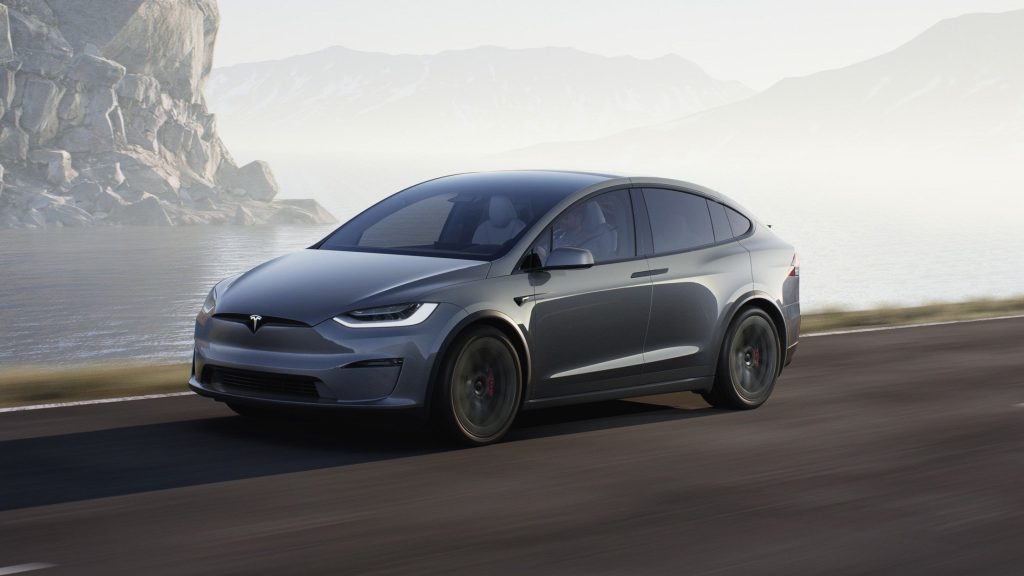
Tesla excelled in technology innovation and acceleration performance, but the ownership experience often lacked the polish associated with similarly priced luxury SUVs.
The Model X remains impressive in several ways, particularly regarding electric performance and charging infrastructure integration. Still, its reputation occasionally paints it as a flawless futuristic masterpiece when many owners experienced a far more complicated and sometimes frustrating reality after living with the vehicle daily.
3. Nissan GT-R
The Nissan GT-R built its reputation as a giant killer capable of humiliating exotic supercars for a fraction of the price. Early performance tests and internet hype transformed it into one of the most talked-about performance cars of its generation.
Yet once the excitement settled, many owners realized the GT-R experience could feel far less magical outside controlled performance comparisons.
One issue involves how clinical the driving experience can feel. The GT R delivers astonishing speed and grip, but many drivers expected a more emotional connection behind the wheel.
Instead, the car often feels dominated by computers, electronics, and all-wheel drive systems working constantly in the background. Some enthusiasts admired that precision, while others felt disconnected from the experience after extended ownership.
The interior also struggled to justify the car’s premium pricing. Early models especially received criticism for cabin materials and design quality that felt far behind European rivals.
Hard plastics, outdated infotainment systems, and aging switchgear created an atmosphere that sometimes resembled a much cheaper Nissan product despite the six-figure price tag in certain markets.
Ride quality became another major complaint among owners using the GT R regularly. The suspension tuning can feel brutally stiff on imperfect roads, making long drives tiring. Combined with road noise and a heavy-feeling chassis, daily usability suffers more than many buyers expect from a modern grand touring performance car.
Maintenance costs also surprise many people. Although the GT R gained fame partly because it cost less than exotic supercars initially, servicing and repairs can still become extremely expensive. Specialized transmissions, performance tires, brakes, and complex electronics create ownership costs that feel much closer to exotic territory than mainstream sports car pricing.
Another overlooked weakness is how slowly the platform aged. Nissan updated the GT-R repeatedly over many years, but the basic structure remained recognizable for more than a decade.
As competitors introduced fresher technology, more modern interiors, and lighter chassis designs, the GT R increasingly felt outdated despite constant praise from loyal fans.
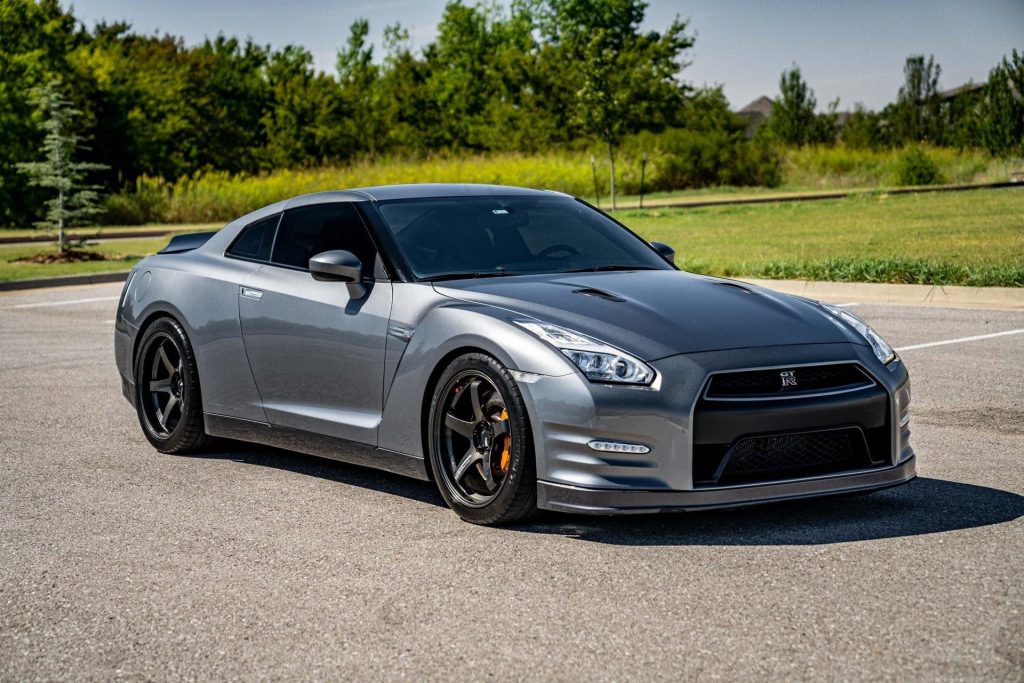
The car’s reputation also became inflated by internet mythology. Online discussions often focused entirely on acceleration numbers and tuning potential while ignoring comfort compromises, interior flaws, and long-term ownership realities.
Buyers expecting a perfect all-around supercar alternative sometimes discovered a machine that excelled narrowly in performance while sacrificing refinement elsewhere.
There is no question that the GT R remains impressively fast. However, speed alone does not guarantee satisfaction after years of ownership. For some drivers, the emotional connection and craftsmanship simply do not match the legendary reputation surrounding the badge.
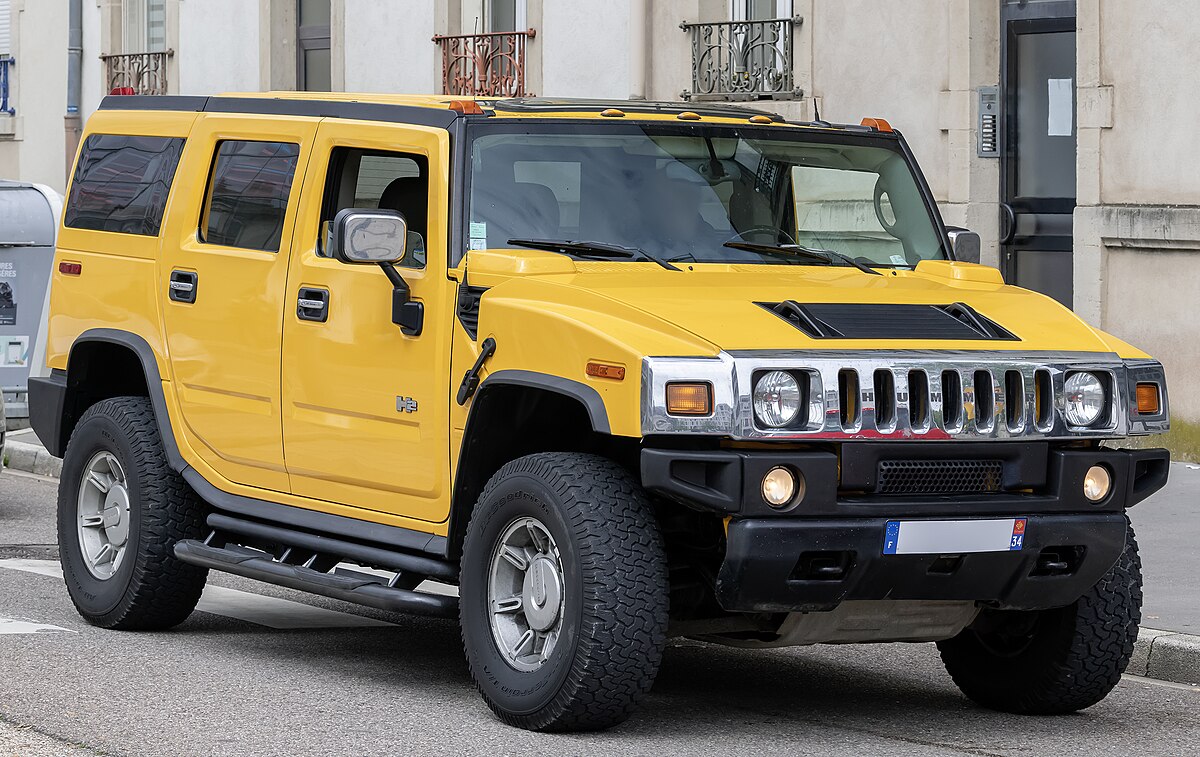
4. Hummer H2
The Hummer H2 became one of the most recognizable SUVs of the 2000s because of its military-inspired styling and intimidating road presence. At first glance, many people assumed the H2 was an unstoppable off-road machine capable of conquering any terrain. The truth proved far less impressive once owners started living with it beyond the image.
A major problem with the H2 was how much of its appeal relied purely on appearance. It looked enormous, aggressive, and indestructible, but underneath the styling sat a platform sharing more with General Motors trucks than with actual military-grade engineering.
Buyers expecting unmatched capability sometimes discovered a vehicle far less special mechanically than the marketing suggested.
Fuel economy became one of the most obvious frustrations immediately. Even during an era when large SUVs were common, the H2 consumed fuel at astonishing rates. Daily commuting quickly became expensive, especially as fuel prices increased. Many owners eventually realized the dramatic styling came with operating costs difficult to justify.
Despite its huge exterior dimensions, the interior space also disappointed some buyers. The thick body panels and bulky design reduced visibility significantly, creating large blind spots and making parking difficult. Surprisingly, the cabin did not always feel as spacious as people expected from such a massive vehicle.
Off-road capability created another gap between reputation and reality. The H2 could handle moderate trails reasonably well, but its sheer size and weight limited maneuverability in serious off-road environments.
Narrow trails, tight turns, and deep mud often became more challenging than buyers anticipated. In many situations, smaller and lighter SUVs actually performed better.
The driving experience on pavement also felt cumbersome. Steering response was slow, braking distances were long, and the vehicle carried its weight heavily through corners. Drivers attracted by the commanding seating position sometimes became frustrated by how awkward the H2 felt in crowded urban environments.
Interior quality rarely matched the premium pricing either. Some materials felt disappointingly ordinary considering the vehicle’s luxury positioning. Over time, rattles and aging plastic components further weakened the sense of durability that the exterior styling tried to project.
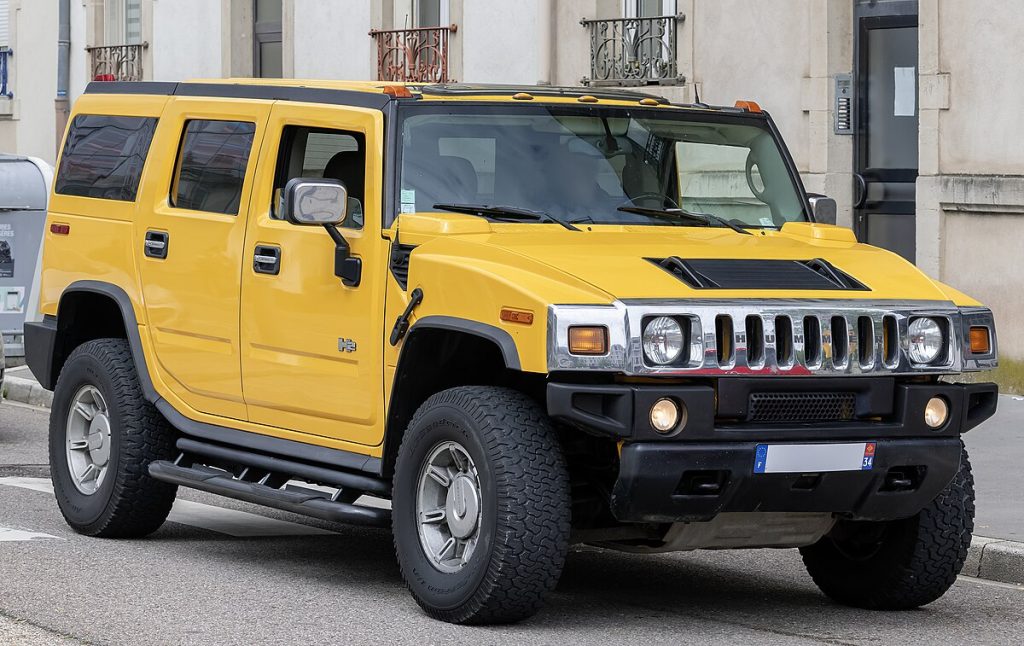
Another factor hurting the H2’s reputation involved social perception. The vehicle became associated with excessive consumption and image-driven ownership during a period when public attitudes toward fuel efficiency and environmental awareness were changing rapidly. That cultural backlash damaged the H2’s image significantly.
The H2 certainly succeeded at attracting attention. Few vehicles of its era created such an immediate visual impact. Yet beneath the bold styling existed an SUV whose real-world comfort, efficiency, practicality, and capability often failed to justify the enormous reputation built around it.
5. Volkswagen Beetle
The Volkswagen Beetle became one of the most recognizable cars in automotive history, and its reputation continues benefiting heavily from nostalgia and cultural significance. People remember the Beetle as charming, simple, and lovable, but actually living with one often reveals frustrations that enthusiasts rarely discuss honestly.
Older Beetles especially struggled with performance. Acceleration was painfully slow even by the standards of their era, and highway driving could feel stressful when trying to keep pace with faster traffic. The air-cooled engine design earned praise for simplicity, yet it also produced limited power and struggled in extremely hot conditions.
Interior comfort was another weakness. Space remained tight, especially for rear passengers, and the seating position could become tiring during longer drives. Noise levels were high because insulation was minimal, allowing engine sounds and road vibrations to dominate the cabin constantly.
Reliability stories surrounding classic Beetles are also somewhat romanticized. While the cars were mechanically simple, they still required regular attention and maintenance. Oil leaks, electrical quirks, rust problems, and heating issues were extremely common. Owners willing to repair things constantly loved the cars, but casual drivers often became frustrated.
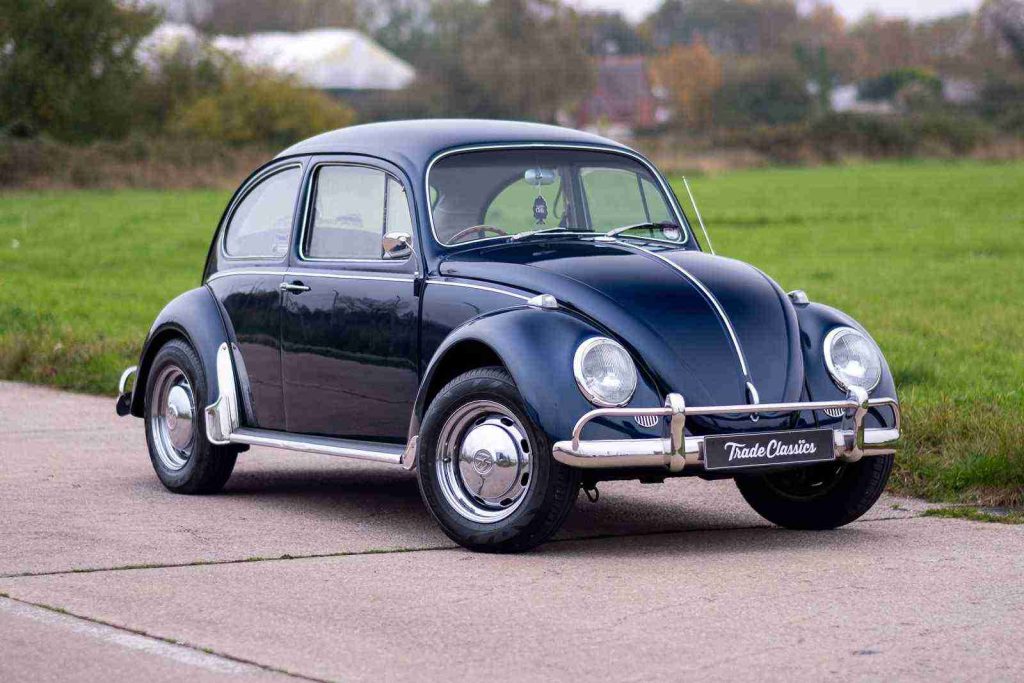
Modern retro-styled Beetles improved comfort and technology significantly, though they introduced new concerns involving Volkswagen repair costs and electrical reliability. Many buyers were attracted mainly by the styling and eventually realized competitors offered better practicality and ownership experiences for similar money.
The Beetle remains culturally iconic, but its real-world ownership experience often falls short of the warm reputation surrounding it.
6. Range Rover
The Land Rover Range Rover represents luxury and status in a way few SUVs can match. The design, road presence, and interior atmosphere create an impression of sophistication that attracts buyers worldwide. Unfortunately, the ownership reality frequently becomes far more difficult than the prestigious reputation suggests.
Reliability has haunted the Range Rover for years. Electrical failures, suspension issues, cooling system problems, and expensive drivetrain repairs appear regularly in long-term ownership discussions.
Many owners adore the vehicle when everything functions properly, but keeping it operating smoothly after warranty coverage expires can become financially exhausting.
Air suspension systems deserve special mention because repair costs can become shockingly high. The smooth ride quality feels impressive initially, yet aging components often fail over time. Once problems begin appearing, maintenance expenses can escalate quickly.
Technology complexity adds another layer of frustration. Modern Range Rovers contain advanced electronic systems controlling everything from infotainment to terrain management. While impressive on paper, these systems sometimes create glitches and software-related headaches that damage the luxury experience.
Another issue involves depreciation. New Range Rovers carry premium prices, but resale values can drop sharply once buyers become aware of long-term reliability concerns. Many used examples appear affordable later, though ownership costs often remain extremely high.
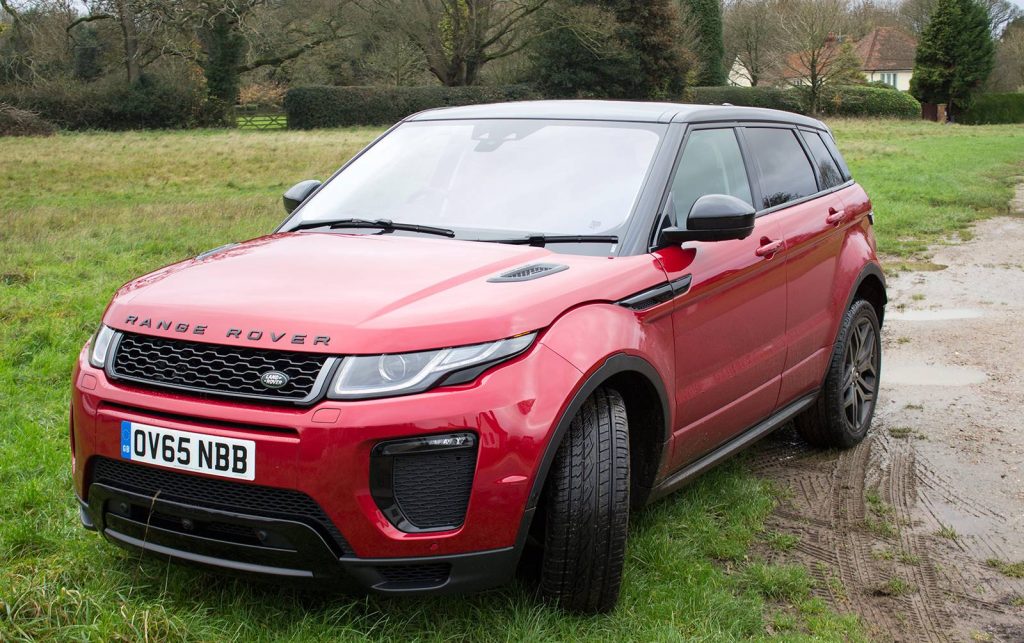
The Range Rover still delivers comfort and prestige few SUVs can match, but the gap between its glamorous image and long-term ownership reality remains much larger than many buyers expect.
7. Chevrolet Camaro
The Chevrolet Camaro built a reputation around aggressive styling and muscle car performance, yet many drivers discover serious compromises once they begin using it daily. The car certainly looks exciting, though the ownership experience can become frustrating in ways buyers rarely anticipate.
Visibility is one of the Camaro’s biggest weaknesses. Thick roof pillars, small windows, and a low seating position create blind spots that make parking and city driving difficult. Many owners describe feeling trapped inside the cabin because outward visibility remains so restricted compared with rival sports cars.
Interior quality also disappointed many buyers over the years. Certain Camaro generations used materials and dashboard designs that felt cheaper than expected for the price. While performance models delivered strong acceleration, the cabin atmosphere often lacked the refinement found in competitors.
Practicality suffers heavily as well. Rear seats are cramped, trunk access is awkward, and entering or exiting the car can feel difficult because of the low roofline. Buyers attracted mainly by the styling sometimes realize quickly that daily usability was sacrificed significantly.
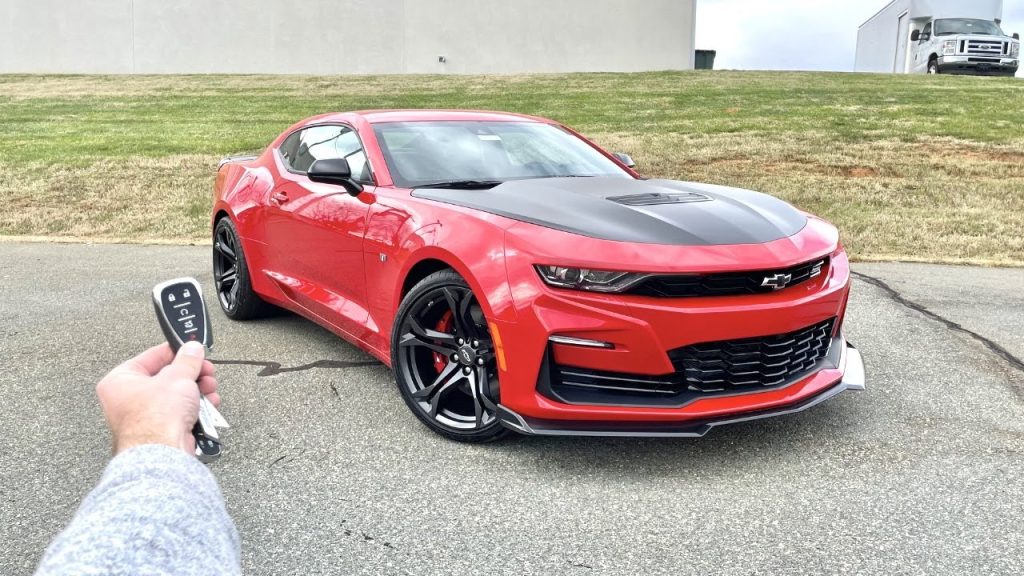
Ride comfort varies depending on trim level, but some versions feel harsh on rough roads. Combined with limited visibility and a cramped cabin, long trips can become tiring despite the car’s impressive power.
The Camaro remains appealing for straight-line speed and aggressive styling, but its reputation occasionally ignores how compromised the car feels during normal everyday driving.
8. Mini Cooper
The Mini Cooper built an image around quirky styling, sporty handling, and fashionable personality. Advertisements and enthusiast discussions often present the Mini as a small car bursting with charm and driving excitement.
While that reputation contains some truth, many owners eventually discover the experience becomes less enjoyable once maintenance costs and daily practicality enter the picture.
At first, the Mini impresses with its sharp steering and playful handling. The car feels agile in urban traffic, easy to park, and entertaining on twisty roads. That energetic personality became a huge reason for its popularity. However, living with the vehicle long term often reveals compromises hidden beneath the charming design.
Reliability concerns remain one of the biggest complaints. Certain Mini generations developed reputations for expensive mechanical problems involving turbochargers, cooling systems, oil leaks, timing chain failures, and electrical glitches.
Repairs can become surprisingly costly because the car uses premium European engineering despite its compact size. Many owners entered ownership expecting affordable fun and instead encountered luxury-level service expenses.
Interior space also disappoints some buyers. Although the Mini looks practical from the outside, rear seat comfort remains limited, especially for adults. Cargo capacity can feel restrictive during trips or shopping runs, making the car less versatile than several competitors in the same segment.
Ride comfort creates another issue. Sporty suspension tuning helps deliver sharp handling, but rough roads often expose how stiff and unsettled the car can feel. Potholes and broken pavement become tiring during longer drives, particularly in versions equipped with larger wheels and low-profile tires.
The cabin design deserves mixed reactions, too. Some drivers love the retro-inspired dashboard and circular styling themes, while others find the controls awkward and distracting. Earlier infotainment systems especially felt complicated compared with more intuitive mainstream alternatives.
Fuel economy, while decent, does not always compensate for the ownership costs. Buyers sometimes assume a small hatchback will be inexpensive to maintain, yet Minis frequently prove more demanding financially than larger Japanese competitors with stronger reliability records.
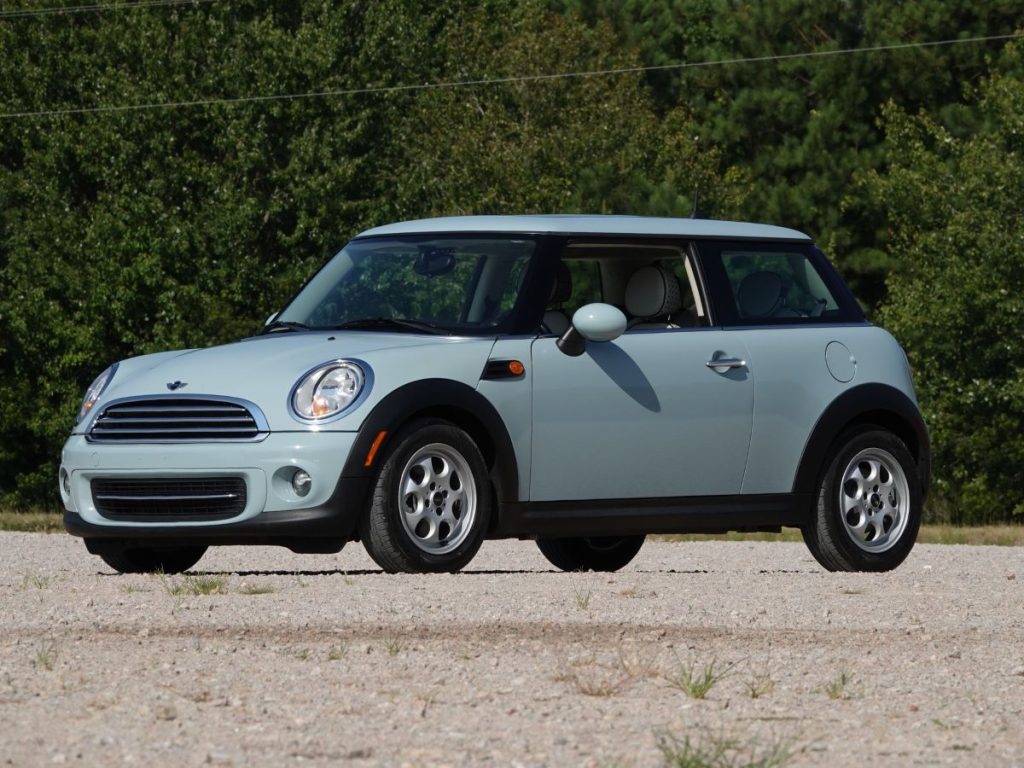
Another factor affecting the Mini’s reputation is image-based marketing. The car became heavily associated with youthful style and trendy urban culture, which helped boost popularity but also created inflated expectations.
Buyers hoping for a perfect mix of practicality, reliability, and driving fun sometimes realize the car delivers only part of that promise convincingly.
There is no denying the Mini Cooper has personality. Few small cars feel as visually distinctive or entertaining in tight city streets.
Yet the glowing reputation often minimizes the frustrations involving maintenance, comfort, and practicality that appear during long-term ownership. For many drivers, the charm fades faster than expected once real-world costs and compromises begin stacking up.
9. Chrysler PT Cruiser
The Chrysler PT Cruiser became an instant attention grabber when it launched because of its retro styling and unusual shape. At first, buyers saw it as refreshing and unique during a period when many compact cars looked bland and forgettable.
Sales surged quickly, and the PT Cruiser developed a strong reputation for personality. Unfortunately, the ownership experience often failed to live up to the excitement surrounding its design.
One of the biggest problems involved performance. Despite the bold styling, most PT Cruiser models felt underpowered and sluggish. Acceleration was disappointing, especially when carrying passengers or merging onto highways.
The driving experience lacked refinement, too, with vague steering and handling that felt clumsy compared with many rivals.
Interior quality became another major criticism over time. Hard plastics dominated the cabin, and certain trim pieces aged poorly after years of use. What initially seemed quirky and fun eventually started feeling cheap to many owners once the novelty wore off.
Reliability also damaged the PT Cruiser’s long-term reputation. Cooling system failures, electrical issues, suspension wear, and transmission problems became common complaints among owners. Repairs were not always catastrophic individually, but repeated issues created frustration and hurt confidence in the vehicle.
Visibility from the driver’s seat could feel awkward because of the vehicle’s shape and thick pillars. Parking and maneuvering in tight spaces sometimes proved harder than expected for a compact vehicle. Fuel economy also remained average at best, which disappointed buyers expecting efficient transportation from a smaller car.
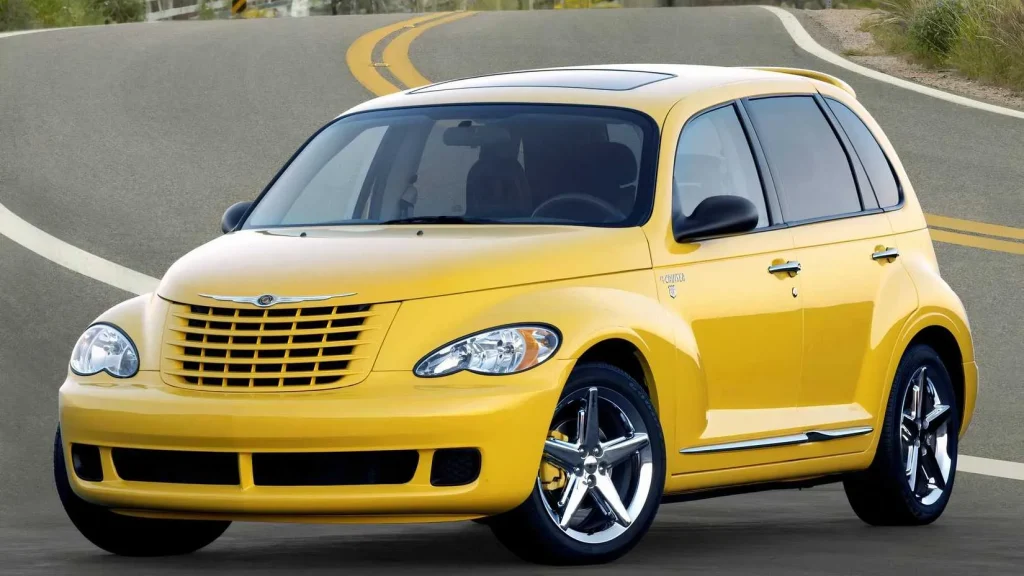
The retro design aged unusually, too. While some enthusiasts still appreciate its styling, many people began viewing the PT Cruiser as outdated surprisingly quickly. Unlike timeless retro designs that maintain broad appeal, the PT Cruiser became heavily tied to early 2000s trends that eventually faded.
Practicality was one area where the vehicle performed reasonably well. The tall roofline created decent cargo flexibility and useful interior space for families or small businesses. However, strong practicality alone could not fully compensate for the driving and reliability frustrations many owners experienced.
Turbocharged GT models added more performance, though they also introduced additional maintenance concerns. Buyers expecting sporty excitement often discovered a vehicle still limited by its aging platform and economy car roots, despite the extra power.
The PT Cruiser succeeded brilliantly at attracting attention during its launch years, but its reputation as a clever and lovable retro car often hides the reality of mediocre driving dynamics, questionable reliability, and aging build quality.
Many owners initially fell for the styling and realized the substance underneath never matched the enormous hype surrounding the vehicle.
Also Read: 9 Features Disappearing From Pickup Trucks That Buyers Will Miss
