
Modern SUVs are packed with comfort features that drivers quickly become attached to, and heated steering wheels sit surprisingly high on that list. In cold climates, few things feel better than gripping a warm steering wheel during freezing morning commutes or late-night winter drives.
What once seemed like a luxury reserved for premium vehicles has now become common across family crossovers, off-road SUVs, and high-end road utility vehicles. Yet while many heated steering wheels feel impressive when the SUV is new, not all of them survive long-term ownership equally well.
A heated steering wheel may sound like a simple feature, but the system behind it is more complicated than many drivers realize. Heating elements are built inside the wheel itself, surrounded by leather, stitching, wiring, sensors, and electronic controls. Every time the wheel turns, those components experience stress and movement.
Years of temperature changes, constant hand pressure, and electrical cycling can slowly wear the system down. Once failures begin, repairs often become expensive because replacing the steering wheel assembly or internal wiring is rarely cheap.
Some SUVs developed reputations for heated steering wheels that continue functioning reliably even past 200,000 miles. These vehicles usually combine strong electrical engineering with durable interior materials that resist wear over time.
Owners often report the heating system still working perfectly after years of commuting, towing, road trips, and harsh winters. These SUVs prove that comfort technology does not have to become disposable once the warranty expires.
Other SUVs, unfortunately, became known for heated steering wheels that stopped working far too early. In some cases, heating became uneven or weak within only a few years.
Other systems fail because of broken wiring, faulty modules, or deteriorating wheel materials. Drivers then faced frustrating repair bills for what should have been a simple comfort feature.
This comparison highlights SUVs from both sides of the experience. Some continue delivering reliable warmth long into old age, while others lose one of their most appreciated features much earlier than owners expected. For drivers living in colder regions, this small detail can make a much bigger difference in daily ownership satisfaction than many people realize.
Also Read: 5 Cars That Are Worth the Repair vs 5 You Should Walk Away From
5 SUVs With Working Heated Steering Wheels at 200K
Luxury and convenience features often become weak points as vehicles age, especially once mileage climbs into six-digit territory. Heated steering wheels are a perfect example. They combine electronics, moving components, heating elements, and delicate wiring inside one of the most heavily used parts of any vehicle.
Drivers grip the wheel every day, expose it to changing temperatures, and constantly rotate it during driving. Because of that stress, many systems eventually fail long before the rest of the SUV wears out.
Yet some manufacturers engineered heated steering wheels with remarkable durability. These SUVs continue delivering strong, even warmth after years of commuting, family hauling, towing, and winter driving.
Owners regularly report the systems still functioning properly well past 200,000 miles, which says a great deal about the quality of the electrical design and interior materials.
Long-lasting, heated steering wheels matter more than many buyers expect. Once drivers become used to the comfort during freezing mornings, losing the feature becomes surprisingly frustrating.
Repairs are often expensive because heating elements are buried beneath leather wrapping and connected to sensitive steering column electronics. In some vehicles, replacing the wheel assembly can cost far more than owners anticipate.
The SUVs in this section earned praise because their heated steering wheels survived real-world-lasting abuse without constant electrical problems or failing heating elements. Many also paired that durability with strong cabin quality and dependable long-term ownership experiences.
These are the SUVs where the heated wheel still works years later, instead of becoming another broken luxury feature that owners stop bothering to repair.
1. Toyota Land Cruiser
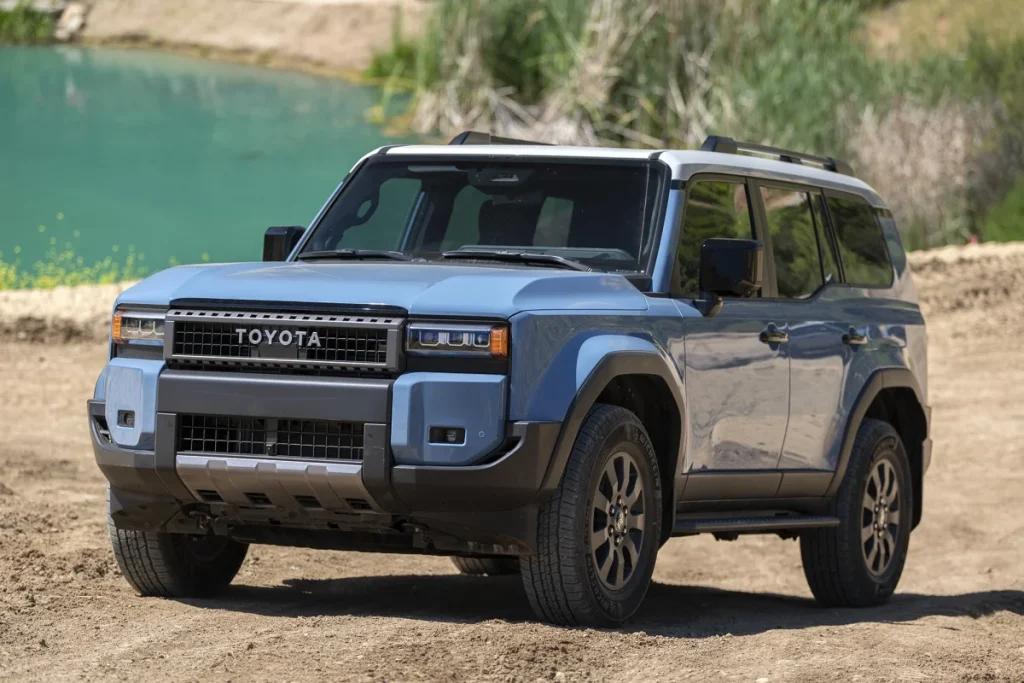
The Toyota Land Cruiser built one of the strongest durability reputations in automotive history, and that toughness extends even to smaller comfort features like the heated steering wheel.
While many luxury SUVs begin suffering electronic failures as mileage rises, the Land Cruiser often continues functioning with impressive consistency deep into long-term ownership.
One reason the heated steering wheel lasts so well is Toyota’s conservative engineering philosophy. The company tends to avoid overly fragile electronics in favor of systems designed for years of dependable use.
Owners frequently report heated steering wheels continuing to function properly well beyond 200,000 miles without uneven heating or electrical glitches.
The Land Cruiser’s interior quality also helps preserve the system. Strong leather materials and durable stitching protect the heating elements buried underneath the wheel surface.
In many SUVs, cracked leather or worn wheel padding eventually damages the internal components. The Land Cruiser usually avoids that kind of premature deterioration because the cabin was built to survive demanding use in harsh environments.
Another important factor is the SUV’s electrical reliability. Heated steering wheels depend heavily on stable wiring and dependable control modules. Toyota engineered the Land Cruiser to handle difficult climates ranging from freezing winters to desert heat, and that durability benefits interior electronics as well.
Drivers who use the Land Cruiser for towing, off-road travel, and long-distance road commuting often praise how little interior equipment fails despite years of heavy use. Heated steering wheel operation remains strong even after countless winter mornings and cold-weather road trips.
Repair costs also stay lower than on some European luxury SUVs because Toyota systems are generally easier to diagnose and maintain. That practicality adds another layer of long-term-distance ownership confidence.
The Land Cruiser succeeds because every part of the vehicle was designed with longevity in mind. Even a comfort feature like the heated steering wheel reflects the same reliability-focused engineering that made the SUV respected across the world.
2. Lexus GX 460
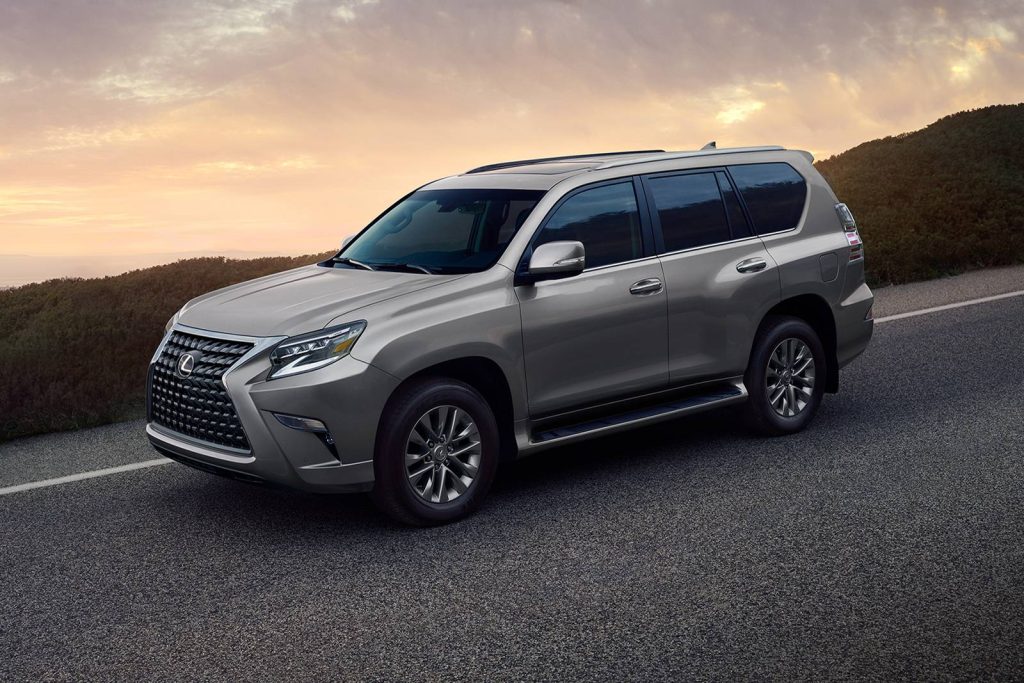
The Lexus GX 460 combines luxury comfort with traditional Toyota durability, creating one of the most dependable premium SUVs on the market. That reputation includes its heated steering wheel system, which has proven far more durable than many competing luxury SUVs filled with fragile electronics.
One of the GX 460’s biggest strengths is consistency. Owners often report that the heated steering wheel continues functioning exactly as intended after years of daily use. The heating remains even across the wheel surface, response times stay quick, and electrical failures appear far less common than in rival European luxury models.
The SUV benefits from excellent interior construction quality. Lexus used durable leather wrapping and sturdy wheel materials capable of handling years of hand pressure, temperature changes, and sunlight exposure without rapidly deteriorating. This protects the internal heating elements from damage caused by cracked or worn wheel surfaces.
Another advantage comes from Lexus’s focus on electrical reliability. Luxury vehicles often struggle with aging electronics because complex systems become difficult to maintain over time.
The GX 460 avoids many of those frustrations by using proven Toyota-based Lexus engineering instead of constantly changing experimental technology. Heated steering wheel controls remain dependable even after extremely high mileage.
Drivers living in cold climates especially appreciate this durability because heated steering wheels become part of their daily routine during the winter months. A failed system quickly becomes noticeable once drivers are accustomed to that comfort.
GX owners rarely complain about repeated steering wheel heating repairs, which says a great deal about long-term reliability.
The GX 460 also handles rough usage well. Many examples spend years towing trailers, travelling through snow, or driving on rough roads while still maintaining strong interior quality. Even after heavy use, the heated steering wheel usually continues operating without issue.
The SUV may not be the flashiest luxury vehicle available, but it excels where long-term owners care most: dependable comfort that keeps working year after year instead of turning into an expensive repair problem.
3. Chevrolet Tahoe
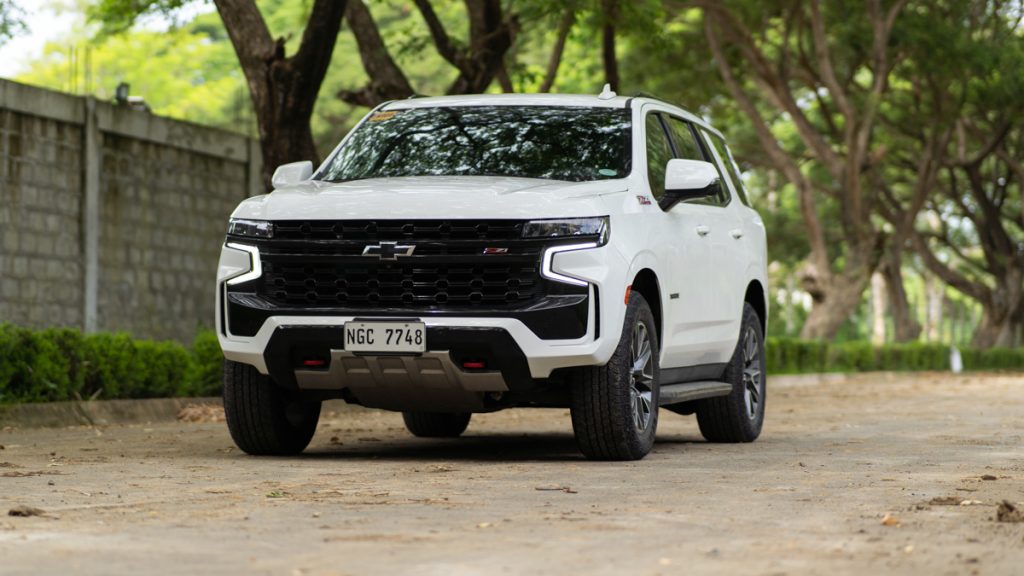
The Chevrolet Tahoe earned a loyal following because it combines family practicality, towing strength, and long-distance comfort in one durable package. While buyers often focus on the V8 engines and spacious interior, the heated steering wheel system deserves recognition for holding up surprisingly well even after years of demanding use.
Large SUVs like the Tahoe frequently spend their lives in difficult conditions. Many too-heavy trailers survive freezing winters or operate as family road trip vehicles with constant daily use.
Despite that punishment, heated steering wheels in properly maintained Tahoes often continue functioning deep into high-mileage ownership without developing major electrical failures.
One reason for this durability is General Motors’ gradual improvement in interior electronics during later Tahoe generations.
Earlier GM vehicles sometimes struggled with weak electrical reliability, but newer Tahoes benefited from better wiring quality and stronger climate control integration. Owners regularly report consistent steering wheel heating performance even after well over 150,000 miles.
The Tahoe’s thick steering wheel construction also helps protect the internal heating elements. Durable leather wrapping and sturdy wheel materials resist cracking and excessive wear better than some smaller crossovers with thinner wheel designs. This reduces stress on the heating components hidden underneath the surface.
Another factor is the SUV’s straightforward engineering. Unlike some luxury competitors with highly sensitive touch controls and complicated software integration, the Tahoe keeps the heated steering wheel system relatively simple and dependable. Drivers appreciate being able to activate the feature quickly without worrying about electronic glitches.
Fleet and commercial use further proved the Tahoe’s durability. Police departments, government fleets, and high-mileage family owners pushed these SUVs through years of harsh service while still retaining working comfort features. That track record strengthened Tahoe’s reputation for dependable long-term mileage ownership.
The Tahoe may not market itself around luxury technology, yet its heated steering wheel system quietly became another example of practical engineering that survives real-world-term use remarkably well.
4. Honda Pilot
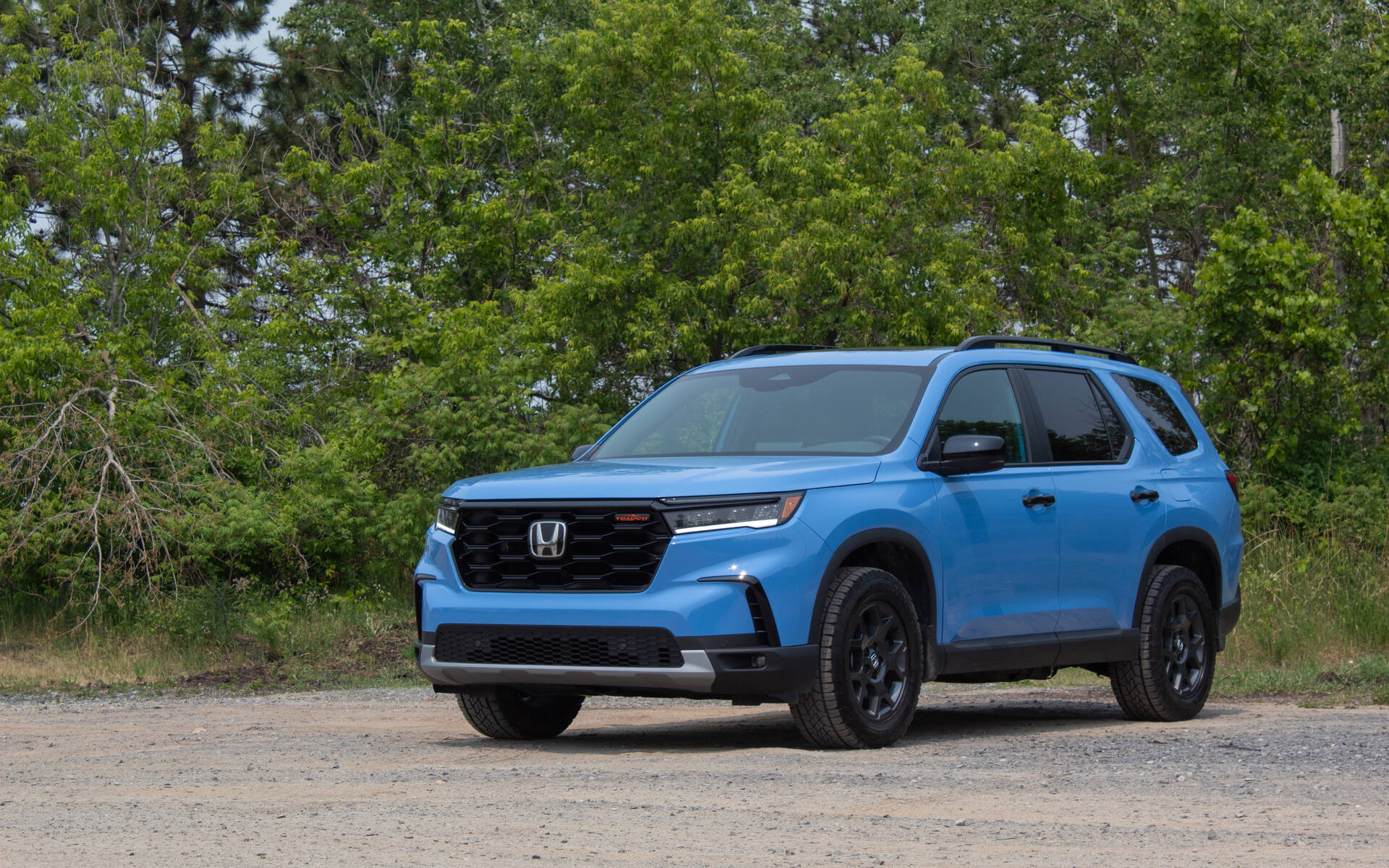
The Honda Pilot built its reputation around dependable family transportation, and that same reliability extends to many of its comfort features, including the heated steering wheel. While some SUVs develop interior electronic problems early in life, the Pilot usually maintains strong functionality even after years of commuting, road trips, and winter driving.
One reason the system lasts well is Honda’s balanced engineering approach. The company tends to avoid unnecessary complexity in favor of systems designed for consistent long-term world performance. Heated steering wheels in the Pilot generally warm evenly and continue operating reliably without the sudden failures seen in certain luxury SUVs.
The Pilot also benefits from durable interior materials. Family SUVs experience constant wear from daily driving, children, pets, and changing weather conditions. Honda designed the steering wheel with materials capable of resisting premature cracking and deterioration, helping preserve the heating elements hidden beneath the leather surface.
Another important advantage involves electrical stability. Heated steering wheels rely on dependable wiring and control modules that can survive years of repeated use. The late-term electrical systems are known for being relatively straightforward and durable, reducing the likelihood of expensive electronic failures as mileage increases.
Cold-weather pilots’ owners especially appreciate the feature because the Pilot often serves as a practical daily vehicle in snowy climates. Drivers quickly become accustomed to the comfort during freezing mornings, and many Pilot owners report the system still functioning properly well past 200,000 miles with minimal maintenance.
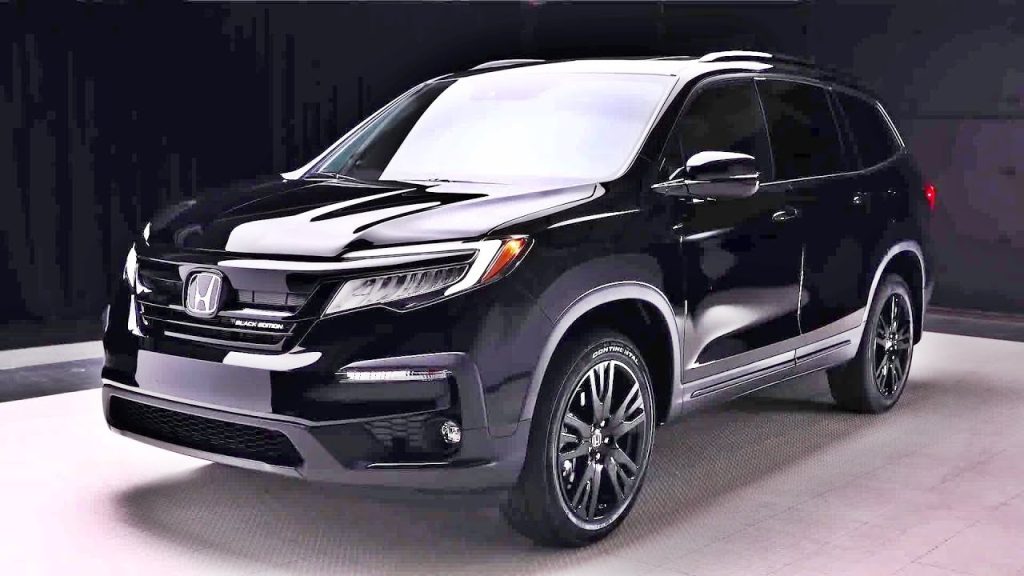
Repair accessibility also helps long-term weather ownership. If problems eventually appear, Honda parts availability and widespread mechanic familiarity keep repair stress lower than on many premium SUVs with highly specialized components.
The Pilot succeeds because it focuses on dependable everyday comfort rather than flashy technology trends. Its heated steering wheel may not seem exciting when new, but years later, owners appreciate that the feature still works exactly as expected while other SUVs suffer expensive electronic failures.
5. Ford Expedition
The Ford Expedition became one of the most dependable full-size family SUVs for drivers who needed space, towing ability, and cold-weather comfort. Among its underrated strengths is a heated steering wheel system that often continues working reliably even after years of heavy use and extremely high mileage.
The expedition member spends much of their life handling demanding family duties. Many examples survive endless winter commutes, road trips, trailer towing, and daily stop-and-go expedition driving with multiple drivers using the same vehicle.
Despite all that wear, heated steering wheel systems in later-generation-and-go Expeditions have proven surprisingly durable.
Ford improved interior electronics significantly in these models, helping reduce the failures that affected some older vehicles from the brand.
The steering wheel heating elements tend to maintain even warmth across the wheel rather than developing dead spots or weak sections over time. Owners frequently mention the feature still functioning properly well past 200,000 miles.
The SUV’s thick steering wheel design also helps. Strong leather wrapping and solid wheel construction protect the internal heating components from excessive stress caused by constant grip pressure and temperature changes. This becomes especially important in colder regions where the system may operate daily for months at a time.
Another reason the Expedition performs well is its relatively practical technology layout. While modern enough to feel comfortable and refined, the heated steering wheel system avoids unnecessary complexity that often leads to long-term electrical problems in luxury rivals.
Large family SUVs are often kept for many years, meaning comfort features must survive extended ownership rather than short lease periods.
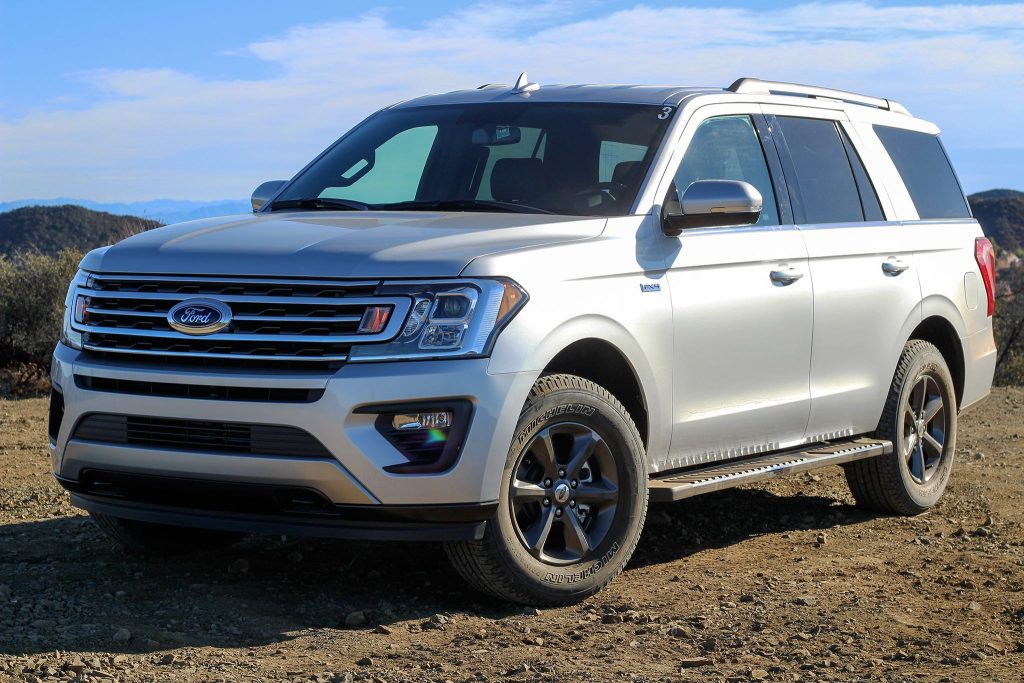
The Expedition handles this challenge better than many people expect. Drivers who depend on the SUV through harsh winters appreciate knowing the heated steering wheel continues working reliably instead of becoming another expensive repair item.
Ford may not always receive the same reliability reputation as Toyota or Honda, but the Expedition proved that durable comfort technology is possible when engineering focuses on real-world, long-term use, not short-term showroom appeal.
5 That Quit Early
Heated steering wheels sound simple, but once the system begins failing, owners quickly realize how expensive and frustrating repairs can become.
The heating elements sit buried beneath leather wrapping inside one of the most frequently touched parts of the SUV. Years of turning, gripping, sunlight exposure, and temperature swings place constant stress on wiring and internal components.
Some SUVs, unfortunately, developed reputations for heated steering wheels that stopped working far earlier than owners expected. In certain models, the heating became weak or uneven after only a short time.
Other systems failed completely because of broken wiring, faulty control modules, or deteriorating steering wheel materials, damaging the internal heating elements.
Luxury SUVs often struggled the most because manufacturers packed too much complexity into relatively delicate systems. Features that seemed impressive in showrooms later became expensive ownership headaches once warranties expired.
Repairing a heated steering wheel frequently means replacing major sections of the steering wheel assembly, leading to surprisingly high repair bills.
Another issue involves inconsistent reliability. Some owners experience failures at moderate mileage while others avoid problems longer, creating uncertainty about when the system may stop functioning.
Once drivers become used to a warm steering wheel during winter mornings, losing the feature becomes far more irritating than many expect.
The SUVs in this section gained criticism because their heated steering wheel systems often failed too soon or created expensive repair experiences. While some of these vehicles still offered strong performance or luxury appeal, their long-term comfort, technology, and durability left many owners disappointed.
1. BMW X5 (Early F15 MF15-generation)
The F15-generation BMW X5 impressed buyers with luxury, technology, and strong performance, but its heated steering wheel system became a weak point for some long-term owners. While the feature worked beautifully when new, aging examples often developed problems earlier than expected.
One common issue involved uneven heating across the steering wheel surface. Certain sections stayed warm while other areas became noticeably cooler, suggesting internal heating element wear. In colder climates, drivers quickly noticed the inconsistency during daily winter use.
Electrical faults also created frustration. The X5 relied heavily on complex electronic modules and sensitive wiring integrated into the steering column.
Once faults developed, diagnosing the problem could become expensive because multiple systems were interconnected. Owners sometimes faced warning lights or intermittent steering wheel heating failures without clear explanations.
Repair costs added another layer of disappointment. Replacing heated steering wheel components in a luxury SUV is rarely labor cheap, especially once labor and programming costs are included. Some owners delayed repairs entirely because the expense felt unreasonable for what should have been a basic comfort feature.
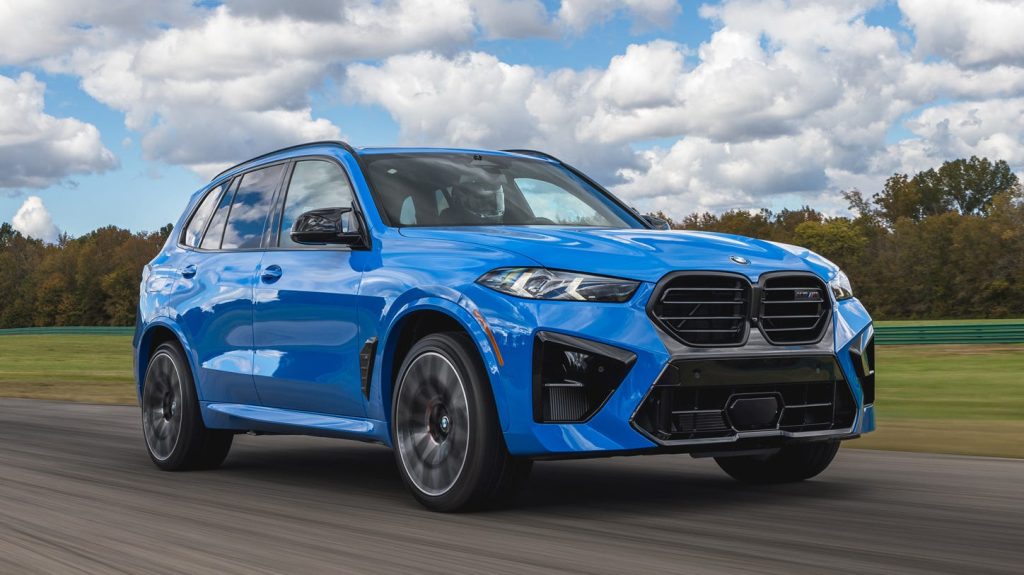
The X5 remained enjoyable to drive and highly refined in many areas, but the long-term durability of smaller electronic features did not always match the premium image.
Drivers expecting flawless luxury ownership deep into high mileage often found themselves dealing with costly climate- and comfort-related repairs sooner than anticipated.
2. Jeep Grand Cherokee (Mid-2010s Models)
The Jeep Grand Cherokee offered attractive styling, strong engine choices, and impressive comfort features, but the heated steering wheel reliability became an annoyance for many owners after several years of use. In cold-weather regions, complaints about failing steering wheel heating systems appeared regularly.
One frequent problem involved heating elements weakening prematurely. Some steering wheels developed cold spots, while others stopped heating entirely after moderate mileage. Drivers who relied on the feature during winter months found the failures especially frustrating because the rest of the vehicle often remained perfectly functional.
Electrical reliability created additional concerns. Wiring issues and faulty steering wheel control modules occasionally caused intermittent operation. In certain cases, the heated steering wheel would function one day and stop working the next without obvious warning signs.
Interior wear also contributed to failures. The leather wrapping on some Grand Cherokees aged faster than expected, increasing stress on the heating components underneath. Constant exposure to sunlight and temperature swings accelerated deterioration in heavily used vehicles.
Repair expenses became another complaint point. Accessing steering wheel electronics and replacing damaged components often required more labor than owners anticipated. Since the issue affected comfort rather than drivability, many people postponed repairs rather than spending large amounts on the system.
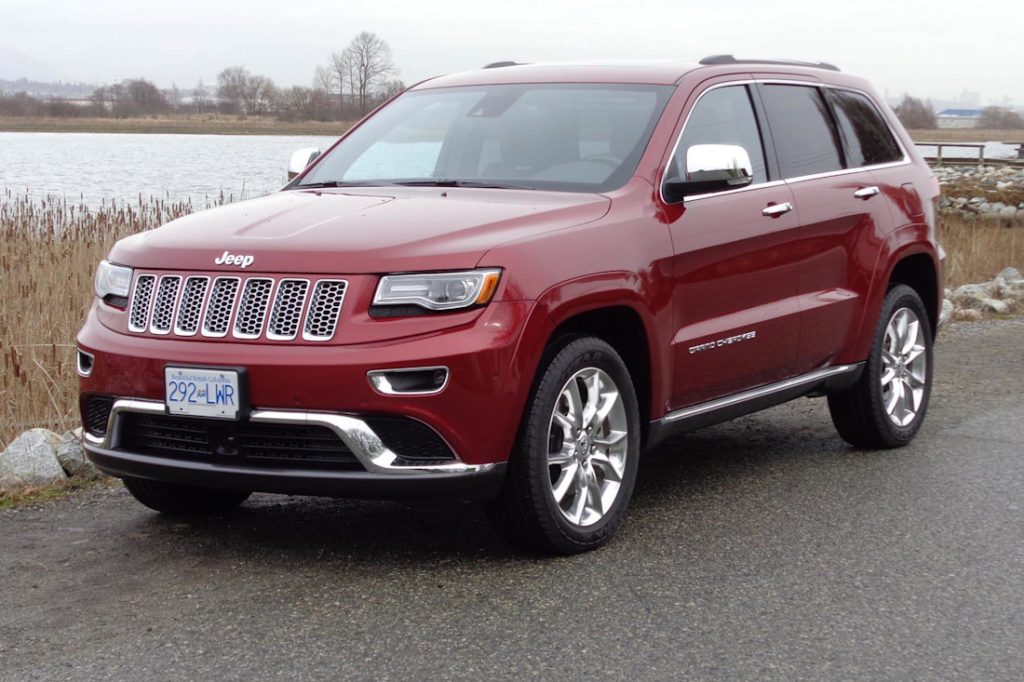
The Grand Cherokee remained popular for its capability and comfortable ride, but its heated steering wheel durability did not consistently match the long-term expectations many buyers had for a modern SUV packed with premium features.
3. Land Rover Range Rover Sport
The Range Rover Sport delivered luxury, performance, and strong road presence, but its heated steering wheel system became another example of how complex electronics sometimes hurt long-term ownership reliability. While the feature felt excellent in inclement weather when new, many aging models developed frustrating problems.
One major issue involved inconsistent heating performance. Owners often reported sections of the wheel heating unevenly or losing warmth entirely after several years of use. In colder climates, these failures became especially noticeable during daily driving.
The SUV’s complicated electrical architecture also created diagnostic headaches. Heated steering wheel controls were integrated into multiple electronic systems, meaning even a relatively simple fault could require expensive troubleshooting. Some owners dealt with intermittent failures where the wheel stopped heating temporarily before working again later.
Repair costs quickly became overwhelming. Replacing steering wheel components in a luxury SUV like this requires specialized labor and expensive factory parts. Once warranty coverage ended, many owners questioned whether repairing the feature was financially worthwhile.
Interior wear added further complications. Leather deterioration and heavy use sometimes stressed the heating elements beneath the wheel surface, increasing the likelihood of failure as mileage climbed.

The Range Rover Sport remained attractive because of its comfort and performance, but smaller luxury features often failed earlier than expected. Heated steering wheel problems became part of a larger pattern of electronic reliability concerns that made long-term ownership far more expensive than many buyers originally anticipated.
4. Volkswagen Touareg
The Volkswagen Touareg combined premium comfort with solid driving dynamics, yet its heated steering wheel system developed reliability complaints that frustrated many owners after years of use. While the Sthe UV felt refined and upscale initially, the long-term durability of certain electronic comfort features proved less impressive.
One recurring issue involved heating elements failing unevenly inside the steering wheel. Drivers noticed parts of the wheel remaining cold while other sections still warmed normally. In some cases, the system stopped functioning completely without much warning beforehand.
Electrical gremlins became another common frustration. The Touareg relied on complicated wiring and electronic control systems that occasionally caused intermittent heated steering wheel operation. Owners sometimes experienced situations where the feature worked inconsistently, depending on weather conditions or vehicle startup cycles.
Repair complexity made matters worse. Diagnosing specialized faults often requires specialized equipment and significant labor time. Coslabor increased rapidly once dealership labor rates and imported replacement parts entered the equation.
Another problem was aging interior materials. As the steering wheel leather wore down over time, stress on the heating components underneath increased. SUVs exposed to extreme temperature swings or heavy daily use tended to show failures sooner.

The Touareg still delivered comfortable highway driving and premium cabin quality, but maintaining all its luxury features became increasingly expensive as the vehicle aged. Heated steering wheel reliability was one more area where long-term ownership costs disappointed drivers expecting stronger durability from a high-end SUV.
5. Dodge Durango
The Dodge Durango offered muscular styling, strong engine options, and family-friendly practicality, but heated steering wheel reliability became a frustrating issue for many owners as the SUVs aged. While the feature was impressive during winter mornings when new, long-term durability often failed to meet expectations.
One common complaint involved the steering wheel heating unevenly after several years of use. Drivers noticed certain sections staying warm while other areas became completely cold. In some Durangos, the entire system stopped working unexpectedly despite the rest of the vehicle operating normally.
Electrical issues played a major role in these failures. Faulty wiring connections, steering wheel modules, and switch-related problems occasionally caused intermittent heating performance. Owners sometimes dealt with systems that worked inconsistently during colder weather, making the problem even more irritating.
Interior wear also contributed to reliability concerns. Heavy daily use and changing temperatures placed stress on the steering wheel materials and heating elements underneath. As the leather surface aged, internal components became more vulnerable to damage.
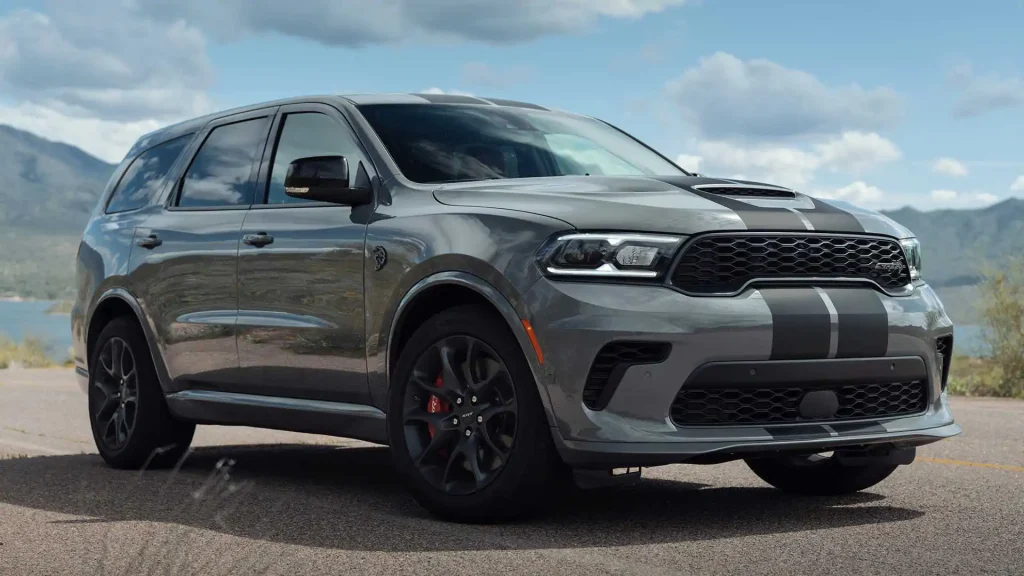
Repair costs added another layer of frustration because replacing steering wheel heating components is not always straightforward. Labor expenses rose quickly once diagnostic work and electronic programming became necessary. Many owners delayed repairs because fixing a comfort feature felt difficult to justify financially.
The Durango remained popular for its spacious cabin and strong performance, but the heated steering wheel system became one of several smaller quality issues that prevented the SUV from building the same long-term reliability confidence as some of its competitors.
Also Read: 5 Vehicles With Fog Lights That Actually Work vs 5 That Are Just Decoration
