
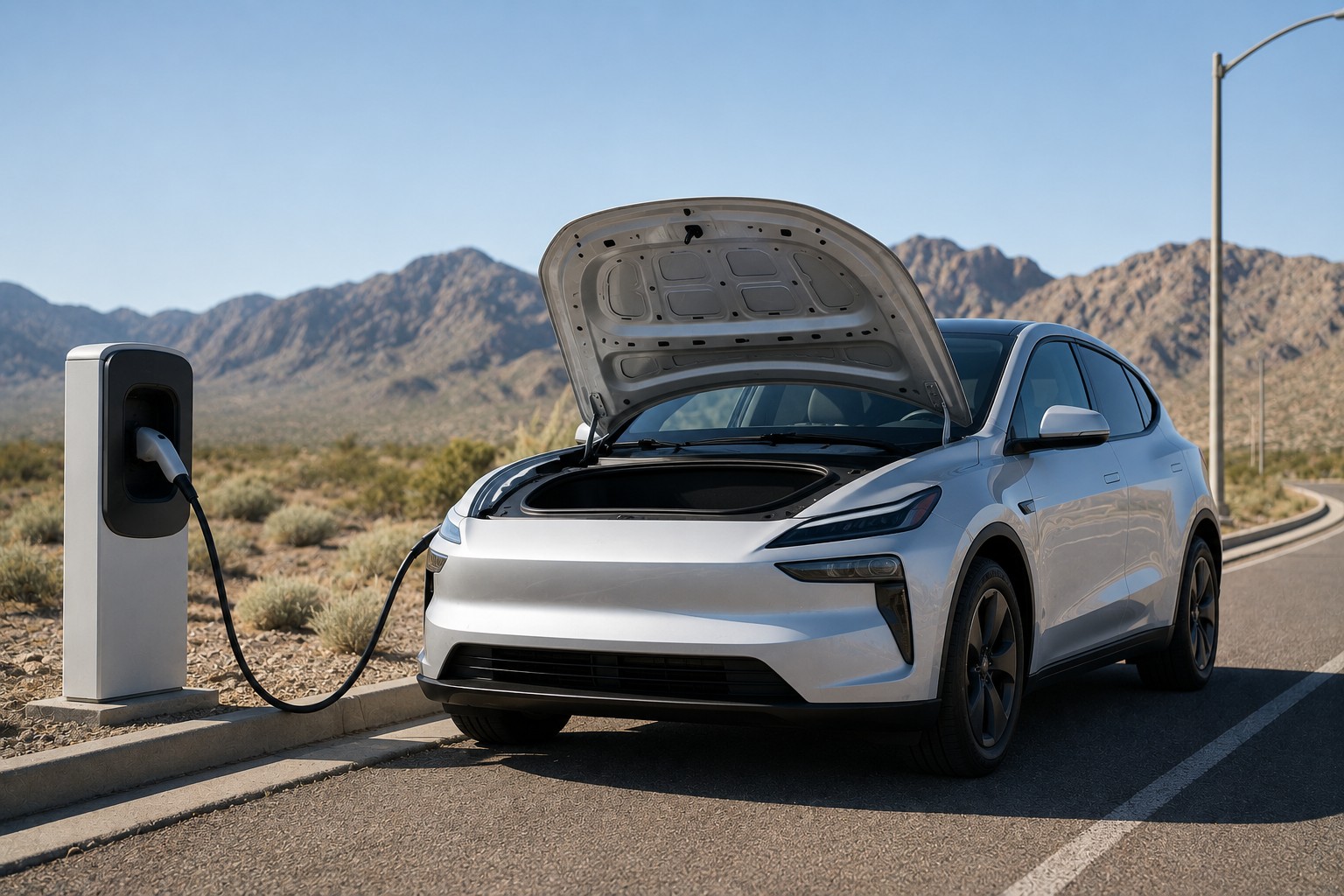
The 2026 Consumer Reports reliability study has sent shockwaves through the automotive world. Electric vehicles are now officially recording 80 percent more problems than their gasoline-powered counterparts. This is not a minor gap; it is a significant and measurable difference that consumers cannot ignore.
Electric vehicles have been marketed as the future of transportation. Governments, automakers, and environmental groups have pushed millions of buyers toward battery-powered cars. However, the real-world reliability data tells a more complicated story.
Consumer Reports gathered data from hundreds of thousands of vehicle owners across the United States. The organization is widely respected for its independent and unbiased testing methodology. Their findings carry enormous weight in the automotive industry.
The problems reported by EV owners span multiple categories. These include software glitches, charging system failures, battery issues, and body hardware defects. Each of these areas reveals a technology that is still maturing on a mass scale.
For foreign buyers and international markets considering EV adoption, this study is especially important. It raises serious questions about infrastructure readiness and long-term ownership costs. Understanding these findings can help buyers make smarter and safer decisions.
Software and Technology Failures
Software problems represent one of the biggest complaint categories among electric vehicle owners. Modern EVs are essentially computers on wheels, and that complexity creates new categories of failure. A gasoline car might have dozens of software modules. An electric vehicle can have hundreds of interconnected digital systems running simultaneously.
Owners frequently report screens freezing during driving. Navigation systems crash without warning, leaving drivers stranded in unfamiliar locations. Over-the-air software updates, which are meant to fix problems, sometimes introduce new bugs instead.
Voice recognition systems fail to respond correctly in real-world conditions. Bluetooth connectivity drops repeatedly, frustrating drivers who rely on smartphone integration. These are not cosmetic issues; they affect daily usability in serious ways.
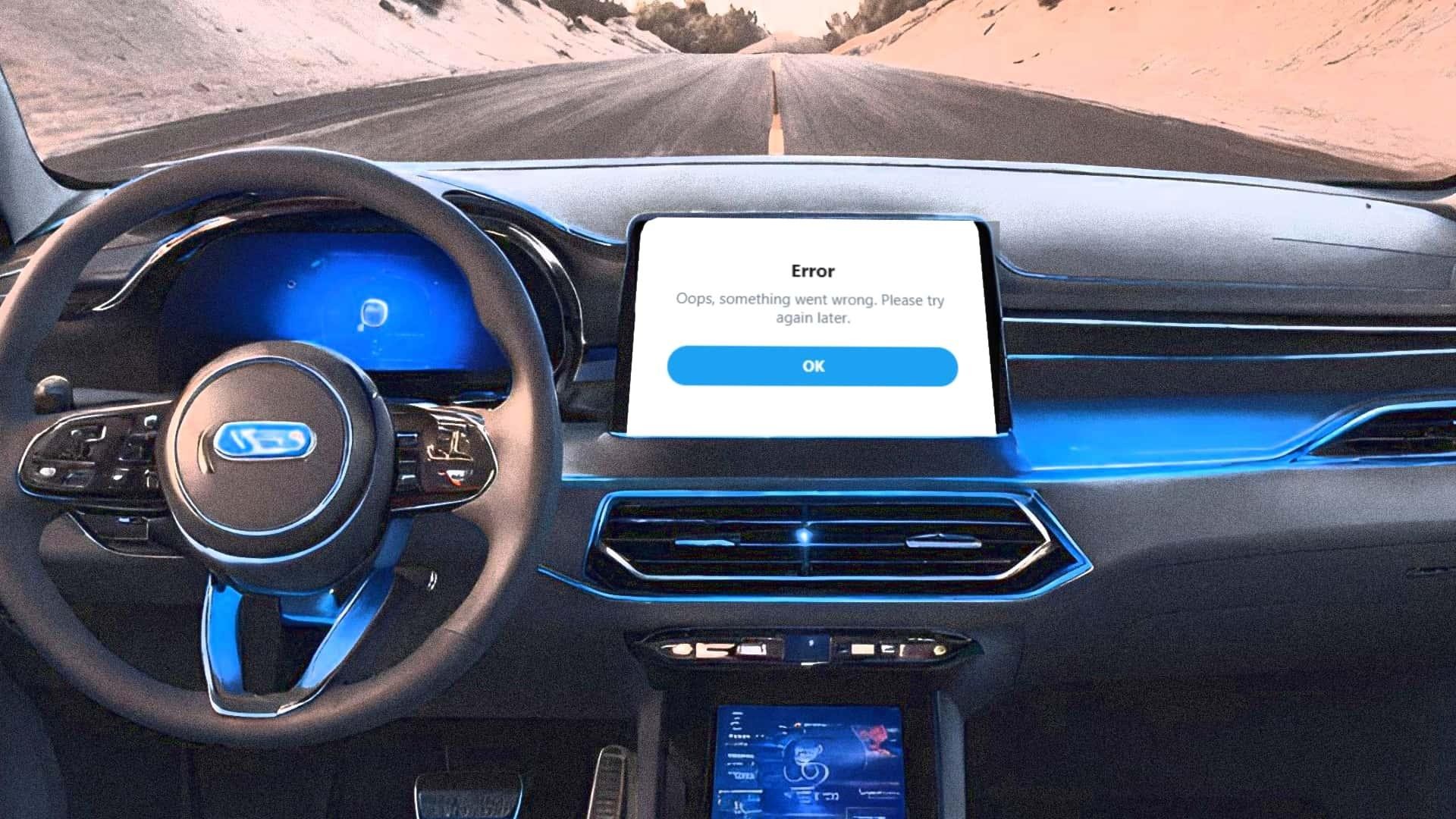
Some EV brands have pushed software too aggressively before proper testing. The rush to market has left consumers acting as unpaid beta testers. This approach works for smartphone apps but is unacceptable in a vehicle traveling at highway speeds.
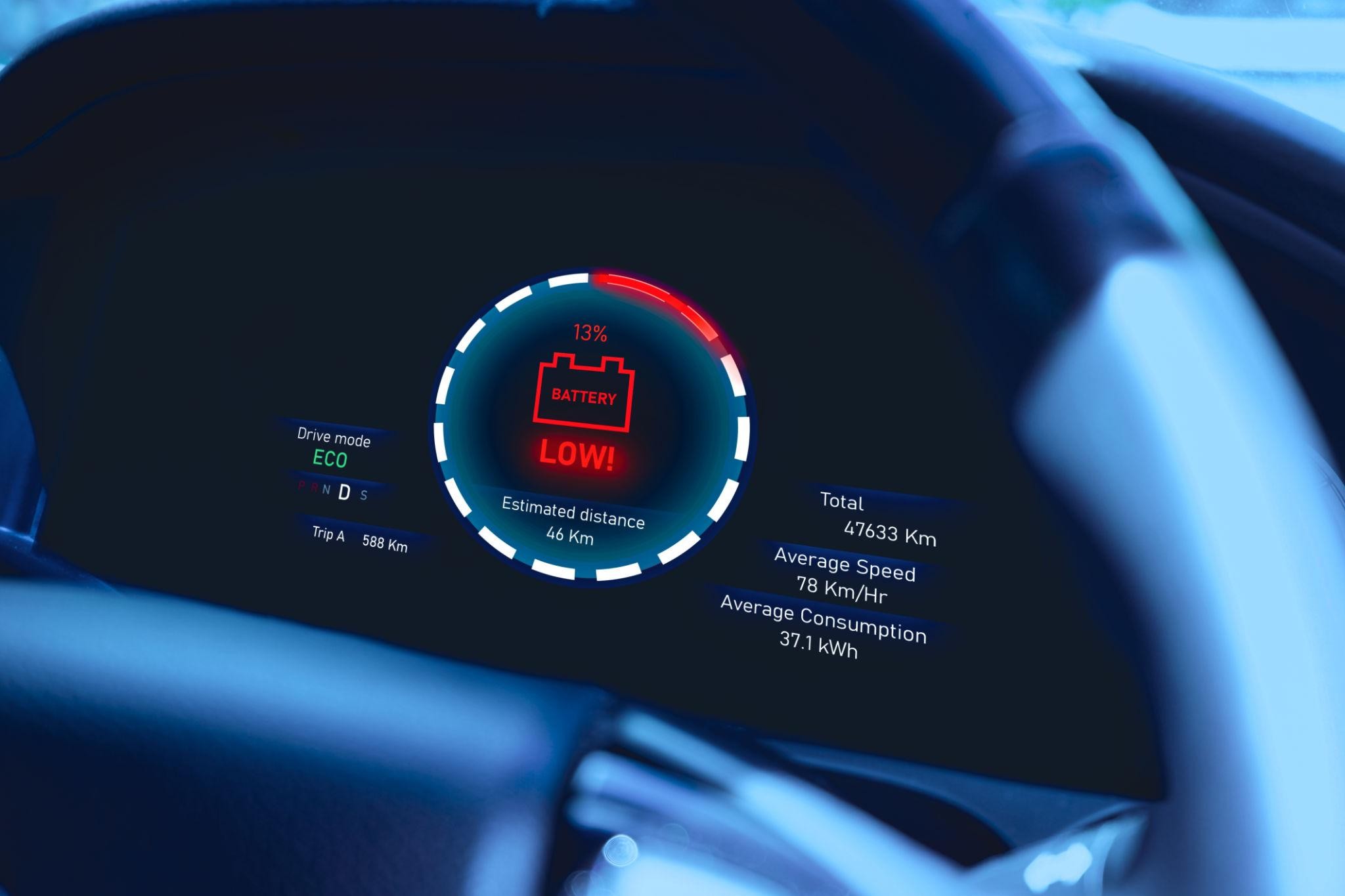
Battery management software is particularly critical and problematic. Errors in this system can cause inaccurate range predictions. Drivers have reported running out of charge miles before the estimated range displayed on their dashboard.
Automakers are working to improve their software development pipelines. Many are hiring thousands of additional engineers to address these gaps. However, the pace of improvement has not yet matched the pace of consumer complaints recorded in the 2026 study.
Charging System Problems
Charging infrastructure remains one of the most frustrating aspects of EV ownership. Public charging stations fail at an alarming rate across the United States and in many international markets. Studies have shown that a significant percentage of public chargers are broken or offline at any given moment.
Home charging equipment also produces its share of problems. Onboard chargers inside the vehicle sometimes fail entirely. Replacement costs for these components are significantly higher than equivalent repairs on gasoline vehicles.
DC fast charging, which is supposed to deliver rapid energy replenishment, creates additional stress on battery systems. Repeated fast charging degrades battery cells faster than standard overnight charging. This accelerates the long-term decline of the vehicle’s total range capacity.
Charging speeds often do not match advertised figures in real-world conditions. Cold weather dramatically reduces charging efficiency in most current battery chemistries. In regions that experience harsh winters, EV owners face a painful combination of reduced range and slower charging simultaneously.
Charging port compatibility remains a genuine source of confusion and frustration. Different standards exist across manufacturers and regions. Foreign buyers in markets outside North America face additional complexity when attempting to use charging networks designed around different plug standards.
The 2026 Consumer Reports data reflects these frustrations clearly. Charging-related complaints ranked among the highest problem categories for EV owners. Until charging infrastructure becomes as reliable as a gasoline pump, this area will continue to drag down EV satisfaction scores.
Also Read: 10 Used SUVs Under $10,000 That Still Run Better Than New Ones
Battery Degradation and Range Anxiety
Battery degradation is a long-term concern that every EV buyer must understand before purchasing. Unlike a gasoline tank, which performs identically after ten years of use, an EV battery gradually loses its ability to hold a full charge. This is a physical and chemical process that cannot be entirely prevented.
Consumer Reports data shows that range anxiety, the fear of running out of charge, remains a top concern among EV owners. This anxiety is not irrational. It is rooted in real experiences of unexpected range loss in cold weather, hilly terrain, or high-speed highway driving.
Battery replacement is one of the most expensive repairs in the automotive industry. Depending on the brand and model, a full battery pack replacement can cost between ten thousand and twenty thousand dollars. This expense can exceed the market value of older electric vehicles.
Thermal management systems, which regulate battery temperature, are themselves a frequent source of reported issues. When these systems fail, battery performance drops sharply. In extreme cases, thermal management failures can contribute to dangerous overheating situations.
Warranty coverage for batteries varies significantly between manufacturers. Some brands offer strong eight-year or hundred-thousand-mile coverage. Others include language that limits coverage to catastrophic failure, leaving owners unprotected against gradual but significant degradation.
Foreign buyers in hot climates face unique battery challenges. High ambient temperatures accelerate chemical degradation inside battery cells. Markets in South Asia, the Middle East, and North Africa should pay particular attention to how specific EV models handle heat stress over extended ownership periods.
Body Hardware and Build Quality Issues
Beyond electronics and powertrains, electric vehicles also show higher rates of body hardware problems. Misaligned panels, poorly fitting doors, and inconsistent gaps between body panels are reported more frequently in EVs than in comparable gasoline models. This suggests that manufacturing quality control remains inconsistent across much of the EV industry.
Trunk and frunk latches front trunks are a unique feature of many EVs malfunction at notable rates. Seals around doors and windows allow wind noise and water intrusion. These problems feel minor in isolation but accumulate into a frustrating ownership experience over time.
Interior trim pieces loosen and rattle prematurely in many EV models. Touchscreen bezels, dashboard panels, and door inserts have all generated complaints. Consumers who pay premium prices for electric vehicles naturally expect premium build quality in return.
Paint quality issues appear frequently in Consumer Reports data. Thin paint, orange-peel texture, and premature chipping are reported across multiple brands. Some manufacturers have improved significantly in this area, while others continue to struggle.
New EV startups tend to show the worst build quality numbers. Established automakers with decades of manufacturing experience perform better but still lag behind their own gasoline models. The data strongly suggests that scaling up EV production quickly has come at a measurable cost to build consistency.
Foreign buyers should physically inspect any EV before purchase whenever possible. Requesting detailed pre-delivery inspection reports is a wise practice. Do not rely solely on brand reputation, as even respected manufacturers show raised defect rates in the 2026 Consumer Reports findings.
Also Read: 9 Vehicles Where Used Always Beats New on Total Cost
