Brake fluid is one of the most overlooked parts of a vehicle’s long-term reliability, yet it plays a critical role in safety, pedal feel, and stopping consistency. In many SUVs, heat cycles, moisture buildup, and contamination gradually degrade hydraulic performance, leading to spongy brakes and costly maintenance.
However, some models are engineered differently. They use sealed systems, high-quality components, regenerative braking, and advanced hydraulic designs that significantly slow fluid breakdown. The result is cleaner brake fluid, reduced corrosion risk, and more stable braking performance even past 100,000 miles.
This list highlights nine SUVs known for maintaining exceptionally clean brake fluid over long ownership periods. From rugged body-on-frame machines to efficient hybrids and refined crossovers, each model uses a unique engineering approach to protect its braking system.
Whether through reduced friction usage, tighter sealing tolerances, or premium fluid formulations, these SUVs stand out for long-term durability and low maintenance stress on one of the most important safety systems in any vehicle.
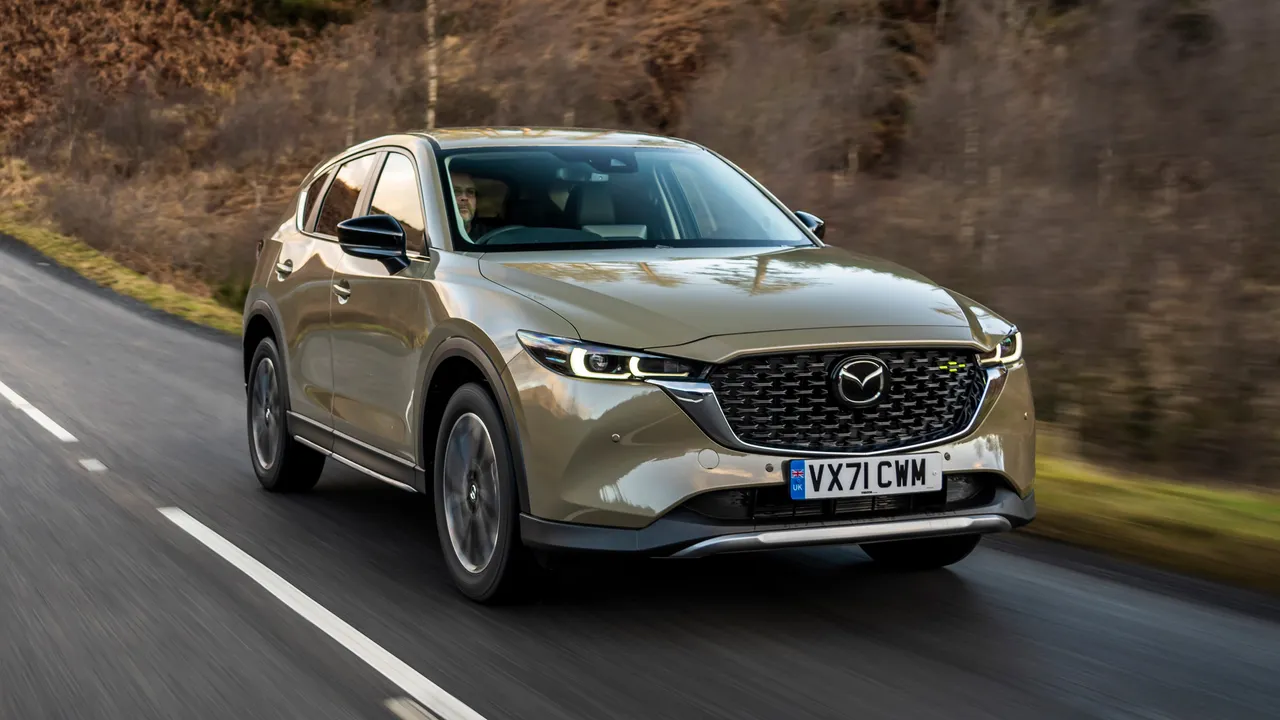
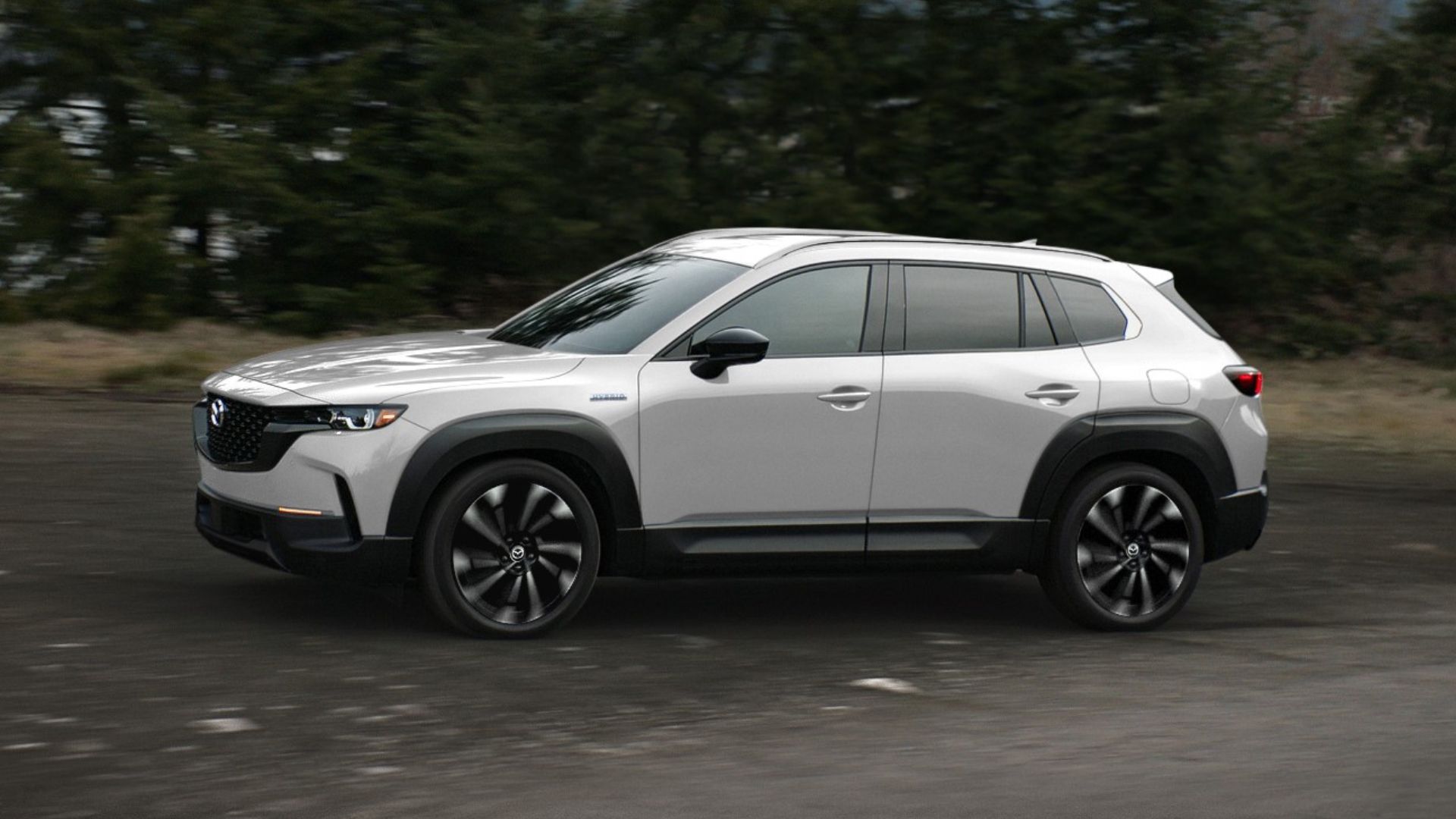
1. Mazda CX-5
Built with a focus on durability and driver engagement, this compact SUV combines precise mechanical engineering with long-lasting system stability. Its braking setup uses high-quality rotors, pads, and hydraulic components designed to reduce stress on brake fluid during everyday driving. This helps maintain consistent pedal feel and slows fluid degradation, even in heavy stop-and-go traffic. Careful attention to chemical stability in fluids and component sealing supports reliable braking performance over high mileage.
Long-term dependability is reinforced by its Skyactiv powertrain architecture, which is designed to minimize internal wear and improve efficiency. With regular maintenance, many examples are known to surpass 100,000 to 200,000 miles with relatively few major repairs. Routine servicing, including brake fluid replacement every three years, helps prevent moisture buildup and preserves system integrity. Maintenance costs remain competitive within the segment, and the likelihood of major mechanical issues in early ownership is relatively low compared to many rivals.
Power comes from a 2.5-liter four-cylinder engine producing 187 horsepower, paired with a six-speed automatic transmission and standard all-wheel drive. The setup prioritizes smooth, predictable performance rather than aggressive acceleration, while still offering composed handling and a comfortable ride. A hybrid variant is expected in future updates to improve efficiency further.
Fuel economy is rated at 24 mpg city and 30 mpg highway, depending on configuration. Interior updates bring a more modern design, improved materials, and increased passenger space. A redesigned control layout places most functions within a central touchscreen system, available in 12-inch or 15.6-inch formats, with integrated Google-based features such as Maps and voice assistance.
Safety technology is comprehensive, with standard adaptive cruise control, lane-keeping assist, blind-spot monitoring, and automatic emergency braking. Additional driver-assist features enhance awareness in traffic and highway conditions. With its combination of efficient engineering, strong reliability record, and modern tech integration, this SUV remains a dependable option for long-term ownership.
2. Toyota Land Cruiser
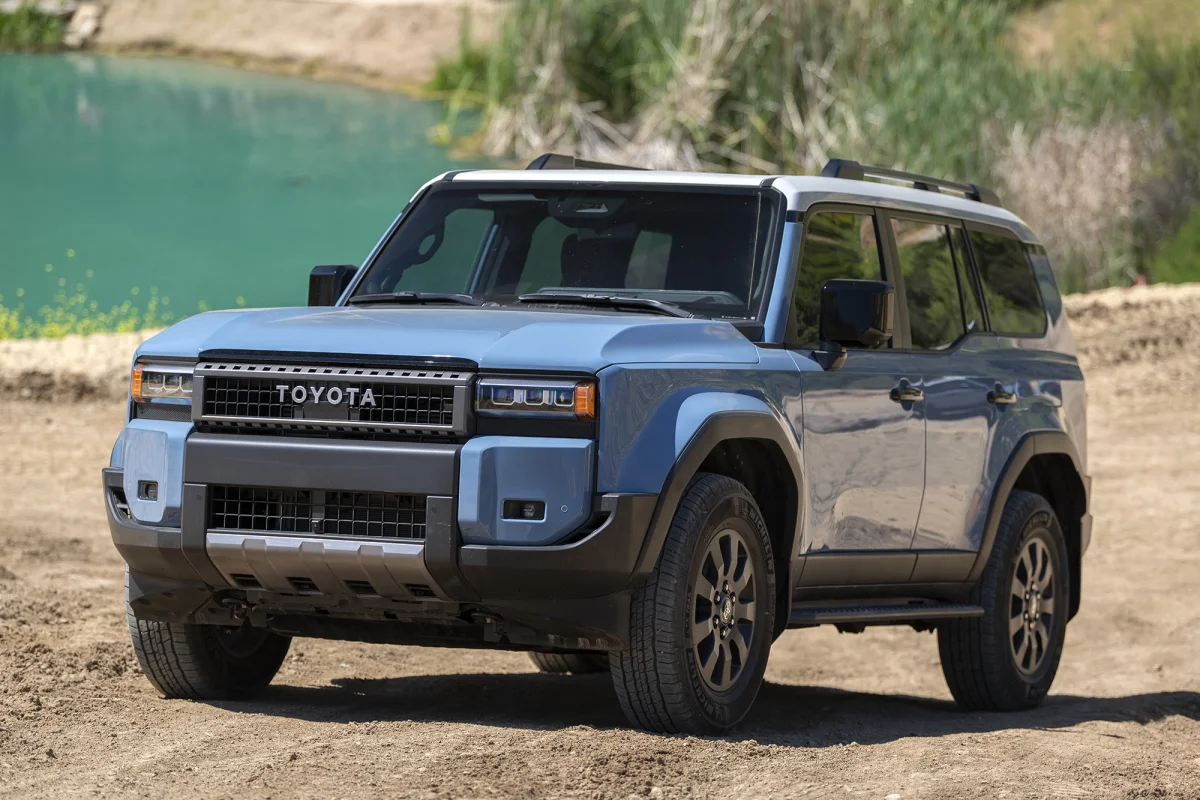
The Toyota Land Cruiser stands out as a benchmark for long-term reliability, built with a focus on endurance and consistent performance in demanding environments. Its engineering reflects a philosophy of durability first, with many components designed to last decades under heavy use.
One of the clearest examples is its braking and hydraulic system, which uses high-grade materials and tightly sealed components to limit contamination. This reduces the entry of moisture into the brake fluid, allowing it to remain clean and effective for much longer than in most vehicles. Stable hydraulic pressure is maintained over time, even in harsh climates and rugged terrain.
A key reason for this longevity is the Land Cruiser’s exceptional build quality. Manufactured primarily in Japan, it benefits from strict production standards and careful quality control. The vehicle is designed to operate in extreme conditions such as deserts, mountainous regions, and remote areas where reliability is critical.
Its systems, including brake lines and calipers, are engineered to handle high heat and stress without early wear. This attention to detail extends across the entire vehicle, contributing to its reputation for reaching 280,000 miles or more, with some examples surpassing 500,000 miles when properly maintained.
In its latest generation, the Land Cruiser adopts a more modern approach with a hybrid powertrain. It pairs a turbocharged 2.4-liter four-cylinder engine with electric motors, producing a combined 326 horsepower.
An eight-speed automatic transmission and a full-time Four Wheel Drive system come standard, along with off-road features such as a locking center differential, crawl control, and hill descent control. The system delivers solid torque, though power delivery from the electric motors can feel uneven at times. On the road, the vehicle offers a smoother and quieter driving experience compared to traditional off-road-focused rivals.
Beyond performance, the Land Cruiser provides a comfortable and practical interior. It now features a two-row layout with modern infotainment options, smartphone connectivity, and advanced driver assistance systems under Toyota Safety Sense 3.0. With strong towing capability, usable cargo space, and a reputation for durability, it continues to be a top choice for those seeking a dependable and capable SUV.
3. Lexus LX 600
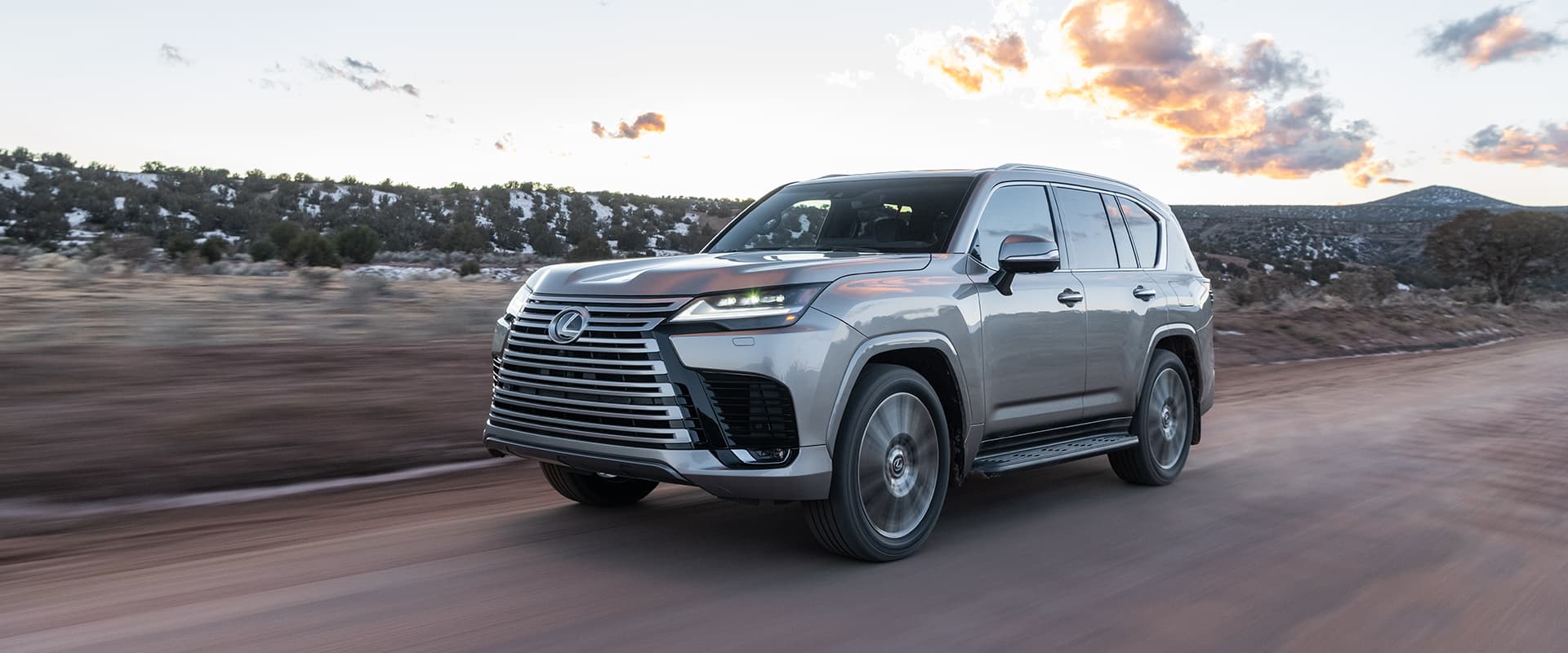
The Lexus LX 600 combines premium luxury with rugged engineering, making it a standout choice for buyers seeking long-term reliability in a high-end SUV. Built on the same foundation as the Toyota Land Cruiser, it inherits a reputation for durability while adding refined materials and advanced technology.
One of its defining strengths lies in its braking and hydraulic systems, which are engineered to withstand extreme heat and pressure from off-roading or heavy towing. High-quality seals and corrosion-resistant components help prevent contamination, allowing brake fluid to remain clean and chemically stable for extended periods. This reduces maintenance frequency and supports consistent performance over time.
Durability is a central focus of the LX 600’s design. Lexus uses premium materials and precise manufacturing standards to ensure longevity and minimize unexpected repairs. The inclusion of an Electronically Controlled Brake system improves braking feel while reducing wear on components.
Additionally, the vehicle’s sealed system design helps protect vital fluids from moisture and debris, further extending service intervals. These features, combined with strong quality control, make the LX 600 a reliable option for high-mileage ownership when paired with regular preventive maintenance.
Performance is another key highlight. The LX 600 is powered by a twin-turbocharged 3.4-liter V6 engine producing 409 horsepower, paired with a smooth 10-speed automatic transmission and full-time Four Wheel Drive. Acceleration is strong for its size, reaching 60 miles per hour in under seven seconds.
A hybrid variant, the LX 700h, offers even more power and improved low-speed responsiveness. Off-road capability remains impressive thanks to its body-on-frame construction, adaptive suspension, and locking differentials, while towing capacity reaches up to 8,000 pounds.
Inside, the LX 600 delivers a refined cabin with high-quality materials, advanced infotainment, and multiple seating configurations. However, it falls short in cargo space and third row comfort compared to competitors like the Cadillac Escalade and Mercedes-Benz GLS. Despite these drawbacks and its high price, the LX 600 remains a compelling blend of luxury, toughness, and long-term dependability.
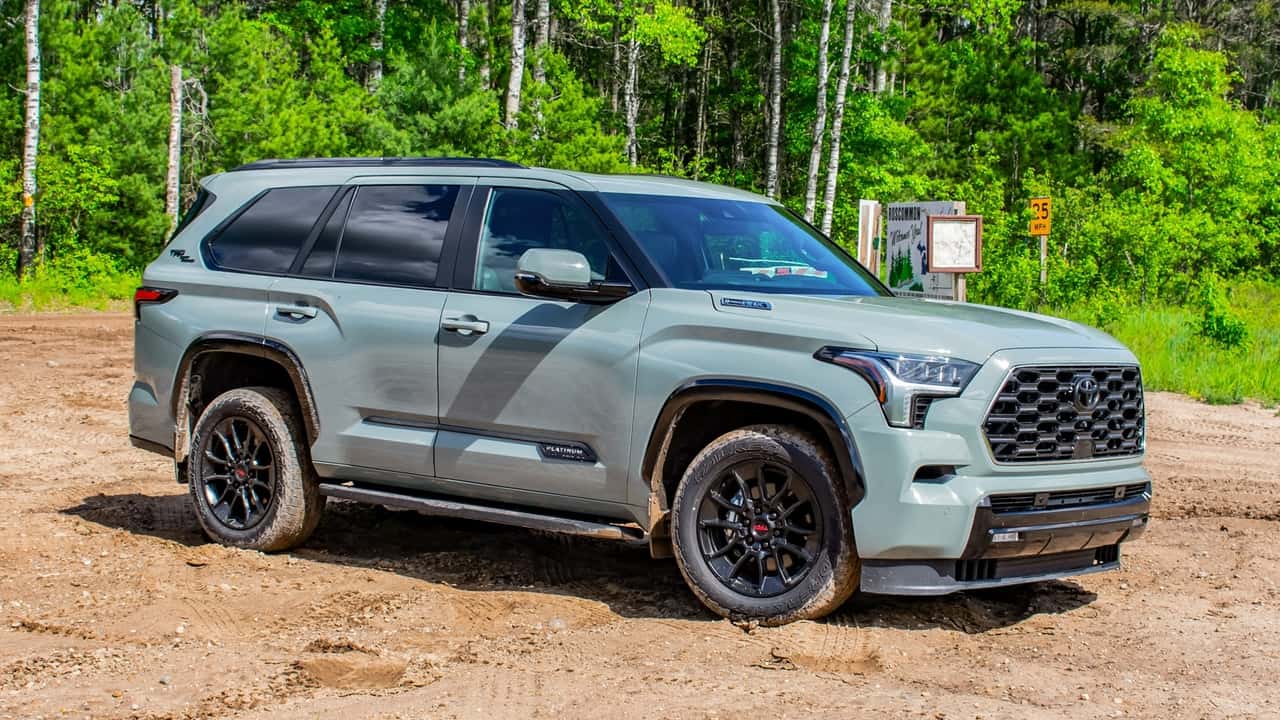
4. Toyota Sequoia
The Toyota Sequoia is widely recognized as one of the most durable full-size SUVs, built to handle years of heavy use while maintaining consistent performance. Its body-on-frame construction and industrial-grade components contribute to a reputation for longevity, with many units surpassing 250,000 miles under proper maintenance.
A major factor behind this durability is its robust braking system, which features large ventilated discs and high-capacity reservoirs designed to manage heat effectively. This prevents brake fluid from degrading under stress, allowing it to remain clean and functional for extended periods. Tight sealing throughout the system also minimizes moisture intrusion, further preserving fluid quality.
Toyota’s engineering approach emphasizes reducing stress on mechanical systems. Earlier Sequoia models equipped with V8 engines and the current hybrid powertrain both deliver strong performance without overworking components. This reduces heat buildup and slows the breakdown of essential fluids.
Combined with high-quality factory parts and consistent maintenance, the Sequoia’s systems can operate efficiently for long intervals without requiring major repairs. While some older models have experienced rust issues, the Sequoia remains a benchmark for reliability in its class.
In its modern form, the Sequoia comes standard with the iForce MAX hybrid powertrain, pairing a twin turbocharged 3.4-liter V6 engine with an electric motor to produce 437 horsepower and 583 pound-feet of torque. A 10-speed automatic transmission is standard, along with rear wheel drive or optional Four Wheel Drive.
Off-road-oriented trims like the TRD Pro include upgraded suspension, skid plates, and locking differentials. The SUV delivers strong acceleration for its size, reaching 60 miles per hour in around 5.6 seconds, while maintaining a smooth and quiet ride, though its large dimensions can make handling less precise.
Inside, the Sequoia offers three rows of seating with flexible configurations and modern infotainment systems. However, cargo space and rear seat comfort are less competitive compared to rivals. Despite these drawbacks, its strong towing capacity, solid fuel economy for the segment, and proven reliability make it a dependable long-term choice.
5. Toyota 4Runner
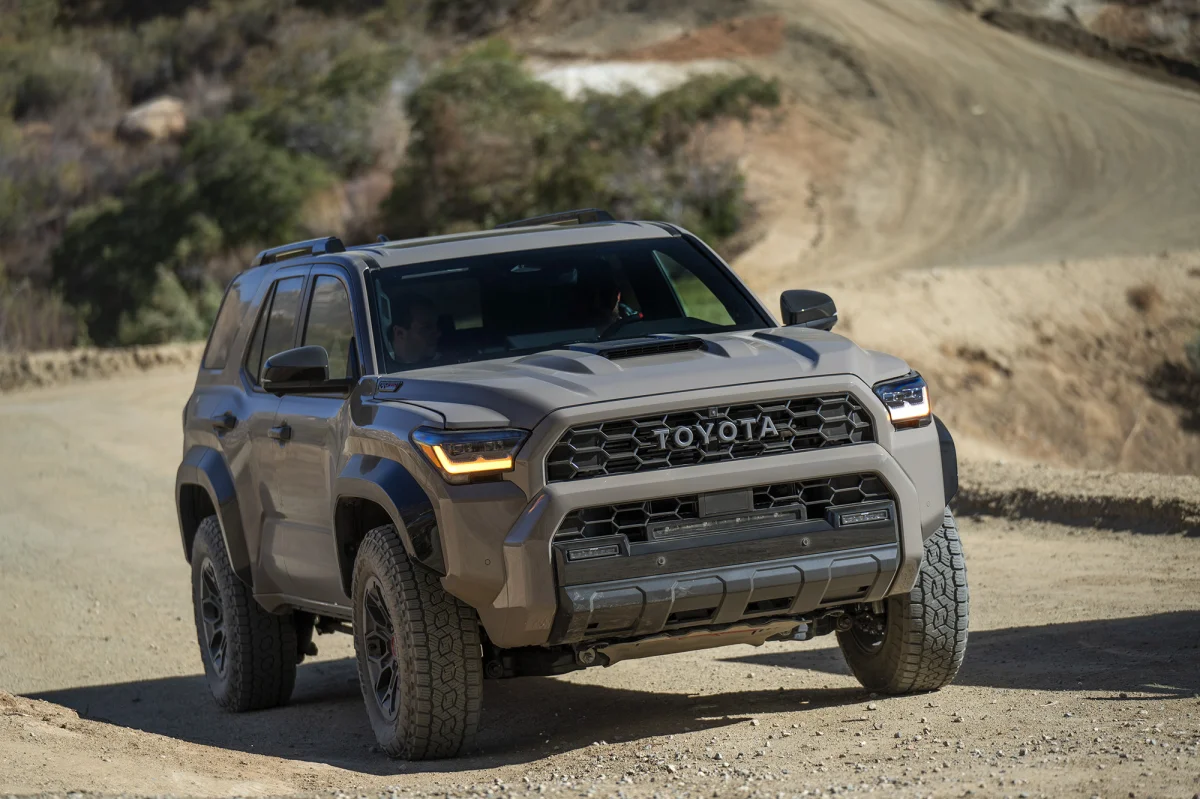
The Toyota 4Runner has earned a reputation as one of the most dependable SUVs on the market, thanks to its rugged design and focus on mechanical simplicity. Built using a body-on-frame platform, it is engineered to withstand demanding conditions such as off-road use, towing, and long-distance driving. This durability allows many 4Runner models to surpass 200,000 to 300,000 miles with proper care, making it a favorite among drivers who value longevity.
A key factor behind its reliability is its well-designed braking and hydraulic system. The 4Runner uses power-assisted ventilated disc brakes that are resistant to wear under normal and heavy-duty conditions. Its hydraulic system is tightly sealed, limiting exposure to moisture and preventing early degradation of brake fluid.
Mechanics often report that even high-mileage units maintain clean and effective fluid, which helps preserve braking performance over extended periods. This is largely due to Toyota’s use of high-quality materials and durable components.
The 4Runner also benefits from a straightforward mechanical layout that avoids unnecessary complexity. With fewer electronic dependencies than many modern SUVs, there are fewer potential failure points. This design approach contributes to lower maintenance concerns and makes it easier for owners to keep the vehicle in good condition through routine servicing. Regular inspections and fluid checks are typically sufficient to keep the system running smoothly for years.
In its latest version, the 4Runner is powered by a turbocharged 2.4-liter four-cylinder engine producing 278 horsepower, paired with an eight-speed automatic transmission. It comes standard with rear wheel drive, while four wheel drive and off-road features such as a locking rear differential and crawl control are available. The SUV delivers solid capability across different terrains and can tow up to 6,000 pounds.
Inside, the 4Runner offers a practical cabin with user-friendly controls, modern infotainment, and advanced safety features, making it a durable and versatile choice for long-term ownership.
Also read: 10 Cars Where the 2026 Version Is More Reliable Than the 2024 Version
6. Toyota RAV4 Hybrid
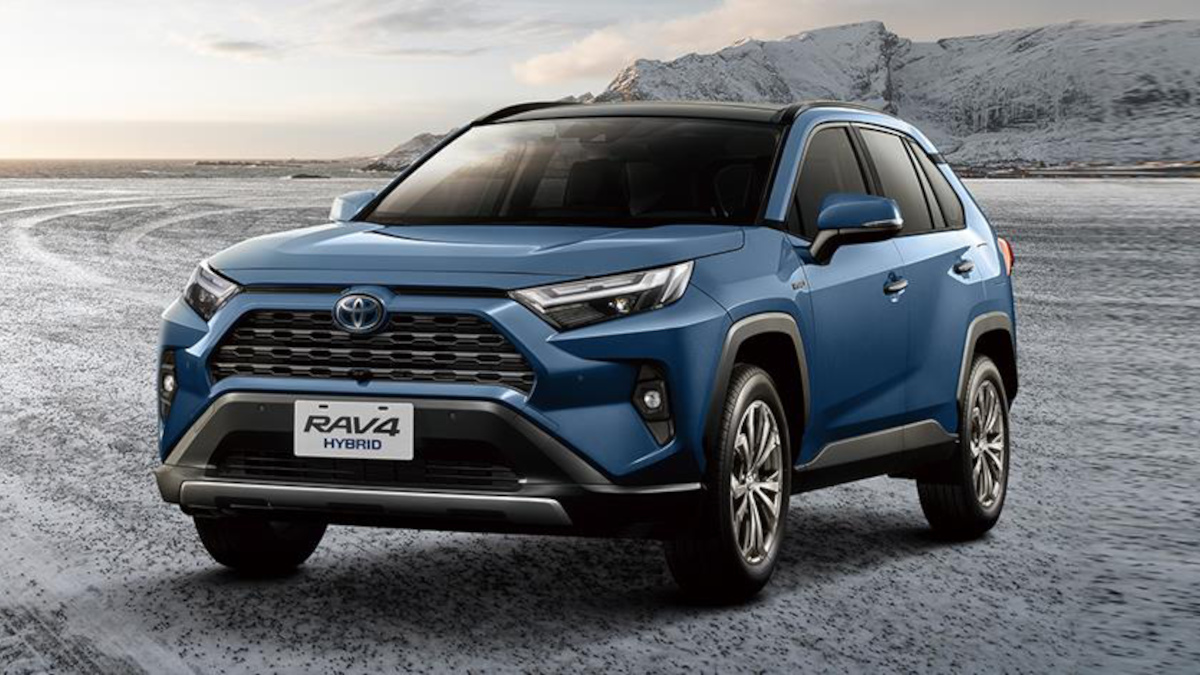
A key advantage of the Toyota RAV4 Hybrid lies in how it rethinks everyday braking. Instead of depending heavily on traditional friction brakes, it uses regenerative braking to slow the vehicle while converting kinetic energy into electricity. This process greatly reduces the amount of heat generated during deceleration, which plays a major role in preserving brake fluid quality. With fewer high-temperature cycles, the hydraulic system remains more stable, limiting moisture intrusion and allowing the fluid to stay clean and effective for well over 100,000 miles in many cases.
Because the electric motor handles a large portion of the stopping power, the physical brake components experience far less wear. This can reduce stress on the system by up to 70 to 80 percent compared to standard gasoline vehicles. Less friction means fewer contaminants, such as brake dust, and reduced exposure to extreme heat helps prevent fluid breakdown. While regular inspections are still recommended, the system naturally extends maintenance intervals and improves long-term reliability.
The RAV4 Hybrid also delivers balanced performance for daily driving. It combines a 2.5-liter four-cylinder engine with electric motors to produce up to 236 horsepower in All Wheel Drive versions. Acceleration feels smooth and responsive, reaching 60 miles per hour in about 7.1 seconds. Fuel efficiency remains one of its strongest points, with combined ratings exceeding 40 miles per gallon in many configurations.
Inside, the cabin is designed for practicality and comfort. It features a spacious layout, intuitive infotainment options, and standard smartphone connectivity. Advanced driver assistance systems are included across the lineup, enhancing safety and convenience. With its blend of efficiency, reduced mechanical wear, and user-friendly design, the RAV4 Hybrid offers a compelling solution for drivers focused on long-term value and everyday usability.
7. Honda Pilot
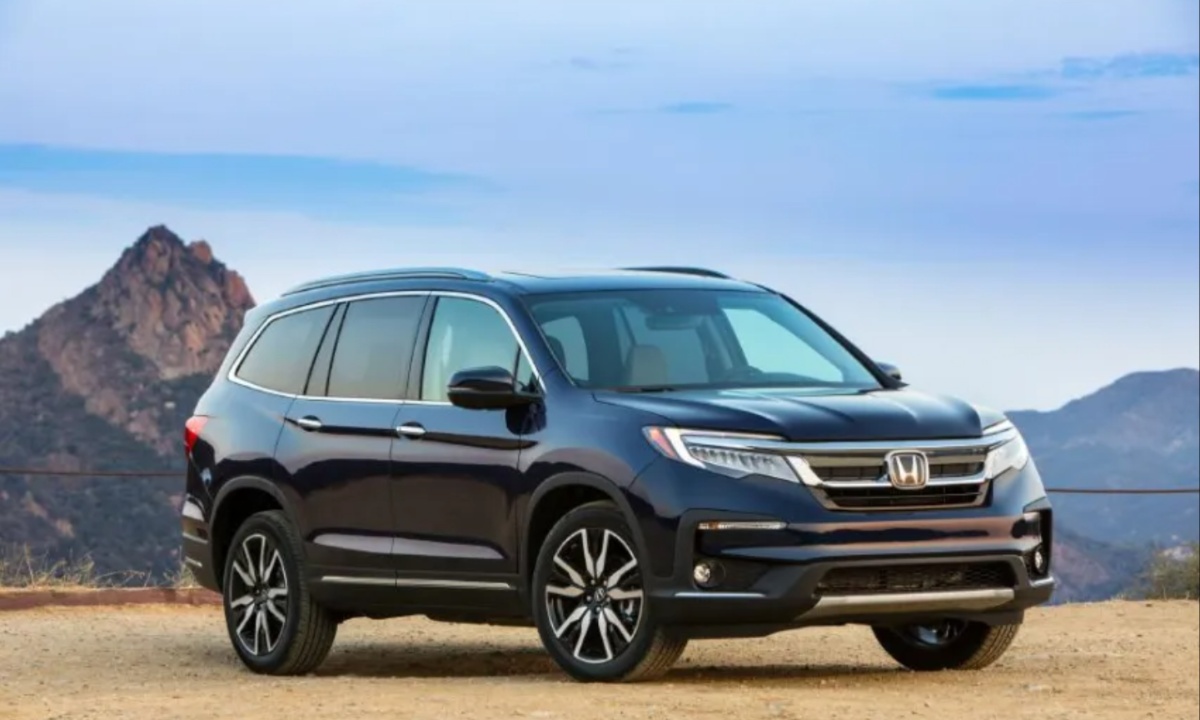
The Honda Pilot is built with a clear focus on durability and everyday usability, making it a trusted choice among midsize family SUVs. Its engineering emphasizes long service life, with many examples comfortably surpassing 100,000 miles and often reaching 200,000 miles when maintained properly.
A key strength lies in its well-developed braking system, which is designed to deliver consistent stopping performance even under heavy loads. By using high-grade components such as ABS modules and master cylinders, Honda ensures that the brake system remains clean internally, minimizing corrosion and contamination over time.
An important aspect of the Pilot’s reliability is its structured maintenance approach. The built-in Maintenance Minder system monitors vehicle conditions and alerts owners when service is required, including brake fluid replacement.
Typically recommended every three years, this helps prevent moisture buildup in the hydraulic system and keeps braking performance stable. This method of guided maintenance allows owners to stay ahead of potential issues and maintain the vehicle’s safety and efficiency.
Performance in the Pilot is steady and predictable. It features a 3.5-liter V6 engine producing 285 horsepower, paired with a 10-speed automatic transmission that delivers smooth gear changes. Front wheel drive is standard, while All Wheel Drive is available for added capability.
The ride quality is comfortable, and newer models benefit from improved steering and reduced cabin noise. For drivers who venture off paved roads occasionally, the TrailSport trim adds features like skid plates, all-terrain tires, and enhanced traction systems suited for light off-road conditions.
Inside, the Pilot offers a roomy three-row layout that accommodates up to eight passengers. It includes modern infotainment, smartphone connectivity, and a wide range of driver assistance features. With its balance of durability, safety, and practicality, it remains a dependable option for families.
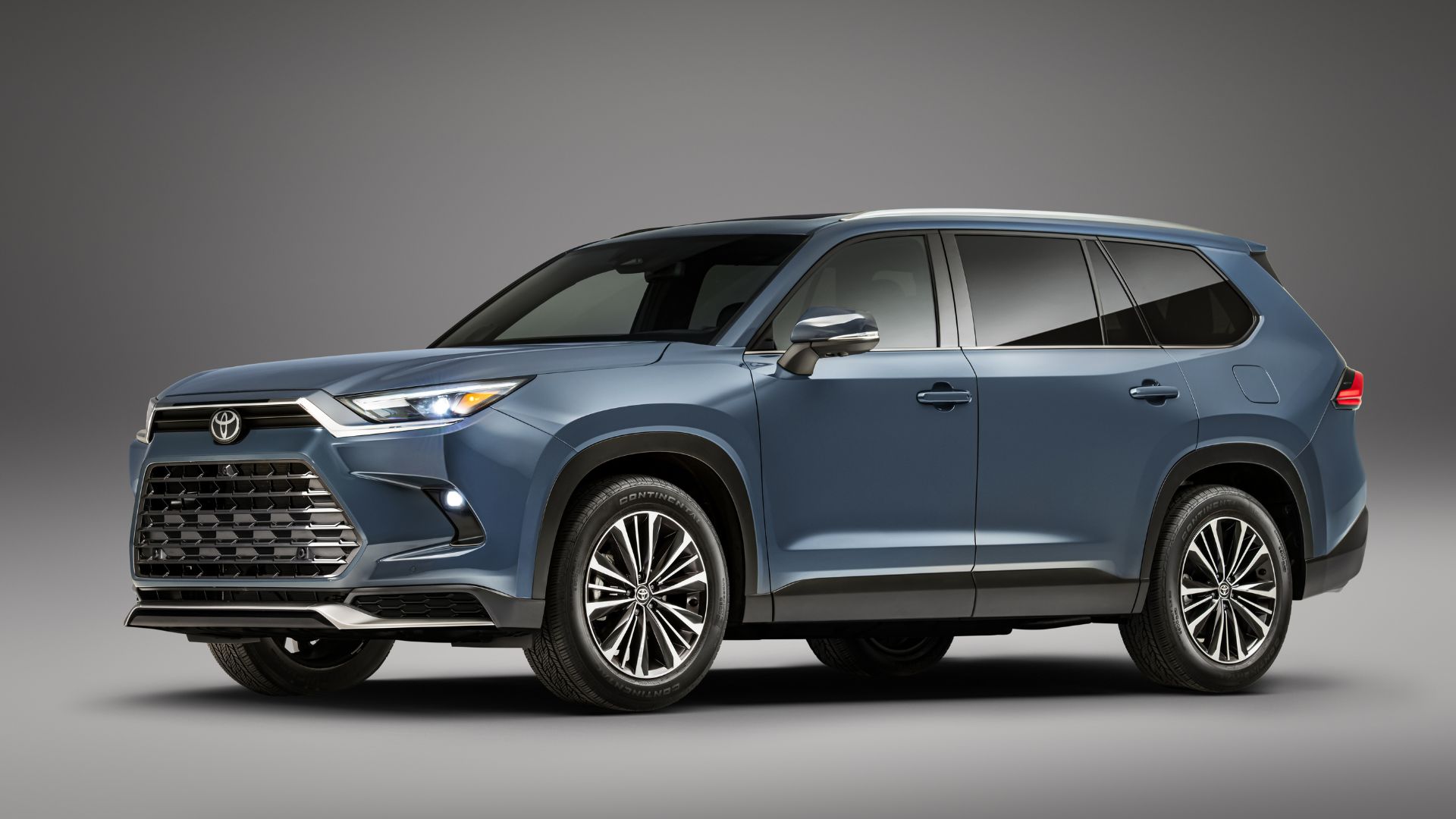
8. Toyota Highlander
Designed with long-term dependability in mind, the Toyota Highlander has become a consistent choice for drivers who want a durable and low-maintenance SUV. Its reputation is built on solid engineering and systems that are tuned for longevity rather than short-term performance. Many owners report the vehicle remaining reliable well past 200,000 miles, provided that routine servicing is followed.
One of its key advantages is the advanced braking system, which integrates traditional hydraulic brakes with electronic control technology. This setup ensures braking force is distributed evenly, reducing stress on individual components and helping prevent excessive heat buildup. By managing heat more effectively, the system protects brake fluid from breaking down prematurely and limits moisture absorption that can lead to contamination over time.
Toyota also relies on high-quality materials throughout the braking system. Strong brake lines, durable seals, and long-life fluid formulations help keep the system sealed and resistant to corrosion. These design choices reduce the chances of debris entering the hydraulic system, allowing brake fluid to stay cleaner and more stable for extended mileage intervals, often exceeding 100,000 miles with proper maintenance.
The Highlander’s mechanical layout reinforces this durability. Its powertrain is engineered to reduce strain on major components, helping extend the life of both mechanical parts and vital fluids. Brake pads will still wear under normal use, particularly in a family-oriented SUV, but regular maintenance helps maintain steady performance and dependable safety over time.
Under the hood, the Highlander features a 2.4-liter turbocharged four-cylinder engine producing 265 horsepower, paired with an eight-speed automatic transmission and optional All Wheel Drive. It delivers smooth, predictable driving suited for daily use. Inside, the cabin offers practical space, modern technology, and advanced safety features, making it a well-rounded SUV focused on reliability and long-term ownership value.
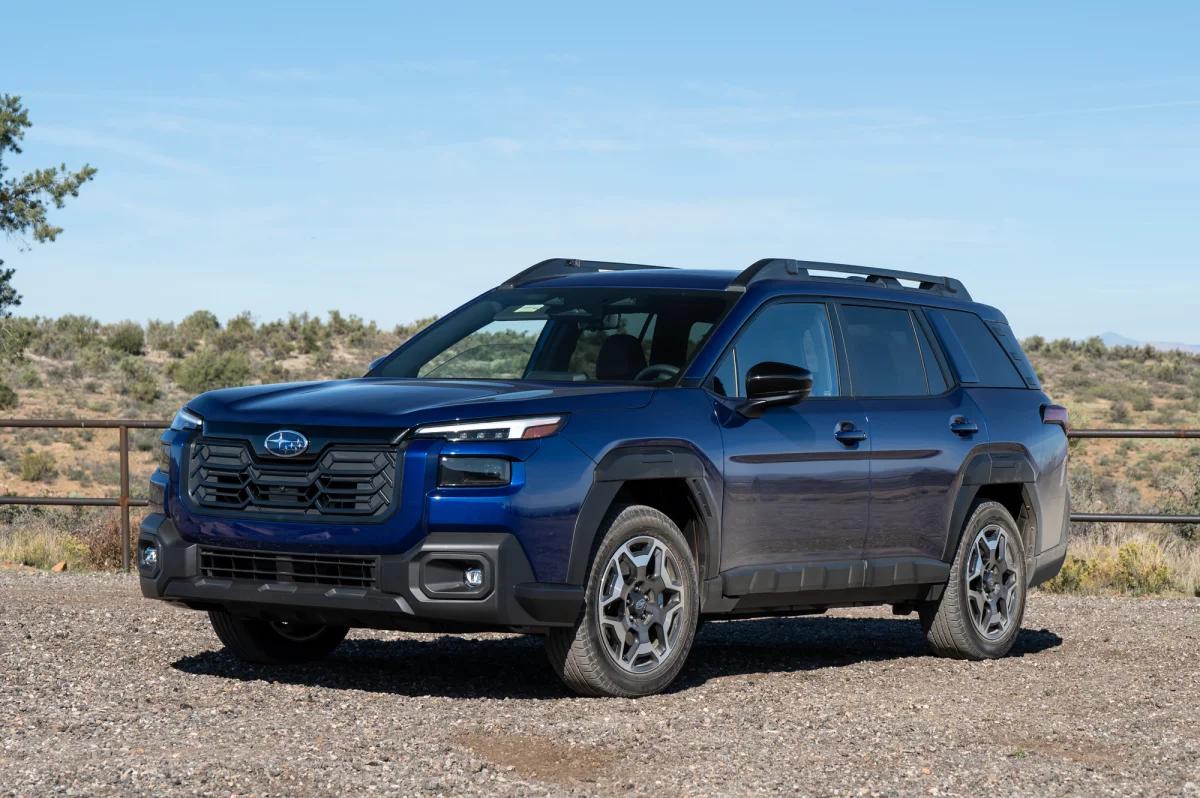
9. Subaru Outback
Engineered for versatility, this SUV is developed to handle everything from urban commuting to off-road exploration while maintaining long-term mechanical consistency. Its braking system is designed with tightly sealed hydraulic components that help minimize air and moisture intrusion, supporting steady pedal response and reducing fluid degradation even under mixed driving conditions such as rain, heat, and gravel roads.
A structured maintenance schedule plays a major role in sustaining reliability over high mileage. Brake fluid is generally replaced every 30,000 miles because it naturally absorbs moisture, which can lead to internal corrosion if left unchecked. Regular servicing helps preserve braking performance and keeps key components like the ABS module, master cylinder, and brake lines functioning efficiently over time. High-quality materials used throughout the system contribute to durability when combined with routine inspections.
Powertrain options include a 180-horsepower 2.5-liter engine and a more powerful 260-horsepower turbocharged 2.4-liter variant, both paired with a continuously variable transmission and standard all-wheel drive. The base setup prioritizes smooth, predictable driving behavior, while the turbocharged version improves acceleration and towing strength, rated between 2,700 and 3,500 pounds depending on configuration. These systems are tuned more for dependable everyday use than aggressive performance.
Fuel efficiency remains competitive, with up to 25 mpg in city driving and 31 mpg on highways for base models. Interior updates introduce a modern dashboard layout, increased cabin space, and improved cargo capacity capable of holding up to 29 carry-on suitcases with rear seats folded. A 12.1-inch infotainment display with smartphone integration and voice control enhances usability and connectivity.
Safety systems are comprehensive, led by an advanced driver-assistance suite that includes adaptive cruise control, lane centering, and automatic emergency braking. Optional features such as blind-spot monitoring and semi-autonomous highway driving further improve safety. With consistent maintenance, the vehicle remains a strong choice for long-term reliability, comfort, and everyday practicality.
Long-lasting brake fluid stability is not accidental, it is the result of thoughtful engineering across different SUV platforms. From hybrids that reduce brake usage through regenerative systems to rugged off-road models built with tightly sealed hydraulic lines, each vehicle on this list demonstrates how design choices directly impact maintenance life. Clean brake fluid means fewer corrosion risks, more consistent stopping power, and reduced servicing costs over time, especially beyond the 100,000-mile mark.
While driving habits and maintenance schedules still play a major role, these SUVs provide a strong foundation for durability by minimizing heat exposure, moisture intrusion, and system contamination. Whether the priority is family comfort, off-road strength, or fuel efficiency, each model offers a dependable braking system that supports long-term ownership. For drivers focused on reliability and lower maintenance stress, these SUVs represent some of the best-engineered options available when it comes to preserving brake fluid health over the long run.
Also read: 10 Cars Where the 2026 Version Is More Reliable Than the 2024 Version