
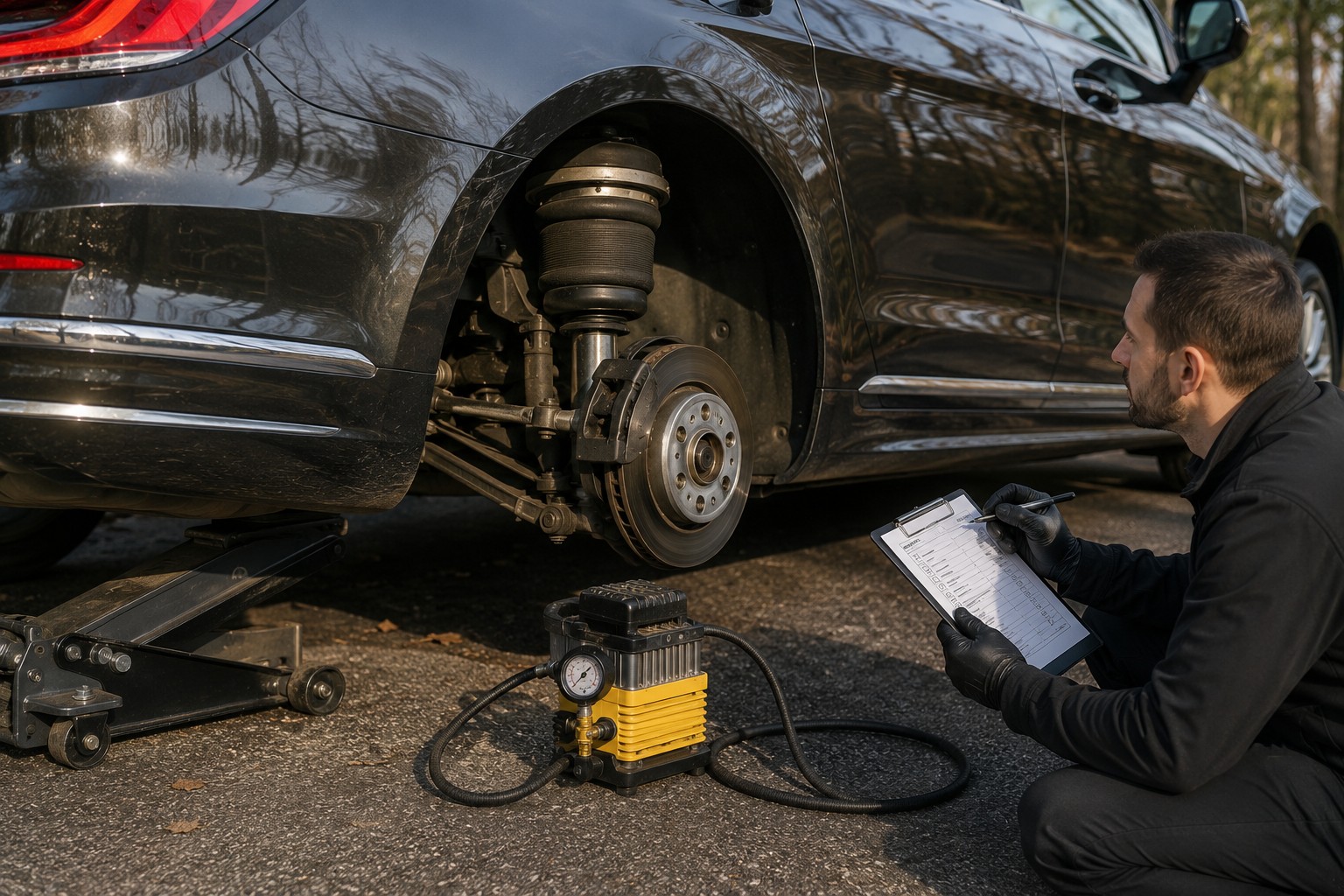
Your vehicle’s air suspension system is one of the most sophisticated comfort and handling technologies ever built. It replaces traditional steel springs with pressurized airbags, giving you a smoother and more adjustable ride. But this complexity comes with a cost; when it fails, it often fails fast and without warning.
Air suspension problems don’t always announce themselves loudly. Sometimes the signs are subtle: a slight lean, a soft corner, or a compressor that runs a little longer than usual. Many drivers miss these early clues entirely. By the time the vehicle is sitting on its bump stops in a parking lot, the damage is already done.
The good news is that air suspension failure is rarely sudden without prior warning signs. The system almost always telegraphs its distress before it completely gives out. Learning to recognize these signals can save you from expensive roadside breakdowns, towing bills, and major repair costs.
This guide breaks down the most important warning signs of air suspension failure. Each section covers one key symptom, what it means, and why you should never ignore it. Reading this knowledge carefully could keep you moving.
Your Vehicle Sits Lower Than Normal
One of the first and most obvious signs of air suspension trouble is a vehicle that sits too low. You may notice one corner or the entire front or rear end drooping closer to the ground. This happens when an air bag loses pressure overnight or while parked.
A healthy air suspension system holds its pressure for hours or even days. If your car looks “deflated” every morning, something is leaking. It could be a cracked air bag, a loose fitting, or a failing air line connection somewhere in the system.
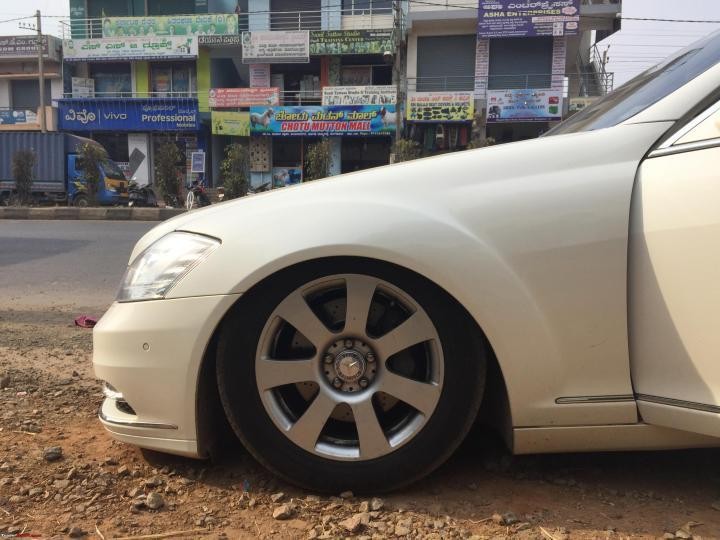
Don’t assume the vehicle will “pump itself up” and be fine. A slow leak always gets worse, never better. Driving with a low air bag puts enormous stress on the compressor and surrounding components.
Check the ride height every morning for a week. If you notice a consistent drop in the same corner, you have a leak that needs immediate attention. Early detection here can mean the difference between a simple seal replacement and a full air bag replacement.
The Compressor Runs Constantly or Too Frequently
Your air suspension compressor should cycle on briefly to maintain system pressure, then shut off. When it runs continuously or kicks on every few minutes, something is wrong. A healthy compressor runs occasionally, not constantly.
Constant compressor activity almost always points to a pressure leak somewhere in the system. The compressor is desperately trying to compensate for air escaping through a crack or bad seal. This puts the motor under severe thermal and mechanical stress.
Air suspension compressors are not cheap to replace. Running a failing one to death will turn a minor leak repair into a major compressor replacement job. Listen carefully when your vehicle is parked and quiet; you should not hear the compressor cycling repeatedly.
If your compressor sounds like it never stops, don’t wait. Have a technician check for leaks using a soap solution or a pressure gauge test. Catching a leak early protects the compressor and saves you significant money.
Also Read: The Honest Truth About Synthetic Oil Change Intervals
Uneven Ride Height or Vehicle Leaning to One Side
If your vehicle leans noticeably to one side while parked or driving, an individual air bag is likely failing. This is different from a full system drop; only one corner is affected. The lean can be subtle at first, but grows more pronounced over time.
Driving with uneven ride height is dangerous. It throws off your wheel alignment, accelerates tire wear, and affects your braking stability. A vehicle that leans during cornering is much harder to control in emergencies.
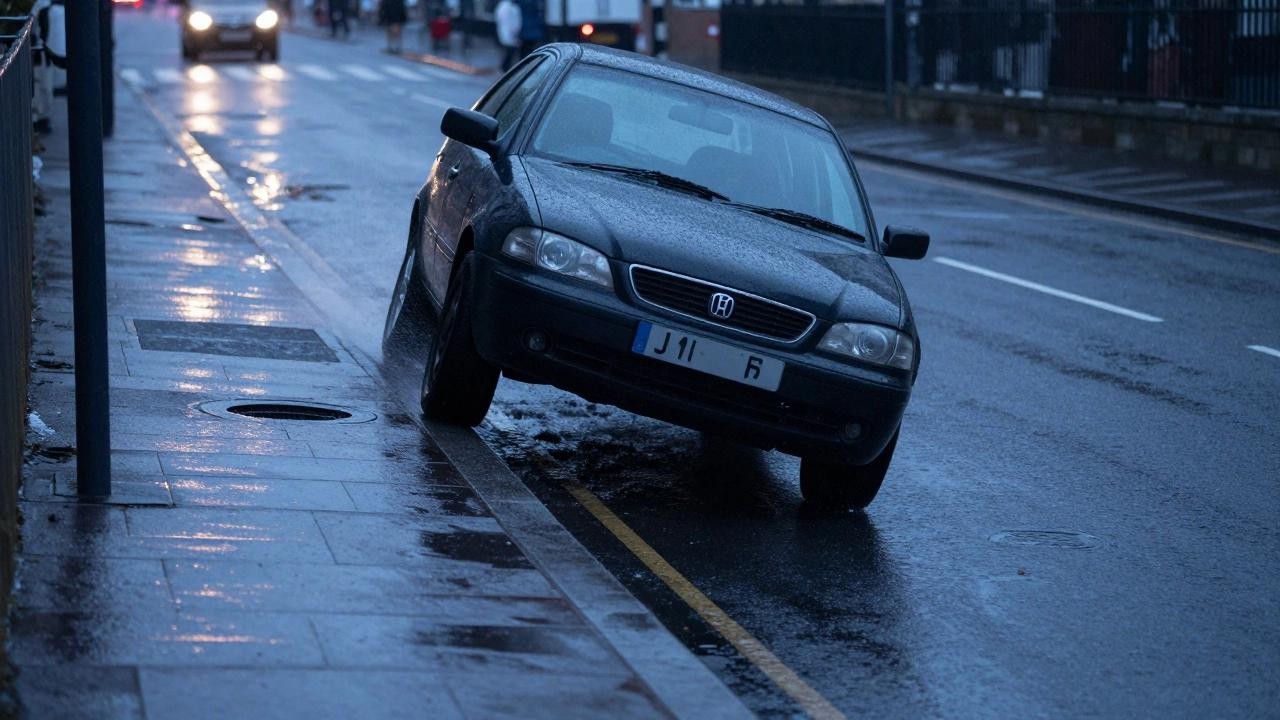
You may also notice the car “correcting” itself when you first start it, as the compressor tries to level the vehicle. If this correction takes longer than usual or never fully works, the bag on that corner is compromised. Watch for this behavior carefully after cold starts.
Have the leaning corner inspected before the problem migrates. Often, one failed bag puts extra stress on the neighboring bags, causing a chain reaction of failures. Fix it once and fix it properly.
Unusual Noises From the Suspension Area
Air suspension systems are normally very quiet. If you start hearing clunking, knocking, or hissing sounds from your wheel wells or undercarriage, pay close attention. These noises are direct communication from a failing system.
A hissing sound usually means pressurized air is escaping from somewhere it shouldn’t be. A knocking or clunking noise often means an air bag has deflated enough that metal components are now making contact. Both of these are serious warning signs.
Rough road behavior combined with new noises is especially telling. When the air bag can no longer cushion bumps properly, the suspension bottoms out more easily. You will feel every pothole and road imperfection far more sharply than before.
Never dismiss suspension noises as “normal.” They always indicate wear, damage, or failure somewhere in the system. A quick inspection now prevents a catastrophic breakdown later on the highway.
Warning Lights and Error Messages on the Dashboard
Modern vehicles with air suspension systems have built-in diagnostic sensors. When something goes wrong, the system logs a fault code and triggers a warning light on your dashboard. These lights should never be ignored or reset without investigation.
Common warning indicators include a “Suspension Fault,” “Ride Height Sensor Error,” or a general check engine light paired with suspension-related codes. Each of these points to a specific component that needs professional attention. The light is the system asking for help.
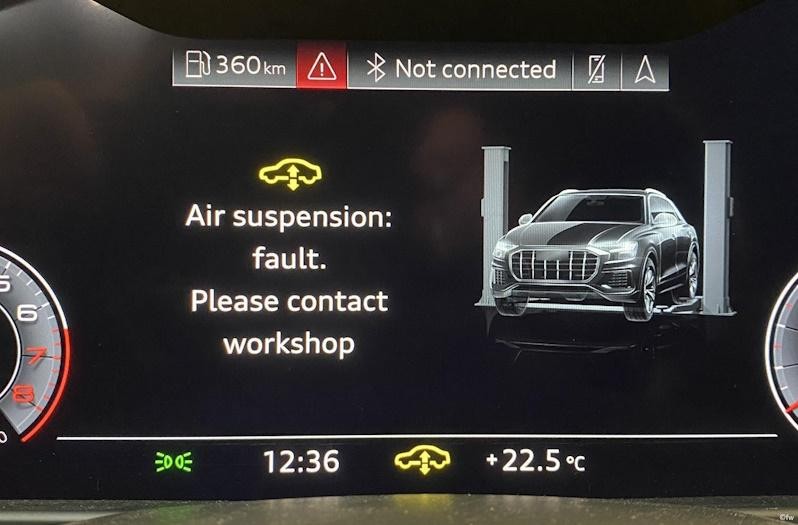
Some drivers reset warning lights, hoping the problem disappears. It never does. The underlying fault remains, and the system continues to degrade silently. You are simply flying blind after resetting without repair.
Take your vehicle to a qualified technician with the proper OBD-II diagnostic tools as soon as a suspension warning light appears. Air suspension fault codes are specific and tell the technician exactly where to look. Early diagnosis means faster, cheaper repair every single time.
Also Read: Why Buying a Used Lexus Beats Buying a New Toyota in 2026
