
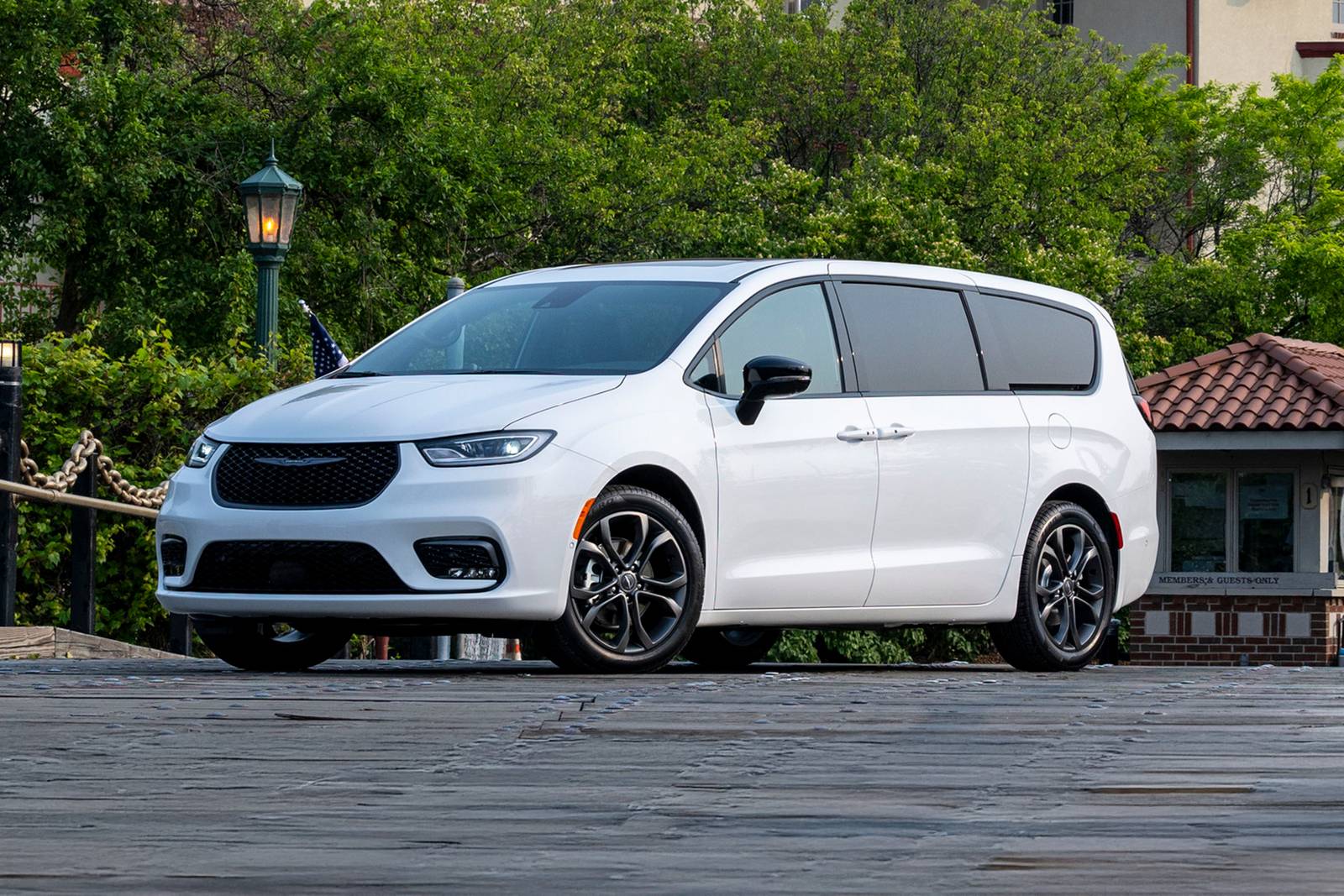
Family vehicles carry a tough job. School runs, grocery trips, road vacations, sports practice, airport pickups, and weekend errands all pile miles onto a van faster than most owners expect. Space matters, comfort matters, fuel economy matters, and reliability can decide whether ownership feels relaxing or frustrating. Buyers shopping for a minivan usually want one thing above all else: value that lasts longer than the excitement of a showroom visit.
Some minivans earn loyal praise because they blend practicality with low running costs and strong long-term durability. Others disappoint owners with weak transmissions, poor cabin quality, expensive repairs, or aging technology that feels outdated too quickly. A stylish body and flashy advertising do not always translate into a smart purchase.
Current shoppers also face another challenge. Used vehicle prices remain unpredictable in certain segments, which means picking the wrong van can leave a family stuck with high repair bills and disappointing resale value. Choosing wisely from the start saves money and stress later.
Plenty of excellent choices still exist. A few models continue proving why minivans remain one of the smartest vehicle types on the road. Sliding doors, flexible seating, smooth rides, and generous cargo room still beat most SUVs when daily practicality takes priority.
Below are five minivans that deserve serious attention for buyers wanting dependable transportation and family-friendly comfort. After that, another section covers five models buyers may want to avoid due to reliability concerns, aging designs, or ownership headaches that continue showing up year after year.
5 Minivans Worth the Money
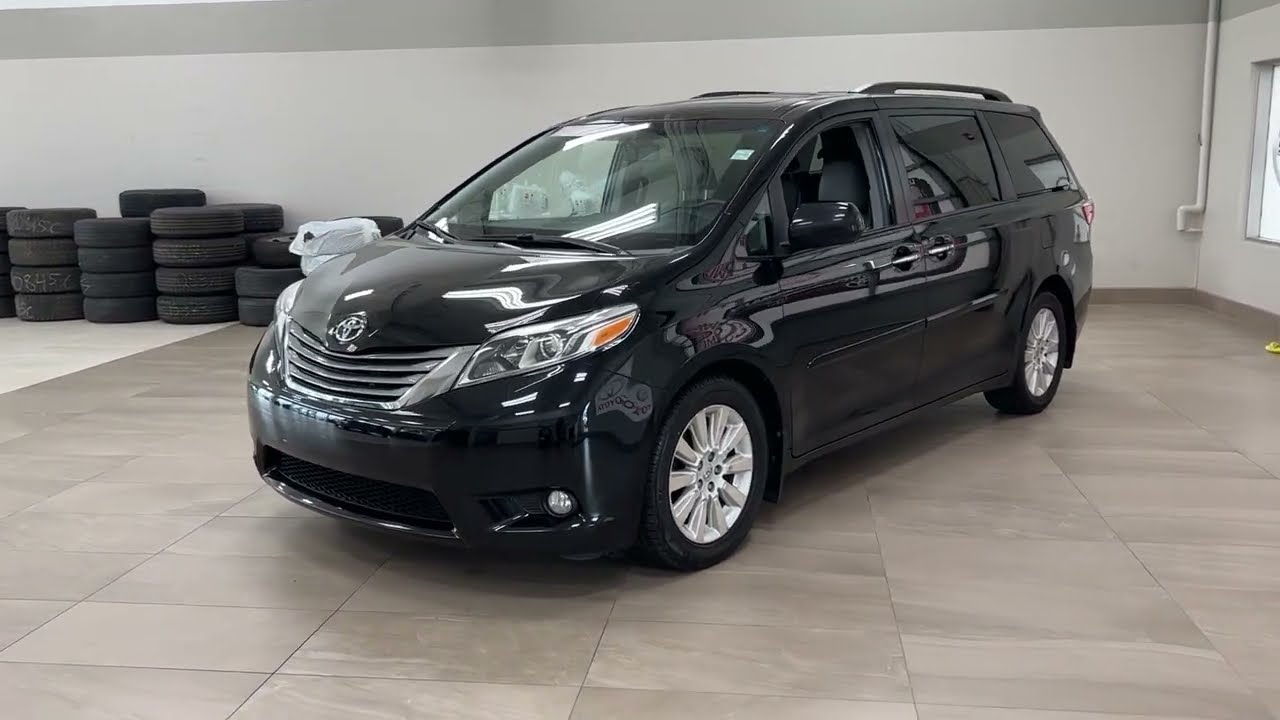
1. Toyota Sienna XLE
Practicality comes naturally to the Toyota Sienna XLE. Families searching for a dependable minivan often place this model near the top of the list because it delivers comfort, efficiency, and long-lasting reliability without trying too hard to impress anyone. Toyota built the Sienna with daily use in mind, and that philosophy shows in almost every detail.
Hybrid power became standard on recent versions, which changed the game for buyers tired of fuel-hungry family haulers. Gas mileage from the Sienna easily beats most older V6-powered competitors. Owners who spend hours in traffic or regularly drive long highway routes quickly notice the savings at the pump. That efficiency advantage becomes even more valuable during years of ownership.
Interior space feels carefully planned instead of simply oversized. Second row seating provides enough room for adults to stretch comfortably during long trips, while the third row folds efficiently when cargo space becomes the priority. Grocery runs, luggage, sports equipment, and home improvement supplies fit without much effort. Cabin storage also deserves praise because small item organization matters more than people realize during family travel.
Road manners remain smooth and calm. Toyota tuned the suspension to prioritize comfort, which helps reduce fatigue during long drives. Wind noise stays controlled at highway speed, and the hybrid system operates quietly enough that conversations remain easy between passengers. Drivers moving from midsize sedans usually adapt to the Sienna quickly because visibility remains excellent and steering feels predictable.
Technology inside the XLE trim strikes a smart balance. Touchscreen controls stay simple enough for everyday use, while smartphone connectivity works without unnecessary complications. Rear seat passengers benefit from multiple charging options, another small detail that becomes valuable during road trips with kids carrying tablets and phones.
Reliability continues to stand as one of the Sienna’s strongest selling points. Toyota developed a reputation for durable drivetrains, and the Sienna follows that pattern closely. Routine servicing costs remain manageable compared to luxury SUVs with similar passenger space. Buyers looking several years ahead often appreciate knowing the van is less likely to surprise them with catastrophic repairs.
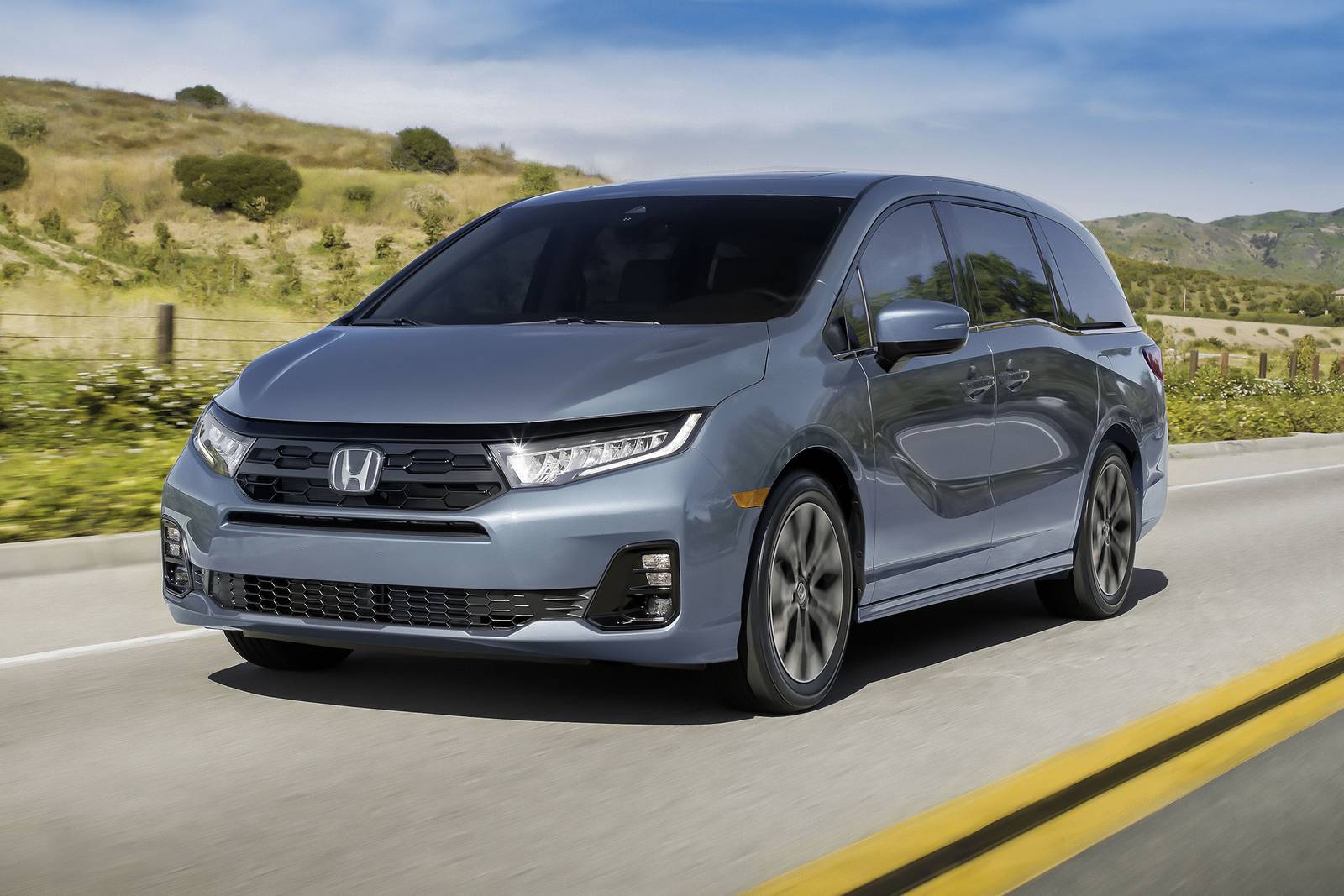
2. Honda Odyssey Touring
Comfort and practicality blend beautifully inside the Honda Odyssey Touring. Few minivans balance family usability and driving confidence as successfully as this model. Honda approached the Odyssey with attention to real-world convenience rather than flashy styling tricks, and the result continues attracting loyal buyers year after year.
Cabin flexibility stands among the Odyssey’s greatest strengths. Honda designed the seating layout to adapt quickly for passengers or cargo depending on the day’s needs. Magic Slide second row seats make access to the third row easier, especially for parents handling child seats or multiple children climbing into the back. Small touches like that improve everyday ownership far more than oversized wheels or decorative trim pieces.
Ride quality feels refined without becoming disconnected from the road. Steering remains responsive for a vehicle this large, which gives drivers more confidence during parking lot maneuvers and highway lane changes. Some minivans feel bulky and awkward behind the wheel. The Odyssey avoids that problem with balanced suspension tuning and predictable handling characteristics.
A naturally aspirated V6 engine gives the van smooth acceleration without struggling under heavy passenger loads. Highway merging feels effortless even with luggage and several occupants onboard. Drivers planning long family vacations appreciate having enough power available without excessive engine strain or noisy operation.
Interior quality also deserves recognition. Materials inside the Touring trim feel durable while still looking upscale enough for daily commuting or business-related travel. Honda paid attention to seat comfort, an area that becomes extremely important during hours on the interstate. Front seats remain supportive, while rear passengers receive enough room to stay comfortable during extended drives.
Technology integration feels modern yet easy to use. Infotainment menus avoid unnecessary clutter, and physical controls still exist for important functions. Rear entertainment features help keep younger passengers occupied during road trips, reducing stress for parents sitting up front. Cabin communication systems also allow easier conversation between front and rear passengers without shouting.
Safety ratings strengthen the Odyssey’s appeal. Honda equips the van with a broad collection of driver assistance systems designed to reduce accident risks. Adaptive cruise control, lane keeping support, and collision mitigation features all contribute to a more relaxed driving experience.
Also Read: 9 Minivans That Crushed the Stereotype and Hit 350,000 Miles
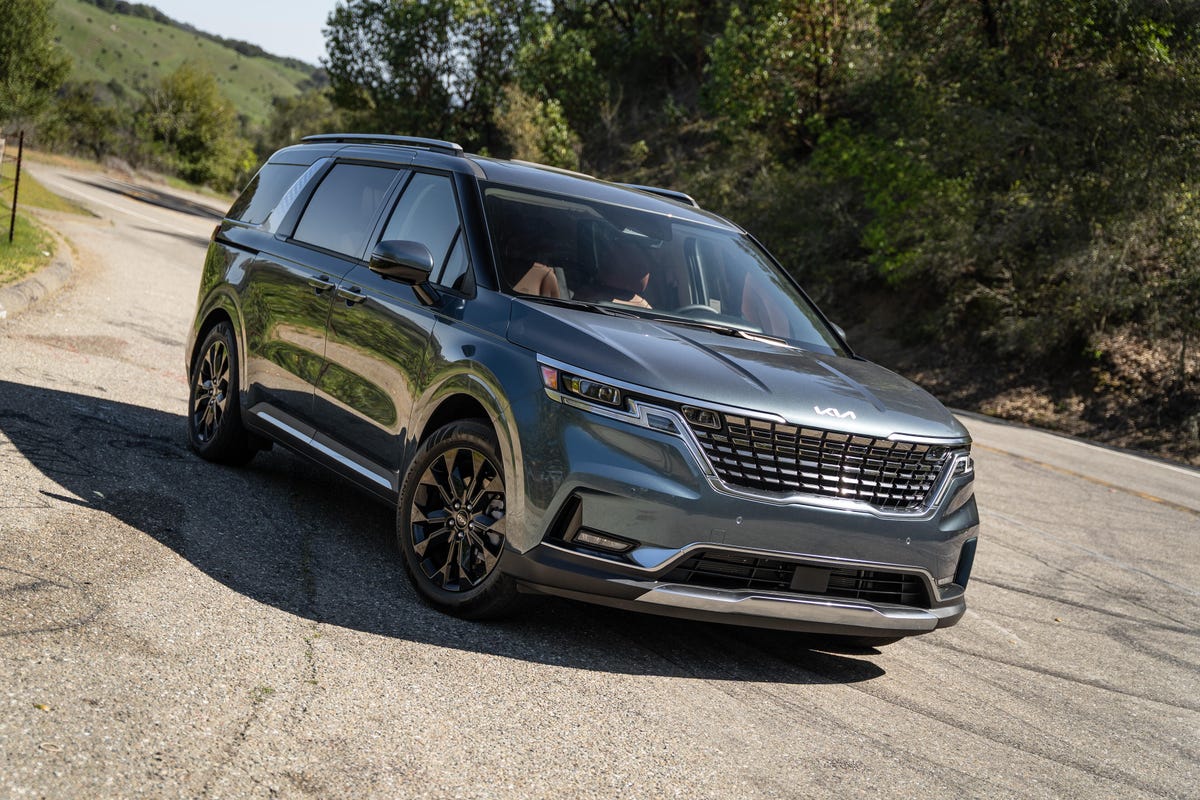
3. Kia Carnival SX Prestige
Kia took a different path with the Kia Carnival SX Prestige, and that decision paid off. Instead of building another plain-looking family van, the company created something that feels stylish without giving up practicality. At first glance, plenty of people mistake the Carnival for a large SUV because of its bold front end and cleaner body shape.
That alone makes it more appealing to buyers who never liked the old-school minivan image. Step inside, and the cabin feels far more upscale than expected. Soft materials cover most of the interior, the dashboard layout looks modern, and the seats feel comfortable enough for long road trips.
Higher trims bring extra touches that make the Carnival feel close to luxury territory without the expensive price tag attached to premium brands. Space is one of the biggest reasons this van works so well for families. Adults can sit comfortably in the second and third rows without feeling cramped, while the sliding doors make entry simple in crowded parking lots. Parents dealing with child seats, sports bags, or grocery runs quickly notice how convenient everything feels.
Driving the Carnival feels smooth and relaxed. Its V6 engine delivers enough power for highway merging and long-distance travel without struggling under a full load of passengers. Ride quality also deserves praise because rough roads stay controlled without bouncing passengers around the cabin.
Technology inside the Carnival actually feels useful instead of overwhelming. The touchscreen responds quickly, smartphone connectivity works properly, and camera systems help during parking. Kia also packed in strong safety features that help drivers feel more confident behind the wheel.
Value may be the Carnival’s strongest quality. Buyers receive premium features, generous passenger space, and modern styling for less money than several rivals. Add Kia’s strong warranty coverage, and the Carnival SX Prestige becomes one of the smartest family vehicles currently available.
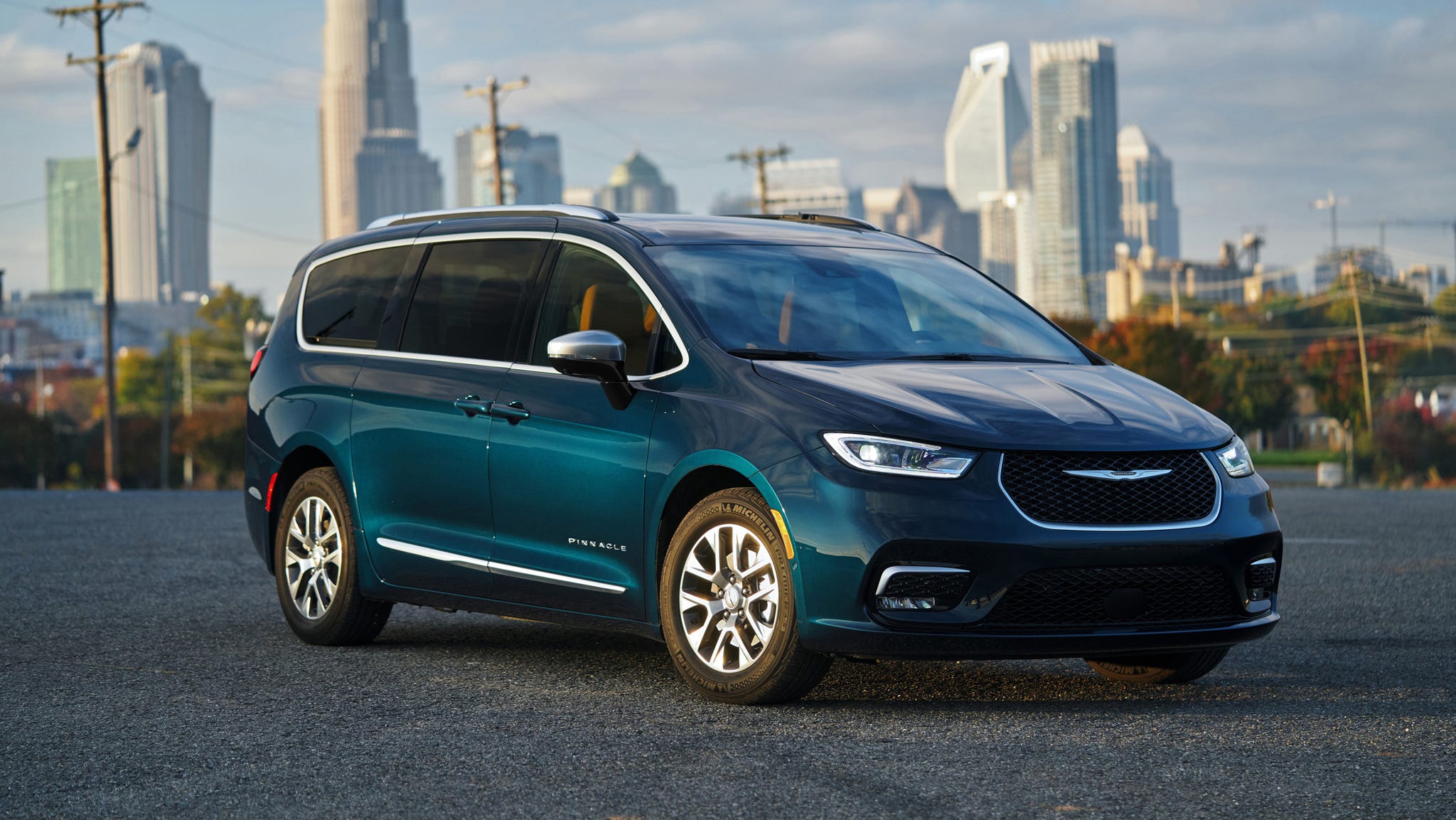
4. Chrysler Pacifica Hybrid Pinnacle
Comfort plays a huge role in what makes the Chrysler Pacifica Hybrid Pinnacle stand out from other minivans. Chrysler designed this van to feel refined and relaxing, and the difference becomes obvious almost immediately after stepping inside. Rich leather seats, upscale interior trim, and thoughtful cabin details help the Pacifica feel more expensive than its badge might suggest.
Families who spend hours on the road often appreciate how quiet and smooth this van feels. Road noise stays fairly controlled, the suspension handles rough pavement well, and passengers remain comfortable during long drives. Children can nap peacefully in the back while adults enjoy a less tiring driving experience up front.
Hybrid technology adds another major advantage. Fuel savings become noticeable for owners driving daily school routes, errands, and highway trips every week. Short commutes can sometimes rely heavily on electric power before the gasoline engine takes over. That setup gives buyers better efficiency without the pressure of owning a fully electric vehicle.
The passenger room remains excellent across all three rows. Third row seating works well even for adults, which is not always true in larger SUVs. Storage space also feels thoughtfully designed, giving families enough room for luggage, backpacks, electronics, and groceries without turning the cabin into a mess.
Chrysler included plenty of practical technology as well. The infotainment system looks modern, rear entertainment screens help keep passengers occupied, and multiple charging ports make life easier during road trips. Sliding doors and the rear liftgate also operate smoothly, another detail busy parents appreciate daily.
Safety features such as adaptive cruise control, blind spot monitoring, and parking assistance help reduce stress behind the wheel. While older Chrysler vehicles struggled with reliability concerns, newer Pacifica models show meaningful improvement when maintained properly.
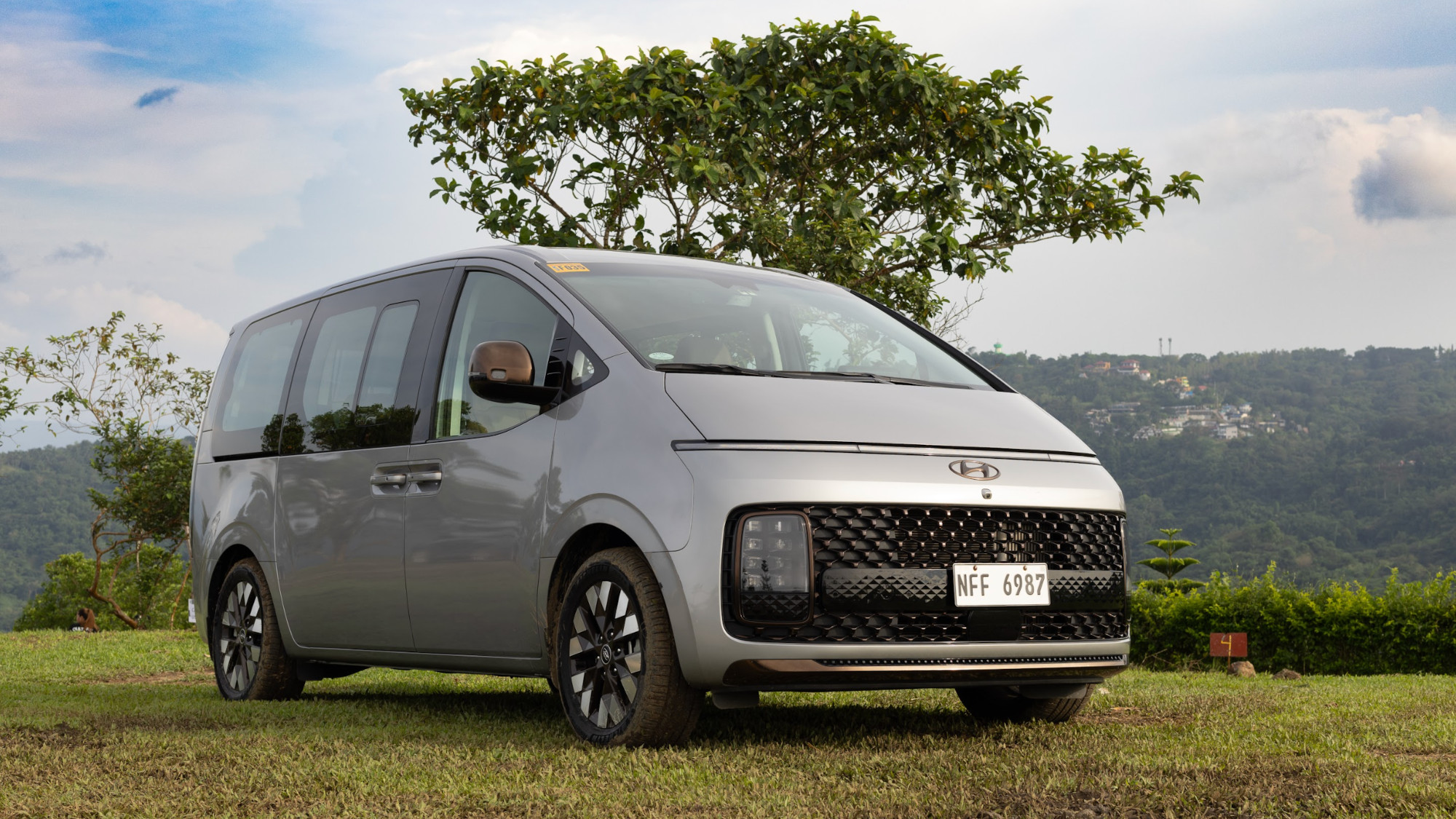
5. Hyundai Staria Premium
Sharp styling and futuristic design make the Hyundai Staria Premium impossible to ignore. Buyers accustomed to traditional boxy minivans usually react with surprise after seeing this model for the first time. Hyundai pushed the design far away from conservative family van expectations, creating a vehicle that feels modern without sacrificing practicality.
Large windows immediately improve the cabin atmosphere. Passengers receive an open and airy feeling that helps long drives feel less cramped. Natural light enters generously, while wide visibility also helps drivers feel more confident during city traffic and parking maneuvers.
Interior presentation carries a clean and upscale personality. Hyundai arranged the dashboard with a simple layout that avoids unnecessary clutter, giving the cabin a more refined appearance. Digital displays blend smoothly into the design, while premium materials in higher trims help the Staria feel more expensive than its price tag suggests.
Passenger comfort receives strong attention throughout all seating rows. Adults fit comfortably in the rear seats without feeling squeezed together, and entry into the third row feels easier than in several older competitors. Families carrying grandparents, teenagers, or taller passengers during vacations often appreciate that extra breathing room.
Ride quality leans toward comfort rather than sporty handling, which suits the vehicle’s purpose perfectly. Rough pavement gets absorbed calmly, helping passengers remain relaxed during long highway journeys. Highway cruising also feels stable, with controlled body movement and solid steering response for a vehicle of this size.
Hyundai equipped the Staria Premium with a healthy collection of convenience features. Power sliding doors, advanced climate controls, wireless smartphone connectivity, and multiple charging ports help the cabin feel ready for modern family life. Parents dealing with busy schedules usually appreciate technology that works quickly without requiring constant adjustments.
Storage flexibility remains one of the van’s best qualities. Rear seating arrangements allow owners to prioritize passenger room or cargo space depending on the day’s needs. Sports gear, luggage, groceries, and travel equipment fit easily without creating frustration.
Safety technology also strengthens the Staria’s value. Hyundai included several advanced driver assistance systems that help reduce stress during crowded traffic conditions. Lane following support, collision warning systems, and parking assistance features all contribute to a more relaxed driving experience.
5 Minivans to Skip
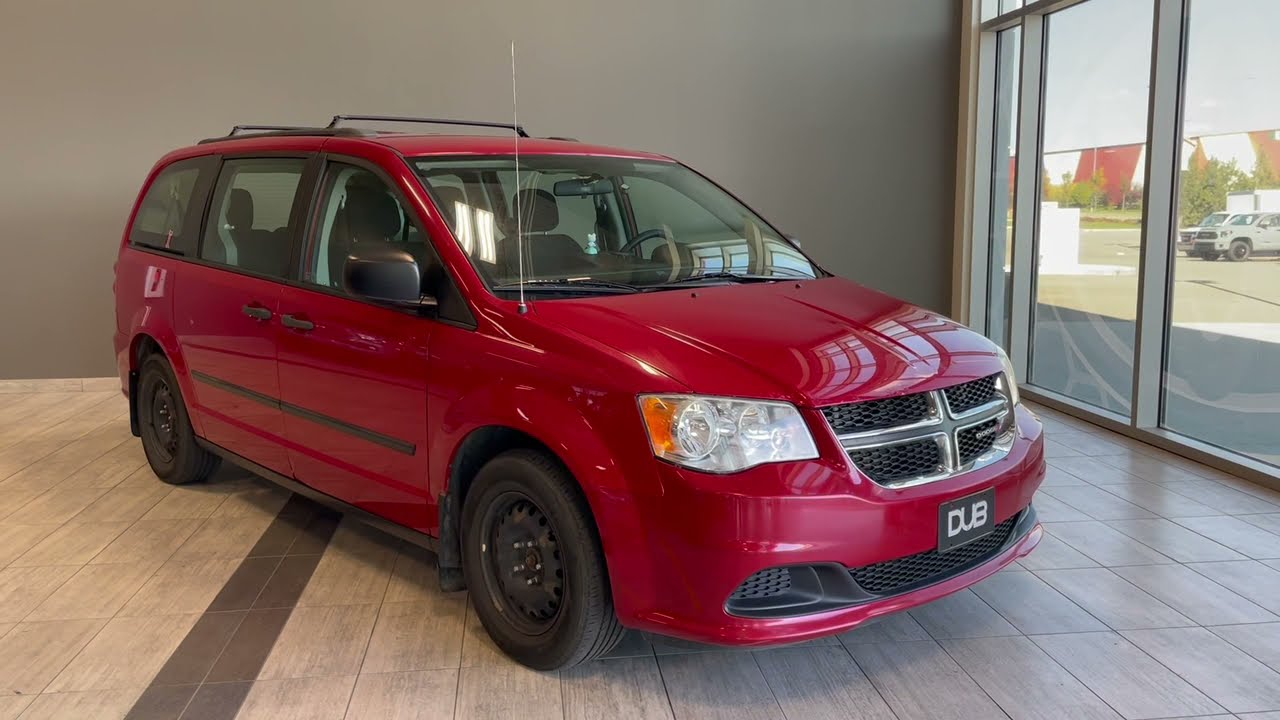
1. Dodge Grand Caravan SE
Budget pricing helped the Dodge Grand Caravan SE stay popular for years, yet a low purchase cost does not always equal smart long-term value. Plenty of families bought this minivan because it looked affordable upfront, only to discover ownership headaches piling up faster than expected.
Age became one of the biggest problems for the Grand Caravan. Dodge kept the platform alive for a very long time without making enough major improvements. Rivals moved ahead with better safety systems, smoother rides, improved fuel economy, and more refined cabins, while the Grand Caravan started feeling outdated.
Cabin quality disappointed many owners after extended use. Hard plastic surfaces scratched easily, interior trim pieces loosened, and seats often showed wear earlier than expected. Families using the van daily for carpools, shopping trips, and vacations frequently noticed the interior aging poorly compared to competing models from Japan or Korea.
Ride comfort also lagged behind stronger rivals. Rough pavement could make the suspension feel unsettled, especially in older examples with higher mileage. Long highway drives sometimes became tiring due to cabin noise and less supportive seating.
Transmission problems damaged the van’s reputation heavily. Numerous owners reported rough shifting, slipping gears, delayed engagement, or complete transmission failure after moderate mileage. Repair bills for those issues could become extremely expensive, especially for buyers purchasing used models outside warranty coverage.
Electrical problems added another layer of frustration. Sliding doors, power windows, dashboard electronics, and climate control systems occasionally developed faults that became annoying and costly. A family vehicle should reduce stress rather than create constant repair shop visits.
Fuel economy never became a strength either. Competing vans eventually offered hybrid systems or more refined engines, while the Grand Caravan continued relying on aging mechanical designs. Owners driving large weekly distances often spend more money on fuel than expected.
Safety technology also felt limited compared with newer rivals. Advanced driver assistance systems available in competing minivans either arrived late or remained unavailable in many Grand Caravan trims. Families prioritizing modern safety equipment frequently discovered better alternatives elsewhere.
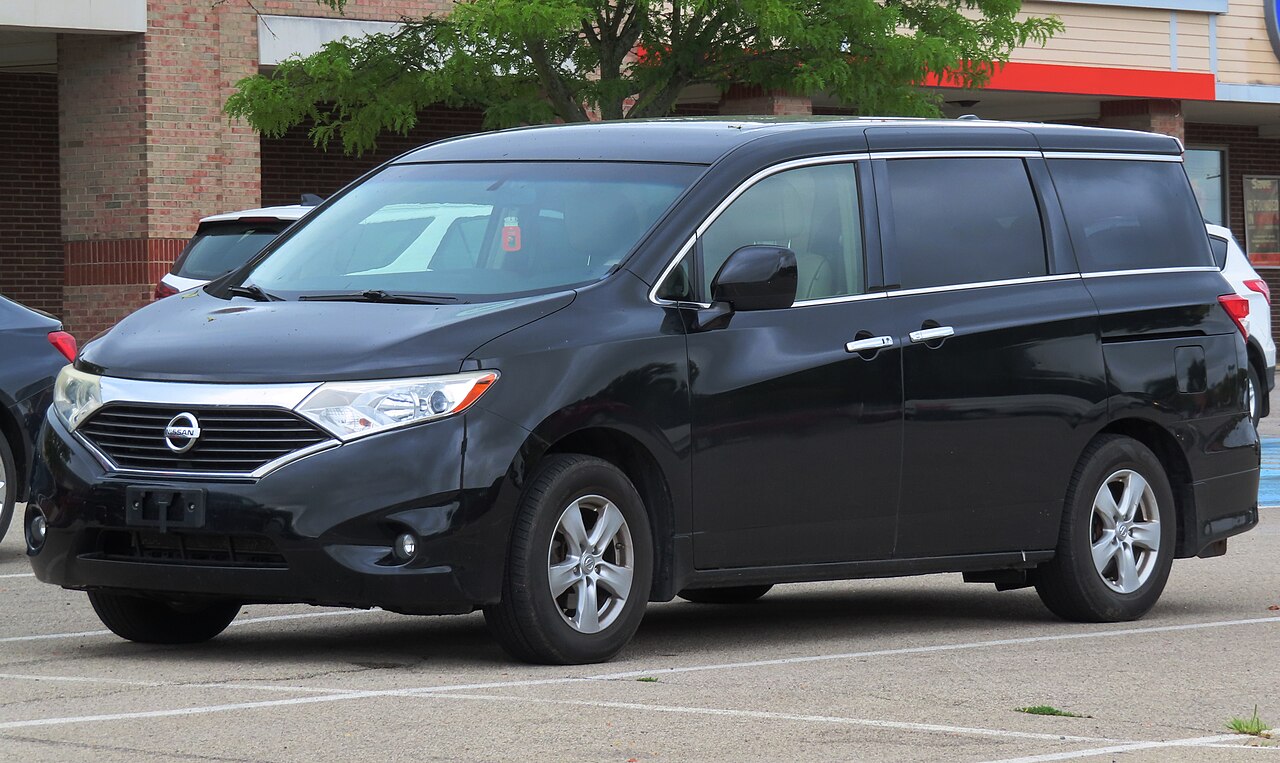
2. Nissan Quest SV
Nissan tried to give the Quest SV a fresh personality by moving away from the plain minivan shape buyers were used to seeing. Rounded styling and a smoother exterior helped it stand apart in parking lots, but good looks only carried it so far. Once families spent time with the vehicle, several weak spots became harder to ignore.
Space inside looked generous at first glance, though daily use told a different story. Third row seating felt tighter than expected, especially for adults or taller teenagers during longer drives. Some owners also found the cabin layout less flexible compared to rivals like the Honda Odyssey or Toyota Sienna. Small frustrations started showing up during carpools, road trips, and grocery runs.
Build quality became another concern after a few years on the road. Interior materials did not hold up especially well under heavy family use. Plastic trim scratched easily, certain panels developed rattles, and wear around high-touch areas appeared sooner than buyers expected. A minivan handles constant activity, so durability matters more than flashy styling.
Driving the Quest felt acceptable around town, though highway performance lacked confidence. Acceleration became less impressive with passengers and luggage onboard, and the van sometimes struggled during merging or steep climbs. Ride quality also felt less polished than class leaders.
The biggest concern centered around Nissan’s CVT transmission. Complaints involving hesitation, shuddering, overheating, and costly repairs hurt the Quest’s reputation badly. Plenty of buyers became nervous about long-term ownership once those issues became widely discussed.
Fuel economy failed to justify the tradeoffs either. Competing vans offered similar mileage while delivering better reliability and stronger refinement. Technology inside the Quest also started feeling outdated quickly as newer competitors introduced more advanced safety systems and better infotainment features.
Used prices may look tempting today, but buyers should think carefully before choosing one. Repair concerns and weaker resale value make the Nissan Quest SV harder to recommend for families wanting dependable transportation without extra headaches.
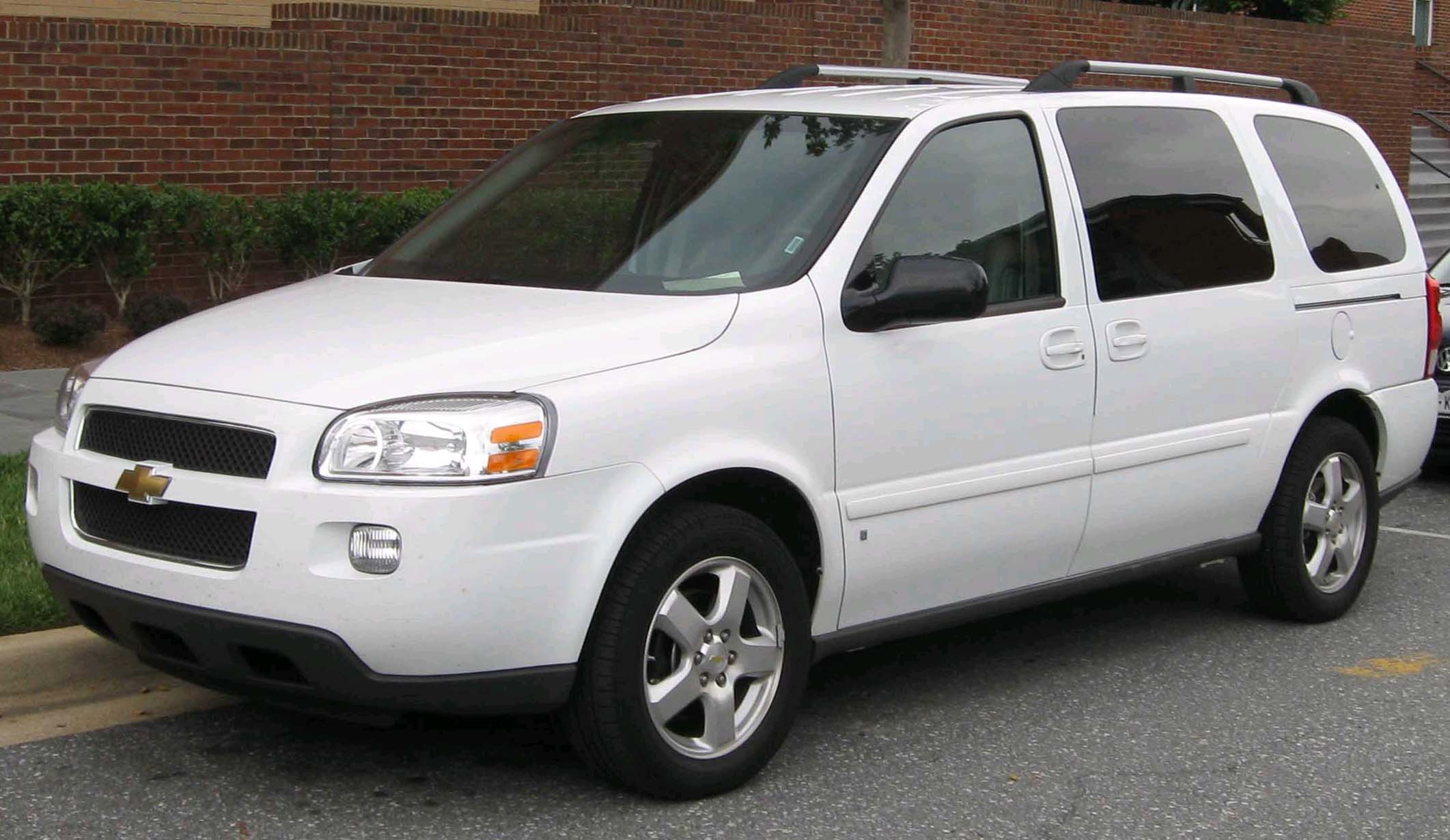
3. Chevrolet Uplander LT
Chevrolet entered the minivan segment hoping the Uplander LT could compete with established family favorites, but the vehicle struggled almost immediately. Even during its release years, the design already looked dated compared to rivals offering smoother styling and more refined interiors.
Front-end styling borrowed heavily from SUVs, which gave the Uplander an awkward appearance that never fully worked. Buyers searching for a modern family vehicle often passed it over after one quick look. Appearance alone would not have ruined the van, though bigger problems started showing once the owners spent real time behind the wheel.
Interior quality ranked near the bottom of the segment. Hard plastic surfaces covered much of the cabin, and several materials aged poorly after years of family use. Rattles, loose trim pieces, and worn switches became common complaints. Families carrying kids, sports gear, and groceries every day needed something tougher than what the Uplander delivered.
Seat comfort also disappointed owners during longer drives. Front seats lacked support, while third row space felt cramped for adults. Road trips quickly became tiring, especially with a full cabin. Noise from tires and wind easily entered the interior at highway speeds, making conversations harder than they should have been.
Mechanical problems added even more frustration. Electrical issues showed up regularly, affecting power doors, dashboard functions, and climate controls. Reliability concerns became common enough that many buyers started avoiding the model entirely.
Engine performance did little to improve confidence either. Acceleration felt sluggish, particularly when carrying passengers or climbing hills. Fuel economy remained average at best, which hurt even more because rivals offered better mileage along with stronger reliability. Safety ratings also lagged behind newer competitors arriving during that period.
Cheap used pricing may attract bargain hunters, though repair costs can quickly erase any savings. Chevrolet eventually moved away from the Uplander as buyers chose more dependable alternatives. Families wanting peace of mind are usually better off skipping the Chevrolet Uplander LT entirely.
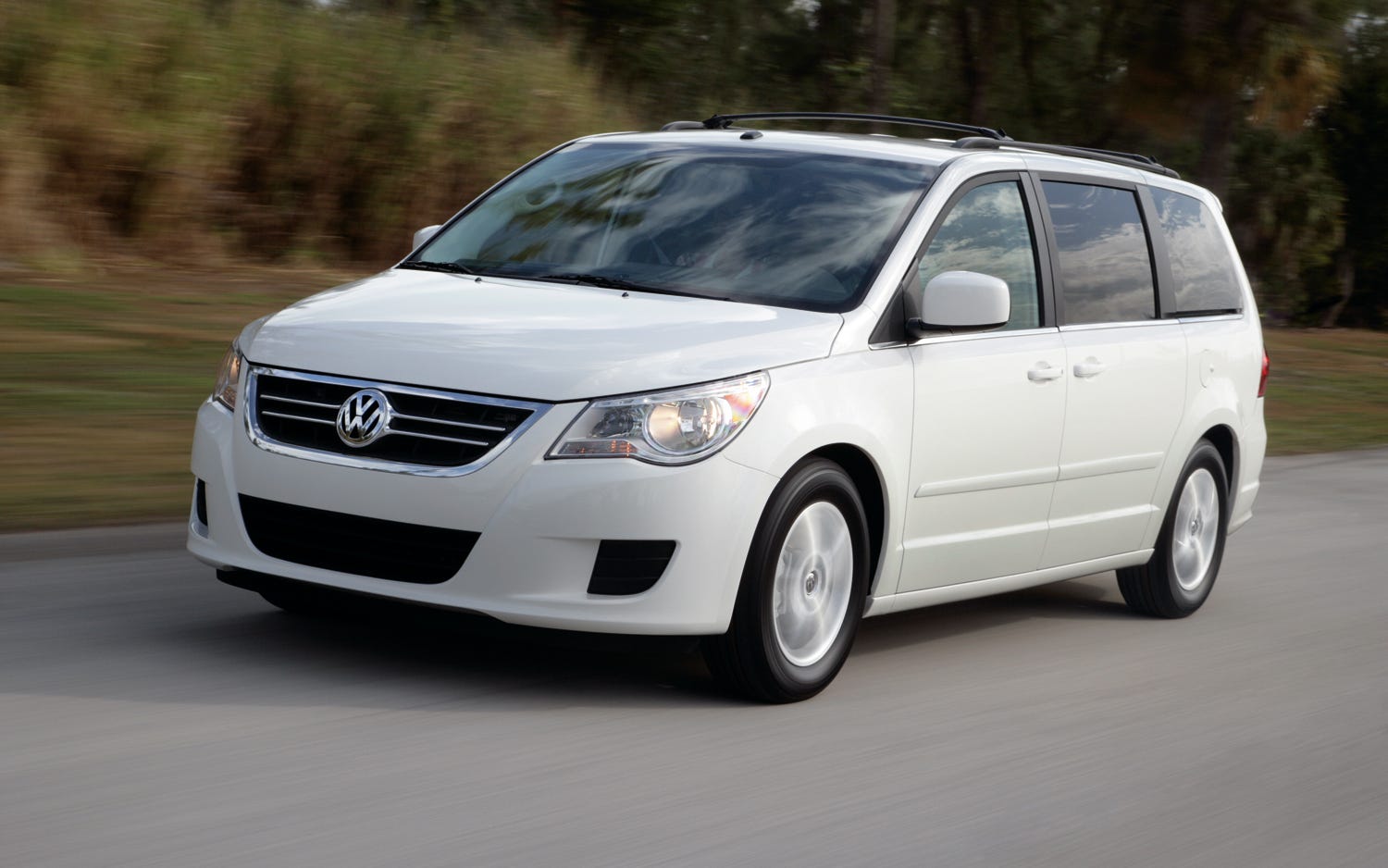
4. Volkswagen Routan SEL
German branding helped the Volkswagen Routan SEL attract attention during its release years, though the vehicle carried deeper problems beneath the badge. Despite wearing a Volkswagen logo, the Routan shared much of its engineering with Chrysler minivans from the same era, which created mixed results for owners.
Cabin styling looked reasonably upscale for its time. Volkswagen attempted to add European-inspired touches inside the van, giving the dashboard a cleaner appearance than certain domestic rivals. Still, cosmetic improvements could not fully disguise the aging platform underneath.
Reliability concerns surfaced frequently during ownership. Electrical problems became one of the largest complaints reported by owners. Malfunctioning electronics, faulty sensors, and inconsistent infotainment behavior created repeated frustration.
Transmission durability also damaged the van’s reputation. Some owners experienced rough shifting and premature failures that required expensive repairs. Those issues became especially painful after warranty coverage expired. Interior durability failed to impress during long-term ownership.
Seats showed wear sooner than expected, and trim pieces occasionally loosened after years of family use. Minivans endure constant passenger traffic, which makes solid construction extremely important. Fuel economy remained disappointing for the class. Buyers expecting efficiency from a family vehicle often discovered stronger results from competing vans offering newer engine technology or hybrid systems.
Ride comfort sat somewhere in the middle of the segment. Short city drives felt acceptable, though longer trips revealed more cabin noise and less suspension refinement than buyers expected from a Volkswagen-branded vehicle. Parts and servicing also became awkward after Volkswagen discontinued the model.
Since the Routan existed for a relatively short production period, some owners later faced difficulties locating specific components or finding technicians deeply familiar with the vehicle. Safety equipment looked respectable during the release years, though advancing technology quickly pushed the Routan behind newer rivals. Families shopping for modern driver assistance systems usually find better choices elsewhere.
Also Read: 5 Family Minivans With Durable Sliding Door Tracks vs 5 Known for Costly Motor Failures
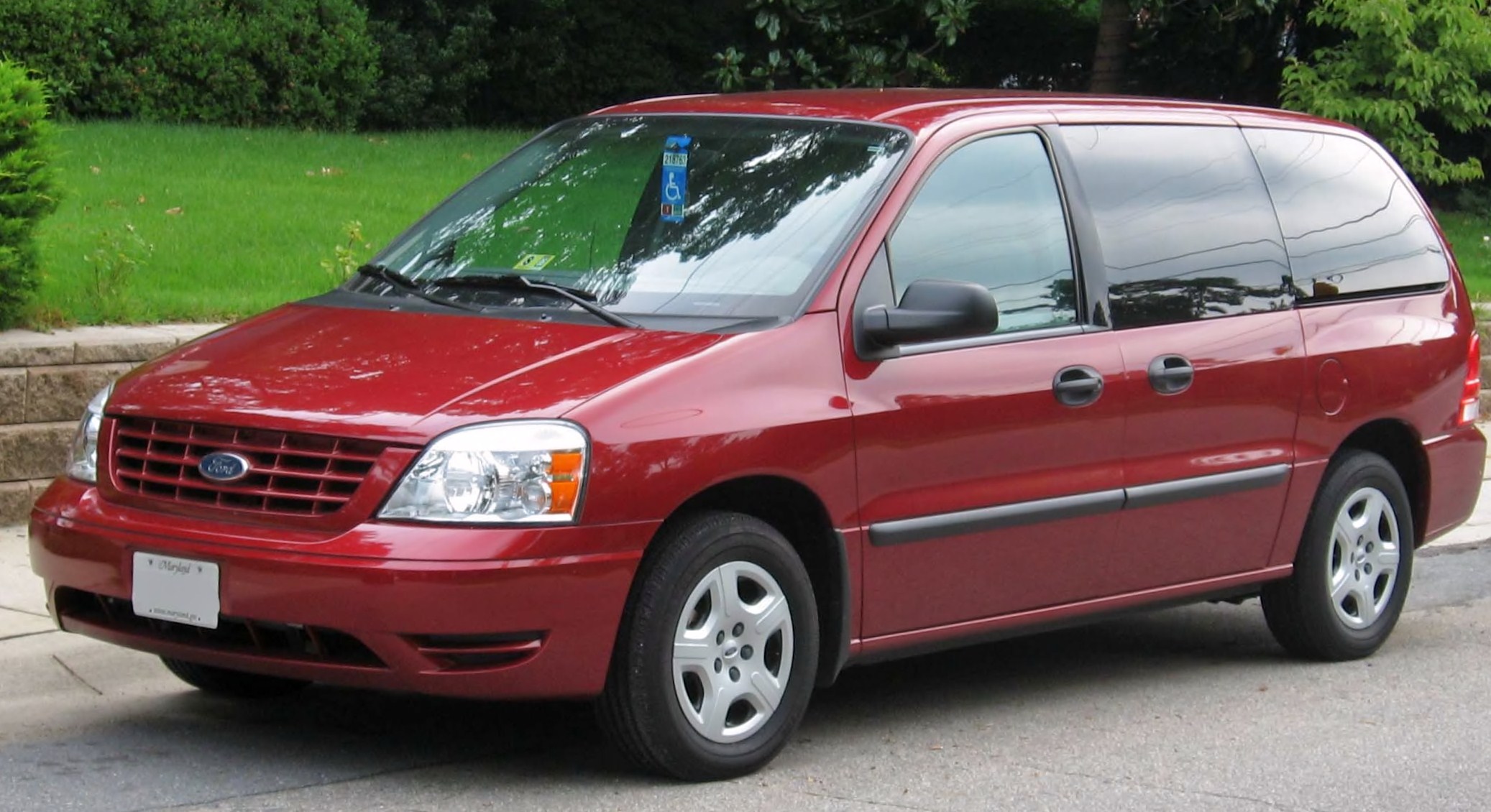
5. Ford Freestar Limited
Trouble followed the Ford Freestar Limited closely during much of its lifespan. Ford attempted to modernize its aging minivan lineup with this model, though mechanical problems and disappointing refinement prevented the Freestar from gaining strong long-term respect among family vehicle buyers.
Transmission failures became one of the largest complaints tied to the Freestar. Owners frequently reported sudden power loss, slipping gears, and expensive repair bills that arrived without much warning. Few problems frustrate drivers faster than a failing transmission in a heavily used family vehicle.
Interior quality also disappointed many buyers. Plastic surfaces felt cheap in several areas, while cabin materials aged poorly under daily family use. Squeaks and rattles often developed early, making the van feel older than its mileage suggested.
Engine performance remained underwhelming for a vehicle carrying passengers and cargo regularly. Acceleration could feel strained during highway merging, especially when the cabin was full. Drivers expecting smooth and confident power delivery often left disappointed.
Ride comfort never reached the level delivered by stronger competitors. Rough pavement produced more cabin disturbance than expected, and highway travel sometimes felt less composed during windy conditions or uneven roads.
Safety concerns hurt the Freestar’s reputation badly after certain recalls and mechanical failures gained public attention. Families usually place safety near the top of their buying priorities, making those concerns difficult to ignore. Fuel economy also failed to impress.
Rival minivans increasingly delivered better efficiency while offering stronger reliability and better interior refinement. Operating costs added up quickly for owners driving large weekly distances.
