Across the used car market, many hybrid SUVs have become a financial paradox. These vehicles were originally designed to deliver better fuel efficiency, lower emissions, and dependable long-term performance. However, as they age, their high-voltage battery systems often become the most expensive component to maintain.
In many cases, the cost of replacing a worn or failing hybrid battery can exceed the vehicle’s entire resale value. This creates a difficult situation for owners, who must choose between paying for a repair that does not make financial sense or letting go of an otherwise functional SUV.
The list titled “10 SUVs Where Hybrid Battery Replacement Costs More Than the Car Is Worth” highlights models from various brands that share this issue. While these SUVs still offer comfort, practicality, and efficiency, depreciation combined with aging battery technology has made them risky choices in the used market, especially for buyers trying to keep long-term ownership costs under control.
1. Ford Escape Hybrid
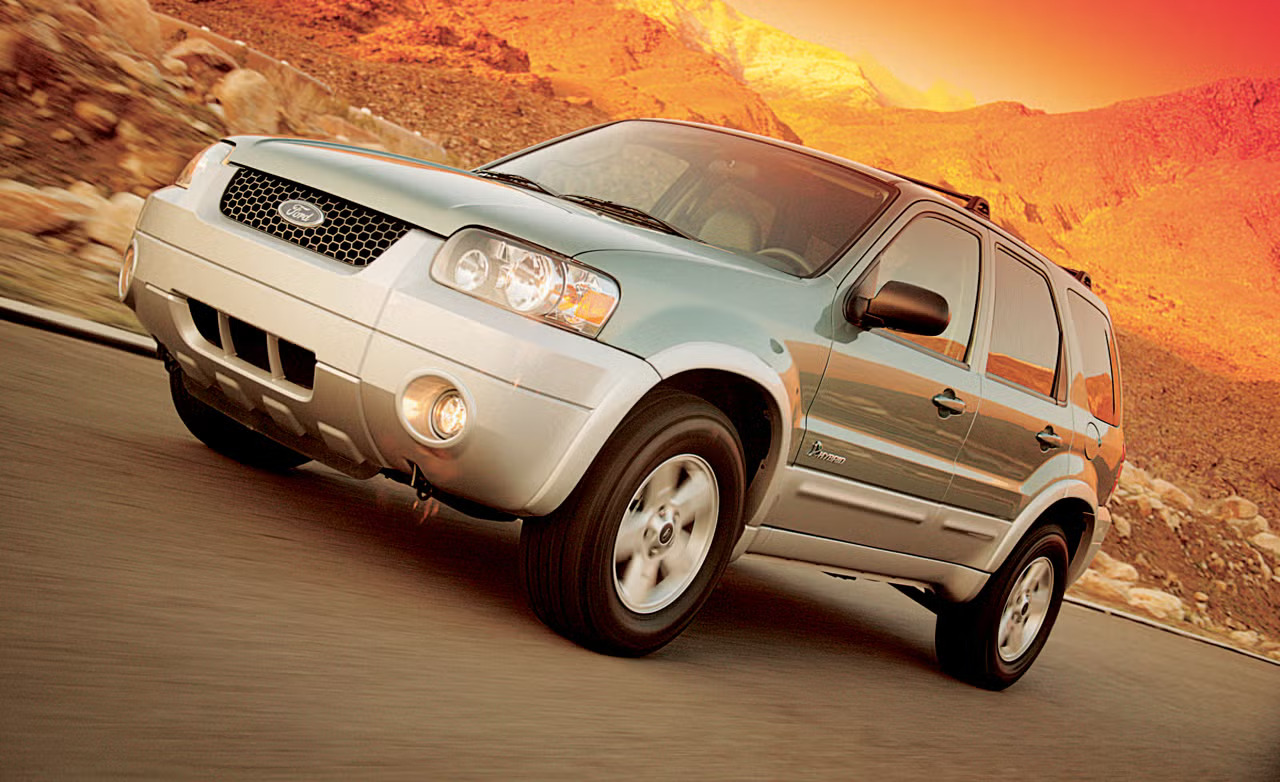
A pioneering compact SUV helped introduce hybrid technology to mainstream American buyers by combining electric-assisted efficiency with everyday practicality. It became known for its strong city fuel economy, typically ranging from 26 to 30+ mpg, along with smooth low-speed electric operation and a reputation for durability. Many examples have exceeded 200,000 kilometers, making it one of the more reliable early hybrid SUVs when properly maintained.
However, aging components present a significant financial drawback. Most vehicles in this range are well beyond their original warranty coverage, and hybrid battery degradation is now the most critical issue. The nickel-metal hydride battery pack is expensive to replace, with OEM costs typically between $3,000 and $5,000, while remanufactured units still cost around $2,200 to $3,000. Since many used examples now sell for only $1,500 to $3,000, major repairs can exceed the vehicle’s market value, creating an imbalance between repair cost and resale value.
Despite these concerns, the model remains respected for its role in hybrid development and its long-term mechanical resilience. Later production years, especially 2009 and 2010, are considered more refined and reliable, while early versions from 2005 to 2006 are more prone to battery cooling issues, braking inconsistencies, and hybrid system failures. A detailed pre-purchase inspection, especially focused on battery health and cooling performance, is essential for avoiding unexpected expenses.
This hybrid SUV remains a practical option in the used market due to its efficiency and utility, but ownership today depends heavily on battery condition and the owner’s readiness for potentially high replacement costs.
2. Toyota RAV4 Hybrid
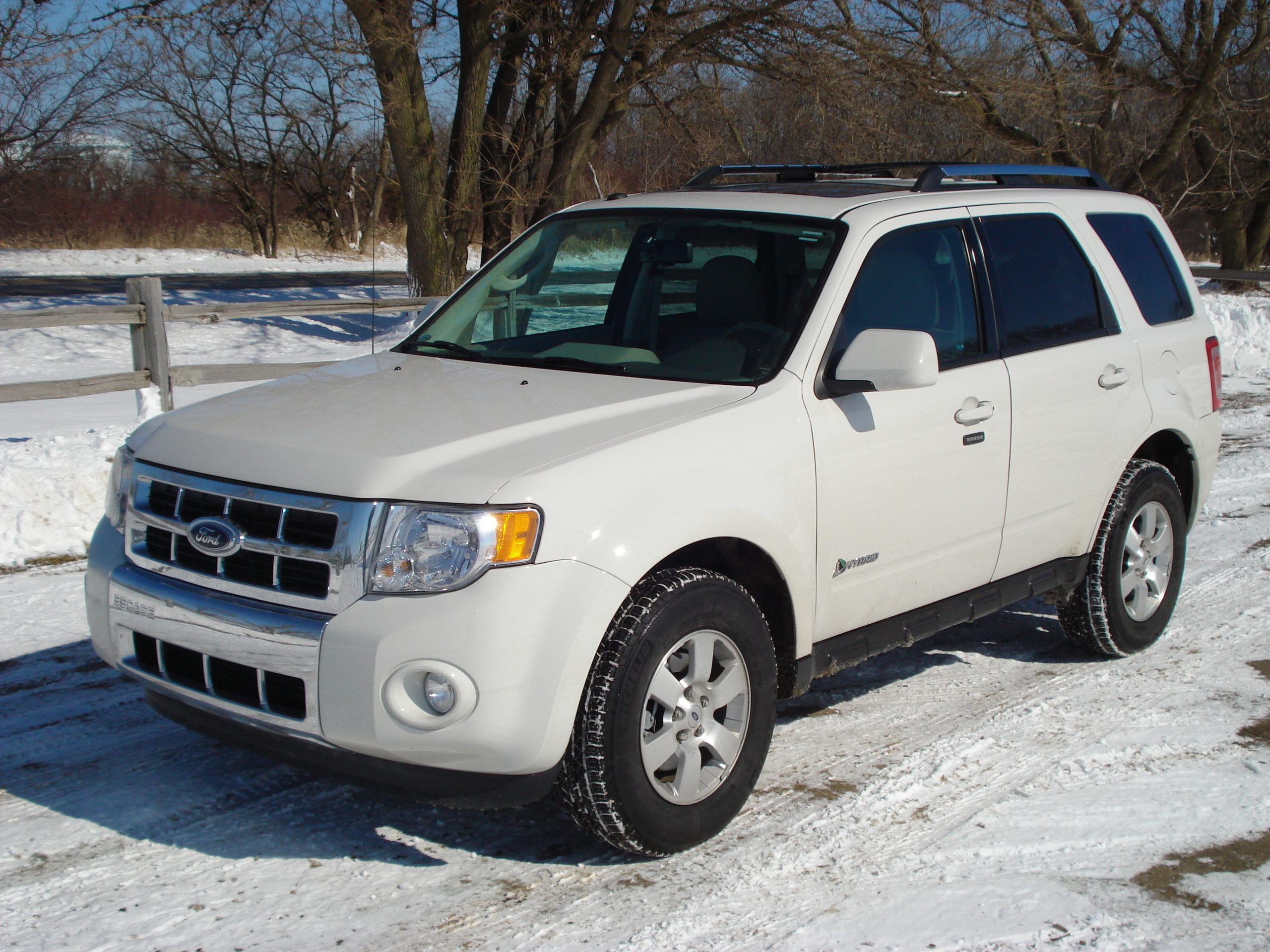
A compact hybrid SUV from this generation is widely recognized for its strong blend of reliability, practicality, and fuel efficiency, making it a popular option in the used vehicle market. It delivers smooth and quiet hybrid operation with excellent city fuel economy, often ranging from the high 20s to 30+ mpg, with some short urban trips achieving even higher efficiency. The hybrid system also provides adequate acceleration for everyday driving, while maintaining a comfortable and composed ride suited for families and commuters.
As these vehicles age, hybrid battery replacement becomes the most significant financial concern. The traction battery is expensive to replace, typically costing between $3,000 and $6,000 at dealerships, and in some cases reaching up to $8,000 depending on labor and parts. Since many used examples from this period are valued around $4,000 to $6,000, a failed battery can result in repair costs that match or exceed the vehicle’s worth, sometimes leading owners or insurers to consider it a total loss.
Despite this drawback, the model continues to be valued for its practicality and well-rounded design. It offers a spacious interior, strong cargo capacity, and a comfortable driving experience. The hybrid system improves fuel economy without sacrificing usability, and many examples are known to last well over 200,000 kilometers with proper maintenance. Later production years tend to be more refined, while earlier models may be more prone to battery and system-related issues.
The non-hybrid versions from the same generation are also known for durability, safety, and ease of ownership, reinforcing the platform’s strong reputation. Standard safety features and solid crash-test performance further enhance its appeal in the used market.
This hybrid SUV remains a capable and efficient choice, but long-term ownership depends heavily on battery condition and the potential cost of replacement when evaluating total value.
3. Honda CR-V Hybrid
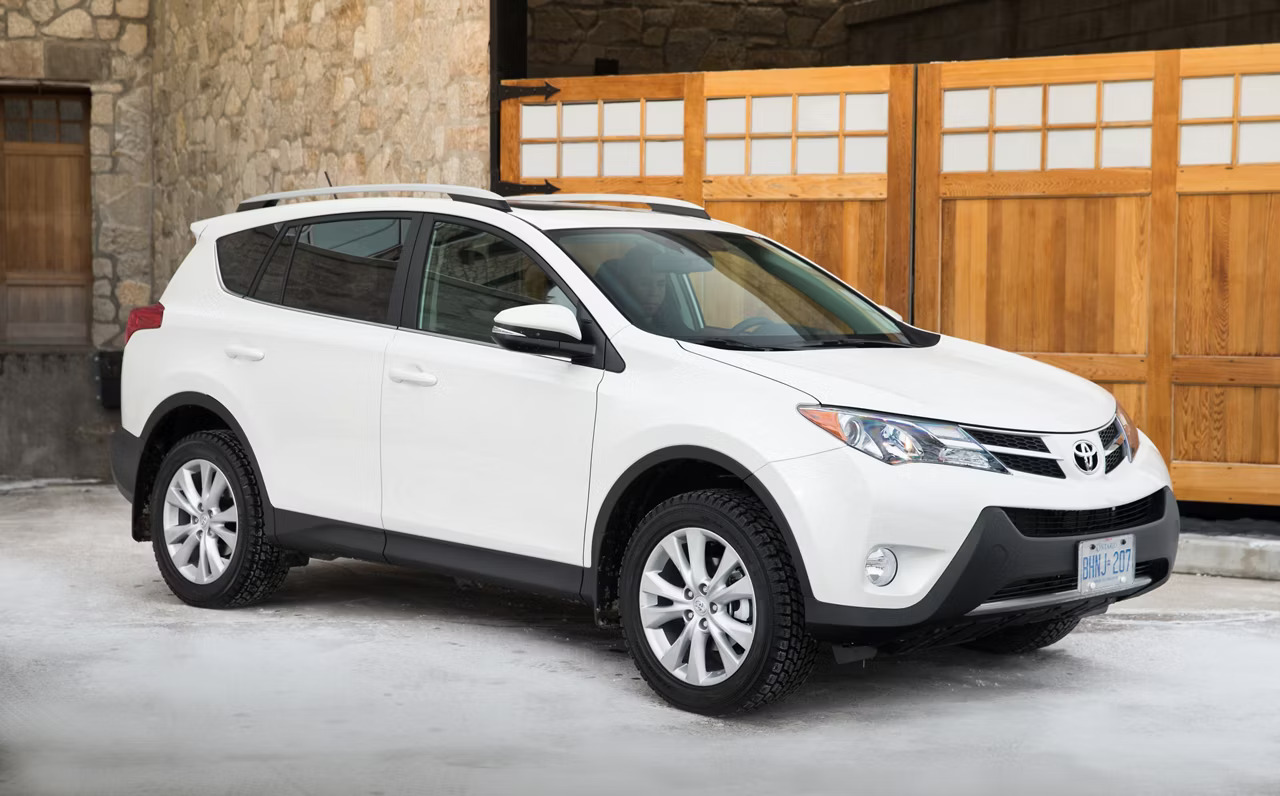
Aging hybrid SUVs from this era highlight a difficult ownership equation where repair economics often clash with market value. Many examples now sell for under $4,500, yet a full hybrid battery replacement can range from $6,000 to over $10,000. That imbalance makes major system failures financially impractical, with some owners facing repair bills that exceed what the entire vehicle is worth.
Despite the confusion around hybrid versions, this generation of the CR-V is widely recognized for its conventional reliability and strong long-term durability. Most models rely on a 2.4-liter i-VTEC four-cylinder engine paired with a simple automatic transmission, a combination known for consistency and longevity rather than complexity. High-mileage examples frequently surpass 200,000 miles when properly maintained, reinforcing its reputation as a dependable used SUV.
Practicality is one of its strongest traits. The cabin layout is straightforward and user-friendly, with wide doors, excellent visibility, and simple controls that make daily use easy. Cargo capacity is generous for the segment, offering flexible space for families, travel, and everyday hauling needs. Rear seats fold easily to expand storage, adding to its versatility.
Fuel economy remains competitive for its class, typically around 25 to 26 mpg combined, making it efficient without requiring hybrid technology. Safety performance is also solid, with strong crash-test ratings and a standard suite of airbags, stability control, and a rearview camera.
Driving behavior is tuned for comfort and predictability rather than excitement. Acceleration is modest, and highway or uphill driving can feel strained, but ride quality is smooth and composed. While rivals offer more engaging performance or upscale interiors, few match its ease of ownership.
Even with potential high repair costs in older high-mileage examples, the CR-V remains one of the most trusted and practical compact SUVs, valued for its reliability, simplicity, and long-term usability.
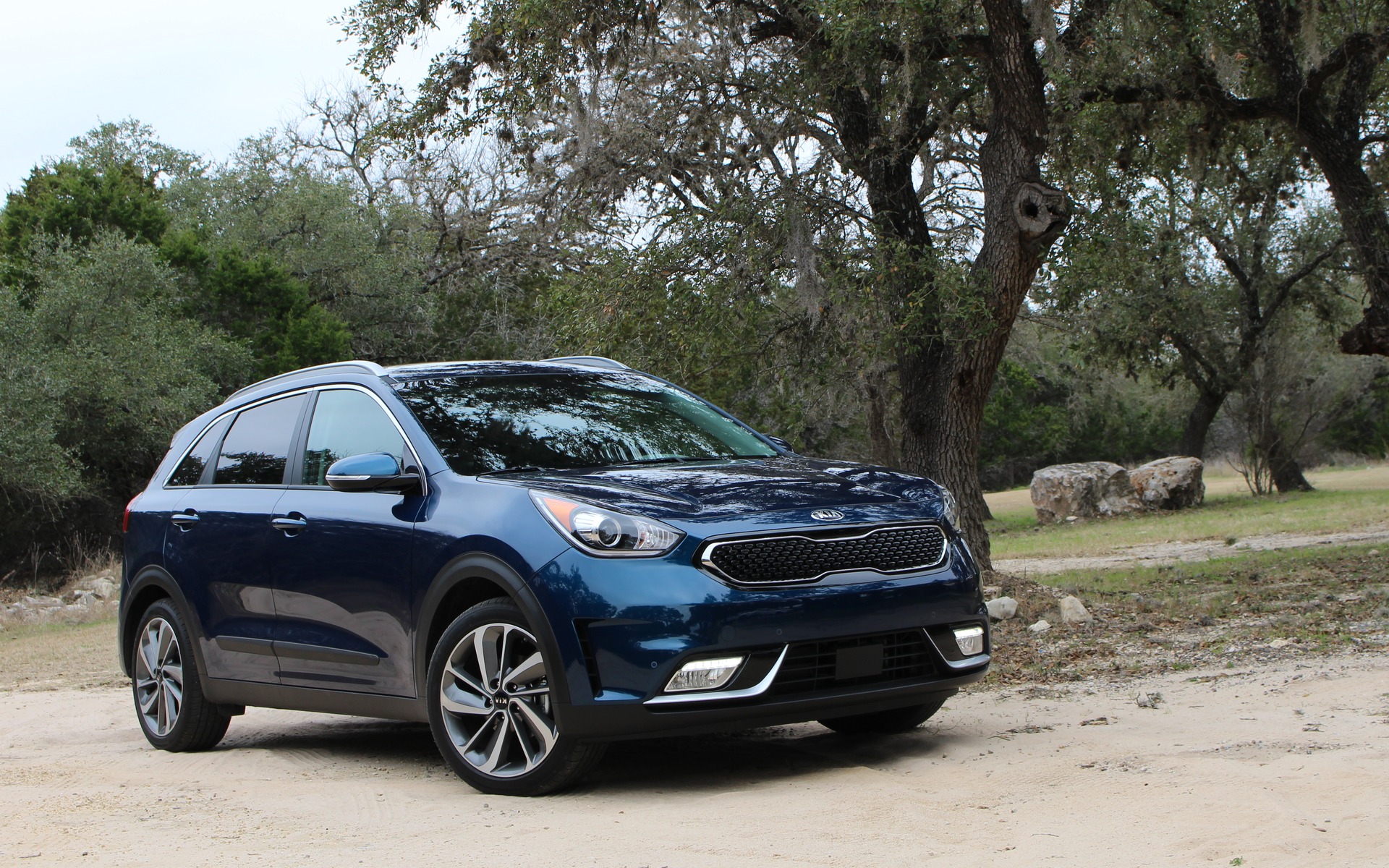
4. Kia Niro Hybrid
Rapid depreciation defines early ownership economics for this compact hybrid crossover, with many high-mileage examples now trading below $5,500. At that point, the cost of replacing a failing high-voltage lithium-ion polymer battery pack, often quoted between $6,000 and $8,000 at dealerships, can exceed the entire value of the vehicle. This creates a difficult situation where a single major component failure effectively determines whether the car remains economically viable.
Despite this risk, the Niro is widely regarded as a strong entry in the hybrid SUV segment due to its efficiency and practicality. It delivers up to 50 mpg combined and was designed as a dedicated hybrid platform rather than a conversion from a gasoline model. This allows it to preserve interior and cargo space, making it more usable than many early hybrid competitors. The cabin offers generous passenger room, a straightforward layout, and useful everyday comfort features, though lower trims rely heavily on basic materials.
Power comes from a 1.6-liter four-cylinder engine paired with an electric motor and a six-speed dual-clutch transmission, producing about 139 horsepower. While not focused on performance, the drivetrain provides adequate acceleration and a more traditional driving feel compared to CVT-based hybrids. Ride quality is stable and composed, especially on uneven roads, though refinement during hybrid power transitions can feel inconsistent.
Technology includes a standard infotainment system with smartphone integration, while higher trims add navigation and additional convenience features. Safety equipment is competitive for its class, supported by strong warranty coverage, including Kia’s 10-year or 100,000-mile hybrid battery warranty for early owners.
Even with concerns about long-term battery replacement costs, the Niro remains appealing due to its fuel savings, practicality, and strong warranty protection. It continues to attract buyers seeking an efficient, compact SUV that balances everyday usability with hybrid economy benefits.
5. Toyota Highlander Hybrid
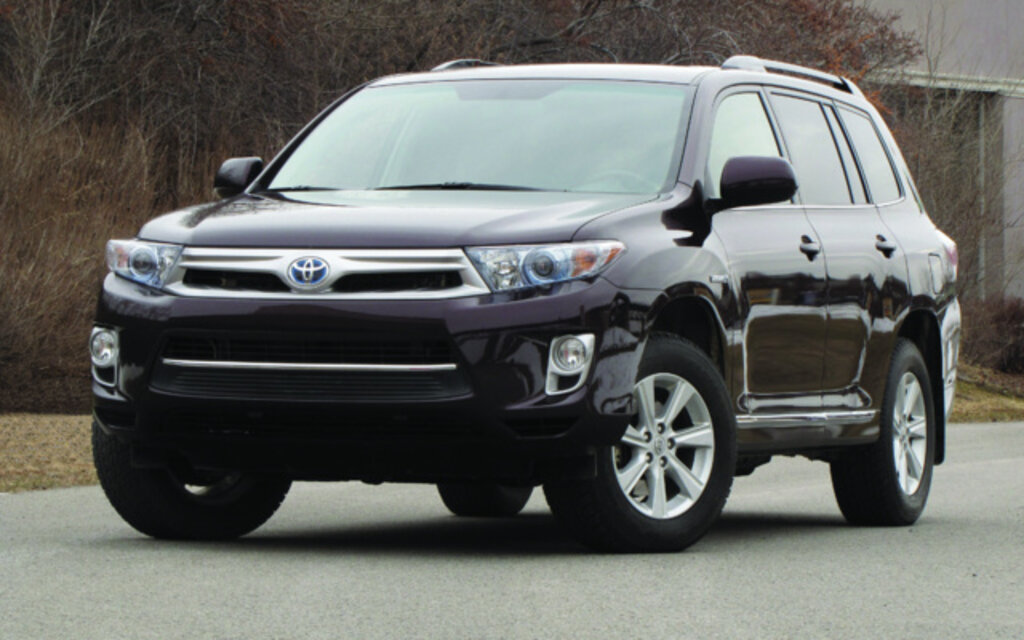
Rising repair costs against declining resale value create a difficult ownership balance for aging three-row hybrid SUVs. Many high-mileage examples from this generation now trade in the $5,000 to $7,000 range, yet a replacement high-voltage battery pack can cost between $6,000 and $8,000 at a dealership. Because the battery alone can equal or exceed the vehicle’s remaining value, owners often face a situation where a single repair effectively determines whether the SUV remains economically viable.
Despite this, the Highlander Hybrid is widely respected as a durable and family-friendly SUV. It combines a 3.5-liter V6 engine with electric motors to produce around 280 horsepower, paired with a continuously variable transmission. Fuel economy is strong for a vehicle of its size, delivering roughly 27 to 28 mpg combined, making it efficient for daily commuting and long-distance travel.
Practicality is one of its strongest attributes. The cabin offers seating for up to seven or eight passengers, depending on configuration, along with generous cargo capacity that reaches over 80 cubic feet with the rear rows folded. Interior space is well utilized, and higher trims provide added comfort and premium features. Safety performance is also a highlight, with strong crash-test ratings and available driver assistance systems such as adaptive cruise control, blind-spot monitoring, and lane departure warning.
On the road, the hybrid system prioritizes comfort and efficiency over excitement. Acceleration is adequate, but the added weight of hybrid components reduces responsiveness compared to non-hybrid versions. Ride quality remains smooth, though driving dynamics are generally unremarkable.
Even with the potential for expensive battery replacement, the Highlander Hybrid maintains a strong reputation for long-term reliability and practicality. Its combination of efficiency, space, and durability makes it a dependable choice for families, where maintaining or replacing key hybrid components can still be more cost-effective than replacing the entire vehicle.
Also read: 5 Cars With Manufacturer Maintenance Plans That Pay Off vs 5 That Don’t
6. Hyundai Tucson Hybrid
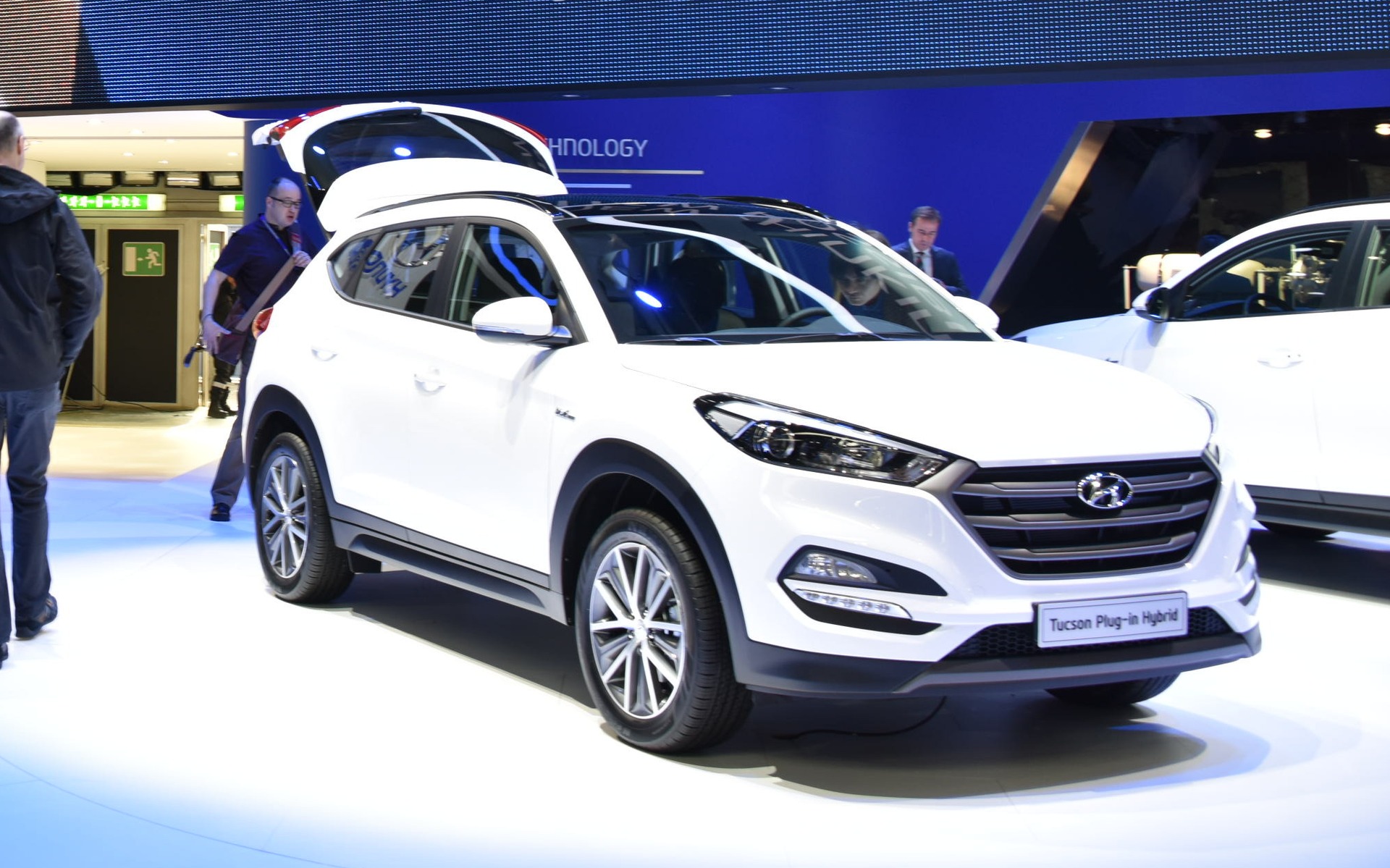
Rapid depreciation and expensive hybrid system repairs define the long-term ownership equation for this compact SUV. Once these models pass the ten-year mark, resale values often fall below $4,000, while a full lithium-polymer battery replacement can cost between $5,000 and $7,000. Since the repair cost can exceed the vehicle’s remaining market value, many owners face a situation where replacing the battery is not financially practical, leading to trade-ins or scrapping instead of repairs.
Despite this drawback, the Tucson from this era is still considered a strong used SUV due to its reliability, comfort, and efficiency. It has earned high reliability ratings in several surveys, with durability often highlighted as one of its key strengths. The hybrid system delivers smooth and efficient performance in urban environments, blending gasoline and electric power to improve fuel economy and reduce emissions.
Comfort is another strong point. The cabin is quiet, well-insulated, and designed with user-friendly technology and modern styling. Higher trims offer additional convenience features such as heated and ventilated seats, panoramic roofs, and advanced infotainment systems, making it appealing as a practical daily driver.
Driving characteristics prioritize comfort over sportiness. The suspension absorbs road imperfections well, creating a smooth ride on both city streets and highways. However, steering feedback is often described as light and less engaging, and acceleration can feel uneven, particularly with the dual-clutch transmission in certain configurations.
Powertrain options in later models include a 2.0-liter four-cylinder engine or a 1.6-liter turbocharged engine paired with a seven-speed dual-clutch transmission. Fuel efficiency is competitive for the segment, especially in city driving conditions.
Even with the risk of high battery replacement costs, the Tucson remains a well-rounded compact SUV. Its combination of comfort, practicality, and dependable performance continues to make it a reasonable choice in the used market, especially for buyers prioritizing refinement over driving excitement.
7. Nissan Rogue Hybrid
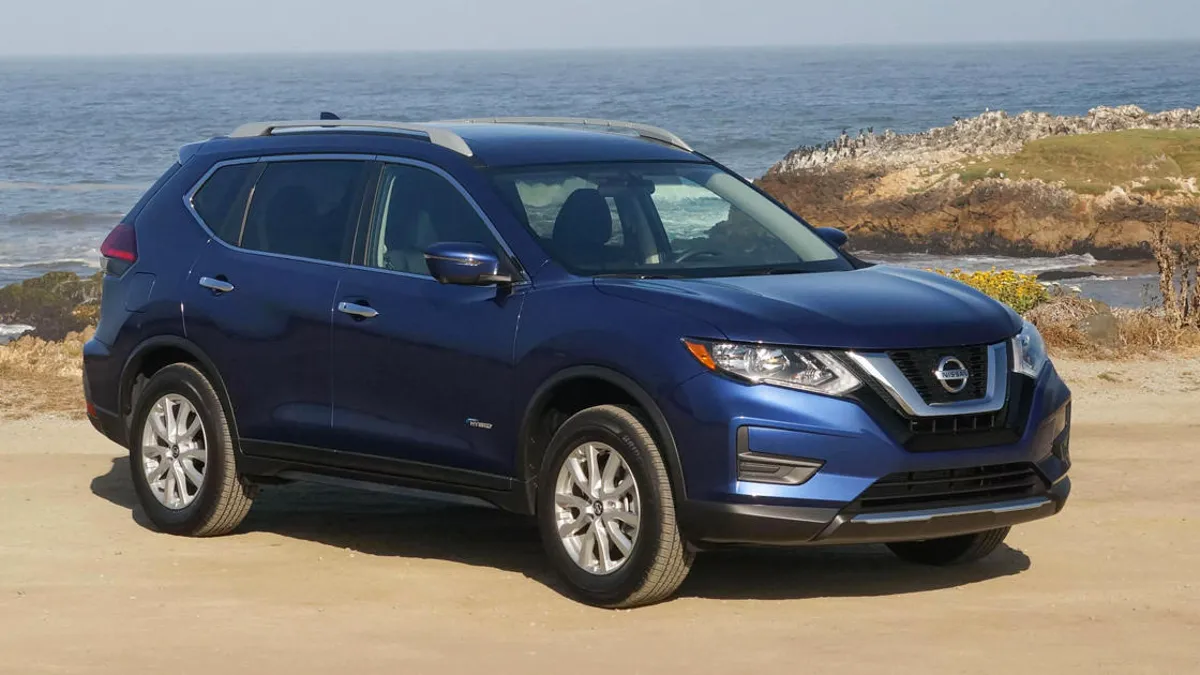
Limited production numbers and early hybrid system complexity have made this compact SUV a niche and often costly ownership proposition. With resale values dropping to around $4,500 for many examples, the financial balance becomes difficult to justify when hybrid battery failure occurs. Replacement of the lithium-ion battery system typically requires OEM parts due to limited aftermarket availability, and dealership repair costs frequently exceed $6,000, often surpassing the vehicle’s remaining market value and making repairs economically impractical.
Despite these concerns, the Rogue Hybrid is still appreciated for its comfort, space, and fuel efficiency. It delivers strong economy figures for a compact SUV, reaching up to 33 to 35 mpg depending on drivetrain configuration. The hybrid system combines a 2.0-liter four-cylinder engine with an electric motor producing about 176 horsepower. While performance gains over the non-hybrid version are modest, low-end response feels slightly sharper due to electric assistance.
The driving experience is centered on comfort rather than performance. Acceleration is adequate but not strong compared to rivals, and the CVT transmission can feel unrefined during power transitions between electric and gasoline modes. Some drivers report smooth engagement, while others notice hesitation or uneven power delivery during acceleration. However, once underway, the ride remains stable and quiet.
Regenerative braking improves efficiency but can feel inconsistent, especially during gradual stops. Handling is composed at normal speeds but lacks sportiness, making it less engaging than competitors like the Mazda CX-5 or Ford Escape. Instead, the focus remains on a relaxed and comfortable driving character suited for daily commuting.
Interior comfort is a strong point, with supportive seating, generous passenger space, and available features such as panoramic roofs, premium audio systems, and adaptive cruise control. However, advanced driver-assistance systems are limited compared to newer models.
Even with its drawbacks, the Rogue Hybrid appeals to buyers seeking efficiency and comfort, though potential battery replacement costs and limited parts availability remain significant long-term risks.
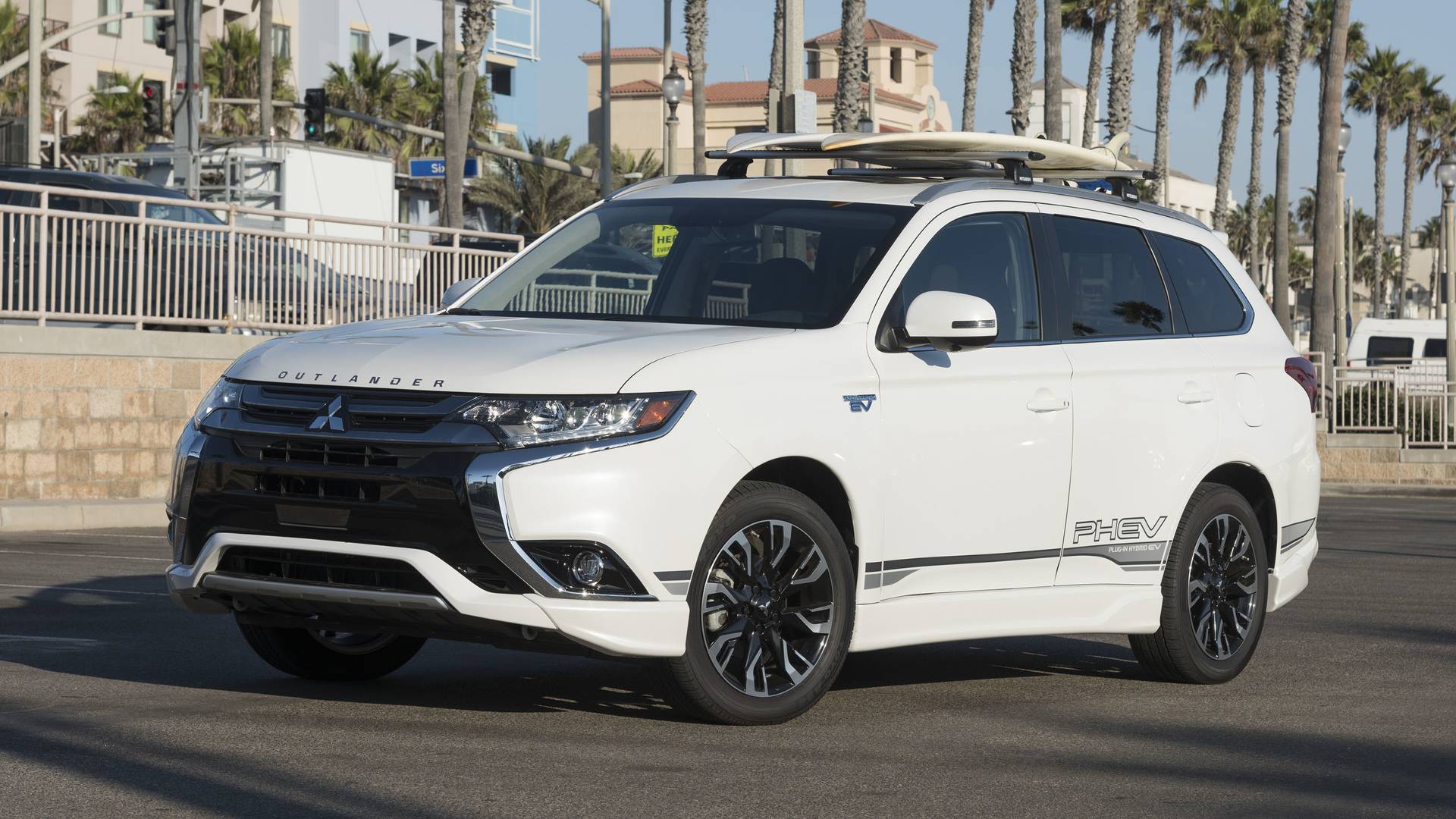
8. Mitsubishi Outlander PHEV
Limited production numbers and early plug-in hybrid technology make this Mitsubishi model a niche but practical used SUV, though its aging battery system creates a major financial drawback. Once these vehicles pass the decade mark, resale values typically fall to around $6,000–$8,000, while replacement of the large lithium-ion battery pack can cost $10,000–$13,000. This mismatch often pushes owners toward scrapping or trading the vehicle instead of repairing it.
Despite this, it remains respected for combining SUV practicality with plug-in hybrid efficiency. It delivers around 20–30 miles of electric-only driving, supported by a gasoline engine for longer trips, along with standard all-wheel drive driven by twin electric motors. Its 197-horsepower system is not quick, but it provides smooth low-speed electric torque and reasonable highway capability. Fuel economy is modest once the battery is depleted, but its ability to charge from home outlets or fast chargers adds convenience for daily commuting.
One of its strongest advantages is space efficiency. Unlike many hybrids, the battery does not heavily reduce cargo capacity, and it still offers up to 78 cubic feet with the rear seats folded. It also provides multiple driving modes, including EV, Save, and Charge, giving drivers flexibility in managing energy use.
Comfort and practicality are mixed. The cabin is roomy, visibility is strong, and ride comfort is acceptable, but interior materials feel basic, and refinement is inconsistent. Driving dynamics are also a weak point, with noticeable body lean, numb steering, and a generally unpolished feel, especially under acceleration when the engine becomes loud and strained.
Technology is functional rather than advanced, with Apple CarPlay and Android Auto support, but average infotainment response and inconsistent voice control. Driver aids such as adaptive cruise control are useful but not perfectly smooth.
In essence, this model stands out as an early and capable plug-in hybrid SUV with real off-road and family utility, but its long-term ownership appeal is heavily affected by expensive battery replacement risk and uneven driving refinement.
9. Lexus RX 450h
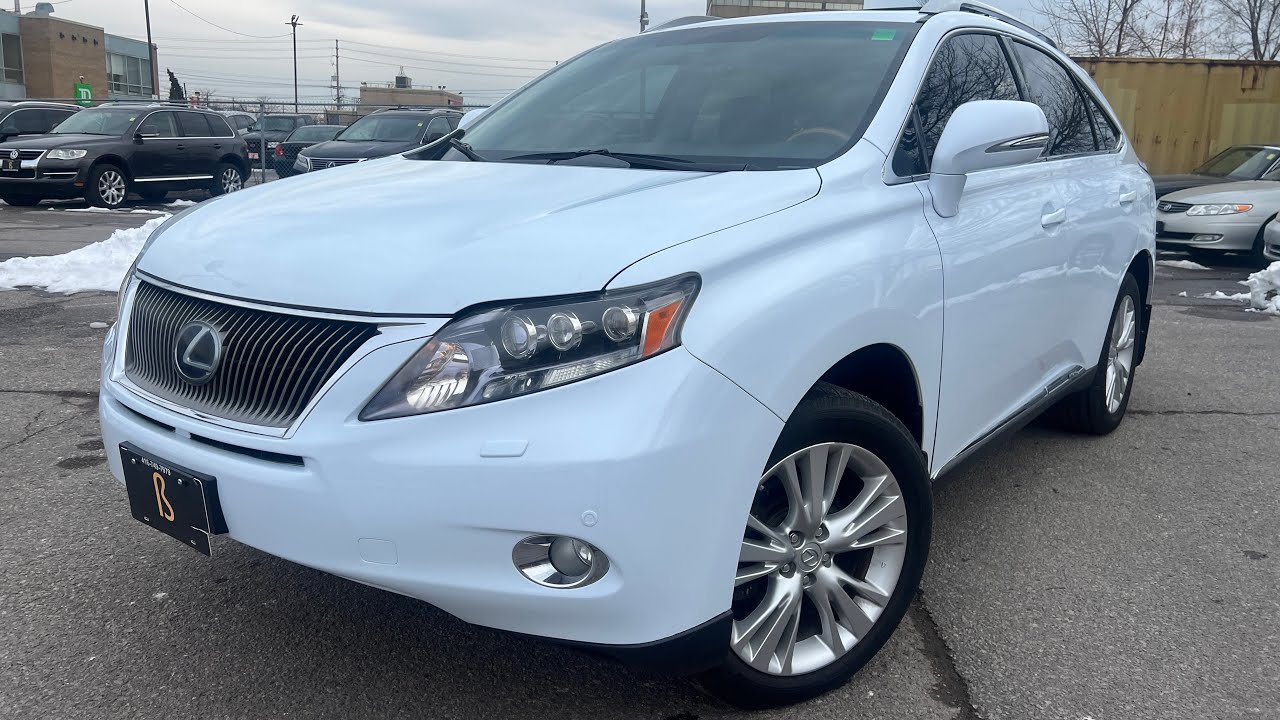
Luxury pricing and hybrid complexity combine to create a difficult ownership equation for this midsize SUV as it ages. Well-used examples from this generation typically sell for around $5,000 to $6,500, but the cost of replacing the hybrid battery system at a dealership often falls between $7,000 and $9,000. Because repair costs can exceed resale value, a failed battery can turn an otherwise functional vehicle into an economic write-off.
Despite this risk, it remains one of the most respected luxury hybrid SUVs due to its strong reputation for reliability, refined driving experience, and high-quality interior. Many examples comfortably exceed 150,000 to 200,000 miles thanks to durable engineering. It pairs a 3.5-liter V6 engine with electric motors for a combined output of about 295 horsepower, delivering smooth and confident acceleration comparable to non-hybrid luxury competitors while maintaining better fuel efficiency than the standard RX 350.
Driving behavior focuses on comfort rather than sportiness. The ride is soft and quiet, and although the added hybrid weight is noticeable during sharper direction changes, the suspension and steering tuning still provide stable, predictable handling. In electric-only operation, it can glide at low speeds in traffic, improving fuel savings in urban conditions. Under hard acceleration, engine noise becomes more noticeable, but performance remains strong for its class.
Inside, the RX 450h emphasizes premium comfort with leather, wood trim, and a quiet cabin environment. Rear seating is flexible with sliding and reclining functions, while cargo capacity reaches about 80 cubic feet with seats folded. Technology features include a highly regarded navigation system and user-friendly controls, contributing to its reputation for ease of use.
The central drawback is financial risk tied to battery replacement costs, which can exceed the vehicle’s market value as it ages. This creates a situation where mechanical reliability is excellent, but one major component failure can make ownership uneconomical. Still, well-maintained or previously serviced examples remain attractive for buyers seeking a comfortable, efficient, and durable luxury hybrid SUV at a low entry price.
10. Subaru Crosstrek Hybrid
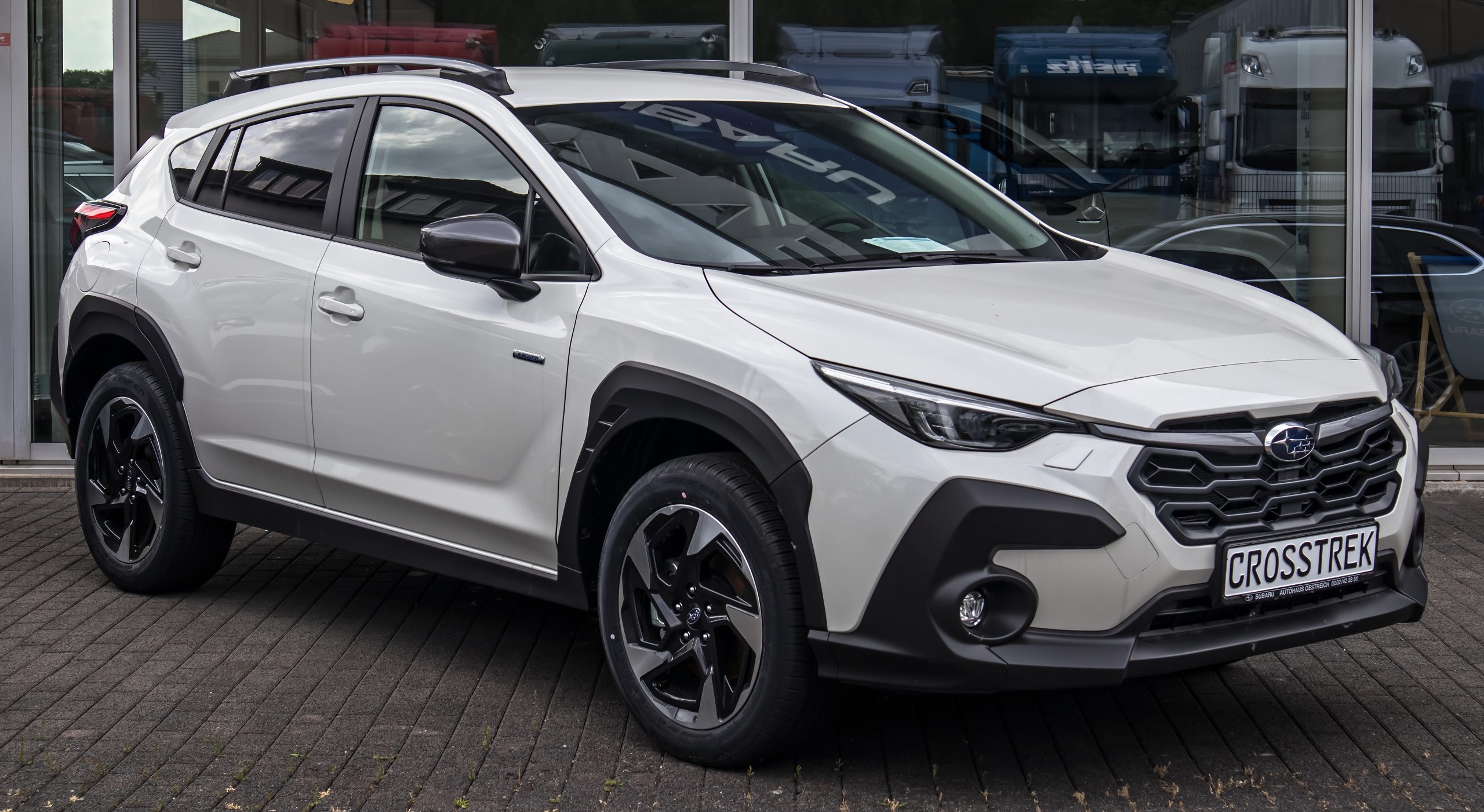
Early hybrid versions of this compact Subaru SUV are widely seen as a weak financial proposition despite the brand’s strong reputation for durability and all-wheel-drive capability. In the used market, these models often sell for under $4,500, reflecting heavy depreciation and limited demand.
The key issue lies in the hybrid system, where a replacement high-voltage battery pack is rare and expensive, typically costing between $5,000 and $7,000, with some cases reported even higher. This creates a situation where a single major repair can exceed the vehicle’s total market value, making battery failure economically impractical to fix.
Mechanically, the gasoline components remain the strongest part of the vehicle. The 2.0-liter boxer engine is known for long-term reliability, and Subaru’s Symmetrical All-Wheel Drive system gives it strong capability in snow, gravel, and light off-road conditions. With 8.7 inches of ground clearance, it maintains a rugged character that suits harsher environments. Safety performance is also a strength, with high crash-test ratings and a reputation for solid structural protection.
On the road, performance is modest. The 147-horsepower engine delivers adequate but unremarkable acceleration, paired with either a CVT or manual transmission depending on configuration. Handling feels stable and predictable in city driving and on winding roads, though it is not built for sporty driving. Fuel economy is only slightly improved compared to the non-hybrid version, which limits the benefit of the hybrid system.
Inside, the cabin is practical and upright, offering good visibility and durable materials designed for long-term use. Cargo space measures about 22 cubic feet behind the rear seats and expands to roughly 51 cubic feet when folded, making it suitable for outdoor gear and daily utility. The interior layout is simple, with easy controls and basic infotainment features such as Bluetooth connectivity and a small touchscreen system.
The main drawback is the financial exposure tied to the hybrid battery. Once it fails, repair costs can exceed the vehicle’s resale value, effectively turning it into a total loss. As a result, it makes sense only when the battery is confirmed to be in strong condition or recently replaced, since long-term ownership depends heavily on avoiding expensive hybrid system repairs.
These ten hybrid SUVs illustrate how rapidly advancing battery technology and vehicle depreciation can intersect to create challenging ownership scenarios in the used car market. Although each model offers strengths such as fuel efficiency, comfort, and practicality, their aging high-voltage battery systems often become the defining factor in the long-term cost of ownership.
For many owners, the tipping point arrives when replacement expenses surpass resale value, forcing decisions based more on economics than mechanical condition. This reality makes careful inspection of hybrid battery health, warranty coverage, and replacement costs essential before purchasing any older hybrid SUV.
Despite these risks, many of these vehicles still provide strong value when acquired at the right price or with a recently replaced battery, continuing to serve as efficient and practical transportation options for budget-conscious buyers willing to manage potential future repair costs. Smart evaluation ensures buyers avoid costly surprises and long-term financial strain today
Also read: 10 Cars Where the Speedometer Still Works After Half a Million Miles