Used vehicles equipped with continuously variable transmissions have become a major concern for buyers due to frequent and expensive failures that often appear well before 100,000 miles. Across multiple brands and segments, these issues include overheating, jerking, delayed acceleration, software malfunctions, and internal belt or chain wear that can lead to sudden breakdowns.
Because many CVT units are sealed systems requiring full replacement rather than repair, owners are often faced with repair bills ranging from $4,000 to over $8,000. When combined with steep depreciation in older models, these costs can quickly exceed the actual market value of the car, turning what seems like an affordable purchase into a long-term financial risk.
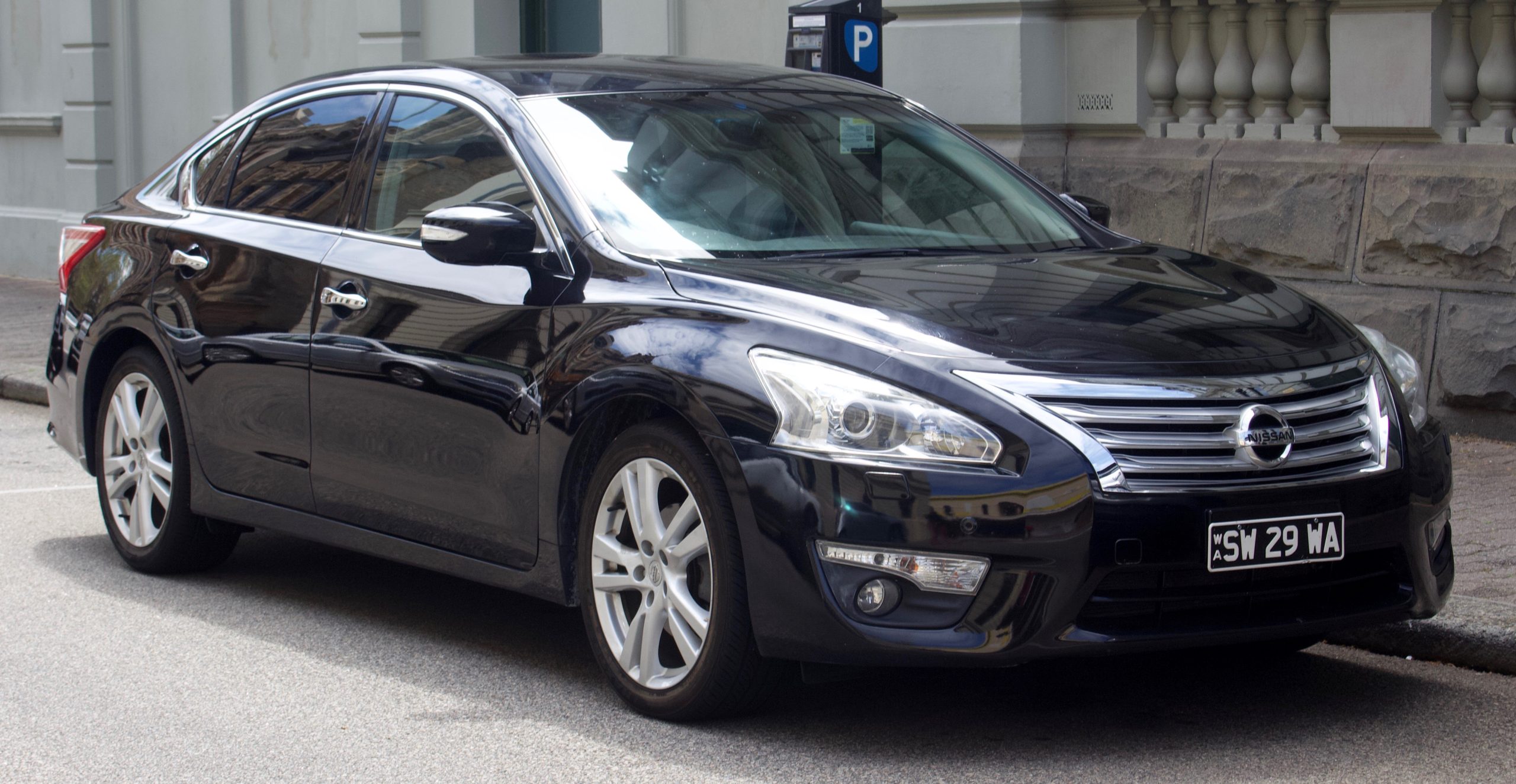
1. Nissan Altima (2013–2018)
The 2013–2018 Nissan Altima is widely criticized in the used-car market due to persistent and costly transmission problems, particularly involving its Jatco continuously variable transmission (CVT). Owners frequently report symptoms such as shuddering, jerking, delayed acceleration, overheating, and sudden loss of power. In many cases, these issues occur well before 100,000 miles, with failures often appearing between 60,000 and 90,000 miles.
A major concern is that the CVT units are typically not repairable by independent mechanics, meaning a full transmission replacement is usually required. This repair commonly costs between $4,000 and $6,000, depending on labor and parts. Unfortunately, this expense often exceeds the resale value of the vehicle, effectively turning the car into a financial liability for many owners. Even extended warranty programs introduced by Nissan have not fully resolved the issue, as some drivers report repeated failures after replacement units are installed.
Beyond the transmission, these model years have also been associated with other mechanical and electrical problems, including steering lock failures that can prevent the car from starting and premature suspension wear, such as control arm and bushing deterioration. These additional issues can appear as early as 20,000–80,000 miles, further impacting ownership costs and reliability ratings. As a result, organizations like Consumer Reports have given this generation very low reliability scores.
Despite its reputation problems, the Altima is still a reasonably practical midsize sedan. It offers comfortable seating for up to five passengers, generous legroom, and around 500 litres of boot space. Nissan also emphasized ergonomics in its seat design, even collaborating with NASA concepts to improve posture and long-distance comfort.
Engine options include a standard 2.5-litre four-cylinder and a more powerful 3.5-litre V6 in higher trims, all paired with CVT and front-wheel drive. While the V6 provides strong performance, the CVT’s driving feel and long-term durability remain common criticisms across the range.
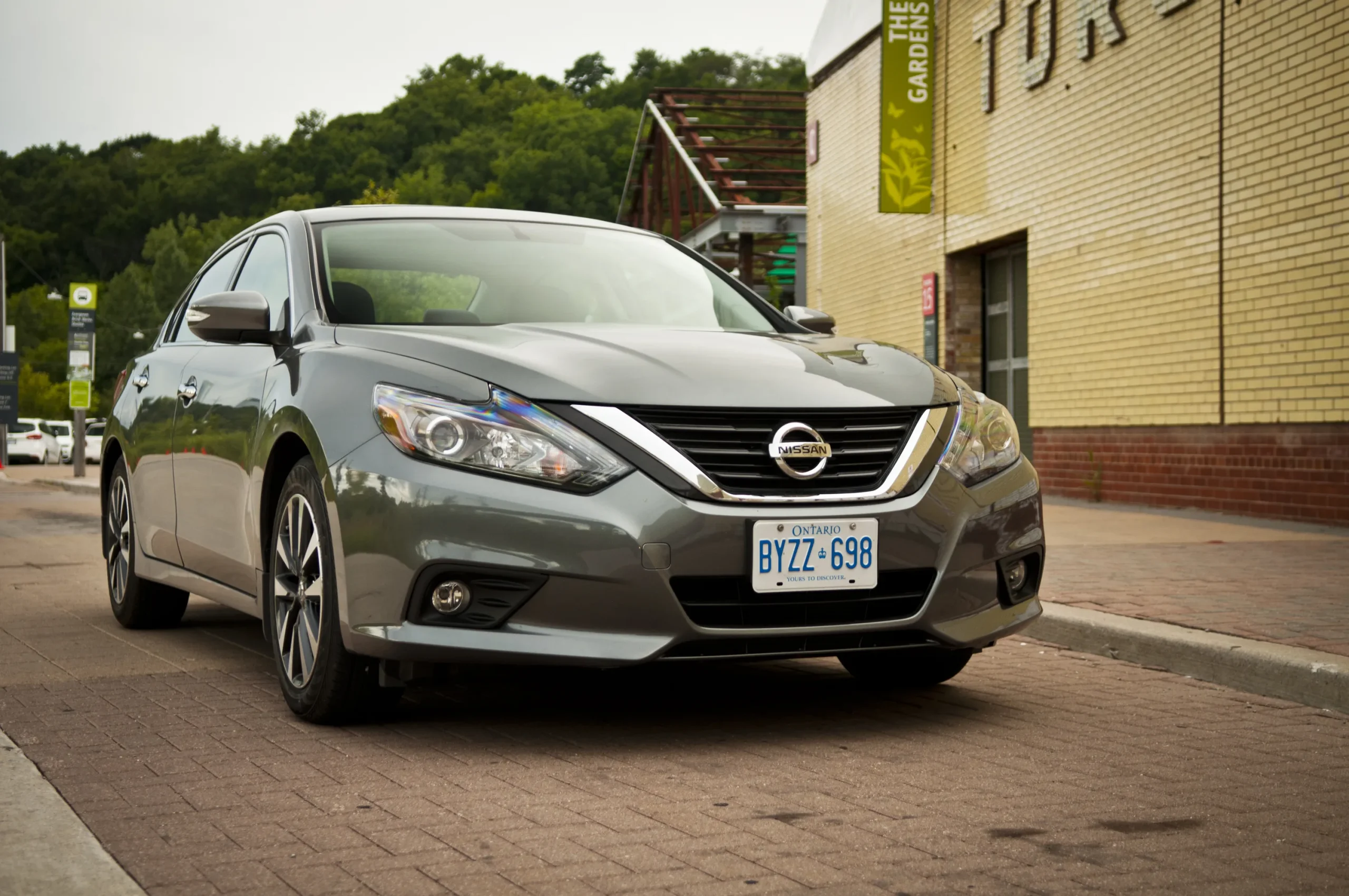
2. Nissan Rogue (2008–2019)
The 2008–2019 Nissan Rogue is a widely used compact SUV valued for its comfortable ride, practical interior space, and strong fuel efficiency. Despite these strengths, this generation has developed a strong reputation in the used-car market for costly and recurring transmission problems that significantly affect long-term ownership reliability.
The primary concern lies with Nissan’s Xtronic continuously variable transmission (CVT), which is prone to premature wear and failure across much of this production span, particularly in 2008–2013 models. Common symptoms include shuddering, slipping, delayed acceleration, overheating, and sudden activation of “limp mode,” which restricts performance to prevent further mechanical damage. These issues often escalate until complete transmission failure occurs, frequently before the vehicle reaches 100,000 miles.
When failure happens, replacement is usually the only viable solution, as CVT units are not easily rebuilt. Repair costs typically range from $4,000 to $8,000, with dealership-installed units sometimes reaching $5,000 to $7,500, including labor. For older Rogues with high mileage, this expense can exceed the vehicle’s resale value, making repair financially difficult to justify.
Later models within this generation, particularly 2017–2019 versions, show improved reliability and updated features, earning them a better reputation among used buyers. Even so, the broader CVT-related concerns continue to influence pricing and buyer confidence across all model years.
Additional issues have also been reported, including steering column defects, airbag recalls, and general suspension wear in certain years. These concerns, combined with inconsistent maintenance habits in the used market, further increase the likelihood of expensive repairs. Nissan also faced major legal action, including a 2024 settlement exceeding $277 million tied to CVT-related failures across several models.
Despite these drawbacks, the Rogue still offers a comfortable cabin, a user-friendly layout, and good fuel economy, making it appealing for daily commuting and family use. Interior space is practical, with decent seating comfort and usable cargo capacity for the segment. However, long-term ownership costs can rise sharply if transmission problems occur.
For buyers considering this generation, priority is typically given to well-maintained 2017–2019 models with documented transmission service history, as earlier years carry significantly higher mechanical risk.
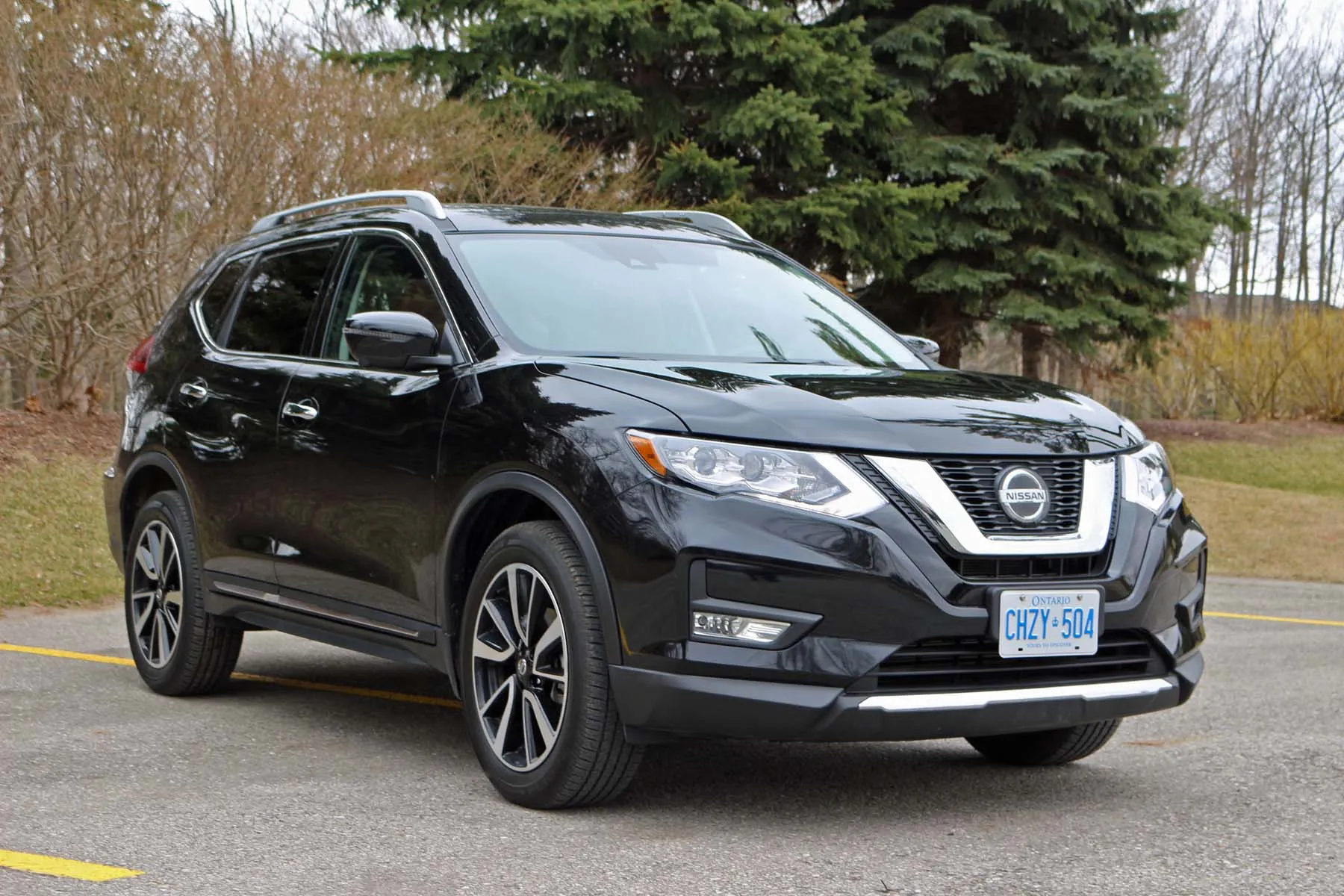
3. Nissan Sentra (2013–2018)
The 2013–2018 Nissan Sentra is a compact sedan that initially attracted buyers with its affordability, fuel efficiency, and improved interior space compared to earlier generations. However, this model range is widely criticized in the used-car market due to serious reliability concerns centered on its continuously variable transmission (CVT), specifically the JATCO CVT7 unit.
A major issue reported by owners is premature transmission failure, often occurring well before 70,000–100,000 miles. Symptoms typically begin with loud whining noises, hesitation during acceleration, jerking movements, and difficulty shifting into gear. In more severe cases, the vehicle may stall or become unsafe during acceleration, particularly when merging onto highways. These failures are often linked to overheating and internal wear of the belt and pulley system, which eventually leads to complete transmission breakdown.
Repairing or replacing the CVT is expensive, with costs commonly ranging from $4,000 to $5,500, and in some cases exceeding $6,000, depending on labor and parts availability. Because many used Sentras from this generation have low resale value, the cost of a new transmission can equal or exceed the car’s entire market value, making ownership financially impractical when problems arise.
Certain model years, especially 2013–2014, are considered the most problematic due to early design flaws. Later models (2017–2018) show some refinement, but complaints about hesitation, juddering, and CVT reliability persist. Nissan also faced legal action related to these transmissions, reflecting the scale of the issue across multiple vehicles in its lineup.
Beyond the drivetrain, most other mechanical systems, such as steering, suspension, and braking, are generally considered durable. The Sentra also offers a comfortable cabin, easy entry and exit, and good rear-seat space for its class. Fuel economy remains a strong advantage, and the ride quality is smooth in normal driving conditions.
Under the hood, all models use a 1.8-litre four-cylinder engine paired with either a manual transmission or CVT driving the front wheels. While performance is modest, the CVT’s driving feel and reliability remain the most significant drawbacks.
For prospective buyers, vehicles with documented CVT fluid changes around the 96,000 km mark and full maintenance history are essential considerations, while newer models outside this range are generally viewed as safer choices.
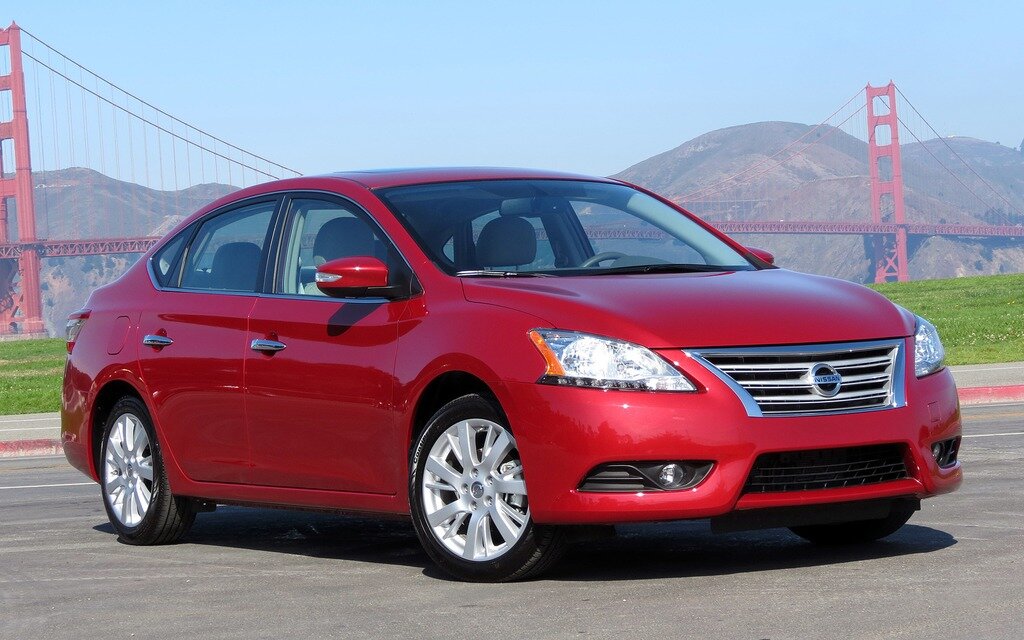
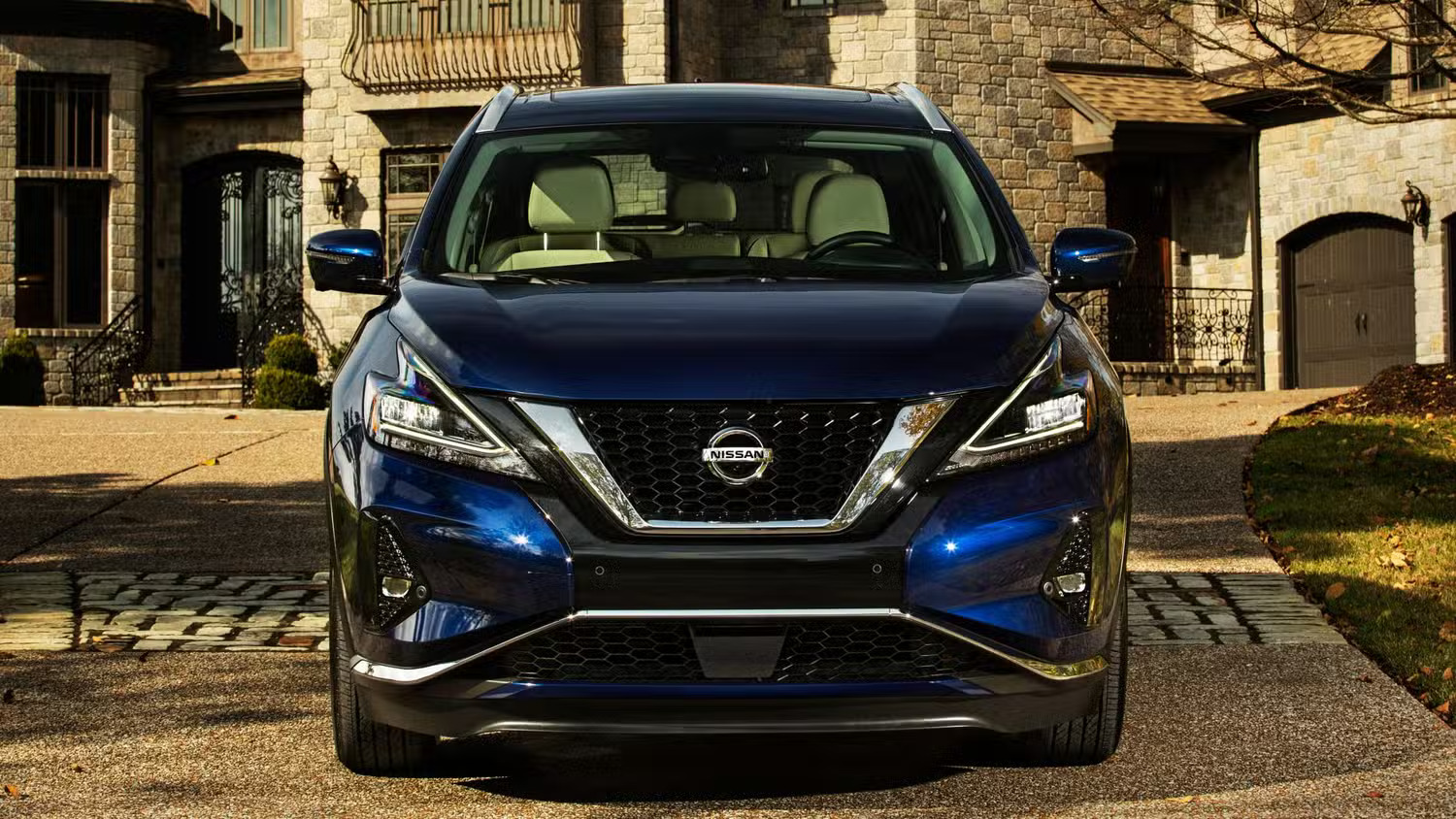
4. Nissan Murano (2006–2014)
The 2006–2014 Nissan Murano is a midsize crossover SUV that combines strong comfort, a spacious cabin, and a powerful V6 engine, but it is heavily criticized in the used-car market due to serious and expensive transmission problems. The main issue centers on its early-generation Jatco continuously variable transmission (CVT), which struggles under the Murano’s relatively heavy 1,800 kg body weight.
Owners frequently report symptoms such as shuddering, jerking, surging, and delayed acceleration before sudden and complete transmission failure. These issues are often caused by excessive stress on the CVT’s internal steel belts, which can stretch, slip, and eventually break. In many cases, failure occurs before 100,000 miles, making reliability unpredictable and ownership risk high.
When the CVT fails, repair costs are substantial. Replacement units typically range from $4,000 to over $8,000, depending on labor and parts, while many older Murano models have market values far below that figure. As a result, repairing the transmission is often not financially practical, especially for high-mileage vehicles.
The second-generation Murano (2009–2014) is particularly associated with these problems, with 2013–2014 models frequently cited for high complaint rates. Although some sources suggest minor improvements in later years of the range, CVT durability remains a consistent concern unless the unit has been replaced or properly maintained.
Despite these drawbacks, the Murano retains several appealing qualities. It is powered by a 3.5-litre V6 engine known for smooth performance and strong reliability compared to the transmission. The cabin is spacious, with generous legroom, good cargo capacity, and a comfortable ride quality that makes it suitable for long-distance driving. Higher trims also offer near-luxury features such as premium audio systems, navigation, and power-operated convenience equipment.
Fuel economy, however, is relatively poor, averaging around 10.9L/100km, and the vehicle often requires premium unleaded fuel, increasing running costs. The CVT also requires strict maintenance, including regular servicing and fluid changes, which are essential for extending lifespan.
While some owners report satisfaction with comfort and engine performance, the transmission remains the defining weakness of this generation, making inspection history and maintenance records critical for any potential purchase.
5. Nissan Pathfinder (2013–2017)
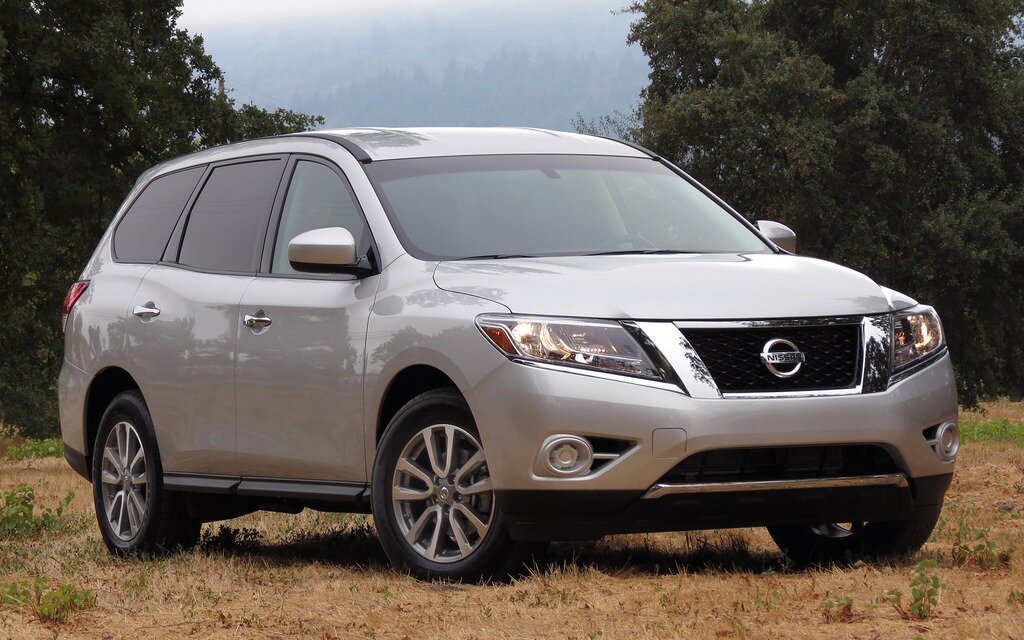
The 2013–2017 Nissan Pathfinder marks a major shift in the model’s history, moving from a traditional body-on-frame SUV to a unibody crossover using a continuously variable transmission (CVT). While this redesign improved comfort, fuel efficiency, and on-road refinement, it also introduced serious and well-documented reliability problems that heavily affect used-car value and ownership risk.
The most significant issue is the CVT itself. Many owners report persistent “juddering,” shuddering, delayed acceleration, and overheating, often followed by sudden and complete transmission failure. These problems typically appear between 80,000 and 120,000 miles, making long-term reliability uncertain.
A particularly dangerous flaw involves transmission cooler line failures, which can allow coolant to mix with transmission fluid, creating a destructive condition commonly referred to as the “strawberry milkshake.” This contamination rapidly damages internal components and can lead to immediate transmission breakdown.
Repairing or replacing the CVT is extremely costly, with expenses commonly ranging from $5,500 to over $8,000, depending on parts and labor. Given the low resale value of older Pathfinders, these repair bills frequently exceed the vehicle’s worth, effectively making it uneconomical to fix in many cases.
Some AWD variants also suffer from transfer case or drivetrain leaks, further increasing the risk of expensive mechanical failure. Although Nissan extended warranties covered certain models up to 10 years or 120,000 miles, many vehicles from this generation are now outside that coverage window, leaving owners fully exposed to repair costs.
Despite these drawbacks, the Pathfinder still offers strong practical appeal. It is powered by a 3.5-litre V6 engine known for smooth, dependable performance and decent efficiency for its size. The cabin is spacious, comfortable, and well-equipped in higher trims, featuring amenities such as leather seating, advanced infotainment, and driver-assistance systems. Ride quality is soft, and highway comfort is generally good, making it suitable for long family trips.
However, steering feel is often criticized for being vague and over-assisted, and the CVT’s behavior can feel sluggish under hard acceleration or hilly conditions. Off-road capability is also limited compared to earlier generations, reinforcing its identity as a road-focused family crossover rather than a rugged SUV.
Careful inspection of transmission history and cooling system condition is essential when evaluating this generation for purchase.
Also read: 10 Cars Where the 2026 Version Is More Reliable Than the 2024 Version
6. Infiniti QX60 (2014–2017)
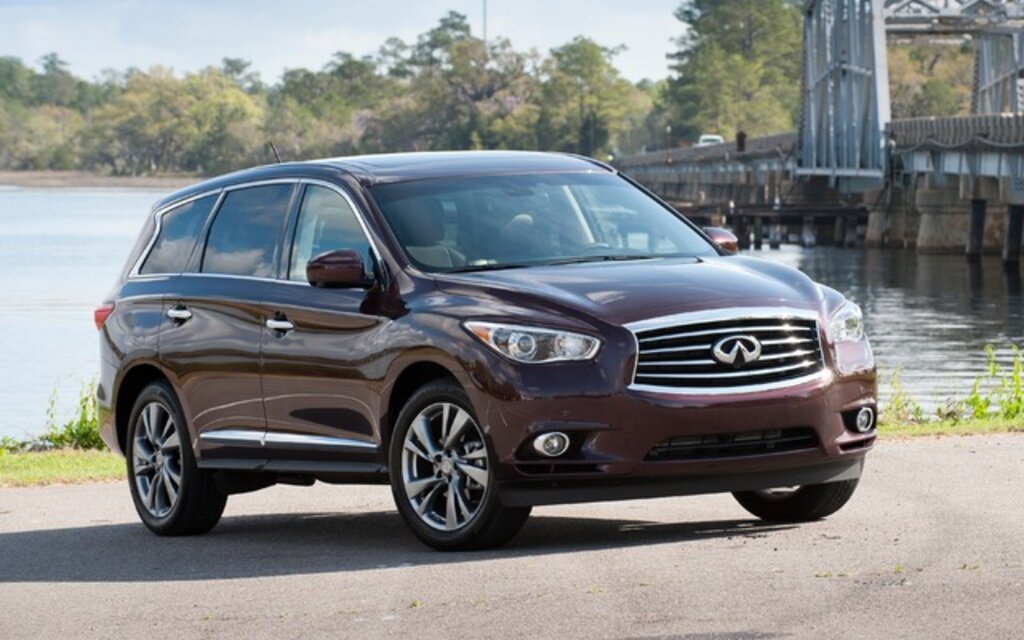
The 2014–2017 Infiniti QX60 is a three-row luxury crossover that shares its underpinnings and drivetrain with Nissan’s more mainstream SUVs, including the same Jatco continuously variable transmission (CVT). While it offers premium features, strong comfort, and family-friendly practicality, this generation is widely criticized for severe and expensive transmission reliability issues that significantly reduce its long-term value.
The most serious problem lies in the CVT system, which is prone to overheating, belt and pulley wear, and internal failure. Owners commonly report symptoms such as loud grinding noises, RPM surging, hesitation during acceleration, and violent “juddering,” particularly as mileage approaches 80,000–100,000 miles. In more severe cases, the transmission can suddenly lose power on highways, creating a serious safety concern.
Repair costs are extremely high. Infiniti dealership replacement quotes often range from $6,000 to over $10,000, while independent repairs or remanufactured units still typically cost between $3,500 and $7,000. Because used QX60 models from this era often have market values of only $5,000 to $9,000, a transmission failure frequently results in an economic total loss, where repairing the vehicle is not financially justifiable.
A major engineering weakness is the CVT cooling system, which is often underpowered for the vehicle’s weight and usage demands. This leads to fluid breakdown and accelerated internal wear. Some models also experience drivetrain-related concerns, such as AWD transfer case leaks and related mechanical stress. Nissan did face a large class-action settlement covering CVT issues, and warranty extensions once provided limited relief, but most 2014–2017 vehicles are now outside those coverage windows.
Despite these concerns, the QX60 remains appealing as a luxury family vehicle. It offers a smooth 3.5-litre V6 engine, quiet highway cruising, and a spacious interior with three-row seating. Higher trims include premium materials, advanced safety features, and technology such as surround-view cameras, adaptive cruise control, and collision avoidance systems. Ride comfort is generally strong, and cabin flexibility makes it practical for families.
However, the driving experience is often criticized for vague steering and CVT-related sluggishness under acceleration. Fuel economy is also modest for a luxury crossover, and long-term ownership costs can escalate quickly if transmission issues appear. Careful inspection of service history and CVT condition is essential before considering this generation.
7. Mitsubishi Outlander Sport (2011–2019)
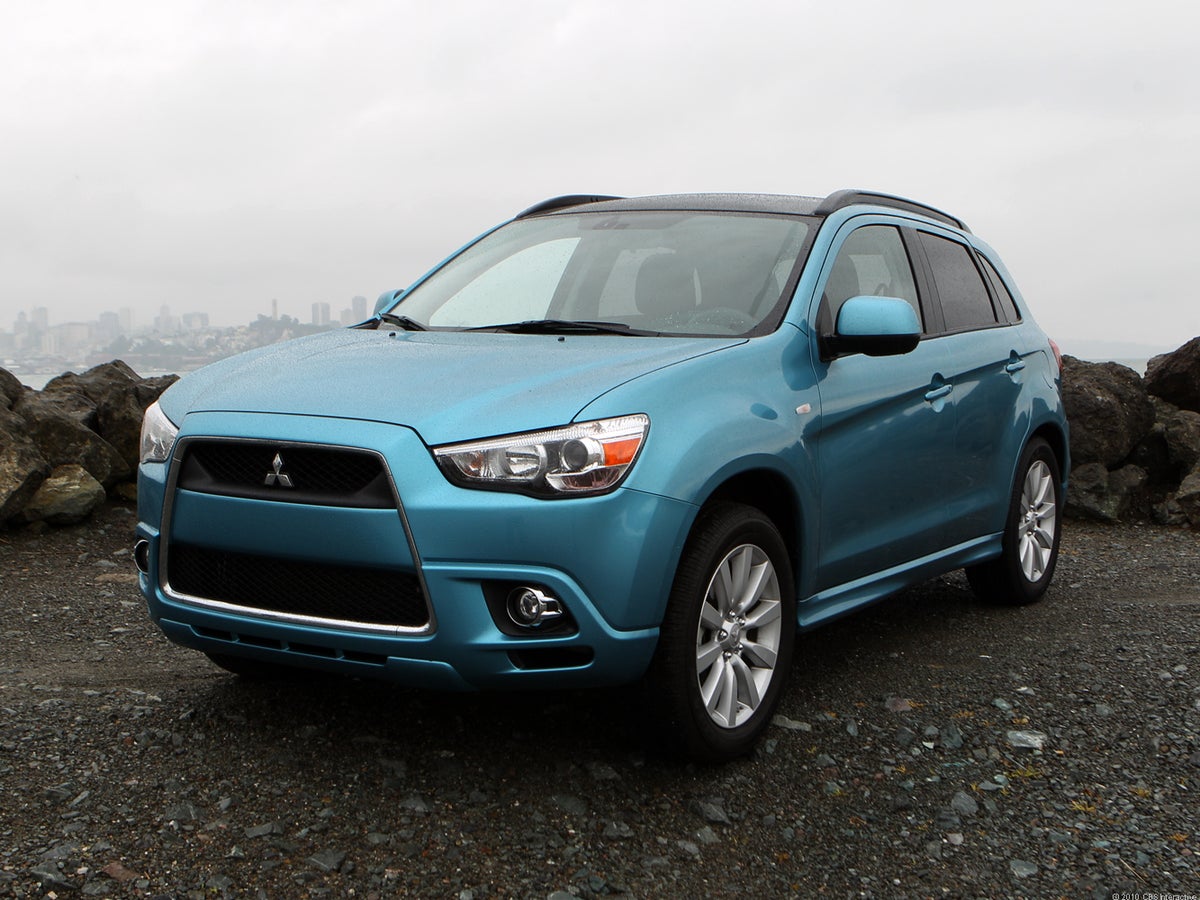
Affordable compact SUVs often attract buyers looking for simple transportation and low running costs, and this Mitsubishi model fits that profile well with its easy urban drivability, compact size, and strong value on the used market. However, long-term ownership is heavily impacted by persistent transmission problems that define its reputation more than any other feature.
The 2011–2019 Mitsubishi Outlander Sport is widely criticized for its Jatco-sourced continuously variable transmission (CVT), which is prone to overheating, sluggish response, and premature wear. Many owners report early warning signs such as whining noises, delayed acceleration, and slipping under load, often progressing to complete failure before reaching 100,000 miles. Mid-2010s models are especially affected due to cooling limitations and fluid degradation that accelerate internal belt and pulley damage.
When the CVT fails, repair costs become a major burden. Replacement units typically cost between $4,000 and $7,000 or more, depending on labor and parts availability. Because the vehicle depreciates quickly, these repair expenses frequently match or exceed its resale value, making replacement rather than repair the more realistic option in many cases.
Despite its mechanical concerns, the Outlander Sport performs well as a city-focused crossover. Its compact dimensions, relatively light weight, and responsive steering make it easy to maneuver and park in tight spaces. The 2.0-litre four-cylinder engine provides adequate power for daily commuting, though acceleration is modest and the CVT can feel strained during highway driving or overtaking situations.
Inside, the design emphasizes practicality over refinement. The cabin layout is straightforward and durable, with supportive front seats and flexible rear seating that can accommodate passengers or folded cargo as needed. Split-folding rear seats and a low cargo floor enhance usability, but interior materials are basic, and road noise becomes noticeable at higher speeds.
Fuel economy is reasonable for its class, with EPA ratings of around 24 mpg combined and up to 29 mpg on the highway, though real-world efficiency often declines during sustained highway use or heavier loads.
While the Outlander Sport remains attractive due to its low purchase price and urban-friendly nature, its CVT reliability concerns are the defining factor in evaluating long-term ownership risk.
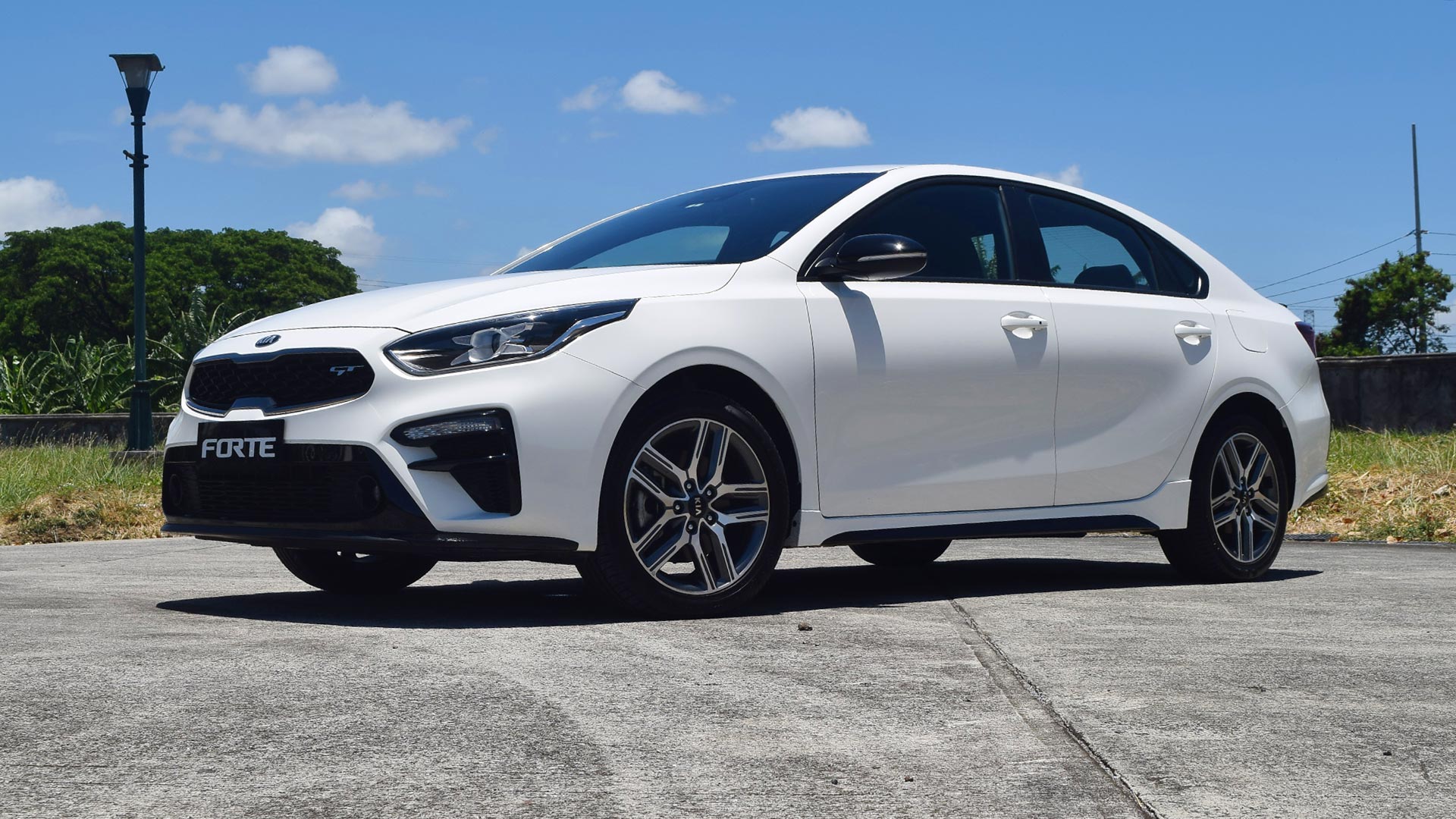
8. Kia Forte (2019–2021)
A shift toward efficiency in compact sedans led to the introduction of Kia’s Intelligent Variable Transmission (IVT) in the 2019–2021 Forte, but early versions developed a reputation for serious reliability concerns. Software glitches combined with chain-belt alignment problems in the transmission system have been linked to jerking, hesitation, overheating, whining noises, and sudden loss of power. In some cases, failures reportedly occur well before 60,000 miles, making these issues particularly alarming for used buyers.
The most critical drawback is financial exposure after warranty coverage ends. While original owners benefit from Kia’s 10-year/100,000-mile powertrain warranty, second-hand buyers typically receive only a reduced 5-year/60,000-mile coverage window.
Once outside this protection, a transmission replacement can cost between $2,500 and $5,000 or more, often requiring a full unit swap since many IVT assemblies are considered sealed and non-repairable. Given the steep depreciation of the Forte, often losing over 40% of its value within just a few years, this repair bill can easily exceed the vehicle’s remaining market worth, effectively making the car uneconomical to fix.
Additional challenges include parts shortages and long backorder delays due to high demand for replacements, as well as limited availability of used transmission units. These supply constraints further increase repair costs and downtime for owners. Although proper maintenance and frequent fluid changes may help extend longevity, the design remains sensitive to wear, especially under inconsistent servicing conditions.
From a product standpoint, the Forte itself remains a strong contender in the compact sedan segment, competing with the Honda Civic, Toyota Corolla, Mazda 3, and Hyundai Elantra. It offers a spacious interior, modern styling inspired by sportier Kia models, and strong standard features such as advanced driver-assistance systems and a user-friendly infotainment setup. The cabin provides good passenger room and usable trunk space, making it practical for everyday driving needs.
Despite these strengths, performance is modest, with the base engine prioritizing efficiency over acceleration. The available turbocharged GT model improves performance significantly, but the CVT-equipped versions are the ones most affected by the reliability concerns. As a result, the 2019–2021 Forte presents a mixed ownership proposition: strong value and features upfront, but potentially costly long-term transmission risk in the used market.
9. Mini Cooper (2002–2008)
A wave of retro-inspired enthusiasm surrounded the early-2000s revival of the Mini Cooper, which successfully captured the charm and handling spirit of the original classic while modernizing its design and features. However, beneath the nostalgic styling of the 2002–2008 models, especially the base automatic versions, lies one of the most problematic CVT systems ever fitted to a European car.
The issue centers on the ZF/Rover-supplied continuously variable transmission used in non-“S” Cooper models. Marketed at the time as a “sealed for life” unit, the CVT was never designed for long-term durability under real-world conditions. In practice, transmission fluid degrades over time, and without regular servicing, internal belts or chains begin to wear rapidly. This leads to overheating, slipping, jerking, and eventually complete mechanical failure. Many units fail between 60,000 and 100,000 miles, with some breaking even earlier.
Compounding the issue is the high cost of repair. The Mini’s compact and tightly packed engine bay makes transmission removal labor-intensive, while few general mechanics are equipped or willing to repair the unit rather than replace it. As a result, replacement costs typically fall between $5,500 and $7,500. Given that many early Mini Coopers now trade for under $3,000, a single transmission failure effectively renders the vehicle economically totaled.
Common warning signs include delayed acceleration, excessive engine revving without corresponding speed gain, and noticeable lurching when shifting into drive. These symptoms often appear gradually before sudden failure occurs.
Despite these issues, the Mini Cooper remains popular for its agile handling, distinctive styling, and engaging driving character, echoing its motorsport-inspired heritage and cultural legacy. The chassis is widely praised, and manual transmission versions are considered significantly more reliable.
For prospective buyers, avoiding the CVT-equipped models is strongly recommended. Manual variants or Cooper “S” models with conventional transmissions are generally safer choices, though they carry their own maintenance considerations. Proper service history is critical, especially regarding transmission fluid changes, which were originally downplayed under the “lifetime fluid” claim.
In the used market, the CVT-equipped Mini Cooper stands out as a high-risk ownership proposition where repair costs can quickly outweigh vehicle value, turning a desirable classic-inspired hatchback into a potential financial liability.

Vehicles affected by chronic CVT issues highlight how a single component can determine the financial outcome of ownership. Across compact sedans, crossovers, and SUVs, repeated transmission failures have led to widespread complaints, reduced resale confidence, and expensive out-of-warranty repairs.
Many owners ultimately discover that fixing the transmission costs more than replacing the vehicle itself, especially in high-mileage examples. Careful attention to service history, known problem years, and transmission type becomes essential when evaluating these models. Choosing well-maintained units or avoiding high-risk CVT generations can significantly reduce exposure to unexpected repair costs and long-term financial loss.
Also read: 12 Cars With Bulletproof Drivetrains You Can Buy for Peanuts