
Modern classics occupy a unique place in the automotive world because they combine nostalgia with usability in a way older collector cars often cannot. Vehicles from the late 1990s through the mid-2010s now attract buyers who grew up admiring them in magazines, racing games, movies, and internet forums.
Many of these enthusiasts are finally reaching the point where they can afford the dream cars they once admired from a distance, which has transformed several ordinary performance models into valuable collector pieces.
What makes this market especially interesting is how quickly opinions can change. Cars once ignored in used car lots are suddenly commanding strong prices because buyers now recognize qualities that newer vehicles no longer provide.
Lightweight construction, naturally aspirated engines, hydraulic steering, and manual transmissions have become increasingly rare. As modern cars lean heavily on technology and electrification, enthusiasts continue searching for machines that deliver a more mechanical and emotional driving experience.
Still, not every modern classic is guaranteed to become a long-term success story. Some vehicles are benefiting from temporary hype rather than genuine collector strength.
Others face declining interest because maintenance costs are rising faster than demand. A few have already reached pricing levels that may be difficult to sustain as newer performance cars continue improving.
Timing matters tremendously in the collector market. Knowing when to hold a car can be just as important as knowing when to sell one. Certain models are only beginning to gain appreciation because clean examples are disappearing rapidly. Others may already be sitting near the top of their value curve while buyers remain enthusiastic.
This article examines both sides of that discussion. First are five modern classics that still look like smart long-term holds because of their engineering, reputation, rarity, or cultural impact. After that, five car owners may want to consider selling while demand remains strong and prices continue to favor sellers.
Also Read: 5 Cars That’ll Cost You Under $400/Month
5 Modern Classics Worth Holding
Some cars become classics because they were rare from the start, while others slowly earn respect after enthusiasts realize how difficult they would be to recreate today. The strongest modern classics often represent the final years of a certain automotive philosophy.
They arrived before turbocharging became universal, before screens replaced physical controls, and before performance driving became heavily filtered through electronics.
Another major factor behind rising values is originality. Many performance cars from the 1990s and 2000s were modified heavily during their early years. Finding clean factory examples today is becoming increasingly difficult, which naturally increases demand among collectors.
The following five cars stand out because they still offer qualities modern performance vehicles struggle to match. Some deliver exceptional driver involvement, others carry major historical significance, and a few simply provide experiences that may never exist again in future automotive design.
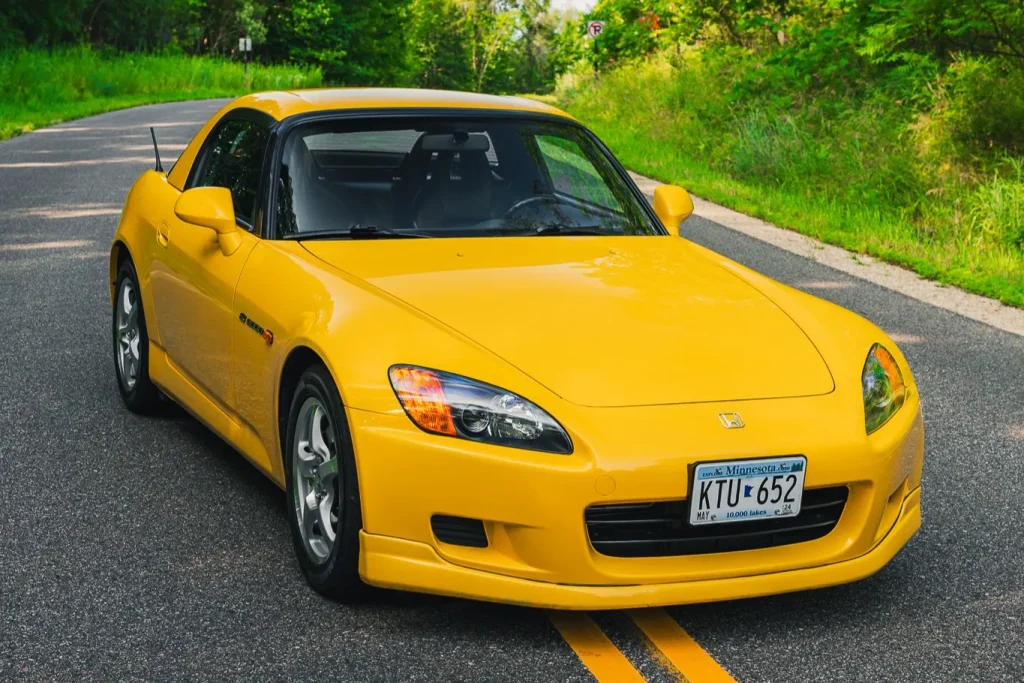
1. Honda S2000
The Honda S2000 remains one of the clearest examples of a sports car built purely for driving enjoyment. Instead of focusing on comfort or massive horsepower numbers, Honda created a lightweight roadster that rewarded precision and driver skill. That philosophy continues to make the car desirable today.
Its naturally aspirated four-cylinder engine became famous for its extremely high rev limit and sharp response. Drivers needed to work the gearbox and keep the engine in its power band, which made even ordinary roads feel engaging. The six-speed manual transmission also developed a legendary reputation for its precise mechanical feel.
Another reason the S2000 deserves to be held onto is its reliability. Many aging sports cars become difficult to own as maintenance costs rise, but Honda’s strong engineering reputation continues attracting buyers who want a dependable enthusiast car.
The styling has also aged gracefully. Clean body lines and compact proportions give the S2000 a timeless appearance that avoids looking outdated or overly aggressive.
Modern automotive trends strengthen the car’s future appeal even more. Lightweight rear-wheel-drive convertibles with naturally aspirated high-revving engines are disappearing rapidly. Cars like the S2000 simply do not fit current industry priorities anymore.
Enthusiast communities remain extremely active as well, helping keep demand strong. Owners appreciate not only the performance but also the purity of the experience. The S2000 feels mechanical, responsive, and connected in ways many modern sports cars struggle to replicate.
Because of that combination of reliability, rarity, and driver involvement, the S2000 continues looking like one of the safest long-term modern classic investments.
2. BMW E46 M3
The BMW E46 M3 earned its reputation by balancing performance and everyday usability almost perfectly. It was fast enough to feel exciting yet refined enough to drive daily without compromise. That balance helped the car build an enormous enthusiast following that still exists today.
Its naturally aspirated inline six engine remains one of the main reasons collectors continue chasing clean examples. Power delivery felt smooth and progressive, rewarding drivers who pushed the engine toward higher revs. Unlike many newer turbocharged performance cars, the E46 developed speed in a more involving and emotional way.
The chassis also played a huge role in its popularity. Steering feedback, balanced handling, and relatively low weight made the car feel alive on winding roads. Drivers often describe it as one of the last truly analog BMW M cars before technology and size started changing the brand’s personality.
For years, the E46 M3 depreciated heavily and became accessible to younger enthusiasts. Many examples were modified or neglected during that period. Today, original manual transmission cars with clean histories are becoming increasingly rare, which continues to drive collector interest upward.
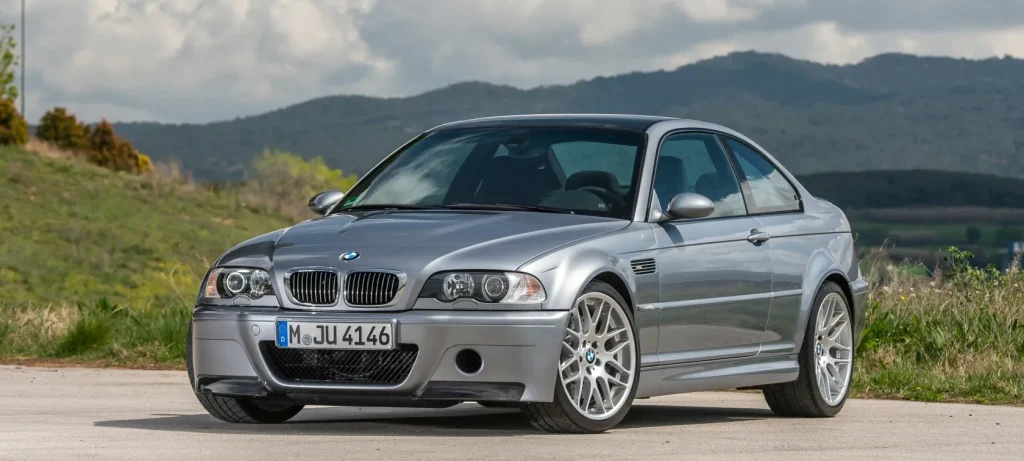
Styling has helped the car age exceptionally well, too. The proportions remain elegant without appearing overly aggressive, and the design still looks modern enough to attract younger buyers.
Another important factor is nostalgia. The E46 became a cultural icon through racing games, automotive media, and internet forums during the early 2000s. That emotional connection keeps new generations interested in the car even decades later.
As BMW continues moving toward heavier and more technology-focused performance models, the E46 M3 stands as a reminder of a simpler era when driver engagement mattered more than digital complexity.
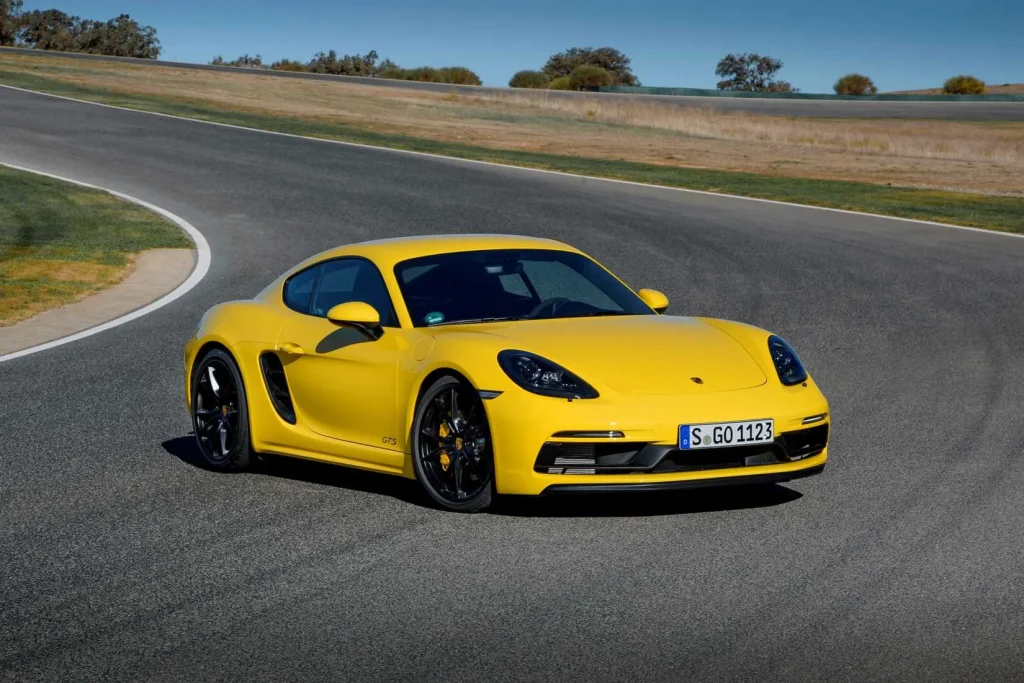
3. Porsche Cayman R
The Porsche Cayman R spent years living in the shadow of the 911, but many enthusiasts now recognize it as one of the purest sports cars Porsche produced during its era. Rather than chasing extreme horsepower, the Cayman R focused on balance, lightweight construction, and driver connection.
Porsche reduced unnecessary weight, sharpened the suspension, and created a car that felt incredibly responsive on challenging roads. The steering delivered excellent feedback, while the mid-engine layout gave the car natural balance through corners.
Its naturally aspirated flat-six engine also contributes heavily to its collector appeal. Modern sports cars increasingly rely on turbocharging and electronic assistance, making the Cayman R’s linear power delivery feel increasingly special.
Rarity plays a role as well. Production numbers remained relatively low, and many buyers overlooked the Cayman R when it was new because attention centered on more powerful 911 variants. That limited recognition is now helping its collector status grow.
The car’s design has aged cleanly, too. Instead of relying on dramatic styling trends, the Cayman R maintained a compact and purposeful appearance that still looks sharp years later.
Enthusiasts appreciate the honesty of the driving experience. The Cayman R rewards a smooth driving technique rather than overwhelming drivers with excessive power or complicated electronics. That purity becomes more valuable as modern performance cars grow heavier and more digital.
For collectors seeking a Porsche that captures old-school sports car character without excessive complexity, the Cayman R continues to look like a smart long-term hold.
4. Lexus LFA
The Lexus LFA became legendary because it represented far more than a simple supercar project. Lexus built it to prove the company could create a world-class performance machine, and that ambition gave the car an identity unlike anything else in its segment.
Its naturally aspirated V10 engine remains the centerpiece of its reputation. The engine responded instantly, revved aggressively, and produced one of the most celebrated exhaust notes in automotive history. Even today, enthusiasts regularly place the LFA among the greatest-sounding road cars ever built.
The car also showcased extraordinary engineering detail. Lexus invested heavily in carbon fiber construction and precision manufacturing simply to create something special rather than something profitable. That passion resonates strongly with collectors.
Limited production numbers strengthen the LFA’s future potential, too. Few examples exist worldwide, and global demand has increased steadily as the car’s reputation continues to grow.
Another important factor is timing. The LFA arrived before electrification and downsized, turbocharged engines began reshaping the performance car industry. Its naturally aspirated character now feels almost impossible to recreate under modern regulations.
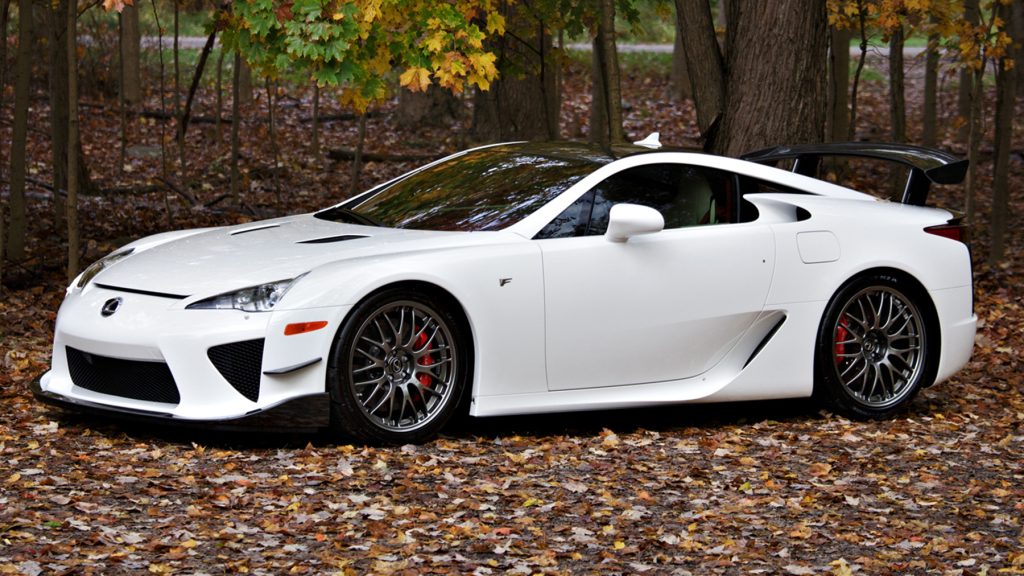
The styling still looks distinctive without appearing trapped in a specific era, which helps the car maintain strong visual appeal.
Collectors often value vehicles that represent ambitious engineering achievements, especially when manufacturers are unlikely to repeat them. The LFA fits that description perfectly. It was built during a moment when Lexus pursued emotion and perfection without compromise, and that kind of automotive ambition tends to age extremely well.
5. Chevrolet Corvette Z06 C7
The Chevrolet Corvette Z06 C7 delivered astonishing performance while still maintaining the accessibility that defined the Corvette brand for decades. It offered supercar levels of speed without losing the usability that made earlier Corvettes popular with enthusiasts.
Its supercharged V8 engine remains one of the car’s strongest selling points. Massive power, instant response, and classic American muscle character gave the Z06 a personality many modern turbocharged performance cars cannot match.
Historical importance also strengthens its collector appeal. The C7 represented the final front-engine Corvette generation before Chevrolet moved the Corvette platform to a mid-engine layout. That transition permanently changed the identity of the car, making the C7 feel like the closing chapter of a long-running tradition.
Collectors often appreciate cars that mark the end of an era, especially when they deliver memorable performances. The C7 Z06 accomplishes both.
Unlike some exotic performance cars, the Corvette also remained practical enough for regular driving. Owners could comfortably use it on highways, road trips, or track days without major sacrifices.
The styling helped the C7 gain respect as well. Earlier Corvettes sometimes faced criticism for interior quality or design choices, but the C7 arrived with a far more polished and aggressive appearance.
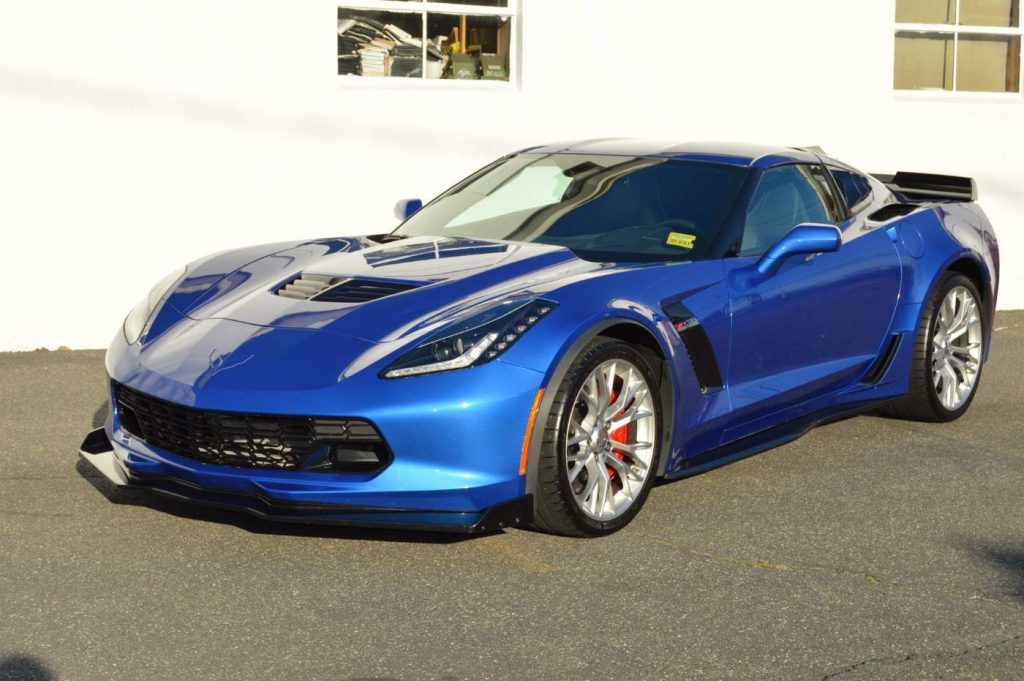
As emissions rules continue changing the automotive industry, large-displacement performance cars may become increasingly desirable among collectors who miss traditional V8 power. The C7 Z06 captures that experience perfectly.
Because it combines historical significance, usability, and raw performance character, the car continues looking like a strong candidate for long-term appreciation.
5 to Sell Now
The collector market does not move upward forever. Some enthusiast cars experience sharp value increases because of hype, temporary scarcity, or nostalgia-driven speculation. While many deserve their popularity, others may already be approaching the strongest resale period owners are likely to see.
Maintenance costs often become a major issue as performance cars age. Vehicles filled with complicated electronics, specialized components, or expensive drivetrains can lose momentum once buyers begin worrying about ownership expenses.
Changing tastes also matter. Some models built their reputation around trends that no longer dominate enthusiast culture, while others now face competition from newer performance cars offering better technology and similar excitement.
The following five cars remain impressive machines, but their current market position suggests owners may benefit from selling while enthusiasm and pricing remain favorable.
1. Nissan GT-R R35
The Nissan GT-R R35 became famous for delivering supercar performance at a relatively attainable price. Its advanced technology, brutal acceleration, and tuning potential helped create a massive global following.
Today, though, the market surrounding the GT-R is becoming more uncertain. One issue is age. Although Nissan updated the car repeatedly, the platform remained on sale for many years. What once felt futuristic now feels dated compared with newer rivals, especially inside the cabin.
Pricing is another concern. Collector enthusiasm pushed certain GT-R models to extremely high values during recent years. At those prices, buyers begin considering newer sports cars with more advanced technology and refinement.
Maintenance costs also create hesitation among future buyers. Transmission repairs, specialized servicing, and expensive components can make ownership intimidating as these cars continue aging.
Modification culture affects the market too. Many GT Rs were heavily tuned or raced, which makes clean original examples harder to find but also creates uncertainty around long-term reliability for much of the used market.
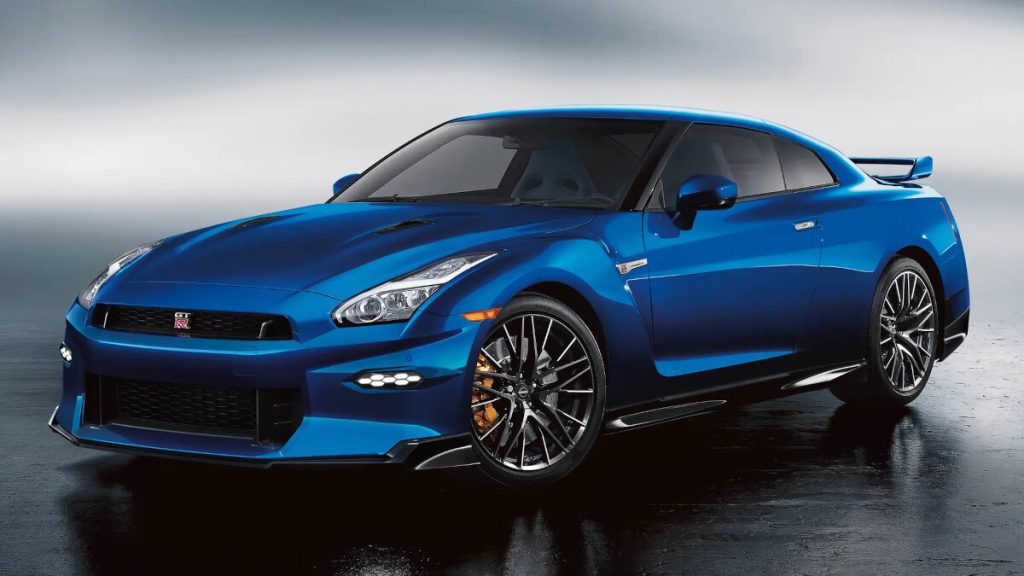
The GT-R absolutely deserves respect for changing perceptions of Japanese performance cars. Still, the strongest surge of collector excitement may already be happening now, making this a logical time for owners to consider selling.
2. Audi R8 V10
The Audi R8 V10 earned admiration because it combined exotic styling with everyday drivability. Buyers loved having a supercar experience without the constant drama associated with many Italian rivals.
Its naturally aspirated V10 engine remains the highlight. The sound and character still feel special in an era increasingly dominated by turbocharged and hybrid performance cars. However, the long-term collector outlook looks less convincing than recent prices suggest.
Part of the challenge comes from identity. The R8 sits between a luxury sports car and an exotic supercar, which makes it harder to define within the collector market. While enthusiasts respect the Audi brand, it does not carry the same emotional collector pull as Ferrari’s or Porsche’s halo models.
The recent surge in used exotic values also inflated R8 pricing significantly. As the market cools, some of those gains may prove difficult to maintain.
Ownership costs create another concern. Even though the R8 earned a reputation for relative reliability, repairs and maintenance remain expensive compared with ordinary sports cars. Aging electronics and specialized components could eventually reduce buyer enthusiasm.
Unlike limited-production exotics, many R8S accumulated higher mileage because owners actually drove them regularly. That practicality helped sales when new but may limit future exclusivity.
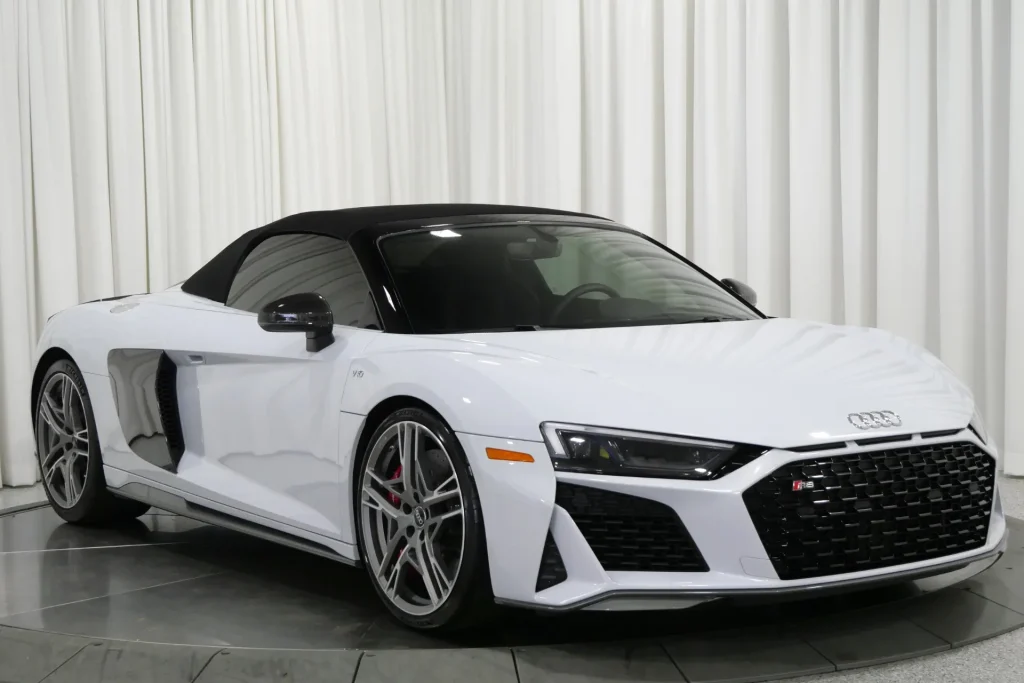
The R8 V10 will likely remain admired for its engine and usability, yet the current market may represent one of the better opportunities for owners looking to maximize resale value.
3. Dodge Challenger Hellcat
The Dodge Challenger Hellcat exploded onto the performance car scene with a level of excess that immediately grabbed attention. Massive horsepower, aggressive styling, and the unmistakable sound of a supercharged V8 turned it into one of the most talked-about American muscle cars of the modern era.
Buyers loved the fact that Dodge ignored restraint and built something intentionally outrageous during a time when many manufacturers were moving toward smaller engines and efficiency-focused performance.
That same identity helped push values upward during the last several years, especially as enthusiasts realized the era of large supercharged muscle cars was beginning to disappear.
Limited production variants, special editions, and final-year models generated enormous demand from collectors hoping to secure a piece of American automotive history before regulations changed the market permanently.
Still, there are reasons owners may want to consider selling while enthusiasm remains extremely strong.
One major issue is production volume. Unlike rare exotic cars built in tiny numbers, Dodge produced a large number of Hellcat-powered vehicles across several body styles and trim levels. While certain special editions may hold value well, the broader market risks becoming saturated over time as more used examples appear.
Another challenge comes from changing buyer priorities. Younger enthusiasts increasingly show interest in lighter, more balanced sports cars rather than extremely heavy muscle coupes focused mainly on straight-line acceleration.
The Hellcat’s personality remains entertaining, but future collector demand may not remain as intense once the initial nostalgia wave cools.
Ownership costs also deserve attention. Fuel economy, insurance rates, tire wear, and maintenance expenses can make long-term ownership expensive. As these cars age, buyers may become more cautious about purchasing high-horsepower vehicles that were often driven aggressively.
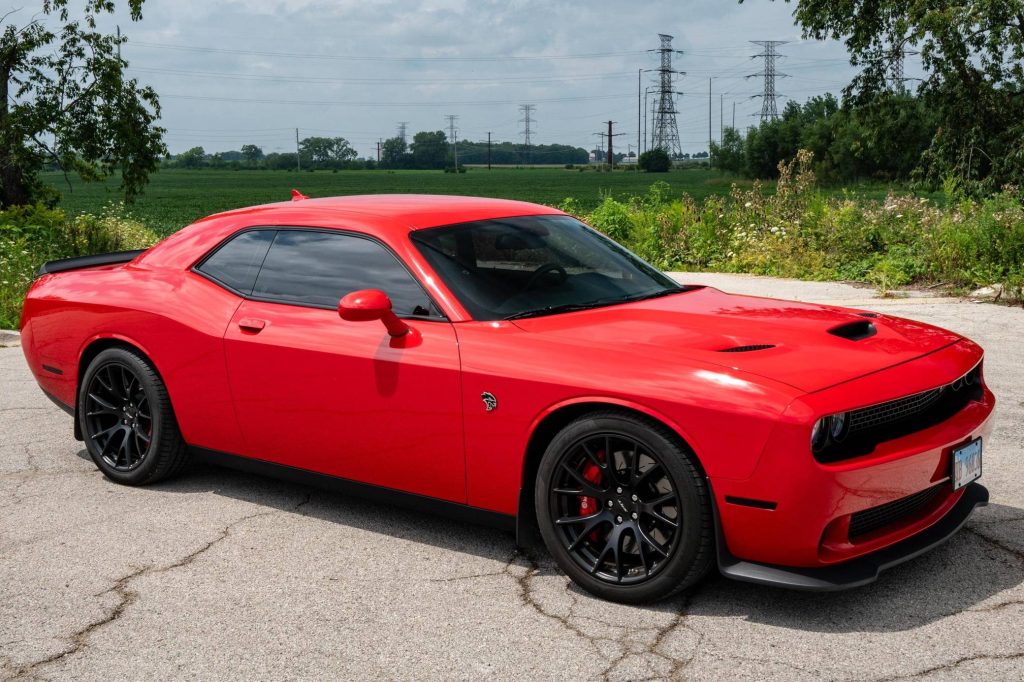
The car’s dramatic popularity may also be partially responsible for its current value ceiling. The Hellcat became such a major cultural phenomenon that prices climbed quickly during peak demand. Markets driven heavily by hype sometimes soften once excitement stabilizes, and collectors move toward rarer or more historically significant models.
None of this changes the fact that the Challenger Hellcat remains one of the wildest modern American muscle cars ever built. Its personality, sound, and absurd power guarantee lasting recognition among enthusiasts.
Yet from a market perspective, the strongest seller advantage may already exist today while demand for big supercharged V8s remains exceptionally high.
4. Jaguar F-Type R
The Jaguar F-Type R arrived with enormous expectations because it promised a return to emotional British sports car design. Long hood proportions, dramatic styling, and a thunderous supercharged V8 immediately made the car stand out in a market increasingly filled with turbocharged precision machines.
Many enthusiasts admired the F-Type because it felt theatrical and unapologetically loud in both appearance and personality.
For a while, that emotional appeal helped keep attention focused strongly on the car. Buyers searching for something different from German performance coupes often gravitated toward the Jaguar because it delivered a more charismatic and less clinical experience.
Despite those strengths, the long-term collector outlook remains uncertain enough that selling now could make sense for many owners.
One issue is depreciation history. Jaguar performance cars traditionally struggle to maintain value compared with rivals from Porsche or Mercedes-AMG.
Even when the products themselves are impressive, collectors’ confidence in long-term ownership costs and reliability tends to remain cautious. That reputation can limit future demand once newer models begin entering the market.
The F-Type R also faces difficulty because it arrived during a crowded performance era. Buyers today have access to a huge range of fast luxury sports cars, many of which offer better interiors, newer technology, or stronger brand prestige. As a result, the Jaguar sometimes gets overshadowed despite its dramatic personality.
Maintenance concerns further complicate its future value potential. Luxury performance cars filled with electronics often become expensive to repair as they age, and Jaguar does not always inspire confidence among second or third owners worried about reliability.
Another factor is that the F-Type relied heavily on emotion rather than groundbreaking engineering. While its sound and styling remain memorable, collectors often prioritize vehicles with stronger motorsport heritage or unique technical significance once the market matures.
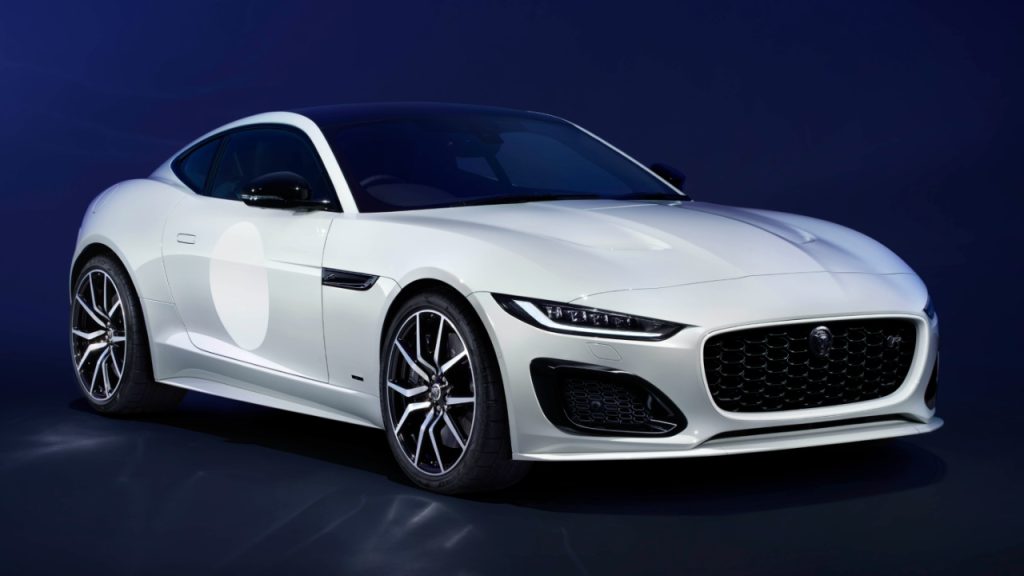
The design still looks beautiful, and the supercharged V8 delivers one of the best exhaust notes of the modern era. Drivers who value character above all else will continue appreciating the car for years.
From a financial perspective, though, the market may not support sustained appreciation at the same level some owners expect. Selling while the car still benefits from strong enthusiast admiration could prove wiser than waiting for long-term depreciation pressures to increase further.
5. Tesla Model S Plaid
The Tesla Model S Plaid changed the automotive conversation by proving electric sedans could deliver acceleration levels once reserved for hypercars. Its shocking straight-line speed instantly became headline material, and the car gained massive attention for humiliating traditional performance vehicles in acceleration tests.
That instant performance helped Plaid build a strong reputation quickly, but long-term collector potential remains questionable for several reasons.
The first issue is how rapidly electric vehicle technology evolves. Unlike traditional performance cars, which often gain charm as they age, EVs face constant comparison against newer battery systems, charging capabilities, and software improvements. What feels revolutionary today can begin feeling outdated within only a few years.
Technology-focused products rarely age the same way as mechanical enthusiast cars do. Collectors often value engines, sound, shifting feel, and analog driving character. The Plaid focuses almost entirely on speed and software-driven capability, which makes it vulnerable once faster or more advanced electric vehicles inevitably arrive.
Depreciation trends also create concern. Tesla pricing has fluctuated aggressively in recent years, sometimes changing new vehicle values overnight. That unpredictability makes the used market difficult for collectors trying to predict future appreciation.
Another challenge comes from emotional connection. While the Plaid delivers astonishing acceleration, many enthusiasts still describe the driving experience as less engaging than traditional performance cars. Silent speed impresses initially, but long-term collector passion often depends on deeper sensory involvement.
The minimalist interior and technology-centered identity may also age differently than expected. Screens, interfaces, and software systems can become obsolete much faster than classic mechanical design elements.
There is no question that the Model S Plaid deserves recognition for its impact on automotive performance. It forced the industry to rethink what electric cars could achieve and accelerated the shift toward high-performance EV development.
Still, historical importance alone does not always guarantee strong collector value. Because electric vehicle technology continues advancing at an aggressive pace, today’s groundbreaking EVs may struggle to maintain exclusivity or desirability once future generations become dramatically more capable.
For owners sitting on strong resale values today, this may be one of the better moments to exit before the market becomes increasingly crowded with newer and more advanced electric performance cars.
