
Pop-up headlights once represented the coolest design feature in the automotive world. Before modern aerodynamic regulations and pedestrian safety standards reshaped car design, manufacturers used hidden headlights to create sleek front ends that looked futuristic even when parked.
The moment those lights flipped upward at night became part of the driving experience itself. It combined mechanical drama with automotive styling, and for many enthusiasts, nothing else captured the personality of an era quite the same way.
During the 1970s, 1980s, and 1990s, pop-up headlights appeared on sports cars, supercars, luxury coupes, and even affordable performance models. Designers loved them because they allowed low hood lines and smooth body shapes without permanently exposed lamps disrupting the appearance.
Drivers loved them because they added character. Every time the headlights activated, the car suddenly felt alive. Some rose quickly with dramatic energy, while others moved slowly and almost gracefully. Either way, they became unforgettable signatures for the vehicles that carried them.
This design trend also reflected a period when automakers were willing to experiment. Cars had stronger visual identities back then. One model could look completely different from another, even within the same company lineup.
Pop-up headlights became symbols of that creativity, especially in the sports car market, where style mattered just as much as performance figures.
Eventually, changing safety regulations and advances in lighting technology brought the era to an end. Fixed headlights became more aerodynamic, brighter, cheaper to produce, and easier to integrate into modern crash structures.
Hidden headlamps slowly disappeared from showrooms during the early 2000s, leaving behind decades of memorable automotive icons.
Today, cars with pop-up headlights continue attracting collectors and enthusiasts because they represent a time when driving felt more emotional and expressive. The following vehicles helped define that unforgettable design movement and ensured pop-up headlights would remain one of the most beloved styling features in automotive history.
Also Read: 9 SUVs With the Lowest 10-Year Maintenance Costs
1. Lamborghini Countach
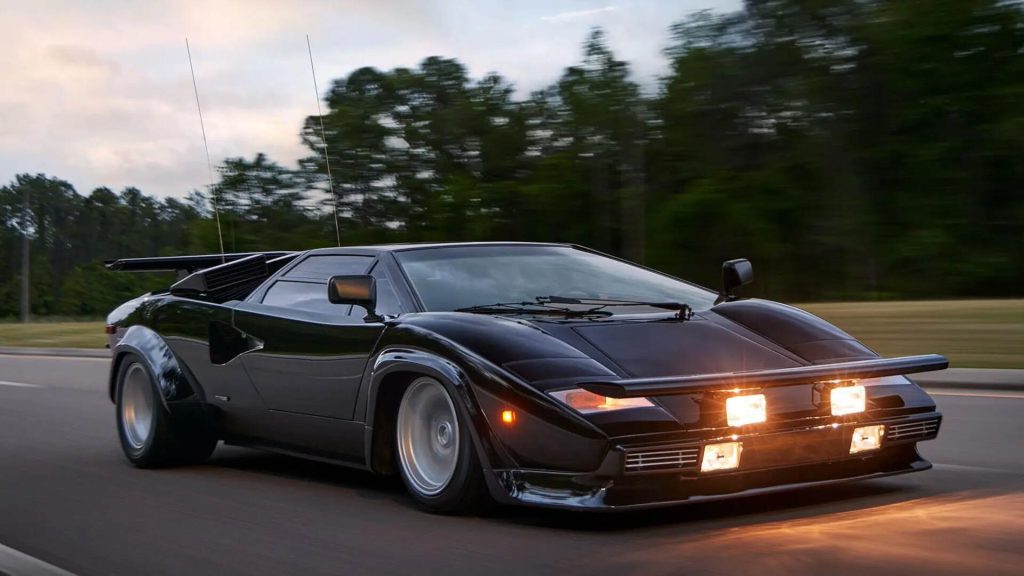
The Lamborghini Countach did not simply use pop-up headlights as a styling feature. It turned them into part of the car’s dramatic personality. Introduced during the 1970s, the Countach looked like something from a science fiction movie rather than a production vehicle.
Its wedge-shaped body, sharp angles, and impossibly low stance shocked the automotive world, while the hidden headlights completed the futuristic appearance perfectly.
When the headlights were closed, the Countach looked clean and aggressive, almost like a moving concept car. At night, the lights rose upward with a mechanical motion that added even more theatrical flair to an already outrageous machine.
Drivers sitting behind the wheel experienced a sense of occasion every time darkness arrived and the headlights lifted into place. Few cars ever made such a simple feature feel so exciting.
The Countach also arrived during a period when supercars became cultural icons. Posters of the car covered bedroom walls throughout the 1980s, often showing the headlights raised alongside its signature scissor doors.
Children who may have never heard the engine still recognized the silhouette instantly. Pop-up headlights helped create that image because they enhanced the low front profile that made the Countach appear almost unreal.
Beyond styling, the headlights served an important practical purpose. Lamborghini engineers wanted the nose as low and aerodynamic as possible, something fixed headlights could not easily achieve during that era. Hidden lamps solved the problem while making the design even more memorable.
Modern supercars focus heavily on airflow efficiency, active aerodynamics, and pedestrian safety requirements, leaving little room for mechanisms like these. That makes the Countach feel even more special today. It came from a period when emotion and visual drama often mattered more than efficiency calculations.
Even decades later, seeing a Countach raise its headlights remains one of the most iconic moments in automotive history. The car defined exotic excess, and its hidden lamps became one of the clearest symbols of the pop-up headlight era.
2. Chevrolet Corvette C4
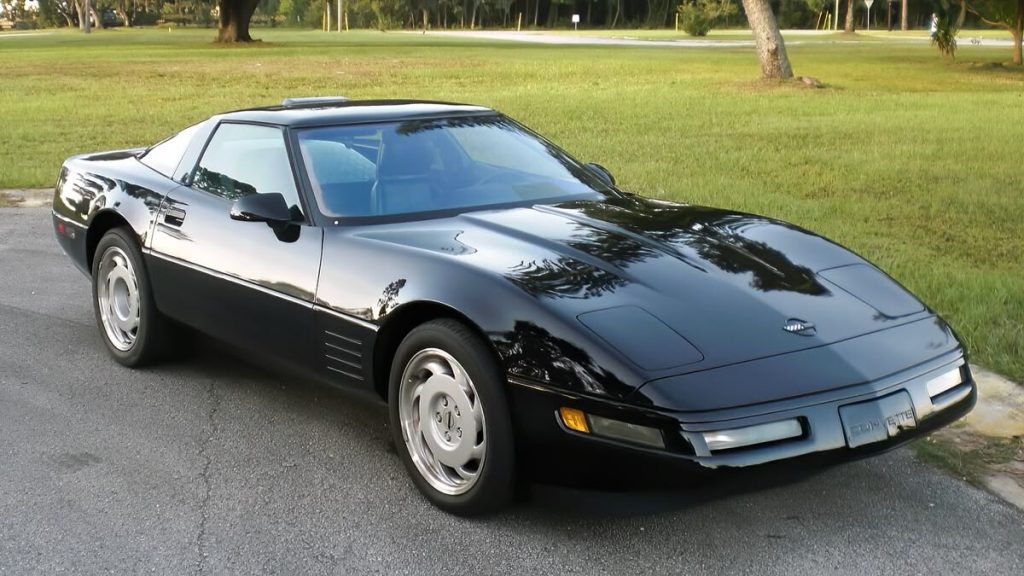
The Chevrolet Corvette C4 represented a major turning point for America’s most famous sports car, and its pop-up headlights became one of the defining features of the entire generation. Released during the 1980s, the C4 abandoned the curves of earlier Corvettes in favor of a sleek, angular body designed for modern aerodynamics and high-speed stability.
From the front, the car looked clean and aggressive, with the headlights hidden beneath flush panels. Once activated, the lamps rotated upward in an asynchronous motion that instantly transformed the personality of the vehicle.
Parked during the daytime, the Corvette appeared smooth and futuristic. At night, it suddenly gained an animated face that drivers and spectators loved watching.
Unlike many exotic sports cars that used hidden headlights mainly for visual drama, the C4 combined style with genuine technological ambition. Chevrolet engineers focused heavily on handling, digital instrumentation, and improved chassis rigidity.
The car felt modern for its time, and the hidden headlamps reinforced that futuristic identity. During the 1980s, they helped the Corvette compete visually against European and Japanese rivals that were also embracing aerodynamic styling trends.
Another reason the C4 became so important to the pop-up headlight story involved accessibility. Many people could never afford Ferraris or Lamborghinis, but the Corvette brought hidden headlights into a more attainable price range.
Teenagers growing up during the late 1980s and early 1990s often saw the C4 as the ultimate dream car parked outside restaurants, dealerships, and shopping centres.
The headlights themselves also became tied closely to car culture. Enthusiasts frequently modified the lighting systems, replaced bulbs with brighter upgrades, or adjusted the opening speed for added personality. Even today, many owners still appreciate the satisfying mechanical sound produced when the lights rotate open at dusk.
Chevrolet finally abandoned the feature after the C5 generation because evolving safety standards and modern headlight technology made the design less practical. Still, the C4 remains one of the clearest examples of how pop-up headlights helped shape an entire automotive era.
3. Mazda RX-7 FD
Some cars become legends because of raw performance, while others achieve fame through personality and balance. The Mazda RX-7 managed to combine both qualities, and its pop-up headlights played a huge role in creating its unforgettable identity.
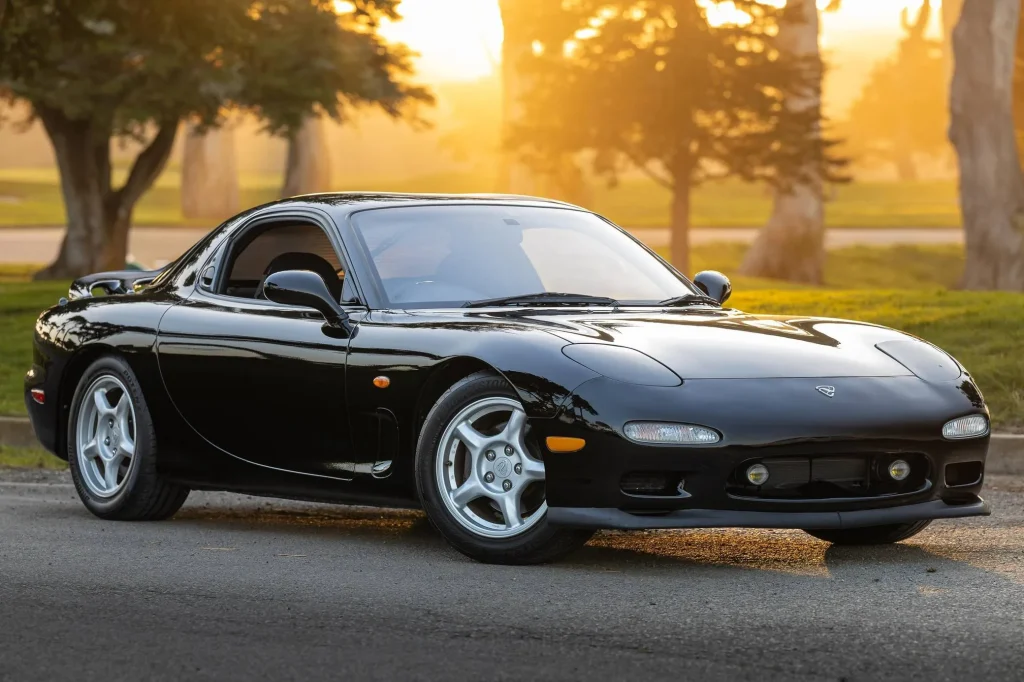
Introduced during the early 1990s, the FD generation RX-7 looked smooth, compact, and almost organic compared to the sharper sports cars that came before it.
With the headlights covered, the front end appeared elegant and flowing. Nothing interrupted the shape of the hood, allowing the car to maintain an incredibly clean profile.
Once darkness arrived and the lamps rose upward, the RX-7 suddenly gained a more playful and aggressive personality. The movement itself felt refined, matching the car’s lightweight engineering philosophy.
Mazda designed the RX-7 around driving feel rather than brute force. Its twin-turbo rotary engine delivered power differently from traditional piston engines, creating a high-revving character enthusiasts still celebrate today. Because the car focused heavily on agility and driver connection, every detail mattered, including the emotional effect of the headlights.
The FD RX-7 also gained massive popularity through motorsports and street racing culture. Video games, movies, and import tuning magazines pushed the car into global fame during the late 1990s and early 2000s.
Enthusiasts often photographed the RX-7 with its headlights raised because it completely changed the appearance of the vehicle. Closed lights made it look calm and sophisticated. Open lights gave it attitude.
Unlike some older hidden headlight systems that moved slowly or awkwardly, the RX-7’s lights operated smoothly and quickly. That small detail added to the sense that the car belonged to a more advanced generation of Japanese performance machines.
Modern sports cars rarely deliver this kind of mechanical charm anymore. Designers now prioritize fixed LED systems with complex shapes and daytime running lights instead of movable parts. While current lighting technology is far more efficient, it lacks the emotional interaction that helped define cars like the RX-7 FD.
For many enthusiasts, the RX-7 represents the perfect blend of beauty, engineering, and personality. Its pop-up headlights were not merely decorative. They became part of the emotional bond drivers formed with one of Japan’s greatest sports cars.
4. Ferrari Testarossa
The Ferrari Testarossa arrived during the 1980s with a presence few automobiles could match. Wide rear fenders, dramatic side strakes, and an impossibly low stance made the car instantly recognisable.
Yet one of the most important details sat quietly at the front until nightfall. Its pop-up headlights helped complete the futuristic image that turned the Testarossa into a global icon.
Ferrari used hidden headlights to preserve the sleek nose shape without compromising aerodynamic performance. When closed, the front looked smooth and almost delicate compared to the car’s aggressive rear section.
The raised headlights changed that personality immediately. Suddenly, the Testarossa appeared more alert and mechanical, almost like a machine waking up before a high-speed run.
The car became deeply connected with popular culture in the 1980s. Television appearances, celebrity ownership, and exotic car magazines pushed the Testarossa into worldwide fame.
Many people who had never driven one could still recognize it instantly, especially at night with the headlights raised. That movement became part of the car’s visual identity, just as important as the side strakes or flat-twelve engine.
Inside the cabin, drivers experienced an atmosphere that matched the dramatic exterior. The wide body shape created unusual visibility angles, while the low seating position made the road feel extremely close.
Activating the headlights added another layer to the experience because it reminded occupants they were driving something engineered to stand apart from ordinary vehicles.
Unlike smaller sports cars that used pop-up headlights mainly for styling, the Testarossa used them to support the proportions Ferrari wanted. Fixed lamps during that period would have disrupted the sleek wedge profile significantly. The hidden system allowed designers to maintain the low, exotic silhouette buyers expected from a flagship Ferrari.
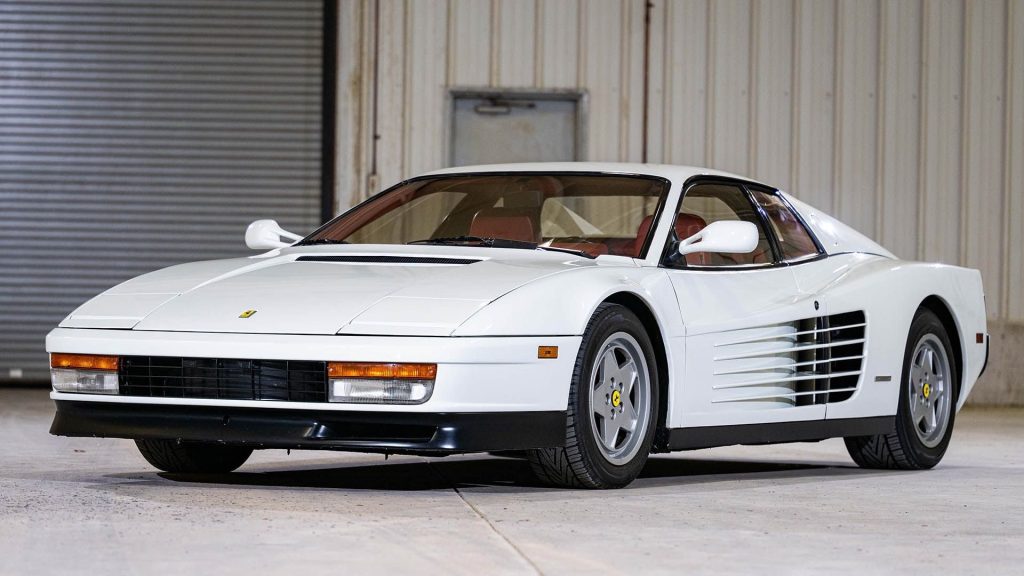
Today, the Testarossa represents more than just a fast car from the 1980s. It symbolizes a period when supercars prioritized emotional impact and unforgettable styling details. Its pop-up headlights captured that philosophy perfectly.
Even parked silently in a garage, the car still carries the visual drama that made an entire generation fall in love with exotic automobiles.
5. Toyota Supra A70
The Toyota Supra arrived during a fascinating time for Japanese performance cars. Automakers across Japan were competing fiercely to build machines that combined reliability, technology, and exciting styling.
The A70 Supra stood out immediately because it balanced grand touring comfort with serious performance capability, and its pop-up headlights became one of the car’s most recognizable features.
At first glance, the hidden lights helped create a long and smooth front profile that gave the Supra a mature, expensive appearance. Unlike some aggressive sports cars that looked sharp and intimidating, the A70 carried a more refined personality.
Once the headlights lifted upward, though, the car suddenly looked far more animated and ready for action. That transformation became part of the ownership experience.
Toyota packed the Supra with advanced engineering for its era. Turbocharged engines, electronically adjustable suspension systems, and sophisticated interior technology helped position the car above many rivals.
The pop-up headlights fit perfectly into that futuristic atmosphere. During the late 1980s, hidden lamps still represented modern design and technical sophistication, especially on high-performance Japanese cars.
The A70 also gained a loyal following because it could serve multiple purposes at once. Some owners treated it as a comfortable highway cruiser capable of covering long distances effortlessly.
Others modified the car heavily for racing, drifting, or street performance builds. In both stock and customized form, the raised headlights remained one of the vehicle’s defining visual traits.
Another reason the design worked so well involved proportions. The low hood and wide body shape benefited enormously from hidden headlights because fixed lamps of that period would have interrupted the clean lines.
Toyota designers wanted the Supra to appear sleek even while standing still, and the concealed lighting system helped achieve that goal beautifully.
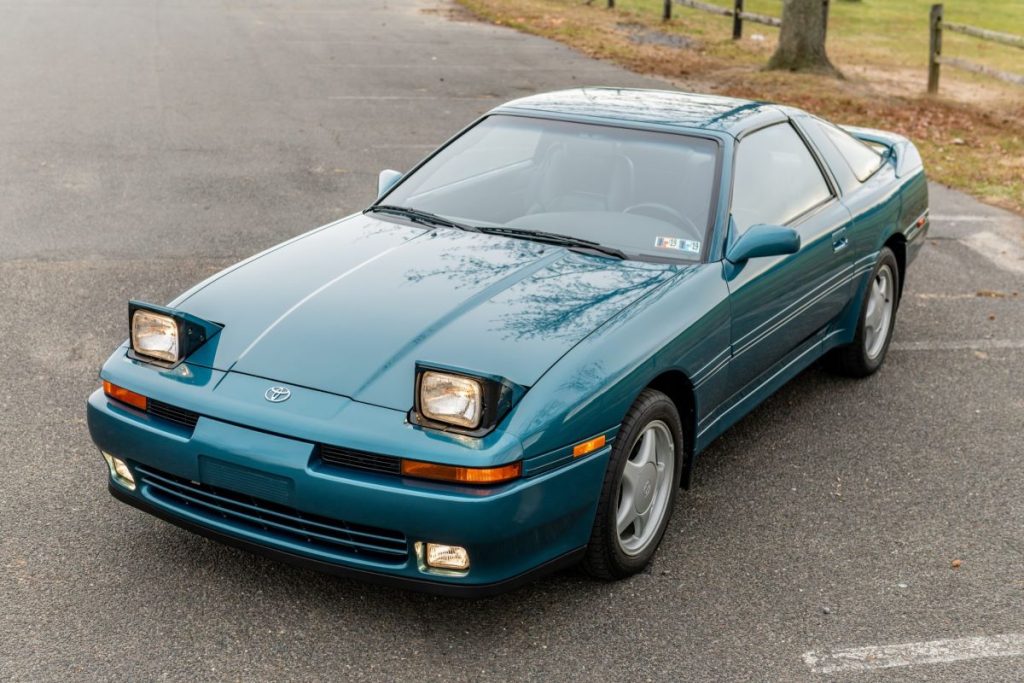
As modern safety and aerodynamic standards evolved, designs like this gradually disappeared. Yet enthusiasts still remember the A70 Supra fondly because it captured a special moment when Japanese manufacturers pushed creativity and technology together in exciting ways.
Seeing an A70 Supra at night with its headlights raised still creates nostalgia for an era when sports coupes carried distinct personalities instead of blending into similar modern shapes. The car remains a strong reminder of how much charm mechanical features once added to automotive design.
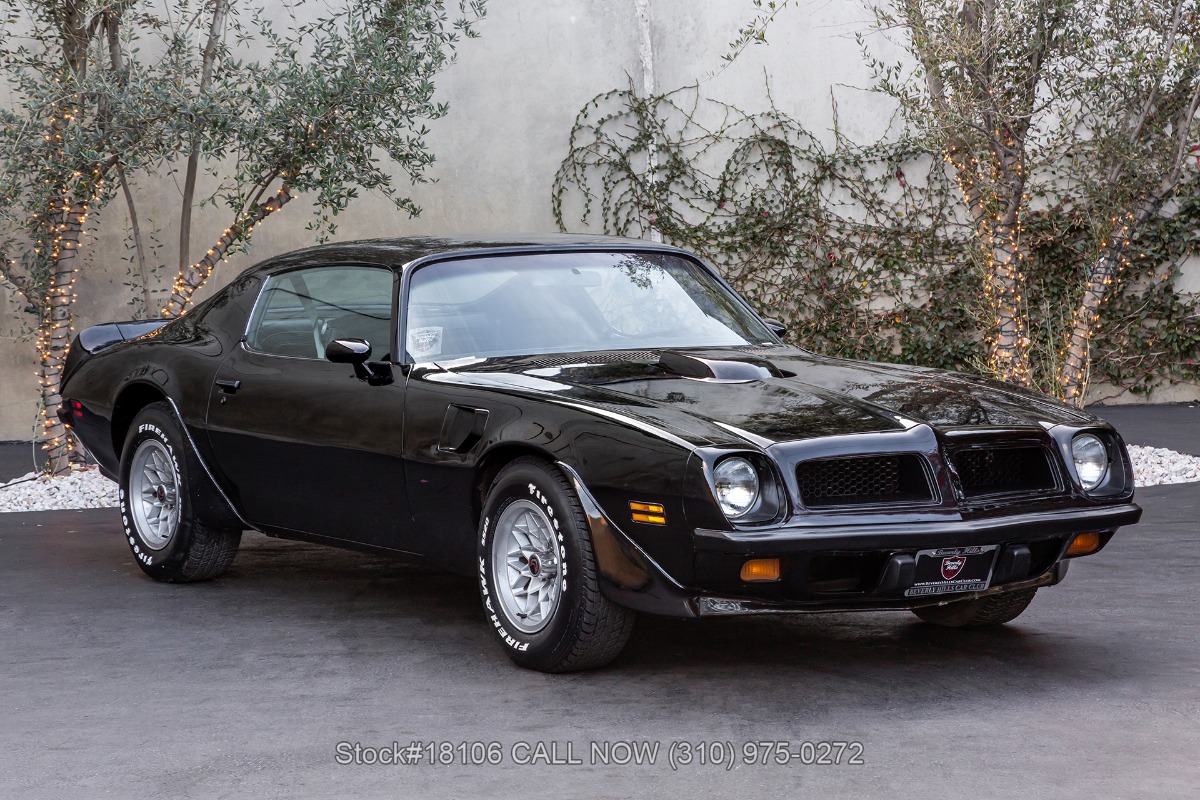
6. Pontiac Firebird Trans Am
Few American performance cars embraced visual drama quite like the Pontiac Firebird Trans Am. Throughout the 1980s and 1990s, the Trans Am developed a reputation for aggressive styling, loud performance, and unmistakable road presence.
Its pop-up headlights became central to that identity, giving the car a menacing appearance unlike anything else on American roads.
When the headlights stayed hidden, the front end looked low, sharp, and intimidating. The narrow nose design created a predatory expression that perfectly matched the car’s muscular bodywork.
Once the lamps rose upward, the Trans Am seemed to transform into something alive and alert. Drivers often loved watching the headlights lift because the movement added personality before the engine even started moving.
Pontiac leaned heavily into bold styling during this era, and the Firebird benefited enormously from that philosophy. Hood scoops, flared body panels, dramatic graphics packages, and deep front fascias all worked together to create a car that demanded attention. Hidden headlamps completed the look by allowing designers to keep the nose sleek during daylight hours.
The Trans Am also gained massive cultural popularity through movies and television. Earlier generations had already become famous through entertainment media, and later versions carried that legacy forward. Many enthusiasts associated the raised headlights with late-night cruising, neon lights, and the golden age of American street performance culture.
Unlike some exotic sports cars, where pop-up headlights felt delicate or elegant, the Firebird used them to project aggression. Even the mechanical action seemed stronger and more forceful compared to smaller imports. That fits perfectly with the car’s V8-powered identity and muscular attitude.
As the automotive industry changed, Pontiac struggled to survive in a market increasingly focused on SUVs and practical transportation. Safety standards and production costs eventually ended the hidden headlight era entirely.
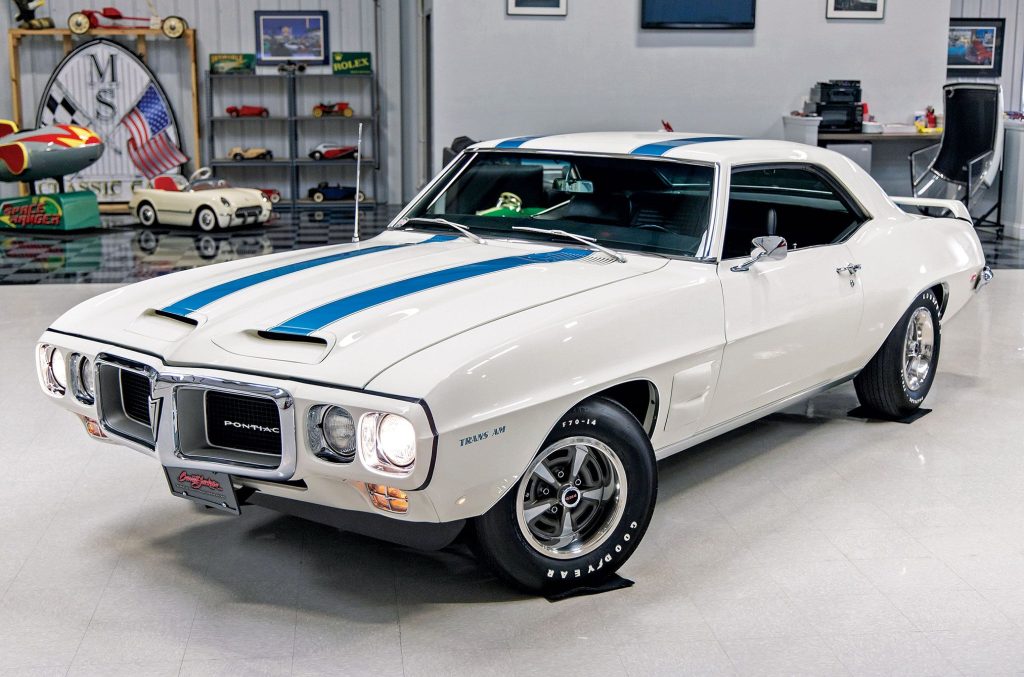
By the time the Firebird disappeared from production, many enthusiasts already understood that a unique chapter of automotive design was closing.
Today, the Trans Am stands as one of the clearest examples of how pop-up headlights could shape an entire vehicle’s personality. They were not just functional equipment. They helped define the rebellious image that made the Firebird unforgettable for generations of American car fans.
7. Honda NSX
When the Honda NSX debuted, it changed how the world viewed Japanese performance cars. European exotic manufacturers had long dominated the supercar conversation, but Honda introduced a machine that combined high-end engineering with everyday usability. The pop-up headlights became one of the details that perfectly captured the futuristic spirit of the car.
The NSX looked remarkably clean for its era. Designers focused on smooth surfaces, balanced proportions, and aerodynamic efficiency instead of excessive vents or oversized spoilers.
With the headlights hidden, the nose appeared incredibly low and refined, helping the car maintain an elegant shape that still looks modern decades later. At night, the lights rose gently from the hood, adding a mechanical charm that fit the car’s advanced image beautifully.
Honda engineers approached the NSX differently from many traditional supercars. Reliability, visibility, and driver comfort mattered just as much as speed. That philosophy attracted buyers who wanted exotic performance without constant maintenance headaches.
The hidden headlamps added emotional excitement without making the car feel impractical or fragile.
The NSX also became famous because of its connection to racing legend Ayrton Senna, whose input reportedly helped refine the chassis during development.
That motorsport connection gave the car serious credibility among enthusiasts worldwide. Combined with its lightweight aluminum construction and high-revving VTEC engine, the NSX represented cutting-edge Japanese engineering during the early 1990s.
Its pop-up headlights contributed heavily to the visual identity. Photographs of the car often showed the lamps raised because they transformed the calm front fascia into something far more expressive.
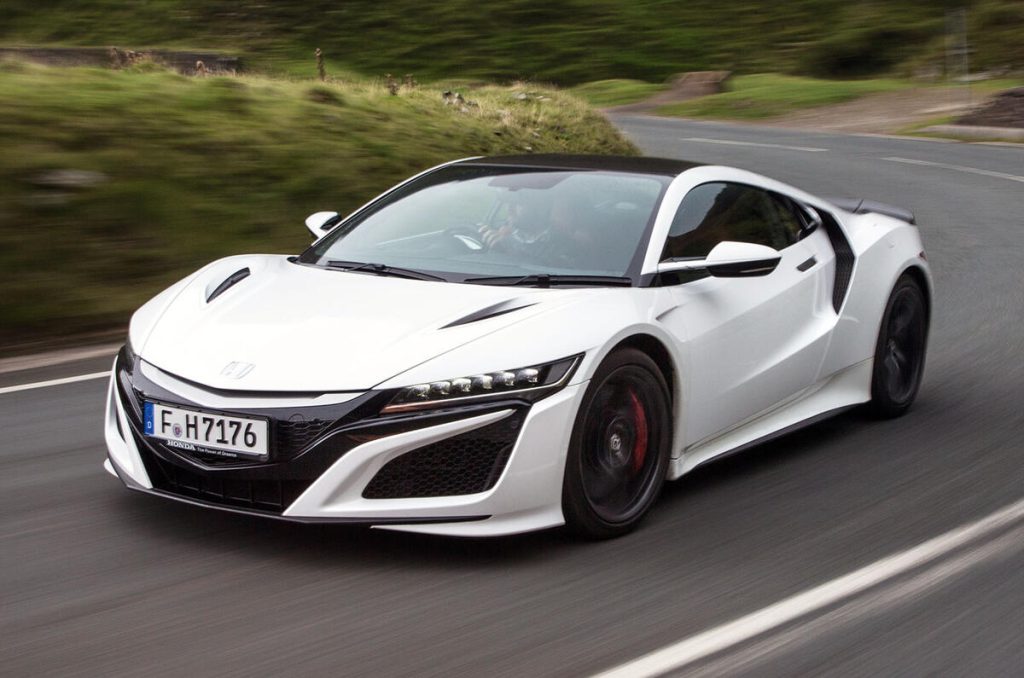
Unlike aggressive American muscle cars or dramatic Italian exotics, the NSX carried a more precise and intelligent personality. The headlights reflected that character perfectly.
Modern supercars rely heavily on LED technology, active aerodynamics, and complex lighting signatures. Those systems may outperform older designs technically, but they rarely create the same emotional interaction drivers experienced with hidden headlamps. Activating the lamps on an NSX felt personal and memorable.
Even today, the original NSX remains one of the most respected Japanese performance cars ever built. Its combination of engineering excellence and timeless styling ensures its place in automotive history, while the pop-up headlights remain one of the clearest symbols of the era that shaped it.
8. Lotus Esprit
The Lotus Esprit looked like pure science fiction when it first appeared. With its razor-sharp wedge shape and impossibly low profile, the Esprit seemed more like a futuristic concept than a road car. Pop-up headlights played a major role in preserving that dramatic design because fixed lamps would have disrupted the clean, angular nose completely.
Few cars used hidden headlights more effectively than the Esprit. When the lamps remained closed, the front end looked almost perfectly flat, emphasizing the extreme wedge silhouette Lotus designers wanted.
Once raised, the headlights added a sudden mechanical intensity that made the car appear even more exotic. The transformation felt dramatic every single time.
The Esprit gained worldwide recognition through film appearances, especially during the late 1970s and 1980s. Audiences saw it as the perfect futuristic machine, partly because the hidden headlights enhanced its sleek and mysterious appearance.
For many enthusiasts, the Esprit represented the fantasy of owning a true exotic sports car without stepping into Ferrari territory.
Unlike some heavier grand touring machines, the Lotus emphasized lightweight engineering and sharp handling. The company focused intensely on chassis balance and steering feel, giving the Esprit a unique driving character. The hidden headlamps matched that philosophy by supporting the aerodynamic body shape without unnecessary visual clutter.
Ownership, however, often required patience and dedication. Older British sports cars earned reputations for mechanical quirks, and the Esprit certainly had its challenges.
Yet enthusiasts frequently forgave those imperfections because the car delivered such a memorable experience. Raising the headlights at dusk became part of the ritual that made the vehicle feel alive and special.
As automotive design evolved, manufacturers moved away from complex retractable lighting systems due to safety rules, cost concerns, and advancements in fixed headlight technology. Cars like the Esprit therefore, became symbols of a more adventurous design period when visual drama mattered deeply.
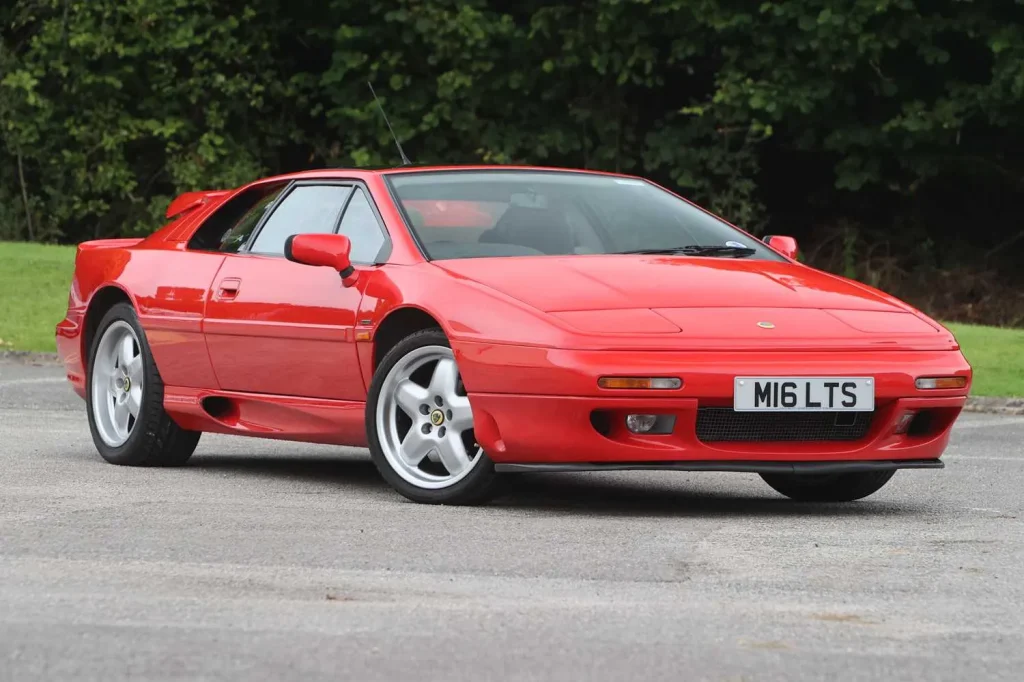
Today, the Lotus Esprit remains one of the most recognizable sports cars ever built in Britain. Its pop-up headlights were not merely functional hardware hidden beneath the hood. They formed an essential part of the futuristic identity that allowed the Esprit to stand apart from nearly everything else on the road.
9. Nissan 300ZX Z32
The Nissan 300ZX arrived during the peak of Japan’s performance car boom and quickly became one of the most respected sports coupes of the early 1990s. Nissan designed the Z32 to feel modern, refined, and technologically advanced, while its pop-up headlights helped give the car a sleek and futuristic personality that perfectly matched the era.
With the headlights hidden, the front end looked smooth and aerodynamic, allowing the car to maintain a low and wide appearance. Once the lights rose upward, the entire character changed. The 300ZX suddenly looked more aggressive and focused, creating the kind of dramatic nighttime presence enthusiasts still love today.
The car offered much more than styling alone. Twin turbocharged versions delivered serious performance, while advanced suspension engineering helped the coupe feel stable and composed at high speeds. Nissan also packed the interior with technology and comfort features, making the 300ZX feel more sophisticated than many rivals.
Pop-up headlights fit naturally into the design because they support the clean body lines without interrupting the shape of the hood. At the time, hidden lamps represented cutting-edge automotive styling, especially on Japanese sports cars competing globally against European brands.
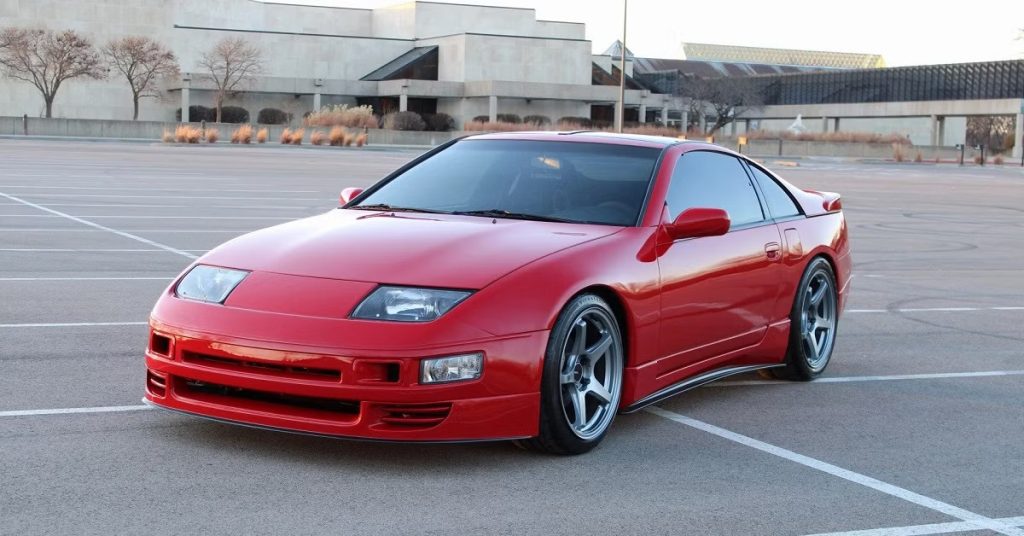
Today, the Z32 remains one of the most admired cars from the golden age of Japanese performance engineering. Its pop-up headlights continue to symbolize a period when sports coupes carried far more personality and visual drama than many modern designs.
10. Porsche 944
The Porsche 944 proved that pop-up headlights did not need outrageous styling to leave a lasting impression. Unlike many flashy sports cars from the 1980s, the 944 focused on balance, handling precision, and clean engineering. Its hidden headlights complemented that restrained personality perfectly.
When the lamps stayed closed, the front end looked smooth and disciplined, giving the car a low, aerodynamic profile. Raising the headlights added a subtle mechanical charm that transformed the appearance without making the design feel excessive. The movement suited the car’s understated character.
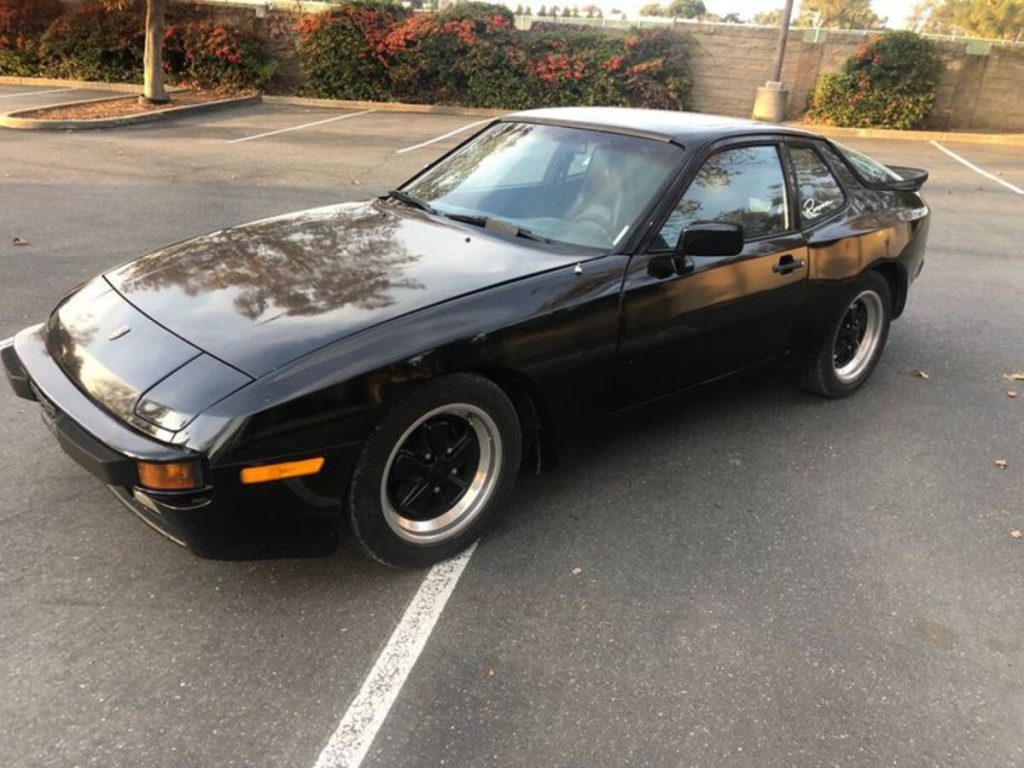
Porsche engineered the 944 to deliver excellent balance through its front engine and rear transaxle layout. Drivers praised the car for predictable handling, strong road manners, and everyday usability.
That combination helped make the 944 one of the most approachable Porsche sports cars for enthusiasts who valued driving feel more than raw horsepower numbers.
The hidden headlights also reflected the design trends of the era. During the 1980s, retractable lamps represented sophistication and modern engineering. On the 944, they blended naturally into the body rather than serving purely as dramatic styling features.
As automotive regulations evolved, pop-up headlights gradually disappeared from production cars. The 944, therefore, stands as an important reminder of a time when even precision-focused German sports coupes embraced mechanical details that added personality to the driving experience.
Also Read: 10 Vehicles With Standard Blind-Spot Monitoring in 2026
