
Safety should never be a luxury feature. Yet for years, the number of airbags in a vehicle was directly tied to how much you spent. Budget buyers got the minimum. Premium buyers got the full protection package. That gap has been closing fast, and in 2025, a growing number of genuinely affordable vehicles will come standard with 10 airbags across every trim level, not just the top-of-the-line packages that most buyers cannot afford anyway.
Ten airbags are not a random number. It represents a coverage configuration that addresses the most critical impact scenarios a vehicle occupant can face. Front airbags protect against head-on collisions. Side curtain airbags running the full length of the cabin protect against side impacts and rollover events.
Front-seat side torso airbags protect the chest and abdomen in lateral crashes. Knee airbags reduce leg and lower body injury in frontal impacts. When all of those systems are present as standard equipment, every person who gets into that vehicle on day one gets full protection, regardless of which trim they can afford.
This page covers nine vehicles that deliver 10 standard airbags at prices that working families, young buyers, and budget-conscious shoppers can realistically reach. These are not base models stripped of everything. These are well-rounded vehicles that happen to include serious occupant protection without asking you to spend luxury money.
Before any purchase decision, verify the airbag count for your specific model year and trim with the manufacturer, since configurations can change between model years and regional markets. What you will find across all nine vehicles in this list is that safety and affordability can genuinely occupy the same vehicle. Read both sections, compare the options, and walk into your next purchase knowing exactly what protection comes standard.
1. Honda Civic EX Sedan FWD
Estimated Price $27,000
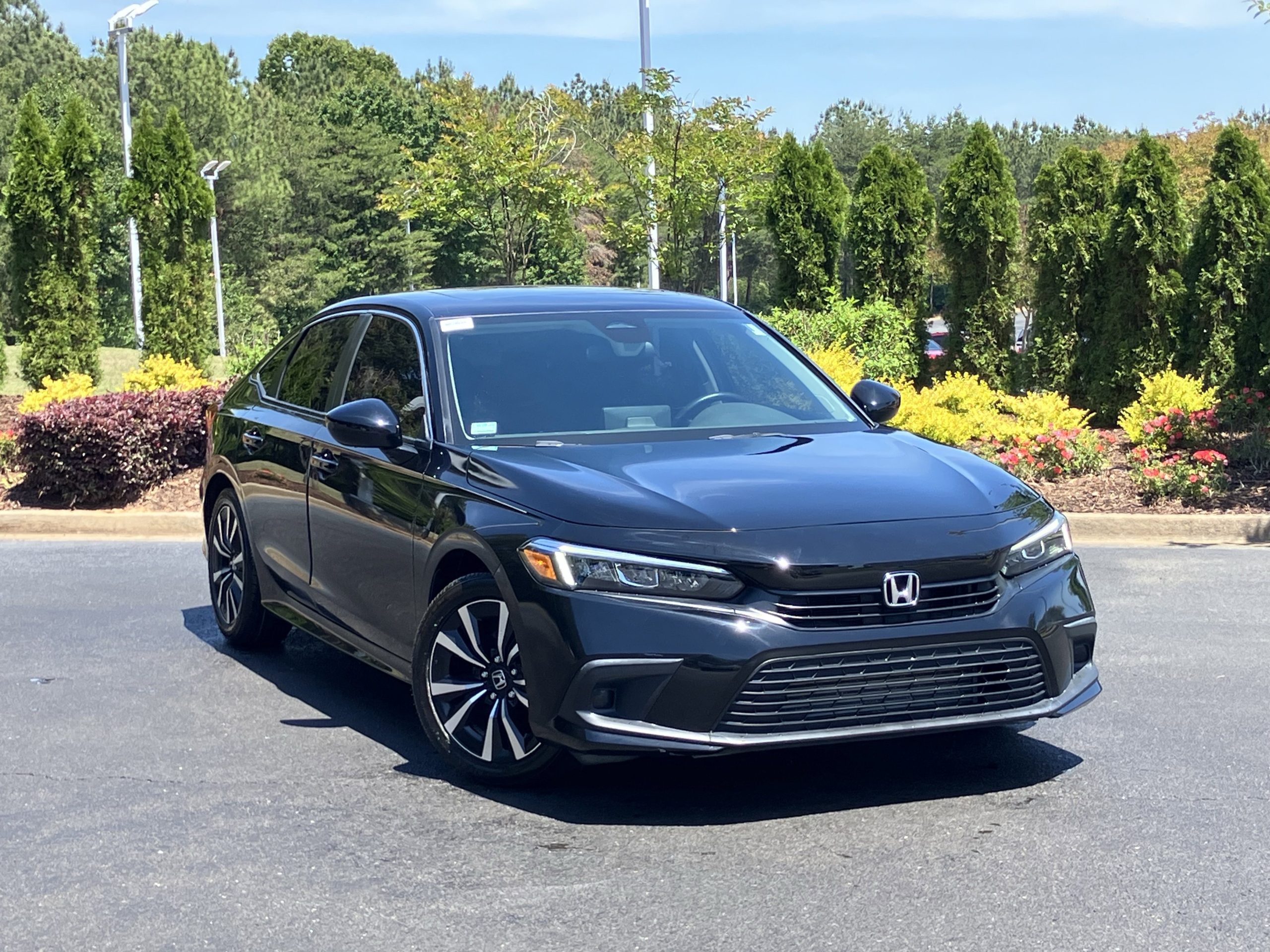
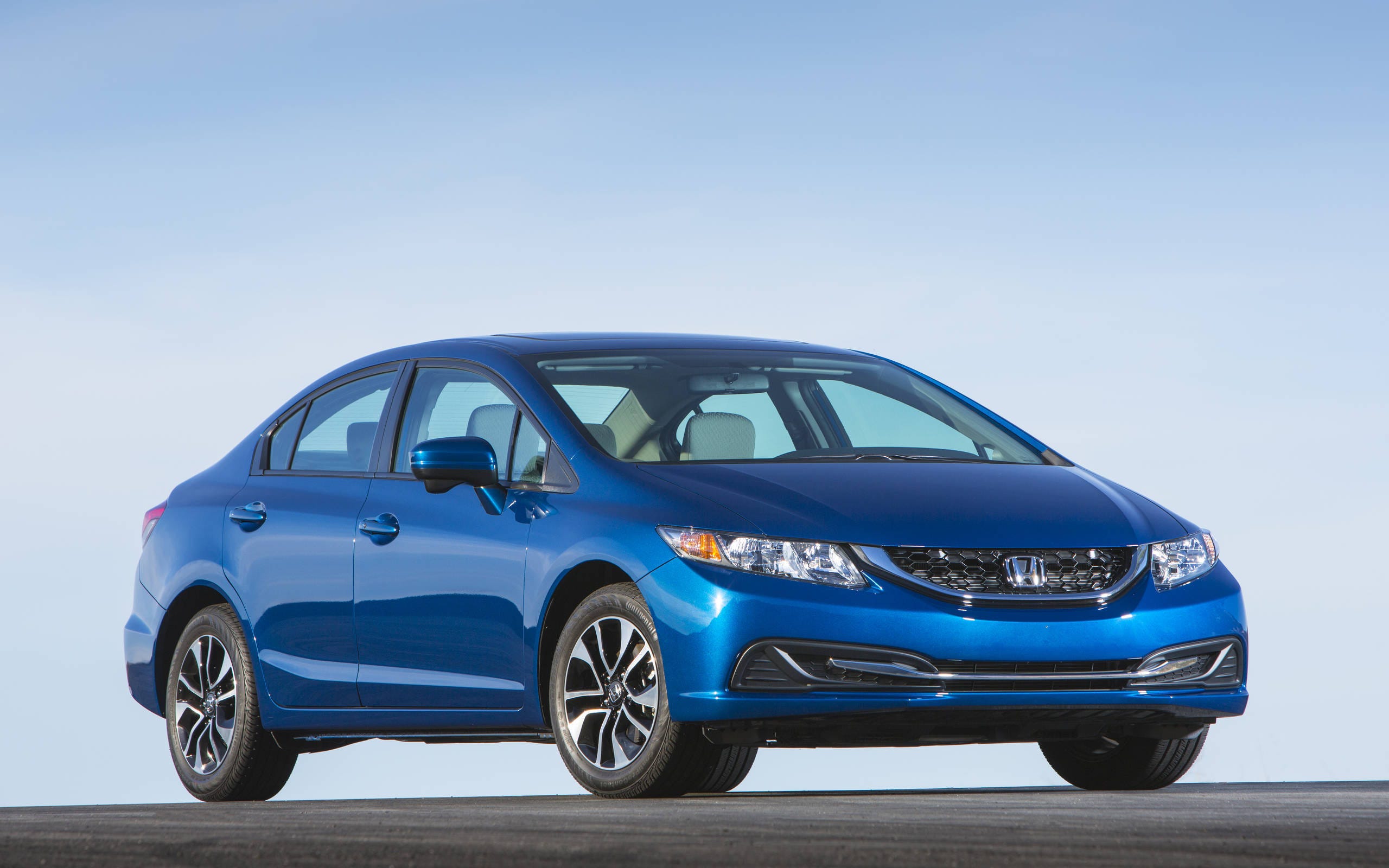
The 2025 Honda Civic EX Sedan FWD sits firmly within the affordable compact sedan bracket, with a starting manufacturer-suggested retail price close to twenty-seven thousand dollars. This pricing places it directly among vehicles commonly purchased by students, young professionals, and families seeking dependable daily transportation.
What draws special attention is the decision by Honda to make a full ten airbag system standard across the Civic range, including the EX trim, without asking buyers to move into premium pricing territory. This approach ensures that safety protection is not reserved for higher-income buyers alone.
The Civic EX is equipped with a carefully arranged ten airbag layout designed to protect occupants from multiple impact directions. These include dual front airbags, front seat-mounted side airbags intended for upper body protection, and side curtain airbags that run along the length of the cabin to cover both front and rear seating positions. Added to these are a driver knee airbag and a front passenger knee airbag.
Knee airbags are still missing from many vehicles sold within this price range, yet they play a vital role in managing lower body movement during frontal collisions. Their presence reduces stress on the legs and helps maintain correct seating posture during impact.
Safety engineering in the Civic goes beyond passive protection. The EX trim comes standard with Honda Sensing, a suite of driver assistance technologies that work alongside the airbag system. Features such as Collision Mitigation Braking, Lane Keeping Assist, Road Departure Mitigation, and Adaptive Cruise Control aim to reduce the likelihood of accidents before airbags are ever required.
When an incident cannot be avoided, the airbag system functions as the final layer of protection. The inclusion of both active and passive safety equipment at this price level reflects a thoughtful design philosophy rather than a feature checklist approach. Crash test results support the engineering choices made in the Civic.
Ratings from the National Highway Traffic Safety Administration regularly place the model among the strongest performers within the compact sedan segment. Achieving top scores requires more than a high airbag count. Vehicle structure, crumple zone behaviour, and airbag deployment timing must all work together. The Civic demonstrates how proper integration of these elements leads to dependable occupant protection.
2. Hyundai Elantra SEL IVT FWD
Estimated Price $24,000
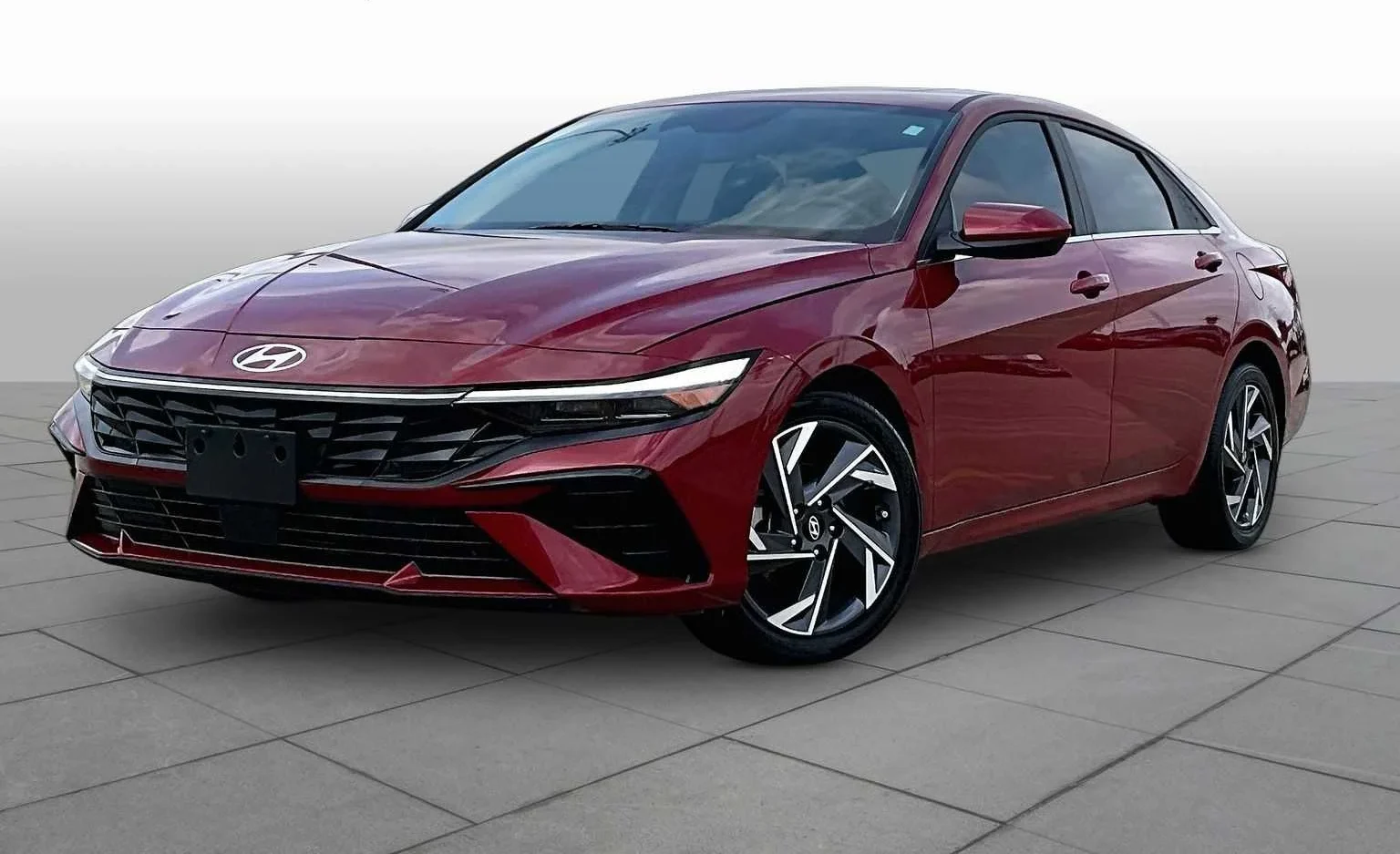
The 2025 Hyundai Elantra SEL IVT FWD represents a clear statement of intent from Hyundai regarding safety access at modest price points. With a starting price close to twenty-four thousand dollars, this trim remains among the most affordable compact sedans available, with a full ten airbag arrangement included as standard equipment.
Buyers receive dual front airbags, front seat-mounted side airbags, side curtain airbags covering both seating rows, along with driver and front passenger knee airbags. This level of coverage at such pricing reflects deliberate planning rather than cost-cutting. The Elantra SEL pairs its passive protection with Hyundai SmartSense driver assistance technology.
Forward Collision Avoidance Assist, Lane Keeping Assist, Driver Attention Warning, and High Beam Assist are included at no additional cost. These systems work to support driver awareness and reduce the likelihood of collision scenarios. Should a crash occur, the airbag system provides structured protection for occupants, forming a complete safety framework that extends beyond basic expectations for this segment.
Independent testing supports these design choices. Evaluations by the Insurance Institute for Highway Safety have placed the Elantra within Top Safety Pick classifications, particularly recognising its performance in demanding frontal impact tests. These assessments focus on how well the vehicle structure manages crash energy while allowing airbags to deploy effectively.
Strong results confirm that the Elantra’s safety engineering is balanced rather than focused on numbers alone. Inside the cabin, the Elantra SEL offers a level of comfort and equipment that aligns well with daily driving needs. An eight-inch touchscreen interface, wireless smartphone connectivity, and supportive seating contribute to a practical ownership experience.
The driving position is well judged, offering clear outward visibility and intuitive control placement. These qualities add to driver confidence, which plays a supporting role in accident avoidance.
Also Read: 10 Affordable Vehicles With Cabins That Show Wear Quickly
3. Kia Forte GT-Line IVT FWD
Estimated Price $23,500
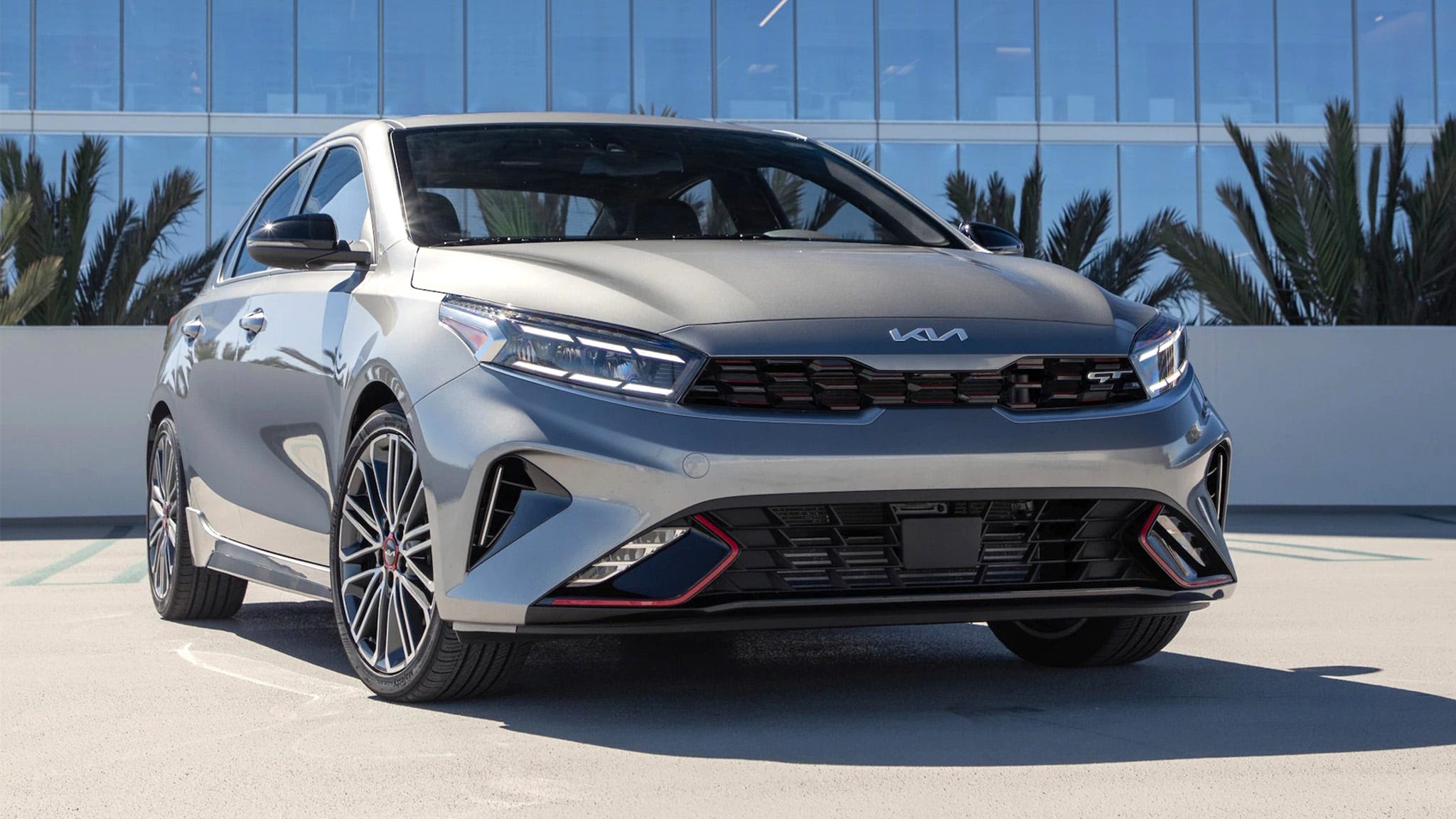
Kia has repositioned itself in the American market over the past decade, moving from a budget alternative to a genuinely respected manufacturer in the mainstream segment. The 2025 Kia Forte GT-Line IVT FWD, priced around $23,500, carries that repositioning into the safety category with a 10-airbag standard package that matches much more expensive competitors.
Dual front airbags, front seat-mounted side airbags, full-length side curtain airbags for front and rear positions, a driver’s knee airbag, and a front passenger knee airbag make up Forte’s 10-unit system. Kia’s inclusion of both knee airbags at this price point reflects the same philosophy seen in the Honda Civic above: lower body protection in frontal crashes matters, and it should not be a feature reserved for premium trim levels.
Kia’s Drive Wise suite of active safety features comes standard on the Forte GT-Line, including Forward Collision Avoidance Assist, Lane Keeping Assist, Driver Attention Warning, and Rear Cross-Traffic Collision Warning. Combined with the passive 10-airbag system, the Forte GT-Line delivers active pre-crash mitigation and passive in-crash protection at a price under $24,000.
Styling sets the Forte GT-Line apart visually from more conservative competitors in this segment. Sporty exterior design elements, a sportier suspension tune, and a well-finished interior give it an appeal that goes beyond the safety specification. For a younger buyer who wants a vehicle that looks sharp without sacrificing protection, the Forte GT-Line occupies an interesting position in the compact market.
IIHS testing on the Forte has produced strong results in multiple impact categories. Shared vehicle architecture with the Hyundai Elantra means structural engineering quality is consistent between the two sister vehicles, which both carry strong crash test credentials.
Knowing that a visually sporty, budget-friendly vehicle carries the same protective infrastructure as one of the segment’s safety leaders is reassuring for buyers who might assume that sportier styling comes at the cost of safety focus.
4. Toyota Corolla LE Sedan FWD
Estimated Price $23,000
Few names in the affordable vehicle segment carry more long-term credibility than the Toyota Corolla. Decades of reliability data, strong resale values, and consistent quality across generations have made it a perpetual recommendation for buyers who want dependable transportation without financial risk.
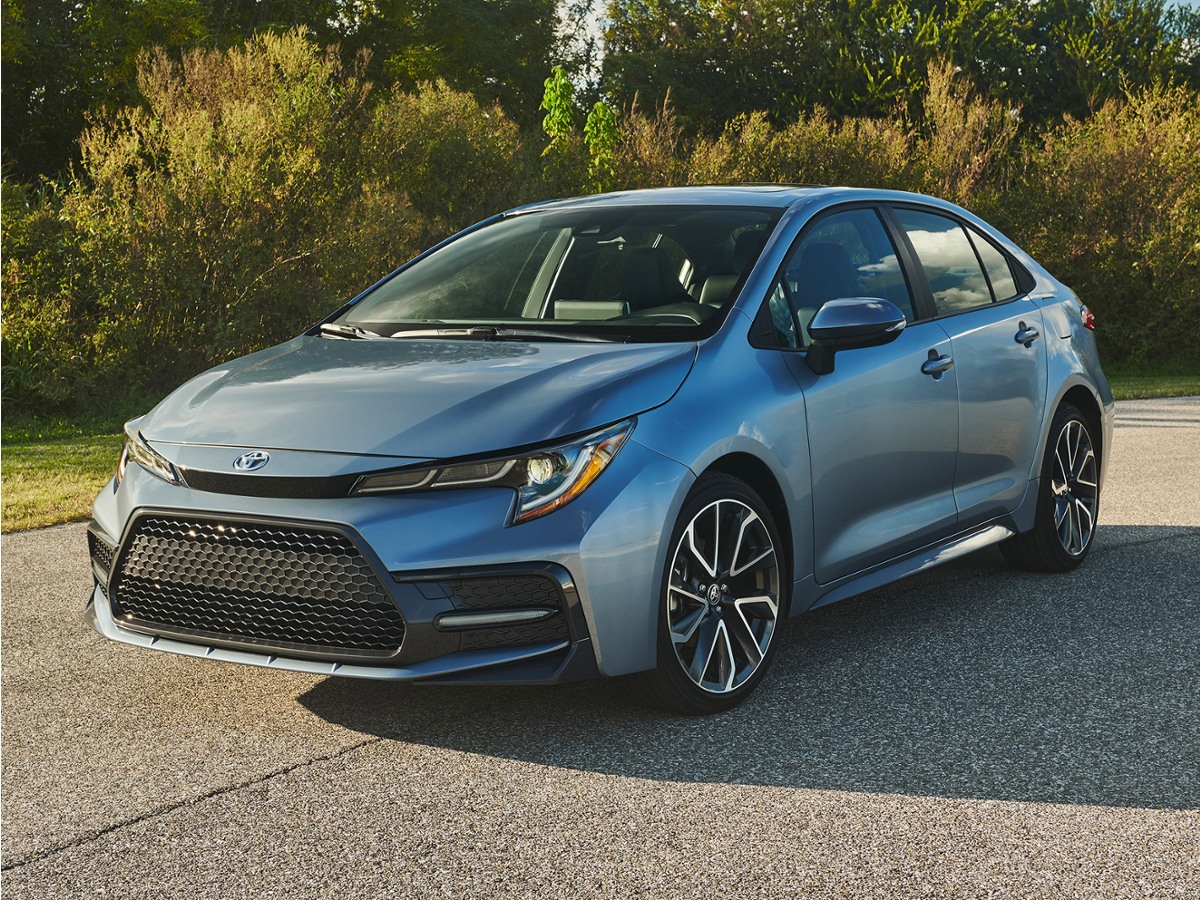
Adding a standard 10-airbag package to that profile makes the 2025 Toyota Corolla LE Sedan FWD a particularly strong choice for safety-focused buyers on a budget. MSRP for the Corolla LE starts around $23,000. Toyota’s standard airbag configuration includes dual front airbags, front seat-mounted side airbags, full-length side curtain airbags (front and rear), a driver’s knee airbag, and a front passenger knee airbag, totaling 10 units across the cabin.
Toyota Safety Sense 3.0 comes standard and includes Pre-Collision System with Pedestrian Detection, Lane Departure Alert with Steering Assist, Automatic High Beams, and Radar Cruise Control. That active safety suite, working in combination with the 10-airbag passive system, gives every Corolla LE buyer a two-layer protection architecture regardless of trim.
NHTSA five-star entire crash test ratings and IIHS Top Safety Pick Plus status are not accidents. Toyota has engineered the Corolla’s safety performance at the structural level and deployed its airbag system as a coordinated component of that structure. Airbag count alone does not produce top crash test results. It is the combination of deployment timing, structural deformation management, and airbag placement working together that creates the protection reflected in those ratings.
For a first-time car buyer, a young professional, or a family member purchasing their first new vehicle, the Corolla LE at $23,000 with 10 standard airbags, Toyota’s reliability reputation, strong resale value, and excellent fuel economy of approximately 32 to 38 miles per gallon represents one of the most financially and physically safe purchases in the entire affordable vehicle category.
5. Mazda3 2.5 S Select Sport Sedan FWD
Also Read: Estimated Price $28,000
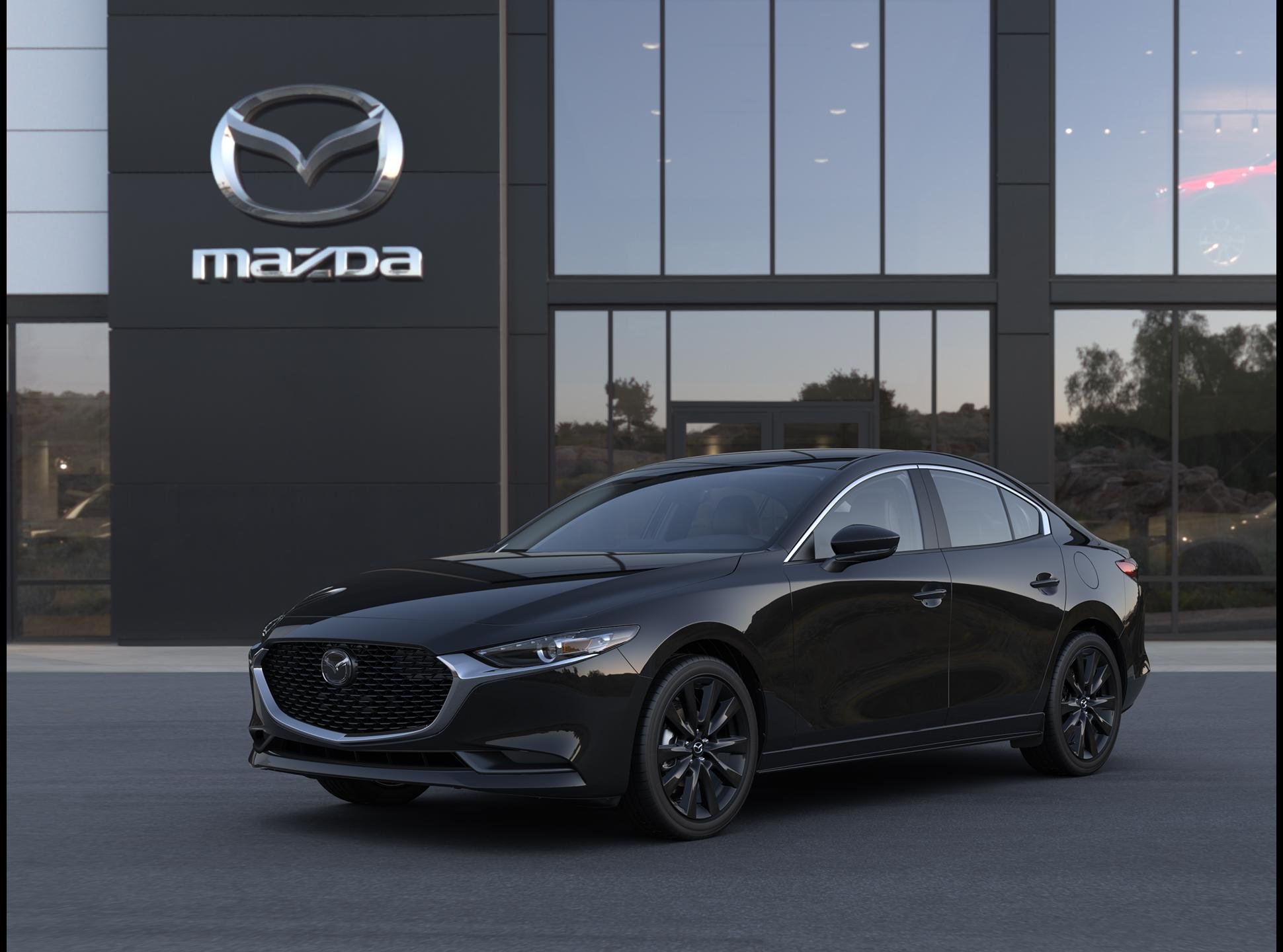
The 2025 Mazda3 2.5 S Select Sport Sedan FWD reflects the long-standing approach of Mazda toward balancing refined driving character with responsible engineering decisions. With a purchase price that sits close to twenty-eight thousand dollars, this sedan remains accessible to mainstream buyers while offering interior execution and safety equipment that often appear in higher-priced segments.
One of the strongest examples of this balance is the inclusion of a full ten airbag system as standard equipment, ensuring that occupant protection is not treated as an optional upgrade. The airbag arrangement in the Mazda3 follows a comprehensive cabin coverage structure. Dual front airbags protect the driver and front passenger during frontal collisions, while front seat-mounted side airbags provide thoracic protection during side impacts.
Full-length side curtain airbags extend along both rows, covering front and rear seating positions. Added to this structure are a driver knee airbag and a front passenger knee airbag. These lower body restraints play an important role in managing leg movement during frontal crashes and help maintain correct seating posture at the moment of impact.
What strengthens the effectiveness of this airbag system is the way it works alongside the vehicle structure. Mazda employs its SKYACTIV Body design philosophy, which uses a continuous loop frame around the passenger compartment. This structure channels collision forces away from occupants and distributes energy across multiple load paths.
When airbags deploy within a cabin designed to manage crash forces in a controlled manner, the protection outcome improves substantially. This relationship between structure and restraint systems explains why the Mazda3 consistently records strong results during independent safety evaluations.
Interior execution also supports driver confidence and comfort during daily use. The cabin features high-quality materials, carefully selected textures, and a control layout that prioritises ease of use. Road and wind noise are kept at restrained levels, allowing occupants to travel in a calm environment.
The driving position is low and supportive, encouraging better vehicle control and awareness. These characteristics support safe driving habits by reducing fatigue and distraction during longer journeys.
6. Nissan Sentra SV FWD
Estimated Price $22,000
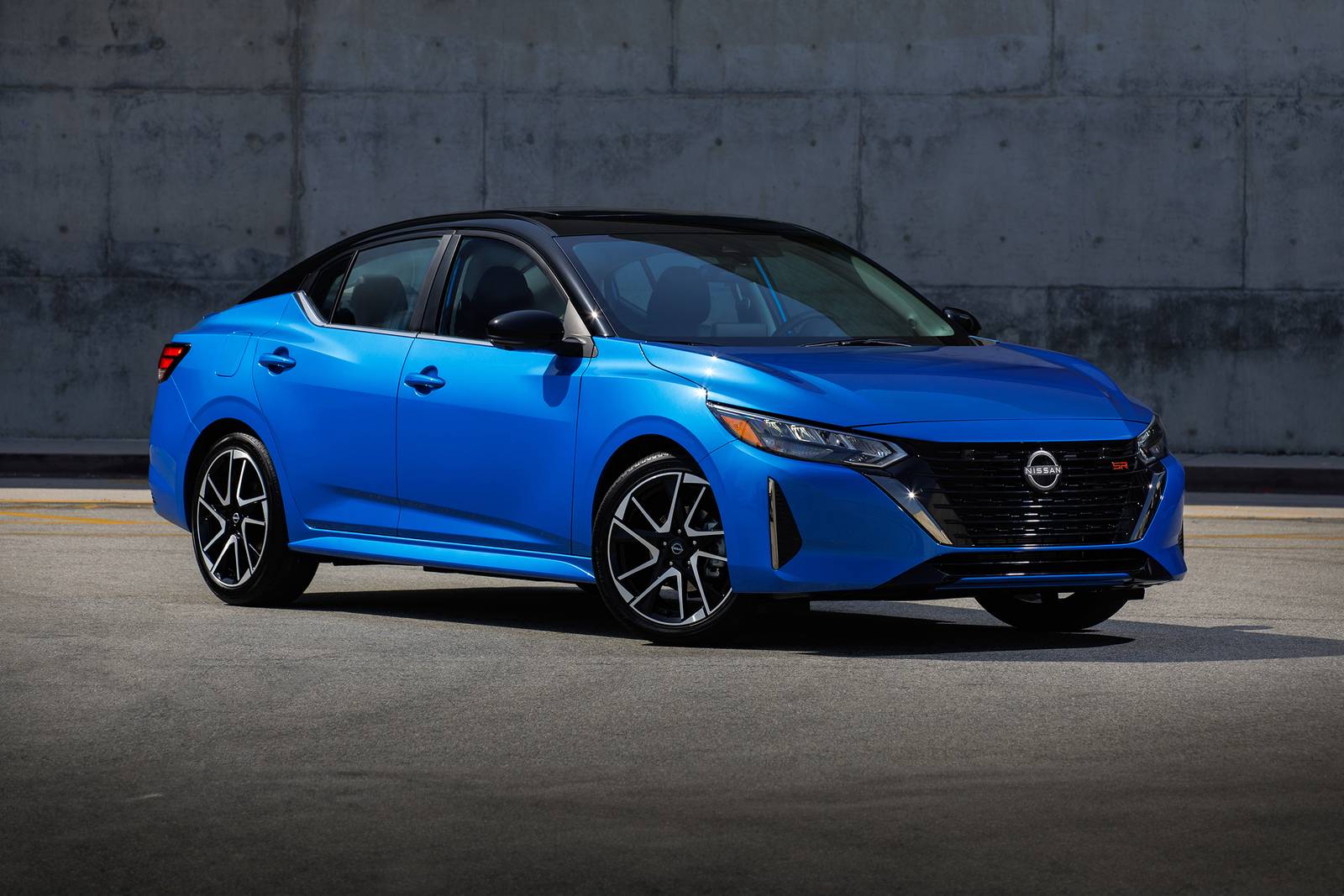
The 2025 Nissan Sentra SV FWD demonstrates how affordability and occupant protection can coexist within a compact sedan designed for daily transportation. Priced around twenty-two thousand dollars, it stands among the lowest cost vehicles in its category while still delivering a full ten airbag configuration as standard equipment.
This approach reflects the recent efforts of Nissan to strengthen safety credentials across its lower-priced models without placing additional financial pressure on buyers. The Sentra SV includes dual front airbags, front seat-mounted side airbags, and roof-mounted curtain airbags that cover both front and rear seating positions.
These are supported by a driver knee airbag and a front passenger knee airbag. Roof-mounted curtains span the side glass area, ensuring head protection for outboard occupants during side collisions and rollover incidents. For a vehicle positioned at this price level, such coverage exceeds the basic safety expectations that still define many entry-level sedans.
Active safety technology complements the passive protection system. Nissan Safety Shield 360 comes standard on the Sentra SV, offering Automatic Emergency Braking with Pedestrian Detection, Lane Departure Warning, Blind Spot Warning, Rear Cross Traffic Alert, and Rear Automatic Braking.
Rear automatic braking is particularly useful in crowded urban environments where reversing incidents occur frequently. By intervening when obstacles are detected, the system reduces both injury risk and repair costs. Interior space supports practical family use. Rear seat legroom allows adult passengers to sit comfortably rather than being restricted to short journeys.
This matters because safety features are most effective when occupants are seated correctly and comfortably. Since full-length curtain airbags extend to the rear seating area, second row occupants receive equal head protection during side impacts, reinforcing the idea that protection is not limited to the driver alone.
Fuel efficiency further strengthens the appeal of the Sentra SV. Combined driving figures range from approximately twenty-nine to thirty-nine miles per gallon, depending on driving conditions and transmission choice. Lower fuel consumption reduces daily operating expenses, which is an important factor for buyers managing strict budgets. Maintenance costs also remain reasonable due to the vehicle’s straightforward mechanical design.
Warranty coverage includes a three-year bumper-to-bumper plan and a five-year powertrain warranty. While this coverage period is shorter than some competitors’, it adequately protects buyers during the most financially sensitive ownership phase. For individuals who plan to replace their vehicle within the warranty window, this level of coverage remains suitable.
For budget-focused buyers seeking dependable transportation with full cabin airbag protection, the Nissan Sentra SV FWD offers a carefully balanced package. It delivers accessible pricing, reasonable efficiency, generous safety equipment, and interior space that supports real daily use without sacrificing occupant protection.
7. Subaru Impreza Base Sedan AWD
Estimated Price $23,500
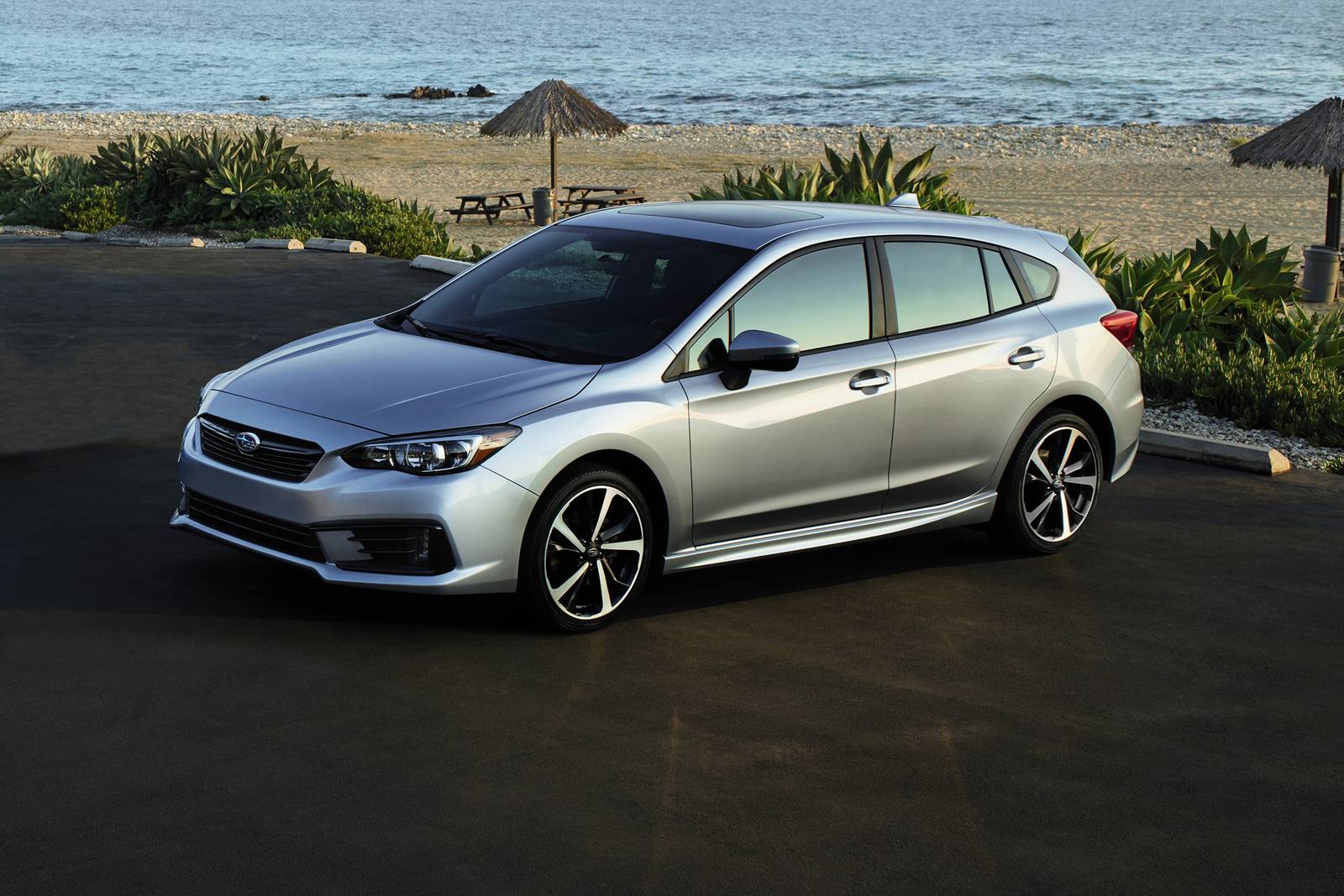
All-wheel drive at an entry-level sedan price is a proposition that almost only Subaru offers in the American market, and the 2025 Subaru Impreza Base Sedan AWD brings that traction advantage together with a 10-airbag standard package at an MSRP starting around $23,500.
For buyers in snow-belt states, northern climates, or regions with wet road conditions, standard AWD combined with full airbag coverage represents a safety package that addresses both accident prevention and occupant protection simultaneously. Subaru’s 10-airbag configuration on the Impreza includes dual front airbags, front-seat side airbags, full-length side curtain airbags for front and rear positions, a driver’s knee airbag, and a front passenger knee airbag.
Subaru’s EyeSight Driver Assist Technology, which includes Pre-Collision Braking, Adaptive Cruise Control, Lane Centering, and Lead Vehicle Start Alert, comes standard on the Impreza and operates as the active safety counterpart to the passive airbag system. Subaru’s reputation for structural safety is well established through IIHS evaluations.
Multiple Impreza generations have earned Top Safety Pick or Top Safety Pick Plus designations, reflecting the combination of strong structural engineering and effective restraint system deployment. A vehicle that earns those designations at a base trim level with standard AWD and 10 standard airbags is genuinely rare in the compact sedan segment.
For a buyer in a northern state, the all-wheel drive Impreza provides passive safety protection from airbags combined with active traction management that reduces the probability of weather-related accidents. Both layers of protection are standard equipment at the base trim, which means every Impreza buyer receives the full protection package regardless of budget.
That accessibility matters for buyers who can only afford the base model but live in conditions where both systems are genuinely needed. Fuel economy on the Impreza Base AWD runs approximately 28 to 36 miles per gallon combined. AWD vehicles typically carry a small fuel economy penalty compared to their FWD equivalents, and the Impreza is no exception.
For buyers in climates where AWD delivers real safety value, that modest fuel economy trade-off is a reasonable exchange for the traction benefit, particularly when the airbag coverage is already fully present at no additional cost.
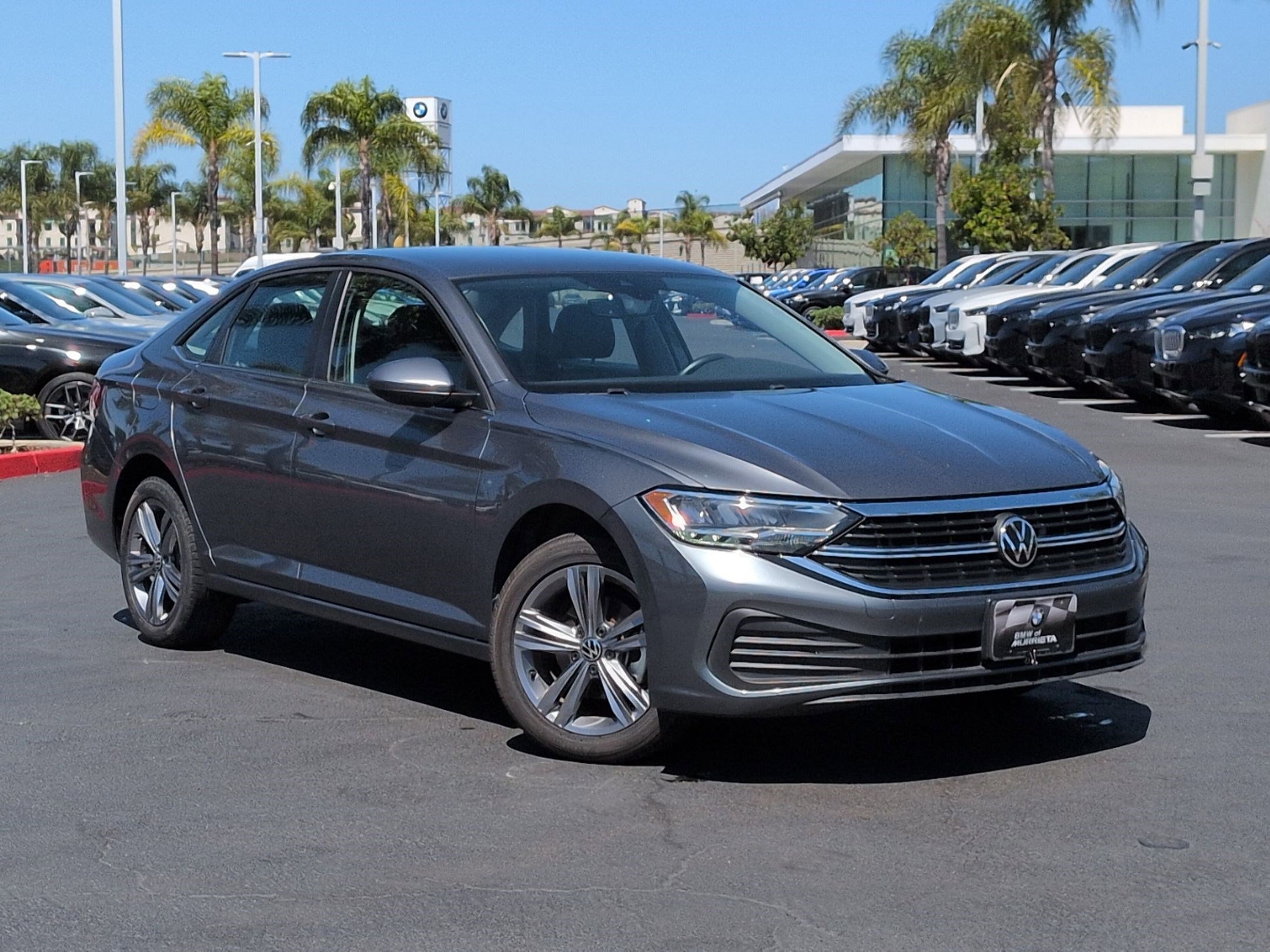
8. Volkswagen Jetta SE FWD
Estimated Price $26,000
Volkswagen occupies an interesting market position in the United States: a European brand that prices competitively against mainstream Asian manufacturers in the sedan segment while offering a driving experience that many buyers find more refined than comparable alternatives.
The 2025 Volkswagen Jetta SE FWD, priced around $26,000, brings that European chassis character together with 10 standard airbags in a package that rewards both safety-focused and driving-focused buyers. Volkswagen’s airbag layout on the Jetta SE follows the complete-coverage configuration: dual front airbags, front seat-mounted side airbags, full-length side curtain airbags for front and rear positions, a driver’s knee airbag, and a front passenger knee airbag.
IQ.DRIVE driver assistance technology comes standard on the SE trim and includes Front Assist with Autonomous Emergency Braking, Blind Spot Monitor with Rear Traffic Alert, Lane Keeping Assist, and Adaptive Cruise Control. That suite of active safety features operates as the first layer of Volkswagen’s two-tier protection approach on the Jetta.
German chassis tuning gives the Jetta a handling composure that differs noticeably from Japanese competitors in the same price range. Steering feedback is more communicative, body motion is more controlled in corners, and highway stability feels more planted. For a buyer who values driving engagement alongside safety specifications, the Jetta SE delivers both at a price under $27,000.
NHTSA and IIHS evaluation results for the Jetta reflect strong structural performance and effective restraint system coordination. Volkswagen’s MQB platform, which underpins the Jetta, was engineered with passive safety as a core design requirement, and the results in crash testing confirm the effectiveness of that approach.
Structural rigidity in the cabin area, combined with well-calibrated airbag deployment timing, produces the occupant protection outcomes that both rating agencies have recognized. Rear-seat passengers in the Jetta receive full curtain airbag coverage from the rear-extending side curtain system, which is a standard inclusion rather than an upgrade.
For regular rear-seat occupants, whether family members or passengers, that coverage means the complete 10-airbag system works for them as well as for front-seat occupants.
Also Read: 10 Affordable Vehicles That Can Handle Harsh Roads
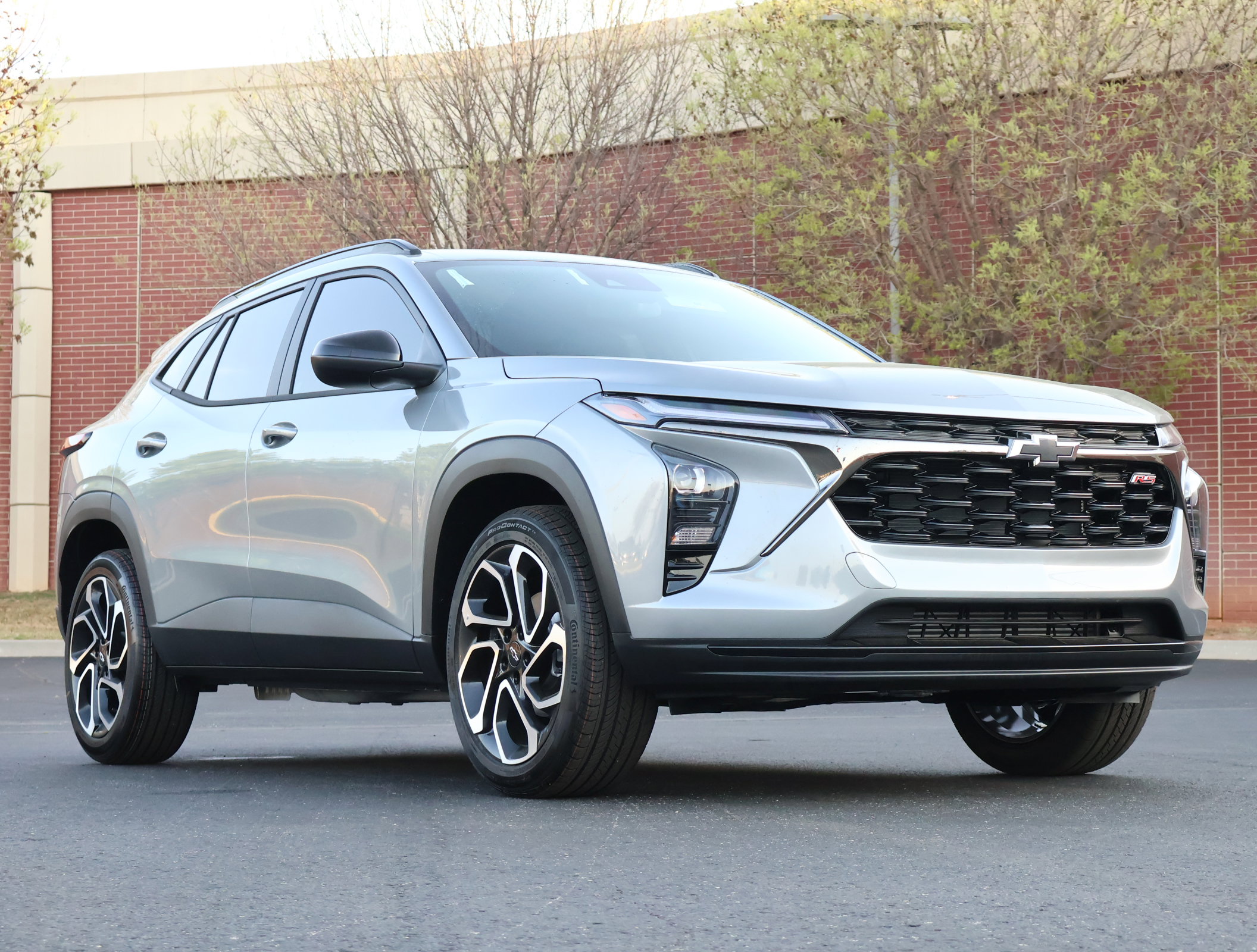
9. Chevrolet Trax 2RS FWD
Also Read: Estimated Price $23,500
The redesigned 2025 Chevrolet Trax 2RS FWD represents a deliberate effort to deliver strong occupant protection within one of the lowest-priced sport utility vehicle entry points available today. With a starting price of around twenty-three thousand five hundred dollars, this subcompact crossover sits within reach of buyers who previously would have considered only small sedans.
What distinguishes the Trax 2RS from many rivals in the same price range is the inclusion of a full ten airbag system as standard equipment, providing complete cabin coverage without requiring higher trims or added packages. Chevrolet equips the Trax with a carefully arranged airbag structure that addresses both frontal and lateral impact risks.
The system includes dual front airbags, front seat-mounted side airbags, and full-length side curtain airbags that extend to cover both front and rear seating positions. Added to these are a driver knee airbag and a front passenger knee airbag. This configuration ensures that occupants receive protection at head, chest, and lower body levels during a wide range of collision types.
For a subcompact crossover at this price, such coverage reflects careful safety planning rather than minimum compliance. Vehicle height plays an important role in safety considerations. Sport utility vehicles sit higher than sedans, which improves outward visibility but also increases exposure to rollover incidents during sharp steering inputs or impact events.
Side curtain airbags perform an especially important function in these situations because they deploy during rollovers and create a protective barrier between occupants and the roof structure. The Trax benefits from full-length curtain airbags that remain inflated long enough to protect heads during vehicle rotation, a feature that directly addresses the safety demands of taller body designs.
Passive protection in the Trax works alongside standard driver assistance technology. Chevy Safety Assist is included on the 2RS trim and brings together Automatic Emergency Braking, Forward Collision Alert, Front Pedestrian Braking, Lane Keep Assist with Lane Departure Warning, Following Distance Indicator, and a Seat Belt Reminder.
These systems focus on preventing collisions during common daily driving situations such as traffic congestion, pedestrian crossings, and unintentional lane drift. When an incident cannot be avoided, the airbag system assumes responsibility for occupant protection inside the cabin.
