
Acceleration numbers have become one of the biggest bragging rights in the automotive world. Car companies proudly advertise 0 to 60 MPH times because buyers instantly understand what those figures represent.
A lower number means quicker launches, stronger performance, and a more exciting driving experience. Yet something interesting has happened repeatedly over the years. Certain cars ended up significantly quicker in real-world independent testing than the automakers originally claimed.
Manufacturers sometimes intentionally publish conservative acceleration estimates. A company may want to guarantee every customer can achieve the advertised performance regardless of weather, road conditions, or driver skill.
Other brands avoid exaggeration because they prefer surprising customers rather than disappointing them. In some cases, internal company politics, insurance concerns, or fear of overshadowing more expensive models also influence official performance claims.
Modern launch control systems, advanced all-wheel drive setups, and increasingly sophisticated transmission technology have made this trend even more noticeable.
Some vehicles consistently outperform factory estimates once professional testers push them under ideal conditions. The difference may look small on paper, but shaving even a few tenths from a 0 to 60 run can dramatically change how impressive a car feels.
Certain performance cars became legends partly because independent testing revealed hidden potential nobody expected. Enthusiasts love discovering that a manufacturer understated a vehicle’s capability, especially when the surprise comes from affordable sports cars or understated luxury sedans secretly capable of supercar acceleration.
Another reason these stories fascinate enthusiasts is credibility. When a car beats expectations instead of merely matching them, buyers often trust the engineering more deeply. Underpromising and overdelivering creates excitement in ways that exaggerated marketing numbers never can.
The vehicles on this list gained attention because they consistently reached 60 MPH faster than advertised by their manufacturers. Some shocked the industry completely, while others quietly built reputations as hidden performance monsters.
From American muscle cars to German luxury sedans and exotic supercars, these machines proved official figures sometimes fail to tell the full story about just how quick a car really is.
Also Read: 10 Sedans That Beat Their SUV Cousins on Cargo Space
1. Nissan GT-R R35
The Nissan GT-R R35 earned the nickname “supercar killer” almost immediately after launch, and one major reason involved how dramatically it outperformed Nissan’s own acceleration claims. Official factory numbers already looked impressive, but independent testing quickly revealed the GT-R was even faster than most enthusiasts expected.
When Nissan introduced the car, the company advertised conservative 0 to 60 MPH times that seemed almost modest compared to the violent driving experienced from behind the wheel.
Professional testers repeatedly recorded quicker launches thanks to the GT-R’s advanced all-wheel-drive system, brutal launch control programming, and lightning-fast dual-clutch transmission.
What shocked the automotive world most was consistency. Many high-performance cars can produce one great acceleration run under perfect conditions, but the GT-R delivered repeated explosive launches with almost robotic precision. The car simply hooked up and launched harder than nearly anything else in its price range.
Part of the magic came from the engineering philosophy behind the drivetrain. Nissan designed the GT to maximize traction aggressively rather than allowing dramatic wheelspin or unstable launches.
The sophisticated electronic systems worked constantly to distribute power efficiently, helping the car reach 60 MPH far quicker than rear-wheel-drive rivals struggling for grip.
Another factor involved the underrated nature of the engine itself. The twin-turbocharged V6 often produced more real-world power than official figures suggested, especially in favorable weather conditions. Enthusiasts realized Nissan had been extremely conservative with both horsepower ratings and acceleration estimates.
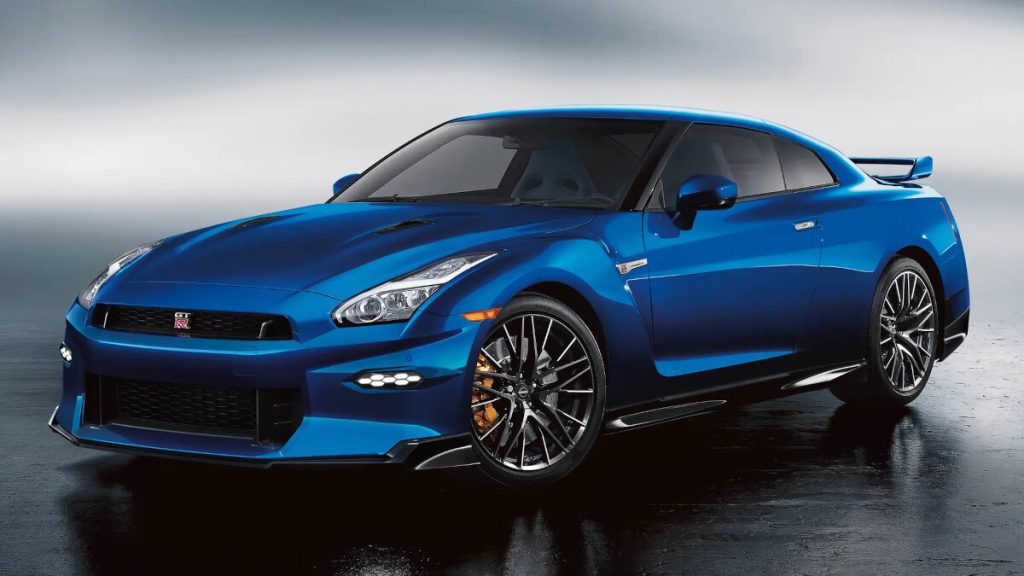
The GT-R’s ability to embarrass far more expensive exotic cars became legendary. Magazine tests regularly showed the Nissan matching or beating acceleration times from Ferraris, Lamborghinis, and Porsches costing more money. That performance advantage helped build the car’s cult following worldwide.
Launching the GT-R also created a uniquely brutal sensation. Instead of dramatic tyre smoke or excessive noise, the car simply exploded forward with mechanical violence. Drivers often described the acceleration as feeling more like a high-speed roller coaster launch than a traditional sports car sprint.
The R35 GT-R changed how enthusiasts viewed modern performance engineering. It proved that sophisticated electronics and all-wheel drive technology could create astonishing real-world speed beyond what official numbers suggested.
Even years later, the GT-R remains one of the most famous examples of a car consistently outrunning its advertised performance figures.
2. Chevrolet Camaro ZL1
The Chevrolet Camaro ZL1 arrived with serious performance credentials already attached to its name, but independent testing revealed something even more impressive. Chevrolet had been surprisingly conservative with the car’s official acceleration figures.
Once professional drivers began testing the supercharged muscle car properly, the ZL1 started posting 0 to 60 MPH times far quicker than many people believed possible from such a heavy rear-wheel-drive machine.
At the center of the madness sat Chevrolet’s supercharged LT4 V8 engine, delivering enormous torque almost instantly. The raw power alone suggested the car would be quick, but what surprised testers was how effectively the ZL1 translated that power into usable acceleration.
Sophisticated traction management systems and excellent chassis tuning helped the Camaro launch far harder than older muscle cars traditionally could.
The automatic transmission versions especially shocked reviewers. The quick-shifting gearbox worked perfectly with the supercharged engine’s massive torque curve, keeping acceleration relentless during full-throttle runs. Under ideal conditions, the ZL1 repeatedly reached 60 MPH quicker than Chevrolet officially advertised.
Part of the surprise came from expectations surrounding muscle cars in general. Many enthusiasts assumed large V8 rear-wheel-drive coupes would always struggle against advanced all-wheel-drive sports cars during standing starts. The ZL1 challenged that assumption aggressively.
Another reason the Camaro outperformed expectations is involuntarily retiring technology. Chevrolet equipped the car with extremely capable performance tires that allowed impressive grip despite the engine’s overwhelming power. Combined with launch control calibration, the ZL1 could leave the line with shocking efficiency.
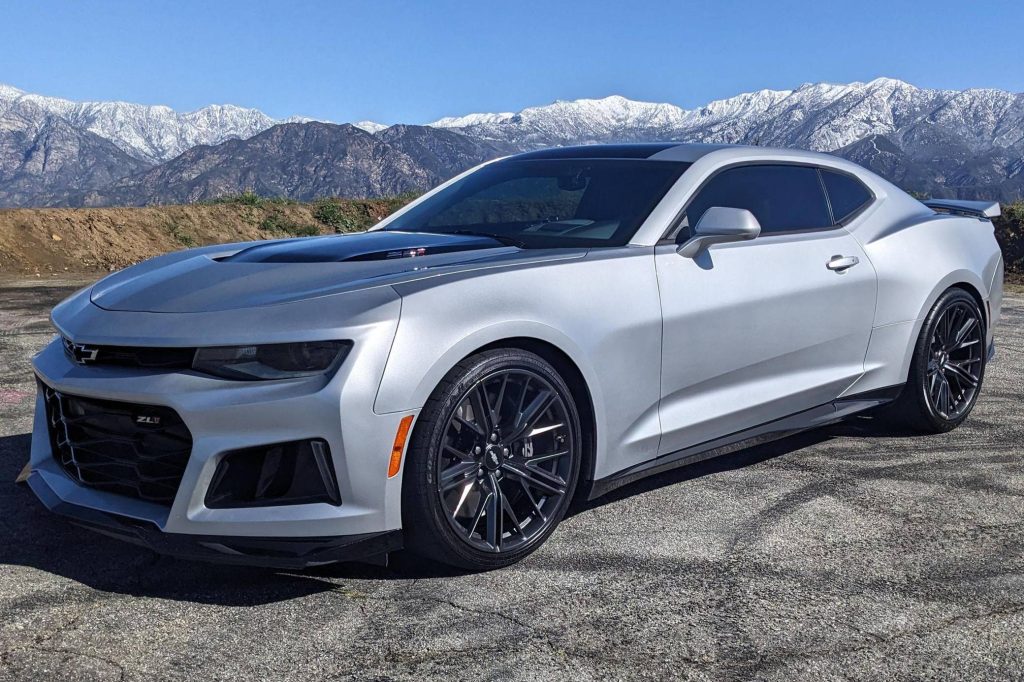
The supercharger character added to the experience dramatically. Full-throttle acceleration came with violent V8 thunder mixed with aggressive supercharger whine, creating a sense of mechanical brutality modern turbocharged engines often lack. The car felt alive, loud, and intimidating during hard launches.
The ZL1 also gained respect because it maintained its acceleration capability repeatedly. Heat management systems and durable engineering allowed the car to survive aggressive testing without major performance drop-offs, something not every high-horsepower vehicle manages successfully.
Chevrolet may have published conservative numbers partly to avoid overhyping the car, but enthusiasts quickly learned the ZL1 possessed far more real-world performance than official specifications initially suggested. The result was one of the fastest and most underrated acceleration monsters of the modern muscle car era.
3. Porsche 911 Turbo S
Porsche built its reputation partly through precision engineering and brutally effective real-world performance, and the 911 Turbo S became one of the clearest examples of that philosophy.
Official factory acceleration numbers already sounded extremely fast, yet independent testing repeatedly showed the car reaching 60 MPH even quicker than Porsche claimed. In some cases, the difference was dramatic enough to place the Turbo S firmly in hypercar territory.
What made the car so devastatingly effective was not only horsepower but also its aerodynamic design. Porsche perfected the relationship between the twin-turbocharged flat-six engine, all-wheel-drive system, transmission calibration, and launch control programming.
Every component worked together with incredible efficiency, allowing the Turbo S to waste almost no energy during hard launches.
Professional testers often described the acceleration as shocking because the car delivered speed with almost no drama. There was very little wheelspin, noise, or instability. Drivers simply activated launch control and released the brake, and the 911 launched forward like a machine programmed specifically to destroy acceleration tests.
Part of the Turbo S advantage came from Porsche’s famous tendency to underrate performance figures. The company has a long history of publishing conservative horsepower and acceleration numbers, partly because Porsche prefers customers to discover extra capability themselves rather than feel disappointed later.
The transmission deserves enormous credit as well. Porsche’s PDK dual-clutch gearbox remains one of the fastest and smartest transmissions ever placed into a production car. Gear changes happen almost instantly, keeping the engine within its strongest power range during acceleration runs.
Another impressive factor involves consistency. Many supercars achieve incredible numbers before suffering from overheating or traction problems. The Turbo S repeatedly produces astonishing acceleration with very little performance drop, reinforcing Porsche’s engineering reputation further.
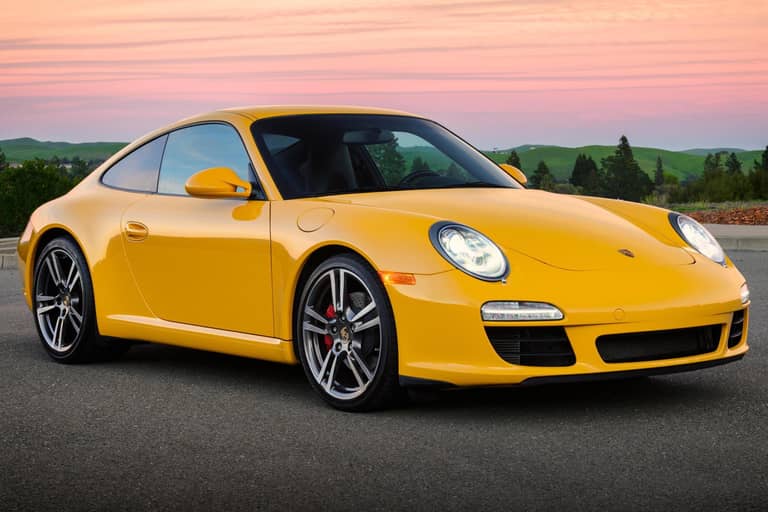
The sensation from inside the cabin feels almost unreal. Instead of dramatic tire smoke or uncontrollable movement, the Turbo S accelerates with terrifying precision. The speed builds so rapidly and smoothly that passengers often realize how fast the car is moving only after glancing at the speedometer.
The 911 Turbo S became famous because it quietly outperformed cars with far more aggressive styling and louder marketing campaigns. Porsche understated the numbers, but the car itself delivered performance that consistently shocked the automotive world.
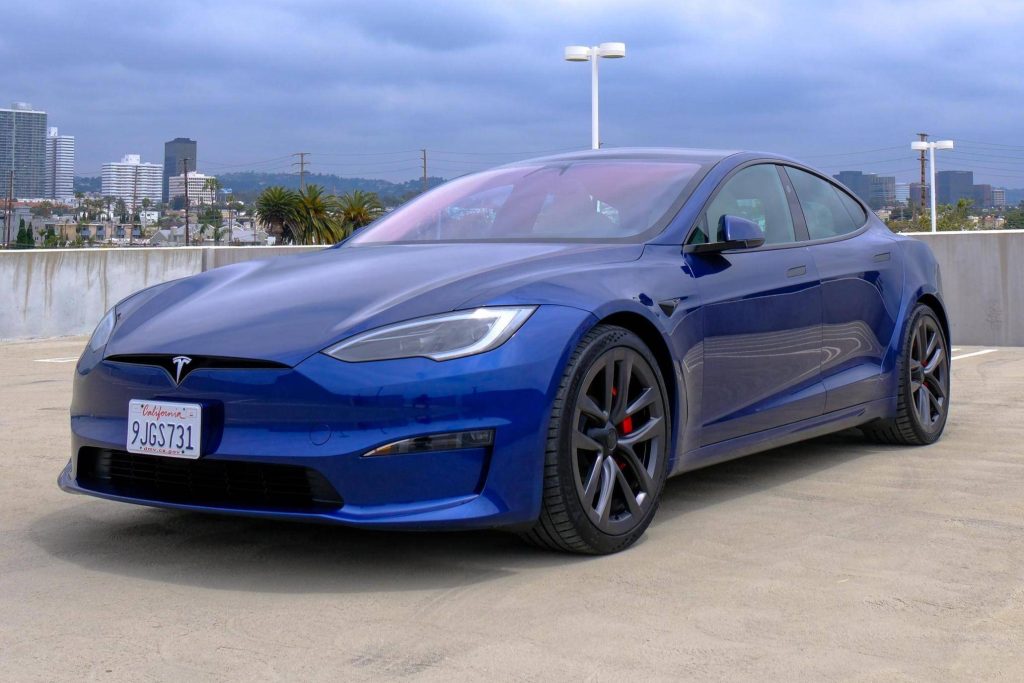
4. Tesla Model S Plaid
The Tesla Model S Plaid completely changed public expectations about sedan acceleration. Before its arrival, super quick 0 to 60 times belonged mostly to exotic sports cars, hypercars, or heavily modified drag machines.
Tesla introduced a large luxury sedan capable of humiliating nearly everything on the road, and independent testing showed it was even quicker than official claims suggested.
Electric motors played the biggest role in the Plaid’s astonishing launches. Unlike traditional gasoline engines that require revs and gear changes to build power, the Plaid delivers maximum torque instantly. The moment the accelerator pedal is pressed, the car launches forward with shocking force.
Many professional testers recorded acceleration times quicker than Tesla’s already outrageous factory estimates. Under ideal conditions, the sedan consistently produced hypercar-level launches despite carrying four doors, comfortable seating, and daily usability.
Part of the Plaid’s advantage came from advanced traction control and all-wheel-drive calibration. Tesla engineered the system to manage massive torque delivery with incredible precision, preventing unnecessary wheelspin while maximizing acceleration efficiency. The car simply grips and fires itself down the road almost silently.
What made the experience especially strange for many enthusiasts was the absence of traditional performance drama.
There is no roaring engine, no aggressive gear shifting, and no rising exhaust sound. Instead, passengers experience instant violent acceleration accompanied mostly by tire noise and the sensation of their bodies being pushed into the seats.
The Plaid also proved how much electric vehicles changed acceleration benchmarks. Cars that once dominated performance discussions suddenly looked outdated when compared against a family sedan capable of reaching 60 MPH in absurdly short times.
Another factor behind the quicker-than-advertised performance involved Tesla’s software-focused engineering philosophy. Updates and calibration improvements sometimes enhanced vehicle capability after customers had already purchased the cars, creating an evolving performance experience uncommon in the automotive industry.
The Model S Plaid forced the entire industry to rethink what rapid acceleration meant. It demonstrated that electric power could outperform traditional supercars consistently while carrying passengers comfortably and functioning as a practical daily vehicle.
Tesla may have published astonishing figures already, but real-world testing revealed the Plaid was even more ferocious than most people initially believed.
5. BMW M5 CS
The BMW M5 CS surprised the automotive world because it behaved less like a luxury sedan and more like a disguised supercar during acceleration testing. BMW already advertised impressive performance figures for the car, but independent testers quickly discovered the M5 CS consistently reached 60 MPH faster than official estimates suggested.
At the heart of the sedan sat a twin-turbocharged V8 delivering enormous torque across nearly the entire rev range. Yet raw power alone does not explain the car’s shocking acceleration capability.
BMW combined that engine with an advanced all-wheel-drive system and an extremely intelligent automatic transmission capable of executing rapid gear changes without disrupting momentum.
The M5 CS also benefited from careful weight reduction compared to the standard M5. Carbon fiber components, lighter seats, and chassis refinements improved both responsiveness and launch performance.
During hard acceleration, the car felt brutally efficient rather than heavy or sluggish like many large luxury sedans.
Another reason testers achieved quicker numbers involved traction management. BMW calibrated the launch system aggressively, allowing the sedan to use nearly all available grip without excessive wheelspin. The result was acceleration that felt immediate and relentless from the moment the car launched forward.
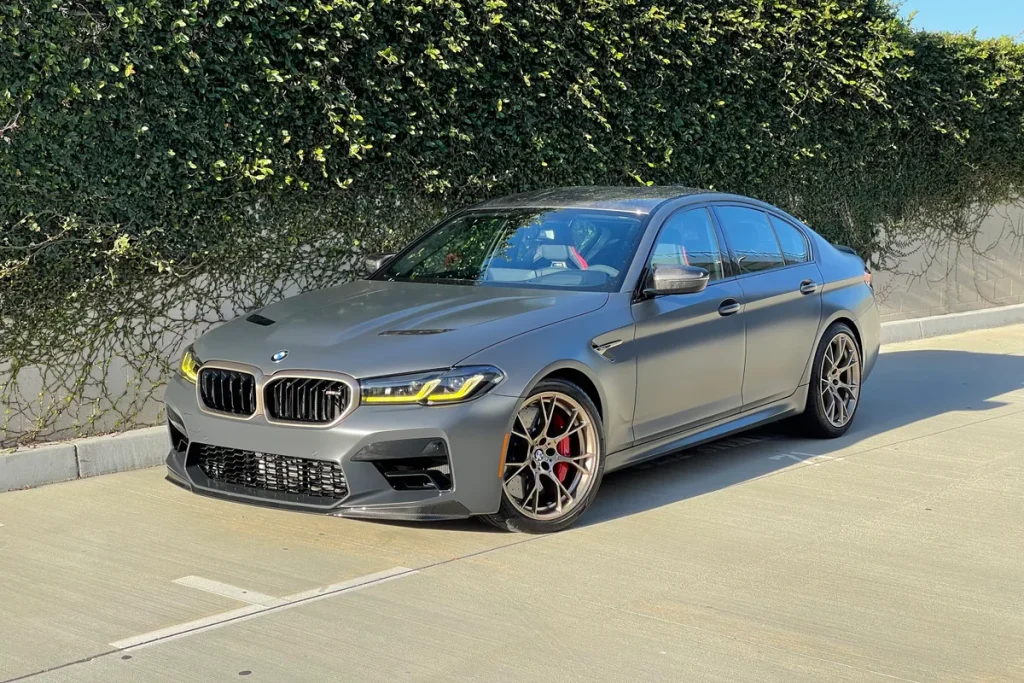
What impressed enthusiasts most was the contrast between appearance and performance. The M5 CS still looked like an executive sedan capable of carrying passengers comfortably, yet it accelerated with the violence of dedicated sports cars costing far more money.
The engine sound added emotional intensity, too. Deep V8 thunder mixed with turbocharged force created a dramatic experience missing from many modern luxury performance vehicles.
The M5 CS became famous because it quietly delivered far more speed than most buyers expected. BMW may have published conservative numbers, but real-world testing proved the sedan belonged among the quickest production cars on the road.
6. Dodge Challenger Hellcat Redeye
The Dodge Challenger Hellcat Redeye carried one of the most intimidating names in the muscle car world, and independent testing proved the car deserved every bit of its reputation. Dodge already claimed aggressive acceleration figures, but professional testers repeatedly recorded even quicker 0 to 60 MPH runs once conditions were ideal.
The secret behind the Red Eye’s shocking speed came from its supercharged Hemi V8 engine. Massive horsepower and overwhelming torque gave the Challenger acceleration that felt completely excessive for a street-legal coupe. Full-throttle launches transformed the car into a tire-shredding monster capable of overwhelming both the driver’s senses and readiness instantly.
Unlike earlier muscle cars that struggled badly for traction, the Redeye benefited from modern launch control systems and improved tire technology. Dodge engineered the car carefully so drivers could actually use much more of the available power during acceleration runs.
The supercharger character became a major part of the experience. Loud V8 thunder combined with aggressive supercharger whine created one of the most dramatic launch sensations in modern automotive history. Few production cars feel more unapologetically violent during hard acceleration.
Independent testing revealed the Redeye’s official figures were conservative, partly because Dodge understood real-world conditions vary significantly. Under perfect traction and temperature conditions, the car consistently outran expectations and entered performance territory once reserved for exotic supercars.
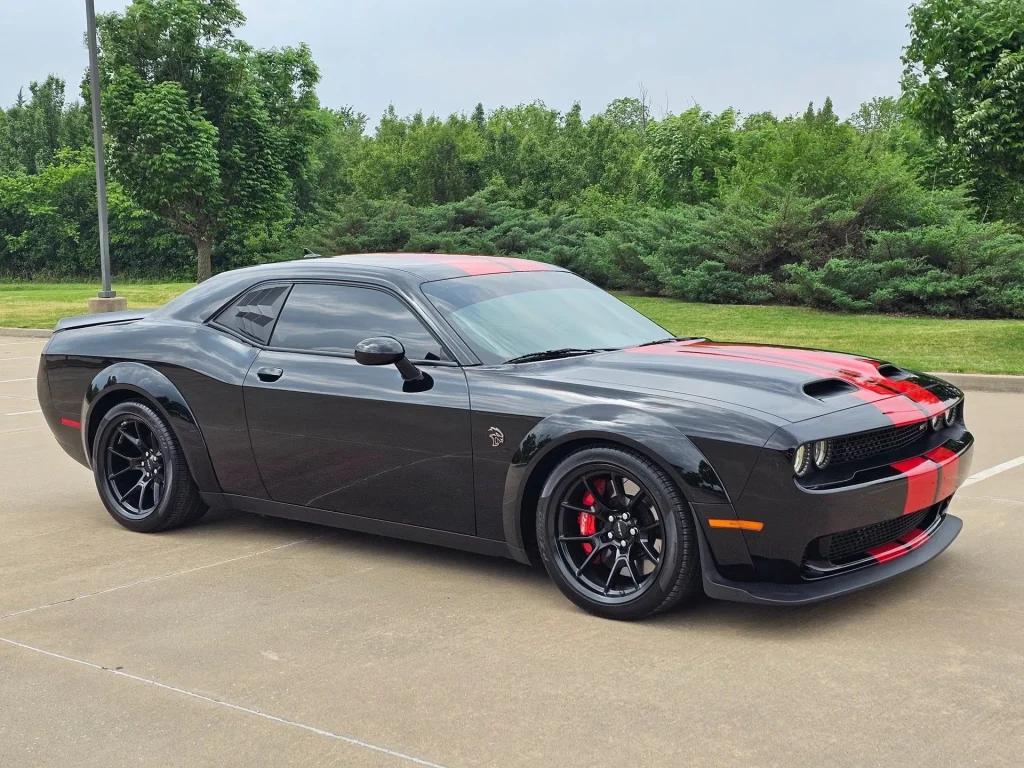
Another fascinating aspect involved straight-line dominance. The Redeye was not pretending to be a balanced European sports coupe or refined grand touring machine. Dodge built the car specifically to deliver outrageous acceleration and emotional excitement above all else.
Drivers often described the experience as chaotic in the best possible way. The car demanded respect because even slight throttle inputs could unleash enormous force instantly.
The Challenger Hellcat Redeye proved traditional American muscle still possessed incredible performance potential in the modern era. Its ability to outrun factory estimates only strengthened its legendary status among enthusiasts who crave raw horsepower and unforgettable acceleration drama.
7. Audi RS7 Performance
The Audi RS7 Performance built its reputation as one of the automotive world’s ultimate sleeper sedans. From the outside, it looked elegant and sophisticated rather than aggressively exotic. Beneath the sleek bodywork, however, sat a twin turbocharged monster capable of acceleration figures that regularly beat Audi’s own factory claims.
One reason the RS7 Performance shocked testers involved how efficiently it deployed power. Audi’s Quattro all-wheel-drive system worked with remarkable precision, allowing the sedan to launch with almost no wasted traction. The car simply hooked up immediately and surged forward with incredible force.
The twin-turbocharged V8 engine delivered massive torque from low RPM, making acceleration feel instant and effortless. Unlike naturally aspirated engines needing high revs to wake up, the RS7 produced relentless thrust almost the moment the throttle was pressed.
Combined with a lightning-quick transmission, the sedan reached 60 MPH far faster than its size suggested possible.
Another factor behind the quicker-than-advertised numbers involved Audi’s conservative engineering philosophy. The company often prefers publishing safe performance estimates rather than chasing exaggerated marketing headlines. Independent testing repeatedly revealed the RS7 possessed more real-world capability than official figures implied.
What made the car especially impressive was its composure. Many high-horsepower vehicles feel dramatic or unstable during aggressive launches, but the RS7 remained calm and controlled. Passengers experienced crushing acceleration while the cabin stayed refined and comfortable.
The car also benefited from modern launch control calibration. Audi engineered the system carefully to maximize grip while minimizing wheelspin, helping drivers achieve astonishing consistency during repeated acceleration runs.
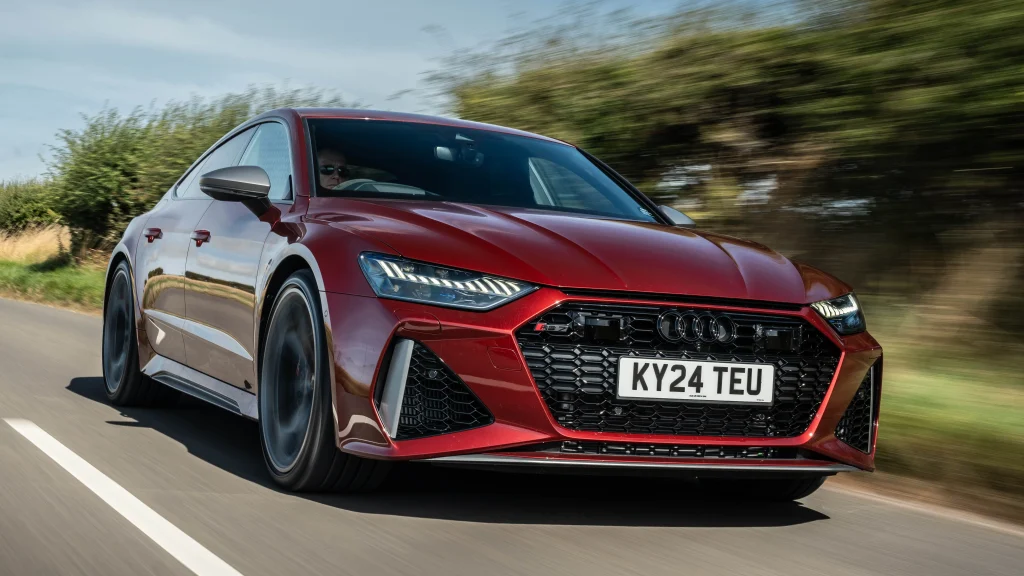
The RS7 Performance became a favorite among enthusiasts who loved hidden speed. It could transport passengers quietly through traffic one moment and outrun serious sports cars the next.
Its ability to outperform factory acceleration claims only strengthened the car’s reputation as one of the quickest and most deceptively capable luxury sedans of the modern era.
8. McLaren 720S
The McLaren 720S entered the supercar market with already unbelievable official performance figures, yet independent testing revealed the car was even quicker than McLaren originally claimed.
That discovery immediately upgraded the 720S to another level of automotive respect because enthusiasts realized the company had created something truly extraordinary.
At the center of the madness sat a twin-turbocharged V8 engine producing savage acceleration combined with surprisingly light vehicle weight. McLaren engineered the car around efficiency and aerodynamic intelligence, allowing the 720S to waste almost no energy during acceleration.
What stunned professional testers most was how violently the car accelerated after launch. The initial movement felt fast, but the relentless surge through higher speeds made the 720S feel almost unreal. Drivers often described the experience as disorienting because the speed built so quickly and smoothly.
The lightweight carbon fiber construction played a huge role in the car’s quicker-than-advertised performance. Less weight meant the engine could deliver more immediate acceleration while improving responsiveness throughout the power band.
McLaren also perfected turbocharger response remarkably well. Older turbocharged supercars often suffered noticeable lag, but the 720S delivered power with sharpness closer to a naturally aspirated exotic. The engine responded instantly, making the car feel alive under the throttle.
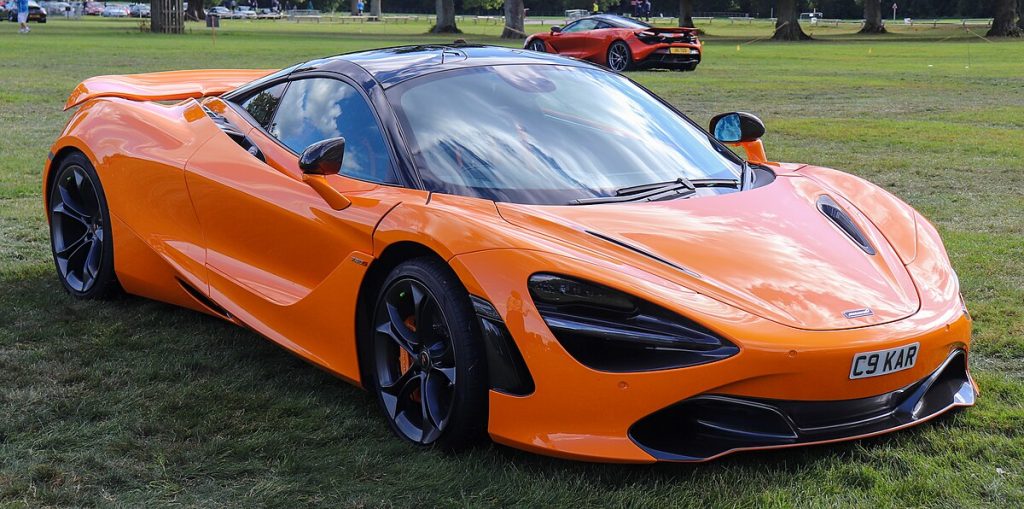
Another impressive factor involved traction. Despite enormous horsepower, the chassis and tire setup allowed the 720S to launch efficiently without excessive drama or instability. Sophisticated electronic systems managed power carefully while preserving the raw excitement expected from a McLaren.
The design itself reinforced the sensation of speed. Sitting low inside the dramatic cockpit while the twin-turbo V8 roared behind the driver created an intense emotional experience during full acceleration runs.
The 720S became famous partly because it embarrassed vehicles costing significantly more money. Real-world testing showed the McLaren consistently outperforming expectations and challenging hypercars in straight-line acceleration.
McLaren may have published conservative figures intentionally, but the 720S quickly revealed itself as one of the fastest and most shockingly capable production cars of its generation.
9. Cadillac CT5 V Blackwing
The Cadillac CT5-V Blackwing became one of the greatest modern American performance sedans partly because it delivered much more real-world speed than its official acceleration numbers initially suggested.
Cadillac advertised strong performance already, but independent testing quickly revealed the supercharged sedan could hit 60 MPH significantly faster under ideal conditions.
At the center of the Blackwing sat a supercharged 6.2-liter V8 producing enormous horsepower and instant torque. The engine delivered acceleration with a raw and emotional character that many modern luxury performance sedans struggle to match.
Full-throttle launches came with violent force, accompanied by thunderous V8 sound and aggressive supercharger whine.
One reason the Blackwing consistently outran expectations involved traction-management improvements. Older rear-wheel-drive muscle sedans often wasted time fighting wheelspin during hard launches.
Cadillac engineered sophisticated electronic systems allowing the car to use far more of its available power effectively, especially with the automatic transmission setup.
The transmission itself also played a major role. Rapid shifts kept the supercharged engine deep within its strongest power range, helping acceleration remain relentless from launch through higher speeds. Professional testers repeatedly recorded quicker times than Cadillac officially claimed because the drivetrain worked so efficiently together.
Another impressive factor involved chassis balance. Despite carrying enormous power, the CT5 V Blackwing maintained composure and stability during aggressive acceleration. Drivers experienced brutal speed without feeling the car become unpredictable or uncontrolled.
What made the sedan especially exciting was its personality. Many high-performance luxury cars feel refined to the point of emotional detachment, but the Blackwing retained an authentic American muscle attitude beneath its premium interior and advanced technology.
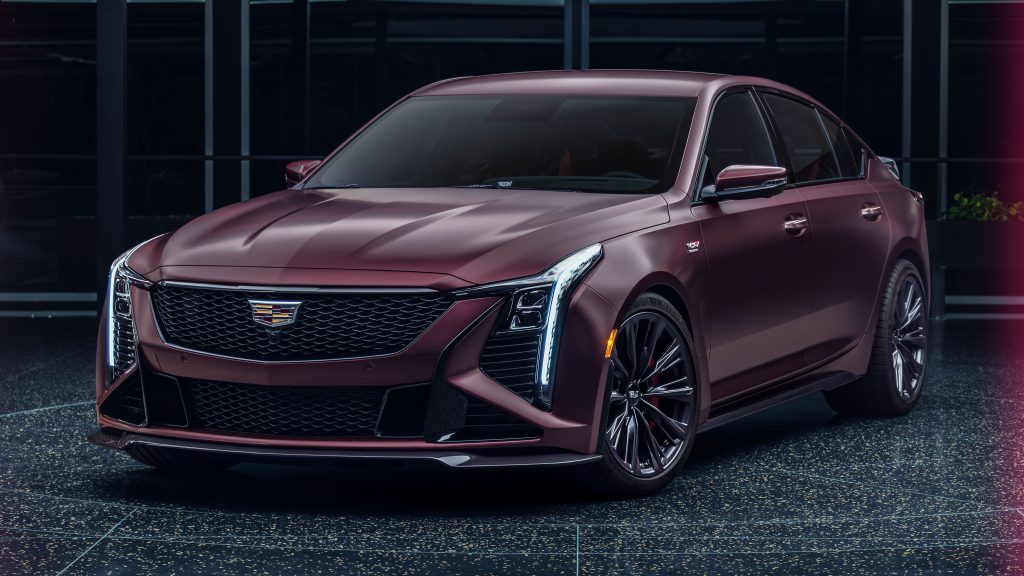
Enthusiasts also appreciated Cadillac’s honesty. The company appeared more interested in delivering genuine performance surprises than exaggerating marketing claims. That conservative approach helped strengthen the Blackwing’s credibility among performance car fans.
The CT5-V Blackwing proved Cadillac could build a world-class super sedan capable of challenging European rivals directly while still preserving loud, unapologetic V8 excitement. Its ability to outperform official acceleration estimates only added to its growing legend.
10. Ferrari SF90 Stradale
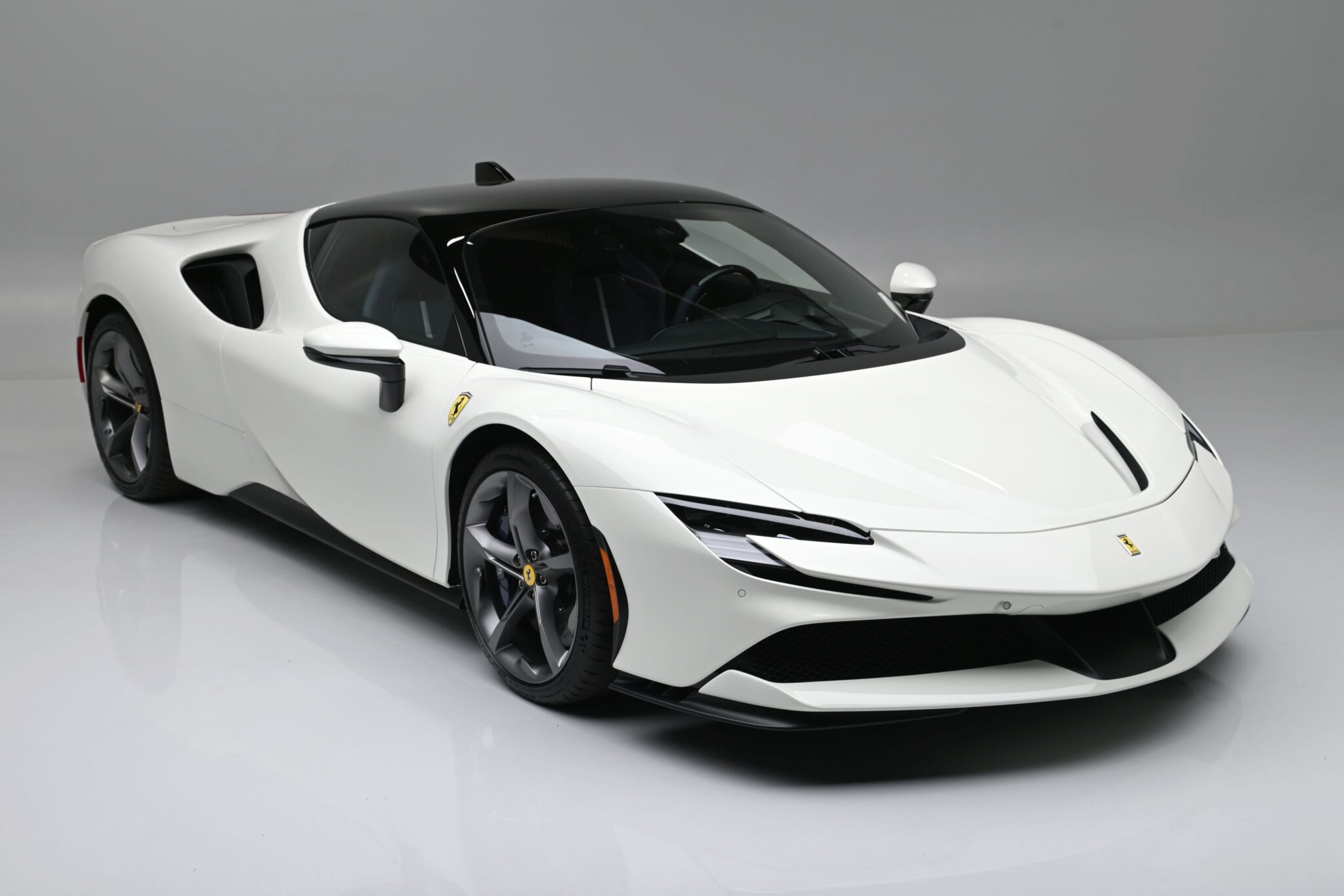
The Ferrari SF90 Stradale completely redefined expectations for road-legal Ferrari acceleration. Official factory figures already sounded unbelievable, yet independent testing repeatedly showed the hybrid supercar reaching 60 MPH even faster than Ferrari advertised. The results demonstrated just how advanced modern performance engineering had become.
The SF90 combined a twin-turbocharged V8 engine with multiple electric motors, delivering instant torque to all four wheels. Unlike traditional gasoline-powered supercars that rely entirely on engine revs and traction, the Ferrari used hybrid technology to create immediate explosive acceleration from the very first inch of movement.
One reason the SF90 consistently beat factory estimates involved how effectively the electric motors filled power-delivery gaps. Torque arrived instantly before the combustion engine reached full force, eliminating hesitation and creating continuous acceleration unlike almost anything else on the road.
Ferrari also engineered the launch control system with extraordinary precision. Sophisticated electronics managed traction, power distribution, and gear changes almost perfectly during acceleration runs. Drivers simply activated launch mode and experienced breathtaking speed with almost no wasted motion.
Another factor behind the astonishing numbers involved aerodynamics and lightweight construction. Ferrari designed the SF90 to maintain stability even during violent acceleration, allowing the car to remain composed while generating incredible forward momentum.
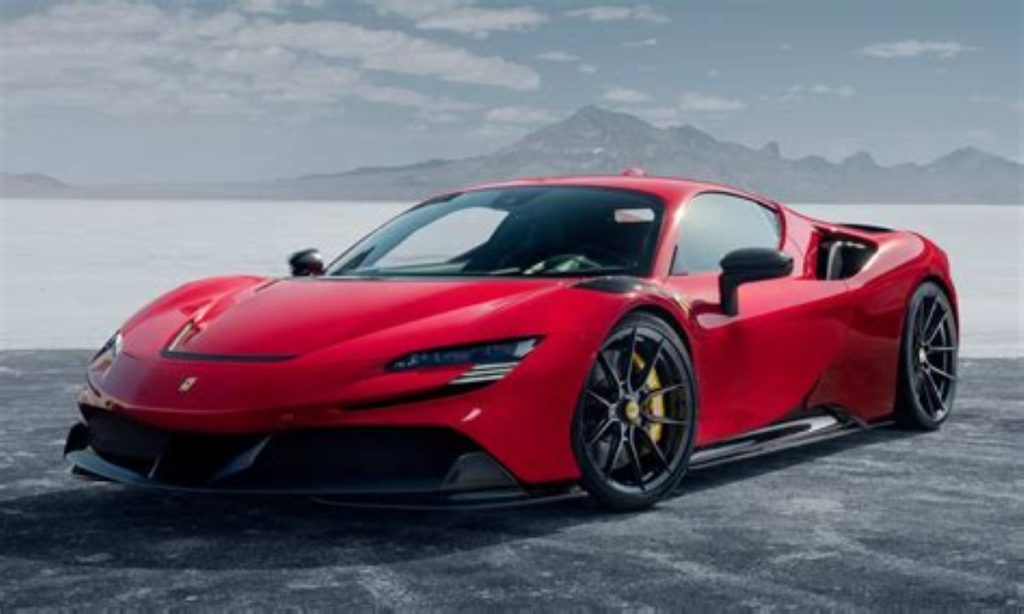
The sensation inside the cabin felt almost surreal. Electric torque launched the car immediately, then the twin turbo V8 joined with aggressive Ferrari intensity as speed increased rapidly. The combination created a driving experience blending futuristic hybrid response with traditional supercar drama.
The SF90 also symbolized Ferrari’s transition into a new era. Instead of treating electrification as a compromise, Ferrari used hybrid technology to push performance far beyond what combustion power alone could achieve.
Independent testing confirmed the SF90 belonged among the quickest production cars ever built. Ferrari may have published conservative figures intentionally, but real-world acceleration runs proved the supercar possessed even more capability than enthusiasts initially imagined.
