
Modern vehicles are designed very differently from the cars people drove decades ago. Today, most bumpers use lightweight plastic covers hiding energy-absorbing structures underneath.
These systems improve aerodynamics, fuel economy, pedestrian safety, and manufacturing efficiency. Yet many drivers still miss the solid feel of traditional steel bumpers that could survive parking lot taps, rough roads, and minor impacts without instantly cracking or requiring expensive cosmetic repairs.
Although truly exposed steel bumpers became rare long before 2010, a handful of vehicles continued offering them well into the modern era.
Some manufacturers kept steel bumpers because the vehicles were targeted for rugged off-road use, commercial applications, military-inspired design, or heavy-duty utility work. Others used steel to reinforce durability and create a more aggressive visual identity that plastic alone could not achieve.
These vehicles appealed strongly to buyers who valued toughness over polished styling. Farmers, ranch owners, off-road enthusiasts, utility companies, and outdoor adventurers often preferred solid steel bumpers because they handled abuse better than painted plastic components.
A steel bumper could survive trail impacts, towing accidents, animal strikes, and harsh weather conditions far more effectively than fragile modern bumper covers.
Another reason steel bumpers survived involved the aftermarket culture. Trucks and utility vehicles frequently receive winches, tow hooks, auxiliary lights, and recovery equipment that require strong mounting points. Steel construction supports this hardware much more effectively than lightweight plastic systems.
Interestingly, many of these vehicles also developed reputations for long-term durability. Owners appreciated not having to replace expensive painted bumper covers after small collisions or worksite damage. Scratches and dents on steel bumpers often became badges of use rather than reasons for immediate repair.
This list highlights eight vehicles sold after 2010 that still came with genuine steel bumpers from the factory. Some were rugged off-roaders, while others focused on commercial durability or military-inspired toughness.
They stood apart in an era increasingly dominated by smooth plastic styling and fragile exterior panels, proving there was still a market for vehicles built with old-school strength and visible utility.
Also Read: 6 Cars Cabbies Trust for a Million Miles vs 6 That Don’t Make 300,000
1. Jeep Wrangler JK
The Jeep Wrangler JK remained one of the most recognizable vehicles sold after 2010 with genuine steel bumpers because Jeep never abandoned the Wrangler’s rugged off-road identity.
While most modern SUVs shifted toward softer styling and plastic-heavy construction, the Wrangler continued embracing exposed utility-focused hardware that reflected its military roots and trail-oriented purpose.
Steel bumpers suited the Wrangler perfectly because the vehicle was designed to operate in harsh environments where plastic components would suffer constant damage.
Off-road enthusiasts regularly drive Wranglers across rocks, mud, deep ruts, forest trails, and desert terrain where bumper contact becomes almost unavoidable. Steel construction provided durability and impact resistance far beyond what ordinary crossover bumpers could handle.
Another important factor involved aftermarket compatibility. Wrangler owners frequently install winches, tow hooks, auxiliary lighting, and recovery gear. Steel bumpers create strong mounting points for this equipment while also supporting recovery operations during difficult off-road situations.
Jeep understood this enthusiast culture clearly, which is why the Wrangler maintained such rugged exterior hardware long after most manufacturers abandoned exposed steel entirely.
The Wrangler JK also appealed to buyers who appreciated visible toughness. Unlike many modern SUVs that hide structural elements behind painted plastic covers, the Jeep proudly displayed its heavy-duty hardware.
Scratches and dents on steel bumpers often became signs of adventure rather than cosmetic disasters requiring immediate repair.
Jeep’s removable doors and roof further reinforced the Wrangler’s traditional mechanical personality. Owners valued vehicles that felt durable and straightforward rather than overly polished or delicate. Steel bumpers fit naturally into that philosophy by emphasizing function above appearance.
Daily usability also remained surprisingly strong despite the rugged design. Many owners used Wranglers as commuters while still appreciating the peace of mind that steel bumpers offered during parking lot impacts or rough-weather conditions.
Minor collisions that might crack expensive bumper covers on other vehicles often caused minimal damage to the Wrangler.
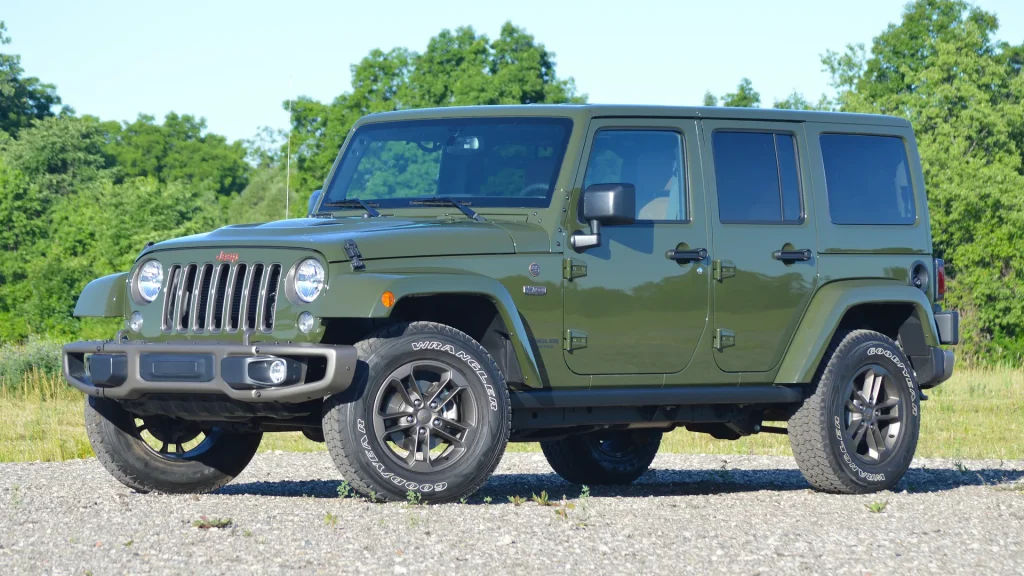
The JK generation became especially popular because it balanced classic Jeep character with modern comfort improvements. Yet beneath the updated interiors and electronics, the Wrangler still carried real off-road hardware designed for abuse and recovery work.
In an era dominated by smooth plastic bodywork, the Wrangler JK stood proudly apart. Its genuine steel bumpers symbolized a commitment to durability and off-road capability that remained increasingly rare in the modern automotive industry.
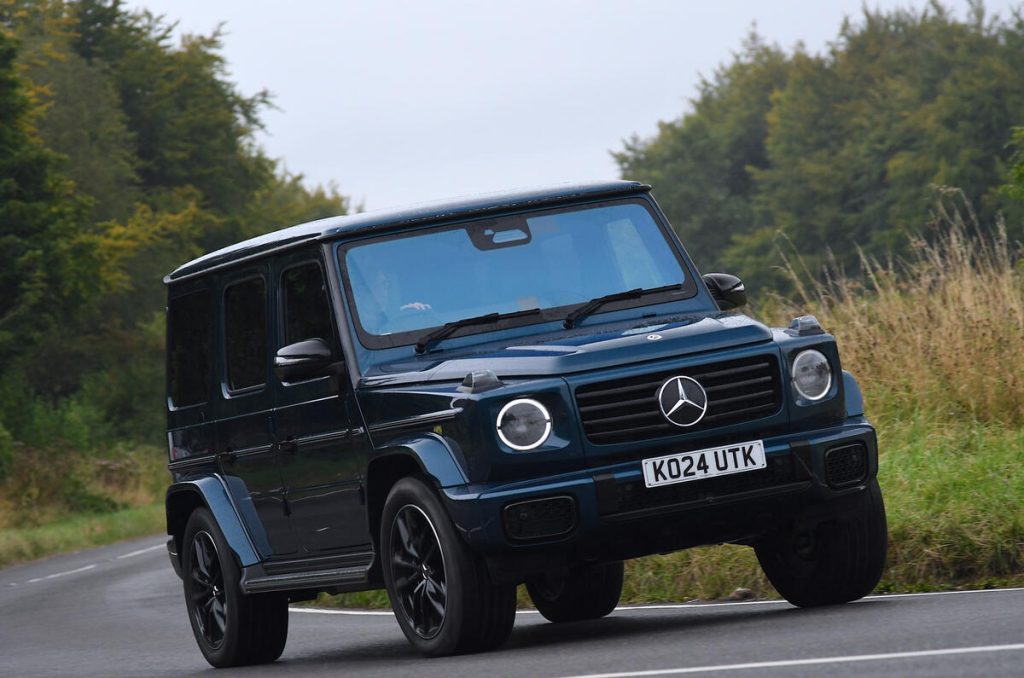
2. Mercedes-Benz G-Class
The Mercedes-Benz G-Class managed to preserve genuine steel bumper construction well into the modern era because the vehicle never fully abandoned its military and utility origins despite becoming a luxury icon.
While most high-end SUVs evolved toward sleek aerodynamic styling, the G Class retained a boxy structure and rugged hardware that reflected decades of off-road heritage.
Originally designed for military and industrial use, the G Class carried engineering priorities very different from ordinary luxury vehicles. Steel bumpers remained important because the SUV was expected to survive difficult terrain, remote travel, and demanding environmental conditions.
Even as celebrities and wealthy buyers embraced the G-Wagon, Mercedes continued to preserve much of the vehicle’s heavy-duty structural philosophy.
The steel bumpers served practical purposes beyond appearance. Off-road travel frequently exposes vehicles to rocks, branches, steep inclines, and accidental impacts that can destroy fragile plastic bumper covers.
The G-Class used steel to provide real protection and structural durability during these conditions. Owners traveling through rough terrain appreciated hardware built for genuine punishment rather than cosmetic styling alone.
Another reason Steel survived on the G-Class involved towing and recovery capability. Heavy-duty tow hooks and recovery points require strong mounting structures, especially on a vehicle designed for serious off-road use.
Mercedes understood that despite the SUV’s luxury reputation, many buyers still expected authentic capability beneath the expensive interior.
The G-Class also benefited visually from exposed steel hardware. The bumpers reinforced the SUV’s unmistakable tough appearance and military-inspired character. Buyers wanted the vehicle to look powerful and indestructible, and plastic bumper designs would have weakened that identity significantly.
Inside the cabin, the contrast became especially interesting. Rich leather, advanced technology, and luxury craftsmanship existed alongside rugged exterior engineering features usually associated with utilitarian trucks. That unusual combination helped the G-Class stand out in a crowded luxury SUV market.
Durability also played a major role in long-term ownership satisfaction. Steel bumpers tolerated minor parking impacts and rough use far better than painted plastic alternatives. Owners appreciated that the vehicle felt genuinely solid rather than delicate despite its premium price tag.
The G-Class succeeded because it refused to completely surrender its rugged origins. Even after becoming a luxury status symbol, it continued carrying real steel hardware that connected it directly to an era when off-road vehicles were engineered first for durability and survival.
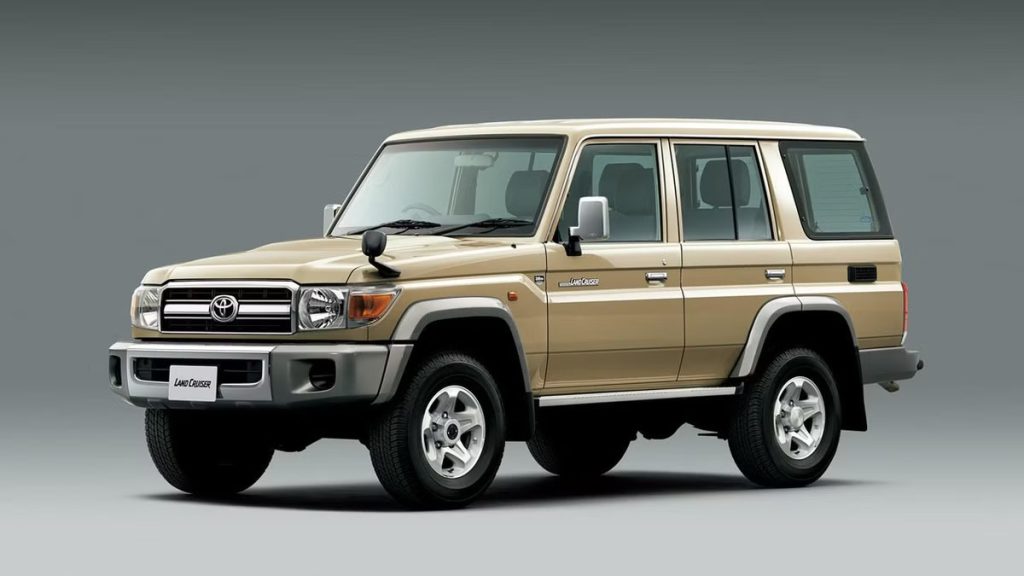
3. Toyota Land Cruiser 70 Series
The Toyota Land Cruiser 70 Series remained one of the clearest examples of old-school automotive engineering surviving well after 2010.
While most modern SUVs adopted plastic bumper covers and urban-focused styling, the 70 Series continued using real steel bumpers because Toyota designed it primarily for durability in some of the harshest environments on earth.
This vehicle served farmers, mining companies, humanitarian organizations, military fleets, and remote area operators across Africa, Australia, the Middle East, and South America.
In these regions, roads are often rough, recovery equipment is essential, and vehicle reliability can become a matter of survival. Steel bumpers offered far greater resistance to impacts from rocks, brush, livestock, and rough terrain than lightweight plastic systems ever could.
The Land Cruiser 70 Series also relied heavily on functional simplicity. Steel bumpers allowed easy mounting of winches, tow hooks, jerry can carriers, and protective accessories needed for long-distance off-road travel. Owners frequently modified these vehicles for expeditions and industrial work where durability mattered far more than appearance.
Another important reason Toyota retained steel bumpers involved repair practicality. In remote areas, damaged plastic bumper covers can become difficult or impossible to replace quickly.
Steel components, however, can often be repaired, reshaped, or welded locally with basic tools. This practicality made the vehicle highly valuable in rural and isolated regions.
The truck-like structure of the 70 Series reinforced its rugged identity further. Solid axles, body-on-frame construction, and durable diesel engines created a machine built for endurance rather than luxury. Steel bumpers fit naturally into this philosophy because every visible part of the vehicle emphasizes strength and longevity.
Interestingly, the 70 Series became respected even in countries where it was not officially sold. Enthusiasts admired its unapologetically utilitarian design during a time when most SUVs moved toward softer crossover styling. The visible steel bumpers became symbols of authenticity and real-world capability.
Inside, the vehicle remained basic compared with modern luxury SUVs. Yet buyers choosing a 70 Series rarely cared about premium interiors or flashy technology. They wanted dependable transportation capable of surviving years of hard labor in difficult conditions.
The Land Cruiser 70 series proved that genuine utility vehicles still existed long after most manufacturers abandoned traditional rugged construction methods. Its steel bumpers represented a commitment to toughness and function that remained almost unmatched in the modern automotive world.
4. Ford Super Duty
The Ford Super Duty continued offering genuine steel bumpers after 2010 because heavy-duty work trucks operate under conditions where durability matters far more than delicate styling.
While lighter pickups increasingly adopted painted plastic bumper covers for appearance and aerodynamics, Ford understood that Super Duty buyers often needed hardware capable of handling towing accidents, jobsite impacts, and extreme workloads.
Steel bumpers made practical sense on these trucks because many owners use them daily in construction, agriculture, oil fields, and industrial transportation. Heavy trailers, equipment loading, and rough terrain place enormous stress on truck exteriors.
Plastic bumper systems crack easily under these conditions, but steel structures tolerate abuse much better while protecting critical front and rear components.
Another major reason steel bumpers survived involved towing capability. Super Duty trucks regularly pull extremely heavy trailers requiring strong mounting points for tow hooks and recovery gear. Steel bumpers provided the structural integrity necessary for demanding recovery operations and commercial hauling applications.
Ford also recognized that many fleet operators prioritize long-term durability over cosmetic appearance. Companies purchasing large numbers of work trucks want vehicles that can survive years of difficult service without constant body repairs.
Steel bumpers resist dents, impacts, and worksite damage more effectively than lightweight plastic alternatives, reducing maintenance expenses over time.
The Super Duty’s massive road presence further benefited from exposed steel hardware. Thick bumpers reinforced the truck’s heavy-duty image and made it look purpose-built for serious labor. Buyers often associate visible steel with strength and toughness, qualities highly valued in the commercial truck market.
Another advantage involved aftermarket customization. Super Duty owners frequently install winches, brush guards, snowploughs, and auxiliary lighting systems.
Steel bumpers create far stronger foundations for this equipment compared with ordinary plastic bumper covers. This versatility increased the truck’s appeal among contractors and outdoor enthusiasts alike.
The truck’s full engineering philosophy matched the bumper design perfectly. Powerful diesel engines, reinforced frames, and high payload ratings all emphasized capability and endurance. Steel bumpers simply became another visible expression of the truck’s work-focused character.
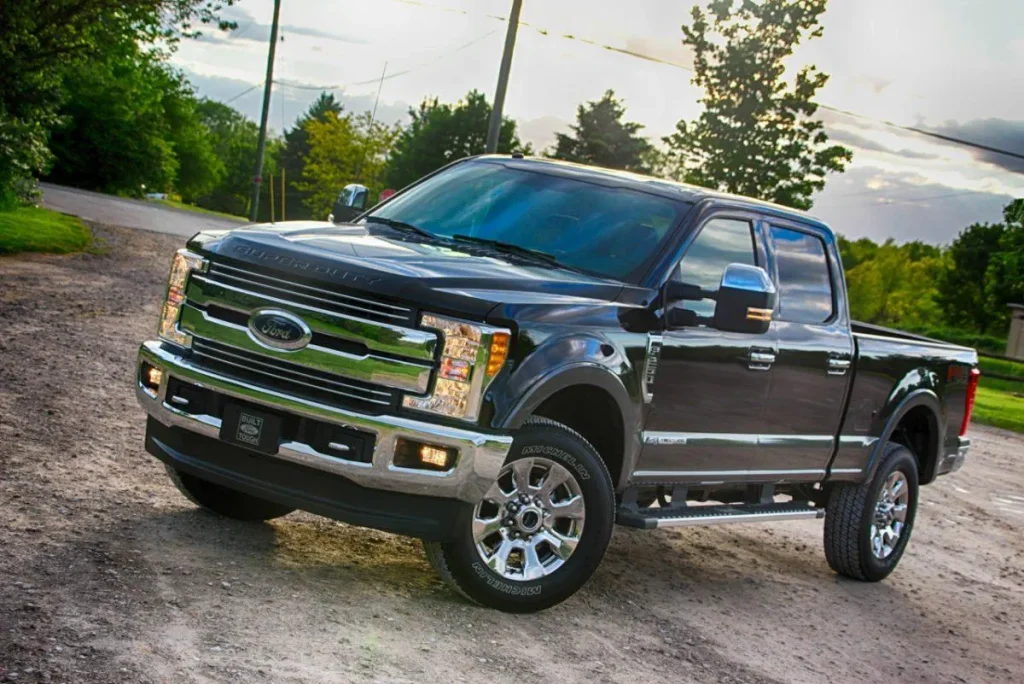
Even as luxury versions of the Super Duty gained leather interiors and advanced technology, the core truck still retained genuine heavy-duty hardware designed for real-world abuse.
Its steel bumpers reminded buyers that, beneath the modern conveniences, the Super Duty remained fundamentally a serious work machine built to handle difficult jobs every day.
5. Nissan Patrol Y61
The Nissan Patrol Y61 continued carrying genuine steel bumpers long after 2010 because it remained deeply connected to hardcore off-road and desert driving culture.
In many global markets, especially the Middle East, Australia, and parts of Africa, the Patrol earned legendary status for surviving brutal terrain where fragile plastic bumpers would not last long. Nissan understood the expectations of these buyers and kept the vehicle rugged in both appearance and engineering.
Steel bumpers became essential because patrol owners regularly drove through rocky mountain trails, deep dunes, remote desert highways, and harsh rural environments.
Contact with terrain was common, and minor impacts that would destroy plastic bumper covers often caused little more than scratches on steel hardware. This durability helped the Patrol build a reputation for toughness trusted by explorers, rescue operators, and off-road enthusiasts.
The Y61 generation also retained a traditional body-on-frame design with solid axles and durable mechanical systems. Steel bumpers fit naturally within that old-school engineering philosophy. Buyers choosing a Patrol wanted a vehicle that could endure years of punishment rather than simply look rugged in urban settings.
Another major reason for the steel construction involved recovery work. Patrol drivers frequently used tow points, recovery straps, and winches during off-road travel.
Steel bumpers provided strong mounting locations capable of handling serious recovery loads in difficult conditions. This practical advantage mattered enormously during desert driving and remote expeditions.
The Patrol additionally gained popularity among aftermarket builders. Owners often added roof racks, auxiliary lighting, larger fuel tanks, and reinforced recovery gear. Steel bumpers supported these modifications much more effectively than lightweight modern bumper systems designed primarily for appearance.
Inside the cabin, the Patrol remained functional rather than luxurious during many of its production years. Nissan prioritized durability and ease of maintenance over advanced technology. Buyers appreciated this straightforward approach because the vehicle felt dependable and purpose-built.
Interestingly, the visible steel bumpers also strengthened the Patrol’s image. The SUV looked genuinely capable instead of artificially aggressive. Drivers trusted it because the rugged appearance reflected real engineering rather than cosmetic styling tricks.
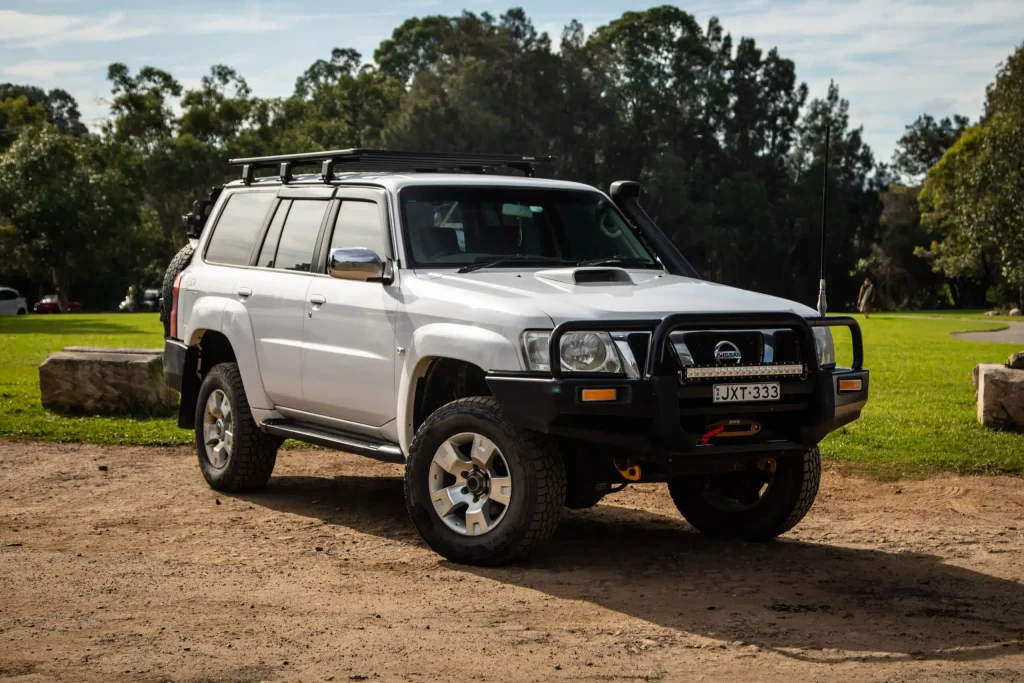
The Y61 Patrol became one of the last globally respected off-road vehicles, preserving truly traditional construction methods. Its steel bumpers symbolized a vehicle created for survival, endurance, and real adventure during an era increasingly dominated by soft crossovers and plastic-heavy SUVs.
6. Chevrolet Express Van
The Chevrolet Express kept genuine steel bumpers alive well after 2010 because commercial vans operate in demanding conditions where durability and low repair costs matter far more than aerodynamic styling.
While passenger vehicles moved toward painted bumper covers and smoother designs, the Express remained focused on practical utility for businesses, contractors, shuttle services, and fleet operators.
One of the main reasons steel bumpers survived on the Express involved daily commercial use. Delivery vans and work vehicles spend huge amounts of time in tight parking areas, loading zones, and crowded urban environments where minor impacts happen regularly.
Steel bumpers handled these situations much better than plastic alternatives, reducing downtime and expensive cosmetic repairs.
Fleet managers especially appreciated the durability advantages. A scratched steel bumper often remained fully functional after an impact that would crack or shatter a painted plastic bumper cover. Businesses operating large fleets valued this resilience because it lowered long-term maintenance expenses significantly.
Another factor involved towing and cargo work. Many Express vans hauled trailers, tools, equipment, and heavy loads daily. Steel bumpers provided stronger mounting structures for towing hardware and recovery points while reinforcing the van’s work-focused image.
The Express also benefited from an intentionally conservative design philosophy. Chevrolet kept the platform in production for many years with relatively modest changes because commercial buyers preferred proven reliability over rapid redesigns.
Steel bumpers fit perfectly within this practical approach by emphasizing durability and easy serviceability.
The van’s role in demanding industries further justified the rugged hardware. Electricians, plumbers, contractors, airport shuttle companies, and delivery services needed vehicles capable of surviving constant use without becoming fragile.
Steel bumpers matched the Express’s reputation as a dependable commercial machine built for long working lives.
Another advantage involved repair simplicity. Steel bumpers are easier to straighten, repaint, or replace compared with complex modern bumper systems containing integrated sensors and delicate plastic trim pieces. This simplicity reduced repair times and kept fleet vehicles operating efficiently.
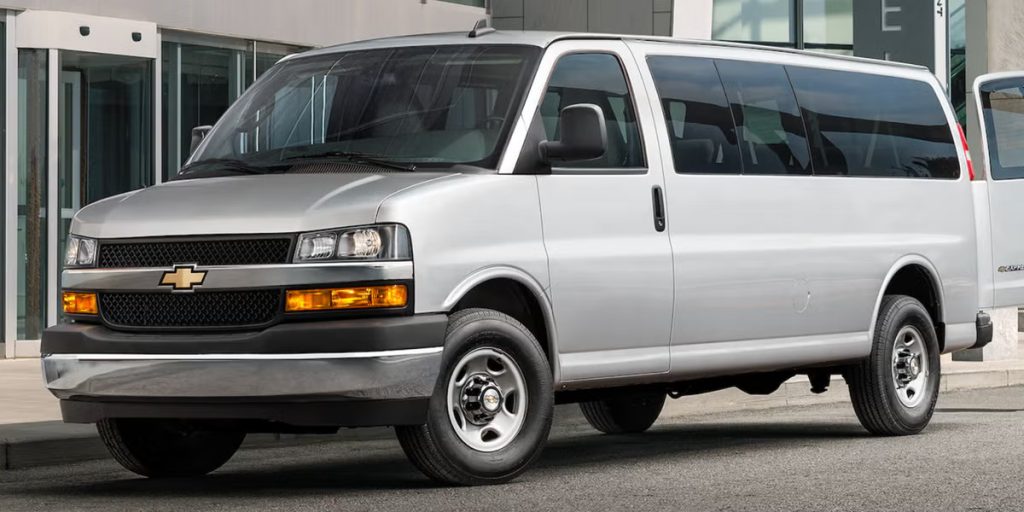
Despite its utilitarian purpose, the Express also gained respect among conversion van enthusiasts and camper builders. Buyers converting vans for travel appreciated the sturdy construction and durable exterior hardware, especially when adding towing equipment or off-road accessories.
The Chevrolet Express survived because it remained honest about its mission. It was not designed to chase luxury trends or futuristic styling.
Its real steel bumpers represented a commitment to durability and practical commercial use that continued long after most modern vehicles had abandoned such rugged construction.
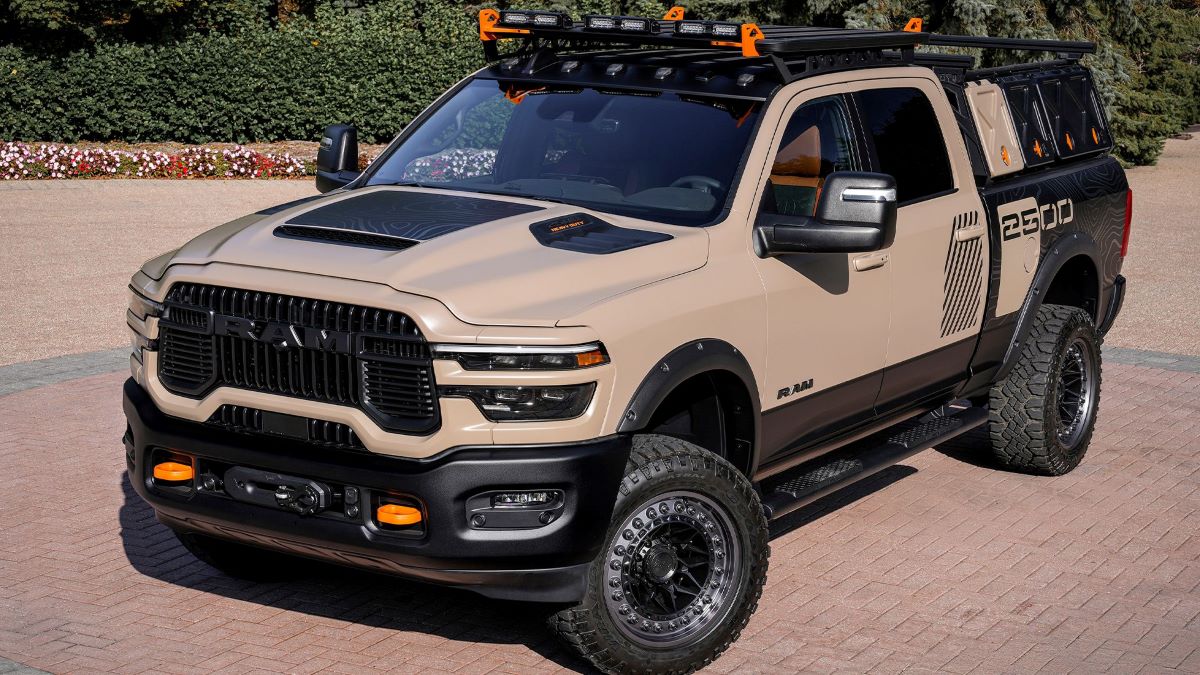
7. Ram 2500 Power Wagon
The Ram 2500 Power Wagon stood apart after 2010 because it combined heavy-duty truck strength with factory-engineered off-road capability, and genuine steel bumpers played a central role in that identity.
While many modern pickups adopted softer styling and plastic exterior components, the Power Wagon embraced visible toughness and functional durability designed for difficult terrain and serious recovery work.
Steel bumpers made complete sense on the Power Wagon because the truck was built specifically for rugged off-road conditions.
Ram equipped it with factory winches, locking differentials, skid plates, and aggressive suspension systems intended for trails, mud, rocky landscapes, and remote travel. Plastic bumpers would have struggled to survive the kind of impacts and recovery operations this truck regularly encountered.
Another major reason steel remained important involved the integrated recovery equipment. The front bumper needed enough strength to support a factory-mounted winch capable of pulling heavy loads during off-road recoveries.
Steel construction provided the structural integrity necessary for these demanding tasks while also protecting the truck during trail driving.
The Power Wagon also attracted buyers who valued authenticity. Many off-road enthusiasts dislike cosmetic “rugged” styling that hides fragile components underneath. The exposed steel bumpers on the Power Wagon signaled genuine capability and reinforced the truck’s reputation as a purpose-built machine rather than a lifestyle accessory.
The truck’s heavy-duty chassis further complemented the bumper design. Solid axles, reinforced suspension systems, and powerful engines created a vehicle engineered to handle punishment in remote environments.
Steel bumpers fit naturally within that mechanical philosophy because every visible element of the truck emphasized durability and strength.
Owners frequently customized Power Wagons for overlanding, camping, and expedition travel. Steel bumpers allowed easy installation of auxiliary lighting, brush guards, recovery shackles, and additional off-road accessories.
This flexibility increased the truck’s popularity among outdoor enthusiasts wanting a reliable long-distance adventure platform.
Even in urban settings, many buyers appreciated the peace of mind that came from durable steel hardware. Parking lot bumps, rough roads, and towing mishaps posed far less risk compared with delicate painted bumper covers found on ordinary pickups.
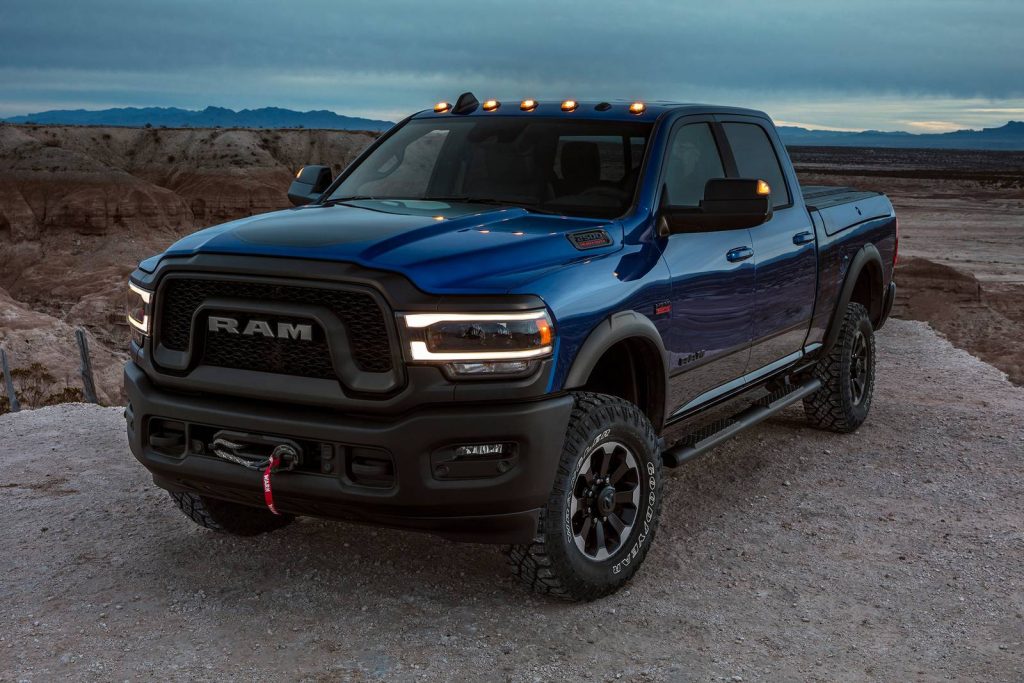
The Power Wagon became a rare example of a modern truck that openly celebrated old-school ruggedness. Its steel bumpers were not nostalgic decorations. They were functional equipment designed to survive real off-road abuse and demanding re
covery situations, keeping the truck closely connected to traditional heavy-duty engineering values.
8. Toyota FJ Cruiser
The Toyota FJ Cruiser carried genuine steel bumpers into the modern era because Toyota designed the vehicle around durability, off-road capability, and retro-inspired toughness.
Introduced as a tribute to classic Land Cruisers, the FJ Cruiser intentionally rejected fragile crossover styling and embraced visible rugged hardware that matched its adventurous personality.
Steel bumpers suited the FJ perfectly because the SUV targeted buyers who actually intended to leave paved roads behind. Rock trails, muddy terrain, forest roads, and desert travel all place heavy stress on exterior components.
Toyota knew plastic bumper systems would not deliver the same confidence or durability in these environments, so stronger steel structures remained part of the vehicle’s identity.
Another important factor involved the FJ Cruiser’s off-road geometry. Short overhangs and durable bumpers improved approach and departure angles during trail driving.
Owners regularly tackled steep obstacles and uneven terrain where bumper contact could occur unexpectedly. Steel construction tolerated these situations much better than lightweight painted alternatives.
The FJ also became hugely popular within the off-road modification community. Enthusiasts added roof racks, recovery equipment, larger tires, auxiliary lighting, and camping accessories. Steel bumpers provided solid mounting points for many of these upgrades while reinforcing the SUV’s expedition-ready image.
Toyota additionally understood the emotional value of visible toughness. The FJ Cruiser looked intentionally rugged with upright proportions, chunky fenders, and contrasting trim pieces. Steel bumpers completed that appearance by giving the vehicle a sense of mechanical honesty rarely found in modern SUVs dominated by smooth plastic surfaces.
Durability remained one of the FJ’s strongest selling points. Buyers trusted Toyota’s reputation for reliability and appreciated exterior hardware capable of surviving years of outdoor use. Minor trail damage or parking lot impacts often mattered far less because the steel bumpers handled abuse without requiring immediate, expensive repairs.
Inside the cabin, the FJ balanced modern comfort with practical materials designed for active lifestyles. Water-resistant surfaces and straightforward controls suited to outdoor enthusiasts who regularly expose vehicles to dirt, sand, and wet conditions. The rugged exterior hardware, therefore, matched the SUV’s functional interior philosophy.
The FJ Cruiser eventually developed cult status because it represented something increasingly rare in the automotive world: a modern SUV built with genuine off-road priorities instead of urban styling trends. Its steel bumpers symbolized that commitment clearly, helping the vehicle maintain a loyal following long after production ended.
Also Read: 5 Pickups Built for Rural Mail Routes vs 5 That Fall Apart
