
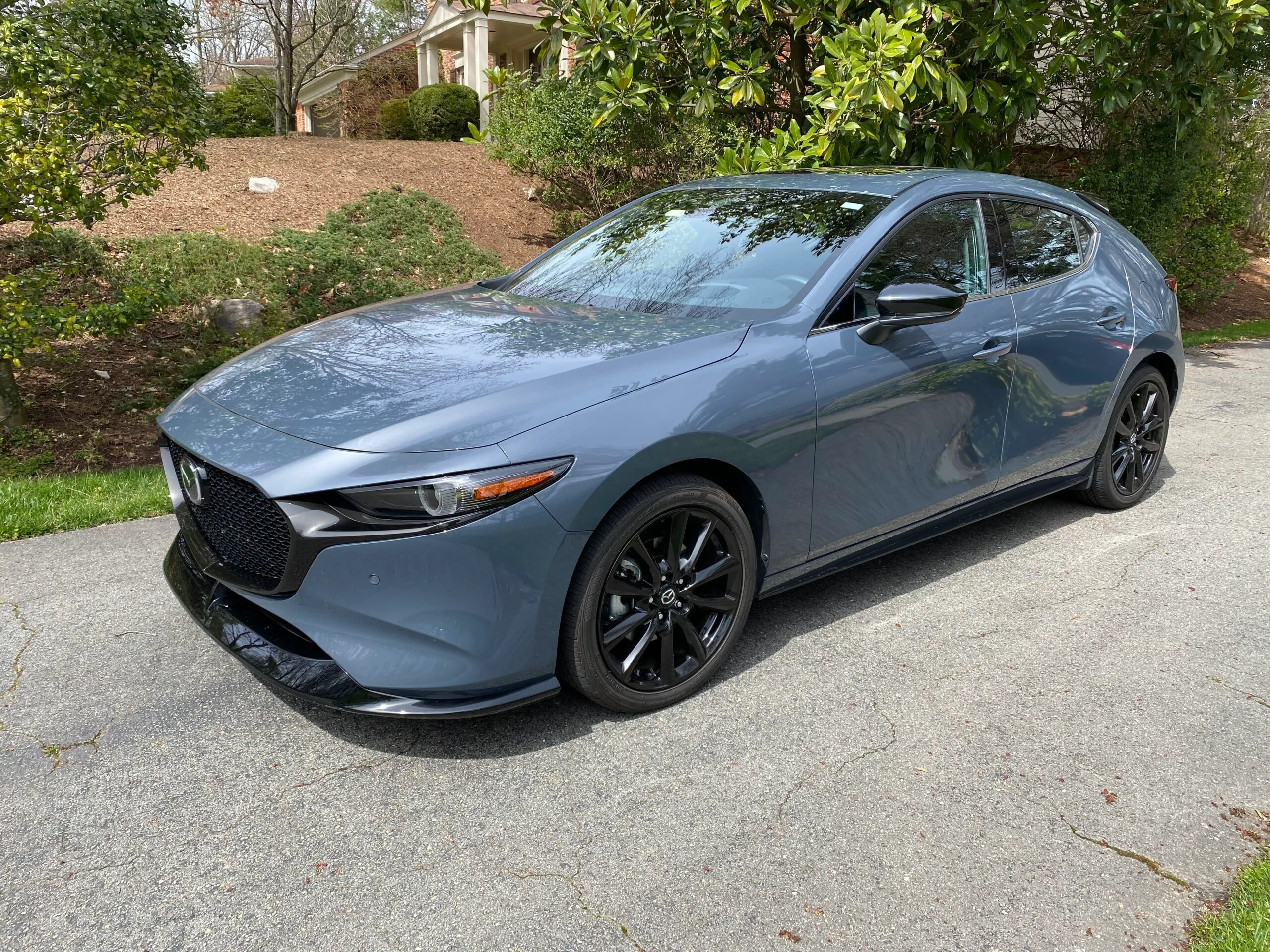
Mazda spent the past decade transforming itself from a niche Japanese automaker into a brand increasingly competing in premium territory. While companies like Toyota focused heavily on efficiency and Honda emphasized practicality, Mazda concentrated on styling, driver engagement, and upscale cabin design.
That strategy gave the company a distinct identity in a crowded market filled with crossovers and increasingly similar driving experiences.
The 2026 redesign period marks another important stage in Mazda’s evolution. Several models received updated styling, revised interiors, improved technology, and changes aimed at strengthening the brand’s premium image.
Some vehicles benefited enormously from these updates, gaining stronger refinement and broader appeal. Others remained held back by limited space, pricing concerns, or competition from rivals offering better practicality or efficiency.
Mazda’s lineup also became more diverse than many buyers realize. The company now sells compact hatchbacks, family crossovers, sports cars, and larger premium-leaning SUVs. Each vehicle reflects Mazda’s philosophy differently.
Some prioritize sharp handling and engaging steering feel, while others focus more heavily on comfort and upscale presentation. The redesigns arriving for 2026 attempted to modernize these models while keeping the driving character that longtime Mazda fans appreciate.
Ranking Mazda’s lineup before and after the redesigns requires balancing several factors, including reliability, comfort, interior quality, driving dynamics, practicality, value, and technology integration.
Some models improved dramatically because Mazda corrected earlier weaknesses involving infotainment systems or cabin space. Others remained largely the same mechanically, relying on styling updates and refinement changes instead of major engineering revisions.
Another interesting aspect of Mazda’s lineup is how consistently the brand avoids chasing extremes. Most Mazda vehicles aim for balance rather than class-leading horsepower or oversized luxury features.
This creates strong all-around products, though some models struggle to stand out in highly competitive segments dominated by larger manufacturers.
The rankings ahead examine where each major Mazda model stood before the 2026 redesign changes and how those updates affected its position within the lineup.
Some vehicles emerged stronger and more competitive than ever, while others revealed areas where Mazda still faces significant challenges against rivals in today’s demanding automotive market.
Also Read: 8 Discontinued Pontiac Models Ranked by Collector Value Today
1. Mazda CX-3
Before the 2026 redesign period, the Mazda CX-3 already felt like one of the oldest vehicles in Mazda’s crossover lineup. It still carried attractive styling and sharp handling, but buyers increasingly viewed it as cramped compared with newer subcompact SUVs.
Rear seat space was limited, cargo room disappointed families, and the interior technology began showing its age against fresher competitors.
Despite those weaknesses, the CX-3 always appealed to drivers who valued maneuverability and sporty road manners. Steering felt more precise than most small crossovers, and the compact dimensions made city driving easy. Mazda also gave the cabin an upscale atmosphere compared with many budget-focused rivals.
The 2026 redesign updates attempted to modernize the formula without losing the vehicle’s playful personality.
Mazda improved infotainment responsiveness, added more advanced safety features, and revised cabin materials to create a cleaner and more premium appearance. Exterior styling changes remained subtle because the original design still looked attractive years later.
Ride quality also improved slightly after suspension tuning revisions. Earlier CX 3 models could feel firm on rough pavement, especially with larger wheels, but the redesign softened impacts enough to make commuting more comfortable without ruining handling balance.
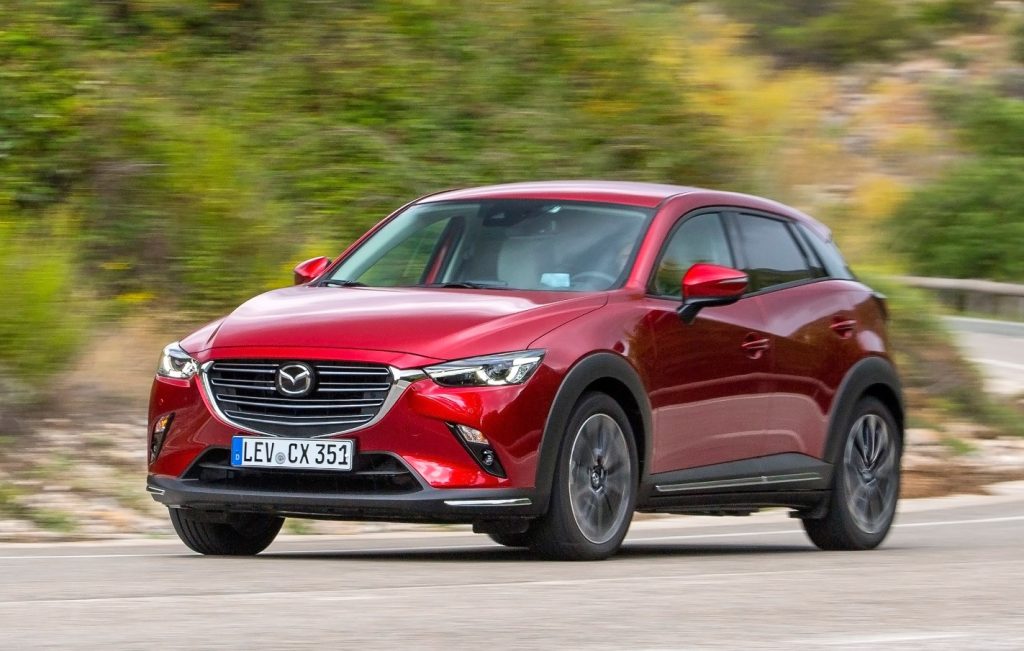
Even after updates, rear passenger space remained one of the SUV’s biggest weaknesses. Taller adults still find the back seat cramped, and cargo practicality trails larger competitors significantly. Buyers wanting family usability usually move toward the CX 30 instead.
The redesigned CX-3 succeeds best as a stylish urban crossover for singles or couples rather than growing families. It feels more refined and modern than before, though the improvements were not enough to completely erase the limitations created by its compact platform and aging proportions.
2. Mazda MX-30
The Mazda MX-30 entered the market with bold styling and unusual design choices, yet it immediately divided opinion because of its limited electric range. Before the 2026 redesign changes, many buyers praised the cabin quality and driving feel while criticizing practicality and battery performance compared with rival EVs.
Mazda approached the MX-30 differently from many electric vehicles. Instead of chasing maximum range numbers, the company focused heavily on driving engagement and premium interior presentation.
Sustainable materials, minimalist styling, and freestyle rear doors gave the SUV a unique personality that stood apart from more conventional EV competitors.
Unfortunately, the limited range overshadowed many of those strengths. Drivers wanting practical long-distance usability often found the MX-30 difficult to justify when rivals offered significantly better battery performance at similar prices.
The 2026 redesign period improved the vehicle in several important areas. Mazda updated battery management systems, improved charging efficiency, and refined software integration to make the ownership experience smoother. Interior technology also became more intuitive, helping the cabin feel more modern and less experimental.
Ride quality remained one of the MX 30’s best qualities after the redesign. The suspension tuning balances comfort with controlled handling extremely well, creating a more natural driving experience than some overly heavy electric crossovers.
Cabin refinement also deserves praise. Materials feel upscale, seats remain supportive, and road noise stays impressively low during highway travel. Mazda’s attention to driver-focused ergonomics continues to separate the MX-30 from competitors relying heavily on oversized screens and complicated controls.
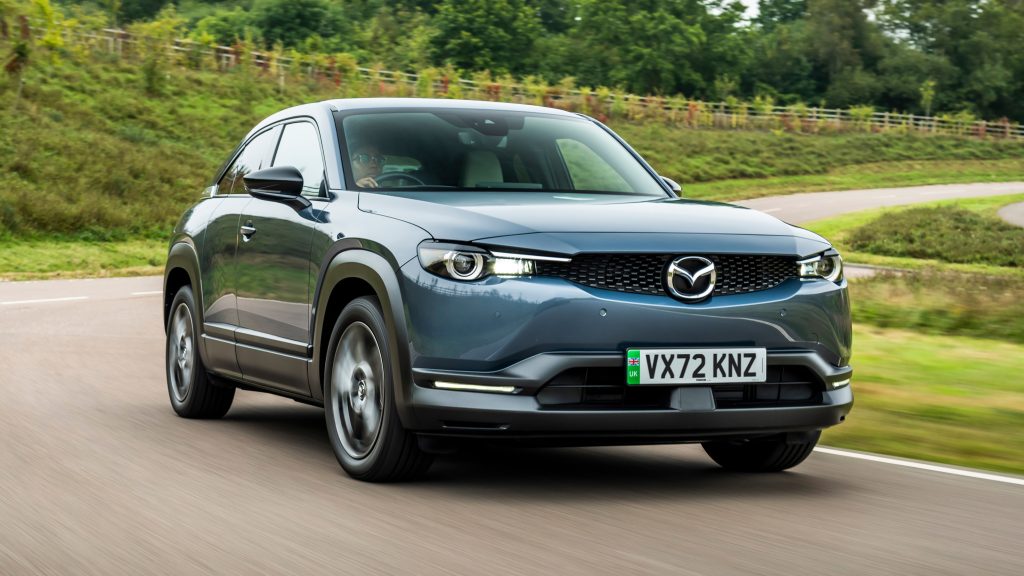
Still, the redesign could not fully solve the vehicle’s biggest issue. Practical driving range still trails many rivals substantially, limiting broader appeal. Rear-seat access through the rear-hinged doors also remains awkward in tighter parking situations.
The MX 30 feels more polished and usable after the redesign updates, but it continues appealing mostly to buyers prioritizing design, comfort, and uniqueness over maximum EV practicality.
3. Mazda Mazda3 Sedan
Before the 2026 redesign changes, the Mazda3 sedan already stood out as one of the most refined compact sedans in its class.
While competitors often focused mainly on fuel economy and practicality, Mazda gave the sedan premium styling, sharp handling, and a cabin that felt far more expensive than its price suggested. Drivers who valued comfort and design frequently ranked it above more mainstream rivals.
The biggest strength of the pre-redesign Mazda3 Sedan was balance. Steering felt responsive without becoming harsh, ride quality remained controlled, and the naturally aspirated engines delivered smooth power for daily commuting. Turbocharged trims added stronger acceleration, though they also increased pricing significantly.
The 2026 updates refined the formula rather than reinventing it. Mazda revised the front styling slightly, modernized infotainment software, and improved cabin materials at key touch points. The sedan retained its elegant appearance while gaining a cleaner and more contemporary interior atmosphere.
Noise insulation improvements became noticeable after the redesign as well. Highway driving feels quieter and more relaxed, helping the Mazda3 compete more directly with entry-level luxury sedans. Seat comfort also improved through revised cushioning and support adjustments.
One area where the sedan still trails some competitors involves rear passenger space. The sloping roofline creates a stylish silhouette, though taller rear occupants may feel cramped during longer trips. The cargo room remains respectable but not class-leading.
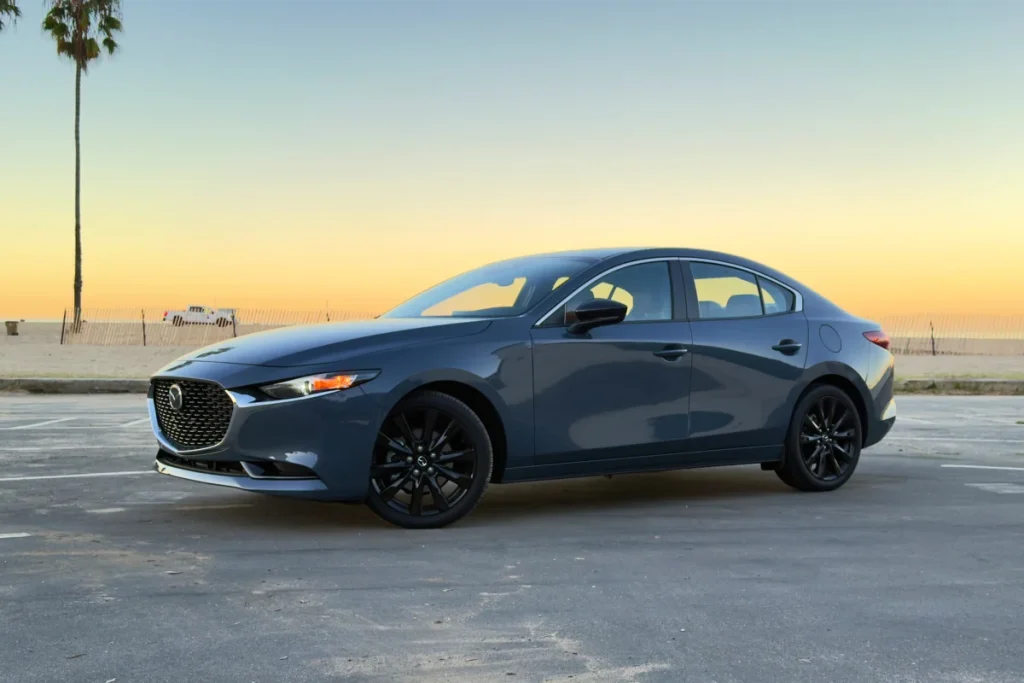
Fuel economy continues to perform well, especially in naturally aspirated trims. The driving experience remains more engaging than most compact sedans, helping the Mazda3 preserve its enthusiast-friendly reputation even after refinement-focused updates.
The redesigned Mazda3 Sedan succeeds because Mazda avoided unnecessary changes. Instead of dramatically altering the car’s personality, the company polished existing strengths while addressing smaller weaknesses involving cabin technology and comfort refinement.
4. Mazda Mazda3 Hatchback
The Mazda3 Hatchback always carried a more emotional personality than the sedan version because of its sporty shape and premium-leaning design. Before the 2026 redesign updates, many buyers already considered it one of the best-looking compact hatchbacks available.
The combination of sharp handling, upscale materials, and elegant styling helped it feel closer to a European luxury compact than an ordinary economy car.
One reason enthusiasts preferred the hatchback was the driving feel. Steering remained precise, suspension tuning balanced comfort and agility effectively, and turbocharged versions delivered surprisingly strong acceleration. Mazda succeeded in making the car enjoyable without sacrificing daily usability completely.
The 2026 redesign changes focused heavily on refinement. Mazda improved infotainment responsiveness, revised dashboard materials, and enhanced sound insulation to create a quieter cabin during highway travel. Exterior styling adjustments stayed subtle because the hatchback’s design already stood out strongly in the segment.
Interior quality after the redesign feels especially impressive. Soft-touch materials, supportive seats, and minimalist controls give the hatchback a premium atmosphere uncommon among compact cars. Drivers wanting luxury-style presentation without luxury-brand pricing continue gravitating toward the Mazda3.
However, practicality remains mixed. The sleek roofline limits rear visibility slightly, and rear passenger space feels tighter than some rivals. Cargo flexibility helps compensate somewhat, though families needing maximum practicality often choose crossovers instead.
Ride comfort improved modestly after suspension revisions, especially on rough pavement, where earlier versions occasionally felt firm. Fuel economy also remains competitive despite the car’s sporty character.
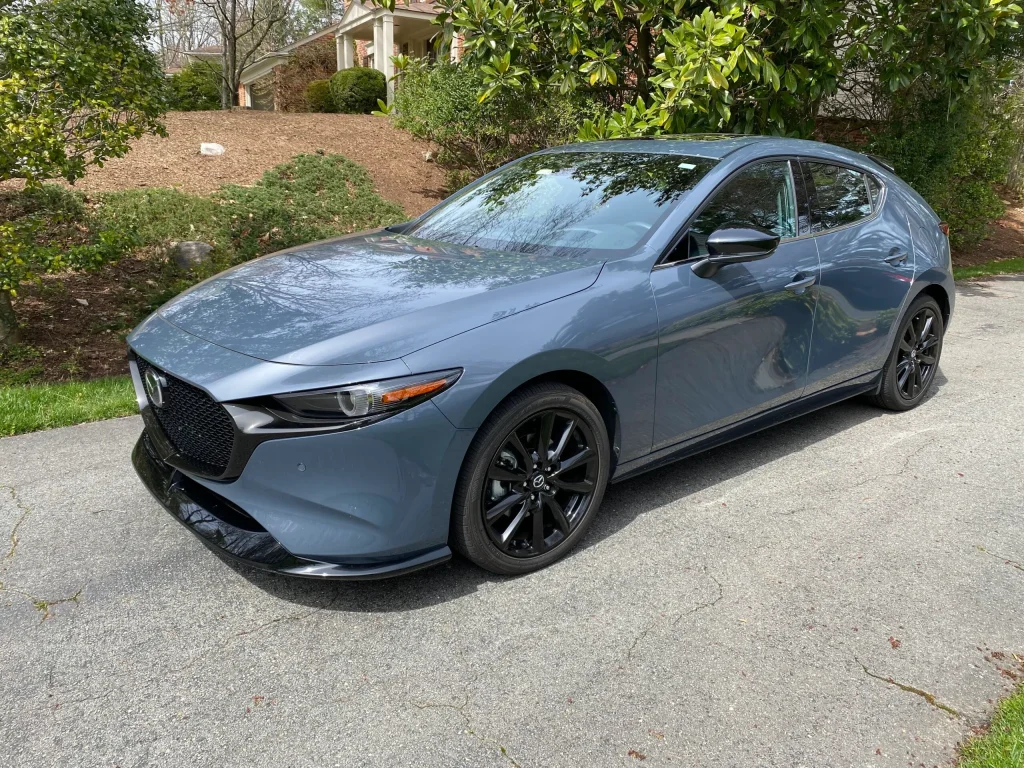
The Mazda3 hatchback’s redesign strengthened its identity rather than changing it dramatically. It still prioritizes style, driving engagement, and refinement above maximum practicality. That approach limits broader appeal slightly, but it also gives the car a personality many rivals completely lack in today’s compact segment.
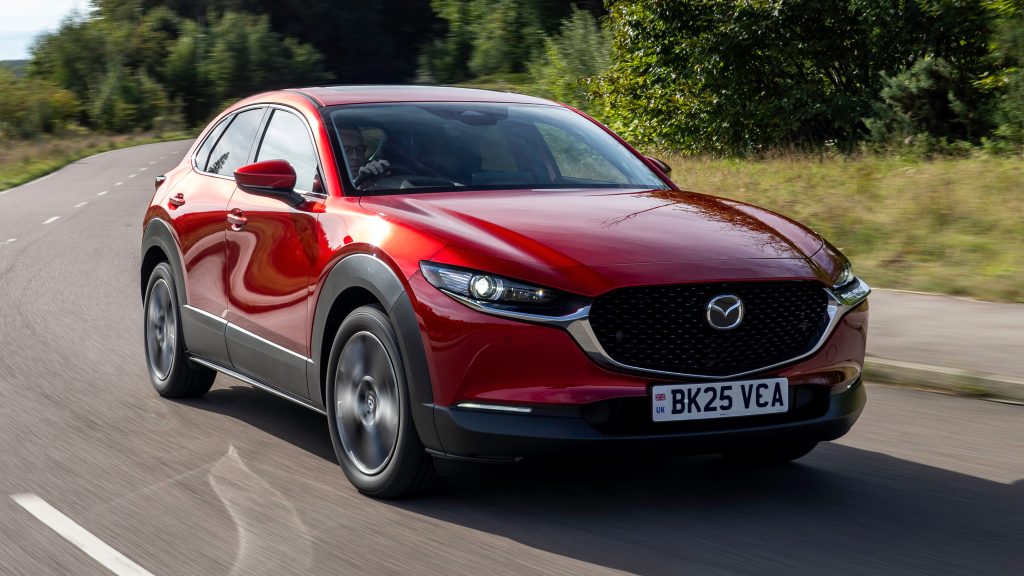
5. Mazda CX-30
Before the 2026 redesign updates, the Mazda CX-30 already ranked among the strongest subcompact crossovers because it blended premium styling with enjoyable driving dynamics.
While many small SUVs felt economy-focused and uninspiring, the CX-30 delivered a far more refined personality that appealed to buyers wanting comfort and style without moving into luxury pricing territory.
The compact crossover stood out immediately because of its upscale cabin design. Soft materials, supportive seats, and a clean dashboard layout made the interior feel significantly more expensive than many direct rivals. Mazda’s focus on driver ergonomics also helped the CX-30 feel more sophisticated during daily commuting.
The 2026 redesign refined those strengths further. Mazda upgraded infotainment software, improved screen clarity, and revised interior trim materials to create an even cleaner appearance. Exterior styling changes remained subtle because the crossover already looked modern and elegant before the update.
Ride quality improved slightly after suspension tuning revisions. Earlier models occasionally transmitted sharper impacts on rough roads, but the redesign softened those reactions enough to improve comfort without sacrificing responsive handling.
Another positive change involved cabin quietness. Additional sound insulation reduced highway noise noticeably, helping the CX-30 feel more mature and relaxed during long trips.
The crossover still carries a few compromises. Rear seat space remains tighter than some competitors, and the sloping roofline slightly limits rear visibility. Cargo capacity also trails larger compact SUVs.
Fuel economy stays respectable, particularly in naturally aspirated trims. Turbocharged versions continue appealing to drivers wanting stronger acceleration in a smaller crossover package.
The redesigned CX-30 succeeds because Mazda polished an already impressive formula instead of dramatically changing it. It remains one of the most premium-feeling subcompact crossovers available while continuing to prioritize driving enjoyment and refinement over maximum practicality.
6. Mazda CX-5
The Mazda CX-5 became one of the company’s most important vehicles because it successfully combined crossover practicality with a driving experience far more engaging than most rivals.
Before the 2026 redesign updates, the CX-5 already carried a strong reputation for interior quality, attractive styling, and responsive handling that made it feel more upscale than mainstream competitors.
Mazda focused heavily on refinement with the 2026 changes. Exterior styling received cleaner lighting elements and revised front-end details that gave the SUV a more mature appearance. Inside, improved materials and updated technology systems helped modernize the cabin without abandoning Mazda’s minimalist design philosophy.
One of the biggest improvements involved infotainment usability. Earlier CX-5 models sometimes frustrated buyers with older software and interface limitations, but the redesign introduced faster responses and improved connectivity features that made daily operation smoother.
Ride quality also became more comfortable after suspension tuning revisions. The CX-5 always handled corners confidently for a compact SUV, though some versions felt firmer than rivals on rough roads. The redesign softened impacts slightly while maintaining the responsive steering and balanced handling that drivers appreciated previously.
Cabin quietness improved noticeably, too. Additional sound insulation reduced road noise during highway travel, helping the CX-5 compete more effectively against premium-branded SUVs.
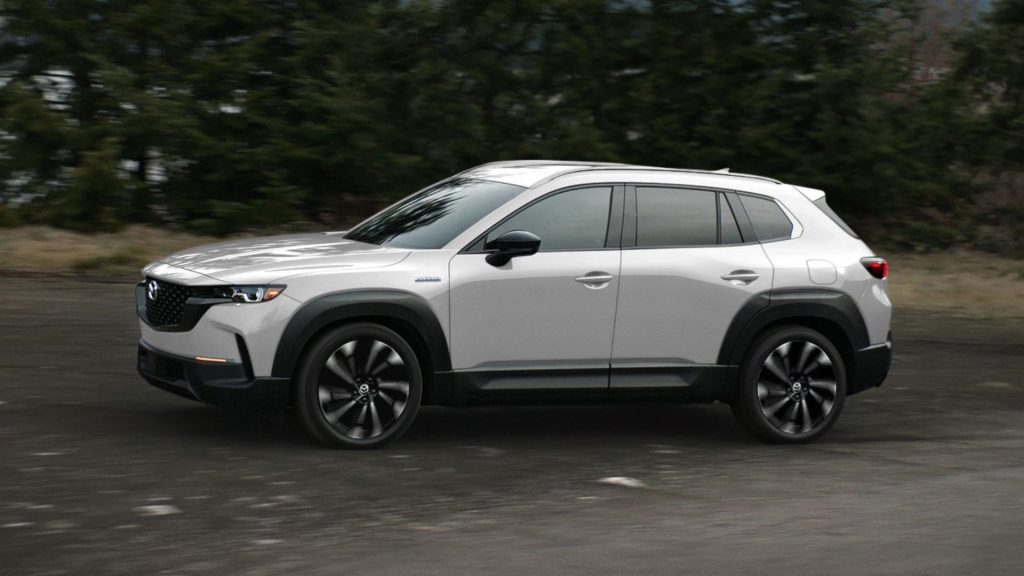
The SUV still carries a few compromises. Rear passenger space remains smaller than that of certain competitors, and cargo room is good rather than class-leading. Buyers prioritizing maximum practicality sometimes prefer larger alternatives.
Fuel economy stays competitive, and turbocharged trims continue delivering strong acceleration for drivers wanting extra performance. Reliability also remains one of the CX-5’s strongest advantages compared with some premium rivals.
The redesigned CX-5 succeeded because Mazda refined comfort and technology while preserving the engaging personality that separated the SUV from countless ordinary compact crossovers.
7. Mazda CX-50
The Mazda CX-50 entered Mazda’s lineup as a more rugged and adventure-focused alternative to the CX-5.
Before the 2026 redesign updates, it already appealed strongly to buyers wanting outdoor capability without sacrificing the premium styling and driver-focused character Mazda vehicles are known for.
Wider proportions and a more aggressive stance helped it stand apart visually from the rest of the brand’s crossover lineup.
One of the CX-50’s biggest strengths involved driving dynamics. Despite its rugged image, the SUV remained composed and responsive on paved roads. Steering felt more engaging than most compact crossovers, and turbocharged versions provided strong acceleration for highway driving and mountain travel.
The 2026 redesign updates refined the SUV’s interior significantly. Mazda improved infotainment responsiveness, upgraded seat materials, and revised cabin insulation to create a quieter environment during long drives. Exterior updates stayed subtle because the CX-50 already carried one of the boldest designs in Mazda’s lineup.
Ride quality improved after suspension tuning adjustments as well. Earlier models occasionally felt firmer than expected over rough pavement, particularly with larger wheel options. The redesign softened impacts slightly while still preserving stable handling.
Cargo flexibility and roof carrying capability remained major advantages after the updates. Buyers using the SUV for camping, road trips, and outdoor activities continued to appreciate the practical layout and durable interior design.
Fuel economy stays respectable considering the SUV’s size and available turbocharged powertrains. Rear seat space also remains more generous than the smaller CX-30.
Some buyers may still find the ride firmer than softer rivals, and pricing can climb quickly in higher trims. Yet the CX-50 continues standing out because it combines rugged character with premium refinement more convincingly than many competitors in the compact crossover segment.
8. Mazda CX-70
The Mazda CX-70 represented an important step in Mazda’s attempt to move closer toward premium territory. Before the 2026 redesign refinements, the SUV already impressed buyers with upscale styling, strong powertrain options, and a cabin atmosphere that felt more luxurious than many mainstream competitors.
Built on Mazda’s newer rear-wheel-drive-based architecture, the CX-70 immediately delivered a more mature and composed driving experience than earlier Mazda crossovers. Steering remained responsive, though the SUV focused more heavily on comfort and refinement than smaller models like the CX-30 or CX-5.
The 2026 updates strengthened those luxury ambitions further. Mazda revised interior trim materials, improved infotainment integration, and refined driver assistance systems to create a more polished ownership experience. Exterior styling adjustments remained restrained because the SUV already carried a sophisticated appearance.
Ride comfort became one of the CX-70’s strongest qualities after suspension revisions. Highway travel feels exceptionally stable and quiet, helping the SUV compete more directly with entry-level luxury brands. Cabin insulation improvements also reduced road noise noticeably during long trips.
Another major advantage involves interior space. The CX-70 offers generous seating comfort and strong cargo flexibility without feeling oversized from behind the wheel. Seats remain supportive during extended travel, and higher trims provide impressive premium features.
Powertrain choices continue to stand out as well. Turbocharged inline-six engines deliver smoother acceleration and stronger performance than many mainstream midsize SUVs. Fuel economy remains respectable considering the available power.
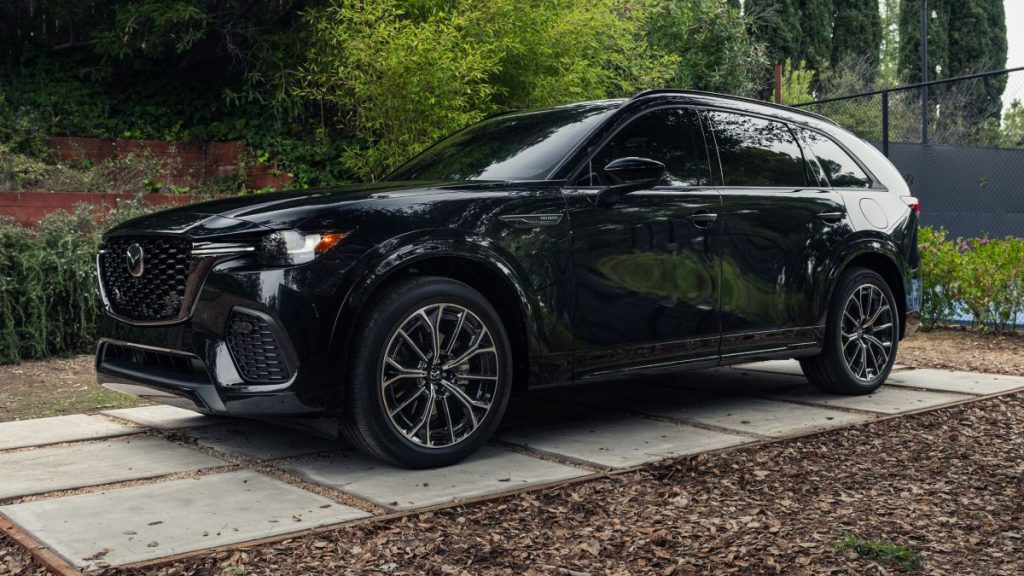
The biggest criticism remains pricing. Well-equipped trims approach luxury brand territory quickly, creating difficult comparisons against more established premium competitors. Some buyers may also prefer softer suspension tuning for purely comfort-focused driving.
The redesigned CX-70 succeeds because it feels distinctly more upscale than older Mazda SUVs while still preserving the brand’s driver-focused identity. It represents one of Mazda’s most serious attempts yet at blending mainstream value with genuine premium refinement.
9. Mazda CX-90
The Mazda CX-90 became one of the brand’s most ambitious vehicles because it attempted to challenge premium three-row SUVs while still carrying Mazda’s driver-focused identity.
Before the 2026 redesign refinements, the CX-90 already impressed many buyers with elegant styling, upscale interiors, and smooth powertrain options built around Mazda’s new rear-wheel-drive architecture.
One of the SUV’s biggest strengths involved interior presentation. Materials felt significantly more luxurious than most mainstream competitors, and the minimalist dashboard design created a calm, upscale atmosphere. Seats remained supportive during long trips, especially in higher trims equipped with premium upholstery and advanced comfort features.
The 2026 updates improved refinement even further. Mazda revised its infotainment software, improved driver assistance systems, and upgraded cabin insulation to reduce highway noise. Exterior styling changes remained subtle because the CX-90 already carried a sophisticated and premium appearance.
Ride quality also benefited from suspension tuning adjustments. Earlier versions occasionally felt firmer than expected for a family-oriented three-row SUV, but the redesign softened rough pavement impacts while maintaining stable handling characteristics.
The available turbocharged inline six-engine continued to stand out after the updates. Power delivery feels smooth and effortless, giving the CX-90 a more refined personality than many rivals relying on ordinary four-cylinder engines.
Interior space remains generous in the first and second rows, though the third row still feels tighter than larger competitors from Toyota or Chevrolet. Cargo flexibility is respectable but not class-leading.
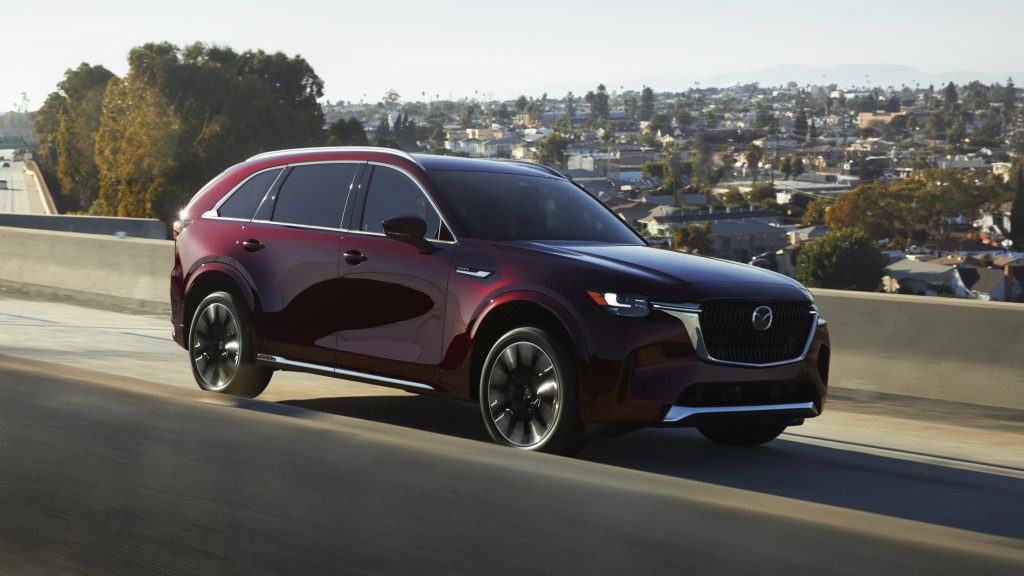
Pricing can also rise quickly in higher trims, pushing the SUV into direct competition with luxury brands. Some buyers may prefer softer and more isolated driving experiences from traditional luxury SUVs.
Still, the redesigned CX-90 succeeded in strengthening Mazda’s premium ambitions. It feels more refined, quieter, and technologically polished than before, while continuing to deliver a more engaging driving experience than many large family SUVs currently available.
10. Mazda MX-5 Miata
The Mazda MX-5 Miata remained one of the purest sports cars on the market before the 2026 redesign updates. While many modern performance cars became heavier and increasingly dependent on electronics, the Miata continued prioritizing lightweight agility, simple driving enjoyment, and open-top freedom. That philosophy kept the car deeply respected among enthusiasts worldwide.
The 2026 refinements focused on preserving the Miata’s personality while modernizing comfort and technology slightly. Mazda updated infotainment responsiveness, improved cabin materials in key areas, and revised small design details without dramatically altering the roadster’s iconic shape.
Driving dynamics remained the Miata’s greatest strength after the updates. Steering feels precise, body movements stay controlled, and the lightweight chassis creates an engaging connection between driver and road that many newer sports cars have lost years ago. Even modest engine power feels exciting because of the car’s low weight and balanced handling.
Ride comfort improved slightly after suspension revisions, particularly on rough pavement, where earlier versions occasionally felt busy. However, the Miata still prioritizes driving engagement far above luxury softness.
Interior space remains extremely limited. Taller drivers may struggle to find comfortable seating positions, and cargo room is minimal. Road noise also stays noticeable at highway speeds, especially with the top lowered.
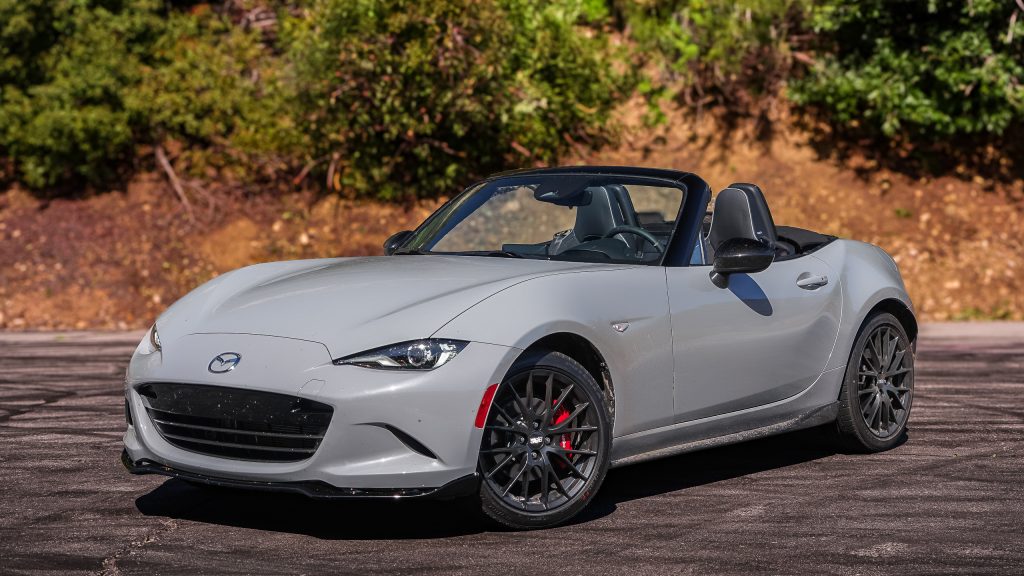
Fuel economy remains surprisingly strong for a sports car, helping the Miata stay practical enough for daily commuting in certain situations. Reliability also continues to outperform many more expensive performance vehicles.
The redesign updates did not transform the Miata because they did not need to. Mazda understood the car’s appeal was already centered around simplicity and driving purity.
Instead, the company refined smaller weaknesses involving technology and comfort while preserving the playful character that made the Miata one of the most beloved sports cars ever built.
Also Read: 10 Pickups Built Stronger Before the Aluminum Body Switch
