
Ferrari has spent decades building some of the most celebrated performance cars in automotive history. From screaming V12 grand tourers to razor-sharp mid-engine supercars, the Italian manufacturer created machines that shaped how the world defines speed, beauty, and driving passion.
Yet not every Ferrari achieved legendary status equally. Some models became icons that collectors worship, while others struggled with expectations, controversial styling, or difficult timing in the marketplace.
Ranking Ferrari models is never simple because every era of the company introduced a different philosophy. Earlier cars focused heavily on raw mechanical engagement and racing inspiration.
Later models embraced advanced aerodynamics, electronic driving systems, and hybrid technology capable of delivering astonishing performance numbers. Certain Ferraris became famous because of motorsport success, while others earned recognition through emotional design and unforgettable soundtracks.
Another challenge involves balancing reputation against actual driving experience. A few Ferraris gained enormous publicity despite being difficult to live with or intimidating to drive aggressively.
Meanwhile, some underrated models quietly offered excellent handling, strong reliability, and rewarding character without receiving the same level of attention from collectors or enthusiasts.
This ranking examines ten important Ferrari road cars from worst to best based on influence, driving excitement, design legacy, engineering significance, and long-term enthusiast appreciation.
Even the lowest-ranked cars on this list remain desirable compared with ordinary sports cars because Ferrari rarely builds anything truly boring. However, some models clearly stand above others when considering emotional impact and historical importance.
The cars included here span multiple decades and showcase how Ferrari evolved from building relatively analog performance machines into creating some of the fastest and most technologically advanced road cars ever produced.
Certain entries became cultural symbols recognized far beyond automotive circles, while others appealed mainly to dedicated enthusiasts who appreciated their unique strengths.
From controversial grand tourers to legendary hypercars, these Ferraris represent different chapters in one of the automotive world’s most famous stories.
Also Read: Every Kia Model Ranked Worst to Best for 2026
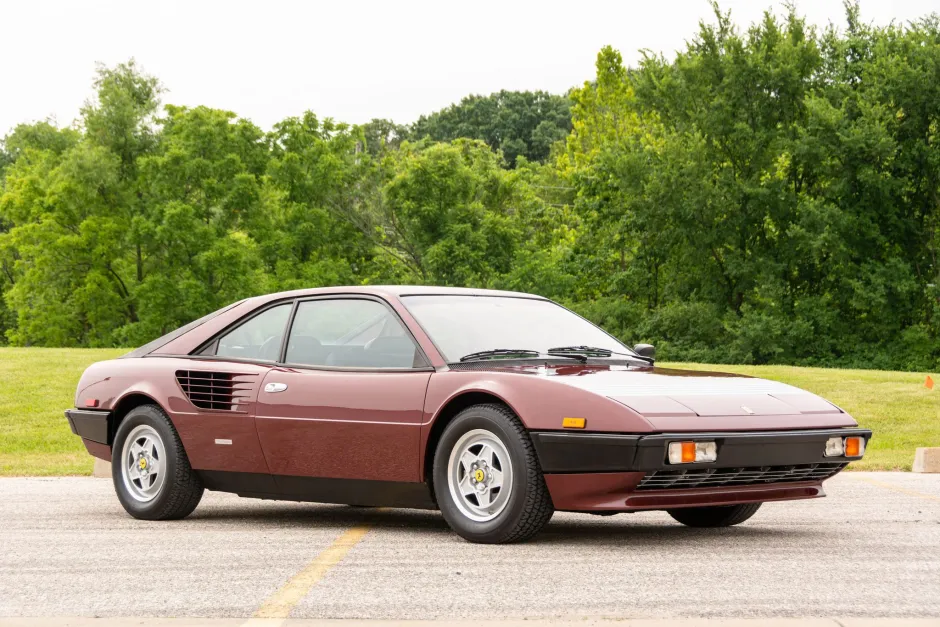
10. Ferrari Mondial
The Ferrari Mondial often appears near the bottom of Ferrari rankings because it carried expectations almost impossible to satisfy.
Introduced during the 1980s as a practical mid-engine Ferrari with usable rear seats, the Mondial prioritized comfort and usability more than pure performance aggression. That approach immediately divided enthusiasts who expected every Ferrari to behave like an uncompromising exotic machine.
Styling played a major role in the car’s mixed reputation. Designed by Pininfarina, the Mondial looked cleaner and more restrained than many dramatic Ferraris from the surrounding decades.
Some enthusiasts appreciated the understated appearance, while others believed the proportions appeared too soft and heavy for a mid-engine sports car. Compared with sharper icons like the Testarossa or F40, the Mondial struggled to generate the same emotional reaction.
Performance also became a common criticism during its early years. Initial versions lacked the explosive acceleration buyers associated with the Ferrari badge. The car felt more like a grand touring coupe than a focused supercar, especially because of its additional weight and practical interior layout. Yet that same practicality later became one of its greatest strengths.
Unlike many cramped Ferraris, the Mondial could actually handle regular road trips comfortably. Visibility remained decent, cabin access felt easier than expected, and the rear seats added genuine usability. Drivers wanting Ferrari character without sacrificing comfort often discovered the Mondial delivered a surprisingly balanced ownership experience.
The naturally aspirated V8 still provided one of the brand’s signature qualities: sound. At high revs, the engine produced the sharp metallic exhaust note Ferrari enthusiasts love. The gated manual transmission also gave the car a more engaging mechanical personality than many modern performance vehicles.
While the Mondial may never achieve the legendary status of Ferrari’s greatest icons, it deserves credit for attempting something different. Its practicality, usability, and distinctive place in Ferrari history continue attracting enthusiasts searching for a more approachable classic Ferrari.
- Engine: 3.2-liter naturally aspirated V8
- Torque: 223 lb ft
- Horsepower: 270 hp
- Length/Width: 179 in / 71 in
9. Ferrari 400i
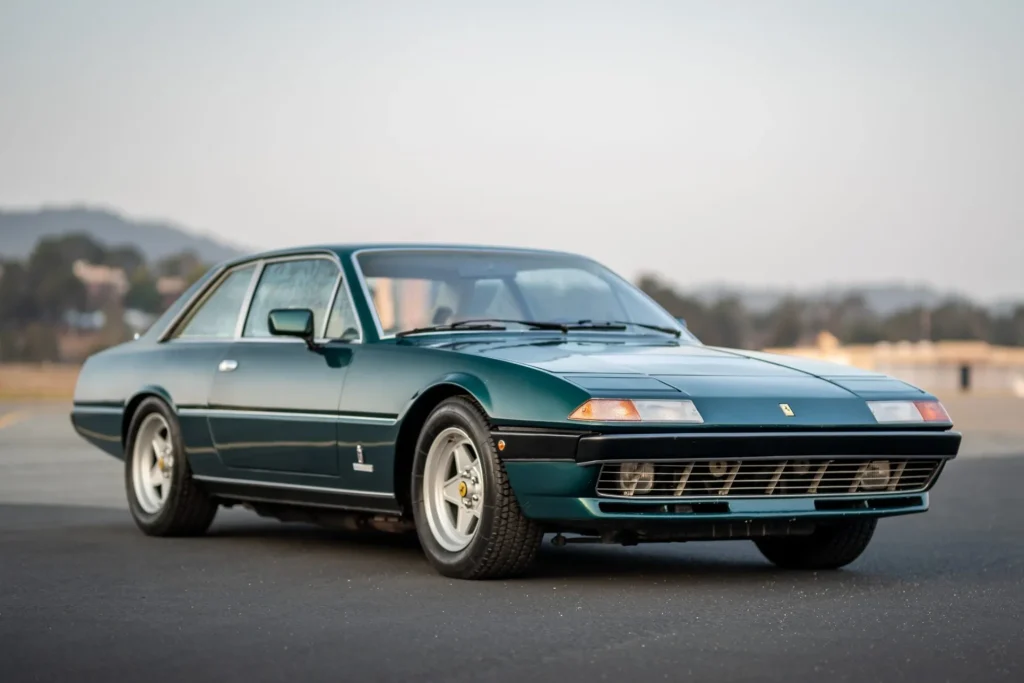
The Ferrari 400i occupies a strange but fascinating corner of Ferrari history. Unlike the company’s aggressive mid-engine sports cars, the 400i focused heavily on refinement, long-distance comfort, and understated elegance.
Ferrari designed it for wealthy buyers who wanted V12 performance without attracting constant attention from dramatic styling or loud racing-inspired behavior.
At first glance, the 400i almost looks too conservative for a Ferrari. Its squared-off proportions and formal lines resemble an expensive European luxury coupe more than an exotic supercar.
That subtle design language caused many enthusiasts to underestimate the car for years, especially during periods when Ferrari became famous for wild wedge-shaped machines like the Testarossa.
Beneath the restrained bodywork sat one of the company’s greatest assets: a smooth, naturally aspirated V12.
The engine delivered power differently from Ferrari’s lighter sports cars. Instead of explosive aggression, the 400i produced effortless acceleration and refined cruising capability. Highway driving suited the car perfectly because the V12 remained smooth and relaxed even at high speeds.
The interior reflected that grand touring philosophy completely. Leather seating, generous cabin space, and a relatively comfortable ride transformed the 400i into one of Ferrari’s most luxurious road cars of its era. Rear passengers actually had meaningful room, which separated it from many cramped exotics that treated practicality as an afterthought.
Automatic transmissions in many examples damaged the car’s reputation among hardcore enthusiasts. Ferrari purists strongly preferred manual gearboxes, and the automatic versions felt less engaging during spirited driving. Because of that perception, collector values stayed relatively low compared with more famous Ferrari models.
Yet the 400i gained appreciation gradually because it offered something unique within Ferrari’s lineup. It combined classic V12 character with genuine usability and understated style.
Drivers wanting a sophisticated long-distance Ferrari rather than an aggressive weekend toy often discovered the 400i possessed a charm many critics initially overlooked.
- Engine: 4.8-liter naturally aspirated V12
- Torque: 289 lb ft
- Horsepower: 310 hp
- Length/Width: 188.2 in / 70.8 in
8. Ferrari California
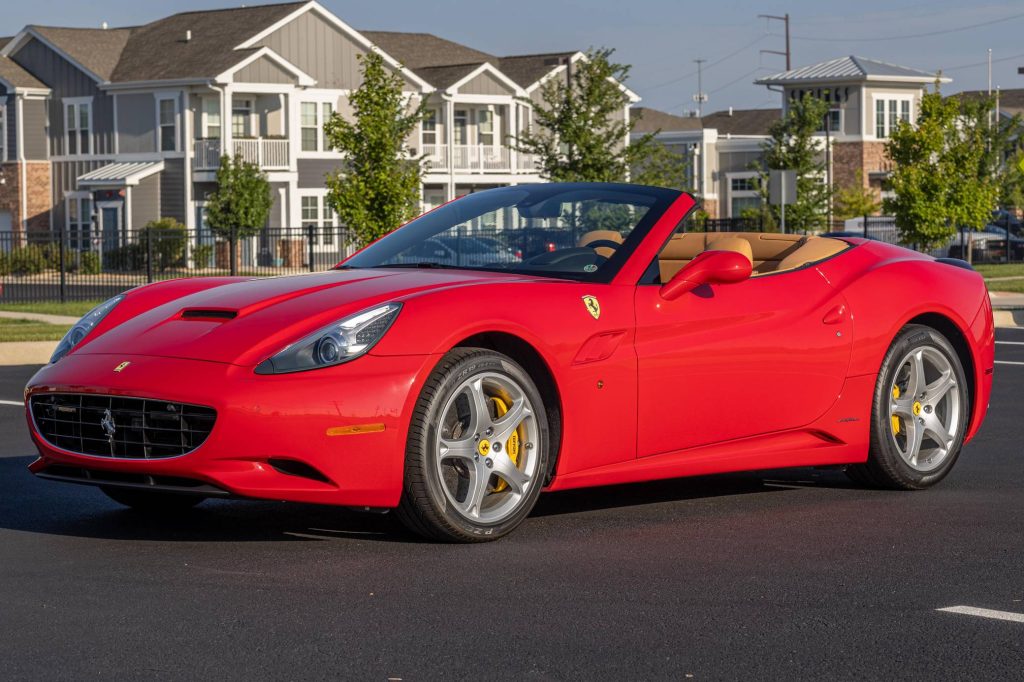
The Ferrari California entered Ferrari’s lineup with a very different mission from the company’s traditional hardcore sports cars. Ferrari wanted a model capable of attracting new customers who valued comfort, luxury, and everyday usability alongside strong performance.
Because of that broader focus, some longtime enthusiasts initially dismissed the California as too soft or too approachable for the Ferrari badge.
Its design reflected that more relaxed philosophy. California carried elegant proportions instead of aggressive supercar drama. The folding hardtop transformed the car from a coupe to a convertible in seconds, making it feel versatile compared with more specialized Ferraris.
Many buyers appreciated that flexibility because the car worked equally well during long highway trips or relaxed coastal drives.
Performance remained strong despite criticism from purists. The naturally aspirated V8 produced sharp throttle response and a thrilling exhaust note that intensified dramatically at higher rpm. Ferrari also paired the engine with a quick dual-clutch transmission, giving the California smooth daily drivability without sacrificing acceleration capability.
Where the car truly separated itself from earlier Ferraris was in comfort. The suspension absorbed rough roads far better than many mid-engine models, cabin materials felt luxurious, and visibility remained surprisingly friendly. Owners could drive the California regularly without enduring the compromises associated with more extreme exotics.
California also marked an important technological period for Ferrari. It became the brand’s first production car with a folding metal roof and one of the earliest Ferraris to rely heavily on modern driver assistance systems. Those innovations helped the company appeal to a wider audience globally.
Critics argued that California lacked the razor-sharp intensity of Ferrari’s best sports cars, and that criticism carried some truth. However, the car succeeded brilliantly at its intended purpose. It transformed Ferrari ownership into something less intimidating while preserving enough speed and character to feel genuinely special behind the wheel.
Today, California earns more respect because enthusiasts recognize its importance within Ferrari’s evolution toward more usable, high-performance luxury cars.
- Engine: 4.3-liter naturally aspirated V8
- Torque: 358 lb ft
- Horsepower: 453 hp
- Length/Width: 179.6 in / 75.1 in
7. Ferrari Testarossa
Few Ferraris achieved the cultural fame of the Ferrari Testarossa. During the 1980s, the Testarossa became a global symbol of wealth, excess, and exotic performance.
Its dramatic side strakes, wide rear bodywork, and low, aggressive stance created one of the most recognizable automotive designs ever produced. Even people with little interest in cars could identify a Testarossa instantly.
The car’s styling made an enormous statement when it debuted. Ferrari engineers widened the body significantly to improve cooling for the flat-12 engine mounted behind the cabin. Those huge side intakes became the car’s defining visual feature and helped establish the exaggerated supercar styling trends associated with the decade.
Driving the Testarossa felt theatrical from the moment the engine started. The flat 12 produced a deep mechanical soundtrack unlike Ferrari’s smaller V8 models. Acceleration came with a sense of drama rather than violent brutality, and the car developed tremendous stability at high speeds.
Long highway journeys suited the Testarossa particularly well because it behaved more like an exotic grand tourer than a nervous race machine.
Inside, Ferrari balanced luxury with performance reasonably well. The cabin offered decent comfort for a supercar, though the driving position and wide body could feel intimidating in tight spaces. Rear visibility also became notoriously difficult because of the car’s dramatic proportions.
Despite its legendary image, the Testarossa carried flaws preventing it from ranking higher. The size made it cumbersome in urban environments, maintenance costs remained extremely high, and early cars suffered from reliability concerns. Some enthusiasts also believe that later Ferrari models delivered sharper handling and more responsive driving experiences.
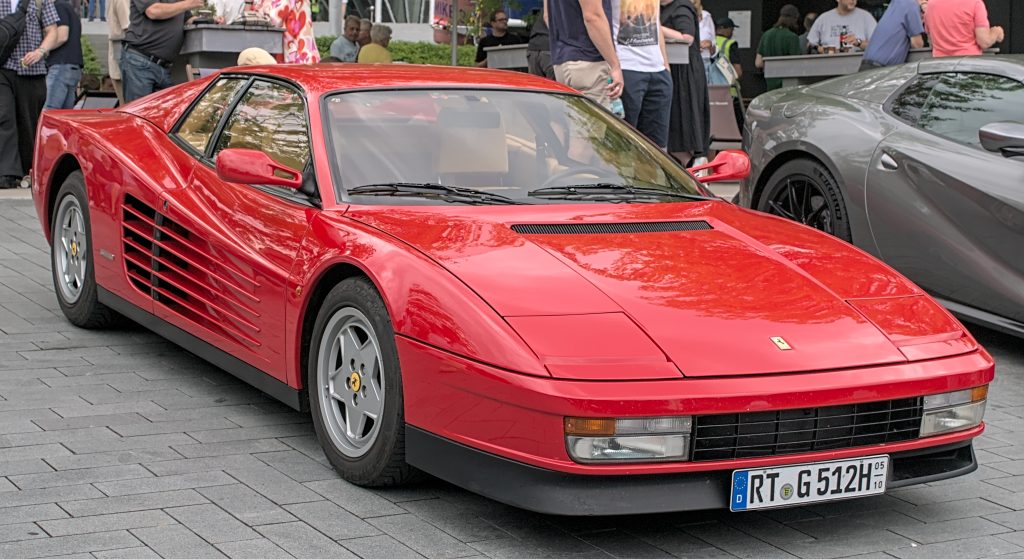
Still, the Testarossa deserves immense respect for its cultural impact and unmistakable identity. It represented Ferrari at a time when supercars became larger-than-life symbols appearing constantly in movies, television, and popular culture. Few performance cars from any era achieved the same level of recognition worldwide.
- Engine: 4.9-liter naturally aspirated flat 12
- Torque: 361 lb ft
- Horsepower: 390 hp
- Length/Width: 176.6 in / 77.8 in
6. Ferrari F355
The Ferrari F355 marked a major turning point for Ferrari because it combined beautiful styling, thrilling performance, and everyday usability better than many earlier models. Before the F355 arrived, several Ferraris demanded patience from owners due to difficult handling characteristics or uncomfortable driving manners.
The F355 changed that reputation by delivering a more polished and confidence-inspiring experience without losing the excitement expected from an Italian exotic.
Visually, the car remains one of the most elegant Ferraris ever produced. Pininfarina shaped the body with smooth, flowing lines that balanced aggression and sophistication perfectly.
Unlike some larger Ferraris with exaggerated styling elements, the F355 looked compact and athletic. Hidden aerodynamic solutions also improved stability significantly while preserving the car’s clean appearance.
The greatest strength of the F355 sits directly behind the driver. Ferrari’s naturally aspirated 3.5-liter V8 became legendary because of its extraordinary sound.
As the tachometer climbs toward redline, the engine transforms from a sharp growl into a piercing mechanical scream that many enthusiasts consider one of the finest exhaust notes ever created. The experience feels emotional in a way that turbocharged engines often struggle to replicate.
Handling also represented a huge improvement for Ferrari during the era. Steering felt precise and communicative, while the chassis delivered far more balance than several earlier mid-engine Ferraris. Drivers could push the car confidently through corners without constantly feeling intimidated by sudden, unpredictable behavior.
Ferrari offered the F355 in multiple body styles, including Berlinetta coupe, GTS targa, and Spider convertible forms. That variety helped the model appeal to a wide range of enthusiasts while preserving its strong performance identity.
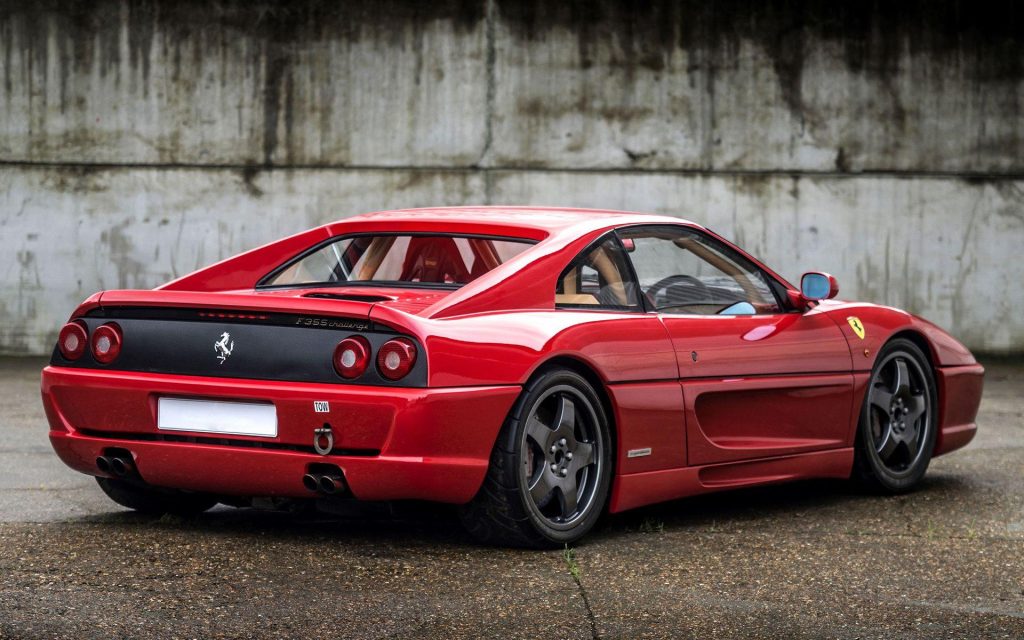
Maintenance costs and engine-out servicing requirements remain significant drawbacks today. Ownership still demands financial commitment, especially as these cars age further. However, many collectors willingly accept those costs because the F355 delivers such a rewarding analog driving experience.
For numerous enthusiasts, the F355 captures the sweet spot between classic Ferrari emotion and modern drivability. It feels raw enough to stay exciting yet refined enough to enjoy regularly on real roads.
- Engine: 3.5-liter naturally aspirated V8
- Torque: 268 lb ft
- Horsepower: 375 hp
- Length/Width: 166.7 in / 74.2 in
5. Ferrari 458 Italia
The Ferrari 458 Italia arrived during a period when turbocharging and hybrid technology were beginning to dominate the performance world. Instead of following those trends immediately, Ferrari created one final naturally aspirated V8 masterpiece.
The 458 Italia combined breathtaking performance with emotional character so effectively that many enthusiasts still consider it one of the greatest modern Ferraris ever built.
Ferrari designed the 458 with a strong focus on aerodynamics, though the body never looked overloaded with unnecessary wings or vents. Every curve served a functional purpose.
The front intakes directed airflow efficiently, while flexible aerodynamic elements underneath adjusted automatically at speed. The result looked exotic and purposeful without becoming visually chaotic.
The naturally aspirated 4.5-liter V8 became the centerpiece of the entire experience. It revved beyond 9,000 rpm and delivered immediate throttle response, impossible for many turbocharged rivals to match.
As revs increased, the engine produced an intense, high-pitched sound that filled the cabin with constant excitement. Drivers often described the sensation as addictive because the engine encouraged pushing toward the redline repeatedly.
Technology inside the 458 also advanced Ferrari significantly. The dual-clutch transmission shifted with incredible speed, electronic driving systems improved stability, and steering response became exceptionally sharp. Yet despite all the advanced systems, the car still felt engaging rather than artificial.
Another reason the 458 achieved such praise involves accessibility. Earlier Ferraris could intimidate inexperienced drivers, especially near the limit. The 458 remained extremely fast but communicated clearly through the steering and chassis, helping drivers build confidence more naturally.
The car eventually gained even greater appreciation after Ferrari replaced naturally aspirated V8 engines with turbocharged alternatives. Enthusiasts realized the 458 represented the end of a special era defined by instant response and naturally aspirated emotion.
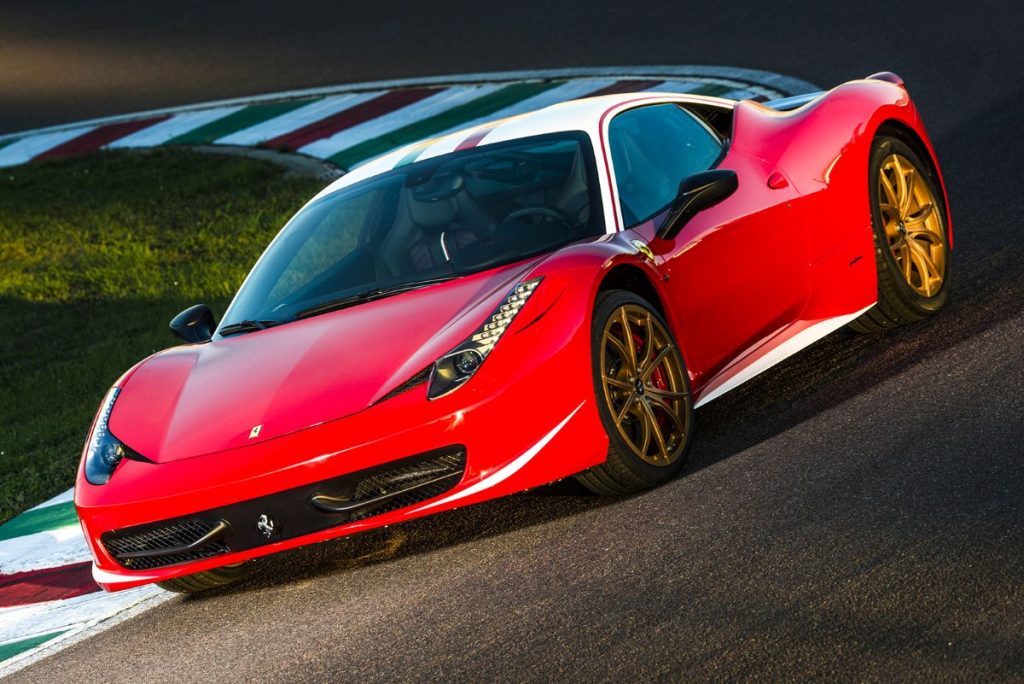
Many modern supercars may produce larger horsepower numbers, but the 458 Italia continues to stand near the top of Ferrari history because of how beautifully it balances speed, technology, sound, and driver involvement.
- Engine: 4.5-liter naturally aspirated V8
- Torque: 398 lb ft
- Horsepower: 562 hp
- Length/Width: 178.2 in / 76.3 in
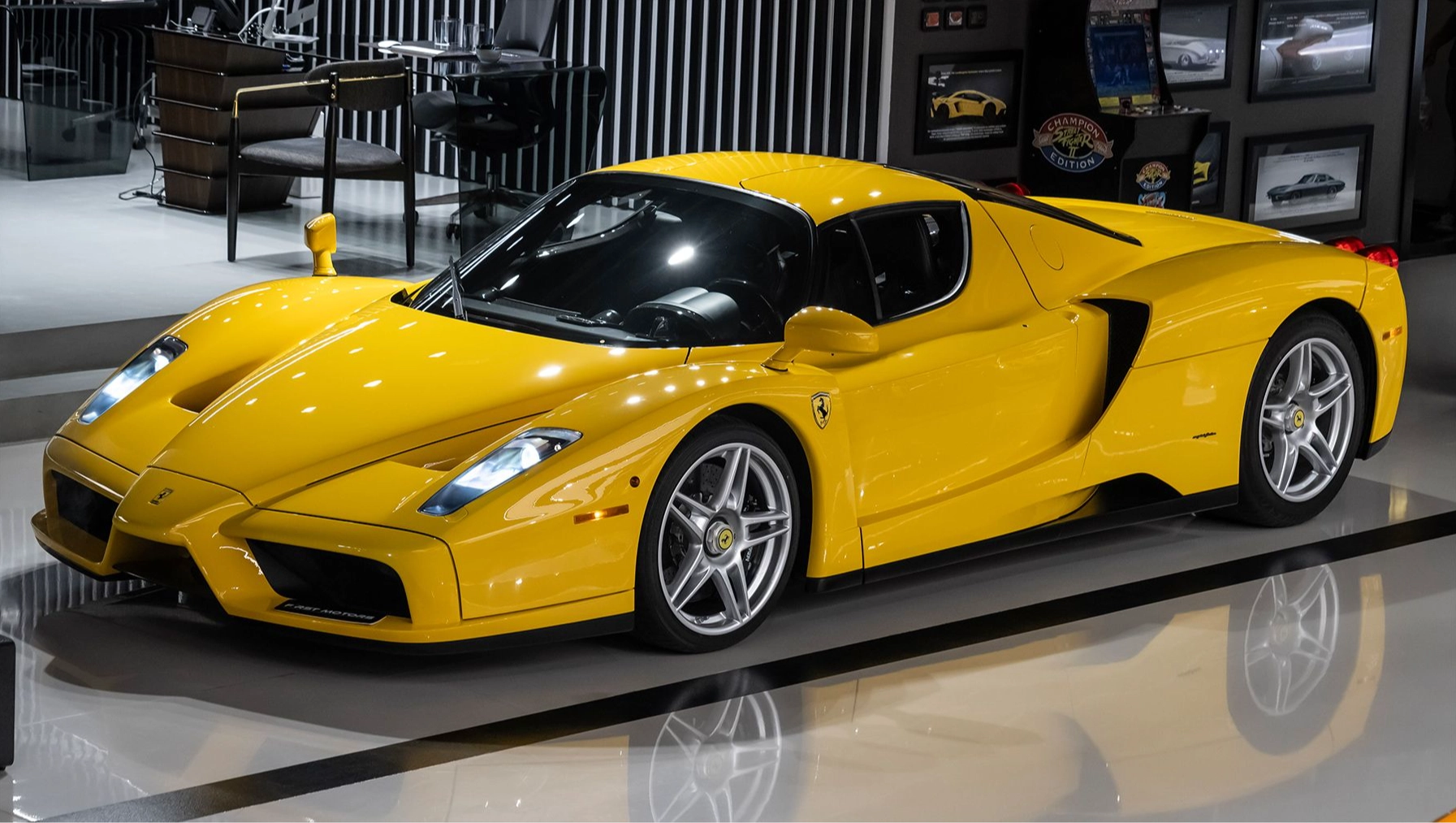
4. Ferrari Enzo
The Ferrari Enzo carried enormous pressure before it even reached production. Ferrari named the car after company founder Enzo Ferrari, which immediately signaled that this machine represented something extremely important for the brand.
Introduced during the early 2000s, the Enzo became Ferrari’s technological flagship and one of the most advanced road cars the company had ever produced.
Its appearance shocked many enthusiasts at first. Previous Ferrari halo cars often balanced elegance with aggression, but the Enzo looked far more focused and mechanical. Sharp angles, huge air intakes, and Formula 1-inspired proportions dominated the design.
Every surface existed primarily for aerodynamic efficiency and cooling rather than traditional beauty. Over time, the styling gained respect because it captured the brutal purpose behind the car perfectly.
The naturally aspirated V12 remains one of Ferrari’s greatest engineering achievements. Producing massive power without turbochargers, the engine delivered an immediate response and relentless acceleration all the way to redline. The sound alone became legendary.
At high RPMs, the V12 produced an intense metallic scream that felt closer to a race car than a road-legal exotic.
Ferrari also transferred major Formula 1 technology into the Enzo. Carbon fiber construction kept weight low, advanced aerodynamics improved stability, and the paddle-shift transmission delivered incredibly fast gear changes for its era. Carbon-ceramic brakes further enhanced the car’s capability under extreme driving conditions.
Unlike softer grand touring Ferraris, the Enzo demanded respect from drivers. Steering felt sharp and direct, visibility remained challenging, and the car constantly reminded occupants it prioritized performance above comfort. That raw character helped create its legendary reputation among enthusiasts.
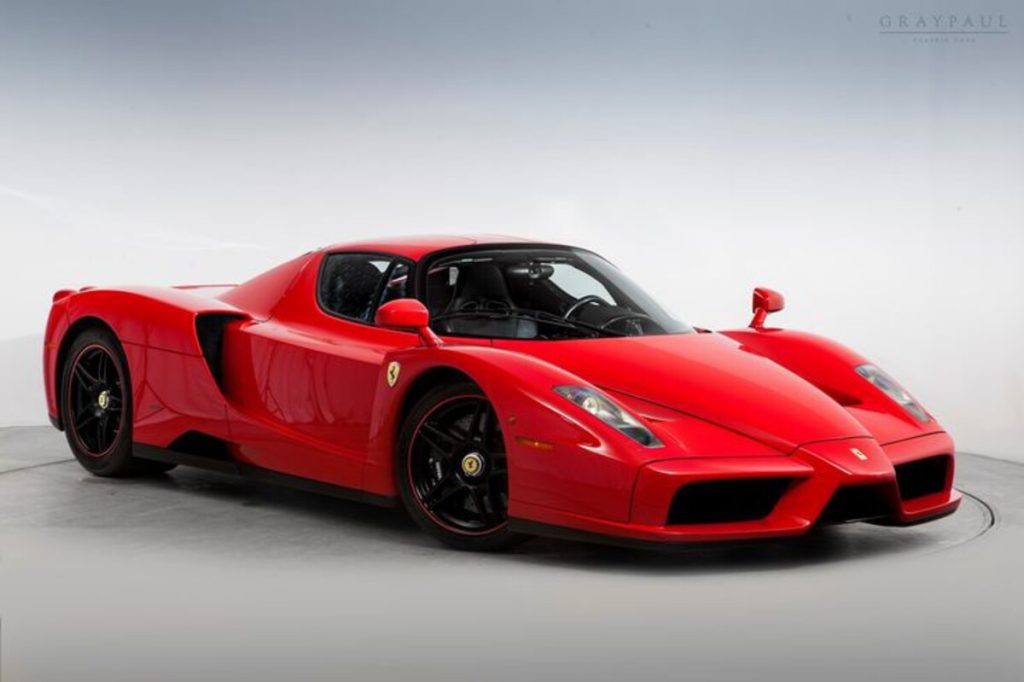
Limited production numbers increased exclusivity dramatically, and collector demand eventually pushed values into extraordinary territory. Yet the Enzo earned admiration for far more than rarity alone. It represented Ferrari pushing natural aspiration engineering and racing technology to their absolute limits before hybrid systems entered the hypercar world.
Even decades later, the Enzo still feels intimidating, dramatic, and mechanically pure in ways many modern performance cars struggle to replicate.
- Engine: 6.0-liter naturally aspirated V12
- Torque: 485 lb ft
- Horsepower: 651 hp
- Length/Width: 185.1 in / 80.1 in
3. Ferrari LaFerrari
The Ferrari LaFerrari represented Ferrari entering a completely new technological era. Instead of resisting electrification, the company embraced hybrid performance engineering and transformed it into something emotionally exciting.
The result became one of the fastest and most advanced Ferraris ever created while still preserving the passion and drama expected from the brand.
At the center of the car sits a naturally aspirated V12 paired with an advanced HY-KERS hybrid system derived partly from Ferrari’s racing programs.
The electric assistance does not exist merely for efficiency. Instead, it enhances acceleration, sharpens throttle response, and fills power gaps instantly. Together, the systems create relentless performance that feels both brutal and perfectly controlled.
The V12 itself deserves enormous praise because it retained the emotional qualities enthusiasts feared hybrid systems might destroy. It revs aggressively, sounds spectacular at high rpm, and delivers power with classic Ferrari intensity. The electric motor simply amplifies those sensations rather than replacing them.
Design played a crucial role in separating LaFerrari from earlier halo cars. The body looked futuristic and aggressive, yet every surface served aerodynamic functions carefully shaped through extensive development.
Active aerodynamic systems constantly adjust airflow depending on speed and driving conditions, helping the car remain stable during extreme performance.
Inside, Ferrari approached the cabin almost like a race car cockpit. The seats were fixed directly to the chassis, while pedals and steering adjustments were adapted around the driver. This unusual layout improved weight distribution and reinforced the feeling that the car was engineered entirely around performance priorities.
LaFerrari also became historically important because it proved hybrid technology could enhance excitement rather than dilute it. Before its arrival, many enthusiasts associated hybrid systems mainly with fuel economy and quiet operation. Ferrari completely changed that perception.
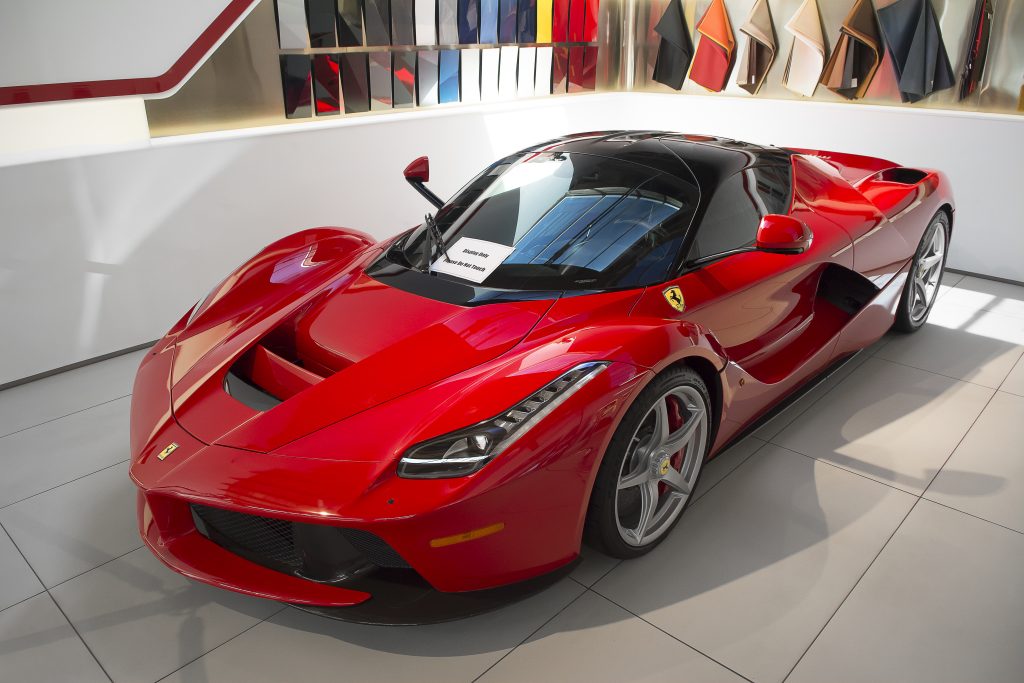
Collectors immediately recognized the significance of the LaFerrari, and demand skyrocketed worldwide. Beyond its rarity, the car symbolizes Ferrari successfully combining traditional V12 emotion with the future of high-performance engineering. Few hypercars managed that transition so convincingly.
- Engine: 6.3-liter naturally aspirated hybrid V12
- Torque: 664 lb ft
- Horsepower: 950 hp combined
- Length/Width: 185.1 in / 78.4 in
2. Ferrari F40
The Ferrari F40 stands as one of the purest and most uncompromising performance cars Ferrari ever created.
Introduced in 1987 to celebrate the company’s 40th anniversary, the F40 became an instant icon because it rejected luxury and refinement almost completely in favor of raw speed and driver involvement. Even decades later, many enthusiasts still consider it the definitive Ferrari.
At first glance, the car looks brutally purposeful. Huge air intakes, exposed vents, lightweight body panels, and the enormous rear wing all communicate one message clearly: performance mattered above everything else.
Unlike modern supercars designed to isolate occupants from road imperfections, the F40 constantly reminds drivers they are operating a machine developed with racing priorities.
The twin-turbocharged V8 delivered a driving experience unlike most Ferraris before it. Earlier naturally aspirated engines built power progressively and smoothly, but the F40 introduced explosive turbocharged aggression. Below boost, the engine felt manageable.
Once the turbochargers came alive, acceleration arrived violently and transformed the car into something genuinely intimidating. That sudden rush became one of the F40’s defining characteristics.
Inside, Ferrari eliminated nearly every unnecessary comfort feature. Thin carpeting, lightweight materials, sliding plastic windows, and sparse insulation emphasized weight reduction relentlessly.
The cabin could become loud, hot, and uncomfortable during long drives, yet those qualities only strengthened the car’s legend because they made the experience feel authentic and mechanical.
Handling demanded concentration and skill. Without modern electronic driver aids, the F40 relied entirely on the driver’s ability to manage its enormous power and sharp responses. Mistakes carried real consequences, which gave the car an intensity many modern hypercars cannot duplicate despite superior technology.
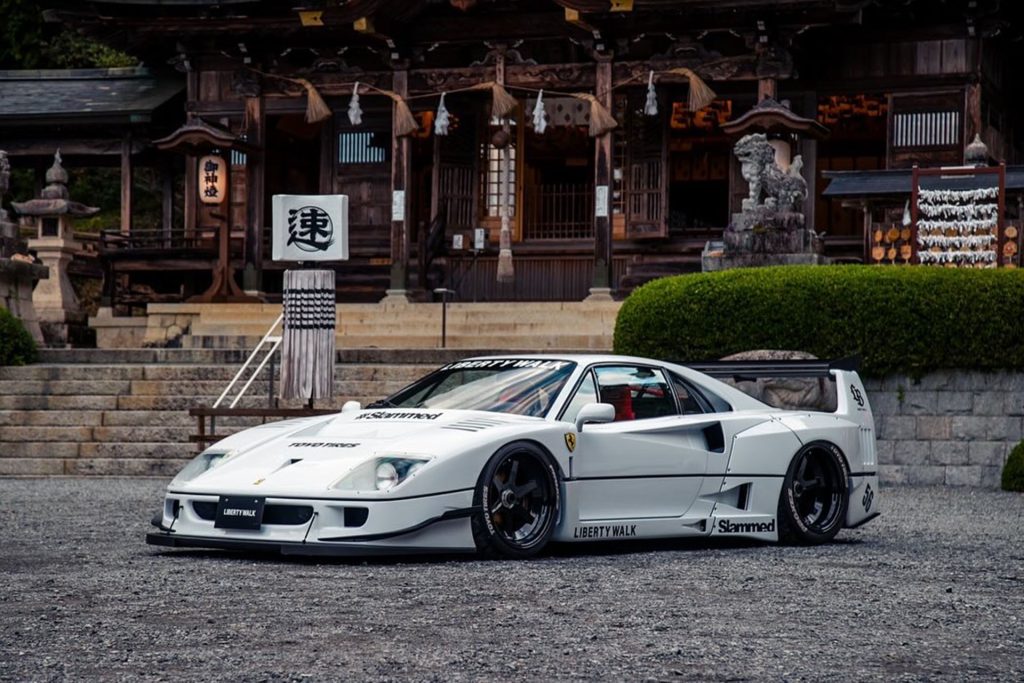
Another reason the F40 achieved mythical status involves timing. It became the final Ferrari personally approved by Enzo Ferrari before his death, adding emotional significance to its already extraordinary reputation.
The F40 was never intended to be practical or forgiving. It existed purely to deliver excitement, speed, and adrenaline with almost no compromise. That uncompromising philosophy transformed it into one of the most celebrated supercars in automotive history.
- Engine: 2.9-liter twin-turbocharged V8
- Torque: 426 lb ft
- Horsepower: 471 hp
- Length/Width: 174.4 in / 78.3 in
1. Ferrari 250 GTO
The Ferrari 250 GTO sits at the absolute peak of Ferrari history because it combines racing success, breathtaking design, mechanical purity, and extraordinary rarity more successfully than perhaps any other automobile ever produced.
While newer Ferraris became faster and more technologically advanced, the 250 GTO achieved something far more important: timeless legendary status.
Ferrari originally built the 250 GTO during the early 1960s to compete in grand touring motorsport categories. Every aspect of the car reflected competition priorities. The lightweight body, aerodynamic shaping, and powerful V12 were engineered specifically to dominate endurance racing while remaining road legal for homologation purposes.
Visually, the 250 GTO remains stunning decades later. Its long hood, flowing curves, and muscular proportions create a shape many collectors and designers consider one of the most beautiful automotive forms ever created.
Unlike later supercars that relied on aggressive wings and dramatic vents, the GTO achieved elegance and performance simultaneously through pure proportion and simplicity.
The naturally aspirated Colombo V12 became another major reason for the car’s legendary reputation. It produced a rich mechanical soundtrack and delivered power with remarkable smoothness for the era. Drivers constantly praised the engine’s willingness to rev and the balanced handling characteristics accompanying it.
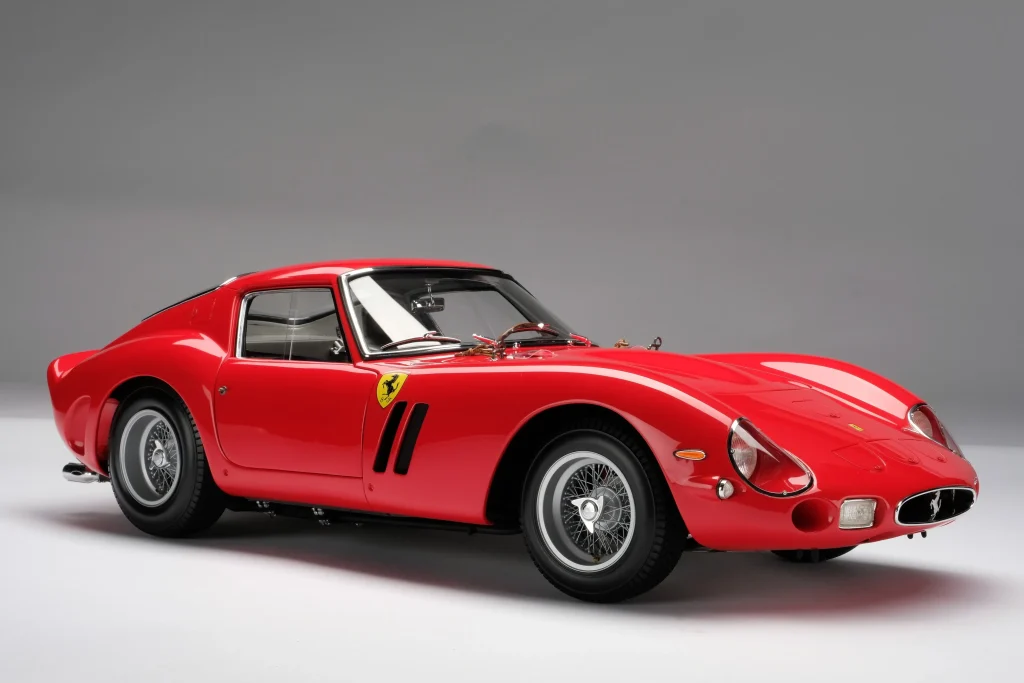
Racing success upgraded the car into another category entirely. The 250 GTO achieved victories in endurance events and championships around the world, proving its capability against fierce competition. That motorsport pedigree permanently connected the car to Ferrari’s golden era of racing dominance.
Only a very small number of examples were produced, dramatically increasing exclusivity and collector demand. Over time, the 250 GTO evolved from a successful race car into one of the most valuable collector automobiles ever sold.
Individual examples now command astonishing prices at auctions because collectors view them as rolling pieces of automotive art and history.
More than any horsepower figure or lap time, the 250 GTO represents the emotional heart of Ferrari. It embodies craftsmanship, racing passion, and mechanical beauty in a way few cars from any manufacturer have ever matched.
- Engine: 3.0-liter naturally aspirated V12
- Torque: 217 lb ft
- Horsepower: 296 hp
- Length/Width: 174.8 in / 62.6 in
