
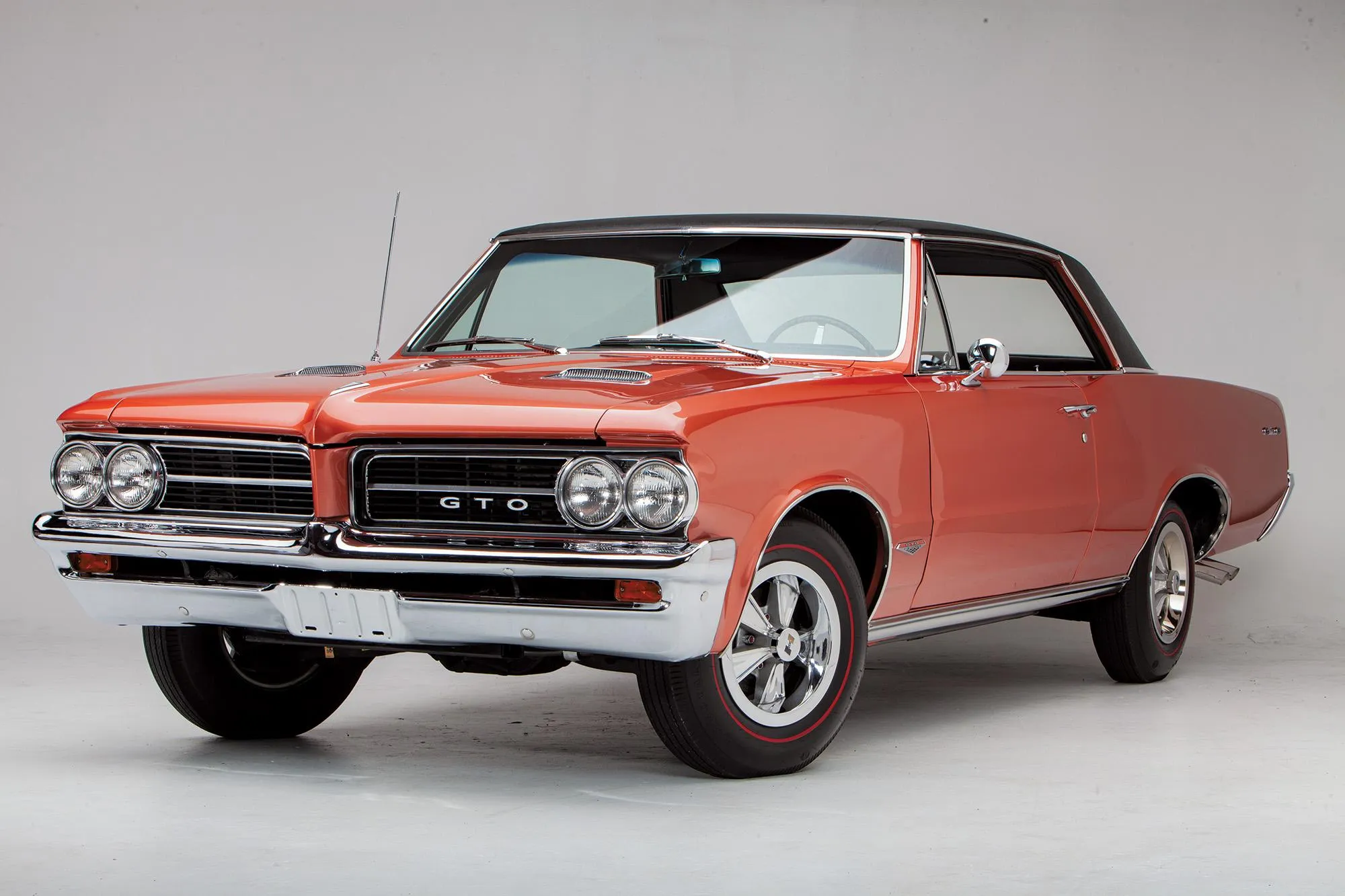
American muscle cars have always represented a unique side of automotive culture where brute force, loud exhaust notes, rear-wheel-drive dynamics, and affordable horsepower come together in one package.
For decades, enthusiasts have modified these machines to run quicker quarter miles, dominate highway pulls, sharpen handling, or simply stand out at local meets.
Some platforms respond brilliantly to upgrades and reward owners with huge performance gains without draining bank accounts. Others become expensive headaches the moment modifications begin.
That difference is exactly why choosing the right muscle car matters. A strong aftermarket, durable engine architecture, transmission reliability, and parts availability can transform an ordinary coupe into a serious performance weapon.
On the other hand, weak drivetrains, complicated electronics, fragile internals, or limited aftermarket support can make certain cars frustrating to own and even harder to improve.
This article focuses on both sides of the muscle car world. First, we will cover five American muscle cars that deserve modification attention because they offer strong tuning potential, proven reliability, and excellent enthusiast communities.
These are the kinds of cars where simple upgrades can unlock shocking performance while still keeping maintenance manageable.
After that, we will move into five muscle cars that enthusiasts should approach carefully or completely avoid modifying. Some suffer from engineering compromises, others have poor long-term durability, and a few simply cost too much to improve compared to what they deliver.
The goal is not to crown winners and losers based purely on horsepower numbers. Instead, this guide looks at real ownership experiences, tuning flexibility, aftermarket depth, reliability concerns, and how well these cars justify the money enthusiasts put into them.
Also Read: 10 SUVs Where the Cheapest States Sit in the Southwest
5 American Muscle Cars Worth Modifying
Some American muscle cars become far better once enthusiasts start upgrading them. The right platform can handle extra horsepower, suspension tuning, and aggressive modifications without becoming unreliable or painfully expensive to maintain.
Cars with strong V8 engines, deep aftermarket support, and durable drivetrains usually reward owners with massive performance gains.
These muscle cars are worth modifying because they combine tuning flexibility, exciting road presence, and proven reliability while still keeping the raw personality that made American performance cars legendary.
1. Ford Mustang GT (S197)
The S197 generation Ford Mustang GT became one of the most modification-friendly American muscle cars ever produced because it combined simple engineering with a massive aftermarket ecosystem.
Produced between 2005 and 2014, this generation gave enthusiasts two strong V8 choices, including the respected 4.6-liter modular V8 and the later 5.0-liter Coyote engine that transformed the Mustang into a tuning monster.
What makes this platform special is how quickly it responds to modifications without demanding extreme investment. Basic bolt-ons such as cold air intakes, headers, upgraded throttle bodies, and ECU tunes can unlock meaningful gains immediately.
Once forced induction enters the picture, the Coyote engine especially becomes capable of producing supercar-level power while maintaining daily drivability.
Another reason the S197 deserves modification attention is chassis simplicity. Suspension upgrades are straightforward, and the car reacts well to coilovers, sway bars, and wider tires.
Unlike heavier modern muscle cars loaded with complicated electronics, the S197 still feels mechanically accessible. That matters for enthusiasts who prefer working on their own cars instead of depending entirely on specialty shops.
The Mustang community also deserves mention. Parts availability is enormous, meaning owners can choose from budget-friendly upgrades or premium racing components depending on their goals.
Whether somebody wants a drag car, drift machine, road course setup, or comfortable street cruiser, the S197 platform supports nearly every direction.
Its styling has also aged gracefully. Retro-inspired design mixed with aggressive proportions gives the car a timeless appearance that still attracts attention today. Many modern performance cars feel disposable after a few years, but the S197 continues to maintain enthusiast respect.
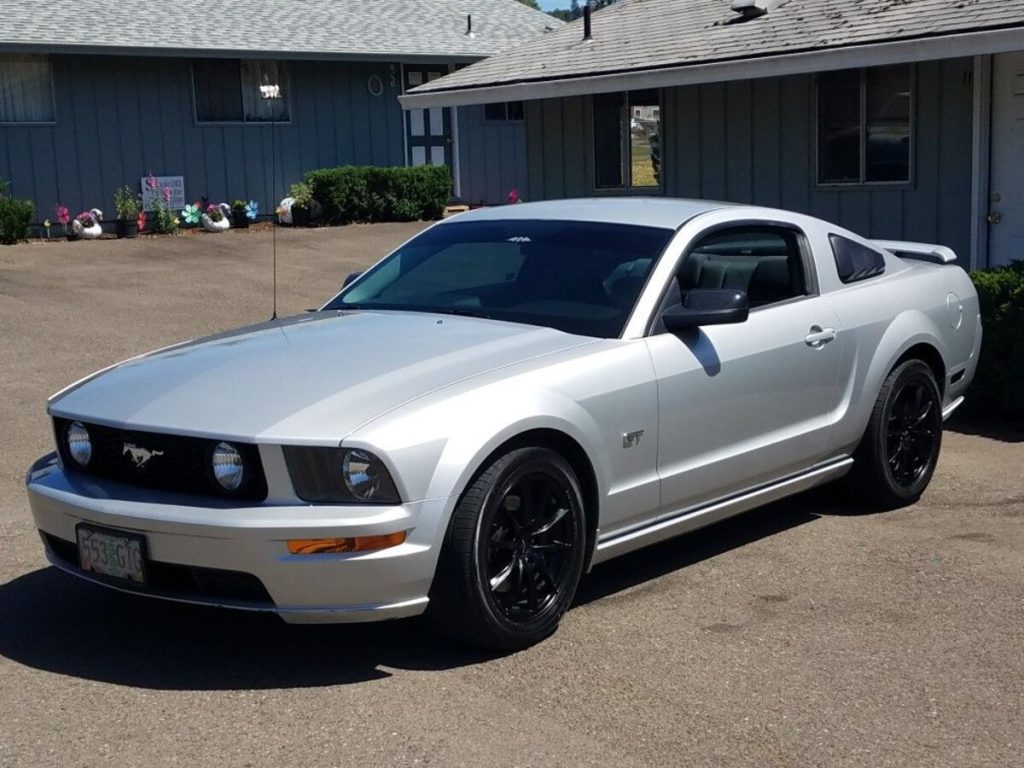
This Mustang earns a spot here because it offers one of the best combinations of affordability, power potential, aftermarket support, and long-term enthusiast value in the American muscle world.
- Engine: 5.0-liter naturally aspirated Coyote V8
- Torque: 390 lb ft
- Horsepower: 412 hp
- Length/Width: 188.1 inches / 73.9 inches
2. Chevrolet Camaro SS (Fifth Generation)
The fifth-generation Chevrolet Camaro SS returned General Motors to serious muscle car competition after the Camaro disappeared for several years. Introduced for the 2010 model year, this platform combined aggressive styling with LS-based V8 performance that immediately attracted modifiers and tuners.
The LS3 engine became the centerpiece of the Camaro SS experience. Few American engines carry a stronger reputation for modification flexibility. Enthusiasts regularly extract huge gains from these motors using relatively simple upgrades.
Camshaft swaps alone can transform the personality of the car dramatically, producing sharper throttle response, harder acceleration, and a thunderous idle that defines traditional muscle car culture.
Unlike some performance cars that become fragile once power increases, the Camaro SS handles added output surprisingly well. The drivetrain can tolerate moderate forced induction setups without immediately demanding complete internal rebuilding. That reliability encourages owners to push further with modifications.
One reason many enthusiasts still choose this generation today is value retention in the tuning world. Used examples remain reasonably attainable, while aftermarket manufacturers continue producing fresh components. Owners are not trapped hunting rare parts or dealing with disappearing support networks.
Visually, the fifth-generation Camaro also has an enormous presence. Wide proportions, a low roofline, and aggressive front-end styling make it feel intimidating on the street. Even stock examples command attention before any modifications begin. Add wheels, suspension work, or exhaust upgrades, and the transformation becomes dramatic.
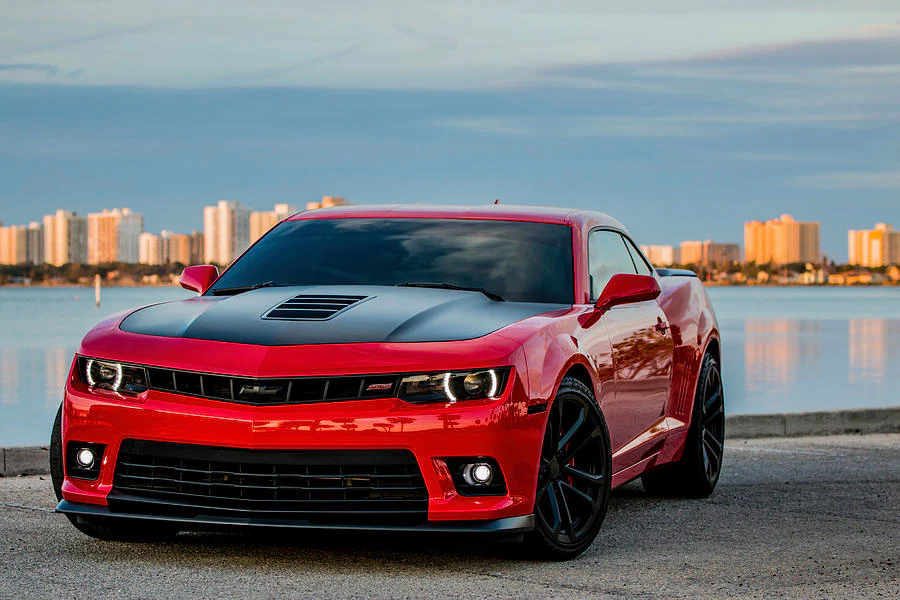
The chassis is heavier than some rivals, but it responds well to suspension tuning. Better dampers, upgraded bushings, and stickier tires improve the driving experience significantly. Many owners discover that the car becomes much more balanced once factory compromises are corrected.
This Camaro belongs on the worth-modifying list because it offers affordable V8 power, one of the strongest engine platforms in modern muscle history, and endless room for customization without destroying reliability.
- Engine: 6.2-liter naturally aspirated LS3 V8
- Torque: 420 lb ft
- Horsepower: 426 hp
- Length/Width: 190.4 inches / 75.5 inches
3. Dodge Challenger R/T Scat Pack
The Dodge Challenger R/T Scat Pack represents old-school American muscle philosophy better than almost anything sold in the modern era. Large dimensions, naturally aspirated V8 power, and unapologetically aggressive styling make it a favorite among enthusiasts who value straight-line performance and street presence.
Under the hood sits the famous 6.4-liter HEMI V8, an engine that delivers huge torque and a deep exhaust character straight from the factory.
While many modern performance cars rely heavily on turbocharging, the Scat Pack maintains the raw feel of traditional displacement-driven muscle. That characteristic makes modifications especially rewarding because upgrades amplify an already emotional driving experience.
This platform shines when owners focus on practical street performance modifications. Better tires drastically improve traction, while intake systems, exhaust setups, and ECU tuning sharpen responsiveness.
For drivers chasing serious horsepower numbers, supercharger kits unlock extreme acceleration without completely compromising reliability when installed properly.
Another advantage is comfort. Unlike certain muscle cars that become punishing during everyday driving, the Challenger remains surprisingly usable. The spacious interior and smoother ride quality allow owners to enjoy their modifications regularly instead of treating the car as a weekend toy only.
The Challenger also thrives in visual customization. Widebody kits, hood designs, stripes, wheels, and lighting modifications allow owners to create unique builds without losing the car’s muscular identity. Some performance cars lose their design balance when modified heavily, but the Challenger’s oversized proportions support aggressive styling naturally.
Importantly, the aftermarket community surrounding modern HEMI-powered Dodges remains enormous. Tuners continue finding new ways to unlock power, while owners share extensive knowledge about drivetrain durability and setup combinations.
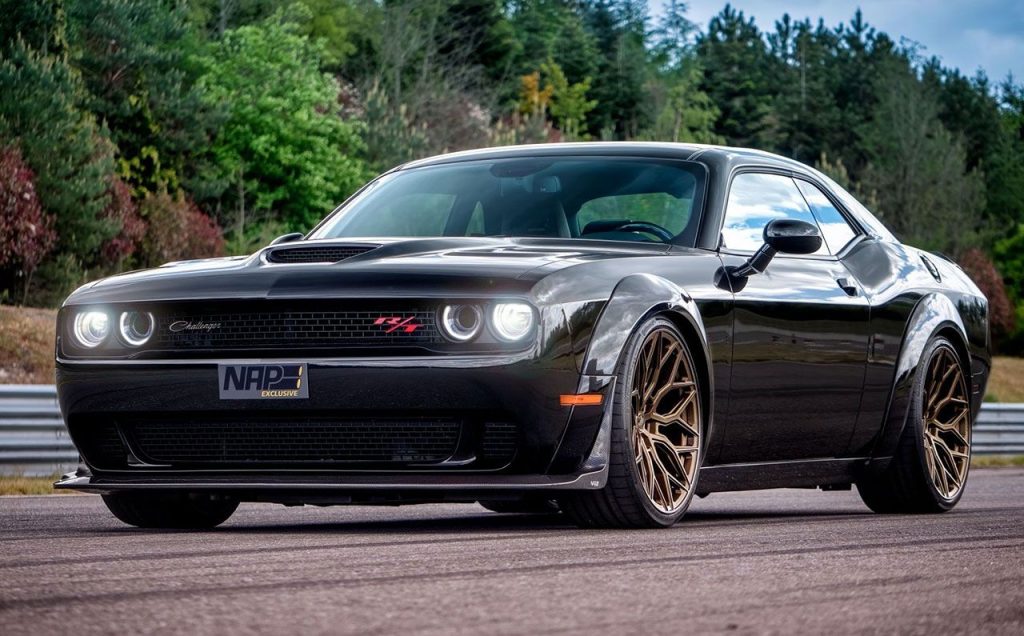
The Scat Pack deserves recognition because it delivers a blend of modern comfort and traditional muscle aggression that few competitors can match. For enthusiasts who want a loud, intimidating V8 platform with serious modification potential, this Dodge remains one of the strongest choices available.
- Engine: 6.4-liter naturally aspirated HEMI V8
- Torque: 475 lb ft
- Horsepower: 485 hp
- Length/Width: 197.9 inches / 75.7 inches
4. Pontiac GTO (2004 to 2006)
The revived Pontiac GTO never achieved the same commercial success as some rival muscle cars, yet enthusiasts eventually realized how capable this machine truly was. Imported from Australia and based on the Holden Monaro platform, the modern GTO offered understated styling combined with serious LS-powered performance.
Many people ignored the car initially because it lacked the dramatic exterior aggression expected from American muscle. Ironically, that sleeper appearance became one of its greatest strengths. Modified GTOs often surprise drivers because they look relatively restrained while delivering brutal acceleration.
The biggest reason this car deserves modification attention lies under the hood. Early models carried the LS1 V8, while later versions upgraded to the stronger LS2 engine. Both respond exceptionally well to tuning.
Bolt-ons, cam upgrades, cylinder head improvements, and forced induction setups can push these cars far beyond factory output without making them unreliable nightmares.
Another factor working in the GTO’s favor is chassis refinement. Compared with many traditional muscle cars, the GTO feels more balanced and composed through corners. Suspension tuning transforms the platform into a surprisingly capable street and track machine instead of merely a drag racing tool.
The interior also stands out. Unlike many early 2000s muscle cars with cheap cabins, the GTO delivered supportive seating and a more mature driving environment. That quality matters because modified performance cars should still feel enjoyable during longer drives.
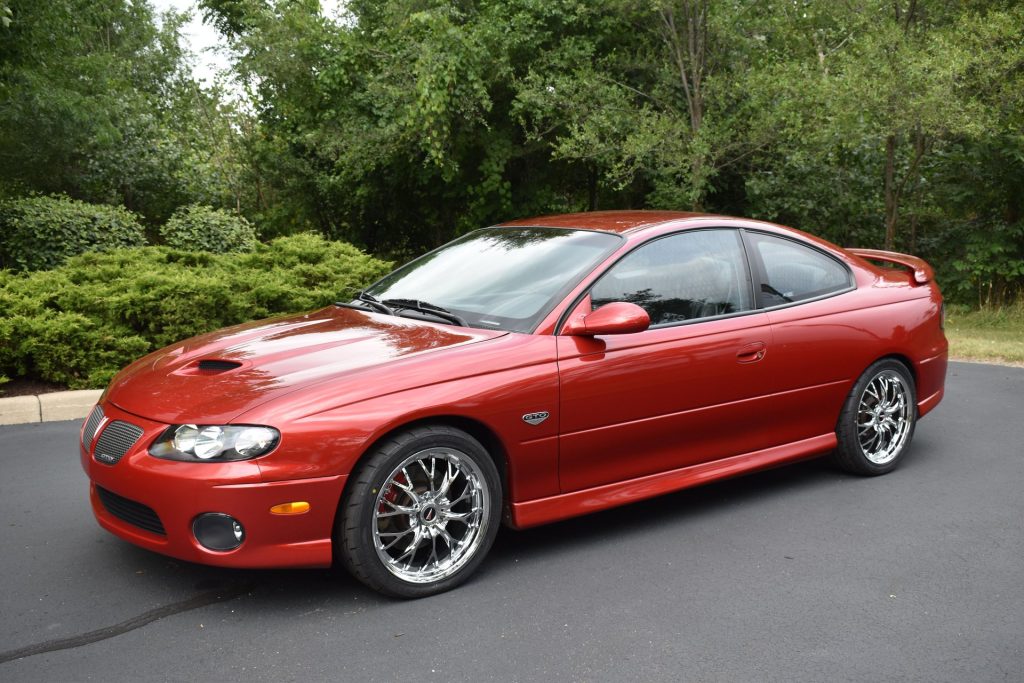
Because the GTO was never produced in massive numbers, it now occupies a unique place in the enthusiast market. Owners appreciate the exclusivity, and well-maintained examples continue attracting attention from collectors and modifiers alike.
This Pontiac earns its place on the worth-modifying side because it combines LS engine potential, sleeper appeal, balanced handling, and rarity into one highly underrated package that continues gaining appreciation years after production ended.
- Engine: 6.0-liter naturally aspirated LS2 V8
- Torque: 400 lb ft
- Horsepower: 400 hp
- Length/Width: 189.8 inches / 72.5 inches
5. Chevrolet Corvette C6
The Chevrolet Corvette C6 sits in a fascinating position within American performance culture because it delivers sports car dynamics while still embracing traditional muscle car brutality.
Many enthusiasts focus only on Mustangs, Camaros, and Challengers when discussing modification platforms, but the C6 deserves equal attention thanks to its extraordinary performance ceiling and surprisingly accessible upgrade path.
One reason the C6 works so well as a project car is weight reduction. Compared with larger muscle coupes, the Corvette feels lighter, sharper, and more responsive from the start.
That lower weight means even moderate power upgrades create dramatic real-world results. A tuned C6 with intake work, headers, and ECU calibration can embarrass far more expensive exotic machinery.
The LS engine family again plays a massive role here. Whether equipped with the LS2, LS3, or even the supercharged LS9 in extreme variants, the C6 lineup provides enormous aftermarket flexibility. Tuners understand these engines thoroughly, and parts are available almost everywhere in the American performance scene.
Unlike many heavily modified muscle cars that become difficult to control, the Corvette platform maintains composure even at high output levels. Better suspension tuning, upgraded brakes, and sticky tires transform the car into a machine equally comfortable on road courses and highways.
The design has also aged impressively. Long hood proportions, low stance, and compact dimensions still make the C6 look modern without relying on oversized styling tricks. Owners can modify them aggressively without ruining the car’s identity.
Financially, the C6 also makes sense. It offers performance that rivals European sports cars, costing far more to maintain. Parts remain cheaper than many imported rivals, while the LS platform keeps maintenance relatively manageable for experienced enthusiasts.
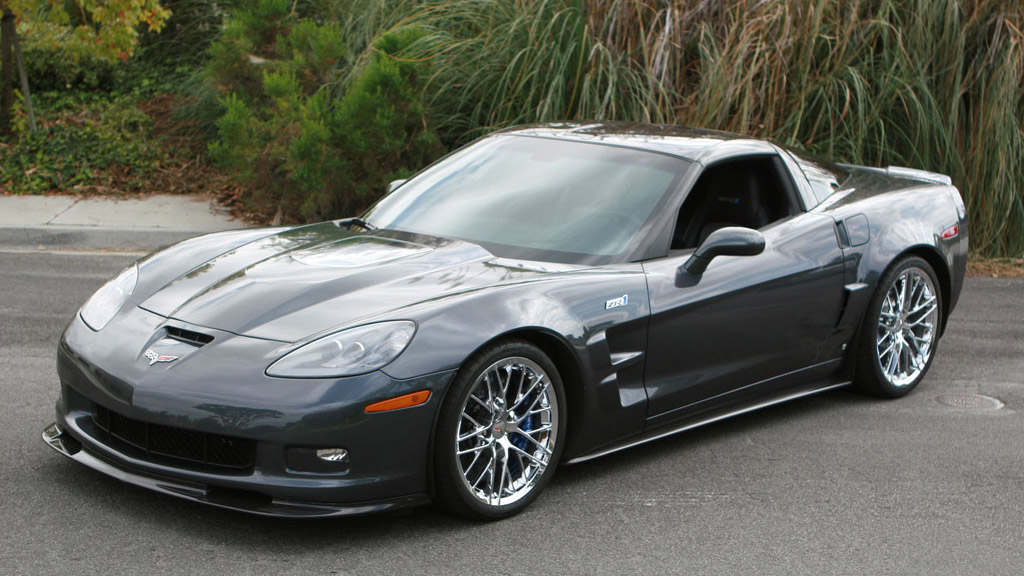
This Corvette belongs on the worth-modifying list because it blends American V8 tuning culture with legitimate sports car capability. Few platforms deliver this level of speed potential, handling precision, and aftermarket support at such attainable ownership costs.
- Engine: 6.2-liter naturally aspirated LS3 V8
- Torque: 424 lb ft
- Horsepower: 430 hp
- Length/Width: 174.6 inches / 72.6 inches
5 American Muscle Cars To Stay Away From
Not every muscle car deserves heavy modification money. Some platforms suffer from weak engines, poor aftermarket support, aging electronics, or expensive reliability issues that quickly frustrate owners.
A few may look aggressive on the outside but fail to deliver the performance foundation needed for serious upgrades.
These muscle cars are best avoided because the money spent fixing their weaknesses often exceeds the value and enjoyment they ultimately provide compared with stronger alternatives in the American performance world.
1. Chevrolet Camaro Z28 (Fourth Generation LT1)
At first glance, the fourth-generation Chevrolet Camaro Z28 appears tempting because it offers V8 power at relatively affordable prices in the used market. Many buyers assume these cars provide a cheap path into muscle car ownership and modification culture. Unfortunately, the reality becomes much more complicated once long-term ownership begins.
The biggest issue centers around the LT1 engine and its aging supporting systems. While the motor itself can produce respectable power, reliability problems become increasingly common as mileage climbs.
Cooling system weaknesses, distributor-related headaches, and difficult engine bay access turn even basic maintenance into frustrating experiences for many owners.
Modification costs also rise faster than expected. Unlike later LS-powered Camaros, the LT1 platform lacks the same level of aftermarket simplicity. Extracting meaningful performance improvements often requires more effort and expense compared with newer alternatives that deliver better results immediately.
Interior quality creates another disappointment. Cheap plastics, poor ergonomics, and aging electronics make these cars feel dated in ways that go beyond simple nostalgia. Enthusiasts willing to accept rough interiors for performance still face constant small failures involving switches, panels, and electrical systems.
The driving experience itself also struggles to age gracefully. Visibility issues are severe, cabin comfort remains mediocre, and chassis refinement falls behind later muscle cars significantly. Once suspension wear begins, the car can feel loose and unpleasant during aggressive driving.
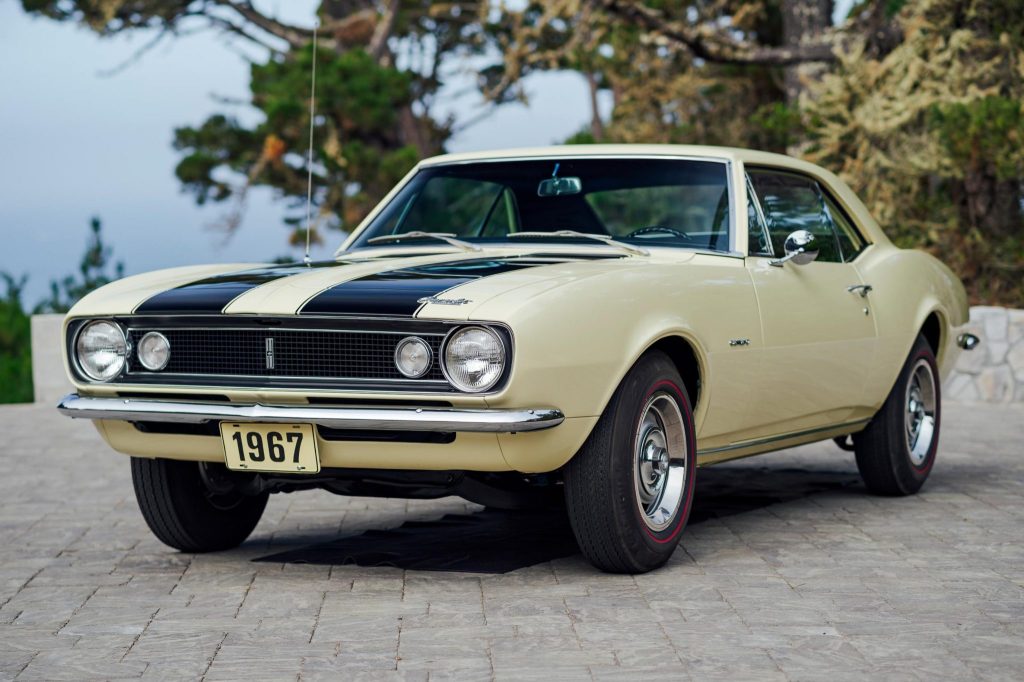
Perhaps the strongest argument against modifying this Camaro is opportunity cost. The money required to fix reliability issues and pursue serious performance upgrades can quickly exceed the price difference between this platform and far better LS-based alternatives.
This generation Camaro deserves caution because buyers often underestimate how much work and money these cars demand before becoming truly satisfying performance machines.
- Engine: 5.7-liter LT1 V8
- Torque: 325 lb ft
- Horsepower: 275 hp
- Length/Width: 193.2 inches / 74.1 inches
2. Dodge Charger SE (3.5-liter V6)
The Dodge Charger carries a strong muscle car image, but not every version deserves enthusiast attention. The SE trim equipped with the 3.5-liter V6 became especially problematic for modifiers because it delivered the appearance of a muscle sedan without the mechanical foundation necessary for rewarding performance upgrades.
Many younger buyers purchased these Chargers, hoping to build affordable street machines. The problem is that the V6 platform lacks the strength and aftermarket support that make HEMI-powered Chargers appealing. Simple bolt-on upgrades provide minimal gains, leaving owners spending significant money for disappointing improvements.
Transmission durability becomes another concern. Once owners attempt aggressive tuning or hard driving, drivetrain weaknesses start appearing. Repair costs can escalate quickly, especially as these vehicles age and parts availability becomes less convenient.
Another issue lies in the car’s weight. The Charger chassis is substantial, and without V8 torque to compensate, the V6 versions often feel sluggish despite cosmetic modifications. Some owners install loud exhaust systems trying to imitate HEMI models, but the driving experience rarely matches the visual aggression.
Interior aging also hurts these early Chargers. Materials wear poorly, infotainment systems feel outdated, and electrical problems become increasingly common over time. Enthusiasts searching for long-term project cars usually want a platform worth preserving, and the V6 Charger struggles to justify serious investment.
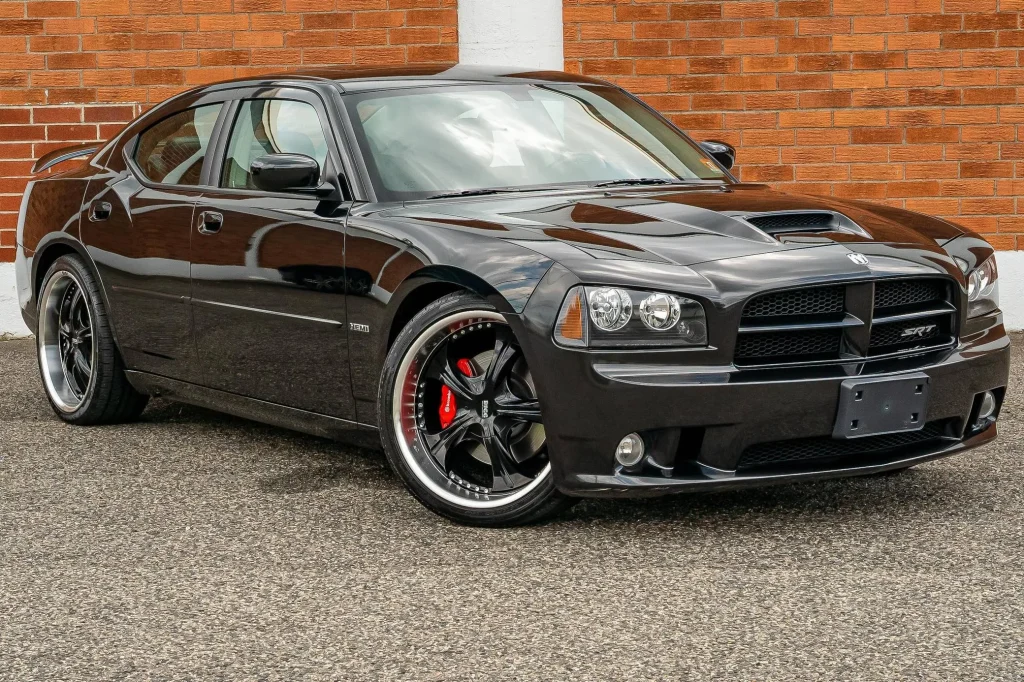
Resale value presents another warning sign. Modified V6 Chargers generally attract limited enthusiast demand because buyers recognize the platform limitations immediately. That means owners often recover very little of the money spent on upgrades.
This charger belongs on the stay-away list because it creates the illusion of muscle car potential while lacking the engine strength, aftermarket depth, and driving excitement needed to support meaningful modifications.
- Engine: 3.5-liter V6
- Torque: 250 lb ft
- Horsepower: 250 hp
- Length/Width: 200.1 inches / 74.5 inches
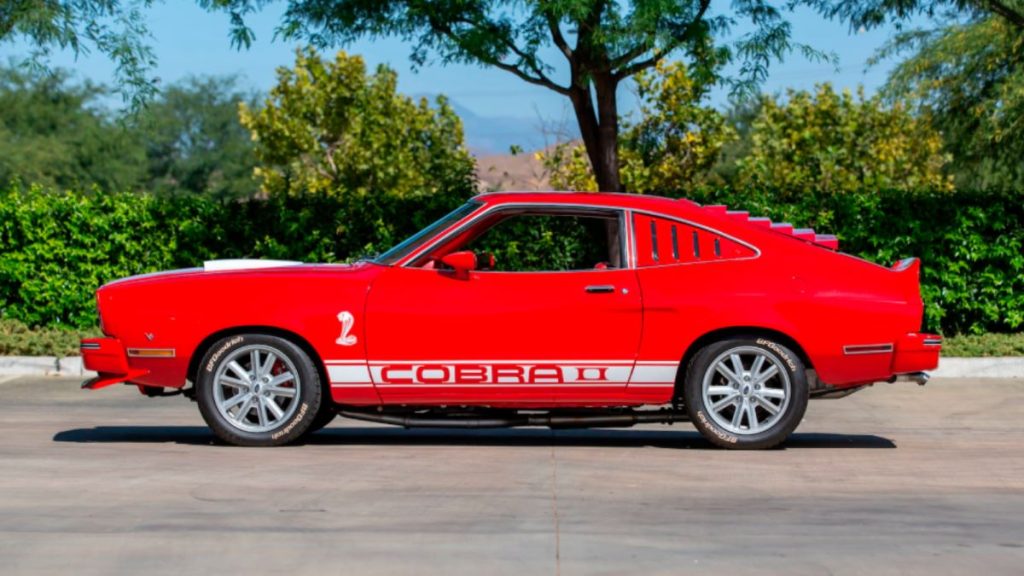
3. Ford Mustang II Cobra
The Ford Mustang II remains one of the most controversial chapters in Mustang history, and despite carrying the famous badge, it struggles badly as a modification platform in the modern era.
Produced during the difficult emissions-controlled years of the 1970s, this generation prioritized fuel economy and downsizing at a time when true muscle car performance was disappearing rapidly from the American market.
One of the biggest problems with the Mustang II Cobra is that its reputation often creates unrealistic expectations. Some buyers assume that because it carries Cobra branding, the car must possess strong performance foundations.
In reality, even the V8 versions delivered underwhelming output by muscle car standards. Heavy emissions restrictions choked performance significantly, leaving enthusiasts with a platform that requires enormous investment just to feel moderately quick.
The chassis also creates limitations. While compact dimensions help maneuverability slightly, structural rigidity and suspension design fall behind both earlier and later Mustangs. Owners trying to build serious handling setups frequently discover that modern performance components require extensive fabrication work.
Another major drawback is aftermarket inconsistency. Although niche communities still support the Mustang II, parts availability is nowhere near the level enjoyed by Fox Body or S197 Mustangs. Certain restoration components remain expensive, while high-performance upgrades often involve adapting parts from unrelated platforms.
Rust issues further complicate ownership. Many surviving examples suffer from corrosion problems that turn project builds into financial sinkholes. Floor pans, frame areas, and body panels often require significant restoration before performance modifications can even begin.
Interior quality also reflects the difficult era in which the car was produced. Cheap materials, awkward styling, and aging components make cabin restoration surprisingly costly relative to the car’s final value.
The Mustang II Cobra lands on this list because enthusiasts can spend huge amounts of money chasing performance goals that newer Mustangs achieve far more easily, reliably, and affordably.
- Engine: 5.0-liter Windsor V8
- Torque: 245 lb ft
- Horsepower: 139 hp
- Length/Width: 175 inches / 70.4 inches
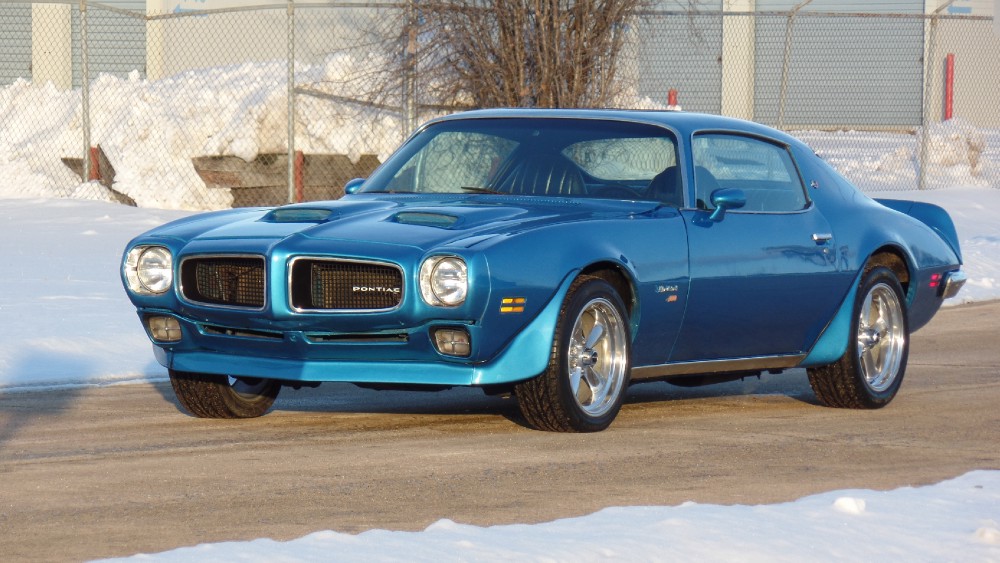
4. Pontiac Firebird (Third Generation Base V6)
The third-generation Pontiac Firebird developed a strong cultural identity thanks to its futuristic styling and appearances in television and film during the 1980s. However, not every version deserves enthusiasm from modifiers. The base V6 models in particular have become traps for buyers who prioritize appearance over actual performance capability.
At a glance, these Firebirds still look dramatic. Sharp lines, low roof profiles, and pop-up headlights give them an undeniable visual charm. Unfortunately, once the driving experience begins, the weaknesses become impossible to ignore.
The base V6 engines simply do not provide a rewarding performance foundation. Power delivery feels weak even by the standards of their own era, and modification potential remains extremely limited. Enthusiasts quickly realize that meaningful performance gains require major engine swaps rather than simple upgrades.
That creates a financial problem. By the time owners replace engines, strengthen drivetrains, improve brakes, modernize suspension systems, and address aging electronics, the total investment often exceeds the value of starting with a V8 performance model instead.
Another concern involves build quality. These Firebirds arrived during a period when General Motors struggled with material durability. Interiors crack easily, electrical systems develop frustrating faults, and plastic components age poorly under heat exposure.
Handling characteristics also disappoint modern drivers. Even with suspension work, the chassis retains a vague steering feel and limited refinement compared with later muscle platforms. The car may look aggressive, but the driving confidence rarely matches the appearance.
Finding clean examples has also become increasingly difficult. Many surviving cars suffered years of neglect, poor modifications, or questionable maintenance. Buyers hoping for affordable project cars often discover hidden restoration costs almost immediately.
This Firebird earns a place on the stay-away list because its styling creates emotional appeal that the mechanical package simply cannot support without excessive spending and major reconstruction.
- Engine: 2.8-liter V6
- Torque: 150 lb ft
- Horsepower: 135 hp
- Length/Width: 190.5 inches / 72.8 inches
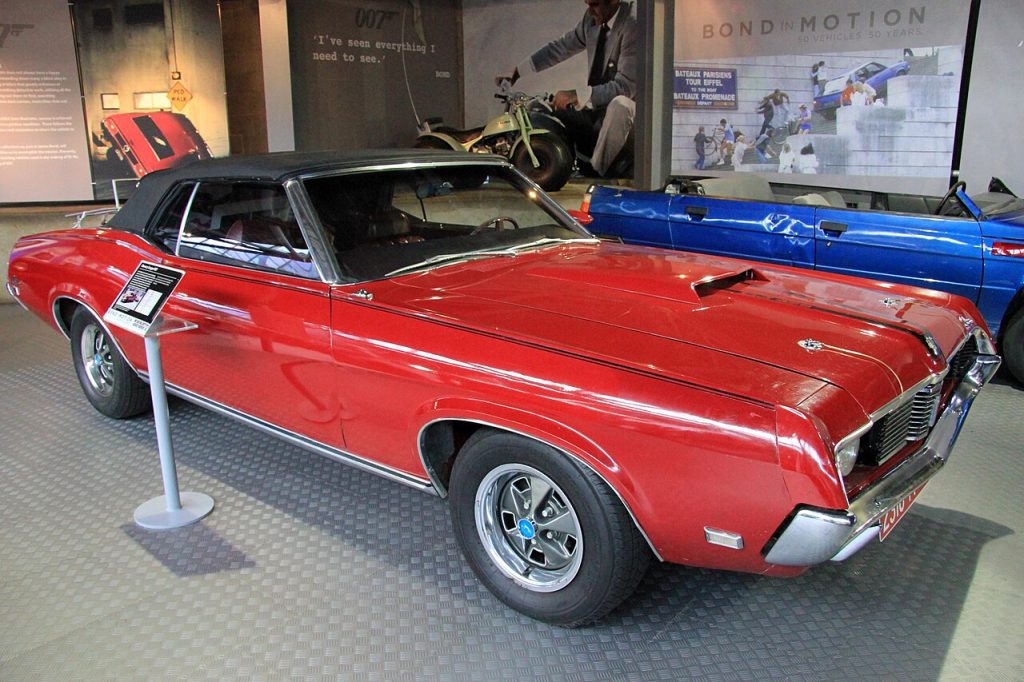
5. Mercury Cougar XR7 (Late 1970s)
The late 1970s Mercury Cougar XR7 attempted to combine luxury styling with muscle car personality, but the result became a heavy and compromised platform that struggles to justify serious modification efforts today.
While earlier Cougars carried stronger performance credibility, these later versions reflected the broader decline of American muscle during the emissions-restricted era.
The first problem appears immediately under acceleration. Despite large V8 engines being available, the cars felt surprisingly slow because emissions equipment severely restricted output. Huge curb weight only worsened the issue, making performance modifications feel like an uphill battle from the beginning.
Suspension tuning also reveals the car’s priorities clearly. Comfort mattered far more than handling precision, leaving the Cougar with soft body control and vague cornering behavior. Enthusiasts trying to modernize the chassis usually end up replacing massive portions of the suspension system just to achieve acceptable road manners.
Another factor hurting these cars is aftermarket neglect. Unlike Mustangs or Camaros from similar periods, the Cougar XR7 never developed a huge performance following. That means fewer bolt-on solutions, fewer dedicated tuning resources, and less community support for ambitious builds.
The styling itself divides opinions. Some enthusiasts appreciate the long proportions and luxury-inspired appearance, while others see the design as bulky and disconnected from traditional muscle car aggression. Modified examples can easily look awkward if upgrades are not carefully planned.
Mechanical reliability also becomes a concern with aging examples. Vacuum-operated systems, carburettor tuning issues, deteriorating wiring, and rust problems can consume huge amounts of time before owners even reach the modification stage.
Most importantly, there are simply better platforms available for the same investment level. Buyers seeking classic American V8 experiences can find more rewarding cars with stronger aftermarket ecosystems and significantly better performance foundations.
The Cougar XR7 belongs on the avoid list because it asks owners to spend substantial money correcting deep-rooted platform weaknesses without delivering enough excitement in return.
- Engine: 5.8-liter V8
- Torque: 270 lb ft
- Horsepower: 159 hp
- Length/Width: 217.3 inches / 77 inches
Also Read: 10 Sleeper Sedans With Over 700 Horsepower
