
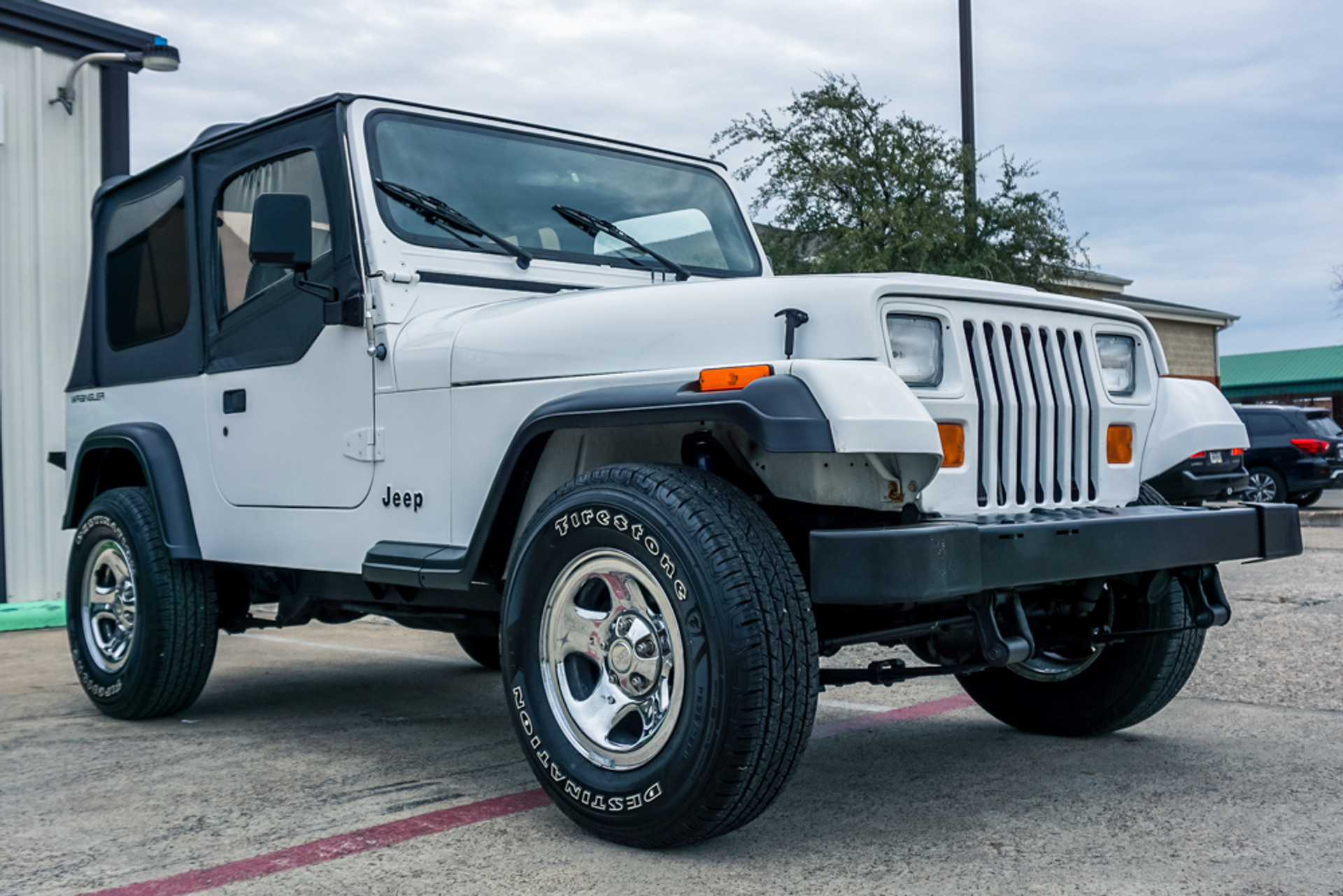
The Jeep Wrangler occupies a unique position in automotive history because few vehicles have stayed so closely connected to their original purpose for such a long time.
While countless SUVs transformed into soft crossovers focused mainly on comfort and fuel economy, the Wrangler continued prioritizing rugged capability, removable doors, solid axles, and genuine off-road performance. That commitment helped the model build one of the most loyal fan bases in the entire auto industry.
Ranking Wrangler generations is difficult because every version appealed to different types of buyers. Some owners value simplicity and mechanical toughness above everything else, while others prefer modern comfort, improved safety, and stronger engines.
Certain generations became beloved for their raw personality and true durability. Others gained popularity because they finally made daily driving easier without sacrificing the adventurous spirit that defined the Wrangler name.
The Wrangler also survived major changes in consumer expectations. Early generations delivered harsh rides, noisy cabins, and minimal luxury features because buyers cared more about climbing rocks and crossing muddy trails.
Later generations had to compete with refined SUVs offering touchscreen technology, advanced driver aids, and better highway comfort. Jeep responded by gradually modernizing the Wrangler while trying not to lose the rugged identity enthusiasts expected.
Owner satisfaction often depends on how successfully each generation balances capability with usability. Some Wranglers excelled on trails but became exhausting during long highway drives.
Others achieved a better compromise, giving owners the freedom to commute during the week and tackle difficult terrain on weekends. Reliability, aftermarket support, engine choices, and resale value also played major roles in shaping long-term happiness.
This ranking moves from the least satisfying Wrangler generation to the one most owners consider the best combination of durability, driving experience, off-road confidence, and everyday livability.
Every Wrangler generation has passionate supporters, but a few clearly left stronger impressions on drivers who spent years living with these iconic American off-road machines.
Also Read: 10 Motorcycles With Bigger Engines Than Most Cars
1. 2007 to 2018 Jeep Wrangler JK
The JK generation transformed the Wrangler into a mainstream success, but longtime enthusiasts remain divided about its legacy. For many owners, this version represented the point where the Wrangler became more family-friendly and commercially successful.
Others believe it sacrificed some of the simplicity and rugged charm that earlier generations delivered naturally. Despite massive sales numbers, owner satisfaction stayed inconsistent because the JK introduced both major strengths and frustrating weaknesses.
One of the biggest changes involved size. The JK grew noticeably larger than previous Wranglers, especially with the introduction of the four-door Unlimited model. Families appreciated the added cabin space, larger cargo area, and improved rear seat comfort.
Suddenly, buyers could own a Wrangler without sacrificing practicality completely. That wider appeal helped Jeep attract customers who never previously considered buying an off-road-focused vehicle.
Yet some owners disliked how heavy the Wrangler became. Earlier generations felt nimble and mechanical, while the JK sometimes struggled with sluggish acceleration and a vague steering feel.
Early models equipped with the 3.8-liter V6 especially received criticism for lacking power during highway merging or mountain driving. Fuel economy also disappointed many buyers, considering the modest performance figures.
The JK generation did succeed in building one of the strongest aftermarket communities in automotive culture. Lift kits, bumpers, larger tires, roof systems, and trail accessories became incredibly popular.
Owners enjoyed customizing their Wranglers into highly personalized adventure vehicles. That flexibility created emotional attachment even when the factory setup had flaws.
Interior quality improved compared to older Wranglers, but certain materials aged poorly. Some owners experienced water leaks around removable roof panels and doors, while others reported electrical glitches after years of exposure to rough weather conditions. Wind noise remained significant at highway speeds as well.
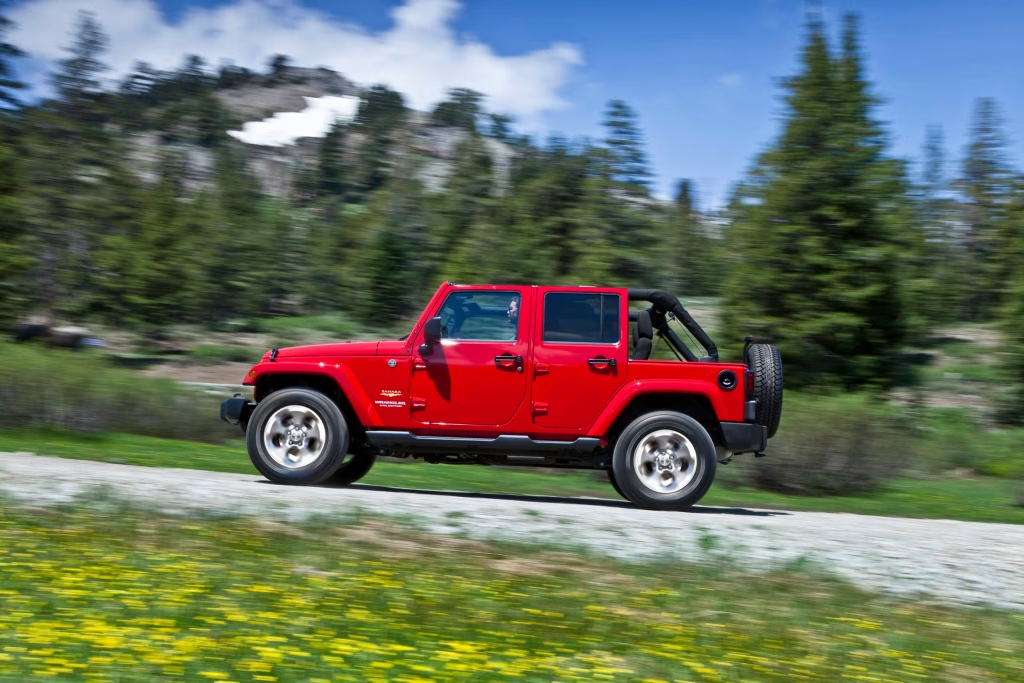
Still, the JK deserves credit for making the Wrangler more accessible to everyday drivers. It balanced genuine off-road capability with family usability better than earlier models. Many owners accepted the compromises because no rival SUV delivered the same combination of removable doors, trail ability, and open-air freedom during that era.
- Engine: 3.6-liter Pentastar V6
- Torque: 260 lb ft
- Horsepower: 285 hp
- Length/Width: 184.9 in / 73.7 in
2. 1987 to 1995 Jeep Wrangler YJ
The YJ generation faced enormous pressure because it replaced the legendary CJ series that helped define Jeep’s off-road identity for decades. Traditionalists reacted harshly when the YJ debuted, largely because of its controversial square headlights.
Many enthusiasts considered the styling change almost unforgivable at the time. Yet years later, plenty of owners grew to appreciate the YJ for introducing better comfort and improved road manners while still preserving strong trail capability.
Unlike the raw CJ models, the YJ aimed to feel slightly more civilized during everyday driving. Jeep widened the stance and softened the suspension tuning, giving the Wrangler more stability on pavement.
Owners who regularly commuted in their Jeeps appreciated those improvements because earlier generations often felt exhausted during long highway trips. The YJ remained rugged, but it became easier to live with daily.
Another important reason many owners still admire the YJ involves mechanical simplicity. These Wranglers used straightforward engineering that allowed drivers to repair problems without advanced diagnostic tools or expensive electronics.
Off-road enthusiasts valued being able to work on the vehicle themselves inside home garages or even out on trails when necessary.
The inline-six engine became one of the generation’s greatest strengths. Jeep’s 4.0-liter powerplant earned a reputation for durability, strong low-end torque, and long service life.
Owners frequently report extremely high mileage examples still running reliably decades after production ended. That engine alone helped create lasting loyalty among Wrangler enthusiasts.
The YJ also marked the beginning of the Wrangler identity, separating itself from military-inspired Jeep roots. Removable doors, fold-down windshields, and open-air driving remained central parts of the ownership experience. Drivers enjoyed the feeling of freedom that few modern SUVs could replicate.
Of course, the YJ still carried flaws. Ride quality remained rough compared to ordinary passenger vehicles, and interior refinement stayed minimal. Rust problems became severe in colder climates where road salt was common. Some buyers never accepted the square headlight styling either.
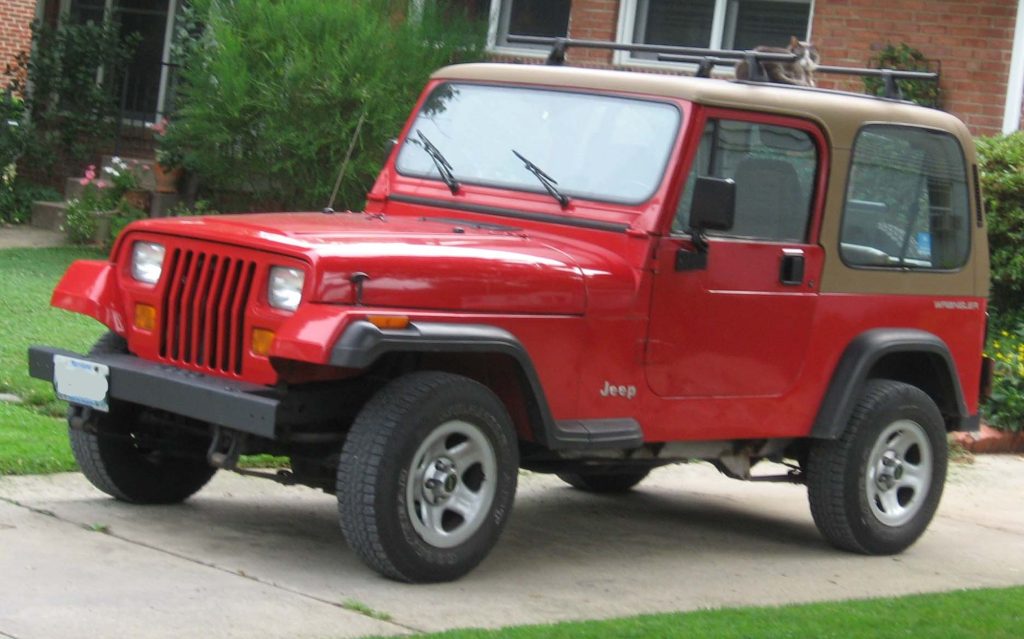
Despite those criticisms, many owners remember the YJ fondly because it bridged the gap between old-school Jeep toughness and the growing demand for more usable everyday transportation.
- Engine: 4.0-liter inline 6
- Torque: 220 lb ft
- Horsepower: 180 hp
- Length/Width: 151.9 in / 66 in
3. 1997 to 2006 Jeep Wrangler TJ
The TJ generation is often described by Jeep enthusiasts as the Wrangler that perfectly balanced classic character with meaningful modernization.
After the divisive YJ years, Jeep returned to round headlights for the 1997 redesign, immediately winning back many traditional buyers who wanted a Wrangler that looked closer to the legendary CJ models.
Yet the improvements extended far beyond styling because the TJ dramatically refined the driving experience without weakening the vehicle’s off-road credibility.
One of the most important upgrades involved the suspension system. Jeep replaced the older leaf spring setup with a coil spring design, giving the TJ a much smoother ride on rough pavement and uneven trails. Owners noticed the difference immediately.
The Wrangler still felt rugged and connected to the road, but long drives became far less tiring compared to earlier generations. This change helped attract buyers who wanted authentic trail capability while still using the vehicle regularly for commuting or weekend travel.
The 4.0-litre inline-six engine became another major reason for high owner satisfaction. Jeep enthusiasts continue praising this powerplant because of its strong reliability, excellent low-end torque, and simple maintenance requirements.
Many TJ owners accumulated enormous mileage with minimal serious mechanical trouble. That durability strengthened the Wrangler’s reputation as a dependable adventure vehicle capable of surviving years of abuse.
Inside the cabin, the TJ remained intentionally simple. The interior lacked luxury materials or advanced technology, but owners appreciated the straightforward controls and easy-to-clean surfaces.
Muddy boots, rainwater, and trail dust felt less concerning in a Wrangler designed for outdoor use rather than suburban luxury. Many drivers enjoyed that honest utilitarian personality because it matched the vehicle’s purpose perfectly.
Special editions also played a huge role in building long-term enthusiasm. Models such as the Rubicon became legendary among off-road communities thanks to locking differentials, stronger axles, and serious trail capability straight from the factory.
Owners loved having a production vehicle capable of tackling difficult terrain without requiring expensive modifications immediately after purchase.
The TJ generation created emotional attachment in ways many modern SUVs fail to achieve. Removing the doors and roof transformed ordinary drives into memorable experiences, especially during summer months or off-road trips. Owners frequently describe the TJ as a lifestyle vehicle rather than simple transportation.
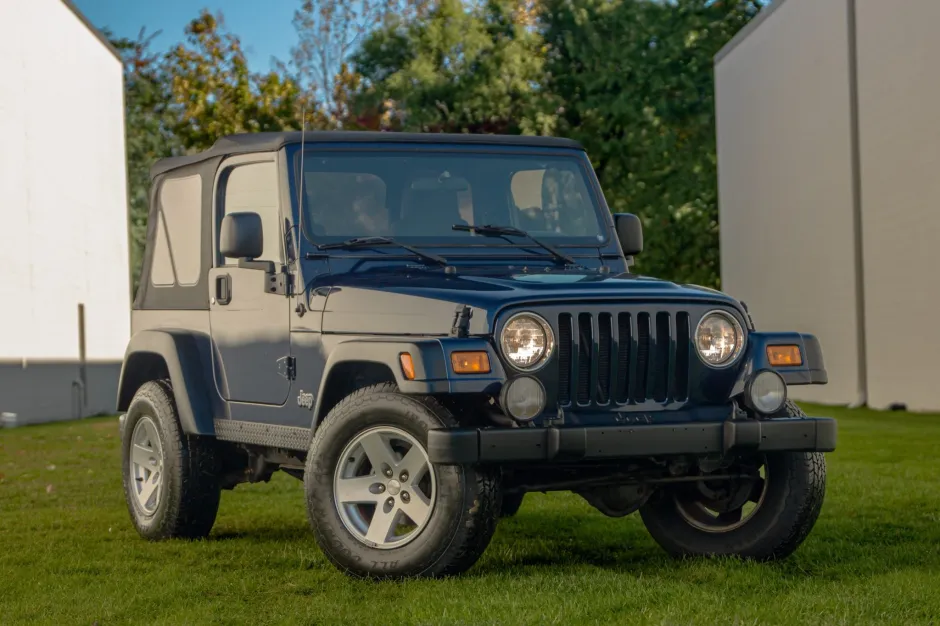
Weaknesses certainly existed. Interior space remained cramped, fuel economy disappointed many drivers, and highway wind noise could become exhausting on long journeys. Safety technology also lagged behind newer competitors as the generation aged.
Still, the TJ earned widespread respect because it stayed true to Jeep’s rugged heritage while making meaningful improvements where owners needed them most.
- Engine: 4.0-liter inline 6
- Torque: 235 lb ft
- Horsepower: 190 hp
- Length/Width: 155.4 in / 66.7 in
4. 2018 to Present Jeep Wrangler JL
When Jeep introduced the JL generation, the company faced an enormous challenge. Buyers expected better technology, improved fuel economy, stronger safety features, and increased comfort, yet enthusiasts demanded that the Wrangler remain unmistakably rugged.
Surprisingly, Jeep managed that balancing act better than many expected, which is why the JL quickly became one of the highest-rated Wrangler generations among modern owners.
At first glance, the JL looked familiar because Jeep wisely avoided drastic styling changes. The removable doors, upright windshield, exposed hinges, and iconic seven-slot grille all remained intact.
Underneath the familiar shape, however, the Wrangler received substantial engineering improvements that transformed the ownership experience.
The driving dynamics improved more than many longtime Jeep fans anticipated. Steering became more precise, highway stability increased noticeably, and suspension refinement made long-distance travel easier.
Owners who previously avoided extended road trips in older Wranglers suddenly found the JL comfortable enough for cross-country journeys. The vehicle still felt rugged, but it no longer punished drivers during daily commuting.
Technology upgrades became another major source of owner satisfaction. The Uconnect infotainment system earned praise for its user-friendly layout and responsive performance.
Features such as Apple CarPlay, Android Auto, adaptive cruise control, and advanced trail cameras modernized the Wrangler without making it feel disconnected from its adventurous identity. Buyers appreciated finally getting modern conveniences inside a serious off-road machine.
Engine choices also helped broaden the JL’s appeal. Traditionalists could still choose the dependable Pentastar V6, while other buyers selected turbocharged four-cylinder options, diesel variants, or the powerful 392 V8 model.
Jeep gave customers flexibility rarely seen in the off-road SUV segment. The Rubicon trims remained especially admired because they continued offering extraordinary trail capability directly from the factory.
Another strength involved refinement without losing personality. Wind noise decreased compared to older Wranglers, soft top designs improved, and cabin materials felt more durable and upscale. Yet the JL still retained the open-air freedom and mechanical feel owners expected from the brand.
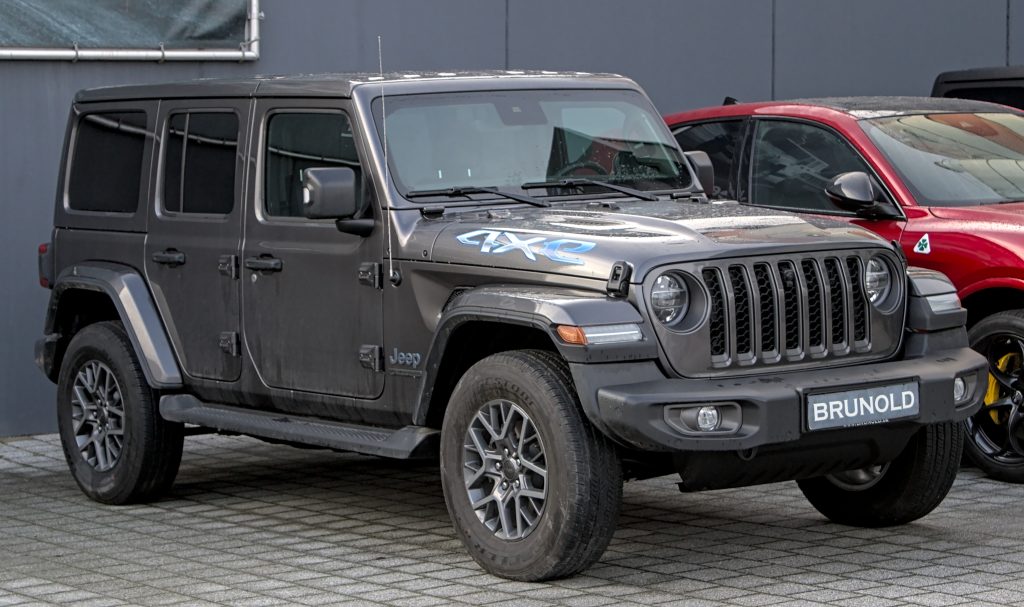
Some criticisms remained unavoidable. Prices climbed sharply compared to earlier generations, and certain electronic systems occasionally frustrated owners. Fuel economy also varied widely depending on engine choice and tire setup.
Even so, many drivers considered the JL the first Wrangler that genuinely succeeded both as a serious off-roader and as a practical everyday vehicle capable of competing with far more refined SUVs.
- Engine: 6.4-liter Hemi V8
- Torque: 470 lb-ft
- Horsepower: 470 hp
- Length/Width: 188.4 in / 73.9 in
5. 1944 to 1986 Jeep CJ Series
The CJ series sits at the top of Wrangler-related owner satisfaction rankings because it created the foundation for everything Jeep would later become. Although the Wrangler name officially appeared after the CJ era ended, most enthusiasts still consider the CJ models direct ancestors of the modern Wrangler.
These vehicles represented pure mechanical simplicity, unmatched ruggedness, and a level of character that many owners believe later generations never fully duplicated.
Driving a CJ feels completely different from operating a modern SUV. No unnecessary electronic systems are filtering the experience between the driver and the machine.
Steering feels heavy, suspension movement is constantly noticeable, and the cabin remains exposed to the outside world in ways modern vehicles rarely allow anymore. Yet for loyal owners, those qualities are exactly what make the CJ special rather than inconvenient.
The CJ became legendary because of its off-road capability. Farmers, ranchers, military veterans, hunters, and trail enthusiasts all embraced the vehicle because it could travel through terrain that stopped ordinary trucks cold.
Short wheelbases, strong four-wheel-drive systems, and lightweight construction allowed these Jeeps to climb rocks, cross mud, and navigate rough backcountry trails with remarkable confidence. Owners trusted the CJ in environments where reliability mattered far more than comfort.
Another reason satisfaction remains extremely high involves the emotional attachment created by the vehicle’s simplicity. Many owners learned mechanical skills while maintaining their CJs at home.
Repairs often required basic hand tools rather than expensive computerized diagnostics. That hands-on ownership experience created a deeper bond between driver and vehicle than many modern SUVs provide.
Styling also became timeless. Flat fenders, removable tops, exposed hinges, and upright proportions gave the CJ an instantly recognizable identity that survived decades of changing automotive trends.
Owners loved the feeling of driving something honest and purposeful instead of heavily polished or artificially aggressive.
The CJ community helped strengthen long-term loyalty as well. Enthusiasts frequently share restoration advice, aftermarket modifications, and trail experiences. Owning a CJ often feels like joining a culture built around adventure and mechanical independence rather than simple transportation.
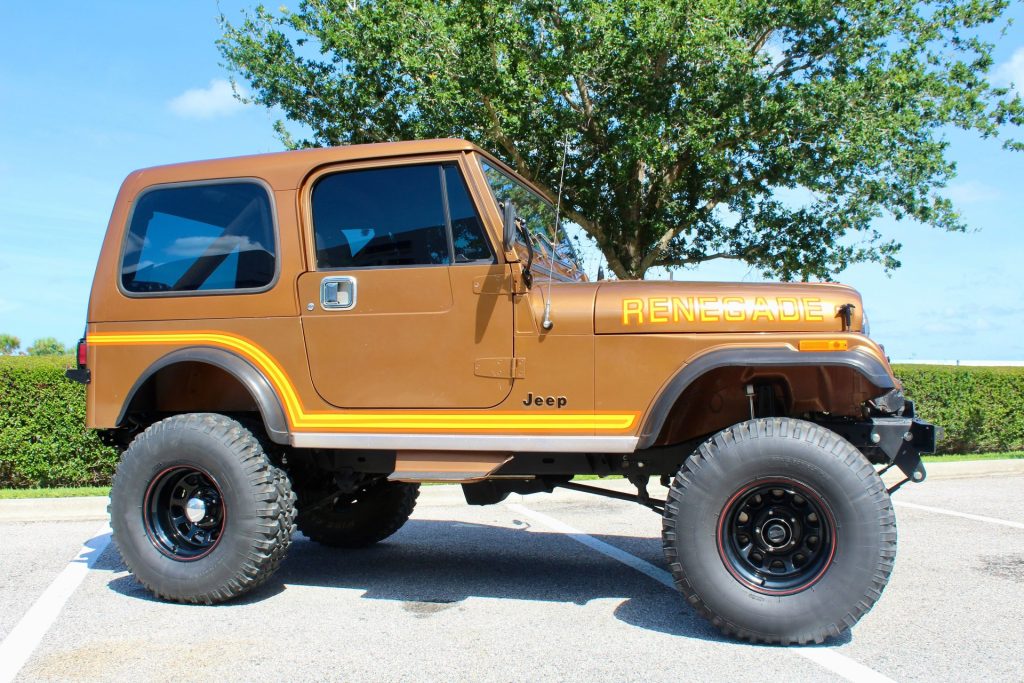
Of course, these Jeeps demanded sacrifices. Ride quality could be brutal on rough pavement, highway stability remained questionable at higher speeds, and weather protection was limited compared to modern standards.
Safety equipment was also minimal, especially in earlier models. Yet owners who truly understood the CJ rarely expected luxury or refinement in the first place.
What made the CJ generation rank above every successor was authenticity. These vehicles never pretended to be comfortable family crossovers or luxury SUVs. They existed for work, trail use, freedom, and durability.
Even decades later, many owners still believe the CJ captured the purest version of Jeep’s adventurous spirit before increasing regulations and consumer expectations gradually softened later generations.
- Engine: 4.2-liter AMC Inline 6
- Torque: 210 lb ft
- Horsepower: 112 hp
- Length/Width: 148 in / 68.3 in
Also Read: 10 Chinese Cars That Are Better and Cheaper Than Luxury Cars
