
Modern headlights are brighter than ever, and while improved visibility sounds like a safety advantage, it has also created a growing problem for drivers sharing the road. Over the past decade, automakers have pushed aggressively toward high-intensity LED and laser lighting systems that illuminate roads far better than older halogen units.
Unfortunately, many of these systems crossed the line between useful brightness and dangerous glare. Drivers in smaller cars, especially, began complaining about being temporarily blinded at night by SUVs, trucks, and luxury vehicles with poorly calibrated lighting systems.
Headlight-related complaints increased so dramatically that regulators and safety organizations started paying closer attention. In several cases, manufacturers were forced to issue recalls because the headlights exceeded legal brightness limits or failed to aim correctly.
Some systems reflected too much light upward into the eyes of oncoming traffic, while others created dangerous glare because of software or assembly defects. Even vehicles equipped with advanced adaptive lighting technology sometimes struggled to function properly in real-world driving conditions.
The issue became more noticeable as taller vehicles gained popularity. Pickup trucks and large SUVs already positioned their headlights higher than smaller sedans, so combining that height with extremely bright LEDs created serious visibility problems for other motorists.
Drivers frequently reported eye strain, delayed reaction times, and temporary blindness after facing certain vehicles at night. Safety experts warned that excessively bright headlights could become just as hazardous as headlights that were too dim.
This list highlights eight cars and SUVs that became involved in recalls or major complaints because their headlights created excessive brightness or glare issues.
Some recalls focused on improper headlight aim, while others addressed lighting systems that exceeded federal standards. Each vehicle demonstrates how modern lighting technology can create unintended safety risks when not carefully engineered and tested.
These cases also show how difficult it has become for manufacturers to balance visibility, styling, and regulation in today’s automotive market.
Also Read: 8 Cars That Are Nearly Impossible to Steal
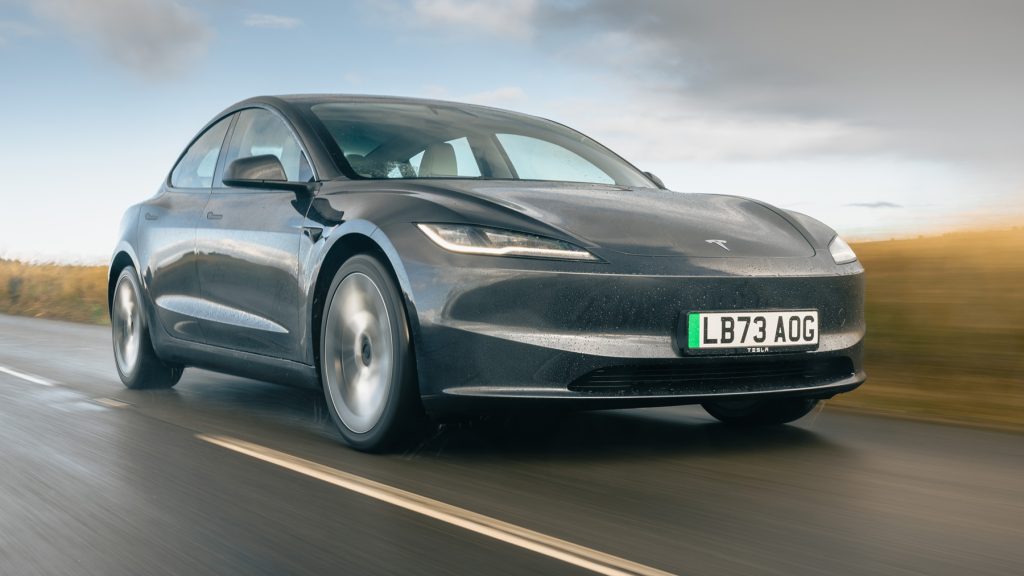
1. Tesla Model 3
The Tesla Model 3 quickly became one of the most recognizable electric sedans on the road, but it also developed a reputation for headlights that many drivers considered painfully bright.
Complaints about glare began appearing shortly after large numbers of Model 3s reached public roads. Drivers traveling in the opposite direction frequently described the headlights as distracting and difficult to look at safely, particularly at night on narrow roads and highways.
Part of the issue came from headlight alignment. Some Model 3 units left the factory with improperly aimed LED headlights that projected too high above the intended beam pattern.
Instead of focusing light downward onto the road surface, the beams directed excessive brightness into the eyes of oncoming traffic. This became especially problematic because LED systems produce a sharper and more concentrated light compared to traditional halogen lamps.
Tesla eventually addressed concerns through recalls and software-related fixes affecting headlight calibration. In some cases, service centers adjusted the beam alignment manually. The company also used over-the-air software updates to refine adaptive lighting behavior in certain markets.
That ability to modify lighting functions remotely demonstrated how modern vehicles increasingly rely on software for systems once considered purely mechanical or electrical.
Another factor that intensified complaints was the clean and minimal front-end design of the Model 3. Without a traditional grille area, the headlights visually dominated the front fascia, making their brightness appear even more intense during nighttime driving.
Owners often appreciated the excellent visibility from inside the car, but other road users frequently experienced the opposite side of that advantage.
The Model 3 situation also reflected a broader industry challenge involving LED technology. Bright white LEDs can improve driver confidence dramatically, but they require extremely precise calibration.
Even minor aiming errors become highly noticeable because of how concentrated modern light output has become. The Tesla case served as a reminder that advanced lighting systems need careful real-world testing, not just laboratory approval.
Despite the controversy, the Model 3 remained one of the most influential electric vehicles of its era. Yet its headlight issues became part of the larger debate surrounding whether modern automotive lighting has become too aggressive for shared roads.
- Engine: Dual electric motors
- Torque: 471 lb ft
- Horsepower: 450 hp
- Length/Width: 184.8 inches / 72.8 inches
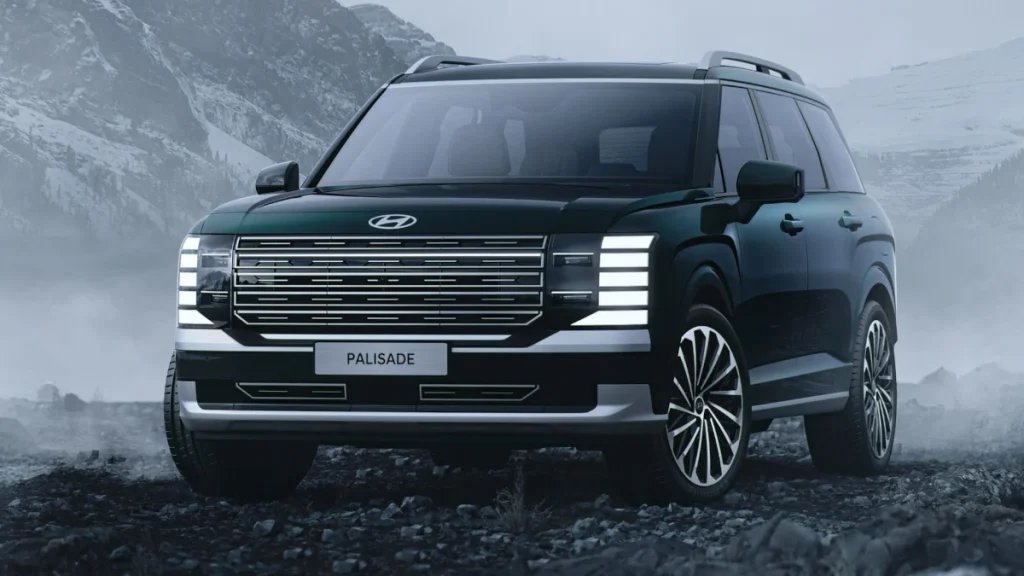
2. Hyundai Palisade
The Hyundai Palisade earned praise for comfort, practicality, and upscale design, but its headlights attracted criticism for a completely different reason. Owners and other motorists began reporting that certain Palisade models produced excessive glare at night, creating visibility problems for approaching drivers.
Because the Palisade is a large SUV with upgraded headlight placement, the issue felt even more severe to people driving lower sedans and hatchbacks.
Unlike some sports cars, where brightness complaints mostly appeared on highways, the Palisade generated criticism heavily in urban and suburban traffic.
Drivers sitting at intersections often reported intense light entering mirrors and windshields from approaching Palisades. The LED projector headlights delivered strong road illumination for the SUV driver, but many people believed the beam pattern spread too high and too widely.
Investigations eventually pointed toward headlight aiming inconsistencies in certain production runs. Hyundai issued recalls addressing improperly adjusted headlight assemblies that could create glare exceeding federal safety standards.
In some cases, dealerships recalibrated the headlights to restore correct beam positioning. While the repairs themselves were relatively straightforward, the controversy highlighted how sensitive modern LED systems have become.
The Palisade case gained extra attention because it arrived during a period when consumers were already growing frustrated with SUV headlight brightness in general.
Taller vehicles naturally place their headlights closer to the eye level of drivers in smaller cars. When combined with high-intensity LEDs, even legally compliant systems can appear extremely harsh during nighttime traffic conditions.
Interestingly, many Palisade owners initially defended the headlights because visibility from inside the SUV felt excellent during dark weather and rural driving.
That difference in perspective became central to the broader debate around modern lighting technology. Drivers benefiting from brighter headlights often saw them as safety improvements, while people facing those lights experienced them very differently.
Hyundai responded by refining headlight calibration procedures and improving quality control related to beam alignment. The company also faced pressure to ensure future models balanced strong visibility with reduced glare for surrounding traffic.
The Palisade demonstrated how quickly consumer-friendly technology can become controversial when real-world driving conditions expose unintended consequences.
Today, the SUV remains popular in its segment, but its headlight controversy continues to appear frequently in discussions about excessive LED brightness and nighttime driving fatigue.
- Engine: 3.8-liter V6
- Torque: 262 lb ft
- Horsepower: 291 hp
- Length/Width: 196.1 inches / 77.8 inches
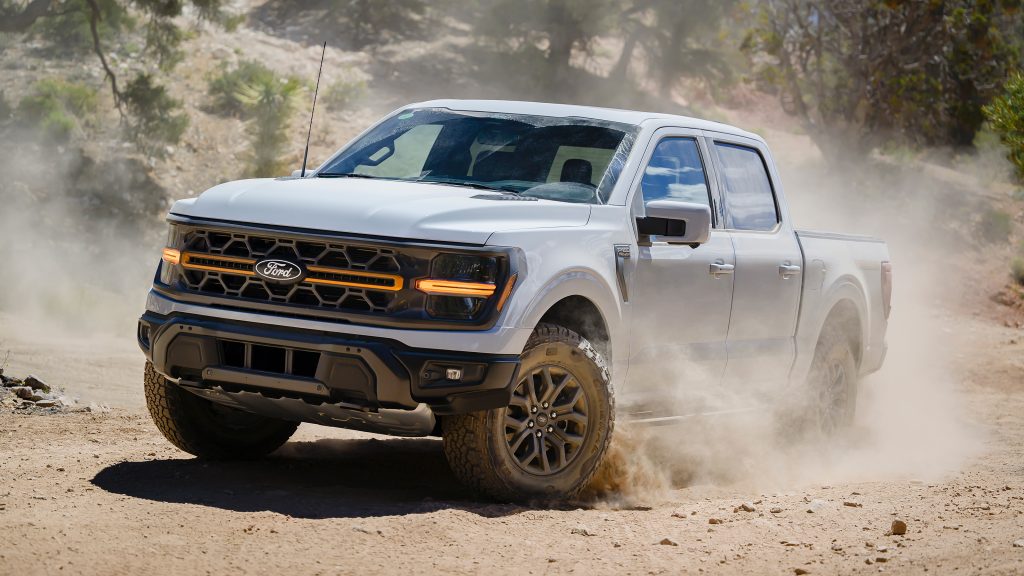
3. Ford F-150
The Ford F-150 has dominated the pickup truck market for decades, but some newer models generated criticism because of extremely bright LED headlights that many drivers considered overwhelming at night.
Since pickup trucks already sit higher off the ground than most passenger cars, their lighting systems naturally shine closer to the eye level of sedan drivers. When Ford introduced more advanced LED setups with sharper beam intensity, complaints about glare increased noticeably.
Unlike older halogen headlights that scattered softer yellow light, the F-150’s LEDs produced a crisp white beam with much stronger concentration.
Drivers approaching the truck on two-lane roads often reported temporary blindness, especially when the vehicle traveled over hills or uneven pavement. Even a slight upward movement from suspension travel could direct intense light directly into opposing traffic.
Several concerns centered around headlight aiming inconsistencies. Some trucks reportedly left factories with headlights positioned higher than federal recommendations.
Ford eventually addressed issues through recalls and service bulletins involving headlight adjustment procedures on specific production years. Dealers recalibrated beam patterns to reduce excessive upward glare and improve compliance with safety standards.
The situation became more controversial because many F-150 owners genuinely loved the visibility provided by the headlights. Rural drivers particularly appreciated the ability to illuminate long stretches of road at night.
For truck owners frequently towing trailers or driving through poorly lit areas, the bright LEDs felt like a major improvement. Yet the same strength became frustrating for everyone approaching from the opposite direction.
Another reason the F 150 received heavy criticism involved its popularity. Since Ford sells enormous numbers of these trucks every year, even a relatively small percentage of improperly aimed headlights translates into thousands of glare complaints nationwide.
Drivers encountering bright F-150s repeatedly during nighttime commutes began associating the truck with uncomfortable road experiences.
Ford also faced the challenge of balancing aggressive styling with lighting regulations. Modern trucks increasingly use distinctive LED signatures and larger headlight housings to create a premium appearance. However, combining aesthetics with extremely bright output can create unintended safety concerns when calibration is not perfect.
The F-150 controversy became part of a much larger conversation about whether modern pickup trucks have reached excessive levels of nighttime brightness. Many drivers still argue that today’s truck headlights prioritize driver visibility without adequately considering the experience of surrounding traffic.
- Engine: 3.5-liter EcoBoost V6
- Torque: 500 lb-ft
- Horsepower: 400 hp
- Length/Width: 231.7 inches / 79.9 inches
4. Toyota RAV4
The Toyota RAV4 built its reputation around reliability and practicality, making it one of the world’s best-selling SUVs. Yet certain newer versions became associated with headlight complaints due to LED systems that some drivers believed created excessive glare.
Because the RAV4 is extremely common on public roads, its lighting issues attracted widespread attention from commuters and nighttime drivers.
One of the main problems involved the sharp cutoff pattern used in the LED projector headlights. While projector systems are designed to direct light more efficiently, even minor alignment errors can create intense glare for approaching vehicles.
Some RAV4 owners unknowingly drove with headlights aimed slightly too high, causing discomfort for drivers traveling toward them after dark.
Toyota addressed concerns on specific models through recalls and dealership service actions focused on correcting headlight alignment and calibration. In certain cases, the company inspected beam positioning to ensure compliance with federal standards.
These adjustments were intended to reduce upward glare without sacrificing the visibility benefits that LED systems provide.
The RAV4 controversy stood out because the SUV is often marketed toward families and daily commuters rather than performance-focused buyers.
Drivers generally expect practical vehicles to feel predictable and unobtrusive, so the brightness complaints surprised many consumers. Parents driving smaller cars at night frequently mentioned frustration when facing newer SUVs equipped with intense white LEDs, including the RAV4.
Another factor contributing to the issue involved road infrastructure. On uneven roads, speed bumps, and inclines, the RAV4’s headlights could momentarily shine directly into other vehicles. Since LED light appears much harsher than older halogen systems, even brief flashes became highly noticeable and irritating.
Interestingly, many owners reported that they had no idea their headlights caused discomfort for others. Inside the cabin, the system simply provided strong nighttime visibility and confidence during bad weather.
That disconnect highlighted the challenge facing modern automakers. Lighting systems may perform excellently for the driver while simultaneously creating problems for surrounding traffic.
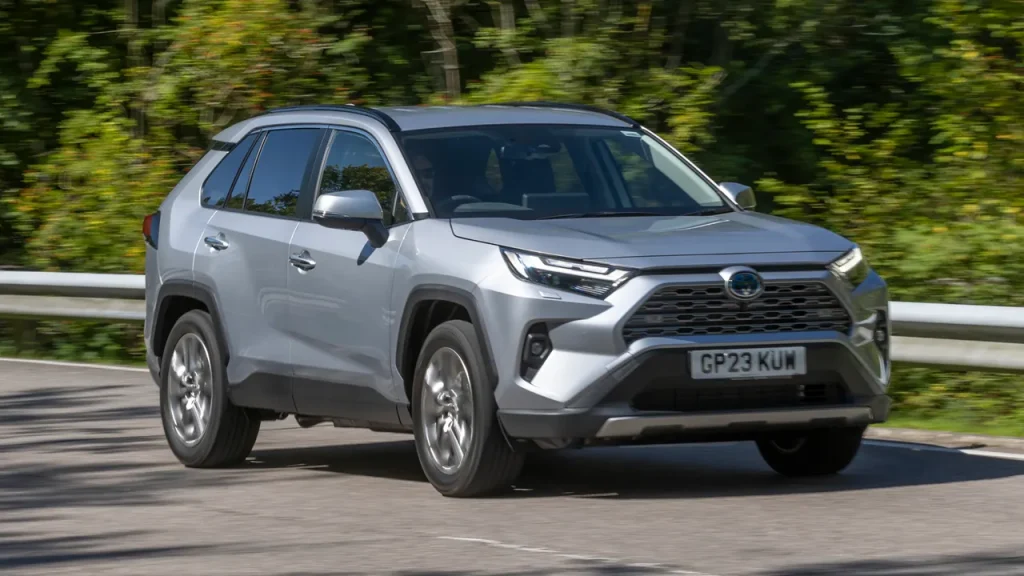
Toyota later refined headlight calibration procedures and continued improving adaptive lighting technologies to reduce glare risks.
The company also faced growing pressure from safety advocates urging manufacturers to prioritize balanced beam patterns instead of maximizing brightness aggressively.
The RAV4 case proved that headlight controversies are no longer limited to luxury cars or oversized trucks. Even mainstream family SUVs can create serious nighttime visibility concerns when modern LED systems are not carefully managed.
- Engine: 2.5-liter inline four
- Torque: 184 lb ft
- Horsepower: 203 hp
- Length/Width: 180.9 inches / 73 inches
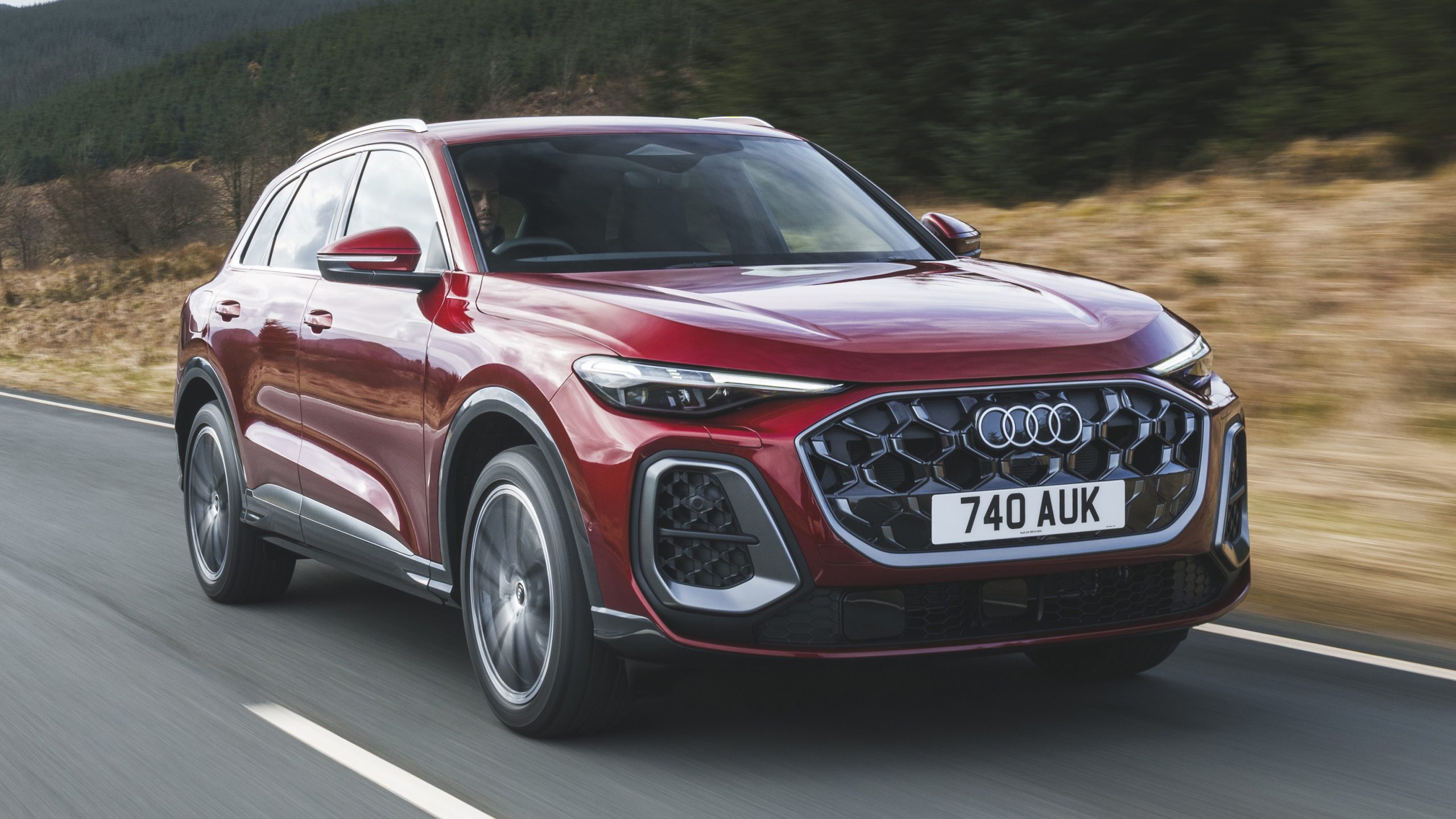
5. Audi Q5
Audi built much of its modern reputation around advanced lighting technology. The company introduced sleek LED daytime running lights long before many rivals adopted similar designs, and its vehicles became known for sharp and futuristic illumination.
The Audi Q5 carried that philosophy into the luxury SUV segment, but certain models also drew complaints because their headlights appeared excessively bright to other road users.
One reason the Q5 became controversial involved the intensity of its matrix LED systems. Audi engineered these headlights to maximize nighttime visibility while creating a premium visual signature.
From the driver’s seat, the system worked impressively well. Roads appeared brightly illuminated, lane markings became easier to spot, and nighttime confidence improved dramatically. Unfortunately, people approaching the SUV sometimes experienced the technology very differently.
Drivers frequently described the Q5’s headlights as piercing, particularly on dark rural roads. The sharp white LEDs produced a concentrated beam pattern that could feel blinding when the vehicle approached over hills or uneven pavement.
Some complaints also centered around adaptive lighting functions that allegedly failed to dim correctly in certain situations, causing excessive glare for surrounding traffic.
Audi eventually addressed several lighting-related concerns through recalls and technical service updates affecting specific production years. These actions focused on correcting software behavior, recalibrating beam alignment, and ensuring the adaptive systems responded properly to changing road conditions.
Because matrix LED technology relies heavily on cameras and sensors, even minor software inconsistencies could alter how the headlights behave in real-world driving.
The Q5 controversy reflected a broader issue facing luxury manufacturers. Premium brands often compete by offering brighter and more sophisticated lighting systems than mainstream rivals.
However, increasing brightness can easily cross into discomfort when calibration is imperfect. Audi’s aggressive lighting design philosophy became both a selling point and a source of criticism at the same time.
Unlike older headlights that emitted softer and more diffuse light, the Q5’s LEDs created highly defined beams with sharp edges. That precision improved efficiency but also made mistakes far more noticeable. Even slight misalignment could direct intense light directly into another driver’s mirrors or windshield.
Despite the complaints, many owners continued praising the Q5 for its nighttime visibility and advanced technology.
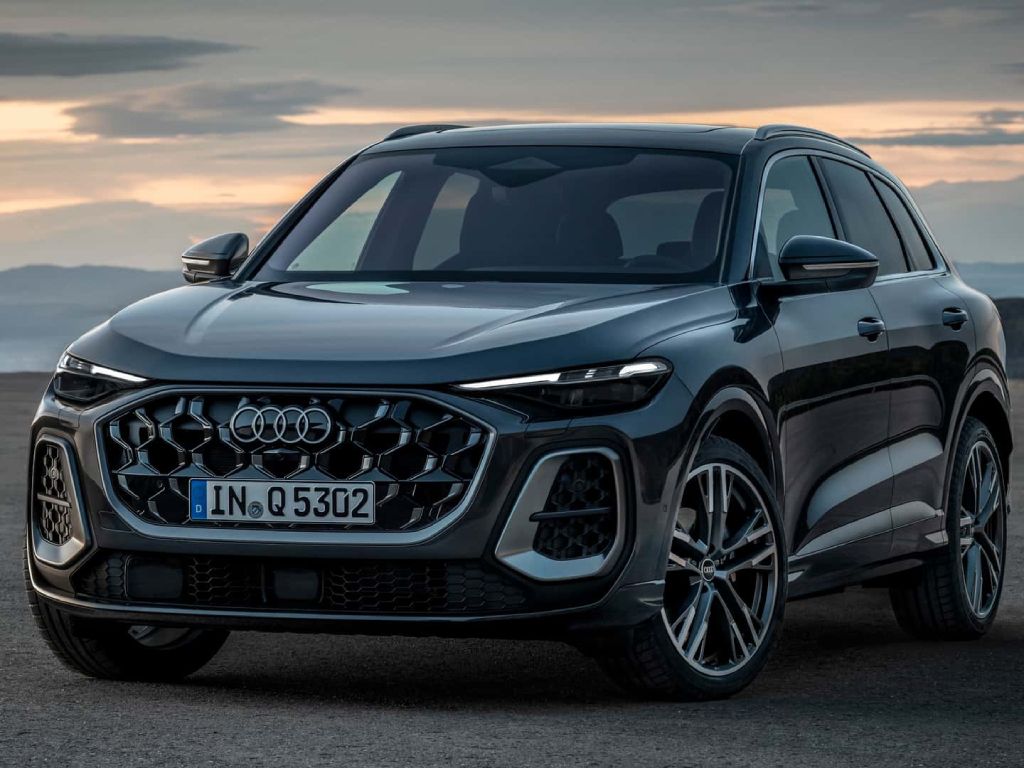
The SUV remained successful globally, though its headlight issues became another example of how modern lighting systems require careful balance between innovation and public safety.
The Audi case demonstrated that sophisticated technology alone does not guarantee a comfortable driving experience for everyone sharing the road.
- Engine: 2.0-liter turbocharged inline four
- Torque: 273 lb ft
- Horsepower: 261 hp
- Length/Width: 184.3 inches / 74.5 inches
6. Honda CR-V
The Honda CR-V has long been considered one of the safest and most dependable compact SUVs available, which made its headlight-related complaints particularly surprising.
While the vehicle earned praise for practicality and fuel efficiency, certain newer versions generated criticism because their LED headlights appeared uncomfortably bright during nighttime driving.
Much of the concern came from how the CR-V’s headlights interacted with real-world traffic conditions. Drivers approaching the SUV frequently reported glare intense enough to create temporary visibility problems, especially on two-lane roads.
The brightness became more noticeable because the CR-V sits higher than most sedans, positioning its headlights closer to the line of sight of smaller vehicles.
Unlike performance cars that intentionally emphasize dramatic styling, the CR-V is designed primarily as a family-oriented commuter vehicle. That contrast made the complaints stand out even more.
Drivers did not expect an everyday compact SUV to produce such aggressive lighting effects. Yet many people described newer CR-Vs as some of the brightest vehicles they encountered regularly at night.
Honda investigated several complaints related to headlight aiming and beam distribution. Certain models required adjustments to ensure the LED projector systems complied properly with federal standards. In some cases, dealerships recalibrated the headlights during service visits to reduce upward glare and improve beam accuracy.
Another issue involved the color temperature of modern LEDs. The CR-V’s bright white light appeared much harsher than traditional halogen headlights, particularly during rainy weather or in rearview mirrors. Human eyes tend to react more strongly to cooler white light, which explains why some drivers feel discomfort even when the beam technically meets regulations.
The CR-V also highlighted how common LED glare problems had become across the automotive industry. Years earlier, complaints about excessively bright headlights were relatively uncommon because most vehicles still used halogen technology.
As manufacturers rapidly transitioned toward LEDs, nighttime driving conditions changed dramatically. Vehicles like the CR-V became part of growing public frustration surrounding modern headlight intensity.
Honda later refined headlight calibration processes and continued developing adaptive lighting features intended to improve the balance between visibility and glare reduction. The company faced pressure to maintain strong nighttime safety performance without creating discomfort for other motorists.
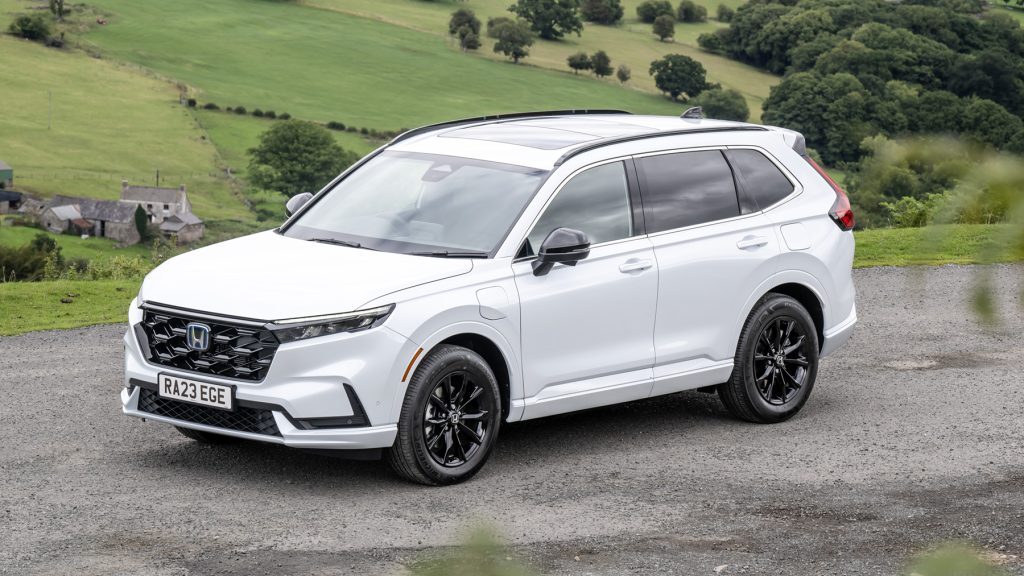
Even with the controversy, the CR-V remained one of the best-selling compact SUVs in many markets. Its headlight issues simply demonstrated that even trusted family vehicles are not immune to the challenges created by increasingly powerful lighting technology.
- Engine: 1.5-liter turbocharged inline four
- Torque: 179 lb ft
- Horsepower: 190 hp
- Length/Width: 184.8 inches / 73.5 inches
7. GMC Sierra 1500
The GMC Sierra 1500 entered the modern truck market with bold styling, premium interiors, and some of the brightest factory headlights seen on a pickup.
GMC heavily promoted its advanced LED lighting systems as a major safety and luxury feature, particularly on higher trims equipped with signature C-shaped running lights and powerful projector beams.
While owners appreciated the improved nighttime visibility, many other drivers quickly developed a different opinion after facing the truck on dark roads.
Because the Sierra rides high above standard passenger cars, its headlights naturally sit closer to eye level for sedan drivers. Combine that height with intense white LEDs, and the result became difficult for many motorists to ignore.
Complaints described the truck’s headlights as glaring, harsh, and distracting, particularly when approaching over uneven pavement or hills. Some drivers even compared the brightness to high beams despite the lights technically operating in normal mode.
The issue gained attention partly because GMC positioned the Sierra as a premium alternative within the pickup segment. Buyers expected refinement and advanced technology, yet the aggressive headlight behavior often created uncomfortable nighttime encounters for surrounding traffic.
Several discussions among road safety advocates pointed toward alignment inconsistencies and excessive beam intensity as contributing factors.
GMC later addressed concerns involving headlight calibration and beam positioning on certain production models. Dealerships performed adjustments intended to reduce upward glare while maintaining strong road illumination for truck owners.
In some cases, software updates also refined adaptive lighting behavior when equipped. These corrections highlighted how sensitive modern LED systems have become compared to older halogen designs.
Another factor worsening the Sierra’s glare reputation involved the color of the LEDs themselves. Bright white light reflects more aggressively off mirrors, wet pavement, and road signs than warmer halogen lighting. During rain or fog, approaching Sierra headlights could appear even more intense because the light scattered visibly across the environment.
Truck owners frequently defended the lighting system by pointing out how well it illuminated highways, rural roads, and work sites.
That perspective created the same debate seen with many modern vehicles. Drivers benefiting from stronger visibility considered the technology valuable, while people facing those lights often viewed them as excessive.
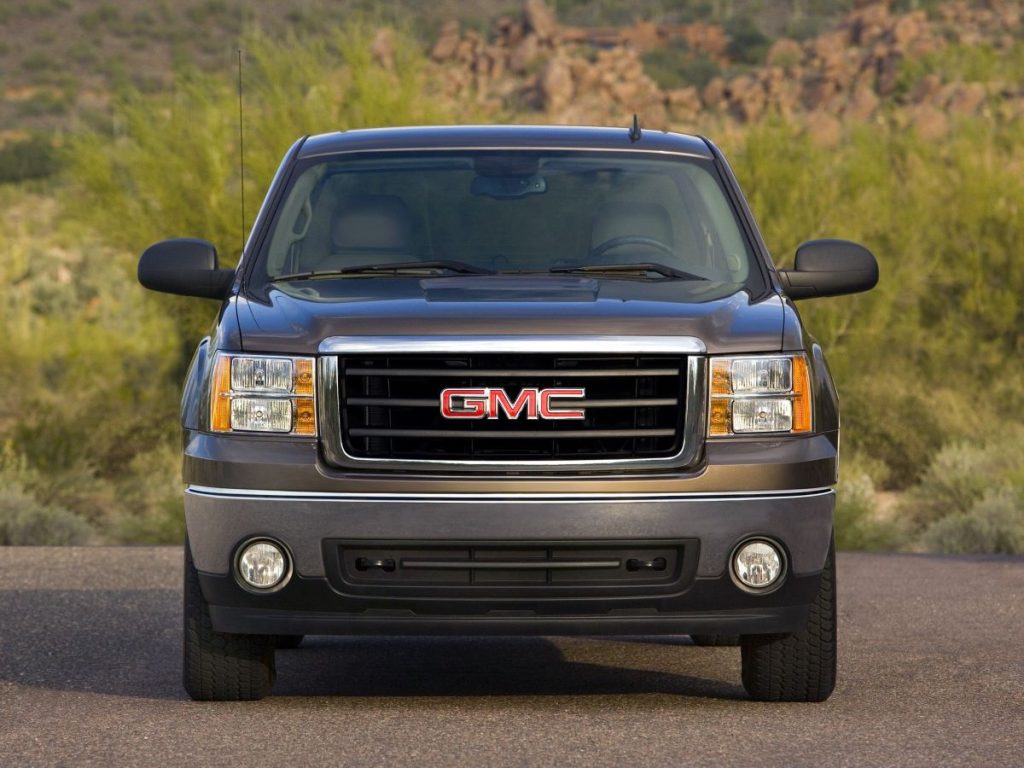
The Sierra 1500 eventually became one of the most frequently mentioned trucks in discussions surrounding modern headlight glare. It represented the growing tension between advanced lighting performance and nighttime driving comfort.
As pickup trucks continue evolving into luxury-oriented vehicles packed with technology, manufacturers face increasing pressure to ensure brighter headlights do not create new safety problems for everyone else on the road.
- Engine: 6.2-liter V8
- Torque: 460 lb ft
- Horsepower: 420 hp
- Length/Width: 231.9 inches / 81.2 inches
8. Subaru Outback
The Subaru Outback built its identity around practicality, safety, and all-weather capability, making it especially popular among families and long-distance travelers.
However, certain newer Outback models also became associated with complaints regarding excessively bright headlights. Drivers frequently mentioned discomfort caused by the SUV’s LED systems, particularly during nighttime highway driving and in urban traffic.
Unlike large pickup trucks, where glare often comes from sheer vehicle height, the Outback created issues because of how sharply focused its LED projector beams appeared.
The headlights produced a crisp white pattern that illuminated roads effectively for the driver, but some motorists approaching the vehicle described the glare as distracting and fatiguing. Even brief exposure could feel uncomfortable under certain conditions.
Subaru investigated multiple concerns involving headlight aim and adaptive lighting calibration. Specific production years required recalls and service actions to correct beam positioning and improve compliance with safety standards.
In several cases, dealerships adjusted the headlights to reduce upward projection that could interfere with oncoming traffic visibility.
The Outback controversy became particularly interesting because Subaru markets many of its vehicles around safety leadership. Consumers generally associate the brand with responsible engineering and driver assistance technology.
As a result, complaints about blinding headlights felt contradictory to that image. Safety advocates pointed out that visibility improvements for one driver should not compromise visibility for everyone else sharing the road.
Another challenge involved the Outback’s popularity in rural and mountainous regions. Drivers often encounter steep roads, elevation changes, and narrow highways in those environments.
On such roads, even properly functioning headlights can momentarily shine directly into another driver’s eyes due to vehicle movement and terrain angles. The intense white LEDs made those moments feel significantly harsher than older halogen systems.
Subaru owners often praised the headlights from inside the cabin because the system provided strong illumination during rain, snow, and poorly lit driving conditions.
That capability aligned perfectly with the vehicle’s adventurous personality. Yet people driving toward the Outback frequently experienced the opposite effect, especially at night during heavy traffic.
The company later refined calibration methods and adaptive lighting technology in an effort to reduce complaints. Subaru also became part of a wider industry discussion involving whether regulations had failed to keep pace with rapidly advancing LED systems.
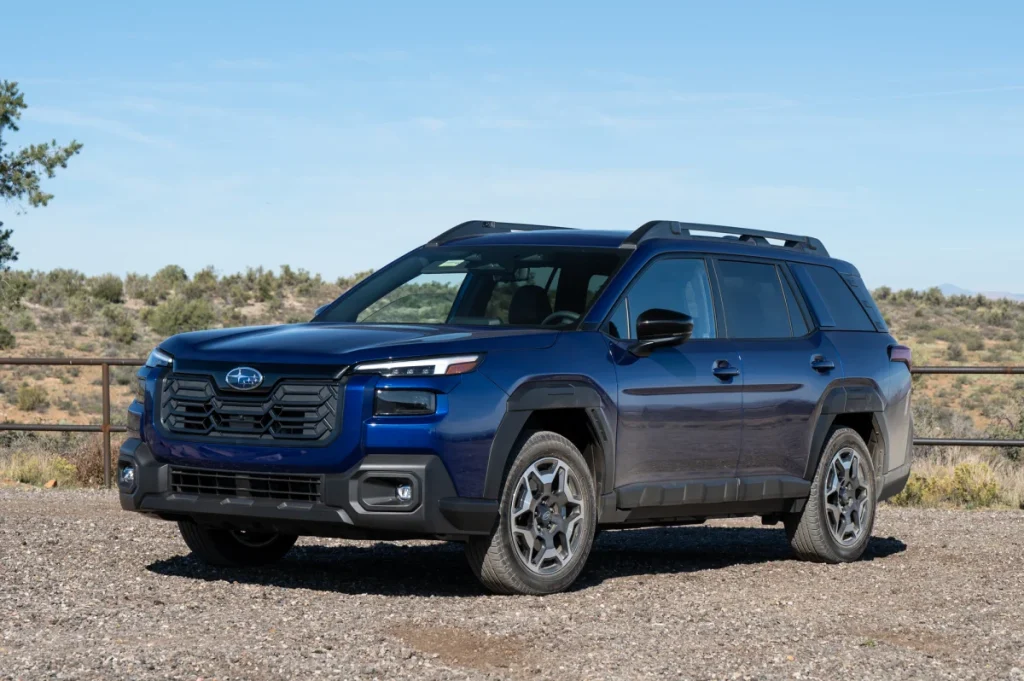
The Outback demonstrated that even brands strongly associated with safety can encounter unexpected problems when modern lighting technology becomes too aggressive.
Today, the Outback remains one of the most respected all-weather wagons on the market. Still, the headlight controversy serves as another reminder that brighter does not always mean safer in every driving situation.
- Engine: 2.4-liter turbocharged flat four
- Torque: 277 lb ft
- Horsepower: 260 hp
- Length/Width: 191.3 inches / 74.6 inches
Also Read: 8 Car Mods That Actually Raise Resale Value
