
Buying a luxury or high-performance vehicle often involves more than paying a high purchase price. Many owners focus on horsepower, technology, prestige, and driving experience while overlooking a less exciting reality: maintenance and repair costs.
While every vehicle requires servicing at some point, certain cars are notorious for turning seemingly ordinary repairs into shockingly expensive bills.
Modern automobiles have become increasingly complex. Advanced electronics, turbocharged engines, sophisticated suspension systems, hybrid technology, and tightly packaged engine bays have made repairs more labor-intensive than ever before.
In some cases, technicians must remove major components simply to access parts that would be relatively easy to replace on more conventional vehicles.
Luxury brands are particularly known for expensive maintenance requirements. Specialized parts, manufacturer-specific diagnostic equipment, and highly trained technicians all contribute to rising repair costs.
Performance vehicles add another layer of expense because their components are often engineered to withstand extreme demands. When those parts eventually wear out or fail, replacements can cost thousands of dollars.
Many owners are surprised to learn that a repair considered routine within the luxury-car world can exceed $5,000. Air suspension replacements, timing chain service, turbocharger repairs, carbon-ceramic brake work, and transmission-related maintenance can quickly escalate into major expenses.
Even vehicles that are reliable during their early years may become costly as mileage increases.
The cars on this list are not necessarily unreliable. Several are among the most desirable vehicles ever built. However, they have earned reputations for repair bills that can make even experienced owners pause.
In many cases, a repair that would be manageable on a mainstream vehicle becomes a significant financial commitment due to labor requirements, component costs, or engineering complexity.
For buyers considering one of these models on the used market, understanding potential repair expenses is just as important as knowing performance figures or luxury features. The following vehicles demonstrate how routine repairs can sometimes carry price tags exceeding $5,000.
Also Read: Volvo Wins US Approval to Keep Importing Connected-Car Vehicles
1. Range Rover Autobiography
Owning a Range Rover Autobiography often feels like owning a luxury hotel on wheels. The vehicle combines exceptional comfort, cutting-edge technology, premium materials, and remarkable off-road capability. However, that sophistication comes with maintenance demands that can become extremely expensive as the vehicle ages.
One of the most commonly discussed repair costs involves the air suspension system. Air suspension is considered normal equipment on high-end Range Rovers because it provides an incredibly smooth ride and adjustable ride height.
Unfortunately, air springs, compressors, valve blocks, and related components eventually wear out. Once problems begin appearing, repair costs can rise quickly.
A complete suspension overhaul can easily exceed $5,000, particularly if multiple components require replacement simultaneously. Labor costs contribute significantly because diagnosing and repairing modern suspension systems requires specialized expertise and equipment.
Cooling system repairs can create similar financial surprises. Water pumps, coolant pipes, and thermostat assemblies may require substantial labor due to the vehicle’s tightly packed engine bay. Small leaks sometimes evolve into large repair bills because accessing affected parts often takes considerable time.
Electronic systems add another layer of complexity. Modern Range Rovers feature numerous modules controlling everything from suspension settings to interior comfort functions. Troubleshooting electrical issues can require extensive diagnostic work before repairs even begin.
What makes ownership challenging is that many of these repairs are not unusual failures. They are often considered part of maintaining a highly sophisticated luxury SUV over the long term. Owners who purchased the vehicle expecting ordinary maintenance costs frequently discover that routine service events can carry premium-car pricing.

Despite these concerns, the Range Rover remains highly desirable because few vehicles combine luxury and capability so effectively. Buyers simply need to understand that maintaining one properly often requires a budget far larger than what would be necessary for a conventional SUV.
Specifications
- Engine: 4.4 Liter Twin Turbocharged V8
- Torque: 553 lb-ft
- Horsepower: 523 hp
- Length/Width: 199.0 in / 81.0 in
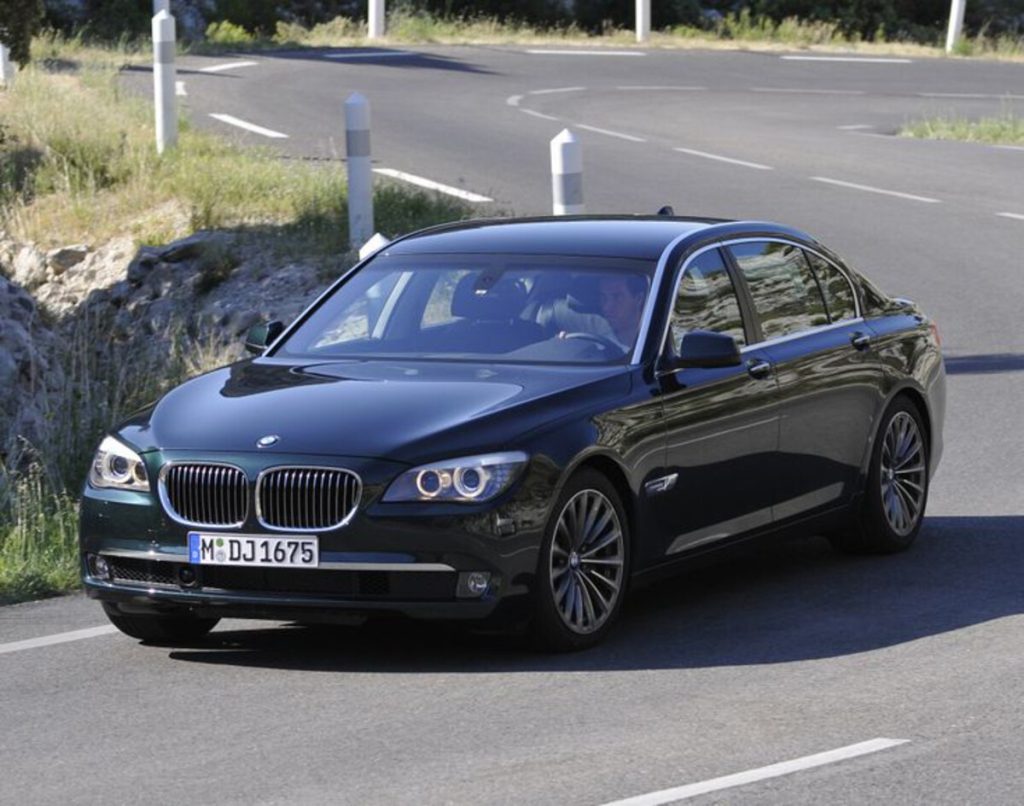
2. BMW 750Li
The BMW 7 Series has long served as the company’s flagship luxury sedan. The 750Li represents one of the most technologically advanced versions of that formula, offering powerful performance, executive-level comfort, and an extensive list of sophisticated features. Yet as these vehicles age, some routine repairs can become surprisingly expensive.
A major contributor is the twin-turbocharged V8 engine found in many 750Li models. While smooth and powerful, it is packaged within an engine bay crowded with electronics, cooling components, and turbocharger hardware. Accessing certain parts often requires substantial disassembly, dramatically increasing labor costs.
Valve stem seal repairs are among the most infamous examples. Oil consumption issues can develop over time, and correcting them may require extensive engine work. Bills frequently exceed $5,000 and sometimes climb significantly higher depending on the condition of the vehicle.
Another area of concern involves cooling system maintenance. Components such as water pumps, expansion tanks, and coolant lines may require replacement as mileage accumulates. Individually, these parts are not always extraordinarily expensive, but labor requirements can transform routine maintenance into a costly undertaking.
The air suspension system also deserves attention. Rear air springs and electronic suspension components provide exceptional ride quality, but replacement costs can quickly add up. When multiple suspension parts require attention simultaneously, repair estimates often reach luxury-car territory.
Technology creates additional challenges. Advanced driver-assistance systems, electronic controls, and luxury features rely on numerous sensors and modules. Diagnosing problems within these systems requires specialized equipment and expertise, increasing both labor time and costs.
The 750Li remains a magnificent long-distance cruiser and one of the finest luxury sedans of its era. However, ownership beyond the warranty period demands financial preparation. What might seem like a routine repair on paper can easily become a multi-thousand-dollar service visit due to the complexity hidden beneath its elegant exterior.
Specifications
- Engine: 4.4 Liter Twin Turbocharged V8
- Torque: 553 lb-ft
- Horsepower: 523 hp
- Length/Width: 207.4 in / 74.9 in
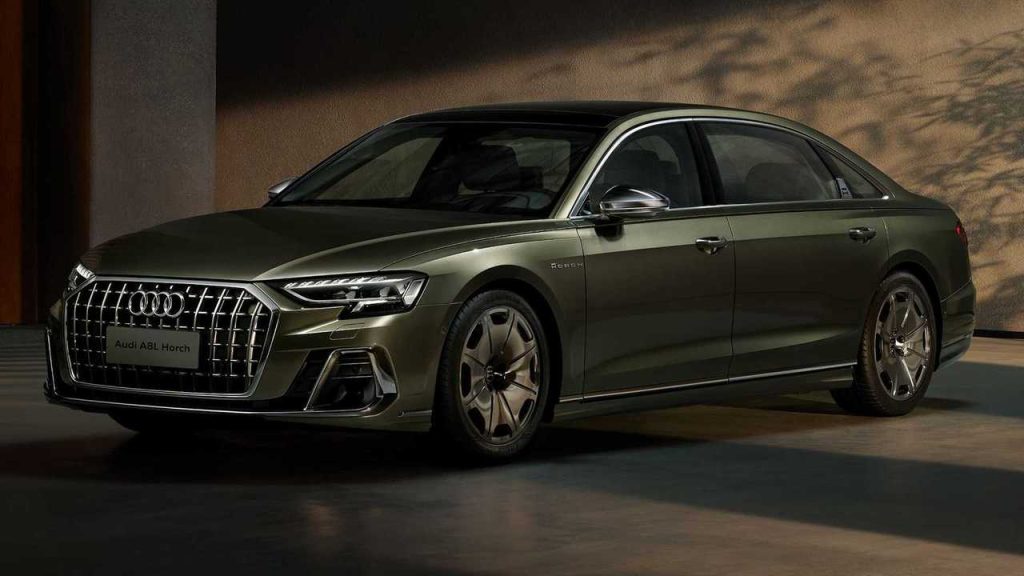
3. Audi A8 L
Luxury sedans are designed to make life easier for their occupants, but they often make life far more complicated for technicians. The Audi A8 L is a perfect example. It delivers exceptional refinement, advanced technology, and a driving experience that rivals some of the finest luxury cars in the world.
Unfortunately, maintaining that level of sophistication can become extremely expensive once major service work enters the picture.
Many owners discover this reality when suspension components begin wearing out. The A8’s adaptive air suspension system is engineered to provide an almost effortless ride quality. It constantly adjusts to road conditions and driving inputs, creating the smooth experience buyers expect from a flagship sedan.
As mileage increases, however, air struts, compressors, and associated electronic components can require replacement. A repair that initially appears straightforward often turns into a substantial project involving multiple interconnected systems. Complete suspension repairs frequently exceed $5,000, especially when several components fail at the same time.
Engine-related maintenance can be equally demanding. Audi’s luxury flagship uses tightly packaged powertrains filled with sensors, cooling hardware, and electronic controls. Accessing certain parts often requires extensive labor. Timing-related service, cooling-system repairs, and oil-leak corrections can quickly generate invoices that surprise even experienced luxury-car owners.
Another challenge involves the vehicle’s advanced electrical architecture. The A8 features numerous control modules responsible for everything from driver-assistance systems to comfort functions. Diagnosing faults within these networks requires specialized equipment and technicians familiar with Audi’s complex systems.
The irony is that many of these repairs are not associated with catastrophic failures. They are often maintenance-related issues that become expensive because of the vehicle’s engineering complexity. Owners who neglect small problems frequently face larger bills later.
The Audi A8 L remains one of the most impressive luxury sedans available. It offers comfort, technology, and prestige at the highest level. Yet anyone considering long-term ownership should understand that routine repairs can carry costs more commonly associated with exotic cars than traditional sedans.
Specifications
- Engine: 3.0 Liter Turbocharged V6
- Torque: 369 lb-ft
- Horsepower: 335 hp
- Length/Width: 208.7 in / 76.6 in
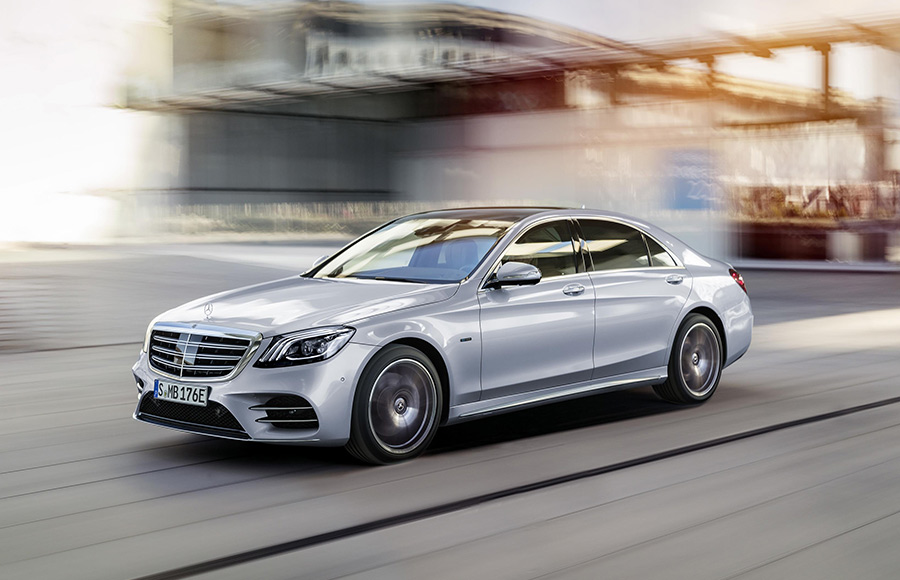
4. Mercedes-Benz S560
The Mercedes-Benz S-Class has served as the benchmark for luxury sedans for decades. Every generation introduces new technology, improved comfort, and engineering innovations that eventually influence the rest of the automotive industry.
The S560 represents this philosophy perfectly, offering exceptional refinement and effortless performance. Ownership becomes more complicated once major maintenance items begin appearing.
Unlike many vehicles, where repairs are relatively isolated, the S560 integrates numerous systems that work together. A suspension issue may involve electronic sensors, air springs, compressors, and software calibration. This interconnected design creates a superb driving experience but increases repair complexity.
Air suspension service is among the most expensive routine repairs associated with the model. The AIRMATIC system provides outstanding ride quality, yet replacing worn components often costs thousands of dollars. If multiple air struts require attention at once, repair estimates can easily surpass the $5,000 mark.
Engine maintenance presents another challenge. The twin-turbocharged V8 delivers impressive power, but servicing components buried beneath intake systems, cooling hardware, and turbocharger plumbing requires considerable labor. Oil leaks, cooling-system repairs, and turbo-related maintenance frequently result in significant expenses.
Brake service can also become surprisingly costly. Premium braking systems use larger and more sophisticated components than those found on ordinary sedans. Parts prices alone can be substantial before labor is even considered.
Technology further increases ownership costs. The S560 contains advanced infotainment systems, driver-assistance features, digital displays, and comfort functions. Diagnosing problems within these systems often requires factory-level equipment and specialized knowledge.
Many owners willingly accept these expenses because the S-Class delivers an unmatched luxury experience. The vehicle excels at long-distance travel, passenger comfort, and cutting-edge innovation. Nevertheless, prospective buyers must recognize that routine repairs often operate on a completely different financial scale than mainstream automobiles.
For those unprepared for premium maintenance costs, a single service visit can be an eye-opening experience.
Specifications
- Engine: 4.0 Liter Twin Turbocharged V8
- Torque: 516 lb-ft
- Horsepower: 463 hp
- Length/Width: 206.5 in / 74.8 in
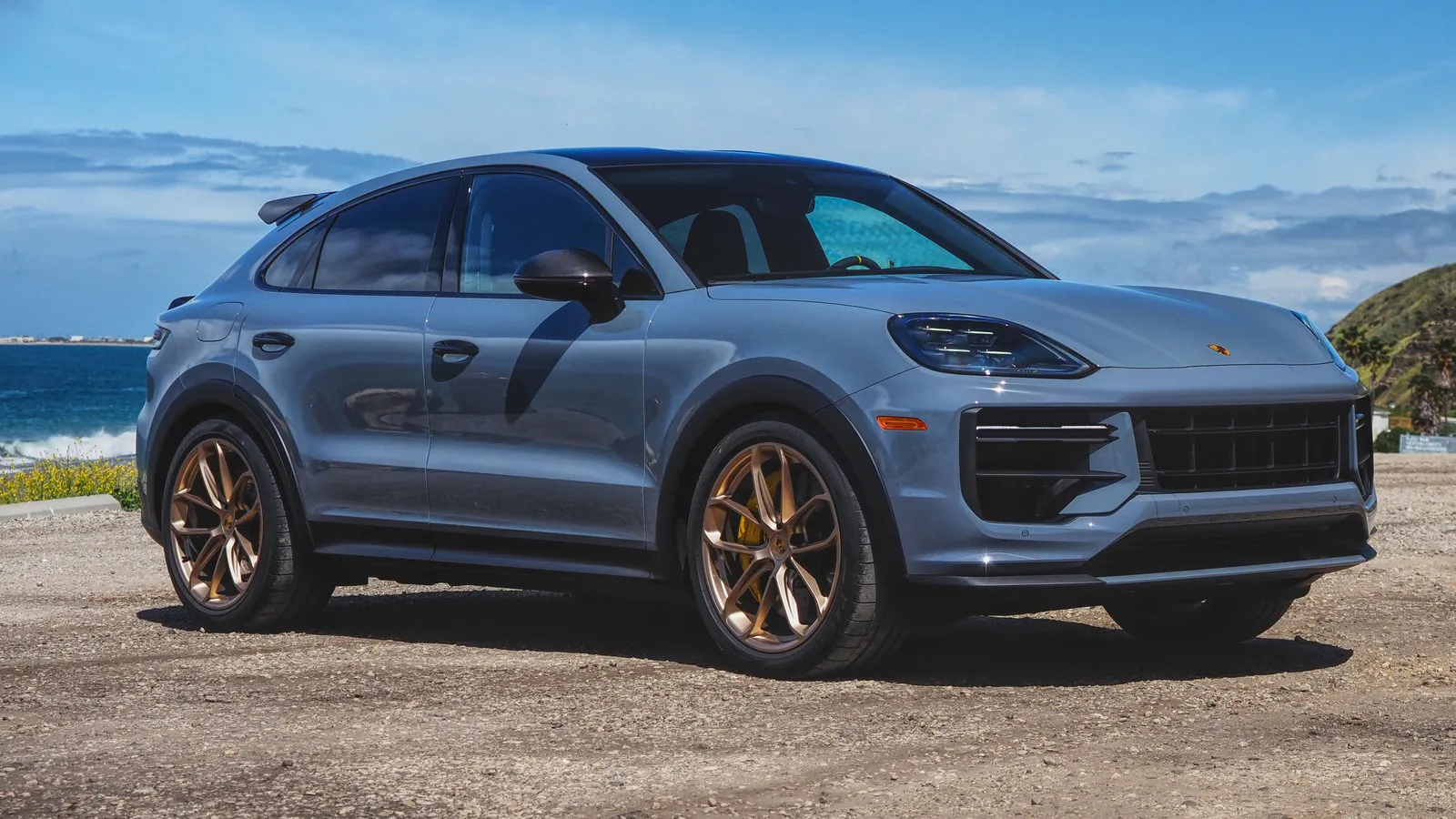
5. Porsche Cayenne Turbo
The Porsche Cayenne Turbo occupies a unique position in the automotive world. It combines sports car performance with SUV practicality, creating a vehicle capable of carrying a family while delivering acceleration that rivals many dedicated performance machines.
Owners love the Cayenne for its versatility, but maintaining one can become extremely expensive when routine repairs arise.
A significant contributor is the vehicle’s performance-focused engineering. Porsche designed the Cayenne Turbo to deliver exceptional handling and power, which means many of its components operate under greater stress than those found in ordinary SUVs. As mileage accumulates, certain maintenance items can quickly become costly.
One of the most frequently discussed expenses involves cooling system repairs. Water pumps, coolant pipes, and related components are critical to the health of the twin-turbocharged engine.
Replacing these parts often requires extensive labor because of the tight packaging within the engine compartment. A repair that sounds simple on paper can easily produce a bill well above $5,000.
Suspension maintenance presents another challenge. Many Cayenne Turbo models are equipped with advanced air suspension systems that enhance both ride comfort and performance. While these systems work brilliantly, replacing air struts and associated hardware can be remarkably expensive.
Brake service is also notable. The Cayenne’s high-performance braking components are designed to manage substantial weight and speed. Rotor and pad replacement costs can be dramatically higher than what owners of mainstream SUVs expect.
Electronic systems further increase ownership costs. Adaptive suspension controls, advanced driver-assistance features, and numerous comfort technologies require specialized diagnostics whenever problems arise.
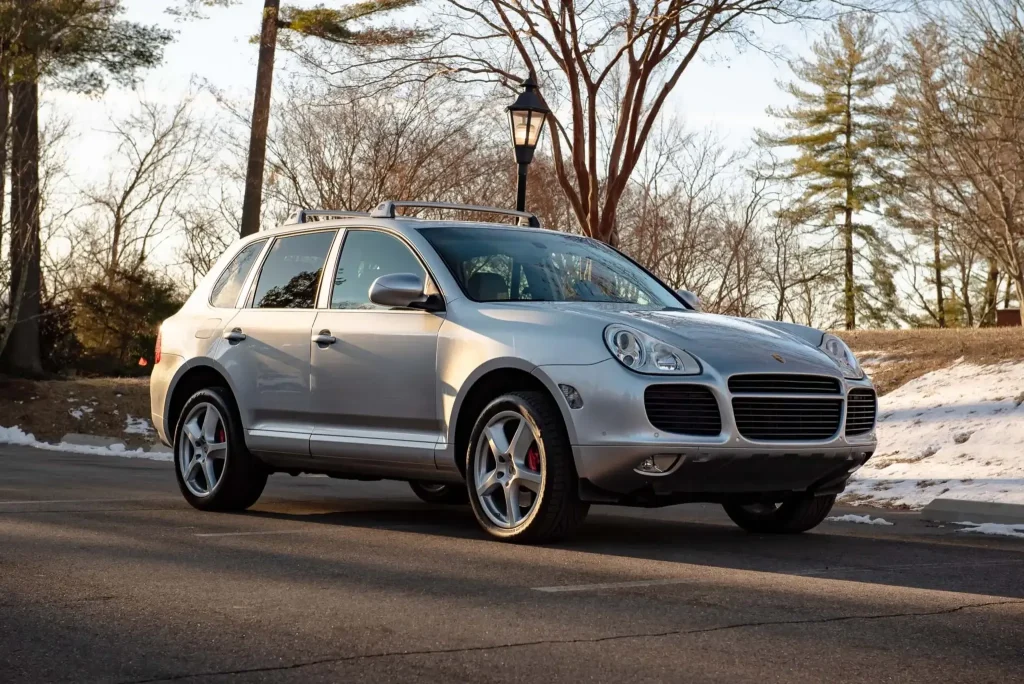
The Cayenne Turbo remains one of the most rewarding luxury performance SUVs ever built. However, buyers considering long-term ownership should approach maintenance with realistic expectations.
The same engineering that makes the vehicle exceptional on the road also contributes to repair costs that regularly exceed those of many luxury competitors.
Specifications
- Engine: 4.0 Liter Twin Turbocharged V8
- Torque: 567 lb-ft
- Horsepower: 541 hp
- Length/Width: 194.0 in / 78.1 in
6. Maserati Quattroporte
The Maserati Quattroporte appeals to drivers who want something more distinctive than the typical German luxury sedan. Italian styling, a charismatic engine, and an exclusive image give the vehicle a personality few competitors can match. Yet that exclusivity often extends to maintenance expenses as well.
Unlike high-volume luxury cars, the Quattroporte relies on specialized parts that are not always readily available. When repairs become necessary, owners frequently discover that component costs alone can be substantial before labor is added to the equation.
Suspension work is a common example. The vehicle’s sophisticated setup contributes to its balance between comfort and performance, but replacing worn components can become expensive. Adaptive dampers, suspension arms, and related hardware often carry premium pricing.
Another area where costs can escalate involves the braking system. The Quattroporte’s performance-oriented nature demands powerful brakes, and replacement parts are priced accordingly. A comprehensive brake service can quickly move into territory that surprises owners accustomed to mainstream vehicles.
Engine-related maintenance can also be demanding. Accessing certain components requires significant labor, particularly in models equipped with twin-turbocharged V6 or V8 engines. Oil leaks, cooling-system service, and ignition-related repairs frequently involve lengthy workshop time.
Electrical systems add another layer of complexity. Luxury features such as advanced infotainment systems, electronic seat controls, and driver-assistance technologies create more potential repair points as the vehicle ages. Diagnosing faults often requires specialized tools and technicians familiar with the brand.
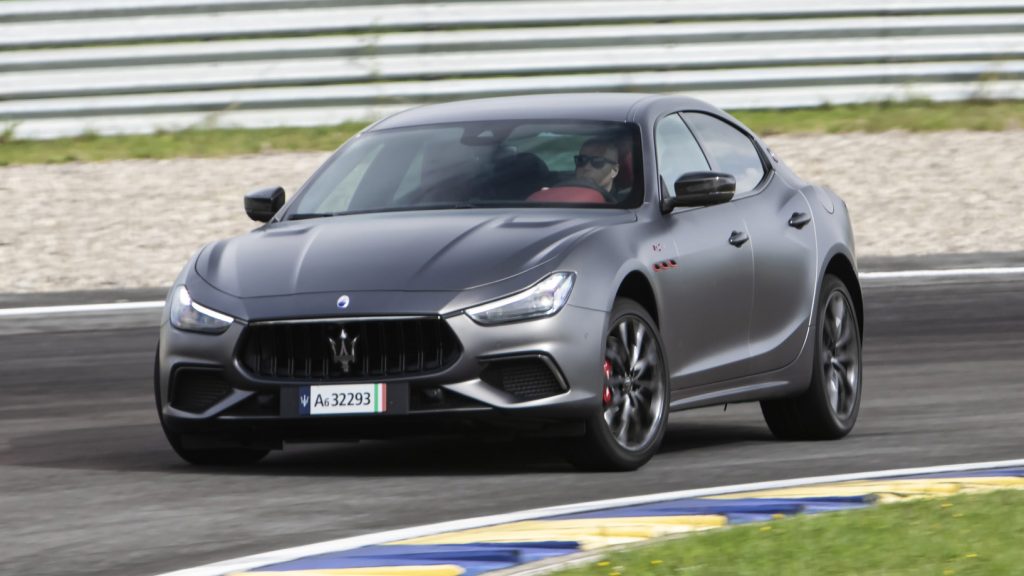
Many Quattroporte owners accept these realities because the car delivers a sense of occasion that few rivals can replicate. The sound of the engine, the unique styling, and the exclusivity all contribute to its appeal.
Still, anyone shopping for a used Quattroporte should understand that routine repairs can exceed $5,000 with surprising ease. The purchase price may become affordable over time, but maintenance costs often remain firmly within luxury-car territory.
Specifications
- Engine: 3.0 Liter Twin-Turbocharged V6
- Torque: 428 lb-ft
- Horsepower: 424 hp
- Length/Width: 207.2 in / 76.7 in
7. Tesla Model S
Many buyers assume electric vehicles eliminate the possibility of expensive maintenance because they lack traditional engines, transmissions, and many of the mechanical systems found in gasoline-powered cars.
While electric vehicles do reduce certain service requirements, the Tesla Model S demonstrates that costly repairs can still become part of ownership.
The vehicle’s advanced engineering is both its greatest strength and one of the reasons repairs can be expensive. Battery systems, power electronics, drive units, and sophisticated software create a highly complex platform. When problems occur, repairs often require specialized knowledge and equipment unavailable at ordinary repair facilities.
One of the most expensive routine repair concerns involves the suspension system. Many Model S variants feature adaptive air suspension that provides excellent ride quality and automatic ride-height adjustments.
As these systems age, air struts, compressors, and associated components may require replacement. Bills can quickly climb into the thousands, especially when multiple parts need attention simultaneously.
Another major expense can involve the vehicle’s large battery cooling and thermal management systems. Components such as pumps, valves, sensors, and cooling assemblies are critical to maintaining battery performance. Repairs affecting these systems can become surprisingly costly because of labor requirements and specialized parts.
The Model S also relies heavily on electronics. Large touchscreen interfaces, control modules, cameras, sensors, and driver-assistance systems contribute to the ownership experience. Diagnosing and repairing issues within these networks can involve significant time and expense.
Body repairs deserve special mention as well. The extensive use of aluminum construction helps reduce weight, but repairing damaged panels often requires specialized tools and techniques. Even relatively minor incidents can generate repair estimates much higher than expected.
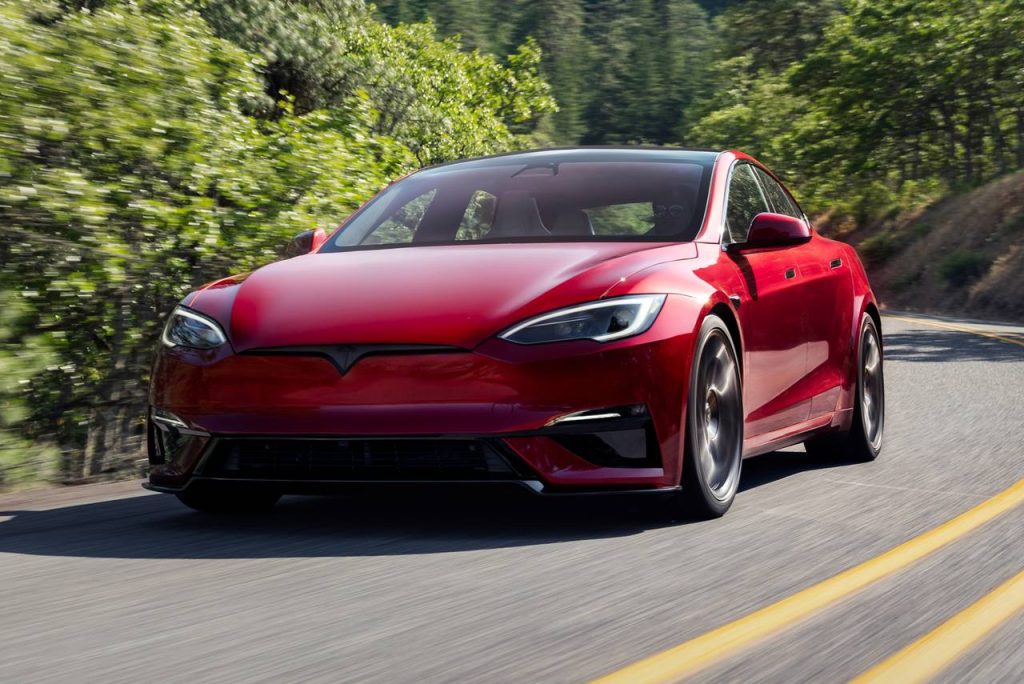
The Tesla Model S remains one of the most influential electric vehicles ever produced. It changed the automotive industry and continues to impress with its performance and technology.
However, owners sometimes discover that the absence of a gasoline engine does not necessarily guarantee inexpensive repairs when sophisticated systems require professional attention.
Specifications
- Engine: Dual Electric Motors
- Torque: 713 lb-ft
- Horsepower: 670 hp
- Length/Width: 197.7 in / 78.2 in
8. Bentley Continental GT
The Bentley Continental GT was created to deliver grand touring luxury without compromise. It combines handcrafted interiors, immense power, and long-distance comfort in a package that few vehicles can rival. The problem is that maintaining such a machine often requires a budget consistent with its original six-figure purchase price.
Many owners are initially attracted by used examples that have depreciated significantly. What they sometimes overlook is that repair costs rarely depreciate alongside the vehicle’s market value. Components continue to be priced as though the car were still new.
Routine brake service provides an excellent example. The Continental GT is a heavy and extremely powerful vehicle, requiring substantial braking hardware. Rotors, pads, sensors, and labor can combine to create repair bills that exceed what many people spend maintaining an ordinary car for several years.
Suspension work presents another financial challenge. Advanced air suspension systems provide the smooth ride expected from a Bentley, but replacing worn air struts, compressors, and control components can easily exceed $5,000. Because these systems are integrated with other vehicle electronics, repairs often require specialized diagnostics.
Engine-related service is equally demanding. Depending on the model year, owners may encounter the massive W12 engine or a powerful V8. Power plants are tightly packaged within the engine bay, meaning labor-intensive repairs can become exceptionally expensive.
Luxury features further contribute to ownership costs. Power-adjustable seats, premium audio systems, advanced climate controls, and electronic comfort functions create additional repair possibilities as the vehicle ages.
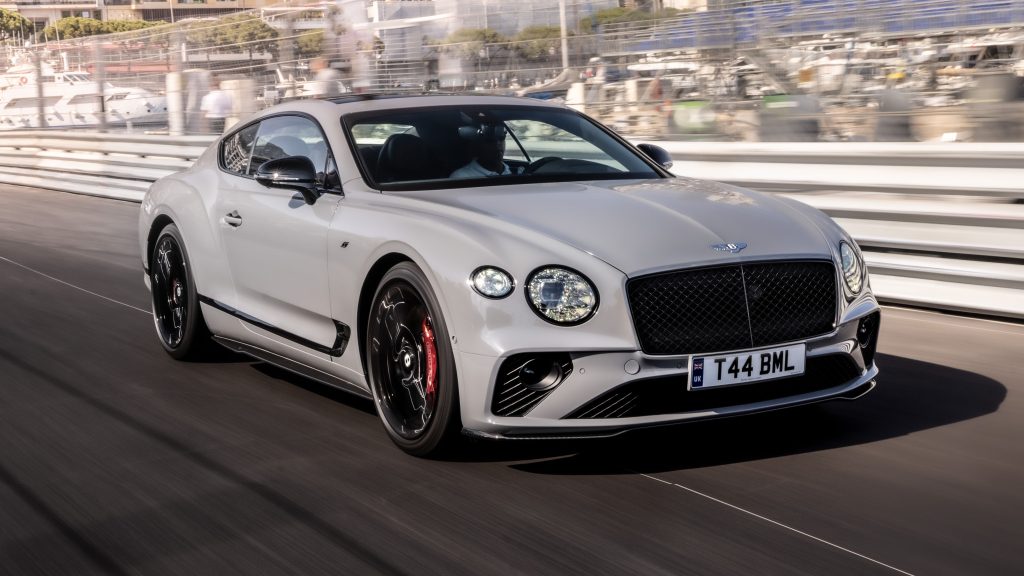
Despite these realities, the Continental GT remains highly desirable. Few vehicles combine luxury, craftsmanship, and performance so effectively. The driving experience often justifies the expense for dedicated enthusiasts.
Still, buyers entering Bentley ownership should understand that what qualifies as routine maintenance in this segment can produce invoices that would be considered major repairs on almost any mainstream vehicle.
Specifications
- Engine: 6.0 Liter Twin-Turbocharged W12
- Torque: 664 lb-ft
- Horsepower: 626 hp
- Length/Width: 190.9 in / 77.4 in
9. Ferrari California T
Ferrari ownership is often described as an emotional experience rather than a practical one. The California T was designed to make that experience more accessible by combining exotic performance with everyday usability.
It offers comfortable seating, a retractable hardtop, and enough refinement to function as a grand tourer. Yet even routine maintenance on this Ferrari can produce repair bills that exceed the cost of purchasing an entire used economy car.
One reason is the level of engineering involved. The California T features a twin-turbocharged V8, advanced electronics, sophisticated suspension systems, and performance components built to Ferrari standards. Every part is designed to meet extremely high performance requirements, and replacement costs reflect that reality.
Brake service is a notable example. Many California T models are equipped with carbon-ceramic braking systems. These brakes provide remarkable stopping power and durability under extreme conditions, but replacing components can be extraordinarily expensive. A major brake-related service can easily move well beyond the $5,000 mark.
Routine engine maintenance can also become costly because of labor requirements. Accessing components buried within the tightly packaged engine compartment often requires substantial disassembly. Even repairs involving relatively common wear items may demand many hours of specialized labor.
The vehicle’s convertible roof mechanism introduces another potential source of expense. Hydraulic systems, motors, sensors, and electronic controls work together to operate the roof smoothly. Diagnosing and repairing faults within this system can quickly escalate repair costs.
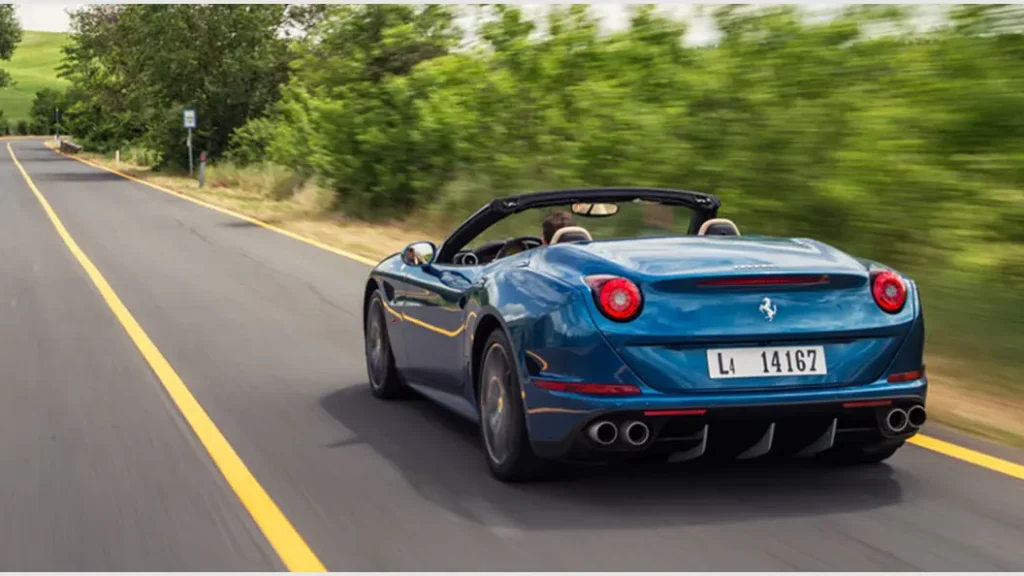
Owners generally accept these realities because Ferrari ownership has never been about affordability. The California T delivers an unmistakable driving experience, exceptional performance, and the prestige associated with one of the world’s most celebrated automotive brands.
Still, prospective buyers should recognize that routine maintenance in the Ferrari world operates on a very different financial scale. Repairs that might seem ordinary on another vehicle can easily result in invoices exceeding $5,000 once Ferrari parts and labor are involved.
Specifications
- Engine: 3.9 Liter Twin-Turbocharged V8
- Torque: 557 lb-ft
- Horsepower: 553 hp
- Length/Width: 179.6 in / 75.1 in
10. Aston Martin DB11
The Aston Martin DB11 represents the classic grand touring formula at its finest. Elegant styling, luxurious appointments, and powerful engine options combine to create a vehicle that feels special every time it leaves the garage. However, maintaining that sense of occasion often requires a substantial financial commitment.
Unlike mass-produced vehicles, the DB11 is built in relatively small numbers. This exclusivity contributes to its appeal but also affects repair costs. Replacement parts are often expensive, and sourcing specialized components can add both time and expense to routine service work.
Suspension maintenance can become particularly costly. The DB11 uses sophisticated adaptive damping systems designed to balance comfort and performance. When components begin to wear, replacement parts and labor can quickly push repair bills beyond $5,000.
Brake service is another area where owners encounter significant expenses. High-performance braking systems are essential in a vehicle capable of covering ground at extraordinary speeds. Rotor and pad replacements involve premium components that carry premium pricing.
Engine-related repairs can be equally demanding. Whether equipped with the twin-turbocharged V8 or V12, the DB11 features tightly integrated systems that require specialized knowledge to service correctly. Cooling-system repairs, ignition-related work, and various maintenance procedures often involve extensive labor.
The interior also contains numerous handcrafted and electronically controlled luxury features. Seat mechanisms, infotainment hardware, climate-control systems, and driver-assistance technologies add complexity that can increase repair costs as the vehicle ages.

What makes the DB11 particularly interesting is that many owners view these expenses as part of the ownership experience. The car delivers beauty, exclusivity, and character that few competitors can match.
Even so, prospective owners should enter with realistic expectations. The purchase price is only one aspect of ownership. Routine repairs and maintenance can easily exceed $5,000, making the DB11 a vehicle best enjoyed by those prepared for luxury-car operating costs.
Specifications
- Engine: 5.2 Liter Twin-Turbocharged V12
- Torque: 516 lb-ft
- Horsepower: 630 hp
- Length/Width: 187.0 in / 76.7 in
Also Read: 8 Cars Where the Battery Is Hidden in a Bizarre Spot
