
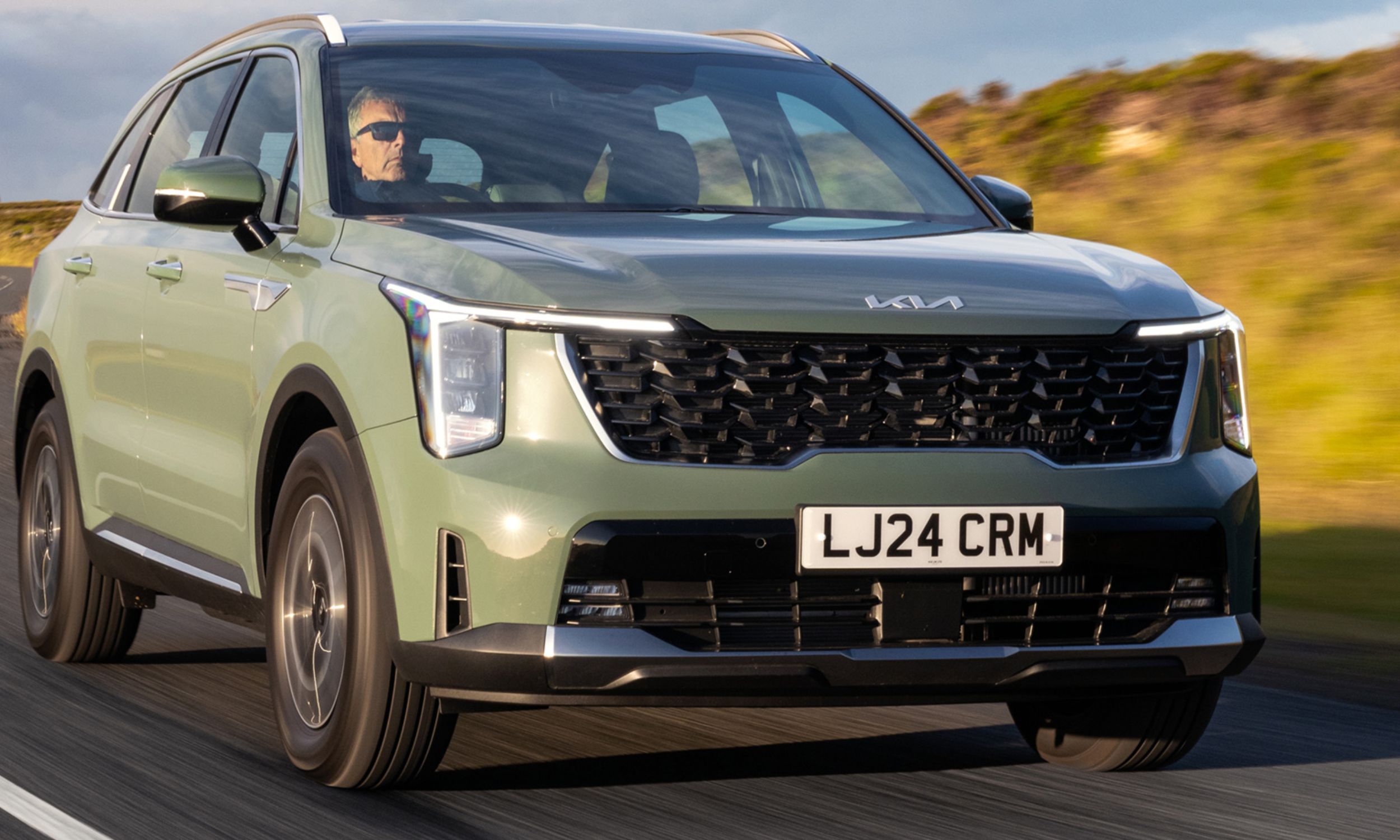
Choosing a used SUV requires careful attention, and the Kia Sorento is a model where the production year can make a big difference. The vehicle has changed greatly since it first arrived as a strong body-on-frame SUV before becoming the modern, technology-focused family crossover many drivers know today.
Throughout its different generations, the Sorento has produced some reliable models that have served owners well for many years. However, some versions have also faced problems that caused frustration for drivers and expensive repairs at workshops.
Issues such as engine bearing failures, transmission recalls, and electrical faults have affected certain years, while other models have built a strong reputation for durability and everyday performance. For anyone searching for a used Sorento, knowing which years offer better reliability can help prevent unwanted repair costs and ownership problems. A well-chosen model can provide comfort, practicality, and good value, while a poor choice may lead to repeated visits to the mechanic.
This guide highlights the four Sorento model years that stand out as smart choices and the four years that deserve extra caution. Each selection is based on reliability records, common owner complaints, mechanical concerns, and how each model performed within its generation. Whether you are planning to buy one or already own a Sorento, these details can help you understand what makes each year different.
The 4 Best Years
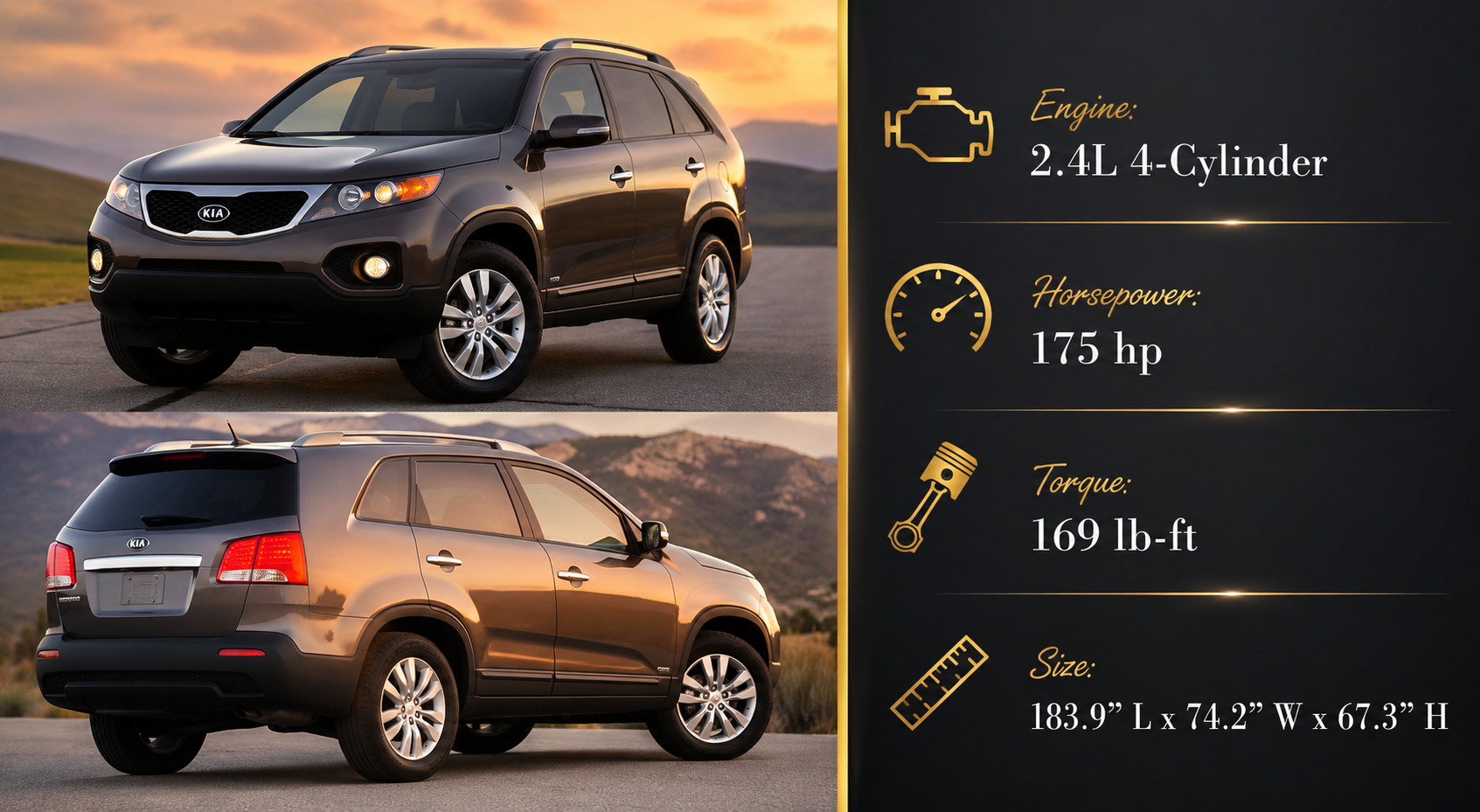
1. 2010 Kia Sorento (Second Generation Redesign Peak)
- Engine: 2.4L 4-Cylinder
- Horsepower: 175 hp
- Torque: 169 lb-ft
- Size: 183.9″ L x 74.2″ W x 67.3″ H
A major turning point for Kia came when the company decided to move the Sorento away from its old body-on-frame design and introduce a lighter unibody structure. The 2010 model year represented this major change and brought a different driving experience that focused more on comfort, efficiency, and everyday use rather than heavy-duty SUV duties.
One reason this version gained a good reputation was its simple mechanical setup. Kia used a 2.4-liter four-cylinder engine that offered a straightforward ownership experience without the added complications found in some later models. The absence of more advanced systems meant there were fewer parts that could develop expensive faults as the vehicle aged. For many owners, this made maintenance easier and ownership costs more manageable.
Many drivers have reported positive experiences with the 2010 Sorento, especially when compared with some later models that received more complaints about mechanical issues. This difference in production years is important for used car buyers because choosing the right model year can affect reliability, repair expenses, and long-term satisfaction.
The move to a unibody platform also improved the Sorento’s road manners. Compared with the previous body-on-frame version, the 2010 model offered a smoother ride, better handling, and a more comfortable feel for daily driving. These changes helped Kia attract buyers who wanted an SUV with family-friendly features and crossover-like comfort.
Today, the 2010 Sorento remains a practical choice for people searching for an affordable used SUV. Its reliable engine, simple design, comfortable interior, and proven ownership history make it a model worth considering. For buyers who want value without unnecessary mechanical worries, this Sorento offers a balanced package that continues to serve many owners well.
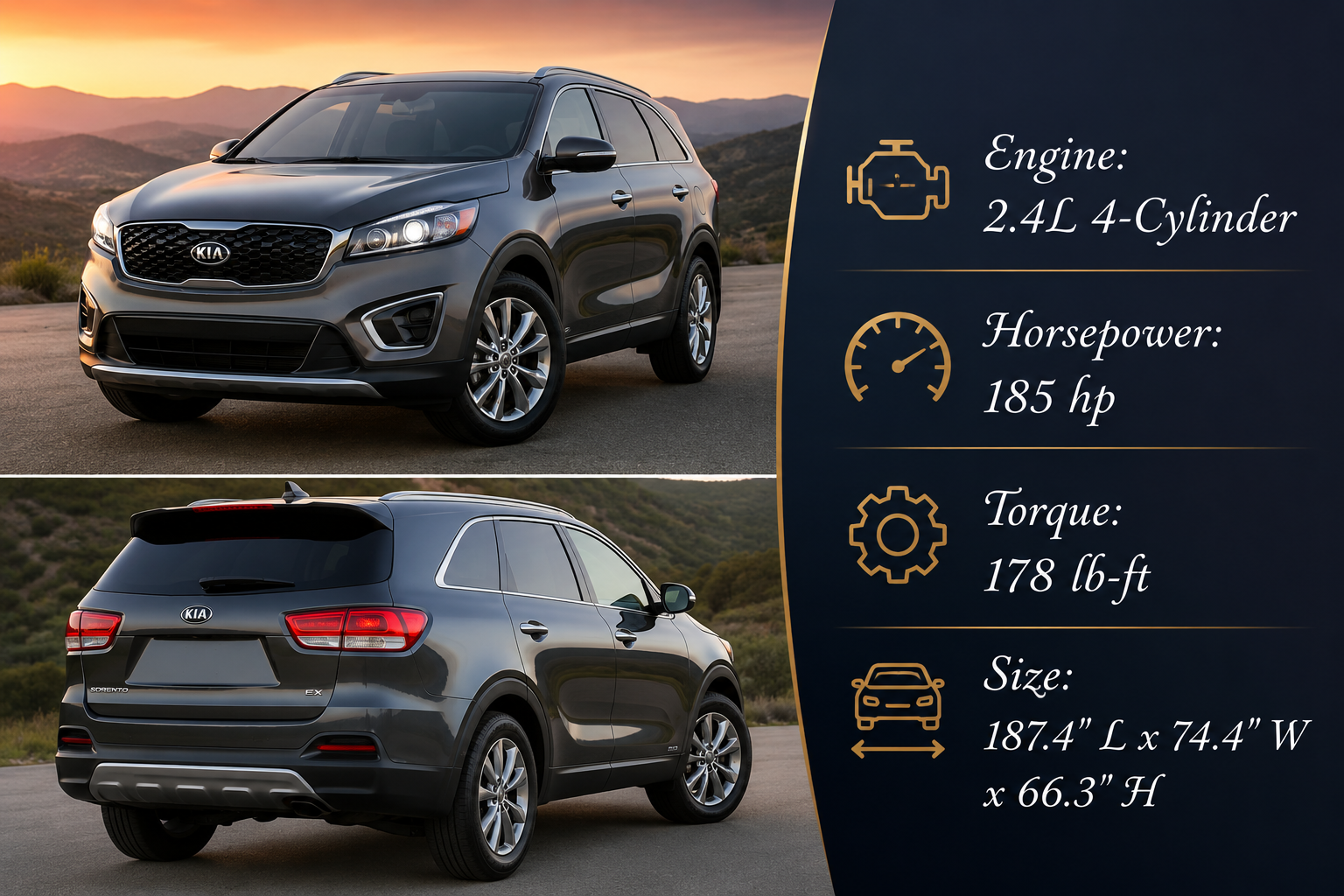
2. 2018 Kia Sorento (Third Generation Maturity)
- Engine: 2.4L 4-Cylinder
- Horsepower: 185 hp
- Torque: 178 lb-ft
- Size: 187.4″ L x 74.4″ W x 66.3″ H
New platforms rarely launch perfectly, and the third-generation Sorento was no exception, arriving with a handful of early electrical dashboard quirks that frustrated some original owners. Give any automaker a few production years to work through those growing pains, though, and the results often improve dramatically. By 2018, Kia had clearly done exactly that.
Dashboard gremlins that plagued earlier third-generation model years had largely disappeared by this point, replaced by noticeably improved electrical reliability across infotainment systems, warning displays, and connected features. Owners reported far fewer glitches, freeze-ups, or inconsistent readings compared to the platform’s earlier years, a clear sign that Kia’s engineering team had identified and corrected the underlying issues.
Cabin refinement reached a genuine high point during this specific model year, too. Materials felt more substantial, noise insulation improved noticeably compared to earlier third-generation models, and the entire fit and finish reflected a manufacturer that had settled comfortably into producing a genuinely competitive family SUV rather than one still working out early production kinks.
J.D. Power dependability data backs up this reputation with real numbers rather than just anecdotal owner praise, placing this model year firmly among the stronger performers in its class for that specific production cycle. That kind of third-party validation carries real weight for used buyers trying to separate genuine reliability from simple manufacturer marketing claims.
For anyone shopping a slightly newer used SUV without wanting to gamble on early production issues, 2018 represents close to the sweet spot for this particular generation, mature enough to have resolved early problems, modern enough to include contemporary safety and infotainment technology, and well regarded enough by both owners and independent reliability trackers to feel like a genuinely safe used purchase decision.
Also Read: 8 Hidden Features in the Kia Sorento

3. 2020 Kia Sorento (Final Third Generation Run)
- Engine: 2.4L 4-Cylinder
- Horsepower: 185 hp
- Torque: 178 lb-ft
- Size: 189.0″ L x 74.4″ W x 66.3″ H
Last call often means best call in the automotive world, and the 2020 Sorento proves that pattern held true here, too. As the absolute final production year before Kia moved to an entirely new fourth-generation platform, this model year benefited from every lesson learned across the third generation’s full production run, without any of the growing pains that come with launching something brand new.
Recall history tells much of this story on its own. Earlier third-generation model years had accumulated a handful of mechanical recalls addressing various concerns identified after initial launch, and by 2020, the vast majority of those issues had been fully resolved through both factory corrections and accumulated engineering refinements. Buyers shopping this specific year inherit a vehicle benefiting from years of accumulated fixes rather than facing fresh, unresolved problems.
Affordability adds another compelling layer to this particular pick. Because 2020 sits right at the tail end of an aging platform, rather than representing the newest, most desirable model year available, used pricing tends to reflect that timing favorably for budget-conscious buyers. You’re essentially getting the most refined, most thoroughly debugged version of this entire generation, often for noticeably less money than a slightly newer example from the redesigned fourth generation.
Three-row seating remained a strong selling point throughout this generation, and by 2020, that layout had matured into a genuinely practical, comfortable solution for families needing occasional extra seating capacity without stepping up to a considerably larger, more expensive SUV.
Combined with the mechanical maturity and improved reliability reputation earned by this specific model year, the 2020 Sorento stands out as one of the more sensible used three-row purchases currently available on the market today.
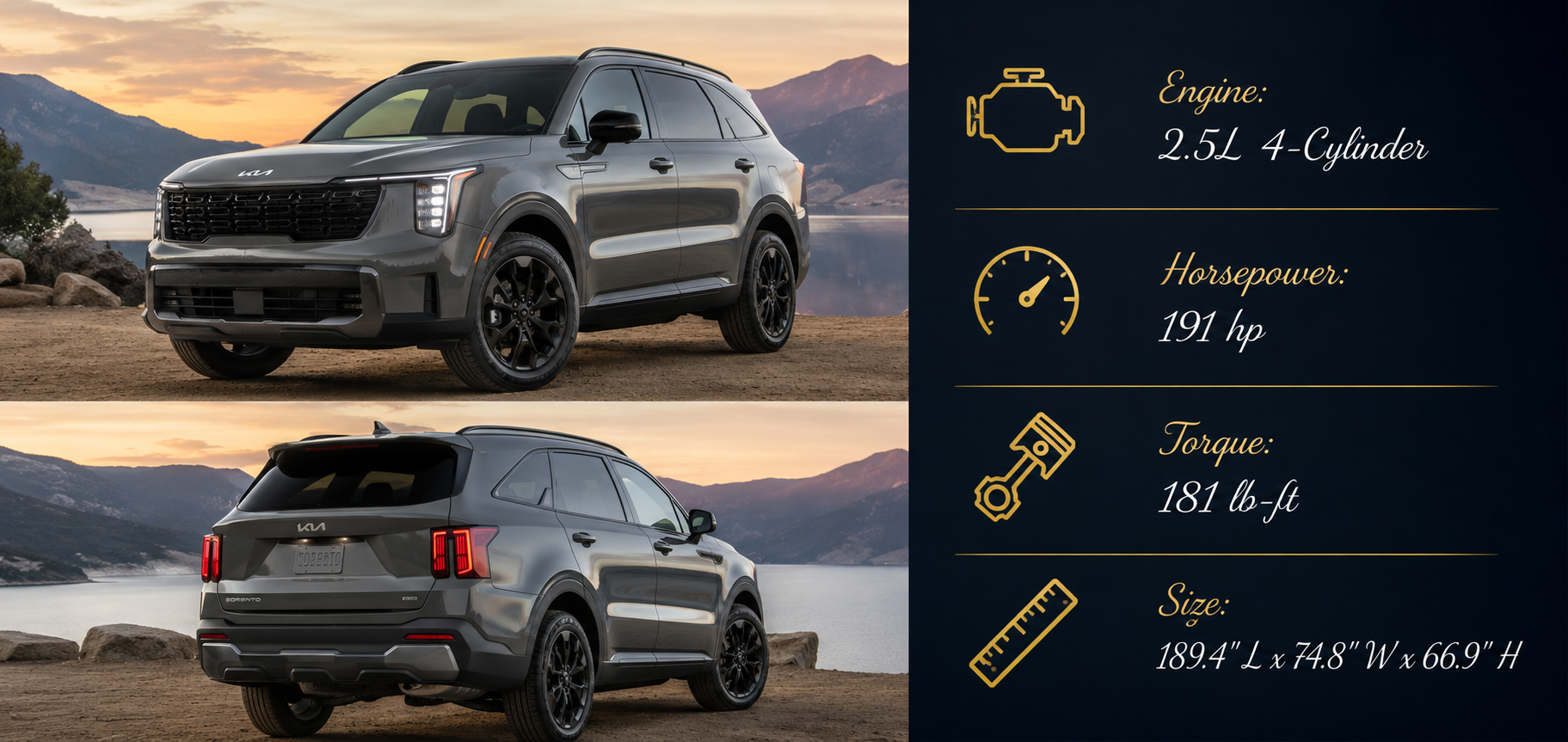
4. 2024 Kia Sorento (Fourth Generation Mid-Cycle Refresh)
- Engine: 2.5L 4-Cylinder
- Horsepower: 191 hp
- Torque: 181 lb-ft
- Size: 189.4″ L x 74.8″ W x 66.9″ H
During a refresh period, car makers get an opportunity to correct earlier problems without waiting for a completely new generation. Kia used this chance with the 2024 Sorento, improving areas that raised concerns among owners of the first fourth-generation models while also giving the SUV a fresh and attractive appearance.
The exterior received major attention with a redesigned front section, updated lights, and a stronger visual identity that helped the Sorento stand apart from other three-row SUVs. Many buyers looking at family vehicles could now consider the Sorento because it offers a modern design alongside its practical features.
Inside, Kia improved the technology experience by adding updated software, quicker screen responses, and better connectivity options. These changes made daily use easier and brought the cabin closer to what many drivers expect from newer vehicles in this category.
The company also focused on mechanical improvements by making updates to address transmission concerns found in earlier fourth-generation models. These changes helped create a more confident ownership experience for people who wanted a newer Sorento without many early production worries.
For used and new car buyers, the 2024 Sorento provides a good mix of style, technology, comfort, and improved mechanical performance. It stands as a strong option for drivers who want the latest version of the Sorento with fewer concerns linked to early models. The updated design and refined features make it a suitable choice for families seeking a practical SUV that offers value and dependable service for many years.
With its improved design, updated cabin features, and refined systems, the 2024 Sorento shows how Kia responded to customer feedback and made this SUV more appealing for daily driving, family trips, and long-term ownership.
The 4 Worst Years
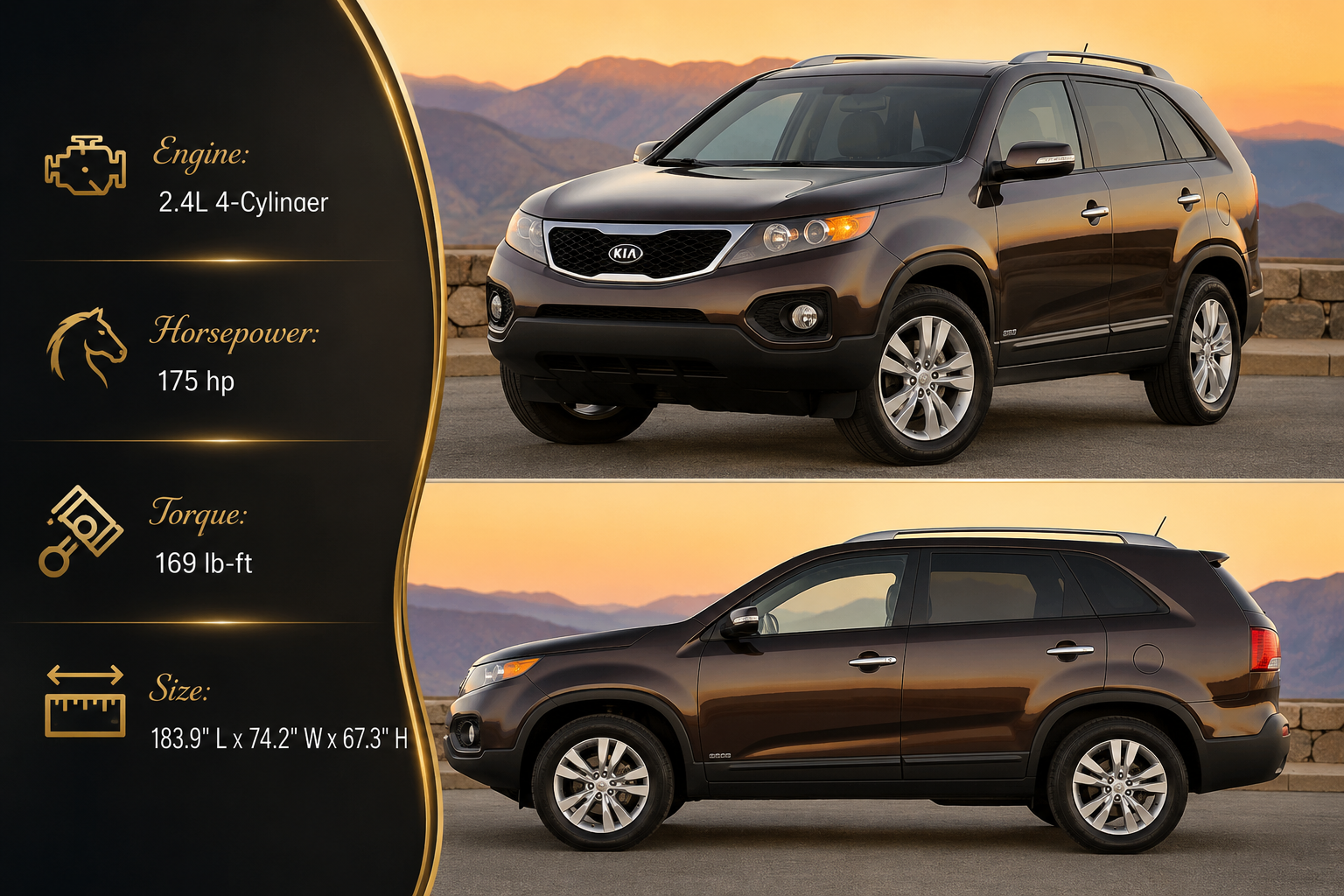
1. 2011 Kia Sorento (Severe Transmission & Engine Failures)
- Engine: 2.4L 4-Cylinder
- Horsepower: 175 hp
- Torque: 169 lb-ft
- Size: 183.9″ L x 74.2″ W x 67.3″ H
Here’s an uncomfortable truth about early production years: sometimes the very first model year gets things right, and the very next one introduces new problems nobody saw coming. That’s precisely what happened between 2010 and 2011, and the difference between these two consecutive model years genuinely surprises shoppers who assume adjacent years should perform similarly.
Transmission complaints spiked noticeably during this specific production year, with owners reporting rough shifting, hesitation, and, in some cases, outright shifting failures that required dealership intervention. These weren’t isolated, rare incidents either; consumer complaint databases show a clear concentration of transmission-related issues specifically tied to this model year compared to the more dependable year that preceded it.
Early reliability concerns extended beyond just the transmission, too. Owners reported a broader pattern of mechanical issues surfacing earlier than expected, the kind of problems that suggest quality control hiccups during this particular stretch of production rather than a fundamental design flaw affecting the entire platform equally.
What makes this year particularly frustrating for used buyers is how easily it gets confused with its considerably more reliable predecessor. Someone shopping for listings without paying close attention to the exact production year could easily assume all early second-generation Sorentos share similar dependability, when the data actually shows a meaningful gap in complaint volume between these two specific years.
For anyone seriously considering a used second-generation Sorento, this particular year deserves extra scrutiny before purchase. A thorough pre-purchase inspection, complete with a transmission-specific evaluation and a review of any available service records, becomes especially important here, given how documented these particular concerns have become among owners and independent mechanics who’ve serviced this specific model year repeatedly.
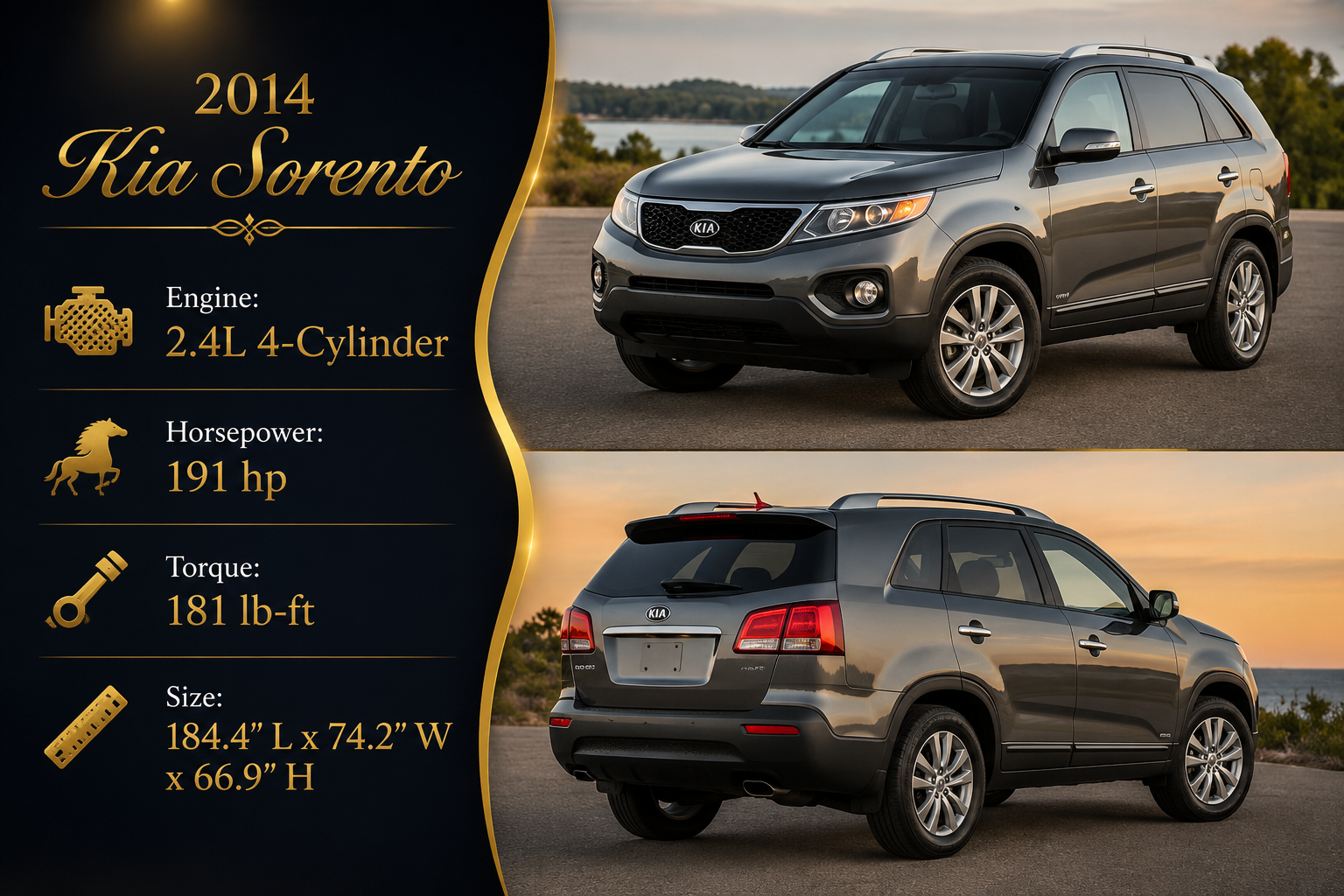
2. 2014 Kia Sorento (Catastrophic Engine Knock and Blown Motors)
- Engine: 2.4L 4-Cylinder
- Horsepower: 191 hp
- Torque: 181 lb-ft
- Size: 184.4″ L x 74.2″ W x 66.9″ H
Few issues can worry a used car buyer more than hearing about possible engine failure, and the 2014 Kia Sorento developed this reputation because of serious concerns linked to its Theta II engine. This engine family was used in several Kia and Hyundai models and became associated with major reliability complaints during this period.
The main concern involved engine bearing problems that could cause internal damage if the issue was not detected early. Many owners reported hearing unusual engine noises before experiencing major failures that required expensive repairs or complete engine replacement. For some drivers, the repair cost became a major financial burden because it was close to the value of the vehicle itself.
As time goes on, legal action has been taken regarding Theta II engine problems affecting different Kia and Hyundai models. These cases resulted in extended warranty support for many affected owners. While this helped some customers handle repair costs, the history of engine complaints continued to affect the 2014 Sorento’s reputation among used vehicle shoppers.
Anyone interested in buying this model year should carefully check the vehicle’s maintenance records. It is important to confirm whether the engine has already been replaced or repaired through Kia’s warranty programs. A Sorento with documented engine replacement may provide more confidence than one that has never received attention for this issue.
Before purchasing a 2014 Sorento, buyers should request service records and arrange a professional inspection. Checking the engine condition properly can help avoid unexpected repair expenses and make the buying decision safer.

3. 2016 Kia Sorento (Engine and Reliability Concerns)
- Engine: 2.4L 4-Cylinder
- Horsepower: 185 hp
- Torque: 178 lb-ft
- Size: 187.4″ L x 74.4″ W x 66.3″ H
Launching an entirely new platform is never a clean, problem-free process, and the third-generation Sorento’s early years proved that reality clearly. The 2016 model year, arriving relatively early in this generation’s production run, inherited a collection of complaints that would take Kia several more years to fully address through subsequent refinements.
Oil consumption emerged as a particularly persistent complaint during this specific period, with owners reporting needing to add oil between scheduled changes far more frequently than manufacturer guidelines suggested should be necessary. While not always indicating an immediate mechanical emergency, excessive oil consumption often signals underlying engine wear or design concerns that can compound into larger problems if left unmonitored over extended ownership periods.
Engine performance complaints extended beyond oil consumption too, with some owners reporting rough idling, hesitation during acceleration, and general reliability concerns that collectively damaged this particular model year’s reputation compared to later, more refined third-generation Sorentos.
These weren’t universal experiences affecting every single vehicle produced that year, but complaint volume remained high enough to establish a clear pattern worth taking seriously. Comparing this specific year against the considerably more polished 2018 model, covered earlier as one of the platform’s strongest years, illustrates just how much Kia improved this generation over a relatively short production window.
That improvement curve is genuinely good news for buyers willing to pay slightly more for a newer third-generation example, but it also means 2016 specifically carries documented baggage that shoppers need to weigh carefully. For anyone drawn to this specific model year purely based on lower used pricing, budgeting for a thorough mechanical inspection beforehand, plus setting aside funds for potential oil consumption or engine-related repairs down the line, represents a genuinely smart precaution rather than unnecessary caution.
Also Read: 10 Maintenance Tricks That Make a Kia Sorento Last Forever
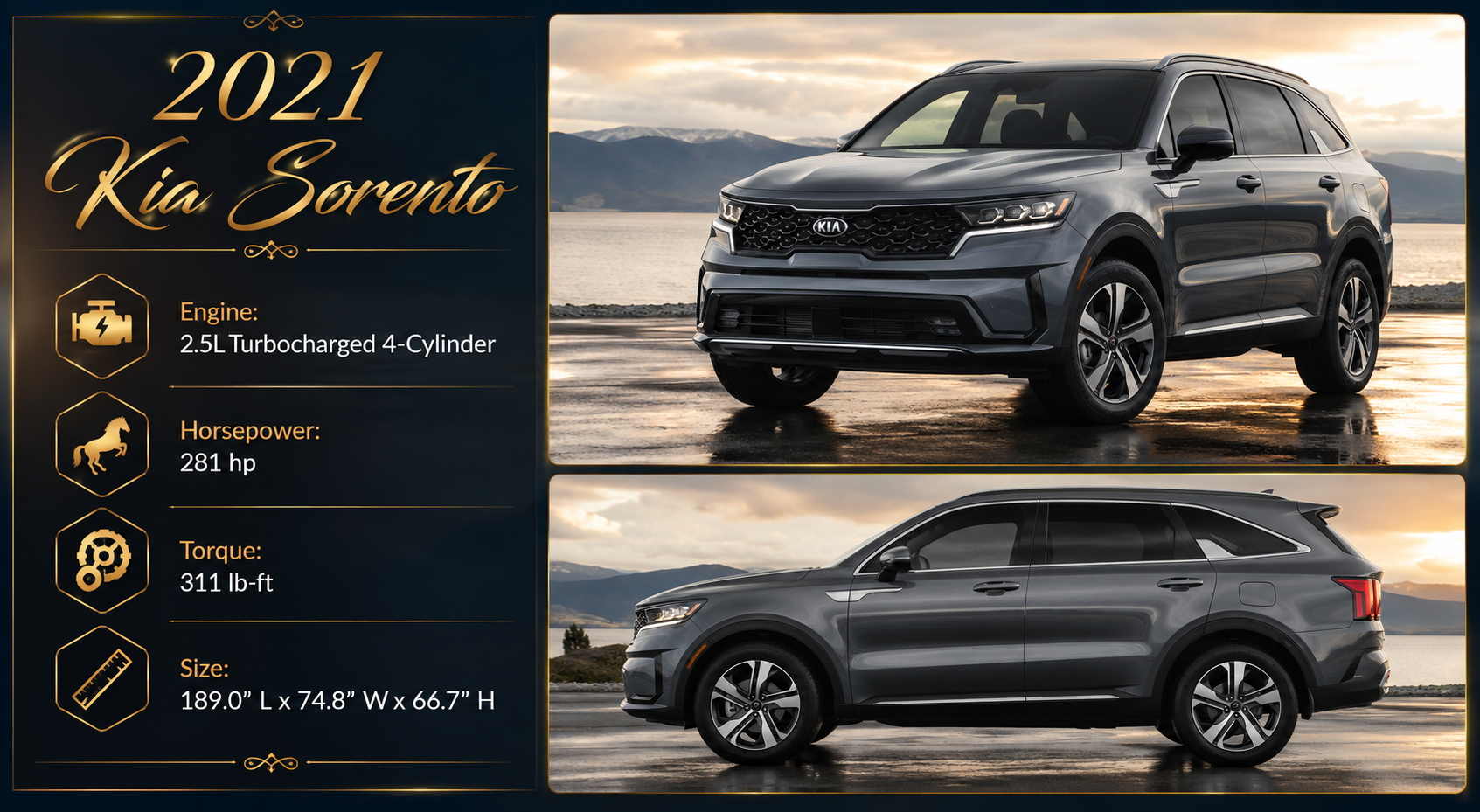
4. 2021 Kia Sorento (Early Dual-Clutch Transmission Defect Recalls)
- Engine: 2.5L Turbocharged 4-Cylinder
- Horsepower: 281 hp
- Torque: 311 lb-ft
- Size: 189.0″ L x 74.8″ W x 66.7″ H
When a vehicle receives a completely new platform, it often comes with updated technology and new systems. However, these improvements can sometimes bring unexpected issues during the first production years. This happened with the fourth-generation Kia Sorento, which introduced a stronger turbocharged engine paired with a new eight-speed dual-clutch transmission.
Dual-clutch transmissions are designed to provide faster and smoother gear changes than traditional automatic systems when operating properly. Unfortunately, the 2021 Sorento experienced problems with this new transmission setup, leading to recalls related to possible power loss while driving. This created concerns for many owners who depended on their SUVs for daily trips and long journeys.
Some drivers reported rough gear changes, hesitation, and unusual transmission behavior during normal use. In certain cases, the vehicle could lose power unexpectedly, creating frustration and safety concerns. Kia later released repairs to correct the problem, but early complaints affected the reputation of this model year.
The 2021 Sorento shows why first-year models with new technology require extra attention from buyers. Manufacturers often need time to improve new systems after vehicles reach the hands of regular drivers. Anyone considering a used 2021 Sorento should confirm that all recall work has been completed before buying. A proper inspection and test drive can also help identify any remaining transmission concerns.
